Brain restoration with plasmalogens

In this 2023 presentation for a professional audience, Dr. Dayan Goodenowe showed an example of what could be done (in the form of what he personally did at ages 53-54) to restore and augment brain structure and function over a 17-month period by taking plasmalogens and supporting supplements:

https://drgoodenowe.com/recording-of-dr-goodenowes-presentation-from-the-peptide-world-congress-2023-is-now-available/

Follow the video along with its interactive transcript. Restorative / augmentative supplements included:

1. Nutritional Supplementation Strategy

Forms of MRI used to document brain structure and function changes were:

2. Advanced MRI Technologies

Brain volume decreases are the rule for humans beginning at age 40. Dr. Goodenowe documented brain volume increases, which aren’t supposed to happen, but did per the below slide of overall results:

3. Reversing Brain Shrinkage

“From a global cortical volume and thickness perspective, 17 months of high-dose plasmalogens reversed ~15 years of predicted brain deterioration.”


Specific increased adaptations in brain measurements over 17 months included:

  1. Cortical thickness .07/2.51 = +3%.
  2. White matter microstructure fractional anisotropy +8%.
  3. Nucleus accumbens volume +30%.
  4. Dopaminergic striatal terminal fields’ volume +18%.
  5. Cholinergic cortical terminal fields’ volume +10%.
  6. Occipital cortex volume +10%.
  7. Optic chiasm volume +225%.
  8. Nucleus basalis connectivity.
  9. Neurovascular coupling signal controlled by noradrenaline integrity.
  10. Amygdala volume +4% and its connectivity to the insula, indicating ongoing anxiety and emotional stress response.
  11. Parahippocampus volume +7%.
  12. Hippocampus fractional anisotropy +5%.

No changes:

  1. Amygdala connectivity to the ventral lateral prefrontal cortex, the same part of the brain that relates to placebo effect.
  2. Hippocampus connectivity.

Decreased adaptations in brain measurements included:

  1. White matter microstructure radial diffusivity -10%.
  2. Amygdala connectivity to the anterior cingulate cortex to suppress / ignore / deny anxiety response.
  3. Amygdala connectivity to the dorsal lateral prefrontal cortex.
  4. Entorhinal cortex volume -14%.
  5. Hippocampus volume -6%.
  6. Hippocampus mean diffusivity (white matter improved, with more and tighter myelin) -4%.

The other half of this video was a lively and wide-ranging Q&A session.


The referenced 2023 study of 653 adults followed over ten years showed what brain deterioration could be expected with no interventions. Consider these annual volume decrease rates to be a sample of a control group:

etable 3

https://jamanetwork.com/journals/jamanetworkopen/fullarticle/2806488 “Characterization of Brain Volume Changes in Aging Individuals With Normal Cognition Using Serial Magnetic Resonance Imaging”

Also see a different population’s brain shrinkage data in Prevent your brain from shrinking.


The daily plasmalogen precursor doses Dr. Goodenowe took were equivalent to 100 mg softgel/kg, double the maximum dose of 50 mg softgel/kg provided during the 2022 clinical trial of cognitively impaired old people referenced in Plasmalogens Parts 1, 2, and 3.

He mentions taking 5 ml in the morning and 5 ml at night because he used the Prodrome oil products. 1 ml of a Prodrome oil plasmalogen precursor product equals 900 mg of their softgel product.


“My brain is trying to minimize long-term effects of pain/stress by suppressing my memory of it. But this can only go on for so long before it becomes an entrenched state.

I have solved the sustenance side of the equation. I need to work harder to solve the environmental side.”

While I agree that we each have a responsibility to ourselves to create an environment that’s conducive to our health, the above phenomenon isn’t necessarily resolvable by changing an individual’s current environment. My understanding is that long-term effects of pain, stress, and related human experiences are usually symptoms of causes that started much earlier in our lives.

Adjusting one’s present environment may have immediate results, but probably won’t have much therapeutic impact on long-term issues. Early life memories and experiences are where we have to gradually go in order to stop being driven by what happened back then.

See Dr. Arthur Janov’s Primal Therapy for its principles and explanations. I started Primal Therapy at a similar age, 53, and continued for three years.


Continued with Part 2.

Acetyl-L-carnitine dosing

Haven’t curated acetyl-L-carnitine papers recently. Here are three 2023 studies, beginning with a human case report:

“It is believed that 75% of the required amount of carnitine is taken from diet and the remaining 25% is synthesized in the body. Long-term use of a carnitine-free diet is thought to increase the risk of carnitine deficiency.

Dosage for long-term tube-fed patients with disorders of consciousness and convulsive seizures, such as in the present cases, is not specified. Instructions accompanying the medication list gastrointestinal symptoms such as nausea, vomiting, and diarrhea as side effects of L-carnitine. They indicate a maximum dosage of 3 g/day, and a maximum single dose of 1 g.

L-Carnitine is efficiently absorbed in the gastrointestinal tract when taken in small amounts, but when taken in large amounts, the transporter is saturated and bioavailability is only about 10%–20%. Although safety of oral L-carnitine administration is considered high because there is an upper limit to the amount that can be absorbed, clinicians should remain aware of side effects noted above.

To the best of our knowledge, this is the first report in which L-carnitine was administered to a patient with impaired consciousness after stroke with the result that symptoms improved. It is possible that carnitine deficiency is overlooked in some patients in rehabilitation wards, and measurement of ammonia may be useful in its detection. Because carnitine deficiency might interfere with active rehabilitation, nutritional management with attention to carnitine deficiency is important in rehabilitation wards.”

https://www.jstage.jst.go.jp/article/prm/8/0/8_20230019/_html/-char/en “Disorders of Consciousness after Subacute Stroke Might Partly be Caused by Carnitine Deficiency: Two Case Reports”

I currently take one gram of acetyl-L-carnitine three times a day.


Next is a clinical trial with amyotrophic lateral sclerosis (ALS) patients that used two different doses of acetyl-L-carnitine:

“Our findings did not confirm an effect of ALCAR 3 g/day on survival in ALS subjects at 24 months. An effect was observed in those treated with ALCAR 1.5 g/day.

In addition, we did not detect an effect on self-sufficiency at 12 months as previously seen in the pilot trial. These differences could be explained by:

  • The study design (retrospective observational study vs prospective randomized trial);
  • Selection bias (subjects from the real-world clinical practice are less selected than those included in a clinical trial); and
  • Drug compliance (subjects enrolled in a clinical trial perform several onsite evaluations in which compliance is verified by tablets accounting, while in clinical practice this is not done).

Our hypothesis is that the presence of residual confounding might explain our unexpected results. Residual confounding refers to the presence of an unmeasured or uncontrolled variable that could affect the relationship between treatment (ALCAR) and outcome.

This study provided additional information on the potential effect of ALCAR on disease progression and survival, and adds evidence to justify the use of ALCAR in ALS subjects.”

https://link.springer.com/article/10.1007/s00415-023-11844-6 “Retrospective observational study on the use of acetyl-L-carnitine in ALS”

This study’s dosing method wasn’t clear on exactly how doses were administered every day. I’ll guess that if both 1.5 and 3 grams were given all at once, they might have been roughly equivalent doses per the first paper’s cited bioavailability saturation effect.


Next is a rodent aging study:

“The aim of this study was to examine effects of long-term L-Carnitine (β-hydroxy-γ-trimethylaminobutyric acid, LC) administration on cardiomyocyte contraction and intracellular Ca2+ transients in aging rats. LC (50 mg/kg body weight/day) was dissolved in distilled water and orally administered for a period of 7 months.

LC increased cardiomyocyte cell shortening and resting sarcomere length. LC supplementation led to a reduction in resting [Ca2+]i level and an increase in the amplitude of [Ca2+]i transients, indicative of enhanced contraction. Consistent with these results, decay time of Ca2+ transients also decreased significantly in the LC-treated group.

Long-term administration of LC may help restore Ca2+ homeostasis altered during aging, and could be used as a cardioprotective medication in cases where myocyte contractility is diminished.”

https://link.springer.com/article/10.1007/s00418-023-02215-3 “L-Carnitine improves mechanical responses of cardiomyocytes and restores Ca2+ homeostasis during aging” (not freely available)

A human equivalent of this study’s daily dose is (50 mg x .162) x 70 kg = 567 mg. A human equivalent of this study’s duration using the maximum lifespan method is (7 months x 32.2) = 225.4 months. The subjects began at 11 months old (human equivalent age 29.5 years) and ended at 18 months old (human equivalent age 48.3 years).

This study illustrated how heart dysfunctions with subclinical symptoms advance with aging, and that starting to do something preventative before human equivalent age 30 may work.


PXL_20230814_101039592

Reworking evolutionary theory

Dr. Michael Skinner coauthored a 2021 review arguing for inclusion of epigenetic transgenerational inheritance into evolutionary theory:

“Over the past 50 years, molecular technology has been used to investigate evolutionary biology. Many examples of finding no correlated genetic mutations or a low frequency of DNA sequence mutations suggest that additional mechanisms are also involved.

  • Identical twins have essentially the same genetics, but generally develop discordant disease as they age.
  • Only a low frequency (generally 1% or less) of individuals that have a specific disease have a correlated genetic mutation.
  • Dramatic increases in disease frequency in the population cannot be explained with genetics alone.

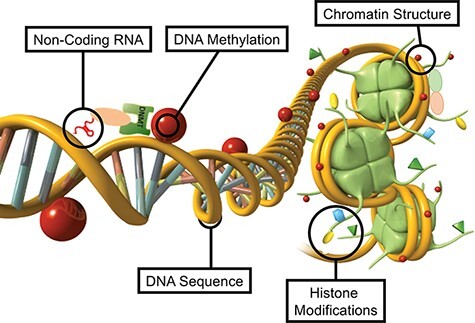
DNA methylation, histone modifications, changes to chromatin structure, expression of non-coding RNA, and RNA methylation can directly regulate gene expression independent of DNA sequence. These different epigenetic factors do not only act independently, but integrate with each other to provide a level of epigenetic complexity to accommodate the needs of cellular development and differentiation.

dvab012f1

Environmental epigenetics is the primary molecular mechanism in any organism that is used to promote physiological and phenotypic alterations. Actions of environmental factors early in development can permanently program the cellular molecular function, which then impacts later life disease or phenotypes.

dvab012f2

Integration of epigenetics and genetics contribute to a Unified Theory of Evolution that explains environmental impacts, phenotypic variation, genetic variation, and adaptation that natural selection acts on. The current review expands this proposed concept and provides a significant amount of supporting literature and experimental models to support the role of environmentally induced epigenetic transgenerational inheritance in evolution.”

https://www.ncbi.nlm.nih.gov/pmc/articles/PMC8557805/ “Role of environmentally induced epigenetic transgenerational inheritance in evolutionary biology: Unified Evolution Theory”


Organisms cited in this review’s references are similar to humans in ancestral influences and developmental influences during the first 1000 days of our lives. Humans are different in that even after all these influences, we can choose to influence our own change and individually evolve. We can also change our internal environments per Switch on your Nrf2 signaling pathway and An environmental signaling paradigm of aging.

PXL_20211031_111835802

Week 37 of Changing to a youthful phenotype with broccoli sprouts

1. Been wrong about a few things this past week:

A. I thought in Week 28 that extrapolating A rejuvenation therapy and sulforaphane results to humans would produce personal results by this week. An 8-day rat treatment period ≈ 258 human days, and 258 / 7 ≈ 37 weeks.

There are just too many unknowns to say why that didn’t happen. So I’ll patiently continue eating a clinically relevant 65.5 gram dose of microwaved broccoli sprouts twice every day.

PXL_20201015_105645362

The study’s lead researcher answered:

“Depends, it might take 37 weeks or more for some aspects of ‘youthening’ to become obvious. It might even take years for others.

Who really cares if you are growing younger every day?

For change at the epigenomic/cellular level to travel up the biological hierarchy from cells to organ systems seems to take time. But the process can be repeated indefinitely (so far as we know) so by the second rejuvenation you’re already starting at ‘young’. (That would be every eight to ten years I believe.)”

His framework is in An environmental signaling paradigm of aging.

B. I thought that adding 2% mustard seed powder to microwaved broccoli sprouts per Does sulforaphane reach the colon? would work. Maybe it would, maybe it wouldn’t, but my stomach and gut said that wasn’t for me.

C. I thought I could easily add Sprouting whole oats to my routine. I ran another trial Sprouting hulled oats using oat seeds from a different company and Degree of oat sprouting as a model.

2. Oat sprouts analysis paired studies were very informative, don’t you think? One study produced evidence over 18 germination-parameter combinations (hulled / dehulled seeds of two varieties, for 1-to-9 days, at 12-to-20°C).

Those researchers evaluated what mix of germination parameters would simultaneously maximize four parameters (β-glucan, free phenolic compounds, protease activity, and antioxidant capacity) while minimizing two (enzymes α-amylase and lipase). Then they followed with a study that characterized oat seeds sprouted under these optimal conditions.

I doubted PubMed’s “oat sprout” 20 search results for research 1977 to the present. Don’t know why they didn’t pick up both of these 2020 studies, but I’m sure that .gov obvious hindrances to obtaining relevant information like this won’t be fixed. What other search terms won’t return adequate PubMed results?

3. The blog post readers viewed this week that I made even better was Do delusions have therapeutic value? from May 2019. Sometimes I’ve done good posts describing why papers are poorly researched.

4. I’ve often changed my Week 4 recipe for an AGE-less Chicken Vegetable Soup dinner (half) then the next day for lunch. The biggest change brought about by 33 weeks of behavioral contagion is that I now care more about whether vegetables are available than whether or not they’re organic. Coincidentally, I’ve developed a Costco addiction that may require intervention.

  • 1/2 lemon
  • 4 Roma tomatoes
  • 4 large carrots
  • 6 stalks organic celery
  • 6 mushrooms
  • 6 cloves garlic
  • 6 oz. organic chicken breast fillet
  • 1 yellow squash, alternated with 1 zucchini
  • 1 cup sauvignon blanc
  • 32 oz. “unsalted” chicken broth, which still contains 24% of the sodium RDA

Pour wine into a 6-quart Instant Pot; cut and strain squeezed lemon; cut chicken into 1/4″ cubes and add; start mixture on Sauté. Wash and cut celery and stir in. Wash and cut carrots and stir in.

When pot boils around 8 minutes, add chicken broth and stir. Wash mushrooms, slicing into spoon sizes.

Wash and slice yellow squash / zucchini. Crush and peel garlic, tear but don’t slice. Turn off pot when it boils again around 15 minutes.

Wait 2-3 minutes for boiling to subside, then add yellow squash / zucchini, mushrooms, garlic, whole tomatoes. Let set for 20 minutes; stir bottom-to-top 5 and 15 minutes after turning off, and again before serving.

AGE-less Chicken Vegetable Soup is tasty enough to not need seasoning.

Grow a broccoli sprouts Victory Garden today!

By request, here’s what I recommend after growing and eating broccoli sprouts every day for the past twenty weeks.

1. Develop a strategic goal. Eating broccoli sprouts can achieve several goals. Mine has been to address inflammation.

2. Use a relevant model. I used the 2018 clinical trial Effects of long-term consumption of broccoli sprouts on inflammatory markers in overweight subjects. For ten weeks the trial’s subjects daily ate 30 grams of fresh super sprouts that were at least a week old.

3. Develop tactical goals. I initially adopted a goal of 60 grams of regular sprouts started with one tablespoon of broccoli seeds. I follow 3-day-old broccoli sprouts have the optimal yields and Microwave broccoli to increase sulforaphane levels guidelines. A major difference from the model is that I create broccoli sprout hydrolysis compounds just before eating 3-day-old broccoli sprouts by microwaving them.

4. Obtain materials and equipment. Assuming you have a microwave, items that may not already be in your kitchen:

  • Broccoli seeds. A 2.5 lb package may last seven weeks using two tablespoons a day. Vendors of broccoli seeds intended for home sprouting don’t differentiate their products with study evidence, so get what’s affordable.
  • A fine mesh strainer. I use an 8-inch diameter one that isn’t long for this world because it has a lip that catches seeds, coats, and sprouts.
  • Filtered water.
  • A thermometer that can measure up to 60°C (140°F).
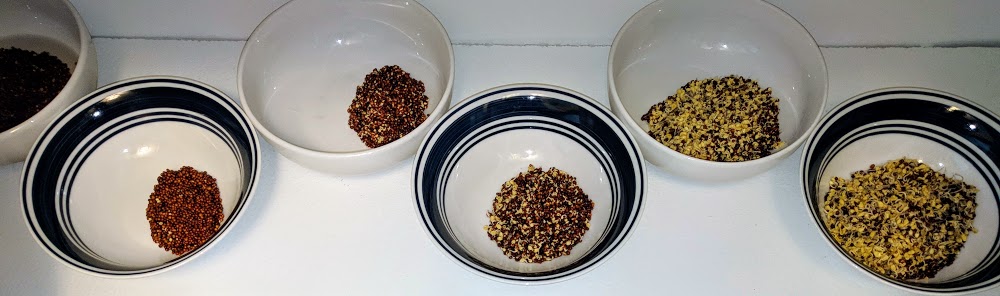
  • Seven bowls that hold at least 16 fluid ounces. If your Victory Garden will be one-tablespoon batches started twice a day, it will look something like this, with the seventh bowl in the dishwasher:

5. Adopt methods. If you acknowledge that something you did or didn’t do is probably the cause of variability, you can make improvements.

  • I use a 12-6-6 schedule to rinse broccoli sprouts three times a day. It produces better results than a 12-12 twice daily rinse schedule.
  • I shape batches with a teaspoon so that all sprouts touch.
  • The teaspoon and strainer are rinsed in between straining batches to prevent potential problems in one batch from spreading to others. They are also cleaned in the dishwasher every day.
  • Every a.m. and p.m. I take the five oldest batches off my pantry shelf, and soak them for five minutes.
  • While those five batches are soaking, I start a new batch by soaking one tablespoon of broccoli seeds. The 12-hour-old batch is strained, rinsed, strained again, then both bowls put on my pantry shelf.
  • I strain the five soaking batches, put the four younger ones on the shelf, and close the pantry door.
  • I reimmerse the 3-day-old broccoli sprouts batch in 100 ml filtered water, then microwave it on 1000W full power for 35 seconds to 60°C (140°F).
  • I strain the microwaved broccoli sprouts, and wait five minutes to allow further myrosinase hydrolization of glucoraphanin and other glucosinolates into sulforaphane and other healthy compounds.
  • I mix in homemade unsalted sauerkraut when I eat microwaved broccoli sprouts. It helps ensure that I thoroughly chew sprouts. Whatever glucosinolate hydrolization hadn’t already taken place will be initiated by chewing.
  • About six hours between starting new a.m. and p.m. batches, I soak the five oldest batches for five minutes, strain them, and put them back on the shelf.

6. Adapt tactics to achieve goals. I didn’t get expected results after five weeks of eating broccoli sprouts started from one tablespoon of seeds, so I doubled the daily starting amount to two tablespoons. I split starting amounts of seeds into a.m. and p.m. one-tablespoon portions after reading A pair of broccoli sprout studies. I don’t eat sprouts immediately before, during, or after meals per Bioavailability of Isothiocyanates From Broccoli Sprouts in Protein, Lipid, and Fiber Gels which found that eating protein, fats, and fiber along with broccoli sprouts lowered compounds’ bioavailability.

7. Never give up. Growing a Victory Garden is a way to take responsibility for your one precious life. The primary enemy of such efforts is Madness of Crowds behavioral contagion. If you can keep that from infecting you, you can look forward to transformational experiences like I had during Week 9.

8. Take a walk every day.

Week 20 of Changing to a youthful phenotype with broccoli sprouts

Following up Week 19:

1. I went overboard this week with broccoli sprout measurements. Rinsing broccoli sprouts on a 12-6-6 schedule, each day’s WET and DRY a.m. weights were usually less than p.m. weights. But were they significant weight differences?

  1. Having no moisture for 12 hours vs. 6 hours produced a significant difference in DRY a.m. vs. p.m. weights (hypothesis A).
  2. Moisture was the equalizer, though, as WET a.m. vs. p.m. weights weren’t significantly different (hypothesis B).
  3. (hypothesis C) Were a.m. WET weight gain percentages the same as p.m.? No.
  4. Although most of Week 19’s measurements were taken on an 8-8-8 schedule, its 65.5 ± 4.4 g WET average was confirmed by both 61.8 ± 6.2 g a.m. and 66.4 ± 4.7 g p.m. distributions.

I’ll guess that laboratory automated conditions would change differences in DRY a.m. vs. p.m. weights (A) and WET weight gain percentages (C) to become insignificant. IAW, removing human causes of variability would improve results.

2. Per Week 19’s item 2, eating protein, fats, and fiber along with broccoli sprouts lowered compounds’ bioavailability. I’m looking for accompaniments that won’t have adverse effects.

Eating 60+ grams of broccoli sprouts twice a day is a lot. Mixing in sauerkraut tastes alright, but commercial brands have too much sodium.

3. It’s been 11 weeks since I posted A claim of improved cognitive function. I made many such connections after a transformational Week 9.

I had no idea that would happen. And I won’t come down no more.

4. Tomorrow will be Day 140 of eating broccoli sprouts every day. I’ve successfully addressed inflammation, and will maintain current practices.

Left ankle and knee twinges are among reminders of other aging phenotype aspects. The body clock reset described in An environmental signaling paradigm of aging apparently requires more than what I’ve been doing.

Are sulforaphane supplements better than microwaved broccoli sprouts?

Armando asked a good question in Upgrade your brain’s switchboard with broccoli sprouts:

“Is there any way to consume sulphorafane in a supplement form? Rather than have to jump so many hops to consume it from broccoli.”

That blog post referenced a 2017 study, whose sulforaphane amount was:

“100 µmol [17.3 mg] sulforaphane as standardized broccoli sprout extract in the form of 2 gel capsules.”

One answer in A pair of broccoli sprout studies was No:

  • “Plasma and urinary levels of total SFN [sulforaphane] metabolites were ~3–5 times higher in sprout consumers compared to BSE [broccoli sprout extract] consumers.
  • In sprout consumers, plasma concentrations were 2.4-fold higher after consuming the second dose than after the first dose.
  • Calculated SFN bioavailability from broccoli sprouts exceeded 100%.”

That study was from 2015, though. Are better products than broccoli sprout extracts available now?


Image from the US Library of Congress

During Week 5 of Changing an inflammatory phenotype with broccoli sprouts, back in May when I still believed impossible things like we would:

I contacted a distributor of a dried broccoli sprout powder for evidence of their claim:

“Independent assays confirm that EnduraCELL yields more Sulforaphane per gram and per dose than any other broccoli sprout ingredient available! These assays showed that EnduraCell yields around 3.5 times more SULFORAPHANE than the next highest broccoli sprout product.”

I’ve asked three times for the lab assays. They declined each time to provide the data. In correspondence the company founder said:

“Each 700 mg capsules yields around 15mg sulforaphane.”

The company founder has written several reviews, one of which is entitled Sulforaphane and Other Nutrigenomic Nrf2 Activators: Can the Clinician’s Expectation Be Matched by the Reality? In Section 6.5 Sulforaphane it stated:

“By calculation, MYR [myrosinase]-active whole broccoli sprout supplement yielding 1% SFN could deliver 10 mg SFN per gram of powder, corresponding to ~12 grams of fresh broccoli sprouts (dried powder retains ~8% moisture).

The 2017 study’s dosage of “100 µmol [17.3 mg] sulforaphane as standardized broccoli sprout extract” weighed a gram or less, for a 1.73% sulforaphane yield. A broccoli sprout powder may have a 15 mg / 700 mg = 2.14% sulforaphane yield.

Using calculations from Estimating daily consumption of broccoli sprout compounds and Our model clinical trial for Changing to a youthful phenotype with broccoli sprouts, I eat 131 grams of 3-day-old broccoli sprouts daily. That would be 131 g / 12 = 10.9 grams of a broccoli sprout powder.

The equivalent sulforaphane dosage would be 10.9 g x 21.4 mg per gram = 233.3 mg! That’s obviously too high. What isn’t right?

Subsequent investigation of a distributor’s site found this table:

autism sprout powder

The study referenced for equivalence was Sulforaphane treatment of autism spectrum disorder (ASD). Calculations:

  • The 100 µmol sulforaphane amount for 90 kg participants weighed 17.73 mg per https://pubchem.ncbi.nlm.nih.gov/compound/sulforaphane.
  • The equivalent broccoli sprout powder sulforaphane yield is 0.01773 / 3.6 g = 0.4925%. That’s 5 mg of sulforaphane per gram of broccoli sprout powder.
  • 0.4925% / 2.14 % = 0.23. Decrementing the above sulforaphane weight gives 233.3 mg x .23 = 54 mg.

The answer to my question What isn’t right? I relied on private correspondence rather than what a vendor publicly disclosed.


I’m not particularly concerned about analytical uncertainties for myself. Whatever the numbers are, microwaving techniques for fresh broccoli sprouts increase them.

I immerse 3-day-old broccoli sprouts in 100 ml distilled water, then microwave them on 1000W full power for 35 seconds to ≤ 60°C (140°F) per Microwave broccoli to increase sulforaphane levels. Worst-case estimates are 52 mg sulforaphane with microwaving.


My answer to Armando’s question would be No for sulforaphane supplements. I’d consider a whole broccoli sprout powder after lab assays were personally verified.

Week 10 of Changing to a youthful phenotype with broccoli sprouts

To follow up Week 9 of Changing to a youthful phenotype with broccoli sprouts:

1. I increased three of eight upper body exercises by 50% through adding another set. I did it because I didn’t feel muscle exhaustion after two sets like I’d previously felt. 🙂

Cognitively, see A claim of improved cognitive function and its follow on Upgrade your brain’s switchboard with broccoli sprouts.

2. It’s been inspirational at times, and at other times, dull, duller, dullest, to do what’s necessary and keep on track. But efforts paid off when Week 9 was unlike any previous week!

I expressed appreciation in Our model clinical trial for Changing to a youthful phenotype with broccoli sprouts because scientific evidence provides great bases for intentional behavior. It’s still up to me to voluntarily carry out my part.

And why wouldn’t I act when my healthspan and lifespan are consequences? Except…

What if I’d been:

  • Tired of the hassle, or bored with self-imposed discipline, or lazy, and quit?
  • Projecting personal problems onto others, such that improving my present and future became less important than present act-outs?
  • Distracted by, or believed propaganda, or participated in Madness of Crowds behavioral contagion, and missed day after day of required actions?

I may not have ever experienced Week 9’s intermediate-term benefits!

If I keep going past ten weeks, what long-term benefits could be expected?

Our model clinical trial didn’t say how researchers decided on a ten-week period for subjects to consume broccoli sprouts every day. I asked a study coauthor about trial duration, but no answer yet.

A few of the same coauthors answered generally in Reviewing clinical trials of broccoli sprouts and their compounds:

Biomarkers of effect are early stage end-points, for instance modulation of phase 2 enzymes by glucosinolates. They need more time than biomarkers of exposure to be influenced by dietary treatment.

Hence, length or duration of the study must be defined according to the biomarker measured to be modified, that is, to define perfectly the time of exposure to observe changes in relevant parameters. Gene expression is one important target for glucosinolates, and it requires a sufficient period of exposure to (de)activate signaling pathways involved.

It is crucial to find appropriate biomarkers of effect that are linked to later disease outcomes, and more investigation is needed in this sense. Post-study follow-up can be of great value in assessing persistence of certain effects, or in discovering those that appear more long-term.”

3. I’ll go into a clinic on Sunday for Day 70 truth tests. Here they are: Day 70 results from Changing to a youthful phenotype with broccoli sprouts!

Living beings – thousands of years old – living together
Upgrade your brain’s switchboard with broccoli sprouts

Further investigating A claim of improved cognitive function, Part 3 of Rejuvenation therapy and sulforaphane offered:

“Improving brain function does not depend on neurogenesis as much as it does on synapse formation and factors such as NMDA receptors which decline in density with age.”

A PubMed “sulforaphane NMDA receptors” search turned up a 2019 cell study The glutathione cycle shapes synaptic glutamate activity:

Sulforaphane is a potent inducer of the Nrf2 transcription factor, has blood–brain barrier penetration, and might expand the size of the glutathione reservoir by our observation that it increases expression of GCL [glutamate cysteine ligase], the rate-limiting step in glutathione biogenesis. Our recent study in human subjects revealed that sulforaphane elevates peripheral glutathione levels and those of other brain metabolites.”

The referenced study was a 2017 Sulforaphane Augments Glutathione and Influences Brain Metabolites in Human Subjects: A Clinical Pilot Study:

“We found that the naturally occurring isothiocyanate sulforaphane increased blood GSH levels in healthy human subjects following 7 days of daily oral administration. In parallel, we explored the potential influence of sulforaphane on brain GSH levels in the anterior cingulate cortex, hippocampus, and thalamus via 7-T magnetic resonance spectroscopy.

A significant positive correlation between blood and thalamic GSH post- and pre-sulforaphane treatment ratios was observed, in addition to a consistent increase in brain GSH levels in response to treatment. The sulforaphane response in brain GSH levels is not influenced by age, sex, or race.

The participants were given 100 µmol sulforaphane as standardized broccoli sprout extract in the form of 2 gel capsules, and instructed to ingest the extract each morning for 1 week.

Following sulforaphane administration, the increase in blood GSH was positively correlated with GABA, Gln [glutamine], Glu [glutamate], and GSH in the THAL [thalamus]. Although these correlations were not significant following multiple comparison, they remain suggestive. Power analysis calculations suggest that a sample size of n = 50 would yield a significant result, and this will be the focus of a future study.

As has been reported for cardiovascular and cerebrovascular diseases, longer treatment duration and/or higher dosages may be warranted. In a submitted study, we will report that peripheral GSH levels may be correlated with cognitive functions.”


One week of consuming sulforaphane wasn’t long enough to achieve much. Not enough subjects and “higher dosages may be warranted” were also thrown in to explain the lack of significant results.

Sulforaphane: Its “Coming of Age” as a Clinically Relevant Nutraceutical in the Prevention and Treatment of Chronic Disease estimated the “100 µmol sulforaphane” dosage to be 17.3 mg. Worst-case estimates made in Estimating daily consumption of broccoli sprout compounds are that since doubling the starting amount of broccoli seeds from one to two tablespoons in Week 6, I’ve consumed 52 mg sulforaphane with microwaving 3-day-old broccoli sprouts every day.

Something happened where the promised “In a submitted study, we will report that peripheral GSH levels may be correlated with cognitive functions” either wasn’t performed or wasn’t published. The follow-on 2019 study became a cell study instead of a 50+ person study.


The study’s thalamus findings provided plausible explanations for why eating a clinically relevant amount of broccoli sprouts every day since at least Week 6, Week 9 was so much different from the others. Sulforaphane changed a blood antioxidant which may have changed four thalamus metabolites.

The thalamus part of our brain is analogous to a switchboard. Signals pass through it to and from other brain areas.

Signals can be routed better when we clean up and upgrade wiring, and lower circuit resistance. Connections within our brains become less inhibited, and external connections concordantly become more apparent.

A claim of improved cognitive function

I’ll describe evidence for claiming improved cognitive function in Week 9 of Changing to a youthful phenotype with broccoli sprouts.

I read parts of over a hundred research papers last week. That required substantial concentration to understand them, and stay on topic while learning new items, which started new searches. This wasn’t a new development, it was just to a much greater extent. I also worked forty hours for my job.

The main chain of blog posts began when I relooked at the presentation in Reversal of aging and immunosenescent trends after remembering it included before and after photos per A hair color anecdote. The presentation prompted last week’s most frequent self-question, Why didn’t I see this before?

One possible explanation is that people don’t usually see things outside their conditioned perceptions. (1) Reevaluate findings in another paradigm illustrated this with an example of how different frameworks viewed the same hypothalamus study differently.

I was interested to see what sulforaphane research had in common with the presentation topics, which produced (2) Reversal of aging and immunosenescent trends with sulforaphane. That required gaining a better understanding of PubMed search techniques, which led to (3) A pair of broccoli sprout studies.

Numerous presentation topics resulted in (4) Part 2 of Reversal of aging and immunosenescent trends with sulforaphane. I investigated one of its cited papers in (5) A review of sulforaphane and aging, which required further searches, some of which are still on tabs of my browser.

I was happy to oblige special requests with (6) Tailoring measurements for broccoli sprouts and (7) Uses of the lymphocytes to monocytes ratio.

Could I have done all of what I did last week without changing my internal environment? What exactly are the effects of eating a clinically relevant amount of broccoli sprouts every day for nine weeks?

A plausible explanation is in Upgrade your brain’s switchboard with broccoli sprouts.

Week 9 of Changing to a youthful phenotype with broccoli sprouts

To follow up Week 8 of Changing to a youthful phenotype with broccoli sprouts:

1. This week has really been different.

A. Physically, on Friday Eve I worked out per my usual upper-body-workout-every four-days routine. I felt strong, and on one exercise I increased the weight by 33%. No problem doing the same number of reps and sets! Keeping good form was challenging.

Per Week 7, I eight-count each concentric rep slowly, then perform each eccentric rep to the same count, with a goal to reach muscle exhaustion during each set. Then pause and do another set.

What changed? Could I have done all this before?

No. I’d tried, making baby steps with increasing weight and keeping good form. But now I can, and I’ll do it again, along with other physical challenges.

B. Seven blog posts this week show improved cognitive function. Is A claim of improved cognitive function sufficient evidence?

Awakening was how it felt. Waking up to what I didn’t see before.

C. This 35th blog post for May comes after 30 posts in April. It wasn’t my goal to do one a day. It’s my goal to Surface Your Real Self. Did a few of them help?

I hope to do other things with my life in June. But the fact remains that humans are herd animals. We “think in herds, go mad in herds, while they [we] only recover their [our] senses slowly, one by one.” We’ll stay in the Madness of Crowds phase until enough people refuse to be propagandized.

2. As a result of reading A pair of broccoli sprout studies, I changed practices to start batches with one tablespoon of broccoli seeds twice a day so I could consume broccoli sprouts twice daily. Right now it’s a PITA task that requires optimization.

The two studies’ findings were:

  1. Broccoli sprouts are better than supplements.
  2. Eating sprouts twice a day is better than eating them once a day.
  3. When in doubt, refer back to Item 1.

3. I reordered broccoli seeds and will receive them next week. In the meantime, I introduced yet another unknown by consuming sprouts that came from a different vendor:

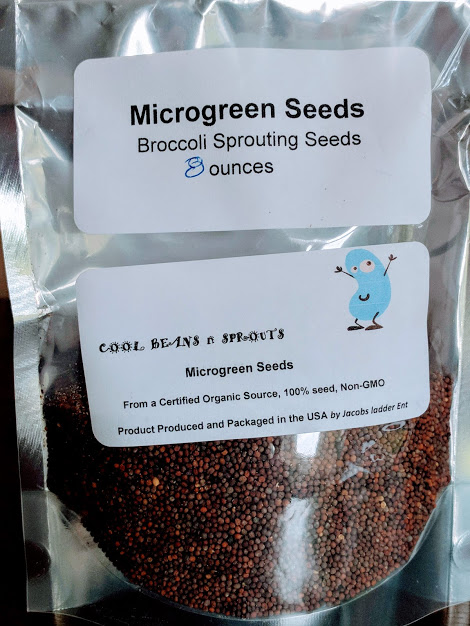
These seeds are smaller. Hundreds of seeds and seed coats annoyingly pass through my strainer, which didn’t happen with larger seeds. 3-day-old sprout sizes are smaller, and they smell and taste different.

This vendor put “seed” four times on their label. The other vendor didn’t bother to put “seed” even once on their broccoli seed package label.

Like other vendors, they prefer buzzword marketing with “microgreen” and “sprouting” rather than provide useful consumer information such as number of seeds and broccoli variety characteristics. Will people buy “Broccoli Sprouting Seeds” but won’t buy Broccoli Seeds? Do people say “Cool beans!” anymore?

My reorder states there are ~720,000 broccoli seeds in that 5 lb. package. I’ll update with its volume after it arrives.

See Week 10 of Changing to a youthful phenotype with broccoli sprouts for follow ups.

We believe what we need to believe

While getting ready for bed tonight, I mused about how my younger brother had such an idealized postmortem view of our father. As he expressed six years ago in an obituary for our high school Literature teacher:

“I’ll remember my favorite teacher and how much he’s meant to my life. My father and Martin Obrentz were the two people who made me care about the things that make me the person I am today.”

Believe what you need to believe, David. But like I said five years ago in Reflections on my four-year anniversary of spine surgery:

“I don’t remember that my three siblings ever received a paddling or belting, although they were spanked. Even before he retired, 17 years before he died, the Miami-Dade County public school system stopped him and the rest of their employees from spanking, whipping, beating, and paddling children.”


It’s extremely important for a child to have a witness to their adverse childhood experiences. Otherwise, it’s crazy-making when these experiences aren’t acknowledged as truths by anyone else.

Especially by those who saw but disavow what they saw.

It didn’t really drum into my conscious awareness until tonight that I had such a witness. It wasn’t my mother, of course, since she directed most of my being whipped with a belt, and beaten with a paddle that had holes in it to produce welts. She has denied and deflected my childhood experiences of her ever since then.

It wasn’t my siblings, regrettably for all of us. It wasn’t our Miami neighbors.

When I was twenty, I ran across a guy 300 miles north in Gainesville, Florida, named David Eisenberg, if I remember correctly. A couple of weeks after we met, he asked if my father was Fred Rice, Dean of Boys, West Miami Junior High School. He said he had been beaten by my father several times!

Those weren’t early childhood memories like mine. Those were experiences of a young man during grades 7-9 that he remembered more than a decade later.

I was shocked. It came at a time when I wasn’t ready to face facts about my life, though. I needed fantasies, beliefs to smother what I felt.


I don’t expect that the impacts of my childhood experiences will ever go away. After three years of Primal Therapy that ended a decade ago, at least mine don’t completely control my life anymore.

Dr. Arthur Janov put self-narratives of several patients’ experiences into his May 2016 book Beyond Belief which I partially curated in February 2017. It was partial because I couldn’t read much past Frank’s horrendous story in pages 89 – 105, “The Myth of a Happy Childhood.”

Do early experiences of hunger affect our behavior, thoughts, and feelings today?

Reposted from five years ago.


A 2015 worldwide human study Hunger promotes acquisition of nonfood objects found that people’s current degree of hungriness affected their propensity to acquire nonfood items.

The researchers admitted that they didn’t demonstrate cause and effect with the five experiments they performed, although the findings had merit. News articles poked good-natured fun at the findings with headlines such as “Why Hungry People Want More Binder Clips.”

The research caught my eye with these statements:

“Hunger’s influence extends beyond food consumption to the acquisition of nonfood items that cannot satisfy the underlying need.

We conclude that a basic biologically based motivation can affect substantively unrelated behaviors that cannot satisfy the motivation.


The concept of the quotes relates to a principle of Dr. Arthur Janov’s Primal Therapy – symbolic satisfaction of needs. Two fundamentals of Primal Therapy:

  1. The physiological impacts of our early unmet needs drive our behavior, thoughts, and feelings.
  2. The painful impacts of our unfulfilled needs impel us to be constantly vigilant for some way to fulfill them.

Corollary principles of Primal Therapy:

  • Our present efforts to fulfill our early unmet needs will seldom be satisfying. It’s too late.
  • We acquire substitutes now for what we really needed back then.
  • Acquiring these symbols of our early unmet needs may – at best – temporarily satisfy derivative needs.

But the symbolic satisfaction of derived needs – the symptoms – never resolves the impacts of early unfulfilled needs – the motivating causes:

  • We repeat the acquisition behavior, and get caught in a circle of acting out our feelings and impulses driven by these conditions.
  • The unconscious act-outs become sources of misery both to us and to the people around us.

As this study’s findings showed, there’s every reason for us to want researchers to provide a factual blueprint of causes for our hunger sensation effects, such as “unrelated behaviors that cannot satisfy the motivation.

Hunger research objectives could include answering:

  • What enduring physiological changes occurred as a result of past hunger?
  • How do these changes affect the subjects’ present behaviors, thoughts, and feelings?

Hunger research causal evidence for the effect of why people acquire items that cannot satisfy the underlying needmay include studying where to start the timelines for the impacts of hunger. The impacts potentially go back at least to infancy when we were completely dependent on our caregivers.

Infants can’t get up to go to the refrigerator to satisfy their hunger. All a hungry infant can do is call attention to their need, and feel pain from the deprivation of their need.

Is infancy far back enough, though, to understand the beginnings of potential impacts of hunger?

Do delusions have therapeutic value?

This 2019 UK review discussed delusions, aka false beliefs about reality:

“Delusions are characterized by their behavioral manifestations and defined as irrational beliefs that compromise good functioning. In this overview paper, we ask whether delusions can be adaptive notwithstanding their negative features.

We consider different types of delusions and different ways in which they can be considered as adaptive: psychologically (e.g., by increasing wellbeing, purpose in life, intrapsychic coherence, or good functioning) and biologically (e.g., by enhancing genetic fitness).”

https://onlinelibrary.wiley.com/doi/full/10.1002/wcs.1502 “Are clinical delusions adaptive?”


A. Although section 4’s heading was Biological Adaptiveness of Delusions, the reviewers never got around to discussing evolved roles of brain areas and beliefs (delusions). One mention of evolutionary biology was:

“Delusions are biologically adaptive if, as a response to a crisis of some sort (anomalous perception or overwhelming distress), they enhance a person’s chances of reproductive success and survival by conferring systematic biological benefits.”

B. Although section 5’s heading was Psychological Adaptiveness of Delusions, the reviewers didn’t connect feelings and survival sensations as origins of beliefs (delusions) and behaviors. They had a few examples of feelings:

“Delusions of reference and delusions of grandeur can make the person feel important and worthy of admiration.”

and occasionally sniffed a clue:

“Some delusions (especially so‐called motivated delusions) play a defensive function, representing the world as the person would like it to be.”

where “motivated delusions” were later deemed in the Conclusion section to be a:

“Response to negative emotions that could otherwise become overwhelming.”

C. Feelings weren’t extensively discussed until section 6 Delusions in OCD and MDD, which gave readers an impression that feelings were best associated with those diseases.

D. In the Introduction, sections 4, 5, and 7 How Do We Establish and Measure Adaptiveness, the reviewers discussed feeling meaning in life, but without understanding:

  1. Feelings = meaning in life, as I quoted Dr. Arthur Janov in The pain societies instill into children:

    “Without feeling, life becomes empty and sterile. It, above all, loses its meaning.

  2. Beliefs (delusions) defend against feelings.
  3. Consequentially, the stronger and / or more numerous beliefs (delusions) a person has, the less they feel meaning in life.

E. Where, when, why, and how do beliefs (delusions) arise? Where, when, why, and how does a person sense and feel, and what are the connections with beliefs (delusions)?

F. The word “sense” was used 29 times in contexts such as “make sense” and “sense of [anxiety, coherence, control, meaning, purpose, rational agency, reality, self, uncertainty]” but no framework connected biological sensing to delusions. Papers from other fields have detailed cause-and-effect explanations and predecessor-successor diagrams for every step of a process. Not this one.


Regarding any therapeutic value of someone else’s opinion of a patient’s delusions:

I’ll reuse this quotation from the Scientific evidence page of Dr. Janov’s 2011 book “Life Before Birth: The Hidden Script that Rules Our Lives” p.166:

“Primal Therapy differs from other forms of treatment in that the patient is himself a therapist of sorts. Equipped with the insights of his history, he learns how to access himself and how to feel.

The therapist does not heal him; the therapist is only the catalyst allowing the healing forces to take place. The patient has the power to heal himself.

Another way Dr. Janov wrote this was on p.58 of his 2016 book Beyond Belief as quoted in Beyond Belief: The impact of merciless beatings on beliefs:

NO ONE HAS THE ANSWER TO LIFE’S QUESTIONS BUT YOU. How you should lead your life depends on you, not outside counsel.

We do not direct patients, nor dispense wisdom upon them. We have only to put them in touch with themselves; the rest is up to them.

Everything the patient has to learn already resides inside. The patient can make herself conscious. No one else can.”