How much sulforaphane is suitable for healthy people?

This post compares and contrasts two perspectives on how much sulforaphane is suitable for healthy people. One perspective was an October 2019 review from John Hopkins researchers who specialize in sulforaphane clinical trials:

Broccoli or Sulforaphane: Is It the Source or Dose That Matters?

These researchers didn’t give a consumer-practical answer, so I’ve presented a concurrent commercial perspective to the same body of evidence via an October 2019 review from the Australian founder of a company that offers sulforaphane products:

Sulforaphane: Its “Coming of Age” as a Clinically Relevant Nutraceutical in the Prevention and Treatment of Chronic Disease


1. Taste from a clinical trial perspective:

“Harsh taste (a.k.a. back-of-the-throat burning sensation) that is noticed by most people who consume higher doses of sulforaphane, must be acknowledged and anticipated by investigators. This is particularly so at higher limits of dosing with sulforaphane, and not so much of a concern when dosing with glucoraphanin, or even with glucoraphanin-plus-myrosinase.

Presence and/or enzymatic production of levels of sulforaphane in oral doses ranging above about 100 µmol, creates a burning taste that most consumers notice in the back of their throats rather than on the tongue. Higher doses of sulforaphane lead to an increased number of adverse event reports, primarily nausea, heartburn, or other gastrointestinal discomfort.”

Taste wasn’t mentioned in the commercial review. Adverse effects were mentioned in this context:

“Because SFN is derived from a commonly consumed vegetable, it is generally considered to lack adverse effects; safety of broccoli sprouts has been confirmed. However, use of a phytochemical in chemoprevention engages very different biochemical processes when using the same molecule in chemotherapy; biochemical behaviour of cancer cells and normal cells is very different.”

2. Commercial products from a clinical trial perspective:

“Using a dietary supplement formulation of glucoraphanin plus myrosinase (Avmacol®) in tablet form, we observed a median 20% bioavailability with greatly dampened inter-individual variability. Fahey et al. have observed approximately 35% bioavailability with this supplement in a different population.”

Avmacol appeared to be the John Hopkins product of choice, as it was mentioned 15 times in its clinical trials table. A further investigation of Avmacol showed that its supplier for broccoli extract, TrueBroc, was cofounded by a John Hopkins coauthor! Yet the review stated:

“The authors declare no conflict of interest.”

Please disclose easily discoverable ethical and commercial conflicts without prevarication. Other products were downgraded with statements such as:

“5 or 10 g/d of BroccoPhane powder (BSP), reported to be rich in SF, daily x 4 wks (we have assayed previously and found this not to be the case).”

They also disclaimed:

“We have indicated clinical studies in which label results have been used rather than making dose measurements prior to or during intervention.”

No commercial products – not even the author’s own company’s – were directly mentioned in a commercial perspective.

3. Dosage from a clinical trial perspective:

“Reporting of administered dose of glucoraphanin and/or sulforaphane is a poor measure of the bioavailable / bioactive dose of sulforaphane. As a consequence, we propose that the excreted amount of sulforaphane metabolites (sulforaphane + sulforaphane cysteine-glycine + sulforaphane cysteine + sulforaphane N-acetylcysteine) in urine over 24 h (2–3 half-lives), which is a measure of “internal dose”, provides a more revealing and likely consistent view of delivery of sulforaphane to study participants.

Only recently have there been attempts to define minimally effective doses in humans – an outcome made possible by development of consistently formulated, stable, bioavailable broccoli-derived preparations.”

Dosage from a commercial perspective:

“Of available SFN clinical trials associated with genes induced via Nrf2 activation, many demonstrate a linear dose-response. More recently, it has become apparent that SFN can behave hormetically with different effects responsive to different doses. This is in addition to its varying effects on different cell types and consequent to widely varying intracellular concentrations.

A 2017 clinical pilot study examined the effect of an oral dose of 100 μmol (17.3 mg) encapsulated SFN on GSH [reduced glutathione] induction in humans over 7 days. Pre- and postmeasurement of GSH in blood cells that included T cells, B cells, and NK cells showed an increase of 32%. Researchers found that in the pilot group of nine participants, age, sex, and race did not influence the outcome.

Clinical outcomes are achievable in conditions such as asthma with daily SFN doses of around 18 mg daily and from 27 to 40 mg in type 2 diabetes. The daily SFN dose found to achieve beneficial outcomes in most of the available clinical trials is around 20-40 mg.”

The author’s sulforaphane products are available in 100, 250, and 700 mg capsules of enzyme-active broccoli sprout powder.

4. Let’s see how these perspectives treated a 2018 Spanish clinical trial published as Effects of long-term consumption of broccoli sprouts on inflammatory markers in overweight subjects.

From a commercial perspective:

“In a recent study using 30 grams of fresh broccoli sprouts incorporated daily into diet, two key inflammatory cytokines were measured at four time points in forty healthy overweight [BMI 24.9 – 29.9] people. Levels of both interleukin-6 (Il-6) and C-reactive protein (CRP) declined over the 70 days during which sprouts were ingested.

These biomarkers were measured again at day 90, wherein it was found that Il-6 continued to decline, whereas CRP climbed again. When the final measurement was taken at day 160, CRP, although climbing, had not returned to its baseline value. Il-6 remained significantly below baseline level at day 160.

Sprouts contained approximately 51 mg (117 μmol) GRN [glucoraphanin], and plasma and urinary SFN metabolites were measured to confirm that SFN had been produced when sprouts were ingested.”


From a clinical trial perspective, glucoraphanin dosage was “1.67 (GR) μmol/kg BW.” This wasn’t accurate, however. It was assumed into existence by:

“In cases where authors did not indicate dosage in μmol/kg body weight (BW), we have made those calculations using a priori assumption of a 70 kg BW.”

117 μmol / 1.67 μmol/kg = 70 kg.

This study provided overweight subjects’ mean weight in its Table 1 as “85.8 ± 16.7 kg.” So its actual average glucoraphanin dosage per kg body weight was 117 μmol / 85.8 kg = 1.36 μmol/kg. Was making an accurate calculation too difficult?

A clinical trial perspective included this study in Section “3.2. Clinical Studies with Broccoli-Based Preparations: Efficacy” subsection “3.2.8. Diabetes, Metabolic Syndrome, and Related Disorders.” This was somewhat misleading, as it was grouped with studies such as a 2012 Iranian Effects of broccoli sprout with high sulforaphane concentration on inflammatory markers in type 2 diabetic patients: A randomized double-blind placebo-controlled clinical trial (not freely available).

A commercial perspective pointed out substantial differences between these two studies:

“Where the study described above by Lopez-Chillon et al. investigated healthy overweight people to assess effects of SFN-yielding broccoli sprout homogenate on biomarkers of inflammation, Mirmiran et al. in 2012 had used a SFN-yielding supplement in T2DM patients. Although the data are not directly comparable, the latter study using the powdered supplement resulted in significant lowering of Il-6, hs-CRP, and TNF-α over just 4 weeks.

It is not possible to further compare the two studies due to vastly different time periods over which each was conducted.”


The commercial perspective impressed as more balanced than the clinical trial perspective. The clinical trial perspective also had an undisclosed conflict of interest!

A. The clinical trial perspective:

  • Effectively promoted one commercial product whose supplier was associated with a coauthor;
  • Downgraded several other commercial products; and
  • Tried to shift responsibility for the lack of “minimally effective doses in humans” to commercial products with:

    “Only recently have there been attempts to define minimally effective doses in humans – an outcome made possible by the development of consistently formulated, stable, bioavailable broccoli-derived preparations.”

But unless four years previous is “recently,” using commercial products to excuse slow research progress can be dismissed. A coauthor of the clinical trial perspective was John Hopkins’ lead researcher for a November 2015 Sulforaphane Bioavailability from Glucoraphanin-Rich Broccoli: Control by Active Endogenous Myrosinase, which commended “high quality, commercially available broccoli supplements” per:

“We have now discontinued making BSE [broccoli sprout extract], because there are several high quality, commercially available broccoli supplements on the market.”

The commercial perspective didn’t specifically mention any commercial products.

B. The commercial perspective didn’t address taste, which may be a consumer acceptance problem.

C. The commercial perspective provided practical dosage recommendations, reflecting their consumer orientation. These recommendations didn’t address how much sulforaphane is suitable for healthy people, though.

The clinical trial perspective will eventually have to make practical dosage recommendations after they stop dodging their audience – which includes clinicians trying to apply clinical trial data – with unhelpful statements such as:

“Reporting of administered dose of glucoraphanin and/or sulforaphane is a poor measure of the bioavailable / bioactive dose of sulforaphane.”

How practical was their “internal dose” recommendation for non-researcher readers?


Here’s what I’m doing to answer how much sulforaphane is suitable for healthy people.

I’d like to posthumously credit my high school literature teachers Dorothy Jasiecki and Martin Obrentz for this post’s compare-and-contrast approach. They both required their students to read at least two books monthly, then minimally handwrite a 3-page (single-spaced) paper comparing and contrasting those books.

Each monthly assignment was individualized so that students couldn’t undo the assignment’s purpose – to think for yourself – with parasitical collaboration. This former practice remains a good measure of intentional dumbing-down of young people, the intent of which has become clearer.

You can see from these linked testimonials that their approach was in a bygone era, back when some teachers considered a desired outcome of public education to be that each individual learned to think for themself. My younger brother contributed:

“I can still remember everything Mr. Obrentz ever assigned for me to read. He was the epitome of what a teacher should be.”

Eat broccoli sprouts today!

This 2020 Korean letter to a journal editor cited 23 recent papers in support of sulforaphane’s positive effects, mainly in anti-cancer treatments:

“Gene expression is mediated by chromatin epigenetic changes, including DNA methylation, histone modifications, promoter-enhancer interactions, and non-coding RNA (microRNA and long non-coding RNA)-mediated regulation. Approximately 50% of all tumor suppressor genes are inactivated through epigenetic modifications, rather than by genetic mechanisms, in sporadic cancers. Accumulating evidence suggests that epigenetic modulators are important tools to improve the efficacy of disease prevention strategies.

Because sulforaphane (SFN) induces the nuclear factor erythroid 2-related factor 2 (Nrf2)-antioxidant response element pathway that induces the cellular defense against oxidative stress, SFN has received increased attention because it acts as an antioxidant, antimicrobial, anti-inflammatory, and anticancer agent.”

https://www.ncbi.nlm.nih.gov/pmc/articles/PMC7068201/ “A recent overview on sulforaphane as a dietary epigenetic modulator”


Letters to the editor aren’t peer-reviewed, though. One of the cited papers was a 2018 Czech mini-review that included metabolism, preparation and processing evidence:

“Sulforaphane is a phytochemical that occurs in plants in the form of biological inactive precursor glucoraphanin. This precursor belongs to the group of phytochemicals – glucosinolates – that are rapidly converted to isothiocyanate by the enzyme myrosinase.

The process of transformation takes place after a disruption of plant tissues by biting, chewing, slicing, and other destruction of tissues, when myrosinase is released from plant tissues. When myrosinase is destroyed during meal preparation (during cooking, steam cooking, or microwave treatment), a likely source of isothiocyanates is microbial degradation of glucosinolates by intestinal microflora. However, hydrolysis by microflora has been reported to be not very efficient, and in humans it is very diverse and variable.

Content of glucoraphanin in extract from broccoli sprouts was 16.6 μmol per gram of fresh weight. In contrast, mature broccoli extract contained 1.08 μmol per gram of fresh weight. Total amount of glucosinolates in young broccoli sprouts is 22.7 μmol per gram of fresh weight and 3.37 μmol per gram of fresh weight for mature broccoli.

Percentage amount of sulforaphane formed from its precursor glucoraphanin in broccoli which had not been heat treated and had been lyophilized [freeze-dried] was 22.8%. Broccoli steaming (5 min) and its lyophilization decrease the amount of sulforaphane formed to 4.2%.”

https://www.liebertpub.com/doi/full/10.1089/jmf.2018.0024 “Isothiocyanate from Broccoli, Sulforaphane, and Its Properties (not freely available)


Information about 43 completed sulforaphane clinical trials is here. Among them, the 2014 Effect of Broccoli Sprouts on Nasal Response to Live Attenuated Influenza Virus in Smokers: A Randomized, Double-Blind Study was of particular interest, stating:

“Nutritional interventions aimed at boosting antioxidants may be most effective in individuals who are relatively antioxidant-deficient at baseline, a condition likely to be more prevalent in smokers.”

I didn’t notice regular supplement dosage studies. Maybe I didn’t read control group information carefully enough?


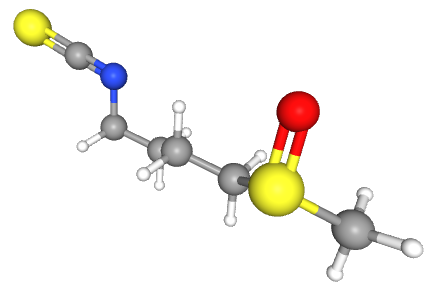
https://pubchem.ncbi.nlm.nih.gov/compound/sulforaphane lists sulforaphane’s molecular weight as 177.3 g/mol. A 1 mg sulforaphane capsule weight equals a 5.64 μmol sulforaphane amount (.001 / 177.3).
From the 2015 Sulforaphane Bioavailability from Glucoraphanin-Rich Broccoli: Control by Active Endogenous Myrosinase:

  • Figure 4 showed bioavailability of sulforaphane in a broccoli sprout extract with myrosinase 100 μmol gelcap was 36.1% which weighed 6.4 mg (36.1 / 5.64).
  • Figure 3 showed bioavailability of sulforaphane in freeze-dried broccoli sprouts in pineapple-lime juice was 40.5% in 50, 100, and 200 μmol amounts and 33.8% with 100 μmol gel caps. You do the weight math.
  • Figure 2 showed that if broccoli sprout extract didn’t have the enzyme, bioavailability of sulforaphane was 10.4% whether the amount was 69 or 230 μmol, weighing 1.27 mg (69 x .104) / 5.64 and 4.24 mg (230 x .104) / 5.64.

Bioavailability ranged from Figure 2’s 10.4% to Figure 4’s 36.1%. The question of how much sulforaphane is suitable for healthy people remains unanswered.


Aging as a disease

This 2020 interview was with UC Berkeley researchers:

“Lack of cure goes hand in hand with inability to accept that this [aging] is disease. For example, there was some resistance to accept tuberculosis as the actual disease. When there was no antibiotics or cure against it, people tended to discard it and said, oh, it’s just nerves, you need to go to a sanatorium and relax.

It used to be that, please do not diagnose that there’s bacterial meningitis, because there is no cure. Whatever else you can come up with, do it first. Now, diagnose it as fast as possible, so we can put patients on antibiotics immediately. My prediction is that the same will happen to aging.

We and others have demonstrated that you can, from the outside, either by some signal or blood therapy, parabiosis, something like that, some intervention, jump-start aged resident stem cells in tissue and get them to behave as, by whatever means you’re measuring it, young or a lot closer to young than they would normally be. Intrinsic capacity of them to act that way is there.

As we grow old, the environment of differentiated niche stem cells does not provide productive instruction. It provides counterproductive instruction, which, overall, tells them just to remain quiescent and do nothing.

It’s not a program to kill you. It’s the lack of a program to keep you young and healthy for longer than 90 years.

If your program was that whenever you’re a damaged, differentiated cell, you simply trigger apoptosis and activate stem cells to make new cells, we would live much longer and healthy. The program right now is to resist being dead and replaced as much as you can for as long as you can.

So cells produce too much TGF beta [transforming growth factor-β] because it helps them to keep functioning even when they’re damaged. That too much TGF beta, ironically, inhibits resident stem cells, so they are not replacing old cells with new ones. It’s almost like you have old bureaucrats that are running an organization and do not want to be replaced.

Our thoughts are probably different from most people, because we go to the data and the data show that they’re not really fully what authors wrote in the abstract or conclusion. When you look at that, my thought is that much more work needs to be done before it [partial cellular reprogramming] could be even thought to be commercialized.”

https://www.lifespan.io/news/apheresis-with-profs-irina-michael-conboy/ “Irina & Michael Conboy – Resetting Aged Blood to Restore Youth”


Keep in mind that although the interviewers’ organization had changed, their advocacy position as displayed in A blood plasma aging clock persisted. One of the interviewees is on the interviewers’ organization scientific advisory board, and they also have an interest in downgrading competing approaches.

Despite caveats, this interview was these researchers’ perspective in their decades-long investigations of aging. I included a graphic and below quote from Organismal aging and cellular senescence to note how their paradigm compared with other aging researchers:

“In our view, recent evidence that

  • Senescence is based on an unterminated developmental growth program and finding that
  • The concept of post-mitotic senescence requires activation of expansion, or ‘growth’ factors as a second hit,

favor the assumption that aging underlies a grating of genetic determination similarly to what is summarized above under the pseudo-programmed causative approach.”

Train your immune system every day!

This 2019 US review subject was β-glucan:

“β-1,3-Glucans (hereafter referred to as glucan) are natural molecules able to significantly improve our health. In human studies, the tested (and suggested) daily dose remains in the range of 100–500 mg for stimulation of the immune system, whereas for a decrease in cholesterol levels a daily dose of 3 g is recommended.

Glucan does not represent essential nutrients, but it might be successfully used not only for:

  • Improvement of immune functions, but also to improve the general quality of life via
  • Improvements of immune status,
  • Lowering cholesterol,
  • Improving blood glucose levels and
  • Reduction of stress.

ClinicalTrials.gov summarizes 177 [now 207 with 110 completed] β-glucan clinical trials, mostly in cancer, gastrointestinal tract therapy, lowering cholesterol and improvements of immune reactions.

The question is not if glucans will move from food supplement to widely accepted drug, but how soon.

Reactions known to be influenced by glucan are represented in white, reactions where glucan has no confirmed effects are shown in black. The first defensive body response to infection results from formation of the anorexia cytokines (IL-1, IL-6, IL-8, and TNF-α).”

https://www.mdpi.com/1420-3049/24/7/1251/htm “Beta Glucan: Supplement or Drug? From Laboratory to Clinical Trials”

The review is also indexed at https://www.betaglucan.org/i-p/ under “Immunomodulator”


I’m curating this review on Day 12 of a self-quarantine after coming back from Milano, Italy, Monday, February 24, 2020. The previous Friday into Saturday I flew to Milano sitting with a group of elderly Italians who were returning from vacation.

On Saturday my traveling companion and I used the Milano rail and crowded subway system to go downtown. On Sunday we used their crowded rail, crowded bus, and crowded ferry systems to visit Como, Bellagio, and Menaggio.

I don’t think we could have mixed in more with people during transits, touristing, and Carnevale celebrations.

IMG_9539

After returning to our hotel Sunday evening, we heard about the coronavirus outbreak south of Milano and the closing of ten towns. We changed flights and departed for the US early Monday morning.

Neither of us have had any signature symptoms of COVID-19 (fever, shortness of breath, dry cough). Our daily diet the past few years included β-glucan from steel-cut oats (~3 g) and from a 1/3, 1/6 yeast cell wall supplement.

Coincidence?

Each of our futures will depend on what we do Now to prepare.

Take responsibility for your one precious life.

Moonrise at sunrise with Venus

An evolutionary view of transgenerational epigenetic inheritance

This 2020 Swiss/German review mainly cited weed, worm, and yeast studies:

“RNA interference-related mechanisms can mediate the deposition and transgenerational inheritance of specific chromatin modifications in a truly epigenetic fashion.

Epigenetics was initially defined as any heritable change in gene expression patterns without changes in the DNA sequence. Now, epigenetic phenomena are often characterized as ‘gene expression changes that are mutation independent and heritable in the absence of the triggering event’, a definition we will follow in this review. We note that this definition can be expanded to include protein only-based inheritance mechanisms that do not necessarily cause changes in gene expression.

Gene silencing can persist over multiple generations in the germline of C. elegans. Gene repression is typically maintained without the initial trigger for three to seven generations and occasionally for tens of generations. In contrast, silencing of somatically expressed genes mostly affects only the subsequent generation through nonepigenetic parental effects.

In the presence of an ‘enabling’ mutation, primary siRNAs [small interfering RNAs] can trigger an RNAe [RNA-induced epigenetic silencing] response. Secondary siRNA amplification is required for transgenerational inheritance.

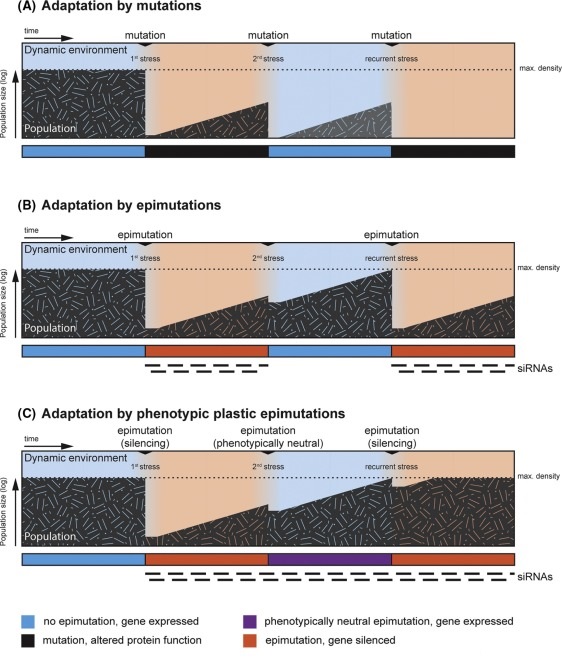
The fitness of a population in a dynamic environment strongly depends on the ability of individuals to adapt to the new condition as well as to remember, inherit, and forget such adaptation:

  • (A) A well-adapted population (grey) is at its maximal density (dotted line) in a given niche until an environmental change (1st stress) creates a bottleneck. Only few individuals can adapt through mutations and repopulate the niche. After the environment changes back to the initial blue state, only individuals that acquire rare counteracting mutations survive, often leading to extinction of the population.
  • (B) Individuals of a population in the red state can gain beneficial epimutations through siRNAs and repopulate the niche. When exposed again to the blue state, the epimutations can be quickly reversed and the population rapidly reaches maximal density. After recurrence of the red state, organisms establish de novo epimutations with the same low frequency as when they first encountered this state.
  • (C) In contrast, organisms that can maintain the memory of a beneficial silencing event can quickly re-establish beneficial epimutations and grow to full density. Such memory can be maintained by phenotypically neutral epimutations, marked by the continuously high production of siRNAs without substantial reductions in the expression of a gene. A population that can adapt through phenotypically plastic epimutations is predicted to have a maximal fitness advantage in a dynamic environment.”

The Concluding Remarks section included:

“RNA-mediated epigenetic responses could contribute to adaptation.

Even though RNAe may yield significant adaptive advantages, a high induction frequency could cause silencing of multiple essential genes and therefore be detrimental. Hence, it is plausible that mechanisms would have coevolved that counteract silencing.

Similarly, if constituting a bet-hedging strategy to cope with ever-changing environments, permanent fixation of an acquired silencing response would not constitute a selective advantage and mechanisms that modify and limit the duration of RNAe would be predicted.”

https://www.sciencedirect.com/science/article/pii/S0168952519302598 “Small RNAs in the Transgenerational Inheritance of Epigenetic Information”


The review’s arguments were based on evolutionary selective advantages and less-complex organisms. It predicted that there would be an endpoint generation as in the (A) case of the above graphic.

Were the mechanisms in the (B) case necessarily transgenerational throughout? The review further explained:

“Epimutations tend to occur in hot spots (e.g., in stress-related or nutritional pathway genes) and can potentially silence several homologous genes simultaneously. Incomplete penetrance of a beneficial epimutation by stochastic loss of siRNAs [59] can result in loss of adaptation in a given environment (red state), but can be beneficial if the previous blue state is re-established. However, when the environment changes back to the red state, epimutations must initiate de novo, at the same low frequency as when the population first encountered this state.”

The study cited at 59 found:

“A feedback between siRNAs and RNAi genes determines heritable silencing duration”

but not “Incomplete penetrance of a beneficial epimutation by stochastic loss of siRNAs.” Hmm.

In any event, the review stated:

“Evidence for naturally occurring RNAe-related phenomena in other animals is scarce and we should be cautious about inferring RNAe as a widely conserved phenomenon.”

It’s encouraging to read studies that find benefits to epigenetic transgenerational inheritance, albeit in organisms that are less complex than rodents and humans.


The epigenetics of perinatal stress

This 2019 McGill review discussed long-lasting effects of perinatal stress:

“Epigenetic processes are involved in embedding the impact of early-life experience in the genome and mediating between social environments and later behavioral phenotypes. Since these phenotypes are apparent a long time after early experience, changes in gene expression programming must be stable.

Although loss of methylation in a promoter is necessary for expression, it is not sufficient. Demethylation removes a barrier for expression, but expression might be realized at the right time or context when needed factors or signals are present.

DNA methylation anticipates future transcriptional response to triggers. Comparing steady-state expression with DNA methylation does not capture the full meaning and scope of regulatory roles of differential methylation.

A model for epigenetic programming by early life stress:

  1. Perinatal stress perceived by the brain triggers release of glucocorticoids (GC) from the adrenal in the mother prenatally or the newborn postnatally.
  2. GC activate nuclear glucocorticoid receptors across the body, which epigenetically program (demethylate) genes that are targets of GR in brain and white blood cells (WBC).
  3. Demethylation events are insufficient for activation of these genes. A brain specific factor (TF) is required for expression and will activate low expression of the gene in the brain but not in blood.
  4. During adulthood a stressful event transiently triggers a very high level of expression of the GR regulated gene specifically in the brain.

Horizontal arrow, transcription; circles, CpG sites; CH3 in circles, methylated sites; empty circles, unmethylated CpG sites; horizon[t]al curved lines, mRNA.”

Review points discussed:

  • “Epigenetic marks are laid down and maintained by enzymes that either add or remove epigenetic modifications and are therefore potentially reversible in contrast to genetic changes.
  • Response to early life stress and maternal behavior is also not limited to the brain and involves at least the immune system as well.
  • The placenta is also impacted by maternal social experience and early life stress.
  • Most studies are limited to peripheral tissues such as saliva and white blood cells, and relevance to brain physiology and pathology is uncertain.
  • Low absolute differences in methylation seen in most human behavioral EWAS raise questions about their biological significance.

  • Although post-mortem studies examine epigenetic programming in physiologically relevant tissues, they represent only a final and single stage that does not capture dynamic evolution of environments and epigenetic programming in living humans.”

https://www.ncbi.nlm.nih.gov/pmc/articles/PMC6952743/ “The epigenetics of perinatal stress”


Other reviewers try to ignore times when we were all fetuses and newborns. For example, in the same journal issue was a Boston review of PTSD that didn’t mention anything about earliest times of human lives! Those reviewers speculated around this obvious gap on their way to being paid by NIH.

Why would researchers ignore perinatal stress events that prime humans for later-life PTSD? Stress generally has a greater impact on fetuses and newborns than on infants, and a greater impact on infants than on adults.

Masters of manipulating their host

This 2020 French review subject was parasitical influences on host epigenetic processes:

“Parasites have become masters of manipulating their host cells, exploiting signaling, and metabolic pathways to hijack host gene expression to their own advantage. These intracellular parasites have developed a wide range of strategies that affect transcriptional machineries and epigenetic events in the host cell nucleus.

Parasite effectors regulate host transcription. Secretion of numerous parasite effector proteins are key processes during parasite infection. Parasite effectors deregulate host expression profile which lead to host cell transformation, or escape from the host immune system to allow parasite persistence and survival.”

parasites
The first two of the six strategies discussed are shown above:

  1. “Induction of a host epigenetic enzyme. Parasite infection leads to upregulation of SMYD3, a methyltransferase that activates genes involved in host transformation, through H3K4 trimethylation.
  2. Secreting effector proteins that drive epigenetic repression of host genes. TEEGR activates a host chromatin modifier able to repress transcription of immune system genes through H3K27 trimethylation.”

https://link.springer.com/article/10.1007/s00281-020-00779-z “The clever strategies used by intracellular parasites to hijack host gene expression” (not freely available)


I used a “parasites” paradigm while living in the Washington DC area for three decades to help understand what goes on there. Moved away several years ago, but haven’t changed my thinking that all six of this paper’s parasite strategies had analogous human actions.

Other curated papers that explored the review’s topic include:

Do epigenetic clocks measure causes or effects?

Starting the sixth year of this blog with a 2020 article authored by the founder of the PhenoAge epigenetic clock methodology:

“The Ge[r]oscience paradigm suggests that targeting the aging process could delay or prevent the risk of multiple major age-related diseases. We need clinically valid measures of the underlying biological process and/or classification criteria for what it means to be biologically, rather than chronologically, “aged”.

The majority of aging biomarkers, including the first-generation epigenetic clocks, are developed using cross-sectional data, in which the researchers take a variable that proxies aging (e.g. chronological age) and apply supervised machine learning, or deep learning, approaches to predict that variable using tens to hundreds of thousands of input variables. The problem with this approach is that it doesn’t account for mortality selection. This biases the algorithm to select markers that are not causal, but instead correlative with aging.

When considering individuals of the same chronological age, do those with higher epigenetic age look phenotypically older on average (e.g. have higher mortality rates, greater disease burden, and worse physical and cognitive functioning)? FEV1 [forced expiratory volume in one second] declined at a faster rate for individuals with higher baseline GrimAge and/or PhenoAge. A similar finding was observed for the decline in grip strength as a function of GrimAge; however, the rate of change for any of the epigenetic clocks was not associated with rate of change in any performance measure.

Loci that show consistent trends with chronological age, even at higher ages, are likely not causal. By using a cross-sectional study design for biomarker development there was a propensity away from selecting causal loci, to the point where fewer causal loci were selected than if loci had been chosen at random.

The power of these measures as diagnostic and prognostic may stem from the use of longitudinal data in training them. Rather than continuing to train chronological age predictors using diverse data, it may be more advantageous to retrain some of the existing measures by predicting longitudinal outcomes.”

https://academic.oup.com/biomedgerontology/advance-article-abstract/doi/10.1093/gerona/glaa021/5717592 “Assessment of Epigenetic Clocks as Biomarkers of Aging in Basic and Population Research” (not freely available)


A cited 2019 study modeled corrections to “account for mortality selection.” It modified datasets “by incorporating correlates of mortality identified from longitudinal studies, allowing cross-sectional studies to effectively identify the causal factors of aging.”

https://academic.oup.com/biomedgerontology/advance-article-abstract/doi/10.1093/gerona/glz174/5540066 “Biomarkers for Aging Identified in Cross-sectional Studies Tend to Be Non-causative” (not freely available)


The article didn’t present a complete case to determine whether an individual’s epigenetic clock measurements over time may show causes of biological aging.

Other viewpoints include:

1. A blood plasma aging clock presented evidence with its 46-protein conserved aging signature that some causes of biological aging are under genetic control. If the principle of this finding applies to CpG DNA methylation, the statement:

Loci that show consistent trends with chronological age, even at higher ages, are likely not causal.

may not hold. Such epigenetic changes could be among both the causes of senescence and the effects of evolution’s selection mechanisms.

2. An epigenetic clock review by committee, particularly in:

  • Challenge 3 “Integration of epigenetics into large and diverse longitudinal population studies”;
  • Challenge 5 “Single-cell analysis of aging changes and disease”; and
  • Table 1 “Major biological and analytic issues with epigenetic DNA methylation clocks” with single-cell analysis as the solution to five Significant issues.

Drink tea today

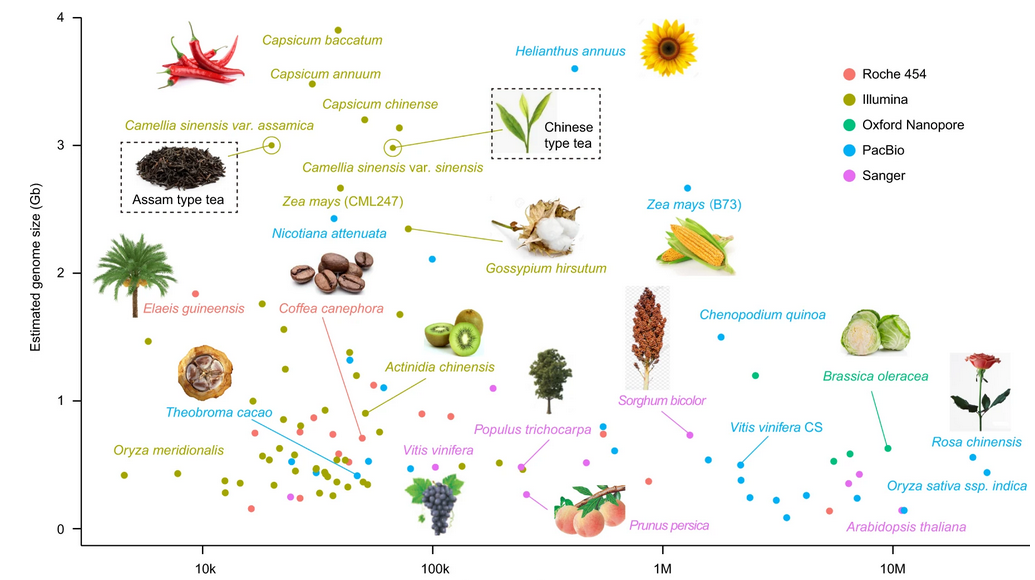
This 2020 Chinese paper reviewed this century’s research into tea:

“Tea plants contain rich and unique characteristic secondary metabolites, such as catechins, theanine, and caffeine, which are essential to the formation of tea quality. It is not only the three major types of secondary metabolites but also the volatile terpenoids, saponins, polysaccharides, and other phenolic conjugates that contribute to the beneficial health effects and the enjoyable flavors of various teas.

The contents of these secondary metabolites vary greatly among different varieties and Camellia species. They also differ significantly in several morphological traits (e.g., leaf size) and stress resistance characteristics (e.g., cold tolerance), showing a divergent genetic makeup. The genome sequence of a single individual of a tea plant variety cannot represent the entire gene pool.

Modern transgenic breeding technology has provided us a new solution for the molecular design of breeding strategies. Although great progress has been made in the last two decades, the genomics and molecular biology of tea plants are still not fully understood. Compared to other crops such as rice, there is a long way to go.”

https://www.nature.com/articles/s41438-019-0225-4 “Tea plant genomics: achievements, challenges and perspectives”

Clearing out the 2019 queue of interesting papers

I’m clearing out the below queue of 27 studies and reviews I’ve partially read this year but haven’t taken the time to curate. I have a pesky full-time job that demands my presence elsewhere during the day. :-\

Should I add any of these back in? Let’s be ready for the next decade!


Early life

https://link.springer.com/article/10.1007/s12035-018-1328-x “Early Behavioral Alterations and Increased Expression of Endogenous Retroviruses Are Inherited Across Generations in Mice Prenatally Exposed to Valproic Acid” (not freely available)

https://www.sciencedirect.com/science/article/pii/S0166432818309392 “Consolidation of an aversive taste memory requires two rounds of transcriptional and epigenetic regulation in the insular cortex” (not freely available)

https://www.nature.com/articles/s41380-018-0265-4 “Intergenerational transmission of depression: clinical observations and molecular mechanisms” (not freely available)

mother

https://www.ncbi.nlm.nih.gov/pmc/articles/PMC6454089/ “Epigenomics and Transcriptomics in the Prediction and Diagnosis of Childhood Asthma: Are We There Yet?”

https://www.ncbi.nlm.nih.gov/pmc/articles/PMC6628997/Placental epigenetic clocks: estimating gestational age using placental DNA methylation levels”

https://www.ncbi.nlm.nih.gov/pmc/articles/PMC6770436/ “Mismatched Prenatal and Postnatal Maternal Depressive Symptoms and Child Behaviours: A Sex-Dependent Role for NR3C1 DNA Methylation in the Wirral Child Health and Development Study”

https://www.sciencedirect.com/science/article/pii/S0889159119306440 “Environmental influences on placental programming and offspring outcomes following maternal immune activation”

https://academic.oup.com/mutage/article-abstract/34/4/315/5581970 “5-Hydroxymethylcytosine in cord blood and associations of DNA methylation with sex in newborns” (not freely available)

https://physoc.onlinelibrary.wiley.com/doi/full/10.1113/JP278270 “Paternal diet impairs F1 and F2 offspring vascular function through sperm and seminal plasma specific mechanisms in mice”

https://onlinelibrary.wiley.com/doi/full/10.1111/nmo.13751 “Sex differences in the epigenetic regulation of chronic visceral pain following unpredictable early life stress” (not freely available)

https://www.ncbi.nlm.nih.gov/pmc/articles/PMC6811979/ “Genome-wide DNA methylation data from adult brain following prenatal immune activation and dietary intervention”

https://link.springer.com/article/10.1007/s00702-019-02048-2miRNAs in depression vulnerability and resilience: novel targets for preventive strategies”


Later life

https://www.ncbi.nlm.nih.gov/pmc/articles/PMC6543991/ “Effect of Flywheel Resistance Training on Balance Performance in Older Adults. A Randomized Controlled Trial”

https://www.mdpi.com/2411-5142/4/3/61/htm “Eccentric Overload Flywheel Training in Older Adults”

https://www.nature.com/articles/s41577-019-0151-6 “Epigenetic regulation of the innate immune response to infection” (not freely available)

https://link.springer.com/chapter/10.1007/978-981-13-6123-4_1 “Hair Cell Regeneration” (not freely available)

https://www.ncbi.nlm.nih.gov/pmc/articles/PMC6422915/Histone Modifications as an Intersection Between Diet and Longevity”

https://www.sciencedirect.com/science/article/abs/pii/S0306453019300733 “Serotonin transporter gene methylation predicts long-term cortisol concentrations in hair” (not freely available)

https://www.sciencedirect.com/science/article/abs/pii/S0047637419300338 “Frailty biomarkers in humans and rodents: Current approaches and future advances” (not freely available)

https://onlinelibrary.wiley.com/doi/full/10.1111/pcn.12901 “Neural mechanisms underlying adaptive and maladaptive consequences of stress: Roles of dopaminergic and inflammatory responses

https://www.ncbi.nlm.nih.gov/pmc/articles/PMC6627480/ “In Search of Panacea—Review of Recent Studies Concerning Nature-Derived Anticancer Agents”

https://www.sciencedirect.com/science/article/abs/pii/S0028390819303363 “Reversal of oxycodone conditioned place preference by oxytocin: Promoting global DNA methylation in the hippocampus” (not freely available)

https://www.futuremedicine.com/doi/10.2217/epi-2019-0102 “Different epigenetic clocks reflect distinct pathophysiological features of multiple sclerosis”

https://www.ncbi.nlm.nih.gov/pmc/articles/PMC6834159/ “The Beige Adipocyte as a Therapy for Metabolic Diseases”

https://www.sciencedirect.com/science/article/abs/pii/S8756328219304077 “Bone adaptation: safety factors and load predictability in shaping skeletal form” (not freely available)

https://www.nature.com/articles/s41380-019-0549-3 “Successful treatment of post-traumatic stress disorder reverses DNA methylation marks” (not freely available)

https://www.sciencedirect.com/science/article/abs/pii/S0166223619301821 “Editing the Epigenome to Tackle Brain Disorders” (not freely available)

A blood plasma aging clock

This 2019 Stanford human study developed an aging clock using blood plasma proteins:

“We measured 2,925 plasma proteins from 4,331 young adults to nonagenarians [18 – 95] and developed a novel bioinformatics approach which uncovered profound non-linear alterations in the human plasma proteome with age. Waves of changes in the proteome in the fourth, seventh, and eighth decades of life reflected distinct biological pathways, and revealed differential associations with the genome and proteome of age-related diseases and phenotypic traits.

To determine whether the plasma proteome can predict chronological age and serve as a “proteomic clock,” we used 2,858 randomly selected subjects to fine-tune a predictive model that was tested on the remaining 1,473 subjects. We identified a sex-independent plasma proteomic clock consisting of 373 proteins. Subjects that were predicted younger than their chronologic age based on their plasma proteome performed better on cognitive and physical tests.

The 3 age-related crests were comprised of different proteins. Few proteins, such as GDF15, were among the top 10 differentially expressed proteins in each crest, consistent with its strong increase across lifespan. Other proteins, like chordin-like protein 1 (CHRDL1) or pleiotrophin (PTN), were significantly changed only at the last two crests, reflecting their exponential increase with age.

We observed a prominent shift in multiple biological pathways with aging:

  • At young age (34 years), we observed a downregulation of proteins involved in structural pathways such as the extracellular matrix. These changes were reversed in middle and old ages (60 and 78 years, respectively).
  • At age 60, we found a predominant role of hormonal activity, binding functions and blood pathways.
  • At age 78, key processes still included blood pathways but also bone morphogenetic protein signaling, which is involved in numerous cellular functions, including inflammation.

These results suggest that aging is a dynamic, non-linear process characterized by waves of changes in plasma proteins that are reflective of a complex shift in the activity of biological processes.”

https://www.biorxiv.org/content/10.1101/751115v1.full “Undulating changes in human plasma proteome across lifespan are linked to disease”


A non-critical review of the study was published by the Life Extension Advocacy Foundation. Frequent qualifiers like “could,” “may,” and “possible” were consistent with the confirmation biases of their advocacy.

There were several misstatements of what the study did, including the innumerate:

  1. “used around half of the participant data to build a “proteomic clock”
  2. tested it on the other half of the participants
  3. a total of 3000 proteins”

Per the above study quotation, the numbers were actually:

  1. Closer to two thirds (2,858 ÷ 4,331), not “around half”;
  2. The other third (1,473 ÷ 4,331), not “the other half”; and
  3. 2,925 not 3000.

The final paragraph and other parts of the review bordered on woo. Did a review of the findings have to fit LEAF’s perspective?


In contrast, Josh Mitteldorf did his usual excellent job of providing contexts for the study with New Aging Clock based on Proteins in the Blood, emphasizing comparisons with epigenetic clock methodologies:

“For some of the proteins that feature prominently in the clock, we have a good understanding of their metabolic function, and for the most part they vindicate my belief that epigenetic changes are predominantly drivers of senescence rather than protective responses to damage.

Wyss-Coray compared the proteins in the new (human) proteome clock with the proteins that were altered in the (mouse) parabiosis experiments, and found a large overlap [46 proteins change in the same direction and define a conserved aging signature]. This may be the best evidence we have that the proteome changes are predominantly causal factors of senescence.

46 plasma proteins

Almost all the proteins identified as changing rapidly at age 78 are increasing. In contrast, a few of the fastest-changing proteins at age 60 are decreasing (though most are increasing). GDF15 deserves a story of its own.

The implication is that a more accurate clock can be constructed if it incorporates different information at different life stages. None of the Horvath clocks have been derived based on different CpG sites at different ages, and this suggests an opportunity for a potential improvement in accuracy.”

A commentator linked the below study:

https://www.sciencedirect.com/science/article/pii/S0092867419308323 “GDF15 Is an Inflammation-Induced Central Mediator of Tissue Tolerance” (not freely available)

which prompted his response:

“Thanks, Lee! This is just the kind of specific information that I was asking for. It would seem we should construct our clocks without GDF15, which otherwise might loom large.”

Epigenetic inheritance and microRNAs

This 2019 Canadian rodent study found:

“Folic acid (FA) supplementation mitigates sperm miRNA profiles transgenerationally following in utero paternal exposure to POPs [persistent organic pollutants]. Across the F1 – F4 generations, sperm miRNA profiles were less perturbed with POPs + FA compared to sperm from descendants of dams treated with POPs alone..and only in F1 sperm.

The POPs mixture represents the pollutant composition found in Ringed seal blubber of Northern Quebec which is a traditional food of Inuit people in that region.

F0 founder dams were gavaged with the POPs mixture corresponding to 500 µg PCBs/kg body weight or corn oil (CTRL) thrice weekly and were fed the AIN-93G diet containing either 2 mg/kg (1X) or 6 mg/kg (3X) of FA ad libitum. Treatments were only administered to F0 founder dams for 9 weeks in total; 5 weeks before mating to untreated males at postnatal day 90 and until parturition. Subsequent lineages, F1 through F4, were neither exposed to POPs nor 3X FA – instead they received 1X FA diet ad libitum.”


Folic acid’s mechanisms weren’t clear:

“The protective role of FA supplementation in the F1 sperm may be partly explained by its antioxidant activity if the miRNA changes are caused by oxidative stress induced by POPs exposure. If, however, the miRNA changes in POPs exposed sperm are due to an altered methylation capacity or dysregulated nucleotide synthesis or mutations, then the increased availability of methyl groups provided by FA supplementation may mitigate the POPs effect by supporting DNA repair through nucleotide synthesis. Additional studies of the interaction between POPs and FA are required.”

Epigenetic inheritance mechanisms were also unclear:

“It remains puzzling how environmentally perturbed paternal miRNAs can persist across multiple generations. To become heritable, parts of the sperm chromatin must escape reprogramming, leading to the possibility that sperm miRNA profiles are subsequently modified by environmental factors. There are clear examples of sperm DNA methylation that escape reprogramming and histones can be involved.”

The study may have produced more clarity had its design investigated DNA methylation as Epigenetic transgenerational inheritance extends to the great-great-grand offspring did. That study also had an intercross breeding scheme with the populations for the F1 – F3 generations before an outcross for the F4 generation because:

“An intercross within the exposure lineage population (with no sibling or cousin breeding to avoid inbreeding artifacts) provides the optimal phenotypes (i.e. pathology) and germline epigenetic alterations.”

Which breeding scheme do you think would more fairly represent the humans of this study? I’d guess that intercross would – if all Inuits eat Ringed seal blubber and have children with other Inuits.

https://academic.oup.com/eep/article/5/4/dvz024/5677505 “Folic acid supplementation reduces multigenerational sperm miRNA perturbation induced by in utero environmental contaminant exposure”

Using oxytocin receptor gene methylation to pursue an agenda

A pair of 2019 Virginia studies involved human mother/infant subjects:

“We show that OXTRm [oxytocin receptor gene DNA methylation] in infancy and its change is predicted by maternal engagement and reflective of behavioral temperament.”

https://www.ncbi.nlm.nih.gov/pmc/articles/PMC6795517 “Epigenetic dynamics in infancy and the impact of maternal engagement”

“Infants with higher OXTRm show enhanced responses to anger and fear and attenuated responses to happiness in right inferior frontal cortex, a region implicated in emotion processing through action-perception coupling.

Infant fNIRS [functional near-infrared spectroscopy] is limited to measuring responses from cerebral cortex. It is unknown whether OXTR is expressed in the cerebral cortex during prenatal and early postnatal human brain development.”

https://www.sciencedirect.com/science/article/pii/S187892931830207X “Epigenetic modification of the oxytocin receptor gene is associated with emotion processing in the infant brain”


Both studies had weak disclosures of limitations on their findings’ relevance and significance. The largest non-disclosed contrary finding was from the 2015 Early-life epigenetic regulation of the oxytocin receptor gene:

These results suggest that:

  • Blood Oxtr DNA methylation may reflect early experience of maternal care, and
  • Oxtr methylation across tissues is highly concordant for specific CpGs, but
  • Inferences across tissues are not supported for individual variation in Oxtr methylation.

That rat study found that blood OXTR methylation of 25 CpG sites couldn’t accurately predict the same 25 CpG sites’ OXTR methylation in each subject’s hippocampus, hypothalamus, and striatum (which includes the nucleus accumbens) brain areas. Without significant effects in these limbic system structures, there couldn’t be any associated behavioral effects.

But CpG site associations and correlations were deemed good in the two current studies because they cited:

“Recent work in prairie voles has found that both brain- and blood-derived OXTRm levels at these sites are negatively associated with gene expression in the brain and highly correlated with each other.”

https://www.sciencedirect.com/science/article/pii/S0306453018306103 “Early nurture epigenetically tunes the oxytocin receptor”

The 2018 prairie vole study – which included several of the same researchers as the two current studies – found four nucleus accumbens CpG sites that had high correlations to humans. Discarding one of these CpG sites allowed their statistics package to make a four-decimal place finding:

“The methylation state of the blood was also associated with the level of transcription in the brain at three of the four CpG sites..whole blood was capable of explaining 94.92% of the variance in Oxtr DNA methylation and 18.20% of the variance in Oxtr expression.”

Few limitations on the prairie vole study findings were disclosed. Like the two current studies, there wasn’t a limitation section that placed research findings into suitable contexts. So readers didn’t know researcher viewpoints on items such as:

  • What additional information showed that 3 of the 30+ million human CpGs accurately predicted specific brain OXTR methylation and expression from saliva OXTR methylation?
  • What additional information demonstrated how “measuring responses from cerebral cortex” although “it is unknown whether OXTR is expressed in the cerebral cortex” provided detailed and dependable estimates of limbic system CpG site OXTR methylation and expression?
  • Was the above 25-CpG study evidence considered?

Further contrast these three studies with a typical, four-point, 285-word limitation section of a study like Prenatal stress heightened adult chronic pain. The word “limit” appeared 6 times in that pain study, 3 times in the current fNIRS study, and 0 times in the current maternal engagement and cited prairie vole studies.

Frank interpretations of one’s own study findings to acknowledge limitations is one way researchers can address items upfront that will be questioned anyway. Such analyses also indicate a goal to advance science.

An out-of-date review of epigenetic transgenerational inheritance

This December 3, 2019, French review title was “Transgenerational Inheritance of Environmentally Induced Epigenetic Alterations during Mammalian Development”:

“We attempt to summarize our current knowledge about transgenerational inheritance of environmentally induced epigenetic changes. While the idea that information can be inherited between generations independently of DNA’s nucleotide sequence is not new, the outcome of recent studies provides a mechanistic foundation for the concept.

Systematic resetting of epigenetic marks between generations represents the largest hurdle to conceptualizing epigenetic inheritance. Our understanding of rates and causes of epimutations remains rudimentary.

Environmental exposure to toxicants could promote changes in germline cells at any developmental stage, with more dramatic effects being observed during embryonic germ cell reprogramming. Epigenetic factors and their heritability should be considered during disease risk assessment.”


This review showed an inexplicable lack of thorough research. 2017 was its latest citation of epigenetic transgenerational inheritance studies from Washington State University labs of Dr. Michael Skinner. I’ve curated six of the labs’ 2019 studies!

  1. Transgenerational diseases caused by great-grandmother DDT exposure;
  2. Another important transgenerational epigenetic inheritance study;
  3. The transgenerational impact of Roundup exposure;
  4. Epigenetic transgenerational inheritance mechanisms that lead to prostate disease;
  5. A transgenerational view of the rise in obesity; and
  6. Epigenetic transgenerational inheritance extends to the great-great-grand offspring.

This lack led to – among other items – equivocal statements where current definitive evidence could have been cited. This review was submitted on October 31, 2019, and all above studies were available.


The publisher provided insight into the peer review process via https://www.mdpi.com/2073-4409/8/12/1559/review_report:

  • Peer reviewer 1: “Taking into account that this is not my main area of expertise..Do the authors really believe in that?”
  • Peer reviewer 2 provided a one-paragraph non-review.
  • Peer reviewer 3: “The authors are missing a large sector of what types of environmental factors can influence methylation and do not acknowledge that other sources exist.”

Authors responded with changes or otherwise addressed peer reviewer comments.

https://www.mdpi.com/2073-4409/8/12/1559/htm “Transgenerational Inheritance of Environmentally Induced Epigenetic Alterations during Mammalian Development”

Prenatal stress heightened adult chronic pain

This 2019 McGill rodent study found:

Prenatal stress exacerbates pain after injury. Analysis of mRNA expression of genes related to epigenetic regulation and stress responses in the frontal cortex and hippocampus, brain structures implicated in chronic pain, showed distinct sex and region-specific patterns of dysregulation.

In general, mRNA expression was most frequently altered in the male hippocampus and effects of prenatal stress were more prevalent than effects of nerve injury. Recent studies investigating chronic pain-related pathology in the hippocampus in humans and in rodent models demonstrate functional abnormalities in the hippocampus, changes in associated behavior, and decreases in adult hippocampal neurogenesis.

The change in expression of epigenetic- and stress-related genes is not a consequence of nerve injury but rather precedes nerve injury, consistent with the hypothesis that it might play a causal role in modulating the phenotypic response to nerve injury. These findings demonstrate the impact of prenatal stress on behavioral sensitivity to a painful injury.

Decreased frontal mRNA expression of BDNF and BDNF IV in male offspring following neuropathic pain or prenatal stress respectively. Relative mRNA expression of other stress-related genes (GR17, FKBP5) and epigenetic-related genes (DNMTs, TETs, HDACs, MBDs, MeCP2) in male offspring.

A drastic decrease in expression of HDAC1 was observed in all groups compared to sham-control animals. CCI: chronic constriction injury.”


The study’s design was similar to the PRS (prenatal restraint stress) model, except that the PRS procedure covered gestational days 11 to 21 (birth):

“Prenatal stress was induced on Embryonic days 13 to 17 by restraining the pregnant dams in transparent cylinder with 5 mm water, under bright light exposure, 3 times per day for 45 min.”

None of the French, Italian, and Swiss PRS studies were cited.

The limitation section included:

  1. “Although our study shows significant changes in expression of epigenetic enzymes, it didn’t examine the impact of these changes on genes that are epigenetically regulated by this machinery or their involvement in intensifying pain responses.
  2. The current study is limited by the focus on changes in gene expression which do not necessarily correlate with changes in protein expression.
  3. Another limitation of this study is the inability to distinguish the direct effects of stress in utero vs. changes in the dam’s maternal behavior due to stress during pregnancy; cross-fostering studies are needed to address this issue.
  4. Functional experiments that involve up and down regulation of epigenetic enzymes in specific brain regions are required to establish a causal role for these processes in chronic pain.”

What do you think about possible human applicability of this study’s “effects of prenatal stress were more prevalent than effects of nerve injury” finding?

Are there any professional therapeutic frameworks that instruct trainees to recognize that if a person’s mother was stressed while pregnant, their prenatal experiences could cause more prevalent biological and behavioral effects than a recent injury?

https://www.sciencedirect.com/science/article/pii/S0166432819315219 “Prenatal maternal stress is associated with increased sensitivity to neuropathic pain and sex-specific changes in supraspinal mRNA expression of epigenetic- and stress-related genes in adulthood” (not freely available)