Eat broccoli sprouts for your eyes, Part 3

Two 2025 papers cited Precondition your defenses with broccoli sprouts, starting with a review of age-related macular degeneration:

“AMD progression from intermediate to late AMD leads to a point of irreversible retinal pigmented epithelium (RPE) degeneration where treatment becomes worthless. Treating patients at the early/intermediate stages presents a better therapeutic window opportunity for AMD as the disease could potentially be prevented or slowed down.

Strong evidence points to RPE dysfunction at these stages, mainly through redox imbalance and lysosomal dysfunction in RPE oxidative injury. Restoring oxidative balance and lysosomal function may act as preventive and therapeutic measures against RPE dysfunction and degeneration.

Due to interaction with KEAP1, NRF2 is a ubiquitously expressed protein with a high turnover and half-life of about 20 minutes. Because the turnover of NRF2 is faster than KEAP1, newly synthesized NRF2 does not have free KEAP1 to bind and is translocated into the nucleus. Once in the nucleus, NRF2 dimerizes with sMAF and the complex binds to antioxidant response element (ARE) sequences, promoting the expression of ARE genes.

There is NRF2 involvement in most of the hallmarks of aging. Key transcriptional regulatory factors of related pathways, such as transcription factor EB (TFEB) and NRF2, may be targeted to restore homeostasis and/or prevent further RPE degeneration.”

https://www.mdpi.com/2076-3921/14/5/596 “Targeting Lysosomal Dysfunction and Oxidative Stress in Age-Related Macular Degeneration”

There were other informative tidbits throughout this review, such as:

  • “Anti-inflammatory effects of most electrophilic NRF2 activators are thought to be at least partly NRF2-independent, suggesting that these compounds lacking specificity may be advantageous for multitargeted pathologies.
  • TFEB can activate NRF2 under conditions devoid of oxidative stress.”

This paper also cited Bridging Nrf2 and autophagy when discussing the above graphic.


In this human cell and rodent study, several coauthors of the original 2020 study tested sulforaphane and TFEB interactions for ameliorating effects of a rare disease:

“Mutations in genes encoding lysosomal proteins could result in more than approximately 70 different lysosomal storage disorders. Niemann–Pick disease type C (NPC) is a rare lysosomal storage disorder caused by mutation in either NPC1 or NPC2 gene. Deficiency in NPC1 or NPC2 protein results in late endosomal/lysosomal accumulation of unesterified cholesterol.

Clinical symptoms of NPC include hepatosplenomegaly, progressive neurodegeneration, and central nervous system dysfunction, that is, seizure, motor impairment, and decline of intellectual function. So far there is no FDA-approved specific therapy for NPC.

Under stress conditions, that is, starvation or oxidative stress, TFEB is dephosphorylated and actively translocates into the nucleus, promoting expression of genes associated with lysosome and autophagy. TFEB overexpression or activation results in increased number of lysosomes, autophagy flux, and exocytosis.

Pharmacological activation of TFEB by sulforaphane (SFN), a previously identified TFEB agonist, significantly promoted cholesterol clearance in human and mouse NPC cells, while genetic inhibition (KO) of TFEB blocked SFN-induced cholesterol clearance. This clearance effect exerted by SFN was associated with upregulated lysosomal exocytosis and biogenesis. SFN treatment has no effect on the liver and spleen enlargement of Npc1 mice.

SFN is reportedly BBB-permeable, assuring a good candidate for efficient delivery to the brain, which is essential for targeting neurodegenerative phenotypes in neurological diseases including NPC. This is the first time that SFN was shown to directly activate TFEB in the brain.

Collectively, our results demonstrated that pharmacological activation of TFEB by a small-molecule agonist can mitigate NPC neuropathological symptoms in vivo. TFEB may be a putative target for NPC treatment, and manipulating lysosomal function via small-molecule TFEB agonists may have broad therapeutic potential for NPC.”

https://elifesciences.org/articles/103137 “Small-molecule activation of TFEB alleviates Niemann–Pick disease type C via promoting lysosomal exocytosis and biogenesis”


Reversing hair greying, Part 2

Three papers that cited the 2021 Reversing hair greying study, starting with a 2024 rodent study:

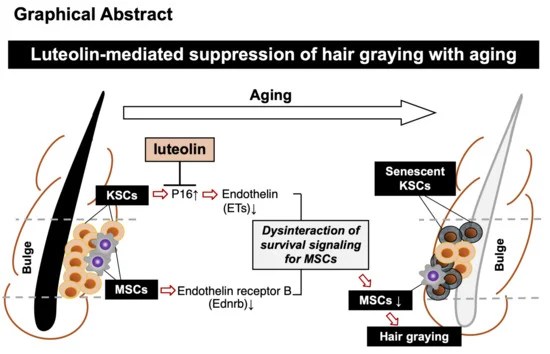
“External treatment with luteolin, but not that with hesperetin or diosmetin, alleviated hair graying in model mice. Internal treatment with luteolin also mitigated hair graying.

Both treatments suppressed the increase in p16ink4a-positive cells in bulges [senescent keratinocyte stem cells (KSCs)]. Both treatments also suppressed decreases in expression levels of endothelins in KSCs and their receptor (Ednrb) in melanocyte stem cells (MSCs), and alleviated hair graying in mice.”

https://www.mdpi.com/2076-3921/13/12/1549 “Anti-Graying Effects of External and Internal Treatments with Luteolin on Hair in Model Mice”

This study treated subjects internally and externally with luteolin and hesperetin, which are ranked #7 (effective treatment) and #14 (not an effective treatment) per Nrf2 activator rankings. I wonder what these researchers would have found if they used the #1 ranked Nrf2 activator, sulforaphane.


A 2024 review managed to cover the Nrf2 activation subject without mentioning sulforaphane:

“Certain types of hair graying can be prevented or treated by enhancing MSC maintenance or melanocyte function, reducing oxidative stress, and managing secretion and action of stress hormones.

Tactical approaches to pursue this goal may include a selective activation of the p38 MAPK–MITF axis, enhancing cellular antioxidant capacity through activating NRF2, and modulating the norepinephrine–β2AR–PKA signaling pathway.”

https://www.mdpi.com/2076-3417/14/17/7450 “Intrinsic and Extrinsic Factors Associated with Hair Graying (Canities) and Therapeutic Potential of Plant Extracts and Phytochemicals”

This reviewer also avoided citing the 2021 Sulforaphane and hair loss, although hair loss was mentioned multiple times. I suspect that institutional politics was involved, as both papers are from South Korea.


Reference 32 of this review was a 2023 review that covered mainly unintentional hair greying reversal as a side effect noted when people had pharmaceutical treatments for various diseases:

“Hair graying is a common and visible sign of aging resulting from decreased or absence of melanogenesis. It has long been thought that reversal of gray hair on a large scale is rare. However, a recent study reported that individual gray hair darkening is a common phenomenon, suggesting the possibility of large-scale reversal of gray hair.

All these treatments rely on the presence of a sufficient population of active McSCs. Maintaining a healthy population of McSCs is also an urgent problem that needs to be addressed.”

https://www.ijbs.com/v19p4588.htm “Reversing Gray Hair: Inspiring the Development of New Therapies Through Research on Hair Pigmentation and Repigmentation Progress”


I published A hair color anecdote two months into eating broccoli sprouts every day when I first noticed dark hair growing in. Since it’s been over 4 years that I’ve continued eating broccoli sprouts daily, I think it’s alright to stop referring to my continuing reversal of hair greying as an anecdote.

But it was apparently too late to address hair loss, which started before I turned 30. So now you know what to do. 🙂

Consequences of perinatal stress

A 2024 rodent study followed up earlier studies of perinatal stress:

“Stress is a multisystemic and multiscale reaction experienced by living beings in response to a wide range of stimuli, encompassing a highly complex order of biological and behavioral responses in mammals, including humans. In the present study, we evaluated changes in mRNA levels in 88 regions of interest (ROIs) in male rats both exposed to perinatal stress and not exposed.

Depending on critical life stage (e.g., perinatal life, infancy, childhood, adolescence, aging), duration, and type of stressor, different effects can be detected by examining behavioral and physiological functions. Stress is related to several cognitive processes, including spatial and declarative memory (involving the hippocampus), fear and memories of emotionally charged events (involving the amygdala), and executive functions and fear extinction (involving the prefrontal cortex).

This PRS paradigm is a well-characterized animal model in which offspring is exposed to stress during pregnancy and after birth because of receiving defective maternal care. Offspring exhibit behavioral hyperreactivity, as well as increased susceptibility to drug addiction and decreased risk-taking behavior.

Starting from day 11 of gestation until delivery, pregnant females were subjected to restraint in a transparent plastic cylinder and exposed to bright light during three daily sessions of 45 min. Since gestational stress induces a <40% reduction of maternal behavior in stressed mothers, we refer to the whole procedure as Perinatal Stress.

Intercorrelation between the orbitofrontal cortex (OFC) and various brain regions such as the thalamus and amygdala were found disrupted in the PRS group. These functional correlations appear to be associated with regulation of executive functions, goal-directed behavior, and directed attention. Also, discrete functional links between the OFC and limbic regions and striatum were lost in the PRS group.

Decreased expression of the Homer1a gene across multiple brain regions after perinatal stress exposure may derange normal architecture of glutamatergic synapses during neurodevelopment and after birth. Changes at the glutamatergic synapse have been considered pivotal in adaptive stress behaviors.

Our results show that PRS preferentially reinforces the centrality of subcortical nodes, resulting in increased centrality of structures such as amygdala, caudate-putamen, and nucleus accumbens, suggestive of reduced cortical control over these regions. In conclusion, when analyzing Homer gene expression after stress exposure not only in terms of quantitative changes compared to the control group, but also as a basis for conducting brain connectivity graph analysis, we observed that perinatal stress could significantly affect the functional connectivity of brain regions implicated in modeling pathophysiology of severe psychiatric disorders.”

https://www.sciencedirect.com/science/article/pii/S0278584624001003 “Perinatal stress modulates glutamatergic functional connectivity: A post-synaptic density immediate early gene-based network analysis”


PXL_20240528_094419674

Maintaining your myelin, Part 1

Three papers on myelin and oligodendrocytes, starting with a 2023 review:

“Myelin is the spiral ensheathment of axons by a lipid and cholesterol-rich glial cell membrane that reduces capacitance and increases resistance of the axonal membrane. Axonal myelination speeds up nerve conduction velocity as a function of axon diameter.

While myelination proceeds rapidly after birth in the peripheral nervous system, central myelination is a spatially and temporally more regulated process. Ongoing myelination of the human brain has been documented at up to 40 years of age. This late myelination in the adult cortex is followed by exhaustion of oligodendrocyte precursor cells (OPC) with senescence and a gradual loss of myelin integrity in the aging brain.

The brain is well known for its high energy demands, specifically in gray matter areas. In white matter tracts, energy consumption is lower. Myelination poses a unique challenge for axonal energy generation where myelin sheaths cover more than 95% of the axonal surface areas.

Oligodendrocytes help support axonal integrity. Oligodendrocytes survive well in the absence of mitochondrial oxidative phosphorylation, and without signs of myelin loss, cell death, neurodegeneration or secondary inflammation.

Glycolysis products of oligodendroglial origin are readily metabolized in axonal mitochondria. Oligodendroglial metabolic support is critical for larger and faster-spiking myelinated axons that also have a higher density of mitochondria. An essential requirement for the direct transfer of energy-rich metabolites from oligodendrocytes to the myelinated axonal compartment is ‘myelinic channels’ within the myelin sheath.

Interactions of oligodendrocytes and myelin with the underlying axon are complex and exceed the transfer of energy-rich metabolites. Continuous turnover of myelin membranes by lipid degradation and fatty acid beta-oxidation in mitochondria and peroxisomes leads to recycling of acetate residues by fatty acid synthesis and membrane biogenesis.
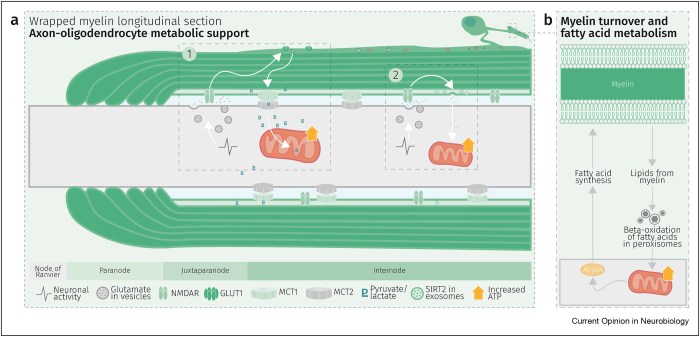
1-s2.0-S0959438823001071-gr2_lrg

In human multiple sclerosis (MS) and its animal model myelin oligodendrocyte glycoprotein-experimental autoimmune encephalomyelitis (MOG-EAE), acute inflammatory demyelination is followed by axonal degeneration in lesion sites that is mechanistically not fully understood. It is widely thought that demyelination and the lack of an axon-protective myelin sheath in the presence of numerous inflammatory mediators are the main causes of axon loss.

But unprotected axons improve rather than worsen the overall clinical phenotype of EAE mice which exhibited the same degree of autoimmunity. Thus, ‘bad myelin is worse than no myelin’ because MS-relevant myelin injuries perturb the integrity of myelinic channels and metabolic support.

Dysfunctional or injured oligodendrocytes that do not allow for compensation by any other cell types turn the affected myelin ensheathment into a burden of the underlying axonal energy metabolism, which causes irreversible axon loss. Any loss of myelin integrity, as seen acutely in demyelinating disorders or more gradually in the aging brain, becomes a risk factor for irreversible neurodegeneration.”

https://www.sciencedirect.com/science/article/pii/S0959438823001071 “Expanding the function of oligodendrocytes to brain energy metabolism”


A 2024 review focused on myelin and oligodendrocyte plasticity:

“This review summarizes our current understanding of how myelin is generated, how its function is dynamically regulated, and how oligodendrocytes support the long-term integrity of myelinated axons.

Apart from its unique ultrastructure, there are several other exceptional features of myelin. One is certainly its molecular composition. Another is its extraordinary stability. This was compellingly illustrated when 5000-year-old myelin with almost intact ultrastructure was dissected from a Tyrolean Ice Man.

Myelin is a stable system in contrast to most membranes. However, myelin is compartmentalized into structurally and biochemically distinct domains. Noncompacted regions are much more dynamic and metabolically active than tightly compacted regions that lack direct access to the membrane trafficking machinery of oligodendrocytes.

The underlying molecular basis for stability of myelin is likely its lipid composition with high levels of saturated, long chain fatty acids, together with an enrichment of glycosphingolipids (∼20% molar percentage of total lipids) and cholesterol (∼40% of molar percentage of total lipids). In addition, myelin comprises a high proportion of plasmalogens (ether lipids) with saturated long-chain fatty acids. In fact, ∼20% of the fatty acids in myelin have hydrocarbon chains longer than 18 carbon atoms (∼1% in the gray matter) and only ∼6% of the fatty acids are polyunsaturated (∼20% in gray matter).

With maturation of oligodendrocytes, the plasma membrane undergoes major transformations of its structure. Whereas OPCs are covered by a dense layer of large and negatively charged self-repulsive oligosaccharides, compacted myelin of fully matured oligodendrocytes lacks most of these glycoprotein and complex glycolipids.

Schematic depiction of an oligodendrocyte that takes up blood-derived glucose and delivers glycolysis products (pyruvate/lactate) via monocarboxylate transporters (MCT1 and MCT2) to myelinated axons. Oligodendrocytes and myelin membranes are also coupled by gap junctions to astrocytes, and thus indirectly to the blood–brain barrier.

oligodendrocyte

Adaptive myelination refers to dynamic events in oligodendroglia driven by extrinsic factors such as experience or neuronal activity, which subsequently induces changes in circuit structure and function. Understanding how these adaptive changes in neuron-oligodendroglia interactions impact brain function remains a pressing question for the field.

Transient social isolation during adulthood results in chromatin and myelin changes, but does not induce consequent behavioral alterations. When mice undergo a social isolation paradigm during early life development, they similarly exhibit deficits in prefrontal cortex function and myelination, but these deficiencies do not recover with social reintroduction. This implicates a critical period for social deprivation effects on myelin dynamics. Experience-dependent changes in myelin dynamics may depend on not only the age, brain region, and cell type studied, but also the specific myelin structural change assessed.

Local synaptic neurotransmitter release along an axon not only affects the number of OPCs and oligodendrocytes associated with that axon and local synthesis of myelin proteins, but also drives preferential selection of active axons for myelination over the ensheathment of electrically silenced neighboring axons. Neuronal activity–induced plasticity may preferentially impact brain regions that remain incompletely myelinated compared to more fully myelinated tracts.

Whereas the myelin sheath has been regarded for a long time as an inert insulating structure, it has now become clear that myelin is metabolically active with cytoplasmic-rich pathways, myelinic channels, for movement of macromolecules into the periaxonal space. The myelin sheath and its subjacent axon need to be regarded as one functional unit, which are not only morphological but also metabolically coupled.”

https://cshperspectives.cshlp.org/content/early/2024/04/15/cshperspect.a041359 “Oligodendrocytes: Myelination, Plasticity, and Axonal Support” (not freely available) Thanks to Dr. Klaus-Armin Nave for providing a copy.


A 2024 rodent study investigated oligodendrocyte precursor cell transcriptional and epigenetic changes:

“We used single-cell RNA sequencing (scRNA-seq), single-cell ATAC sequencing (scATAC-seq), and single-cell spatial transcriptomics to characterize murine cortical OPCs throughout postnatal life. One group (active, or actOPCs) is metabolically active and enriched in white matter. The second (homeostatic, or hOPCs) is less active, enriched in gray matter, and predicted to derive from actOPCs. Relative to developing OPCs, both actOPCs and hOPCs are less active metabolically and have less open chromatin.

In adulthood, these two groups are transcriptionally but not epigenetically distinct, indicating that they may represent different states of the same OPC population. If that is the case, then one model is that the parenchymal environment maintains adult OPCs within an hOPC state, whereas those OPCs recruited into white matter or exposed to demyelinated axons may transition toward an actOPC state in preparation for making new oligodendrocytes. We do not yet know the functional ramifications of these differences, but this finding has clear implications for the development of therapeutic strategies for adult remyelination.

opcs

Another finding is that developing but not adult actOPC chromatin is preferentially open for binding motifs associated with neural stem cells, transit-amplifying precursors, and neurogenesis. Although this may simply reflect their origin as the immediate progeny of neonatal neural precursor cells, it may also explain why developing but not adult OPCs have the capacity to make neurons in culture.

If we could, at least in part, reverse the global chromatin shutdown that occurs between development and adulthood, then perhaps adult OPCs may reacquire the ability to make neurons or become better able to generate new oligodendrocytes for remyelination.”

https://www.cell.com/stem-cell-reports/fulltext/S2213-6711(24)00077-8 “Single-cell approaches define two groups of mammalian oligodendrocyte precursor cells and their evolution over developmental time”

Continued in Part 2.


PXL_20240414_103442372

Three years after

A delayed commemoration of Week 9 of Changing to a youthful phenotype with broccoli sprouts:

Yes, Awakening continues to be a common occurrence due to continuous broccoli compound intake. Understanding what I didn’t understand yesterday. Noticing what I couldn’t see yesterday. I’m sure there’s more to go.

Appreciate last week’s experiences with people associated with my fourth grandchild’s birth. So miraculous, so beautiful that everything happened when it needed to. She’s perfect.

The current idiocracy prohibits saying anymore.


Ripe wild persimmons. They really taste good if you wait until they’re completely ripened.

PXL_20231003_111355807

Adverse Childhood Experiences, Part 2

A request was made to present studies that investigated epigenetic impacts of corporal punishments or physical trauma to children or adolescents. Here’s a follow-on of the 2015 Grokking an Adverse Childhood Experiences (ACE) score, since physical abuse is one factor of an ACE score.

1. The largest problem is that a person filling out an ACE questionnaire or Childhood Trauma Questionnaire can’t provide first-hand answers of their own experiences during womb life, infancy, and early childhood. These critical development periods are more impacted by adversity than are later life windows.

Human brains aren’t developed enough before age 3 to provide retrospective answers using cerebral memories. A self-reported ACE score can’t possibly address what happened during the times when we were most vulnerable to disrupted neurodevelopment. And good luck with parents providing factual histories of whether they physically or emotionally neglected, physically or emotionally abused, or otherwise adversely treated their fetus, infant, and young child.

2. Another problem is researchers can pretty much choose whatever questions they want as input criteria. I’ve seen pliable ACE scores developed from 5- to 25-item questionnaires.

Do these questionnaires cover all relevant adverse childhood experiences? For example, are researchers permitted to use as inputs societal-created adversities a child may have lived through such as the Khmer Rouge or Cultural Revolution? Studies are just starting to investigate adverse childhood experiences created by worldwide abuses of authority since 2020.

3. Other problems were discussed in a 2023 paper https://www.sciencedirect.com/science/article/abs/pii/S0145213423003162 “Adverse childhood experiences and adult outcomes using a causal framework perspective: Challenges and opportunities” (not freely available), two of which were:

  • Adding up ACE factors to a cumulative score ignores the impact of synergistic sets. For example, although both cumulative ACE scores are 2, a child who was physically and sexually abused would probably be more adversely affected than a child whose parents divorced or separated, and also had a family member incarcerated.
  • At any given time point, and especially with older people, there’s a potential selection bias against those most affected by adverse childhood experiences, such as those who died.

Using flawed, squishy, cumulative ACE scores as inputs, here are two 2023 studies that found epigenetic associations:

“We tested the following pre-registered hypotheses: Mothers’ adverse childhood experiences are correlated with DNA methylation (DNAm) in peripheral blood during pregnancy (hypothesis 1) and in cord blood samples from newborn infants (hypothesis 2), and women’s depression and anxiety symptoms during pregnancy mediate the association between mothers’ ACE exposure and prenatal/neonatal DNA methylation (hypothesis 3).

  1. Hypothesis 1: In 896 mother−infant pairs with available methylation and ACE exposure data, there were no significant associations between mothers’ ACE score and DNAm from antenatal peripheral blood, after controlling for covariates.
  2. Hypothesis 2: In infant cord blood, there were 5 CpG sites significantly differentially methylated in relation to mothers’ ACEs (false discovery rate < .05), but only in male offspring. Effect sizes were medium. CpG sites were in genes related to mitochondrial function and neuronal development in the cerebellum.
  3. Hypothesis 3: There was no mediation by maternal anxiety/depression symptoms found between mothers’ ACEs score and DNAm in the significant CpG sites in male cord blood.”

https://www.jaacap.org/article/S0890-8567(23)00313-1/fulltext “Epigenetic Intergenerational Transmission: Mothers’ Adverse Childhood Experiences and DNA Methylation”


“In this study, the effect of cumulative ACEs experienced on human maternal DNAm was estimated while accounting for interaction with domains of ACEs in prenatal peripheral blood mononuclear cell samples. Intergenerational transmission of ACE-associated DNAm was explored used paired maternal and neonatal cord blood samples. Replication in buccal samples was also explored.

We used a four-level categorical indicator variable for ACEs exposure: none (0 ACEs), low (1–3 ACEs), moderate (4–6 ACEs), and high (> 6 ACEs). 🙄

125a4c3cacfe4b922e5b864c

https://www.researchsquare.com/article/rs-2977515/v1 “Effect of Parental Adverse Childhood Experiences on Intergenerational DNA Methylation Signatures”

Transgenerational transmission of stress

This 2023 rodent study found that effects of stress during mid-late gestation were epigenetically transmitted to the first, second, and third female generations:

“We investigated effects of gestational chronic variable stress (CVS) in rats using restraint and social isolation stress in the parental F0 generation. Only the F0 pregnant dams were subjected to stress.

When a pregnant female experiences adversity, impacts of that stress affect exposed somatic tissues (F0 generation), the fetuses (F1 generation), and the fetuses’ germline (F2 generation). A true transgenerational inheritance arises when germline epimutations are transmitted to unexposed F3 offspring.

A subset of F1 rats was housed in an enriched environment (EE) to mitigate adverse effects of CVS. F2 offspring reared in EE had increased birth weights, but their uterine gene expression patterns remained comparable to those of stressed animals.

ijms-24-03734-g001

We provide evidence that psychological and psychosocial CVS alters inflammatory status and endocrine markers in uteri of adult dams through transgenerational programming of the female germline. EE therapy in prenatally stressed F1 offspring had no beneficial effects on uterine expression of inflammatory and endocrine markers for them or their future offspring.”

https://www.mdpi.com/1422-0067/24/4/3734 “Environmental Enrichment Promotes Transgenerational Programming of Uterine Inflammatory and Stress Markers Comparable to Gestational Chronic Variable Stress”


PXL_20230611_100728709

Eat broccoli sprouts for depression, Part 3

Here are two papers published after Part 2 that cited the Part 1 rodent study, starting with a 2023 rodent study performed by several Part 1 coauthors:

“We used a low-dose LPS-induced endotoxaemia model to mimic clinical characteristics of sepsis. We found that adolescent LPS treatment was sufficient to increase levels of inflammatory factor TNF-α in both the medial prefrontal cortex (mPFC) and hippocampus at post-natal day P22.

P21 LPS-treated mice were injected with sulforaphane (SFN) or saline intraperitoneally at P49 and then subjected to subthreshold social defeat stress (SSDS). We found that SFN preventative treatment significantly:

  • Decreased the social avoidance, anhedonia, and behavioural despair detected by the social interaction test, sucrose preference test, tail suspension test, and forced swim test, respectively.
  • Decreased anxiety-like behaviours without affecting locomotor activities.
  • Increased Nrf2 and brain-derived neurotrophic factor (BDNF) levels in the mPFC of P21 LPS-treated mice after SSDS compared with saline control mice.

The above results suggest that activation of the Nrf2-BDNF signalling pathway prevents the effect of adolescent LPS-induced endotoxaemia on stress vulnerability during adulthood.

sulforaphane and stress vulnerability

These results suggest that early adolescence is a critical period during which inflammation can promote stress vulnerability during adulthood. This might be due to increased inflammatory response in the mPFC, and mediated by decreased levels of Nrf2 and BDNF. These findings may shed light on the potential use of SFN as an alternative preventative intervention for inflammation-induced stress vulnerability.”

https://link.springer.com/article/10.1007/s00213-022-06285-4 “Lipopolysaccharide-induced endotoxaemia during adolescence promotes stress vulnerability in adult mice via deregulation of nuclear factor erythroid 2-related factor 2 in the medial prefrontal cortex” (not freely available)

This study demonstrated that adolescent diseases and stresses don’t necessarily develop into adult social problems. A timely intervention may even prevent future adult problems.

The one-time 10 mg/kg sulforaphane dose was the same as Part 1’s dose, a human equivalent of which is (10 mg x .081) x 70 kg = 57 mg.

I’d like to know more about how subjects’ memories of adverse events were retained, and subsequently affected their biology and behavior. Pretty sure limbic structures like the hypothalamus as well as lower brain structures played a part.


A 2022 review summarized what was known up to that time regarding Nrf2 and depression:

“Sulforaphane, an organosulfur compound isolated from Brassicaceae plants, is a potent natural NRF2 activator. Sulforaphane:

  • Exerts antidepressant- and anxiolytic-like activities and inhibits HPA axis and inflammatory response.
  • Has both therapeutic and prophylactic effects on inflammation-related depression.
  • Confers stress resilience.
  • Protects neurons via autophagy and promotes mitochondrial biogenesis by activating Nrf2.”

https://www.sciencedirect.com/science/article/pii/S2213231722002944 “Nrf2: An all-rounder in depression”


PXL_20230306_202857493

Minds of their own

It’s the weekend, so it’s time for: Running errands? Watching sports? Other conditioned behavior?

Or maybe broadening our cognitive ability with Dr. Michael Levin’s follow-ups to his 2021 Basal cognition paper and 2020 Electroceuticals presentation with a 2022 paper and presentation starting around the 13:30 mark:

Michael Levin - Cell Intelligence in Physiological and Morphological Spaces

“A homeostatic feedback is usually thought of as a single variable such as temperature or pH. The set point has been found to be a large-scale geometry, a descriptor of a complex data structure.”


His 2022 paper Technological Approach to Mind Everywhere: An Experimentally-Grounded Framework for Understanding Diverse Bodies and Minds:

“It is proposed that the traditional problem-solving behavior we see in standard animals in 3D space is just a variant of evolutionarily more ancient capacity to solve problems in metabolic, physiological, transcriptional, and morphogenetic spaces (as one possible sequential timeline along which evolution pivoted some of the same strategies to solve problems in new spaces).

Developmental bioelectricity works alongside other modalities such as gene-regulatory networks, biomechanics, and biochemical systems. Developmental bioelectricity provides a bridge between the early problem-solving of body anatomy and the more recent complexity of behavioral sophistication via brains.

This unification of two disciplines suggests a number of hypotheses about the evolutionary path that pivoted morphogenetic control mechanisms into cognitive capacities of behavior, and sheds light on how Selves arise and expand.

While being very careful with powerful advances, it must also be kept in mind that existing balance was not achieved by optimizing happiness or any other quality commensurate with modern values. It is the result of dynamical systems properties shaped by meanderings of the evolutionary process and the harsh process of selection for survival capacity.”


PXL_20220904_102050409

Non-CpG methylation

Three 2022 papers on methylation epigenetic modifiers, starting with a human study focused on mitochondrial DNA non-CpG methylation involving nucleobases other than guanine (arginine, cytosine, or thymine):

“We collected brain tissue in the nucleus accumbens and prefrontal cortex from deceased individuals without (n = 39) and with (n = 14) drug use, and used whole-genome bisulfite sequencing to cover cytosine sites in the mitochondrial genome. Epigenetic clocks in illicit drug users, especially in ketamine users, were accelerated in both brain regions by comparison with nonusers.

Unlike the predominance of CpG over non-CpG methylation in the nuclear genome, the average CpG and non-CpG methylation levels in the mitochondrial genome were almost equal. The utility of non-CpG methylation was further illustrated by the three indices constructed in this study with non-CpG sites having better distinction between brain areas, age groups, and the presence or absence of drug use than indices consisting of CpG sites only. Results of previous studies on the mitochondrial genome that were solely based on CpG sites should be interpreted cautiously.

The epigenetic clock made up of age-related cytosine sites in mtDNA of the control group was consistently replicated in these two brain regions. One possibility for the correlation is the cycle theory that involves mitochondrial activity, mitochondrial DNA methylation, and alpha-ketoglutarate.

As mitochondrial activity fades with aging, mitochondria gradually lose the ability to eliminate methylation on cytosines through alpha-ketoglutarate. Further investigation of the underlying mechanisms is warranted.

To our knowledge, this is the first report that ketamine might change the mitochondrial epigenetic clock in human brain tissues. We believe this is the first report to elucidate comprehensively the importance of mitochondrial DNA methylation in human brain.”

https://clinicalepigeneticsjournal.biomedcentral.com/articles/10.1186/s13148-022-01300-z “Mitochondrial DNA methylation profiling of the human prefrontal cortex and nucleus accumbens: correlations with aging and drug use”


A second rodent study focused on RNA methylation:

“We investigated the role of RNA N6-methyladenosine (m6A) in improved resilience against chronic restraint stress. A combination of molecular, behavioral, and in vivo recording data demonstrates exercise-mediated restoration of m6A in the mouse medial prefrontal cortex, whose activity is potentiated to exert anxiolytic effects. To provide molecular explanations, it is worth noting that epigenetic regulation, such as histone modification, microRNA, and DNA methylation all participate in mental and cognitive rehabilitation following exercise.

To generalize these rodent data to humans, we recruited a small group of patients with major depressive disorder with prominent anxiety disorders. Compared to age- and sex-matched healthy individuals, patients displayed decreased circulating methyl donor S-adenosyl methionine (SAM) levels. Serum SAM levels were found to be inversely correlated with the Hamilton Anxiety Scale, suggesting the potential value of SAM as a biomarker for depression or anxiety disorders.

Hepatic biosynthesis of methyl donors is necessary for exercise to improve brain RNA m6A to counteract environmental stress. The dependence on hepatic-brain axis suggests the ineffectiveness of exercise training on people with hepatic dysfunctions.

This novel liver-brain axis provides an explanation for brain network changes upon exercise training, and provides new insights into diagnosis and treatment of anxiety disorders. Exercise-induced anxiolysis might be potentiated by further replenishment of RNA methylation donors, providing a strategy of exercise plus diet supplement in preventing anxiety disorders.”

https://onlinelibrary.wiley.com/doi/10.1002/advs.202105731 “Physical Exercise Prevented Stress-Induced Anxiety via Improving Brain RNA Methylation”


A third paper was a review of mitochondrial-to-nuclear epigenetic regulation. I’ll highlight one mitochondrial metabolite, alpha-ketoglutarate (α-KG):

“Apart from established roles in bioenergetics and biosynthesis, mitochondria are signaling organelles that communicate their fitness to the nucleus, triggering transcriptional programs to adapt homeostasis stress that is essential for organismal health and aging. Emerging studies revealed that mitochondrial-to-nuclear communication via altered levels of mitochondrial metabolites or stress signals causes various epigenetic changes, facilitating efforts to maintain homeostasis and affect aging.

Metabolites generated by the tricarboxylic acid (TCA) cycle, the electron transport chain (ETC), or one-carbon cycle within mitochondria can act as substrates or cofactors to control epigenetic modification, especially histone acetylation and methylation and DNA methylation. α-KG produced in the TCA cycle serves as an essential cofactor for the chromatin-modifying Jumonji C (JmjC) domain-containing lysine demethylases (JMJDs) and ten-eleven translocation (TETs) DNA demethylases. Changes in α-KG levels are capable of driving nuclear gene expression by affecting DNA and histone methylation profiles.

1-s2.0-S0968000422000676-gr2_lrg

α-KG deficiency in progenitor stem cells increases with age. For example, the level of α-KG is reduced in follicle fluids of aged humans, and supplementation with α-KG preserves ovarian function in mice.

α-KG extends lifespan in Drosophila by activating AMPK signaling and inhibiting the mTOR pathway. Supplementing α-KG in the form of a calcium salt promoted a longer and healthier life associated with decreased levels of inflammatory cytokines in old mice.

A human study showed a nearly 8-year reversal in DNA methylation clock biological ages of 42 individuals taking an α-KG based formulation for 4–10 months. α-KG supplementation leads to both demethylation and hypermethylation of some CpG sites in the genome, suggesting that α-KG may have a broader effect on methylation-based aging, such as metabolic functions.

Outstanding questions:

  1. How is production of mitochondrial metabolites regulated both spatially and temporally to elicit epigenetic changes in response to mitochondrial dysfunction?
  2. What are specific epigenetic factors involved in mitochondrial-to-nuclear communications, and how do they cooperate with transcription factors in response to various external and internal stimuli?
  3. Do various mitochondrial metabolites act alone or in concert on the epigenome to regulate the aging process?
  4. Are some organs or tissues more at risk than others in maintaining mitochondrial-to-nuclear communication during aging?
  5. Can intervention of mitochondrial-to-nuclear communications mimic beneficial epigenetic changes to delay aging or alleviate age-onset diseases?”

https://www.sciencedirect.com/science/article/pii/S0968000422000676 “Mitochondrial-to-nuclear communication in aging: an epigenetic perspective”


PXL_20220706_093129304

Immune system aging

This 2021 review by three coauthors of Take responsibility for your one precious life – Trained innate immunity cast a wide net:

“Non-specific innate and antigen-specific adaptive immunological memories are vital evolutionary adaptations that confer long-lasting protection against a wide range of pathogens. However, these mechanisms of memory generation and maintenance are compromised as organisms age.

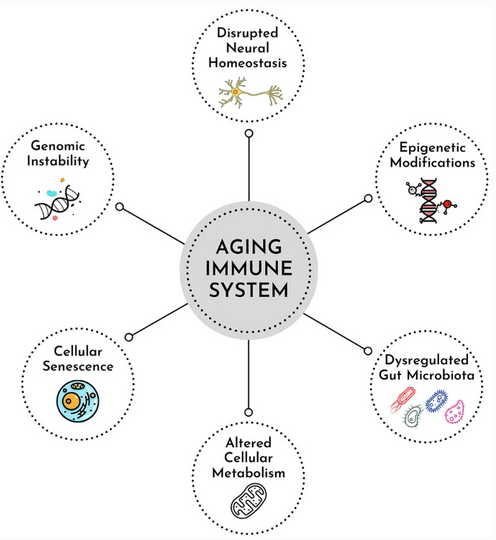
This review discusses how immune function regulates and is regulated by epigenetics, metabolic processes, gut microbiota, and the central nervous system throughout life. We aimed to present a comprehensive view of the aging immune system and its consequences, especially in terms of immunological memory.

aging immune system

A comprehensive strategy is essential for human beings striving to lead long lives with healthy guts, functional brains, and free of severe infections.”

https://link.springer.com/article/10.1007/s12016-021-08905-x “Immune Memory in Aging: a Wide Perspective Covering Microbiota, Brain, Metabolism, and Epigenetics”


Attempts to cover a wide range of topics well are usually uneven. For example, older information in the DNA Methylation In Adaptive Immunity section was followed by a more recent Histone Modifications in Adaptive Immunity section.

This group specializes in tuberculosis vaccine trained immunity studies, and much of what they presented also applied to β-glucan trained immunity. A dozen previously curated papers were cited.

PXL_20211218_190653401

The impact of transgenerational epigenetic inheritance and early life experiences

A 2021 interview with McGill University’s Moshe Szyf:

There is a rejection of transgenerational inheritance as it goes against progressive thinking because it ties us to previous generations. The theory faces rejection because it sounds deterministic.

But if you understand what epigenetics is, it’s not deterministic. There is stability, and there’s also room for dynamic change.

The only way things change in the body for the long term is via epigenetics. We don’t know everything yet, new discoveries are yet to happen, and then we will just say, ‘Wow, it’s so obvious!’

The immune system is tightly connected to the brain and is directly affected by early adversity. Even though we will not be able to learn what’s going on in the brain, as far as epigenetics in living people, we will gain a lot of information from how the immune system responds to early adversity, and how this is correlated with behavioral phenotype and with mental health.

This brings into question the whole field of neuroimmunology, of which there is a lot of data. But it seems that a lot of psychiatrists are totally oblivious to these data, which is astounding, because the glucocorticoid hormone – the major player in this mechanism due to its involvement in early life stress as well as control of behavior – also controls immune function.

Nobody can live long enough to oversee a human transgenerational study. In humans, correlations are usually in peripheral tissue, where changes are small. The jury’s not out yet, but if evolution used it for so many different organisms, some of which are very close to us in the evolutionary ladder, it’s impossible that humans don’t use it.

How are current findings in animal models relevant to humans? How do we develop human paradigms that will allow us to achieve a higher level of evidence than what we have now?

  • One way is the immune-inflammatory connection to other diseases. I think this is where the secret of epigenetic aging lies, as well as epigenetics of other diseases.
  • Every disease is connected to the immune system. The brain translates the behavioral environment to the immune system, and then the immune system sends chemical signals across the body to respond to these challenges.

We need to understand that epigenetic programs are a network. Move beyond candidate genes, understand the concept of a network, and really understand the challenge: Reset the epigenetic network.

Epigenetics is going to be rapidly translated to better predictors, better therapeutics, and more interesting therapeutics. Not necessarily the traditional drug modeled against a crystal structure of an enzyme, but a more networked approach. Ideas about early life stress are critical and have impacted the field of childcare by highlighting the importance of early childhood relationships.”

https://www.futuremedicine.com/doi/10.2217/epi-2021-0483 “The epigenetics of early life adversity and trauma inheritance: an interview with Moshe Szyf”


Reworking evolutionary theory

Dr. Michael Skinner coauthored a 2021 review arguing for inclusion of epigenetic transgenerational inheritance into evolutionary theory:

“Over the past 50 years, molecular technology has been used to investigate evolutionary biology. Many examples of finding no correlated genetic mutations or a low frequency of DNA sequence mutations suggest that additional mechanisms are also involved.

  • Identical twins have essentially the same genetics, but generally develop discordant disease as they age.
  • Only a low frequency (generally 1% or less) of individuals that have a specific disease have a correlated genetic mutation.
  • Dramatic increases in disease frequency in the population cannot be explained with genetics alone.

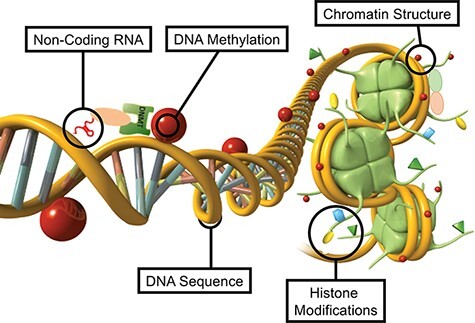
DNA methylation, histone modifications, changes to chromatin structure, expression of non-coding RNA, and RNA methylation can directly regulate gene expression independent of DNA sequence. These different epigenetic factors do not only act independently, but integrate with each other to provide a level of epigenetic complexity to accommodate the needs of cellular development and differentiation.

dvab012f1

Environmental epigenetics is the primary molecular mechanism in any organism that is used to promote physiological and phenotypic alterations. Actions of environmental factors early in development can permanently program the cellular molecular function, which then impacts later life disease or phenotypes.

dvab012f2

Integration of epigenetics and genetics contribute to a Unified Theory of Evolution that explains environmental impacts, phenotypic variation, genetic variation, and adaptation that natural selection acts on. The current review expands this proposed concept and provides a significant amount of supporting literature and experimental models to support the role of environmentally induced epigenetic transgenerational inheritance in evolution.”

https://www.ncbi.nlm.nih.gov/pmc/articles/PMC8557805/ “Role of environmentally induced epigenetic transgenerational inheritance in evolutionary biology: Unified Evolution Theory”


Organisms cited in this review’s references are similar to humans in ancestral influences and developmental influences during the first 1000 days of our lives. Humans are different in that even after all these influences, we can choose to influence our own change and individually evolve. We can also change our internal environments per Switch on your Nrf2 signaling pathway and An environmental signaling paradigm of aging.

PXL_20211031_111835802

Gut microbiota and critical development periods

This 2021 rodent study focused on global histone acetylation as a model to understand roles of microbially produced short-chain fatty acids in liver function:

“Despite the utility of germ-free mice in probing complex interactions between gut microbiota and host physiology, germ-free mice are developmentally, physiologically, and metabolically unique when compared with their conventionally housed counterparts. We sought to determine whether antibiotic-mediated microbiota depletion would affect global hepatic histone acetylation states through SCFA-dependent mechanisms, as previously observed in germ-free mice.

The inability of antibiotic-mediated microbiota depletion to recapitulate findings observed in germ-free mice suggests that the transition from a germ-free to a colonized mouse leads to resilient alterations in hepatic histone acetylation states that cannot be altered by further modulating the microbial environment. This finding is distinct from other germ-free phenotypes that are considered to be partially reversible, with clear alterations in their function observed after antibiotic treatment.

histone acetylation

Comparing antibiotic-treated and untreated mice that both received CCl4 at 24 and 48 hours after injury, there were almost no histone acetylation differences. This demonstrates that hepatic injury leads to a global shift in histone acetylation that is primarily independent of gut microbiota.

Major chromatin reorganization driven by histone acetylation leads to markers of differentiation, and addition of targeted differentiation signals induces events to stabilize these histone acetylation patterns – a key feature of embryonic development and terminal cellular differentiation. Differences in histone acetylation patterns seen between germ-free and conventionally raised mice may be a developmental-like effect of hepatocytes not yet exposed to microbial by-products.

Results suggest that microbial and dietary modifications to the gut microbiome in conventionally raised mice are not a means to modulate global hepatic histone acetylation. Microbiota-dependent landscaping of the hepatic epigenome appears static in nature, while the hepatic transcriptome is responsive to alterations in the gut microbiota, yet independent of global histone acetylation.

Findings underscore significant differences between these model systems that should be taken into account when considering their relevance to human biology.”

https://aasldpubs.onlinelibrary.wiley.com/doi/10.1002/hep.32043 “Global Microbiota-Dependent Histone Acetylation Patterns Are Irreversible and Independent of Short Chain Fatty Acids” (not freely available) Thanks to Dr. Elliot S. Friedman for providing a copy.


1. By describing “a key feature of embryonic development,” this study provided a gut microbiota-liver analogy of critical periods. If developmental events don’t happen when they are required, it’s probable that their window is missed, and won’t reopen later for a second chance at normalizing.

2. Many studies used a germ-free animal model, such as:

This study provided evidence for a limitation of this model, especially when extrapolating germ-free animal results to humans without similarly testing humans.


PXL_20210914_165000840_exported_1399

Happy Mothers Day

This 2021 rodent study investigated effects on offspring of maternal high-fat diet (HFD) during gestation and lactation, and offspring HFD during young adulthood:

“We found that gestation was the most sensitive period to induce obesity in late life, and there was no difference between sexes in chance of obesity. Furthermore, we found that lactation and administration of a HFD post‐weaning increased incidence of lipid metabolism disorders and obesity in offspring.

gestational hfd effects on offspring

There are different windows of opportunity for programming epigenetically labile genes. Some studies support the alteration of epigenetic status during development as an important cause induced adult obesity.

Gestation is considered as the most sensitive period because high DNA synthesis and DNA methylation patterns are established for normal tissue development during the embryonic period. These two programming events are the times when the epigenetic state changes most widely in the life cycle.”

https://onlinelibrary.wiley.com/doi/10.1111/jcmm.16551 “Gestational high-fat diet impaired demethylation of Pparα and induced obesity of offspring”


Hey mothers! Do what you please. But don’t turn around and deny consequences of your behavior and choices on your descendants’ physiology and behavior, and possibly those of further descendants.

Gestation, birth, infancy, and early childhood are critical periods for humans. There’s no going back to correct errors and problems.