Nrf2 and Parkinson’s disease

This 2020 rodent study investigated a long non-coding RNA (lncRNA) in Parkinson’s disease:

“Knockdown of MALAT1 (metastasis-associated lung adenocarcinoma transcript 1) lncRNA inhibited elevated nuclear factor (erythroid-derived 2)-like-2 factor (NRF2) expression, thereby inhibiting inflammasome activation and ROS (reactive oxygen species) production. MALAT1 was shown to promote neuroinflammation by recruiting enhancer of zeste homologue 2 (EZH2) to the promoter of NRF2, suppressing Nrf2 expression.

EZH2 catalyses generation of trimethylated H3K27 (H3K27me3) from histone H3 at lysine 27 (H3K27). EZH2 plays an important role in regulating the essential genes for inflammation in microglial activation, which induces neurodegeneration in the central nervous system.

Our results also validated MALAT1 binding to EZH2 in LPS-treated BV2 cells, which further recruited H3K27me3 to the gene promoter loci of Nrf2 to repress Nrf2 transcription. Although silencing MALAT1 did not alter global EZH2 expression levels, decreased binding between EZH2 and the Nrf2 promoter was observed. Previous studies have revealed that lncRNAs regulate the function of EZH2 in a similar manner.

MALAT1 epigenetically inhibits NRF2, thereby inducing inflammasome activation and ROS production in PD mouse and microglial cell models. To the best of our knowledge, it is first report of the important role of EZH2 in regulating the expression of Nrf2 to activate microglial inflammation.”

https://molecularbrain.biomedcentral.com/articles/10.1186/s13041-020-00656-8 “LncRNA MALAT1 facilitates inflammasome activation via epigenetic suppression of Nrf2 in Parkinson’s disease”


Eat broccoli sprouts today! referenced a letter to the editor that cited The Ezh2 Polycomb Group Protein Drives an Aggressive Phenotype in Melanoma Cancer Stem Cells and is a Target of Diet Derived Sulforaphane which found:

“SFN treatment is associated with reduced Ezh2 level and H3K27me3 formation.”

However, that study didn’t link sulforaphane’s main effect of Nrf2 signaling pathway activation to these specific treatment effects.


This post was inspired by our latest subscriber, Dr. Albert F. Wright, who is battling PD with – among other treatments – broccoli seeds.

DES-exposure descendants and cancer

A 2020 case study to follow up the wretched Burying human transgenerational epigenetic evidence:

“Diethylstilbestrol (DES) has strengthened concepts of endocrine disrupting chemicals (EDCs) and the fetal basis of adult disease. It is well-known that in-utero exposure to DES induces a wide range of reproductive tract abnormalities, with reports of alterations in Müllerian duct development, fertility problems, ectopic pregnancies, miscarriages, premature births and cancers, particularly clear cell adenocarcinoma (CCAC) of the vagina and cervix.

We report for the first time cervical CCAC in an 8-year-old girl whose maternal grandmother was given DES during pregnancy. She underwent fertility-sparing surgery and radiotherapy. No sign of recurrence was detected throughout a 10-year follow-up.

Her maternal grandmother reported six miscarriages and then DES treatment during the entire 9 months of pregnancy with the patient’s mother. The patient’s mother reported the surgical removal of two-thirds of her left ovary at the age of 12 years for a rapidly growing cyst.

In DES grandsons, we and others have reported a high prevalence of hypospadias, particularly with severe phenotypes, as well as several cases of disorders of sex development. In addition, a cohort study of 47,540 women found significantly elevated odds for attention-deficit / hyperactivity disorder in the DES grandchildren, suggesting a role of EDCs in multigenerational neurodevelopmental deficits.”

https://academic.oup.com/humrep/advance-article-abstract/doi/10.1093/humrep/deaa267/5956098 “Diethylstilbestrol exposure during pregnancy with primary clear cell carcinoma of the cervix in an 8-year-old granddaughter: a multigenerational effect of endocrine disruptors?” (not freely available)


Are researchers and physicians prepared for the great-grandchildren, the transgenerational descendants of DES exposure, who had no possible direct exposure to the toxin?

Have they read everything Dr. Michael Skinner at Washington State University coauthored in the past five years, not just the older review this paper cited? Have they paid close attention to his studies where disease symptoms spared the children and grandchildren, and weren’t evidenced until the great-grandchildren?

There will be abundant evidence to discover if researchers and physicians take their fields seriously. As many as 10 million of these great-grandchildren are alive today, just in the US.

Broccoli sprout compounds include sinapic acid derivatives

This 2020 study provided details about healthy sinapic acid broccoli sprout compounds:

“Anti-inflammatory effects of broccoli sprouts have been demonstrated in vivo, but the connection with composition is not yet fully explained. The aim of the present study was:

  • Provide a complex qualitative / quantitative insight into variability of SADs [sinapic acid derivatives] during germination of broccoli sprouts; and
  • Investigate their antioxidant and anti-inflammatory properties that might result from the presence of phenolics.

Sprouting in darkness results in overall decrease in total content of SADs with growth time, but promotes replacement of relatively low active constituents, such as sinapine, by stronger antioxidants. These structural changes are beneficial for total antioxidant capacity of broccoli sprouts, and are correlated with their increasing ability to scavenge free radicals, reduce transition metal ions, and inhibit lipid peroxidation.”

The graphic’s dotted line is sinapine.

“Anti-TNF-α activity of broccoli sprout extract and sinapic acid was less relevant than that of an anti-inflammatory drug DEX [dexamethasone]. However, contrary to DEX, they significantly stimulated release of IL-10, which is an anti-inflammatory and immunosuppressive factor. By downregulating secretion of pro-inflammatory cytokines, IL-10 may impede immunopathology by inhibiting activity of macrophages, natural killer cells and lymphocytes.

Most of the previous studies ascribed anti-inflammatory effects of broccoli sprouts to their sulfur compounds only. Research data from in vivo models confirmed that glucosinolates may stimulate IL-10 release while isothiocyanates do not influence significantly or even decrease its production.

The present study indicates that phenolic constituents may also be responsible for anti-inflammatory effects of broccoli sprouts, and stimulation of IL-10 might be most relevant in this context.”

https://pubs.rsc.org/en/content/articlelanding/2020/FO/D0FO01387K “Variability of sinapic acid derivatives during germination and their contribution to antioxidant and anti-inflammatory effects of broccoli sprouts on human plasma and human peripheral blood mononuclear cells” (not freely available)


Some aspects of this study:

1. Seed-2-4-6 day measurements complemented seed-3-5-7 day measurements of the superb 3-day-old broccoli sprouts have the optimal yields. Both studies used standard methodologies, provided convertible dry weight and fresh weight measurements in mg / g, and grew their sprouts in darkness, with the current study watering every 12 hours.

The current study measured composition changes of 31 compounds (18 sinapic acid derivatives, 8 glucosinolates, and 5 flavonoids). It was too complicated for me to sum up and convert these granular dry weight measurements to make them directly comparable with 3-day study total phenolics (TP below, and TF is total flavonoids). They decreased similarly to TP mg / g fresh weight measurements.

The 3-day study also compared each cultivated variety’s germination stage weights and measurements with its origin using a milligram-per-gram-of-seeds scale:

“To be comparable, the content of these bioactive compounds from 100 fresh sprouts was divided by the weight (g) of 100 seeds, and then this value was compared with their content from one gram seeds.

The seed weight of XM was nearly twice that of other varieties and its sprouts weight also had the highest increasing rate. LWW and LY had the lowest weight of seeds as well as sprouts.”

phenolics and flavonoids

Different lowercase letters meant significant differences in the same cultivar among sampling days, and uppercase in the same sampling day among cultivars.

A. That study’s mg / g fresh weight trend favored broccoli seeds, a subject explored in Microwave broccoli seeds to create sulforaphane. Seeds of all six cultivars were significantly higher than their sprouts in TP, TF, and sulforaphane in this paradigm.

B. The mg / g seed trend favored 3-day-old broccoli sprouts for TP (five of six cultivars), TF (all), but not sulforaphane (two of six). Both trends were scientifically informed.

Which paradigm suits you?

2. A 2005 study was cited for:

“Total glucosinolate content in fresh broccoli sprouts were reported to reach 4.02 μmol/g fw, which corresponds to 0.71 mg/g fw of active isothiocyanates. In our study, total content of SADs in 6-day-sprouts was 4.85 mg/g dw. Recalculating to fresh weight gives 0.37 mg/g fw, which suggests that SADs might well influence biological effects of glucosinolates.”

The current study measured eight glucosinolates but no isothiocyanates. Don’t think this 2005 study provided bases for close comparisons, since it had unknown broccoli cultivar, unknown sprout age, and unanalyzed isothiocyanates.

Comparisons to a two-decimal-point precision should use the same cultivar and contexts, to include growing conditions. For example:

  • The 3-day study showed wide variation in sulforaphane weights among six broccoli cultivars’ seeds, from 2.43 mg to 12.07 mg per gram of seeds. And:

    “Knowledge concerning the bioavailability of plant ITCs is essential to predict the potential level of exposure as GL determination alone may not accurately reflect how much of the final active ITC can be formed from sprouts.”

  • The three cultivars studied in Lab analyses of broccoli sprout compounds had broccoli sprout sulforaphane amounts vary from 0.3 to 1.2 μmol / g fw in one growing season, then from 0.2 to 0.6 μmol / g fw the next year.

But these researchers knew that:

“In a study, diminishing amounts of total phenolic acids in sprouts of three broccoli cultivars was observed only between 3rd and 7th day of germination under photoperiod conditions and only when expressed on fresh weight basis. After recalculating results to dry weight, amounts were increasing during the whole 14-day observation period.

Trends cannot be treated as universal, but are dependent on growth conditions and variety of the plant.”

“0.37 mg/g fw” of Day 6 sinapic acid derivatives would be lower than Day 7 of four 3-day study cultivars’ total phenolics, and between Days 5 and 7 of the other two. I’d guess that the current study’s cultivar, Cezar, would be neither the lowest nor the highest cultivar if comparably measured for total phenolics.

3. These researchers compared other studies to an extent that isn’t usually seen. The result was good information such as:

“The most significant difference is sinapine that was not detected in either of the two above mentioned works, but is a major component of extracts investigated in the present work.

In one study, 7-day-sprouts were germinated under photoperiod conditions and without monitoring the phenolic profile in preceding growing days. Dominating constituents identified were trisinapoyl-gentiobiose, that was also present in relevant quantities in 6-day-sprouts, and sinapoyl-malate, that was not detected in our study.

Taking into account the significant role of these compounds (especially sinapoyl-malate) in UV-protection, light availability might have caused much quicker sinapine degradation and synthesis of SADs more suitable for those conditions. The same study also demonstrated that additional UVA and UVB irradiation before harvest further induced production of some of the constituents.

4. Flavonoids and hydroxycinnamic acids are subgroups of phenolic compounds. Sinapic acid derivatives are a category of hydroxycinnamic acids.

Would microwaving sinapic acid derivatives have similar effects to what was described in Microwave broccoli to increase flavonoid levels? That’s the subject of Microwaving broccoli sprouts may not affect phenolic levels.


Eat broccoli sprouts to inhibit β-amyloid

This 2020 lab study investigated sulforaphane’s effects on an Alzheimer’s disease enzyme:

“BACE1 is the rate-limiting enzyme responsible for the production of Aβ [amyloid-beta] from APP [amyloid precursor protein]. Both the expression level and activity of this enzyme are aberrantly elevated in the brains of patients with AD.

Sulforaphane exhibited six times more potent activity against BACE1 compared to well-known positive controls including resveratrol and quercetin. Sulforaphane presented selective and non-competitive BACE1 inhibitory activity with low off-target inhibition.

Molecular docking simulation was used to analyze whether the compound can reach the target enzyme to produce the biological effect safely and interact with the targeted sites.

The blood–brain barrier (BBB) is constituted by neurovascular units that contain endothelial cells. A previous study reported that gavage administration of sulforaphane penetrated BBB in its intact structure and accumulated in brain tissues with a maximum increase and disappearance after 15 min and 2 h, respectively.”

https://www.mdpi.com/2072-6643/12/10/3026/htm ” Discovery of Sulforaphane as a Potent BACE1 Inhibitor Based on Kinetics and Computational Studies”


Nano-sulforaphane vs. barbecue chemicals

This 2020 chicken study investigated the capability of nano-sulforaphane to protect embryonic survival and neurogenesis from a barbecued meat chemical:

“Common teratogenic [of, relating to, or causing malformations of an embryo or a fetus] factors related to the development of the nervous system, such as alcohol consumption and smoking, have attracted wide attention. Teratogenic factors such as PhIP, the most abundant amine produced in common cooking procedures, can affect early embryonic development, leading to abnormal development of the nervous system.

Nano-sized medicine, in comparison with conventional medicine, leads to increased active concentrations and bioavailability. Both PhIP and nanoparticles can cross the placental barrier and enter the fetus from the external environment.

Chick embryos (100 per group) were incubated with 0.1% DMSO (Control); 20μM, 100μM, 200μM, or 300μM PhIP; or 200μM PhIP + 5μM Nano-SFN [sulforaphane] for 36 h:

  • Mortality rates were 0% for the Control, 8% with 20μM PhIP, 20% with 100μM PhIP, 53% with 200μM PhIP, 85% with 300μM PhIP, and 7% with 200μM PhIP + 5μM Nano-SFN.
  • Neural tube malformation rates [for the remaining live embryos] were 0% for the Control, 5% with 20μM PhIP, 14% with 100μM PhIP, 36% with 200μM PhIP, 14% with 300μM PhIP, and 6% with 200μM PhIP + 5μM Nano-SFN.

Women at the early stage of pregnancy should avoid barbecue. Instead, increase intake amount of cruciferous vegetables, which benefits fetal neural development.”

https://www.sciencedirect.com/science/article/abs/pii/S0940960220301618 “Nano-sulforaphane attenuates PhIP-induced early abnormal embryonic neuro-development” (not freely available)


PXL_20201022_225011002.NIGHT

Dietary contexts matter

Two papers illustrated how actions of food compounds are affected by their contexts. The first was a 2020 UCLA rodent study:

“Long-chain polyunsaturated fatty acids (PUFAs), particularly omega-3 (n-3) PUFAs, have been indicated to play important roles in various aspects of human health. Controversies are observed in epidemiological and experimental studies regarding the benefits or lack of benefits of n-3 PUFAs.

Dietary docosahexaenoic acid (DHA; 22:6 n-3) supplementation improved select metabolic traits and brain function, and induced transcriptomic and epigenetic alterations in hypothalamic and hippocampal tissues in both context-independent and context-specific manners:

  • In terms of serum triglyceride, glycemic phenotypes, insulin resistance index, and memory retention, DHA did not affect these phenotypes significantly when examined on the chow diet background, but significantly improved these phenotypes in fructose-treated animals.
  • Genes and pathways related with tissue structure were affected by DHA regardless of the dietary context, although the direction of changes are not necessarily the same between contexts. These pathways may represent the core functions of DHA in maintaining cell membrane function and cell signaling.
  • DHA affected the mTOR signaling pathway in hippocampus. In the hypothalamus, altered pathways were more related to innate immunity, such as cytokine-cytokine receptors, NF-κB signaling pathway, and Toll-like receptor signaling pathway.

DHA exhibits differential influence on epigenetic loci, genes, pathways, and metabolic and cognitive phenotypes under different dietary contexts.”

https://onlinelibrary.wiley.com/doi/10.1002/mnfr.202000788 “Multi‐tissue Multi‐omics Nutrigenomics Indicates Context‐specific Effects of DHA on Rat Brain” (not freely available)


A human equivalent age period of the subjects was 12 to 20 years old. If these researchers want to make their study outstanding, they’ll contact their UCLA colleague Dr. Steven Horvath, and apply his new human-rat relative biological age epigenetic clock per A rejuvenation therapy and sulforaphane.

The second paper was a 2016 review Interactions between phytochemicals from fruits and vegetables: Effects on bioactivities and bioavailability (not freely available):

“The biological activities of food phytochemicals depend upon their bioaccessibility and bioavailability which can be affected by the presence of other food components including other bioactive constituents. For instance, α-tocopherol mixed with a flavonol (kaempferol or myricetin) is more effective in inhibiting lipid oxidation induced by free radicals than each component alone.

Interactions of phytochemicals may enhance or reduce the bioavailability of a given compound, depending on the facilitation/competition for cellular uptake and transportation. For example, β-carotene increases the bioavailability of lycopene in human plasma, and quercetin-3-glucoside reduces the absorption of anthocyanins.

Combinations of food extracts containing hydrophilic antioxidants and lipophilic antioxidants showed very high synergistic effects on free radical scavenging activities. A number of phytochemical mixtures and food combinations provide synergistic effects on inhibiting inflammation.

More research should be conducted to understand mechanisms of bioavailability interference considering physiological concentrations, food matrices, and food processing.”


Each of us can set appropriate contexts for our food consumption. Broccoli sprout synergies covered how I take supplements and broccoli sprouts together an hour or two before meals to keep meal contents from lowering sulforaphane bioavailability.

Combinations of my 19 supplements and broccoli sprouts are too many (616,645) for complete analyses. Just pairwise comparisons like the second paper’s example below would be 190 combinations.

binary isobologram

Contexts for each combination’s synergistic, antagonistic, or additive activities may also be influenced by other combinations’ results.

My consumption of flax oil (alpha linolenic acid C18:3) probably has effects similar to DHA since it’s an omega-3 PUFA and I take it with food. The first study’s human equivalent DHA dose was 100mg/kg, with its citation for clinical trials stating “1–9 g/day (0.45–4% of calories) n-3 PUFA.”

A 2020 review Functional Ingredients From Brassicaceae Species: Overview and Perspectives had perspectives such as:

“In many circumstances, the isolated bioactive is not as bioavailable or metabolically active as in the natural food matrix.”

It discussed categories but not combinations of phenolics, carotenoids, phytoalexins, terpenes, phytosteroids, and tocopherols, along with more well-known broccoli compounds.


Diving for breakfast
Human relevance of rodent sulforaphane studies

After reading through findings of several dozen rodent studies this evening, I thought it would be worthwhile to revisit analysis of human relevance provided by one paper of How much sulforaphane is suitable for healthy people?

“Comparisons of published oral doses of sulforaphane administered to mice or rats and sulforaphane (tablets or sulforaphane-rich broccoli preparations) or glucoraphanin-rich broccoli preparations administered to humans.

The allometric scaling of the murine doses uses the correction factor of 0.081 and those for rat doses 0.162. Human doses were based on an estimate of 70 kg body weights in each study.”

A confession followed:

“Animal studies have not delivered all that might be expected of them. Pre-clinical experimentalists have not thought carefully about the selection of dose (or route) and its relevance to clinical utility.

Over two-thirds of the animal studies have used doses that exceed the highest (and bordering on intolerable) doses of sulforaphane used in humans.

Few studies have included a dose-response. The greater than 4-log spread of doses used in mice appears to be driven by needs for effect reporting in publications rather than optimization of translational science.

Authors of this review have contributed to this dose skewing.”


Let’s narrow this graphic to a human-relevant range:

human-rodent-relevant-dosages

48 of the 114 rodent study doses were in an allometric range applicable to humans.

Clinically relevant sulforaphane human doses start at a 100 µmol amount (17.73 mg). The graphic normalized human weights to 70 kg, so 100 µmol / 70 kg is 1.43 µmol / kg. Eyeballing the graphic, 43 of the 114 rodent study doses were in an allometric range applicable to human clinical doses.

But only three of the human sulforaphane study doses were above 4 µmol / kg. This indicator of the mentioned “intolerable doses” will limit clinically relevant oral doses to no more than 17.73 mg x (4 / 1.43) ≈ 50 mg in one serving.

Reviewing clinical trials of broccoli sprouts and their compounds described a sulforaphane study with doses above 4 µmol / kg:

“They proposed the intake of 15 capsules of broccoli sprouts at a time, giving 90 mg [508 µmol, 7.26 µmol / kg] of SFN and 180 mg of glucoraphanin, a never before tested dosage, which was established because of the poor life expectancy of the patients and the aggressive characteristics of this type of cancer.

Secondary effects of the chemotherapy, the lack of appetite, nausea, vomits, diarrhea, mouth sores, etc., were factors that made it very difficult for the patients to intake 15 pills at once, as the study initially planned.

Progression of the pancreatic cancer and the GI symptomatology led to a high rate of drop-off of:

  • 72% in the treatment group; and
  • 55% abandonment in the control group!

Therefore, the results were not significant.”

Our model clinical trial Effects of long-term consumption of broccoli sprouts on inflammatory markers in overweight subjects calculated subjects’ mean weight in Table 1 as “85.8 ± 16.7 kg.” Its average glucoraphanin dose per kg body weight was 117 μmol / 85.8 kg = 1.36 μmol / kg.

Per Estimating daily consumption of broccoli sprout compounds, my twice-a-day consumption of a total 131 grams microwaved broccoli sprouts represents a worst-case 52 mg sulforaphane daily intake. This is ≈ 3 µmol / kg per day, the graphic’s second-largest sulforaphane amount cluster. Half that per serving.


Only 8% of the rodent studies were in a sulforaphane range that was both:

  • Clinically relevant to humans as a lower boundary (1.43 µmol / kg); and
  • Tolerable to humans as an upper boundary (4 µmol / kg).

human-rodent clinically relevant tolerable dosages

The main purpose of animal studies is to help humans. Which researchers conducted sulforaphane studies that could actually help humans?

Natural sources of melatonin

This 2020 review subject was melatonin:

“The emergence of naturally occurring melatonin and its isomers in fermented foods has opened an exciting new research area. Melatonin is a hormone, an indolamine that predominantly appears in plants, microorganisms, and mammals.

The precursor of this molecule is solely the amino acid L‐tryptophan. Melatonin ensures a circadian and seasonal signal to vertebrate organisms; it is synthesized through a cascade of enzymatic reactions producing melatonin from serotonin in its final phases. The synthesis of melatonin is observed in almost all organs.

One melatonin molecule has the capacity to scavenge up to 10 ROS versus the other antioxidants that scavenge 1 or even less ROS. Melatonin antioxidant properties are accomplished with the indole ring that stimulates enzyme production (i.e., superoxide dismutase (SOD), glutathione‐peroxidase (Gpx), and catalase (CAT)), which mitigate free radicals to less toxic substances.

In addition to antioxidant properties, it plays a fundamental role in the modulation of various physiological functions, including circadian rhythmicity, bone integrity, and functionalization of the human reproductive system.

The presence of melatonin and its isomers is not exclusive for grapes and grape‐derived products. Other fruits such as sweet and sour cherries and fermented juices of orange and pomegranate may be also of interest.”

https://onlinelibrary.wiley.com/doi/full/10.1111/1541-4337.12639 “Naturally occurring melatonin: Sources and possible ways of its biosynthesis”


Grow a Victory Garden in mason jars

I tried a new process with success during the past 27th week of eating broccoli sprouts every day. My son suggested that mason jars with strainer lids would streamline the broccoli sprout production process. He was right, and then some.

I start a new batch every twelve hours. The left jar contained soaking seeds.

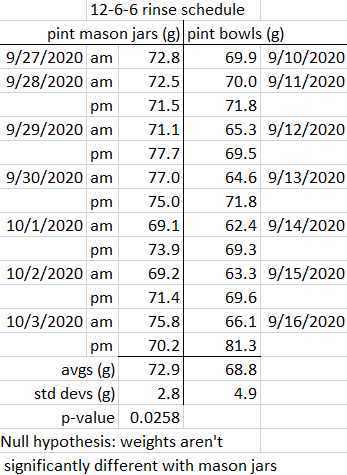
Here are thirteen measurements from this week compared with weights of a similar period last month. Starting amounts of broccoli seeds were all 10.7 grams, batches were rinsed three times each day on a 12 hour-6 hour-6 hour schedule, and weights taken at the 72-hour point:

Higher weights with less variation were reflected in broccoli sprout sizes. Few sprouts grew over one inch in three days when in bowls, but look at them now:

Larger broccoli sprouts taste better, too. After microwaving them on 1000W full power for 35 seconds to ≤ 60°C (140°F), I wait five minutes to allow further myrosinase hydrolization of glucoraphanin and other glucosinolates into sulforaphane and other healthy compounds.

Further changes from what’s outlined in Step 5 of Grow a broccoli sprouts Victory Garden today! include:

  • I don’t shape batches anymore. I do fill each pint jar to the top and let it sit for five minutes in order to soak all seeds and sprouts.
  • I leave cooking water in after microwaving rather than straining it out. Although some leaching of water-soluble glucoraphanin may occur, I drink that water anyway.
  • I don’t mix in mustard, sauerkraut, or other flavorings. Still trying to make unsalted sauerkraut that tastes good.

I mistakenly pasted in a 9/10 p.m. value of 69.9 grams instead of its a.m. value of 66.0. Correcting it in my workbook changed the sample average from 68.8 g to 68.5 g. The correction didn’t change either the sample’s 4.9 g standard deviation value or the null hypothesis’ failed-test 0.0258 p-value.


This post is my one and only experiment with using the “new” retro Word Press block editor to start a new blog post. 😦 Word Press management knew this non-productive change was a non-starter, but foisted it on their users for their own convenience. 😦

They require me – along with hundreds of thousands of Word Press users – to edit blog posts with it. 😦 If retro is better, why don’t we all just go back eight decades to the most primitive text editor?

Jet fuel exposure causes diseases in the great-grand offspring

This 2020 Washington State University rodent study examined how great-grandmothers’ JP-8 exposures produced diseases in their great-grand offspring:

“Ancestral exposure to environmental influences such as toxicants, abnormal nutrition, and traumatic stress can affect the germline epigenome and promote the epigenetic transgenerational inheritance of adult onset disease in various organisms from plants to humans. Biological mechanisms underlying transgenerational epigenetic inheritance induced by jet fuel exposure are further investigated in the current study.

Genome-wide association studies (GWAS) have found specific genetic mutations associated with human pathologies, however these genetic mutations generally appear in less than 1% of the disease population. In contrast, epimutations (DNA methylation, histone modifications, non-coding RNA, chromatin structure, and RNA methylation alterations) seem to have a higher frequency and appear in more individuals with the diseases. Determining epigenetic biomarkers for these diseases could become especially useful indicators of environmental exposures and disease susceptibility in the human population.

The number of differential methylated regions (DMRs) found in the transgenerational F3 males is between 100 and 500 for each individual pathology. Few DMRs overlap between the different pathologies which supports the possible use of epimutations as biomarkers of disease. Although further studies are required, the lack of a subpopulation of DMRs overlapping with all pathologies suggests that at a more stringent statistical threshold there are not common DMRs among specific diseases.

Although females develop transgenerational disease, insufficient numbers of oocytes can be obtained on individuals to allow epigenetic associations to be assessed. The study only examined male pathology and associated sperm epimutation associations.”

https://www.sciencedirect.com/science/article/pii/S0890623820301982 “Epigenome-wide association study for transgenerational disease sperm epimutation biomarkers following ancestral exposure to jet fuel hydrocarbons”


The only associations these study subjects had with JP-8 were their great-grandmothers’ jet fuel exposures while pregnant with their grandparents. Other environmental toxicants studied by this group that produced similar transgenerationally inherited diseases were DDT, atrazine, and vinclozolin.

Ever think about your great-grandchildren?

Take responsibility for your one precious life – DHEA

This 2020 meta-analysis subject was DHEA:

“Twenty-four qualified trials were included in this meta-analysis. Statistically significant increases in serum IGF-1 levels were found only in participants who were:

  1. Women; or
  2. Supplementing 50 mg/d; or
  3. Undergoing intervention for > 12 weeks; or
  4. Without an underlying comorbidity; or
  5. Over the age of 60 years.

DHEA supplementation led to an overall increase of ~16 ng/ml in serum IGF-1 levels, as well as increases of ~23 [women] and ~20 ng/ml [age > 60]. Diseased and healthy subjects ages ranged from 20 to 72 years old.”

Discussion section explanations of the above:

  1. “Women are more susceptible to biochemical and clinical shifts caused by DHEA supplementation.
  2. The majority of investigations tested DHEA at a dose of 50 mg/d.
  3. The majority of studies were performed for > 12 weeks.
  4. Participants with no comorbidities were also older in many studies.
  5. Older patients have a natural decline in the production of IGF-1 and DHEA.

Additional rigorous RCTs are warranted to better define whether and to what extent changes in IGF-1 levels caused by DHEA supplementation are relevant for health benefits.”

https://www.sciencedirect.com/science/article/abs/pii/S0531556520302977Impact of dehydroepian[d]rosterone (DHEA) supplementation on serum levels of insulin-like growth factor 1 (IGF-1): A dose-response meta-analysis of randomized controlled trials” (not freely available)


More on IGF-1 from The influence of zinc supplementation on IGF-1 levels in humans: A systematic review and meta-analysis which was cited for “Previous studies have demonstrated that IGF-1 levels can be affected by several factors.”

“IGF-1 is a growth factor synthesized in the liver, and elicits a myriad of effects on health due to its participation in the GH-IGF-1 axis, where it:

  • Is involved in tissue homeostasis;
  • Has anti-apoptotic, mitogenic, anti-inflammatory, antioxidant and metabolic actions;
  • Contributes to skeletal muscle plasticity, maintenance of muscle strength and muscle mass;
  • Neural and cardiovascular protection;
  • Development of the skeleton;
  • Possesses insulin-like effects, and
  • Is a key factor in brain, eye and lung development during fetal development.

IGF-1 plays important roles in both growth and development, and its levels vary depending on age, with peaks generally observed in the postnatal period and at puberty. IGF-1 levels influence the release of GH [growth hormone] from the hypophysis [pituitary gland] via a negative feedback loop.

A rapid decrease in IGF-1 levels is registered during the third decade of life. Levels gradually decrease between the third and the eighth decade of life.”


The Group 3 “> 12 weeks” finding was reinforced by perspectives such as:

Group 4 “with no comorbidities” was narrowly defined. All of us have degrees of diseases in progress. Consider aging effects:

  • Aging as a normal disease “Aging and its diseases are inseparable, as these diseases are manifestations of aging. Instead of healthy aging, we could use the terms pre-disease aging or decelerated aging.”
  • Aging as an unintended consequence “Epigenetic ageing begins from very early moments after the embryonic stem cell stage and continues uninterrupted through the entire lifespan. Ageing is an unintended consequence of processes that are necessary for development of the organism and tissue homeostasis thereafter.”
  • Organismal aging and cellular senescence “If we assume that aging already starts before birth, it can be considered simply a developmental stage, required to complete the evolutionary program associated with species-intrinsic biological functions such as reproduction, survival, and selection.”
  • An environmental signaling paradigm of aging “The age-phenotype of a cell or organ depends on its environment and not its history. Organisms, organs, and their cells can be reset to different age-phenotypes depending on their environment.”

These perspectives are less important than what each of us choose to do about our own problems. Take responsibility for your one precious life.

Get serious about advanced glycation end products (AGEs)

Ever heard about AGEs? Here are three papers that describe how AGEs affect humans.

First is a 2020 Italian review Common Protective Strategies in Neurodegenerative Disease: Focusing on Risk Factors to Target the Cellular Redox System:

“Neurodegenerative disease is an umbrella term for different conditions which primarily affect the neurons in the human brain. Currently, neurodegenerative diseases are incurable, and the treatments available only control the symptoms or delay the progression of the disease.

Neurotoxicity can be induced by glycation reactions. Since glycation is a nonenzymatic process, proteins characterized by a slow turnover are those that more easily accumulate AGEs.

Methylglyoxal (MG) can occur as glycolysis by-product, but it is also present in foods (especially cooked and baked), beverages (mainly those fermented), and cigarette smoke, and it is considered the most potent precursor of AGE formation. More than 20 different AGEs have been identified in foods and in human tissues.

AGE accumulation, oxidative stress, and inflammation are related to AGE ability to bind specific receptors called RAGE. RAGE expression increases during aging, cancer, cardiovascular diseases, AD [Alzheimer’s], PD [Parkinson’s], and other neurodegenerative diseases.”


A 2015 study by some of the same authors Antiglycative activity of sulforaphane: a new avenue to counteract neurodegeneration? was cited for a treatment in addition to changing one’s diet to be AGE-less.

“When MG production is increased by high glucose or oxidative stress, glycated proteins accumulate in the brain and lead to glycative stress, playing a fundamental role in the establishment of different neurodegenerative disorders.

Our results indicated that SF [sulforaphane] counteracts ROS by two possible mechanisms of action: an increase of intracellular GSH [glutathione] levels and an enhancement of MG-detoxification through the up-regulation of the glyoxalase (GLO1) systems. GLO1 up-regulation is mediated by the transcription factor Nrf2. SF has been demonstrated to activate Nrf2.

Another mechanism by which SF exerts its neuroprotective activity against MG-induced glycative damage is the modulation of mitogen-activated protein kinase (MAPK) signaling pathways involved in apoptotic cell death. All MAPK signaling pathways are activated in AD.

Brain-derived neurotrophic factor (BDNF) is associated with neuronal survival through its interactions with the tyrosine receptor kinase B (TrkB) and p75 cellular receptors. BDNF expression levels are reduced in the brain of AD patients. SF pre-treatment, before MG addition, not only further increased BDNF levels, but also significantly induced TrkB protein levels reverting MG negative effect on this receptor.

SF totally reverts the reduction of glucose uptake caused by MG exposure. SF can be defined as a multitarget agent modulating different cellular functions leading to a pro-survival frame of particular importance in the prevention / counteraction of multifactorial neurodegenerative diseases.”


A 2020 review Non-enzymatic covalent modifications: a new link between metabolism and epigenetics investigated glycation:

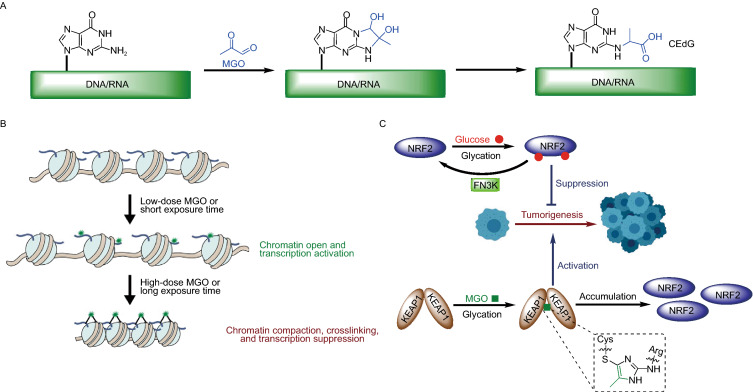
“Non-enzymatic covalent modifications (NECMs) by chemically reactive metabolites have been reported to manipulate chromatin architecture and gene transcription. Unlike canonical post-translational modifications (PTMs), NECMs accumulate over time and are much more dependent on the cellular microenvironment.

A. Guanine residues in DNA and RNA can undergo methylglyoxal glycation, thereby inducing DNA and RNA damage. This DNA damage has few corresponding repair pathways.

B. Histones are primary glycation substrates because of their long half-lives and abundant lysine and arginine residues. Histone glycation was found to induce epigenetic dysregulation through three distinct mechanisms:

  1. Competition with essential enzymatic PTMs for sites (e.g., glycation adducts replace H3K4me3 and H3R8me2);
  2. Changing the charge states of histone tails and subsequently affecting the compaction state of the fiber; and
  3. Altering three-dimensional chromatin architecture by inducing both histone-histone and histone-DNA crosslinking.

Epigenetic impacts of histone glycation were shown to be dependent on sugar concentration and exposure time. Histone and DNA glycation may lead to long term epigenetic impacts on immune responses.

C. Glycation of multiple lysine residues of NRF2 inhibits its oncogenic function. Sugar molecules can influence epigenetic events through glycation of transcription factors and/or their associated regulatory proteins.”

The Transcription factor glycation section referenced a 2011 paper Regulation of the Keap1/Nrf2 system by chemopreventive sulforaphane: implications of posttranslational modifications:

“Nrf2 mRNA level is unaffected by treatment with sulforaphane, suggesting that cellular expression of Nrf2 protein is posttranscriptionally regulated. Posttranslational modifications of Keap1 and Nrf2 proteins seem to play an important role in the regulation of ARE‐dependent gene expression.”


“Neurodegenerative diseases are incurable?” Take responsibility for your own one precious life.

Other curated AGEs papers include:

Broccoli sprout synergies

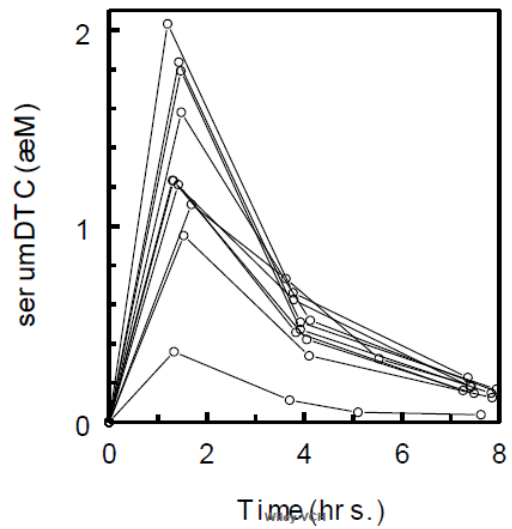
I was asked for examples of broccoli sprout synergies with supplements mentioned in Week 19 of Changing to a youthful phenotype with broccoli sprouts. I take supplements and broccoli sprouts together an hour or two before meals to keep meal contents from lowering sulforaphane bioavailability. Sulforaphane peaks in plasma between 1 and 2 hours after ingestion.

sulforaphane peak plasma

I started splitting broccoli sprout doses after reading the first study of A pair of broccoli sprout studies. The second study was Untargeted metabolomic screen reveals changes in human plasma metabolite profiles following consumption of fresh broccoli sprouts.

Those subjects ate only “a single dose of fresh broccoli sprouts (providing 200 μmol SFN equivalents) at 8 AM on study day 1.” A 200 μmol amount of sulforaphane is a 35 mg weight.

For comparison, my daily consumption is a worst-case 52 mg sulforaphane from microwaving 131 g of 3-day-old broccoli sprouts per Estimating daily consumption of broccoli sprout compounds. Every day for 22 weeks now. 🙂

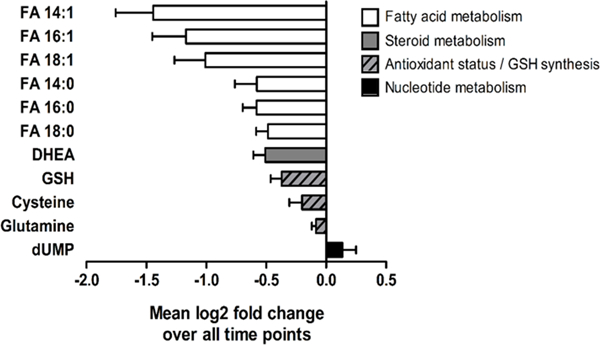
The second study’s measurements through 48 hours produced this informative graphic and text:

“Of the features we identified using metabolite databases and classified as endogenous, eleven were significantly altered.

  • Glutathione (GSH) – a major intracellular antioxidant that conjugates with SFN during metabolism – was significantly decreased in plasma at 6, 12 and 24 hours following sprout intake.
  • GSH precursors glutamine (3 and 24 hours) and cysteine (12 and 24 hours) also decreased.
  • We observed significant decreases in dehydroepiandrosterone (DHEA) at 3, 6 and 12 hours.
  • Decreases in fatty acids reported here suggest that even a single dose of broccoli sprouts may alter plasma lipids in healthy adult populations.

While this study focuses largely on potential effects of SFN, broccoli sprouts contain many other bioactive components (e.g., indoles) that could be responsible for our observations as well as additional health benefits.”

Supplements I take twice daily with broccoli sprouts:

  • 1 gram L-glutamine for replenishment and other purposes;
  • 25 mg DHEA to replenish and other effects;
  • 15 mg then 50 mg zinc, which has a role in GSH metabolism;
  • 500 mg glucosamine (anti-inflammatory, crosstalk with Nrf2 signaling pathway);
  • 500 mg acetyl-L-carnitine (induces Nrf2-dependent mitochondrial biogenesis); and
  • 1400 IU then 2000 IU Vitamin D. A major portion of its effects is Nrf2 activation, like sulforaphane. A virtuous circle develops when taken with broccoli sprouts in that the Vitamin D receptor is a Nrf2 target gene inducible by sulforaphane, which then upregulates Nrf2 expression levels.

One of the things eating Boring Chicken Vegetable Soup twice a day does is replenish cysteine. I eat that and steel-cut oats (another cysteine source) separately from broccoli sprouts.

I take 1 gram flax oil with breakfast and dinner instead of with broccoli sprouts. Haven’t found relevant research on whether broccoli sprout compounds decrease omega-3 polyunsaturated alpha linolenic acid C18:3 as they do these six endogenous fatty acids.


Both studies investigated effects of fresh broccoli sprouts. Timing of their measured decreases and increases are different for me because I microwave broccoli sprouts up to but not exceeding 60°C (140°F).

A section of Microwave broccoli seeds to create sulforaphane highlighted metabolic differences among fresh broccoli sprouts, microwaved broccoli sprouts, and broccoli sprout supplements.

“A metabolic profile resulting from my current practices is probably between the Sprout and BSE (broccoli sprout extract) divided-dose statistics:

  1. Sulforaphane intake is greater than eating raw broccoli sprouts because microwaving 3-day-old broccoli sprouts creates sulforaphane in them before eating.
  2. Sulforaphane uptake from microwaved broccoli sprouts is quicker than eating raw broccoli sprouts. It may not be as immediate as taking sulforaphane supplements, which are usually powders.
  3. Sulforaphane dose from microwaved broccoli sprouts is less dependent on an individual’s metabolism than eating raw broccoli sprouts.
  4. Sulforaphane release from microwaved broccoli sprouts continues on to the gut as does eating raw broccoli sprouts. Sulforaphane release from supplements may not per Does sulforaphane reach the colon?.”

Metabolism of broccoli sprout glucoraphanin and other glucosinolates that aren’t preferentially hydrolyzed by microwaving and thorough chewing is assisted in the gut twice a day by:

  • 6 billion IU acidophilus; and
  • 750 mg fructo-oligosaccharides.

See Treating psychopathological symptoms will somehow resolve causes? for updates.


Take responsibility for your one precious life – Trained innate immunity

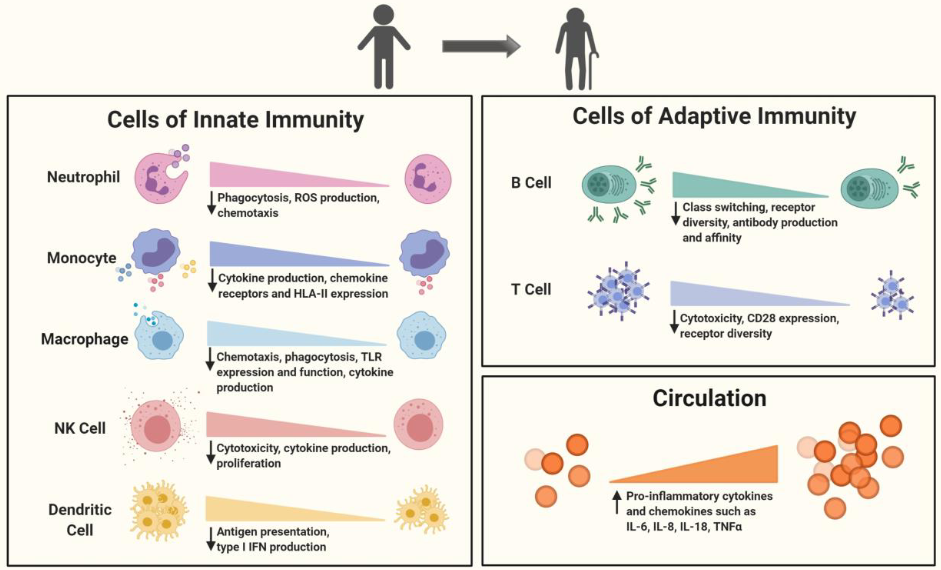
This 2020 review subject was the normal progression of our immune systems:

“Age-related alterations in the immune system result in high susceptibility to infections, increased risk of hospitalization and mortality. Defects in adaptive immunity underlie the markedly low vaccine efficiency in the elderly. Despite reduced cellular functions, a systemic increase in inflammatory markers, so-called inflammaging, is observed in aged individuals.

Trained immunity is a newly emerging concept that showed that innate immune cells possess non-specific immunological memory established through epigenetic and metabolic reprogramming upon encountering certain pathogenic stimuli.

Novel approaches targeting innate immunity to improve host responses are crucial to evade the consequences of the aged immune system. It is an emerging concept that innate immune cells can manifest memory-like properties that are not antigen-specific and exhibit enhanced responsiveness upon later challenges with heterologous stimuli. Whether trained immune responses change as people age is yet to be explored.”

https://academic.oup.com/intimm/advance-article/doi/10.1093/intimm/dxaa052/5885077 “Overcoming immune dysfunction in the elderly: trained immunity as a novel approach”


Previous papers by this review’s corresponding coauthor were curated in:

There’s no reason to rely entirely on the review’s elaborate vaccination schemes to develop trained immunity. Take responsibility for your one precious life and Train your immune system every day!

Eat broccoli sprouts for your hair!

A trio of papers, with the first a 2017 review exploring broccoli sprout compounds’ effects on head hair:

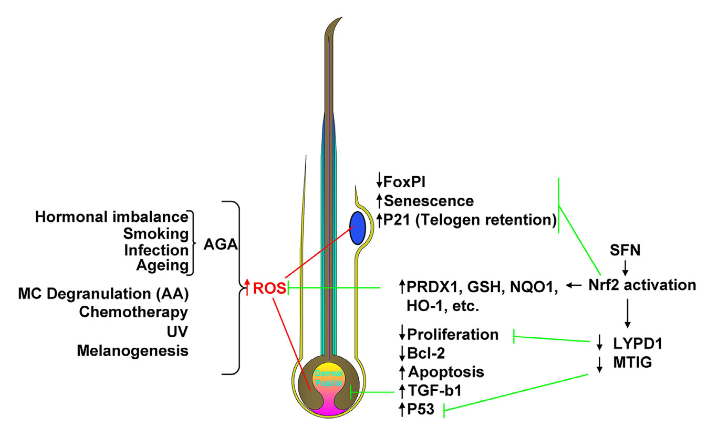
“Skin appendages, notably hair follicles (HFs), can be exposed to high levels of reactive oxygen species (ROS), which are generated through metabolic reactions occurring mostly in the mitochondria, peroxisomes, and endoplasmic reticulum, as well as in the plasma membrane. Despite their involvement in redox stress and cellular damage, ROS also have key roles in physiological signalling processes, including but not limited to, control of stem cell quiescence / differentiation, regulation of innate and adaptive immune responses and importantly, normal HF development.

HFs are composed of a series of concentric keratinocyte layers with a central hair shaft, all of which are encapsulated by a mesenchymal connective tissue sheath. Within this structure is an area known as the ‘bulge’, housing a population of epithelial and melanocyte stem cells. The hair bulb, the lowermost portion of the HF, contains transient amplifying cells that produce rapidly proliferating matrix keratinocytes that give rise to various cell types of the inner root sheath and hair shaft itself.

Putative impact of NRF2 activation on protection against hair disorders:

  1. Accumulation of excess ROS within crucial HF compartments (i.e. bulb and bulge) can be induced by endogenous and exogenous stressors associated with androgenetic alopecia (AGA), alopecia areata (excessive mast cell degranulation), chemotherapy, UV exposure, and even physiological processes such as melanogenesis.
  2. In the HFSCs [hair follicle stem cells] of the bulge, this can lead to reduced FOXP1 signaling, increased senescence and P21-mediated telogen retention, contributing to hair ageing.
  3. In the hair bulb, negative consequences of excessive ROS can include reduced matrix keratinocyte proliferation and Bcl-2 expression, coupled to increased p53 activity and apoptosis. This redox imbalance may also stimulate dermal papilla-derived TGF-b1 release associated with AGA.
  4. NRF2 activation via SFN [sulforaphane] can induce expression of numerous downstream targets, hence suggesting the potential to counteract excessive ROS and associated pathologies, for example via enhanced clearance of reactive species, detoxification, NADPH generation, and GSH maintenance.
  5. In addition, NRF2 may down-regulate genes that would negatively impact on proliferation and stimulate apoptosis.
  6. Ultimately, activation of NRF2 has the potential to protect against HF miniaturization, chemotherapy-induced apoptosis, HFSC aging, and hair greying, through maintenance of normal redox homeostasis.

Whereas eumelanin (black) is involved in natural UV protection by reducing generation of free radicals, pheomelanin (red) can trigger generation of ROS. It would certainly be interesting to determine whether NRF2 activity is therefore higher in individuals with red as opposed to black hair, in order to mitigate any negative impact from higher ROS generation.

Modulation of NRF2 activity is an attractive approach for further study in prevention of hair greying and HFSC ageing. The remarkable prospect for NRF2 activators in modulating other oxidative stress-linked disease states, strongly advocates for development of NRF2 targeting as a novel strategy in modulating redox-associated disorders of the HF.”

https://onlinelibrary.wiley.com/doi/abs/10.1002/bies.201700029 “Oxidative stress management in the hair follicle: Could targeting NRF2 counter age‐related hair disorders and beyond?” (not freely available)


This review was cited in a 2020 Exploring the possibility of predicting human head hair greying from DNA using whole-exome and targeted NGS data study:

“This study aimed to assess the potential of genetic data to predict hair greying in a population of nearly 1000 individuals from Poland. Most prediction information was brought by age alone. Genetic variants explained < 10% of hair greying variation, and the impact of particular SNPs on prediction accuracy was found to be small.

Study population included 673 males (67.4%) and 325 (32.6%) females. Mean age of participants was 30.5 ± 8.8.

Hair greying was recorded in 14.3% of individuals aged 18–30, and prevalence of grey hair was noted to be significantly higher in young males when comparing to young females (17.8 and 9.2%, respectively). Incidence of grey hair increased to 29.5% in the group of people aged 18–40 years, and was 84.2% when people aged ≥40 years were considered.

Because pleiotropy is so common, it would be impossible to predict natural phenotypes avoiding genes involved in determination of pathological phenotypes. The penetrance of individual SNP variants is usually low, and they altogether can only explain a small fraction of predisposition to disease.

Prediction of hair greying status solely based on genetic information is currently impossible.”


A 2020 review had a pertinent evaluation scheme:

“Geroprotectors are pharmacological agents that decrease the rate of aging and extend lifespan. We proposed a set of primary and secondary selection criteria for potential geroprotectors. Primary criteria:

  1. Life extension in experiments with wild type animal models. The geroprotector should prolong life of the model beyond the intact maximum lifespan, protecting it from one or more mechanisms of aging.
  2. Improvement of molecular, cellular, and physiological biomarkers to a younger state, or slow down progression of age-related changes in humans.
  3. Most potential geroprotectors are preventive only when applied at relatively high concentrations. The lifespan-extending dose should be several orders of magnitude less than the toxic dose.
  4. Minimal side effects at the therapeutic dosage at chronic application.
  5. The potential benefit of taking a geroprotector may come after a long period. Potential geroprotectors should initially improve some parameters of health-related quality of life: physical, mental, emotional, or social functioning of the person.”

https://www.mdpi.com/2076-3921/9/6/529/htm “Terpenoids as Potential Geroprotectors”


IMG_20200822_064852