Take responsibility for your one precious life – DHEA

This 2020 meta-analysis subject was DHEA:

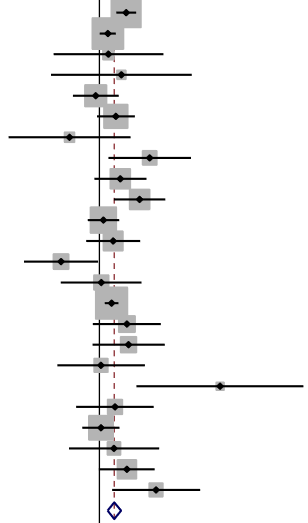
“Twenty-four qualified trials were included in this meta-analysis. Statistically significant increases in serum IGF-1 levels were found only in participants who were:

  1. Women; or
  2. Supplementing 50 mg/d; or
  3. Undergoing intervention for > 12 weeks; or
  4. Without an underlying comorbidity; or
  5. Over the age of 60 years.

DHEA supplementation led to an overall increase of ~16 ng/ml in serum IGF-1 levels, as well as increases of ~23 [women] and ~20 ng/ml [age > 60]. Diseased and healthy subjects ages ranged from 20 to 72 years old.”
Discussion section explanations of the above:

  1. “Women are more susceptible to biochemical and clinical shifts caused by DHEA supplementation.
  2. The majority of investigations tested DHEA at a dose of 50 mg/d.
  3. The majority of studies were performed for > 12 weeks.
  4. Participants with no comorbidities were also older in many studies.
  5. Older patients have a natural decline in the production of IGF-1 and DHEA.

Additional rigorous RCTs are warranted to better define whether and to what extent changes in IGF-1 levels caused by DHEA supplementation are relevant for health benefits.”

https://www.sciencedirect.com/science/article/abs/pii/S0531556520302977Impact of dehydroepian[d]rosterone (DHEA) supplementation on serum levels of insulin-like growth factor 1 (IGF-1): A dose-response meta-analysis of randomized controlled trials” (not freely available)


More on IGF-1 from The influence of zinc supplementation on IGF-1 levels in humans: A systematic review and meta-analysis which was cited for “Previous studies have demonstrated that IGF-1 levels can be affected by several factors.”

“IGF-1 is a growth factor synthesized in the liver, and elicits a myriad of effects on health due to its participation in the GH-IGF-1 axis, where it:

  • Is involved in tissue homeostasis;
  • Has anti-apoptotic, mitogenic, anti-inflammatory, antioxidant and metabolic actions;
  • Contributes to skeletal muscle plasticity, maintenance of muscle strength and muscle mass;
  • Neural and cardiovascular protection;
  • Development of the skeleton;
  • Possesses insulin-like effects, and
  • Is a key factor in brain, eye and lung development during fetal development.

IGF-1 plays important roles in both growth and development, and its levels vary depending on age, with peaks generally observed in the postnatal period and at puberty. IGF-1 levels influence the release of GH [growth hormone] from the hypophysis [pituitary gland] via a negative feedback loop.

A rapid decrease in IGF-1 levels is registered during the third decade of life. Levels gradually decrease between the third and the eighth decade of life.”


The Group 3 “> 12 weeks” finding was reinforced by perspectives such as:

Group 4 “with no comorbidities” was narrowly defined. All of us have degrees of diseases in progress. Consider aging effects:

  • Aging as a normal disease “Aging and its diseases are inseparable, as these diseases are manifestations of aging. Instead of healthy aging, we could use the terms pre-disease aging or decelerated aging.”
  • Aging as an unintended consequence “Epigenetic ageing begins from very early moments after the embryonic stem cell stage and continues uninterrupted through the entire lifespan. Ageing is an unintended consequence of processes that are necessary for development of the organism and tissue homeostasis thereafter.”
  • Organismal aging and cellular senescence “If we assume that aging already starts before birth, it can be considered simply a developmental stage, required to complete the evolutionary program associated with species-intrinsic biological functions such as reproduction, survival, and selection.”
  • An environmental signaling paradigm of aging “The age-phenotype of a cell or organ depends on its environment and not its history. Organisms, organs, and their cells can be reset to different age-phenotypes depending on their environment.”

These perspectives are less important than what each of us choose to do about our own problems. Take responsibility for your one precious life.

Sleep

If you can stand the woo of two Californians trying to outwoo each other, listen to these five podcasts with a sleep scientist.

https://peterattiamd.com/matthewwalker1/

“Ambien, sedation, hypnotives, are not sleep.

Sleep is a life support system. It’s the Swiss army knife of health.

Lack of sleep is like a broken water pipe in your home that leaks down into every nook and cranny of your physiology.

Sleep research is not being transmitted to clinical practice.”


I live on the US East Coast. Hyperbole in normal conversations outside of urban centers is an exception.

It’s different on the West Coast. For example:

  • Interviewer assertions regarding heart rate variability should be compared and contrasted with Dead physiological science zombified by psychological research evidence that:

    “A broad base of further evidence was amassed within human cardiac, circulatory, and autonomic physiology such that the hypotheses do not work as described.”

  • Interviewer favorable comments for MDMA (Ecstasy) “to deal with issues of underlying trauma, anxiety, and depression.”

Take responsibility for your one precious life – Vitamin D3

Where to start among 6,489 studies and reviews published during the past five years, results from a PubMed search of “dihydroxyvitamin D3.” How about:

“Vitamin D plays a fundamental role in body calcium and phosphorous homeostasis, ensuring proper functioning of the skeletomuscular system. Pleiotropic activities include:

  • Anti-inflammatory and immunomodulatory properties (predominantly downregulation of adaptive and upregulation of innate immunity);
  • An important role in reproduction, pregnancy, placental functions and fetal and child development;
  • Important in neurodevelopment as well as in the functioning of the adult central and peripheral nervous system;
  • Regulation of global metabolic and endocrine homeostasis and the functions of different endocrine organs, as well as in the functioning of the cardiovascular system;
  • Inhibits malignant transformation, tumor progression and has anti-cancer properties on a variety of tumors;
  • Formation of the epidermal barrier and hair cycling; and
  • Ameliorating effects on skin cancer and on proliferative and inflammatory cutaneous diseases.”

https://www.ncbi.nlm.nih.gov/pmc/articles/PMC6342654/ “The serum vitamin D metabolome: What we know and what is still to discover”


Or maybe:

“A study in 6,275 American children and adolescents aged 1–21 years showed that 61% were 25-(OH)D3 insufficient and 9% deficient. In adults, up to 40% are 25-(OH)D3 insufficient and 6% deficient.

Once adequate vitamin D values are reached, to further preserve adequate vitamin D levels in adults, the IOM [Institute of Medicine] recommends a daily dose of 600 IU per day, while the Endocrine Society recommends a dose of 600–2000 IU per day (according to the amount of sunlight the individual is exposed to). There seems to be no additional health benefit in doses higher than 4000 IU/day.

Vitamin D supplementation was protective against acute respiratory tract infections in a 25-(OH)D3 deficient population, especially in those receiving daily or weekly supplementation. However, in children this protective effect could not be reproduced.”

https://www.ncbi.nlm.nih.gov/pmc/articles/PMC7281985/ “Vitamin D’s Effect on Immune Function”


Not to forget Advanced glycation end products alter steroidogenic gene expression by granulosa cells: an effect partially reversible by vitamin D:

“This study suggests that there is a relationship between AGEs (advanced glycation end products) and their receptors (RAGE and sRAGE) with vitamin D. Understanding the interaction between AGEs and vitamin D in ovarian physiology could lead to a more targeted therapy for the treatment of ovarian dysfunction.”


Or similarities to broccoli sprouts’ main effect of Nrf2 signaling pathway activation:

“1,25(OH)2D3 plays a role in delaying aging by upregulating Nrf2, inhibiting oxidative stress and DNA damage, inactivating p53‐p21 and p16‐Rb signaling pathways, and inhibiting cell senescence and SASP.”

https://www.ncbi.nlm.nih.gov/pmc/articles/PMC6516172/ “1,25‐Dihydroxyvitamin D exerts an antiaging role by activation of Nrf2‐antioxidant signaling and inactivation of p16/p53‐senescence signaling”


Why do we insist on giving ourselves non-communicable diseases?

I recently paid $22.53 after tax for a nearly two-year supply:

A better use of one’s money would be..?

My June 2020 serum 25-OH Vitamin D measurement was 76 on a scale of 0 to 100 from taking a total of 3,400 IU daily. It’s fat-soluble, so I take it along with 1 gram flax oil each time.

Take responsibility for your own one precious life.

Take responsibility for your one precious life – Zinc

This 2020 review highlighted earlier clinical data on zinc:

  • “Zinc is known to modulate antiviral and antibacterial immunity and regulate inflammatory response.
  • Zinc possesses anti-inflammatory activity by inhibiting NF-κB signaling and modulation of regulatory T-cell functions.
  • The most critical role of zinc is demonstrated for the immune system.
  • Zinc regulates proliferation, differentiation, maturation, and functioning of leukocytes and lymphocytes.

Alteration of zinc status significantly affects immune response resulting in increased susceptibility to inflammatory and infectious diseases including acquired immune deficiency syndrome, measles, malaria, tuberculosis, and pneumonia. Zinc status is associated with the prevalence of respiratory tract infections in children and adults.

In view of the high prevalence of zinc deficiency worldwide (up to 17%), its impact on population health is considered as a significant issue. Certain groups of people, including infants, especially preterm ones, and elderly, are considered to be at high risk of zinc deficiency and its adverse effects.

Zinc was shown to have a significant impact on viral infections through modulation of viral particle entry, fusion, replication, viral protein translation and further release for a number of viruses including those involved in respiratory system pathology. Increasing intracellular Zn levels through application of Zn ionophores significantly alters replication of picornavirus, the leading cause of common cold.

The results of systematic analysis confirmed the efficiency of intake of at least 75 mg/day Zn in reduction of pneumonia symptom duration but not severity, with the response being more pronounced in adults than in children.”

https://www.ncbi.nlm.nih.gov/pmc/articles/PMC7255455/ “Zinc and respiratory tract infections: Perspectives for COVID-19”


The review noted a 2014 rodent cell study which found:

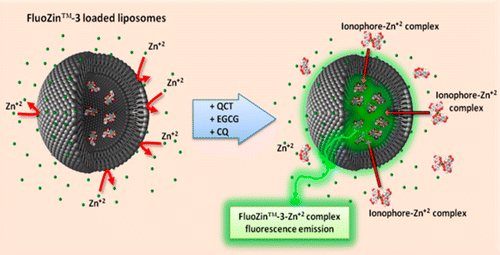
“Labile zinc, a tiny fraction of total intracellular zinc that is loosely bound to proteins and easily interchangeable, modulates the activity of numerous signaling and metabolic pathways. Dietary plant polyphenols such as the flavonoids quercetin and epigallocatechin-gallate act as antioxidants and as signaling molecules. The activities of numerous enzymes that are targeted by polyphenols are dependent on zinc.

We have demonstrated the capacity of quercetin and epigallocatechin-gallate to rapidly increase labile zinc. The polyphenols transport zinc cations across the plasma membrane independently of plasma membrane zinc transporters.

The ionophore activity of dietary polyphenols may underlay the raising of labile zinc levels triggered in cells by polyphenols and thus many of their biological actions.”

https://pubs.acs.org/doi/10.1021/jf5014633 “Zinc Ionophore Activity of Quercetin and Epigallocatechin-gallate: From Hepa 1-6 Cells to a Liposome Model” (not freely available)


I get EGCG from drinking 4-5 cups of green tea every day, and 65 mg zinc from supplements. Microwave broccoli to increase flavonoid levels demonstrated 108.5% to 129.8% increases in quercetin and kaempferol levels from microwaving grocery-store broccoli. Microwaving 3-day-old broccoli sprouts may be expected to increase my worst-case calculation of daily 134 mg total flavonoids.

I’ve taken quercetin intermittently per Preliminary findings from a senolytics clinical trial. I’m changing that to take 100 mg quercetin daily.

Take responsibility for your own one precious life.

Aging as an unintended consequence

The coauthors of 2018’s The epigenetic clock theory of aging reviewed progress that’s been made todate in understanding epigenetic clock mechanisms.

1. Proven DNA methylation features of epigenetic clocks:

  1. “Methylation of cytosines is undoubtedly a binary event.
  2. The increase in epigenetic age is contributed by changes of methylation profiles in a very small percent of cells in a population.
  3. The clock ticks extremely fast in early post-natal years and much slower after puberty.
  4. Clock CpGs have specific locations in the genome.
  5. It applies to prenatal biological samples and embryonic stem cells.

While consistency with all the five attributes does not guarantee veracity of a model, inconsistency with any one will signal the unlikely validity of a hypothesis.”

2. Regarding what epigenetic clocks don’t measure:

“The effects of

  • Telomere maintenance,
  • Cellular senescence,
  • DNA damage signaling,
  • Terminal differentiation and
  • Cellular proliferation

have all been tested and found to be unrelated to epigenetic ageing.”

3. Regarding cyclical features:

Both the epigenetic and circadian clocks are present in all cells of the body, but their ticking rates are regulated. Both these clocks lose synchronicity when cells are isolated from tissues and grown in vitro.

These similarities compel one to ponder potential links between them.”

This was among the points that Linear thinking about biological age clocks missed.

4. The reviewers discussed 3 of the 5 treatment elements in Reversal of aging and immunosenescent trends:

“It is not known at this stage whether the rejuvenating effect is mediated through the regeneration of the thymus or a direct effect of the treatment modality on the body. Also, it is not known if the effect is mediated by all three compounds or one or two of them.

What we know at this stage does not allow the formation of general principles regarding the impact of hormones on epigenetic age, but their involvement in development and maintenance of the body argue that they do indeed have a very significant impact on the epigenetic clock.”

Not sure why they omitted 3000 IU vitamin D and 50 mg zinc, especially since:

“It is not known if the effect is mediated by all three [five] compounds or one or two of them.”

5. They touched on the specialty of Aging as a disease researchers with:

“Muscle stem cells isolated from mice were epigenetically much younger independently of the ages of the tissue / animal from which they were derived.

The proliferation and differentiation of muscle stem cells cease upon physical maturation. These activities are initiated in adult muscles only in response to injury.

6. The reviewers agreed with those researchers in the Conclusion:

“Epigenetic ageing begins from very early moments after the embryonic stem cell stage and continues uninterrupted through the entire lifespan. The significance of this is profound as the question of why we age has been attributed to many different things, most commonly to ‘wear-and-tear.’

The ticking of the epigenetic clock from the embryonic state challenges this perspective and supports the notion that ageing is an unintended consequence of processes that are necessary for

  • The development of the organism and
  • Tissue homeostasis thereafter.”


https://journals.sagepub.com/doi/10.1177/1535370220918329 “Current perspectives on the cellular and molecular features of epigenetic ageing” (not freely available)

Forcing people to learn helplessness

Learned helplessness is a proven animal model. Its reliably-created phenotype is often the result of applying chronic unpredictable stress.

As we’re finding out worldwide, forcing humans to learn helplessness works in much the same way, with governments imposing what amounts to martial law. Never mind that related phenotypes and symptoms include:

  • “Social defeat
  • Social avoidance behavior
  • Irritable bowel syndrome
  • Depression
  • Anxiety
  • Anhedonia
  • Increased hypothalamic-pituitary-adrenal (HPA)-axis sensitivity
  • Visceral hypersensitivity” [1]

Helplessness is both a learned behavior and a cumulative set of experiences. Animal models demonstrate that these phenotypes usually continue on throughout the subjects’ entire lifespans.

Will the problems caused in humans by humans be treated by removing the causes? Or will the responses be approaches such as drugs to treat the symptoms?


A major difference between our current situation and the situation depicted below is that during communism, most people didn’t really trust or believe what the authorities, newspapers, television, and radio said:

Image from Prague’s Memorial to the Victims of Communism


[1] 2014 GABAB(1) receptor subunit isoforms differentially regulate stress resilience curated in If research provides evidence for the causes of stress-related disorders, why only focus on treating the symptoms?

Do early experiences of hunger affect our behavior, thoughts, and feelings today?

Reposted from five years ago.


A 2015 worldwide human study Hunger promotes acquisition of nonfood objects found that people’s current degree of hungriness affected their propensity to acquire nonfood items.

The researchers admitted that they didn’t demonstrate cause and effect with the five experiments they performed, although the findings had merit. News articles poked good-natured fun at the findings with headlines such as “Why Hungry People Want More Binder Clips.”

The research caught my eye with these statements:

“Hunger’s influence extends beyond food consumption to the acquisition of nonfood items that cannot satisfy the underlying need.

We conclude that a basic biologically based motivation can affect substantively unrelated behaviors that cannot satisfy the motivation.


The concept of the quotes relates to a principle of Dr. Arthur Janov’s Primal Therapy – symbolic satisfaction of needs. Two fundamentals of Primal Therapy:

  1. The physiological impacts of our early unmet needs drive our behavior, thoughts, and feelings.
  2. The painful impacts of our unfulfilled needs impel us to be constantly vigilant for some way to fulfill them.

Corollary principles of Primal Therapy:

  • Our present efforts to fulfill our early unmet needs will seldom be satisfying. It’s too late.
  • We acquire substitutes now for what we really needed back then.
  • Acquiring these symbols of our early unmet needs may – at best – temporarily satisfy derivative needs.

But the symbolic satisfaction of derived needs – the symptoms – never resolves the impacts of early unfulfilled needs – the motivating causes:

  • We repeat the acquisition behavior, and get caught in a circle of acting out our feelings and impulses driven by these conditions.
  • The unconscious act-outs become sources of misery both to us and to the people around us.

As this study’s findings showed, there’s every reason for us to want researchers to provide a factual blueprint of causes for our hunger sensation effects, such as “unrelated behaviors that cannot satisfy the motivation.

Hunger research objectives could include answering:

  • What enduring physiological changes occurred as a result of past hunger?
  • How do these changes affect the subjects’ present behaviors, thoughts, and feelings?

Hunger research causal evidence for the effect of why people acquire items that cannot satisfy the underlying needmay include studying where to start the timelines for the impacts of hunger. The impacts potentially go back at least to infancy when we were completely dependent on our caregivers.

Infants can’t get up to go to the refrigerator to satisfy their hunger. All a hungry infant can do is call attention to their need, and feel pain from the deprivation of their need.

Is infancy far back enough, though, to understand the beginnings of potential impacts of hunger?

The epigenetics of perinatal stress

This 2019 McGill review discussed long-lasting effects of perinatal stress:

“Epigenetic processes are involved in embedding the impact of early-life experience in the genome and mediating between social environments and later behavioral phenotypes. Since these phenotypes are apparent a long time after early experience, changes in gene expression programming must be stable.

Although loss of methylation in a promoter is necessary for expression, it is not sufficient. Demethylation removes a barrier for expression, but expression might be realized at the right time or context when needed factors or signals are present.

DNA methylation anticipates future transcriptional response to triggers. Comparing steady-state expression with DNA methylation does not capture the full meaning and scope of regulatory roles of differential methylation.

A model for epigenetic programming by early life stress:

  1. Perinatal stress perceived by the brain triggers release of glucocorticoids (GC) from the adrenal in the mother prenatally or the newborn postnatally.
  2. GC activate nuclear glucocorticoid receptors across the body, which epigenetically program (demethylate) genes that are targets of GR in brain and white blood cells (WBC).
  3. Demethylation events are insufficient for activation of these genes. A brain specific factor (TF) is required for expression and will activate low expression of the gene in the brain but not in blood.
  4. During adulthood a stressful event transiently triggers a very high level of expression of the GR regulated gene specifically in the brain.

Horizontal arrow, transcription; circles, CpG sites; CH3 in circles, methylated sites; empty circles, unmethylated CpG sites; horizon[t]al curved lines, mRNA.”

Review points discussed:

  • “Epigenetic marks are laid down and maintained by enzymes that either add or remove epigenetic modifications and are therefore potentially reversible in contrast to genetic changes.
  • Response to early life stress and maternal behavior is also not limited to the brain and involves at least the immune system as well.
  • The placenta is also impacted by maternal social experience and early life stress.
  • Most studies are limited to peripheral tissues such as saliva and white blood cells, and relevance to brain physiology and pathology is uncertain.
  • Low absolute differences in methylation seen in most human behavioral EWAS raise questions about their biological significance.

  • Although post-mortem studies examine epigenetic programming in physiologically relevant tissues, they represent only a final and single stage that does not capture dynamic evolution of environments and epigenetic programming in living humans.”

https://www.ncbi.nlm.nih.gov/pmc/articles/PMC6952743/ “The epigenetics of perinatal stress”


Other reviewers try to ignore times when we were all fetuses and newborns. For example, in the same journal issue was a Boston review of PTSD that didn’t mention anything about earliest times of human lives! Those reviewers speculated around this obvious gap on their way to being paid by NIH.

Why would researchers ignore perinatal stress events that prime humans for later-life PTSD? Stress generally has a greater impact on fetuses and newborns than on infants, and a greater impact on infants than on adults.

Clearing out the 2019 queue of interesting papers

I’m clearing out the below queue of 27 studies and reviews I’ve partially read this year but haven’t taken the time to curate. I have a pesky full-time job that demands my presence elsewhere during the day. :-\

Should I add any of these back in? Let’s be ready for the next decade!


Early life

https://link.springer.com/article/10.1007/s12035-018-1328-x “Early Behavioral Alterations and Increased Expression of Endogenous Retroviruses Are Inherited Across Generations in Mice Prenatally Exposed to Valproic Acid” (not freely available)

https://www.sciencedirect.com/science/article/pii/S0166432818309392 “Consolidation of an aversive taste memory requires two rounds of transcriptional and epigenetic regulation in the insular cortex” (not freely available)

https://www.nature.com/articles/s41380-018-0265-4 “Intergenerational transmission of depression: clinical observations and molecular mechanisms” (not freely available)

mother

https://www.ncbi.nlm.nih.gov/pmc/articles/PMC6454089/ “Epigenomics and Transcriptomics in the Prediction and Diagnosis of Childhood Asthma: Are We There Yet?”

https://www.ncbi.nlm.nih.gov/pmc/articles/PMC6628997/Placental epigenetic clocks: estimating gestational age using placental DNA methylation levels”

https://www.ncbi.nlm.nih.gov/pmc/articles/PMC6770436/ “Mismatched Prenatal and Postnatal Maternal Depressive Symptoms and Child Behaviours: A Sex-Dependent Role for NR3C1 DNA Methylation in the Wirral Child Health and Development Study”

https://www.sciencedirect.com/science/article/pii/S0889159119306440 “Environmental influences on placental programming and offspring outcomes following maternal immune activation”

https://academic.oup.com/mutage/article-abstract/34/4/315/5581970 “5-Hydroxymethylcytosine in cord blood and associations of DNA methylation with sex in newborns” (not freely available)

https://physoc.onlinelibrary.wiley.com/doi/full/10.1113/JP278270 “Paternal diet impairs F1 and F2 offspring vascular function through sperm and seminal plasma specific mechanisms in mice”

https://onlinelibrary.wiley.com/doi/full/10.1111/nmo.13751 “Sex differences in the epigenetic regulation of chronic visceral pain following unpredictable early life stress” (not freely available)

https://www.ncbi.nlm.nih.gov/pmc/articles/PMC6811979/ “Genome-wide DNA methylation data from adult brain following prenatal immune activation and dietary intervention”

https://link.springer.com/article/10.1007/s00702-019-02048-2miRNAs in depression vulnerability and resilience: novel targets for preventive strategies”


Later life

https://www.ncbi.nlm.nih.gov/pmc/articles/PMC6543991/ “Effect of Flywheel Resistance Training on Balance Performance in Older Adults. A Randomized Controlled Trial”

https://www.mdpi.com/2411-5142/4/3/61/htm “Eccentric Overload Flywheel Training in Older Adults”

https://www.nature.com/articles/s41577-019-0151-6 “Epigenetic regulation of the innate immune response to infection” (not freely available)

https://link.springer.com/chapter/10.1007/978-981-13-6123-4_1 “Hair Cell Regeneration” (not freely available)

https://www.ncbi.nlm.nih.gov/pmc/articles/PMC6422915/Histone Modifications as an Intersection Between Diet and Longevity”

https://www.sciencedirect.com/science/article/abs/pii/S0306453019300733 “Serotonin transporter gene methylation predicts long-term cortisol concentrations in hair” (not freely available)

https://www.sciencedirect.com/science/article/abs/pii/S0047637419300338 “Frailty biomarkers in humans and rodents: Current approaches and future advances” (not freely available)

https://onlinelibrary.wiley.com/doi/full/10.1111/pcn.12901 “Neural mechanisms underlying adaptive and maladaptive consequences of stress: Roles of dopaminergic and inflammatory responses

https://www.ncbi.nlm.nih.gov/pmc/articles/PMC6627480/ “In Search of Panacea—Review of Recent Studies Concerning Nature-Derived Anticancer Agents”

https://www.sciencedirect.com/science/article/abs/pii/S0028390819303363 “Reversal of oxycodone conditioned place preference by oxytocin: Promoting global DNA methylation in the hippocampus” (not freely available)

https://www.futuremedicine.com/doi/10.2217/epi-2019-0102 “Different epigenetic clocks reflect distinct pathophysiological features of multiple sclerosis”

https://www.ncbi.nlm.nih.gov/pmc/articles/PMC6834159/ “The Beige Adipocyte as a Therapy for Metabolic Diseases”

https://www.sciencedirect.com/science/article/abs/pii/S8756328219304077 “Bone adaptation: safety factors and load predictability in shaping skeletal form” (not freely available)

https://www.nature.com/articles/s41380-019-0549-3 “Successful treatment of post-traumatic stress disorder reverses DNA methylation marks” (not freely available)

https://www.sciencedirect.com/science/article/abs/pii/S0166223619301821 “Editing the Epigenome to Tackle Brain Disorders” (not freely available)

Using oxytocin receptor gene methylation to pursue an agenda

A pair of 2019 Virginia studies involved human mother/infant subjects:

“We show that OXTRm [oxytocin receptor gene DNA methylation] in infancy and its change is predicted by maternal engagement and reflective of behavioral temperament.”

https://www.ncbi.nlm.nih.gov/pmc/articles/PMC6795517 “Epigenetic dynamics in infancy and the impact of maternal engagement”

“Infants with higher OXTRm show enhanced responses to anger and fear and attenuated responses to happiness in right inferior frontal cortex, a region implicated in emotion processing through action-perception coupling.

Infant fNIRS [functional near-infrared spectroscopy] is limited to measuring responses from cerebral cortex. It is unknown whether OXTR is expressed in the cerebral cortex during prenatal and early postnatal human brain development.”

https://www.sciencedirect.com/science/article/pii/S187892931830207X “Epigenetic modification of the oxytocin receptor gene is associated with emotion processing in the infant brain”


Both studies had weak disclosures of limitations on their findings’ relevance and significance. The largest non-disclosed contrary finding was from the 2015 Early-life epigenetic regulation of the oxytocin receptor gene:

These results suggest that:

  • Blood Oxtr DNA methylation may reflect early experience of maternal care, and
  • Oxtr methylation across tissues is highly concordant for specific CpGs, but
  • Inferences across tissues are not supported for individual variation in Oxtr methylation.

That rat study found that blood OXTR methylation of 25 CpG sites couldn’t accurately predict the same 25 CpG sites’ OXTR methylation in each subject’s hippocampus, hypothalamus, and striatum (which includes the nucleus accumbens) brain areas. Without significant effects in these limbic system structures, there couldn’t be any associated behavioral effects.

But CpG site associations and correlations were deemed good in the two current studies because they cited:

“Recent work in prairie voles has found that both brain- and blood-derived OXTRm levels at these sites are negatively associated with gene expression in the brain and highly correlated with each other.”

https://www.sciencedirect.com/science/article/pii/S0306453018306103 “Early nurture epigenetically tunes the oxytocin receptor”

The 2018 prairie vole study – which included several of the same researchers as the two current studies – found four nucleus accumbens CpG sites that had high correlations to humans. Discarding one of these CpG sites allowed their statistics package to make a four-decimal place finding:

“The methylation state of the blood was also associated with the level of transcription in the brain at three of the four CpG sites..whole blood was capable of explaining 94.92% of the variance in Oxtr DNA methylation and 18.20% of the variance in Oxtr expression.”

Few limitations on the prairie vole study findings were disclosed. Like the two current studies, there wasn’t a limitation section that placed research findings into suitable contexts. So readers didn’t know researcher viewpoints on items such as:

  • What additional information showed that 3 of the 30+ million human CpGs accurately predicted specific brain OXTR methylation and expression from saliva OXTR methylation?
  • What additional information demonstrated how “measuring responses from cerebral cortex” although “it is unknown whether OXTR is expressed in the cerebral cortex” provided detailed and dependable estimates of limbic system CpG site OXTR methylation and expression?
  • Was the above 25-CpG study evidence considered?

Further contrast these three studies with a typical, four-point, 285-word limitation section of a study like Prenatal stress heightened adult chronic pain. The word “limit” appeared 6 times in that pain study, 3 times in the current fNIRS study, and 0 times in the current maternal engagement and cited prairie vole studies.

Frank interpretations of one’s own study findings to acknowledge limitations is one way researchers can address items upfront that will be questioned anyway. Such analyses also indicate a goal to advance science.

A review of fetal adverse events

This 2019 Australian review subject was fetal adversities:

“Adversity during the perinatal period is a significant risk factor for the development of neurodevelopmental disorders long after the causative event. Despite stemming from a variety of causes, perinatal compromise appears to have similar effects on the developing brain, thereby resulting in behavioural disorders of a similar nature.

These behavioural disorders occur in a sex‐dependent manner, with males affected more by externalizing behaviours such as attention deficit hyperactivity disorder (ADHD) and females by internalizing behaviours such as anxiety. The term ‘perinatal compromise’ serves as an umbrella term for intrauterine growth restriction, maternal immune activation, prenatal stress, early life stress, premature birth, placental dysfunction, and perinatal hypoxia.

The above conditions are associated with imbalanced excitatory-inhibitory pathways resulting from reduced GABAergic signalling. Methylation of the GAD1/GAD67 gene, which encodes the key glutamate‐to‐GABA synthesizing enzyme Glutamate Decarboxylase 1, resulting in increased levels of glutamate is one epigenetic mechanism that may account for a tendency towards excitation in disorders such as ADHD.

The posterior cerebellum’s role in higher executive functioning is becoming well established due to its connections with the prefrontal cortex, association cortices, and limbic system. It is now suggested that disruptions to cerebellar development, which can occur due to late gestation compromises such as preterm birth, can have a major impact on the region of the brain to which it projects.

Activation of the maternal hypothalamic-pituitary adrenal (HPA) axis and placental protection. Psychological stress is perceived by the maternal HPA axis, which stimulates cortisol release from the maternal adrenal gland.

High levels of maternal cortisol are normally prevented from reaching the fetus by the 11β-hydroxysteroid dehydrogenase 2 (HSD11B2) enzyme, which converts cortisol to the much less active cortisone. Under conditions of high maternal stress, this protective mechanism can be overwhelmed, with the gene encoding the enzyme becoming methylated, which reduces its expression allowing cortisol to cross the placenta and reach the fetus.”


The reviewers extrapolated many animal study findings to humans, although most of their own work was with guinea pigs. The “suggest” and “may” qualifiers were used often – 22 and 37 times, respectively. More frequent use of the “appears,” “hypothesize,” “propose,” and “possible” terms was justified.

As a result, many reviewed items such as the above graphic and caption should be viewed as hypothetical for humans rather than reflecting solid evidence from quality human studies.

The reviewers focused on the prenatal (before birth) period more than the perinatal (last trimester of pregnancy to one month after birth) period. There were fewer mentions of birth and early infancy adversities.

https://onlinelibrary.wiley.com/doi/abs/10.1111/jne.12814 “Perinatal compromise contributes to programming of GABAergic and Glutamatergic systems leading to long-term effects on offspring behaviour” (not freely available)

Do genes or maternal environments shape fetal brains?

This 2019 Singapore human study used Diffusion Tensor Imaging on 5-to-17-day old infants to find:

“Our findings showed evidence for region-specific effects of genotype and GxE on individual differences in human fetal development of the hippocampus and amygdala. Gene x Environment models outcompeted models containing genotype or environment only, to best explain the majority of measures but some, especially of the amygdaloid microstructure, were best explained by genotype only.

Models including DNA methylation measured in the neonate umbilical cords outcompeted the Gene and Gene x Environment models for the majority of amygdaloid measures and minority of hippocampal measures. The fact that methylation models outcompeted gene x environment models in many instances is compatible with the idea that DNA methylation is a product of GxE.

A genome-wide association study of SNP [single nucleotide polymorphism] interactions with the prenatal environments (GxE) yielded genome wide significance for 13 gene x environment models. The majority (10) explained hippocampal measures in interaction with prenatal maternal mental health and SES [socioeconomic status]. The three genome-wide significant models predicting amygdaloid measures, explained right amygdala volume in interaction with maternal depression.

The transcription factor CUX1 was implicated in the genotypic variation interaction with prenatal maternal health to shape the amygdala. It was also a central node in the subnetworks formed by genes mapping to the CpGs in neonatal umbilical cord DNA methylation data associating with both amygdala and hippocampus structure and substructure.

Our results implicated the glucocorticoid receptor (NR3C1) in population variance of neonatal amygdala structure and microstructure.

Estrogen in the hippocampus affects learning, memory, neurogenesis, synapse density and plasticity. In the brain testosterone is commonly aromatized to estradiol and thus the estrogen receptor mediates not only the effects of estrogen, but also that of testosterone.”

https://onlinelibrary.wiley.com/doi/full/10.1111/gbb.12576 “Neonatal amygdalae and hippocampi are influenced by genotype and prenatal environment, and reflected in the neonatal DNA methylome” (not freely available)

Perinatal stress and sex differences in circadian activity

This 2019 French/Italian rodent study used the PRS model to investigate its effects on circadian activity:

“The aim of this study was to explore the influence of PRS on the circadian oscillations of gene expression in the SCN [suprachiasmatic nucleus of the hypothalamus] and on circadian locomotor behavior, in a sex-dependent manner.

Research on transcriptional rhythms has shown that more than half of all genes in the human and rodent genome follow a circadian pattern. We focused on genes belonging to four functional classes, namely the circadian clock, HPA axis stress response regulation, signaling and glucose metabolism in male and female adult PRS rats.

Our findings provide evidence for a specific profile of dysmasculinization induced by PRS at the behavioral and molecular level, thus advocating the necessity to include sex as a biological variable to study the set-up of circadian system in animal models.”

“There was a clear-cut effect of sex on the effect of PRS on the levels of activity:

  • During the period of lower activity (light phase), both CONT and PRS females were more active than males. During the light phase, PRS increased activity in males, which reached levels of CONT females.
  • More interestingly, during the period of activity (dark phase), male PRS rats were more active than male CONT rats. In contrast, female PRS rats were less active than CONT females.
  • During the dark phase, CONT female rats were less active than CONT male rats.

The study presented evidence for sex differences in circadian activity of first generation offspring that was caused by stress experienced by the pregnant mother:

“Exposure to gestational stress and altered maternal behavior programs a life-long disruption in the reactive adaptation such as:

  •  A hyperactive response to stress and
  • A defective feedback of the hypothalamus-pituitary-adrenal (HPA) axis together with
  • Long-lasting modifications in stress/anti-stress gene expression balance in the hippocampus.”

It would advance science if these researchers carried out experiments to two more generations to investigate possible transgenerational epigenetic inheritance of effects caused by PRS. What intergenerational and transgenerational effects would they possibly find by taking a few more months and extending research efforts to F2 and F3 generations? Wouldn’t these findings likely help humans?


One aspect of the study was troubling. One of the marginally-involved coauthors was funded by the person described in How one person’s paradigms regarding stress and epigenetics impedes relevant research. Although no part of the current study was sponsored by that person, there were three gratuitous citations of their work.

All three citations were reviews. Unlike study researchers, reviewers aren’t bound to demonstrate evidence from tested hypotheses. Reviewers are free to:

  • Express their beliefs as facts;
  • Over/under emphasize study limitations; and
  • Disregard and misrepresent evidence as they see fit.

Fair or not, comparisons of reviews with Cochrane meta-analyses of the same subjects consistently show the extent of reviewers’ biases. Reviewers also aren’t obligated to make post-publication corrections for their errors and distortions.

As such, reviews can’t be cited for reliable evidence. Higher-quality studies that were more relevant and recent than a 1993 review could have elucidated points.

Sucking up to the boss and endorsing their paradigm was predictable. Since that coauthor couldn’t constrain themself to funder citations only in funder studies, it was the other coauthors’ responsibilities to edit out unnecessary citations.

https://www.frontiersin.org/articles/10.3389/fnmol.2019.00089/full “Perinatal Stress Programs Sex Differences in the Behavioral and Molecular Chronobiological Profile of Rats Maintained Under a 12-h Light-Dark Cycle”

A drug that countered effects of a traumatizing mother

This 2019 US rodent study concerned transmitting poor maternal care to the next generation:

“The quality of parental care received during development profoundly influences an individual’s phenotype, including that of maternal behavior. Infant experiences with a caregiver have lifelong behavioral consequences.

Maternal behavior is a complex behavior requiring the recruitment of multiple brain regions including the nucleus accumbens, bed nucleus of the stria terminalis, ventral tegmental area, prefrontal cortex, amygdala, and medial preoptic area. Dysregulation within this circuitry can lead to altered or impaired maternal responsiveness.

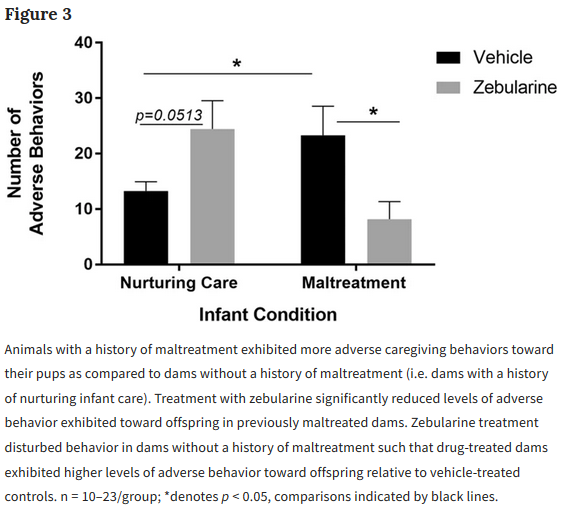
We administered zebularine, a drug known to alter DNA methylation, to dams exposed during infancy to the scarcity-adversity model of low nesting resources, and then characterized the quality of their care towards their offspring.

  1. We replicate that dams with a history of maltreatment mistreat their own offspring.
  2. We show that maltreated-dams treated with zebularine exhibit lower levels of adverse care toward their offspring.
  3. We show that administration of zebularine in control dams (history of nurturing care) enhances levels of adverse care.
  4. We show altered methylation and gene expression in maltreated dams normalized by zebularine.

These findings lend support to the hypothesis that epigenetic alterations resulting from maltreatment causally relate to behavioral outcomes.

Maternal behavior is an intergenerational behavior. It is important to establish the neurobiological underpinnings of aberrant maternal behavior and explore treatments that can improve maternal behavior to prevent the perpetuation of poor maternal care across generations.”


The study authors demonstrated intergenerational epigenetic effects, and missed an opportunity to also investigate transgenerational epigenetically inherited effects. They cited reference 60 for the first part of the above quotation, but the cited reviewer misused the transgenerational term by applying it to grand-offspring instead of the great-grand-offspring.

There were resources available to replicate the study authors’ previous findings, which didn’t show anything new. Why not use such resources to uncover evidence even more applicable to humans by extending experiments to great-grand-offspring that would have no potential germline exposure to the initial damaging cause?

Could a study design similar to A limited study of parental transmission of anxiety/stress-reactive traits have been integrated? That study’s thorough removal of parental behavior would be an outstanding methodology to confirm by falsifiability whether parental behavior is both an intergenerational and a transgenerational epigenetic inheritance mechanism.

Rodent great-grand-offspring can be studied in < 9 months. It takes > 50 years for human studies to reach the great-grand-offspring transgenerational generation.

  • Why not attempt to “prevent the perpetuation of poor maternal care across generations?”
  • Isn’t it a plausible hypothesis that humans “with a history of maltreatment mistreat their own offspring?”
  • Isn’t it worth the extra effort to extend animal research to investigate this unfortunate chain?

https://www.nature.com/articles/s41598-019-46539-4 “Pharmacological manipulation of DNA methylation normalizes maternal behavior, DNA methylation, and gene expression in dams with a history of maltreatment”

Infant DNA methylation and caregiving

This 2019 US human study attempted to replicate findings of animal studies that associated caregiver behavior with infant DNA methylation of the glucocorticoid receptor gene:

“Greater levels of maternal responsiveness and appropriate touch were related to less DNA methylation of specific regions in NR3c1 exon 1F, but only for females. There was no association with maternal responsiveness and appropriate touch or DNA methylation of NR3c1 exon 1F on prestress cortisol or cortisol reactivity. Our results are discussed in relation to programming models that implicate maternal care as an important factor in programing infant stress reactivity.”


The study had many undisclosed and a few disclosed limitations, one of which was:

“Our free-play session, while consistent with the length of free-play sessions in other studies, was short (5 min). It is unclear whether a longer length of time would have yielded significant different maternal responsiveness and appropriate touch data.”

The final sentence showed the study’s purpose was other than discovering factual evidence:

“Following replication of this work, it could ultimately be used in conjunction with early intervention, or home-visiting programs, to measure the strength of the intervention effect at the epigenetic level.”

https://onlinelibrary.wiley.com/doi/full/10.1002/imhj.21789 “DNA methylation of NR3c1 in infancy: Associations between maternal caregiving and infant sex” (not freely available)