Intergenerational epigenetic inheritance of trained immunity

I’ll curate this 2021 rodent study Transmission of trained immunity and heterologous resistance to infections across generations (not freely available) through two instances of its news coverage:

“Here we provide evidence for transmission of trained immunity across generations to murine progeny that survived a sublethal systemic infection with Candida albicans or a zymosan challenge. Progeny of trained mice exhibited cellular, developmental, transcriptional, and epigenetic changes associated with the bone marrow-resident myeloid effector and progenitor cell compartment.

Progeny of trained mice showed enhanced responsiveness to endotoxin challenge, alongside improved protection against systemic heterologous [elicits a reaction in a nonspecific antibody] Escherichia coli and Listeria monocytogenes infections. These results provide evidence for inheritance of trained immunity in mammals, enhancing protection against infections.”


Its most frequent coverages were repetitions of a press release from an institution that funded this research:

“How does this transmission of immunization to subsequent generations work? In contrast to the classical theory of evolution, which assumes slow adaptation through changes in genetic code, this involves very rapid changes via epigenetic regulation of gene activities, irrespective of genetic code.”

https://medicalxpress.com/news/2021-10-epigenetics-immunization-offspring.html “Epigenetics: Immunization is passed on to offspring”

Not much objectivity in a sponsor’s press release. May as well ask a coworker if they had a good vacation.


And the second:

“When either parent was subjected to real or simulated infection, offspring showed a stronger immune response to potential pathogens, including E. coli bacteria, than controls whose parents hadn’t been subjected to an immune system challenge. They had lower numbers of the bacteria in their lungs and liver, as well as higher concentrations of immune cells and pro-inflammatory cytokines. The effect persisted further: offspring of these second-generation mice also showed a lower bacterial burden after infection.

One weakness of the study is that results do not clearly show how enhanced immunity is being transferred from parent to offspring. The study found that fungal infection induced changes in sperm DNA methylation. But female mice who recovered from infection also produced offspring with fortified immune systems.”

https://www.the-scientist.com/news-opinion/mice-that-survive-infection-pass-on-stronger-immunity-69324 “Mice that Survive Infection Pass on Stronger Immunity”

This reporter gathered good comments from unassociated researchers, but whiffed overall by misinterpreting intergenerational epigenetic inheritance as transgenerational epigenetic inheritance. Per definitions in A review of epigenetic transgenerational inheritance of reproductive disease and Transgenerational effects of early environmental insults on aging and disease, for the term “transgenerational transmission” to apply, researchers need to provide evidence in at least the next 2 male or non-gestating female generations and/or 3 gestating female generations of:

“Altered epigenetic information between generations in the absence of continued environmental exposure.”

I’ll ask about their plans regarding continuing to a F3 generation for further epigenetic inheritance evidence. The interviewed coauthor didn’t indicate that was their current direction, though.

While we wait, train your body’s antioxidant response elements and immune system every day. Exercise your endogenous responses with weak pro-inflammatory isothiocyanates in broccoli sprouts, and your gut with weak antigens in yeast cell wall β-glucan. Daily drills will keep your body’s systems tuned up and ready for both these specific challenges as well as others per this study’s referenced heterologous findings.

Seconds to sunrise

PXL_20211031_112819792

Endless shingles

This 2021 review subject was the follow-on condition of chicken pox:

“Varicella-zoster virus (VZV) is a pathogenic human alpha herpes virus which is a significant cause of morbidity. VZV causes a primary infection, usually in children, called varicella (chicken pox), following which it establishes ganglionic latency in neurons. Latency is established in ganglia throughout the entire neuroaxis including dorsal root ganglia, trigeminal ganglia, and also autonomic ganglia including enteric ganglia.

After a variable period, which can span several decades, VZV may reactivate to cause the well-recognised syndrome of herpes zoster (shingles), which is an extremely painful vesicular rash. While viral reactivation may occur spontaneously, it can also follow one or more triggering factors such as diminished cell-mediated immunity to the virus as occurs with older age or immunosuppression due to drug treatment or disease, X-ray irradiation, infection, trauma, or malignancy.

The disease spectrum caused by VZV reactivation is much wider than previously thought. A possible diagnosis of VZV reactivation-induced neurological disease should be considered in all cases of undiagnosed acute, subacute or chronic brain or spinal cord syndromes, particularly if there is an accompanying cerebrospinal fluid (CSF) pleocytosis.

Virus latency and reactivation is associated with specific modifications of bound histones. Consensus is that CpG island methylation is not involved.

Precise immune cells and immune mediators required for protective immunity in primary infection versus reactivation have not been clarified. Individual contributions from different cell types, including lymphocytes, macrophages, plasmacytoid dendritic cells, and epithelial and endothelial cells, which are all present in human ganglia, remains insufficiently understood and explored.

Immunological evaluation revealed the presence of VZV DNA as well as an immunological cell infiltrate composed of CD4 T cells, CD8 T cells, and CD20 B cells. This provided somewhat surprising evidence of an ongoing immunological reaction and inflammation years after the reactivation of VZV from latency.

Latency is characterized by maintenance of the virus genome in an endless (episomal) configuration. Since alpha human herpes virus latency is established so early in life, it is unlikely that viral latency can be completely prevented.”

https://www.mdpi.com/1999-4915/13/10/2018/htm “Recent Issues in Varicella-Zoster Virus Latency”


More investigation was needed in working backwards from recent reports of shingles outbreaks to activation causes. Common lab tests easily provide evidence of immune cell populations.

So what happened to cause removal of immune protective mechanisms that prevented varicella-zoster virus reactivation? It wasn’t the X-ray etc. reasons listed above.

Recent shingles outbreaks are telling an important story. Who is looking into it?

These and other researchers won’t find evidence if they don’t get out of their labs and look at people’s cases. They’ll also need to report findings regardless of the political climate.

IMG_20210608_132139

All about the betaine, Part 2

Continuing Part 1 by curating a partial outline of a 2021 review:

“This review focuses on the biological and beneficial effects of dietary betaine (trimethylglycine), a naturally occurring and crucial methyl donor.

Betaine has a neuroprotective role, preserves myocardial function, and prevents pancreatic steatosis. Betaine also attenuates oxidant stress, endoplasmic reticulum stress, inflammation, and cancer development. Betaine:

  • Protects against Development of Alcohol-Induced Hepatic Steatosis
  • Protects against Detrimental Effects of HCV and Ethanol on Innate Immunity
  • Maintains Intestinal Epithelial Barrier Integrity
  • Maintains Adipose Function

biology-10-00456-g002

Human intervention studies showed no adverse effects with 4 g/day supplemental administration of betaine in healthy subjects. However, overweight subjects with metabolic syndrome showed a significant increase in total and LDL-cholesterol concentrations. These effects were not observed with 3 g/day of betaine administration.

We suggest betaine as a promising therapeutic for clinical use to treat these aforementioned diseases as well as other liver-/non-liver-related diseases and conditions.”

https://www.mdpi.com/2079-7737/10/6/456/htm “Beneficial Effects of Betaine: A Comprehensive Review”


This review cited a 2020 study Transgenerational Inheritance of Betaine-Induced Epigenetic Alterations in Estrogen-Responsive IGF-2/IGFBP2 Genes in Rat Hippocampus (not freely available):

“Hippocampal expression of aromatase, estrogen receptor α, and estrogen-related receptor β is downregulated in F1, together with estrogen-responsive insulin-like growth factor 2/insulin-like growth factor binding protein 2 (IGF-2/IGFBP2) genes. However, all these genes are upregulated in F2, which follows the same pattern of F0.

Imprinting control region of IGF-2 gene is hypomethylated in F1 but hypermethylated in F2 and F0. In contrast, the promoter DNA methylation status of all affected genes is hypermethylated in F1 but hypomethylated in F2 and F0.”

  • Intergenerational flip-flops of F0 phenotypes to opposite F1 phenotypes back to F0 phenotypes in the F2 generation can’t conclusively demonstrate transgenerational epigenetic inheritance of alterations due to betaine consumption during pregnancy.
  • Those researchers had to continue on to a F3 female generation for transgenerational results, because F2 generation cells were present in F1 fetuses, and were potentially affected during pregnant F0 treatments.

I came across this paper through a citation chain initiated by Dr. Paul Clayton’s blog post Foie Gras:

“Thanks to our modern diet and lifestyle, nonalcoholic fatty liver disease (NAFLD) is now reckoned to affect an astonishing quarter of the world’s population.”

PXL_20211023_112144256

Broccoli sprout compounds and gut microbiota

Two 2021 reviews from one institution, with this first focused on aliphatic glucosinolates’ (GLS) metabolism to isothiocyanates (ITCs) like sulforaphane:

“Human clinical trials examining efficacy of whole food interventions on cancer prevention targets have shown high levels of inter-individual variation in both absorption and excretion of ITCs. We discuss how consumption of cruciferous vegetables may alter the microbiome, and in turn, influence ITC absorption.

Bioavailability of ITCs from GLS has been shown to be greatly impacted by processing before ingestion. When ITCs are given preformed, they possess the greatest level of bioavailability and are readily absorbed by humans.

Studies have indicated that without plant-derived myrosinase, the gut microbiome is essential for conversion of GLS to ITCs. Without conversion to ITCs, GLS are biologically inert.

There are two different intervals in time when GLS metabolism occurs in the large intestine:

  1. Metabolism of GLS directly following consumption when GLS are not absorbed in the small intestine; and
  2. When GLS are absorbed in the small intestine and go through enterohepatic circulation, returning as GLS in the gut where factors influencing microbial metabolism (such as food matrix, pH, and other compounds present) may be different from the first interval.

This list of bacterial genera altered by cruciferous vegetable consumption focuses on studies completed in healthy individuals and animal models:

Metabolic Fate of Dietary Glucosinolates and Their Metabolites:

Clinical trials have shown that consumption of a diet rich in cruciferous vegetables, compared to a cruciferous vegetable devoid diet, significantly alters composition of the gut microbiome. Each individual responded uniquely to cruciferous vegetable consumption, suggesting that basal microbiome composition may impact outcome.

Understanding the gut microbiome’s role in GLS metabolism, specifically GLS conversion to ITCs, is important to understanding drivers of inter-individual variation. Translating chemopreventative properties of cruciferous vegetables from the lab bench to the clinic requires addressing factors that drive high variability in ITC absorption and excretion observed in clinical trials.”

https://www.frontiersin.org/articles/10.3389/fnut.2021.748433/full “Metabolic Fate of Dietary Glucosinolates and Their Metabolites: A Role for the Microbiome”


Discussion of indole-3-carbinol (I3C) and 3,3′-diindolylmethane (DIM) was passed over to this second review:

“Hydrolysis of glucobrassicin GLS by plant or bacterial myrosinase produces multiple indoles, predominantly I3C. Yield of I3C from glucobrassicin is about 20%.

In the stomach, I3C undergoes extensive condensation to yield predominately DIM. Ingestion of I3C results in 20–40% conversion to DIM.

DIM has multiple mechanisms of action, the most well-characterized is modulation of aryl hydrocarbon receptor (AHR) signaling. The DIM-intestinal AHR-microbiome axis is an important component for future development of a personalized nutraceutical approach to achieving optimal health.”

https://www.frontiersin.org/articles/10.3389/fnut.2021.734334/full “Indoles Derived From Glucobrassicin: Cancer Chemoprevention by Indole-3-Carbinol and 3,3′-Diindolylmethane”


DIM estimates in this second review were too high with respect to clinical trial findings of Eat broccoli sprouts for DIM. Using the trial’s 21.61 μmol of average glucobrassicin intake, this review’s 20% I3C yield would be 4.32 μmol. This review’s lowest 20% DIM yield from I3C would be 0.86 μmol, representing a 4.0% DIM bioavailability from glucobrassicin intake.

The trial’s lowest average DIM (in postmenopausal women) after 35 days of eating broccoli sprouts measured 0.5544 μmol, representing an average 2.57% DIM bioavailability from glucobrassicin intake. One of the trial’s coauthors officially reviewed this second review, but he didn’t insist on better human in vivo estimates, although 4.0 / 2.57 is more than 50% too high for the review’s lowest DIM estimate.

The trial and its parent trial also weren’t cited by either review. Aren’t human clinical trials measuring sulforaphane, sulforaphane metabolites, and DIM bioavailability relevant to “Metabolic Fate of Dietary Glucosinolates and Their Metabolites” and “Indoles Derived From Glucobrassicin”?

Something else was missing from both papers. They had academic suggestions for future studies, but neither one continued on to say “and here’s what we’re sponsored to do to fill these gaps.”

PXL_20211023_111303363

Reinforce your immune memory every day

Three papers on trained immunity, with the first a 2021 review:

“Trained immunity is realized by epigenetic reprogramming of cells, primarily monocytes/macrophages and natural killer cells, and is less specific than adaptive immunity. It may cross-protect against other infectious agents.

Various actions of trained innate immunity on precursor cells have a strong potential for therapeutic use, particularly in infected and myelosuppressed individuals. Improvements of effects of some vaccines offer other potential use of β-glucan as an inductor of trained immunity, suggesting novel uses of a traditional therapeutic.”

https://www.mdpi.com/1422-0067/22/19/10684/htm “Trained Immunity as an Adaptive Branch of Innate Immunity”


Became tired of this review’s pedantic repetitions, that cells have a finite existence, as do cell attributes such as one-time trained immunity. Readers get it.

While belaboring the obvious, this paper missed two points:

  • As An environmental signaling paradigm of aging theorized, then demonstrated in A rejuvenation therapy and sulforaphane, and continues in current studies, cells take on phenotypes the body gives them. Focusing on cell attributes missed many signals elsewhere in cells’ environmental milieu, which make a difference in cell, organ, and body functioning.
  • Trained immunity protocol also matters. I’ve trained my immune system with yeast cell wall β-glucan every day for 17 years, recently taking nothing else an hour before or an hour after. That “no effects were found after 20 days” of only one in vitro dose isn’t relevant to my immune responses. I always have cells with one day of training, cells with (pick a number) days / weeks / months / years of training, and millions of primed cells in between.

This first paper cited a 2020 in vitro study:

“(1, 3)/(1, 6)-β-glucan can induce potent trained immunity, however, immunoregulatory activity of oat (1, 3)/(1, 4)-β-glucan has been neglected. Most studies have focused on its metabolic regulatory activity in diseases such as obesity and diabetes.

This study confirmed that β-glucan from oat dietary fiber can modulate responsiveness of innate immune cells through metabolic reprogramming. Proposed mechanism of oat β-glucan for trained immunity induction in monocytes/macrophages:

oat beta glucan trained immunity

This study showed that trained immunity induced by oat (1, 3)/(1, 4)-β-glucan was dependent on glycolysis or SDH/IRG axis in TCA cycle. These findings demonstrated that oat dietary fiber could strengthen and maintain long-term responsiveness of the innate immune system.”

https://doi.org/10.1007/s10753-020-01211-2 “Oat-Derived β-Glucans Induced Trained Immunity Through Metabolic Reprogramming” (not freely available)


A 2021 rodent study cited this second paper:

“Oat beta-glucans can stimulate secretion of anti-inflammatory cytokines, and simultaneously inhibit secretion of pro-inflammatory cytokines. The immunostimulatory effect of beta-glucan intake occurs due to its ability to activate intestinal mucosa immune cells, which results from binding of these polysaccharides to specific membrane TLR and/or Dectin-1 receptors.

We analyzed effects of oat beta-glucans at two time points, 3 and 7 days after TNBS administration:

  • High molecular mass beta-glucan forms a protective coating on the internal intestinal wall, which improves tissue recovery potential and reduces the risk of secondary microbial infection.
  • Low molar mass beta-glucan forms light solutions where short chains are well distributed and dispersed, and due to low viscosity, beta-glucan is accessible for receptors to be reached. Once reaching and complementing the receptor, bonded beta-glucan short polymeric chain induces transmission on metabolic pathways.

ijms-22-04485-g005-550

Consumption of oat beta-glucans reduced levels of inflammatory markers, and recovered signaling pathways and histological changes, with stronger effects of low molar mass beta-glucan after 7 days of colitis. Dietary oat beta-glucans can reduce colitis at the molecular and organ level, and accelerate Crohn’s disease remission.”

https://www.mdpi.com/1422-0067/22/9/4485/htm “Anti-Inflammatory Activity of Oat Beta-Glucans in a Crohn’s Disease Model: Time- and Molar Mass-Dependent Effects”


I’d seen this second study’s abstract several times, but glossed over it. I curated another 2021 rodent study from the same institution as this third paper in Oat β-glucan effects on colitis.

None of these studies investigated gut microbiota. Pretty sure our hosted microorganisms had roles in their findings.

All papers called for human studies of their findings. But it would be difficult for drug companies to make money from a research area that’s cheap and readily accessible. Take responsibility for your own one precious life.

PXL_20211014_105933977

Part 3 of Switch on your Nrf2 signaling pathway

To complement Parts 1 and 2, an informative and detailed video:

sulforaphane defense actions


My daily intake includes most of what’s mentioned in the video. For example, sulforaphane and other beneficial broccoli sprouts compounds, twice a day through 65.5 g of three-day-old broccoli / red cabbage / mustard sprouts microwaved to 60°C. And capers – a high source of quercetin (but see comparisons starting at 31:00, 80% vs. 4% bioavailability) – after soaking and rinsing them several times to reduce sodium content.

I arrived at this video via Dr. Houghton’s paper https://www.researchgate.net/publication/355201137_The_COVID_’Vaccine’_Dilemma_-_a_mechanistic_hypothesis “The COVID ‘Vaccine’ Dilemma – a mechanistic hypothesis” (registration required) posted yesterday.

PXL_20211014_110339322

Broccoli sprouts and microRNAs

This 2021 in vitro study investigated microRNAs as potential causative factors for broccoli’s beneficial effects:

“A computational analysis was performed to explore processes and pathways associated with genes targeted either by:

  1. Host-expressed miRNAs (endogenous) modulated by bioactive compounds in broccoli; or
  2. miRNAs derived from broccoli (exogenous).

miRNAs are noncoding RNAs containing between 19 and 24 nucleotides, which act as regulators of gene expression both in plants and animals via degradation or inhibition of target mRNAs. miRNAs participate in several biological processes, such as apoptosis, cell growth, differentiation, proliferation, immune response, intercellular communication, RNA stability and processing, stress response, and others.

miRNAs reported in the literature as being upregulated or downregulated in response to broccoli bioactive compounds, with a significant change in expression of at least 2-fold, were selected and used to predict possible mechanisms exerted through miRNA-related actions.

pubmed vs scopus

Sixty-one genes were targeted by both exogenous and endogenous miRNAs, while 6143 and 87 target genes were unique to exogenous and endogenous miRNAs, respectively. Biological processes and molecular functions of genes targeted by both exogenous and endogenous miRNAs were also associated with chromatin, DNA, and RNA regulation.

Cooking, frying, microwaving [2 minutes in a 800W microwave on maximum power], steaming, and blanching were tested along with raw broccoli heads and sprouts and juice. Raw broccoli sprouts showed higher miRNA levels [in half of those tested]. Nearly all treatments did not significantly reduce miRNA levels compared to raw broccoli.

Samples of raw or boiled broccoli, juice, and broccoli sprouts were subjected to in vitro digestion, simulating GI conditions. miRNA survival levels dropped to percentages ranging approximately between 0.1 and 10% at the end of in vitro digestion, although complete elimination was not observed in any case.

Overall, bioinformatic results show that anticarcinogenic and cancer-preventive properties attributed to cruciferous vegetables might be mediated, at least in part, through miRNA-related mechanisms. Moreover, results show that broccoli-derived miRNAs can survive common food-processing conditions and GI digestion.”

https://pubs.acs.org/doi/10.1021/acs.jafc.1c04087 “Connection between miRNA Mediation and the Bioactive Effects of Broccoli (Brassica oleracea var. italica): Exogenous miRNA Resistance to Food Processing and GI Digestion” (not freely available)


I included part of this study’s methods to demonstrate the futility of a PubMed search on any topic. For example, a “caffeic acid and miRNA” search on Scopus returned 499 potential papers. In comparison, that search on PubMed returned 13 papers, or 2.6% of potentially relevant research.

PXL_20211003_104539622

Trained immunity mechanisms

This 2021 cell study investigated how inflammatory memory is established, maintained, and recalled:

“Cells retain a memory of inflammation that equips them to react quickly and broadly to diverse secondary stimuli. Temporal, dynamic changes to chromatin accessibility, histone modifications, and transcription factor (TF) binding occur during inflammation, post-resolution, and in memory recall following injury.

Epigenetic records of inflammation have been found in innate immune cells, including macrophages, monocytes, and natural killer cells, as well as CD8+ and regulatory T cells, granulocyte-monocyte progenitors, and long-term hematopoietic stem cells. Inflammatory memory was recently extended to epithelial barrier tissues, which are the first line of defense against infectious pathogens and noxious agents.

Epigenetic memory of an inflammatory experience is rooted in chromatin of a cell via retention of chromatin accessibility, histone marks, and key TFs that endow it with heightened responsiveness to diverse secondary stimuli. AP-1 (activating protein-1) is a collective term referring to transcription factors composed of JUN, FOS, or ATF (activating transcription factor) subunits that bind to a common DNA site.

1-s2.0-S1934590921002861-fx1_lrg

We unearth an essential, unifying role for the general stress-responsive transcription factor FOS, which partners with JUN and cooperates with stimulus-specific STAT3 to establish memory. JUN then remains with other homeostatic factors on memory domains, facilitating rapid FOS re-recruitment and gene re-activation upon diverse secondary challenges.

We offer a comprehensive, potentially universal mechanism behind inflammatory memory and less discriminate recall phenomena with implications for tissue fitness in health and disease:

  1. Stimulus-specific STAT3 and broad stress factor AP1 co-establish memory domains;
  2. Stem cell factors access open memory domains and remain bound after inflammation;
  3. FOS activates open memory domains, enabling secondary responses to diverse stimuli; and
  4. AP1 mediates epigenetic inflammatory memory across cell types, stimuli, and species.”

https://www.sciencedirect.com/science/article/abs/pii/S1934590921002861 “Establishment, maintenance, and recall of inflammatory memory” (not freely available)


Take responsibility for your own one precious life. Train your immune system every day with yeast cell wall β-glucan.

PXL_20211003_110857218

Dementia blood factors

This 2021 human study performed blood metabolite analyses:

“Dementia is a collective term to describe various symptoms of cognitive impairment in a condition in which intelligence is irreversibly diminished due to acquired organic disorders of the brain, characterized by deterioration of memory, thinking, behavior, and the ability to perform daily activities.

In this study, we conducted nontargeted, comprehensive analysis of blood metabolites in dementia patients. Effort expended in this ‘no assumptions’ approach is often recompensed by identification of diagnostic compounds overlooked by targeted analysis.

The great variability of data in Figure 1 reflects genuine individual variation in metabolites, which were accurately detected by our metabolomic analysis. These data demonstrate that compounds having small to large individual variability are implicated in dementia.

dementia blood factors

7 group A compounds – plasma-enriched dementia factors – increased in dementia patients and might have a negative toxic impact on central nervous system (CNS) functions by themselves or their degradation products.

26 group B to E metabolites may be beneficial for the CNS, as their quantity all declined in dementia patients:

  • Red blood cell (RBC)-enriched group B metabolites all containing the trimethyl-ammonium ion may protect the CNS through their antioxidative and other activity.
  • Group C compounds, also RBC-enriched, have cellular functions implicated in energy, redox, and so forth, and may be important for maintaining CNS brain functions.
  • Group D’s 12 plasma compounds (amino acids, nucleosides, choline, and carnitine) – half of which had been reported as Alzheimer’s disease (AD)-related markers – may underpin actions of other metabolites for supply and degradation. Consistency of group D plasma metabolites as dementia markers but not group B and C RBC metabolites validated the method of searching dementia markers that we employed in the present study.
  • Group E compounds, caffeine and and its derivative dimethyl-xanthine, declined greatly in dementia subjects. Caffeine is an antagonist of adenosine, consistent with the present finding that adenosine belongs to group A compounds.

Twelve [groups B + C] of these 33 compounds are RBC-enriched, which has been scarcely reported. The majority of metabolites enriched in RBCs were not identified in previous studies.

Nine compounds possessing trimethylated ammonium ions are amphipathic compounds (with both hydrophilic and lipophilic properties) and form the basis of lipid polymorphism. All of them showed a sharp decline in abundance in dementia subjects.

amphipathic compounds

These amphipathic compounds may have similar roles, forming a higher-ordered, assembled structure. They might act as major neuroprotectants or antioxidants in the brain, and their levels are sensitive to both antioxidants and ROS.

We speculate the 7 group A compounds pathologically enhance or lead to severe dementia such as AD. This presumed dementia deterioration by group A factors is opposed if group B to E metabolites are sufficiently supplied.

However, group A markers were not found in frail subjects. If the change in group A is causal for dementia, then a cognitive cause in frailty may be distinct from that of dementia.”

https://www.pnas.org/content/118/37/e2022857118 “Whole-blood metabolomics of dementia patients reveal classes of disease-linked metabolites”


Dementia subjects (ages 75-88) lived in an Okinawa hospital. Healthy elderly (ages 67-80) and young (ages 28-34) subjects lived in a neighboring village. Of the 24 subjects, 3 dementia and 1 healthy elderly were below a 18.5 to <25 BMI range, and none were above.

Get neuroprotectants working for you. Previous relevant curations included:

The Illusion of Knowledge: The paradigm shift in aging research that shows the way to human rejuvenation

Dr. Harold Katcher increased interviews to coincide with release of his book this month. Here’s one in four parts that provides highlights of his rejuvenation research progress:


Previously curated papers of his work include:

Epigenetic clocks so far in 2021

2021’s busiest researcher took time out this month to update progress on epigenetic clocks:

Hallmarks of aging aren’t all associated with epigenetic aging.

epigenetic aging vs. hallmarks of aging

Interventions that increase cellular lifespan aren’t all associated with epigenetic aging.

epigenetic aging vs. cellular lifespan

Many of his authored or coauthored 2021 papers developed human / mammalian species relative-age epigenetic clocks.

epigenetic clock mammalian maximum lifespan

Relative-age epigenetic clocks better predict human results from animal testing.

pan-mammalian epigenetic clock


Previously curated papers that were mentioned or relevant included:

Gut microbiota and critical development periods

This 2021 rodent study focused on global histone acetylation as a model to understand roles of microbially produced short-chain fatty acids in liver function:

“Despite the utility of germ-free mice in probing complex interactions between gut microbiota and host physiology, germ-free mice are developmentally, physiologically, and metabolically unique when compared with their conventionally housed counterparts. We sought to determine whether antibiotic-mediated microbiota depletion would affect global hepatic histone acetylation states through SCFA-dependent mechanisms, as previously observed in germ-free mice.

The inability of antibiotic-mediated microbiota depletion to recapitulate findings observed in germ-free mice suggests that the transition from a germ-free to a colonized mouse leads to resilient alterations in hepatic histone acetylation states that cannot be altered by further modulating the microbial environment. This finding is distinct from other germ-free phenotypes that are considered to be partially reversible, with clear alterations in their function observed after antibiotic treatment.

histone acetylation

Comparing antibiotic-treated and untreated mice that both received CCl4 at 24 and 48 hours after injury, there were almost no histone acetylation differences. This demonstrates that hepatic injury leads to a global shift in histone acetylation that is primarily independent of gut microbiota.

Major chromatin reorganization driven by histone acetylation leads to markers of differentiation, and addition of targeted differentiation signals induces events to stabilize these histone acetylation patterns – a key feature of embryonic development and terminal cellular differentiation. Differences in histone acetylation patterns seen between germ-free and conventionally raised mice may be a developmental-like effect of hepatocytes not yet exposed to microbial by-products.

Results suggest that microbial and dietary modifications to the gut microbiome in conventionally raised mice are not a means to modulate global hepatic histone acetylation. Microbiota-dependent landscaping of the hepatic epigenome appears static in nature, while the hepatic transcriptome is responsive to alterations in the gut microbiota, yet independent of global histone acetylation.

Findings underscore significant differences between these model systems that should be taken into account when considering their relevance to human biology.”

https://aasldpubs.onlinelibrary.wiley.com/doi/10.1002/hep.32043 “Global Microbiota-Dependent Histone Acetylation Patterns Are Irreversible and Independent of Short Chain Fatty Acids” (not freely available) Thanks to Dr. Elliot S. Friedman for providing a copy.


1. By describing “a key feature of embryonic development,” this study provided a gut microbiota-liver analogy of critical periods. If developmental events don’t happen when they are required, it’s probable that their window is missed, and won’t reopen later for a second chance at normalizing.

2. Many studies used a germ-free animal model, such as:

This study provided evidence for a limitation of this model, especially when extrapolating germ-free animal results to humans without similarly testing humans.


PXL_20210914_165000840_exported_1399

Eat oat avenanthramides for your gut microbiota

This 2021 paper covered a 2016 human clinical trial, and several in vitro and rodent follow-up studies:

“Oat has been widely accepted as a key food for human health. It is becoming increasingly evident that individual differences in metabolism determine how different individuals benefit from diet. Both host genetics and gut microbiota play important roles on metabolism and function of dietary compounds.

Results:

  • Avenanthramides (AVAs), the signature bioactive polyphenols of whole-grain (WG) oat, were not metabolized into their dihydro forms, dihydro-AVAs (DH-AVAs), by both human and mouse S9 fractions.
  • DH-AVAs were detected in colon and distal regions, but not in proximal and middle regions of the perfused mouse intestine, and were in specific pathogen–free (SPF) mice but not in germ-free (GF) mice.
  • A kinetic study of humans fed oat bran showed that DH-AVAs reached their maximal concentrations at much later time points than their corresponding AVAs (10.0–15.0 hours vs. 4.0–4.5 hours, respectively).
  • We observed interindividual variations in metabolism of AVAs to DH-AVAs in humans.
  • Faecalibacterium prausnitzii was identified as the individual bacterium to metabolize AVAs to DH-AVAs by 16S rRNA sequencing analysis.
  • Moreover, as opposed to GF mice, F. prausnitzii–monocolonized mice were able to metabolize AVAs to DH-AVAs.

AVA metabolizers

These findings demonstrate that intestinal F. prausnitzii is indispensable for proper metabolism of AVAs in both humans and mice. We propose that abundance of F. prausnitzii can be used to subcategorize individuals into AVA metabolizers and nonmetabolizers after WG oat intake.

Our findings pave the way to use AVAs and DH-AVAs as exposure biomarkers to reflect WG oat intake, which could more accurately record WG oat intake. Whether production of DH-AVAs is part of the beneficial effect of oats on human health will require further investigation.”

https://academic.oup.com/jn/article/151/6/1426/6165027 “Avenanthramide Metabotype from Whole-Grain Oat Intake is Influenced by Faecalibacterium prausnitzii in Healthy Adults”

Commentary at Faecalibacterium prausnitzii Abundance in Mouse and Human Gut Can Predict Metabolism of Oat Avenanthramides.


This study advanced an understanding of inter-individual variability, rather than usual practices that try to sweep individual differences under a statistical rug. Study designs such as four mentioned in Part 2 of Switch on your Nrf2 signaling pathway could have benefited from a similar approach to their research areas.

Not sure why it took over five years to get this paper published after its clinical trial’s January 21, 2016 completion. Meanwhile, science marched on to study effects of specific F. prausnitzii strains, providing results such as three human studies curated in Gut microbiota strains:

  • The third 2018 study found:

    “Only a small number of bacteria with genetic capacity for producing SCFAs were able to take advantage of this new resource and become dominant positive responders. The response, however, was strain specific: only one of the six strains of Faecalibacterium prausnitzii was promoted.”

  • The second 2021 study investigated 135 known strains of F. prausnitzii; and
  • The first 2021 study found beneficial F. prausnitzii strains not yet covered in genomic databases.

Resistant starch therapy recommended de-emphasizing relative gut microbiota abundance measurements, because:

“Relative abundances of smaller keystone communities (e.g. primary degraders) may increase, but appear to decrease simply because cross-feeders [like F. prausnitzii] increase in relative abundance to a greater extent. These limitations illustrate the necessity of sufficiently powering resistant starch interventions where microbiome composition is the primary endpoint, collecting critical baseline data and employing appropriate statistical techniques.”


Four humpback whales successively diving for lunch

PXL_20210914_164307307_exported_16255

PXL_20210914_164307307_exported_26282

PXL_20210914_164307307_exported_41871

PXL_20210914_164307307_exported_50365

Natural products vs. neurodegenerative diseases

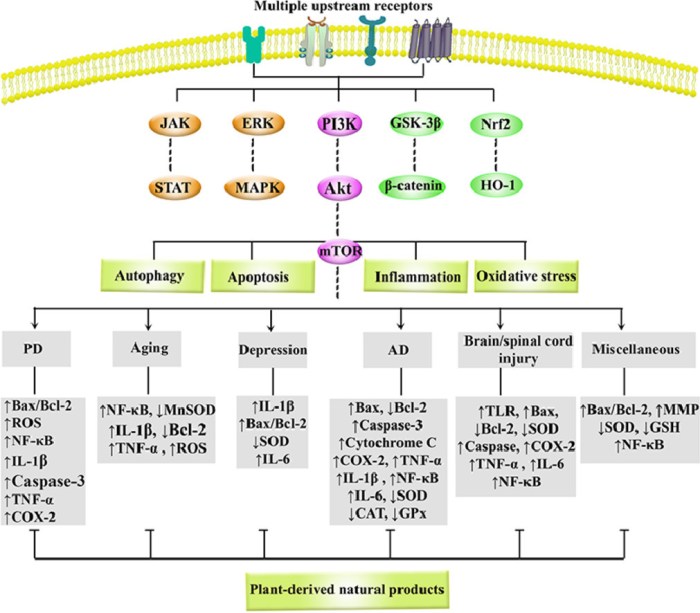
I was recently asked about taking rapamycin for its effects on mTOR. I replied that diet could do the same thing. Here’s a 2021 review outlining such effects:

“As common, progressive, and chronic causes of disability and death, neurodegenerative diseases (NDDs) significantly threaten human health, while no effective treatment is available. Recent studies have revealed the role of phosphoinositide 3-kinase (PI3K)/Akt (Protein kinase B)/mammalian target of rapamycin (mTOR) in some diseases and natural products with therapeutic potentials.

Growing evidence highlights the dysregulated PI3K/Akt/mTOR pathway and interconnected mediators in pathogenesis of NDDs. Side effects and drug-resistance of conventional neuroprotective agents urge the need for providing alternative therapies.

1-s2.0-S0944711321002075-ga1_lrg

Polyphenols, alkaloids, carotenoids, and terpenoids have shown to be capable of a great modulation of PI3K/Akt/mTOR in NDDs. Natural products potentially target various important oxidative/inflammatory/apoptotic/autophagic molecules/mediators, such as Bax, Bcl-2, p53, caspase-3, caspase-9, NF-κB, TNF-α, GSH, SOD, MAPK, GSK-3β, Nrf2/HO-1, JAK/STAT, CREB/BDNF, ERK1/2, and LC3 towards neuroprotection.

This is the first systematic and comprehensive review with a simultaneous focus on the critical role of PI3K/Akt/mTOR in NDDs and associated targeting by natural products.”

https://www.sciencedirect.com/science/article/abs/pii/S0944711321002075 “Natural products attenuate PI3K/Akt/mTOR signaling pathway: A promising strategy in regulating neurodegeneration” (not freely available) Thanks to Dr. Sajad Fakhri for providing a copy.


Natural products mentioned in this review that I eat in everyday foods are listed below. The most effective ones are broccoli and red cabbage sprouts, and oats and oat sprouts:

  • Artichokes – luteolin;
  • Blackberries – anthocyanins;
  • Blueberries – anthocyanins, gallic acid, pterostilbene;
  • Broccoli and red cabbage sprouts – anthocyanins, kaempferol, luteolin, quercetin, sulforaphane;
  • Carrots – carotenoids;
  • Celery – apigenin, luteolin;
  • Green tea – epigallocatechin gallate;
  • Oats and oat sprouts – avenanthramides;
  • Strawberries – anthocyanins, fisetin;
  • Tomatoes – fisetin.

Four humpback whales

PXL_20210914_170732350_exported_43137

Screenshot_20210914-121800

All about vasopressin

This 2021 review subject was vasopressin:

“Vasopressin is a ubiquitous molecule playing an important role in a wide range of physiological processes, thereby implicated in pathomechanisms of many disorders. The most striking is its central effect in stress-axis regulation, as well as regulating many aspects of our behavior.

Arginine-vasopressin (AVP) is a nonapeptide that is synthesized mainly in the supraoptic, paraventricular (PVN), and suprachiasmatic nucleus of the hypothalamus. AVP cell groups of hypothalamus and midbrain were found to be glutamatergic, whereas those in regions derived from cerebral nuclei were mainly GABAergic.

In the PVN, AVP can be found together with corticotropin-releasing hormone (CRH), the main hypothalamic regulator of the HPA axis. The AVPergic system participates in regulation of several physiological processes, from stress hormone release through memory formation, thermo- and pain regulation, to social behavior.

vasopressin stress axis

AVP determines behavioral responses to environmental stimuli, and participates in development of social interactions, aggression, reproduction, parental behavior, and belonging. Alterations in AVPergic tone may be implicated in pathology of stress-related disorders (anxiety and depression), Alzheimer’s, posttraumatic stress disorder, as well as schizophrenia.

An increasing body of evidence confirms epigenetic contribution to changes in AVP or AVP receptor mRNA level, not only during the early perinatal period, but also in adulthood:

  • DNA methylation is more targeted on a single gene; and it is better characterized in relation to AVP;
  • Some hint for bidirectional interaction with histone acetylation was also described; and
  • miRNAs are implicated in the hormonal, peripheral role of AVP, and less is known about their interaction regarding behavioral alteration.”

https://www.mdpi.com/1422-0067/22/17/9415/htm “Epigenetic Modulation of Vasopressin Expression in Health and Disease”


Find your way, regardless of what the herd does.

PXL_20210911_103344386