Week 87 of Changing to a youthful phenotype with sprouts

This week I dialed back eating microwaved 3-day-old broccoli / red cabbage / mustard sprouts from twice a day to once a day. For my reasoning, here are two papers on broccoli sprouts and thyroid function, with the first a 2018 human study:

“We analyzed biochemical measures of thyroid function and thyroid autoimmunity in a subset of participants in a broccoli sprout clinical trial. The present work is a retrospective analysis of a subset of serum samples collected during a clinical trial conducted from mid-October 2011 to early January 2012.

130 individuals received placebo beverage, and 137 received broccoli sprout beverage for 84 consecutive days (12 weeks). Blood samples from day 0 and day 84 were analyzed in a subset of 45 female participants (19 placebo, 26 broccoli sprout beverage) for serum thyroid-stimulating hormone (TSH), free thyroxine (fT4), thyroglobulin (TG), anti-TG, and anti-thyroid peroxidase (anti-TPO) antibodies.

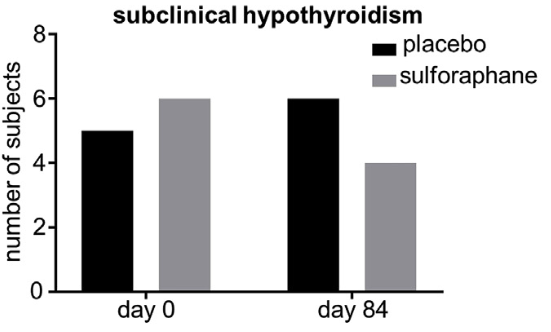
The percentage of patients with subclinical hypothyroidism (elevated TSH with normal fT4) was not significantly different between the two groups either before or after treatment.
subclinical hypothyroidism

Daily ingestion of a broccoli sprout extract beverage over 84 days had no deleterious effect on thyroid function tests or measures of thyroid autoimmunity. It may be prudent to evaluate thyroidal safety of plant-based food supplements on a case-by-case basis.”

https://www.sciencedirect.com/science/article/abs/pii/S0278691519300547 “Broccoli sprout beverage is safe for thyroid hormonal and autoimmune status: Results of a 12-week randomized trial” (not freely available)


A 2020 review by three of these coauthors summarized further details:

“One difference between the thyroid and other tissues is that ROS are not primarily a byproduct of its physiology, but an indispensable part of it. Thyroid follicular cells actively produce H2O2 to facilitate a cascade of redox reactions that sequentially oxidize iodide, iodinate tyrosine residues within Tg, and couple iodinated tyrosine residues of Tg to each other to form T4 and T3 (triiodothyronine).

There exists a fail-safe mechanism in which specific combinations of four Keap1 cysteines can form a disulfide bond to sense H2O2. This sensing mechanism appears to be distinct from that triggered by other Nrf2 inducers, such as electrophiles.

Findings from Keap1KD mice suggest that chronic genetic activation of Nrf2 signaling may have negative consequences for the thyroid gland. However, analysis of data from a clinical trial has shown that consumption of a broccoli sprout beverage (yielding pharmacologically active amounts of the Nrf2-activating compound sulforaphane) is safe for thyroid hormonal and autoimmune status during a 12-week administration period.

Nevertheless, it appears prudent to monitor thyroid function and thyroid volume (at least by palpation) in patients treated with Nrf2-modulating compounds in clinical trials or clinical practice.”

https://www.mdpi.com/2076-3921/9/11/1082/htm “The Keap1/Nrf2 Signaling Pathway in the Thyroid—2020 Update”


My Day 70 lab results for inflammation markers were great:

IL-6 2020

A year later, IL-6 was below the test’s detection limit, and high-sensitivity C-reactive protein could hardly have been better at 0.24 mg/L.

But TSH (reference interval 0.45 – 4.50 μIU/mL) increased from 3.01 to 7.50. Here’s what Labcorp Technical Review L8186 said:

“The panel concluded that despite the fact that serum TSH concentrations higher than 2.5 μIU/mL but less than 4.5 μIU/mL may identify some individuals with the earliest stage of hypothyroidism, there is no evidence for associated adverse consequences. Additionally, consequences of subclinical hypothyroidism with serum TSH levels between 4.5 μIU/mL and 10 μIU/mL are minimal, and the panel recommends against routine treatment of patients with TSH levels in these ranges.”

I went in last weekend to retest. Although the provider verbally agreed to test TSH, free T3, and free T4, a different test was ordered.

TSH was still high at 5.85 μIU/mL. Other measurements (Total T4, T3 Uptake, and Free Thyroxine Index) aren’t suitable substitutes for free T3 and free T4. I’ll specify Labcorp test numbers next time.


My hypothesis is that preconditioning my endogenous ARE system twice daily worked alright elsewhere, but not for my thyroid. We’ll find out in 2022 whether halving the electrophilic activations of my Nrf2 signaling pathway has any effect on thyroid measurements.

I don’t take anything with, or an hour before or after these very reactive isothiocyanates. I continue to eat 3-day-old oat sprouts twice a day with other foods.

PXL_20211125_171335252

Human agency vs. brain dysfunction

This 2021 human study used epigenetic clock technology to assess chronic inflammation as a driver of cognitive decline through its effects on brain structure:

“An epigenetic measure of C-reactive protein (DNAm CRP) was assembled for each participant. We found that higher inflammatory burden, indexed by DNAm CRP scores, associated with poor cognitive and neuroimaging brain health outcomes.

inflammation vs cognitive ability

DNAm CRP exhibited significantly larger associations with brain structural MRI metrics (including global grey and white matter atrophy, poorer white matter microstructure, and increased white matter hyperintensity burden) than serum CRP. Given that the 7 CpGs which make up DNAm CRP score reside in inflammation and vascular-related genes, these DNAm CRP-brain MRI associations may be capturing the impact of upstream inflammatory activity above and beyond that of serum CRP levels.

Our results indicate that some cognitive domains (processing speed) may be more mediated by brain structural consequences of chronic inflammation than others (verbal memory, visuospatial ability).

Our results add to the evidence base that DNAm-based predictors of inflammation may act as a quantifiable archive of longitudinal effects of these exposures – and other unaccounted for health and genetic profiles – that serum CRP levels fail to capture. By utilising an epigenetic inflammation measure, which integrates information from multiple immune-related CpG sites, we may provide a more reliable measure of chronic inflammation and thus a more comprehensive overview of consequences of chronic inflammation on brain structure and function.”

https://n.neurology.org/content/early/2021/11/17/WNL.0000000000012997.long “DNA Methylation and Protein Markers of Chronic Inflammation and Their Associations With Brain and Cognitive Aging”


These researchers essentially negated many of their findings by acknowledging:

“Although we endeavoured to remove participants with cognition-related pathology, these were screened via self-reported diagnoses, and we may be missing undiagnosed or subclinical incident neurodegenerative pathology.”

It wasn’t sufficient to claim in the Abstract section “Participants (N = 521) were cognitively normal, around 73 years of age” then include in the Discussion section a one-sentence limitation of relying on self-reports. Everyone defends themself against current and past realities and experiences.

Hard to imagine that objective measures such as the three comprising cognitive ability weren’t better screens. But then too many 73-year-old subjects may not have been “cognitively normal” and this study wouldn’t be adequately powered?

Can humans counteract inflammation? Non-communicable diseases? Smoking? Immune system degradation? Yes. No personal-agency actions were mentioned.

Also note this study’s social norming. The above-pictured 30-year-old female was busy at work, and subsequently hoisted a cat instead of a child in later years.

Take responsibility for your own one precious life.

PXL_20211118_114858264

Saving bees by regulating epigenetics

This 2021 study investigated an epigenetic treatment for bees forgetting about their hives:

“Over the last few decades, numbers of both wild and managed bee pollinators have been declining. Although reasons for this decline are under debate, it is highly likely that a combination of multiple stressors is to blame, in particular, deformed wing virus (DWV).

Histone deacetylase inhibitors (HDACi) are a class of compounds which prevent deacetylation of histones and therefore increase gene expression. The present study found that HDACi sodium butyrate (NaB) significantly increased survival and reversed the learning / memory impairment of DWV-infected bees. We demonstrated the mechanism of how epigenetic regulation can resume honeybees’ memory function.

bee survival rates

  • When bees were infected with DWV, 50% of bees died by the end of day 2 and only 10% survived to the end of day 5.
  • When NaB was added to the diet prior to DWV infection, survival rate of DWV-infected bees (N/D group) remained >90% after 5 days.
  • Under laboratory rearing conditions, around 30% of control bees died over a period of 5 days.
  • When NaB was included in uninfected bees’ diet, less than 15% of bees died.

These results indicate that feeding bees with NaB could significantly increase survival with or without DWV infection.”

https://www.cell.com/iscience/fulltext/S2589-0042(21)01024-5 “Real-time monitoring of deformed wing virus-infected bee foraging behavior following histone deacetylase inhibitor treatment”


Interesting that these researchers didn’t attempt to eliminate either the virus cause of bee behavior or parasitical mites that carried the virus. They mainly depended on bees’ endogenous systems providing beneficial responses when stimulated.

PXL_20211113_113321810

Do genes determine monogamy / polygamy?

This 2021 rodent study developed epigenetic clocks for deer mice:

“We have undertaken a genome-wide analysis of DNA methylation in Peromyscus, spanning different species, stocks, sexes, tissues, and age cohorts. We present CpGs and enriched pathways that relate to different conditions such as chronological age, high altitude, and monogamous behavior.

  • Analysis involved tails, whole brain, and liver samples that are not major target tissues for sex hormones. This implies that sex-specific patterns of methylation are inflicted early during development, and persist at adulthood.
  • Altitude-specific age-related changes are adjacent to genes that play a role in brain development, immune system functioning, and T-cell development.
  • Comparison of brain specimens between older P. leucopus and P. maniculatus indicated that in the latter, coordination of the unfolded protein response is compromised, and evidence of neurodegenerative pathology was obtained.
  • Our study involved three monogamous (P. californicus, P. polionotus, and P. eremicus) and two polygamous (P. maniculatus and P. leucopus) species. The most significant EWAS hits for monogamy included decreased methylation in Zeb2 intron, a key regulator of midbrain dopaminergic neuron development. These results derived from tail tissues, suggesting that inherent differences in bonding behavior instruct specific epigenetic changes in peripheral tissues that may be translated into distinct physiological outcomes. Whether this is due to differential regulation of specific neurohormonal circuits in response to hormones and neurotransmitters related to bonding, and what the exact physiological outputs are, remains to be determined.

Our study provided the first epigenetic clock for Peromyscus, and illustrated the hierarchical association between various biological variables in determining methylation profiles across different scales of biological organization.”

https://link.springer.com/article/10.1007/s11357-021-00472-5 “Methylation studies in Peromyscus: aging, altitude adaptation, and monogamy”


PXL_20211023_112318583

Eat isoflavones for your nerves

This 2021 rodent study investigated effects of dietary isoflavones and gut microbiota:

“Multiple sclerosis (MS) is a chronic neuroinflammatory disease of the central nervous system (CNS) that results in sensory, motor, and/or cognitive dysfunction. This is due to complex interactions of genetic and environmental factors that trigger activation of autoreactive T cells, leading to subsequent immune cell infiltration into the CNS, neurodegeneration, and axonal damage.

Genetic influences on MS have been well characterized, such as the strong association of certain human leukocyte antigen haplotypes with disease. In contrast, environmental factors – which account for around 70% of disease risk – remain understudied.

In humans, certain gut bacteria digest phytoestrogens, which are plant-based compounds that resemble estrogen. Isoflavones are a major class of phytoestrogens that are highly abundant in legumes such as soy. Humans do not have the necessary enzymes to break down isoflavones, and rely on gut microbiota to harvest these biologically active metabolites.

In the present study, we demonstrate that experimental autoimmune encephalomyelitis (EAE), an animal model for MS, is suppressed in mice fed a diet supplemented with isoflavones.

isoflavones eae

Adlercreutzia equolifaciens and Parabacteroides distasonis, which metabolize isoflavones, were more abundant in mice on an isoflavone diet. Both genera were enriched in healthy individuals but depleted in patients with MS. Conversely, Akkermansia muciniphila was found in greater abundance in mice on an isoflavone-free diet, and this genus is commonly enriched in patients with MS compared to healthy individuals.

isoflavones gut microbiota

We demonstrate that bacterial therapy with P. distasonis and A. equolifaciens results in markedly different clinical disease scores depending on diet of the host. In the absence of isoflavones, isoflavone-metabolizing bacteria may begin to metabolize host products, such as mucins, resulting in a proinflammatory state.

Considering the interplay between diet and gut bacteria is critical when developing dietary and gut microbiome-based therapies for MS and other diseases.”

https://www.science.org/doi/10.1126/sciadv.abd4595 “Isoflavone diet ameliorates experimental autoimmune encephalomyelitis through modulation of gut bacteria depleted in patients with multiple sclerosis”


Parabacteroides distasonis is my second most abundant gut microbiota species at 11.076%. Its main function is to metabolize carbohydrates, which are the bulk of my diet. Haven’t focused on isoflavones.

If you want to increase isoflavones with a soy product like tofu, try to eat it raw, steamed, or simmered in soup. Broiling, grilling, or sautéing tofu causes a dramatic rise in AGEs.

I came across this study by its citation in Dr. Paul Clayton’s rambling blog post Stranger together.

Dementia blood factors

This 2021 human study performed blood metabolite analyses:

“Dementia is a collective term to describe various symptoms of cognitive impairment in a condition in which intelligence is irreversibly diminished due to acquired organic disorders of the brain, characterized by deterioration of memory, thinking, behavior, and the ability to perform daily activities.

In this study, we conducted nontargeted, comprehensive analysis of blood metabolites in dementia patients. Effort expended in this ‘no assumptions’ approach is often recompensed by identification of diagnostic compounds overlooked by targeted analysis.

The great variability of data in Figure 1 reflects genuine individual variation in metabolites, which were accurately detected by our metabolomic analysis. These data demonstrate that compounds having small to large individual variability are implicated in dementia.

dementia blood factors

7 group A compounds – plasma-enriched dementia factors – increased in dementia patients and might have a negative toxic impact on central nervous system (CNS) functions by themselves or their degradation products.

26 group B to E metabolites may be beneficial for the CNS, as their quantity all declined in dementia patients:

  • Red blood cell (RBC)-enriched group B metabolites all containing the trimethyl-ammonium ion may protect the CNS through their antioxidative and other activity.
  • Group C compounds, also RBC-enriched, have cellular functions implicated in energy, redox, and so forth, and may be important for maintaining CNS brain functions.
  • Group D’s 12 plasma compounds (amino acids, nucleosides, choline, and carnitine) – half of which had been reported as Alzheimer’s disease (AD)-related markers – may underpin actions of other metabolites for supply and degradation. Consistency of group D plasma metabolites as dementia markers but not group B and C RBC metabolites validated the method of searching dementia markers that we employed in the present study.
  • Group E compounds, caffeine and and its derivative dimethyl-xanthine, declined greatly in dementia subjects. Caffeine is an antagonist of adenosine, consistent with the present finding that adenosine belongs to group A compounds.

Twelve [groups B + C] of these 33 compounds are RBC-enriched, which has been scarcely reported. The majority of metabolites enriched in RBCs were not identified in previous studies.

Nine compounds possessing trimethylated ammonium ions are amphipathic compounds (with both hydrophilic and lipophilic properties) and form the basis of lipid polymorphism. All of them showed a sharp decline in abundance in dementia subjects.

amphipathic compounds

These amphipathic compounds may have similar roles, forming a higher-ordered, assembled structure. They might act as major neuroprotectants or antioxidants in the brain, and their levels are sensitive to both antioxidants and ROS.

We speculate the 7 group A compounds pathologically enhance or lead to severe dementia such as AD. This presumed dementia deterioration by group A factors is opposed if group B to E metabolites are sufficiently supplied.

However, group A markers were not found in frail subjects. If the change in group A is causal for dementia, then a cognitive cause in frailty may be distinct from that of dementia.”

https://www.pnas.org/content/118/37/e2022857118 “Whole-blood metabolomics of dementia patients reveal classes of disease-linked metabolites”


Dementia subjects (ages 75-88) lived in an Okinawa hospital. Healthy elderly (ages 67-80) and young (ages 28-34) subjects lived in a neighboring village. Of the 24 subjects, 3 dementia and 1 healthy elderly were below a 18.5 to <25 BMI range, and none were above.

Get neuroprotectants working for you. Previous relevant curations included:

The Illusion of Knowledge: The paradigm shift in aging research that shows the way to human rejuvenation

Dr. Harold Katcher increased interviews to coincide with release of his book this month. Here’s one in four parts that provides highlights of his rejuvenation research progress:


Previously curated papers of his work include:

Epigenetic clocks so far in 2021

2021’s busiest researcher took time out this month to update progress on epigenetic clocks:

Hallmarks of aging aren’t all associated with epigenetic aging.

epigenetic aging vs. hallmarks of aging

Interventions that increase cellular lifespan aren’t all associated with epigenetic aging.

epigenetic aging vs. cellular lifespan

Many of his authored or coauthored 2021 papers developed human / mammalian species relative-age epigenetic clocks.

epigenetic clock mammalian maximum lifespan

Relative-age epigenetic clocks better predict human results from animal testing.

pan-mammalian epigenetic clock


Previously curated papers that were mentioned or relevant included:

Natural products vs. neurodegenerative diseases

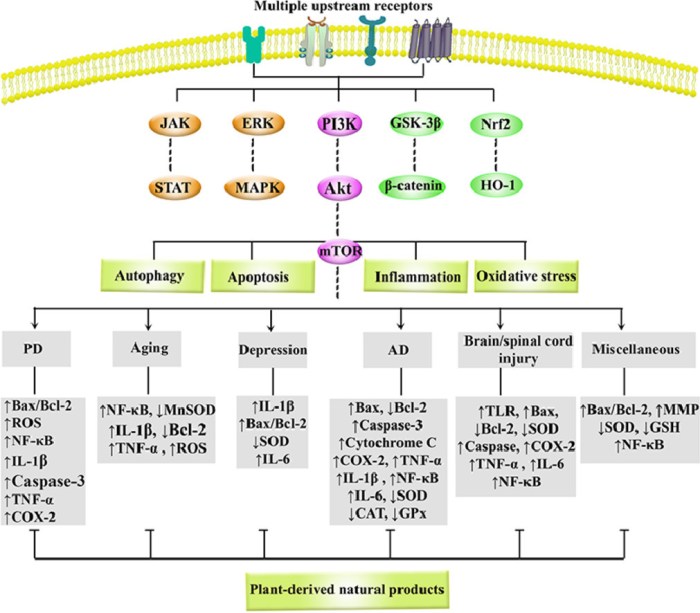
I was recently asked about taking rapamycin for its effects on mTOR. I replied that diet could do the same thing. Here’s a 2021 review outlining such effects:

“As common, progressive, and chronic causes of disability and death, neurodegenerative diseases (NDDs) significantly threaten human health, while no effective treatment is available. Recent studies have revealed the role of phosphoinositide 3-kinase (PI3K)/Akt (Protein kinase B)/mammalian target of rapamycin (mTOR) in some diseases and natural products with therapeutic potentials.

Growing evidence highlights the dysregulated PI3K/Akt/mTOR pathway and interconnected mediators in pathogenesis of NDDs. Side effects and drug-resistance of conventional neuroprotective agents urge the need for providing alternative therapies.

1-s2.0-S0944711321002075-ga1_lrg

Polyphenols, alkaloids, carotenoids, and terpenoids have shown to be capable of a great modulation of PI3K/Akt/mTOR in NDDs. Natural products potentially target various important oxidative/inflammatory/apoptotic/autophagic molecules/mediators, such as Bax, Bcl-2, p53, caspase-3, caspase-9, NF-κB, TNF-α, GSH, SOD, MAPK, GSK-3β, Nrf2/HO-1, JAK/STAT, CREB/BDNF, ERK1/2, and LC3 towards neuroprotection.

This is the first systematic and comprehensive review with a simultaneous focus on the critical role of PI3K/Akt/mTOR in NDDs and associated targeting by natural products.”

https://www.sciencedirect.com/science/article/abs/pii/S0944711321002075 “Natural products attenuate PI3K/Akt/mTOR signaling pathway: A promising strategy in regulating neurodegeneration” (not freely available) Thanks to Dr. Sajad Fakhri for providing a copy.


Natural products mentioned in this review that I eat in everyday foods are listed below. The most effective ones are broccoli and red cabbage sprouts, and oats and oat sprouts:

  • Artichokes – luteolin;
  • Blackberries – anthocyanins;
  • Blueberries – anthocyanins, gallic acid, pterostilbene;
  • Broccoli and red cabbage sprouts – anthocyanins, kaempferol, luteolin, quercetin, sulforaphane;
  • Carrots – carotenoids;
  • Celery – apigenin, luteolin;
  • Green tea – epigallocatechin gallate;
  • Oats and oat sprouts – avenanthramides;
  • Strawberries – anthocyanins, fisetin;
  • Tomatoes – fisetin.

Four humpback whales

PXL_20210914_170732350_exported_43137

Screenshot_20210914-121800

All about vasopressin

This 2021 review subject was vasopressin:

“Vasopressin is a ubiquitous molecule playing an important role in a wide range of physiological processes, thereby implicated in pathomechanisms of many disorders. The most striking is its central effect in stress-axis regulation, as well as regulating many aspects of our behavior.

Arginine-vasopressin (AVP) is a nonapeptide that is synthesized mainly in the supraoptic, paraventricular (PVN), and suprachiasmatic nucleus of the hypothalamus. AVP cell groups of hypothalamus and midbrain were found to be glutamatergic, whereas those in regions derived from cerebral nuclei were mainly GABAergic.

In the PVN, AVP can be found together with corticotropin-releasing hormone (CRH), the main hypothalamic regulator of the HPA axis. The AVPergic system participates in regulation of several physiological processes, from stress hormone release through memory formation, thermo- and pain regulation, to social behavior.

vasopressin stress axis

AVP determines behavioral responses to environmental stimuli, and participates in development of social interactions, aggression, reproduction, parental behavior, and belonging. Alterations in AVPergic tone may be implicated in pathology of stress-related disorders (anxiety and depression), Alzheimer’s, posttraumatic stress disorder, as well as schizophrenia.

An increasing body of evidence confirms epigenetic contribution to changes in AVP or AVP receptor mRNA level, not only during the early perinatal period, but also in adulthood:

  • DNA methylation is more targeted on a single gene; and it is better characterized in relation to AVP;
  • Some hint for bidirectional interaction with histone acetylation was also described; and
  • miRNAs are implicated in the hormonal, peripheral role of AVP, and less is known about their interaction regarding behavioral alteration.”

https://www.mdpi.com/1422-0067/22/17/9415/htm “Epigenetic Modulation of Vasopressin Expression in Health and Disease”


Find your way, regardless of what the herd does.

PXL_20210911_103344386

Take taurine for your mitochondria

This 2021 review summarized taurine’s beneficial effects on mitochondrial function:

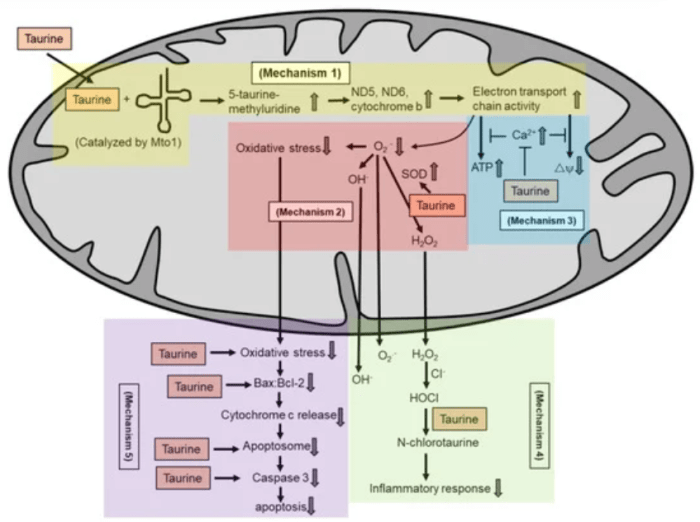
“Taurine supplementation protects against pathologies associated with mitochondrial defects, such as aging, mitochondrial diseases, metabolic syndrome, cancer, cardiovascular diseases and neurological disorders. Potential mechanisms by which taurine exerts its antioxidant activity in maintaining mitochondria health include:

  1. Conjugates with uridine on mitochondrial tRNA to form a 5-taurinomethyluridine for proper synthesis of mitochondrial proteins (mechanism 1), which regulates the stability and functionality of respiratory chain complexes;
  2. Reduces superoxide generation by enhancing the activity of intracellular antioxidants (mechanism 2);
  3. Prevents calcium overload and prevents reduction in energy production and collapse of mitochondrial membrane potential (mechanism 3);
  4. Directly scavenges HOCl to form N-chlorotaurine in inhibiting a pro-inflammatory response (mechanism 4); and
  5. Inhibits mitochondria-mediated apoptosis by preventing caspase activation or by restoring the Bax/Bcl-2 ratio and preventing Bax translocation to the mitochondria to promote apoptosis.

taurine mechanisms

An analysis on pharmacokinetics of oral supplementation (4 g) in 8 healthy adults showed a baseline taurine content in a range of 30 μmol to 60 μmol. Plasma content increased to approximately 500 μmol 1.5 h after taurine intake. Plasma content subsequently decreased to baseline level 6.5 h after intake.

We discuss antioxidant action of taurine, particularly in relation to maintenance of mitochondria function. We describe human studies on taurine supplementation in several mitochondria-associated pathologies.”

https://www.mdpi.com/1420-3049/26/16/4913/html “The Role of Taurine in Mitochondria Health: More Than Just an Antioxidant”


I take a gram of taurine at breakfast and at dinner along with other supplements and 3-day-old Avena sativa oat sprouts. Don’t think my other foods’ combined taurine contents are more than one gram, because none are found in various top ten taurine-containing food lists.

As a reminder, your mitochondria came from your mother, except in rare cases.

Preventing human infections with dietary fibers

This 2020 review covered interactions of gut microbiota, intestinal mucus, and dietary fibers. I’ve outlined its headings and subheadings, and ended with its overview:

“I. Dietary fibers and human mucus-associated polysaccharides: can we make an analogy?

I.1 Brief overview of dietary fibers and mucus polysaccharides structures and properties

I.I.1 Dietary fibers

  • Dietary fiber intake and health effects

I.I.2 Intestinal mucus polysaccharides

  • Structure
  • Main functions

I.2 Similarities and differences between dietary fibers and mucus carbohydrates

  • Origin and metabolism
  • Structure

II. Interactions of dietary fibers and mucus-associated polysaccharides with human gut microbiota

II-1 Substrate accessibility and microbial niches

  • Dietary fibers
  • Mucus polysaccharides

II-2 Recognition and binding strategies

  • Dietary fibers
  • Mucus polysaccharides

II-3 Carbohydrate metabolism by human gut microbiota

II-3.1 Specialized carbohydrate-active enzymes

II-3.2 Vertical ecological relationships in carbohydrate degradation

  • Dietary fibers
  • Mucus polysaccharides

II-3.3 Horizontal ecological relationships in carbohydrate degradation

II.4 Effect of carbohydrates on gut microbiota composition and sources of variability

II.4.1 Well-known effect of dietary fibers on the gut microbiota

II.4.2 First evidences of a link between mucus polysaccharides and gut microbiota composition

III. Gut microbiota, dietary fibers and intestinal mucus: from health to diseases?

[no III.1]

III.2 Current evidences for the relationship between dietary fibers, mucus and intestinal-inflammatory related disorder

III.2.1 Obesity and metabolic-related disorders

  • Dietary fibers
  • Mucus polysaccharides

III.2.2 Inflammatory bowel diseases

  • Dietary fibers
  • Mucus polysaccharides

III.2.3 Colorectal cancer

  • Dietary fibers
  • Mucus polysaccharides

IV. How enteric pathogens can interact with mucus and dietary fibers in a complex microbial background?

IV.1 Mucus-associated polysaccharides: from interactions with enteric pathogens to a cue for their virulence?

IV.1.1 Pathogens binding to mucus

  • Binding structures
  • Sources of variations

IV.1.2 Mucus degradation by pathogens

  • Bacterial mucinases
  • Glycosyl hydrolases

IV.1.3 Mucus-based feeding of pathogens

  • Primary degraders or cross-feeding strategies
  • Importance of microbial background

IV.1.4 Pathogens and inflammation in a mucus-altered context

IV.1.5 Modulation of virulence genes by mucus degradation products

IV.2 How can dietary fiber modulate enteric pathogen virulence?

IV.2.1 Direct antagonistic effect of dietary fibers on pathogens

  • Bacteriostatic effect
  • Inhibition of cell adhesion
  • Inhibition of toxin binding and activity

IV.2.2 Indirect effect of dietary fibers through gut microbiota modulation

  • Modulation of microbiota composition
  • Modulation of gut microbiota activity

IV.2.3 Inhibition of pathogen interactions with mucus: a new mode of dietary fibers action?

  • Binding to mucus: dietary fibers acting as a decoy
  • Inhibition of mucus degradation by dietary fibers

V. Human in vitro gut models to decipher the role of dietary fibers and mucus in enteric infections: interest and limitations?

V.1 Main scientific challenges to be addressed

V.2 In vitro human gut models as a relevant alternative to in vivo studies

V.3 In vitro gut models to decipher key roles of digestive secretions, mucus and gut microbiota

V.4 Toward an integration of host responses

V.5 From health to disease conditions

dietary fibers prevent infections

Overview of the potential role of dietary fibers in preventing enteric infections. Reliable and converging data from scientific literature are represented with numbers in circles, while data more hypothetical needing further investigations are represented with numbers in squares.

  1. Some dietary fibers exhibit direct bacteriostatic effects against pathogens.
  2. Dietary fiber degradation leads to short-chain fatty acids (SCFAs) production that can modulate pathogens’ virulence.
  3. By presenting structure similarities with receptors, some dietary fibers can prevent pathogen adhesin binding to their receptors.
  4. By the same competition mechanism, dietary fibers can also prevent toxins binding to their receptors.
  5. Dietary fibers are able to promote gut microbiota diversity.
  6. Dietary fibers may promote growth of specific strains with probiotic properties and therefore exhibit anti-infectious properties.
  7. Suitable dietary fiber intake prevents microbiota’s switch to mucus consumption, limiting subsequent commensal microbiota encroachment and associated intestinal inflammation.
  8. Dietary fibers may prevent pathogen cross-feeding on mucus by limiting mucus degradation and/or by preserving diversity of competing bacterial species.
  9. By preventing mucus over-degradation by switcher microbes, dietary fibers can hamper pathogen progression close to the epithelial brush border, and further restrict subsequent inflammation.”

https://doi.org/10.1093/femsre/fuaa052 “Tripartite relationship between gut microbiota, intestinal mucus and dietary fibers: towards preventive strategies against enteric infections” (not freely available)


There were many links among gut microbiota studies previously curated. For example, Go with the Alzheimer’s Disease evidence found:

“Akkermansia cannot always be considered a potentially beneficial bacterium. It might be harmful for the gut–brain axis in the context of AD development in the elderly.”

The current review provided possible explanations:

“Akkermansia muciniphila could be considered as a species that fulfills a keystone function in mucin degradation. It is a good example of a mucus specialist.”

Points #7-9 of the above overview inferred that insufficient dietary fiber may disproportionately increase abundance of this species. But Gut microbiota strains also found that effects may be found only below species at species’ strain levels.

These reviewers provided copies in places other than what’s linked above. Feel free to contact them for a copy.


Moon bandit

PXL_20210822_100718644.NIGHT

No magic bullet, only magical thinking

Consider this a repost of Dr. Paul Clayton’s blog post The Drugs Don’t Work:

“The drug industry has enough funds to:

  • Rent politicians;
  • Subvert regulatory agencies;
  • Publish fake data in the most august peer-reviewed literature; and
  • Warp the output of medical schools everywhere.

Their products are a common cause of death. Every year, America’s aggressively modern approach to disease kills over 100,000 in-hospital patients, and twice that number of out-patients.

In 1900, a third of all deaths occurred in children under the age of 5. By 2000 this had fallen to 1.4%. The resulting 30-year increase in average life expectancy fed into the seductive and prevailing myth that we are all living longer; which is manifestly untrue. Improvements in sanitation were far more significant in pushing infections back than any medical developments.

There is currently no pharmaceutical cure for Alzheimer’s or Parkinsonism, nor can there be when these syndromes are in most cases driven by multiple metabolic distortions caused by today’s diet. The brain is so very complex, and it can go wrong in so many ways. The idea that we can find a magic bullet for either of these syndromes is ill-informed and philosophically mired in the past.

It is also dangerous. There is a significant sub-group of dementia sufferers whose conditions are driven and exacerbated by pharmaceuticals. Chronic use of a number of commonly prescribed drugs – and ironically, anti-Parkinson drugs – increases the risk of dementia by roughly 50%.

Big Pharma’s ability to subvert regulatory authorities is even more dangerous. The recent FDA approval of Biogen’s drug aducanumab is a scandal; not one member of the FDA Advisory Committee voted to approve this ineffective product, and three of them resigned in the aftermath of the FDA’s edict. This ‘anti-Alzheimer’s’ drug, which will earn Biogen $56,000 / patient / year, was licensed for financial reasons; it reduced amyloid plaque but was clinically ineffective.

So did the eagerly awaited gantenerumab and solanezumab. But they, too, failed to produce any significant clinical benefit.”


A knee-replacement patient enduring her daily workout

PXL_20210822_102713662

Prevent your brain from shrinking

My 800th curation is a 2021 human diet and lifestyle study:

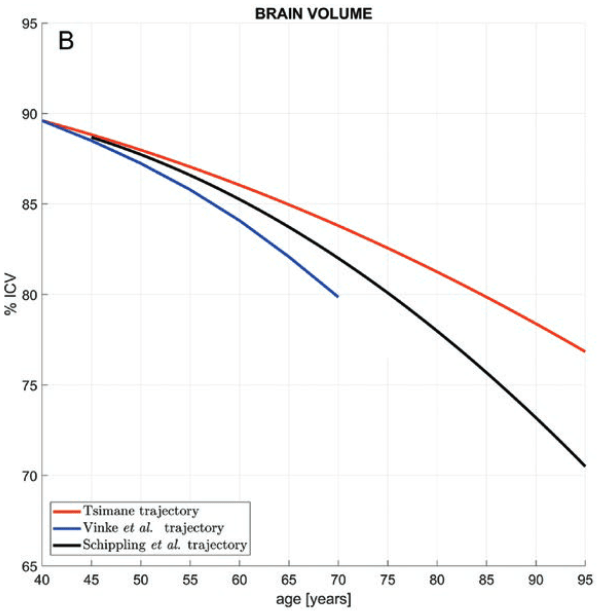
“Brain atrophy is correlated with risk of cognitive impairment, functional decline, and dementia. This study (a) examines the statistical association between brain volume (BV) and age for Tsimane, and (b) compares this association to that of 3 industrialized populations in the United States and Europe.

Tsimane forager-horticulturists of Bolivia have the lowest prevalence of coronary atherosclerosis of any studied population, and present few cardiovascular disease (CVD) risk factors. They have a high burden of infections and inflammation, reflected by biomarkers of chronic immune activation, including higher leukocytes counts, faster erythrocyte sedimentation rates, and higher levels of C-reactive protein, interleukin-6, and immunoglobulin-E than in Americans of all ages.

The Tsimane have endemic polyparasitism involving helminths and frequent gastrointestinal illness. Most morbidity and mortality in this population is due to infections.

brain volume

The Tsimane exhibit smaller age-related BV declines relative to industrialized populations, suggesting that their low CVD burden outweighs their high, infection-driven inflammatory risk. If:

  1. Cross-sectional data (which we believe are population-representative of Tsimane adults aged 40 and older) represent well the average life course of individuals; and
  2. The Tsimane are representative of the baseline case prior to urbanization;

these results suggest a ~70% increase in the rates of age-dependent BV decrease accompanying industrialized lifestyles.

Despite its limitations, this study suggests:

  • Brain atrophy may be slowed substantially by lifestyles associated with very low CVD risk; and
  • There is ample scope for interventions to improve brain health, even in the presence of chronically high systemic inflammation.

Lastly, the slow rate of age-dependent BV decrease in the Tsimane raises new questions about dementia, given the role of both infections and vascular factors in dementia risk.”

https://gurven.anth.ucsb.edu/sites/default/files/sitefiles/papers/irimiaetal2021.pdf “The indigenous South American Tsimane exhibit relatively modest decrease in brain volume with age despite high systemic inflammation”


I came across this study by its citation in Dr. Paul Clayton’s 2021 blog post We’ve got to get ourselves back to the garden.

ω-6 to ω-3 PUFA ratio

Three human-evidenced publications on omega-6 and omega-3 polyunsaturated fatty acids, with the first a 2021 blog post that cited 72 references:

“In the area of heart health, which is why most consumers swallow fish oil, the data is hopelessly conflicted:

  • One meta-analyses found that protective effects were dose-related, which is always persuasive;
  • In marked contrast, three recent powerful clinical trials found fish oil to have no effects on cardiovascular pathology in either primary or secondary prevention; and
  • Yet another meta-analysis found null results, except for a slight degree of protection in subjects who had gallantly taken fish oil supplements for over ten years.

Can these all be right? I think they can, based on secondary bioavailability.

Levels of omega 3s in the bloodstream are irrelevant, except in terms of their calorie content. That is not where they do their anti-inflammatory thing. They become precursors for resolvins, maresins, protectins, and anti-inflammatory eicosanoids only after they have been incorporated into the host’s cell membranes.

Getting them into cell membranes is secondary bioavailability (or bio-efficacy), and this is a much more complicated procedure. Seafood does it, but fish oil doesn’t.

Specifically, there is something in oily fish which enables secondary bioavailability, but which is missing in commercial fish oils. That something is a lipophillic polyphenol called phlorotannin.”

https://drpaulclayton.eu/blog/fish-oil-upgrade-to-snake-oil/ “Fish Oil? Upgrade to Snake Oil!”


A second paper was a 2021 review that focused on ratios of ω-6 to ω-3 PUFAs:

“Chronic diseases including obesity, type 2 diabetes, cardiovascular disease, cancer, and Alzheimer’s disease are rising exponentially in the modern world. Though these diseases are multifactorial in nature, their prevalence is mostly associated with an unbalanced increase in dietary n-6 PUFAs and decrease in n-3 PUFAs.

Mostly, these diseases escalate on the fact that inflammation in conjunction with obesity is the basis of every chronic disease.

Considering antagonistic effects of n-3 and n-6 PUFAs, both n-3 and n-6 SC-PUFAs and LC-PUFAs in their proportional ratio with each other, which is close to 4:1, play a significant role in regulating body homeostasis of inflammation and anti-inflammation, vasodilation and vasoconstriction, bronchoconstriction and bronchodilation, and platelet aggregation and antiaggregation.”

https://www.hindawi.com/journals/jl/2021/8848161/ “Overconsumption of Omega-6 Polyunsaturated Fatty Acids (PUFAs) versus Deficiency of Omega-3 PUFAs in Modern-Day Diets: The Disturbing Factor for Their ‘Balanced Antagonistic Metabolic Functions’ in the Human Body”


A third paper was a 2020 human adolescent study:

“Obese youth 9–19 y of age with nonalcoholic fatty liver disease were treated to see whether 12 wk of a low n–6:n–3 PUFA ratio (4:1) normocaloric diet mitigated fatty liver.

Independent of weight loss, a low n–6:n–3 PUFA diet ameliorated the metabolic phenotype of adolescents with fatty liver disease. This trial was registered at clinicaltrials.gov as NCT01556113.”

https://academic.oup.com/jn/article/150/9/2314/5870325 “A Low ω-6 to ω-3 PUFA Ratio (n–6:n–3 PUFA) Diet to Treat Fatty Liver Disease in Obese Youth”


My ω-6 to ω-3 PUFA 4 : 1 (1400 / 350) intake at breakfast and dinner via Balance Oil:

PXL_20210704_161714382

At lunch I eat an ounce of walnuts with a ω-6 to ω-3 PUFA 4.4 : 1 ratio:

walnuts 1 oz


PXL_20210710_093234225.NIGHT