DES-exposure descendants and cancer

A 2020 case study to follow up the wretched Burying human transgenerational epigenetic evidence:

“Diethylstilbestrol (DES) has strengthened concepts of endocrine disrupting chemicals (EDCs) and the fetal basis of adult disease. It is well-known that in-utero exposure to DES induces a wide range of reproductive tract abnormalities, with reports of alterations in Müllerian duct development, fertility problems, ectopic pregnancies, miscarriages, premature births and cancers, particularly clear cell adenocarcinoma (CCAC) of the vagina and cervix.

We report for the first time cervical CCAC in an 8-year-old girl whose maternal grandmother was given DES during pregnancy. She underwent fertility-sparing surgery and radiotherapy. No sign of recurrence was detected throughout a 10-year follow-up.

Her maternal grandmother reported six miscarriages and then DES treatment during the entire 9 months of pregnancy with the patient’s mother. The patient’s mother reported the surgical removal of two-thirds of her left ovary at the age of 12 years for a rapidly growing cyst.

In DES grandsons, we and others have reported a high prevalence of hypospadias, particularly with severe phenotypes, as well as several cases of disorders of sex development. In addition, a cohort study of 47,540 women found significantly elevated odds for attention-deficit / hyperactivity disorder in the DES grandchildren, suggesting a role of EDCs in multigenerational neurodevelopmental deficits.”

https://academic.oup.com/humrep/advance-article-abstract/doi/10.1093/humrep/deaa267/5956098 “Diethylstilbestrol exposure during pregnancy with primary clear cell carcinoma of the cervix in an 8-year-old granddaughter: a multigenerational effect of endocrine disruptors?” (not freely available)


Are researchers and physicians prepared for the great-grandchildren, the transgenerational descendants of DES exposure, who had no possible direct exposure to the toxin?

Have they read everything Dr. Michael Skinner at Washington State University coauthored in the past five years, not just the older review this paper cited? Have they paid close attention to his studies where disease symptoms spared the children and grandchildren, and weren’t evidenced until the great-grandchildren?

There will be abundant evidence to discover if researchers and physicians take their fields seriously. As many as 10 million of these great-grandchildren are alive today, just in the US.

Sulforaphane in the Goldilocks zone

This 2020 paper reviewed hormetic effects of a broccoli sprout compound:

“Sulforaphane (SFN) induces a broad spectrum of chemoprotective effects across multiple organs that are of importance to public health and clinical medicine. This chemoprotection is dominated by hormetic dose responses that are mediated by the Nrf2/ARE pathway and its complex regulatory interactions with other factors and pathways, such as p53 and NF-κB.

The stimulatory zone for in vitro studies proved to be consistently in the 1-10 μM range. Hormetic studies of SFN strongly targeted activation of Nrf2.

Capacity to activate Nrf2 diminishes with age, and may affect capacity of SFN to effectively enhance adaptive responses.

A 4-hour exposure induced a 24 hour Nrf2-mediated increase in enzymes that reduce free-radical damage in neurons and astrocytes. Repeated 4-hour treatment for four days affected an accumulation along with a persistent protection.

In the case of continuous exposure to SFN, such as taking a daily supplement, SFN treatment did not result in an accumulation of HMOX1 [heme oxygenase (decycling) 1 gene] mRNA or protein. This suggested that HMOX1 response may experience feedback regulation, avoiding possible harmful overproduction.”

https://www.sciencedirect.com/science/article/abs/pii/S1043661820315917 “The phytoprotective agent sulforaphane prevents inflammatory degenerative diseases and age-related pathologies via Nrf2-mediated hormesis” (not freely available)


One coauthor has been on a crusade to persuade everybody of this paradigm. Hormesis’ hypothesis isn’t falsifiable in all circumstances, however.

Hormetic effects may be experimental considerations. But what’s the point of performing sulforaphane dose-response experiments in contexts that are physiologically unachievable with humans? Two examples:

  1. Autism biomarkers and sulforaphane:

    “There was no concentration-dependence in induction of any genes examined, with the higher (5 μM) concentration of SF even showing a slightly diminished effect for induction of AKR1C1 and NQO1. Although this concentration is achievable in vivo, more typical peak concentrations of SF (and its metabolites) in human plasma are 1-2 μM.”

  2. Human relevance of rodent sulforaphane studies:

    “Over two-thirds of the animal studies have used doses that exceed the highest (and bordering on intolerable) doses of sulforaphane used in humans. The greater than 4-log spread of doses used in mice appears to be driven by needs for effect reporting in publications rather than optimization of translational science.”

This paper cited many hormetic effects that were human-irrelevant without making a distinction. But it also had parts such as:

“The capacity for high concentrations of AITC [allyl isothiocyanate] to enhance genetic damage is not relevant since such high concentrations are not realistically achievable in normal human activities.

Humans ingest only the R-isomer of SFN via diet. Their dosing strategy adopted concentrations of R-SFN that were less than those employed to induce cytotoxic effects in cancer cells and that simulated its consumption as a dietary supplement.”


Landing eagle

DIM effects on BRCA carriers

This 2020 study evaluated a broccoli sprout compound’s effects on breast cancer development:

“Women who carry the BRCA mutation are at high lifetime risk of breast cancer, but there is no consensus regarding an effective and safe chemoprevention strategy. A large body of evidence suggests that 3,3-diindolylmethane (DIM), a dimer of indole-3-carbinol found in cruciferous vegetables, can potentially prevent carcinogenesis and tumor development.

A year’s supplementation with DIM 100 mg daily in BRCA carriers was associated with a significant decline in FGT [fibroglandular tissue] amount on MRI. Larger randomized studies are warranted to corroborate these findings.”

https://academic.oup.com/carcin/article/41/10/1395/5847633 “3,3-Diindolylmethane (DIM): a nutritional intervention and its impact on breast density in healthy BRCA carriers. A prospective clinical trial”


This study didn’t address DIM bioavailability. What were the DIM amounts each subject actually processed? How was DIM bioavailability related to their “significant decline in FGT” outcome?

Studies that found DIM was only 1-3% bioavailable after oral administration include:

PubChem lists DIM molecular weight as 246.31 g/mol. A 4.06 μmol DIM amount (.001 / 246.31) equals a 1 mg weight. The study’s daily DIM intake 100 mg weight was a 406 μmol amount.

(406 μmol x 1%) = 4 μmol and (406 μmol x 3%) = 12 μmol. Was DIM bioavailability in a 4 – 12 μmol range?

Eat broccoli sprouts for DIM and Our model clinical trial for Changing to a youthful phenotype with broccoli sprouts measured DIM excreted as a result of eating 30 grams raw broccoli super sprouts every day. Indolic glucosinolates were as follows:

indolic glucosinolates

DIM at the 70-day point was an average 0.650 μmol amount, which was almost twice those subjects’ 0.334 average beginning amount. Our model clinical trial provided support to the two studies on DIM bioavailability in that as a group, subjects’ DIM bioavailability was 3.01% (0.650 μmol DIM / 21.61 μmol glucobrassicin DIM precursor).

If each subject’s DIM was collected over 24-hours, glucobrassicin precursor conversion calculations may have produced individual bioavailability measurements.


Young dolphins eating breakfast

Top 2020 blog post categories

If seven weeks beforehand there was Halloween candy in grocery stores, and for the past week Christmas sales, we can review top ranked 2020 blog post categories.

Here’s a ranked list of readers’ interests of categories, then of posts within each category ranked by reader views. Prioritize it to your liking.

1. Manipulation of human herd behavior to enable economic and social upheaval and fraud in the name of a disease that has a worldwide 99+% recovery rate:

2. Broccoli sprout compounds research:

3. Aging research:

4. Experiential therapy:


Looking to the future, looking to the past

PXL_20201105_111239521.NIGHT

Microwaving broccoli sprouts may not affect phenolic levels

Three papers investigated microwaving plant material for phenolic compounds. The first was a 2020 review that compared industry techniques:

“Phenolic compounds are widely used as natural antioxidants and antimicrobial agents. They also exhibit antiallergenic, antiatherogenic, and anti-inflammatory activities.

Although the nature and properties of raw materials strongly influence extraction, all extraction processes share major parameters:

  • Solubility of phenolic compounds is higher in polar solvents such as water and ethanol or their mixtures;
  • Diffusion of compounds and mass transfer rates are enhanced by increased temperature; and
  • Longer extraction times allow for a more intimate and effective contact between solvent and matrix.

MAE [microwave-assisted extraction] is an efficient technique due to its ability to heat a matrix internally and externally without a thermal gradient. Phenolic compounds and ionic solutions strongly absorb microwave energy. Microwaves cause internal superheating of water molecules of a sample, promoting cellular disruption and enhancing the recovery of target compounds from the matrix.

MAE produces the highest total phenolic content, 227.63 mg GAE [gallic acid equivalent] /g dry basis.”

https://link.springer.com/article/10.1007%2Fs13197-020-04433-2 “Recent advances and comparisons of conventional and alternative extraction techniques of phenolic compounds” (not freely available)


I didn’t see any studies in the first paper that I could directly use. Either temperature was too high, or microwave power too low, or was something I’m not going to do, like substitute ethanol for water.

A second 2020 paper compared three industry techniques to extract phenolics from olive and wine post-processing plant material:

“In the case of olive pomace, TPC [total polyphenol content] improved by increasing the ethanol concentration from 20 to 50%, and temperature from 60 to 90°C. No significant improvement was observed when increasing time from 5 to 15 min.

The best extraction efficiency for olive pomace residues was provided by MAE.”

https://www.mdpi.com/2076-3921/9/11/1074/htm “Olive Mill and Winery Wastes as Viable Sources of Bioactive Compounds: A Study on Polyphenols Recovery”


The second study demonstrated that polyphenols weren’t harmed by temperatures up to 90°C. Microwave power was 500W per correspondence with the authors.

Microwave broccoli to increase sulforaphane levels demonstrated significant differences for 475W (LL) and 950W (HL) power settings in glucoraphanin and sulforaphane amounts when microwaved to the same temperatures. Compare sulforaphane amounts for LL60 and HL60 (both 60°C), annotated as E and F:


A third study from 2017 measured total phenolic contents, but primarily used indole-3-carbinol to probe food preparation methods:

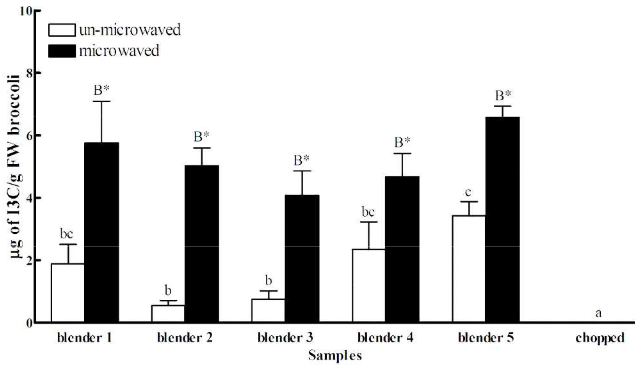
“This study evaluated the effects of grinding and chopping with / without microwaving on the health-beneficial components, and antioxidant, anti-inflammation and anti-proliferation capacities of commercial kale and broccoli samples. The availability of indole-3-carbinol (I3C) and total phenolic contents [TPC] were evaluated.

Fifty grams and 100 g of commercial fresh kale and broccoli (including stem and leaves) samples were ground for 15 s with 200 mL of water in 5 different commercial available blenders. The ground vegetables were divided into two parts, and one part was microwaved at 700 watts for 30 s.

Availability of I3C was significantly enhanced with grinding as compared to chopping (below the limit of detection), suggesting the effect of particle size on food factor release. Particle sizes of ground kale and broccoli were 10 times smaller than chopped counterparts. Grinding [in broccoli] not only resulted in difference of particle size, but might also break plant cell walls and release enzymes such as myrosinase, which might have hydrolyzed glucobrassicin and caused a greater releasable I3C level.

Significant difference was observed in I3C availability with or without microwaving. Microwaving significantly elevated the extractable amount of I3C from broccoli regardless of the blenders used. For instance, availability of I3C in broccoli was increased by 3.1, 9.1 and 1.9 folds respectively using blenders 1, 2 and 5 with microwaving as compared to their unmicrowaved counterparts.

TPC from blended broccoli samples ranged from 0.28-0.47 mg gallic acid g-1 of fresh weight. This range was lower than a reported mean of 0.99 mg gallic acid g-1 of fresh broccoli [in another study], suggesting different cultivars, locations (USA versus France) and extraction methods (water extraction versus 70% acetone extraction) might affect releasable TPC from broccoli.”

https://doi.org/10.1039/c7fo00948h “Home food preparation techniques impacted the availability of natural antioxidants and bioactivities in kale and broccoli” (not freely available)


1. Funny that I found this third paper in a PubMed “microwave phenolic broccoli” search, but not in any Part 2 of Do broccoli sprouts treat migraines? I3C combination searches. A plain “I3C” search term like how I search PubMed weekly on “sulforaphane” would have found it.

2. Don’t understand why blenders 1-5 makes and models weren’t stated in the study. Using blender 1 made a significant difference in TPC in the above graphic, but that was the effect. What could have been the cause? Aren’t researchers obligated to provide such explanations?

And why didn’t the study text support the graphic and address all TPC results with microwaved broccoli? Microwaving produced neither significant TPC differences among blenders 2-5 broccoli samples, nor in any of the kale samples.

3. Also don’t understand why these researchers didn’t microwave chopped broccoli samples and measure them for TPC and I3C. Maybe that wouldn’t have produced anything for TPC if phenolics aren’t produced from the myrosinase hydrolysis chain of events.

But I3C is a myrosinase hydrolysis product. Testing microwaved chopped samples for I3C may have changed the above bolded statement to:

“Microwaving significantly elevated the extractable amount of I3C from broccoli regardless of the blenders used. [food preparation method.]

4. One broccoli treatment was blending 100 grams broccoli in 200 ml water, halving the purée, then microwaving half on 700W power for 30 seconds. The study didn’t say what temperature was achieved, but it was probably < 60°C because that’s similar to what I do.

Twice every day I microwave an average 65.5 grams of 3-day-old broccoli sprouts in 100 ml water on 1000W full power for 35 seconds to ≤ 60°C. I use the same 100 ml water, but more broccoli sprout weight and microwave wattage to initiate myrosinase hydrolization of glucoraphanin and other glucosinolates into sulforaphane and other healthy compounds.

5. My son encouraged me to try blending microwaved broccoli sprouts this summer. I stopped after two weeks as I consistently had trouble swallowing them.

6. The study design required microwaving broccoli sprouts after blending. I don’t think people would do it in this order at home.

It would be too messy to scrape a broccoli sprout purée out of a blender and into a microwavable dish, while maintaining a desired water volume for microwaving. The reverse order is easier – measure the desired water volume into the broccoli sprouts dish, microwave, then plop microwaved broccoli spouts into a blender.

Broccoli sprout compounds include sinapic acid derivatives

This 2020 study provided details about healthy sinapic acid broccoli sprout compounds:

“Anti-inflammatory effects of broccoli sprouts have been demonstrated in vivo, but the connection with composition is not yet fully explained. The aim of the present study was:

  • Provide a complex qualitative / quantitative insight into variability of SADs [sinapic acid derivatives] during germination of broccoli sprouts; and
  • Investigate their antioxidant and anti-inflammatory properties that might result from the presence of phenolics.

Sprouting in darkness results in overall decrease in total content of SADs with growth time, but promotes replacement of relatively low active constituents, such as sinapine, by stronger antioxidants. These structural changes are beneficial for total antioxidant capacity of broccoli sprouts, and are correlated with their increasing ability to scavenge free radicals, reduce transition metal ions, and inhibit lipid peroxidation.”

The graphic’s dotted line is sinapine.

“Anti-TNF-α activity of broccoli sprout extract and sinapic acid was less relevant than that of an anti-inflammatory drug DEX [dexamethasone]. However, contrary to DEX, they significantly stimulated release of IL-10, which is an anti-inflammatory and immunosuppressive factor. By downregulating secretion of pro-inflammatory cytokines, IL-10 may impede immunopathology by inhibiting activity of macrophages, natural killer cells and lymphocytes.

Most of the previous studies ascribed anti-inflammatory effects of broccoli sprouts to their sulfur compounds only. Research data from in vivo models confirmed that glucosinolates may stimulate IL-10 release while isothiocyanates do not influence significantly or even decrease its production.

The present study indicates that phenolic constituents may also be responsible for anti-inflammatory effects of broccoli sprouts, and stimulation of IL-10 might be most relevant in this context.”

https://pubs.rsc.org/en/content/articlelanding/2020/FO/D0FO01387K “Variability of sinapic acid derivatives during germination and their contribution to antioxidant and anti-inflammatory effects of broccoli sprouts on human plasma and human peripheral blood mononuclear cells” (not freely available)


Some aspects of this study:

1. Seed-2-4-6 day measurements complemented seed-3-5-7 day measurements of the superb 3-day-old broccoli sprouts have the optimal yields. Both studies used standard methodologies, provided convertible dry weight and fresh weight measurements in mg / g, and grew their sprouts in darkness, with the current study watering every 12 hours.

The current study measured composition changes of 31 compounds (18 sinapic acid derivatives, 8 glucosinolates, and 5 flavonoids). It was too complicated for me to sum up and convert these granular dry weight measurements to make them directly comparable with 3-day study total phenolics (TP below, and TF is total flavonoids). They decreased similarly to TP mg / g fresh weight measurements.

The 3-day study also compared each cultivated variety’s germination stage weights and measurements with its origin using a milligram-per-gram-of-seeds scale:

“To be comparable, the content of these bioactive compounds from 100 fresh sprouts was divided by the weight (g) of 100 seeds, and then this value was compared with their content from one gram seeds.

The seed weight of XM was nearly twice that of other varieties and its sprouts weight also had the highest increasing rate. LWW and LY had the lowest weight of seeds as well as sprouts.”

phenolics and flavonoids

Different lowercase letters meant significant differences in the same cultivar among sampling days, and uppercase in the same sampling day among cultivars.

A. That study’s mg / g fresh weight trend favored broccoli seeds, a subject explored in Microwave broccoli seeds to create sulforaphane. Seeds of all six cultivars were significantly higher than their sprouts in TP, TF, and sulforaphane in this paradigm.

B. The mg / g seed trend favored 3-day-old broccoli sprouts for TP (five of six cultivars), TF (all), but not sulforaphane (two of six). Both trends were scientifically informed.

Which paradigm suits you?

2. A 2005 study was cited for:

“Total glucosinolate content in fresh broccoli sprouts were reported to reach 4.02 μmol/g fw, which corresponds to 0.71 mg/g fw of active isothiocyanates. In our study, total content of SADs in 6-day-sprouts was 4.85 mg/g dw. Recalculating to fresh weight gives 0.37 mg/g fw, which suggests that SADs might well influence biological effects of glucosinolates.”

The current study measured eight glucosinolates but no isothiocyanates. Don’t think this 2005 study provided bases for close comparisons, since it had unknown broccoli cultivar, unknown sprout age, and unanalyzed isothiocyanates.

Comparisons to a two-decimal-point precision should use the same cultivar and contexts, to include growing conditions. For example:

  • The 3-day study showed wide variation in sulforaphane weights among six broccoli cultivars’ seeds, from 2.43 mg to 12.07 mg per gram of seeds. And:

    “Knowledge concerning the bioavailability of plant ITCs is essential to predict the potential level of exposure as GL determination alone may not accurately reflect how much of the final active ITC can be formed from sprouts.”

  • The three cultivars studied in Lab analyses of broccoli sprout compounds had broccoli sprout sulforaphane amounts vary from 0.3 to 1.2 μmol / g fw in one growing season, then from 0.2 to 0.6 μmol / g fw the next year.

But these researchers knew that:

“In a study, diminishing amounts of total phenolic acids in sprouts of three broccoli cultivars was observed only between 3rd and 7th day of germination under photoperiod conditions and only when expressed on fresh weight basis. After recalculating results to dry weight, amounts were increasing during the whole 14-day observation period.

Trends cannot be treated as universal, but are dependent on growth conditions and variety of the plant.”

“0.37 mg/g fw” of Day 6 sinapic acid derivatives would be lower than Day 7 of four 3-day study cultivars’ total phenolics, and between Days 5 and 7 of the other two. I’d guess that the current study’s cultivar, Cezar, would be neither the lowest nor the highest cultivar if comparably measured for total phenolics.

3. These researchers compared other studies to an extent that isn’t usually seen. The result was good information such as:

“The most significant difference is sinapine that was not detected in either of the two above mentioned works, but is a major component of extracts investigated in the present work.

In one study, 7-day-sprouts were germinated under photoperiod conditions and without monitoring the phenolic profile in preceding growing days. Dominating constituents identified were trisinapoyl-gentiobiose, that was also present in relevant quantities in 6-day-sprouts, and sinapoyl-malate, that was not detected in our study.

Taking into account the significant role of these compounds (especially sinapoyl-malate) in UV-protection, light availability might have caused much quicker sinapine degradation and synthesis of SADs more suitable for those conditions. The same study also demonstrated that additional UVA and UVB irradiation before harvest further induced production of some of the constituents.

4. Flavonoids and hydroxycinnamic acids are subgroups of phenolic compounds. Sinapic acid derivatives are a category of hydroxycinnamic acids.

Would microwaving sinapic acid derivatives have similar effects to what was described in Microwave broccoli to increase flavonoid levels? That’s the subject of Microwaving broccoli sprouts may not affect phenolic levels.


Eat broccoli sprouts for pain?

This 2018 study investigated pain-relieving effects of two broccoli sprout compounds, sulforaphane and chlorogenic acid:

“Pharmacological evidence of the antinociceptive properties of broccoli aqueous extracts and bioactive metabolites were investigated in an experimental model of pain.

It was found that sprouts produced better antinociceptive response than seeds and inflorescence of broccoli, where SFN [sulforaphane] and CA [chlorogenic acid] were partial responsible. Opioid receptors were implicated in the antinociceptive effect of SFN, whereas calcium channels were involved in the concentration-dependent spasmolytic activity.

Our results give evidence of a dose-dependent antinociceptive effect of CA that might act in a synergic interaction with SFN and other metabolites to produce antinociceptive activity.”

https://www.sciencedirect.com/science/article/abs/pii/S0753332218333286 “Broccoli sprouts produce abdominal antinociception but not spasmolytic effects like its bioactive metabolite sulforaphane” (not freely available)


8-day-old broccoli sprouts were treated Days 5-8 with methyl jasmonate to increase glucosinolates as Our model clinical trial for Changing to a youthful phenotype with broccoli sprouts did.

I hadn’t previously noticed papers on “Chlorogenic and Sinapic acid derivatives” that are part of my daily intake, but there’s much recent research. Consider these October 2020 chlorogenic acid papers for example:


I found If it stinks, it’s good for you as a result of it citing this study. See Broccoli sprout compounds include sinapic acid derivatives to follow on that subject.

I rated this study as Required further work. This is my 31st week of eating a clinically relevant amount of broccoli sprouts every day, and I still take acetaminophen.

If it stinks, it’s good for you

This 2019 review subject was hydrogen sulfide and broccoli sprout compounds:

“Release of H2S was identified as a hidden mechanism responsible for effects of natural compounds that were used for a long time for pharmacological, therapeutic or nutraceutical purposes. For instance, the release of H2S was recognized as the main mechanism accounting for the biological effects of garlic.

There is evidence of a close overlap between numerous physiological / biological effects attributed to natural ITCs [isothiocyanates] and H2S. They both behave as antioxidant and anti-inflammatory agents, are activators of potassium channels modulating a vasodilatory effect, and are chemopreventive agents. Moreover, an impressive overlap can be observed in the molecular mechanisms of action.

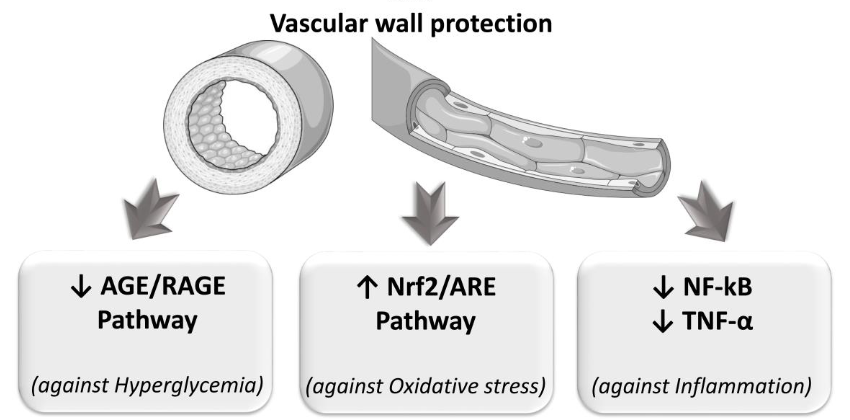
Vascular inflammation results from the persistence of oxidative and/or inflammatory stimuli on the endothelium and vascular smooth muscle. These types of stimuli can be a consequence of prolonged status of mild inflammation and are typical in certain metabolic / cardiovascular diseases, spreading to all organs and tissues.

Advanced glycation end products (AGEs) are responsible for an increase in LDL. Binding of AGEs to their receptors RAGE results in an increase in intracellular ROS generation and in activation of NF-kB. Oral consumption of SFN [sulforaphane] precursor-rich broccoli sprouts decreases the serum levels of AGEs in humans.

Inflammatory response plays a pivotal role in initiation and maintenance of chronic neuropathic pain. Inhaling low concentrations of H2S protects motor neurons from degeneration and delayed paraplegia in a mouse model of sciatic constriction injury. This effect has been ascribed to the activation of the Nrf2 pathway.

Dose-dependent rise of the pain threshold mediated by SFN was fully prevented by simultaneous administration of hemoglobin, confirming that H2S is likely to be the real player in ITC-induced analgesia. Kv7 channel activation can be considered one of the main mechanisms in the antinociceptive activity of H2S-releasing drugs.”

https://www.liebertpub.com/doi/10.1089/ars.2019.7888 “Organic Isothiocyanates as Hydrogen Sulfide Donors” (not freely available)


These reviewers were long on equivalencies and short on proofs. Unlike study researchers, reviewers aren’t bound to demonstrate evidence from tested hypotheses. Reviewers are free to:

  • Express their beliefs as facts;
  • Over/under emphasize study limitations; and
  • Disregard and misrepresent evidence as they see fit.

Study researchers are obligated to provide detailed analyses of why observed effects couldn’t have been produced from unobserved causes. That didn’t happen here.

Epigenetic clock technology

This 2020 Norwegian study investigated current epigenetic clock technology:

“Epigenetic clocks are based on CpGs from the Illumina HumanMethylation450 BeadChip (450 K) which has been replaced by the latest platform, Illumina MethylationEPIC BeadChip (EPIC). EPIC is a major improvement over its predecessor, 450 K (> 450,000 CpGs), in terms of number of probes (> 850,000 CpGs) and genomic coverage of regulatory elements.

The training set of other epigenetic clocks was mostly based on 450 K, except for Horvath Skin & Blood clock which used both 450 K and EPIC-derived DNAm data. Additional CpGs on EPIC do not enhance accuracy or precision of epigenetic clocks when the training set is reduced.

We validated epigenetic clocks in EPIC-derived blood-based DNAm data (n = 470; 305 European women and 165 South Asian women). eABEC showed that epigenetic age acceleration (EAA; residuals from regression of DNAm age on chronological age) was higher in South Asian women than in Norwegian women.

The reason for higher precision is likely due to the large training set (n = 2227) and wide age-span of samples (19 to 88 years for the training set of eABEC).

EPIC probes that are designed to cover regulatory regions did not increase precision. It is difficult to dismiss the possibility that other regulatory CpGs not currently included on EPIC might improve age prediction.”

https://bmcgenomics.biomedcentral.com/articles/10.1186/s12864-020-07168-8 “Blood-based epigenetic estimators of chronological age in human adults using DNA methylation data from the Illumina MethylationEPIC array”


This study’s main point was deficits in current technology. The above graphic demonstrated that epigenetic clocks could do better across different ethnicities.

These researchers repeated a point from An epigenetic clock review by committee about increasing training set size. They missed a point from Do epigenetic clocks measure causes or effects? that:

“The power of these measures as diagnostic and prognostic may stem from the use of longitudinal data in training them. Rather than continuing to train chronological age predictors using diverse data, it may be more advantageous to retrain some of the existing measures by predicting longitudinal outcomes.”

They also didn’t assign much relevance to coverage improvements of The epigenetic clock now includes skin:

“Although the skin-blood clock was derived from significantly less samples (~900) than Horvath’s clock (~8000 samples), it was found to more accurately predict chronological age, not only across fibroblasts and skin, but also across blood, buccal and saliva tissue.”

What I’d like to know about epigenetic clock measurements of biological age is: Why aren’t thousands of studies using them every year? How can we expect continuous improvements in their technologies or coverages or training sets without widespread use?


Anti-tumor effects of β-glucan

This comprehensive 2020 rodent study investigated dozens of scenarios for β-glucan in the context of anti-tumor immunity:

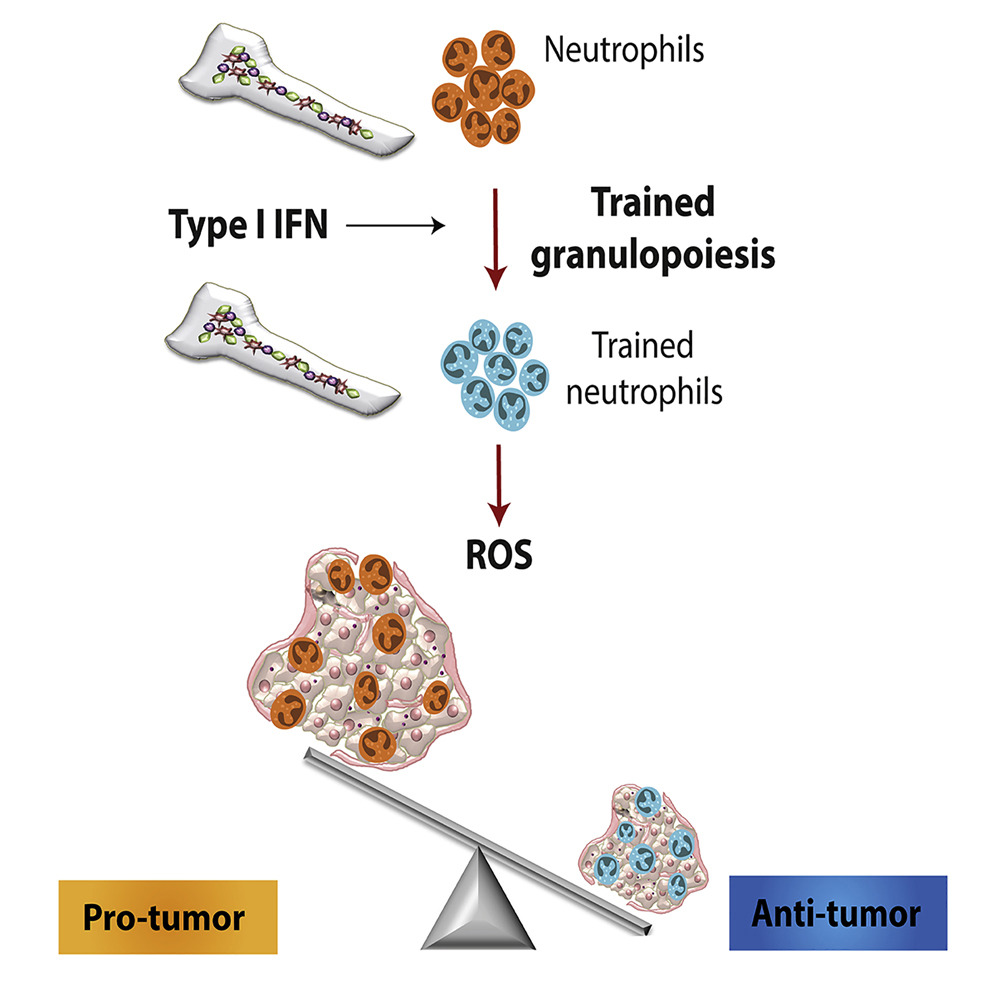
“Neutrophils and granulopoietic progenitors are major cellular effectors of β-glucan-induced trained immunity. The anti-tumor effect of β-glucan-induced trained immunity was mediated by qualitative changes in neutrophils.

A tumor-suppressive phenotype in neutrophils was associated with training of granulopoiesis mediated by type I IFN [interferon] signaling. Our analysis provided additional evidence for trained immunity-induced epigenetic rewiring of granulopoiesis toward an anti-tumor phenotype and corroborated the experimentally demonstrated IFN- and ROS-related mechanisms.

We observed inhibition of tumor growth by systemic transfer of trained neutrophils into already tumor-bearing mice. As granulocyte transfusion is currently considered as a therapy in humans with neutropenia, it is conceivable that cancer patients could receive as an adjuvant immunotherapy granulocytes from normal donors after induction of trained immunity in the latter.

Our study is the first to link the anti-tumor actions of β-glucan to trained immunity. We show here that the innate immune training and rewiring of granulopoiesis underlies the anti-tumor effect of β-glucan.”

https://www.cell.com/cell/fulltext/S0092-8674(20)31299-X “Innate Immune Training of Granulopoiesis Promotes Anti-tumor Activity”


Which do you prefer? The study’s graphical abstract:

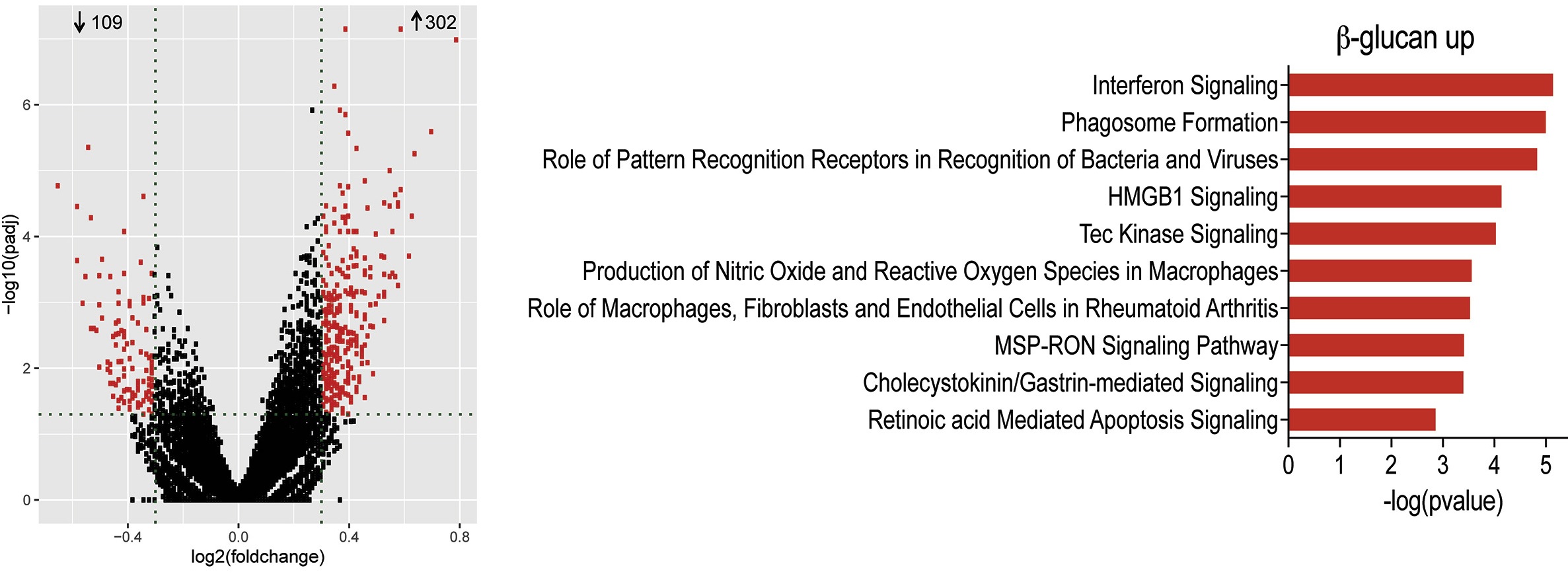
or one of its volcano plots?

Here’s an overview of one investigated direction:

“To determine whether adaptive immunity is involved in the anti-tumor effect induced by β-glucan, mice that lack B and T cells were treated with β-glucan [1 mg] prior to the secondary tumor challenge. Pre-treatment with β-glucan decreased both B16-F10 [melanoma] and LLC [Lewis lung carcinoma] tumor burden also in [these] mice, showing that the anti-tumor effect of β-glucan-induced trained immunity does not require adaptive immunity.”


This study provided another example of what they called rewiring (but I term reprogramming) of the body’s environmental signaling pathways to achieve a desired phenotype, trained innate immunity. Whatever the terminology, almost every day over the past fifteen years I’ve eaten β-glucan in an oats breakfast and a 1/3, 1/6 yeast supplement at dinner as part of individually evolving.

Reprogramming other signaling pathways are in blog posts such as:

Take responsibility for your one precious life.

Flying over waves

Eat broccoli sprouts to inhibit β-amyloid

This 2020 lab study investigated sulforaphane’s effects on an Alzheimer’s disease enzyme:

“BACE1 is the rate-limiting enzyme responsible for the production of Aβ [amyloid-beta] from APP [amyloid precursor protein]. Both the expression level and activity of this enzyme are aberrantly elevated in the brains of patients with AD.

Sulforaphane exhibited six times more potent activity against BACE1 compared to well-known positive controls including resveratrol and quercetin. Sulforaphane presented selective and non-competitive BACE1 inhibitory activity with low off-target inhibition.

Molecular docking simulation was used to analyze whether the compound can reach the target enzyme to produce the biological effect safely and interact with the targeted sites.

The blood–brain barrier (BBB) is constituted by neurovascular units that contain endothelial cells. A previous study reported that gavage administration of sulforaphane penetrated BBB in its intact structure and accumulated in brain tissues with a maximum increase and disappearance after 15 min and 2 h, respectively.”

https://www.mdpi.com/2072-6643/12/10/3026/htm ” Discovery of Sulforaphane as a Potent BACE1 Inhibitor Based on Kinetics and Computational Studies”


Nano-sulforaphane vs. barbecue chemicals

This 2020 chicken study investigated the capability of nano-sulforaphane to protect embryonic survival and neurogenesis from a barbecued meat chemical:

“Common teratogenic [of, relating to, or causing malformations of an embryo or a fetus] factors related to the development of the nervous system, such as alcohol consumption and smoking, have attracted wide attention. Teratogenic factors such as PhIP, the most abundant amine produced in common cooking procedures, can affect early embryonic development, leading to abnormal development of the nervous system.

Nano-sized medicine, in comparison with conventional medicine, leads to increased active concentrations and bioavailability. Both PhIP and nanoparticles can cross the placental barrier and enter the fetus from the external environment.

Chick embryos (100 per group) were incubated with 0.1% DMSO (Control); 20μM, 100μM, 200μM, or 300μM PhIP; or 200μM PhIP + 5μM Nano-SFN [sulforaphane] for 36 h:

  • Mortality rates were 0% for the Control, 8% with 20μM PhIP, 20% with 100μM PhIP, 53% with 200μM PhIP, 85% with 300μM PhIP, and 7% with 200μM PhIP + 5μM Nano-SFN.
  • Neural tube malformation rates [for the remaining live embryos] were 0% for the Control, 5% with 20μM PhIP, 14% with 100μM PhIP, 36% with 200μM PhIP, 14% with 300μM PhIP, and 6% with 200μM PhIP + 5μM Nano-SFN.

Women at the early stage of pregnancy should avoid barbecue. Instead, increase intake amount of cruciferous vegetables, which benefits fetal neural development.”

https://www.sciencedirect.com/science/article/abs/pii/S0940960220301618 “Nano-sulforaphane attenuates PhIP-induced early abnormal embryonic neuro-development” (not freely available)


PXL_20201022_225011002.NIGHT

Dietary contexts matter

Two papers illustrated how actions of food compounds are affected by their contexts. The first was a 2020 UCLA rodent study:

“Long-chain polyunsaturated fatty acids (PUFAs), particularly omega-3 (n-3) PUFAs, have been indicated to play important roles in various aspects of human health. Controversies are observed in epidemiological and experimental studies regarding the benefits or lack of benefits of n-3 PUFAs.

Dietary docosahexaenoic acid (DHA; 22:6 n-3) supplementation improved select metabolic traits and brain function, and induced transcriptomic and epigenetic alterations in hypothalamic and hippocampal tissues in both context-independent and context-specific manners:

  • In terms of serum triglyceride, glycemic phenotypes, insulin resistance index, and memory retention, DHA did not affect these phenotypes significantly when examined on the chow diet background, but significantly improved these phenotypes in fructose-treated animals.
  • Genes and pathways related with tissue structure were affected by DHA regardless of the dietary context, although the direction of changes are not necessarily the same between contexts. These pathways may represent the core functions of DHA in maintaining cell membrane function and cell signaling.
  • DHA affected the mTOR signaling pathway in hippocampus. In the hypothalamus, altered pathways were more related to innate immunity, such as cytokine-cytokine receptors, NF-κB signaling pathway, and Toll-like receptor signaling pathway.

DHA exhibits differential influence on epigenetic loci, genes, pathways, and metabolic and cognitive phenotypes under different dietary contexts.”

https://onlinelibrary.wiley.com/doi/10.1002/mnfr.202000788 “Multi‐tissue Multi‐omics Nutrigenomics Indicates Context‐specific Effects of DHA on Rat Brain” (not freely available)


A human equivalent age period of the subjects was 12 to 20 years old. If these researchers want to make their study outstanding, they’ll contact their UCLA colleague Dr. Steven Horvath, and apply his new human-rat relative biological age epigenetic clock per A rejuvenation therapy and sulforaphane.

The second paper was a 2016 review Interactions between phytochemicals from fruits and vegetables: Effects on bioactivities and bioavailability (not freely available):

“The biological activities of food phytochemicals depend upon their bioaccessibility and bioavailability which can be affected by the presence of other food components including other bioactive constituents. For instance, α-tocopherol mixed with a flavonol (kaempferol or myricetin) is more effective in inhibiting lipid oxidation induced by free radicals than each component alone.

Interactions of phytochemicals may enhance or reduce the bioavailability of a given compound, depending on the facilitation/competition for cellular uptake and transportation. For example, β-carotene increases the bioavailability of lycopene in human plasma, and quercetin-3-glucoside reduces the absorption of anthocyanins.

Combinations of food extracts containing hydrophilic antioxidants and lipophilic antioxidants showed very high synergistic effects on free radical scavenging activities. A number of phytochemical mixtures and food combinations provide synergistic effects on inhibiting inflammation.

More research should be conducted to understand mechanisms of bioavailability interference considering physiological concentrations, food matrices, and food processing.”


Each of us can set appropriate contexts for our food consumption. Broccoli sprout synergies covered how I take supplements and broccoli sprouts together an hour or two before meals to keep meal contents from lowering sulforaphane bioavailability.

Combinations of my 19 supplements and broccoli sprouts are too many (616,645) for complete analyses. Just pairwise comparisons like the second paper’s example below would be 190 combinations.

binary isobologram

Contexts for each combination’s synergistic, antagonistic, or additive activities may also be influenced by other combinations’ results.

My consumption of flax oil (alpha linolenic acid C18:3) probably has effects similar to DHA since it’s an omega-3 PUFA and I take it with food. The first study’s human equivalent DHA dose was 100mg/kg, with its citation for clinical trials stating “1–9 g/day (0.45–4% of calories) n-3 PUFA.”

A 2020 review Functional Ingredients From Brassicaceae Species: Overview and Perspectives had perspectives such as:

“In many circumstances, the isolated bioactive is not as bioavailable or metabolically active as in the natural food matrix.”

It discussed categories but not combinations of phenolics, carotenoids, phytoalexins, terpenes, phytosteroids, and tocopherols, along with more well-known broccoli compounds.


Diving for breakfast

Rub some broccoli sprouts on it

This 2020 human/rodent study investigated treating and preventing skin photodamage with sulforaphane:

“Alterations in NRF2 signaling have been implicated in aging and stress-induced skin pigmentation disorders in the skin and hair follicles. NRF2 signaling regulates transcriptional programs involved in adaption and survival of cells in the setting of oxidative stress, and oxidative stress occurs in the setting of photodamage.

[1st human experiment with 14 subjects] Expression levels of NRF2 and its target heme-oxygenase-1 (HO-1) were evaluated by immunofluorescence (IF) in skin biopsies. Expression of NRF2 and HO-1 was significantly reduced in skin from individuals > 45 years old.

[2nd human experiment with 7 different subjects] The left arm was chosen for treatment with BSE [broccoli sprout extract], as there is typically more photodamage on the left arm due to chronic sun exposure through the car window while driving in the US. A photoprotected area of skin on an upper inner arm was also treated.

Expression of total NRF2 and phosphorylated NRF2 (NRF2-P) by IF microscopy was detected at low baseline levels in photoprotected skin, suggesting some activity of the pathway, whereas the expression of total NRF2 and NRF2-P was undetectable in untreated photoexposed skin (Un). There was significantly elevated IF expression and fold change of IF signal of NRF2 and especially NRF2-P in SF [sulforaphane]-treated skin compared with Un skin in most individuals.

There was no evidence of increased total NRF2 or NRF2-P expression in SF-treated photoexposed skin in 2 individuals. There was also no significant improvement in mottled hyperpigmentation or difference in melanin deposition following SF treatment.

[Six mouse confirmation/exploratory studies] SF is known to have several non-NRF2–mediated targets, such as NF-κB and AP-1. However, our findings suggest that negative regulation of UV-mediated hyperpigmentation observed following SF treatment is occurring in an NRF2-dependent fashion:

  • UVB+SF treatment resulted in more than a 50% decrease in skin pigmentation and melanin deposition, indicating that SF could prevent UVB-induced skin pigmentation.
  • The therapeutic effect of SF on reducing UVB-induced skin pigmentation was dependent on keratinocyte-intrinsic IL-6 receptor α (IL-6Rα) signaling that upregulated NRF2, which led to inhibition of melanogenesis.

Our results provide direct in vivo evidence of how NRF2 is involved in response to oxidative stress associated with photodamage and chronic UV exposure. Treatment of human or mouse skin hyperpigmentation with SF provided the proof of concept for targeting the NRF2 pathway as a therapeutic intervention.”

https://insight.jci.org/articles/view/139342 “Pathogenic and therapeutic role for NRF2 signaling in ultraviolet light–induced skin pigmentation”


Didn’t understand the 2nd experiment’s human dose of 5 nM sulforaphane. The lead author’s cited 2017 study Randomized, split-body, single-blinded clinical trial of topical broccoli sprout extract: Assessing the feasibility of its use in keratin-based disorders used “500 nmol of sulforaphane/mL.” Unless my math is off, the current study and previous study’s doses weren’t equivalent since 1 nM = 0.001 nmol/mL.

I’d like to know more about subjects who didn’t respond to topical sulforaphane treatment. What happened in their lives to make them dead to an evolutionarily-selected antioxidant and anti-inflammatory signaling pathway that influences many other internal environmental signals? Guess we’ll have to wait for:

“Further clinical studies with an increased number of human subjects, longer treatment regimens, and additional body sites are needed to further assess the long-term effects of NRF2 activation on photoaging.”

See Eat broccoli sprouts for your skin! and Eat broccoli sprouts for your hair! for similar studies.


Owl before sunrise

Week 28 of Changing to a youthful phenotype with broccoli sprouts

Did a little math to end this 28th week of eating a clinically relevant weight of microwaved broccoli sprouts every day:

  • I changed the title of weekly updates after Week 7 as a result of A rejuvenation therapy and sulforaphane. Numbers used from its study: “Rats were injected four times on alternate days for 8 days.”
  • Study numbers in Part 2 of Rejuvenation therapy and sulforaphane regarding the new human-rat relative biological age epigenetic clock: “The maximum lifespan for rats and humans were set to 3.8 years and 122.5 years, respectively.” I’m at a similar percentage of species maximum lifespan as were the study’s treated subjects.
  • A human-equivalent multiplication factor that can be applied to a rat post-development time period is 122.5 / 3.8 = 32.2. An 8-day rat treatment period ≈ 258 human days, and 258 / 7 ≈ 37 weeks.

To paraphrase the study’s lead laboratory researcher’s An environmental signaling paradigm of aging paper, aging is a programmed series of life stages. A body clock reset described there and subsequently experimentally tested changed 30 measurements to earlier life stages.

A reset may not require more than what I’ve been doing since the end of March. Maybe 28 weeks hasn’t been long enough to find out?


See the below discussion for a different point of view. I don’t think relative rates of metabolism between species would be more accurate than other measures because of individual differences among humans.

A chart from Microwave broccoli seeds to create sulforaphane of 10 people’s metabolisms after ingesting 200 μmol (35 mg) sulforaphane provides an example. Individual sulforaphane metabolites (DTC is dithiocarbamates) peak plasma measurements ranged from 0.359 μmol to 2.032 μmol, > 500%.

sulforaphane peak plasma


So we’re patient.