Mid-life gut microbiota crisis

This 2019 rodent study investigated diet, stress, and behavioral relationships:

“Gut microbiome has emerged as being essential for brain health in ageing. We show that prebiotic supplementation with FOS-Inulin [a complex short- and long-chain prebiotic, oligofructose-enriched inulin] is capable of:

  • Dampening age-associated systemic inflammation; and
  • A profound yet differential alteration of gut microbiota composition in both young adult and middle-aged mice.

Middle-aged mice exhibited an increased influx of inflammatory monocytes into the brain. However, neuroinflammation at this stage was not significant enough to manifest in major cognitive impairments.

A much longer exposure to prebiotics might be needed to achieve significant effects, suggesting that supplementation may have to start earlier to be effectively preventative before alterations in the brain occur. This is particularly evident for behaviour.

Targeting gut microbiota, as we have done with a prebiotic, can affect the brain and subsequent behaviour through a variety of potential pathways including SCFAs [short-chain fatty acids], amino acids and immune pathways. All of these are interconnected. Future studies are needed to better deconvolve [figure out] such pathways in eliciting beneficial effects of inulin.

Modulatory effects of prebiotic supplementation on monocyte infiltration into the brain and accompanied regulation of age-related microglia activation highlight a potential pathway by which prebiotics can modulate peripheral immune response and alter neuroinflammation in ageing. Our data suggest a novel strategy for the amelioration of age-related neuroinflammatory pathologies and brain function.”

https://www.nature.com/articles/s41380-019-0425-1 “Mid-life microbiota crises: middle age is associated with pervasive neuroimmune alterations that are reversed by targeting the gut microbiome” (not freely available)


This study’s experiments subjected young and middle-aged mice to eight stress tests. I appreciated efforts to trace causes to behavioral effects, since behavior provided stronger evidence.

I’m in neither life stage investigated by this study. Still, per Reducing insoluble fiber, I’ll start taking inulin next week. See Increasing soluble fiber intake with inulin.

I came across this study through its citation in How will you feel?

Inauguration day

Gut microbiota and aging

This 2020 review explored the title subject:

“The human body contains 1013 human cells and 1014 commensal microbiota. Gut microbiota play vital roles in human development, physiology, immunity, and nutrition.

Human lifespan was thought to be determined by the combined influence of genetic, epigenetic, and environmental factors including lifestyle-associated factors such as exercise or diet. The role of symbiotic microorganisms has been ignored.

Age-associated alterations in composition, diversity, and functional features of gut microbiota are closely correlated with an age-related decline in immune system functioning (immunosenescence) and low-grade chronic inflammation (inflammaging). Immunosenescence and inflammaging do not have a unidirectional relationship. They exist in a mutually maintained state where immunosenescence is induced by inflammaging and vice versa.

Immunosenescence changes result in both quantitative and qualitative modifications of specific cellular subpopulations such as T cells, macrophages and natural killer cells as opposed to a global deterioration of the immune system. Neutrophils and macrophages from aged hosts are less active with diminished phagocytosing capability.

Gut microbiota transform environmental signals and dietary molecules into signaling metabolites to communicate with different organs and tissues in the host, mediating inflammation. Gut microbiota modulations via dietary or probiotics are useful anti-inflammaging and immunosenescence interventions.

The presence of microbiomic clocks in the human body makes noninvasive, accurate lifespan prediction possible. Prior to occurrence of aging-related diseases [shown above], bidirectional interactions between the gut and extraenteric tissue will change.

Correction of accelerated aging-associated gut dysbiosis is beneficial, suggesting a link between aging and gut microbiota that provides a rationale for microbiota-targeted interventions against age-related diseases. However, it is still unclear whether gut microbiota alterations are the cause or consequence of aging, and when and how to modulate gut microbiota to have anti-aging effects remain to be determined.”

https://www.tandfonline.com/doi/abs/10.1080/10408398.2020.1867054 “Gut microbiota and aging” (not freely available; thanks to Dr. Zongxin Ling for providing a copy)


1. The “Stable phase” predecessor to this review’s subject deserved its own paper:

“After initial exposure and critical transitional windows within 3 years after birth, it is generally agreed that human gut microbiota develops into the typical adult structure and composition that is relatively stable in adults.

gut microbiota by age phenotype

However, the Human Microbiome Project revealed that various factors such as food modernization, vaccines, antibiotics, and taking extreme hygiene measures will reduce human exposure to microbial symbionts and led to shrinkage of the core microbiome, while the reduction in microbiome biodiversity can compromise the human immune system and predispose individuals to several modern diseases.”

2. I looked for the ten germ-free references in the “How germ-free animals help elucidate the mechanisms” section of The gut microbiome: its role in brain health in this review, but didn’t find them cited. Likewise, the five germ-free references in this review weren’t cited in that paper. Good to see a variety of relevant research.

There were a few overlapping research groups with this review’s “Gut-brain axis aging” section, although it covered only AD and PD research.

3. Inflammaging is well-documented, but is chronic inflammation a condition of chronological age?

A twenty-something today who ate highly-processed food all their life could have gut microbiota roughly equivalent to their great-great grandparents’ at advanced ages. Except their ancestors’ conditions may have been byproducts of “an unintended consequence of both developmental programmes and maintenance programmes.

Would gut microbiota be a measure of such a twenty-something’s biological age? Do we wait until they’re 60, and explain their conditions by demographics? What could they do to reset themself back to a chronological-age-appropriate phenotype?


How will you feel?

Consider this a partial repost of Moral Fiber:

“We are all self-reproducing bioreactors. We provide an environment for trillions of microbes, most of which cannot survive for long without the food, shelter and a place to breed that we provide.

They inhabit us so thoroughly that not a single tissue in our body is sterile. Our microbiome affects our development, character, mood and health, and we affect it via our diet, medications and mood states.

The microbiome:

  • Affects our thinking and our mood;
  • Influences how we develop;
  • Molds our personalities;
  • Our sociability;
  • Our responses to fear and pain;
  • Our proneness to brain disease; and
  • May be as or more important in these respects than our genetic makeup.

Dysbiosis has become prevalent due to removal of prebiotic fibers from today’s ultra-processed foods. I believe that dietary shift has created a generation of humans less able to sustain or receive love.

They suffer from reduced motivation and lower impulse control. They are more anxious, more depressed, more selfish, more polarized, and therefore more susceptible to the corrosive politics of identity.


Other recent blog posts by Dr. Paul Clayton and team include Skin in The Game and Kenosha Kids.

Image from Thomas Cole : The Consummation, The Course of the Empire (1836) Canvas Gallery Wrapped Giclee Wall Art Print (D4060)

Part 2 of Switch on your Nrf2 signaling pathway

To follow up topics of Part 1‘s interview:

1. “We each have a unique microbial signature in the gut. Metabolites that you produce might not be the same ones that I produce. This makes clinical studies very difficult because you don’t have a level playing field.”

This description of inter-individual variability could inform researchers’ investigations prior to receiving experimental results such as:

Post-experimental analysis with statistical packages of these types of results is required. But it doesn’t produce meaningful explanations for such individual effects.

Analysis of individual differences in metabolism can better inform explanations, because it would investigate causes for widely-variable effects. Better predictive hypotheses could be a result.

2. Today I’m starting my 40th week of eating a clinically-relevant amount of microwaved 3-day-old broccoli sprouts every day. To encourage sulforaphane’s main effect of Nrf2 signaling pathway activation, I won’t combine broccoli sprouts with anything else either during or an hour before or after.

I had been taking supplements at the same time. This interview got me thinking about the 616,645 possible combinations of my 19 supplements and broccoli sprouts.

That’s way too many to be adequately investigated by humans. Especially because contexts for each combination’s synergistic, antagonistic, or additive activities may be influenced by other combinations’ results.

I’ll just eat food and take supplements outside of this sulforaphane window.

I’ve taken 750 mg fructo-oligosaccharides (FOS) twice a day for sixteen years. I’ve considered it as my only prebiotic. Hadn’t thought of either of these points:

  • “Polyphenols are now considered to be a prebiotic food for microflora in the gut. They tend to focus on producing additional amounts of lesser known species like Akkermansia muciniphila, and have a direct prebiotic effect. Microbiota break these big, bulky molecules down into smaller metabolites, which clearly are absorbed. Some beneficial effects that come from polyphenols are not from the original molecule itself, but from a variety of metabolites produced in the gut.
  • We use a prebiotic, actually called an immunobiotic, which is a dead lactobacillus plantarum cell optimised for its cell wall content of lipoteichoic acid. Lipoteichoic acid attaches to toll-like receptor 2, and that sets off a whole host of immune-modulating processes, which tend to enhance infection control and downregulate inflammation and downregulate allergenicity.”

3. “Quinone reductase is critical because it is the final enzyme in the phase two detox pathway that stops DNA being mutated or prevents deformation of DNA adducts which are mutagenic. I want to look at genes that govern redox balance, inflammation, detoxification processes, cellular energetics, and methylation.”

Gene functional group classifications are apparently required in studies, to accompany meaningless statistics. When I’ve read papers attaching significance to gene functional groups, it often seemed like hypothesis-seeking efforts to overcome limited findings.

I’ll start looking closer when study findings include Nrf2 signaling pathway targets quinone reductase, DNA damage marker 8-hydroxydeoxyguanosine, and enzymes glutathione peroxidase and glutathione S-transferase.

4. I bolded “unregulated inflammation” in Part 1 because it’s a phrase I’d ask to be defined if that site enabled comments. Thinking on inflammation seems to come from:

“We focus on the intestinal epithelial cell as a key player because if you enhance function of that cell, and Nrf2 is part of that story, once you get those cells working as they should, they are modulating this whole underlying immune network.”

An environmental signaling paradigm of aging and Reevaluate findings in another paradigm have a different focus. That paradigm looks at inflammation in the context of aging:

“A link between inflammation and aging is the finding that inflammatory and stress responses activate NF-κB in the hypothalamus and induce a signaling pathway that reduces production of gonadotropin-releasing hormone (GnRH) by neurons.

The case is particularly interesting when we realize that the aging phenotype can only be maintained by continuous activation of NF-κB. So here we have a multi-level interaction:

  1. Activation of NF-κB leads to
  2. Cellular aging, leading to
  3. Diminished production of GnRH, which then
  4. Acts (through cells with a receptor for it, or indirectly as a result of changes to GnRH-receptor-possessing cells) to decrease lifespan.

Cell energetics is not the solution, and will never lead to a solution because it makes the assumption that cells age. Cells take on the age-phenotype the body gives them.

Aging is not a defect – it’s a programmed progressive process, a continuation of development with the body doing more to kill itself with advancing years. Progressive life-states where each succeeding life-stage has a higher mortality (there are rare exceptions).

Cellular aging is externally controlled (cell non-autonomous). None of those remedies that slow ‘cell aging’ (basically all anti-aging medicines) can significantly extend anything but old age.

For change at the epigenomic/cellular level to travel up the biological hierarchy from cells to organ systems seems to take time. But the process can be repeated indefinitely (so far as we know).”


A case for carnitine supplementation

This 2020 review subject was carnitine, acetyl-L-carnitine, and its other molecular forms:

“Carnitine is necessary to deliver long-chain fatty acids from cytosol into mitochondria. Carnitine homeostasis is maintained by diet and renal absorption, as only a small amount (about 25%) is obtained by endogenous biosynthesis.

Defective fatty acid oxidation occurs with reduced intracellular levels of carnitine, leading to glucose consumption instead of lipid consumption, resulting in hypoglycemia. Non-metabolized lipids accumulate in tissues such as heart, skeletal muscle, and liver, resulting in myopathy and hepatic steatosis.

2000 mg/day is unlikely to provoke unwanted side effects and is safe for humans. In-depth studies are needed to identify a unique method of analysis which can guarantee efficient monitoring of supplement active component amounts.”

https://www.mdpi.com/1420-3049/25/9/2127/htm “The Nutraceutical Value of Carnitine and Its Use in Dietary Supplements”


The review listed animal studies of L-carnitine alone and in combination with:

  • Vitamin D3;
  • Coenzyme Q10;
  • Nicotinamide riboside;
  • Selenium;
  • L-arginine;
  • Anti-histamine drugs cetirizine hydrochloride and chlorpheniramine maleate; and
  • Hypertension drug olmesartan.

Human studies of its effects included:

  • Muscle soreness, damage biomarkers, and cramps;
  • Osteoarthritis knee pain and inflammation markers;
  • Ischemic cerebrovascular injury;
  • Peripheral neuropathy;
  • Nonalcoholic fatty liver disease;
  • Insulin resistance and Type 2 diabetes;
  • Kidney diseases;
  • Inherited diseases phenylketonuria and maple syrup urine;
  • Stress, depression, and anxiety;
  • Male infertility; and
  • Hepatitis C.

Eat oats today!

This 2020 food chemistry review provided phenolic-compound reasons to eat oats:

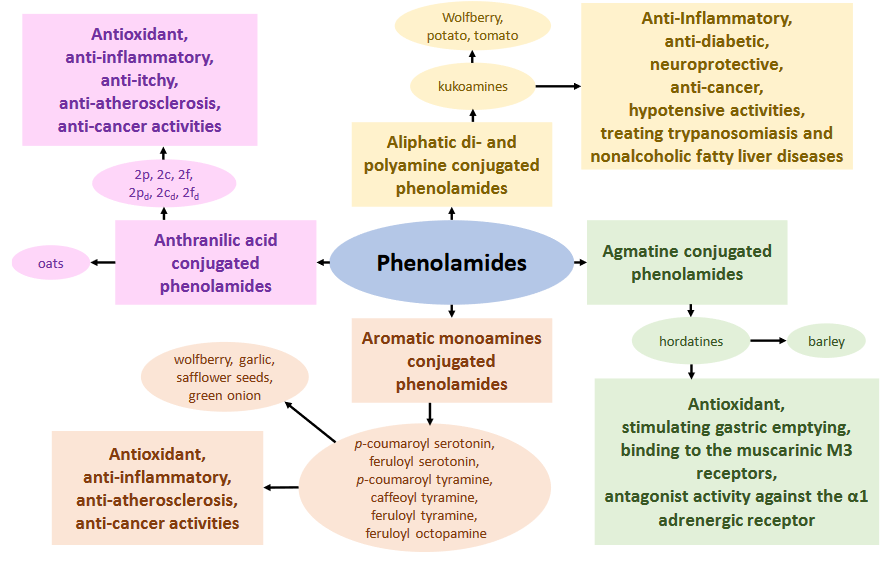
“Phenolamides result from the conjugation of hydroxycinnamic acids with amines. These products contain a variety of metabolic, chemical, and functional capabilities due to the large number of possible combinations among the parent compounds.

Of the currently known phenolamides, the most common are avenanthramides (AVAs), which are unique in oats. AVAs possess anti-inflammatory, anti-itch, anti-atherosclerosis, antioxidant, anti-cancer, anti-obesity, anti-fungal, anti-microbial, and neuroprotective properties.

Twenty-nine C-type AVAs have been identified in oats, and twenty-six A-type AVAs.

  • C-type AVAs in commercially available oat products range from 36.49-61.77 mg/kg (fresh weight).
  • A-type AVAs represent approximately 22.5% of total AVA levels in regular oats and 24.7-33.0% in commercial sprouted oats.

Steeping raw groats increased AVA concentrations.”

These reviews were referenced:

“Since publication of these two reviews, a few new studies reported AVAs’ beneficial health effects, mainly related to their anti-inflammatory and anti-cancer activities. AVAs can:

  • Significantly decrease IL-6, IL-8, and MCP-1 in endothelial cells;
  • Inhibit IL-1β- and TNF-α-induced NF-κB activation; as well as
  • Expression of adhesion molecules; and
  • Adhesion of monocytes to endothelial cell monolayer.

In 2020, the first evaluation of anti-inflammation effects of A-type AVAs was published from our own group. Fifteen A-type AVAs from commercial sprouted oat products interacted with lipopolysaccharide-induced nitric oxide production and iNOS expression.

Colloidal oatmeal’s natural components, AVAs, help to restore and maintain skin barrier function. AVAs are safe, well tolerated, and can be effective as adjuvant treatment in atopic dermatitis.

In one mouse model, a C-type AVA was able to mitigate many adverse effects of Alzheimer’s Disease. It restored hippocampal long-term potentiation and synaptic function, enhanced memory function, suppressed pro-inflammatory cytokines TNF-α and IL-6 levels, reduced caspase-3 levels, and increased pS9GSK-3β and IL-10 levels.

AVAs downregulated expression of hTERT and MDR1, pro-survival genes for cancer cells, and COX-2 mRNA and PGE2 levels, known pro-inflammatory markers. AVAs induced apoptosis by activating caspases 8, 3, and 2.”

https://pubs.acs.org/doi/10.1021/acs.jafc.0c02605 “The Chemistry and Health Benefits of Dietary Phenolamides” (not freely available)


Hadn’t thought about sprouting oats before this paper.

Clearing out the 2020 queue of interesting papers

I’ve partially read these 39 studies and reviews, but haven’t taken time to curate them.

Early Life

  1. Intergenerational Transmission of Cortical Sulcal Patterns from Mothers to their Children (not freely available)
  2. Differences in DNA Methylation Reprogramming Underlie the Sexual Dimorphism of Behavioral Disorder Caused by Prenatal Stress in Rats
  3. Maternal Diabetes Induces Immune Dysfunction in Autistic Offspring Through Oxidative Stress in Hematopoietic Stem Cells
  4. Maternal prenatal depression and epigenetic age deceleration: testing potentially confounding effects of prenatal stress and SSRI use
  5. Maternal trauma and fear history predict BDNF methylation and gene expression in newborns
  6. Adverse childhood experiences, posttraumatic stress, and FKBP5 methylation patterns in postpartum women and their newborn infants (not freely available)
  7. Maternal choline supplementation during the third trimester of pregnancy improves infant information processing speed: a randomized, double‐blind, controlled feeding study
  8. Preterm birth is associated with epigenetic programming of transgenerational hypertension in mice
  9. Epigenetic mechanisms activated by childhood adversity (not freely available)

Epigenetic clocks

  1. GrimAge outperforms other epigenetic clocks in the prediction of age-related clinical phenotypes and all-cause mortality (not freely available)
  2. Epigenetic age is a cell‐intrinsic property in transplanted human hematopoietic cells
  3. An epigenetic clock for human skeletal muscle
  4. Immune epigenetic age in pregnancy and 1 year after birth: Associations with weight change (not freely available)
  5. Vasomotor Symptoms and Accelerated Epigenetic Aging in the Women’s Health Initiative (WHI) (not freely available)
  6. Estimating breast tissue-specific DNA methylation age using next-generation sequencing data

Epigenetics

  1. The Intersection of Epigenetics and Metabolism in Trained Immunity (not freely available)
  2. Leptin regulates exon-specific transcription of the Bdnf gene via epigenetic modifications mediated by an AKT/p300 HAT cascade
  3. Transcriptional Regulation of Inflammasomes
  4. Adipose-derived mesenchymal stem cells protect against CMS-induced depression-like behaviors in mice via regulating the Nrf2/HO-1 and TLR4/NF-κB signaling pathways
  5. Serotonin Modulates AhR Activation by Interfering with CYP1A1-Mediated Clearance of AhR Ligands
  6. Repeated stress exposure in mid-adolescence attenuates behavioral, noradrenergic, and epigenetic effects of trauma-like stress in early adult male rats
  7. Double-edged sword: The evolutionary consequences of the epigenetic silencing of transposable elements
  8. Blueprint of human thymopoiesis reveals molecular mechanisms of stage-specific TCR enhancer activation
  9. Statin Treatment-Induced Development of Type 2 Diabetes: From Clinical Evidence to Mechanistic Insights
  10. Rewiring of glucose metabolism defines trained immunity induced by oxidized low-density lipoprotein
  11. Chronic Mild Stress Modified Epigenetic Mechanisms Leading to Accelerated Senescence and Impaired Cognitive Performance in Mice
  12. FKBP5-associated miRNA signature as a putative biomarker for PTSD in recently traumatized individuals
  13. Metabolic and epigenetic regulation of T-cell exhaustion (not freely available)

Aging

  1. Molecular and cellular mechanisms of aging in hematopoietic stem cells and their niches
  2. Epigenetic regulation of bone remodeling by natural compounds
  3. Microglial Corpse Clearance: Lessons From Macrophages
  4. Plasma proteomic biomarker signature of age predicts health and life span
  5. Ancestral stress programs sex-specific biological aging trajectories and non-communicable disease risk

Broccoli sprouts

  1. Dietary Indole-3-Carbinol Alleviated Spleen Enlargement, Enhanced IgG Response in C3H/HeN Mice Infected with Citrobacter rodentium
  2. Effects of caffeic acid on epigenetics in the brain of rats with chronic unpredictable mild stress
  3. Effects of sulforaphane in the central nervous system
  4. Thiol antioxidant thioredoxin reductase: A prospective biochemical crossroads between anticancer and antiparasitic treatments of the modern era (not freely available)
  5. Quantification of dicarbonyl compounds in commonly consumed foods and drinks; presentation of a food composition database for dicarbonyls (not freely available)
  6. Sulforaphane Reverses the Amyloid-β Oligomers Induced Depressive-Like Behavior (not freely available)

Part 2 of Eat broccoli sprouts for your eyes

I was a little bothered by an unreferenced statement in Eat broccoli sprouts for your eyes that:

“Once AGEs are formed, most are irreversible.”

I searched curated 2020 studies for “revers” and found that recent blog studies favored reversibility of epigenetic changes 12-to-2. Do they reflect my selection bias, or is there something different about AGEs?

Let’s start with this statement:

“Although AGEs are irreversible adducts and cross-links in our tissues, these can be removed through different proteolytic capacities:

  • The ubiquitin proteasome system (UPS) – Ubiquitin is a protein that when conjugated to a protein substrate can facilitate degradation of that substrate by the proteasome. Obsolete or damaged proteins are tagged with ubiquitin and these ubiquitinated substrates are degraded by the proteasome. Operates mainly on soluble substrates.
  • Autophagy – Can operate on insoluble substrates, including organelles such as mitochondria. Autophagy requires macromolecular assemblies and organelles to identify, sequester, and eventually degrade substrates via the lysosome.

Unfortunately, the function of both proteolytic pathways declines with extensive glycative stress and upon aging in many tissues, resulting in intracellular accumulation of protein aggregates (also glycated conjugates) and dysfunctional organelles. This thwarts strategies to lower AGEs accumulation by boosting proteolytic capacities.”

https://www.mdpi.com/2076-3921/9/11/1062/htm “Glyoxalase System as a Therapeutic Target against Diabetic Retinopathy”


So humans can remove irreversible AGE epigenetic changes as long as the individual isn’t too stressed or old? Studies from 2008 to 2012 were cited for the above statement and graphic.

Citation 211 Sulforaphane delays diabetes-induced retinal photoreceptor cell degeneration (not freely available) 2020 findings were instructive:

“SF [sulforaphane] can delay photoreceptor degeneration in diabetes. The underlying mechanism is related to:

  • Inhibition of ER [endoplasmic reticulum] stress;
  • Inflammation; and
  • Txnip [thioredoxin-interacting protein] expression through activation of the AMPK [adenosine 5′-monophosphate (AMP)-activated protein kinase] pathway.

Function of the retina in diabetic mice [DM] as determined by ERG [electroretinography].”

This chart demonstrated that preventing diabetes’ negative effects on retinal function (i.e. controls) was measurably better than trying to fix subjects’ vision after onset of diabetes. Are future choices of humans who give themselves this non-communicable disease also limited to addressing symptoms?

The AMPK pathway was previously mentioned in:

  1. Reversal of aging and immunosenescent trends with sulforaphane:

    “Dihydroxyvitamin D3 and sulforaphane are compounds that safely induce AMPK activation, and may have wide-ranging implications for both normal and pathological aging.”

  2. Part 2 of Reversal of aging and immunosenescent trends with sulforaphane:

    “NQO1 plays a key role in AMPK-induced cancer cell death through the CD38/cADPR/RyR/Ca2+/CaMKII signaling pathway. Expression of NQO1 is elevated by hypoxia / reoxygenation or inflammatory stresses through nuclear accumulation of the NQO1 transcription factor, Nrf2. Activation of the cytoprotective Nrf2 antioxidant pathway by sulforaphane protects immature neurons and astrocytes from death caused by exposure to combined hypoxia and glucose deprivation.”

This first example was vitamin D3’s separate yet connected signaling pathway that acts both additively and synergistically with broccoli sprout compound effects. The second was signaling pathways becoming cascadingly activated from sulforaphane’s main effect, Nrf2 signaling pathway activation.


Eat broccoli sprouts for your eyes

This 2020 review subject concerned a leading cause of blindness:

“Advanced glycation end products (AGEs) are toxic compounds that have adverse effects on many tissues including the retina and lens. AGEs promote formation of reactive oxygen species (ROS), which, in turn, boost production of AGEs, a vicious cycle.

Diabetic retinopathy (DR) is a devastating microvascular complication of diabetes mellitus and the leading cause of blindness in working-age adults. The onset and development of DR is multifactorial. Lowering AGEs accumulation may represent a potential therapeutic approach.

Once AGEs are formed, most are irreversible. Cataracts are perhaps the earliest pathobiology of AGEs:

Nε-(carboxymethyl)-lysine (CML) [a representative AGE] in lens crystallins from diabetic (■) and non-diabetic (♦) subjects as a function of age.

The glyoxalase system is a protective mechanism that slows down synthesis of AGEs by limiting reactive dicarbonyls formed during sugar metabolism. Glutathione (GSH) in the eye is present at concentrations many times blood levels, and is a critical component of the glyoxalase system.

Proteomic analysis identified GLO1 [glyoxalase 1] as a protein differentially expressed in cells treated with sulforaphane. Sulforaphane inhibited AGEs-derived pericyte damage and delayed diabetes-induced retinal photoreceptor cell degeneration.

No AGE inhibitors have reached clinical use. The glyoxalase system and discovery of compounds that enhance this detoxifying activity represent a therapeutic alternative to fight glycation-derived damage.”

https://www.mdpi.com/2076-3921/9/11/1062/htm “Glyoxalase System as a Therapeutic Target against Diabetic Retinopathy”


The above graph – plotting a cataract AGE level against chronological age – represented life stage progression without effective personal agency, without taking responsibility for your one precious life.

Citation 156 was Activation of Nrf2 attenuates carbonyl stress induced by methylglyoxal in human neuroblastoma cells: Increase in GSH levels is a critical event for the detoxification mechanism (not freely available):

“The present study focused on the methylglyoxal (MG) detoxification mechanism. MG treatment resulted in accumulation of modified proteins bearing the structure of AGEs.

This accumulation was suppressed by activation of the Nrf2 pathway prior to MG exposure via pre-treatment with an Nrf2 activator:

Although pre-treatment with the Nrf2 activator did not affect mRNA levels of GLO1, expressions of GCL and xCT mRNA, involved in GSH synthesis, were induced prior to increase in GSH levels.

These results indicated that increase in GSH levels promoted formation of the GLO1 substrate, thereby accelerating MG metabolism via the glyoxalase system and suppressing its toxicity. Promotion of GSH synthesis via the Nrf2/Keap1 pathway is important in MG detoxification.”

Continued in Part 2.


PXL_20201121_113656177

Nrf2 and Parkinson’s disease

This 2020 rodent study investigated a long non-coding RNA (lncRNA) in Parkinson’s disease:

“Knockdown of MALAT1 (metastasis-associated lung adenocarcinoma transcript 1) lncRNA inhibited elevated nuclear factor (erythroid-derived 2)-like-2 factor (NRF2) expression, thereby inhibiting inflammasome activation and ROS (reactive oxygen species) production. MALAT1 was shown to promote neuroinflammation by recruiting enhancer of zeste homologue 2 (EZH2) to the promoter of NRF2, suppressing Nrf2 expression.

EZH2 catalyses generation of trimethylated H3K27 (H3K27me3) from histone H3 at lysine 27 (H3K27). EZH2 plays an important role in regulating the essential genes for inflammation in microglial activation, which induces neurodegeneration in the central nervous system.

Our results also validated MALAT1 binding to EZH2 in LPS-treated BV2 cells, which further recruited H3K27me3 to the gene promoter loci of Nrf2 to repress Nrf2 transcription. Although silencing MALAT1 did not alter global EZH2 expression levels, decreased binding between EZH2 and the Nrf2 promoter was observed. Previous studies have revealed that lncRNAs regulate the function of EZH2 in a similar manner.

MALAT1 epigenetically inhibits NRF2, thereby inducing inflammasome activation and ROS production in PD mouse and microglial cell models. To the best of our knowledge, it is first report of the important role of EZH2 in regulating the expression of Nrf2 to activate microglial inflammation.”

https://molecularbrain.biomedcentral.com/articles/10.1186/s13041-020-00656-8 “LncRNA MALAT1 facilitates inflammasome activation via epigenetic suppression of Nrf2 in Parkinson’s disease”


Eat broccoli sprouts today! referenced a letter to the editor that cited The Ezh2 Polycomb Group Protein Drives an Aggressive Phenotype in Melanoma Cancer Stem Cells and is a Target of Diet Derived Sulforaphane which found:

“SFN treatment is associated with reduced Ezh2 level and H3K27me3 formation.”

However, that study didn’t link sulforaphane’s main effect of Nrf2 signaling pathway activation to these specific treatment effects.


This post was inspired by our latest subscriber, Dr. Albert F. Wright, who is battling PD with – among other treatments – broccoli seeds.

Sulforaphane in the Goldilocks zone

This 2020 paper reviewed hormetic effects of a broccoli sprout compound:

“Sulforaphane (SFN) induces a broad spectrum of chemoprotective effects across multiple organs that are of importance to public health and clinical medicine. This chemoprotection is dominated by hormetic dose responses that are mediated by the Nrf2/ARE pathway and its complex regulatory interactions with other factors and pathways, such as p53 and NF-κB.

The stimulatory zone for in vitro studies proved to be consistently in the 1-10 μM range. Hormetic studies of SFN strongly targeted activation of Nrf2.

Capacity to activate Nrf2 diminishes with age, and may affect capacity of SFN to effectively enhance adaptive responses.

A 4-hour exposure induced a 24 hour Nrf2-mediated increase in enzymes that reduce free-radical damage in neurons and astrocytes. Repeated 4-hour treatment for four days affected an accumulation along with a persistent protection.

In the case of continuous exposure to SFN, such as taking a daily supplement, SFN treatment did not result in an accumulation of HMOX1 [heme oxygenase (decycling) 1 gene] mRNA or protein. This suggested that HMOX1 response may experience feedback regulation, avoiding possible harmful overproduction.”

https://www.sciencedirect.com/science/article/abs/pii/S1043661820315917 “The phytoprotective agent sulforaphane prevents inflammatory degenerative diseases and age-related pathologies via Nrf2-mediated hormesis” (not freely available)


One coauthor has been on a crusade to persuade everybody of this paradigm. Hormesis’ hypothesis isn’t falsifiable in all circumstances, however.

Hormetic effects may be experimental considerations. But what’s the point of performing sulforaphane dose-response experiments in contexts that are physiologically unachievable with humans? Two examples:

  1. Autism biomarkers and sulforaphane:

    “There was no concentration-dependence in induction of any genes examined, with the higher (5 μM) concentration of SF even showing a slightly diminished effect for induction of AKR1C1 and NQO1. Although this concentration is achievable in vivo, more typical peak concentrations of SF (and its metabolites) in human plasma are 1-2 μM.”

  2. Human relevance of rodent sulforaphane studies:

    “Over two-thirds of the animal studies have used doses that exceed the highest (and bordering on intolerable) doses of sulforaphane used in humans. The greater than 4-log spread of doses used in mice appears to be driven by needs for effect reporting in publications rather than optimization of translational science.”

This paper cited many hormetic effects that were human-irrelevant without making a distinction. But it also had parts such as:

“The capacity for high concentrations of AITC [allyl isothiocyanate] to enhance genetic damage is not relevant since such high concentrations are not realistically achievable in normal human activities.

Humans ingest only the R-isomer of SFN via diet. Their dosing strategy adopted concentrations of R-SFN that were less than those employed to induce cytotoxic effects in cancer cells and that simulated its consumption as a dietary supplement.”


Landing eagle

Eat broccoli sprouts for pain?

This 2018 study investigated pain-relieving effects of two broccoli sprout compounds, sulforaphane and chlorogenic acid:

“Pharmacological evidence of the antinociceptive properties of broccoli aqueous extracts and bioactive metabolites were investigated in an experimental model of pain.

It was found that sprouts produced better antinociceptive response than seeds and inflorescence of broccoli, where SFN [sulforaphane] and CA [chlorogenic acid] were partial responsible. Opioid receptors were implicated in the antinociceptive effect of SFN, whereas calcium channels were involved in the concentration-dependent spasmolytic activity.

Our results give evidence of a dose-dependent antinociceptive effect of CA that might act in a synergic interaction with SFN and other metabolites to produce antinociceptive activity.”

https://www.sciencedirect.com/science/article/abs/pii/S0753332218333286 “Broccoli sprouts produce abdominal antinociception but not spasmolytic effects like its bioactive metabolite sulforaphane” (not freely available)


8-day-old broccoli sprouts were treated Days 5-8 with methyl jasmonate to increase glucosinolates as Our model clinical trial for Changing to a youthful phenotype with broccoli sprouts did.

I hadn’t previously noticed papers on “Chlorogenic and Sinapic acid derivatives” that are part of my daily intake, but there’s much recent research. Consider these October 2020 chlorogenic acid papers for example:


I found If it stinks, it’s good for you as a result of it citing this study. See Broccoli sprout compounds include sinapic acid derivatives to follow on that subject.

I rated this study as Required further work. This is my 31st week of eating a clinically relevant amount of broccoli sprouts every day, and I still take acetaminophen.

Eat broccoli sprouts to inhibit β-amyloid

This 2020 lab study investigated sulforaphane’s effects on an Alzheimer’s disease enzyme:

“BACE1 is the rate-limiting enzyme responsible for the production of Aβ [amyloid-beta] from APP [amyloid precursor protein]. Both the expression level and activity of this enzyme are aberrantly elevated in the brains of patients with AD.

Sulforaphane exhibited six times more potent activity against BACE1 compared to well-known positive controls including resveratrol and quercetin. Sulforaphane presented selective and non-competitive BACE1 inhibitory activity with low off-target inhibition.

Molecular docking simulation was used to analyze whether the compound can reach the target enzyme to produce the biological effect safely and interact with the targeted sites.

The blood–brain barrier (BBB) is constituted by neurovascular units that contain endothelial cells. A previous study reported that gavage administration of sulforaphane penetrated BBB in its intact structure and accumulated in brain tissues with a maximum increase and disappearance after 15 min and 2 h, respectively.”

https://www.mdpi.com/2072-6643/12/10/3026/htm ” Discovery of Sulforaphane as a Potent BACE1 Inhibitor Based on Kinetics and Computational Studies”


Dietary contexts matter

Two papers illustrated how actions of food compounds are affected by their contexts. The first was a 2020 UCLA rodent study:

“Long-chain polyunsaturated fatty acids (PUFAs), particularly omega-3 (n-3) PUFAs, have been indicated to play important roles in various aspects of human health. Controversies are observed in epidemiological and experimental studies regarding the benefits or lack of benefits of n-3 PUFAs.

Dietary docosahexaenoic acid (DHA; 22:6 n-3) supplementation improved select metabolic traits and brain function, and induced transcriptomic and epigenetic alterations in hypothalamic and hippocampal tissues in both context-independent and context-specific manners:

  • In terms of serum triglyceride, glycemic phenotypes, insulin resistance index, and memory retention, DHA did not affect these phenotypes significantly when examined on the chow diet background, but significantly improved these phenotypes in fructose-treated animals.
  • Genes and pathways related with tissue structure were affected by DHA regardless of the dietary context, although the direction of changes are not necessarily the same between contexts. These pathways may represent the core functions of DHA in maintaining cell membrane function and cell signaling.
  • DHA affected the mTOR signaling pathway in hippocampus. In the hypothalamus, altered pathways were more related to innate immunity, such as cytokine-cytokine receptors, NF-κB signaling pathway, and Toll-like receptor signaling pathway.

DHA exhibits differential influence on epigenetic loci, genes, pathways, and metabolic and cognitive phenotypes under different dietary contexts.”

https://onlinelibrary.wiley.com/doi/10.1002/mnfr.202000788 “Multi‐tissue Multi‐omics Nutrigenomics Indicates Context‐specific Effects of DHA on Rat Brain” (not freely available)


A human equivalent age period of the subjects was 12 to 20 years old. If these researchers want to make their study outstanding, they’ll contact their UCLA colleague Dr. Steven Horvath, and apply his new human-rat relative biological age epigenetic clock per A rejuvenation therapy and sulforaphane.

The second paper was a 2016 review Interactions between phytochemicals from fruits and vegetables: Effects on bioactivities and bioavailability (not freely available):

“The biological activities of food phytochemicals depend upon their bioaccessibility and bioavailability which can be affected by the presence of other food components including other bioactive constituents. For instance, α-tocopherol mixed with a flavonol (kaempferol or myricetin) is more effective in inhibiting lipid oxidation induced by free radicals than each component alone.

Interactions of phytochemicals may enhance or reduce the bioavailability of a given compound, depending on the facilitation/competition for cellular uptake and transportation. For example, β-carotene increases the bioavailability of lycopene in human plasma, and quercetin-3-glucoside reduces the absorption of anthocyanins.

Combinations of food extracts containing hydrophilic antioxidants and lipophilic antioxidants showed very high synergistic effects on free radical scavenging activities. A number of phytochemical mixtures and food combinations provide synergistic effects on inhibiting inflammation.

More research should be conducted to understand mechanisms of bioavailability interference considering physiological concentrations, food matrices, and food processing.”


Each of us can set appropriate contexts for our food consumption. Broccoli sprout synergies covered how I take supplements and broccoli sprouts together an hour or two before meals to keep meal contents from lowering sulforaphane bioavailability.

Combinations of my 19 supplements and broccoli sprouts are too many (616,645) for complete analyses. Just pairwise comparisons like the second paper’s example below would be 190 combinations.

binary isobologram

Contexts for each combination’s synergistic, antagonistic, or additive activities may also be influenced by other combinations’ results.

My consumption of flax oil (alpha linolenic acid C18:3) probably has effects similar to DHA since it’s an omega-3 PUFA and I take it with food. The first study’s human equivalent DHA dose was 100mg/kg, with its citation for clinical trials stating “1–9 g/day (0.45–4% of calories) n-3 PUFA.”

A 2020 review Functional Ingredients From Brassicaceae Species: Overview and Perspectives had perspectives such as:

“In many circumstances, the isolated bioactive is not as bioavailable or metabolically active as in the natural food matrix.”

It discussed categories but not combinations of phenolics, carotenoids, phytoalexins, terpenes, phytosteroids, and tocopherols, along with more well-known broccoli compounds.


Diving for breakfast

Eat broccoli sprouts to pivot your internal environment’s signals

Two 2020 reviews covered some aspects of a broccoli sprouts primary action – NRF2 signaling pathway activation:

“Full understanding of the properties of drug candidates rely partly on the identification, validation, and use of biomarkers to optimize clinical applications. This review focuses on results from clinical trials with four agents known to target NRF2 signaling in preclinical studies, and evaluates the successes and limitations of biomarkers focused on:

  • Expression of NRF2 target genes [AKR1, GCL, GST, HMOX1, NQO1] and others [HDAC, HSP];
  • Inflammation [COX-2, CRP, IL-1β, IL-6, IP-10, MCP-1, MIG, NF-κB, TNF-α] and oxidative stress [8-OHdG, Cys/CySS, GSH/GSSG] biomarkers;
  • Carcinogen metabolism and adduct biomarkers in unavoidably exposed populations; and
  • Targeted and untargeted metabolomics [HDL, LDL, TG].

No biomarkers excel at defining pharmacodynamic actions in this setting.

SFN [sulforaphane] seems to affect multiple downstream pathways associated with anti-inflammatory actions. NRF2 signaling may be but one pivotal pathway.

SFN is generally considered to be the most potent natural product inducer of Nrf2 signaling. Studies in which these actions are diminished or abrogated in parallel experiments in Nrf2-disrupted mice provide the strongest lines of evidence for a key role of this transcription factor in its actions.

It is equally evident that other modes of action contribute to the molecular responses to SFN in animals and humans. Such polypharmacy may well contribute to the efficacy of the agent in disease prevention and mitigation, but obfuscates the value of specific pharmacodynamic biomarkers in the clinical development and evaluation of SFN.”

https://www.mdpi.com/2076-3921/9/8/716/htm “Current Landscape of NRF2 Biomarkers in Clinical Trials”


Why do researchers still not use epigenetic clocks in sulforaphane clinical trials? Forty mentions of disease in this review, but no consideration of aging?

This was another example of how researchers – even when stuck in a paradigm they know doesn’t sufficiently explain their area (“No biomarkers excel”) – don’t investigate other associated research areas. Why not?

Here’s what Part 2 of Rejuvenation therapy and sulforaphane had to say to those stuck on biomarkers:

“While clinical biomarkers have obvious advantages (being indicative of organ dysfunction or disease), they are neither sufficiently mechanistic nor proximal to fundamental mechanisms of aging to serve as indicators of them. It has long been recognized that epigenetic changes are one of several primary hallmarks of aging.

DNA methylation epigenetic clocks capture aspects of biological age.”


The second review Epigenetic Regulation of NRF2/KEAP1 by Phytochemicals also completely whiffed on epigenetic clocks. One mention of aging in this review, but it wasn’t of:

  • Citation 104 from Archives of Gerontology and Geriatrics; nor of
  • Citation 108 from the March 31, 2020, Aging journal; nor of
  • Citation 131 “Dietary epigenetics in cancer and aging.”

But epigenetic clock and aging associations were certainly in this review’s scope. For example, Citation 119 said:

“Nrf2 transcriptional activity declines with age, leading to age-related GSH loss among other losses associated with Nrf2-activated genes. This effect has implications, too, for decline in vascular function with age. Some of the age-related decline in function can be restored with Nrf2 activation by SFN.”

Why would people bother with phytochemicals (buzzword “compounds produced by plants”) unless to either ameliorate symptoms or address causes?

“Epigenetic Regulation of NRF2/KEAP1 by Phytochemicals” doesn’t occur in just laboratory situations. It’s also part of daily life.

These reviewers were straight-forward with side effects for two of the first review’s four items:

“The best known NRF2 activator that has obtained clinical approval is dimethyl fumarate for the treatment of multiple sclerosis. However, it has several side effects, including allergic reactions and gastrointestinal disturbance. There are a few related agents in clinical trials, such as Bardoxolone and SFX-01, a synthetic derivative of sulforaphane, which also exhibit less than desirable outcomes.”