CD38 and balance

I’ll highlight this 2022 review’s relationships between inflammation and cluster of differentiation 38:

“We review the nicotinamide adenine dinucleotide (NAD) catabolizing enzyme CD38, which plays critical roles in pathogenesis of diseases related to infection, inflammation, fibrosis, metabolism, and aging.

NAD is a cofactor of paramount importance for an array of cellular processes related to mitochondrial function and metabolism, redox reactions, signaling, cell division, inflammation, and DNA repair. Dysregulation of NAD is associated with multiple diseases. Since CD38 is the main NADase in mammalian tissues, its contribution to pathological processes has been explored in multiple disease models.

CD38 is upregulated in a cell-dependent manner by several stimuli in the presence of pro-inflammatory or secreted senescence factors or in response to a bacterial infection, retinoic acid, or gonadal steroids. CD38 is stimulated in a cell-specific manner by lipopolysaccharide, tumor necrosis factor alpha, interleukin-6, and interferon-γ.

dysregulated inflammation

CD38 plays a critical role in inflammation, migration, and immunometabolism, but equally important is resolution of the inflammatory response which left unchecked leads to loss of self-tolerance, tissue infiltration of lymphocytes, and circulation of autoantibodies.

  • Depending upon context, CD38 can either promote or protect against an autoimmune response.
  • Chronic mucosal inflammation and tissue damage characteristic of inflammatory bowel disease predisposes IBD patients to development of colorectal cancer, and the risks increase with duration, extent, and severity of inflammation.
  • Pulmonary fibrosis occurs in the presence of unresolved inflammation and dysregulated tissue repair, and results from an array of injurious stimuli including infection, toxicant exposure, adverse effects of drugs, and autoimmune response.
  • Modulating CD38 and NAD levels in kidney disease may provide therapeutic approaches for prevention of inflammatory conditions of the kidney.
  • Inflammation as well as evidence of senescence are present in pathophysiology of chronic liver diseases that progress to cirrhosis.
  • Inflammation-associated metabolic diseases impair vascular function. Chronic inflammation can lead to vascular senescence and dysfunction.

One cause of NAD decline during aging is due to increase of NAD breakdown in the presence of increased CD38 expression and activity on immune cells, thus linking inflammaging with tissue NAD decline. Other sources of NAD decline include increased DNA-damage requiring PARP1 activation, and decreased NAMPT levels leading to diminished NAD synthesis through the salvage pathway.

Inflammation is among the major risk factors that predispose organisms to age-associated diseases. During aging, accumulation of senescent cells creates an environment rich in proinflammatory signals, leading to ‘inflammaging.’ Metabolically active cells lose their replicative capacity by entering an irreversible quiescent state, and are considered both a cause and a consequence of inflammaging.

Recent findings uncover a major role of CD38 in inflammation and senescence, showing that age-related NAD+ decline and the sterile inflammation of aging are partially mediated by a senescence / senescence associated secretory phenotype (SASP)-induced accumulation of CD38+ inflammatory cells in tissues. Given the clear association between the phenomenon of inflammaging, senescence, and CD38, as well as the impact of CD38 on degradation of NAD and the NAD precursor NMN, future studies should focus on CD38 as a druggable target in viral illnesses.”

https://journals.physiology.org/doi/abs/10.1152/ajpcell.00451.2021 “The CD38 glycohydrolase and the NAD sink: implications for pathological conditions”


We extend good-vs.-bad thinking to nature. Does that paradigm explain much, though?

All pieces of a puzzle are important. Otherwise, evolution would have eliminated what wasn’t necessary for its purposes.

Restoring balance to an earlier phenotype suits my purposes. Don’t want to eliminate inflammatory responses, but instead, calm them down so that they’re evoked appropriately.

Studying AGEs and neurodegeneration

This 2022 review suggested more effective ways to conduct in vitro studies of advanced glycation end products (AGEs) and neurodegenerative diseases:

“The main goal of this review was to present and discuss in vitro models that were applied or have the potential to be used in research on AGEs and ND.

  • We introduced and explained current knowledge on AGEs regarding their formation and accumulation in humans.
  • We presented existing evidence linking involvement of AGEs in ND and explained basic concepts of brain physiology and immunology affected by AGEs.
  • We presented and discussed available in vitro models to study AGE-mediated neurodegeneration by dividing them into sections from simple models. These have been applied to more complex models that have not been yet applied in the field of AGEs, but offer opportunities.
  • We gathered advisable in vitro tools based on their relevance to three primary endpoints that AGEs can impact brain pathophysiology and their characteristics and suitability to mimic ND pathophysiology.

nutrients-14-00363-g002

Several studies have indicated intracellular formation of AGEs by microglia or neurons, but identification of intracellular AGEs in those cases is made by immunoassays, which have received much criticism regarding their reliability to identify and quantify AGEs. Concerns about these techniques are mostly related to undefined specificity and affinity of anti-AGE antibodies.

The source of observed AGE accumulation in the brain of patients (dietary or endogenous) is not yet fully understood. For that reason, studies on AGE digestion and absorption (i.e., in vitro digestion models) are crucial to understanding the type of dietary AGEs that will circulate and cross the BBB to reach the brain.

On the other hand, endogenous AGEs can also be formed due to increased glucose levels derived from a high glycemic diet. Highly reactive molecules in the brain can contribute to locally produced AGEs extracellularly or intracellularly.

Clinical studies mainly focus on the fate and metabolism of dietary AGEs. Exposure based on consumption of certain foods is difficult to translate to a concentration that cells are going to be exposed to. The complexity and multiple sources of protein glycation require application of in vitro models to understand potential contribution to neurodegeneration.”

https://www.mdpi.com/2072-6643/14/2/363/htm “In Vitro Methodologies to Study the Role of Advanced Glycation End Products (AGEs) in Neurodegeneration”


While we’re waiting for research to catch up, we can hedge neurodegenerative disease bets by:

  • Not spiking our blood glucose levels;
  • Avoiding foods with medium and high levels of AGEs;
  • Giving our gut microbiota the intake they need instead of what our unconscious programming dictates; and
  • Maintaining youthful activities.

PXL_20220212_194256506

Gut signals

I’ll highlight signaling pathway aspects of this 2022 review:

“The gut bacterial community plays an important role in regulation of multiple aspects of metabolic disorders. This regulation depends, among other things, on production of a wide variety of metabolites by microbiota and on their interactions with receptors on host cells that can activate or inhibit signalling pathways, and either be beneficial and detrimental to the host’s health.

Colonocytes and endocrine cells express a variety of receptors able to sense and transmit signals from the microbial environment:

gutjnl-2021-326789-F4.large

  • TLRs cover a wide range of both external stimuli (PAMPs) and internal signals derived from tissue damage. Their activation induces antigen-presenting cell activation, thereby bridging innate and adaptive immune responses, and stimulates signalling cascades as an attempt to fend off microbial invaders or repair damaged tissue.
  • The endocannabinoid signalling system appears to play a key role in regulating energy, glucose, and lipid metabolism but also in immunity, inflammation, and more recently in microbiota-host interactions.
  • Although the primary function of bile acids (BAs) is to regulate digestion and absorption of cholesterol, triglycerides, and fat-soluble vitamins, it has been recently recognised that BAs also serve an endocrine function as they act as signalling molecules. BAs have been shown to modulate epithelial cell proliferation, gene expression, lipid, glucose, and energy metabolism by activating several receptors. Because of their signalling capacities and the fact that BAs are chemically transformed by gut microbiota, BAs can be considered as microbiota-derived signalling metabolites.
  • Numerous AhR ligands exist including environmental triggers, nutrition-derived signals, various phytochemicals, and bacterial metabolites such as tryptophan.

Most signalling metabolites can be produced by large numbers of different gut bacteria, and hence have limited specificity.”

https://gut.bmj.com/content/early/2022/01/31/gutjnl-2021-326789.long “Gut microbiome and health: mechanistic insights”

Defend yourself with taurine

This densely packed 2021 review subject was taurine:

“Taurine (Tau), a sulphur-containing non-proteinogenic β-amino acid, has a special place as an important natural modulator of antioxidant defence networks:

  • Direct antioxidant effect of Tau due to scavenging free radicals is limited, and could be expected only in a few tissues (heart and eye) with comparatively high concentrations.
  • Maintaining optimal Tau status of mitochondria controls free radical production.
  • Indirect antioxidant activities of Tau due to modulating transcription factors leading to upregulation of the antioxidant defence network are likely to be major molecular mechanisms of Tau’s antioxidant and anti-inflammatory activities.
  • A range of toxicological models clearly show protective antioxidant-related effects of Tau.”

antioxidants-10-01876-g001-550

https://www.mdpi.com/2076-3921/10/12/1876/htm “Taurine as a Natural Antioxidant: From Direct Antioxidant Effects to Protective Action in Various Toxicological Models”


PXL_20211226_120547077

Gut microbiota vs. disease risks

This 2021 review subject was risk relationships between diseases from the perspective of gut microbiota:

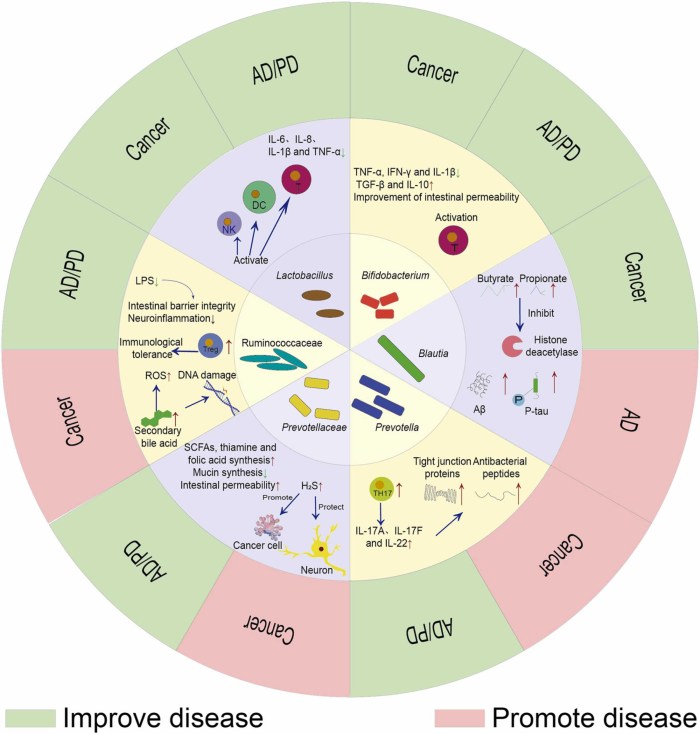
“There is a significant inverse relationship between the onset of Alzheimer’s disease/Parkinson’s disease (AD/PD) and cancer, but the mechanism is still unclear. Considering that intestinal flora can connect them, we briefly introduced the relationship among AD/PD, cancer, and intestinal flora, studied metabolites or components of the intestinal flora, and the role of intestinal barriers and intestinal hormones in AD/PD and cancer.

According to existing evidence:

  • Bifidobacterium and Lactobacillus positively affect AD/PD and cancer;
  • Ruminococcaceae, Prevotellaceae, and Prevotella significantly improve on AD/PD but harm cancer; and
  • Blautia has universal anticancer ability, but it may aggravate AD pathology.

1-s2.0-S0753332221011276-gr1_lrg

This may partially explain the antagonistic relationship between neurodegenerative diseases and cancer. When some individuals suffer from one disease, their intestinal flora change to obtain a stronger resistance to the other disease than healthy individuals, which is consistent with statistical data.”

https://www.sciencedirect.com/science/article/pii/S0753332221011276 “Composition of intestinal flora affects the risk relationship between Alzheimer’s disease/Parkinson’s disease and cancer”


PXL_20211224_180111266

Inevitable individual differences

This 2021 review subject was individual differences:

“We will focus on recent findings that try to shed light on the emergence of individuality, with a particular interest in Drosophila melanogaster.

fphys-12-719038-g001

Another possible source of potential behavioral variability might come from the interaction of individuals with environmental microbes, from Wolbachia infections to changes in the gut microbiome. In this particular case, no genetic variation or neural circuit alteration would be responsible for the change in behavior.

Finally, from an evolutionary point of view, individuality might play an essential role in providing an adaptive advantage. For example, we have described that animals might use diversified bet-hedging as a mechanism to produce high levels of variation within a population to ensure that at least some individuals will be well-adapted when facing unpredictable environments.”

https://www.frontiersin.org/articles/10.3389/fphys.2021.719038/full “Behavior Individuality: A Focus on Drosophila melanogaster”


Other papers on this subject include:

PXL_20211218_192020643

Immune system aging

This 2021 review by three coauthors of Take responsibility for your one precious life – Trained innate immunity cast a wide net:

“Non-specific innate and antigen-specific adaptive immunological memories are vital evolutionary adaptations that confer long-lasting protection against a wide range of pathogens. However, these mechanisms of memory generation and maintenance are compromised as organisms age.

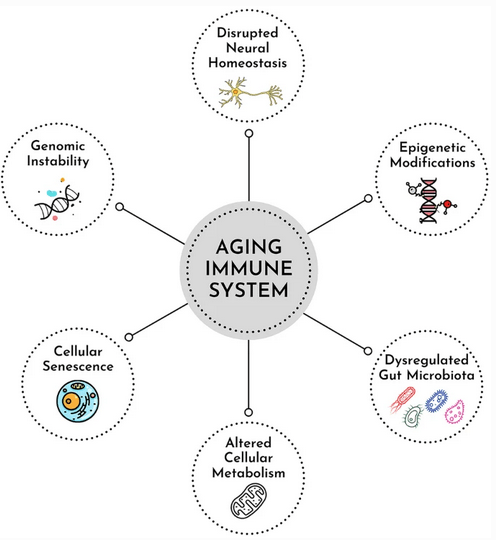
This review discusses how immune function regulates and is regulated by epigenetics, metabolic processes, gut microbiota, and the central nervous system throughout life. We aimed to present a comprehensive view of the aging immune system and its consequences, especially in terms of immunological memory.

aging immune system

A comprehensive strategy is essential for human beings striving to lead long lives with healthy guts, functional brains, and free of severe infections.”

https://link.springer.com/article/10.1007/s12016-021-08905-x “Immune Memory in Aging: a Wide Perspective Covering Microbiota, Brain, Metabolism, and Epigenetics”


Attempts to cover a wide range of topics well are usually uneven. For example, older information in the DNA Methylation In Adaptive Immunity section was followed by a more recent Histone Modifications in Adaptive Immunity section.

This group specializes in tuberculosis vaccine trained immunity studies, and much of what they presented also applied to β-glucan trained immunity. A dozen previously curated papers were cited.

PXL_20211218_190653401

Offspring brain effects from maternal adversity

This 2021 rodent study investigated conception through weaning effects on offspring from stressing their mothers:

“We investigated consequences of two prenatal insults, prenatal alcohol exposure (PAE) and food-related stress, on DNA methylation profiles of the rat brain during early development. We analyzed patterns in prefrontal cortex, a key brain region involved in cognition, executive function, and behavior, of both males and females, and found sex-dependent and sex-concordant influences of these insults.

The pair-fed (PF) group in the PAE model is a standard control for effects of alcohol in reducing food intake. However, compared to the PAE group that, albeit eating less, eats ad libitum, pair-feeding is a treatment in itself, with PF dams receiving a restricted ration, which results in both hunger and a disrupted feeding schedule. These stress-related effects could potentially parallel or model food scarcity or food insecurity in human populations.

We observed more DMRs (Differentially Methylated Regions) that showed decreased DNAm rather than increased DNAm in PF animals, suggesting that food-related stress may interfere with one-carbon metabolism and the pathways that deposit methylation on DNA. We also identified a sex-concordant DMR that showed decreased DNAm in PF animals in the glucocorticoid receptor Nr3c1, which plays a key role in stress responsivity and may reflect a reprogramming of the stress response.

This result is in line with previous studies that have shown that pair-feeding is a considerable stressor on dams, with lasting consequences on development, behavior, and physiology of their offspring. Altered DNAm of this key HPA axis gene may reflect broader alterations to stress response systems, which may in turn, influence programming of numerous physiological systems linked to the stress response, including immune function, metabolic processes, and circadian rhythms.

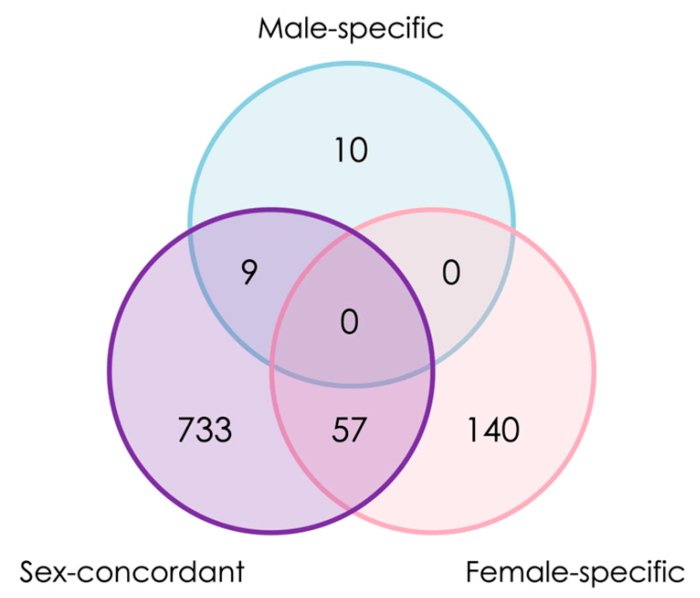
In PAE and PF animals compared to controls, we identified 26 biological pathways that were enriched in females, including those involved in cellular stress and metabolism, and 10 biological pathways enriched in males, which were mainly involved in metabolic processes. These findings suggest that PAE and restricted feeding, both of which act in many respects as prenatal stressors, may influence some common biological pathways, which may explain some of the occasional overlap between their resulting phenotypes.

genes-12-01773-g005

This study highlights the complex network of neurobiological pathways that respond to prenatal adversity/stressors and that modulate differential effects of early life insults on functional and health outcomes. Study of these exposures provides a unique opportunity to investigate sex-specific effects of prenatal adversity on epigenetic patterns, as possible biological mechanisms underlying sex-specific responses to prenatal insults are understudied and remain largely unknown.”

https://www.mdpi.com/2073-4425/12/11/1773/htm “Prenatal Adversity Alters the Epigenetic Profile of the Prefrontal Cortex: Sexually Dimorphic Effects of Prenatal Alcohol Exposure and Food-Related Stress”


PXL_20211215_182428532

The impact of transgenerational epigenetic inheritance and early life experiences

A 2021 interview with McGill University’s Moshe Szyf:

“There is a rejection of transgenerational inheritance as it goes against progressive thinking because it ties us to previous generations. The theory faces rejection because it sounds deterministic.

But if you understand what epigenetics is, it’s not deterministic. There is stability, and there’s also room for dynamic change.

The only way things change in the body for the long term is via epigenetics. We don’t know everything yet, new discoveries are yet to happen, and then we will just say, ‘Wow, it’s so obvious!’

The immune system is tightly connected to the brain and is directly affected by early adversity. Even though we will not be able to learn what’s going on in the brain, as far as epigenetics in living people, we will gain a lot of information from how the immune system responds to early adversity, and how this is correlated with behavioral phenotype and with mental health.

This brings into question the whole field of neuroimmunology, of which there is a lot of data. But it seems that a lot of psychiatrists are totally oblivious to these data, which is astounding, because the glucocorticoid hormone – the major player in this mechanism due to its involvement in early life stress as well as control of behavior – also controls immune function.

Nobody can live long enough to oversee a human transgenerational study. In humans, correlations are usually in peripheral tissue, where changes are small. The jury’s not out yet, but if evolution used it for so many different organisms, some of which are very close to us in the evolutionary ladder, it’s impossible that humans don’t use it.

How are current findings in animal models relevant to humans? How do we develop human paradigms that will allow us to achieve a higher level of evidence than what we have now?

  • One way is the immune-inflammatory connection to other diseases. I think this is where the secret of epigenetic aging lies, as well as epigenetics of other diseases.
  • Every disease is connected to the immune system. The brain translates the behavioral environment to the immune system, and then the immune system sends chemical signals across the body to respond to these challenges.

We need to understand that epigenetic programs are a network. Move beyond candidate genes, understand the concept of a network, and really understand the challenge: Reset the epigenetic network.

Epigenetics is going to be rapidly translated to better predictors, better therapeutics, and more interesting therapeutics. Not necessarily the traditional drug modeled against a crystal structure of an enzyme, but a more networked approach. Ideas about early life stress are critical and have impacted the field of childcare by highlighting the importance of early childhood relationships.”

https://www.futuremedicine.com/doi/10.2217/epi-2021-0483 “The epigenetics of early life adversity and trauma inheritance: an interview with Moshe Szyf”


Reworking evolutionary theory

Dr. Michael Skinner coauthored a 2021 review arguing for inclusion of epigenetic transgenerational inheritance into evolutionary theory:

“Over the past 50 years, molecular technology has been used to investigate evolutionary biology. Many examples of finding no correlated genetic mutations or a low frequency of DNA sequence mutations suggest that additional mechanisms are also involved.

  • Identical twins have essentially the same genetics, but generally develop discordant disease as they age.
  • Only a low frequency (generally 1% or less) of individuals that have a specific disease have a correlated genetic mutation.
  • Dramatic increases in disease frequency in the population cannot be explained with genetics alone.

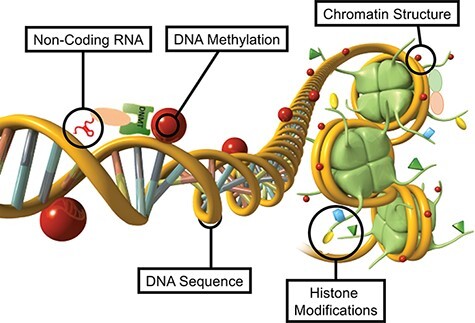
DNA methylation, histone modifications, changes to chromatin structure, expression of non-coding RNA, and RNA methylation can directly regulate gene expression independent of DNA sequence. These different epigenetic factors do not only act independently, but integrate with each other to provide a level of epigenetic complexity to accommodate the needs of cellular development and differentiation.

dvab012f1

Environmental epigenetics is the primary molecular mechanism in any organism that is used to promote physiological and phenotypic alterations. Actions of environmental factors early in development can permanently program the cellular molecular function, which then impacts later life disease or phenotypes.

dvab012f2

Integration of epigenetics and genetics contribute to a Unified Theory of Evolution that explains environmental impacts, phenotypic variation, genetic variation, and adaptation that natural selection acts on. The current review expands this proposed concept and provides a significant amount of supporting literature and experimental models to support the role of environmentally induced epigenetic transgenerational inheritance in evolution.”

https://www.ncbi.nlm.nih.gov/pmc/articles/PMC8557805/ “Role of environmentally induced epigenetic transgenerational inheritance in evolutionary biology: Unified Evolution Theory”


Organisms cited in this review’s references are similar to humans in ancestral influences and developmental influences during the first 1000 days of our lives. Humans are different in that even after all these influences, we can choose to influence our own change and individually evolve. We can also change our internal environments per Switch on your Nrf2 signaling pathway and An environmental signaling paradigm of aging.

PXL_20211031_111835802

Endless shingles

This 2021 review subject was the follow-on condition of chicken pox:

“Varicella-zoster virus (VZV) is a pathogenic human alpha herpes virus which is a significant cause of morbidity. VZV causes a primary infection, usually in children, called varicella (chicken pox), following which it establishes ganglionic latency in neurons. Latency is established in ganglia throughout the entire neuroaxis including dorsal root ganglia, trigeminal ganglia, and also autonomic ganglia including enteric ganglia.

After a variable period, which can span several decades, VZV may reactivate to cause the well-recognised syndrome of herpes zoster (shingles), which is an extremely painful vesicular rash. While viral reactivation may occur spontaneously, it can also follow one or more triggering factors such as diminished cell-mediated immunity to the virus as occurs with older age or immunosuppression due to drug treatment or disease, X-ray irradiation, infection, trauma, or malignancy.

The disease spectrum caused by VZV reactivation is much wider than previously thought. A possible diagnosis of VZV reactivation-induced neurological disease should be considered in all cases of undiagnosed acute, subacute or chronic brain or spinal cord syndromes, particularly if there is an accompanying cerebrospinal fluid (CSF) pleocytosis.

Virus latency and reactivation is associated with specific modifications of bound histones. Consensus is that CpG island methylation is not involved.

Precise immune cells and immune mediators required for protective immunity in primary infection versus reactivation have not been clarified. Individual contributions from different cell types, including lymphocytes, macrophages, plasmacytoid dendritic cells, and epithelial and endothelial cells, which are all present in human ganglia, remains insufficiently understood and explored.

Immunological evaluation revealed the presence of VZV DNA as well as an immunological cell infiltrate composed of CD4 T cells, CD8 T cells, and CD20 B cells. This provided somewhat surprising evidence of an ongoing immunological reaction and inflammation years after the reactivation of VZV from latency.

Latency is characterized by maintenance of the virus genome in an endless (episomal) configuration. Since alpha human herpes virus latency is established so early in life, it is unlikely that viral latency can be completely prevented.”

https://www.mdpi.com/1999-4915/13/10/2018/htm “Recent Issues in Varicella-Zoster Virus Latency”


More investigation was needed in working backwards from recent reports of shingles outbreaks to activation causes. Common lab tests easily provide evidence of immune cell populations.

So what happened to cause removal of immune protective mechanisms that prevented varicella-zoster virus reactivation? It wasn’t the X-ray etc. reasons listed above.

Recent shingles outbreaks are telling an important story. Who is looking into it?

These and other researchers won’t find evidence if they don’t get out of their labs and look at people’s cases. They’ll also need to report findings regardless of the political climate.

IMG_20210608_132139

Do genes determine monogamy / polygamy?

This 2021 rodent study developed epigenetic clocks for deer mice:

“We have undertaken a genome-wide analysis of DNA methylation in Peromyscus, spanning different species, stocks, sexes, tissues, and age cohorts. We present CpGs and enriched pathways that relate to different conditions such as chronological age, high altitude, and monogamous behavior.

  • Analysis involved tails, whole brain, and liver samples that are not major target tissues for sex hormones. This implies that sex-specific patterns of methylation are inflicted early during development, and persist at adulthood.
  • Altitude-specific age-related changes are adjacent to genes that play a role in brain development, immune system functioning, and T-cell development.
  • Comparison of brain specimens between older P. leucopus and P. maniculatus indicated that in the latter, coordination of the unfolded protein response is compromised, and evidence of neurodegenerative pathology was obtained.
  • Our study involved three monogamous (P. californicus, P. polionotus, and P. eremicus) and two polygamous (P. maniculatus and P. leucopus) species. The most significant EWAS hits for monogamy included decreased methylation in Zeb2 intron, a key regulator of midbrain dopaminergic neuron development. These results derived from tail tissues, suggesting that inherent differences in bonding behavior instruct specific epigenetic changes in peripheral tissues that may be translated into distinct physiological outcomes. Whether this is due to differential regulation of specific neurohormonal circuits in response to hormones and neurotransmitters related to bonding, and what the exact physiological outputs are, remains to be determined.

Our study provided the first epigenetic clock for Peromyscus, and illustrated the hierarchical association between various biological variables in determining methylation profiles across different scales of biological organization.”

https://link.springer.com/article/10.1007/s11357-021-00472-5 “Methylation studies in Peromyscus: aging, altitude adaptation, and monogamy”


PXL_20211023_112318583

Dementia blood factors

This 2021 human study performed blood metabolite analyses:

“Dementia is a collective term to describe various symptoms of cognitive impairment in a condition in which intelligence is irreversibly diminished due to acquired organic disorders of the brain, characterized by deterioration of memory, thinking, behavior, and the ability to perform daily activities.

In this study, we conducted nontargeted, comprehensive analysis of blood metabolites in dementia patients. Effort expended in this ‘no assumptions’ approach is often recompensed by identification of diagnostic compounds overlooked by targeted analysis.

The great variability of data in Figure 1 reflects genuine individual variation in metabolites, which were accurately detected by our metabolomic analysis. These data demonstrate that compounds having small to large individual variability are implicated in dementia.

dementia blood factors

7 group A compounds – plasma-enriched dementia factors – increased in dementia patients and might have a negative toxic impact on central nervous system (CNS) functions by themselves or their degradation products.

26 group B to E metabolites may be beneficial for the CNS, as their quantity all declined in dementia patients:

  • Red blood cell (RBC)-enriched group B metabolites all containing the trimethyl-ammonium ion may protect the CNS through their antioxidative and other activity.
  • Group C compounds, also RBC-enriched, have cellular functions implicated in energy, redox, and so forth, and may be important for maintaining CNS brain functions.
  • Group D’s 12 plasma compounds (amino acids, nucleosides, choline, and carnitine) – half of which had been reported as Alzheimer’s disease (AD)-related markers – may underpin actions of other metabolites for supply and degradation. Consistency of group D plasma metabolites as dementia markers but not group B and C RBC metabolites validated the method of searching dementia markers that we employed in the present study.
  • Group E compounds, caffeine and and its derivative dimethyl-xanthine, declined greatly in dementia subjects. Caffeine is an antagonist of adenosine, consistent with the present finding that adenosine belongs to group A compounds.

Twelve [groups B + C] of these 33 compounds are RBC-enriched, which has been scarcely reported. The majority of metabolites enriched in RBCs were not identified in previous studies.

Nine compounds possessing trimethylated ammonium ions are amphipathic compounds (with both hydrophilic and lipophilic properties) and form the basis of lipid polymorphism. All of them showed a sharp decline in abundance in dementia subjects.

amphipathic compounds

These amphipathic compounds may have similar roles, forming a higher-ordered, assembled structure. They might act as major neuroprotectants or antioxidants in the brain, and their levels are sensitive to both antioxidants and ROS.

We speculate the 7 group A compounds pathologically enhance or lead to severe dementia such as AD. This presumed dementia deterioration by group A factors is opposed if group B to E metabolites are sufficiently supplied.

However, group A markers were not found in frail subjects. If the change in group A is causal for dementia, then a cognitive cause in frailty may be distinct from that of dementia.”

https://www.pnas.org/content/118/37/e2022857118 “Whole-blood metabolomics of dementia patients reveal classes of disease-linked metabolites”


Dementia subjects (ages 75-88) lived in an Okinawa hospital. Healthy elderly (ages 67-80) and young (ages 28-34) subjects lived in a neighboring village. Of the 24 subjects, 3 dementia and 1 healthy elderly were below a 18.5 to <25 BMI range, and none were above.

Get neuroprotectants working for you. Previous relevant curations included:

Epigenetic clocks so far in 2021

2021’s busiest researcher took time out this month to update progress on epigenetic clocks:

Hallmarks of aging aren’t all associated with epigenetic aging.

epigenetic aging vs. hallmarks of aging

Interventions that increase cellular lifespan aren’t all associated with epigenetic aging.

epigenetic aging vs. cellular lifespan

Many of his authored or coauthored 2021 papers developed human / mammalian species relative-age epigenetic clocks.

epigenetic clock mammalian maximum lifespan

Relative-age epigenetic clocks better predict human results from animal testing.

pan-mammalian epigenetic clock


Previously curated papers that were mentioned or relevant included:

Natural products vs. neurodegenerative diseases

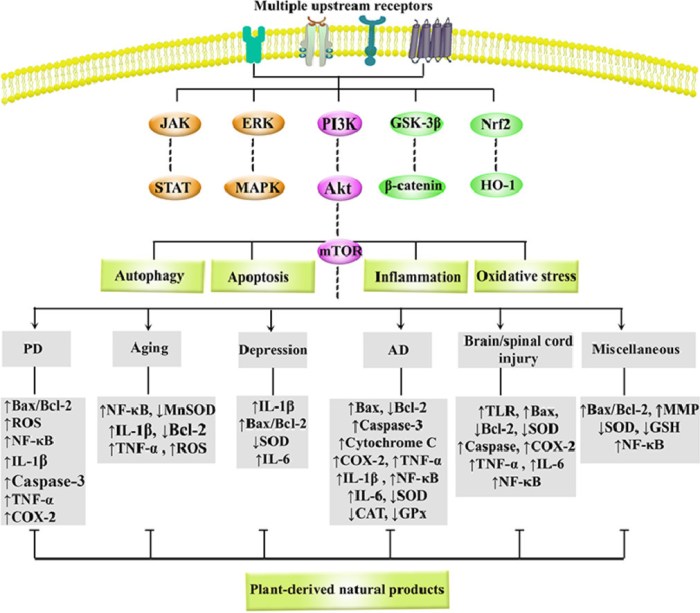
I was recently asked about taking rapamycin for its effects on mTOR. I replied that diet could do the same thing. Here’s a 2021 review outlining such effects:

“As common, progressive, and chronic causes of disability and death, neurodegenerative diseases (NDDs) significantly threaten human health, while no effective treatment is available. Recent studies have revealed the role of phosphoinositide 3-kinase (PI3K)/Akt (Protein kinase B)/mammalian target of rapamycin (mTOR) in some diseases and natural products with therapeutic potentials.

Growing evidence highlights the dysregulated PI3K/Akt/mTOR pathway and interconnected mediators in pathogenesis of NDDs. Side effects and drug-resistance of conventional neuroprotective agents urge the need for providing alternative therapies.

1-s2.0-S0944711321002075-ga1_lrg

Polyphenols, alkaloids, carotenoids, and terpenoids have shown to be capable of a great modulation of PI3K/Akt/mTOR in NDDs. Natural products potentially target various important oxidative/inflammatory/apoptotic/autophagic molecules/mediators, such as Bax, Bcl-2, p53, caspase-3, caspase-9, NF-κB, TNF-α, GSH, SOD, MAPK, GSK-3β, Nrf2/HO-1, JAK/STAT, CREB/BDNF, ERK1/2, and LC3 towards neuroprotection.

This is the first systematic and comprehensive review with a simultaneous focus on the critical role of PI3K/Akt/mTOR in NDDs and associated targeting by natural products.”

https://www.sciencedirect.com/science/article/abs/pii/S0944711321002075 “Natural products attenuate PI3K/Akt/mTOR signaling pathway: A promising strategy in regulating neurodegeneration” (not freely available) Thanks to Dr. Sajad Fakhri for providing a copy.


Natural products mentioned in this review that I eat in everyday foods are listed below. The most effective ones are broccoli and red cabbage sprouts, and oats and oat sprouts:

  • Artichokes – luteolin;
  • Blackberries – anthocyanins;
  • Blueberries – anthocyanins, gallic acid, pterostilbene;
  • Broccoli and red cabbage sprouts – anthocyanins, kaempferol, luteolin, quercetin, sulforaphane;
  • Carrots – carotenoids;
  • Celery – apigenin, luteolin;
  • Green tea – epigallocatechin gallate;
  • Oats and oat sprouts – avenanthramides;
  • Strawberries – anthocyanins, fisetin;
  • Tomatoes – fisetin.

Four humpback whales

PXL_20210914_170732350_exported_43137

Screenshot_20210914-121800