How one person’s paradigms regarding stress and epigenetics impedes relevant research

This 2017 review laid out the tired, old, restrictive guidelines by which current US research on the epigenetic effects of stress is funded. The reviewer rehashed paradigms circumscribed by his authoritative position in guiding funding, and called for more government funding to support and extend his reach.
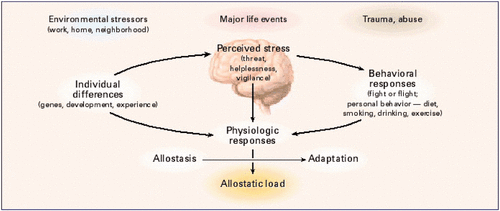
The reviewer won’t change his beliefs regarding individual differences and allostatic load pictured above since he helped to start those memes. US researchers with study hypotheses that would develop evidence beyond such memes may have difficulties finding funding except outside of his sphere of influence.


Here’s one example of the reviewer’s restrictive views taken from the Conclusion section:

Adverse experiences and environments cause problems over the life course in which there is no such thing as “reversibility” (i.e., “rolling the clock back”) but rather a change in trajectory [10] in keeping with the original definition of epigenetics [132] as the emergence of characteristics not previously evident or even predictable from an earlier developmental stage. By the same token, we mean “redirection” instead of “reversibility”—in that changes in the social and physical environment on both a societal and a personal level can alter a negative trajectory in a more positive direction.”

What would happen if US researchers proposed tests of his “there is no such thing as reversibility” axiom? To secure funding, the prospective studies’ experiments would be steered toward altering “a negative trajectory in a more positive direction” instead.

An example of this influence may be found in the press release of Familiar stress opens up an epigenetic window of neural plasticity where the lead researcher stated a goal of:

“Not to ‘roll back the clock’ but rather to change the trajectory of such brain plasticity toward more positive directions.”

I found nothing in citation [10] (of which the reviewer is a coauthor) where the rodent study researchers even attempted to directly reverse the epigenetic changes! The researchers under his guidance simply asserted:

“A history of stress exposure can permanently alter gene expression patterns in the hippocampus and the behavioral response to a novel stressor”

without making any therapeutic efforts to test the permanence assumption!

Nevermind that researchers outside the reviewer’s sphere of influence have done exactly that, reverse both gene expression patterns and behavioral responses!!

In any event, citation [10] didn’t support an “there is no such thing as reversibility” axiom.

The reviewer also implied that humans respond just like lab rats and can be treated as such. Notice that the above graphic conflated rodent and human behaviors. Further examples of this inappropriate rodent / human merger of behaviors are in the Conclusion section.


What may be a more promising research approach to human treatments of the epigenetic effects of stress? As pointed out in The current paradigm of child abuse limits pre-childhood causal research:

“If the current paradigm encouraged research into treatment of causes, there would probably already be plenty of evidence to demonstrate that directly reducing the source of the damage would also reverse damaging effects. There would have been enough studies done so that the generalized question of reversibility wouldn’t be asked.

Aren’t people interested in human treatments of originating causes so that their various symptoms don’t keep bubbling up? Why wouldn’t research paradigms be aligned accordingly?”

http://journals.sagepub.com/doi/full/10.1177/2470547017692328 “Neurobiological and Systemic Effects of Chronic Stress”
Epigenetic stress effects in preterm infants

This 2017 Italian review selected 9 human studies on the epigenetic effects of:

“One of the major adverse events in human development. Preterm infants are hospitalized in the Neonatal Intensive Care Unit where they are exposed to life-saving yet pain-inducing procedures and to protective care.”

Highlights of the referenced studies included:

  • “Early exposure to adverse events during the third trimester of pregnancy is capable to alter the epigenetic status of imprinted and placenta-related genes which have relevant implications for fetal development and preterm infants’ HPA [hypothalamic–pituitary–adrenal] stress reactivity during infancy.”
  • “There was an association between DNAm [DNA methylation] and white matter tract tissue integrity and shape inferred from dMRI [diffusion MRI], suggesting that epigenetic variation may contribute to the cerebral phenotype of preterm birth.”

Limitations of the referenced studies included:

  • “A multiple sampling design that includes parental samples, placental tissue, cord blood and extends across the life-course would be required to investigate the relative contributions of in utero and postnatal exposures to changes in DNAm, and the extent to which preterm birth leaves a legacy on the methylome.”
  • Saliva, blood, and other tissues’ DNA methylation may not produce valid links to brain tissue DNA methylation of the same gene, which may hamper conclusive inferences about behavior, etc.

http://www.sciencedirect.com/science/article/pii/S0149763417302117 “Preterm Behavioral Epigenetics: A systematic review” (not freely available)

http://www.nature.com/tp/journal/v6/n1/full/tp2015210a.html “Epigenomic profiling of preterm infants reveals DNA methylation differences at sites associated with neural function” (one of the studies selected, quoted above)

Epigenetics account for two-thirds of Alzheimer’s disease

The genetics percentage from a 2017 summary of Alzheimer’s disease research caught my eye:

“Although numerous single nucleotide polymorphisms (SNPs) have now been robustly associated with AD via genome-wide association studies and subsequent meta-analyses, collectively these common SNPs are believed to only account for 33% of attributable risk and the mechanism behind their action remains largely unknown.”

This citation aligned with other studies’ findings per Using twins to estimate the extent of epigenetic effects that on cellular levels, our experiences account for two-thirds of who we are.


The promise of this category of epigenetics research?

“One of the most exciting aspects of identifying disease-associated epigenomic dysfunction is that these mechanisms are potentially reversible.”

Let’s make research on reversing epigenetic changes a priority for funding, and get studies underway here in 2017!

https://www.epigenomicsnet.com/users/27784-katie-lunnon/posts/14634-robust-evidence-for-dna-methylomic-variation-in-alzheimer-s-disease “Robust evidence for DNA methylomic variation in Alzheimer’s disease” (Registration required)

Epigenetics and addiction

Dr. Moshe Szyf of McGill University explains current rodent epigenetic research into addiction in this October 2016 interview.

“What happens during the time when there’s no drug [cocaine] exposure, there’s just the memory of the original drug exposure? And we found huge epigenetics changes during this time, the time of abstinence.

It actually suggests that abstinence cannot cure addiction. It might even aggravate it.

We found out that timing is very important. Pairing the drug [a DNA methylation inhibitor] administration with the cue was critical with reversing the epigenetic effects and the behavioral effects.

Epigenetic treatment should theoretically reprogram the animal to forget or erase the epigenetic consequences of the initial exposure. And therefore the animal should be protected from addiction for a long time if indeed we found what we thought we did with epigenetic reprogramming.”

https://www.epigenomicsnet.com/users/3002-georgia-patey/videos/13003-video2

On Primal Therapy with Drs. Art and France Janov

Experiential feeling therapy addressing the pain of the lack of love.

The persistence of epigenetic marks in Type 1 diabetes

This 2016 California human study found:

“A persistency of DNA methylation over time at key genomic loci associated with diabetic complications. Two sets of DNAs collected at least 16–17 years apart from the same participants are used to show the persistency of DNA-me over time.

Twelve annotated differentially methylated loci were common in both WB [whole blood] and Monos [blood monocytes], including thioredoxin-interacting protein (TXNIP), known to be associated with hyperglycemia and related complications.

The top 38 hyperacetylated promoters in cases included 15 genes associated with the nuclear factor kappa-light-chain-enhancer of activated B cells (NF-κB) inflammatory pathway, which is strongly associated with diabetic complications.”

The researchers built on a series of studies that showed how subjects with early intensive interventions didn’t develop further complications, whereas subjects with later intensive interventions:

“Continued to develop complications, such as nephropathy, retinopathy, and macrovascular diseases, at significantly higher rates.

This persistence of benefit from early application of intensive therapy, called ‘metabolic memory,’ is an enigma.”


These researchers needed to also consider a point of Enduring memories? Or continuous toxic stimulation? that:

“The lasting epigenomic effect would not be due to memory, but continuous stimulation by persistent pathogens or persistent components.”

Other studies that involved specific genes of this study include:

http://www.pnas.org/content/113/21/E3002.full “Epigenomic profiling reveals an association between persistence of DNA methylation and metabolic memory in the DCCT/EDIC type 1 diabetes cohort”

A limited study of parental transmission of anxiety/stress-reactive traits

BehavioralTraitsThis 2016 New York rodent study found:

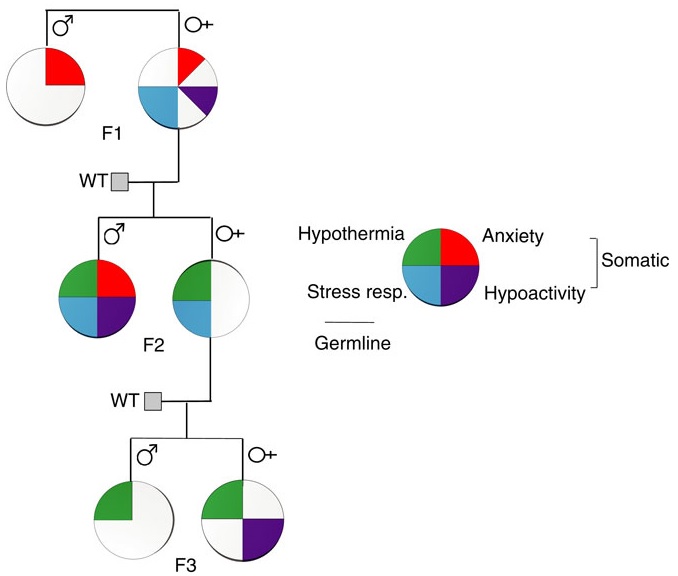
“Parental behavioural traits can be transmitted by non-genetic mechanisms to the offspring.

We show that four anxiety/stress-reactive traits are transmitted via independent iterative-somatic and gametic epigenetic mechanisms across multiple generations.

As the individual traits/pathways each have their own generation-dependent penetrance and gender specificity, the resulting cumulative phenotype is pleiotropic. In the context of genetic diseases, it is typically assumed that this phenomenon arises from individual differences in vulnerability to the various effects of the causative gene. However, the work presented here reveals that pleiotropy can be produced by the variable distribution and segregated transmission of behavioural traits.”


A primary focus was how anxiety was transmitted from parents to offspring:

“The iterative propagation of the male-specific anxiety-like behaviour is most compatible with a model in which proinflammatory state is propagated from H [serotonin1A receptor heterozygote] F0 to F1 [children] females and in which the proinflammatory state is acquired by F1 males from their H mothers, and then by F2 [grandchildren] males from their F1 mothers.

We propose that increased levels of gestational MIP-1β [macrophage inflammatory protein 1β] in H and F1 mothers, together with additional proinflammatory cytokines and bioactive proteins, are required to produce immune system activation in their newborn offspring, which in turn promotes the development of the anxiety-like phenotype in males.

In particular, increase in the number of monocytes and their transmigration to the brain parenchyma in F1 and F2 males could be central to the development of anxiety.”


The researchers studied transmission of behavioral traits and epigenetic changes. Due to my quick take on the study title – “Behavioural traits propagate across generations..” – I had expectations of this study that weren’t born out. What could the researchers have done versus what they did?

The study design removed prenatal and postnatal parental behavioral transmission of behavioral traits and epigenetic changes as each generation’s embryos were implanted into foster wild-type (WT) mothers.

The study design substituted the foster mothers’ prenatal and postnatal parental environments for the biological parents’ environments. So we didn’t find out, for example:

  • To what extents the overly stress-reactive F1 female children’s prenatal environments and postnatal behaviors induced behaviors and/or epigenetic changes in their children; and
  • Whether the F2 grandchildren’s parental behaviors subsequently induced behaviors and/or epigenetic changes in the F3 great-grandchildren.

How did the study meet the overall goal of rodent studies: to help humans?

    1. Only a minority of humans experienced an early-life environment that included primary caregivers other than our biological parents.
    2. Very, very few of us experienced a prenatal environment other than our biological mothers.
    3. The study’s thorough removal of parental behavior was an outstanding methodology to confirm by falsifiability whether parental behavior was both an intergenerational and transgenerational epigenetic inheritance mechanism.
    4. Maybe the researchers filled in some gaps in previous rodent studies, such as determining what is or isn’t a “true transgenerational mechanism.”

As an example of a rodent study that more closely approximated human conditions, the behavior of a mother whose DNA was epigenetically changed by stress induced the same epigenetic changes to her child’s DNA when her child was stressed per One way that mothers cause fear and emotional trauma in their infants:

“Our results provide clues to understanding transmission of specific fears across generations and its dependence upon maternal induction of pups’ stress response paired with the cue to induce amygdala-dependent learning plasticity.”


How did parental behavioral transmission of behavioral traits and epigenetic changes become a subject not worth investigating? These traits and effects can be seen everyday in real-life human interactions, and in every human’s physiology.

But when investigating human correlates with behavioral epigenetic changes of rodents in the laboratory, parental behavioral transmission of behavioral traits is often treated the way this study treated it: as a confounder.

I doubt that people who have reached some degree of honesty about their early lives and concomitant empathy for others would agree with this prioritization. The papers of Transgenerational epigenetic inheritance week show the spectrum of opportunities to advance science that were intentionally missed.

http://www.nature.com/ncomms/2016/160513/ncomms11492/full/ncomms11492.html “Behavioural traits propagate across generations via segregated iterative-somatic and gametic epigenetic mechanisms”

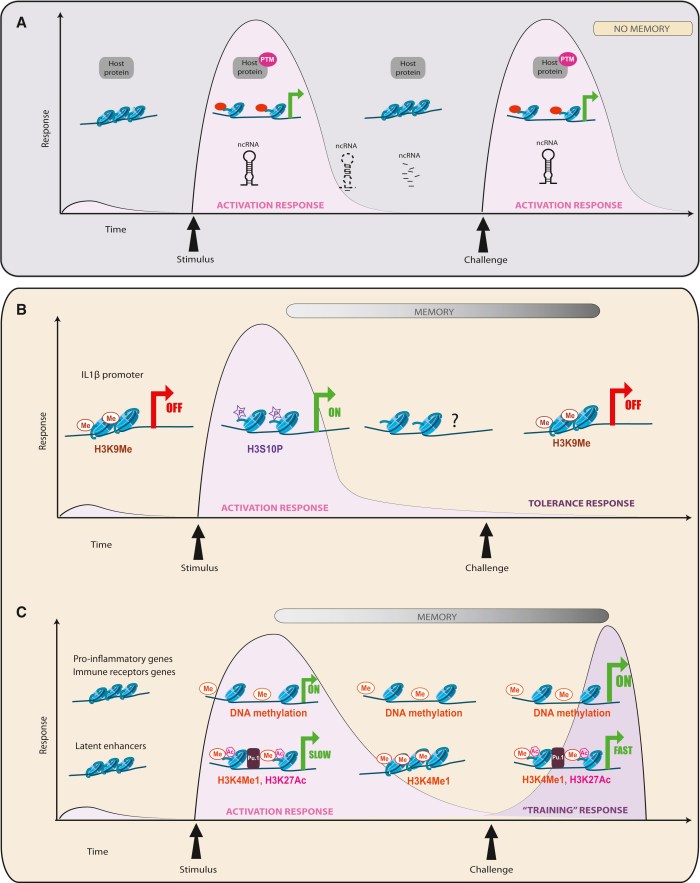
Enduring epigenetic memories? Or continuous toxic stimulation?

This 2016 French review subject was bacterial infections that produce long-lasting host memories:

“Virulence factors modify the epigenomic landscape through targeting of host signaling cascades, or chromatin complexes directly. Additionally, some bacterial factors have intrinsic catalytic activity enabling them to directly modify chromatin.

Virus, fungi, and parasites also induce similar processes.

Epigenomic changes are not the only possible marks contributing to epigenetic memory. Every inducible change that is not rapidly reversed has the potential to maintain a lasting effect.

Most studies in this field have been performed in vitro with fully terminally differentiated cells such as epithelial cells. Since in such cell types cell fate is already established and a short lifespan often occurs in vivo, this raises the question of whether such memory would be relevant for these cells. The same can be applied to differentiated innate immune cells, which also have a short lifetime.

Looking at the response of undifferentiated cells such as stem cells appears much more appropriate to further explore the concept of innate immune memory.

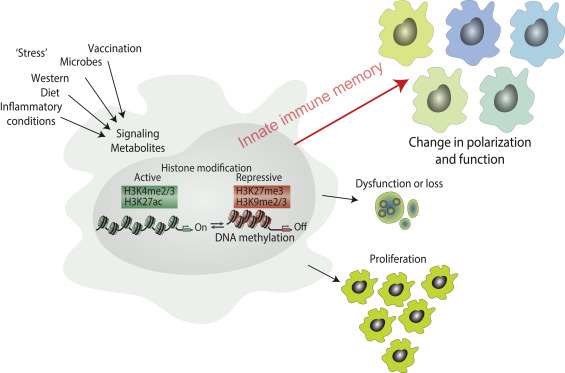
figureFINAL

The lasting potential of chromatin marks depends not only on the kinetics of the epigenome, but also on the stimulus itself. For example, in contrast to LPS [lipopolysaccharide, the major constituent of the cell wall of Gram-negative bacteria], which is rapidly cleared from the organism, BCG and the anthrax toxin may persist in the host organism.

The lasting epigenomic effect would not be due to memory, but continuous stimulation by persistent pathogens or persistent components.”


The last point emphasized the principle that damaging sources should be addressed. Enduring epigenetic effects may be symptoms rather than causes when toxic conditions persist.

Therapies that attempt to reverse epigenetic changes may not be effective when these changes aren’t the only factors.

https://www.cell.com/cell-host-microbe/fulltext/S1931-3128(16)30148-2 “A Lasting Impression: Epigenetic Memory of Bacterial Infections?”

A study of genetic imprinting and neurodevelopmental disorders

This 2016 UK human study assessed the roles of genetic imprinting on diseases that may originate from a certain interval on chromosome 15:

“The 15q11.2-q13.3 region contains a cluster of imprinted genes, which are expressed from one parental allele only as a consequence of germline epigenetic events.

The importance of epigenetic status of duplications at this interval was further underlined by analysis of a number of families. Duplications in two unaffected mothers had a DNA-methylation pattern indicative of being paternally derived, whereas their offspring, who possessed a maternally derived duplication, suffered from psychotic illness.

We clearly implicate 15q11.2-q13.3 interstitial duplications of paternal origin in the aetiology of DD [developmental delay], but do not find them at increased rates in SZ [schizophrenia], which is significantly associated only with duplications of maternal origin.

This study refines the distinct roles of maternal and paternal duplications at 15q11.2-q13.3, underlining the critical importance of maternally active imprinted genes in the contribution to the incidence of psychotic illness.”

The researchers analyzed other studies for better estimates of paternal involvement:

“We show for the first time that paternal duplications are pathogenic. One reason why paternal duplications have been regarded as non-pathogenic in the past is their rare occurrence in patients. Here we demonstrate that they are also rare in the general population as a whole.

Paternal duplications should be less efficiently eliminated from the population by negative selection pressure, due to their lower penetrance for neurodevelopmental disorders. Secondly, some maternal duplications will change to paternal when transmitted from male carriers.

We now suggest one further explanation for their rarity: male patients with SZ and other neurodevelopmental disorders have lower fecundity. Men suffering with SZ have only half the number of offspring compared to women with SZ.”


I would have liked further discussion of the “germline epigenetic events” that apparently contribute to the studied problems. These epigenetic abnormalities may have the potential to be prevented or treated, or at least used as early biomarkers.

The reviewers instead focused on:

“This work will have tangible benefits for patients with 15q11.2-q13.3 duplications by aiding genetic counseling.”

http://journals.plos.org/plosgenetics/article?id=10.1371%2Fjournal.pgen.1005993 “Parental Origin of Interstitial Duplications at 15q11.2-q13.3 in Schizophrenia and Neurodevelopmental Disorders”

Why drugs aren’t ultimately therapeutic

This 2016 Oregon review’s concept was the inadequacy of drug-based therapies, explored with the specific subject of epilepsy:

“Currently used antiepileptic drugs:

  • [aren’t] effective in over 30% of patients
  • [don’t] affect the comorbidities of epilepsy
  • [don’t] prevent the development and progression of epilepsy (epileptogenesis).

Prevention of epilepsy and its progression [requires] novel conceptual advances.”

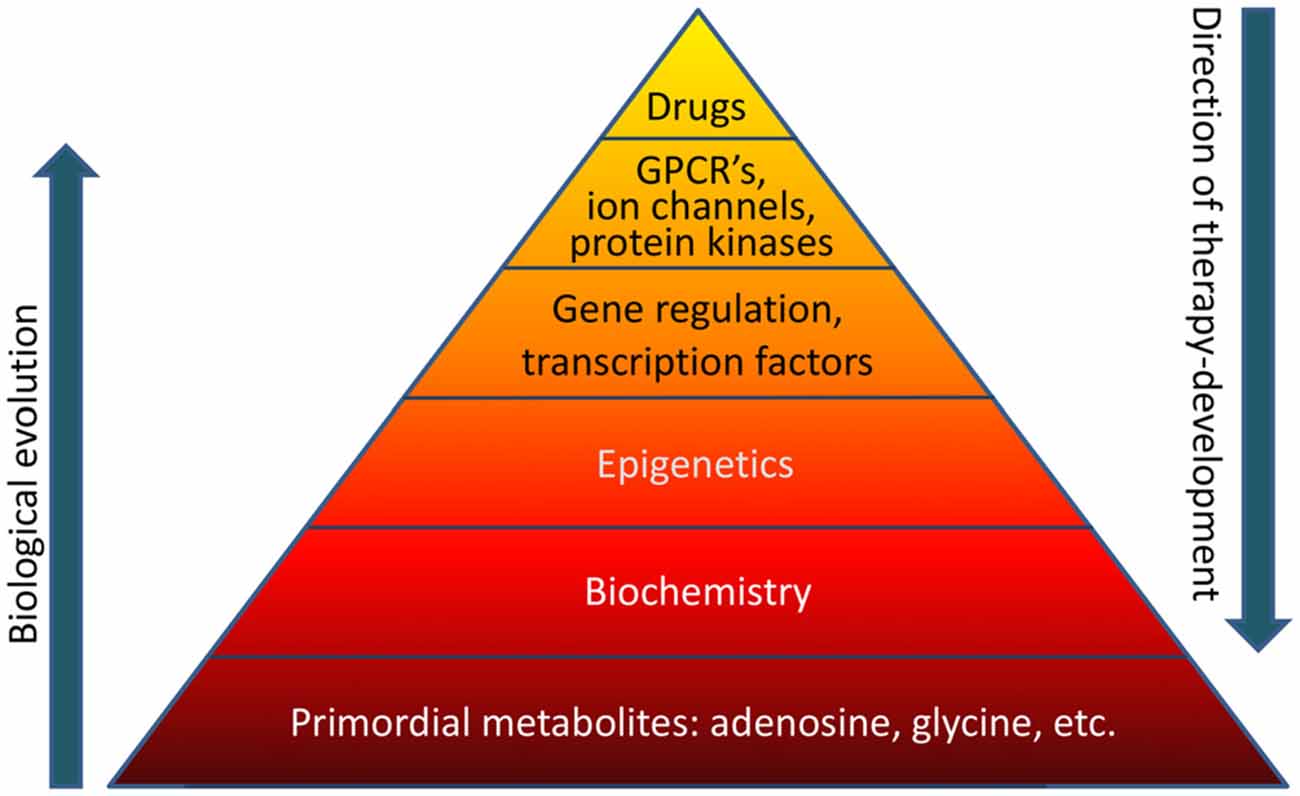
The overall concept that current drug-based therapies poorly address evolutionary biological realities was illustrated by a pyramid, with the comment that:

“If the basis of the pyramid depicted in Figure 1 is overlooked, it becomes obvious that a traditional pharmacological top-down treatment approach has limitations.”

Why drug ultimately aren't therapeutic


I would have liked the reviewer to further address the “therapeutic reconstruction of the epigenome” point he made in the Abstract:

“New findings based on biochemical manipulation of the DNA methylome suggest that:

  1. Epigenetic mechanisms play a functional role in epileptogenesis; and
  2. Therapeutic reconstruction of the epigenome is an effective antiepileptogenic therapy.”

As it was, the reviewer lapsed into the prevalent belief that the causes of and cures for human diseases will always be found on the molecular level – for example, the base of the above pyramid – and never in human experiences. This preconception leads to discounting human elements – notably absent in the above pyramid – that generate epigenetic changes.

A consequence of ignoring experiential causes of diseases is that the potential of experiential therapies to effect “therapeutic reconstruction of the epigenome” isn’t investigated.

http://journal.frontiersin.org/article/10.3389/fnmol.2016.00026/full “The Biochemistry and Epigenetics of Epilepsy: Focus on Adenosine and Glycine”

Epigenetic remodeling creates immune system memory

This 2016 German review subject was memory characteristics of immune cells:

“Innate immune memory has likely evolved as an ancient mechanism to protect against pathogens. However, dysregulated processes of immunological imprinting mediated by trained innate immunity may also be detrimental under certain conditions.

Evidence is rapidly accumulating that innate immune cells can adopt a persistent pro-inflammatory phenotype after brief exposure to a variety of stimuli, a phenomenon that has been termed ‘trained innate immunity.’ The epigenome of myeloid (progenitor) cells is presumably modified for prolonged periods of time, which, in turn, could evoke a condition of continuous immune cell over-activation.”

These reviewers focused on an example of atherosclerosis, although other examples were discussed of epigenetic remodeling to acquire immune memory:

“In the last ten years, several novel non-traditional risk factors for atherosclerosis have been identified that are all associated with activation of the immune system. These include chronic inflammatory diseases such as:

  • Rheumatoid arthritis,
  • Gout,
  • Psoriatic arthritis, and
  • Ankylosing spondylitis,

as well as infections with bacteria or viruses.”

Innate immune memory

http://www.sciencedirect.com/science/article/pii/S1044532316300185 “Long-term activation of the innate immune system in atherosclerosis”


Diets were discussed, mainly regarding their various negative effects. I was interested to see a study that referenced a common dietary supplement:

“Pathway analysis of promoters that were potentiated by β-glucan identified several innate immune and signaling pathways upregulated in trained cells that are responsible for induction of trained immunity.”

Other curated research into epigenetic remodeling of immune system memory includes:

Lack of oxygen’s epigenetic effects

This 2016 Finnish review subject was epigenetic effects of hypoxia:

“Ever since the Cambrian period, oxygen availability has been in the center of energy metabolism. Hypoxia stabilizes expression of hypoxia-inducible transcription factor-1α (HIF-1α), which controls expression of hundreds of survival genes related to enhanced energy metabolism and autophagy.

There are several other signals, mostly related to stresses, which can increase expression of HIF factors and thus improve cellular survival. However, a chronic activation of HIF factors can have detrimental effects, e.g. stimulate cellular senescence and tissue fibrosis commonly enhanced in age-related diseases.

Stabilization of HIF-1α increases expression of histone lysine demethylases (KDM). Hypoxia-inducible KDMs support locally the gene transcription induced by HIF-1α, although they can also control genome-wide chromatin landscape, especially KDMs which demethylate H3K9 and H3K27 sites (repressive epigenetic marks).”

Gene areas where HIF-1α is involved include:

  • “angiogenesis
  • autophagy
  • glucose uptake
  • glycolytic enzymes
  • immune responses
  • embryonic development
  • tumorigenesis
  • generation of miRNAs.”

HIF-1a signaling

Figure 1 above was instructive in that the reviewers pointed out the lack of a feedback mechanism in HIF-1α signaling. A natural lack of feedback to the HIF-1α signaling source contributed to diseases such as:

  • “age-related macular degeneration
  • cancer progression
  • chronic kidney disease
  • cardiomyopathies
  • adipose tissue fibrosis
  • inflammation
  • detrimental effects which are linked to epigenetic changes.”

The point was similar to a study referenced in The PRice “equation” for individually evolving: Which equation describes your life? that:

“Evolution may preferentially mitigate damage to a biological system than reduce the source of this damage.”


This review subject has many interdependencies and timings within a complex network. Contexts are important:

“Cross-talk between NF-κB [nuclear factor kappa B] and HIF-1α in inflammation might be organized in cell type and context-dependent manner.

It seems that ROS [reactive oxygen species] affect HIF-1α signaling in a context-dependent manner.

Hypoxia stimulated expression of KDM3A and KDM4B genes in different cellular contexts. Given that KDM3A and KDM4B are the major histone demethylases which remove repressive H3K9 sites, their role as transcriptional cofactors seems to be important in activation of HIF-1α signaling. Members of KDM4 subfamily have a crucial role in DNA repair systems, although responses seem to be enzyme-specific and appear in a context-dependent manner.

Acute hypoxia can stimulate cell-cycle arrest but does not provoke cellular senescence in all contexts.”

It wasn’t mentioned that hypoxia evokes cellular Adaptations to stress encourage mutations in a DNA area that causes diseases.

The review was tailored for the publishing journal Aging and Disease, and the subject was best summed up by:

“HIF-1α can control cellular fate in adult animals, either stimulating proliferation or triggering cellular senescence, by regulating the expression of different KDMs in a context-dependent manner.”


This review covered hypoxic conditions during human development that are clearly origins of many immediate and later-life diseases. However, cited remedies only addressed symptoms.

That these distant causes can no longer be addressed is a hidden assumption of research and treatment of effects of health problems. Aren’t such assumptions testable here in the current year?

http://www.aginganddisease.org/article/2016/2152-5250/ad-7-2-180.shtml “Hypoxia-Inducible Histone Lysine Demethylases: Impact on the Aging Process and Age-Related Diseases”

Using epigenetic outliers to diagnose cancer

This 2016 Chinese/UK human cancer cell study tested five algorithms and found:

“Most of the novel proposed algorithms lack the sensitivity to detect epigenetic field defects at genome-wide significance. In contrast, algorithms which recognise heterogeneous outlier DNA methylation patterns are able to identify many sites in pre-neoplastic lesions, which display progression in invasive cancer.

Many DNA methylation outliers are not technical artefacts, but define epigenetic field defects which are selected for during cancer progression.”

The usual method of epigenetic studies involves:

“Identify genomic sites where the mean level of DNAm [DNA methylation] differs as much as possible between the two phenotypes. As we have seen however, such an approach is seriously underpowered in cancer studies where tissue availability is a major obstacle.

In addition to allelic frequency, we also need to take the magnitude of the alteration into consideration. As shown here, infrequent but bigger changes in DNAm (thus defining outliers) are more likely to define cancer field defects, than more frequent yet smaller DNAm changes.”

A similar point was made in Genetic statistics don’t necessarily predict the effects of an individual’s genes:

“Epigenomic analyses are limited by averaging of population-wide dynamics and do not inform behavior of single cells.”

One of the five tested algorithms was made freely available by the researchers. The limitations on its use were discussed, and included:

“Studies conducted in a surrogate tissue such as blood are scenarios where DNAm outliers are probably not of direct biological relevance to cancer development.”

http://bmcbioinformatics.biomedcentral.com/articles/10.1186/s12859-016-1056-z “Stochastic epigenetic outliers can define field defects in cancer”

Contending with epigenetic consequences of violence to women

This 2016 UK review subject was the interplay of genomic imprinting and intergenerational epigenetic information transfer:

“A range of evolutionary adaptations associated with placentation transfers disproportionate control of this process to the matriline, a period unique in mammalian development in that there are three matrilineal genomes interacting in the same organism at the same time (maternal, foetal, and postmeiotic oocytes).

Genomic imprinting is absent in egg laying mammals and only around 6 imprinted genes have been detected in a range of marsupial species; this is in contrast to eutherian mammals where around 150 imprinted genes have been described.

The interactions between the maternal and developing foetal hypothalamus and placenta can provide a template by which a mother can transmit potentially adaptive information concerning potential future environmental conditions to the developing brain.

In circumstances either where the early environment provides inaccurate cues to the environmental conditions prevailing when adult due to rapid environmental change or when disruptions to normal neural development occur, the mismatch between the environmental predictions made during early development and subsequent reality may mean that an organism may have a poorly adapted phenotype to its adult environment. An appreciation of these underlying evolutionary salient processes may provide a novel perspective on the [causal] mechanisms of a range of health problems.

The concept of a brain that is not pathological in the classical sense but it is simply mismatched to its environment has been most extensively studied in the context of ancestral and early developmental nutrition. However, this concept can be extended to provide insights into the development of a range of alternative neural phenotypes.”

The review’s final sentence was:

“Examination of the adaptive potential of a range of neural and cognitive deficits in the context of evolutionary derived foetocentric brain and placental development, epigenetics and environmental adaptation may provide novel insights into the development and potential treatment of a range of health, neurological, and cognitive disorders.”

One of the reviewers was cited in Epigenetic DNA methylation and demethylation with the developing fetus, which the review cited along with Epigenetic changes in the developing brain change behavior.


Researchers who avoid hypotheses that can’t be proven wrong could certainly test the subject matter of this review if they investigated their subjects’ histories.

For example, let’s say a patient/subject had symptoms where the “150 imprinted genes” were implicated. What are the chances a clinician or researcher would be informed by this review’s material and investigate the mother’s and grandmother’s histories?

For clinicians or researchers who view histories as irrelevant busywork: How many tens of millions of people alive today have mothers who were fetuses when their grandmothers were adversely affected by violence? Wouldn’t it be appropriate to assess possible historical contributions of:

“The mismatch between the environmental predictions made during early development and subsequent reality”

to the patient’s/subject’s current symptoms?

http://www.hindawi.com/journals/np/2016/6827135/ “Placental, Matrilineal, and Epigenetic Mechanisms Promoting Environmentally Adaptive Development of the Mammalian Brain”

A one-sided review of stress

The subject of this 2016 Italian/New York review was the stress response:

“The stress response, involving the activation of the hypothalamic-pituitary-adrenocortical [HPA] axis and the consequent release of corticosteroid hormones, is indeed aimed at promoting metabolic, functional, and behavioral adaptations. However, behavioral stress is also associated with fast and long-lasting neurochemical, structural, and behavioral changes, leading to long-term remodeling of glutamate transmission, and increased susceptibility to neuropsychiatric disorders.

Of note, early-life events, both in utero and during the early postnatal life, trigger reprogramming of the stress response, which is often associated with loss of stress resilience and ensuing neurobehavioral (mal)adaptations.”


The reviewers’ intentional dismissal of the role of GABA in favor of the role of glutamate was a key point:

“The changes in neuronal excitability and synaptic plasticity induced by stress are the result of an imbalance of excitatory (glutamatergic) and inhibitory (GABAergic) transmission, leading to long-lasting (mal)adaptive functional modifications. Although both glutamate and GABA transmission are critically associated with stress-induced alteration of neuronal excitability, the present review will focus on the modulation of glutamate release and transmission induced by stress and glucocorticoids.”

No particular reason was given for this bias. I inferred from the review’s final sentence that the review’s sponsors and funding prompted this decision:

“In-depth studies of changes in glutamate transmission and dendrite remodeling induced by stress in early and late life will help to elucidate the biological underpinnings of the (mal)adaptive strategies the brain adopts to cope with environmental challenges in one’s life.”

The bias led to ignoring evidence for areas the reviewers posed as needing further research. An example of relevant research the reviewers failed to consider was the 2015 Northwestern University study I curated in A study that provided evidence for basic principles of Primal Therapy that found:

“In response to traumatic stress, some individuals, instead of activating the glutamate system to store memories, activate the extra-synaptic GABA system and form inaccessible traumatic memories.”

http://www.ncbi.nlm.nih.gov/pmc/articles/PMC4812483/ “Stress Response and Perinatal Reprogramming: Unraveling (Mal)adaptive Strategies”