A case for carnitine supplementation

This 2020 review subject was carnitine, acetyl-L-carnitine, and its other molecular forms:

“Carnitine is necessary to deliver long-chain fatty acids from cytosol into mitochondria. Carnitine homeostasis is maintained by diet and renal absorption, as only a small amount (about 25%) is obtained by endogenous biosynthesis.

Defective fatty acid oxidation occurs with reduced intracellular levels of carnitine, leading to glucose consumption instead of lipid consumption, resulting in hypoglycemia. Non-metabolized lipids accumulate in tissues such as heart, skeletal muscle, and liver, resulting in myopathy and hepatic steatosis.

2000 mg/day is unlikely to provoke unwanted side effects and is safe for humans. In-depth studies are needed to identify a unique method of analysis which can guarantee efficient monitoring of supplement active component amounts.”

https://www.mdpi.com/1420-3049/25/9/2127/htm “The Nutraceutical Value of Carnitine and Its Use in Dietary Supplements”


The review listed animal studies of L-carnitine alone and in combination with:

  • Vitamin D3;
  • Coenzyme Q10;
  • Nicotinamide riboside;
  • Selenium;
  • L-arginine;
  • Anti-histamine drugs cetirizine hydrochloride and chlorpheniramine maleate; and
  • Hypertension drug olmesartan.

Human studies of its effects included:

  • Muscle soreness, damage biomarkers, and cramps;
  • Osteoarthritis knee pain and inflammation markers;
  • Ischemic cerebrovascular injury;
  • Peripheral neuropathy;
  • Nonalcoholic fatty liver disease;
  • Insulin resistance and Type 2 diabetes;
  • Kidney diseases;
  • Inherited diseases phenylketonuria and maple syrup urine;
  • Stress, depression, and anxiety;
  • Male infertility; and
  • Hepatitis C.

Clearing out the 2020 queue of interesting papers

I’ve partially read these 39 studies and reviews, but haven’t taken time to curate them.

Early Life

  1. Intergenerational Transmission of Cortical Sulcal Patterns from Mothers to their Children (not freely available)
  2. Differences in DNA Methylation Reprogramming Underlie the Sexual Dimorphism of Behavioral Disorder Caused by Prenatal Stress in Rats
  3. Maternal Diabetes Induces Immune Dysfunction in Autistic Offspring Through Oxidative Stress in Hematopoietic Stem Cells
  4. Maternal prenatal depression and epigenetic age deceleration: testing potentially confounding effects of prenatal stress and SSRI use
  5. Maternal trauma and fear history predict BDNF methylation and gene expression in newborns
  6. Adverse childhood experiences, posttraumatic stress, and FKBP5 methylation patterns in postpartum women and their newborn infants (not freely available)
  7. Maternal choline supplementation during the third trimester of pregnancy improves infant information processing speed: a randomized, double‐blind, controlled feeding study
  8. Preterm birth is associated with epigenetic programming of transgenerational hypertension in mice
  9. Epigenetic mechanisms activated by childhood adversity (not freely available)

Epigenetic clocks

  1. GrimAge outperforms other epigenetic clocks in the prediction of age-related clinical phenotypes and all-cause mortality (not freely available)
  2. Epigenetic age is a cell‐intrinsic property in transplanted human hematopoietic cells
  3. An epigenetic clock for human skeletal muscle
  4. Immune epigenetic age in pregnancy and 1 year after birth: Associations with weight change (not freely available)
  5. Vasomotor Symptoms and Accelerated Epigenetic Aging in the Women’s Health Initiative (WHI) (not freely available)
  6. Estimating breast tissue-specific DNA methylation age using next-generation sequencing data

Epigenetics

  1. The Intersection of Epigenetics and Metabolism in Trained Immunity (not freely available)
  2. Leptin regulates exon-specific transcription of the Bdnf gene via epigenetic modifications mediated by an AKT/p300 HAT cascade
  3. Transcriptional Regulation of Inflammasomes
  4. Adipose-derived mesenchymal stem cells protect against CMS-induced depression-like behaviors in mice via regulating the Nrf2/HO-1 and TLR4/NF-κB signaling pathways
  5. Serotonin Modulates AhR Activation by Interfering with CYP1A1-Mediated Clearance of AhR Ligands
  6. Repeated stress exposure in mid-adolescence attenuates behavioral, noradrenergic, and epigenetic effects of trauma-like stress in early adult male rats
  7. Double-edged sword: The evolutionary consequences of the epigenetic silencing of transposable elements
  8. Blueprint of human thymopoiesis reveals molecular mechanisms of stage-specific TCR enhancer activation
  9. Statin Treatment-Induced Development of Type 2 Diabetes: From Clinical Evidence to Mechanistic Insights
  10. Rewiring of glucose metabolism defines trained immunity induced by oxidized low-density lipoprotein
  11. Chronic Mild Stress Modified Epigenetic Mechanisms Leading to Accelerated Senescence and Impaired Cognitive Performance in Mice
  12. FKBP5-associated miRNA signature as a putative biomarker for PTSD in recently traumatized individuals
  13. Metabolic and epigenetic regulation of T-cell exhaustion (not freely available)

Aging

  1. Molecular and cellular mechanisms of aging in hematopoietic stem cells and their niches
  2. Epigenetic regulation of bone remodeling by natural compounds
  3. Microglial Corpse Clearance: Lessons From Macrophages
  4. Plasma proteomic biomarker signature of age predicts health and life span
  5. Ancestral stress programs sex-specific biological aging trajectories and non-communicable disease risk

Broccoli sprouts

  1. Dietary Indole-3-Carbinol Alleviated Spleen Enlargement, Enhanced IgG Response in C3H/HeN Mice Infected with Citrobacter rodentium
  2. Effects of caffeic acid on epigenetics in the brain of rats with chronic unpredictable mild stress
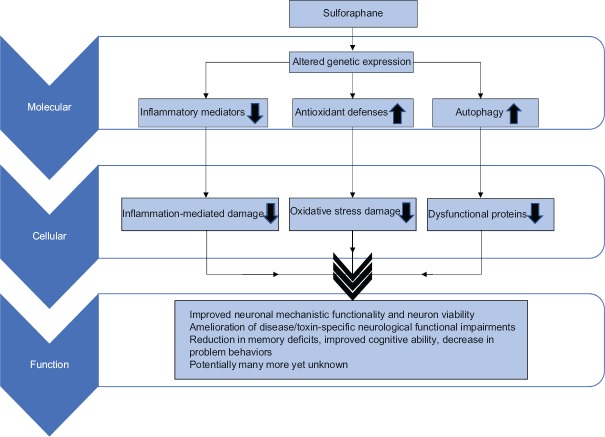
  3. Effects of sulforaphane in the central nervous system
  4. Thiol antioxidant thioredoxin reductase: A prospective biochemical crossroads between anticancer and antiparasitic treatments of the modern era (not freely available)
  5. Quantification of dicarbonyl compounds in commonly consumed foods and drinks; presentation of a food composition database for dicarbonyls (not freely available)
  6. Sulforaphane Reverses the Amyloid-β Oligomers Induced Depressive-Like Behavior (not freely available)

Natural sources of melatonin

This 2020 review subject was melatonin:

“The emergence of naturally occurring melatonin and its isomers in fermented foods has opened an exciting new research area. Melatonin is a hormone, an indolamine that predominantly appears in plants, microorganisms, and mammals.

The precursor of this molecule is solely the amino acid L‐tryptophan. Melatonin ensures a circadian and seasonal signal to vertebrate organisms; it is synthesized through a cascade of enzymatic reactions producing melatonin from serotonin in its final phases. The synthesis of melatonin is observed in almost all organs.

One melatonin molecule has the capacity to scavenge up to 10 ROS versus the other antioxidants that scavenge 1 or even less ROS. Melatonin antioxidant properties are accomplished with the indole ring that stimulates enzyme production (i.e., superoxide dismutase (SOD), glutathione‐peroxidase (Gpx), and catalase (CAT)), which mitigate free radicals to less toxic substances.

In addition to antioxidant properties, it plays a fundamental role in the modulation of various physiological functions, including circadian rhythmicity, bone integrity, and functionalization of the human reproductive system.

The presence of melatonin and its isomers is not exclusive for grapes and grape‐derived products. Other fruits such as sweet and sour cherries and fermented juices of orange and pomegranate may be also of interest.”

https://onlinelibrary.wiley.com/doi/full/10.1111/1541-4337.12639 “Naturally occurring melatonin: Sources and possible ways of its biosynthesis”


Unraveling oxytocin – is it nature’s medicine?

This 2020 review attempted to consolidate thousands of research papers on oxytocin:

“Chemical properties of oxytocin make this molecule difficult to work with and to measure. Effects of oxytocin are context-dependent, sexually dimorphic, and altered by experience. Its relationship to a related hormone, vasopressin, have created challenges for its use as a therapeutic drug.

Widely used medical interventions i.e.:

  • Exogenous oxytocin, such as Pitocin given to facilitate labor;
  • Opioid medications that block the oxytocin system; or
  • Cesarean sections that alter exposure to endogenous oxytocin

have lasting consequences for the offspring and/or mother.

Such exposures hold the potential to have epigenetic effects on the oxytocin systems, including changes in DNA methylation. These changes in turn would have lasting effects on the expression of receptors for oxytocin, leaving individuals differentially able to respond to oxytocin and also possibly to the effects of vasopressin.

Regions with especially high levels of OXTR [oxytocin receptor gene] are:

  • Various parts of the amygdala;
  • Bed nucleus of the stria terminalis;
  • Nucleus accumbens;
  • Brainstem source nuclei for the autonomic nervous system;
  • Systems that regulate the HPA axis; as well as
  • Brainstem tissues involved in pain and social attention.

Oxytocin protects neural cells against hypoxic-ischemic conditions by:

  • Preserving mitochondrial function;
  • Reducing oxidative stress; and
  • Decreasing a chromatin protein that is released during inflammation

which can activate microglia through the receptor for advanced glycation end products (RAGE). RAGE acts as an oxytocin-binding protein facilitating the transport of oxytocin across the blood-brain barrier and through other tissues.

Directionality of this transport is 5–10 times higher from the blood to the brain, in comparison with brain to blood transport. Individual differences in RAGE could help to predict cellular access to oxytocin and might also facilitate access to oxytocin under conditions of stress or illness.

Oxytocin and vasopressin and their receptors are genetically variable, epigenetically regulated, and sensitive to stressors and diet across the lifespan. As one example, salt releases vasopressin and also oxytocin.

Nicotine is a potent regulator of vasopressin. Smoking, including prenatal exposure of a fetus, holds the potential to adjust this system with effects that likely differ between males and females and that may be transgenerational.

Relative concentrations of endogenous oxytocin and vasopressin in plasma were associated with:

These studies support the usefulness of measurements of both oxytocin and vasopressin but leave many empirical questions unresolved.

The vast majority of oxytocin in biosamples evades detection using conventional approaches to measurement.”

https://pharmrev.aspetjournals.org/content/pharmrev/72/4/829.full.pdf “Is Oxytocin Nature’s Medicine?”


I appreciated efforts to extract worthwhile oxytocin research from countless poorly performed studies, research that wasted resources, and research that actually detracted from science.

I was disappointed that at least one of the reviewers didn’t take this review as an opportunity to confess their previous wastes like three flimsy studies discussed in Using oxytocin receptor gene methylation to pursue an agenda.

Frank interpretations of one’s own study findings to acknowledge limitations is one way researchers can address items upfront that will be questioned anyway. Such analyses also indicate a goal to advance science.

Although these reviewers didn’t provide concrete answers to many questions, they highlighted promising research areas, such as:

  • Improved approaches to oxytocin measurements;
  • Prenatal epigenetic experience associations with oxytocin and OXTR; and
  • Possible transgenerational transmission of these prenatal epigenetic experiences.

Sleep

If you can stand the woo of two Californians trying to outwoo each other, listen to these five podcasts with a sleep scientist.

https://peterattiamd.com/matthewwalker1/

“Ambien, sedation, hypnotives, are not sleep.

Sleep is a life support system. It’s the Swiss army knife of health.

Lack of sleep is like a broken water pipe in your home that leaks down into every nook and cranny of your physiology.

Sleep research is not being transmitted to clinical practice.”


I live on the US East Coast. Hyperbole in normal conversations outside of urban centers is an exception.

It’s different on the West Coast. For example:

  • Interviewer assertions regarding heart rate variability should be compared and contrasted with Dead physiological science zombified by psychological research evidence that:

    “A broad base of further evidence was amassed within human cardiac, circulatory, and autonomic physiology such that the hypotheses do not work as described.”

  • Interviewer favorable comments for MDMA (Ecstasy) “to deal with issues of underlying trauma, anxiety, and depression.”

Do broccoli sprouts treat migraines?

While rereading a review in Eat broccoli sprouts today, it occurred to me that I haven’t needed to take migraine medicine during the 9 weeks I’ve been eating broccoli sprouts every day. Since 14 weeks of lockdown overlap this period, it’s also possible that I’ve avoided triggering conditions. I look at brightly-lit screens all day, but don’t have cold air blowing on my head that’s the other half of my most common triggering condition.

I started having intermittent ~monthly episodes about ten years ago. I wouldn’t take sumatriptan unless I have a half-day-long headache that doesn’t respond to acetaminophen. It stops a headache from turning into a 3-day-long migraine.

I went over to PubMed and did a “sulforaphane migraine” search, which turned up exactly 1 (!!) result. A 2016 Chinese rodent study Activation of the nuclear factor E2-related factor 2/anitioxidant response element alleviates the nitroglycerin-induced hyperalgesia in rats found:

“Activation of the Nrf2/ARE pathway inhibited the activation of TGVS [trigeminovascular system] and prevented the induction of hyperalgesia. Sulforaphane might therefore be an effective agent for hyperalgesia.”

Plausible conclusion. Nitroglycerin definitely jolts a monster headache.

Two of the eleven papers citing this study were:


There wouldn’t be any potential payoff for a company to be interested in studying a sulforaphane-migraine connection. What sponsor would be interested enough to double the number of studies in this area?

See Part 2 of Do broccoli sprouts treat migraines? for a follow up.

Forcing people to learn helplessness

Learned helplessness is a proven animal model. Its reliably-created phenotype is often the result of applying chronic unpredictable stress.

As we’re finding out worldwide, forcing humans to learn helplessness works in much the same way, with governments imposing what amounts to martial law. Never mind that related phenotypes and symptoms include:

  • “Social defeat
  • Social avoidance behavior
  • Irritable bowel syndrome
  • Depression
  • Anxiety
  • Anhedonia
  • Increased hypothalamic-pituitary-adrenal (HPA)-axis sensitivity
  • Visceral hypersensitivity” [1]

Helplessness is both a learned behavior and a cumulative set of experiences. Animal models demonstrate that these phenotypes usually continue on throughout the subjects’ entire lifespans.

Will the problems caused in humans by humans be treated by removing the causes? Or will the responses be approaches such as drugs to treat the symptoms?


A major difference between our current situation and the situation depicted below is that during communism, most people didn’t really trust or believe what the authorities, newspapers, television, and radio said:

Image from Prague’s Memorial to the Victims of Communism


[1] 2014 GABAB(1) receptor subunit isoforms differentially regulate stress resilience curated in If research provides evidence for the causes of stress-related disorders, why only focus on treating the symptoms?

Growing a broccoli sprouts Victory Garden

To follow up How much sulforaphane is suitable for healthy people? I’ve started growing broccoli sprouts, and a 30 60 grams of fresh broccoli sprouts incorporated daily into the diet” [1] program. See Week 2 of Changing an inflammatory phenotype with broccoli sprouts for changes.

I loosely follow [2]‘s sprouting guidelines. One preparation difference is microwaving per [3]‘s findings as follows:

My current microwaving time for 60 grams of 3-day-old broccoli sprouts in 100 ml of water with a 1000 W microwave on full power is 35 seconds. The temperature gets up to 57°C. See Enhancing sulforaphane content for changes. I immediately dump the broccoli sprouts into a colander and spray with cold water to stop heating at the desired temperature.

The first batch of broccoli sprouts was a mild, cabbage-tasting side dish to the home-style chicken soup on page 238 of [4].

The a priori hypotheses:

    1. 30 grams of fresh broccoli sprouts will not have “51 mg (117 μmol)” of glucoraphanin [1] because they “Used the elicitor methyl jasmonate (MeJA) by priming the seeds as well as by spraying daily. MeJA at concentrations of 156 μM act as stressor in the plant and enhances the biosynthesis of the phytochemicals glucosinolates. Compared to control plants without MeJA treatment, the content of compounds as the aliphatic glucosinolate glucoraphanin was enhanced up to 70%.” 117 μmol / 1.70 = 69 μmol is the expected glucoraphanin amount in 30 grams weight of fresh broccoli sprouts. 69 x 2 = 138 μmol in 60 grams.
    2. One measurement [5] of how much sulforaphane is present in fresh broccoli sprouts before microwaving is 100 μmol / 111 g = .9 μmol / g. (.9 x 30 g) = 27 μmol is the expected sulforaphane amount in 30 grams of fresh broccoli sprouts. Changed assumption to 0 μmol sulforaphane due to 2013 Sulforaphane: translational research from laboratory bench to clinic “Broccoli sprouts are correctly described as releasing, generating, or yielding but not containing SFN [sulforaphane].”
    3. Last week a [3] coauthor agreed to make the data available to facilitate calculations. While I’m waiting… The study said the Figure 3 HL60 sulforaphane amount was 2.45 μmol / g. Eyeball estimate of the below Figure 3 control (raw broccoli florets) is a glucoraphanin amount of ~2.2 μmol / g. I assume that the broccoli florets and sprouts conversion would be the same at a 2.45 μmol / 2.2 μmol ≈ 1.11 ratio. I expect that microwaving the raw broccoli sprouts to 60°C will convert the 138 μmol of glucoraphanin to a 153 μmol amount of sulforaphane at this assumed 1.11 conversion ratio.
    4. The estimated sulforaphane weight per [6] would be (153 μmol / 5.64) = 27 mg which is comparable to clinical trial dosages listed in [7] and [8].
    5. I’ve been sitting around a lot since returning from Milano, Italy, on February 24, 2020, and probably weigh around 75 kg. The estimated dosage represents 153 μmol of sulforaphane / 75 kg = 2.04 μmol of sulforaphane / kg, compared to the 1.36 μmol of glucoraphanin / kg average of [1]. (The study provided the subjects’ mean weight in Table 1 as “85.8 ± 16.7 kg.” The average dosage per kg body weight was 117 μmol of glucoraphanin / 85.8 kg = 1.36 μmol of glucoraphanin / kg.)
    6. Don’t have a practical estimate of the amount of sulforaphane I metabolize from post-microwave glucoraphanin that would add to the calculated 153 μmol of sulforaphane. Both [7] and [8] cited a 2012 study that found: “Some conversion of GRN [glucoraphanin] to SFN can occur in response to metabolism by the gut microflora; however, the response is inefficient, having been shown to vary ‘from about 1% to more than 40% of the dose.’”
    7. Don’t have a practical estimate of the “internal dose” [8] that would result from 153+ μmol of sulforaphane.

I don’t have a laboratory in my kitchen 🙂 and won’t have quantified results. See Grow a broccoli sprouts Victory Garden today! for August 2020 practices.


References in order of citation:

[1] 2018 Effects of long-term consumption of broccoli sprouts on inflammatory markers in overweight subjects

[2] 2017 You Need Sulforaphane – How and Why to Grow Broccoli Sprouts

[3] 2020 Microwave cooking increases sulforaphane level in broccoli curated in Microwave broccoli to increase sulforaphane levels

fsn31493-fig-0003-m

[4] 2016 Dr. Vlassara’s AGE-Less Diet: How a Chemical in the Foods We Eat Promotes Disease, Obesity, and Aging and the Steps We Can Take to Stop It

[5] 2016 Effect of Broccoli Sprouts and Live Attenuated Influenza Virus on Peripheral Blood Natural Killer Cells: A Randomized, Double-Blind Study

[6] 2020 https://pubchem.ncbi.nlm.nih.gov/compound/sulforaphane lists sulforaphane’s molecular weight as 177.3 g / mol. A 1 mg weight of sulforaphane equals a 5.64 μmol sulforaphane amount (.001 / 177.3).

[7] 2019 Sulforaphane: Its “Coming of Age” as a Clinically Relevant Nutraceutical in the Prevention and Treatment of Chronic Disease

[8] 2019 Broccoli or Sulforaphane: Is It the Source or Dose That Matters? Note that a coauthor didn’t disclose their business’ conflict of interest for an effectively promoted commercial product.

How much sulforaphane is suitable for healthy people?

This post compares and contrasts two perspectives on how much sulforaphane is suitable for healthy people. One perspective was an October 2019 review from John Hopkins researchers who specialize in sulforaphane clinical trials:

Broccoli or Sulforaphane: Is It the Source or Dose That Matters?

These researchers didn’t give a consumer-practical answer, so I’ve presented a concurrent commercial perspective to the same body of evidence via an October 2019 review from the Australian founder of a company that offers sulforaphane products:

Sulforaphane: Its “Coming of Age” as a Clinically Relevant Nutraceutical in the Prevention and Treatment of Chronic Disease


1. Taste from a clinical trial perspective:

“Harsh taste (a.k.a. back-of-the-throat burning sensation) that is noticed by most people who consume higher doses of sulforaphane, must be acknowledged and anticipated by investigators. This is particularly so at higher limits of dosing with sulforaphane, and not so much of a concern when dosing with glucoraphanin, or even with glucoraphanin-plus-myrosinase.

Presence and/or enzymatic production of levels of sulforaphane in oral doses ranging above about 100 µmol, creates a burning taste that most consumers notice in the back of their throats rather than on the tongue. Higher doses of sulforaphane lead to an increased number of adverse event reports, primarily nausea, heartburn, or other gastrointestinal discomfort.”

Taste wasn’t mentioned in the commercial review. Adverse effects were mentioned in this context:

“Because SFN is derived from a commonly consumed vegetable, it is generally considered to lack adverse effects; safety of broccoli sprouts has been confirmed. However, use of a phytochemical in chemoprevention engages very different biochemical processes when using the same molecule in chemotherapy; biochemical behaviour of cancer cells and normal cells is very different.”

2. Commercial products from a clinical trial perspective:

“Using a dietary supplement formulation of glucoraphanin plus myrosinase (Avmacol®) in tablet form, we observed a median 20% bioavailability with greatly dampened inter-individual variability. Fahey et al. have observed approximately 35% bioavailability with this supplement in a different population.”

Avmacol appeared to be the John Hopkins product of choice, as it was mentioned 15 times in its clinical trials table. A further investigation of Avmacol showed that its supplier for broccoli extract, TrueBroc, was cofounded by a John Hopkins coauthor! Yet the review stated:

“The authors declare no conflict of interest.”

Please disclose easily discoverable ethical and commercial conflicts without prevarication. Other products were downgraded with statements such as:

“5 or 10 g/d of BroccoPhane powder (BSP), reported to be rich in SF, daily x 4 wks (we have assayed previously and found this not to be the case).”

They also disclaimed:

“We have indicated clinical studies in which label results have been used rather than making dose measurements prior to or during intervention.”

No commercial products – not even the author’s own company’s – were directly mentioned in a commercial perspective.

3. Dosage from a clinical trial perspective:

“Reporting of administered dose of glucoraphanin and/or sulforaphane is a poor measure of the bioavailable / bioactive dose of sulforaphane. As a consequence, we propose that the excreted amount of sulforaphane metabolites (sulforaphane + sulforaphane cysteine-glycine + sulforaphane cysteine + sulforaphane N-acetylcysteine) in urine over 24 h (2–3 half-lives), which is a measure of “internal dose”, provides a more revealing and likely consistent view of delivery of sulforaphane to study participants.

Only recently have there been attempts to define minimally effective doses in humans – an outcome made possible by development of consistently formulated, stable, bioavailable broccoli-derived preparations.”

Dosage from a commercial perspective:

“Of available SFN clinical trials associated with genes induced via Nrf2 activation, many demonstrate a linear dose-response. More recently, it has become apparent that SFN can behave hormetically with different effects responsive to different doses. This is in addition to its varying effects on different cell types and consequent to widely varying intracellular concentrations.

A 2017 clinical pilot study examined the effect of an oral dose of 100 μmol (17.3 mg) encapsulated SFN on GSH [reduced glutathione] induction in humans over 7 days. Pre- and postmeasurement of GSH in blood cells that included T cells, B cells, and NK cells showed an increase of 32%. Researchers found that in the pilot group of nine participants, age, sex, and race did not influence the outcome.

Clinical outcomes are achievable in conditions such as asthma with daily SFN doses of around 18 mg daily and from 27 to 40 mg in type 2 diabetes. The daily SFN dose found to achieve beneficial outcomes in most of the available clinical trials is around 20-40 mg.”

The author’s sulforaphane products are available in 100, 250, and 700 mg capsules of enzyme-active broccoli sprout powder.

4. Let’s see how these perspectives treated a 2018 Spanish clinical trial published as Effects of long-term consumption of broccoli sprouts on inflammatory markers in overweight subjects.

From a commercial perspective:

“In a recent study using 30 grams of fresh broccoli sprouts incorporated daily into diet, two key inflammatory cytokines were measured at four time points in forty healthy overweight [BMI 24.9 – 29.9] people. Levels of both interleukin-6 (Il-6) and C-reactive protein (CRP) declined over the 70 days during which sprouts were ingested.

These biomarkers were measured again at day 90, wherein it was found that Il-6 continued to decline, whereas CRP climbed again. When the final measurement was taken at day 160, CRP, although climbing, had not returned to its baseline value. Il-6 remained significantly below baseline level at day 160.

Sprouts contained approximately 51 mg (117 μmol) GRN [glucoraphanin], and plasma and urinary SFN metabolites were measured to confirm that SFN had been produced when sprouts were ingested.”


From a clinical trial perspective, glucoraphanin dosage was “1.67 (GR) μmol/kg BW.” This wasn’t accurate, however. It was assumed into existence by:

“In cases where authors did not indicate dosage in μmol/kg body weight (BW), we have made those calculations using a priori assumption of a 70 kg BW.”

117 μmol / 1.67 μmol/kg = 70 kg.

This study provided overweight subjects’ mean weight in its Table 1 as “85.8 ± 16.7 kg.” So its actual average glucoraphanin dosage per kg body weight was 117 μmol / 85.8 kg = 1.36 μmol/kg. Was making an accurate calculation too difficult?

A clinical trial perspective included this study in Section “3.2. Clinical Studies with Broccoli-Based Preparations: Efficacy” subsection “3.2.8. Diabetes, Metabolic Syndrome, and Related Disorders.” This was somewhat misleading, as it was grouped with studies such as a 2012 Iranian Effects of broccoli sprout with high sulforaphane concentration on inflammatory markers in type 2 diabetic patients: A randomized double-blind placebo-controlled clinical trial (not freely available).

A commercial perspective pointed out substantial differences between these two studies:

“Where the study described above by Lopez-Chillon et al. investigated healthy overweight people to assess effects of SFN-yielding broccoli sprout homogenate on biomarkers of inflammation, Mirmiran et al. in 2012 had used a SFN-yielding supplement in T2DM patients. Although the data are not directly comparable, the latter study using the powdered supplement resulted in significant lowering of Il-6, hs-CRP, and TNF-α over just 4 weeks.

It is not possible to further compare the two studies due to vastly different time periods over which each was conducted.”


The commercial perspective impressed as more balanced than the clinical trial perspective. The clinical trial perspective also had an undisclosed conflict of interest!

A. The clinical trial perspective:

  • Effectively promoted one commercial product whose supplier was associated with a coauthor;
  • Downgraded several other commercial products; and
  • Tried to shift responsibility for the lack of “minimally effective doses in humans” to commercial products with:

    “Only recently have there been attempts to define minimally effective doses in humans – an outcome made possible by the development of consistently formulated, stable, bioavailable broccoli-derived preparations.”

But unless four years previous is “recently,” using commercial products to excuse slow research progress can be dismissed. A coauthor of the clinical trial perspective was John Hopkins’ lead researcher for a November 2015 Sulforaphane Bioavailability from Glucoraphanin-Rich Broccoli: Control by Active Endogenous Myrosinase, which commended “high quality, commercially available broccoli supplements” per:

“We have now discontinued making BSE [broccoli sprout extract], because there are several high quality, commercially available broccoli supplements on the market.”

The commercial perspective didn’t specifically mention any commercial products.

B. The commercial perspective didn’t address taste, which may be a consumer acceptance problem.

C. The commercial perspective provided practical dosage recommendations, reflecting their consumer orientation. These recommendations didn’t address how much sulforaphane is suitable for healthy people, though.

The clinical trial perspective will eventually have to make practical dosage recommendations after they stop dodging their audience – which includes clinicians trying to apply clinical trial data – with unhelpful statements such as:

“Reporting of administered dose of glucoraphanin and/or sulforaphane is a poor measure of the bioavailable / bioactive dose of sulforaphane.”

How practical was their “internal dose” recommendation for non-researcher readers?


Here’s what I’m doing to answer how much sulforaphane is suitable for healthy people.

I’d like to posthumously credit my high school literature teachers Dorothy Jasiecki and Martin Obrentz for this post’s compare-and-contrast approach. They both required their students to read at least two books monthly, then minimally handwrite a 3-page (single-spaced) paper comparing and contrasting those books.

Each monthly assignment was individualized so that students couldn’t undo the assignment’s purpose – to think for yourself – with parasitical collaboration. This former practice remains a good measure of intentional dumbing-down of young people, the intent of which has become clearer.

You can see from these linked testimonials that their approach was in a bygone era, back when some teachers considered a desired outcome of public education to be that each individual learned to think for themself. My younger brother contributed:

“I can still remember everything Mr. Obrentz ever assigned for me to read. He was the epitome of what a teacher should be.”

Clearing out the 2019 queue of interesting papers

I’m clearing out the below queue of 27 studies and reviews I’ve partially read this year but haven’t taken the time to curate. I have a pesky full-time job that demands my presence elsewhere during the day. :-\

Should I add any of these back in? Let’s be ready for the next decade!


Early life

https://link.springer.com/article/10.1007/s12035-018-1328-x “Early Behavioral Alterations and Increased Expression of Endogenous Retroviruses Are Inherited Across Generations in Mice Prenatally Exposed to Valproic Acid” (not freely available)

https://www.sciencedirect.com/science/article/pii/S0166432818309392 “Consolidation of an aversive taste memory requires two rounds of transcriptional and epigenetic regulation in the insular cortex” (not freely available)

https://www.nature.com/articles/s41380-018-0265-4 “Intergenerational transmission of depression: clinical observations and molecular mechanisms” (not freely available)

mother

https://www.ncbi.nlm.nih.gov/pmc/articles/PMC6454089/ “Epigenomics and Transcriptomics in the Prediction and Diagnosis of Childhood Asthma: Are We There Yet?”

https://www.ncbi.nlm.nih.gov/pmc/articles/PMC6628997/Placental epigenetic clocks: estimating gestational age using placental DNA methylation levels”

https://www.ncbi.nlm.nih.gov/pmc/articles/PMC6770436/ “Mismatched Prenatal and Postnatal Maternal Depressive Symptoms and Child Behaviours: A Sex-Dependent Role for NR3C1 DNA Methylation in the Wirral Child Health and Development Study”

https://www.sciencedirect.com/science/article/pii/S0889159119306440 “Environmental influences on placental programming and offspring outcomes following maternal immune activation”

https://academic.oup.com/mutage/article-abstract/34/4/315/5581970 “5-Hydroxymethylcytosine in cord blood and associations of DNA methylation with sex in newborns” (not freely available)

https://physoc.onlinelibrary.wiley.com/doi/full/10.1113/JP278270 “Paternal diet impairs F1 and F2 offspring vascular function through sperm and seminal plasma specific mechanisms in mice”

https://onlinelibrary.wiley.com/doi/full/10.1111/nmo.13751 “Sex differences in the epigenetic regulation of chronic visceral pain following unpredictable early life stress” (not freely available)

https://www.ncbi.nlm.nih.gov/pmc/articles/PMC6811979/ “Genome-wide DNA methylation data from adult brain following prenatal immune activation and dietary intervention”

https://link.springer.com/article/10.1007/s00702-019-02048-2miRNAs in depression vulnerability and resilience: novel targets for preventive strategies”


Later life

https://www.ncbi.nlm.nih.gov/pmc/articles/PMC6543991/ “Effect of Flywheel Resistance Training on Balance Performance in Older Adults. A Randomized Controlled Trial”

https://www.mdpi.com/2411-5142/4/3/61/htm “Eccentric Overload Flywheel Training in Older Adults”

https://www.nature.com/articles/s41577-019-0151-6 “Epigenetic regulation of the innate immune response to infection” (not freely available)

https://link.springer.com/chapter/10.1007/978-981-13-6123-4_1 “Hair Cell Regeneration” (not freely available)

https://www.ncbi.nlm.nih.gov/pmc/articles/PMC6422915/Histone Modifications as an Intersection Between Diet and Longevity”

https://www.sciencedirect.com/science/article/abs/pii/S0306453019300733 “Serotonin transporter gene methylation predicts long-term cortisol concentrations in hair” (not freely available)

https://www.sciencedirect.com/science/article/abs/pii/S0047637419300338 “Frailty biomarkers in humans and rodents: Current approaches and future advances” (not freely available)

https://onlinelibrary.wiley.com/doi/full/10.1111/pcn.12901 “Neural mechanisms underlying adaptive and maladaptive consequences of stress: Roles of dopaminergic and inflammatory responses

https://www.ncbi.nlm.nih.gov/pmc/articles/PMC6627480/ “In Search of Panacea—Review of Recent Studies Concerning Nature-Derived Anticancer Agents”

https://www.sciencedirect.com/science/article/abs/pii/S0028390819303363 “Reversal of oxycodone conditioned place preference by oxytocin: Promoting global DNA methylation in the hippocampus” (not freely available)

https://www.futuremedicine.com/doi/10.2217/epi-2019-0102 “Different epigenetic clocks reflect distinct pathophysiological features of multiple sclerosis”

https://www.ncbi.nlm.nih.gov/pmc/articles/PMC6834159/ “The Beige Adipocyte as a Therapy for Metabolic Diseases”

https://www.sciencedirect.com/science/article/abs/pii/S8756328219304077 “Bone adaptation: safety factors and load predictability in shaping skeletal form” (not freely available)

https://www.nature.com/articles/s41380-019-0549-3 “Successful treatment of post-traumatic stress disorder reverses DNA methylation marks” (not freely available)

https://www.sciencedirect.com/science/article/abs/pii/S0166223619301821 “Editing the Epigenome to Tackle Brain Disorders” (not freely available)

Do genes or maternal environments shape fetal brains?

This 2019 Singapore human study used Diffusion Tensor Imaging on 5-to-17-day old infants to find:

“Our findings showed evidence for region-specific effects of genotype and GxE on individual differences in human fetal development of the hippocampus and amygdala. Gene x Environment models outcompeted models containing genotype or environment only, to best explain the majority of measures but some, especially of the amygdaloid microstructure, were best explained by genotype only.

Models including DNA methylation measured in the neonate umbilical cords outcompeted the Gene and Gene x Environment models for the majority of amygdaloid measures and minority of hippocampal measures. The fact that methylation models outcompeted gene x environment models in many instances is compatible with the idea that DNA methylation is a product of GxE.

A genome-wide association study of SNP [single nucleotide polymorphism] interactions with the prenatal environments (GxE) yielded genome wide significance for 13 gene x environment models. The majority (10) explained hippocampal measures in interaction with prenatal maternal mental health and SES [socioeconomic status]. The three genome-wide significant models predicting amygdaloid measures, explained right amygdala volume in interaction with maternal depression.

The transcription factor CUX1 was implicated in the genotypic variation interaction with prenatal maternal health to shape the amygdala. It was also a central node in the subnetworks formed by genes mapping to the CpGs in neonatal umbilical cord DNA methylation data associating with both amygdala and hippocampus structure and substructure.

Our results implicated the glucocorticoid receptor (NR3C1) in population variance of neonatal amygdala structure and microstructure.

Estrogen in the hippocampus affects learning, memory, neurogenesis, synapse density and plasticity. In the brain testosterone is commonly aromatized to estradiol and thus the estrogen receptor mediates not only the effects of estrogen, but also that of testosterone.”

https://onlinelibrary.wiley.com/doi/full/10.1111/gbb.12576 “Neonatal amygdalae and hippocampi are influenced by genotype and prenatal environment, and reflected in the neonatal DNA methylome” (not freely available)

Too cheap for clinical trials

Let’s compare and contrast a 2019 meta-analysis and a 2017 review of using acetyl-L-carnitine to treat diabetic neuropathy.

A 2019 Brazilian meta-analysis Acetyl‐L‐carnitine for the treatment of diabetic peripheral neuropathy of four previous trials stated:

  • “The risk of bias was high in both trials of different ALC doses and low in the other two trials.
  • No included trial measured the proportion of participants with at least moderate (30%) or substantial (50%) pain relief.
  • At doses greater than 1500 mg/day, ALC reduced pain more than placebo. This subgroup analysis should be viewed with caution as the evidence was even less certain than the overall analysis, which was already of very low certainty.
  • The placebo-controlled studies did not measure functional impairment and disability scores.
  • No study used validated symptom scales.
  • Two studies were funded by the manufacturer of ALC and the other two studies had at least one co-author who was a consultant for an ALC manufacturer.

Authors’ conclusions:

  • We are very uncertain whether ALC causes a reduction in pain after 6 to 12 months treatment in people with DPN, when compared with placebo, as the evidence is sparse and of low certainty.
  • Data on functional and sensory impairment and symptoms are lacking, or of very low certainty.
  • The evidence on adverse events is too uncertain to make any judgements on safety.”

A 2017 Italian review Effects of acetyl-L-carnitine in diabetic neuropathy and other geriatric disorders stated:

“A long history of diabetes mellitus and increasing age are associated with the onset of diabetic neuropathy, a painful and highly disabling complication with a prevalence peaking at 50% among elderly diabetic patients. The management of diabetic neuropathy is extremely difficult: in addition to the standard analgesics used for pain control, common treatments include opioids, anticonvulsants, antidepressants, and local anesthetics, alone or in combination. Such therapies still show a variable, often limited efficacy, however.

Many patients do not spontaneously report their symptoms to physicians, but, if asked, they often describe having experienced a persistent and non-abating pain for many years. The prevalence of painful symptoms is just as high in patients with mild neuropathy as in those with more advanced DPN.

Through the donation of acetyl groups, ALC exerts a positive action on mitochondrial energy metabolism. ALC has cytoprotective, antioxidant, and antiapoptotic effects in the nervous system.

ALC has also been proposed for the treatment of other neurological and psychiatric diseases, such as mood disorders and depression, dementia, Alzheimer’s disease, and Parkinson’s disease, given that synaptic energy states and mitochondrial dysfunctions are core factors in their pathogenesis. Compared to other treatments, ALC is safe and extremely well tolerated.”

“In nerve injury, the mGlu2 receptor overexpressed by ALC binds the glutamate, reducing its concentration in the synapses with an analgesic effect. ALC may improve nerve regeneration and damage repair after primary nerve trauma.”


Where will the money come from to realize what the 2017 review promised, as well as provide what the 2019 meta-analysis required?

Do we prefer the current “limited efficacy” treatments of “opioids, anticonvulsants, antidepressants, and local anesthetics?”

Who will initiate clinical trials of a multiple of the normal dietary supplement dose (500 mg at $.25 a day, retail)? How profitable is a product whose hypothetical effective dosage for diabetic neuropathy (3000 mg) sells for only $1.50 a day?

Our brains are shaped by our early environments

This 2019 McGill paper reviewed human and animal studies on brain-shaping influences from the fetal period through childhood:

“In neonates, regions of the methylome that are highly variable across individuals are explained by the genotype alone in 25 percent of cases. The best explanation for 75 percent of variably methylated regions is the interaction of genotype with different in utero environments.

A meta-analysis including 45,821 individuals with attention-deficit/hyperactivity disorder and 9,207,363 controls suggests that conditions such as preeclampsia, Apgar score lower than 7 at 5 minutes, breech/transverse presentations, and prolapsed/nuchal cord – all of which involve some sort of poor oxygenation during delivery – are significantly associated with attention-deficit/hyperactivity disorder. The dopaminergic system seems to be one of the brain systems most affected by perinatal hypoxia-ischemia.

Exposure to childhood trauma activates the stress response systems and dysregulates serotonin transmission that can adversely impact brain development. Smaller cerebral, cerebellar, prefrontal cortex, and corpus callosum volumes were reported in maltreated young people as well as reduced hippocampal activity.

Environmental enrichment has a series of beneficial effects associated with neuroplasticity mechanisms, increasing hippocampal volume, and enhancing dorsal dentate gyrus-specific differences in gene expression. Environmental enrichment after prenatal stress decreases depressive-like behaviors and fear, and improves cognitive deficits.”


The reviewers presented strong evidence until the Possible Factors for Reversibility section, which ended with the assertion:

“All these positive environmental experiences mentioned in this section could counterbalance the detrimental effects of early life adversities, making individuals resilient to brain alterations and development of later psychopathology.”

The review’s penultimate sentence recognized that research is seldom done on direct treatments of causes:

“The cross-sectional nature of most epigenetic studies and the tissue specificity of the epigenetic changes are still challenges.”

Cross-sectional studies won’t provide definitive data on cause-and-effect relationships.

The question yet to be examined is: How can humans best address these early-life causes to ameliorate their lifelong effects?

https://onlinelibrary.wiley.com/doi/full/10.1111/dmcn.14182 “Early environmental influences on the development of children’s brain structure and function” (not freely available)

Fear of feeling?

Here’s a 2018 article from two researchers involved in the Dunedin (New Zealand) Longitudinal Study. They coauthored many studies, including People had the same personalities at age 26 that they had at age 3.

The paper’s grand hypothesis was:

“A single dimension is able to measure a person’s liability to mental disorder, comorbidity among disorders, persistence of disorders over time, and severity of symptoms.”

The coauthors partially based this on:

“Repeated diagnostic interviews carried out over 25 years, when the research participants were 11, 13, 15, 18, 21, 26, 32, and 38 years old, and include information about seven diagnostic groups: anxiety, depression, attention deficit hyperactivity disorder, conduct disorder, substance dependence, bipolar disorder, and schizophrenia.”


https://ajp.psychiatryonline.org/doi/full/10.1176/appi.ajp.2018.17121383 “All for One and One for All: Mental Disorders in One Dimension” (not freely available)


More about the coauthors:

Two psychologists followed 1000 New Zealanders for decades. Here’s what they found about how childhood shapes later life

“Dunedin and other studies show that most people have at least one episode of mental illness during their lifetime.”


What compels people to manufacture “universal” truths? Aren’t such beliefs poor substitutes for feeling? For understanding historical, factual, personal truths?

What if the price we pay for avoiding and pressuring down our feelings is: A wasted life?

What if the grand hypothesis worth proving is: For one’s life to have meaning, each individual has to regain their feelings?

A book review of “Neuroepigenetics and Mental Illness”

A 2018 online book “Neuroepigenetics and Mental Illness” was published at https://www.sciencedirect.com/bookseries/progress-in-molecular-biology-and-translational-science/vol/158/suppl/C (not freely available). Three chapters are reviewed here, with an emphasis on human studies:


Actually, I won’t waste my time or your time with what I planned to do. The lack of scientific integrity and ethics displayed by the book’s publisher, editor, and contributors in the below chapter spoke volumes.

How can the information in any other chapter of this book be trusted?


“Chapter Twelve: Transgenerational Epigenetics of Traumatic Stress”

This chapter continued propagating a transgenerational meme that had more to do with extending paradigms than advancing science. The meme is that there are adequately evidenced transgenerational epigenetic inheritance human results.

As noted in Epigenetic variations in metabolism, there aren’t any published human studies that provide incontrovertible evidence from the F0 great-grandparents, F1 grandparents, F2 parents, and F3 children to confirm definitive transgenerational epigenetic inheritance causes and effects. Researchers urgently need to do this human research, and stop pretending that it’s already been done.

How did the book’s editor overlook what this chapter admitted?

“Literature about the inheritance of the effects of traumatic stress in humans has slowly accumulated in the past decade. However, it remains thin and studies in humans also generally lack clear “cause and effect” association, mechanistic explanations or germline assessment.”

Were the publisher and editor determined to keep the chapter heading – and the reviewers determined to add another entry to their CVs – in the face of this weasel-wording?

“In conclusion, although less studied from a mechanistic point of view, inter- and possibly transgenerational inheritance of the effects of traumatic stress is supported by empirical evidence in humans.”

See the comments below for one example of the poor substitutes for evidence that propagators of this transgenerational meme use to pronounce human transgenerational epigenetic inheritance a fait accompli. Researchers supporting the meme and its funding pipeline most certainly know that not only this one example, but also ALL human transgenerational epigenetic inheritance studies:

“Lack clear “cause and effect” association, mechanistic explanations or germline assessment.”

Lack of scientific integrity is one reason why such human research hasn’t been undertaken with the urgency it deserves. Propagating this meme is unethical, and adversely affects anyone who values evidence-based research.