Recent glucosamine research

Prompted by a conversation in Year Two of Changing to a youthful phenotype with sprouts, here are sixteen 2022 papers published in the last 45 days involving glucosamine. There are more researchers alive today than in the sum of human history, and they are compelled to publish.


Human research

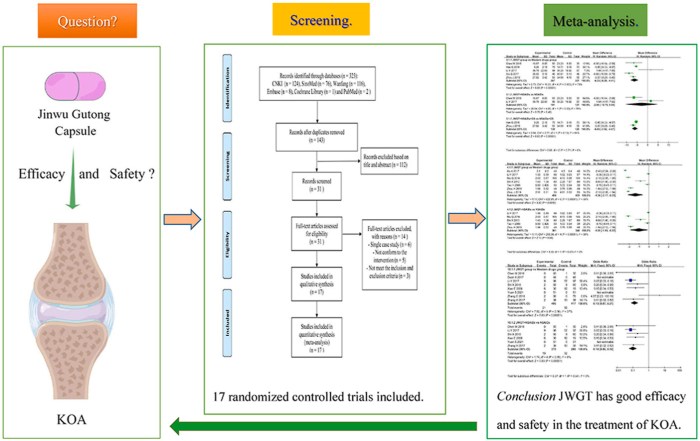
https://www.sciencedirect.com/science/article/pii/S0378874122002860 “The efficacy and safety of Jinwu Gutong capsule in the treatment of knee osteoarthritis: A meta-analysis of randomized controlled trials”

“The Jinwu Gutong (JWGT) capsule is a Chinese patent medicine that is widely used in the treatment of knee osteoarthritis (KOA) and osteoporosis in China and is considered to have the potential for good clinical efficacy. The application of JWGT combined with NSAIDs, hyaluronic acid, or glucosamine can significantly improve the clinical efficacy of the latter agents in KOA treatment.”
1-s2.0-S0378874122002860-ga1_lrg


https://link.springer.com/article/10.1007/s00330-022-08772-w “Breast cancer imaging with glucosamine CEST (chemical exchange saturation transfer) MRI: first human experience” (not freely available)

“This study aims to evaluate the feasibility of imaging breast cancer with glucosamine (GlcN) CEST MRI technique to distinguish between tumor and surrounding tissue, compared to the conventional MRI method. The results of this initial feasibility study indicate the potential of GlcN CEST MRI to diagnose breast cancer in a clinical setup.”


https://link.springer.com/article/10.1007/s10067-022-06105-2 “The comparison of curcuminoid formulations or its combination with conventional therapies versus conventional therapies alone for knee osteoarthritis” (not freely available)

“Curcuminoid formulations or its combination with conventional therapies has been used for the treatment of knee osteoarthritis. Evidence is limited due to small-sized clinical trials. This study aims to evaluate the efficacy of curcuminoid formulations or its combination with conventional therapies for KOA.”


Animal, chemical, and microbiota research

https://academic.oup.com/jmcb/advance-article/doi/10.1093/jmcb/mjac016/6548195 “Regulation of the urea cycle by CPS1 O-GlcNAcylation in response to dietary restriction and aging”

“O-linked N-acetyl-glucosamine glycosylation (O-GlcNAcylation) of intracellular proteins is a dynamic process broadly implicated in age-related disease, yet it remains uncharacterized whether and how O-GlcNAcylation contributes to the natural aging process. Our results identify CPS1 O-GlcNAcylation as a key nutrient-sensing regulatory step in the urea cycle during aging and dietary restriction, implying a role for mitochondrial O-GlcNAcylation in nutritional regulation of longevity.”


https://www.mdpi.com/2076-2607/10/3/626/htm “Laccase-Catalyzed Derivatization of Aminoglycoside Antibiotics and Glucosamine”

“The increasing demand for new and effective antibiotics requires intelligent strategies to obtain a wide range of potential candidates. The products protected mice against infection with Staphylococcus aureus, which was lethal to the control animals. The results underline the great potential of laccases in obtaining new biologically active compounds, in this case new antibiotic candidates from the class of aminoglycosides.”


https://iopscience.iop.org/article/10.1088/1748-605X/ac61fa “Gelatin-glucosamine hydrochloride/crosslinked-cyclodextrin metal-organic frameworks@IBU composite hydrogel long-term sustained drug delivery system for osteoarthritis treatment” (not freely available)

“Osteoarthritis (OA) is a disease of articular cartilage degradation and inflammation of the joint capsule. Combining anti-inflammatory therapy with nutritional supplement is an effective means for the treatment of OA. Mechanical properties, sustained drug release behavior, and good biocompatibility of G-GH/CL-CD-MOF@IBU composite hydrogel showed that it has potential application in OA treatment of long-term sustained nutritional supplement and anti-inflammatory synchronously.”


https://pubs.rsc.org/en/content/articlelanding/2022/FO/D1FO04086C “Glucosamine enhances proliferation, barrier, and anti-oxidative functions in porcine trophectoderm cells”

“Trophectoderm (TE) is the first epithelium that appears during mammalian embryogenesis, and is a polarized transporting single cell layer that comprises the wall of the blastocyst. Previous studies have revealed the functional roles of glucose (Gluc), fructose (Fruc), and glutamine (Gln), which play a positive role in porcine trophectoderm (pTr) cell proliferation and migration, suggesting the importance of nutrients for normal development of the conceptus and implantation.

This work was conducted to test the hypothesis that glucosamine (GlcN), which is synthesized from Gln and Fruc-6-phosphate through the hexosamine biosynthesis pathway, can stimulate proliferation and sustain the barrier and anti-oxidative functions of pTr cells. GlcN plays an important role in promoting proliferation and stimulating the mTOR cell signaling pathway, as well as ameliorating oxidative stress and augmenting barrier functions in pTr cells.”


https://pubs.acs.org/doi/10.1021/acschemneuro.2c00057 “O-GlcNAcase Inhibitor ASN90 is a Multimodal Drug Candidate for Tau and α-Synuclein Proteinopathies”

“Neurodegenerative proteinopathies are characterized by the intracellular formation of insoluble and toxic protein aggregates in the brain that are closely linked to disease progression. O-GlcNAcase prevents the removal of O-linked N-acetyl-d-glucosamine moieties from intracellular proteins and has emerged as an attractive therapeutic approach to prevent the formation of tau pathology.”


https://onlinelibrary.wiley.com/doi/10.1002/ctm2.762 “Glucosamine facilitates cardiac ischemic recovery via recruiting Ly6Clow monocytes in a STAT1 and O-GlcNAcylation-dependent fashion”

“Glucosamine (GlcN, 2-amino-2-deoxy-d-glucose) is a freely available and commonly used dietary supplement for human cartilage health, which hexosamine biosynthesis pathway and induces protein O-GlcNAcylation. GlcN early therapy (GlcN/E), which initiated 1 day before myocardial infarction (MI), effectively facilitated cardiac ischemic recovery. More importantly, short-term GlcN therapy initiated even 3 days post-MI (GlcN/L) was also sufficient to induce clear cardiac protection, suggesting that both GlcN/E and GlcN/L therapies effectively ameliorate post-MI cardiac dysfunction and scar formation.”


https://www.ncbi.nlm.nih.gov/pmc/articles/PMC9007349/ “Filling gaps in bacterial catabolic pathways with computation and high-throughput genetics”

“For many microbes, we know little about them beyond their genome sequences. We built an automated tool to identify gaps: transporters or enzymes that should be present, to explain how a bacterium uses a carbon source, but could not be found in the genome. By comparing these gaps to large-scale genetic data for 29 bacteria, we identified hundreds of novel transporters and enzymes, and a new metabolic pathway for consuming glucosamine.”


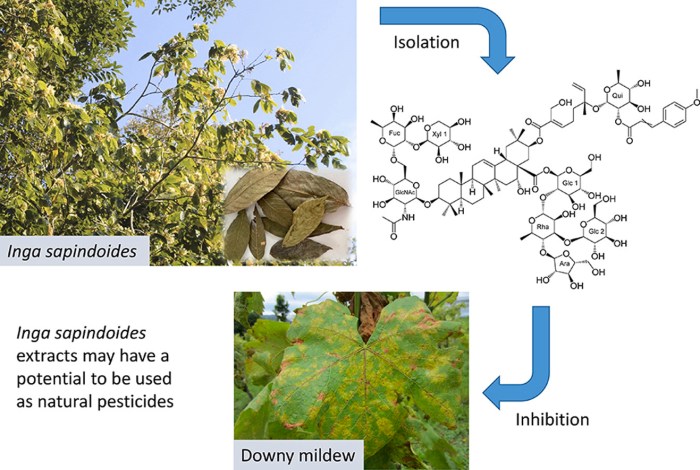
https://www.sciencedirect.com/science/article/pii/S0031942222000991 “Ingadosides A-C, acacic acid-type saponins from Inga sapindoides with potent inhibitory activity against downy mildew”

“As part of a project aiming at the discovery of environmentally friendly alternatives to copper in organic agriculture, a 96% ethanolic extract from the leaves of Inga sapindoides showed potent inhibitory activity against grapevine downy mildew. I. sapindoides, a tree which is often cultivated for shading coffee plantations in Central America, may represent a sustainable source of fungicidal products to be used in the replacement of copper.”
Microsoft PowerPoint - graphical abstract_revised


https://www.sciencedirect.com/science/article/abs/pii/S0378111922002840 “Aerobic exercise combined with glucosamine hydrochloride capsules inhibited the apoptosis of chondrocytes in rabbit knee osteoarthritis by affecting TRPV5 expression”

“This study aimed to investigate the effect of aerobic exercise combined with glucosamine on the apoptosis of chondrocytes of rabbit knee osteoarthritis by affecting the expression of TRPV5. Aerobic exercise combined with glucosamine hydrochloride capsules inhibited the apoptosis of chondrocytes in rabbit KOA by affecting the expression of TRPV5.”


https://pubs.rsc.org/en/content/articlelanding/2022/BM/D2BM00280A “Smart erythrocyte-hitchhiking insulin delivery system for prolonged automatic blood glucose control”

“Long and automatic control of blood glucose levels in diabetic patients could solve the problems caused by frequent insulin injections. Herein, we exploited the protection potential of erythrocytes by a ‘hitchhiking’ strategy to significantly prolong the blood circulation time of a specifically-designed smart hitchhiking insulin delivery system (SHIDS). In the SHIDS, insulin, glucose oxidase, and catalase were co-loaded into nanoparticles formed by modified chitosan. The free glucosamines in chitosan anchor glucose transporters on the surface of erythrocytes, allowing erythrocyte-hitchhiking in the blood flow.”


https://www.sciencedirect.com/science/article/abs/pii/S0308814621027825 “Maillard-reacted peptides from glucosamine-induced glycation exhibit a pronounced salt taste-enhancing effect” (not freely available)

“Reducing salt intake, as one of the most cost-effective approaches, is congruent with improved population health. Maillard-reacted peptides exhibited a significant salt taste-enhancing effect, which may be attributed to the glucosamine-induced glycation. The current study provides a theoretical basis for preparation of salt taste-enhancing peptides and their future application to reduce salt content of formulated foods.”


https://academic.oup.com/glycob/advance-article-abstract/doi/10.1093/glycob/cwac027/6572163 “Peptidoglycan from Akkermansia muciniphila Muc T: chemical structure and immunostimulatory properties of muropeptides” (not freely available)

“Akkermansia muciniphila is an intestinal symbiont known to improve the gut barrier function in mice and humans. Our results provide new insights into the diversity of cell envelope structures of key gut microbiota members and their role in steering host-microbiome interactions.”


Reviews

https://www.ncbi.nlm.nih.gov/pmc/articles/PMC9008999/ “Ruminal bacteria lipopolysaccharides: an immunological and microbial outlook”

“Lipopolysaccharides (LPS) are outer membrane components of Gram-negative bacteria made of three regions: the O-antigen; the core oligosaccharide; and a glucosamine disaccharide linked to hydroxy fatty acids, which is named lipid A. this review identifies numerous areas for future research, including setting the basis for future modeling and simulation of host microbiome interactions in ruminants.”


PXL_20220421_190224864

Reversibility of AGEs concentrations

This 2021 rodent study investigated dietary advanced glycation end products (AGEs):

“There is increasing evidence in humans and animals that consumption of dietary AGEs contribute to AGEs measured in plasma and organs and that a diet high in dietary AGEs in humans has negative biological effects, such as low-grade inflammation, endothelial dysfunction, and insulin resistance. However:

  • It is currently unknown whether AGE accumulation in tissues and the negative biological effects associated with a high AGE diet are reversible; and
  • How dietary AGEs are involved in the aforementioned biological effects remains poorly understood.

We hypothesized that mice fed a high dietary AGE diet for 10 weeks would show increased blood and tissue AGEs, increased inflammatory markers, and different microbiota composition as compared to mice fed a standard dietary AGE diet. In addition, we studied whether changes following the high dietary AGE diet were reversible by implementing a switch after 5-weeks of high dietary AGE diet to the standard dietary AGE diet for 5 subsequent weeks.

1-s2.0-S0963996921004464-ga1_lrg

To obtain a high AGE diet, a standard rodent chow was baked at 160 C for two hours. Free- and protein-bound AGEs Nε-(carboxymethyl)lysine (CML), Nε-(1-carboxyethyl)lysine (CEL), and Nδ-(5-hydro-5-methyl-4-imidazolon-2-yl)-ornithine (MG-H1) were analyzed in plasma, liver, and kidney. Additionally, free-, protein-bound AGEs, and AGE precursor oxoaldehydes methylglyoxal (MGO), glyoxal (GO), and 3-deoxyglucosone (3DG) were analysed in animal diets.

Inflammatory z-score consists of TNF-α, IFN-γ, KC/GRO, IL-6, and IL-10:

inflammatory z scores

A high AGE-diet led to an increase of AGEs in plasma, kidney, and liver, and to more inflammation, and modification of gut microbiota. These effects were reversed or discontinued by a diet lower in AGEs.

Our observations of reversible AGE accumulation in kidney and liver may not be extrapolated to other organs. Likewise, our findings in mice cannot be directly extrapolated to humans, as species differences exist in for example metabolic rate and dietary habits, as also in gut microbiota composition.”

https://www.sciencedirect.com/science/article/abs/pii/S0963996921004464 “Dietary advanced glycation end products (AGEs) increase their concentration in plasma and tissues, result in inflammation and modulate gut microbial composition in mice; evidence for reversibility” (not freely available)


This study started with 9-week-old mice and lasted eleven weeks, the human equivalents of which are ages 20 to 30 years. Study measurements weren’t intended to detect all potential symptoms of high-AGE diets. The lead author followed up with All about AGEs.

AGEs’ reversibility in older humans is one of my operative hypotheses:

  • I haven’t cooked or eaten high AGE precursor or AGEs food at home in the past three years.
  • The highest AGE item I’ve eaten at restaurants has been fish tacos.
  • I’m not hyperglycemic, and don’t expect that further AGE accumulation from either exogenous or endogenous sources has occurred.

PXL_20220421_185154240

State-dependent memory

This 2021 review by two coauthors of What can cause memories that are accessible only when returning to the original brain state? provided evidence for alternative interpretations of memory experiments:

“Memory consolidation hypotheses postulate a long series of various and time consuming elaborate processes that come to protect memory from disruption after various periods of time. For more than fifty years, consolidation hypotheses led to the idea that:

  1. Memories are fragile and can easily be disrupted; and
  2. Memories require several hours to be encoded (Cellular Consolidation), and extensive periods of time (days to weeks and even months and years), to be definitely stabilized (Systems Consolidation).

Although these views rely on well substantiated findings, their interpretation can be called into question.

An alternative position is that amnesia reflects retrieval difficulties due to contextual changes. This simple explanation is able to account for most, if not all, results obtained in consolidation studies.

memory state dependency

Systems Consolidation can be explained in terms of a form of state-dependency.

Recent memory remains detailed, context-specific (in animals), and vivid (in humans) and very susceptible to contextual changes. With the passage of time, memories become less precise, and retention performance less and less affected by contextual changes.”

https://www.sciencedirect.com/science/article/abs/pii/S0149763421005510 “Revisiting systems consolidation and the concept of consolidation” (not freely available)


I came across this review while trying to understand why a 2022 rodent study felt wrong. That study followed the standard memory paradigm, and I appreciate its lead author providing a copy since it wasn’t otherwise available.

But those researchers boxed themselves in with consolidation explanations for findings. They used drugs to change subjects’ memories’ contexts between training and testing. They didn’t see that tested memories were dependent on subjects’ initial brain states.

This review cited a paper abstracted in Resiliency in stress responses, namely Neurobiological mechanisms of state-dependent learning.


Crab for lunch

PXL_20220419_190655701

Biological age and zinc

This 2022 human study investigated zinc’s influence in modulating DNA methylation patterns:

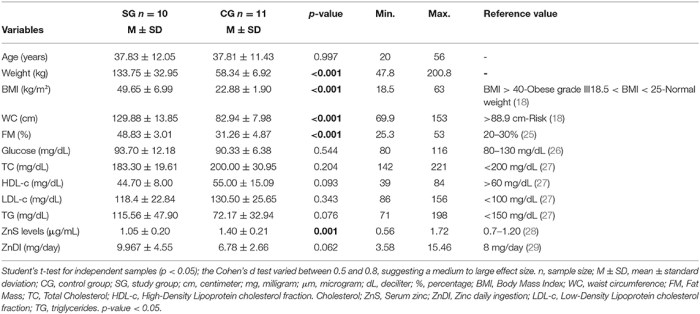
“The purpose of this study was to identify epigenetic variables related to serum Zn (ZnS) levels and Zn daily ingestion (ZnDI) in a case-control cohort. Individuals were selected and classified according to their body mass index into two groups: control group of 11 women without obesity, and study group composed of 10 women with obesity. Inclusion criteria were women aged 18–50 years with stable body weight for at least 6 months.

Novel Zinc-Related Differentially Methylated Regions in Leukocyt

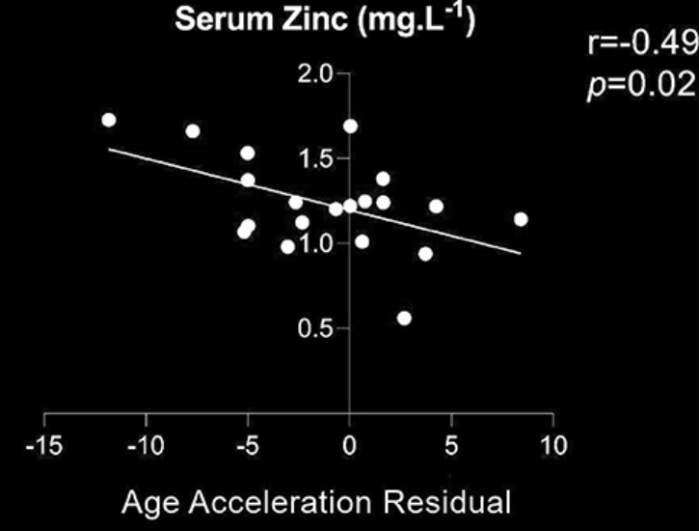
A negative correlation of ZnS with epigenetic age acceleration residual suggested that the higher the ZnS levels, the lower the aging rate:

serum zinc

Our results regarding Zn homeostasis in women with obesity suggested regulation by other mechanisms besides ingestion:

  • Zn-associated differentially methylated regions may exert downstream effects on inflammation, macronutrient metabolism, and DNA/cellular process repair.
  • Hypomethylation of the PM20D1 gene could interconnect DNA methylation and nutritional status.”

https://www.frontiersin.org/articles/10.3389/fnut.2022.785281/full “Novel Zinc-Related Differentially Methylated Regions in Leukocytes of Women With and Without Obesity”


This study emphasized that nutrients aren’t the whole story on health. We also have to be in metabolic zones where our diet and nutrient choices can achieve desired effects.

Subjects’ selection criteria (BMI) was more than double the control group’s. Sometimes people’s lives show others what not to do with their own.

Epigenetic clocks and entropy

Two epigenetic clock papers, starting with a 2022 rodent study:

“We tested performance of new pan-tissue and liver-specific epigenetic mouse clocks, evaluating how these related to metabolic states, genotype-dependent life expectancy, and methylome entropy.

Entropy, a measure of noise and information loss, increases as a function of time and age. In context of the methylome, higher entropy represents a tendency for the highly organized hypo- and hypermethylated landscape to erode towards a more hemi-methylated [discordant] state.

This increase in disorder, particularly across CpGs that are highly conserved, could have important functional consequences. Entropy of age-gain CpGs was increased by high fat diet, and predicted strain lifespan.

Overall, we find that mice belonging to longer-lived BXD strains had a more youthful methylome with lower entropy at age-gain CpGs. Entropy of age-loss CpGs on the other hand, was related to body weight.

entropy associations

(h) Residual plot (adjusted for age, diet, BWF [final body weight], glucose, cholesterol, and batch) shows an inverse association between entropy at age-gain sites, and lifespan. (i) A similar residual plot shows the association between BWF and age-loss entropy.

The rate of noise accumulation, an aspect of epigenomic aging, can vary between individuals. Resilience or susceptibility to higher noise may be partly modulated by diet as well as genetic factors.

Convergence of evidence from genetic and gene expression analyses indicates that genes involved in metabolism and energy balance contribute to age-dependent restructuring of the methylome, which in turn forms the basis of epigenetic clocks.”

https://elifesciences.org/articles/75244 “Genetic loci and metabolic states associated with murine epigenetic aging”


Reference 28 was a 2021 human study cited for “identified the APOE locus as the strongest GWAS hit for two measures of biological age acceleration”

“We observed inverse APOE e2 and e4 associations and unique pathway enrichments when comparing two biological age measures. Genes associated with BioAgeAccel were enriched in lipid related pathways, while genes associated with PhenoAgeAccel showed enrichment for immune system, cell function, and carbohydrate homeostasis pathways, suggesting the two measures capture different aging domains.

Our study reaffirms that aging patterns are heterogeneous across individuals, and the manner in which a person ages may be partly attributed to genetic predisposition. Understanding personalized aging susceptibility phenotypes has important implications for primary and secondary disease interventions.”

https://onlinelibrary.wiley.com/doi/10.1111/acel.13376 “Genetic associations for two biological age measures point to distinct aging phenotypes”


PXL_20220322_191309272

Vascular memory

This 2022 rodent study investigated effects of inducing hypertension for two weeks:

“Hypertension is conventionally associated with a neurohormonal activation from the sympathetic nervous and the renin-angiotensin-aldosterone systems. Angiotensin II (AngII) is a potent regulator of blood pressure, and is also a key player in hypertension development.

An initial 2-week exposure to AngII induced profound changes in cardiac and vascular remodeling, including endothelial activation, vascular inflammation and oxidant stress, all of which were maintained up to 3 weeks after AngII withdrawal. This phenotype was sustained despite early normalization of blood pressure after AngII withdrawal.

Our RNAseq pathway analysis suggests involvement of epigenetic regulators involved in methylation, such as PRC2. PRC2 complex catalyzes trimethylation of histone H3 on lysine 27 (H3K27me3), a histone mark necessary for maintaining transcriptional repression during multicellular development.

H3K27me3 AngII

Cell type-specific patterns of H3K27me3 are crucial for preserving cell identity. Consistent with this analysis, we observed a significant increase in H3K27me3 epigenetic mark in aortic tissue, intriguingly, only in both memory conditions.

Transient exposure to Ang II produces prolonged vascular remodeling with robust ACTA2 downregulation, associated with epigenetic imprinting, supporting a memory effect despite stimulus withdrawal. Future characterization of underlying AngII-dependent signaling might unveil new targets for its therapeutic modulation and reversal of this adverse legacy effect.”

https://www.frontiersin.org/articles/10.3389/fcvm.2022.854361/full “Sustained Downregulation of Vascular Smooth Muscle Acta2 After Transient Angiotensin II Infusion: A New Model of Vascular Memory”


These subjects’ ages were equivalent to a 20-year-old human:

  • How much earlier could our vascular system retain events we experienced such as epigenetic H3K27me3 increases? Teenaged, late childhood, early childhood, infancy, fetal parts of our lives?
  • How long would these vascular system memories and their continued signaling linger?
  • What experiences could change these long-lasting memories?

Icy fire

PXL_20220329_185742880

Year Two of Changing to a youthful phenotype with sprouts

1. I’ve eaten clinically-relevant doses of sulforaphane every day for 104 weeks now with microwaved 3-day-old broccoli, red cabbage, and mustard sprouts. That’s 8+ times longer than any sulforaphane clinical trial.

I continue to:

  • Eat Avena nuda oats for breakfast;
  • Eat 3-day-old hulled Avena sativa oat sprouts twice a day;
  • Eat AGE-less chicken vegetable soup twice a day;
  • Take supplements that promote healthspan twice a day;
  • Exercise at least 30 minutes daily;
  • Take yeast cell wall β-glucan daily, with nothing else an hour before or after; and
  • Avoid undue stress by working from home 40 hours a week in my 25th year as a professional software developer.

I’ve experienced many positive effects described in studies. Researchers keep exploring new aspects of their fields, and I look forward to more evidence on youthening during Year Three.

2. I’m not especially scientific or maniacal about the above practices, other than weighing sprouting seeds. I pay attention to people who measure everything, but won’t turn my life into a series of unfeeling experiments. As Dr. Arthur Janov said:

“What is the point of life if we cannot feel and love others? Without feeling, life becomes empty and sterile. It, above all, loses its meaning.”

3. Beginning last month, our world was subjected to yet another wave of propaganda, with predictable oppression of those who reported obvious lies and distortions. Previously exposed agendas took a back seat to regain their venom, as their effects waned in herding people toward personally devastating cliffs.

Meme perpetrators don’t care about you or me. Spending our time on their ideas, beliefs, and behaviors takes us further away from dealing with our individually motivating causes and individual truths, with real consequences: a wasted life.

Value your own one precious life. Winter is over, spring is here.

PXL_20220322_191200562

Gut microbiota knowledge through 2021

I’ll curate this 2022 review of what’s known and unknown about our trillions of gut microbiota through its topic headings:

“Most microbial taxa and species of the human microbiome are still unknown. Without revealing the identity of these microbes as a first step, we cannot appreciate their role in human health and diseases.

A. Understanding the Microbiome Composition and Factors That Shape Its Diversity
Effect of Diet Composition on the Microbiome Diversity

  • Macronutrients and Microbiome Diversity
  • Nutrient and Mineral Supplements and Microbiome Diversity

Stress

Drugs

Race and Host Genetics

Aging

Lifestyle

  • Exercise
  • Smoking
  • Urbanization

B. Understanding the Microbiome Function and Its Association With Onset and Progression of Many Diseases

Microbiome Association With Inflammatory and Metabolic Disorders

  • Chronic Inflammation in GIT and Beyond
  • Development of Malignant Tumors
  • Obesity
  • Coronary Artery Disease
  • Respiratory Diseases

Microbiome Role in Psychiatric, Behavioral, and Emotional Disorders

C. Understanding the Microbiome Function as Mediated by Secreted Molecules

D. Conclusion and Future Directions – A pioneering study aimed to computationally predict functions of microbes on earth estimates the presence of 35.5 million functions in bacteria of which only 0.02% are known. Our knowledge of its functions and how they mediate health and diseases is preliminary.”

https://www.frontiersin.org/articles/10.3389/fmicb.2022.825338 “Recent Advances in Understanding the Structure and Function of the Human Microbiome”


I took another test last month at the 14-month point of treating my gut microbiota better. Compared with the 7-month top level measurements, what stood out was an increase in relative abundance from 1% to 7% in the Verrucomicrophia phylum that pretty much exclusively comprises species Akkermansia muciniphilia in humans:

top 5 phylum 2-2022

This review termed Akkermansia muciniphilia relative increases as beneficial. Go with the Alzheimer’s Disease evidence didn’t.

Preventing human infections with dietary fibers inferred that insufficient dietary fiber may disproportionately increase abundance of this species. But I already eat much more fiber than our human ancestors’ estimated 100 grams of fiber every day, so lack of fiber definitely didn’t cause this relative increase.

Resistant starch therapy observed:

“Relative abundances of smaller keystone communities (e.g. primary degraders) may increase, but appear to decrease simply because cross-feeders increase in relative abundance to a greater extent.”

I’ll wait for further evidence while taking responsibility for my own one precious life.

Didn’t agree with this review’s statements regarding microbial associations with fear. These reviewers framed such associations as if gut microbiota in the present had stronger influences on an individual’s fear responses than did any of the individual’s earlier experiences. No way.

I came across this review by it citing The microbiome: An emerging key player in aging and longevity, which was Reference 25 of Dr. Paul Clayton’s blog post What are You Thinking?

Also didn’t agree with some of the doctor’s post:

  • Heterochronic parabiosis of young and old animals is wildly different from fecal transfer. Can’t really compare them to any level of detail.
  • Using a rodent young-to-old fecal microbiota transplant study to imply the same effects would happen in humans? Humans don’t live in controlled environments, so why would a young human individual’s gut microbiota necessarily have healthier effects than an old individual’s?
  • Another example was the penultimate paragraph: “By adding a mix of prebiotic fibers to your diet and maintaining a more youthful and less inflammatory microbiome you will have less inflammation, less endotoxaemia and less inflammageing. You will therefore live healthier and longer.” I’m okay with the first sentence. Equivalating the first sentence to both healthspan and lifespan increases in the second sentence wasn’t supported by any of the 45 cited references.

Advanced glycation / lipoxidation end products

Three papers on what can be expected from AGEs, beginning with a 2022 review:

“Carbonyl stress is a condition characterized by an increase in the steady-state levels of reactive carbonyl species (RCS) that leads to accumulation of their irreversible covalent adducts with biological molecules. In addition to causing damage directly, the RCS adducts advanced glycation end-products (AGEs) and advanced lipoxidation end-products (ALEs) elicit chronic inflammation through receptor-mediated mechanisms.

Endogenously formed RCS and AGEs/ALEs accumulation induced by hyperglycemia, hyperlipidemia, and oxidative stress have been long recognized as critical factors in pathogenesis of cardiovascular, renal, and eye complications. The role of dietary glyco/lipotoxins in vascular complications is debated, as the metabolic fate of most ingested AGEs/ALEs and RCS remains unknown, and their contribution to systemic carbonyl stress is uncertain.

rcs ages ales

Plasma glucose spikes after a meal rich in readily absorbable carbohydrates, particularly in association with an unfavorable lipid composition, may promote proinflammatory and pro-oxidant responses by inducing a transient increase in RCS levels and consequent AGE formation. As protein-bound AGEs are not easily eliminated from the body, they can eventually accumulate in vascular and metabolic tissues because of repeated cycles of nutrient-induced carbonyl stress, favoring establishment of systemic low chronic inflammation.

Post-challenge glucose excursions are associated with a transient increase in circulating RCS levels, particularly in diabetic and prediabetic individuals. Diet-induced weight loss is associated with decreases in postprandial carbonyl stress in obese subjects. Data on lean and metabolically healthy individuals are limited.”

https://www.mdpi.com/2072-6643/14/5/1061/htm “Food-Related Carbonyl Stress in Cardiometabolic and Cancer Risk Linked to Unhealthy Modern Diet”

I understand that researchers feel obligated to end papers with suggestions for future research. It’s a little irritating, though, when these are pie-in-the-sky.

People who wait for endogenous vs. exogenous AGE / ALE questions to be answered in their lifetimes are at risk for giving themselves diseases.


A second paper is a 2021 human cell study:

“Sulforaphane (SFN) found in cruciferous vegetables is a potent activator of the Nrf2 transcription factor, the master regulator of redox biology in mammalian cells. Nrf2 modulates expression of several antioxidant enzymes, such as γ-glutamylcysteine ligase (γ-GCL). This is the rate-limiting step in synthesis of the major non-enzymatic antioxidant glutathione (GSH). Silencing of Nrf2 or inhibition of GSH synthesis abolished SFN-promoted mitochondrial protection in cells exposed to methylglyoxal (MG), a pro-oxidant agent whose levels are high in several human diseases.

sfn vs mg

MG is a reactive dicarbonyl presenting both endogenous (e.g. glycolysis) and exogenous (e.g. food cooking) sources. MG induces neurotoxicity, at least in part, by affecting mitochondrial function, including a decline in oxidative phosphorylation (OXPHOS) system activity, bioenergetics failure, and redox disturbances.

We found that SFN prevented MG-induced OXPHOS dysfunction and mitochondrial redox impairment. SFN protected mitochondria of MG-challenged cells by a mechanism involving the Nrf2/γ-GCL/GSH axis.”

https://link.springer.com/article/10.1007/s11064-020-03204-x “The Isothiocyanate Sulforaphane Depends on the Nrf2/γ‑GCL/GSH Axis to Prevent Mitochondrial Dysfunction in Cells Exposed to Methylglyoxal” (not freely available)

Although this study’s 5 µM sulforaphane treatment is achievable in human plasma, that level isn’t sustainable for 24 hours as the study did in vitro. Would sulforaphane’s in vivo effects likewise prevent methylglyoxal from inducing AGEs?


A third paper is a 2022 human study:

“AGEs have been widely reported to play an important role in osteoporosis (OP). We investigated the effect of AGEs on osteoblast function and underlying mechanisms.

op lumbar vertebrae

Levels of bone mineral density (BMD), serum AGEs, and fasting blood glucose (FBG) were measured in patients with OP and healthy individuals:

  • Patients with OP had a higher level of serum AGEs and FBG compared with healthy individuals.
  • The level of serum AGEs in patients with OP was negatively correlated with BMD, but was positively correlated with FBG.
  • AGEs and serum from patients with OP markedly inhibited hFOB1.19 osteoblast cell proliferation, alkaline phosphatase production, and mineralized nodule formation.
  • Apoptosis and ferroptosis were significantly promoted by AGEs and serum from patients with OP.
  • Serum from OP patients with T2DM caused stronger effect than that from OP patients with normal FBG.

Collectively, AGEs could disrupt functions of osteoblasts by inducing cell ferroptosis, thus contributing to OP.”

https://www.spandidos-publications.com/10.3892/mmr.2022.12656 “Advanced glycation end products promote osteoporosis by inducing ferroptosis in osteoblasts”

Reversing hair greying

I’ll highlight this 2021 human study’s findings regarding stress:

“We profiled hair pigmentation patterns (HPPs) along individual human hair shafts, producing quantifiable physical timescales of rapid greying transitions. White/grey hairs that naturally regain pigmentation across sex, ethnicities, ages, and body regions, quantitatively define reversibility of greying in humans.

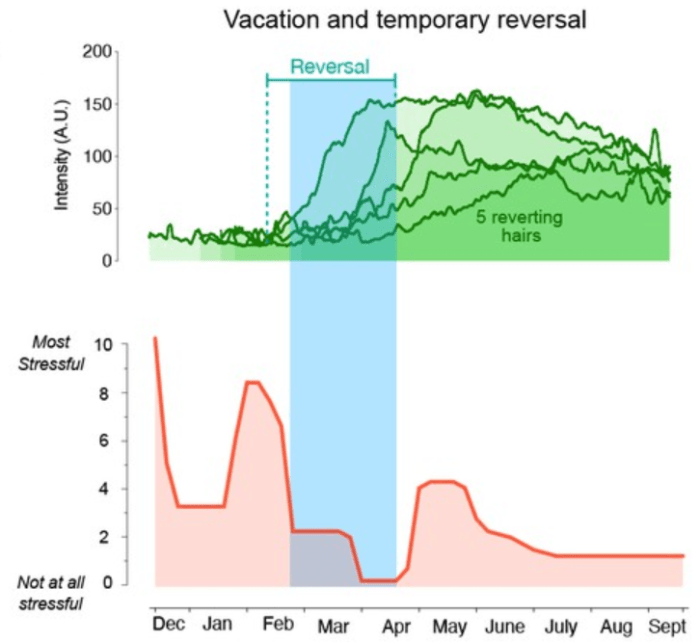
A systematic survey of two-colored hairs on the scalp of a 35-year-old Caucasian male with auburn hair color over a 2-day period yielded five two-colored hair shafts (HSs) from the frontal and temporal scalp regions. Unexpectedly, all HSs exhibited reversal. HPP analysis further showed that all HSs underwent reversal of greying around the same time period.

A retrospective assessment of psychosocial stress levels using a time-anchored visual analog scale (participants rate and link specific life events with start and end dates) was then compared to HPPs. Reversal of greying for all hairs coincided closely with decline in stress and a 1-month period of lowest stress over the past year (0 on a scale of 0–10) following a 2-week vacation.

vacay

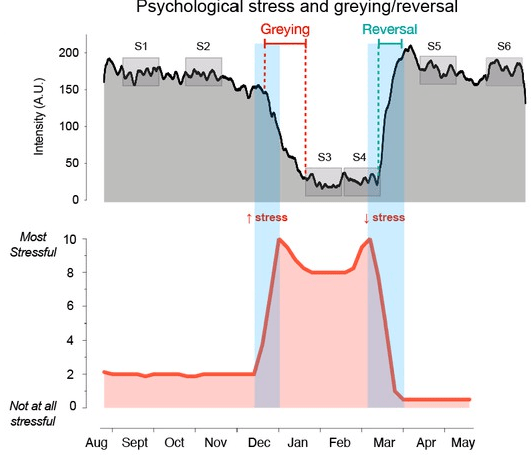
We were also able to examine a two-colored hair characterized by an unusual pattern of complete HS greying followed by rapid and complete reversal plucked from the scalp of a 30-year-old Asian female participant with black hair. HPP analysis of this HS showed a white segment representing approximately 2 cm.

Quantitative life stress assessment revealed a specific 2-month period associated with an objective life stressor (marital conflict and separation, concluded with relocation) where the participant rated her perceived stress as highest (9–10 out of 10) over the past year. The increase in stress corresponded in time with complete but reversible hair greying.

separation

We document a complete switch-on/off phenomena during a single anagen cycle. Proteomic features of hair greying directly implicate multiple metabolic pathways that are both reversible in nature and sensitive to stress-related neuroendocrine factors.

This new method to quantitatively map recent life history in HPPs provides an opportunity to longitudinally examine the influence of recent life exposures on human biology. Additional prospective studies with larger sample sizes are needed to confirm robust reproducibility and generalizability of our findings.”

https://elifesciences.org/articles/67437 “Quantitative mapping of human hair greying and reversal in relation to life stress”

See Reversing hair greying, Part 2 for selected papers through 2024 that cited this study.

Signaling pathways and disordered proteins

This 2022 review explored the title subject:

“Cell signaling imposes many demands on proteins that comprise these pathways, including abilities to form active and inactive states, and to engage in multiple protein interactions. Signaling often requires amplifying signals, regulating or tuning responses to signals, combining information sourced from multiple pathways, all while ensuring process fidelity.

Sensitivity, adaptability, and tunability are possible, in part, due to inclusion of intrinsically disordered regions in many proteins involved in cell signaling.  This review highlights the critical role of intrinsically disordered proteins for signaling:

  • In widely diverse organisms (animals, plants, bacteria, fungi);
  • In every category of cell signaling pathway (autocrine, juxtacrine, intracrine, paracrine, and endocrine); and
  • At each stage (ligand, receptor, transducer, effector, terminator) in the cell signaling process.

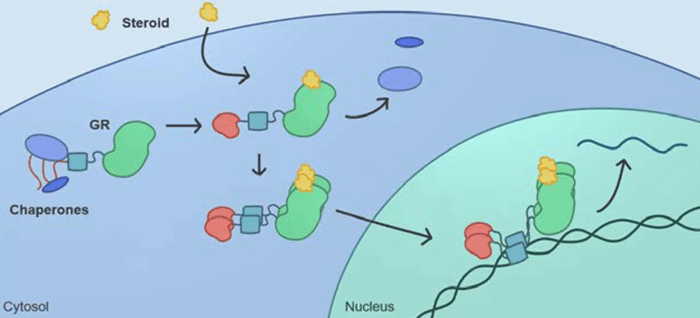
Function of the glucocorticoid receptor is regulated in part by its intrinsically disordered C-terminal tail. Prior to activation, the glucocorticoid receptor resides in cytosol:

glucocorticoid receptor

Intrinsic disorder in the glucocorticoid receptor not only enables multiple allosteric regulatory interactions to impact function, but also allows deployment of different surfaces of the protein to enable binding to many different sets of macromolecules, and regulation of these interactions via mRNA splicing and phosphorylation.

Combinations of alternative translation initiation and alternative mRNA splicing result in production of multiple glucocorticoid receptor isoforms from one gene. Various isoforms exhibit distinctive tissue distribution patterns and altered transcriptional regulatory profiles.

Greater than 90% of transcription factors either contain intrinsically disordered regions of proteins or are entirely intrinsically disordered. The many advantages conferred by disorder to cell signaling cascades means that:

  1. Understanding signaling required definition of roles disorder plays in each pathway;
  2. Many more examples of disordered proteins in cell signaling pathways are likely to be discovered; and
  3. More mechanisms by which disorder functions remain to be elucidated.”

https://biosignaling.biomedcentral.com/articles/10.1186/s12964-022-00821-7 “Intrinsically disordered proteins play diverse roles in cell signaling”


Cells in vivo seldom act on their own impetus. I would have liked discussion – or at least mention – of bidirectional signals between genes / cells / tissues / organs / organism / environment. This review’s topic of cell signaling pathways excluded “interactions of complex, interconnected systems spanning hierarchical levels” as explored in An environmental signaling paradigm of aging.

Vitamin K forms

Two papers on Vitamin K, beginning with a 2021 review:

“Vitamin K is involved in many biological processes. Menaquinones (MK) [Vitamin K2] and phylloquinone [Vitamin K1] vary in biological activity, showing different bioavailability, half-life, and transport mechanisms.

The effective dose to decrease uncarboxylated osteocalcin was six times lower for MK-7 than for MK-4. Similarly, MK-7 affected blood coagulation system at dose three to four times lower than vitamin K1.

Both vitamin K1 and MK-7 inhibited decline in bone mineral density. However, benefits for occurrence of cardiovascular diseases have been observed only for long-chain menaquinones. There are currently no guidelines for recommended doses and forms of vitamin K in prevention of osteoporosis, atherosclerosis, and other cardiovascular disorders.”

https://www.mdpi.com/2304-8158/10/12/3136/htm “Relationship between Structure and Biological Activity of Various Vitamin K Forms”


This first paper cited a 2019 meta-analysis for:

“Vitamin K2 supplementation is a preventative measure rather than an osteoporosis treatment.

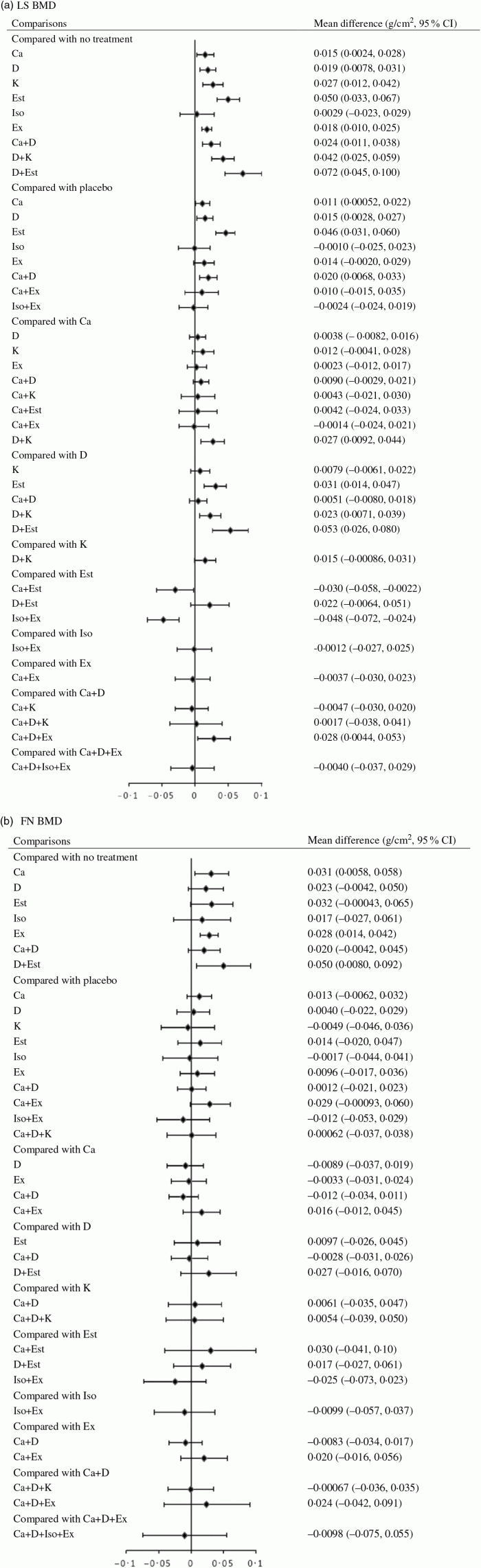
Meta-analysis of various interventions for improving BMD revealed that vitamin K2 can increase lumbar spine BMD. It ranked sixth among eighteen different single or combined interventions including Ca, vitamin D, estrogen, isoflavone and exercise.

Effect size for change in bone mineral density (BMD) using forest plots. LS, lumbar spine; D, vitamin D; Est, oestrogen; Ex, exercise; K, vitamin K; Iso, isoflavone; FN, femoral neck.

urn cambridge.org id binary-alt 20211204100437-73338-optimisedImage-S0007114519002290_fig3g

Lumbar spine:

  • Ca, vitamin D, vitamin K, oestrogen, exercise, Ca + vitamin D, vitamin D + vitamin K, and vitamin D + oestrogen were associated with significantly beneficial effects relative to no treatment.
  • Ca, vitamin D, oestrogen, and Ca + vitamin D were associated with beneficial effects compared with placebo.
  • Vitamin D + vitamin K was associated with positive effect with Ca.
  • Oestrogen, vitamin D + vitamin K, and vitamin D + oestrogen were associated with beneficial effect compared with vitamin D.
  • Ca + vitamin D + exercise had a beneficial effect compared with Ca + vitamin D.
  • Ca + oestrogen, and isoflavone + exercise were related to negative effects relative to oestrogen.

Femoral neck:

  • Ca, exercise, and vitamin D + oestrogen were associated with significant beneficial intervention effects relative to no treatment.

The present study demonstrated that many interventions were valuable for improving BMD in the LS and FN of postmenopausal women. It confirmed the need for postmenopausal women to improve BMD through preventive measures such as nutrients or oestrogen.

It also confirmed that different single or combined preventions can affect BMD at different sites in different orders. This reveals to medical and health workers and postmenopausal women which methods can be selected preferentially to prevent bone loss.”

https://doi.org/10.1017/S0007114519002290 “Impact of calcium, vitamin D, vitamin K, oestrogen, isoflavone and exercise on bone mineral density for osteoporosis prevention in postmenopausal women: a network meta-analysis”


Amazingly oblivious that this freely-available second 2019 paper has been cited only by this first paper. What recent literature is more relevant to postmenopausal women’s health?

Eat broccoli sprouts for depression, Part 2

Here are three papers that cited last year’s Part 1. First is a 2021 rodent study investigating a microRNA’s pro-depressive effects:

“Depressive rat models were established via chronic unpredicted mild stress (CUMS) treatment. Cognitive function of rats was assessed by a series of behavioral tests.

Nrf2 CUMS

Nrf2 was weakly expressed in CUMS-treated rats, whereas Nrf2 upregulation alleviated cognitive dysfunction and brain inflammatory injury.

Nrf2 inhibited miR-17-5p expression via binding to the miR-17-5p promoter. miR-17-5p was also found to limit wolfram syndrome 1 (Wfs1) transcription.

We found that Nrf2 inhibited miR-17-5p expression and promoted Wfs1 transcription, thereby alleviating cognitive dysfunction and inflammatory injury in rats with depression-like behaviors. We didn’t investigate the role of Nrf2 in other depression models (chronic social stress model and chronic restraint stress model) and important brain regions other than hippocampus, such as prefrontal cortex and nucleus accumbens. Accordingly, other depression models and brain regions need to be designed and explored to further validate the role of Nrf2 in depression in future studies.”

https://link.springer.com/article/10.1007/s10753-021-01554-4 “Nrf2 Alleviates Cognitive Dysfunction and Brain Inflammatory Injury via Mediating Wfs1 in Rats with Depression‑Like Behaviors” (not freely available)

This study demonstrated that activating the Nrf2 pathway inhibited brain inflammation, cognitive dysfunction, and depression. Would modulating one microRNA and one gene in vivo without Nrf2 activation achieve similar results?


A 2021 review focused on the immune system’s role in depression:

“Major depressive disorder is one of the most common psychiatric illnesses. The mean age of patients with this disorder is 30.4 years, and the prevalence is twice higher in women than in men.

Activation of inflammatory pathways in the brain is considered to be an important producer of excitotoxicity and oxidative stress inducer that contributes to neuronal damage seen in the disorder. This activation is mainly due to pro-inflammatory cytokines activating the tryptophan-kynurenine (KP) pathway in microglial cells and astrocytes.

Elevated levels of cortisol exert an inhibitory feedback mechanism on its receptors in the hippocampus and hypothalamus, stopping stimulation of these structures to restore balance. When this balance is disrupted, hypercortisolemia directly stimulates extrahepatic enzyme 2,3-indolimine dioxygenase (IDO) located in various tissues (intestine, placenta, liver, and brain) and immune system macrophages and dendritic cells.

Elevation of IDO activities causes metabolism of 99% of available tryptophan in the KP pathway, substantially reducing serotonin synthesis, and producing reactive oxygen species and nitrogen radicals. The excitotoxicity generated produces tissue lesions, and activates the inflammatory response.”

https://academic.oup.com/ijnp/article/25/1/46/6415265 “Inflammatory Process and Immune System in Major Depressive Disorder”

This review highlighted that stress via cortisol and IDO may affect the brain and other parts of the body.


A 2022 review elaborated on Part 1’s findings of MeCP2 as a BDNF inhibitor:

“Methyl-CpG-binding protein 2 (MeCP2) is a transcriptional regulator that is highly abundant in the brain. It binds to methylated genomic DNA to regulate a range of physiological functions implicated in neuronal development and adult synaptic plasticity.

Ability to cope with stressors relies upon activation of the hypothalamic–pituitary–adrenal (HPA) axis. MeCP2 has been shown to contribute to early life stress-dependent epigenetic programming of genes that enhance HPA-axis activity.

We describe known functions of MeCP2 as an epigenetic regulator, and provide evidence for its role in modulating synaptic plasticity via transcriptional regulation of BDNF or other proteins involved in synaptogenesis and synaptic strength like reelin. We conclude that MeCP2 is a promising target for development of novel, more efficacious therapeutics for treatment of stress-related disorders such as depression.”

https://www.mdpi.com/2073-4409/11/4/748/htm “The Role of MeCP2 in Regulating Synaptic Plasticity in the Context of Stress and Depression”


Osprey lunch

PXL_20220221_192924474

Broccoli sprouts and your gut barrier

This 2021 human cell study investigated sulforaphane’s gut barrier protective effects:

“Intestinal epithelial cells (IECs) are an important component of the epithelial barrier, which helps prevent passage of pathogens, toxins, and allergens from gastrointestinal lumen into the circulatory system. Destruction of the intestinal barrier increases intestinal permeability, destroys homeostasis of the immune system, and induces inflammatory responses and oxidative stress.

Interconnections in each cellular network maintain homeostasis. AMPK is a highly conserved serine/threonine protein kinase that helps regulate levels of ROS in mitochondria.

AMPK acts together with its downstream target SIRT1 to upregulate PGC-1α and help control mitochondrial biosynthesis, energy metabolism, and oxidative stress as a homeostasis-sensing network. It induces intracellular NAD+ which can show biological effects.

kbie_a_1952368_uf0001_oc

Sulforaphane:

  • Increased cell viability and reduced lactate dehydrogenase activity in a concentration-dependent manner.
  • Weakened LPS-induced increases in intestinal epithelial cell permeability and oxidative stress.
  • Increased levels of antioxidants.
  • Weakened the ability of LPS to induce production of inflammatory cytokines and pro-apoptotic caspases.

We showed that sulforaphane exerts these effects by activating the AMPK/SIRT1/PGC-1α cascade.”

https://www.tandfonline.com/doi/full/10.1080/21655979.2021.1952368 “Sulforaphane protects intestinal epithelial cells against lipopolysaccharide-induced injury by activating the AMPK/SIRT1/PGC-1ɑ pathway”


PXL_20220217_201213685

Beneficially stressing sprouts with light

This 2021 study investigated effects of light on red cabbage sprouts and microgreens. I’ll highlight its 3-day-old sprout findings:

“Periodic ultraviolet UV-B (280–320 nm) pulses at low doses improved morphological development of red cabbage sprouts, and probably will have the same effect on other sprouts. Similarly, total phenolic content, total flavonoid content, and total antioxidant capacity presented a UV-B dose-dependence response.

Although UV-B radiation may cause damage to plant tissues, an optimum dose can promote accumulation of antioxidant and UV-protective molecules that enhance nutraceutical biosynthesis in plant foods without altering sensory quality. Such an increase in concentration of bioactive compounds is mainly due to environmental stress generated by UV-B light, which leads to changes in morphology, physiology, and molecular conformation of DNA, RNA, and proteins.

red cabbage sprout phenolics

Total phenolic content of control (0, CTRL) or UV-B-treated (5, 10, and 15 kJ m−2) red cabbage sprouts after 10 days growth at 20 °C. Different capital letters indicate significant differences among treatments at < 0.05. Different lowercase letters indicate significant differences among time of analysis of the same treatment at p < 0.05.

Our results demonstrated that application of UV-B light during germination induces a positive effect on growth of red cabbage sprouts, as well as on secondary metabolite content related to nutritional quality. Analysed bioactive compounds (phenolics, flavonoids, and carotenoids) increased during germination, and tended to remain constant throughout a refrigerated shelf life.”

https://www.mdpi.com/2311-7524/7/12/567/htm “UV-B Radiation as Abiotic Elicitor to Enhance Phytochemicals and Development of Red Cabbage Sprouts”


I came across this study after lead author Dr. Lorena Martínez-Zamora provided an earlier study, Postharvest UV-B and UV-C radiation enhanced the biosynthesis of glucosinolates and isothiocyanates in Brassicaceae sprouts (not freely available). Its focus was also a worthwhile commercialization of cruciferous microgreens.

Nearby researchers also published studies such as Red cabbage effects on gut microbiota and Sprout bioaccessibility last year. Let’s hope a push for cruciferous sprouts and microgreens continues, although consumer acceptance is limited by products not being sweet.

I think these research efforts will succeed. Take a look at oat milk’s quick rise, for example. I had trouble getting delivery of Avena sativa seeds last month because oat milk producers bought up last year’s supplies and futures on this year’s crops.

For me, it’s been 98 weeks of spending at least 45 minutes a day growing 3-day-old broccoli, red cabbage, mustard, and oat sprouts at home. I’m satisfied with results, and won’t turn my kitchen into a laboratory to eke out extra effects with light and other elicitors.

Here’s a photo of this study’s sponsoring institution’s harbor from the latest of two visits:

IMG_20170611_125837

I’d like to return whenever we individually stop being herded and recover our sanity.