Reductionism vs. reductionism

This 2004 essay by an evolutionary biologist reviewed his field’s direction in the current century:

“Science is impelled by two main factors, technological advance and a guiding vision (overview). A properly balanced relationship between the two is key to the successful development of a science.

Without the proper technological advances the road ahead is blocked. Without a guiding vision there is no road ahead; the science becomes an engineering discipline, concerned with temporal practical problems.

Empirical reductionism is in essence methodological; it is simply a mode of analysis, the dissection of a biological entity or system into its constituent parts in order better to understand it. Empirical reductionism makes no assumptions about the fundamental nature, an ultimate understanding, of living things.

Fundamentalist reductionism (the reductionism of 19th century classical physics), on the other hand, is in essence metaphysical. It is ipso facto a statement about the nature of the world: living systems (like all else) can be completely understood in terms of the properties of their constituent parts.

This is a view that flies in the face of what classically trained biologists tended to take for granted, the notion of emergent properties. Whereas emergence seems to be required to explain numerous biological phenomena, fundamentalist reductionism flatly denies its existence: in all cases the whole is no more than the sum of its parts.”

Regarding cellular evolution:

“Modern concepts of cellular evolution are effectively petrified versions of 19th century speculations. Try to imagine a biology released from the intellectual shackles of mechanism, reductionism, and determinism.

Evolution, as a complex dynamic process, will encounter critical points in its course, junctures that result in phase transitions (drastic changes in the character of the system as a whole). Human language is a development that has set Homo sapiens worlds apart from its otherwise very close primate relatives, adding new dimensions to the phase space within which human evolution occurs. Another good critical-point candidate is the advent of (eucaryotic) multicellularity.

Nowhere in thinking about a symbiotic origin of the eucaryotic cell has consideration been given to the fact that the process as envisioned would involve radical change in the designs of the cells involved. You can’t just tear cell designs apart and willy-nilly construct a new type of design from the parts.

The organization of the mitochondrial endosymbiont is radically changed during its evolution, but that change is a degeneration to a far simpler “cell-like” design. The mitochondrial design could never evolve back to the level of complexity that its free-living [bacterial] ancestor had.

A common thread that links language and multicellularity is communication (interaction at a distance). In each case a complex, sophisticated network of interactions forms the medium within which the new level of organization (entities) comes into existence.

Our experience with variation and selection in the modern context does not begin to prepare us for understanding what happened when cellular evolution was in its very early, rough-and-tumble phase(s) of spewing forth novelty. Cellular evolution began in a highly multiplex fashion, from many initial independent ancestral starting points, not just a single one.”

https://mmbr.asm.org/content/68/2/173 “A New Biology for a New Century”


I came across this review by it being referenced in this researcher’s blog post:

Chinese Longevity Herb

I often don’t agree with him, but I subscribe to his blog because it’s interesting.
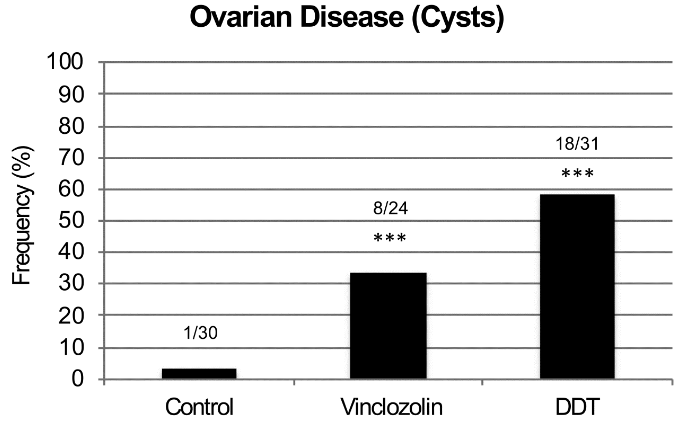
Epigenetic transgenerational inheritance of ovarian disease

This 2018 Washington rodent study investigated ovarian disease in F3 great-granddaughters caused by their F0 great-grandmothers’ exposures to DDT or vinclozolin while pregnant:

“Two of the most prevalent ovarian diseases affecting women’s fertility and health are Primary Ovarian Insufficiency (POI) and Polycystic Ovarian Syndrome (PCOS). POI is characterized by a marked reduction in the primordial follicle pool of oocytes and the induction of menopause prior to age 40. POI currently affects approximately 1% of female population. While genetic causes can be ascribed to a minority of patients, around 90% of POI cases are considered idiopathic, with no apparent genetic link nor known cause.

PCOS is a multi-faceted disease that affects 6-18% of women. It is characterized by infrequent ovulation or anovulation, high androgen levels in the blood, and the presence of multiple persistent ovarian cysts.

For both PCOS and POI other underlying causes such as epigenetic transgenerational inheritance of disease susceptibility have seldom been considered. Epigenetic transgenerational inheritance is defined as “the germline transmission of epigenetic information and phenotypic change across generations in the absence of any continued direct environmental exposure or genetic manipulation.” Epigenetic factors include:

    • DNA methylation,
    • Histone modifications,
    • Expression of noncoding RNA,
    • RNA methylation, and
    • Alterations in chromatin structure.

The majority of transgenerational studies have examined sperm transmission of epigenetic changes due to limitations in oocyte numbers for efficient analysis.

There was no increase in ovarian disease in direct fetal exposed F1 [grandmothers] or germline exposed F2 [mothers] generation vinclozolin or DDT lineage rats compared to controls.

F3 generation ovarian disease

The transgenerational molecular mechanism is distinct and involves the germline (sperm or egg) having an altered epigenome that following fertilization may modify the embryonic stem cells epigenome and transcriptome. This subsequently impacts the epigenetics and transcriptome of all somatic cell types derived from these stem cells.

Therefore, all somatic cells in the transgenerational [F3] animal have altered epigenomes and transcriptomes and those sensitive to this alteration will be susceptible to develop disease. The F3 generation can have disease while the F1 and F2 generations do not, due to this difference in the molecular mechanisms involved.

The epimutations and gene expression differences observed are present in granulosa cells in the late pubertal female rats at 22-24 days of age, which is long before any visible signs of ovarian disease are detectable. This indicates that the underlying factors that can contribute to adult-onset diseases like PCOS and POI appear to be present early in life.

Ancestral exposure to toxicants is a risk factor that must be considered in the molecular etiology of ovarian disease.”


1. The study highlighted a great opportunity for researchers of any disease that frequently has an “idiopathic” diagnosis. It said a lot about research priorities that “around 90% of POI cases are considered idiopathic, with no apparent genetic link nor known cause.”

It isn’t sufficiently explanatory for physicians to continue using categorization terminology from thousands of years ago. Science has progressed enough with measured evidence to discard the “idiopathic” category and express probabilistic understanding of causes.

2. One of this study’s coauthors made a point worth repeating in The imperative of human transgenerational studies: What’s keeping researchers from making a significant difference in their fields with human epigenetic transgenerational inheritance studies?

3. Parts of the study’s Discussion section weren’t supported by its evidence. The study didn’t demonstrate:

  • That “all somatic cells in the transgenerational animal have altered epigenomes and transcriptomes”; and
  • The precise “molecular mechanisms involved” that exactly explain why “the F3 generation can have disease while the F1 and F2 generations do not.”

https://www.tandfonline.com/doi/abs/10.1080/15592294.2018.1521223 “Environmental Toxicant Induced Epigenetic Transgenerational Inheritance of Ovarian Pathology and Granulosa Cell Epigenome and Transcriptome Alterations: Ancestral Origins of Polycystic Ovarian Syndrome and Primary Ovarian Insuf[f]iency” (not freely available)

Going off the rails with the biomarker paradigm

This 2018 US government rodent study used extreme dosages to achieve its directed goals of demonizing nicotine and extolling the biomarker paradigm:

“This study examined whether adolescent nicotine exposure alters adult hippocampus-dependent learning, involving persistent changes in hippocampal DNA methylation and if choline, a dietary methyl donor, would reverse and mitigate these alterations.

Mice were chronically treated with nicotine (12.6mg/kg/day) starting at post-natal day 23 (pre-adolescent), p38 (late adolescent), or p54 (adult) for 12 days followed by a 30-day period during which they consumed either standard chow or chow supplemented with choline (9g/kg).

Our gene expression analyses support this model and point to two particular genes involved in chromatin remodeling, Smarca2 and Bahcc1. Both Smarca2 and Bahcc1 showed a similar inverse correlation pattern between promoter methylation and gene expression.

Our findings support a role for epigenetic modification of hippocampal chromatin remodeling genes in long-term learning deficits induced by adolescent nicotine and their amelioration by dietary choline supplementation.”


Let’s use the average weight of a US adult male – published by the US Centers for Disease Control as 88.8 kg – to compare the study’s dosages with human equivalents:

  1. Nicotine at ((“12.6mg/kg/day” x .081) x 88.8 kg) = 90.6 mg.
  2. Choline at ((“9g/kg” x .081) x 88.8 kg) = 65 g. The US National Institutes of Health published the Tolerable Upper Intake Levels for Choline as 3.5 g!!

Neither of these dosages are even remotely connected to human realities:

  1. The human-equivalent dosage of nicotine used in this study would probably kill an adult human before the end of 12 days.
  2. What effects would an adult human suffer from exceeding the choline “Tolerable Upper Intake Level” BY 18 TIMES for 30 days?

Isn’t the main purpose of animal studies to help humans? What’s the justification for performing animal studies simply to promote an agenda?


A funding source of this study was National Institute on Drug Abuse (NIDA) Identification of Biomarkers for Nicotine Addiction award (T-DA-1002 MG). Has the biomarker paradigm been institutionalized to the point where research proposals that don’t have biomarkers as goals aren’t funded?

https://www.sciencedirect.com/science/article/pii/S107474271830193X “Choline ameliorates adult learning deficits and reverses epigenetic modification of chromatin remodeling factors related to adolescent nicotine exposure” (not freely available)

Epigenetic variations in metabolism

This 2018 German review was comprehensive for its subject, epigenetic control of variation and stochasticity in metabolic disease. I’ll focus on one aspect, phenotypic variation:

“Phenotypic [Mendelian] variation can result both from gain- and loss-of-function mutations. Because of the extreme interconnectivity of cell regulatory networks, even at the cellular level, predicting the impact of a sequence variant is difficult as the resultant variation acts:

  • In the context of all other variants and
  • Their potential additive, synergistic and antagonistic interactions.

This phenomenon is known as epistasis.

∼98.5% of our genome is non-protein-coding: it is pervasively transcribed, and its transcripts can support regulatory function. Among the best functionally characterized non-coding RNAs (ncRNAs) arising from these sequences are microRNAs (miRNAs).

Environmental [non-Mendelian] variation or ‘stimuli’ occurring during critical windows of susceptibility can elicit lifelong alterations in an individual’s phenotype. Intergenerational metabolic reprogramming [in fruit flies] results from global alterations in chromatin state integrity, particularly from reduced H3K27me3 and H3K9me3 [histone] domains.

The broad variation of fingerprints in humans is thought to depend to a large degree on stochastic variation in mechanical forces. These clear examples of inducible multi-stable or stochastic variation highlight how little we know about the landscape of potential phenotypic variation itself.

Consensus estimates of heritability for obesity and T2D are ∼70% and ∼35% respectively. The remaining, unexplained component is known to involve gene–environment interactions as well as non-Mendelian players.”


Although the above graphic displays transgenerational inheritance for humans, the reviewers didn’t cite any human studies that adequately demonstrated causes for and effects of transgenerational epigenetic inheritance.

I’ve read the cited Swedish and Dutch studies. Their designs, methods, and “correlate with” / “was associated with” results didn’t provide incontrovertible evidence from the F0 great-grandparents, F1 grandparents, F2 parents, and F3 children. It’s necessary to thoroughly study each generation to confirm definitive transgenerational epigenetic inheritance causes and effects.

As noted in How to hijack science: Ignore its intent and focus on the 0.0001%, there aren’t any such published studies to cite. Researchers urgently need to do this human research, and stop using these poor substitutes [1] to pretend there are already adequately evidenced transgenerational epigenetic inheritance human results.

I downgraded the review for treating research of this and other subjects as faits accomplis. It’s opposite ends of the evidential spectrum to state “how little we know about the landscape of potential phenotypic variation,” and in the same review, speciously extrapolate animal experiments into putative human results.

https://www.sciencedirect.com/science/article/pii/S2212877818301984 “Epigenetic control of variation and stochasticity in metabolic disease”


[1] As an example of the poor substitutes for evidence, a researcher referred me to the 2013 “Transgenerational effects of prenatal exposure to the 1944–45 Dutch famine” which is freely available at https://obgyn.onlinelibrary.wiley.com/doi/full/10.1111/1471-0528.12136 as a study finding human transgenerational epigenetic inheritance.

The Methods section showed:

  • The study’s non-statistical data was almost all unverified self-reports by a self-selected sample of the F2 generation, average age 37.
  • No detailed physical measurements or samples were taken of them, nor of the F1 generation, nor of the F0 generation, all of which are required as baselines for any transgenerational epigenetic inheritance findings.
  • No detailed physical measurements or samples were taken of the F3 generation, which is the generation that may provide transgenerational evidence if the previous generations also have detailed physical baselines.

The study’s researchers drew enough participants (360) such that their statistics package allowed them to impute and assume into existence a LOT of data. But the scientific method constrained them to make factual statements of what the evidence actually showed. They admitted:

“In conclusion, we did not find a transgenerational effect of prenatal famine exposure on the health of grandchildren in this study.”

Yet this study is somehow cited for evidence of human transgenerational epigenetically inherited causes and effects!

A mid-year selection of epigenetic topics

Here are the most popular of the 65 posts I’ve made so far in 2018, starting from the earliest:

The pain societies instill into children

DNA methylation and childhood adversity

Epigenetic mechanisms of muscle memory

Sex-specific impacts of childhood trauma

Sleep and adult brain neurogenesis

This dietary supplement is better for depression symptoms than placebo

The epigenetic clock theory of aging

A flying human tethered to a monkey

Immune memory in the brain

The lack of oxygen’s epigenetic effects on a fetus

The lack of oxygen’s epigenetic effects on a fetus

This 2018 Loma Linda review subject was gestational hypoxia:

“Of all the stresses to which the fetus and newborn infant are subjected, perhaps the most important and clinically relevant is that of hypoxia. This review explores the impact of gestational hypoxia on maternal health and fetal development, and epigenetic mechanisms of developmental plasticity with emphasis on the uteroplacental circulation, heart development, cerebral circulation, pulmonary development, and the hypothalamic-pituitary-adrenal axis and adipose tissue.

An understanding of the specific hypoxia-induced environmental and epigenetic adaptations linked to specific organ systems will enhance the development of target-specific inhibition of DNA methylation, histone modifications, and noncoding RNAs that underlie hypoxia-induced phenotypic programming of disease vulnerability later in life.

A potential stumbling block to these efforts, however, relates to timing of the intervention. The greatest potential effect would be accomplished at the critical period in development for which the genomic plasticity is at its peak, thus ameliorating the influence of hypoxia or other stressors.

With future developments, it may even become possible to intervene before conception, before the genetic determinants of the risk of developing programmed disease are established.”

Table 3 “Antenatal hypoxia and developmental plasticity” column titles were Species | Offspring Phenotypes of Disorders and Diseases | Reference Nos.

Hypoxia phenotypes


This review was really an ebook, with 94 pages and 1,172 citations in the pdf file. As I did with Faith-tainted epigenetics, I read it with caution toward recognizing 1) the influence of the sponsor’s biases, 2) any directed narrative that ignored evidence contradicting the narrative, and 3) any storytelling.

Can you match the meaning of the review’s last sentence (“intervene before conception” quoted above) with the meaning of any sentence in its cited reference Developmental origins of noncommunicable disease: population and public health implications? I can’t.

One review topic that was misconstrued was transgenerational epigenetic inheritance of hypoxic effects. The “transgenerational” term was used inappropriately by several of the citations, and no cited study provided evidence for gestational hypoxic effects through the F3 great-grandchild generation.

One omitted topic was gestational hypoxic effects of caffeine. The first paper that came up for my PubMed search of “caffeine pregnancy hypoxia” was an outstanding 2017 Florida rodent review Long-term consequences of disrupting adenosine signaling during embryonic development that had this paragraph and figure:

“One substance that fetuses are frequently exposed to is caffeine, which is a non-selective adenosine receptor antagonist. We discovered that in utero alteration in adenosine action leads to adverse effects on embryonic and adult murine hearts. We find that cardiac A1ARs [a type of adenosine receptor] protect the embryo from in utero hypoxic stress, a condition that causes an increase in adenosine levels. 

After birth in mice, we observed that in utero caffeine exposure leads to abnormal cardiac function and morphology in adults, including an impaired response to β-adrenergic stimulation. Recently, we observed that in utero caffeine exposure induces transgenerational effects on cardiac morphology, function, and gene expression.”

The timing of in utero caffeine treatment leads to differences in adult cardiac function, gene expression, and phenotype. Exposure to caffeine from E6.5–9.5 leads the F1 generation to develop dilated cardiomyopathy with decrease % FS and increased Myh7 expression. In utero caffeine exposure from E10.5–13.5 leads to a hypertrophic cardiomyopathy in the F2 generation along with increased % FS and decreased Myh7 expression

Why was this review and its studies omitted? It was on target for both gestational hypoxia and transgenerational epigenetic inheritance of hypoxic effects!

It was alright to review smoking, cocaine, methamphetamine, etc., but the most prevalent drug addiction – caffeine – couldn’t be a review topic?


The Loma Linda review covered a lot, but I had a quick trigger due to the sponsor’s bias. I started to lose “faith” in the reviewers after reading the citation for the review’s last sentence that didn’t support the statement.

My “faith” disappeared after not understanding why a few topics were misconstrued and omitted. Why do researchers and sponsors ignore, misrepresent, and not continue experiments through the F3 generation to produce evidence for and against transgenerational epigenetic inheritance? Where was the will to follow evidence trails regardless of socially acceptable beverage norms?

The review acquired the taint of storytelling with the reviewers’ assertion:

“..timing of the intervention. The greatest potential effect would be accomplished at the critical period in development for which the genomic plasticity is at its peak, thus ameliorating the influence of hypoxia or other stressors.”

Contradictory evidence was in the omitted caffeine study’s graphic above which described two gestational critical periods where an “intervention” had opposite effects, all of which were harmful to the current fetus’ development and/or to following generations. Widening the PubMed link’s search parameters to “caffeine hypoxia” and “caffeine pregnancy” returned links to human early life studies that used caffeine in interventions, ignoring possible adverse effects on future generations.

This is my final curation of any paper sponsored by this institution.

https://www.physiology.org/doi/abs/10.1152/physrev.00043.2017 “Gestational Hypoxia and Developmental Plasticity” (not freely available) Thanks to coauthor Dr. Xiang-Qun Hu for providing a copy.

Ideaesthesia!

This 2018 UK review subject was colored-hearing experiences from music:

“Music-colour synaesthesia has a broad scope encompassing not only tone-colour synaesthesia elicited on hearing individual tones, but a complex and idiosyncratic mixture of phenomenological experiences often mediated by timbre, tempo, emotion and differing musical style.

Possession of synaesthesia or absolute pitch was shown to have very little effect on the actual colours chosen for each of the musical excerpts. But it might be reasonable to expect that music that elicits a strong emotional response may be more likely to induce synaesthesia than music that does not.

Examination of eight neuroimaging studies were found to be largely inconclusive in respect of confirming the perceptual nature of music-colour synaesthesia. Neither the hyperconnectivity nor the disinhibited feedback theory currently holds as a single categorical explanation for synaesthesia.

Theories promoting the notion of ‘ideaesthesia’ have highlighted the importance of role of concept and meaning in understanding of synaesthesia..and a replacement definition: Synaesthesia is a phenomenon in which a mental activation of a certain concept or idea is associated consistently with a certain perception-like experience.”

https://www.sciencedirect.com/science/article/pii/S1053810017305883 “Music-colour synaesthesia: Concept, context and qualia” (not freely available)


Much of the review was philosophizing and casting around for clues. The review cited interesting studies and reviews, including The Merit of Synesthesia for Consciousness Research.

One relevant element missed by the underlying research and review was critical periods of human development. A cited reference in How brains mature during critical periods was Sensitive periods in human development: Evidence from musical training (not freely available) illuminated some aspects:

“In contrast to a critical period, where a function cannot be acquired outside the specific developmental window, a sensitive period denotes a time where sensory experience has a relatively greater influence on behavioral and cortical development. Sensitive periods may also be times when exposure to specific stimuli stimulates plasticity, enhancing changes at neuronal and behavioral levels.

The developmental window for absolute pitch may be more similar to a critical than a sensitive period.

The auditory cortex appears to have an unusually long period of developmental plasticity compared with other sensory systems; changes in its cellular organization and connectivity continue into late childhood.

Effects of musical training have been shown to impact auditory processing in the brainstem as well.”


Let’s say that a researcher wanted – as one cited study did – to examine absolute pitch, a rare trait, present in a subset of synesthetes – music-color, another rare trait. The study as designed would probably be underpowered due to an insufficient number of subjects, and it would subsequently find “very little effect.”

Let’s say another researcher focused on cerebral brain areas – and like eight cited studies – ignored brainstem pons nuclei which are the first brain recipients of sound and equilibrium information from the inner ear via the eighth cranial nerve. Like those studies, the researcher was also biased against including limbic brain areas that would indicate “a strong emotional response.”

A study design that combined leaving out important brain-area participants in the synesthesia process with a few number of synesthetes would be unlikely to find conclusive evidence.

The reviewer viewed a lack of evidence from “eight neuroimaging studies” as indicating something about the “perceptual nature of music-colour synaesthesia.” An alternative view is that “inconclusive” evidence had more to do with study designs that:

  • Had a small number of subjects;
  • Omitted brain areas relevant to the music-color synesthesia process;
  • Didn’t investigate likely music-color synesthesia development periods; and
  • Didn’t investigate associations of music-color synesthesia with epigenetic states.

Consider the magnitude of omitting the thalamus brain area from synesthesia studies as one “perceptual nature of music-colour synaesthesia” example. Just background information of Thalamus gating and control of the limbic system and cerebrum is a form of memory indicated its relevance to synesthesia:

Despite fundamental differences between visual, auditory and somatosensory signals, basic layouts of thalamocortical systems for each modality are quite similar.

For a given stimulus, output neural response will not be static, but will depend on recent stimulus and response history.

Sensory signals en route to the cortex undergo profound signal transformations in the thalamus. A key thalamic transformation is sensory adaptation in which neural output adjusts to statistics and dynamics of past stimuli.”

One of this study’s researchers described ways that an individual’s “stimulus and response history” became unconscious memories with the thalamus. Including the thalamus in synesthesia studies may also have findings that involve reliving or re-experiencing a memory, possibly an emotional memory.

In such future research, it could be a design element to ask synesthetes before and after an experiment to identify feelings and memories accompanying synesthesia experiences.

It shouldn’t be a requirement, however, to insist that memories and emotions be consciously identified in order to be included in findings. Human studies such as Unconscious stimuli have a pervasive effect on our brain function and behavior have found:

“Pain responses can be shaped by learning that takes place outside conscious awareness.

Our results support the notion that nonconscious stimuli have a pervasive effect on human brain function and behavior and may affect learning of complex cognitive processes such as psychologically mediated analgesic and hyperalgesic responses.”


Does an orangey twilight of aging sunflowers help you feel?

in utero prevention of breast cancer by a broccoli sprouts diet

This 2018 Alabama rodent study investigated the epigenetic effects on developing breast cancer of timing a sulforaphane-based broccoli sprouts diet. Timing of the diet was as follows:

  1. Conception through weaning (postnatal day 28), named the Prenatal/maternal BSp (broccoli sprouts) treatment (what the mothers ate starting when they were adults at 12 weeks until their pups were weaned; the pups were never on a broccoli sprouts diet);
  2. Postnatal day 28 through the termination of the experiment, named the Postnatal early-life BSp treatment (what the offspring ate starting at 4 weeks; the mothers were never on a broccoli sprouts diet); and
  3. Postnatal day 56 through the termination of the experiment, named the Postnatal adult BSp treatment (what the offspring ate starting when they were adults at 8 weeks; the mothers were never on a broccoli sprouts diet).

“The experiment was terminated when the mean tumor diameter in the control mice exceeded 1.0 cm.

Our study indicates a prenatal/maternal BSp dietary treatment exhibited maximal preventive effects in inhibiting breast cancer development compared to postnatal early-life and adult BSp treatments in two transgenic mouse models that can develop breast cancer.

Postnatal early-life BSp treatment starting prior to puberty onset showed protective effects in prevention of breast cancer but was not as effective as the prenatal/maternal BSp treatment. However, adulthood-administered BSp diet did not reduce mammary tumorigenesis.

The prenatal/maternal BSp diet may:

  • Primarily influence histone modification processes rather than DNA methylation processes that may contribute to its early breast cancer prevention effects;
  • Exert its transplacental breast cancer chemoprevention effects through enhanced histone acetylation activator markers due to reduced HDAC1 expression and enzymatic activity.

This may be also due to the importance of a dietary intervention window that occurs during a critical oncogenic transition period, which is in early life for these two tested transgenic mouse models. Determination of a critical oncogenic transition period could be complicated in humans, which may partially explain the controversial findings of the adult BSp treatment on breast cancer development in the tested mouse models as compared the previous studies. Thus long-term consumption of BSp diet is recommended to prevent cancers in humans.”

“The dietary concentration for BSp used in the mouse studies was 26% BSp in formulated diet, which is equivalent to 266 g (~4 cups) BSp/per day for human consumption. Therefore, the concentration of BSp in this diet is physiological available and represents a practical consumption level in the human diet.

Prior to the experiment, we tested the potential influences of this prenatal/maternal BSp regimen on maternal and offspring health as well as mammary gland development in the offspring. Our results showed there was no negative effect of this dietary regimen on the above mentioned factors (data not shown) suggesting this diet is safe to use during pregnancy.”


I downgraded the study’s rating because I didn’t see where the above-labelled “Broccoli Sprout Seeds” content of the diet was defined. It’s one thing to state:

“SFN as the most abundant and bioactive compound in the BSp diet has been identified as a potent HDAC inhibitor that preferably influences histone acetylation processes.”

and describe how sulforaphane may do this and may do that, and include it in the study’s title. It’s another thing to quantify an animal study into findings that can help humans.

The study’s food manufacturer offers dietary products to the public without quantifying all of the contents. Good for them if they can stay in business by serving customers who can’t be bothered with scientific evidence.

What’s the difference between the above-labelled “Broccoli Sprout Seeds” and broccoli seeds? Where was the evidence that “Broccoli Sprout Seeds” and SPROUTED “Broccoli Sprout Seeds” were equivalent to the point of claiming:

“Equivalent to 266 g (~4 cups) BSp/per day for human consumption. Therefore, the concentration of BSp in this diet is physiological available and represents a practical consumption level in the human diet.”

To help humans, this animal study had to have more details than the food manufacturer provided. The researchers should have either tasked the manufacturer to specify the “Broccoli Sprout Seeds” content, or contracted out the analysis if they weren’t going to do it themselves.

Regarding timing of a broccoli sprouts diet for humans, the study didn’t provide evidence for recommending:

“Thus long-term consumption of BSp diet is recommended to prevent cancers in humans.”

http://cancerpreventionresearch.aacrjournals.org/content/early/2018/05/15/1940-6207.CAPR-17-0423.full-text.pdf “Temporal efficacy of a sulforaphane-based broccoli sprout diet in prevention of breast cancer through modulation of epigenetic mechanisms”

How to hijack science: Ignore its intent and focus on the 0.0001%

This 2018 Belgian review hijacked science to further an agenda:

“We addressed this issue at the LATSIS Symposium ‘Transgenerational Epigenetic Inheritance: Impact for Biology and Society’, in Zürich, 28–30 August 2017, and here provide important arguments why environmental and lifestyle-related exposures in young men should be studied.”

The reviewer DETRACTED from science in the studied area – transgenerational epigenetic inheritance – by ignoring its intent. As shown by A self-referencing study of transgenerational epigenetic inheritance which I also curated today, the purpose of such animal studies is to find the mechanisms in order to help humans.


Putting that study’s graphic into human terms, F3 male great-grandchildren may be adversely affected by their F0 great-grandmothers being poisoned while pregnant with their F1 grandfathers, who – with their F2 fathers – may have also been adversely affected.


What the reviewer asserted without proof:

“The importance of maternal lifestyle, diet and other environmental exposures before and during gestation period is well recognized.”

is NOT TRUE for the studied area.

The evidence disproving this assertion is that NO HUMAN STUDIES scientifically demonstrating causes for transgenerational epigenetic inheritance effects have been published!

EVER!!

There’s a huge gap between “The importance..is well recognized” of anything regarding transgenerational epigenetic inheritance and ZERO human studies.

Why has no one published scientifically adequate human evidence to demonstrate “Transgenerational Epigenetic Inheritance: Impact for Biology and Society” effects on ALL of the F1, F2, and F3 human generations as consequences “of maternal lifestyle, diet and other environmental exposures before and during gestation period?” What are we waiting for?

The reviewer said “young men should be studied” but said nothing about resolving bottlenecks in funding human research of the studied area. Do researchers even have opportunities to make a NON-AGENDA-DRIVEN difference in this field?

With ZERO published human studies, transgenerational epigenetic inheritance research can’t be recharacterized into a female vs. male agenda. The reviewer’s attempt to do so diminished the importance of research into human critical development periods.

This agenda’s viewpoint ignored human correlates of evidence from animal studies like The lifelong impact of maternal postpartum behavior:

“The defect in maternal care induced by gestational stress programs the development of the offspring.”

Will the reviewer’s suggested interventions – such as changing an adult’s lifestyle a long time after their development was altered – somehow make up for what went wrong early in their life, even before they were born?

With the evidence from animal studies such as:

is there any doubt that similar mechanisms may be involved in humans, and that human phenotypes may likewise be intergenerationally and/or transgenerationally transmitted?

The reviewer asserted:

“Studying humans is challenging, because of ethical reasons”

But do “ethical reasons” prohibit non-instigating human studies of stress, the intergenerationally and transgenerationally transmitted effects of which seem to be ubiquitous among humans?

In The Not-Invented-Here syndrome I pointed out another problem that the reviewer’s agenda is less than helpful in resolving:

“How can animal studies like the current study help humans when their models don’t replicate common human conditions? This failure to use more relevant models has follow-on effects such as human intergenerational and transgenerational epigenetic inheritance being denigrated due to insufficient evidence.”


I’ll repeat What is a father’s role in epigenetic inheritance? in closing:

“The review focused on 0.0001% of the prenatal period for what matters with the human male – who he was at the time of a Saturday night drunken copulation – regarding intergenerational and transgenerational epigenetic inheritance of metabolic diseases.

The human female’s role – who she was at conception AND THEN what she does or doesn’t do during the remaining 99.9999% of the prenatal period to accommodate the fetus and prevent further adverse epigenetic effects from being intergenerationally and transgenerationally transmitted – wasn’t discussed.

Who benefits from this agenda’s narrow focus?”

https://academic.oup.com/eep/article/4/2/dvy007/4987171 “POHaD: why we should study future fathers”

The lifelong impact of maternal postpartum behavior

This 2018 French/Italian/Swiss rodent study was an extension of the work done by the group of researchers who performed Prenatal stress produces offspring who as adults have cognitive, emotional, and memory deficiencies and Treating prenatal stress-related disorders with an oxytocin receptor agonist:

“Reduction of maternal behavior [nursing behavior, grooming, licking, carrying pups] was predictive of behavioral disturbances in PRS [prenatally restraint stressed] rats as well as of the impairment of the oxytocin and its receptor gene expression.

Postpartum carbetocin [an oxytocin receptor agonist unavailable in the US] corrected the reduction of maternal behavior induced by gestational stress as well as the impaired oxytocinergic system in the PRS progeny, which was associated with reduced risk-taking behavior.

Moreover, postpartum carbetocin had an anti-stress effect on HPA [hypothalamic-pituitary-adrenal] axis activity in the adult PRS progeny and increased hippocampal mGlu5 [type 5 metabotropic glutamate] receptor expression in aging.

Early postpartum carbetocin administration to the dam enhances maternal behavior and prevents all the pathological outcomes of PRS throughout the entire lifespan of the progeny..proves that the defect in maternal care induced by gestational stress programs the development of the offspring.


This chart from Figure 4 summarized the behavioral performance of aged adult male progeny in relation to the experimental variables of:

  1. Stress administered to the mothers three times daily every day during the second half of pregnancy up until delivery; and
  2. The effects on the mothers’ behavior of daily carbetocin administration during postpartum days 1 through 7.

The symbols denote which of these relationships had statistically significant effects:

  • “* p [Pearson’s correlation coefficient] < 0.05 PRS-Saline vs. CONT-Saline;
  • # p < 0.05 PRS-Carbetocin vs. the PRS-Saline group.”

There are many interesting aspects to this study. Ask the corresponding coauthor Dr. Sara Morley-Fletcher at sara.morley-fletcher@univ-lille1.fr for a copy.

One place the paper referenced the researchers’ previous studies was in this context:

“Postpartum carbetocin administration reversed the same molecular and behavioral parameters in the hippocampus, as does adult chronic carbetocin treatment, i.e. it led to a correction of the HPA axis negative feedback mechanisms, stress and anti-stress gene expression, and synaptic glutamate release. The fact that postpartum carbetocin administration [to the stressed mothers in this study] had the same effect [on the PRS infants in this study] as adult carbetocin treatment [to the PRS offspring in the previous study] indicates a short-term effect of carbetocin when administered in adulthood and a reprogramming (long-term) effect lasting until an advanced age when administered in early development.”

This group’s research seems to be constrained to treatments of F0 and F1 generations. What intergenerational and transgenerational effects would they possibly find by extending research efforts to F2 and F3 generations?


As the study may apply to humans:

The study demonstrated that stresses during the second half of pregnancy had lifelong impacts on both the mothers’ and offsprings’ biology and behavior. Studies and reviews that attribute similar human biological and behavioral conditions to unknown causes, or shuffle them into the black box of individual differences, should be recognized as either disingenuous or insufficient etiological investigations.

The study showed that prevention of gestational stress was a viable strategy. The control group progeny’s biology and behavior wasn’t affected by carbetocin administration to their mothers because neither they nor their mothers had experience-dependent epigenetic deficiencies.

The study demonstrated a biological and behavioral cure for the PRS offspring by changing their stressed mothers’ behaviors during a critical period of their development. The above excerpt characterized improving the mothers’ behaviors as a long-term cure for the PRS descendants, as opposed to the short-term cure of administering carbetocin to the PRS children when they were adults.

What long-term therapies may be effective for humans who had their developmental trajectories altered by their mothers’ stresses during their gestation, or who didn’t get the parental care they needed when they needed it?

https://www.sciencedirect.com/science/article/pii/S0161813X18301062 “Reduced maternal behavior caused by gestational stress is predictive of life span changes in risk-taking behavior and gene expression due to altering of the stress/anti-stress balance” (not freely available)

Genomic imprinting and growth

This 2018 UK paper reviewed genomic imprinting:

“Since their discovery nearly 30 years ago, imprinted genes have been a paradigm for exploring the epigenetic control of gene expression. Moreover, their roles in early life growth and placentation are undisputed.

However, it is becoming increasingly clear that imprinted gene function has a wider role in maternal physiology during reproduction – both by modulating fetal and placental endocrine products that signal to alter maternal energy homeostasis, and by altering maternal energetic set points, thus producing downstream actions on nutrient provisioning.”

“Imprinted genes in the conceptus produce products that alter maternal resource allocation by:

  1. altering the transport capacity of the placenta;
  2. increasing fetal demand for resources by their action on the intrinsic growth rate; and
  3. signalling to the mother by the production of fetal/placental hormones that modify maternal metabolism.”

Other studies/reviews I’ve curated that covered genomic imprinting are:

http://jeb.biologists.org/content/jexbio/221/Suppl_1/jeb164517.full.pdf “Genomic imprinting, growth and maternal-fetal interactions”


This post has somehow become a target for spammers, and I’ve disabled comments. Readers can comment on other posts and indicate that they want their comment to apply here, and I’ll re-enable comments.

Make consequential measurements in epigenetic studies

The subject of this 2017 Spanish review was human placental epigenetic changes:

“39 papers assessing human placental epigenetic signatures in association with either

  • (i) psychosocial stress,
  • (ii) maternal psychopathology,
  • (iii) maternal smoking during pregnancy, and
  • (iv) exposure to environmental pollutants,

were identified.

Their findings revealed placental tissue as a unique source of epigenetic variability that does not correlate with epigenetic patterns observed in maternal or newborn blood.

Each study’s confounders were summarized by a column in Table 1. Some of the reviewers’ comments included:

“33 out of 39 papers reviewed (85%) reported significant associations between either placental DNA methylation or placental miRNA expression and exposure to any of the risk factors assessed. However, the methodological heterogeneity present throughout the studies reviewed does not allow meta-analytic exploration of reported findings.

Heterogeneity regarding the origin of biological tissues analyzed confounds the replicability and validity of reported findings and their potential synthesis.”


Sponsors and researchers really have to take their work seriously if the developmental origins of health and disease hypothesis can advance to a well-evidenced theory. Study designers should:

  1. Sample consequential dimensions. “There were no studies examining histone modifications.” Why were there no human studies in this important category of epigenetic changes in the placenta, the “barrier protecting the fetus?
  2. Correct methodological deficiencies in advance. Eliminate insufficiencies like “Once collected, processing and storage of placental samples also differed across studies and was not reported in all of them.”
  3. Stop using convenient but non-etiologic proxy assays such as global methylation. How can a study advance the DOHaD hypothesis if everyone knows ahead of time that its outcome will be yet another finding that epigenetic changes “are associated with” non-causal factors?
  4. Forget about non-biological measurements like educational attainment per Does a societal mandate cause DNA methylation?.

Every human alive today has observable lasting epigenetic effects caused by environmental factors during the earliest parts of our lives, and potentially even before we’re conceived. Isn’t this sufficient rationale to expect serious efforts by research sponsors and designers?

https://www.sciencedirect.com/science/article/pii/S0892036217301769 “The impact of prenatal insults on the human placental epigenome: A systematic review” (click the Download PDF link to read the paper)

How to cure the ultimate causes of migraines?

Most of the spam I get on this blog comes in as ersatz comments on The hypothalamus couples with the brainstem to cause migraines. I don’t know what it is about the post that attracts internet bots.

The unwanted attention is too bad because the post represents a good personal illustration of “changes in the neural response to painful stimuli.” Last year I experienced three three-day migraines in one month as did the study’s subject. This led to me cycling through a half-dozen medications in an effort to address the migraine causes.

None of the medications proved to be effective at treating the causes. I found one that interrupted the progress of migraines – sumatriptan, a serotonin receptor agonist. I’ve used it when symptoms start, and the medication has kept me from having a full-blown migraine episode in the past year.

1. It may be argued that migraine headache tendencies are genetically inherited. Supporting personal evidence is that both my mother and younger sister have migraine problems. My father, older sister, and younger brother didn’t have migraine problems. Familial genetic inheritance usually isn’t the whole story of diseases, though.

2. Migraine headaches may be an example of diseases that are results of how humans have evolved. From Genetic imprinting, sleep, and parent-offspring conflict:

“Evolutionary theory predicts: that which evolves is not necessarily that which is healthy.

Why should pregnancy not be more efficient and more robust than other physiological systems, rather than less? Crucial checks, balances and feedback controls are lacking in the shared physiology of the maternal–fetal unit.

Both migraine causes and effects may be traced back to natural lacks of feedback loops. These lacks demonstrate that such physiological feedback wasn’t evolutionarily necessary in order for humans to survive and reproduce.

3. Examples of other processes occurring during prenatal development that also lack feedback loops, and their subsequent diseases, are:

A. Hypoxic conditions per Lack of oxygen’s epigenetic effects are causes of the fetus later developing:

  • “age-related macular degeneration
  • cancer progression
  • chronic kidney disease
  • cardiomyopathies
  • adipose tissue fibrosis
  • inflammation
  • detrimental effects which are linked to epigenetic changes.”

B. Stressing pregnant dams per Treating prenatal stress-related disorders with an oxytocin receptor agonist caused fetuses to develop a:

and abnormalities:

  • in social behavior,
  • in the HPA response to stress, and
  • in the expression of stress-related genes in the hippocampus and amygdala.”

1. What would be a treatment that could cure genetic causes for migraines?

I don’t know of any gene therapies.

2. What treatments could cure migraines caused by an evolved lack of feedback mechanisms?

We humans are who we have become, unless and until we can change original causes. Can we deal with “changes in the neural response to painful stimuli” without developing hopes for therapies or technologies per Differing approaches to a life wasted on beliefs?

3. What treatments could cure prenatal epigenetic causes for migraines?

The only effective solution I know of that’s been studied in humans is to prevent adverse conditions like hypoxia from taking place during pregnancy. The critical periods of our physical development are over once we’re adults, and we can’t unbake a cake.

Maybe science will offer other possibilities. Maybe researchers could do more than their funding sponsors expect?

Differing approaches to a life wasted on beliefs

Let’s start by observing that people structure their lives around beliefs. As time goes on, what actions would a person have taken to ward off non-confirming evidence?

One response may be that they would engage in ever-increasing efforts to develop new beliefs that justified how they spent their one precious life’s time so far.

Such was my take on beliefs embedded in https://www.ncbi.nlm.nih.gov/pmc/articles/PMC5684598/pdf/PSYCHIATRY2017-5491812.pdf “Epigenetic and Neural Circuitry Landscape of Psychotherapeutic Interventions”:

“Animal models have shown the benefits of continued environmental enrichment (EE) on psychopathological phenotypes, which carries exciting translational value.

This paper posits that psychotherapy serves as a positive environmental input (something akin to EE).”

The author conveyed his belief that wonderful interventions were going to happen in the future. However, when scrutinized, most human studies have demonstrated NULL effects of psychotherapeutic interventions on causes. Without sound evidence that treatments affect causes, his belief seemed driven by something else.

The author cited findings of research like A problematic study of oxytocin receptor gene methylation, childhood abuse, and psychiatric symptoms as supporting external interventions to tamp down symptoms of patients’ presenting problems. Did any of the 300+ cited references concern treatments where patients instead therapeutically addressed their problems’ root causes?


For an analogous religious example, a person’s belief caused him to spend years of his life trying to convince men to act so that they could get their own planet after death, and trying to convince women to latch onto men who had this belief. A new and apparently newsworthy belief developed from his underlying causes:

“The founder and CEO of neuroscience company Kernel wants “to expand the bounds of human intelligence.” He is planning to do this with neuroprosthetics; brain augmentations that can improve mental function and treat disorders. Put simply, Kernel hopes to place a chip in your brain.

He was raised as a Mormon in Utah and it was while carrying out two years of missionary work in Ecuador that he was struck by what he describes as an “overwhelming desire to improve the lives of others.”

He suffered from chronic depression from the ages of 24 to 34, and has seen his father and stepfather face huge mental health struggles.”

https://www.theguardian.com/small-business-network/2017/dec/14/humans-20-meet-the-entrepreneur-who-wants-to-put-a-chip-in-your-brain “Humans 2.0: meet the entrepreneur who wants to put a chip in your brain”

The article stated that he had given up Mormonism. There was nothing to suggest, though, that he had therapeutically addressed any underlying causes for his misdirected thoughts, feelings, and behavior.

So he developed other beliefs instead.


What can people do to keep their lives from being wasted on beliefs? As mentioned in What was not, is not, and will never be:

“The problem is that spending our time and efforts on these ideas, beliefs, and behaviors won’t ameliorate their motivating causes. Our efforts only push us further away from our truths, with real consequences: a wasted life.

The goal of the therapeutic approach advocated by Dr. Arthur Janov’s Primal Therapy is to remove the force of presenting problems’ motivating causes. Success in reaching this goal is realized when patients become better able to live their own lives.

Do you have your family’s detailed medical histories?

Imagine that you were a parent who puzzled over the mystery of your pre-teen daughter’s hyperactive behavior. Without detailed family medical histories, would anyone recognize this as a preprogammed phenotype?

Could anyone trace the daughter’s behavior back to her maternal great-grandmother being treated with glucocorticoids near the end of the second trimester of carrying her grandfather?

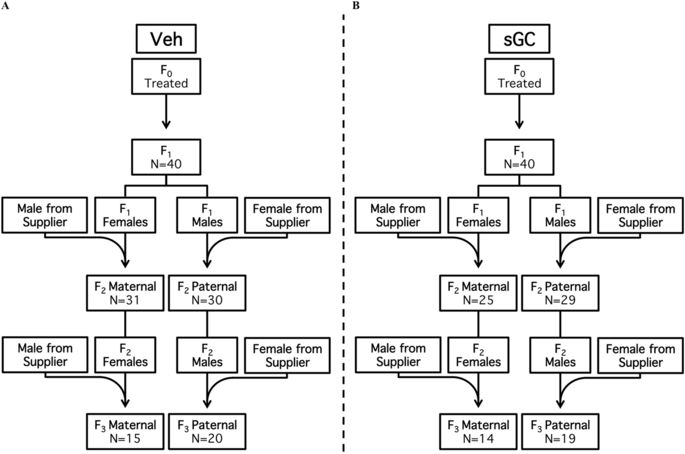
Such was a finding of a 2017 Canadian guinea pig study that was undertaken to better inform physicians of the transgenerationally inherited epigenetic effects of glucocorticoid treatments commonly prescribed during human pregnancies:

“This study presents the first evidence that prenatal treatment with sGC [synthetic glucocorticoid] results in transgenerational paternal transmission of hyperactivity and altered hypothalamic gene expression through three generations of young offspring. Female offspring appear to be more sensitive than male offspring to the programming effects of sGC, which suggests an interaction between sGC and sex hormones or sex-linked genes. Paternal transmission to F3 strongly implicates epigenetic mechanisms in the process of transmission, and small noncoding RNAs likely play a major role.”


Some details of the study included:

Veh[icle] was the control group initially treated with saline.

The study was informative and conclusive for the aspects studied. From the Methods section:

“Data from same-sex littermates were meaned to prevent litter bias. Sample sizes (N) correspond to independent litters, and not to the total number of offspring across all litters.

Power analyses based on previous studies determined N ≥ 8 sufficient to account for inter-litter variability and detect effects in the tests performed.”

https://www.nature.com/articles/s41598-017-11635-w “Prenatal Glucocorticoid Exposure Modifies Endocrine Function and Behaviour for 3 Generations Following Maternal and Paternal Transmission”