Going off the rails with the biomarker paradigm

This 2018 US government rodent study used extreme dosages to achieve its directed goals of demonizing nicotine and extolling the biomarker paradigm:

“This study examined whether adolescent nicotine exposure alters adult hippocampus-dependent learning, involving persistent changes in hippocampal DNA methylation and if choline, a dietary methyl donor, would reverse and mitigate these alterations.

Mice were chronically treated with nicotine (12.6mg/kg/day) starting at post-natal day 23 (pre-adolescent), p38 (late adolescent), or p54 (adult) for 12 days followed by a 30-day period during which they consumed either standard chow or chow supplemented with choline (9g/kg).

Our gene expression analyses support this model and point to two particular genes involved in chromatin remodeling, Smarca2 and Bahcc1. Both Smarca2 and Bahcc1 showed a similar inverse correlation pattern between promoter methylation and gene expression.

Our findings support a role for epigenetic modification of hippocampal chromatin remodeling genes in long-term learning deficits induced by adolescent nicotine and their amelioration by dietary choline supplementation.”


Let’s use the average weight of a US adult male – published by the US Centers for Disease Control as 88.8 kg – to compare the study’s dosages with human equivalents:

  1. Nicotine at ((“12.6mg/kg/day” x .081) x 88.8 kg) = 90.6 mg.
  2. Choline at ((“9g/kg” x .081) x 88.8 kg) = 65 g. The US National Institutes of Health published the Tolerable Upper Intake Levels for Choline as 3.5 g!!

Neither of these dosages are even remotely connected to human realities:

  1. The human-equivalent dosage of nicotine used in this study would probably kill an adult human before the end of 12 days.
  2. What effects would an adult human suffer from exceeding the choline “Tolerable Upper Intake Level” BY 18 TIMES for 30 days?

Isn’t the main purpose of animal studies to help humans? What’s the justification for performing animal studies simply to promote an agenda?


A funding source of this study was National Institute on Drug Abuse (NIDA) Identification of Biomarkers for Nicotine Addiction award (T-DA-1002 MG). Has the biomarker paradigm been institutionalized to the point where research proposals that don’t have biomarkers as goals aren’t funded?

https://www.sciencedirect.com/science/article/pii/S107474271830193X “Choline ameliorates adult learning deficits and reverses epigenetic modification of chromatin remodeling factors related to adolescent nicotine exposure” (not freely available)

How do memories transfer?

This 2018 Chinese study electronically modeled the brain’s circuits to evaluate memory transfer mechanisms:

“During non-rapid-eye-movement (NREM) sleep, thalamo-cortical spindles and hippocampal sharp wave-ripples have been implicated in declarative memory consolidation. Evidence suggests that long-term memory consolidation is coordinated by the generation of:

  • Hierarchically nested hippocampal ripples (100-250 Hz),
  • Thalamo-cortical spindles (7-15 Hz), and
  • Cortical slow oscillations (<1 Hz)

enabling memory transfer from the hippocampus to the cortex.

Consolidation has also been demonstrated in other brain tasks, such as:

  • In the acquisition of motor skills, where there is a shift from activity in prefrontal cortex to premotor, posterior parietal, and cerebellar structures; and
  • In the transfer of conscious to unconscious tasks, where activity in initial unskilled tasks and activity in skilled performance are located in different regions, the so-called ‘scaffolding-storage’ framework.

By separating a neural circuit into a feedforward chain of gating populations and a second chain coupled to the gating chain (graded chain), graded information (i.e. information encoded in firing rate amplitudes) may be faithfully propagated and processed as it flows through the circuit. The neural populations in the gating chain generate pulses, which push populations in the graded chain above threshold, thus allowing information to flow in the graded chain.

In this paper, we will describe how a set of previously learned synapses may in turn be copied to another module with a pulse-gated transmission paradigm that operates internally to the circuit and is independent of the learning process.”


The study had neither been peer-reviewed, nor were the mechanisms tested in living beings.

https://www.biorxiv.org/content/early/2018/07/27/351114 “A Mechanism for Synaptic Copy between Neural Circuits”

A mid-year selection of epigenetic topics

Here are the most popular of the 65 posts I’ve made so far in 2018, starting from the earliest:

The pain societies instill into children

DNA methylation and childhood adversity

Epigenetic mechanisms of muscle memory

Sex-specific impacts of childhood trauma

Sleep and adult brain neurogenesis

This dietary supplement is better for depression symptoms than placebo

The epigenetic clock theory of aging

A flying human tethered to a monkey

Immune memory in the brain

The lack of oxygen’s epigenetic effects on a fetus

Addictive behavior and epigenetic DNA methylation

This 2018 McGill paper reviewed findings from animal and human studies on the relationships between drug-seeking behavior and epigenetic DNA methylation:

“Although there is an increasing line of evidence from preclinical models of addiction, there are only a few human studies that systematically assessed DNA methylation in addiction. Most of the studies were done on small cohorts and focused on one or a few candidate genes, except in the case of alcohol use where larger studies have been carried out.

A long line of evidence suggests that abnormal patterns of gene expression occur in brain regions related to drug addiction such as the nucleus accumbens, prefrontal cortex, amygdala, and the ventral tegmental area.

Using the “incubation of craving” model in rats trained to self-administer cocaine, and treated with either SAM or RG108, the genome-wide DNA methylation and gene expression landscape in the nucleus accumbens after short (1 day) and long (30 days) abstinence periods and the effects of epigenetic treatments were delineated. The main findings are:

  • A long incubation period results in robust changes in methylation;
  • Direct accumbal infusion of SAM that is paired with a “cue” after long incubation times increases drug-seeking behavior,
  • Whereas a single treatment with RG108 decreases this behavior.

Importantly, the effects of these single administrations of a DNA methylation inhibitor remain stable for 30 more days. These data suggest that DNA methylation might be mediating the impact of “incubation” on the craving phenotype and that this phenotype could be reprogrammed by a DNA demethylation agent.”


The subject has a large scope, and a narrow aspect was presented in this paper. Rodent research by one of the coauthors that was cited, Chronic pain causes epigenetic changes in the brain and immune system, provided some relevant details.

The review covered neither human dimensions of the impacts of unfulfilled needs nor investigations of exactly what pain may impel human drug-seeking behavior. The “Implications for Diagnostic and Therapeutics” were largely at the molecular level.

https://www.sciencedirect.com/science/article/pii/S1877117318300164 “The Role of DNA Methylation in Drug Addiction: Implications for Diagnostic and Therapeutics” (not freely available)

Melatonin and depression

This 2018 Polish review subject was relationships between melatonin and depression:

“Although melatonin has been known about and referred to for almost 50 years, the relationship between melatonin and depression is still not clear. In this review, we summarize current knowledge about genetic and epigenetic regulation of enzymes involved in melatonin synthesis and metabolism as potential features of depression pathophysiology and treatment.

Melatonin has an antidepressant effect by:

  • Maintaining the body’s circadian rhythm;
  • Regulating the pattern of expression of clock genes in the suprachiasmatic nucleus (SCN); and
  • Modifying key genes of serotoninergic neurotransmission that are linked with a depressive mood.

Light input causes release of γ-aminobutyric acid (GABA) by the SCN, and the inhibitory signal is transmitted to the pineal gland to inhibit melatonin production.

Melatonin is produced via metabolism of serotonin in two steps which are catalyzed by serotonin N-acetyltransferase (SNAT) and acetylserotonin-O-methyltransferase (ASMT). Serotonin, SNAT, and ASMT are key melatonin level regulation factors.

Both melatonin and serotonin are synthesized from the same amino acid, tryptophan. People on a high tryptophan diet (>10 mg/kg body weight per day) have a significantly lower level of depressive symptoms, irritation, and anxiety than people on a low tryptophan diet (<5 mg/kg body weight per day).

To our knowledge, there are only 2 studies in the literature that characterize mRNA expression of ASMT in the peripheral blood of recurrent depressive disorders. They demonstrated reduced mRNA expression of ASMT in patients with depression and cognitive impairment. Surprisingly, these studies, despite promising results, have not been replicated. Moreover, no analysis of other melatonin related-genes as potential biomarkers of depression has been provided.

The main monoamine hypothesis of pathophysiology of depression indicates that depression is induced by a change in levels of ≥1 monoamines such as serotonin, noradrenaline, and dopamine. Evidence for the serotonergic theory is an observation that antidepressants such as tricyclic antidepressants, selective serotonin reuptake inhibitors, and noradrenaline reuptake inhibitors increase the level of serotonin in the brain.

We focus on serotonin as a neurotransmitter which is a precursor of melatonin synthesis. In a depressed patient, serotonin synthesis is impaired, and poor precursor availability may prevent formation of an adequate amount of melatonin. However, only a few studies have analyzed the relationship between serotonin and melatonin levels and the correlation with blood serum.”


At eight cents a day ($.04 for women), melatonin is a cheap and effective supplement.

I hadn’t considered possible antidepressant effects until reading this review. More human studies are needed.

https://www.karger.com/Article/Pdf/489470 “Pathophysiology of Depression: Molecular Regulation of Melatonin Homeostasis – Current Status” (not freely available)

The hypothalamus and aging

This 2018 Korean review discussed aspects of the hypothalamus and aging:

“A majority of physiological functions that decline with aging are broadly governed by the hypothalamus, a brain region controlling development, metabolism, reproduction, circadian rhythm, and homeostasis. In addition, the hypothalamus is poised to connect the brain and the body so that the environmental information affecting aging can be transmitted through the hypothalamus to affect the systematic aging of the peripheral organs.

The hypothalamus is hypothesized to be a primary regulator of the process of aging of the entire body. This review aims to assess the contribution of hypothalamic aging to the age-related decline in body functions, particularly from the perspective of:

  • energy homeostasis,
  • hormonal balance,
  • circadian rhythm, and
  • reproduction,

and to highlight its underlying cellular mechanisms with a focus on:

  • nutrient sensing
  • inflammation,
  • loss of stem cell,
  • loss of proteostasis, and
  • epigenetic alterations.”

https://www.sciencedirect.com/science/article/pii/S0047637418300502 “Role of hypothalamus in aging and its underlying cellular mechanisms” (not freely available)


The reviewers didn’t consider aging to be an “unintended consequence” of development. This perspective was found in a reference to A study of DNA methylation and age:

“Aging is not programmed. Instead, aging is a continuation of developmental growth, driven by genetic pathways.

Genetic programs determine developmental growth and the onset of reproduction. When these programs are completed, they are not switched off.

Aging has no purpose (neither for individuals nor for group), no intention. Nature does not select for quasi-programs. It selects for robust developmental growth.”

The epigenetic clock theory of aging cited the same author, and modified his point to say:

“The proposed epigenetic clock theory of ageing views biological ageing as an unintended consequence of both developmental programmes and maintenance programmes.”

The current review’s opposite paradigm was:

“The hypothalamus is hypothesized to be a primary regulator of the process of aging.”

Almost all of the details discussed were from rodent studies.


As detailed in How to cure the ultimate causes of migraines? and its references, the hypothalamus is a brain structure that lacks feedback mechanisms for several of its activities. This structure develops shortly after conception and has an active prenatal role.

The hypothalamus plays its part in getting us developed and ready to reproduce, with certain feedback loops being evolutionarily unnecessary. The hypothalamus perfectly illustrates the point of:

“When these programs are completed, they are not switched off.”

Evolutionarily unnecessary feedback for aspects of hypothalamic activity may result in it not winding down when its developmental role is over. This activity shouldn’t be interpreted to construe a role that has some other meaning or purpose.

See Reevaluate findings in another paradigm for another view.

The lack of oxygen’s epigenetic effects on a fetus

This 2018 Loma Linda review subject was gestational hypoxia:

“Of all the stresses to which the fetus and newborn infant are subjected, perhaps the most important and clinically relevant is that of hypoxia. This review explores the impact of gestational hypoxia on maternal health and fetal development, and epigenetic mechanisms of developmental plasticity with emphasis on the uteroplacental circulation, heart development, cerebral circulation, pulmonary development, and the hypothalamic-pituitary-adrenal axis and adipose tissue.

An understanding of the specific hypoxia-induced environmental and epigenetic adaptations linked to specific organ systems will enhance the development of target-specific inhibition of DNA methylation, histone modifications, and noncoding RNAs that underlie hypoxia-induced phenotypic programming of disease vulnerability later in life.

A potential stumbling block to these efforts, however, relates to timing of the intervention. The greatest potential effect would be accomplished at the critical period in development for which the genomic plasticity is at its peak, thus ameliorating the influence of hypoxia or other stressors.

With future developments, it may even become possible to intervene before conception, before the genetic determinants of the risk of developing programmed disease are established.”

Table 3 “Antenatal hypoxia and developmental plasticity” column titles were Species | Offspring Phenotypes of Disorders and Diseases | Reference Nos.

Hypoxia phenotypes


This review was really an ebook, with 94 pages and 1,172 citations in the pdf file. As I did with Faith-tainted epigenetics, I read it with caution toward recognizing 1) the influence of the sponsor’s biases, 2) any directed narrative that ignored evidence contradicting the narrative, and 3) any storytelling.

Can you match the meaning of the review’s last sentence (“intervene before conception” quoted above) with the meaning of any sentence in its cited reference Developmental origins of noncommunicable disease: population and public health implications? I can’t.

One review topic that was misconstrued was transgenerational epigenetic inheritance of hypoxic effects. The “transgenerational” term was used inappropriately by several of the citations, and no cited study provided evidence for gestational hypoxic effects through the F3 great-grandchild generation.

One omitted topic was gestational hypoxic effects of caffeine. The first paper that came up for my PubMed search of “caffeine pregnancy hypoxia” was an outstanding 2017 Florida rodent review Long-term consequences of disrupting adenosine signaling during embryonic development that had this paragraph and figure:

“One substance that fetuses are frequently exposed to is caffeine, which is a non-selective adenosine receptor antagonist. We discovered that in utero alteration in adenosine action leads to adverse effects on embryonic and adult murine hearts. We find that cardiac A1ARs [a type of adenosine receptor] protect the embryo from in utero hypoxic stress, a condition that causes an increase in adenosine levels. 

After birth in mice, we observed that in utero caffeine exposure leads to abnormal cardiac function and morphology in adults, including an impaired response to β-adrenergic stimulation. Recently, we observed that in utero caffeine exposure induces transgenerational effects on cardiac morphology, function, and gene expression.”

The timing of in utero caffeine treatment leads to differences in adult cardiac function, gene expression, and phenotype. Exposure to caffeine from E6.5–9.5 leads the F1 generation to develop dilated cardiomyopathy with decrease % FS and increased Myh7 expression. In utero caffeine exposure from E10.5–13.5 leads to a hypertrophic cardiomyopathy in the F2 generation along with increased % FS and decreased Myh7 expression

Why was this review and its studies omitted? It was on target for both gestational hypoxia and transgenerational epigenetic inheritance of hypoxic effects!

It was alright to review smoking, cocaine, methamphetamine, etc., but the most prevalent drug addiction – caffeine – couldn’t be a review topic?


The Loma Linda review covered a lot, but I had a quick trigger due to the sponsor’s bias. I started to lose “faith” in the reviewers after reading the citation for the review’s last sentence that didn’t support the statement.

My “faith” disappeared after not understanding why a few topics were misconstrued and omitted. Why do researchers and sponsors ignore, misrepresent, and not continue experiments through the F3 generation to produce evidence for and against transgenerational epigenetic inheritance? Where was the will to follow evidence trails regardless of socially acceptable beverage norms?

The review acquired the taint of storytelling with the reviewers’ assertion:

“..timing of the intervention. The greatest potential effect would be accomplished at the critical period in development for which the genomic plasticity is at its peak, thus ameliorating the influence of hypoxia or other stressors.”

Contradictory evidence was in the omitted caffeine study’s graphic above which described two gestational critical periods where an “intervention” had opposite effects, all of which were harmful to the current fetus’ development and/or to following generations. Widening the PubMed link’s search parameters to “caffeine hypoxia” and “caffeine pregnancy” returned links to human early life studies that used caffeine in interventions, ignoring possible adverse effects on future generations.

This is my final curation of any paper sponsored by this institution.

https://www.physiology.org/doi/abs/10.1152/physrev.00043.2017 “Gestational Hypoxia and Developmental Plasticity” (not freely available) Thanks to coauthor Dr. Xiang-Qun Hu for providing a copy.

A dietary supplement that reversed age-related hearing problems in the brainstem

This 2018 Nevada rodent study was on acetyl-L-carnitine’s action in the brainstem:

“We examined age-related changes in the efficiency of synaptic transmission at the calyx of Held, from juvenile adults (1-month old) and late middle-age (18- to 21-month old) mice. The calyx of Held synapse has been exploited as a model for understanding excitation-secretion coupling in central glutamatergic neurons, and is specialized for high-frequency transmission as part of a timing circuit for sound localization.

Our observations suggest that during aging, there is neuronal cell loss in the MNTB [Medial nucleus of the trapezoid body, a collection of brainstem nuclei in an area that’s the first recipient of sound and equilibrium information], similar to previous reports. In remaining synapses of the MNTB, we observed severe impairments in transmission timing and SV [synaptic vesicle] recycling, resulting in timing errors and increased synaptic depression in the calyx of Held synapse. These defects reduce the efficacy of this synapse to encode temporally sensitive information and are likely to result in diminished sound localization.

We orally administered ALCAR for 1 month and found that it reversed transmission defects at the calyx of Held synapse in the older mice.

These results support the concept that facilitators of mitochondrial metabolism and antioxidants may be an extremely effective therapy to increase synaptic function and restore short-term plasticity in aged brains, and provide for the first time a clear mechanism of action for ALCAR on activity-dependent synaptic transmission.


Human brainstem research is neglected, as noted by Advance science by including emotion in research. Evidence from such research doesn’t play well with beliefs in the popular models and memes of human cerebral dominance.

Do you know any “late middle-age” people who have obvious auditory and synaptic deficits? What if some of the neurobiological causes of what’s wrong in their brains could be “reversed by ALCAR?”

Before using this study as a guide, however, I asked the study’s researchers about the “daily dose of ~2.9 g/kg/d.” An equivalent for a 70 kg human is (2.9 g x 70) x .081 = 16 grams daily, compared with the 500 mg to 1 g dietary supplement dose of acetyl-L-carnitine.

The study’s corresponding coauthor replied:

“This is indeed much larger than that normally consumed by humans via dietary supplementation. We are currently working to determine the effective ‘minimal’ dose of ALCAR and alpha lipoic acid, to better assist guidelines for human application of this supplement.”

https://www.researchgate.net/publication/323941877_Age-related_defects_in_short-term_plasticity_are_reversed_by_acetyl-L-carnitine_at_the_mouse_calyx_of_Held “Age-related defects in short-term plasticity are reversed by acetyl-L-carnitine at the mouse calyx of Held”

Resiliency in stress responses

This 2018 US Veterans Administration review subject was resiliency and stress responses:

Neurobiological and behavioral responses to stress are highly variable. Exposure to a similar stressor can lead to heterogeneous outcomes — manifesting psychopathology in one individual, but having minimal effect, or even enhancing resilience, in another.

We highlight aspects of stress response modulation related to early life development and epigenetics, selected neurobiological and neurochemical systems, and a number of emotional, cognitive, psychosocial, and behavioral factors important in resilience.”

The review cited studies I’ve previously curated:


There were two things I didn’t understand about this review. The first was why the paper isn’t freely available. It’s completely paid for by the US taxpayer, and no copyright is claimed. I recommend contacting the authors for a copy.

The second was why the VA hasn’t participated in either animal or human follow-on studies to the 2015 Northwestern University GABAergic mechanisms regulated by miR-33 encode state-dependent fear. That study’s relevance to PTSD, this review’s subject, and the VA’s mission is too important to ignore. For example:

“Fear-inducing memories can be state dependent, meaning that they can best be retrieved if the brain states at encoding and retrieval are similar.

“It’s difficult for therapists to help these patients,” Radulovic said, “because the patients themselves can’t remember their traumatic experiences that are the root cause of their symptoms.”

The findings imply that in response to traumatic stress, some individuals, instead of activating the glutamate system to store memories, activate the extra-synaptic GABA system and form inaccessible traumatic memories.”

I curated the research in A study that provided evidence for basic principles of Primal Therapy. These researchers have published several papers since then. Here are the abstracts from three of them:

Experimental Methods for Functional Studies of microRNAs in Animal Models of Psychiatric Disorders

“Pharmacological treatments for psychiatric illnesses are often unsuccessful. This is largely due to the poor understanding of the molecular mechanisms underlying these disorders. We are particularly interested in elucidating the mechanism of affective disorders rooted in traumatic experiences.

To date, the research of mental disorders in general has focused on the causal role of individual genes and proteins, an approach that is inconsistent with the proposed polygenetic nature of these disorders. We recently took an alternative direction, by establishing the role of miRNAs in the coding of stress-related, fear-provoking memories.

Here we describe in detail our work on the role of miR-33 in state-dependent learning, a process implicated in dissociative amnesia, wherein memories formed in a certain brain state can best be retrieved if the brain is in the same state. We present the specific experimental approaches we apply to study the role of miRNAs in this model and demonstrate that miR-33 regulates the susceptibility to state-dependent learning induced by inhibitory neurotransmission.”

Neurobiological mechanisms of state-dependent learning

“State-dependent learning (SDL) is a phenomenon relating to information storage and retrieval restricted to discrete states. While extensively studied using psychopharmacological approaches, SDL has not been subjected to rigorous neuroscientific study.

Here we present an overview of approaches historically used to induce SDL, and highlight some of the known neurobiological mechanisms, in particular those related to inhibitory neurotransmission and its regulation by microRNAs (miR).

We also propose novel cellular and circuit mechanisms as contributing factors. Lastly, we discuss the implications of advancing our knowledge on SDL, both for most fundamental processes of learning and memory as well as for development and maintenance of psychopathology.”

Neurobiological correlates of state-dependent context fear

“Retrieval of fear memories can be state-dependent, meaning that they are best retrieved if the brain states at encoding and retrieval are similar. Such states can be induced by activating extrasynaptic γ-aminobutyric acid type A receptors (GABAAR) with the broad α-subunit activator gaboxadol. However, the circuit mechanisms and specific subunits underlying gaboxadol’s effects are not well understood.

Here we show that gaboxadol induces profound changes of local and network oscillatory activity, indicative of discoordinated hippocampal-cortical activity, that were accompanied by robust and long-lasting state-dependent conditioned fear. Episodic memories typically are hippocampus-dependent for a limited period after learning, but become cortex-dependent with the passage of time.

In contrast, state-dependent memories continued to rely on hippocampal GABAergic mechanisms for memory retrieval. Pharmacological approaches with α- subunit-specific agonists targeting the hippocampus implicated the prototypic extrasynaptic subunits (α4) as the mediator of state-dependent conditioned fear.

Together, our findings suggest that continued dependence on hippocampal rather than cortical mechanisms could be an important feature of state-dependent memories that contributes to their conditional retrieval.”


Here’s an independent 2017 Netherlands/UC San Diego review that should bring these researchers’ efforts to the VA’s attention:

MicroRNAs in Post-traumatic Stress Disorder

“Post-traumatic stress disorder (PTSD) is a psychiatric disorder that can develop following exposure to or witnessing of a (potentially) threatening event. A critical issue is to pinpoint the (neuro)biological mechanisms underlying the susceptibility to stress-related disorder such as PTSD, which develops in the minority of ~15% of individuals exposed to trauma.

Over the last few years, a first wave of epigenetic studies has been performed in an attempt to identify the molecular underpinnings of the long-lasting behavioral and mental effects of trauma exposure. The potential roles of non-coding RNAs (ncRNAs) such as microRNAs (miRNAs) in moderating or mediating the impact of severe stress and trauma are increasingly gaining attention. To date, most studies focusing on the roles of miRNAs in PTSD have, however, been completed in animals, using cross-sectional study designs and focusing almost exclusively on subjects with susceptible phenotypes.

Therefore, there is a strong need for new research comprising translational and cross-species approaches that use longitudinal designs for studying trajectories of change contrasting susceptible and resilient subjects. The present review offers a comprehensive overview of available studies of miRNAs in PTSD and discusses the current challenges, pitfalls, and future perspectives of this field.”

Here’s a 2017 Netherlands human study that similarly merits the US Veterans Administration’s attention:

Circulating miRNA associated with posttraumatic stress disorder in a cohort of military combat veterans

“Posttraumatic stress disorder (PTSD) affects many returning combat veterans, but underlying biological mechanisms remain unclear. In order to compare circulating micro RNA (miRNA) of combat veterans with and without PTSD, peripheral blood from 24 subjects was collected following deployment, and isolated miRNA was sequenced.

PTSD was associated with 8 differentially expressed miRNA. Pathway analysis shows that PTSD is related to the axon guidance and Wnt signaling pathways, which work together to support neuronal development through regulation of growth cones. PTSD is associated with miRNAs that regulate biological functions including neuronal activities, suggesting that they play a role in PTSD symptomatology.”


See the below comments for reasons why I downgraded this review’s rating.

https://link.springer.com/article/10.1007/s11920-018-0887-x “Stress Response Modulation Underlying the Psychobiology of Resilience” (not freely available)

Faith-tainted epigenetics

This 2018 Loma Linda review subject was epigenetic interventions for aging:

“Epigenomic markers of aging, global DNA hypomethylation and promoter-specific hypermethylation may be engendered by iron and HCys [homocysteine] retention.

MiR-29/p53 axis may reverse age-related methylomic shifts, stabilizing both the genome and the epigenome, therefore removing a major risk factor of neurodegeneration. Lowering iron and HCys overload can be accomplished via chelation, blood donation and maintaining an adequate omega-6/omega-3 ratio.”


Sometimes it’s difficult to detect researchers’ biases. If a reader didn’t know about the funding sponsor’s mission:

“Each day we seek to extend the teaching and healing ministry of Jesus Christ”

they may view this paper as unbiased rather than as a directed narrative.

Consider the sponsor’s influence from the perspective of someone seeking treatment for Alzheimer’s disease. If a doctor in this review sponsor’s hospital system recommended chelation treatment, hope would be generated for the patient. Adopting the doctor’s belief about the treatment, though, would be contrary to other evidence per this review:

“In 2008, the NIH chelation trial stopped enrolling patients, approximately two years early.

There is no indication for exposing patients with dementia to the risks of chelation therapy because current chelators cannot help them.”

After reading another review that had this sponsor – The lack of oxygen’s epigenetic effects on a fetus – which also reflected the influence of the sponsor’s biases, and had a directed narrative that ignored evidence contradicting the narrative, and involved storytelling, I’m done curating any paper sponsored by this institution.

http://www.nrronline.org/downloadpdf.asp?issn=1673-5374;year=2018;volume=13;issue=4;spage=635;epage=636;aulast=Sfera;type=2 “Epigenetic interventions for brain rejuvenation: anchoring age-related transposons” (click the pdf button)

The epigenetic clock theory of aging

My 400th curation is a 2018 US/UK paper by coauthors of Using an epigenetic clock to distinguish cellular aging from senescence. They reviewed the current state of epigenetic clock research, and proposed a new theory of aging:

“The proposed epigenetic clock theory of ageing views biological ageing as an unintended consequence of both developmental programmes and maintenance programmes, the molecular footprints of which give rise to DNAm [DNA methylation] age estimators.

It is best to interpret epigenetic age estimates as a higher-order property of a large number of CpGs much in the same way that the temperature of a gas is a higher-order property that reflects the average kinetic energy of the underlying molecules. This interpretation does not imply that DNAm age simply measures entropy across the entire genome.

To date, the most effective in vitro intervention against epigenetic ageing is achieved through expression of Yamanaka factors, which convert somatic cells into pluripotent stem cells, thereby completely resetting the epigenetic clock. In vivo, haematopoietic stem cell therapy resets the epigenetic age of blood of the recipient to that of the donor.

Future epidemiological studies should consider other sources of DNA (for example, buccal cells), because more powerful estimates of organismal age can be obtained by evaluating multiple tissues. Other types of epigenetic modifications such as adenine methylation or histone modifications may lend themselves for developing epigenetic age estimators.”


https://www.nature.com/articles/s41576-018-0004-3 “DNA methylation-based biomarkers and the epigenetic clock theory of ageing” (not freely available)


I curated four other papers cited in this review:

Do you want your quality of life to be under or over this curve?

What are you doing to reverse epigenetic processes and realize what you want?

  • Do you have ideas and/or behaviors that interfere with taking constructive actions to change your phenotype?
  • If you aren’t doing anything, are you honest with yourself about feelings of helplessness?
  • Do your beliefs in fate, or in technology, or in divine interventions justify inactions?

The lifelong impact of maternal postpartum behavior

This 2018 French/Italian/Swiss rodent study was an extension of the work done by the group of researchers who performed Prenatal stress produces offspring who as adults have cognitive, emotional, and memory deficiencies and Treating prenatal stress-related disorders with an oxytocin receptor agonist:

“Reduction of maternal behavior [nursing behavior, grooming, licking, carrying pups] was predictive of behavioral disturbances in PRS [prenatally restraint stressed] rats as well as of the impairment of the oxytocin and its receptor gene expression.

Postpartum carbetocin [an oxytocin receptor agonist unavailable in the US] corrected the reduction of maternal behavior induced by gestational stress as well as the impaired oxytocinergic system in the PRS progeny, which was associated with reduced risk-taking behavior.

Moreover, postpartum carbetocin had an anti-stress effect on HPA [hypothalamic-pituitary-adrenal] axis activity in the adult PRS progeny and increased hippocampal mGlu5 [type 5 metabotropic glutamate] receptor expression in aging.

Early postpartum carbetocin administration to the dam enhances maternal behavior and prevents all the pathological outcomes of PRS throughout the entire lifespan of the progeny..proves that the defect in maternal care induced by gestational stress programs the development of the offspring.


This chart from Figure 4 summarized the behavioral performance of aged adult male progeny in relation to the experimental variables of:

  1. Stress administered to the mothers three times daily every day during the second half of pregnancy up until delivery; and
  2. The effects on the mothers’ behavior of daily carbetocin administration during postpartum days 1 through 7.

The symbols denote which of these relationships had statistically significant effects:

  • “* p [Pearson’s correlation coefficient] < 0.05 PRS-Saline vs. CONT-Saline;
  • # p < 0.05 PRS-Carbetocin vs. the PRS-Saline group.”

There are many interesting aspects to this study. Ask the corresponding coauthor Dr. Sara Morley-Fletcher at sara.morley-fletcher@univ-lille1.fr for a copy.

One place the paper referenced the researchers’ previous studies was in this context:

“Postpartum carbetocin administration reversed the same molecular and behavioral parameters in the hippocampus, as does adult chronic carbetocin treatment, i.e. it led to a correction of the HPA axis negative feedback mechanisms, stress and anti-stress gene expression, and synaptic glutamate release. The fact that postpartum carbetocin administration [to the stressed mothers in this study] had the same effect [on the PRS infants in this study] as adult carbetocin treatment [to the PRS offspring in the previous study] indicates a short-term effect of carbetocin when administered in adulthood and a reprogramming (long-term) effect lasting until an advanced age when administered in early development.”

This group’s research seems to be constrained to treatments of F0 and F1 generations. What intergenerational and transgenerational effects would they possibly find by extending research efforts to F2 and F3 generations?


As the study may apply to humans:

The study demonstrated that stresses during the second half of pregnancy had lifelong impacts on both the mothers’ and offsprings’ biology and behavior. Studies and reviews that attribute similar human biological and behavioral conditions to unknown causes, or shuffle them into the black box of individual differences, should be recognized as either disingenuous or insufficient etiological investigations.

The study showed that prevention of gestational stress was a viable strategy. The control group progeny’s biology and behavior wasn’t affected by carbetocin administration to their mothers because neither they nor their mothers had experience-dependent epigenetic deficiencies.

The study demonstrated a biological and behavioral cure for the PRS offspring by changing their stressed mothers’ behaviors during a critical period of their development. The above excerpt characterized improving the mothers’ behaviors as a long-term cure for the PRS descendants, as opposed to the short-term cure of administering carbetocin to the PRS children when they were adults.

What long-term therapies may be effective for humans who had their developmental trajectories altered by their mothers’ stresses during their gestation, or who didn’t get the parental care they needed when they needed it?

https://www.sciencedirect.com/science/article/pii/S0161813X18301062 “Reduced maternal behavior caused by gestational stress is predictive of life span changes in risk-taking behavior and gene expression due to altering of the stress/anti-stress balance” (not freely available)

The role of DNMT3a in fear memories

This 2018 Chinese rodent study found:

“Elevated Dnmt3a [a DNA methyltransferase] level in the dorsal dentate gyrus (dDG) of hippocampus was associated with the absence of fear renewal in an altered context after extinction training. Overexpression and knockdown of Dnmt3a in the dDG regulated the occurrence of fear renewal in a bi-directional manner.

We found that renewal of remote fear memory can be prevented, and the absence of renewal was concurrent with an elevated Dnmt3a level.

Our results indicate that Dnmt3a in the dDG is a key regulator of fear renewal after extinction, and Dnmt3a may play a critical role in controlling fear memory return and thus has therapeutic values.”


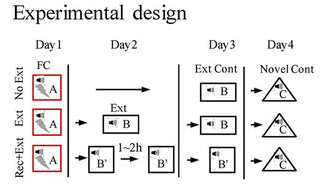
The study was a collection of five experiments investigating causes and effects of biology and behavior. The researchers used different techniques to achieve their goals. I’ve quoted extensively below to show some background and results.

“Alterations in histone acetylation and DNA methylation are involved in the formation and extinction of long-term memory. DNMTs catalyze the cytosine methylation and are required to establish and maintain genomic methylation.

Dnmt3a and Dnmt3b are de novo DNA methyltransferases. Dnmt1 is the maintenance DNA methyltransferase.

  1. Dnmt3a expression was elevated in the dDG after extinction training followed by a brief memory retrieval (Rec+Ext), which was associated with the absence of fear renewal when tested in an altered context.
  2. Increasing Dnmt3a expression in the dDG using AAV [recombinant adeno-associated virus] expression led to the prevention of fear renewal following a standard extinction training protocol. 
  3. Knockdown of Dnmt3a in the dDG using CRISPR/Cas9 resulted in fear renewal following Rec+Ext protocol.
  4. Renewal of remote fear memory can be prevented using the Rec+Ext protocol.
  5. The absence of renewal was concurrent with an elevated Dnmt3a level.

Current exposure therapy, although effective in many patients, suffers from the inability to generalize its efficacy over time, or is limited by the potential return of adverse memory in the new/novel contexts. These limitations are caused by the context-dependent nature of extinction which is widely viewed as the biological basis of exposure therapy.

Achieving a context-independent extinction may significantly reduce fear renewal to improve the efficacy of exposure therapy. Our current study suggests that the effectiveness of these approaches, and ultimately the occurrence of fear renewal, is determined by the level of Dnmt3a after extinction training, especially in the dDG.

There are two potential mechanisms underlying extinction, one is erasure or updating of the formed memory, and the other is the formation of a new extinction memory which suppresses or competes with the existing memory in a context-dependent manner. While most studies favor the suppression mechanism in the adult, limited studies do suggest that erasure occurs in the immature animals.

We propose that if Dnmt3a level is elevated with extinction training (such as with Rec+Ext protocol), modification to the existing memory occurs and as a consequence extinction does not act as a separate mechanism or form a new memory; but if Dnmt3a level is unaltered with extinction training, a separate extinction memory is formed which acts to suppress or compete with the existing memory.”


The relevant difference between humans and lab rats is that we can ourselves individually change our responses to experiential causes of ongoing adverse effects. Standard methodologies can only apply external treatments such as exposure therapy and manipulating Dnmt3a levels.

https://www.nature.com/articles/s41598-018-23533-w “Dnmt3a in the dorsal dentate gyrus is a key regulator of fear renewal”

Genomic imprinting and growth

This 2018 UK paper reviewed genomic imprinting:

“Since their discovery nearly 30 years ago, imprinted genes have been a paradigm for exploring the epigenetic control of gene expression. Moreover, their roles in early life growth and placentation are undisputed.

However, it is becoming increasingly clear that imprinted gene function has a wider role in maternal physiology during reproduction – both by modulating fetal and placental endocrine products that signal to alter maternal energy homeostasis, and by altering maternal energetic set points, thus producing downstream actions on nutrient provisioning.”

“Imprinted genes in the conceptus produce products that alter maternal resource allocation by:

  1. altering the transport capacity of the placenta;
  2. increasing fetal demand for resources by their action on the intrinsic growth rate; and
  3. signalling to the mother by the production of fetal/placental hormones that modify maternal metabolism.”

Other studies/reviews I’ve curated that covered genomic imprinting are:

http://jeb.biologists.org/content/jexbio/221/Suppl_1/jeb164517.full.pdf “Genomic imprinting, growth and maternal-fetal interactions”


This post has somehow become a target for spammers, and I’ve disabled comments. Readers can comment on other posts and indicate that they want their comment to apply here, and I’ll re-enable comments.

How well do single-mother rodent studies inform us about human fathers?

Two items before getting to the review:

This 2018 Australian review subject was paternal intergenerational and transgenerational transmission of biological and behavioral phenotypes per this partial outline:

“Evidence for non-genetic inheritance of behavioral traits in human populations

  • Intergenerational inheritance modulating offspring phenotypes following paternal exposure to trauma
  • Epigenetic inheritance via the germline following paternal environmental exposures
  • Limitations of research on epigenetic inheritance in human populations

The transgenerational impact of stressful paternal environments

  • Impact of paternal stress on affective behaviors and HPA-axis regulation of progeny
  • Influence of paternal stress exposure on offspring cognition
  • Role of sperm-borne microRNAs in the epigenetic inheritance of stress

Sexually dimorphic aspects of paternal transgenerational epigenetic inheritance”

The review was comprehensive, and filled in the above outline with many details towards the goal of:

“This exciting new field of transgenerational epigenomics will facilitate the development of novel strategies to predict, prevent and treat negative epigenetic consequences on offspring health, and psychiatric disorders in particular.”

The reviewers also demonstrated that current intergenerational and transgenerational research paradigms exclude a father’s child care behavior.


The fact that studies use rat and mouse species where fathers don’t naturally provide care for their offspring has warped the translation of findings to humans. The underlying question every animal study must answer is: how can its information be used to help humans? I asked in A limited study of parental transmission of anxiety/stress-reactive traits:

“How did parental behavioral transmission of behavioral traits and epigenetic changes become a subject not worth investigating? These traits and effects can be seen everyday in real-life human interactions, and in every human’s physiology.

Who among us doesn’t still have biological and behavioral consequences from our experiences of our father’s child care actions and inactions? Why can’t researchers and sponsors investigate these back to their sources that may include grandparents and great-grandparents?

Such efforts weren’t apparent in the review’s 116 cited references that included:

The reviewer in the latter has been instrumental in excluding behavioral inheritance mechanisms from these research paradigms, leading to my questions:

  1. “If the experimental subjects had no more control over their behavioral stress-response effects than they had over their DNA methylation, histone modification, or microRNA stress-response effects, then why was such behavior not included in the “epigenetic mechanisms” term?
  2. How do behavioral inheritance mechanisms fall outside the “true epigenetic inheritance” term when behavioral stress-response effects are shown to be reliably transmitted generation after generation?
  3. Wouldn’t the cessation of behavioral inheritance mechanisms confirm their status by falsifiability as was similarly done with studies such as the 1995 Adoption reverses the long-term impairment in glucocorticoid feedback induced by prenatal stress?”

Translating rodent studies into human mothers’ behavioral transmission of biological and behavioral phenotypes isn’t hampered by the studied species’ traits as it is for human fathers. But sponsors have to have the guts to support human research that may not produce politically-correct findings.


http://www.translatingtime.org provides an inter-species comparative timeline. For example, an input of:

  • Species 1: Human
  • Process: Lifespan
  • Location: Whole Organism
  • Days (post-conception): 270
  • Species 2: Mouse

produces a list of event predictions. Note how many significant events occur before humans are born at day 270, assuming everything goes right with our developmental processes! Also, the model predictions for humans end at post-conception day 979, three weeks short of when we celebrate our second birthday.

https://www.nature.com/articles/s41380-018-0039-z “Transgenerational epigenetic influences of paternal environmental exposures on brain function and predisposition to psychiatric disorders” (not freely available) Thanks to Dr. Shlomo Yeshurun for providing a full copy.