Changing a cancerous phenotype

A 2024 Dr. Goodenowe presentation to a professional audience. He ended the presentation by using his 86-year-old father as a case study of treatment to create an inhospitable environment for cancer.

1. Get the body ready

slide 189

2. Starve the cancer and boost the immune system

slide 190

3. Characteristics

slide 191

4. 2019 sample biochemistry

slide 192

5. 2023 biochemistry (compare HDL (33 vs. 80), see off-the-chart hsCRP, Hcy 16)

slide 193

6. Treatment details #1

slide 197

7. Treatment details #2

slide 198

https://drgoodenowe.com/tfim-2024-recording-now-available/ “Breaking Cancer: The Biochemistry of Cancer Risk Assessment, Prevention, and Treatment—Real Knowledge That You Can Use In Your Practice”


PXL_20240408_185424838

Eat broccoli sprouts to maintain your cells

Two more papers cited Precondition your defenses with broccoli sprouts, starting with a 2024 review of broccoli compounds’ influences on autophagy and cellular function:

“Promotion of autophagy has been related to lifespan expansion, tumor suppression, and maintenance of metabolic health. Alterations in this pathway have been related to human diseases or pathological states including neurodegenerative diseases, stroke, metabolic alterations, or cancer.

We describe the different types of glucosinolates (GSL), grouped depending on the structure of their side chain, with special attention to those GSL and their derived isothiocyanate (ITC) which have been suggested to be of relevance to treat or prevent human diseases, their structure, and plant source.

gsl-itc

It has been shown that SFN activates TFEB, boosting expression of genes required for autophagosome and lysosome biogenesis. SFN induced a short burst of ROS necessary for TFEB activation, and TFEB activity was required for SFN-induced NRF2 activation and protection against acute and chronic oxidative stress.

TFEB was also required for SFN-induced removal of excessive mitochondrial ROS, indicating an important role for mitophagy in SFN-induced antioxidant response. Thus, direct activation of NRF2 by SFN or other ITC can promote autophagy.

Research on autophagy has been characterized by controversies regarding autophagy mediating survival or cell death, or its role in health and disease, not only because autophagy is a complicated process with context dependent roles depending on the cell type or the step of the autophagic pathway being modulated, but also, because in occasions, autophagy is not measured correctly.

An interesting area of research would be to decipher effects of NRF2-regulated or NRF2-independent autophagy induction by ITC, and whether these effects would determine the role of the autophagic process in cellular survival or death. Also, it is needed to clarify which of the effects regulated by ITC are mediated by autophagy, and which ones are not, and the importance of autophagy induction in the therapeutic effects mediated by ITC.”

https://link.springer.com/article/10.1007/s11101-024-09944-w “Glucosinolates, isothiocyanates, and their role in the regulation of autophagy and cellular function” (not freely available)

This paper’s contact coauthor (who provided access to the full paper) is also the contact for Our model clinical trial for Changing to a youthful phenotype with broccoli sprouts.


The coauthors of Exercise substitutes? published a 2024 human cell study:

“While physical activity is an excellent inducer of mitochondrial turnover, its ability to ubiquitously activate and enhance mitochondrial turnover prevents definitive differentiation of the contribution made by each pathway. We employed three agents which are activators of important biological markers involved in antioxidant signaling, mitochondrial autophagy, and mitochondrial biogenesis.

Results suggest that early time points of treatment increase upstream pathway activity, whereas later time points represent increased phenotypic expression of related downstream markers. Findings suggest that spatiotemporal progression of these mechanisms following drug treatment is another important factor to consider when examining subcellular changes towards mitochondrial turnover in muscle.”

https://www.sciencedirect.com/science/article/pii/S2666337624000398 “Sulforaphane, Urolithin A, and ZLN005 induce time-dependent alterations in antioxidant capacity, mitophagy, and mitochondrial biogenesis in muscle cells”


PXL_20240330_175846440

Year Four of Changing to a youthful phenotype with sprouts

1. I’ve continued daily practices from Year Three to experience another year without being sick. I’ll get a set of Labcorp tests in two weeks to see if anything is sneaking up on me.

Foods are the same as Week 189 except I eat two raw eggs in the morning after Avena sativa oat sprouts. Supplements are the same except I stopped the ProdromeGlia plasmalogen precursor supplement due to it being out-of-stock.

It’s annoying because after a few days, my sense of smell and taste improvements reverted without ProdromeGlia. I’ve continued ProdromeNeuro, but it seems that its combination with ProdromeGlia was essential for stopping my left ulnar nerve elbow pain, which returned after a week without ProdromeGlia.

2. You may have noticed that earlier this month, a U.S. government agency was forced by a lawsuit to delete their 2021 propaganda pieces against a medication that’s safer than acetaminophen. I had a prescription that local pharmacies suddenly wouldn’t fill in August 2021.

Plenty of workarounds have been available, though. I hadn’t mentioned it before, but a prophylactic weekly intake may have played a part in me not being sick even one day this decade.

Another part was that my living and working in the Washington DC area for 30+ years through 2017 taught me, as an initial response, to not believe a single word of what a government employee said. I’ve since extended that to many other types of compromised people, such as medical professionals.

3. Our ancestors evolved to deal with everyday bacteria, viruses, and other pathogens. Train your immune system every day! disclosed that I was in Milan, Italy on the same February 22-23, 2020 weekend that ten towns were closed south of Milan. I still haven’t experienced any symptoms.

  • One factor in immune response was that fifteen years previous, I’d taken daily steps with yeast cell wall β-glucan to guard against the phenotypical immune system collapse of old age.
  • Another factor was that I’d ridden the filthy Washington DC Metro twice a day to-and-from work for years, and had already been exposed to who knows what.

Treat your gut microbiota well. Give them what they want – including cruciferous sprouts – and expect reciprocity.


what

Sulforaphane vs. ESP enzyme

A 2024 study evaluated genetic makeups of 29 broccoli varieties for their sulforaphane-producing capability:

“Sulforaphane (SFN) is one of the most important bioactive compounds in cruciferous vegetables, and is derived from glucosinolates (GSLs [glucoraphanin]). GSLs are hydrolyzed by myrosinases to produce SFN.

However, SFN is not a unique hydrolysate of GSLs. Another enzyme, named epithiospecifier protein (ESP), hydrolyzes GSLs to produce undesirable nitrile components, resulting in a low SFN yield.

Fresh 7-day-old seedlings of 15 broccoli cultivars with a high SFN content did not fully correspond to those with a high GSL content. Seven out of the fifteen broccoli cultivars, such as C2, C8, C12, C21, C22, C28, and C33, produced high SFN, but their GSL content were not particularly remarkable.

biomolecules-14-00352-g002-550

Extracted SFN yield from the curds (the curd of broccoli refers to its edible part, which is the entire flower head) was about 70% of that from the seedlings. Nevertheless, in consideration of the obviously higher biomass and lower cost of curds compared to seedlings, these results confirmed that the extraction method established here could also efficiently extract high SFN from broccoli curds and was more feasible for the large-scale extraction of SFN.

Decreased ESP activity can lead to increased SFN formation in broccoli. Broccoli cultivars with strong GSL biosynthetic ability, high myrosinase, and low ESP enzymatic activity are the preferred materials for SFN production.”

https://www.mdpi.com/2218-273X/14/3/352 “Sulforaphane-Enriched Extracts from Broccoli Exhibit Antimicrobial Activity against Plant Pathogens, Promising a Natural Antimicrobial Agent for Crop Protection”


I haven’t seen a broccoli variety suitable for home sprouting advertised for its combined high glucoraphanin biosynthetic ability, high myrosinase enzyme activity, and low epithiospecifier protein enzyme activity genetic profile. Seems like a marketing opportunity. I use a narrow temperature band to suppress ESP activity but not suppress myrosinase activity of 3-day-old sprouts.

PXL_20240324_193937874

Ergothioneine dosing, Part 2

Continuing Part 1 with a 2024 rodent healthspan and lifespan study:

“We investigated the effects of daily oral supplementation of ergothioneine (ERGO) dissolved in drinking water on lifespan, frailty, and cognitive impairment in male mice from 7 weeks of age to the end of their lives. Ingestion of 4 ~ 5 mg/kg/day of ERGO remarkably extended the lifespan of male mice.

11357_2024_1111_Fig1_HTML

The ERGO group showed significantly lower age-related declines in weight, fat mass, and average and maximum movement velocities at 88 weeks of age. This was compatible with dramatic suppression by ERGO of age-related increments in plasma biomarkers. ERGO also rescued age-related impairments in learning and memory ability.

Ingestion of ERGO may promote longevity and healthy aging in male mice, possibly through multiple biological mechanisms.”

https://link.springer.com/article/10.1007/s11357-024-01111-5 “Ergothioneine promotes longevity and healthy aging in male mice”

Subjects’ plasma ergothioneine levels of an estimated 4 ~ 5 mg/kg daily dose were:

11357_2024_1111_Fig3_HTML

A human equivalent daily dose is an estimated 22 mg to 28 mg (4 or 5 mg x .081 x 70 kg).

The third paper in Part 1 cited a 2017 clinical trial that provided 5 mg and 25 mg ergothioneine doses for 7 days, resulting in these plasma ergothioneine levels:

figure 3

The first paper of Part 1 referenced a 2020 human study where the dose was 5 mg/day for 12 weeks, but I don’t have access to it. It’s unclear whether humans could continually raise ergothioneine levels by daily consumption throughout our lives as did this rodent study.


A 2024 paper reviewed the importance of ergothioneine to humans:

“We propose that the diet-derived compound ergothioneine (ET) is an important nutrient in the human body, especially for maintenance of normal brain function, and that low body ET levels predispose humans to significantly increased risks of neurodegenerative and possibly other age-related diseases.

Work by multiple groups has established that low ET levels in humans are associated not only with cognitive impairment/AD but also with other age-related conditions, including frailty, Parkinson’s disease, vascular dementia, chronic renal disease, cardiovascular disease, and macular degeneration. Low ET levels also correlate with increased risk of developing preeclampsia in pregnant women [53].

Plasma ET levels from healthy (age-matched) vs unhealthy individuals in Singapore – Mild cognitive impairment (MCI); Alzheimer’s disease (AD); vascular dementia (VaD); Parkinson’s disease (PD); age-related macular degeneration (AMD):

1-s2.0-S0891584924001357-gr2_lrg

  • Does low ET cause or contribute to age-related neurodegeneration, or
  • Does disease cause low ET, or
  • Low ET and increased disease risk are both caused by something else, as yet unidentified?

Prevention of neurodegeneration is especially important, since by the time dementia is usually diagnosed damage to the brain is extensive and likely irreversible.”

https://www.sciencedirect.com/science/article/pii/S0891584924001357 “Are age-related neurodegenerative diseases caused by a lack of the diet-derived compound ergothioneine?”

Whether or not the healthy individuals ate mushrooms daily in the above graphic was lost while conglomerating multiple studies.

Note that scales of the above two human graphics are a thousand times smaller than the above rodent graphic. I thought that maybe the rodent study made a plasma ergothioneine calculation error, but didn’t see one in the provided Supplementary data.


Reference 53 of the second paper is a 2023 human study:

“We analysed early pregnancy samples from a cohort of 432 first time mothers. Of these 432 women, 97 went on to develop pre-term or term pre-eclampsia (PE).

If a threshold was set at the 90th percentile of the reference range in the control population (≥462 ng/ml), only one of these 97 women (1%) developed PE, versus 96/397 (24.2%) whose ergothioneine level was below this threshold. One possible interpretation of these findings, consistent with previous experiments in a reduced uterine perfusion model in rats, is that ergothioneine may indeed prove protective against PE in humans.”

https://portlandpress.com/bioscirep/article/43/7/BSR20230160/233119/Relationship-between-the-concentration-of “Relationship between the concentration of ergothioneine in plasma and the likelihood of developing pre-eclampsia”

Eyeballing the Healthy individuals in the above graphic, none of those 544 people were below this study’s 462 ng threshold.


A 2023 companion article analyzed the third paper’s unusual findings:

“These results suggest that there might be a dichotomized association between ergothioneine concentrations and preeclampsia; and only a high ergothioneine level over 90th percentile of the control population could be protective against preeclampsia.

Univariable results showed that ergothioneine had a significant non-linear association with preeclampsia and it would start to offer protective effect from 300 ng/ml onward. Analysis also confirmed that body mass index was significantly associated with an increased risk of preeclampsia.

A large observational study could strengthen the causal association between ergothioneine and preeclampsia. If confirmed, a randomized controlled trial (RCT) assessing whether ergothioneine supplementation can reduce risk of preeclampsia will be imminently feasible. Ideally, such RCT should compare placebo with a range of different doses of ergothioneine to identify the best or minimal effective dose, given its good safety records, including in pregnancy, with a no-observed-adverse-effect level (NOAEL) of 800 mg/kg body weight per day.”

https://portlandpress.com/bioscirep/article/43/8/BSR20231076/233395/Dose-related-relationship-between-ergothioneine “Dose-related relationship between ergothioneine concentrations and risk of preeclampsia”

My daily mushroom ergothioneine dose is around 7 mg, and I weigh about 70 kg. I don’t think a daily 800 mg/kg ergothioneine dose would be desirable for anybody, regardless of what experts say.

How many times have public health employees been wrong this decade? Would you bet your or your child’s health on their advice?


PXL_20240316_182330822

Sulforaphane’s effects on autism and liver disease

Here are two more papers that cited Precondition your defenses with broccoli sprouts, starting with a 2024 human / rodent study investigating gut microbiota / sulforaphane’s effects on autism:

“Sulforaphane (SFN) has been found to alleviate complications linked with several diseases by regulating gut microbiota (GM), while the effect of GM on SFN for autism spectrum disorders (ASD) has not been studied. We evaluated therapeutic effects of SFN on maternal immune activation (MIA)-induced ASD-like rat model and pediatric autism patients aged 4–7 years.

OSU-SO for social interactive OSU behavioral subscores, OSU-CO for non-verbal communicative OSU behavioral [significant] subscores, and OSU-ST for repetitive or ritualistic OSU behavioral subscores:

fnut-10-1294057-g0005

Although gut microbiota composition was significantly altered in SFN-treated ASD-like rats, alteration of GM was not evident in ASD patients after 12 weeks of SFN treatment. Limitations in this study:

  1. Studies were conducted in male rats and boys only;
  2. The sample size of our clinical study is relatively small [6 SFN-treated boys] and needs to be further expanded in the future; and
  3. This study only uncovered a potential link between gut flora and the therapeutic effects of SFN on ASD.

SFN treatment alleviates social deficits in MIA-induced ASD-like rats and ASD patients, and improvements might be associated with gut microbiota.”

https://www.frontiersin.org/articles/10.3389/fnut.2023.1294057/full “Therapeutic efficacy of sulforaphane in autism spectrum disorders and its association with gut microbiota: animal model and human longitudinal studies”

The 2022 Efficacy of Sulforaphane in Treatment of Children with Autism Spectrum Disorder: A Randomized Double-Blind Placebo-Controlled Multi-center Trial (not freely available) was referenced for sulforaphane (actually, glucoraphanin with myrosinase enzyme) doses:

“Dosing was weight-based:

  • Two tablets/day for 10–29 lb;
  • Three tablets/day for 30–49 lb;
  • Four tablets/day for 50–69 lb.

An estimated delivery of approximately 24, 36, and 48 μmol of sulforaphane daily was expected in the respective SF dosage groups.”

Weights of the above μmol estimated dose amounts per https://pubchem.ncbi.nlm.nih.gov/compound/sulforaphane are 4.3, 6.4, and 8.5 mg, respectively. An average weight of a 4-year-old boy is 36 lbs / 16.3 kg, and a 7-year-old boy is 51.1 lbs / 23.2 kg.

This study’s maternal immune activation was done by injecting lipopolysaccharide into pregnant rats. Would injecting pregnant women with immune-activating substances have similar harmful effects on the fetus? We don’t have evidence because unbiased and unconflicted studies looking for such effects weren’t sponsored and/or published before immune-activating substances’ deployments.


A 2024 rodent study investigated sulforaphane’s effects on diabetic liver damage:

“We investigated whether sulforaphane, an Nrf2 activator and antioxidant, prevents diabetes-induced hepatic ferroptosis, and the mechanisms involved. Results showed that diabetes-induced inactivation of Nrf2 and decreased expression of its downstream antiferroptotic molecules critical for:

  • Antioxidative defense (catalase, superoxide dismutases, thioredoxin reductase);
  • Iron metabolism (ferritin heavy chain (FTH1), ferroportin 1);
  • Glutathione (GSH) synthesis (cystine-glutamate antiporter system, cystathionase, glutamate-cysteine ligase catalitic subunit, glutamate-cysteine ligase modifier subunit, glutathione synthetase); and
  • GSH recycling – glutathione reductase (GR)

were reversed/increased by sulforaphane treatment.

Diabetes-induced increases in serum glucose and triglyceride levels were also significantly reduced by sulforaphane. Taken together, our results demonstrate a potent effect of SFN in inhibiting ferroptotic death of hepatocytes under diabetic conditions in vivo, thereby alleviating liver injury.

This is the first study to demonstrate the protective role of SFN against ferroptosis in the liver of diabetic mice. This nominates sulforaphane as a promising phytopharmaceutical for the prevention/alleviation of ferroptosis in diabetes-related pathologies.”

https://iubmb.onlinelibrary.wiley.com/doi/10.1002/biof.2042 “Sulforaphane prevents diabetes-induced hepatic ferroptosis by activating Nrf2 signaling axis”

Herding humans

Three recent papers cited a 2009 Herding in humans paper, starting with a 2024 modeling study by one of its coauthors showing that people have trouble purposefully acting randomly:

“In many tasks, human behavior is far noisier than is optimal. Yet when asked to behave randomly, people are typically too predictable.

Randomness is produced by inhibition of habitual behavior, striving for unpredictability. We verify these predictions in two experiments: people show the same deviations from randomness when randomly generating from non-uniform or recently-learned distributions.

While local sampling has previously explained why people are unpredictable in standard cognitive tasks, here it also explains why human random sequences are not unpredictable enough.”

https://journals.plos.org/ploscompbiol/article?id=10.1371/journal.pcbi.1011739 “Explaining the flaws in human random generation as local sampling with momentum”


A 2023 study tested extents to which people could be influenced to change their food preferences:

“We examined the effect of a descriptive norm on the choice between two similar products (vegetables or fruits). Participants were exposed to a norm promoting vegetables, fruits, or no norm.

A descriptive norm signaling that a greater proportion of previous participants had chosen a vegetable over a generally preferred fruit basket tripled the odds of participants choosing vegetables. These findings support the concept that descriptive norms act as heuristics that influence behavior in a relatively automatic manner.

The norm may have acted as a social proof heuristic to which participants conformed with little deliberation. Given that they were asked to add their name to a list of previous participants’ names and choices, they may have inferred that their choice would be visible to participants after them.

psif_a_2261178_f0001_oc

We found no to small effects of norms on intentions to consume fruits and vegetables or on taste expectations and experiences in a taste test, suggesting that these may not be key in explaining how descriptive norms lead to behavior change. Although the fruit norm did not affect choice, it did reduce negative fruit taste experiences compared to the no norm group.”

psif_a_2261178_f0002_oc

https://www.tandfonline.com/doi/full/10.1080/15534510.2023.2261178 “I’ll have what they’re having: a descriptive social norm increases choice for vegetables in students”


I selected this 2023 modeling study from many other modeling studies because it provided details about what researchers consider herding’s underlying premises to be:

“Herding does not come about because a central actor tells the agents to herd, but rather it is an emergent phenomenon of many local decisions, wherein the beliefs and thoughts of individuals become aligned. Herding is a form of social contagion, where one individual adopts the views of another, primarily because it increases their confidence in a decision they were making.

Herding is related to conformity, an important behavior in humans’ social learning, being a tendency to act as the majority of the individuals do. Conformity is defined as choosing the most frequent strategy observed by the player, instead of being guided by maximizing their personal payoffs.

The cost of herding occurs when someone decides to make the opposite decision of the rest of the herd. It is important to realize that these costs are only incurred if the actor has adopted a herd mentality. If they do not care about the herd, they do not suffer social costs.

In cases where everyone is herding, cooperation will prevail. Having a herding mentality has a positive overall effect, and can explain why cooperation prevails even without altruism, kin selection, tags, and reciprocity.”

https://www.cell.com/iscience/fulltext/S2589-0042(23)02004-7 “The evolution and social cost of herding mentality promote cooperation”

I’d guess that these coauthors never told their children that wrong is wrong even when everyone else is doing it.

It made me laugh that both the 2009 paper and this paper defined herding as solely happening on its own without any herders’ involvement. I have no doubts that researchers are not allowed to investigate and/or publish factual evidence on more advanced techniques of herding humans, especially those that have been widely used during this decade.

Improving peroxisomal function

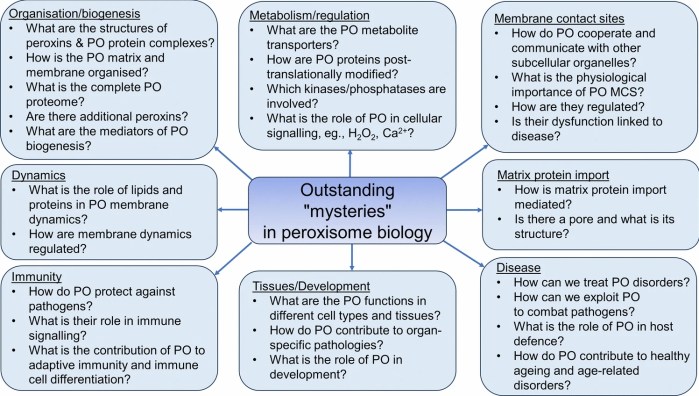
A 2024 review provided details about “mysteries” in peroxisome research:

“Peroxisomes are key metabolic organelles with essential functions in cellular lipid metabolism (e.g., β-oxidation of fatty acids and synthesis of ether phospholipids, which contribute to myelin sheath formation), and metabolism of reactive oxygen species (ROS), particularly hydrogen peroxide. Loss of peroxisomal function causes severe metabolic disorders in humans.

Additional non-metabolic roles of peroxisomes have been revealed in cellular stress responses, regulation of cellular redox balance and healthy ageing, pathogen and antiviral defence, and as cellular signalling platforms. New findings also point to a role in regulation of immune responses.

In our previous reviews, we addressed the role of peroxisomes in the brain, in neurological disorders, in development of cancer, and in antiviral defence. To avoid repetition, we refer to those articles where appropriate, and to more specialised recent reviews on peroxisome biology.

418_2023_2259_Fig5

Proper functioning of peroxisomes in metabolism requires the concerted interaction with other subcellular organelles, including the endoplasmic reticulum (ER), mitochondria, lipid droplets, lysosomes, and the cytosol. A striking example of peroxisome-ER metabolic cooperation is de novo biosynthesis of ether phospholipids.

Metabolic activities of peroxisomes, such as ɑ- and β-oxidation of fatty acids, plasmalogen synthesis, and ROS/reactive nitrogen species metabolism, have been linked to numerous immune-related pathways. Roles for peroxisomes in immune and defence mechanisms have opened a new field of peroxisome research, and highlight once more how important peroxisomes are for human health and disease.

It is still not fully understood how peroxisomal functions and abundance are regulated, what kinases/phosphatases are involved, or how peroxisomes are linked to cellular signalling pathways and how they act as signalling platforms.”

https://link.springer.com/article/10.1007/s00418-023-02259-5 “The peroxisome: an update on mysteries 3.0”


Last Friday was Day 90 of a 90-day trial of plasmalogens coincident with improving peroxisomal function via resistance exercise and time-restricted eating. A sticking point has been leg resistance exercises. Ankle issues are interfering with progress, although beach walks aren’t similarly affected. I’m almost back to an upper body exercise routine of five years ago, and I’ve added a half-dozen abs exercises.

I’ll continue taking the two Prodrome plasmalogen precursor supplements (ProdromeGlia and ProdromeNeuro) and with efforts to improve peroxisomal function. Since achieving effective resistance exercise levels is taking longer than expected, and my crystal ball is out-of-commission, I don’t have a realistic end time estimate for stopping the supplements.

Taurine’s effects on healthspan and lifespan, Part 2

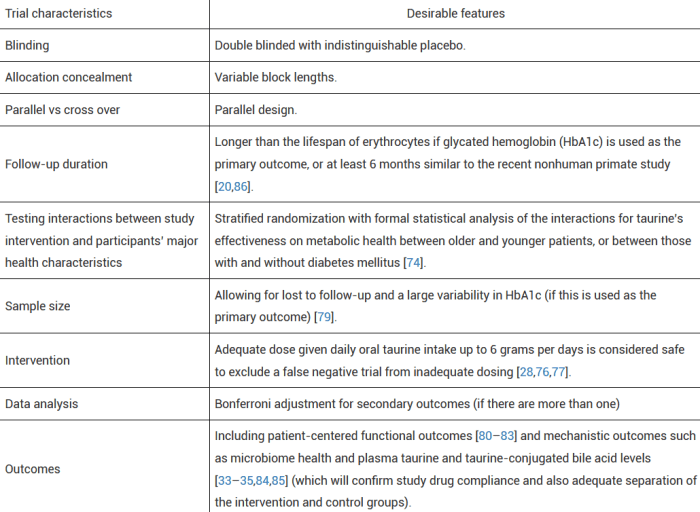
Four 2023 papers that cited Part 1, starting with a review of hypothetical parameters for taurine clinical trials that aren’t going to happen because:

  • Drug companies can’t make money from a research area that’s cheap, not patentable, and readily accessible.
  • Government sponsors are likewise not incentivized to act in the public’s interest per their recent behavior.

“We propose the rationale that an adequately powered randomized-controlled-trial (RCT) is needed to confirm whether taurine can meaningfully improve metabolic and microbiome health, and biological age.

taurine hypothetical trial

Using long-term survival as a primary outcome is desirable but difficult; any demonstrable difference in this outcome will require a substantial sample size with prolonged follow-up (e.g., 5 years or longer) if the effect size is relatively small (or modest at best). Biological age based on DNA methylation biomarkers according to the Levine PhenoAge or newer biological age models is increasingly being recognized as an important dynamic health parameter, and hence it can also be used as a surrogate outcome in assessing benefits of taurine supplementation.

The recent taurine trial on nonhuman primates used an equivalent dose that was between 3 and 6 g per day for an 80-kg person, and this could represent a reasonable dose range for any human RCTs. We believe that a 6-month or longer interventional period matching what was successfully done on nonhuman primates will be an acceptable time frame in assessing potential efficacy of taurine on human metabolic health in a RCT.”

https://www.sciopen.com/article/10.26599/1671-5411.2023.11.004 “Flattening the biological age curve by improving metabolic health: to taurine or not to taurine, that’s the question”

A six-month duration and a 6 grams per day dose were in the above table’s desirable features column, but epigenetic clock measurements weren’t included as an outcome. I’d guess that its omission reflected disagreements among coauthors, because the desirability of using epigenetic clocks as surrogate measures of human healthspan and lifespan was mentioned several times.


Another review:

“As described in the first half of this review, recent advances in omics analysis technology have led to research to detect the causative gene of dilated cardiomyopathy. It has been found that rare mutations in the taurine transporter gene contribute to the development of dilated cardiomyopathy in humans. It is unlikely that a taurine-deficient diet is a factor in dilated cardiomyopathy, but taurine intake may have positive cardiovascular effects.

The second half summarizes the relationship between taurine and healthspan and lifespan. It is difficult to summarize the effect of age in whole body taurine content, which may vary in species, strain, sex, and age of animal models. Future human studies will clarify the relationship between dietary taurine intake and healthy life expectancy.”

https://www.sciencedirect.com/science/article/pii/S1347861323000749 “Taurine deficiency associated with dilated cardiomyopathy and aging”


A human study investigated brain chemicals that fluctuate with our circadian rhythm:

“We conducted a MRS study at 7 T, where occipital NAD content, lactate, and other metabolites were assessed in two different morning and afternoon diurnal states in healthy participants. Salivary cortisol levels were determined to confirm that the experiment was done in two circadian different physiological conditions.

Although no significant differences in NAD+, NADH, and NAD+/NADH were detected between the morning and afternoon sessions, there was a significant variance difference in NAD+/NADH, with a higher variance of NAD+/NADH redox ratio in the morning.

None of the over 30 measured brain metabolites were significantly affected by the circadian rhythm (CR) except for taurine, which decreased in the afternoon. Further CR studies should consider the prospective measurement of taurine levels in different regions of the human brain, and explore how taurine supplements could impact brain CR metabolism in health and diseases.”

https://www.frontiersin.org/articles/10.3389/fphys.2023.1285776/full “Effect of circadian rhythm on NAD and other metabolites in human brain”

I omitted findings regarding this study’s pathetic Balloon Analogue Risk Task (BART) test. Older studies that drew spurious findings from this video game include:


A rodent study modeled human childhood cataracts:

“Our analysis identified targets that are required for early normal differentiation steps and altered in cataractous lenses, particularly metabolic pathways involving glutathione and amino acids. Glutathione and taurine were spatially altered, and both taurine and the ratio of reduced glutathione to oxidized glutathione, two indicators of redox status, were differentially compromised in lens biology.

1-s2.0-S2213231723002707-ga1_lrg

Dietary amino acid supplementation has been shown to prevent cataract development, and dietary intake of taurine was protective in a glutathione depletion-derived opacity model. This opens up the possibility that dietary supplementation of taurine could be used as a strategy to prevent human congenital cataracts.

Our findings shed light on molecular mechanisms associated with congenital cataracts, and point out that unbalanced redox status due to reduced levels of taurine and glutathione, metabolites already linked to age-related cataracts, could be a major underlying mechanism behind lens opacities that appear early in life.”

https://www.sciencedirect.com/science/article/pii/S2213231723002707 “Unbalanced redox status network as an early pathological event in congenital cataracts”


PXL_20240103_191340418

Take acetyl-L-carnitine if you are healthy

Eight 2023 acetyl-L-carnitine / L-carnitine papers, starting with three healthy human studies:

“Thirty healthy volunteers aged between 19 and 52 years were divided randomly into two equal groups, one of which received 1000 mg of L-carnitine (LC) per day over a 12-week period. Total cholesterol and HDL-C increased significantly after supplementation. LC could be useful in impeding development of heart diseases in subjects with low HDL-C.”

https://journaljammr.com/index.php/JAMMR/article/view/5166 “L-Carnitine Increases High Density Lipoprotein-Cholesterol in Healthy Individuals: A Randomized Trial”

Rationale for dose selection wasn’t provided, and the possibility of limited results due to poor study design wasn’t mentioned.


“This study examined effects of 12 weeks of LC supplementation on bone mineral density (BMD) and selected blood markers involved in bone metabolism of postmenopausal women participating in a resistance training (RT) program. Participants’ diets were supplemented with either 1 g of LC-L-tartrate and 3 g of leucine per day (LC group) or 4 g of leucine per day as a placebo (PLA group), in a double-blind fashion.

Because the study protocol consisted of both exercise and supplementation, some favorable changes in the BMD could be expected. However, it was not possible to detect them in the short study period. No significant modification in BMDs of the spine, hip, and total skeleton and no differences between groups in one-repetition maximum could be due to the relatively short duration of the RT intervention.”

https://nutritionandmetabolism.biomedcentral.com/articles/10.1186/s12986-023-00752-1 “Effect of a 3-month L-carnitine supplementation and resistance training program on circulating markers and bone mineral density in postmenopausal women: a randomized controlled trial”

Same comments as the first study regarding no rationale for dose selection, and no mention that limited results were possibly due to an inadequate dose.


In a letter to the editor, a researcher took issue with a study’s methodology:

“Based on finding that intravenous provision with carnitine alone does not increase muscle carnitine accretion, and on the above-reevaluated data, it appears that the basis for carnitine with caffeine being able to increase muscle carnitine levels, and thereby manipulation of muscle metabolism and exercise performance, is uncertain.

Carnitine bioavailability in any group would have been 9.5%. This assessment would be in line with previously recorded values of 5%–18% carnitine bioavailability. It is firmly believed that low carnitine bioavailability is attributable to the inability of kidneys to reabsorb carnitine when the threshold concentration for tubular reabsorption (about 40–60 μmol/L) has passed this value.

The authors’ proposed long-term use of carnitine supplementation as an aid to improve fat oxidation in type II diabetes also seems to lack provision.”

https://physoc.onlinelibrary.wiley.com/doi/10.14814/phy2.15736 “LTE: Does caffeine truly raise muscle carnitine in humans?”


Two genetic studies:

“Our findings suggest that humans have lost a gene involved in carnitine biosynthesis. Hydroxytrimethyllysine aldolase (the second enzyme of carnitine biosynthesis) activity of serine hydroxymethyl transferase partially compensates for its function.”

https://www.researchsquare.com/article/rs-3295520/v1 “One substrate-many enzymes virtual screening uncovers missing genes of carnitine biosynthesis in human and mouse”


“Reported prevalence of primary carnitine deficiency (PCD) in the Faroe Islands of 1:300 is the highest in the world. The Faroese PCD patient cohort has been closely monitored and we now report results from a 10-year follow-up study of 139 PCD patients.

PCD is an autosomal recessive disorder that affects the function of organic cation transporter 2 (OCTN2) high-affinity carnitine transporters, that localizes to the cell membrane and transport carnitine actively inside the cell. Without proper functioning OCTN2 carnitine transporters, renal reabsorption of carnitine is impaired, and as a consequence, patients suffering from PCD have low plasma levels of carnitine. This can disturb cellular energy production and cause fatigue, but also in extreme cases lead to cellular dysfunction and severe symptoms of coma and sudden death.

PCD patients seem to adhere well to L-carnitine treatment, even though they have to ingest L-carnitine tablets at least three times a day. Overall mean L-carnitine dosage was 66.3 mg/kg/day.”

https://onlinelibrary.wiley.com/doi/10.1002/jmd2.12383 “Patients with primary carnitine deficiency treated with L-carnitine are alive and doing well—A 10-year follow-up in the Faroe Islands”

The average daily dose is (66.3 mg x 70 kg) = 4,641 mg. A third of this dose would be about 1.5 g.

The first study of Acetyl-L-carnitine dosing also suggested dosing L-carnitine three times a day because of 10-20% bioavailability.


A study with unhealthy humans:

“This retrospective study analyzed medical records of adult patients between March 2007 and April 2019, with presenting complaints of fatigue and lethargy. Acetyl-L-carnitine has physiological functions similar to L-carnitine but has higher bioavailability and antioxidant properties. This study confirmed that a triple combination therapy with γ-linolenic acid, V. vinifera extract, and acetyl-L-carnitine can improve arterial stiffness in patients.

Our study had some limitations:

  1. The study population may not be representative of the entire Korean adult population.
  2. The study did not have a medication-free control group. Instead, the comparison group comprised patients with medication compliance <80%.
  3. Drop-out rate of the triple-combination therapy (46.2%, 147/318) was relatively high, indicating the possibility of bias due to loss to follow-up.
  4. The study did not consider lifestyle factors such as smoking, diet, and physical activity level, which may affect arterial stiffness.
  5. The study did not examine interactions among drugs comprising the combination therapy, although all drugs are known to positively impact blood vessels.”

https://onlinelibrary.wiley.com/doi/10.1111/jch.14708 “Efficacy of γ-linolenic acid, Vitis vinifera extract, and acetyl-L-carnitine combination therapy for improving arterial stiffness in Korean adults: Real-world evidence”

This study’s acetyl-L-carnitine dose was 500 mg three times a day.


Wrapping up with two rodent studies:

“Acetyl L-carnitine (ALCAR) has proved useful in treatment of different types of chronic pain with excellent tolerability. The present work aimed at evaluating the anti-hyperalgesic efficacy of ALCAR in a model of persistent visceral pain associated with colitis.

The acetyl group in the ALCAR molecule can enhance cholinergic signalling by promoting synthesis of neurotransmitter acetylcholine, which plays an important role in both the enteric and central nervous systems. Acetylcholine signalling has significant antinociceptive effects in development of visceral pain, so it has been proposed as a therapeutic target.

ijms-24-14841-g001

ALCAR significantly reduced establishment of visceral hyperalgesia in DNBS-treated animals, though the interventive protocol showed a greater efficacy than the preventive one.

  • The interventive protocol partially reduced colon damage in rats, counteracting enteric glia and spinal astrocyte activation resulting from colitis.
  • The preventive protocol effectively protected enteric neurons from inflammatory insult.

These findings suggest the putative usefulness of ALCAR as a food supplement for patients suffering from inflammatory bowel diseases.”

https://www.mdpi.com/1422-0067/24/19/14841 “Anti-Hyperalgesic Efficacy of Acetyl L-Carnitine (ALCAR) Against Visceral Pain Induced by Colitis: Involvement of Glia in the Enteric and Central Nervous System

This study cited multiple animal studies that found acetyl-L-carnitine was effective for different types of pain. I’ve taken it every day for nineteen years, and haven’t noticed that effect.


“Repetitive mild traumatic brain injuries (rmTBI) may contribute to development of neurodegenerative diseases through secondary injury pathways. Acetyl-L-carnitine (ALC) shows neuroprotection through anti-inflammatory effects, and via regulation of neuronal synaptic plasticity by counteracting post-trauma excitotoxicity. This study aimed to investigate mechanisms implicated in etiology of neurodegeneration in rmTBI mice treated with ALC.

ALC is an endogenously produced carnitine metabolite present in tissue and plasma, and readily crosses the blood brain barrier, unlike its unacetylated form. ALC is also a commonly available nutritional supplement, with a known safety profile, and had been well-studied for its role in aiding β-oxidation of long chain fatty acids in the mitochondria.

While some studies have shown promise for improving clinical and psychometric outcomes in individuals with probable Alzheimer’s disease (AD) and mild cognitive impairment, other studies that included participants with moderate AD progression were less conclusive. It may be that this lack of improvement is related to a therapeutic window of opportunity. Once neurodegenerative mechanisms have commenced, a reversal of these processes is not attainable.

There is currently a lack of evidence for safe therapeutics that can be administered long-term to reduce the risk of individuals developing cognitive and neuropsychological deficits after rmTBIs. Prophylactic ALC treatment in a paradigm of neurotrauma may be a way to maximize its therapeutic potential.

While brain structures display differential vulnerability to insult as evidenced by location specific postimpact disruption of key genes, this study shows correlative mRNA neurodegeneration and functional impairment that was ameliorated by ALC treatment in several key genes. ALC may mitigate damage inflicted in various secondary neurodegenerative cascades – confirmed by improvements in behavioral and cognitive function – and contribute to functional protection following rmTBI.”

https://www.frontiersin.org/articles/10.3389/fphar.2023.1254382/full “Repetitive mild traumatic brain injury-induced neurodegeneration and inflammation is attenuated by acetyl-L-carnitine in a preclinical model”

I read many traumatic brain injury papers earlier this year, but only curated two in Brain endothelial cells. I came away thinking that there’s no permanent recovery from TBIs, as just symptoms are effectively treated.

Most TBIs happen to old people who have diminished brain reserves. I didn’t see studies that factored in evidence of what happened earlier in injured people’s lives that created TBI susceptibility but wasn’t remembered.

Unlike other years, I haven’t watched any football this season. It’s unsettling that transient entertainment value continues to take precedence over permanent effects on players’ lives.


PXL_20231223_175628957

Building your plasmalogen savings account

A webinar from earlier this week with Dr. Goodenowe, a clinical trial facilitator, and a physician:

From the Q&A segment:

“Is there a particular age where it’s recommended to test for plasmalogen levels? And what levels would be considered normal?

That’s a good question. That actually raises this whole concept of optimal health and this concept of aging.

The best way to think about it – we talked about this paycheck-to-paycheck situation, where as long as our bills are paid every day, technically we think we’re normal. But we still feel this sense of health anxiety – if you will – like we just don’t know if my car breaks down, or my water heater breaks down, do I have enough money to pay these events in my life?

That’s what health feels like to a lot of people, because they’re just kind of getting by. From a health perspective, they’re considered normal, but they have no reserve capacity, and they have no vitality in terms of health.

Plasmalogens are a type of molecule that you build a savings account of, over years, over decades. Your heart builds them up, your brain builds them up, and you slowly accumulate them. Then when you get an oxidative stress like what’s happening now in today’s world with all the covid and myocarditis and brain fog – a lot of these things are being caused because that reserve of plasmalogens has been depleted.

We want plasmalogens for a longevity perspective. There are other situations that can have low plasmalogens, other things can really knock your plasmalogens down.

So you want to start early, you want to build a savings account, and you want to maintain it. Maintain health and function, and create a sustained surplus for optimal health, for optimal neuromuscular performance.”


PXL_20231207_185012059

Another reason to chew broccoli sprouts

This 2023 review explored a naturally produced antimicrobial:

“This review focuses on the role of abundant hypothiocyanous acid (HOSCN), a potent oxidant that kills bacteria but is non-toxic to human cells. Produced from thiocyanate (SCN) and hydrogen peroxide (H2O2) in a variety of body sites by peroxidase enzymes, HOSCN has been explored as an agent of food preservation, pathogen killing, and even improved toothpaste.

Lactoperoxidase (LPO) is considered the main producer of HOSCN, and is secreted in saliva, tears, breastmilk, and lacrima of mammals. LPO regulates the oral microbiome and keeps breastmilk free of pathogens during the first few weeks after delivery. LPO has long been understood to play a role in prevention of dental caries.

Thiocyanate is mostly acquired from diet. Many food plants contain glucosinolates – precursors to isothiocyanates – found in vegetables of order Brassicales (broccoli, cabbages, turnips, mustard, horseradish, etc.).

HOSCN is likely to exist at substantial concentrations in the oral cavity and the respiratory tract, and is probably present under any inflammatory circumstances. Oxidative damage caused by HOSCN is largely reversible, since HOSCN cannot oxidize thiols to sulfinic or sulfonic acid.

mmi15025-fig-0002-m

The study of bacterial HOSCN stress response is in its infancy. Results summarized above suggest overlaps with both ROS and RCS responses, particularly in the areas of redox homeostasis (e.g., glutathione metabolism), cysteine metabolism, and prevention of protein aggregation, but considerable work needs to be done to more fully characterize this response.”

https://onlinelibrary.wiley.com/doi/10.1111/mmi.15025 “Hypothiocyanite and host–microbe interactions”


PXL_20231130_190421232.MP

What is the health utility of white blood cell type count ratios?

This post explores CBC ratios of neutrophils-to-lymphocytes (NLR) and lymphocytes-to-monocytes (LMR) as healthy biomarkers.

Uses of the neutrophils-to-lymphocytes ratio asserted:

A normal range of NLR is between 1–2, and values higher than 3.0 and below 0.7 in adults are pathological.

I saw only one study out of 151 references, reference 61 from 2017, that demonstrated a “below 0.7” range. All of its sampled subjects had sepsis or septic shock, though. Not exactly people from which to derive healthy parameters for the general population.

I looked through all 2023 papers of the 223 papers that cited this review. I didn’t see any that questioned a healthy status of a low neutrophils-to-lymphocytes ratio in humans. Almost all 2023 papers focused on diseases, not health, as if that’s what we want from researchers and medical professionals.

So if a review gets enough citations, its assertions become a fait accompli, elevated to an indisputable fact. Nevermind that unlike study researchers, reviewers aren’t bound to demonstrate evidence from tested hypotheses. Citing paper writers also aren’t obligated to actually read and understand what they cite.


I looked at papers that cited any of the four papers in Uses of the lymphocytes-to-monocytes ratio. There were hundreds of citations over the years, but I didn’t see any 2023 papers that related the LMR to health rather than disease.

The reciprocal monocytes-to-lymphocytes ratio may have prognostic value or “association with” other disease conditions. But do patients care about abstract values such as area under the curve?

Are hormone ratios useful in explaining health? Behavior? Neurobiology? Anything? had a similar situation:

“Analysis of individual variables offers more information and a more accurate picture of underlying relationships.”

This paper suggested by analogy that researching treatments to increase lymphocyte and/or decrease monocyte absolute counts rather than change ratios should be emphasized for health.


Labcorp blood tests from earlier this week came back yesterday. I’ll repeat a paragraph from another blog post that illustrates my viewpoint on them:

“Every explanation of those reference ranges, and optimal ranges built from all-cause mortality statistics, requires a suffix “of people who didn’t positively change their healthspan and lifespan.”

  • What value is there in optimizing (pick a measurement) against those outcomes?
  • Why compare my efforts, or results, or any other aspect of my life, to people who didn’t actionably care about their one precious life?”

Relevant white blood cell type counts and ratios from the current and three previous blood tests are:

nlr lmr

I’ve trained my innate immune system every day for the past 19 years with yeast cell wall β-glucan because every disease is connected to the immune system. I also haven’t been sick even one day this decade.

Let’s start with high-specificity C-reactive protein (hsCRP). Bookend values show very low inflammation over the past 2.5 years. Missing and regular CRP <1 values were due to medical professionals ignoring my written instructions.

Next are innate immune system monocytes, counts of which haven’t changed over the past 2.5 years. There have been no viruses, bacteria, fungi, or parasites that survived initial defenses. So monocyte-derived dendritic cell and macrophage activity hasn’t changed.

Next are adaptive immune system lymphocyte (T cells, natural killer cells, and B cells) counts that had a steady 31% increase from 1.6 to 2.1. It would be interesting to see which lymphocyte subtypes responded to the various therapeutic regimes I’ve implemented over these past 2.5 years. But I won’t become a lab rat to find out.

Last are innate immune system neutrophil counts, which our bone marrow makes copious amounts every day to fight infections. Mine have undergone a 43% decrease over the past 2.5 years. My bone marrow apparently doesn’t have metabolic imperatives to produce more short-lived neutrophils, probably because there isn’t a health emergency to immediately defend against.

To summarize, focusing on white blood cell type counts rather than their ratios better serves health purposes. The CBC test has coarse measures, though, so more refinement could be achieved.


Here’s an epigenetic clock summary of this week’s metabolomic results:

2023 epigenetic age

This summary from 2.5 years ago used the same calculations:

2021 epigenetic age

Maybe the additional 5.6 year difference in this first measurement instead of an opposite 2.5 year change along with chronological age is a signal that I’m getting more healthy. Maybe it’s noise. Recent memories argue against phenotypic age having anywhere near the impact of chronological age.

Comparing my two results against people who didn’t positively change their healthspan and lifespan has limited value, although this could reduce their denominator’s influence. We each have our life at stake, and bad things will happen on their own. If we want good things to happen, we have to make them happen.


PXL_20231127_180605329

A good activity for bad weather days

A free educational series recorded in 2021-2022 available at https://drgoodenowe.com/dr-goodenowes-educational-seminars/ takes the viewer through underlying research and principles of Dr. Goodenowe’s approach to health. It’s advertised as lasting four hours, but took me two days to view.

The series’ discussions and references are background material to better understand later presentations and interviews. Points of interest included:

  • Seminar B100 shows that the metabolomic profile of people who regularly eat broccoli is different than others.
  • B109 clarifies how peroxisomal function is improved through resistance exercise and intermittent fasting.
  • C103 and C104 show how plasmalogens act against neurodegeneration (Parkinson’s disease and multiple sclerosis).

Texts below videos are additional information, not transcripts. C101 text is historically informative.


The B200 ProdromeScan tutorial will take more study. But unlike Labcorp tests, ordering a ProdromeScan requires using a practitioner in Dr. Goodenowe’s network.

I sent the following to Prodrome customer service earlier this month:

Please add me to your approved list for ProdromeScan.

Customer service replied:

“We only add health professionals to an approved list, not individuals.”

I responded:

Good morning. I looked at the websites of doctors who are associated with Dr. Goodenowe who are near me. All of them are too compromised for me to establish a doctor / patient relationship. But I’m glad they left up their blog posts from earlier this decade so I could see who they really were before I reached out to them.

I request an exception to the policy.

Customer service replied:

“There is no exception that can be made to this policy. You need to be a patient of a certified practitioner.”

I’ll escalate my request before my 90-day trial of Prodrome Glia and Neuro products ends so I can get an appropriate metabolomic status. Right now, I won’t involve someone I can’t trust just to know my ProdromeScan information that’s additional to next week’s Labcorp tests.

My treatment-result metabolomic data is probably not mature today on Day 29 of ProdromeGlia and ProdromeNeuro supplementation, resistance exercise, and intermittent fasting. I otherwise wouldn’t have experienced these two events:


I have a quibble with the series’ recommendations for taking N-acetyl cysteine. Relevant views and research:

Switch on your Nrf2 signaling pathway pointed out:

“We use NAC in the lab all the time because it stops an Nrf2 activation. So that weak pro-oxidant signal that activates Nrf2, you switch it off by giving a dose of NAC. It’s a potent antioxidant in that right, but it’s blocking signalling. And that’s what I don’t like about its broad use.”

If someone bombs themself everyday with antioxidants, they’re doing nothing to improve training of their endogenous systems’ defensive functions. What happens when they stop bombing? One example was a 2022 human study that found GlyNAC-induced improvements dissolved back to baseline after supplements stopped.

Also, Precondition your defenses with broccoli sprouts highlighted NAC’s deleterious effects on autophagy and lysosome functions:

“TFEB activity is required for sulforaphane (SFN)-induced protection against both acute oxidant bursts and chronic oxidative stress. SFN-induced TFEB nuclear accumulation was completely blocked by pretreatment of cells by N-acetyl-cysteine (NAC), or by other commonly used antioxidants. NAC also blocked SFN-induced mRNA expression of TFEB target genes, as well as SFN-induced autophagosome formation.”

If a secondary goal of taking NAC per is also necessary for the formation of glutathione, taurine can do that without an antioxidant bomb. Taurine supplementation will free up cysteine to do things other than synthesize taurine, like synthesize glutathione.


PXL_20231123_194849211.MP

Week 189 of Changing to a healthy phenotype with sprouts

1. I started eating 3-day-old microwaved Sango red radish sprouts ten weeks ago, but stopped two weeks ago due to stomach irritation. Earlier this year I tried them for a week using a different microwaving method, and found their glucoraphasatin pungency too much to stomach.

A technique of putting red radish sprouts in a bowl then into a Ziploc bag and using 40% power on my 1000W microwave for 10 seconds tamped their pungency down enough for a while. I use that technique every morning for a 3-day-old microwaved broccoli / red cabbage / mustard sprout mix.

I stopped eating Avena sativa oat sprouts in the evening because they don’t fit into a time-restricted eating regimen of ≤ 8 hours started last month. I still eat 3-day-old Avena sativa oat sprouts begun with 20 grams of hulled grains in the morning along with hulless Avena nuda oats.

I consider Avena nuda oats to be a sprouted grain food. After soaking 18-20 hours, about a quarter of the 82 g starting grains have visible sprouts when I eat them. 91% of Avena nuda oats visibly sprouted given a three-day germination period. So most of the Avena nuda oats that don’t show sprouts after soaking 18-20 hours have already started to germinate.

2. I’ve reduced food intake with TRE, and usually finish eating for the day before 4:00 p.m. This first item was reduced and the others deleted due to volume – too much food within 8 hours:

  • Advanced glycation end products-less chicken vegetable soup stretches for the prep day and three more days instead of two more days.
  • A daily avocado.
  • 85 g hard tofu.
  • 85 g precooked garbanzo / dark red kidney / pinto / black bean mix with untoasted sesame seeds. Will probably restart this the next time TPTB cause empty grocery store shelves.

I changed these two items after my sense of smell and taste improved:

  • I split 283 g of sliced white, crimini, portobello, and shitake mushrooms into the three leftover AGE-less chicken vegetable soup servings rather than into all four servings. Don’t need an umami bomb for prep day soup to taste good.
  • Stopped adding 3 g inulin daily to green tea. Don’t need a sweet taste.

Usually drink three cups of green tea and a cup of aluminum-free coffee before noon.

3. Supplements changed with TRE. Although the ProdromeNeuro loading dose and the 3-day-old broccoli / red cabbage / mustard sprout mix both have about 30-35 calories, I use the later mix as the start of TRE.

When I think an item’s desired results could be antagonized by having other items in the stomach, I’ll take it without eating anything else an hour before or an hour after. I’ll use meal numbers below rather than breakfast / lunch / dinner nomenclature as divisions among them are compressed.

Before Meal 1
– 3.2 g ProdromeNeuro, with nothing else an hour before or after
– 1.5 g yeast cell wall β-glucan (Glucan 300), with nothing else an hour before or after

Meal 1
– 3-day-old microwaved broccoli / red cabbage / mustard sprouts started from 10.7 g of seeds, with nothing else an hour before or after

Meals 2, 3, and 4
– 5 g total taurine
– 3.75 g total glucosamine hydroxychloride / 3 g total chondroitin sulfate, Kirkland Signature
– 3 g total acetyl-L-carnitine, Now
– 1.8 g total chondroitin sulfate, Now
– Hyaluronic acid, Nature’s Lab, 1 serving total
– 9 mg total boron, Swanson Triple Boron Complex

Meals 2 and 4
– Balance oil (total 1400 mg linoleic acid / 350 mg linolenic acid)
– 3 g total betaine anhydrous (TMG), Now
– 2 g total arginine alpha-ketoglutarate, Swanson

Meal 2 only
– Minerals and vitamins (RDA mainly), Kirkland Signature Daily Multi
– 25 mcg D3

Meal 3 only
– 56.7 g desalted capers
– 28.35 g walnuts
– 5 g creatine
– 600 mcg Vitamin K2 MK-7, Now

Meal 4 only
– 1.2 g lecithin, Now
– 30 mg zinc monomethionine / 0.3 mg copper, Now
– 25 mg lutein / 5 mg zeaxanthin
– 50 mcg D3

After Meal 4
– 3.2 g ProdromeGlia, with nothing else an hour before or after

4. I’ll get blood tests next week without involving medical professionals other than Labcorp employees. I’ll compare results to a May 2023 annual physical done in the week I started retirement to see whether I’ve changed my phenotype to be more healthy during these less-stressful past six months.


PXL_20231123_203116268