Eat broccoli sprouts to alleviate diabetic heart disease

A 2025 rodent study investigated sulforaphane’s effects on diabetic cardiomyopathy:

“The protective effect of cruciferae-derived sulforaphane (SFN) on diabetic cardiomyopathy (DCM) has garnered increasing attention. However, no studies have specifically explored its mechanistic involvement in cardiac substrate metabolism and mitochondrial function.

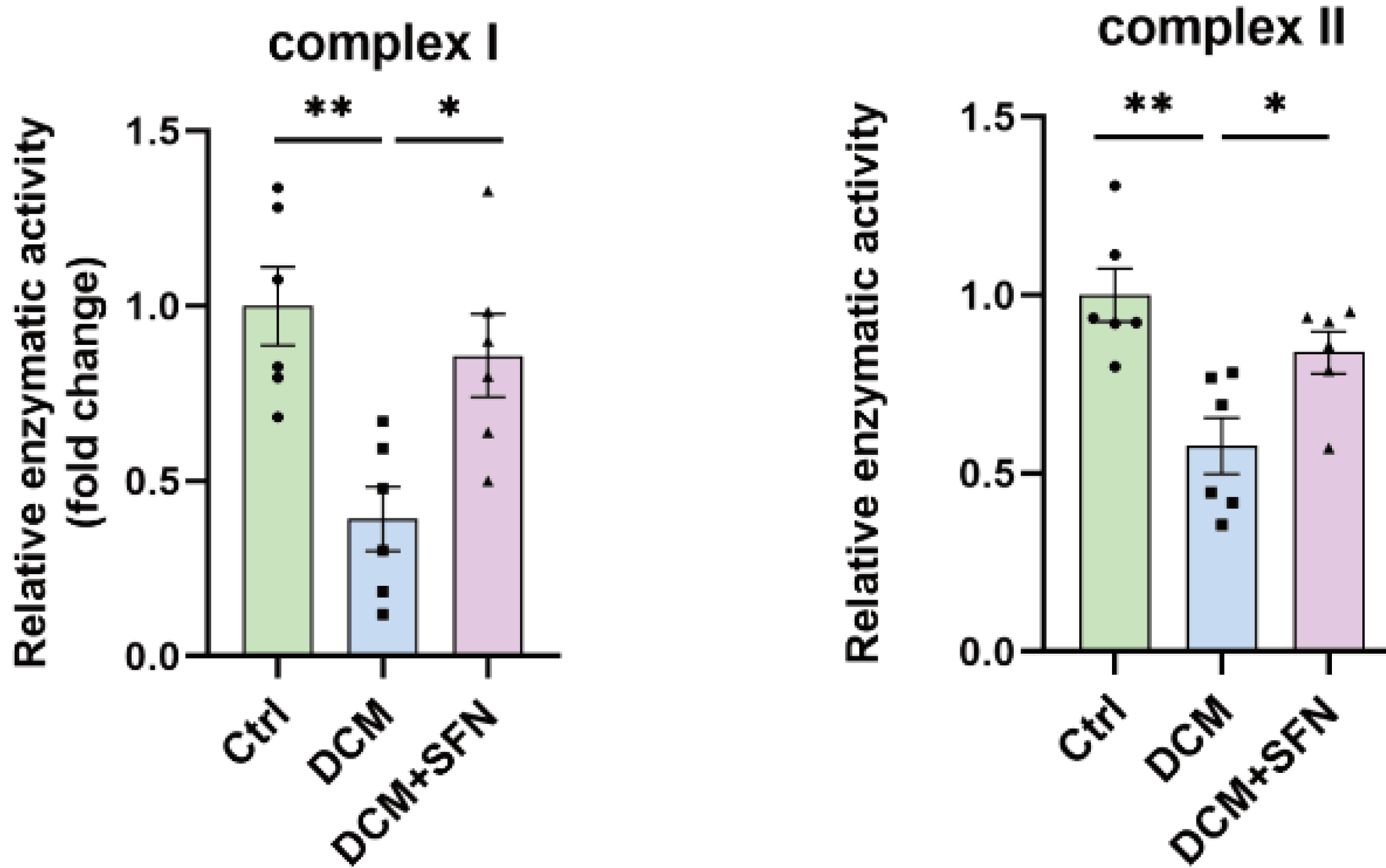
To address this gap, Type 2 diabetes mellitus (T2DM) db/db mice were orally gavaged with vehicle or 10 mg/kg body weight SFN every other day for 16 weeks, with vehicle-treated wild-type mice as controls. SFN intervention (SFN-I) alleviated hyperglycemia, dyslipidemia, HOMA-IR, serum MDA levels, and liver inflammation. SFN-I improved the lipotoxicity-related phenotype of T2DM cardiomyopathy, manifested as attenuation of diastolic dysfunction, cardiac injury, fibrosis, lipid accumulation and peroxidation, ROS generation, and decreased mitochondrial complex I and II activities and ATP content.

Although not fully understood, multiple systemic and cardiac-local mechanisms contribute to DCM, encompassing hyperglycemia, dyslipidemia, insulin resistance (IR), disturbances in cardiac substrate metabolism, lipotoxicity, glucotoxicity, mitochondrial dysfunction, oxidative stress, inflammation, and endoplasmic reticulum (ER) stress. Nrf2 and its downstream metallothionein also mediated the preventive effect of SFN on DCM, and may underlie the synergistic effect of SFN and zinc in DCM.

These results suggest that chronic oral SFN-I protects against DCM by mitigating overall metabolic dysregulation and inhibiting cardiolipotoxicity. The latter might involve controlling cardiac fatty acid metabolism and improving mitochondrial function, rather than promoting glucose metabolism.”

https://www.mdpi.com/2076-3921/14/5/603 “Oral Sulforaphane Intervention Protects Against Diabetic Cardiomyopathy in db/db Mice: Focus on Cardiac Lipotoxicity and Substrate Metabolism”


This study had numerous charts like the above showing it was better to not have a deviation from health (Ctrl) rather than incur injury (DCM) then try to fix it with sulforaphane (DCM + SFN). But the control group was wild-type mice, not mice genetically inclined to diabetes like the treatment groups.

The subjects’ starting points were at nine-weeks-old (equivalent to 18-25 year-old humans), and duration was 16 weeks. Grok 3 said: “A 25-week-old db/db mouse is roughly equivalent to a human aged 30–35 years chronologically, though its metabolic condition may mimic older human physiological states in diabetes and obesity research.”

A human equivalent of a 10 mg/kg sulforaphane dose is (.081 x 10 mg) = 56 mg orally administered every other day. That’s about how much total sulforaphane I estimated I took every day (52 mg) from Week 6 through Week 56 by eating microwaved broccoli sprouts twice daily.

No rationale was provided for the sulforaphane dose or the every-other-day dosing regimen. Since I took ~52 mg every day for almost a year, I’ll guess that this study may have had more definitive results with daily dosing. Or maybe add zinc per Zinc and broccoli sprouts – a winning combination.

Year Five of Changing to a youthful phenotype with sprouts

1. I’ve continued daily practices from Year Four to experience another year without being sick! I’ll get a set of Labcorp tests in a week to see if anything is sneaking up on me.

Really think that Brassica clinical trials should last years, not weeks. Once people get over the fact that broccoli, red cabbage, and mustard sprouts will never taste good because their compounds are plants’ defenses against predators, they’ll overlook that in favor of health benefits. Avena sativa oat sprouts don’t have a palatability problem.

2. Daily supplements have changed a little:

  • Started taking a quercetin supplement suggested in a comment to Year One as helpful for seasonal allergies (it doesn’t do that for me). Repeatedly rinsing and soaking the salt out of capers for quercetin content became too much of a nuisance, and the results didn’t always taste right;
  • Stopped taking Prodrome supplements because of unsustainable high costs;
  • Started taking Ovega 3 algae oil DHA 420 mg/EPA 140 mg twice a day in their place;
  • Substituted flax oil 1400 mg once a day for Balance oil;
  • Started taking 2 g magnesium L-threonate;
  • Upped taurine intake from 5 to 6 grams;
  • Upped D3 by 25 mcg to a daily 4400 IU;
  • Reduced chondroitin sulfate by 1.8 g since my joints are doing fine;
  • Stopped soy lecithin in favor of eating three raw eggs.

3. I injured my left shoulder in May 2024 by overdoing upper body exercises, and stopped seven months to recover. Gained thirty pounds during that layoff, and have worked off ten pounds with new routines since then.

I’m no longer dogmatic about aerobic exercise / beach walks. I’ll go over to the beach before sunrise when it isn’t raining or windy, or wait until the afternoon for weather to improve, rather than walk 30 minutes a day irregardless.

The largest cause of coincidences, Part 2

Part 1 was informative, but this 2.5 hour interview with Dr. Suzanne Humphries provided a dozen times more information on health care and other subjects. Probably couldn’t have been on YouTube six months ago for more than a few minutes until it would have been censored.

I came across this interview by reading Why Is What We Feed Infants So Unhealthy?

“As I was finishing this article, Joe Rogan made the remarkable decision earlier this week to bring Suzanne Humphries onto his show to discuss the centuries of lies we’ve been told about vaccines (which amongst other things inspired this Substack) where she not only did that but also focused on the importance of breast feeding and the increased susceptibility formula fed infants have to vaccine injuries.”

I don’t specifically search for breast feeding topics, but my electronic services and devices seem to find them for me. Such as this suggestion:

2025 α-ketoglutarate research

I haven’t mentioned α-ketoglutarate for a while, although I’ve taken it twice a day for several years. Here are four 2025 papers on α-ketoglutarate, starting with a review of its role in bone health:

“α-Ketoglutarate (α-KG) serves as a pivotal intermediate in various metabolic pathways in mammals, significantly contributing to cellular energy metabolism, amino acid metabolism, and other physiological processes. α-KG may be a therapeutic target for a variety of bone-related diseases, such as osteoporosis, osteoarthritis, and rheumatoid arthritis, because of its role in maintaining metabolic balance of bone.

α-KG, as a rate-determining mitochondrial intermediate, is crucial in cell energy metabolism because it connects intracellular carbon and nitrogen metabolism between isocitrate and succinyl coenzyme A. Additionally, α-KG is closely involved in the amino acid cycle. As a precursor of amino acids such as glutamine and glutamic acid, α-KG plays a direct role in energy production and a wide range of cellular chemical reactions. α-KG provides an energy source, stimulating protein synthesis, inhibiting protein degradation in muscle, and serving as a significant metabolic fuel for gastrointestinal cells.

α-KG promotes osteogenic differentiation of stem cells, increases activity of osteoblasts to promote osteogenesis, and inhibits bone resorption activity of osteoclasts. α-KG in articular cartilage promotes differentiation and maturation of chondrocytes and formation of a cartilage matrix. The protective effect of α-KG on bone has practical value in treatment of abnormal bone loss symptoms in various bone tissue diseases.”

https://www.sciengine.com/ABBS/doi/10.3724/abbs.2025020 “Essential role of the metabolite α-ketoglutarate in bone tissue and bone-related diseases”


A rodent study explored adding α-KG to osteoarthritis treatment:

“Mesenchymal stem cell (MSC) therapy represents a promising treatment strategy for osteoarthritis (OA). Nevertheless, the therapeutic efficacy of MSCs may be attenuated under conditions of cellular senescence or when the available clinical quantity is insufficient. α-Ketoglutarate (AKG) exerts beneficial effects on skeletal tissues and activity of stem cells. The present study was designed to explore the potential of AKG in augmenting viability of MSCs and the potential of their combined utilization in treatment of OA.

AKG plays a crucial role in multiple biological processes. It is involved in regulating stem cell differentiation, exerts anti-apoptotic effects, modulates the body’s immune and inflammatory responses, contributes to muscle and bone development, and is essential for maintaining stability of the cartilage matrix.

Platelet-rich plasma (PRP) has been demonstrated to have protective effects on chondrocytes and can effectively repair damaged cartilage in OA. However, PRP has intractable problems in terms of product quality control and allogeneic application, and its long-term therapeutic effect gradually weakens.

Combining AKG’s regulation of cellular metabolism with the multi-directional differentiation and immunomodulatory functions of MSCs is likely to generate a synergistic effect. This combined treatment modality targets the complex pathological processes of OA, including cartilage damage, inflammatory responses, and extracellular matrix imbalance, in a more comprehensive manner than a single therapy.”

https://www.sciencedirect.com/science/article/pii/S2707368825000032 “The repair effect of α-ketoglutarate combined with mesenchymal stem cells on osteoarthritis via the hedgehog protein pathway”


A rodent study investigated whether α-KG has a role in determining frailty:

“Frailty is an age-related geriatric syndrome, for which the mechanisms remain largely unknown. We performed a longitudinal study of aging female (n = 40) and male (n = 47) C57BL/6NIA mice, measured frailty index, and derived metabolomics data from plasma samples.

We find that frailty related metabolites are enriched for amino acid metabolism and metabolism of cofactors and vitamins, include ergothioneine, tryptophan, and alpha-ketoglutarate, and present sex dimorphism. We identify B vitamin metabolism related flavin adenine dinucleotide and pyridoxate as female-specific frailty biomarkers, and lipid metabolism related sphingomyelins, glycerophosphoethanolamine and glycerophosphocholine as male-specific frailty biomarkers.

We were interested to observe whether metabolite abundance at any specific timepoint was associated with frailty at a future timepoint. Unfortunately, we didn’t observe any metabolites that showed an overall significant association with future FI (FIf) or future devFI (devFIf). When focusing only on the abundance of metabolites at the baseline time point (∼400 days), we found a single metabolite, alpha-ketoglutarate, was negatively associated with both FIf and devFIf.”

https://www.biorxiv.org/content/10.1101/2025.01.22.634160v1.full “Metabolomics biomarkers of frailty: a longitudinal study of aging female and male mice”


Wrapping up with a rodent study adding α-KG to exercise for its effects on depression and learning:

“aKG acts as a prophylactic and antidepressant to effectively counteract social avoidance behaviors by modulating BDNF levels in the hippocampus and nucleus accumbens. Exercise increases aKG levels in the circulation.

In mice, aKG supplementation prolongs lifespan and reduces aging-associated frailty. aKG supplementation also reverses aging in humans as measured by DNA methylation patterns.

aKG functions as a co-factor for epigenetic enzymes. Changes in the intracellular αKG/succinate ratio regulates chromatin modifications, including H3K27me3 and ten-eleven translocation (Tet)-dependent DNA demethylation. The ability of aKG to influence epigenetic status of cells may explain both its prophylactic and anti-depressant effects since transcriptional dysregulation and aberrant epigenetic regulation are unifying themes in psychiatric disorders. This may also explain its ability to differentially regulate BDNF expression in the hippocampus and NAc.

If exercise mediates its effects through aKG, aKG may be a pivotal component of an exercise pill along with lactate and BHB that can serve as both a prophylactic and antidepressant treatment for depression.”

https://www.sciencedirect.com/science/article/pii/S266717432500031X “α-ketoglutarate (aKG) is a circulatory exercise factor that promotes learning and memory recall and has antidepressant properties


Epigenetic clock analysis of a clinical trial

A 2025 paper performed post-hoc epigenetic clock analyses of a supplement and exercise clinical trial completed earlier this decade:

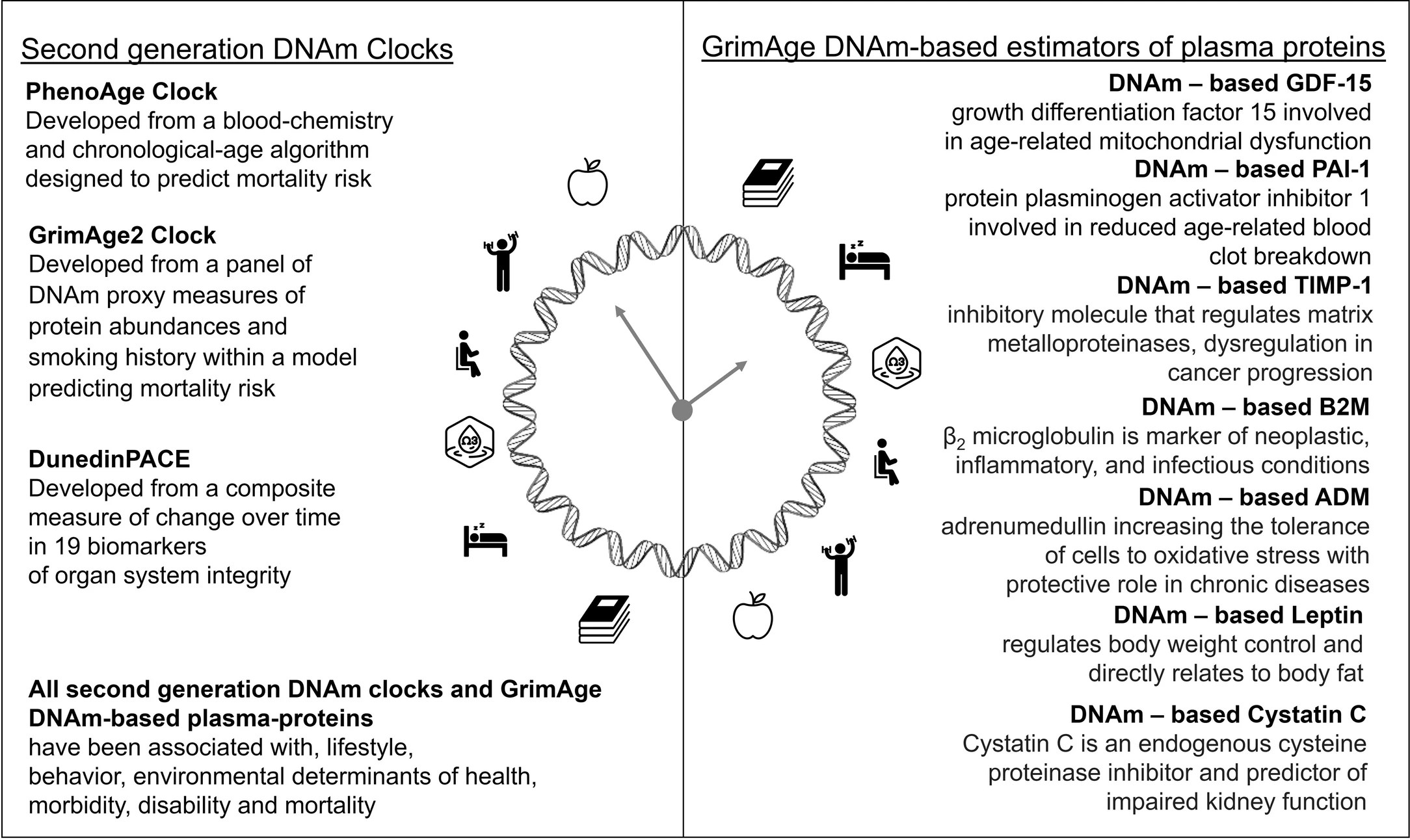
“We report results of a post hoc analysis among 777 participants of the DO-HEALTH trial on the effect of vitamin D (2,000 IU per day) and/or omega-3 (1 g (330 mg EPA plus 660 mg DHA from marine algae) per day) and/or a home exercise program (a strength-training exercise program performed for 30 min three times per week) on four next-generation DNA methylation (DNAm) measures of biological aging (PhenoAge, GrimAge, GrimAge2 and DunedinPACE) over 3 years. Omega-3 alone slowed the DNAm clocks PhenoAge, GrimAge2 and DunedinPACE, and all three treatments had additive benefits on PhenoAge.

Inclusion criteria were age 70 years and older, living at home, having no major health events (no cancer or myocardial infarction) in the 5 years before enrollment, having sufficient mobility to visit the study centers without help and having good cognitive function with a Mini-Mental State Examination score of at least 24. 777 provided consent for these analyses and had samples available after the application of the exclusion criteria. This group of individuals formed our analysis sample, which had the following characteristics: 59% were women; the mean age at baseline was 75 years; 30% had 25-hydroxyvitamin D (25(OH)D) levels of <20 ng ml−1; 53% were healthy agers as defined in the Nurses’ Health Study (free of major chronic diseases, disabilities, cognitive impairments and mental health limitations); and 88% were physically active (29% were active one to three times per week, and 59% were active more than three times per week). The Swiss participant subgroup represents a healthier and more active subgroup within the total DO-HEALTH population.

Overall, from baseline to year 3, standardized effects ranged from 0.16 to 0.32 units (2.9–3.8 months). In summary, our trial indicates a small protective effect of omega-3 treatment on slowing biological aging over 3 years across several clocks, with an additive protective effect of omega-3, vitamin D, and exercise based on PhenoAge.”

https://www.nature.com/articles/s43587-024-00793-y “Individual and additive effects of vitamin D, omega-3 and exercise on DNA methylation clocks of biological aging in older adults from the DO-HEALTH trial”

These epigenetic clock measurements of a subset of trial subjects was interesting, although I didn’t find it particularly relevant to what I do. I take twice as much Vitamin D and omega-3s everyday, do resistance exercises once or twice a week whenever I’ve recovered from the previous session, walk a few miles on the beach if the weather is nice, and other things.

I don’t bother with epigenetic clock measurements anymore because the free one (PhenoAge) is too variable to be personally accurate. For other clocks, it would be meaningless if all I got was a 2-3 month improvement over a three year period like this trial. Studies usually find that the most deficient subjects at the beginning are the ones that show the greatest improvements with effective treatments. Unhealthiness on any epigenetic clock parameter probably wouldn’t be my starting point, so I may not show even a one-month improvement over three years.


Dr. Goodenowe offered his opinion on the paper:

“DHA is a polyunsaturated fatty acid that is essential for maintaining youthful fluidity of the body’s membranes. While our bodies can make DHA from the essential omega-3 dietary fatty acid, as we get older, our ability to make DHA decreases and oxidative stress on our bodies increases. These two factors contribute to our membranes becoming stiffer and less pliable as we age, in other words, ‘older.’

Because getting older and losing function appear to go hand in hand, we equate aging with a loss of function. As such, we think that aging causes this loss of function, like a disease. Instead, the opposite is true, and it’s the loss of function that causes aging. To slow aging you need to focus on maintaining function.”

https://www.prevention.com/health/a63850396/vitamin-exercise-boost-longeivty-study/ “Scientists Find Taking This Vitamin Boosts Longevity, Add Years to Your Life”

Prevention magazine’s editors need to better proof their writers’ work before it gets published. Unlike the headline, the trial had nothing to do with adding years to human lifespan.

Broccoli antihypertensive peptides

This 2025 rodent cell study investigated effects of broccoli peptides:

“ACE is a pivotal enzyme that has a regulatory effect on blood pressure in human renin-angiotensin system (RAS). Inhibiting ACE activity can reduce production of angiotensin II (Ang II), which binds to receptors on the vascular wall, causing vasoconstriction.

Development of natural ACE inhibitors with low side effects is an urgent need for cardiovascular therapy. Many natural angiotensin-converting enzyme inhibitory (ACEI) peptides have been widely studied. However, their stability in vivo is poor in most cases.

In this study, peptides were initially digested from broccoli in vitro, and absorption was simulated by Caco2 cells transport and then analyzed by peptideomics and molecular docking. ACEI activity of broccoli crude peptide increased after digestion.

Subsequently, mechanisms were verified using a high glucose-induced vascular smooth muscle cells (VSMCs) dysfunction model. Five peptides not only inhibited proliferation, migration, and apoptosis of VSMCs by inhibiting ERK and p38 MAPK phosphorylation, but also restrained the activities of ACE and AT1R, prominently reducing Ang II levels within VSMCs under high glucose.

This research provides valuable insights into the production of novel ACEI peptides derived from broccoli protein, and offers directions for utilization of these antihypertensive peptides in health applications.”

https://www.frontiersin.org/journals/nutrition/articles/10.3389/fnut.2025.1528184/fullIn vitro gastrointestinal digestion simulation screening of novel ACEI peptides from broccoli: mechanism in high glucose-induced VSMCs dysfunction”


Coffee compound effects

Three papers continue Polyphenol Nrf2 activators themes starting with a 2025 review of chlorogenic acid:

“Chlorogenic acid may comprise between 70 and 350 mg per cup of coffee. Chlorogenic acid can reduce reactive oxygen species (ROS) levels via the upregulation of antioxidant enzymes, decreasing oxidative stress/damage due to the action of adaptive hormetic mechanisms. There is also a substantial literature of hormetic dose responses for metabolites of chlorogenic acid, such as caffeic acid and ferulic acid.

Chlorogenic acid-induced hormetic biphasic dose responses in a spectrum of experimental designs:

  1. Responses to direct exposures in a range of cell types;
  2. Preconditioning experiments in which a prior dose of chlorogenic acid protected against a subsequent stressor agent;
  3. Studies that included direct exposure, showing hormesis dose responses and then selecting the optimal hormetic dosage as a preconditioning treatment to protect against a subsequent exposure to a toxic agent; and
  4. A mixed group of experiments in which preconditioning was conducted, including several neuronal cellular models, all showing protection against the subsequent exposure to the toxic agent.

However, in the context of translating experimental data to clinical relevance, the concentrations employed in the majority of the in vitro studies with chlorogenic acid far exceeded transitory peak levels, even in heavy coffee drinkers (i.e., approximately 3 μM). In addition to the use of unrealistically high chlorogenic acid concentrations, exposures were prolonged, ranging from 1 to 3 days. These studies are of limited relevance to humans, a similar concern raised by other researchers involved with polyphenol research.


The present paper has framed the hypothesis that key coffee constituents, such as chlorogenic acid, show hormetic effects in a range of cell types and endpoints. Chlorogenic acid may affect some of the health benefits of coffee drinking via its role in GI tract health and beneficial brain-gut interaction.”

https://www.sciencedirect.com/science/article/abs/pii/S0009279724004897 “Do the hormetic effects of chlorogenic acid mediate some of the beneficial effects of coffee?” (not freely available) Thanks to Dr. Evgenios Agathokleous for providing copies of this and the following paper.


A 2024 review by the same research group was on hormetic effects of caffeic acid:

“Caffeic acid is a polyphenol present in numerous fruits and vegetables, especially in coffee. Diets contain about 5–10 to 50 milligrams per day of caffeic acid while coffee ingestion provides about another 250–600 milligrams per day. For the moderate to heavy coffee drinker this would result in an ingestion of about 600–1000 milligrams of caffeic acid from food and coffee consumption.

The present paper evaluates whether caffeic acid may act as an hormetic agent, mediating its chemoprotective effects as has been shown for related agents, such as rosmarinic acid, ferulic acid, and chlorogenic acid. Caffeic acid protective effects were mediated via the upregulation of a series of antioxidant enzymes related to activation of Nrf2.

Caffeic acid enhanced the lifespan of C. elegans along with similar observations for rosmarinic acid that can be hydrolyzed to caffeic acid. Several hundred plant-based agents can enhance lifespan in experimental models such as C. elegans, and there is a competition to find the most effective agents with potential commercial applications.

Hormetic effects typically show a 30 to 60% stimulation above control. This is far below the 2 to 3-fold greater than control detection limit for statistical significance based on human variability/bioplasticity and are often reported as false negatives.

A weight-of-evidence approach was proposed based on multiple in vivo and in vitro test results to derive a study design strategy to increase detection of hormetic effects within the clinical trial framework. Such research should explore hormetic based interactions linking protective catabolic-based adaptive responses with activation and regulation of anabolic mediated hormetic growth effects.”

https://www.tandfonline.com/doi/full/10.1080/19390211.2024.2410776 “Caffeic Acid: Numerous Chemoprotective Effects are Mediated via Hormesis” (not freely available)


A 2024 review provided an overall picture of coffee compounds’ cardiometabolic effects:

“This review provides a comprehensive synthesis of longitudinal observational and interventional studies on the cardiometabolic effects of coffee consumption.

  • Findings indicate that while coffee may cause short-term increases in blood pressure, it does not contribute to long-term hypertension risk.
  • There is limited evidence indicating that coffee intake might reduce the risk of metabolic syndrome and non-alcoholic fatty liver disease.
  • Coffee consumption is consistently linked with reduced risks of type 2 diabetes (T2D) and chronic kidney disease (CKD), showing dose-response relationships.
  • The relationship between coffee and cardiovascular disease is complex, showing potential stroke prevention benefits but ambiguous effects on coronary heart disease.
  • Moderate coffee consumption, typically ranging from 1 to 5 cups per day, is linked to a reduced risk of heart failure, while its impact on atrial fibrillation remains inconclusive. Coffee consumption is associated with a lower risk of all-cause mortality, following a U-shaped pattern, with the largest risk reduction observed at moderate consumption levels.
  • Except for T2D and CKD, Mendelian randomization studies do not robustly support a causal link between coffee consumption and adverse cardiometabolic outcomes.

Potential beneficial effects of coffee on cardiometabolic health are consistent across age, sex, geographical regions, and coffee subtypes and are multi-dimensional, involving antioxidative, anti-inflammatory, lipid-modulating, insulin-sensitizing, and thermogenic effects. Based on its beneficial effects on cardiometabolic health and fundamental biological processes involved in aging, moderate coffee consumption has the potential to contribute to extending healthspan and increasing longevity.”

https://pmc.ncbi.nlm.nih.gov/articles/PMC11493900 “Coffee consumption and cardiometabolic health: a comprehensive review of the evidence”


Reversing hair greying, Part 2

Three papers that cited the 2021 Reversing hair greying study, starting with a 2024 rodent study:

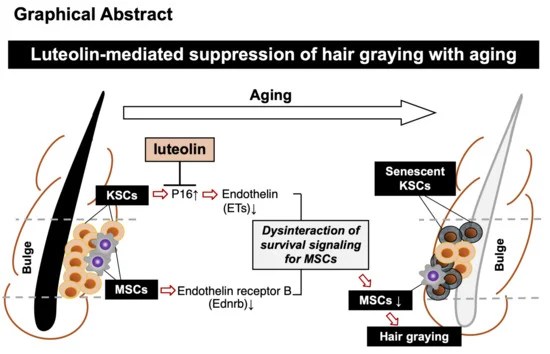
“External treatment with luteolin, but not that with hesperetin or diosmetin, alleviated hair graying in model mice. Internal treatment with luteolin also mitigated hair graying.

Both treatments suppressed the increase in p16ink4a-positive cells in bulges [senescent keratinocyte stem cells (KSCs)]. Both treatments also suppressed decreases in expression levels of endothelins in KSCs and their receptor (Ednrb) in melanocyte stem cells (MSCs), and alleviated hair graying in mice.”

https://www.mdpi.com/2076-3921/13/12/1549 “Anti-Graying Effects of External and Internal Treatments with Luteolin on Hair in Model Mice”

This study treated subjects internally and externally with luteolin and hesperetin, which are ranked #7 (effective treatment) and #14 (not an effective treatment) per Nrf2 activator rankings. I wonder what these researchers would have found if they used the #1 ranked Nrf2 activator, sulforaphane.


A 2024 review managed to cover the Nrf2 activation subject without mentioning sulforaphane:

“Certain types of hair graying can be prevented or treated by enhancing MSC maintenance or melanocyte function, reducing oxidative stress, and managing secretion and action of stress hormones.

Tactical approaches to pursue this goal may include a selective activation of the p38 MAPK–MITF axis, enhancing cellular antioxidant capacity through activating NRF2, and modulating the norepinephrine–β2AR–PKA signaling pathway.”

https://www.mdpi.com/2076-3417/14/17/7450 “Intrinsic and Extrinsic Factors Associated with Hair Graying (Canities) and Therapeutic Potential of Plant Extracts and Phytochemicals”

This reviewer also avoided citing the 2021 Sulforaphane and hair loss, although hair loss was mentioned multiple times. I suspect that institutional politics was involved, as both papers are from South Korea.


Reference 32 of this review was a 2023 review that covered mainly unintentional hair greying reversal as a side effect noted when people had pharmaceutical treatments for various diseases:

“Hair graying is a common and visible sign of aging resulting from decreased or absence of melanogenesis. It has long been thought that reversal of gray hair on a large scale is rare. However, a recent study reported that individual gray hair darkening is a common phenomenon, suggesting the possibility of large-scale reversal of gray hair.

All these treatments rely on the presence of a sufficient population of active McSCs. Maintaining a healthy population of McSCs is also an urgent problem that needs to be addressed.”

https://www.ijbs.com/v19p4588.htm “Reversing Gray Hair: Inspiring the Development of New Therapies Through Research on Hair Pigmentation and Repigmentation Progress”


I published A hair color anecdote two months into eating broccoli sprouts every day when I first noticed dark hair growing in. Since it’s been over 4 years that I’ve continued eating broccoli sprouts daily, I think it’s alright to stop referring to my continuing reversal of hair greying as an anecdote.

But it was apparently too late to address hair loss, which started before I turned 30. So now you know what to do. 🙂

An elevator pitch for plasmalogen precursors

An excerpt from the latest video at Dr. Goodenowe’s Health Matters podcast, Episode 7 “The Truth about Parkinson’s”, starting at 50:30:

“What’s exciting about this community medicine focus that we’ve switched to which basically says: How do we develop technologies in a way that they can be incorporated into a community model versus a pharmaceutical drug model? People can actually do I would say self-experiment just the way you self-experiment with your own diet because these are fundamentally dietary nutrition molecules.

Could you give me an elevator pitch because there are probably people listening who are thinking what is this plasmalogen precursor and for sure how is it having this dramatic effect?

Plasmalogens are the most important nutrient that nobody knows about. Normally you don’t know about it because the body is usually pretty good at making them. What makes plasmalogens unique is that your body makes them kind of like cannon fodder, the first group of people that go into war. Your body throws them out for destruction. They absorb oxidative stress and get destroyed in the process.

They’re stored in your cell membranes. 50% of the membranes of your heart are these plasmalogen molecules. When your heart gets inflamed, what your heart does is it dumps these plasmalogens out of its membranes to douse the flame of inflammation. After inflammation is under control, your body naturally builds these things back up again.

But if you have an inability to make enough plasmalogens, these inflammation events knock you down and keep you down. So plasmalogen precursors are critical for maintaining high levels of plasmalogens across your body, not just in your brain (30% of the lipids in your brain) but in your heart, your lungs, your kidneys.”


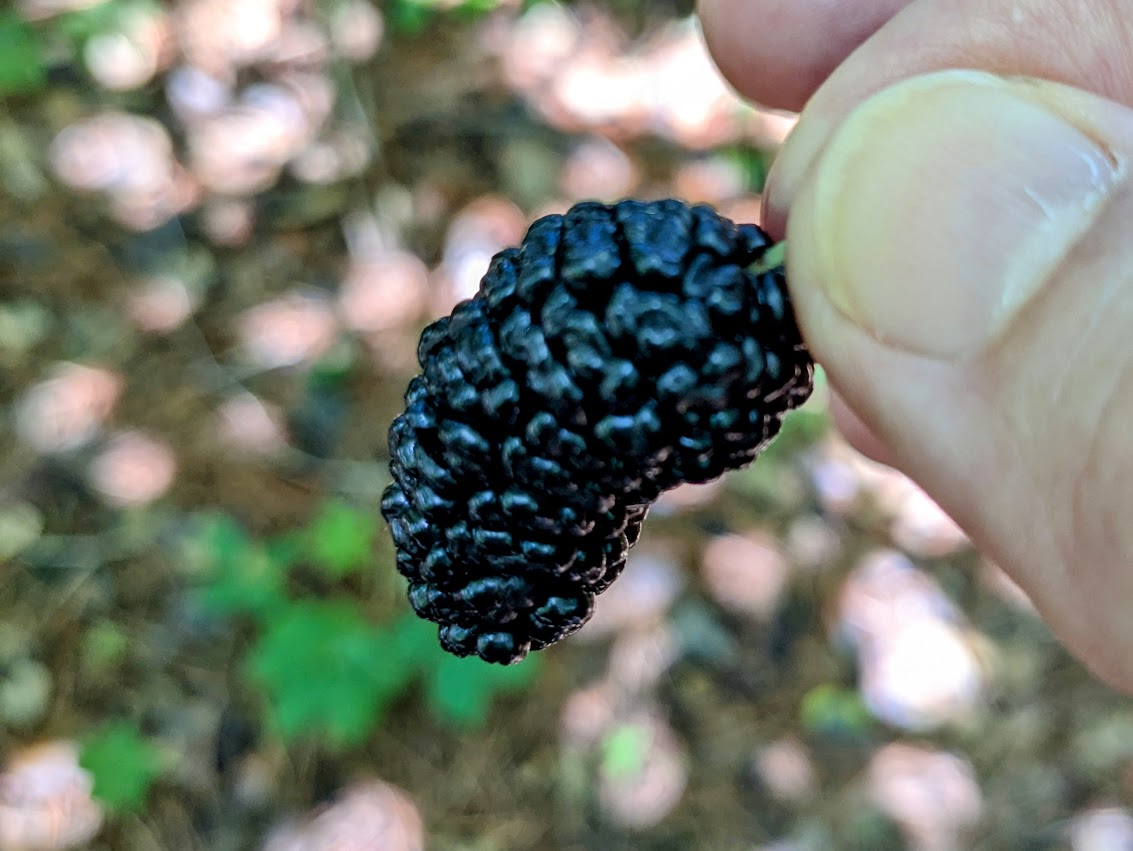
PXL_20241117_185248742~2

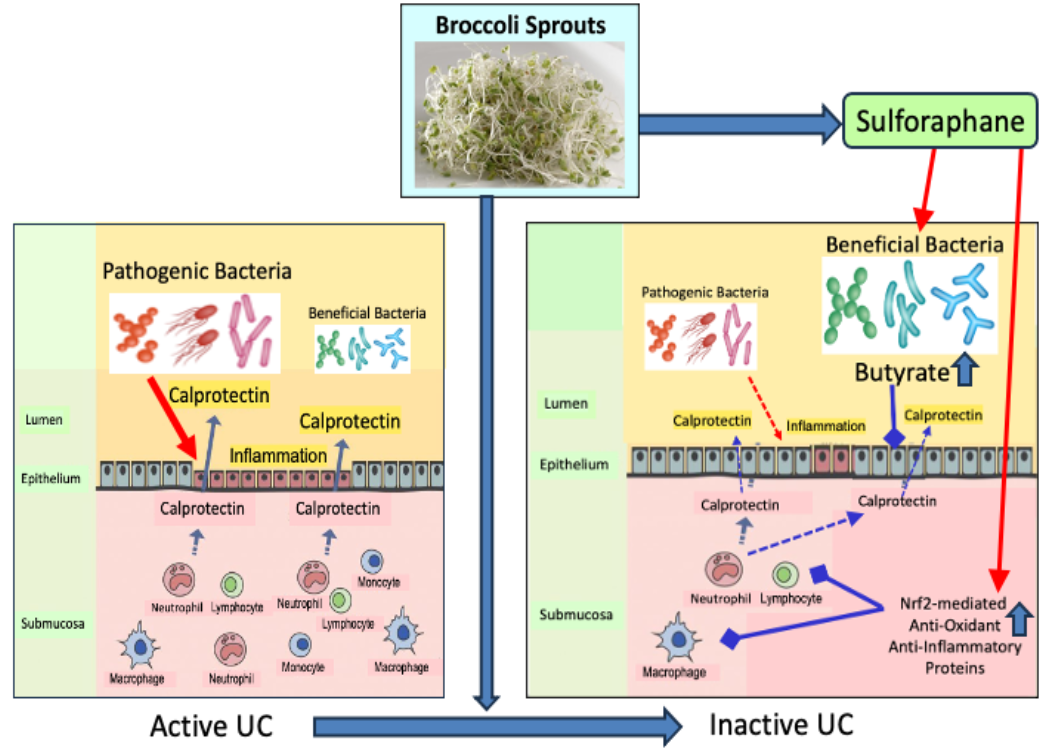
Do broccoli sprouts help treat colonic inflammation?

A 2024 human study investigated broccoli sprouts’ effects as an adjunct to ulcerative colitis treatment:

“A dietary approach with sulforaphane (SFN)-rich broccoli sprouts (BS) mitigates colonic inflammation in human ulcerative colitis (UC) patients treated with mesalazine. Subjects were instructed to take 20 g of raw BS or alfalfa sprouts (AS) daily for 8 weeks, with BS containing 4.4 mg/g glucoraphanin, a precursor of sulforaphane, and AS containing no glucoraphanin.

Our findings indicate that the positive effects of SFN-rich BS may be driven by activation of the Nrf2-dependent antioxidant system, which helps combat chronic oxidative stress.

broccoli sprouts and ulcerative colitis

Instead of using glucoraphanin tablets, we used raw BS in our study. Most of the glucoraphanin in BS is converted to biologically active SFN by myrosinase activity in raw BS during chewing BS in the oral cavity. The rest of the glucoraphanin is converted into biological active SFN by myrosinase activity in intestinal microbiota.

Oral intake of BS induces much higher concentrations of systemic SFN compared to taking the same amount of oral glucoraphanin tablets. Another clinical trial using pure SFN, such as via glucoraphanin tablets, instead of using BS, must be conducted.”

https://www.ffhdj.com/index.php/ffhd/article/view/1440/4044 “Dietary intake of sulforaphane-rich broccoli sprouts decreases fecal calprotectin levels in patients with ulcerative colitis”


This study’s daily 20 grams of broccoli sprouts and 88 mg (4.4 mg x 20) glucoraphanin is about what I take, with red cabbage sprouts (which also contain glucoraphanin) and mustard sprouts comprising the other two thirds of total 60-65 grams. Sulforaphane amounts weren’t calculated, as they depend on whether sprouts were eaten with other foods (I’ve eaten them alone since Week 19), how thoroughly sprouts were chewed (I chew each mouthful for at least a minute before swallowing), the presence of certain gut microbiota, sprout age, and other factors.

PXL_20241006_161510628

Activate Nrf2 to reduce biological age

A 2024 primate study investigated effects of an off-patent drug on age-related changes:

“We evaluated geroprotective effects of metformin on adult male cynomolgus monkeys. The study encompassed a comprehensive suite of physiological, imaging, histological, and molecular evaluations, substantiating metformin’s influence on delaying age-related phenotypes at the organismal level.

monkey nrf2

Results highlighted a significant slowing of aging indicators, notably a roughly 6-year regression in brain aging. Metformin exerts a substantial neuroprotective effect, preserving brain structure and enhancing cognitive ability.

Geroprotective effects on primate neurons were partially mediated by activation of Nrf2, a transcription factor with anti-oxidative capabilities.”

https://www.cell.com/cell/abstract/S0092-8674(24)00914-0 “Metformin decelerates aging clock in male monkeys” (not freely available). Thanks to Dr. Pradeep Reddy for providing a copy.


From this study’s Nrf2 activation findings:

“Metformin treatment resulted in increased nuclear phosphorylated Nrf2, accompanied by up-regulation of Nrf2 target genes like HO-1, NQO-1, SOD3, GPX2, and GPX1, which were generally suppressed and typically down-regulated during human neuron senescence.

Genes pivotal for neuronal function, such as dendrite morphogenesis/extension and synapse assembly (e.g., GSK3B, GRID2, and NRG3), were down-regulated during aging in excitatory neurons (ExN), inhibitory neurons (InN), oligodendrocytes (OL), oligodendrocyte progenitor cells (OPC), microglia, and astrocyte but were restored by metformin treatment. By contrast, pathways that were up-regulated during aging, including activation of the immune response, complement activation, and regulation of the TGF-b receptor signaling pathway, were reset to lower levels by metformin treatment.

metformin neuronal gene pathways

We verified that markers associated with brain aging and progression of neurodegenerative diseases were restored by metformin treatment to levels similar to those observed in young monkeys. Additionally, we observed that reduced myelin sheath thickness, a characteristic of aged monkeys, was rebuilt to a younger state following metformin treatment.

These findings align with the levels of nuclear-localized phosphorylated Nrf2, suggesting that Nrf2 pathway activation is a key mechanism in metformin’s role in delaying human neuronal aging and, by extension, brain aging. Consistent with our in vitro findings, Nrf2 pathway activation was also detected across multiple tissues in metformin-treated monkeys, including frontal lobe neurons.


At last count, I’ve curated 250+ papers this decade on cruciferous vegetables, and many of these explored relationships with Nrf2 activation. Basically, eating a clinically-relevant daily dose of 3-day-old cruciferous sprouts and taking off-patent metformin both induce Nrf2 activation effects.

Don’t expect to see many researchers highlighting this equivalency. They’d rather wait another decade to nitpick other studies with not-enough-subjects / not-exactly replicated / other nitpicks before expressing opinions urging caution from their nursing home beds.

But even then, they won’t get their facts straight. For example, a contemporaneous opinion article https://www.nature.com/articles/d41586-024-02938-w “The brain aged more slowly in monkeys given a cheap diabetes drug” attempted to summarize this study, and flubbed two points:

1. The study said: “We conducted a proof-of-concept study involving male cynomolgus monkeys (Macaca fascicularis) aged between 13 and 16 years, roughly equivalent to approximately 40–50 years in humans. Monkeys adhered to this regimen for a period of 1,200 days, approximately 3.3 years, which corresponds to about 10 years in humans.”

The opinion claimed: “Animals took the drug for 40 months, which is equivalent to about 13 years for humans.”

2. The opinion quoted a New York City researcher involved in a separate metformin study and employed at a medical school for:

“Research into metformin and other anti-ageing candidates could one day mean that doctors will be able to focus more on keeping people healthy for as long as possible rather than on treating diseases.”

This statement is a big break from the realities of medical personnel daily actions at least so far this decade, which is when I started to pay close attention:

  • Doctors have very little diet and exercise training in medical school. There’s no way they can give health advice. There’s no way that a “keeping people healthy” paradigm will emerge from the current medical system.
  • Fixing a disease doesn’t restore a patient’s health. Dr. (PhD) Goodenowe cites several examples in his talks, such as a study that compared colorectal cancer therapy with post-operation patient health.
  • If you listen to yesterday’s two-hour-long podcast, the currently injured person in the first hour gave plenty of contrary evidence of doctors’ focuses: behaviors of trying to blame and gaslight the patient, thinly-disguised punitive actions, CYA etc., all of which they will be sued for one day. The doctor in the second hour provided an example of the quoted researcher in her explanation of how doctors higher in the hierarchy either can’t see or can’t admit realities of doctor/patient interactions, and what therapies have actually benefited or harmed a patient.

The largest cause of coincidences

Good luck finding reporting of this September 2024 medical malpractice (first hour) outside of uncensored social media. Followed in the second hour by how common this type of hospital care is.

1:04:30 Interviewee, who risked her career for stating the truth about what she saw: “Sometimes I don’t even have words.” Interviewer: “For how stupid it is.”

See Part 2 for a longer interview with Dr. Suzanne Humphries.


PXL_20240908_181153475

Eat broccoli sprouts to help repair nerve damage

A 2024 rodent study investigated sulphoraphane’s capability to enhance injured peripheral nerve regeneration:

“We provide in vivo evidence for the regenerative potency of sulforaphane (SFN) for peripheral nerve injury. This effect appears to be predominantly based on the ability of SFN to activate the Nrf2 transcription factor and its versatile downstream effector, HO-1, in cells of the peripheral nerve, in particular Schwann cells.

With regard to translational implications, we chose a dosage of SFN in our mouse model that corresponds to a human equivalent dose of approximately 50–100 mg per day. This dosage of SFN is well achievable with commercially available dietary supplements.

nrf2 and ho-1 expression

Regenerative benefits of Nrf2/HO-1 activation in the peripheral nerve were previously established in a study using dimethyl fumarate (DMF). Due to the immunosuppressive effects of DMF and its potential side effects such as gastrointestinal effects and flushes, this drug can only be used to a limited extent to promote nerve regeneration.

Given the ubiquitous expression and versatile actions of HO-1, our findings suggest that SFN may also be beneficial for neuropathies in general. As a downstream effector of IL-10, the protective and regenerative potency of HO-1 may also apply to inflammatory neuropathies in particular.

SFN sustains the Nrf2/HO-1 pathway, promoting nerve regeneration and facilitating Schwann cell functions, which may include survival, proliferation, and autophagy for myelin debris clearance. These findings suggest that SFN could serve as a valuable therapeutic approach for addressing peripheral nerve injuries, neuropathies, and inflammatory neuropathies, potentially offering renewed prospects for patients contending with these debilitating conditions.”

https://www.mdpi.com/2076-3921/13/9/1038 “Enhancement of Heme-Oxygenase 1 in the Injured Peripheral Nerve Following Sulforaphane Administration Fosters Regeneration via Proliferation and Maintenance of Repair Schwann Cells”


A human-equivalent to this study’s daily 10 mg sulforaphane dose is (10 mg x .081) x 70 kg = 57 mg, albeit the mouse dose was injected intraperitoneally. These researchers apparently hedged their human equivalent of “approximately 50–100 mg per day” to account for administration method differences in bioavailability between oral and intraperitoneal.

PXL_20240628_093554057

A heterochromatin loss theory of aging? Or just an unhealthy system?

A 2024 rodent study investigated epigenetic effects of loosening compacted chromatin:

“We show using a novel mouse strain, (TKOc), carrying a triple knockout of three methyltransferases responsible for H3K9me3 deposition, that the inducible loss of H3K9me3 in adulthood results in premature aging. TKOc mice exhibit:

  • Reduced lifespan;
  • Lower body weight;
  • Increased frailty index;
  • Multi-organ degeneration;
  • Transcriptional changes with significant upregulation of transposable elements; and
  • Accelerated epigenetic age.

TKOc survival

Through simultaneous depletion of Setdb1 and Suv39h1/2 methyltransferases, crucial to formation of constitutive heterochromatin, our model analyzes consequential transcription changes including a potential source of genomic instability by activation of endogenous mobile genetic elements, specifically transposable elements.

These findings reveal the importance of epigenetic regulation in aging, and suggest that interventions targeting epigenetic modifications could potentially slow down or reverse age-related decline.”

https://www.biorxiv.org/content/10.1101/2024.07.24.604929v1.full “Loss of H3K9 trimethylation leads to premature aging”


Many of these findings could be restated without viewing them as age-related, i.e.: failure to maintain an adult’s methyltransferase system results in a loss of health. For example, an unhealthy methyltransferase system indicated by parameters like homocysteine levels (not mentioned) can be reversed to healthy function regardless of age. Healthy vs. unhealthy system function wasn’t the paradigm these researchers operated under, though.


PXL_20240726_101120498

How to choose your medical professional

Two+ decades ago (before smart phones) I wrote a series of short books entitled How To Choose Your  Lawyer, ..Accountant, ..Financial Advisor. My customers were mainly public libraries.

This is a short post on choosing doctors, although I’ve fired all my doctors and don’t have one. Everything that’s happened this decade has made me wonder why I trusted doctors in the first place.

1. It takes certain behavioral quirks for doctors to assert they know better than you do about what is good for you. These behaviors usually have nothing to do with these doctors’ patients, but patients somehow believe doctors.

These behaviors are almost always doctors’ act-outs of early-life traumas of unfulfilled needs. Pain keeps people from feeling their actual histories, though, so we don’t deal with our real histories therapeutically until we absolutely have to.

If your doctor listens to you at all, it’s only because they are constantly vigilant for some way to fulfill their own unsatisfied needs. But that neither resolves anything for them, as an early need can’t be satisfied years later, nor has anything to do with what you need from a medical professional.

2. If you’ve read extensively about an area and have questions, a doctor may know less than you. That won’t keep them from gaslighting you due to 1. above, but it does keep you from getting what you need from them. Discussing facts you know with a medical professional who is intentionally ignorant about a medical subject gets you nowhere.

3. If your doctor has not publicly disclaimed their advocacy of this decade’s misguided genetic therapy, they are compromised and can’t be trusted. It doesn’t matter what else they said, because they weren’t honest about what they knew or should have known, as revealed by their actions or inactions.

For example, two studies published in June 2024 established that:

  • Neurologic issues (68% increase in depression, and a 44% increase in anxiety / dissociative / stress-related / somatoform disorders) followed COVID gene therapy: https://www.nature.com/articles/s41380-024-02627-0 “Psychiatric adverse events following COVID-19 vaccination: a population-based cohort study in Seoul, South Korea” (2,027,353 people)
  • COVID gene therapy increased the risk of mild cognitive impairment 138% and the risk of Alzheimer’s by 23%: https://academic.oup.com/qjmed/advance-article-abstract/doi/10.1093/qjmed/hcae103/7684274 “A potential association between COVID-19 vaccination and development of Alzheimer’s disease” (558,017 people). These graphics showed rapidly increasing MCI and AD incidences. The study’s analysis showed incidence increases could not have happened by chance.

ea3f75cb-a071-4cc9-9bd8-0609d0ad8961_1466x890

A doctor’s only honest response to this malfeasance is to publicly apologize, and tell their trusting patients they will make it up to them by providing free healthcare to help mitigate results of their unprofessional conduct. If they tell you something else, it’s a distraction from consequences that are beyond words.