The role of DNMT3a in fear memories

This 2018 Chinese rodent study found:

“Elevated Dnmt3a [a DNA methyltransferase] level in the dorsal dentate gyrus (dDG) of hippocampus was associated with the absence of fear renewal in an altered context after extinction training. Overexpression and knockdown of Dnmt3a in the dDG regulated the occurrence of fear renewal in a bi-directional manner.

We found that renewal of remote fear memory can be prevented, and the absence of renewal was concurrent with an elevated Dnmt3a level.

Our results indicate that Dnmt3a in the dDG is a key regulator of fear renewal after extinction, and Dnmt3a may play a critical role in controlling fear memory return and thus has therapeutic values.”
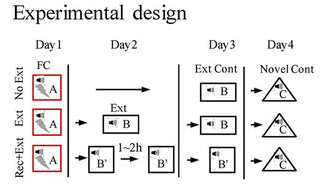

The study was a collection of five experiments investigating causes and effects of biology and behavior. The researchers used different techniques to achieve their goals. I’ve quoted extensively below to show some background and results.

“Alterations in histone acetylation and DNA methylation are involved in the formation and extinction of long-term memory. DNMTs catalyze the cytosine methylation and are required to establish and maintain genomic methylation.

Dnmt3a and Dnmt3b are de novo DNA methyltransferases. Dnmt1 is the maintenance DNA methyltransferase.

  1. Dnmt3a expression was elevated in the dDG after extinction training followed by a brief memory retrieval (Rec+Ext), which was associated with the absence of fear renewal when tested in an altered context.
  2. Increasing Dnmt3a expression in the dDG using AAV [recombinant adeno-associated virus] expression led to the prevention of fear renewal following a standard extinction training protocol. 
  3. Knockdown of Dnmt3a in the dDG using CRISPR/Cas9 resulted in fear renewal following Rec+Ext protocol.
  4. Renewal of remote fear memory can be prevented using the Rec+Ext protocol.
  5. The absence of renewal was concurrent with an elevated Dnmt3a level.

Current exposure therapy, although effective in many patients, suffers from the inability to generalize its efficacy over time, or is limited by the potential return of adverse memory in the new/novel contexts. These limitations are caused by the context-dependent nature of extinction which is widely viewed as the biological basis of exposure therapy.

Achieving a context-independent extinction may significantly reduce fear renewal to improve the efficacy of exposure therapy. Our current study suggests that the effectiveness of these approaches, and ultimately the occurrence of fear renewal, is determined by the level of Dnmt3a after extinction training, especially in the dDG.

There are two potential mechanisms underlying extinction, one is erasure or updating of the formed memory, and the other is the formation of a new extinction memory which suppresses or competes with the existing memory in a context-dependent manner. While most studies favor the suppression mechanism in the adult, limited studies do suggest that erasure occurs in the immature animals.

We propose that if Dnmt3a level is elevated with extinction training (such as with Rec+Ext protocol), modification to the existing memory occurs and as a consequence extinction does not act as a separate mechanism or form a new memory; but if Dnmt3a level is unaltered with extinction training, a separate extinction memory is formed which acts to suppress or compete with the existing memory.”


The relevant difference between humans and lab rats is that we can ourselves individually change our responses to experiential causes of ongoing adverse effects. Standard methodologies can only apply external treatments such as exposure therapy and manipulating Dnmt3a levels.

https://www.nature.com/articles/s41598-018-23533-w “Dnmt3a in the dorsal dentate gyrus is a key regulator of fear renewal”

How well do single-mother rodent studies inform us about human fathers?

Two items before getting to the review:

This 2018 Australian review subject was paternal intergenerational and transgenerational transmission of biological and behavioral phenotypes per this partial outline:

“Evidence for non-genetic inheritance of behavioral traits in human populations

  • Intergenerational inheritance modulating offspring phenotypes following paternal exposure to trauma
  • Epigenetic inheritance via the germline following paternal environmental exposures
  • Limitations of research on epigenetic inheritance in human populations

The transgenerational impact of stressful paternal environments

  • Impact of paternal stress on affective behaviors and HPA-axis regulation of progeny
  • Influence of paternal stress exposure on offspring cognition
  • Role of sperm-borne microRNAs in the epigenetic inheritance of stress

Sexually dimorphic aspects of paternal transgenerational epigenetic inheritance”

The review was comprehensive, and filled in the above outline with many details towards the goal of:

“This exciting new field of transgenerational epigenomics will facilitate the development of novel strategies to predict, prevent and treat negative epigenetic consequences on offspring health, and psychiatric disorders in particular.”

The reviewers also demonstrated that current intergenerational and transgenerational research paradigms exclude a father’s child care behavior.


The fact that studies use rat and mouse species where fathers don’t naturally provide care for their offspring has warped the translation of findings to humans. The underlying question every animal study must answer is: how can its information be used to help humans? I asked in A limited study of parental transmission of anxiety/stress-reactive traits:

“How did parental behavioral transmission of behavioral traits and epigenetic changes become a subject not worth investigating? These traits and effects can be seen everyday in real-life human interactions, and in every human’s physiology.

Who among us doesn’t still have biological and behavioral consequences from our experiences of our father’s child care actions and inactions? Why can’t researchers and sponsors investigate these back to their sources that may include grandparents and great-grandparents?

Such efforts weren’t apparent in the review’s 116 cited references that included:

The reviewer in the latter has been instrumental in excluding behavioral inheritance mechanisms from these research paradigms, leading to my questions:

  1. “If the experimental subjects had no more control over their behavioral stress-response effects than they had over their DNA methylation, histone modification, or microRNA stress-response effects, then why was such behavior not included in the “epigenetic mechanisms” term?
  2. How do behavioral inheritance mechanisms fall outside the “true epigenetic inheritance” term when behavioral stress-response effects are shown to be reliably transmitted generation after generation?
  3. Wouldn’t the cessation of behavioral inheritance mechanisms confirm their status by falsifiability as was similarly done with studies such as the 1995 Adoption reverses the long-term impairment in glucocorticoid feedback induced by prenatal stress?”

Translating rodent studies into human mothers’ behavioral transmission of biological and behavioral phenotypes isn’t hampered by the studied species’ traits as it is for human fathers. But sponsors have to have the guts to support human research that may not produce politically-correct findings.


http://www.translatingtime.org provides an inter-species comparative timeline. For example, an input of:

  • Species 1: Human
  • Process: Lifespan
  • Location: Whole Organism
  • Days (post-conception): 270
  • Species 2: Mouse

produces a list of event predictions. Note how many significant events occur before humans are born at day 270, assuming everything goes right with our developmental processes! Also, the model predictions for humans end at post-conception day 979, three weeks short of when we celebrate our second birthday.

https://www.nature.com/articles/s41380-018-0039-z “Transgenerational epigenetic influences of paternal environmental exposures on brain function and predisposition to psychiatric disorders” (not freely available) Thanks to Dr. Shlomo Yeshurun for providing a full copy.

This dietary supplement is better for depression symptoms than placebo

This 2018 Italy/UK meta-analysis subject was the use of dietary supplement acetyl-L-carnitine to treat depression symptoms:

“Deficiency of acetyl-L-carnitine (ALC) appears to play a role in the risk of developing depression, indicating dysregulation of fatty acids transport across the inner membrane of mitochondria. However, the data regarding ALC supplementation in humans are limited. We thus conducted a systematic review and meta-analysis investigating the effect of ALC on depressive symptoms across randomized controlled trials (RCTs).

Pooled data across nine RCTs (231 treated with ALC versus 216 treated with placebo and 20 no intervention) showed that ALC significantly reduced depressive symptoms.

In these nine RCTs, the majority of the studies used 3 grams of ALC as intervention.

In three RCTs comparing ALC versus antidepressants (162 for each group), ALC demonstrated similar effectiveness compared with established antidepressants [fluoxetine (Prozac), duloxetine (Cymbalta), amisulpride (Solian) respectively below] in reducing depressive symptoms. In these latter RCTs, the incidence of adverse effects was significantly lower in the ALC group [79%] than in the antidepressant group.

Subgroup analyses suggested that ALC was most efficacious in older adults. Future large scale trials are required to confirm/refute these findings.”

From the Methods section:

“Studies were excluded if:

  1. did not include humans;
  2. did not include a control group;
  3. did not use validated scales for assessing depression;
  4. did not report data at follow-up evaluation regarding tests assessing depression;
  5. included the use of ALC with another agent vs. placebo/no intervention.”

The Discussion section was informative regarding possible mechanisms of ALC affecting depression, pain, and linked symptoms. Several citations were of a review rather than of the original studies, however.


Research needs to proceed on to investigate therapies that address ultimate causes for depression and pain. Researchers and sponsors shouldn’t stop at just symptoms and symptom relief, notwithstanding the requirement from a statistical point of view for “future large scale trials.”

Here are other acetyl-L-carnitine topics I’ve curated:

https://journals.lww.com/psychosomaticmedicine/Citation/2018/02000/Acetyl_L_Carnitine_Supplementation_and_the.4.aspx “Acetyl-L-Carnitine Supplementation and the Treatment of Depressive Symptoms: A Systematic Review and Meta-Analysis” (not freely available)


This post has somehow become a target for spammers, and I’ve disabled comments. Readers can comment on other posts and indicate that they want their comment to apply here, and I’ll re-enable comments.

Placebo is better than these drugs

Consider this post a reblog of Neuroskeptic’s informative About that New Antidepressant Study.

“Here’s why the new study doesn’t tell us much new. The authors..conclude that “all antidepressants were more effective than placebo,” but the benefits compared to placebo were “mostly modest.” Using the Standardized Mean Difference (SMD) measure of effect size, Cipriani et al. found an effect of 0.30, on a scale where 0.2 is considered ‘small’ and 0.5 ‘medium.’

The thing is, “effective but only modestly” has been the established view on antidepressants for at least 10 years. Just to mention one prior study, the Turner et al. (2008) meta-analysis found the overall effect size of antidepressants to be a modest SMD=0.31 – almost exactly the same as the new estimate.”


From the comments section:

“I put his data in a Forest plot and ALL of the positive effect[s] by CBT [cognitive behavior therapy] could be explained by publication bias.

Paroxetine was developed in 1975 and FDA approved for MDD in 1992. It was 2017 before we discovered the true data behind suicides in these trials. That is 25 years. The order of SSRI approval is fluoxetine-> sertraline-> paroxetine-> citalopram-> escitalopram. We know from court cases and other efforts that the suicide data for the first three are false.

PhRMA never got serious about studying clinically meaningful subtypes of “depression” so most data in the meta-analysis just bear on a weak construct called “major depression.”

The reality is these drugs do not help depression much (if any) at all – their effect is to numb the emotions in most people.

The only thing worse than Paxil is Paxil withdrawal.”

Another review of the study, Rewarding the Companies That Cheated the Most in Antidepressant Trials, from which this post is titled, had these comments:

“Patients who take part in these drug trials have been on an antidepressant before the trial. They are then put on placebo for 10 days, a so-called washout. Then half the group, now in cold turkey wit[h]drawal, is now put back on a similar drug to what they had 10 days earlier, and the other group gets to continue their Cold turkey withdrawal.

The fact that these studies are just testing relief from abstinence symptoms by taking a similar drug, could explain why there is no effect in children and young adults.

Most people don’t realize that we are talking about statistical significance, and not clinical significance. The so-called significant difference between drug and placebo is approximately two points on the Hamilton depression scale. The difference has to be at least three for either patient or therapist to notice a difference.

According to this study (https://www.ncbi.nlm.nih.gov/pubmed/23357658), changes of three points or less on the HAM-D correspond to ratings of “no change” on clinician‐rated global symptom severity.

What this study has confirmed is that antidepressants can create a totally insignificant difference compared to a placebo pill. The placebo pill is often combined with attention and close follow up with a professional, and this has a very positive effect.”

Maternal obesity causes fetal liver damage

This 2018 US baboon study was on fetal effects from maternal obesity before and during pregnancy:

“Approximately 64% of women of childbearing age in the USA [are] overweight or obese. The baboon is a well-characterized animal model sharing many physiological, metabolic, and genetic characteristics with humans allowing direct translation of findings to human pregnancy.

Our study shows that fetal exposure to the MO [maternal obesity] intrauterine environment results in dysregulation of fetal hepatic genes central to metabolism.

These findings were further supported by identification of miRNAs that were inversely expressed with key genes in these pathways..suggest important early molecular mechanisms by which MO programs fetal hepatic lipid metabolism.

Future studies are required in MO post-natal offspring to determine the extent to which the fetal phenotype persists, and the degree to which this increases offspring risk of cardiometabolic disorders in later life.”


The study provided many measurements that may be relevant to humans. Other consequential measurements were missing that may have made the study’s findings even more applicable to humans:

  • No placental measurements other than weight. The organ through which the fetus received its nutrients, signaled its needs, modulated its growth rate, and developed its organs, was only measured by weight?
  • No other epigenetic analyses such as DNA methylation and histone modifications.

Were these omitted due to limited resources?

http://onlinelibrary.wiley.com/doi/10.1113/JP275422/pdf “Primate fetal hepatic responses to maternal obesity: epigenetic signalling pathways and lipid accumulation”

RNA and neurodegenerative diseases

This 2018 Chinese paper reviewed the associations among long non-coding RNA and four neurodegenerative diseases:

“lncRNAs are widely implicated in various physiological and pathological processes, such as epigenetic regulation, cell cycle regulation, cell differentiation regulation, cancer, and neurodegenerative diseases, through their interactions with chromatin, protein, and other RNAs. Numerous studies have suggested that lncRNAs are closely linked with the occurrence and development of a variety of diseases, especially neurodegenerative diseases, of which the etiologies are complicated and the underlying mechanisms remain elusive.

We focus on how lncRNA dysfunctions are involved in the pathogenesis of Alzheimer’s disease, Parkinson’s disease, Huntington’s disease, and amyotrophic lateral sclerosis.”


Table 1 showed specific lncRNAs that acted as “bodyguards” in inherited Huntington’s disease, “culprits” in Alzheimer’s disease, and as both in Parkinson’s disease. The table didn’t include lncRNAs associated with amyotrophic lateral sclerosis although the review text mentioned several.

https://www.sciencedirect.com/science/article/pii/S2162253117303104 “Long Non-coding RNAs, Novel Culprits, or Bodyguards in Neurodegenerative Diseases”

A study of gene-environment interactions

This 2018 Hungary/UK study used Bayesian analysis to better understand gene-environment interactions that produce depression:

“Most genetic studies do not consider the effect of stressors which may be one reason for the lack of replicable results in candidate gene studies, GWAS [genome-wide association studies] and between human studies and animal models. Animal models of depression usually imply environmental factors, such as chronic unpredictable stress or learned helplessness.

Relevance of functional polymorphisms in seven candidate genes previously implicated in animal and human studies on a depression-related phenotype given various recent stress exposure levels was assessed with Bayesian relevance analysis in 1682 subjects.

Our data support the strong causative role of the environment modified by genetic factors, similar to animal models.”

From the Methods and Materials section:

“In order to identify recent negative life events (RLE) we used the List of Threatening Experiences questionnaire which queried problems related to illnesses/injuries, financial difficulties, problems related to intimate relationships, and social network occurring in the last year. Based on corresponding items the number of RLEs was counted for each subject, and categorized (low = 0–1, moderate = 2, high = 3/more).”

One item from the findings, and two from the cited references were:

“5-HTTLPR [serotonin transporter], the most extensively investigated polymorphism with respect to interaction with life events, showed only very low relevance.

Compared to heritability which accounts for 37–42% in the variance in general population samples, influence of environmental effects is estimated at 63% in depression.

Etiologically relevant distal and proximal stressors are relatively common, and while frequency of severe life events is estimated to be one in every 3–4 years, depression is triggered in only about one fifth of those with acute stress exposure.”


The methods of this study bypassed problems with GWAS and provided evidence for the lasting effects of “Etiologically relevant distal..stressors.” This was another way of saying that traumatic experiences beginning from the earliest parts of our lives can affect our lifelong biology and behavior.

As mentioned in Changing an individual’s future behavior even before they’re born, GWAS:

“Focuses on the average effect of alternative alleles averaged in a population.”

What this methodology often missed was:

“When phenotypic variation results from alleles that modify phenotypic variance rather than the mean, this link between genotype and phenotype will not be detected.”

The problems found in GWAS may also be found in epigenome-wide association studies. Researchers conducting DNA methylation analyses in particular may benefit from changing their approach if what they’re doing follows the GWAS paradigm.

Using twins to estimate the extent of epigenetic effects summarized three studies’ methods that showed:

“The epigenetic effects of each of our unique experiences of our non-shared environment predominately determine our individual physiology.”

This study’s approach should be considered, given the almost 2:1 relative impacts of environmental over genetic factors in influencing our biology and behavior. It’s especially indicated when human studies don’t replicate animal studies’ findings from strictly controlled experimental environments.


It wasn’t the study’s purpose to evaluate effective treatments for depression. Yet the abstract ended with:

“Galanin-2 receptor, BDNF and X-type purin-7 receptor could be drug targets for new antidepressants.”

The researchers were very careful to document the benefits of using a different approach to a problem. I hope that in the future, they will maintain their carefulness and independence in their approach to solutions, and not be influenced by:

“Consultancy, speaking engagements and research for Bristol-Myers Squibb, AstraZeneca, Eli Lilly, Schering Plough, Janssen-Cilag and Servier..share options in P1vital..consultancy fees from Alkermes, Lundbeck-Otsuka Ltd., Janssen-Cilag Ltd and fees for speaking from Lundbeck.”

https://www.nature.com/articles/s41598-018-22221-z “Significance of risk polymorphisms for depression depends on stress exposure”

Sleep and adult brain neurogenesis

This 2018 Japan/Detroit review subject was the impact of sleep and epigenetic modifications on adult dentate gyrus neurogenesis:

“We discuss the functions of adult‐born DG neurons, describe the epigenetic regulation of adult DG neurogenesis, identify overlaps in how sleep and epigenetic modifications impact adult DG neurogenesis and memory consolidation..

Whereas the rate of DG neurogenesis declines exponentially with age in most mammals, humans appear to exhibit a more modest age‐related reduction in DG neurogenesis. Evidence of adult neurogenesis has also been observed in other regions of the mammalian brain such as the subventricular zone, neocortex, hypothalamus, amygdala, and striatum.

Adult‐born DG neurons functionally integrate into hippocampal circuitry and play a special role in cognition during a period of heightened excitability and synaptic plasticity occurring 4–6 weeks after mitosis. Adult DG neurogenesis is regulated by a myriad of intrinsic and extrinsic factors, including:

  • drugs,
  • diet,
  • inflammation,
  • physical activity,
  • environmental enrichment,
  • stress, and
  • trauma.”


Some of what the review stated was contradicted by other evidence. For example, arguments for sleep were based on the memory consolidation paradigm, but evidence against memory consolidation wasn’t cited for balanced consideration.

It reminded me of A review that inadvertently showed how memory paradigms prevented relevant research. That review’s citations included a study led by one of those reviewers where:

“The researchers elected to pursue a workaround of the memory reconsolidation paradigm when the need for a new paradigm of enduring memories directly confronted them!”

Some of what this review stated was speculation. I didn’t quote any sections after:

 “We go one step further and propose..”

The review also had a narrative directed toward:

“Employing sleep interventions and epigenetic drugs..”

It’s storytelling rather than pursuing the scientific method when reviewers approach a topic as these reviewers did.

Instead of reading a directed narrative, read this informative blog post from a Canadian researcher. The post provided scientific contexts to summarize what was and wasn’t known in 2018 about human neurogenesis.

http://onlinelibrary.wiley.com/doi/10.1002/stem.2815/epdf “Regulatory Influence of Sleep and Epigenetics on Adult Hippocampal Neurogenesis and Cognitive and Emotional Function”

What will it take for childhood trauma research to change paradigms?

This 2018 German human study found:

“DNA methylation in a biologically relevant region of NR3C1-1F [glucocorticoid receptor gene] moderates the specific direction of HPA-axis dysregulation (hypo- vs. hyperreactivity) in adults exposed to moderate-severe CT [childhood trauma].

In contrast, unexposed and mildly-moderately exposed individuals displayed moderately sized cortisol stress responses irrespective of NR3C1-1F DNA methylation. Contrary to some prior work, however, our data provides no evidence for a direct association of CT and NR3C1-1F DNA methylation status.”


The study was an example of why researchers investigating the lasting impacts of human traumatic experiences won’t find causes, effects, and productive therapies until their paradigms change.

1. Limited subject histories

A. Why weren’t the subjects asked for historical information about their parents, grandparents, and great-grandparents?

The researchers had no problem using animal studies to guide the study design, EXCEPT for animal studies of the etiologic bases of intergenerational and transgenerational transmission of biological and behavioral phenotypes. Just the approximate places and dates of three generations of the German subjects’ ancestors’ births, childhoods, adolescences, and early adulthoods may have provided relevant trauma indicators.

B. Why are studies still using the extremely constrained Childhood Trauma Questionnaire? Only one CTQ aspect was acknowledged as a study design limitation:

“Our findings rely on retrospective self-report measures of CT, which could be subject to bias.”

But bias was among the lesser limiting factors of the CTQ.

The study correlated epigenetic changes with what the subjects selectively remembered, beginning when their brains developed sufficient cognitive functionalities to put together the types of memories that could provide CTQ answers – around age four. The basic problem that kept the CTQ from discovering likely most of the subjects’ traumatic experiences causing epigenetic changes was that these experiences predated the CTQ’s developmental starting point:

  1. A human’s conception through prenatal period is when both the largest and the largest number of epigenetic changes occur, and is when our susceptibility and sensitivity to our environment is greatest;
  2. Birth through infancy is the second-largest; and
  3. Early childhood through the age of three is the third largest.

CTQ self-reports were – at best – evidence of experiences after age three, distinct from the  experience-dependent epigenetic changes since conception. If links existed between the subjects’ early-life DNA methylation and later-life conditions, they weren’t necessarily evidenced by CTQ answers about later life that can’t self-report relevant early-life experiences that may have caused DNA methylation.

2. Limited subject selection

The researchers narrowed down the initial 622 potential subjects to the eventual 200 subjects aged 18 to 30. An exclusion criteria that was justified as eliminating confounders led to this limitation statement:

“Our results might be based on a generally more resilient sample as we had explicitly excluded individuals with current or past psychopathology.”

Was it okay for the researchers to assert:

“Exposure to environmental adversity such as childhood trauma (CT) affects over 10% of the Western population and ranges among the best predictors for psychopathology later in life.”

but not develop evidence for the statement by letting people who may have been already affected by age 30 and received treatment participate in the study?

Was the study design so fragile that it couldn’t adjust to the very people who may be helped by the research findings?

3. Limited consequential measurements

The current study design conformed to previous studies’ protocols. The researchers chose cortisol and specific DNA methylation measurements.

A. Here’s what Sex-specific impacts of childhood trauma had to say about cortisol:

“Findings are dependent upon variance in extenuating factors, including but not limited to, different measurements of:

  • early adversity,
  • age of onset,
  • basal cortisol levels, as well as
  • trauma forms and subtypes, and
  • presence and severity of psychopathology symptomology.”

The researchers knew or should have known all of the above since this quotation came from a review.

B. What other consequential evidence for prenatal, infancy, and early childhood experience-dependent epigenetic changes can be measured? One overlooked area was including human emotions as evidence.

There are many animal studies from which to draw inferences about human emotions. There are many animal models of creating measurable behavioral and biological phenotypes of human emotion correlates, with many methods, including manipulating environmental variables during prenatal, infancy, and early childhood periods.

Studies that take detailed histories may arrive at current emotional evidence for human subjects’ earliest experience-dependent changes. Researchers who correlate specific historical environments and events, stress measurements, and lasting human emotions expressed as “I’m all alone” and “No one can help me” will better understand causes and effects.

CTQ answers weren’t sufficiently detailed histories.

4. Limited effective treatments and therapies

The current study only addressed this area in the final sentence:

“Given their potential reversibility, uncovering epigenetic contributions to differential trajectories following childhood adversity may serve the long-term goal of delivering personalized prevention strategies.”


Researchers – if your paradigms demonstrate these characteristics:

  • Why are you spending your working life in efforts that can’t make a difference?
  • Aren’t your working efforts more valuable than that?
  • What else could you investigate that could make a difference in your field?

I hope that researchers will value their professions enough to make a difference with their expertise. And that sponsors won’t thwart researchers’ desires for difference-making science by putting them into endless funding queues.

http://www.psyneuen-journal.com/article/S0306-4530(17)31355-0/pdf “Glucocorticoid receptor gene methylation moderates the association of childhood trauma and cortisol stress reactivity” (not freely available)

Cell senescence and DNA methylation

This 2018 Baltimore cell study found:

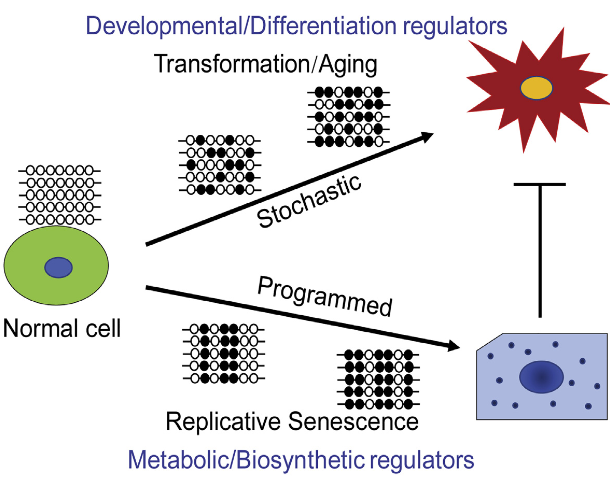
“Based on similarities in overall methylation patterns in replicative senescence and cancers, it is hypothesized that tumor-promoting DNA methylation in cancers derives from cells escaping senescence.

We show that the tumor-associated methylation changes evolve independently of senescence and are pro-survival events with functional implications contrasting that in senescence.

In our analyses, although overall global gains and losses in DNA methylation are similar, at individual genomic regions the methylation patterns are very different for senescence versus transformation.”

https://www.sciencedirect.com/science/article/pii/S1535610818300084 “DNA Methylation Patterns Separate Senescence from Transformation Potential and Indicate Cancer Risk” (not freely available)


I hesitated to use the study’s main graphic:
because the “Stochastic” labeling of the upper branch didn’t represent the vector’s meaning. The In Brief and the Summary sections contributed to the misrepresentation by stating:

“transformation-associated methylation changes arise stochastically.”

which wasn’t the study’s main finding:

“Our data outlined in the above sections strongly suggest against this senescence bypass hypothesis.”

Although the experimental design and methods evoked randomness:

“Immortalization on the path to malignant transformation involves stochastic epigenetic patterns from which cells contributing to transformation may evolve.”

the graphic’s upper branch vector represented the cells’ evolutionary responses. The Significance section best characterized what the study found:

“Tumor-associated methylation changes evolve independently of senescence and are pro-survival events.”

Would anyone at John Hopkins argue, as the graphic’s upper branch labeling suggested, that cellular aging is a predominantly random process? NO!


1. Epigenetics research and evolution promoted understanding the graphic’s upper branch vector:

“Evolution is an ongoing set of iterative interactions between organisms and the environment. Directionality is introduced by the agency of organisms themselves.”

2. The current study provided another data point about the uselessness of convenient but non-etiologic, inconsequential measurements of global methylation:

“Although overall global gains and losses in DNA methylation are similar, at individual genomic regions the methylation patterns are very different.”

3. The current study was congruent with the below finding of Using an epigenetic clock to distinguish cellular aging from senescence regarding the differentiation of cellular aging from senescence:

“Cellular ageing is distinct from cellular senescence and independent of DNA damage response and telomere length.”

Sex-specific impacts of childhood trauma

This 2018 Canadian paper reviewed evidence for potential sex-specific differences in the lasting impacts of childhood trauma:

“This paper will provide a contextualized summary of neuroendocrine, neuroimaging, and behavioral epigenetic studies on biological sex differences contributing to internalizing psychopathology, specifically posttraumatic stress disorder and depression, among adults with a history of childhood abuse.

Given the breadth of this review, we limit our definition [of] trauma to intentional and interpersonal experiences (i.e., childhood abuse and neglect) in childhood. Psychopathological outcomes within this review will be limited to commonly explored internalizing disorders, specifically PTSD and depression.

Despite the inconsistent and limited findings in this review, a critical future consideration will be whether the biological effects of early life stress can be reversed in the face of evidence-based behavioral interventions, and furthermore, whether these changes may relate to potentially concurrent reductions in susceptibility to negative mental health outcomes.”


It was refreshing to read a paper where the reviewers often interrupted the reader’s train of thought to interject contradictory evidence, and display the scientific method. For example, immediately after citing a trio of well-respected studies that found:

“Psychobiological research on relationships linking impaired HPA axis functioning and adult internalizing disorders are suggestive of lower basal and afternoon levels of plasma cortisol in PTSD phenotype.”

the reviewers stated:

“However, a recent meta-analysis suggests no association between basal cortisol with PTSD.”

and effectively ended the cortisol discussion with:

“Findings are dependent upon variance in extenuating factors, including but not limited to, different measurements of:

  • early adversity,
  • age of onset,
  • basal cortisol levels, as well as
  • trauma forms and subtypes, and
  • presence and severity of psychopathology symptomology.”

The reviewers also provided good summaries of aspects of the reviewed subject. For example, the “Serotonergic system genetic research, childhood trauma and risk of psychopathology” subsection ended with:

“Going forward, studies must explore the longitudinal effects of early trauma on methylation as well as comparisons of multiple loci methylation patterns and interactions to determine the greatest factors contributing to health outcomes. Only then, can we start to consider the role of sex in moderating risk.”


I didn’t agree with the cause-ignoring approach of the behavior therapy mentioned in the review. Does it make sense to approach one category of symptoms:

“the biological effects of early life stress”

by treating another category of symptoms?

“can be reversed in the face of evidence-based behavioral interventions.”

But addressing symptoms instead of the sometimes-common causes that generate both biological and behavioral effects continues to be the direction.

After receiving short-term symptom relief, wouldn’t people prefer treatments of originating causes so that their various symptoms don’t keep bubbling up? Why wouldn’t research paradigms be aligned accordingly?

I was encouraged by the intergenerational and transgenerational focus of one of the reviewer’s research:

“Dr. Gonzalez’s current research focus is to understand the mechanisms by which early experiences are transmitted across generations and how preventive interventions may affect this transmission.”

This line of hypotheses requires detailed histories, and should uncover causes for many effects that researchers may otherwise shrug off as unexplainable individual differences. Its aims include the preconception through prenatal periods when both the largest and the largest number of epigenetic changes occur, and is when our susceptibility and sensitivity to our environment is greatest. There are fewer opportunities for effective “preventive interventions” in later life compared with these early periods.

Unlike lab rats, women and men can reach some degree of honesty about our early lives’ experiential causes of ongoing adverse effects. Experiential therapies that allow humans to potentially change their responses to these causes deserve more investigation than do therapies that apply external “interventions.”

https://www.sciencedirect.com/science/article/pii/S0272735817302647 “Biological alterations affecting risk of adult psychopathology following childhood trauma: A review of sex differences” (not freely available) Thanks to lead author Dr. Ashwini Tiwari for providing a copy.

Lysine acetylation is gnarly and dynamic

This 2018 UC San Francisco cell review provided details of lysine acetylation:

“Lysine acetylation has moved from being a specialized mark on histones to a critical modification controlling cell fate, proliferation, and metabolism.

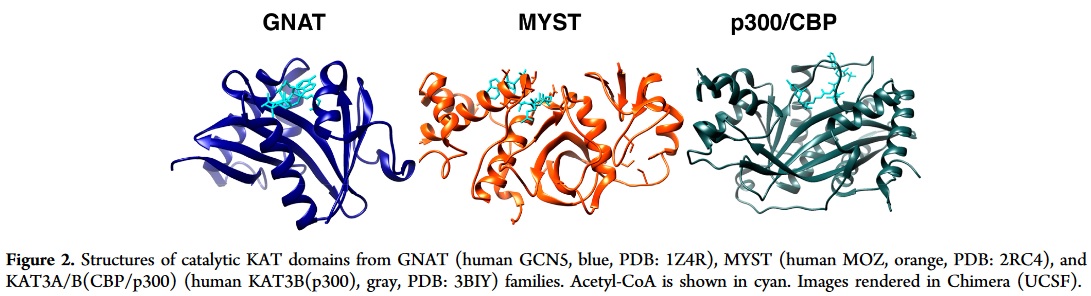
During the lifetime of a protein there are many points at which an acetyl group may be added to influence function. The dynamic interplay between the writers, erasers, and readers of acetylation regulates critical epigenomic and metabolic processes, in addition to other major cellular functions.

Acetylation sites are well conserved, in contrast to methylation, where species-specific differences exist.”

The review included a section on mitochondrial protein acetylation:

“Mitochondria have emerged as organelles in which acetylation is more prominent than phosphorylation and plays a key role in integrating metabolic cues with the bioenergetic equilibrium of the cell.

Increased mitochondrial protein acetylation is associated with physiological conditions that result in higher levels of acetyl-CoA (e.g., fasting, calorie restriction, high-fat diet, and ethanol intoxication).”

https://pubs.acs.org/doi/full/10.1021/acs.chemrev.7b00181 “Lysine Acetylation Goes Global: From Epigenetics to Metabolism and Therapeutics” (not freely available) Thanks to lead author Ibraheem Ali for providing a full copy.

An emotional center of our brains

This 2018 McGill/UC San Diego rodent study subject was the dentate gyrus area of the hippocampus:

“Early life experience influences stress reactivity and mental health through effects on cognitive-emotional functions that are, in part, linked to gene expression in the dorsal and ventral hippocampus. The hippocampal dentate gyrus (DG) is a major site for experience-dependent plasticity associated with sustained transcriptional alterations, potentially mediated by epigenetic modifications.

Peripubertal environmental enrichment increases hippocampal volume and enhances dorsal DG-specific differences in gene expression. Overall, our transcriptome and DNA methylation data support a model of regional and environmental effects on the molecular profile of DG neurons.”

The study thoroughly investigated several areas. I’ll quote a few parts with the section heading.

Introduction:

“The dorsal hippocampus, corresponding to the posterior hippocampus in primates, associates closely with cognitive functions and age-related cognitive impairments. In contrast, the ventral hippocampus, (anterior region in primates) is implicated in the regulation of emotional states and vulnerability for affective disorders. This functional specialization is reflected in patterns of gene expression.”

Results subsections:

“Environmental enrichment promotes hippocampal neurogenesis – hippocampal volume is enlarged in mice raised in an enriched environment (EE) compared with standard housing (SH) in both the dorsal and ventral poles. EE also associates with >60% more newborn neurons.

Specialization of gene expression in dorsal and ventral DG – Gene expression was more affected by EE in dorsal than ventral DG, and dorsal DG has twice as many differentially-expressed genes.

DNA methylation differences between dorsal and ventral DG – Each of the three forms of methylation [CpG, non-CpG, and hmC (hydroxymethylation)] exhibited a distinct genomic distribution in dorsal and ventral DG. A key advantage of whole-genome DNA methylation profiling is the ability to identify differentially methylated regions (DMRs), often far from any gene body, that mark tissue-specific gene regulatory elements.

This strong bias, with ~40-fold more hypomethylated regions in the dorsal DG, contrasts with the balanced number of differentially expressed genes in dorsal and ventral DG, suggesting an asymmetric role for DNA methylation in region-specific gene regulation. Despite their small number, ventral hypomethylated DMRs marked key developmental patterning transcription factors..which are linked to the proliferation, maintenance and survival of neural stem cells.

DNA methylation correlates with repression at some genes – CG and non-CG DNA methylation are associated with reduced gene expression, while hmC associates with increased expression. Dorsal DMRs were also enriched at genes that were up- and down-regulated in EE, although over half of dorsal up-regulated genes, and >98.5% of ventral up-regulated genes, contained no DMRs that could explain their region-specific differential expression.”

Discussion:

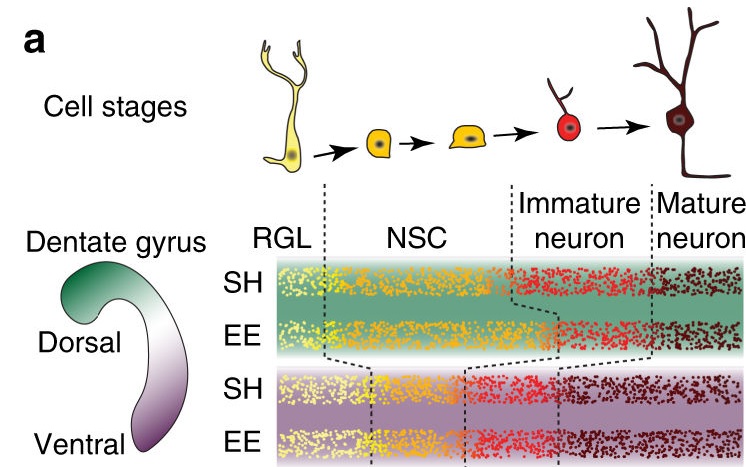
  • “a The cell stages occurring within the subgranular zone of the dentate gyrus are shown together with a schematic illustration of possible relative proportions consistent with our data. RGL Radial glia-like progenitor, NSC Neural stem cell.
  • b Key genes associated with the RGL stage are up-regulated in ventral DG relative to dorsal DG.
  • c We propose that mCH [non-CpG methylation] accumulates mainly in mature neurons.”

Why do human brain studies that include the hippocampus overwhelmingly ignore its role in our emotions? For example, the researchers of Advance science by including emotion in research could find only 397 suitable studies performed over 22 years from 1990 to 2011. There were tens or hundreds of times more human brain studies done during the same period that intentionally excluded emotional content!

The current rodent study provided physiological bases for dialing back the bias of human brain research focused exclusively on cognitive functions without also investigating attributes of emotional processing. Let’s see human studies designed to correct this recurring deficiency.

https://www.nature.com/articles/s41467-017-02748-x “Environmental enrichment increases transcriptional and epigenetic differentiation between mouse dorsal and ventral dentate gyrus”

DNA methylation and childhood adversity

This 2017 Georgia human review covered:

“Recent studies, primarily focused on the findings from human studies, to indicate the role of DNA methylation in the associations between childhood adversity and cardiometabolic disease in adulthood. In particular, we focused on DNA methylation modifications in genes regulating the hypothalamus-pituitary-adrenal axis as well as the immune system.”

Recommendations in the review’s Epigenetics inheritance and preadaptation theory section included:

“Twin studies offer another promising design to explore the mediation effect of DNA methylation between child adversity and cardiometabolic outcomes..which could rule out heterogeneity due to genetic and familia[l]r environmental confounding.”

As it so happened, the below 2018 study provided some evidence.

http://www.sciencedirect.com/science/article/pii/S0167527317352762 “The role of DNA methylation in the association between childhood adversity and cardiometabolic disease” (not freely available) Thanks to lead author Dr. Guang Hao for providing the full study.


This 2018 UK human study:

“Tested the hypothesis that victimization is associated with DNA methylation in the Environmental Risk (E-Risk) Longitudinal Study, a nationally representative 1994-1995 birth cohort of 2,232 twins born in England and Wales and assessed at ages 5, 7, 10, 12, and 18 years. Multiple forms of victimization were ascertained in childhood and adolescence (including physical, sexual, and emotional abuse; neglect; exposure to intimate-partner violence; bullying; cyber-victimization; and crime).

Hypothesis-driven analyses of six candidate genes in the stress response (

  1. NR3C1 [glucocorticoid receptor],
  2. FKBP5 [a regulator of the stress hormone system],
  3. BDNF [brain-derived neurotrophic factor],
  4. AVP [arginine vasopressin],
  5. CRHR1 [corticotropin-releasing hormone receptor 1],
  6. SLC6A4 [serotonin transporter]

) did not reveal predicted associations with DNA methylation.

Epigenetic epidemiology is not yet well matched to experimental, nonhuman models in uncovering the biological embedding of stress.”

One of the sad findings was that as the types of trauma inflicted by other people on the subjects increased, so did the percentage of subjects who hurt themselves by smoking. Two-thirds of teens who reported three or more of the seven adolescent trauma types also smoked by age 18:

Polyvictimization

Self-harming behaviors other than smoking weren’t considered.

Another somber finding was:

“Childhood sexual victimization is associated with stable DNA methylation differences in whole blood in young adulthood. These associations were not observed in relation to sexual victimization in adolescence.”

The researchers guided future studies regarding the proxy measurements of peripheral blood DNA methylation:

“The vast majority of subsequent human studies, including the present one, have relied on peripheral blood. This choice is expedient, but also scientifically reasonable given the aim of detecting effects on stress-related physical health systems that include peripheral circulating processes (immune, neuroendocrine).

But whole blood is heterogeneous, and although cell-type composition can be evaluated and controlled, as in the present study, it does raise the question of whether peripheral blood is a problematic surrogate tissue for research on the epigenetics of stress.

Comparisons of methylomic variation across blood and brain suggest that blood-based EWAS may yield limited information relating to underlying pathological processes for disorders where brain is the primary tissue of interest.”


1. The comment on “epigenetic epidemiology” overstated the study’s findings because the epigenetic analysis, although thorough, was limited to peripheral blood DNA methylation. Other consequential epigenetic effects weren’t investigated, such as histone modifications and microRNA expression.

2. An unstated limitation was that the DNA methylation analyses were constrained by budgets. Studies like The primary causes of individual differences in DNA methylation are environmental factors point out restrictions in the methodology:

“A main limitation with studies using the Illumina 450 K array is that the platform only covers ~1.5 % of overall genomic CpGs, which are biased towards promoters and strongly underrepresented in distal regulatory elements, i.e., enhancers.

WGBS [whole-genome bisulfite sequencing] offers single-site resolution CpG methylation interrogation at full genomic coverage.

Another advantage of WGBS is its ability to access patterns of non-CpG methylation.”

I’d expect that in the future, researchers with larger budgets would reanalyze the study samples using other techniques.

3. The researchers started and ended the study presenting their view of human “embedding of stress” as a fact rather than a paradigm. Epigenetic effects of early life stress exposure compared and contrasted this with another substantiated view.

4. The study focused on the children’s intergenerational epigenetic effects. An outstanding opportunity to advance science was missed regarding transgenerational epigenetic inheritance:

  • Wouldn’t the parents’ blood samples and histories – derived from administering the same questionnaires their twins answered at age 18 – likely provide distant causal evidence for some of the children’s observed effects?
  • And lay the groundwork for hypotheses about aspects of future generations’ physiologies and behaviors?

https://ajp.psychiatryonline.org/doi/full/10.1176/appi.ajp.2017.17060693 “Analysis of DNA Methylation in Young People: Limited Evidence for an Association Between Victimization Stress and Epigenetic Variation in Blood” (not freely available) Thanks to coauthor Dr. Helen Fisher for providing the full study.

Make consequential measurements in epigenetic studies

The subject of this 2017 Spanish review was human placental epigenetic changes:

“39 papers assessing human placental epigenetic signatures in association with either

  • (i) psychosocial stress,
  • (ii) maternal psychopathology,
  • (iii) maternal smoking during pregnancy, and
  • (iv) exposure to environmental pollutants,

were identified.

Their findings revealed placental tissue as a unique source of epigenetic variability that does not correlate with epigenetic patterns observed in maternal or newborn blood.

Each study’s confounders were summarized by a column in Table 1. Some of the reviewers’ comments included:

“33 out of 39 papers reviewed (85%) reported significant associations between either placental DNA methylation or placental miRNA expression and exposure to any of the risk factors assessed. However, the methodological heterogeneity present throughout the studies reviewed does not allow meta-analytic exploration of reported findings.

Heterogeneity regarding the origin of biological tissues analyzed confounds the replicability and validity of reported findings and their potential synthesis.”


Sponsors and researchers really have to take their work seriously if the developmental origins of health and disease hypothesis can advance to a well-evidenced theory. Study designers should:

  1. Sample consequential dimensions. “There were no studies examining histone modifications.” Why were there no human studies in this important category of epigenetic changes in the placenta, the “barrier protecting the fetus?
  2. Correct methodological deficiencies in advance. Eliminate insufficiencies like “Once collected, processing and storage of placental samples also differed across studies and was not reported in all of them.”
  3. Stop using convenient but non-etiologic proxy assays such as global methylation. How can a study advance the DOHaD hypothesis if everyone knows ahead of time that its outcome will be yet another finding that epigenetic changes “are associated with” non-causal factors?
  4. Forget about non-biological measurements like educational attainment per Does a societal mandate cause DNA methylation?.

Every human alive today has observable lasting epigenetic effects caused by environmental factors during the earliest parts of our lives, and potentially even before we’re conceived. Isn’t this sufficient rationale to expect serious efforts by research sponsors and designers?

https://www.sciencedirect.com/science/article/pii/S0892036217301769 “The impact of prenatal insults on the human placental epigenome: A systematic review” (click the Download PDF link to read the paper)