Eating sprouts prevents AGEs

This 2021 in vitro study found:

“Prolonged and chronic hyperglycemia is a leading factor in inducing formation of advanced glycation end-products (AGEs) generated by reaction of free amino groups of proteins and carbonyl groups in reducing sugars, especially glucose and fructose. Metabolism of glucose via the glycolysis pathway also produces the most reactive compounds such as methylglyoxal (MG), a potent precursor of AGEs.

Previous studies reported that red cabbage extract could decrease glycated hemoglobin concentration in streptozotocin-induced diabetic rats and oxidative stress makers including protein carbonyl content and malondialdehyde in red blood cells. Emerging evidence supports that inhibition of protein glycation and oxidative damage may be attributed to free radical scavenging activity of plant extracts.

three brassicae

Extracts of Brassica vegetables cauliflower, cabbage and Chinese cabbage:

  • Inhibited formation of AGEs;
  • Prevented loss of protein thiol group; and
  • May act as a MG-trapping and antioxidant agent.

Phenolic acids, particularly sinapic acid and p-hydroxybenzoic acid, were commonly found in Brassica vegetables. These findings suggest that Brassica vegetables may be promising antiglycation and antioxidant agents for preventing formation of AGEs.”

https://link.springer.com/article/10.1007/s11130-021-00903-w “Phytochemical Composition, Antiglycation, Antioxidant Activity and Methylglyoxal‑Trapping Action of Brassica Vegetables” (not freely available)


Regarding this study’s sinapic acid findings, Broccoli sprout compounds include sinapic acid derivatives found with 6-day-old broccoli sprouts:

“Sprouting in darkness results in overall decrease in total content of sinapic acid derivatives with growth time, but promotes replacement of relatively low active constituents, such as sinapine, by stronger antioxidants. These structural changes are beneficial for total antioxidant capacity of broccoli sprouts, and are correlated with their increasing ability to scavenge free radicals, reduce transition metal ions, and inhibit lipid peroxidation.”

Regarding this study’s p-hydroxybenzoic acid findings, Advantages of 3-day-old oat sprouts over oat grains found with 3-day-old oat sprouts:

“Six hydroxybenzoic acids were found in greater amounts in sprouts, whereas two were reduced or lost.”


Getting onboard before sunrise

PXL_20210822_100455999.NIGHT

Gut reaction

Two papers on broccoli compounds and gut microbiota relationships, with the first a 2021 article:

“We provide a supportive environment and a supply of nutrition and, in return, the microbiome delivers benefits to our health. What exactly are those benefits, and how can we maximise them?

Fibre component of food was thought to be completely indigestible roughage, but we now know that there is a digestible (a.k.a. soluble) component that can be fermented by bacteria resident in the large intestine, providing them with nutrition. There is also non-digestible fibre (a.k.a. insoluble fibre), which is not fermented by gut bacteria and includes plant cell walls formed from cellulose and lignin.

However, when cell walls remain intact, they encapsulate starch contained within cells and physically protect it from full digestion in the small intestine, ensuring that more passes into the large intestine where it can then be fermented by bacteria.

A bioactive is any chemical found in plant-based food that affects biological processes in the body, promoting better health or reducing risk of disease. Unlike macronutrients, such as carbohydrates and proteins, bioactive compounds are usually found in small amounts.

One class of bioactives where this has been known for some time is glucosinolates. For some compounds, including glucosinolates, we have identified particular bacteria that perform this task. For others, we still do not know which microbes are responsible.

S-methylcysteine sulphoxide (SMCSO) is found in brassicas but also in garlic and its relatives. Its metabolic breakdown products have been associated with protective effects against prostate and colon cancer, diabetes, and cardiovascular disease.

SMCSO-derived compounds are highly bioactive, so understanding how they affect the body’s central metabolic pathways could explain some of their health benefits. Only recently have we found clues to bacteria responsible.”

https://ifst.onlinelibrary.wiley.com/doi/10.1002/fsat.3501_6.x “Gut reaction”


The 2020 study cited for SMCSO was an in vitro 2020 study by their coworkers:

“We examined effects of a broccoli leachate (BL) on composition and function of human faecal microbiomes of five different participants under in vitro conditions. Bacterial isolates from these communities were then tested for their ability to metabolise glucosinolates and SMCSO.

We believe that this is the first study that shows reduction of dietary compound SMCSO by bacteria isolated from human faeces. Microbial communities cultured in vitro in BL media were observed to have enhanced growth of lactic acid bacteria, such as lactobacilli, with a corresponding increase in levels of lactate and short-chain fatty acids (SCFAs).

lactate

These results would have been strengthened by analysing soluble fibre content of BL media. As such, it is difficult to relate these results to in vivo SCFA production following consumption of broccoli.”

https://link.springer.com/article/10.1007/s00394-020-02405-y “Effects of in vitro metabolism of a broccoli leachate, glucosinolates and S-methylcysteine sulphoxide on the human faecal microbiome”


Which one of this pair is a male? I’ll guess on the right, as it subsequently turned to face me – a threat – when I walked passed them at a distance.

PXL_20210817_095617355.NIGHT

An IBD trigger?

Three papers on interactions of the virus and inflammatory bowel disease, beginning with a 2021 review:

“Analysis signaling pathways of innate and adaptive immunity components during SARS-CoV-2 infection in IBD (inflammatory bowel disease) patients through a putative alternative route – the gastrointestinal tract, with virus attachment to ACE2 (angiotensin-converting enzyme 2) expressed on IECs (intestinal enterocytes) – allows identifying some molecular pathways and establishing possible mechanisms of immune response formation.

In general, any virus infecting intestinal tissues and/or entering the host’s body through receptors located on intestinal IECs, may be a trigger for the onset of IBD in individuals.”

https://link.springer.com/article/10.1007%2Fs11033-021-06565-w “Pathogenesis of the inflammatory bowel disease in context of SARS-COV-2 infection”


A second 2021 review continued:

“Patients with COVID-19 may develop various gastrointestinal symptoms, which may be pre-existing or not accompanied by respiratory symptoms. Positive detection of SARS-CoV-2 in stool specimens was a breakthrough because it demonstrated that the virus could replicate and exist in the digestive tract. Duration of viral nucleic acid in feces is longer than that in respiratory specimens, and the peak of viral load is later.

COVID-19 induces an acute inflammatory response which accelerates consumption of nutrients. Gastrointestinal symptoms caused by SARS-CoV-2 further impacted nutrition absorption and exacerbated malnutrition. Patients’ anxiety and poor appetite were also potential contributors to malnutrition.”

https://www.wjgnet.com/1007-9327/full/v27/i24/3502.htm “COVID-19 and its effects on the digestive system”


I found the above two papers by their citing a 2020 review:

“Based on data on over 1400 patients with IBD from an international registry, compared with TNF monotherapy, thiopurine monotherapy and combination thiopurines with TNF antagonists are associated with significantly increased risk of severe COVID-19. Mesalamine/sulfasalazine may be associated with an increased risk, particularly when compared with TNF antagonists. There are no significant differences between biological classes (TNF, interleukin-12/23 and integrin antagonists) on the risk of severe COVID-19.”

https://gut.bmj.com/content/70/4/725 “Effect of IBD medications on COVID-19 outcomes: results from an international registry”


I rated these three papers as requiring more work because they didn’t address an individual’s preparation for originating causes. Managing symptoms isn’t an appropriate response for what all of us face.

Instead, take personal responsibility for your own one precious life.

Looking forward, looking back

PXL_20210817_095643714.NIGHT

Gut microbiota strains

Three human studies investigated strains within microbiota species. The first from 2021 had obese child subjects:

“Dietary intervention is effective in human health promotion through modulation of gut microbiota. Diet can cause single-nucleotide polymorphisms (SNPs) to occur in gut microbiota, and some of these variations may lead to functional changes in human health.

Compared with normal diet, the WTP diet provided large quantities of whole-grain mix that was rich in starch, soluble and insoluble dietary fiber, protein, and amino acids, but contained a small amount of fat. When this excess and/or indigestible nutrition reached the colon, it brought environmental pressures to microbiota that stayed there.

This pressure could facilitate utilization of indigestible nutrition by causing microbial SNPs. Metabolic efficiencies of indigestible nutrition substrates would be enhanced to adapt to the shifted environment better.

Although abundance of Bifidobacterium increased significantly by the intervention and became dominant strains responsible for nutrition metabolism, they had less BiasSNPs between the pre- and post-intervention group in comparison with Faecalibacterium. Finding F. prausnitzii as important functional strains influenced by intervention highlights the superiority of applying SNP analysis in studies of gut microbiota.

Though F. prausnitzii were well known for their biodiversity, we could not find functional reports about these SNPs. Future efforts are needed to verify/discern specific effects of these SNPs on encoded protein activity, their role on metabolism under high-fiber dietary intervention, and their potential beneficial or detrimental influences on host health.”

https://www.frontiersin.org/articles/10.3389/fmicb.2021.683714/full “Gut Microbial SNPs Induced by High-Fiber Diet Dominate Nutrition Metabolism and Environmental Adaption of Faecalibacterium prausnitzii in Obese Children”


A second 2021 human study investigated strain diversity in liver cirrhosis and Crohn’s disease:

“We constructed a computational framework to study strain heterogeneity in the gut microbiome of patients with liver cirrhosis (LC). Only Faecalibacterium prausnitzii showed different single-nucleotide polymorphism patterns between LC and healthy control (HC) groups.

Strain diversity analysis discovered that although most F. prausnitzii genomes are more deficient in LC group than in HC group at the strain level, a subgroup of 19 F. prausnitzii strains showed no sensitivity to LC, which is inconsistent with the species-level result.

More experiments need to be conducted so as to confirm the hypothesis of physiological differences among subgroups of F. prausnitzii strains. Our results suggest that strain heterogeneity should receive more attention.

With rapid development of sequencing technologies and experimental approaches, an increasing number of metagenomic studies will involve strain-level analysis. Such analysis of human metagenomes can help researchers develop more reliable disease diagnoses and treatment methods from a microbiological perspective.”

https://journals.asm.org/doi/10.1128/mSystems.00775-21 “Comprehensive Strain-Level Analysis of the Gut Microbe Faecalibacterium prausnitzii in Patients with Liver Cirrhosis”


A 2018 study investigated dietary fibers’ effects on Type 2 diabetics:

“In this study, we identified a group of acetate- and butyrate-producing bacterial strains that were selectively promoted by increased availability of diverse fermentable carbohydrates in the form of dietary fibers. These positive responders are likely key players for maintaining the mutualistic relationship between gut microbiota and the human host. Promoting this active group of SCFA producers not only enhanced a beneficial function but also maintained a gut environment that keeps detrimental bacteria at bay.

Only a small number of bacteria with genetic capacity for producing SCFAs were able to take advantage of this new resource and become dominant positive responders. The response, however, was strain specific: only one of the six strains of Faecalibacterium prausnitzii was promoted.

positive responders

The 15 positive responders are from three different phyla, but they act as a guild to augment deficient SCFA production from the gut ecosystem by responding to increased fermentable carbohydrate availability in similar ways. When they are considered as a functional group, the abundance and evenness of this guild of SCFA producers correlate with host clinical outcomes.”

https://science.sciencemag.org/content/359/6380/1151.full “Gut bacteria selectively promoted by dietary fibers alleviate type 2 diabetes”


These studies favored a prebiotic approach to make gut microbiota happy and reciprocal in human health. The second study investigated 135 known strains of F. prausnitzii, and the first study found beneficial F. prausnitzii strains not yet covered in genomic databases.

I found the first two studies by them citing the third. The third study was cited in Gut microbiota guilds.

PXL_20210812_101602716

Gut microbiota functional relationships

This 2021 study investigated environmentally-organized gut microbiome functional relationships:

“There has been a substantial gap between understanding microbiome assemblage and how its functionality is organized. In this study, we demonstrated the usefulness of metaproteomics in gaining a system-level understanding of microbiome functionality.

Our current finding highlights the value of further investigation into functional hubs and hub functions in microbiome proteomic content networks. This will provide a unique and systematic insight for prediction of community functional responses, or manipulation of microbiome functioning.

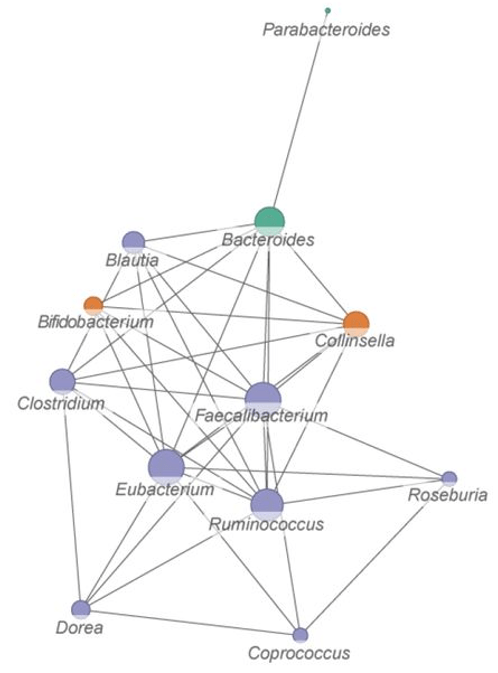
Across all metaproteomics datasets, Eubacterium, Faecalibacterium, Ruminococcus, Bacteroides, Clostridium and Coprococcus were found to be the most frequent functional hubs.

functionally related genera

Taxon-function bipartite network based on functional distances between microbial genera. Size of a node corresponds to its degree.

Highly connected functions were enriched in metabolism of carbohydrates and amino acids, suggesting that microbial acquisition of nutrients from the environment and trophic interactions between microbes could be major factors that shape their active functional organization. Our result showing robustness of between-taxa functional distances across individual microbiomes implied a more fundamental mechanism that underlies selective organization of microbiome functionalities by environment.

We observed a universal pattern of between-taxa functional distances (dij) across all analyzed datasets. Notably, this pattern was fully shifted by a global increase in dij values, and subsequently a significant decrease of normalized taxonomic diversity in a subset of inflammatory bowel disease samples mostly obtained from inflamed areas.

This finding may support, from a functional angle, the hypothesis that there are alternative stable states (bi-stability or multi-stability) in the gut ecosystem. One frequently discussed mechanism behind these alternative states has been continuous exposure of the microbiome to a altered environmental parameter:

  • An inflamed area in the gut will have a reduced mucus layer and elevated host defense responses.
  • Host mucus layer is a nutritional source of cross-feeding in the gut microbiome.
  • Loss of this layer may firstly affect network hub functions of carbohydrate and amino acid metabolism, and subsequently affect functional interactions in the whole community.

In addition, host defense responses attenuate microbial oxidative stress responses, which have been associated to microbiome dysfunction. Decrease of within-sample functional redundancy has been associated with impaired microbiome stability and resilience.

Resilient microbiota resist external pressures and return to their original state. A non-resilient microbiome is likely to shift its composition permanently and stay at an altered new state instead of restoring to its original state of equilibrium.”

https://www.biorxiv.org/content/10.1101/2021.07.15.452564v1.full “Revealing Protein-Level Functional Redundancy in the Human Gut Microbiome using Ultra-deep Metaproteomics”


My top genus Faecalibacterium – a cross-feeding, acetate-consuming, butyrate-producing commensal – would be more than twice the size of this study’s Faecalibacterium network projection in the above graphic. In this year’s efforts to make my gut microbiota happy, I’ve apparently done much to express its relevant gene network.

my genera

I came across this study by it citing Gut microbiota guilds.

PXL_20210809_101612117

Microwave your Brassica vegetables

This 2021 review evaluated effects on glucoraphanin and sulforaphane content of cooking broccoli and other Brassica vegetables:

“The amount of glucosinolates (GLS) in brassica vegetables can be affected significantly during processing and cooking, depending on their specific conditions and types:

  • Microwaving can retain or even increase content of glucoraphanin (GLR), and can increase production of sulforaphane (SLR) within a short time;
  • Fermentations generally decrease content of GLR;
  • Short-time steaming may promote formation of SLR; and
  • Short-time microwaving may promote formation of SLR from GLR better than fermentation and steaming.

Other processing and cooking effects include:

  • Packaging and freezing can reduce loss of GLR content. Freezing treatment promotes hydrolysis of GLS to form SLR, and freezing stress may lead to GLS degradation;
  • Boiling and blanching result in the largest loss of GLR from broccoli, as loss of GLR content is mainly due to its leakage into the water; and
  • Stir-frying may be a suitable and healthful cooking option to prevent loss of GLR, but contents of GLR and SLR were still influenced due to different factors.

It is better for consumers to microwave or steam brassica vegetables before consumption to obtain greater health benefits.”

https://www.sciencedirect.com/science/article/abs/pii/S030881462101013X “The effect of processing and cooking on glucoraphanin and sulforaphane in brassica vegetables” (not freely available). Thanks to Dr. Jing Sun for providing a copy.


This review found mainly negative effects of cooking Brassica vegetables with boiling, stir frying, blanching, or high pressure on glucoraphanin and sulforaphane content. Previously curated studies cited were:


PXL_20210809_101626026

Blue heron on its way to the breakfast buffet

Prevent your brain from shrinking

My 800th curation is a 2021 human diet and lifestyle study:

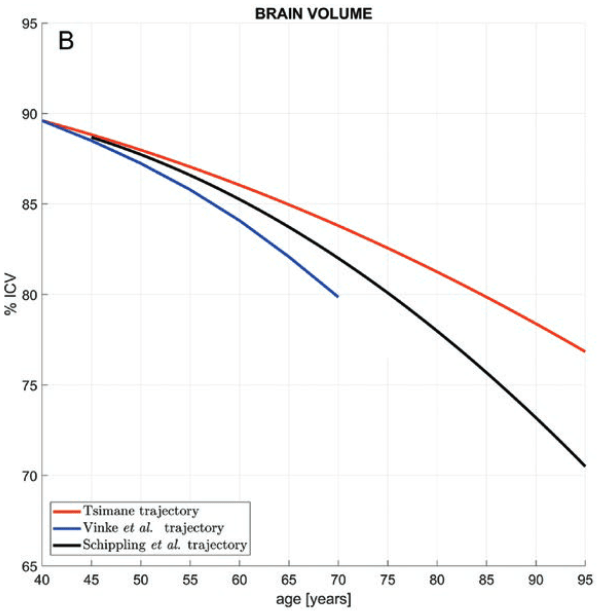
“Brain atrophy is correlated with risk of cognitive impairment, functional decline, and dementia. This study (a) examines the statistical association between brain volume (BV) and age for Tsimane, and (b) compares this association to that of 3 industrialized populations in the United States and Europe.

Tsimane forager-horticulturists of Bolivia have the lowest prevalence of coronary atherosclerosis of any studied population, and present few cardiovascular disease (CVD) risk factors. They have a high burden of infections and inflammation, reflected by biomarkers of chronic immune activation, including higher leukocytes counts, faster erythrocyte sedimentation rates, and higher levels of C-reactive protein, interleukin-6, and immunoglobulin-E than in Americans of all ages.

The Tsimane have endemic polyparasitism involving helminths and frequent gastrointestinal illness. Most morbidity and mortality in this population is due to infections.

brain volume

The Tsimane exhibit smaller age-related BV declines relative to industrialized populations, suggesting that their low CVD burden outweighs their high, infection-driven inflammatory risk. If:

  1. Cross-sectional data (which we believe are population-representative of Tsimane adults aged 40 and older) represent well the average life course of individuals; and
  2. The Tsimane are representative of the baseline case prior to urbanization;

these results suggest a ~70% increase in the rates of age-dependent BV decrease accompanying industrialized lifestyles.

Despite its limitations, this study suggests:

  • Brain atrophy may be slowed substantially by lifestyles associated with very low CVD risk; and
  • There is ample scope for interventions to improve brain health, even in the presence of chronically high systemic inflammation.

Lastly, the slow rate of age-dependent BV decrease in the Tsimane raises new questions about dementia, given the role of both infections and vascular factors in dementia risk.”

https://gurven.anth.ucsb.edu/sites/default/files/sitefiles/papers/irimiaetal2021.pdf “The indigenous South American Tsimane exhibit relatively modest decrease in brain volume with age despite high systemic inflammation”


I came across this study by its citation in Dr. Paul Clayton’s 2021 blog post We’ve got to get ourselves back to the garden.

Resistant starch therapy

This 2021 review subject was interactions among resistant starches and gut microbiota:

“Starch that reaches the large intestine without being fully digested is termed resistant starch (RS). Starch digestibility should be considered as a kinetic property (slower to faster) affected by host-specific factors, rather than as a binary trait (resistant or nonresistant).

RS is degraded by the colon’s complex ecosystem of microbes, triggering a cascading web of metabolic interactions. RS acts as a resource that is degraded and fermented by a hierarchy of specialized gut microbes:

  1. Primary degraders grow on RS in monoculture. They penetrate outer surfaces of intact RS granules, exposing pores and deeper concentric matrices while liberating oligosaccharides and generating metabolites like lactate and acetate.
  2. Secondary degraders grow on starch in monoculture, but degrade intact RS poorly or not at all. Instead, they may adhere to abrasions and pores on RS before participating in its degradation, and opportunistically utilize solubilized oligosaccharides produced by other RS degraders.
  3. Cross-feeders do not grow on starch in monoculture. They utilize by-products generated by upstream degraders, helping to maintain stoichiometric equilibrium and thermodynamically favorable (i.e. unconstrained) fermentation.

Together, the subsystem of microbes involved in RS degradation and fermentation participates in a complex network of cross-feeding interactions. In maintaining microbiome homeostasis, the RS nutrient web expands the scope of what could be considered a ‘beneficial’ gut microbe to a cluster of metabolically interconnected microbes.

1. Primary degraders such as acetate-producing Ruminococcus bromii are thought to be necessary for RS degradation in the human gut, where they unlock RS for other community members to degrade and ferment.

Ruminococcus genus

2. Secondary degraders possess extracellular amylases to degrade regular starch, but their contribution to initiating RS degradation is negligible compared to that of primary degraders. Instead, they may require primary degraders to erode smooth RS granule surfaces before adhering to RS and/or scavenging for ‘substrate spillover’ (i.e. excess oligosaccharides generated by primary degraders).

Eubacterium genus

Roseburia genus

3. Cross-feeders utilize starch by-products or metabolites generated by upstream RS degraders, such as acetate, lactate, formate, and succinate. Describing all known gut bacteria capable of utilizing these substrates exceeds the scope of this review, but one other example is noteworthy.

Faecalibacterium prausnitzii is a prominent butyrate-producing commensal, comprising 1.5% to 9.5% of fecal bacteria in European individuals. F. prausnitzii utilizes maltose and acetate to generate butyrate.

top 1-10 species

Microbiome sequencing data are compositional, meaning that gene amplicon read counts do not necessarily reflect bacterial absolute abundances. Instead, read counts are typically normalized to sum to 100%.

For this reason, relative abundances of smaller keystone communities (e.g. primary degraders) may increase, but appear to decrease simply because cross-feeders increase in relative abundance to a greater extent. These limitations illustrate the necessity of sufficiently powering RS interventions where microbiome composition is the primary endpoint, collecting critical baseline data and employing appropriate statistical techniques.”

https://www.tandfonline.com/doi/full/10.1080/19490976.2021.1926842 “Resistant starch, microbiome, and precision modulation”

Don’t count on broccoli compounds bailing out a high-fat diet’s effects on gut microbiota

Two rodent studies of mature broccoli and broccoli sprouts’ effects on a high-fat diet, with the first from 2021 investigating broccoli florets and stalks:

“Addition of broccoli florets to a HFD ameliorated insulin sensitivity. Florets further promoted gut microbiota diversity and low-grade inflammatory-associated strains.

Stalk supplementation also altered gut microbiota, leading to increased Bacteroidetes/Firmicutes ratio and levels of communities that preserve mucus layer and gut integrity while simultaneously decreasing levels of potentially harmful species.

Addition of broccoli to a HFD did not ameliorate body and tissues weight gain or food intake. Both broccoli stalks and florets did not affect fat accumulation, carbohydrate, or lipid metabolism-related parameters.”

https://www.frontiersin.org/articles/10.3389/fnut.2021.680241/full “Broccoli Florets Supplementation Improves Insulin Sensitivity and Alters Gut Microbiome Population – A Steatosis Mice Model Induced by High-Fat Diet”


A 2020 study cited by this first study investigated compounds extracted from 1-day-old broccoli sprouts:

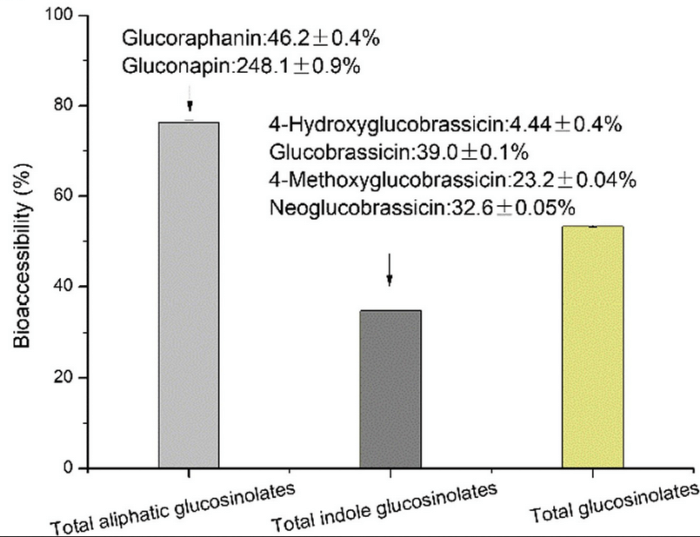
Bioaccessibility of aliphatic glucosinolates was shown to 76.2 ± 0.6%:

aliphatic glucosinolate bioavailability

Glucoraphanin was the predominant glucosinolate with the highest bioaccessibility in broccoli, and could effectively prevent HFD-induced body weight gain in mice, especially increases in liver weight and the accumulation of lipids in adipocytes. Furthermore, supplementation with glucoraphanin reduced the level of oxidative stress, regulated genes of FAS, PPARα, CPT1 and ACOX associated with lipid metabolism, and might be associated with changes in composition of gut microbiota.”

https://www.frontiersin.org/articles/10.3389/fnut.2021.680241/full “Effect of glucoraphanin from broccoli seeds on lipid levels and gut microbiota in high-fat diet-fed mice”

This study’s title was “Effect of glucoraphanin from broccoli seeds..” although its Materials and methods section disclosed:

“1 day after germination from broccoli seeds, sprouts were boiled in water for 30 min. The resulting aqueous extract was processed by liquid solid separation and condensation and was subsequently spray-dried to yield an extract powder containing 249 mg glucoraphanin.”


Eat broccoli sprouts every day and its predecessor study demonstrated that broccoli intake every day had beneficial effects during shorter periods than either of these studies.

Both studies had many “may”, “could”, and “might” statements. Not sure that broccoli compounds / gut microbiota relationships are adequately investigated by choosing a few out of tens of thousands of gut microbiota species as both studies attempted to do.

There are too many additive / antagonistic / synergistic combinations to analyze even before reaching twenty gut microbiota species. But researchers aren’t often sponsored for studies unless they conform to existing research.


I haven’t made headway in understanding my top 10 of 42,156 gut microbiota species’ exact causes, effects, and interactions. The top three by themselves are considered beneficial:

top 1-10 species

Uncertainty is fine for now, though, with a 40-hour work week interfering. Finding out what my gut microbiota generally want and giving that to them has been a productive approach this year.

Part 3 of Make your gut microbiota happy

Continuing from Part 2, my 7/15/2021 sample found that no bad bacteria needed work. Top three reasons why this may be are:

1. I’ve eaten microwaved broccoli sprouts every day for 68 weeks now. Relevant research:

helicobacter 0

2. This is the 17th year of training my immune system every day with yeast cell wall β-glucan.

acinetobacter

3. Basic hygiene practices such as brushing my teeth twice a day.

aggregatibacter 0


PXL_20210731_094258419.NIGHT

Blood pressure and pain

A trio of papers, with the second and third citing a 2013 review:

“The relationship between pain and hypertension is potentially of great pathophysiological and clinical interest, but is poorly understood. Perception of acute pain initially plays an adaptive role, which results in prevention of tissue damage.

The consequence of ascending nociception is recruitment of segmental spinal reflexes through physiological neuronal connections:

  • In proportion to magnitude and duration of the stimulus, these spinal reflexes cause sympathetic nervous system activation, which increases peripheral resistances, heart rate, and stroke volume; and
  • The response also involves the neuroendocrine system, in particular, the hypothalamic-pituitary-adrenal axis, in addition to further activation of the sympathetic system by adrenal glands.

Persistent pain tends to become chronic and to increase BP values. After a long time, dysfunction of release of endogenous opioids results in a reduction of their analgesic effect. A vicious circle is established, where further pain leads to a reduction in pain tolerance, associated with decreased analgesia mediated by baroreceptors, in a kind of process of exhaustion.”

https://onlinelibrary.wiley.com/doi/epdf/10.1111/jch.12145 “The Relationship Between Blood Pressure and Pain”


A second paper was a 2021 human experimental pain study:

“We investigated the effectiveness of physiological signals for automatic pain intensity estimation that can either substitute for, or complement patients’ self-reported information. Results indicate that for both subject-independent and subject-dependent scenarios, electrodermal activity (EDA) – which is also referred to as skin conductance (SC) or galvanic skin response – was the best signal for pain intensity estimation.

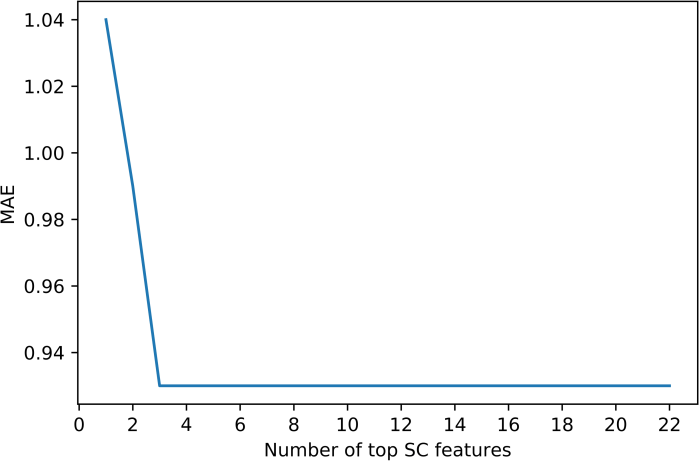
EDA gave mean absolute error (MAE) = 0.93 using only 3 time-series features:

  1. Time intervals between successive extreme events above the mean;
  2. Time intervals between successive extreme events below the mean; and
  3. Exponential fit to successive distances in 2-dimensional embedding space.

Although we obtained good results using 22 EDA features, we further explored to see if we could reach similar or better results with fewer EDA features. This plot highlights that by considering only the top 3 features, we obtained the same level of performance given by all 22 features together.

journal.pone.0254108.g002

This is the first study that achieved less than 1-unit error for continuous pain intensity estimation using only one physiological sensor’s 3 time-series feature, and a Support Vector Regression machine learning model. Considering that this is an encouraging result, we can estimate objective pain using only the EDA sensor, which needs neither a complex setup nor a complex computationally intense machine learning algorithm.

This study paves the way for developing a smart pain measurement wearable device that can change the quality of pain management significantly.”

https://doi.org/10.1371/journal.pone.0254108 “Exploration of physiological sensors, features, and machine learning models for pain intensity estimation”


A third paper was a 2020 human rotator cuff surgery study:

“Results of our study demonstrated that:

  • Pain during the early postoperative period;
  • Time until occurrence of a retear; and
  • Existence of hypertension

were correlated with severity of pain in patients with a retorn rotator cuff.

Pain was selected as the sole outcome parameter of this study because:

  • Pain is an important factor that compels patients to seek treatment for rotator cuff tears, along with functional disability;
  • Pain and subjective functional deficits are important factors that influence a surgeon’s decision to continue with treatment in cases of retearing; and
  • Analyzing pain severity can be a good way to determine patients’ overall satisfaction after rotator cuff repair.

However, pain is not always correlated with disease severity or tear size and vice versa. A lack of pain does not necessarily depend on integrity of the repaired tendon or constitute a good prognosis. In fact, patients with partial-thickness rotator cuff tears showed more pain than did those with full-thickness tears.

Existence of hypertension had a proportional relationship with pain at 12 months postoperatively in patients with retears. This can be interpreted as a suggestion that pain in patients with retears is not acute, but rather chronic, and may be connected to pain in the early postoperative period at 3 months. However, results of this study cannot explain benefits of controlling hypertension in alleviating pain in patients with retears.”

https://journals.sagepub.com/doi/10.1177/2325967120947414 “Factors Related to Pain in Patients With Retorn Rotator Cuffs: Early Postoperative Pain Predicts Pain at 12 Months Postoperatively”


PXL_20210722_100353787

Back pain and advanced glycation end products (AGEs)

Two 2020 rodent studies investigated intervertebral disk degeneration, with the first on AGEs’ role:

“This study evaluated the role of AGEs and RAGE in driving early intervertebral disk (IVD) degeneration processes in mice. Aging and diabetes are associated with increased low-back pain and IVD degeneration, yet causal mechanisms remain uncertain. AGEs:

  • Accumulate in IVDs from aging;
  • Are implicated in diabetes-related disorders;
  • Alter collagen; and
  • Induce proinflammatory conditions.

A mixed population of 23 male and female wild type AC57BL/6J mice were each assigned to two isocaloric diet groups after weaning. They received either low-AGE chow containing 7.6 μg/mg AGE, or high-AGE chow containing 40.9 μg/mg AGE generated via high-temperature heating (NIH-31 open formula chow autoclaved for 30 minutes at 120°C [248° F]). This in vivo dietary model was previously shown to increase IVD AGE accumulation without systemic obesity or diabetes.

disc AGE damage

AGE accumulation leads to RAGE-dependent collagen disruption in the annulus fibrosus, and can initiate molecular and tissue level collagen disruption. Second harmonic generation (SHG) and collagen-hybridizing peptide (CHP) analyzes were sensitive to collagenous alterations at multiple hierarchical levels due to AGE.

These methods may be useful in identifying additional contributors to collagen damage in IVD degeneration processes.”

https://onlinelibrary.wiley.com/doi/10.1002/jsp2.1126 “Advanced glycation end products cause RAGE-dependent annulus fibrosus collagen disruption and loss identified using in situ second harmonic generation imaging in mice intervertebral disk in vivo and in organ culture models”

Other human studies found degenerative spine disorders start at detectable levels during adolescence. Those study designs didn’t trace disc degeneration to diet, though.


A second study was summarized in a conference I’m sure researchers would like to reconvene:

“Kritschil et al investigated the role of insulin-like growth factor 1 (IGF-1) signaling on progression of disc degeneration in aging mice. They showed that diminished IGF-1 bioavailability confers both beneficial effects of decreased disc cell senescence and extracellular matrix catabolism, whilst at the same time negatively impacting proteoglycan production.”

jsp21134-fig-0001-m

https://onlinelibrary.wiley.com/doi/10.1002/jsp2.1134 “Advancing basic and preclinical spine research: Highlights from the ORS PSRS 5th International Spine Research Symposium”

https://onlinelibrary.wiley.com/doi/10.1002/jsp2.1112 “Effects of suppressing bioavailability of insulin-like growth factor on age-associated intervertebral disc degeneration”

This study asserted:

“Despite some inconsistent findings on the role of IGF-1 among human centenarian and animal model studies, there is overwhelming evidence to support that disruptions to the IGF-1 signaling pathway promotes healthy longevity.”

See Take responsibility for your one precious life – DHEA for other evidence on IGF-1.


Spent a large part of this weekend reading abstracts and studies concerning diet interactions with spinal disc degeneration. This AGE study provided more evidence than others on these relationships.

I’ve eaten AGE-less chicken vegetable soup almost every day for two years:

  • 237 g chicken breast cubes, 179 g celery, and 262 g carrots in 1 cup Savignon Blanc get up to 100° C around 9 minutes initially, then again about 6 minutes after I add 1 quart chicken broth, then I turn off the Instant Pot.
  • I stir in 340 g mushrooms, 31 g garlic, and 387 g Roma tomatoes five minutes later at about 85° C, and they cool the soup down to around 70° C. I let it stew for another 15 minutes before eating half (1.5 quarts).
  • A 1.5 quart leftover heated the next day for six minutes in a 1000W microwave reaches 55° C.

I do stretches every day to accommodate a L5-S1 disc replacement with a titanium-cage-and-rods apparatus done ten years ago, and a C5-C6-C7 similar operation done eleven years ago. Can’t say whether recent diet, last decades’ disc replacement surgeries, daily stretches and exercises, or other factors are responsible for absence of spine pain.

PXL_20210717_093614850.NIGHT

ω-6 to ω-3 PUFA ratio

Three human-evidenced publications on omega-6 and omega-3 polyunsaturated fatty acids, with the first a 2021 blog post that cited 72 references:

“In the area of heart health, which is why most consumers swallow fish oil, the data is hopelessly conflicted:

  • One meta-analyses found that protective effects were dose-related, which is always persuasive;
  • In marked contrast, three recent powerful clinical trials found fish oil to have no effects on cardiovascular pathology in either primary or secondary prevention; and
  • Yet another meta-analysis found null results, except for a slight degree of protection in subjects who had gallantly taken fish oil supplements for over ten years.

Can these all be right? I think they can, based on secondary bioavailability.

Levels of omega 3s in the bloodstream are irrelevant, except in terms of their calorie content. That is not where they do their anti-inflammatory thing. They become precursors for resolvins, maresins, protectins, and anti-inflammatory eicosanoids only after they have been incorporated into the host’s cell membranes.

Getting them into cell membranes is secondary bioavailability (or bio-efficacy), and this is a much more complicated procedure. Seafood does it, but fish oil doesn’t.

Specifically, there is something in oily fish which enables secondary bioavailability, but which is missing in commercial fish oils. That something is a lipophillic polyphenol called phlorotannin.”

https://drpaulclayton.eu/blog/fish-oil-upgrade-to-snake-oil/ “Fish Oil? Upgrade to Snake Oil!”


A second paper was a 2021 review that focused on ratios of ω-6 to ω-3 PUFAs:

“Chronic diseases including obesity, type 2 diabetes, cardiovascular disease, cancer, and Alzheimer’s disease are rising exponentially in the modern world. Though these diseases are multifactorial in nature, their prevalence is mostly associated with an unbalanced increase in dietary n-6 PUFAs and decrease in n-3 PUFAs.

Mostly, these diseases escalate on the fact that inflammation in conjunction with obesity is the basis of every chronic disease.

Considering antagonistic effects of n-3 and n-6 PUFAs, both n-3 and n-6 SC-PUFAs and LC-PUFAs in their proportional ratio with each other, which is close to 4:1, play a significant role in regulating body homeostasis of inflammation and anti-inflammation, vasodilation and vasoconstriction, bronchoconstriction and bronchodilation, and platelet aggregation and antiaggregation.”

https://www.hindawi.com/journals/jl/2021/8848161/ “Overconsumption of Omega-6 Polyunsaturated Fatty Acids (PUFAs) versus Deficiency of Omega-3 PUFAs in Modern-Day Diets: The Disturbing Factor for Their ‘Balanced Antagonistic Metabolic Functions’ in the Human Body”


A third paper was a 2020 human adolescent study:

“Obese youth 9–19 y of age with nonalcoholic fatty liver disease were treated to see whether 12 wk of a low n–6:n–3 PUFA ratio (4:1) normocaloric diet mitigated fatty liver.

Independent of weight loss, a low n–6:n–3 PUFA diet ameliorated the metabolic phenotype of adolescents with fatty liver disease. This trial was registered at clinicaltrials.gov as NCT01556113.”

https://academic.oup.com/jn/article/150/9/2314/5870325 “A Low ω-6 to ω-3 PUFA Ratio (n–6:n–3 PUFA) Diet to Treat Fatty Liver Disease in Obese Youth”


My ω-6 to ω-3 PUFA 4 : 1 (1400 / 350) intake at breakfast and dinner via Balance Oil:

PXL_20210704_161714382

At lunch I eat an ounce of walnuts with a ω-6 to ω-3 PUFA 4.4 : 1 ratio:

walnuts 1 oz


PXL_20210710_093234225.NIGHT

PTSD susceptibility?

This 2021 rodent study investigated post-traumatic stress disorder (PTSD) susceptibility:

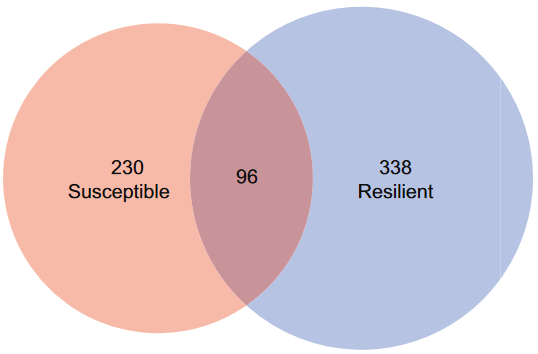
“PTSD is an incapacitating trauma-related disorder, with no reliable therapy. We show distinct DNA methylation profiles of PTSD susceptibility in the nucleus accumbens (NAc). Data analysis revealed overall hypomethylation of different genomic CpG sites in susceptible animals.

Is it possible to treat PTSD by targeting epigenetic processes? Such an approach might reverse genomic underpinning of PTSD and serve as a cure.

To test plausibility of such an approach, a reliable animal (rat) model with high construct validity is needed. Previously, we reported one such model, which uses predator-associated trauma, and cue reminders to evoke recurring trauma. This simulates clinical PTSD symptoms including re-experiencing, avoidance, and hyperarousal.

Individual PTSD-like (susceptible) behavior is analyzed, enabling identification of susceptible animals separately from those that are non-PTSD-like (resilient). This model captures salient features of this disorder in humans, in which only a fraction of trauma victims develop PTSD, while others are resilient.

experimental model

Sprague–Dawley rats were exposed to trauma and to three subsequent trauma-associated reminders. Freezing behavior was measured under conditions of:

  • Exploration;
  • Social interaction (with a companion); and
  • Hyperarousal.

Controls were exposed to identical conditions except for the traumatic event.

PTSD-like behavior of each animal was compared with baseline and with the population. Two unambiguous sub-populations were identified, resilient and susceptible.

After exposure to trauma and its reminders, susceptible animals showed an increase from baseline in freezing behavior, and over time in all three behavioral tests, as opposed to resilient and control groups.

DMRs

Differentially methylated sites in susceptible and resilient animals compared to control group.

Although we focused in this study on DNA methylation changes that associate with susceptibility, we also report unique changes in DNA methylation that occur in resilient animals. Inhibition of critical genes that are downregulated in susceptible animals convert resilient animals to become susceptible.”

https://www.researchgate.net/publication/353192082_Reduction_of_DNMT3a_and_RORA_in_the_nucleus_accumbens_plays_a_causal_role_in_post-traumatic_stress_disorder-like_behavior_reversal_by_combinatorial_epigenetic_therapy “Reduction of DNMT3a and RORA in the nucleus accumbens plays a causal role in post-traumatic stress disorder-like behavior: reversal by combinatorial epigenetic therapy” (registration required)


Rodents with the same genetics and environment displayed individual differences in their responses to traumatic events. Researchers, provide evidence for that before venturing elsewhere.

Not sure why it took 3+ years for this study received in November 2017 to finally be published in July 2021. Sites other than https://doi.org/10.1038/s41380-021-01178-y are more transparent about their peer review and publication processes.

No causes for PTSD susceptibility were investigated. PTSD effects and symptoms aren’t causes, notwithstanding this study’s finding that:

“Our results support a causal role for the NAc as a critical brain region for expression of PTSD-like behaviors, and a role for programming genes by DNA methylation in the NAc in development of PTSD-like behaviors.”

Can’t say that I understand more about causes for PTSD susceptibility now than before I read this study. Researchers attaching significance to gene functional groups seemed like hypothesis-seeking efforts to overcome limited findings.

Will this study’s combination of a methyl donor with a Vitamin A metabolite address PTSD causes in humans? If it only temporarily alleviates symptoms, what lasting value will it have?


Several brain and body areas that store traumatic memories other than the nucleus accumbens were mentioned in The role of recall neurons in traumatic memories. A wide range of epigenetic memory storage vehicles is one reason why effective human therapies need to address each individual, their whole body, and their entire history.

PXL_20210714_095056317

Osprey breakfast