The transgenerational impact of Roundup exposure

This 2019 Washington rodent study from Dr. Michael Skinner’s lab found adverse effects in the grand-offspring and great-grand-offspring following their ancestor’s exposure during pregnancy to the world’s most commonly used herbicide:

“Using a transient exposure of gestating F0 generation female rats found negligible impacts of glyphosate on the directly exposed F0 generation, or F1 generation offspring pathology. In contrast, dramatic increases in pathologies in the F2 generation grand-offspring, and F3 transgenerational great-grand-offspring were observed.

The transgenerational pathologies observed include prostate disease, obesity, kidney disease, ovarian disease, and parturition (birth) abnormalities:

  1. Prostate disease in approximately 30% of F3 generation glyphosate lineage males, a three-fold increase in disease rate over controls.
  2. A transgenerational (F3 generation) obese phenotype was observed in approximately 40% of the glyphosate lineage females and 42% of the glyphosate lineage males.
  3. An increased incidence of kidney disease observed in the F3 generation glyphosate lineage females affecting nearly 40% of females.
  4. A significant increase in ovarian disease observed in the F2 [48% vs. 21% for controls] and F3 [36% vs. 15% for controls] generation glyphosate lineage females.
  5. During the gestation of F2 generation mothers with the F3 generation fetuses, dramatic parturition abnormalities were observed in the glyphosate lineage. The frequency of unsuccessful parturition was 35%. To further investigate the parturition abnormalities an outcross of F3 generation glyphosate lineage males with a wildtype female was performed. There were parturition abnormalities observed with a frequency of 30%.

Classic and current toxicology studies only involve direct exposure of the individual, while impacts on future generations are not assessed. The ability of glyphosate and other environmental toxicants to impact our future generations needs to be considered, and is potentially as important as the direct exposure toxicology done today for risk assessment.”


Why isn’t coverage of this study the top story of world news organizations? Is what’s reported more important than reliable evidence of generational consequences to environmental experiences?

Current toxicology practices are a scientific disgrace:

  • What are hypotheses of practices that test only effects on somatic cells, and don’t look for generational effects on germ cells?
  • Are tests selected for their relative convenience instead of chosen for their efficacy?

Why don’t sponsors fund and researchers perform human studies of transgenerational epigenetic inheritance? For example, from Burying human transgenerational epigenetic evidence:

“From the late 1930s through the early 1970s, DES was given to nearly two million pregnant women in the US alone.

Fourth [F3] generation effects of prenatal exposures in humans have not been reported.

Zero studies of probably more than 10,000,000 F3 great-grandchildren of DES-exposed women just here in the US!

There will be abundant human evidence to discover if sponsors and researchers will take their fields seriously.

https://www.nature.com/articles/s41598-019-42860-0.pdf “Assessment of Glyphosate Induced Epigenetic Transgenerational Inheritance of Pathologies and Sperm Epimutations: Generational Toxicology”

Epigenetic transgenerational inheritance mechanisms that lead to prostate disease

This 2019 Washington State University rodent study found:

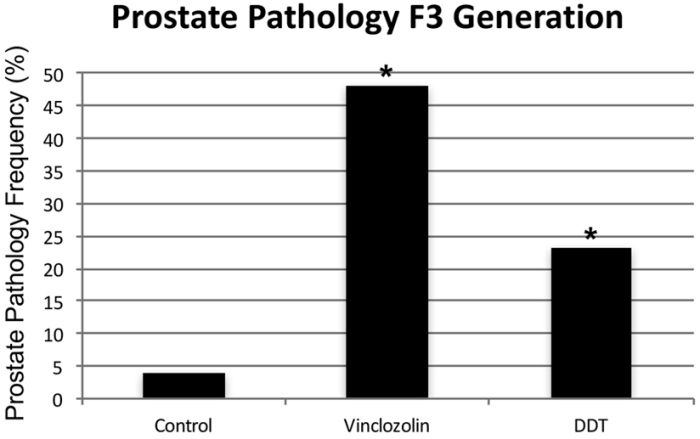
“Ancestral exposure to toxicant vinclozolin induces an epigenetic transgenerational increase in susceptibility to prostate pathology in F3 [male great-grandchildren] generation rats. These results are in agreement with previous studies which found a transgenerational increase in rates of prostatic:

  • Epithelial atrophy;
  • Cystic hyperplasia; and
  • Prostatitis

in transgenerational F3 and F4 [male great-great-grandchildren] generations after exposure of F0 [great-great-grandmother] generation pregnant rats to vinclozolin. These effects were accompanied by transgenerational changes in mRNA expression in F3 generation ventral prostate epithelial cells.

A number of previous transgenerational studies have shown no ventral prostate histopathology or disease detected. Therefore, observations suggest ancestral exposure specificity in the ability to induce transgenerational inheritance of prostate disease.

There was also no increase in prostate histopathology in directly exposed F1 [male children] or F2 [male grandchildren] generation vinclozolin lineage rats compared to controls.

prostate pathology

The mechanism by which epigenetic transgenerational inheritance affects prostate epithelium involves control of gene expression by DNA methylation and lncRNAs. It will be necessary to determine exact gene targets of these epigenetic modifications to determine further mechanisms.

Future studies need to investigate if similar mechanisms are at work in human males who have adult-onset BPH or prostate cancer. Ancestral exposures to toxicants and epigenetic transgenerational inheritance may contribute to development of prostate disease in men today.”


This study’s above bolded sentence added to evidence that epigenetic effects may skip generations. A study by the same group, Epigenetic transgenerational inheritance of ovarian disease, found in females:

There was no increase in ovarian disease in direct fetal exposed F1 or germline exposed F2 generation vinclozolin or DDT lineage rats compared to controls.

A disturbance in the paradigm of child abuse referenced other studies that found generation-skipping effects.

Researchers are closer to discovering evidence for precise mechanisms of epigenetic transgenerational inheritance. It’s well past time that other researchers performing studies like Burying human transgenerational epigenetic evidence:

  • Turn things around;
  • Take their work seriously; and
  • Truly investigate human evidence for epigenetic transgenerational inheritance.

What are more important research and funding priorities than such human studies?

https://www.nature.com/articles/s41598-019-38741-1 “Environmental Toxicant Induced Epigenetic Transgenerational Inheritance of Prostate Pathology and Stromal-Epithelial Cell Epigenome and Transcriptome Alterations: Ancestral Origins of Prostate Disease”

Disproving the cholesterol paradigm

This 2018 review presented evidence that:

“For half a century, a high level of total cholesterol (TC) or low-density lipoprotein cholesterol (LDL-C) has been considered to be the major cause of atherosclerosis and cardiovascular disease (CVD), and statin treatment has been widely promoted for cardiovascular prevention. However, there is an increasing understanding that the mechanisms are more complicated and that statin treatment, in particular when used as primary prevention, is of doubtful benefit.

The authors of three large reviews recently published by statin advocates have attempted to validate the current dogma. This article delineates the serious errors in these three reviews as well as other obvious falsifications of the cholesterol hypothesis.

Our search for falsifications of the cholesterol hypothesis confirms that it is unable to satisfy any of the Bradford Hill criteria for causality and that the conclusions of the authors of the three reviews are based on:

  • Misleading statistics,
  • Exclusion of unsuccessful trials and by
  • Ignoring numerous contradictory observations.

The association between the absolute risk reduction of total mortality in 26 statin trials [squares] included in the study by Silverman et al. and in 11 ignored trials [triangles] and the year where the trial protocols were published. The vertical line indicates the year where the new trial regulations were introduced.

In 2004–2005, health authorities in Europe and the United States introduced New Clinical Trial Regulations, which specified that all trial data had to be made public. Since 2005, claims of benefit from statin trials have virtually disappeared.”


This paradigm was proven wrong eighty years ago! How much longer will its harmful consequences continue?

https://www.tandfonline.com/doi/full/10.1080/17512433.2018.1519391 “LDL-C does not cause cardiovascular disease: a comprehensive review of the current literature”

An hour of the epigenetic clock

Starting the fifth year of this blog with a 2018 presentation by the founder of the epigenetic clock method describing the state of the art up through July 2018. The webinar was given on the release day of The epigenetic clock now includes skin study.


Segments before the half-hour mark provide an introduction to the method and several details about the concurrently-released study. The Q&A section starts a little before the hour mark.

A top-down view of biological goal-directed mechanisms

This 2016 US/Italy article was written from a perspective of regenerative bioengineering:

“Higher levels beyond molecular can have their own unique dynamics that offer better (e.g. more parsimonious and potent) explanatory power than models made at lower levels. Biological systems may be best amenable to models that include information structures (organ shape, size, topological arrangements and complex anatomical metrics) not defined at molecular or cellular level but nevertheless serving as the most causally potent ‘knobs’ regulating large-scale outcomes.

Top-down models can be as quantitative as familiar bottom-up systems biology examples, but they are formulated in terms of building blocks that cannot be defined at the level of gene expression and treat those elements as bona fide causal agents (which can be manipulated by interventions and optimization techniques). The near-impossibility of determining which low-level components must be tweaked in order to achieve a specific system-level outcome is a problem that plagues most complex systems.

The current paradigm in biology of exclusively tracking physical measurable and ignoring internal representation and information structures in patterning contexts quite resemble the ultimately unsuccessful behaviourist programme in psychology and neuroscience. For example, even if stem cell biologists knew how to make any desired cell type from an undifferentiated progenitor, the task of assembling them into a limb would be quite intractable.

Current state of the art in the field of developmental bioelectricity is that it is known, at the cellular level, how resting potentials are transduced into downstream gene cascades, as well as which transcriptional and epigenetic targets are sensitive to change in developmental bioelectrical signals. What is largely missing however is a quantitative understanding of how global dynamics of bioelectric circuits make decisions that orchestrate large numbers of individual cells, spread out over considerable anatomical distances, towards specific pattern outcomes.”


Regenerative research is gathering evidence for goal-directed memory and learning that doesn’t meet current definitions. For example:

salamander

“A tail grafted to the flank of a salamander slowly remodels to a limb, a structure more appropriate for its new location, illustrating shape homeostasis towards a normal amphibian body plan. Even tail tip cells (in red) slowly become fingers, showing that remodelling is not driven by only local information.”

These reviewers compared their findings to several existing research and real-world-operations domains. Other models may also benefit from concepts of:

“Quantitative, predictive, mechanistic understanding of goal-directed morphogenesis.”

https://royalsocietypublishing.org/doi/full/10.1098/rsif.2016.0555 “Top-down models in biology: explanation and control of complex living systems above the molecular level”


I came across this article as a result of its citation in The Body Electric blog post.

“Levin drops a hint that there are photo-sensitive drugs that can control ion gates that can be used to translate a projected geometric image into a pattern of membrane potentials. He argues that the patterns encode ‘blueprints’ rather than a ‘construction manual’ based on the fact that the program is adaptive in the face of physical barriers and disruptions.”

The epigenetic clock now includes skin

The originator of the 2013 epigenetic clock improved its coverage with this 2018 UCLA human study:

“We present a new DNA methylation-based biomarker (based on 391 CpGs) that was developed to accurately measure the age of human fibroblasts, keratinocytes, buccal cells, endothelial cells, skin and blood samples. We also observe strong age correlations in sorted neurons, glia, brain, liver, and bone samples.

The skin & blood clock outperforms widely used existing biomarkers when it comes to accurately measuring the age of an individual based on DNA extracted from skin, dermis, epidermis, blood, saliva, buccal swabs, and endothelial cells. Thus, the biomarker can also be used for forensic and biomedical applications involving human specimens.

The biomarker applies to the entire age span starting from newborns, e.g. DNAm of cord blood samples correlates with gestational week.

Furthermore, the skin & blood clock confirms the effect of lifestyle and demographic variables on epigenetic aging. Essentially it highlights a significant trend of accelerated epigenetic aging with sub-clinical indicators of poor health.

Conversely, reduced aging rate is correlated with known health-improving features such as physical exercise, fish consumption, high carotenoid levels. As with the other age predictors, the skin & blood clock is also able to predict time to death.

Collectively, these features show that while the skin & blood clock is clearly superior in its performance on skin cells, it crucially retained all the other features that are common to other existing age estimators.”

http://www.aging-us.com/article/101508/text “Epigenetic clock for skin and blood cells applied to Hutchinson Gilford Progeria Syndrome and ex vivo studies”


An introduction to the study highlighted several items:

“Although the skin-blood clock was derived from significantly less samples (~900) than Horvath’s clock (~8000 samples), it was found to more accurately predict chronological age, not only across fibroblasts and skin, but also across blood, buccal and saliva tissue. A potential factor driving this improved accuracy in blood could be related to the approximate 18-fold increase in genomic coverage afforded by using Illumina 450k/850k beadarrays.

It serves as a roadmap for future clock studies, pointing towards the importance of constructing tissue or cell-type specific epigenetic clocks, to more accurately measure biological aging in the given tissue/cell-type, and therefore with the potential to be more informative of disease-risk or the success of disease interventions in the tissue or cell-type of interest.”

http://www.aging-us.com/article/101533/text “Epigenetic clocks galore: a new improved clock predicts age-acceleration in Hutchinson Gilford Progeria Syndrome patients”

Measuring epigenetic changes at a single-cell level

This 2018 Canadian cell study described the development of a single-cell protocol to:

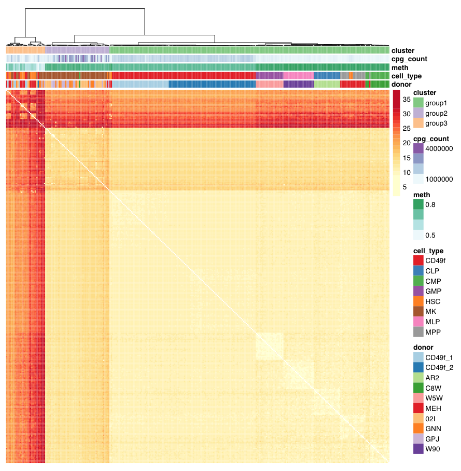
“Profile primitive hematopoietic cells of mouse and human origin to identify epigenetically distinct subpopulations. Deep sampling of the CpG content of individual HSCs allowed for the near complete reconstitution of regulatory states from epigenetically defined subpopulations of HSCs and revealed a high level of redundancy of CpG methylation states within these phenotypically defined hematopoietic cell types.

Hematopoietic stem cells (HSCs) are functionally defined cells that display evidence of extensive self-renewal of their ability to generate mature blood cells for the lifetime of the organism and following transplantation into myelosuppressed permissive hosts. Most of the epigenetic measurements underpinning these observations represent consensus values experimentally derived from thousands of cells partially enriched in HSCs or their progeny, thus failing to discern distinct epigenetic states within HSCs.

Current analytical strategies for single-cell DNA methylation measurements average DNA methylation in fixed genomic bins or over defined genomic regions.

However, inference across cells (as well as sequence context) assumes homogeneity across cells, which is at cross-purposes with the generation of single-cell molecular measurements through the potential to mask rare subpopulations.

We identified donor as a significant source of consistent epigenetic heterogeneity, which was reduced but not eliminated by correcting for personal genetic variants. This observation is consistent with previous reports that showed genetic diversity as related to but not accountable for all DNA methylation differences and suggests that in utero environmental differences may be encoded within the HSC compartment.”


The study advanced science not only by measuring CpG methylation within each HSC, but also by producing another data point “that in utero environmental differences may be encoded within the HSC compartment.”

The paragraph with “assumes homogeneity across cells” bold text provided another example of the statistical analysis flaw that gives individually inapplicable results per Group statistics don’t necessarily describe an individual. The above graphic of human hematopoietic phenotypes demonstrated that the researchers have potentially solved this problem by measuring individual cells.

The researchers discussed another aspect of the study that’s similar to the epigenetic clock methodology:

“Phenotype-specific methylation signatures are characterized by extensive redundancy such that distinct epigenetic states can be accurately described by only a small fraction of single-CpG methylation states. In support of such a notion, the unique components of a DNA methylation “age” signature are contained in ∼353 CpGs sites, presumably representing a random sample of a total age signature that involves many more sites not detected using the reduced representation strategies from which these signatures have been derived.”

Also, in The epigenetic clock theory of aging the originator of the epigenetic clock characterized HSCs as an effective intervention against epigenetic aging:

“In vivo, haematopoietic stem cell therapy resets the epigenetic age of blood of the recipient to that of the donor.”

https://www.cell.com/stem-cell-reports/article/S2213-6711(18)30308-4/fulltext “High-Resolution Single-Cell DNA Methylation Measurements Reveal Epigenetically Distinct Hematopoietic Stem Cell Subpopulations”

Ideaesthesia!

This 2018 UK review subject was colored-hearing experiences from music:

“Music-colour synaesthesia has a broad scope encompassing not only tone-colour synaesthesia elicited on hearing individual tones, but a complex and idiosyncratic mixture of phenomenological experiences often mediated by timbre, tempo, emotion and differing musical style.

Possession of synaesthesia or absolute pitch was shown to have very little effect on the actual colours chosen for each of the musical excerpts. But it might be reasonable to expect that music that elicits a strong emotional response may be more likely to induce synaesthesia than music that does not.

Examination of eight neuroimaging studies were found to be largely inconclusive in respect of confirming the perceptual nature of music-colour synaesthesia. Neither the hyperconnectivity nor the disinhibited feedback theory currently holds as a single categorical explanation for synaesthesia.

Theories promoting the notion of ‘ideaesthesia’ have highlighted the importance of role of concept and meaning in understanding of synaesthesia..and a replacement definition: Synaesthesia is a phenomenon in which a mental activation of a certain concept or idea is associated consistently with a certain perception-like experience.”

https://www.sciencedirect.com/science/article/pii/S1053810017305883 “Music-colour synaesthesia: Concept, context and qualia” (not freely available)


Much of the review was philosophizing and casting around for clues. The review cited interesting studies and reviews, including The Merit of Synesthesia for Consciousness Research.

One relevant element missed by the underlying research and review was critical periods of human development. A cited reference in How brains mature during critical periods was Sensitive periods in human development: Evidence from musical training (not freely available) illuminated some aspects:

“In contrast to a critical period, where a function cannot be acquired outside the specific developmental window, a sensitive period denotes a time where sensory experience has a relatively greater influence on behavioral and cortical development. Sensitive periods may also be times when exposure to specific stimuli stimulates plasticity, enhancing changes at neuronal and behavioral levels.

The developmental window for absolute pitch may be more similar to a critical than a sensitive period.

The auditory cortex appears to have an unusually long period of developmental plasticity compared with other sensory systems; changes in its cellular organization and connectivity continue into late childhood.

Effects of musical training have been shown to impact auditory processing in the brainstem as well.”


Let’s say that a researcher wanted – as one cited study did – to examine absolute pitch, a rare trait, present in a subset of synesthetes – music-color, another rare trait. The study as designed would probably be underpowered due to an insufficient number of subjects, and it would subsequently find “very little effect.”

Let’s say another researcher focused on cerebral brain areas – and like eight cited studies – ignored brainstem pons nuclei which are the first brain recipients of sound and equilibrium information from the inner ear via the eighth cranial nerve. Like those studies, the researcher was also biased against including limbic brain areas that would indicate “a strong emotional response.”

A study design that combined leaving out important brain-area participants in the synesthesia process with a few number of synesthetes would be unlikely to find conclusive evidence.

The reviewer viewed a lack of evidence from “eight neuroimaging studies” as indicating something about the “perceptual nature of music-colour synaesthesia.” An alternative view is that “inconclusive” evidence had more to do with study designs that:

  • Had a small number of subjects;
  • Omitted brain areas relevant to the music-color synesthesia process;
  • Didn’t investigate likely music-color synesthesia development periods; and
  • Didn’t investigate associations of music-color synesthesia with epigenetic states.

Consider the magnitude of omitting the thalamus brain area from synesthesia studies as one “perceptual nature of music-colour synaesthesia” example. Just background information of Thalamus gating and control of the limbic system and cerebrum is a form of memory indicated its relevance to synesthesia:

Despite fundamental differences between visual, auditory and somatosensory signals, basic layouts of thalamocortical systems for each modality are quite similar.

For a given stimulus, output neural response will not be static, but will depend on recent stimulus and response history.

Sensory signals en route to the cortex undergo profound signal transformations in the thalamus. A key thalamic transformation is sensory adaptation in which neural output adjusts to statistics and dynamics of past stimuli.”

One of this study’s researchers described ways that an individual’s “stimulus and response history” became unconscious memories with the thalamus. Including the thalamus in synesthesia studies may also have findings that involve reliving or re-experiencing a memory, possibly an emotional memory.

In such future research, it could be a design element to ask synesthetes before and after an experiment to identify feelings and memories accompanying synesthesia experiences.

It shouldn’t be a requirement, however, to insist that memories and emotions be consciously identified in order to be included in findings. Human studies such as Unconscious stimuli have a pervasive effect on our brain function and behavior have found:

“Pain responses can be shaped by learning that takes place outside conscious awareness.

Our results support the notion that nonconscious stimuli have a pervasive effect on human brain function and behavior and may affect learning of complex cognitive processes such as psychologically mediated analgesic and hyperalgesic responses.”


Does an orangey twilight of aging sunflowers help you feel?

The truth about complex traits and GWAS

This 2017 Colorado analysis, “No Evidence That Schizophrenia Candidate Genes Are More Associated With Schizophrenia Than Noncandidate Genes,” found:

“A recent analysis of 25 historical candidate gene polymorphisms for schizophrenia in the largest genome-wide association study [GWAS] conducted to date suggested that these commonly studied variants were no more associated with the disorder than would be expected by chance.

However, the same study identified other variants within those candidate genes that demonstrated genome-wide significant associations with schizophrenia. As such, it is possible that variants within historic schizophrenia candidate genes are associated with schizophrenia at levels above those expected by chance, even if the most-studied specific polymorphisms are not.

As a group, variants in the most-studied candidate genes were no more associated with schizophrenia than were variants in control sets of noncandidate genes. While a small subset of candidate genes did appear to be significantly associated with schizophrenia, these genes were not particularly noteworthy given the large number of more strongly associated noncandidate genes.

The history of schizophrenia research should serve as a cautionary tale to candidate gene investigators examining other phenotypes: our findings indicate that the most investigated candidate gene hypotheses of schizophrenia are not well supported by genome-wide association studies, and it is likely that this will be the case for other complex traits as well.”


One reason I admire scientists is that many of them are genuinely interested in advancing science. They eventually expose the storytelling and directed narratives in reviews such as:

They uncover questionable methods and moneygrubbing to fund research with a goal of confirming sponsors’ biases such as:

They impartially examine evidence supporting agendas and personal aggrandizements in studies such as:

Unbiased facts and analyses are eventually reported by these dedicated scientists. The problem is that their works aren’t on page 1 of journals and search results.

https://www.biologicalpsychiatryjournal.com/article/S0006-3223(17)31772-9/fulltext “No Evidence That Schizophrenia Candidate Genes Are More Associated With Schizophrenia Than Noncandidate Genes” (not freely available)

A flying human tethered to a monkey

Ponder this drone photo of “a flying human tethered to a monkey” ground drawing made over 1,000 years ago as reported by National Geographic and excerpted by the Daily Star:
Flying human tethered to a monkey


1. Aren’t the geoglyph and its description pretty good expressions of our evolved condition? Especially since it’s the interpretation of people who lived more a millennium ago?

With so many information sources freely available now, though, one couldn’t successfully argue that the ancients understood the world better than we do. Our understanding comes from our “flying human” time and efforts, without which we’re as ignorant as our “monkey.”

2. A few aspects of the current comprehension of the differences between our two pictured primates are in Genetic imprinting, sleep, and parent-offspring conflict:

“I remain skeptical of a tendency to ascribe most modern woes to incongruence between our evolved nature and western cultural practices. We did not evolve to be happy or healthy but to leave genetic descendants, and an undue emphasis on mismatch risks conflating health and fitness [genetic rather than physical fitness].”

Our “flying human” can make happiness and health choices that our “monkey” can’t:

Our genetic adaptations often try to fool us into doing things that enhance fitness at costs to our happiness.

Our genes do not care about us and we should have no compunction about fooling them to deliver benefits without serving their ends.

Contraception, to take one obvious example, allows those who choose childlessness to enjoy the pleasures of sexual activity without the fitness-enhancing risk of conception.”

3. Another aspect of our two primates’ differences is illuminated in a reference to A study of DNA methylation and age:

“Aging is not and cannot be programmed. Instead, aging is a continuation of developmental growth, driven by genetic pathways.

Genetic programs determine developmental growth and the onset of reproduction. When these programs are completed, they are not switched off.

Aging has no purpose (neither for individuals nor for group), no intention. Nature does not select for quasi-programs. It selects for robust developmental growth.”

The epigenetic clock theory of aging cited the same author, and modified his point to say:

“The proposed epigenetic clock theory of ageing views biological ageing as an unintended consequence of both developmental programmes and maintenance programmes.”

Aging decisions are examples of our “flying human” making choices that aren’t available to our “monkey” concerning the structure, direction, and duration of our one precious life.

“What are you doing to reverse epigenetic processes and realize what you want? Do you have ideas and/or behaviors that interfere with taking constructive actions to change your phenotype?”

This dietary supplement is better for depression symptoms than placebo

This 2018 Italy/UK meta-analysis subject was the use of dietary supplement acetyl-L-carnitine to treat depression symptoms:

“Deficiency of acetyl-L-carnitine (ALC) appears to play a role in the risk of developing depression, indicating dysregulation of fatty acids transport across the inner membrane of mitochondria. However, the data regarding ALC supplementation in humans are limited. We thus conducted a systematic review and meta-analysis investigating the effect of ALC on depressive symptoms across randomized controlled trials (RCTs).

Pooled data across nine RCTs (231 treated with ALC versus 216 treated with placebo and 20 no intervention) showed that ALC significantly reduced depressive symptoms.

In these nine RCTs, the majority of the studies used 3 grams of ALC as intervention.

In three RCTs comparing ALC versus antidepressants (162 for each group), ALC demonstrated similar effectiveness compared with established antidepressants [fluoxetine (Prozac), duloxetine (Cymbalta), amisulpride (Solian) respectively below] in reducing depressive symptoms. In these latter RCTs, the incidence of adverse effects was significantly lower in the ALC group [79%] than in the antidepressant group.

Subgroup analyses suggested that ALC was most efficacious in older adults. Future large scale trials are required to confirm/refute these findings.”

From the Methods section:

“Studies were excluded if:

  1. did not include humans;
  2. did not include a control group;
  3. did not use validated scales for assessing depression;
  4. did not report data at follow-up evaluation regarding tests assessing depression;
  5. included the use of ALC with another agent vs. placebo/no intervention.”

The Discussion section was informative regarding possible mechanisms of ALC affecting depression, pain, and linked symptoms. Several citations were of a review rather than of the original studies, however.


Research needs to proceed on to investigate therapies that address ultimate causes for depression and pain. Researchers and sponsors shouldn’t stop at just symptoms and symptom relief, notwithstanding the requirement from a statistical point of view for “future large scale trials.”

Here are other acetyl-L-carnitine topics I’ve curated:

https://journals.lww.com/psychosomaticmedicine/Citation/2018/02000/Acetyl_L_Carnitine_Supplementation_and_the.4.aspx “Acetyl-L-Carnitine Supplementation and the Treatment of Depressive Symptoms: A Systematic Review and Meta-Analysis” (not freely available)


This post has somehow become a target for spammers, and I’ve disabled comments. Readers can comment on other posts and indicate that they want their comment to apply here, and I’ll re-enable comments.

Your need to feel important will run your life, and you’ll never feel satisfied

Yesterday’s team meeting at work provided one display after another of a person’s need to feel important. These eye-openers were the reason the scheduled 30-minute meeting lasted 45 minutes.

Although half of the forty or so attendees are under the age of 40, curiously, only two of them spoke during the meeting. I wasn’t among the older people who had something to say.

Not that I wasn’t tempted by the team-building exercise with its Skittles prompts:

  • Red – Tell us something you do well
  • Orange – Tell us something about your childhood
  • Purple – What could you live without?
  • Yellow – What couldn’t you live without?

Participation in the exercise was voluntary. Yes, I drew an orange Skittle.

Everyone knew there wasn’t enough time for each of us to speak and have the exercise become team-building, yet a dozen people piped up. Every one of the self-selected responses could have been prefaced with “I’m important because..”


There are many needs a person develops and tries to satisfy as substitutes for real needs that weren’t fulfilled. In this blog I’ve focused on the need to feel important.

I started with How do we assess “importance” in our lives? An example from scientists’ research choices and highlighted it on the Welcome page:

“Do you agree that an individual’s need to feel important is NOT a basic human need on the same level as nourishment, protection, and socialization? How does this need arise in our lives?”

I supported an explanation of the need to feel important with evidence and arguments on the Scientific evidence page and said:

“If the explanation is true yet someone rejected it, they at least wouldn’t have suffered from exposure to it. They’ll just remain in our world’s default mode of existence:

  1. Unaware of their own unconscious act-outs to feel important;
  2. Unaware of what’s driving such personal behavior; and
  3. Uninformed of other people’s behavioral origins as a consequence of 1 and 2.”

Other examples of substitute needs include:

What do you think? Any arguments for or against interrupting our default mode of existence?

An emotional center of our brains

This 2018 McGill/UC San Diego rodent study subject was the dentate gyrus area of the hippocampus:

“Early life experience influences stress reactivity and mental health through effects on cognitive-emotional functions that are, in part, linked to gene expression in the dorsal and ventral hippocampus. The hippocampal dentate gyrus (DG) is a major site for experience-dependent plasticity associated with sustained transcriptional alterations, potentially mediated by epigenetic modifications.

Peripubertal environmental enrichment increases hippocampal volume and enhances dorsal DG-specific differences in gene expression. Overall, our transcriptome and DNA methylation data support a model of regional and environmental effects on the molecular profile of DG neurons.”

The study thoroughly investigated several areas. I’ll quote a few parts with the section heading.

Introduction:

“The dorsal hippocampus, corresponding to the posterior hippocampus in primates, associates closely with cognitive functions and age-related cognitive impairments. In contrast, the ventral hippocampus, (anterior region in primates) is implicated in the regulation of emotional states and vulnerability for affective disorders. This functional specialization is reflected in patterns of gene expression.”

Results subsections:

“Environmental enrichment promotes hippocampal neurogenesis – hippocampal volume is enlarged in mice raised in an enriched environment (EE) compared with standard housing (SH) in both the dorsal and ventral poles. EE also associates with >60% more newborn neurons.

Specialization of gene expression in dorsal and ventral DG – Gene expression was more affected by EE in dorsal than ventral DG, and dorsal DG has twice as many differentially-expressed genes.

DNA methylation differences between dorsal and ventral DG – Each of the three forms of methylation [CpG, non-CpG, and hmC (hydroxymethylation)] exhibited a distinct genomic distribution in dorsal and ventral DG. A key advantage of whole-genome DNA methylation profiling is the ability to identify differentially methylated regions (DMRs), often far from any gene body, that mark tissue-specific gene regulatory elements.

This strong bias, with ~40-fold more hypomethylated regions in the dorsal DG, contrasts with the balanced number of differentially expressed genes in dorsal and ventral DG, suggesting an asymmetric role for DNA methylation in region-specific gene regulation. Despite their small number, ventral hypomethylated DMRs marked key developmental patterning transcription factors..which are linked to the proliferation, maintenance and survival of neural stem cells.

DNA methylation correlates with repression at some genes – CG and non-CG DNA methylation are associated with reduced gene expression, while hmC associates with increased expression. Dorsal DMRs were also enriched at genes that were up- and down-regulated in EE, although over half of dorsal up-regulated genes, and >98.5% of ventral up-regulated genes, contained no DMRs that could explain their region-specific differential expression.”

Discussion:

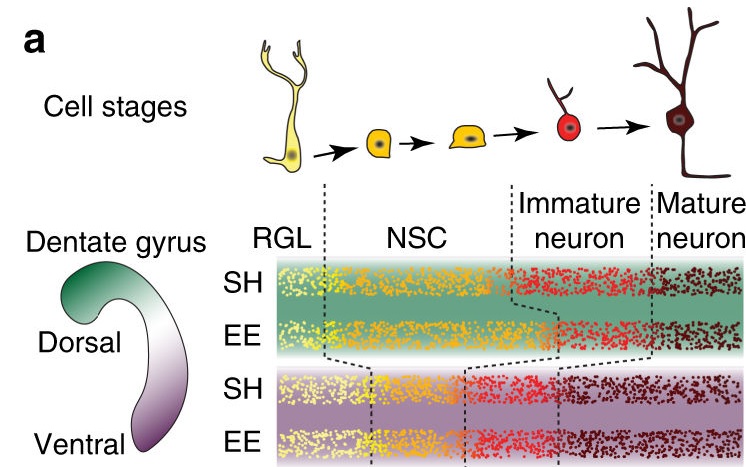
  • “a The cell stages occurring within the subgranular zone of the dentate gyrus are shown together with a schematic illustration of possible relative proportions consistent with our data. RGL Radial glia-like progenitor, NSC Neural stem cell.
  • b Key genes associated with the RGL stage are up-regulated in ventral DG relative to dorsal DG.
  • c We propose that mCH [non-CpG methylation] accumulates mainly in mature neurons.”

Why do human brain studies that include the hippocampus overwhelmingly ignore its role in our emotions? For example, the researchers of Advance science by including emotion in research could find only 397 suitable studies performed over 22 years from 1990 to 2011. There were tens or hundreds of times more human brain studies done during the same period that intentionally excluded emotional content!

The current rodent study provided physiological bases for dialing back the bias of human brain research focused exclusively on cognitive functions without also investigating attributes of emotional processing. Let’s see human studies designed to correct this recurring deficiency.

https://www.nature.com/articles/s41467-017-02748-x “Environmental enrichment increases transcriptional and epigenetic differentiation between mouse dorsal and ventral dentate gyrus”

How to cure the ultimate causes of migraines?

Most of the spam I get on this blog comes in as ersatz comments on The hypothalamus couples with the brainstem to cause migraines. I don’t know what it is about the post that attracts internet bots.

The unwanted attention is too bad because the post represents a good personal illustration of “changes in the neural response to painful stimuli.” Last year I experienced three three-day migraines in one month as did the study’s subject. This led to me cycling through a half-dozen medications in an effort to address the migraine causes.

None of the medications proved to be effective at treating the causes. I found one that interrupted the progress of migraines – sumatriptan, a serotonin receptor agonist. I’ve used it when symptoms start, and the medication has kept me from having a full-blown migraine episode in the past year.

1. It may be argued that migraine headache tendencies are genetically inherited. Supporting personal evidence is that both my mother and younger sister have migraine problems. My father, older sister, and younger brother didn’t have migraine problems. Familial genetic inheritance usually isn’t the whole story of diseases, though.

2. Migraine headaches may be an example of diseases that are results of how humans have evolved. From Genetic imprinting, sleep, and parent-offspring conflict:

“Evolutionary theory predicts: that which evolves is not necessarily that which is healthy.

Why should pregnancy not be more efficient and more robust than other physiological systems, rather than less? Crucial checks, balances and feedback controls are lacking in the shared physiology of the maternal–fetal unit.

Both migraine causes and effects may be traced back to natural lacks of feedback loops. These lacks demonstrate that such physiological feedback wasn’t evolutionarily necessary in order for humans to survive and reproduce.

3. Examples of other processes occurring during prenatal development that also lack feedback loops, and their subsequent diseases, are:

A. Hypoxic conditions per Lack of oxygen’s epigenetic effects are causes of the fetus later developing:

  • “age-related macular degeneration
  • cancer progression
  • chronic kidney disease
  • cardiomyopathies
  • adipose tissue fibrosis
  • inflammation
  • detrimental effects which are linked to epigenetic changes.”

B. Stressing pregnant dams per Treating prenatal stress-related disorders with an oxytocin receptor agonist caused fetuses to develop a:

and abnormalities:

  • in social behavior,
  • in the HPA response to stress, and
  • in the expression of stress-related genes in the hippocampus and amygdala.”

1. What would be a treatment that could cure genetic causes for migraines?

I don’t know of any gene therapies.

2. What treatments could cure migraines caused by an evolved lack of feedback mechanisms?

We humans are who we have become, unless and until we can change original causes. Can we deal with “changes in the neural response to painful stimuli” without developing hopes for therapies or technologies per Differing approaches to a life wasted on beliefs?

3. What treatments could cure prenatal epigenetic causes for migraines?

The only effective solution I know of that’s been studied in humans is to prevent adverse conditions like hypoxia from taking place during pregnancy. The critical periods of our physical development are over once we’re adults, and we can’t unbake a cake.

Maybe science will offer other possibilities. Maybe researchers could do more than their funding sponsors expect?

Epigenetic effects of early life stress exposure

This 2017 Netherlands review subject was the lasting epigenetic effects of early-life stress:

“Exposure to stress during critical periods in development can have severe long-term consequences.

One of the key stress response systems mediating these long-term effects of stress is the hypothalamic-pituitary-adrenal (HPA) axis.

Early life stress (ELS) exposure has been reported to have numerous consequences on HPA-axis function in adulthood.

ELS is able to “imprint” or “program” an organism’s neuroendocrine, neural and behavioral responses to stress. Research focuses along two complementary lines:

  1. ELS during critical stages in brain maturation may disrupt specific developmental processes (by altered neurotransmitter exposure, gene transcription, or neuronal differentiation), leading to aberrant neural circuit function throughout life.
  2. ELS may induce modifications of the epigenome which lastingly affect brain function.

These epigenetic modifications are inducible, stable, and yet reversible, constituting an important emerging mechanism by which transient environmental stimuli can induce persistent changes in gene expression and ultimately behavior.”


In early life, the lower brain and limbic system brain structures are more developed and dominant, whereas the cerebrum is less developed (use the above rodent graphic as a rough guide). Stress and pain generally have a greater impact on a fetus than an infant, and a greater impact on an infant than an adult.

The reviewers cited 50+ studies from years 2000-2015 in the “Early Life Stress Effects in a “Matching” Stressful Adult Environment” section to argue for the match / mismatch theory:

“Encountering ELS prepares an organism for similar (“matching”) adversities during adulthood, while a mismatching environment results in an increased susceptibility to psychopathology, indicating that ELS can exert either beneficial or disadvantageous effects depending on the environmental context.

Initial evidence for HPA-axis hypo-reactivity is observed for early social deprivation, potentially reflecting the abnormal HPA-axis function as observed in post-traumatic stress disorder.

Experiencing additional (chronic) stress in adulthood seems to normalize these alterations in HPA-axis function, supporting the match / mismatch theory.”

Evidence for this theory was contrasted with the allostatic load theory presented in How one person’s paradigms regarding stress and epigenetics impedes relevant research.


The review mainly cited evidence from rodent studies that mismatched reactions in adulthood may be consequences of early-life events. These events:

“Imprint or program an organism’s neuroendocrine, neural and behavioral responses..leading to aberrant neural circuit function throughout life..which lastingly affect brain function.”

Taking this research to a personal level:

  • Have you had feelings that you were unsafe, although your environment was objectively safe?
  • Have you felt uneasy when people are nice to you?
  • Have you felt anxious when someone pays attention to you, even after you’ve acted to gain their attention?

Mismatched human feelings are one form of mismatched reactions. These may be consequences of early-life experiences, and indicators of personal truths.

If researchers can let go of their biases and Advance science by including emotion in research, they may find that human subjects’ feelings produce better evidence for what actually happened during the subjects’ early lives than do standard scientific methods of:

Incorporating feeling evidence may bring researchers and each individual closer to discovering the major insults that knocked their development processes out of normally robust pathways and/or induced “persistent changes in gene expression and ultimately behavior.”

https://www.frontiersin.org/articles/10.3389/fncel.2017.00087/full “Modulation of the Hypothalamic-Pituitary-Adrenal Axis by Early Life Stress Exposure”


I came across this review as a result of it being cited in http://www.sciencedirect.com/science/article/pii/S1084952117302884 “Long-term effects of early environment on the brain: Lesson from rodent models” (not freely available)