Eat isoflavones for your nerves

This 2021 rodent study investigated effects of dietary isoflavones and gut microbiota:

“Multiple sclerosis (MS) is a chronic neuroinflammatory disease of the central nervous system (CNS) that results in sensory, motor, and/or cognitive dysfunction. This is due to complex interactions of genetic and environmental factors that trigger activation of autoreactive T cells, leading to subsequent immune cell infiltration into the CNS, neurodegeneration, and axonal damage.

Genetic influences on MS have been well characterized, such as the strong association of certain human leukocyte antigen haplotypes with disease. In contrast, environmental factors – which account for around 70% of disease risk – remain understudied.

In humans, certain gut bacteria digest phytoestrogens, which are plant-based compounds that resemble estrogen. Isoflavones are a major class of phytoestrogens that are highly abundant in legumes such as soy. Humans do not have the necessary enzymes to break down isoflavones, and rely on gut microbiota to harvest these biologically active metabolites.

In the present study, we demonstrate that experimental autoimmune encephalomyelitis (EAE), an animal model for MS, is suppressed in mice fed a diet supplemented with isoflavones.

isoflavones eae

Adlercreutzia equolifaciens and Parabacteroides distasonis, which metabolize isoflavones, were more abundant in mice on an isoflavone diet. Both genera were enriched in healthy individuals but depleted in patients with MS. Conversely, Akkermansia muciniphila was found in greater abundance in mice on an isoflavone-free diet, and this genus is commonly enriched in patients with MS compared to healthy individuals.

isoflavones gut microbiota

We demonstrate that bacterial therapy with P. distasonis and A. equolifaciens results in markedly different clinical disease scores depending on diet of the host. In the absence of isoflavones, isoflavone-metabolizing bacteria may begin to metabolize host products, such as mucins, resulting in a proinflammatory state.

Considering the interplay between diet and gut bacteria is critical when developing dietary and gut microbiome-based therapies for MS and other diseases.”

https://www.science.org/doi/10.1126/sciadv.abd4595 “Isoflavone diet ameliorates experimental autoimmune encephalomyelitis through modulation of gut bacteria depleted in patients with multiple sclerosis”


Parabacteroides distasonis is my second most abundant gut microbiota species at 11.076%. Its main function is to metabolize carbohydrates, which are the bulk of my diet. Haven’t focused on isoflavones.

If you want to increase isoflavones with a soy product like tofu, try to eat it raw, steamed, or simmered in soup. Broiling, grilling, or sautéing tofu causes a dramatic rise in AGEs.

I came across this study by its citation in Dr. Paul Clayton’s rambling blog post Stranger together.

Feral broccoli, where Zeus’ sweat hit the ground

This 2021 study investigated evolutionary histories of Brassica oleracea:

“Cultivated Brassica oleracea has intrigued researchers for centuries due to its wide diversity in forms, which include cabbage, broccoli, cauliflower, kale, kohlrabi, and Brussels sprouts. With such different vegetables produced from a single species, B. oleracea is a model organism for understanding the power of artificial selection.

Evidence from genome-scale, multilocus data along with archeology, literature, and environmental niche modeling best support a single Eastern Mediterranean domestication origin for B. oleracea, corroborating conclusions based on literary sources and linguistics. Our analyses point to Aegean endemic B. cretica as the closest living relative of cultivated B. oleracea.

brassicae origins

We identify several feral lineages, suggesting that cultivated plants of this species can revert to a wild-like state with relative ease. Progenitor species would likely be good starting material for future research related to de novo domestication via selective breeding or gene editing. Feral populations may also provide additional avenues to explore evolutionary capacity for range expansion and phenotypic plasticity.

Crop wild relatives provide pools of allelic diversity that at one time were shared through a common ancestor with cultivated relatives. Since many of these wild species are very narrow endemics and are valuable for both crop improvement and for nature conservation, their identification and preservation are urgent.”

https://academic.oup.com/mbe/article/38/10/4419/6304875 “The Evolutionary History of Wild, Domesticated, and Feral Brassica oleracea (Brassicaceae)”


PXL_20211003_104947747

Trained immunity mechanisms

This 2021 cell study investigated how inflammatory memory is established, maintained, and recalled:

“Cells retain a memory of inflammation that equips them to react quickly and broadly to diverse secondary stimuli. Temporal, dynamic changes to chromatin accessibility, histone modifications, and transcription factor (TF) binding occur during inflammation, post-resolution, and in memory recall following injury.

Epigenetic records of inflammation have been found in innate immune cells, including macrophages, monocytes, and natural killer cells, as well as CD8+ and regulatory T cells, granulocyte-monocyte progenitors, and long-term hematopoietic stem cells. Inflammatory memory was recently extended to epithelial barrier tissues, which are the first line of defense against infectious pathogens and noxious agents.

Epigenetic memory of an inflammatory experience is rooted in chromatin of a cell via retention of chromatin accessibility, histone marks, and key TFs that endow it with heightened responsiveness to diverse secondary stimuli. AP-1 (activating protein-1) is a collective term referring to transcription factors composed of JUN, FOS, or ATF (activating transcription factor) subunits that bind to a common DNA site.

1-s2.0-S1934590921002861-fx1_lrg

We unearth an essential, unifying role for the general stress-responsive transcription factor FOS, which partners with JUN and cooperates with stimulus-specific STAT3 to establish memory. JUN then remains with other homeostatic factors on memory domains, facilitating rapid FOS re-recruitment and gene re-activation upon diverse secondary challenges.

We offer a comprehensive, potentially universal mechanism behind inflammatory memory and less discriminate recall phenomena with implications for tissue fitness in health and disease:

  1. Stimulus-specific STAT3 and broad stress factor AP1 co-establish memory domains;
  2. Stem cell factors access open memory domains and remain bound after inflammation;
  3. FOS activates open memory domains, enabling secondary responses to diverse stimuli; and
  4. AP1 mediates epigenetic inflammatory memory across cell types, stimuli, and species.”

https://www.sciencedirect.com/science/article/abs/pii/S1934590921002861 “Establishment, maintenance, and recall of inflammatory memory” (not freely available)


Take responsibility for your own one precious life. Train your immune system every day with yeast cell wall β-glucan.

PXL_20211003_110857218

Dementia blood factors

This 2021 human study performed blood metabolite analyses:

“Dementia is a collective term to describe various symptoms of cognitive impairment in a condition in which intelligence is irreversibly diminished due to acquired organic disorders of the brain, characterized by deterioration of memory, thinking, behavior, and the ability to perform daily activities.

In this study, we conducted nontargeted, comprehensive analysis of blood metabolites in dementia patients. Effort expended in this ‘no assumptions’ approach is often recompensed by identification of diagnostic compounds overlooked by targeted analysis.

The great variability of data in Figure 1 reflects genuine individual variation in metabolites, which were accurately detected by our metabolomic analysis. These data demonstrate that compounds having small to large individual variability are implicated in dementia.

dementia blood factors

7 group A compounds – plasma-enriched dementia factors – increased in dementia patients and might have a negative toxic impact on central nervous system (CNS) functions by themselves or their degradation products.

26 group B to E metabolites may be beneficial for the CNS, as their quantity all declined in dementia patients:

  • Red blood cell (RBC)-enriched group B metabolites all containing the trimethyl-ammonium ion may protect the CNS through their antioxidative and other activity.
  • Group C compounds, also RBC-enriched, have cellular functions implicated in energy, redox, and so forth, and may be important for maintaining CNS brain functions.
  • Group D’s 12 plasma compounds (amino acids, nucleosides, choline, and carnitine) – half of which had been reported as Alzheimer’s disease (AD)-related markers – may underpin actions of other metabolites for supply and degradation. Consistency of group D plasma metabolites as dementia markers but not group B and C RBC metabolites validated the method of searching dementia markers that we employed in the present study.
  • Group E compounds, caffeine and and its derivative dimethyl-xanthine, declined greatly in dementia subjects. Caffeine is an antagonist of adenosine, consistent with the present finding that adenosine belongs to group A compounds.

Twelve [groups B + C] of these 33 compounds are RBC-enriched, which has been scarcely reported. The majority of metabolites enriched in RBCs were not identified in previous studies.

Nine compounds possessing trimethylated ammonium ions are amphipathic compounds (with both hydrophilic and lipophilic properties) and form the basis of lipid polymorphism. All of them showed a sharp decline in abundance in dementia subjects.

amphipathic compounds

These amphipathic compounds may have similar roles, forming a higher-ordered, assembled structure. They might act as major neuroprotectants or antioxidants in the brain, and their levels are sensitive to both antioxidants and ROS.

We speculate the 7 group A compounds pathologically enhance or lead to severe dementia such as AD. This presumed dementia deterioration by group A factors is opposed if group B to E metabolites are sufficiently supplied.

However, group A markers were not found in frail subjects. If the change in group A is causal for dementia, then a cognitive cause in frailty may be distinct from that of dementia.”

https://www.pnas.org/content/118/37/e2022857118 “Whole-blood metabolomics of dementia patients reveal classes of disease-linked metabolites”


Dementia subjects (ages 75-88) lived in an Okinawa hospital. Healthy elderly (ages 67-80) and young (ages 28-34) subjects lived in a neighboring village. Of the 24 subjects, 3 dementia and 1 healthy elderly were below a 18.5 to <25 BMI range, and none were above.

Get neuroprotectants working for you. Previous relevant curations included:

The Illusion of Knowledge: The paradigm shift in aging research that shows the way to human rejuvenation

Dr. Harold Katcher increased interviews to coincide with release of his book this month. Here’s one in four parts that provides highlights of his rejuvenation research progress:


Previously curated papers of his work include:

Gut microbiota responses to inulin

This 2021 rodent study investigated:

“We studied long-term dynamics of gut microbiome and short-chain fatty acids (SCFAs) in isogenic mice with distinct microbiota baselines fed with fermentable fiber inulin compared to non-fermentable fiber cellulose.

  • We found that inulin produced generally rapid response followed by gradual stabilization to new equilibria, and those dynamics were baseline-dependent.
  • Levels of SCFAs such as propionate were associated with abundance of inulin responders, yet inter-individual variation of gut microbiome impedes prediction of SCFAs by machine learning models.
  • Our methods and major findings are generalizable to dietary resistant starch.

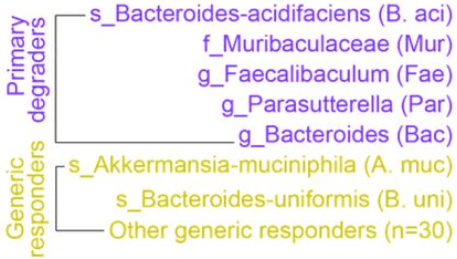
We divided the entire gut microbiota into three eco-groups: 5 primary degraders of inulin; 32 generic responders to inulin intervention; and non-responders. Primary degraders and their competitions are key drivers of baseline-dependent ecological dynamics of microbiota response to dietary fibers.

fiber degraders and responders

SCFA concentrations cannot be maintained at its peak, and drop by 35%-40% even under continuous inulin intake until four weeks. 90%-95% SCFAs produced in colonic lumen are absorbed by gut mucosa. The declining phase of SCFAs in our study may be explained by reduced production rate, increased absorption rate, or both.

Our study confirms findings in the literature and advances understanding of effects of dietary fibers on the gut microbiome at the system level:

  1. The small number of fiber degraders (five for inulin and two for resistant starch) suggested that fiber-induced bacterial shifts are very selective and occur to a restricted number of taxa.
  2. Absolute abundance of many fiber-degrading bacteria, such as taxa related to genus Bifidobacterium, failed to expand in both fibers. This indicates that fiber-induced bacterial enrichment cannot be simply predicted from in vitro growth, and suggests that dietary response of a gut bacterial taxa depends on the ecological context.
  3. Personalized fiber-induced response of gut microbiota were largely determined by baseline abundance of fiber degraders and ecological interactions among these degraders.”

https://www.biorxiv.org/content/10.1101/2021.08.20.457175v1.full “Ecological dynamics of the gut microbiome in response to dietary fiber”


PXL_20210915_133443137

Gut microbiota and critical development periods

This 2021 rodent study focused on global histone acetylation as a model to understand roles of microbially produced short-chain fatty acids in liver function:

“Despite the utility of germ-free mice in probing complex interactions between gut microbiota and host physiology, germ-free mice are developmentally, physiologically, and metabolically unique when compared with their conventionally housed counterparts. We sought to determine whether antibiotic-mediated microbiota depletion would affect global hepatic histone acetylation states through SCFA-dependent mechanisms, as previously observed in germ-free mice.

The inability of antibiotic-mediated microbiota depletion to recapitulate findings observed in germ-free mice suggests that the transition from a germ-free to a colonized mouse leads to resilient alterations in hepatic histone acetylation states that cannot be altered by further modulating the microbial environment. This finding is distinct from other germ-free phenotypes that are considered to be partially reversible, with clear alterations in their function observed after antibiotic treatment.

histone acetylation

Comparing antibiotic-treated and untreated mice that both received CCl4 at 24 and 48 hours after injury, there were almost no histone acetylation differences. This demonstrates that hepatic injury leads to a global shift in histone acetylation that is primarily independent of gut microbiota.

Major chromatin reorganization driven by histone acetylation leads to markers of differentiation, and addition of targeted differentiation signals induces events to stabilize these histone acetylation patterns – a key feature of embryonic development and terminal cellular differentiation. Differences in histone acetylation patterns seen between germ-free and conventionally raised mice may be a developmental-like effect of hepatocytes not yet exposed to microbial by-products.

Results suggest that microbial and dietary modifications to the gut microbiome in conventionally raised mice are not a means to modulate global hepatic histone acetylation. Microbiota-dependent landscaping of the hepatic epigenome appears static in nature, while the hepatic transcriptome is responsive to alterations in the gut microbiota, yet independent of global histone acetylation.

Findings underscore significant differences between these model systems that should be taken into account when considering their relevance to human biology.”

https://aasldpubs.onlinelibrary.wiley.com/doi/10.1002/hep.32043 “Global Microbiota-Dependent Histone Acetylation Patterns Are Irreversible and Independent of Short Chain Fatty Acids” (not freely available) Thanks to Dr. Elliot S. Friedman for providing a copy.


1. By describing “a key feature of embryonic development,” this study provided a gut microbiota-liver analogy of critical periods. If developmental events don’t happen when they are required, it’s probable that their window is missed, and won’t reopen later for a second chance at normalizing.

2. Many studies used a germ-free animal model, such as:

This study provided evidence for a limitation of this model, especially when extrapolating germ-free animal results to humans without similarly testing humans.


PXL_20210914_165000840_exported_1399

Eat oat avenanthramides for your gut microbiota

This 2021 paper covered a 2016 human clinical trial, and several in vitro and rodent follow-up studies:

“Oat has been widely accepted as a key food for human health. It is becoming increasingly evident that individual differences in metabolism determine how different individuals benefit from diet. Both host genetics and gut microbiota play important roles on metabolism and function of dietary compounds.

Results:

  • Avenanthramides (AVAs), the signature bioactive polyphenols of whole-grain (WG) oat, were not metabolized into their dihydro forms, dihydro-AVAs (DH-AVAs), by both human and mouse S9 fractions.
  • DH-AVAs were detected in colon and distal regions, but not in proximal and middle regions of the perfused mouse intestine, and were in specific pathogen–free (SPF) mice but not in germ-free (GF) mice.
  • A kinetic study of humans fed oat bran showed that DH-AVAs reached their maximal concentrations at much later time points than their corresponding AVAs (10.0–15.0 hours vs. 4.0–4.5 hours, respectively).
  • We observed interindividual variations in metabolism of AVAs to DH-AVAs in humans.
  • Faecalibacterium prausnitzii was identified as the individual bacterium to metabolize AVAs to DH-AVAs by 16S rRNA sequencing analysis.
  • Moreover, as opposed to GF mice, F. prausnitzii–monocolonized mice were able to metabolize AVAs to DH-AVAs.

AVA metabolizers

These findings demonstrate that intestinal F. prausnitzii is indispensable for proper metabolism of AVAs in both humans and mice. We propose that abundance of F. prausnitzii can be used to subcategorize individuals into AVA metabolizers and nonmetabolizers after WG oat intake.

Our findings pave the way to use AVAs and DH-AVAs as exposure biomarkers to reflect WG oat intake, which could more accurately record WG oat intake. Whether production of DH-AVAs is part of the beneficial effect of oats on human health will require further investigation.”

https://academic.oup.com/jn/article/151/6/1426/6165027 “Avenanthramide Metabotype from Whole-Grain Oat Intake is Influenced by Faecalibacterium prausnitzii in Healthy Adults”

Commentary at Faecalibacterium prausnitzii Abundance in Mouse and Human Gut Can Predict Metabolism of Oat Avenanthramides.


This study advanced an understanding of inter-individual variability, rather than usual practices that try to sweep individual differences under a statistical rug. Study designs such as four mentioned in Part 2 of Switch on your Nrf2 signaling pathway could have benefited from a similar approach to their research areas.

Not sure why it took over five years to get this paper published after its clinical trial’s January 21, 2016 completion. Meanwhile, science marched on to study effects of specific F. prausnitzii strains, providing results such as three human studies curated in Gut microbiota strains:

  • The third 2018 study found:

    “Only a small number of bacteria with genetic capacity for producing SCFAs were able to take advantage of this new resource and become dominant positive responders. The response, however, was strain specific: only one of the six strains of Faecalibacterium prausnitzii was promoted.”

  • The second 2021 study investigated 135 known strains of F. prausnitzii; and
  • The first 2021 study found beneficial F. prausnitzii strains not yet covered in genomic databases.

Resistant starch therapy recommended de-emphasizing relative gut microbiota abundance measurements, because:

“Relative abundances of smaller keystone communities (e.g. primary degraders) may increase, but appear to decrease simply because cross-feeders [like F. prausnitzii] increase in relative abundance to a greater extent. These limitations illustrate the necessity of sufficiently powering resistant starch interventions where microbiome composition is the primary endpoint, collecting critical baseline data and employing appropriate statistical techniques.”


Four humpback whales successively diving for lunch

PXL_20210914_164307307_exported_16255

PXL_20210914_164307307_exported_26282

PXL_20210914_164307307_exported_41871

PXL_20210914_164307307_exported_50365

Natural products vs. neurodegenerative diseases

I was recently asked about taking rapamycin for its effects on mTOR. I replied that diet could do the same thing. Here’s a 2021 review outlining such effects:

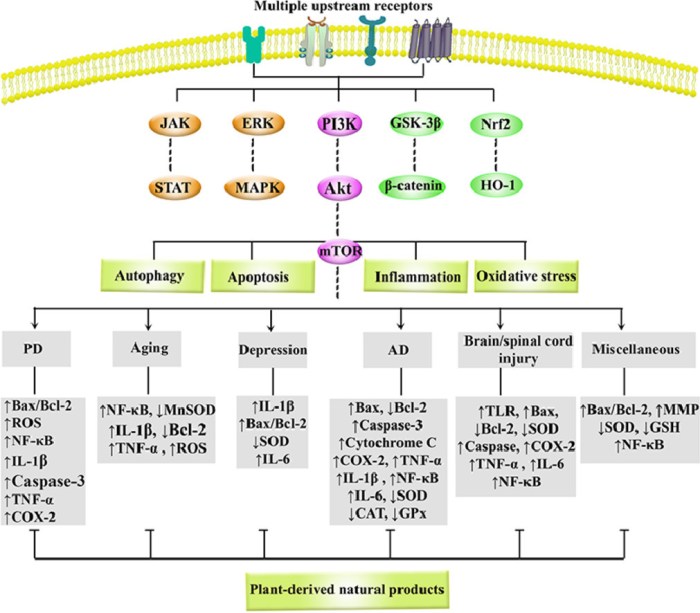
“As common, progressive, and chronic causes of disability and death, neurodegenerative diseases (NDDs) significantly threaten human health, while no effective treatment is available. Recent studies have revealed the role of phosphoinositide 3-kinase (PI3K)/Akt (Protein kinase B)/mammalian target of rapamycin (mTOR) in some diseases and natural products with therapeutic potentials.

Growing evidence highlights the dysregulated PI3K/Akt/mTOR pathway and interconnected mediators in pathogenesis of NDDs. Side effects and drug-resistance of conventional neuroprotective agents urge the need for providing alternative therapies.

1-s2.0-S0944711321002075-ga1_lrg

Polyphenols, alkaloids, carotenoids, and terpenoids have shown to be capable of a great modulation of PI3K/Akt/mTOR in NDDs. Natural products potentially target various important oxidative/inflammatory/apoptotic/autophagic molecules/mediators, such as Bax, Bcl-2, p53, caspase-3, caspase-9, NF-κB, TNF-α, GSH, SOD, MAPK, GSK-3β, Nrf2/HO-1, JAK/STAT, CREB/BDNF, ERK1/2, and LC3 towards neuroprotection.

This is the first systematic and comprehensive review with a simultaneous focus on the critical role of PI3K/Akt/mTOR in NDDs and associated targeting by natural products.”

https://www.sciencedirect.com/science/article/abs/pii/S0944711321002075 “Natural products attenuate PI3K/Akt/mTOR signaling pathway: A promising strategy in regulating neurodegeneration” (not freely available) Thanks to Dr. Sajad Fakhri for providing a copy.


Natural products mentioned in this review that I eat in everyday foods are listed below. The most effective ones are broccoli and red cabbage sprouts, and oats and oat sprouts:

  • Artichokes – luteolin;
  • Blackberries – anthocyanins;
  • Blueberries – anthocyanins, gallic acid, pterostilbene;
  • Broccoli and red cabbage sprouts – anthocyanins, kaempferol, luteolin, quercetin, sulforaphane;
  • Carrots – carotenoids;
  • Celery – apigenin, luteolin;
  • Green tea – epigallocatechin gallate;
  • Oats and oat sprouts – avenanthramides;
  • Strawberries – anthocyanins, fisetin;
  • Tomatoes – fisetin.

Four humpback whales

PXL_20210914_170732350_exported_43137

Screenshot_20210914-121800

All about vasopressin

This 2021 review subject was vasopressin:

“Vasopressin is a ubiquitous molecule playing an important role in a wide range of physiological processes, thereby implicated in pathomechanisms of many disorders. The most striking is its central effect in stress-axis regulation, as well as regulating many aspects of our behavior.

Arginine-vasopressin (AVP) is a nonapeptide that is synthesized mainly in the supraoptic, paraventricular (PVN), and suprachiasmatic nucleus of the hypothalamus. AVP cell groups of hypothalamus and midbrain were found to be glutamatergic, whereas those in regions derived from cerebral nuclei were mainly GABAergic.

In the PVN, AVP can be found together with corticotropin-releasing hormone (CRH), the main hypothalamic regulator of the HPA axis. The AVPergic system participates in regulation of several physiological processes, from stress hormone release through memory formation, thermo- and pain regulation, to social behavior.

vasopressin stress axis

AVP determines behavioral responses to environmental stimuli, and participates in development of social interactions, aggression, reproduction, parental behavior, and belonging. Alterations in AVPergic tone may be implicated in pathology of stress-related disorders (anxiety and depression), Alzheimer’s, posttraumatic stress disorder, as well as schizophrenia.

An increasing body of evidence confirms epigenetic contribution to changes in AVP or AVP receptor mRNA level, not only during the early perinatal period, but also in adulthood:

  • DNA methylation is more targeted on a single gene; and it is better characterized in relation to AVP;
  • Some hint for bidirectional interaction with histone acetylation was also described; and
  • miRNAs are implicated in the hormonal, peripheral role of AVP, and less is known about their interaction regarding behavioral alteration.”

https://www.mdpi.com/1422-0067/22/17/9415/htm “Epigenetic Modulation of Vasopressin Expression in Health and Disease”


Find your way, regardless of what the herd does.

PXL_20210911_103344386

Take taurine for your mitochondria

This 2021 review summarized taurine’s beneficial effects on mitochondrial function:

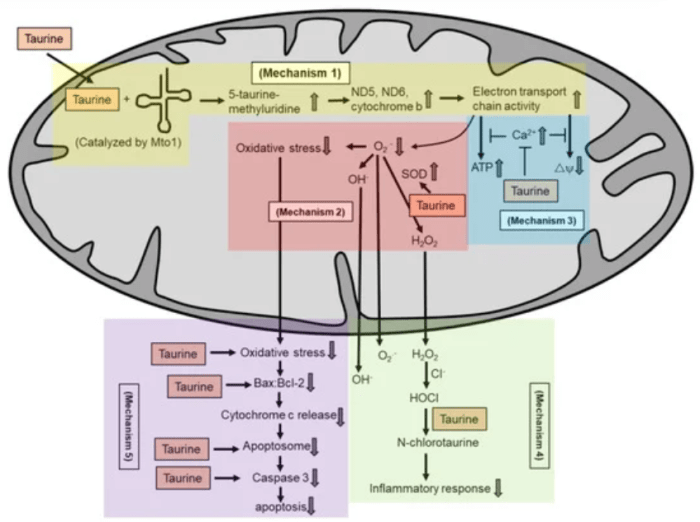
“Taurine supplementation protects against pathologies associated with mitochondrial defects, such as aging, mitochondrial diseases, metabolic syndrome, cancer, cardiovascular diseases and neurological disorders. Potential mechanisms by which taurine exerts its antioxidant activity in maintaining mitochondria health include:

  1. Conjugates with uridine on mitochondrial tRNA to form a 5-taurinomethyluridine for proper synthesis of mitochondrial proteins (mechanism 1), which regulates the stability and functionality of respiratory chain complexes;
  2. Reduces superoxide generation by enhancing the activity of intracellular antioxidants (mechanism 2);
  3. Prevents calcium overload and prevents reduction in energy production and collapse of mitochondrial membrane potential (mechanism 3);
  4. Directly scavenges HOCl to form N-chlorotaurine in inhibiting a pro-inflammatory response (mechanism 4); and
  5. Inhibits mitochondria-mediated apoptosis by preventing caspase activation or by restoring the Bax/Bcl-2 ratio and preventing Bax translocation to the mitochondria to promote apoptosis.

taurine mechanisms

An analysis on pharmacokinetics of oral supplementation (4 g) in 8 healthy adults showed a baseline taurine content in a range of 30 μmol to 60 μmol. Plasma content increased to approximately 500 μmol 1.5 h after taurine intake. Plasma content subsequently decreased to baseline level 6.5 h after intake.

We discuss antioxidant action of taurine, particularly in relation to maintenance of mitochondria function. We describe human studies on taurine supplementation in several mitochondria-associated pathologies.”

https://www.mdpi.com/1420-3049/26/16/4913/html “The Role of Taurine in Mitochondria Health: More Than Just an Antioxidant”


I take a gram of taurine at breakfast and at dinner along with other supplements and 3-day-old Avena sativa oat sprouts. Don’t think my other foods’ combined taurine contents are more than one gram, because none are found in various top ten taurine-containing food lists.

As a reminder, your mitochondria came from your mother, except in rare cases.

Part 2 of Improving epigenetic clocks’ signal-to-noise ratio

Another excellent blog post by Josh Mitteldorf, A New Approach to Methylation Clocks, that curated the same study:

“The Levine/Horvath PhenoAge epigenetic clock was calibrated using a combination of metabolic factors that correlate with health, including inflammation, DNA transcription, DNA repair, and mitochondrial activity.

Evolution is not an engineer. Living things are not constructed out of parts that are separately optimized for exactly one function.

Every molecule has multiple functions. Every function is regulated by multiple pathways.

For clock technology, using individual CpGs for a starting point may not be optimal. We suspect that CpGs, like other biological entities, work together closely in teams.

CpGs on a team might vary slightly from one individual to the next. But the team has a function and an identity and a signature that is robust. We expect the team to function more consistently than any of its individual members.

The peer-reviewed version of her paper will be published shortly. Full details of algorithms will be available on GitHub, and script in the R programming language will be released for use of other researchers. If principal component analysis clocks correlate well with previously validated clocks but offer tighter uncertainties, we’ll know we’re on the right track.”


Best wishes for Josh to recover from a bike accident.

PXL_20210817_102815540

Choosing appropriate dietary fibers

This 2021 rodent study investigated effects of dietary fibers on Type 2 diabetes:

“Nine types of dietary fibers were used to investigate and evaluate their effects on type-2 diabetic rats via physiology, genomics, and metabolomics.

In human clinical trials, supplementation with dietary fibers was found inversely associated with risks of diabetes, along with improvement on glycemic control, lipid profiles, and host homeostasis. However, mixed fibers with diverse types from dietary sources are generally used for treatment intervention in clinical trials, and effects of individual dietary fibers on T2D are seldom discussed.

We found that supplementation with β-glucan, arabinogalactan, guar gum, and apple pectin had favorable effects on alleviating T2D:

upset plot

Non-bioactive dietary fibers (NBDF) were glucomannan, arabinoxylan, carrageenan, xylan, and xanthan gum.

dietary fibers effects

Relatively high viscosity was an important driving factor of dietary fibers for hypoglycemic effects. Supplementation with β-glucan, arabinogalactan, guar gum, and apple pectin tended to restore gut microbiota composition.

Our study uncovered effects of different dietary fibers on T2D, along with their potential mechanisms. Different dietary fibers influenced host metabolism via different metabolic pathways.”

https://pubs.acs.org/doi/10.1021/acs.jafc.1c01465 “Bioactive Dietary Fibers Selectively Promote Gut Microbiota to Exert Antidiabetic Effects” (not freely available). Thanks to Dr. Yonggan Sun for providing a copy.


I eat oat β-glucan three times a day – Avena nuda whole oats for breakfast, and twice daily 3-day-old Avena sativa hulled 3-day-old oat sprouts. Not to be confused with training my immune system with daily yeast cell wall β-glucan.

I recommend “Section 6. Biological functions” of the 2021 Plants arabinogalactans: From structures to physico-chemical and biological properties (not freely available), which reviewed:

  • ACE inhibitory;
  • Anti-cancer;
  • Anti-complementary;
  • Anti-diabetic;
  • Anti-ulcer;
  • Antiaging;
  • Antinociceptive;
  • Antioxidant;
  • Antitumor;
  • Antitussive;
  • Antiviral;
  • Complementary system;
  • Complement fixation;
  • Gastrointestinal-protective;
  • Hepatoprotective;
  • Hypoglycemic;
  • Immunomodulating;
  • Immunostimulatant;
  • Immune enhancing;
  • Intestinal immune system;
  • Phagocytosis stimulating; and
  • Prebiotic activities

properties of different arabinogalactans. Thanks to Professor Michaud for providing a copy.

Arabinogalactans were favored in both papers, yet few are commercially available. In January 2021 I used an arabinogalactan supplement, but it was too expensive to continue. Maybe multiple processing steps were a cost factor?

arabinogalactan processing

Your pet’s biological age

This 2021 cat study developed human-comparable epigenetic clocks:

We aimed to develop and evaluate epigenetic clocks for cats, as such biomarkers are necessary for translating promising anti-aging interventions from humans to cats and vice versa. We also provided the possibility of using epigenetic aging rate of cats to inform on feline health, for which a quantitative measure is presently unavailable. Specifically, we present here DNA methylation-based biomarkers (epigenetic clocks) of age for blood from cats.

Maximum lifespan of cats is 30 years according to the animal age data base (anAge), but most cats succumb to diseases before they are 20 years old. Age is the biggest risk factor for a vast majority of diseases in animals, and cats are no exception.

Interventions to slow aging are being sought. Ideally, testing should occur in species that are evolutionarily close to humans, similar in size, have high genetic diversity, and share the same environment as humans. It has been recognized that domestic dogs fulfill these criteria.

Investigations have yet to be extended to cats although they share similar environments and living conditions with their human owners. Identification of environmental factors and living conditions that affect aging, as well as potential mitigation measures, can be achieved by proxy with cats.

The human-cat clock for relative age exhibited high correlation regardless of whether analysis was applied to samples from both species or only to cat samples. This demonstrated that relative age circumvented skewing that is inherent when chronological age of species with very different lifespans is measured using a single formula.

Evidence is compelling that epigenetic age is an indicator of biological age. These results are consistent with the fact that epigenetic clocks developed for one mammalian species can be employed – to a limited extent – to other species, and reveal association of DNA methylation changes with age.

Human epigenetic age acceleration is associated with a wide array of primary traits, health states, and pathologies. While it is still unclear why age acceleration is connected to these characteristics, it does nevertheless suggest that extension of similar studies to cats may allow for development of epigenetic age acceleration as a surrogate or indicator of feline biological fitness.”

https://link.springer.com/article/10.1007%2Fs11357-021-00445-8 “Epigenetic clock and methylation studies in cats”


As noted earlier this summer in Smoke and die early, while your twin lives on, Dr. Steve Horvath is on a torrid publishing streak this year. He’s made it questionable for study designs based on published science to omit epigenetic clocks.

I titled this post Your pets because I’m too allergic to have cats, dogs, etc. live with me. Maybe this year’s focus on making my gut microbiota happy will change that?

My pets live free:

PXL_20210830_102958658
PXL_20210825_101005621

Seeds vs. sprouts: red cabbage and broccoli

This 2021 study compared properties of red cabbage and broccoli seeds and sprouts:

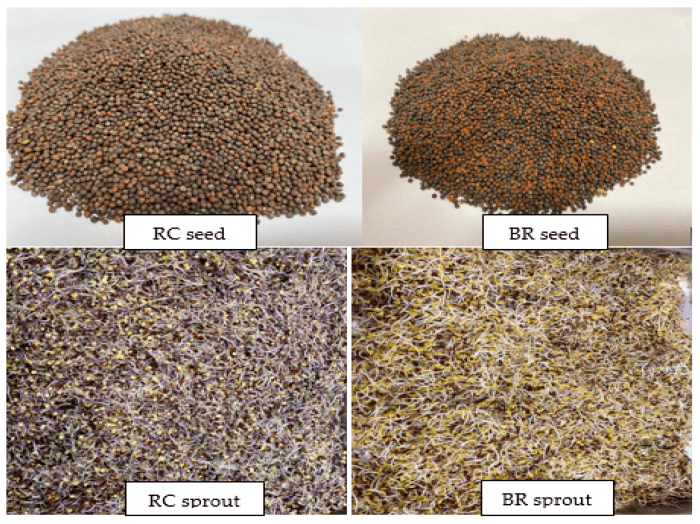
“Antioxidant and antidiabetic properties and metabolite profiling of ethanol extracts of red cabbage (RC) and broccoli (BR) seeds and sprouts were investigated:

  • BR seeds had the highest total phenolic and flavonoid contents;
  • BR sprouts had the highest saponin content;
  • RC sprouts demonstrated the highest antioxidant capacity;
  • BR and RC sprouts showed the most potent inhibition against α-glucosidase and pancreatic lipase; and
  • BR seeds demonstrated the lowest AGE inhibition.

RC and BR seeds vs sprouts

In vitro assessment of antidiabetic potential of extracts revealed that sprouts demonstrated better potential as antioxidant, α-glucosidase, and pancreatic lipase inhibitors compared to raw seeds. Amino acids and phenolic compounds were the most improved metabolites in the germination process.

Germination not only enhanced levels of metabolites, but also synthesized new compounds in seeds. Germination effectively enhanced functional properties and metabolite profiles of broccoli and red cabbage seeds, making their sprouts more applicable as functional ingredients.”

https://www.mdpi.com/2076-3921/10/6/852/htm “UHPLC-ESI-QTOF-MS/MS Metabolite Profiling of the Antioxidant and Antidiabetic Activities of Red Cabbage and Broccoli Seeds and Sprouts”


I asked coauthors for sprout ages and pertinent growing conditions for the above-pictured sprouts. I’ll guess > 3-days-old, temperature 25° C, and relative humidity 90%. What would you guess?

Update: Two coauthors replied:

“Red Cabbage and Broccoli were germinated for 6 and 7 days respectively. Temperature ranged between 20-23 °C in the dark.”

PXL_20210825_102832166