A limited study of parental transmission of anxiety/stress-reactive traits

BehavioralTraitsThis 2016 New York rodent study found:

“Parental behavioural traits can be transmitted by non-genetic mechanisms to the offspring.

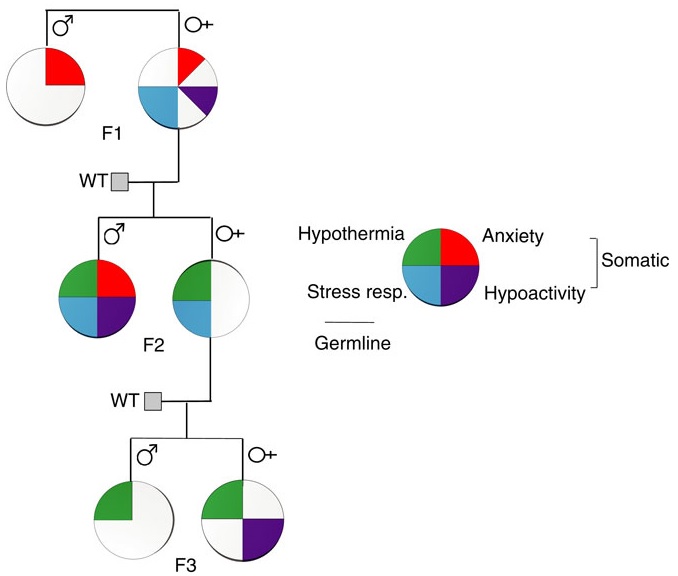
We show that four anxiety/stress-reactive traits are transmitted via independent iterative-somatic and gametic epigenetic mechanisms across multiple generations.

As the individual traits/pathways each have their own generation-dependent penetrance and gender specificity, the resulting cumulative phenotype is pleiotropic. In the context of genetic diseases, it is typically assumed that this phenomenon arises from individual differences in vulnerability to the various effects of the causative gene. However, the work presented here reveals that pleiotropy can be produced by the variable distribution and segregated transmission of behavioural traits.”


A primary focus was how anxiety was transmitted from parents to offspring:

“The iterative propagation of the male-specific anxiety-like behaviour is most compatible with a model in which proinflammatory state is propagated from H [serotonin1A receptor heterozygote] F0 to F1 [children] females and in which the proinflammatory state is acquired by F1 males from their H mothers, and then by F2 [grandchildren] males from their F1 mothers.

We propose that increased levels of gestational MIP-1β [macrophage inflammatory protein 1β] in H and F1 mothers, together with additional proinflammatory cytokines and bioactive proteins, are required to produce immune system activation in their newborn offspring, which in turn promotes the development of the anxiety-like phenotype in males.

In particular, increase in the number of monocytes and their transmigration to the brain parenchyma in F1 and F2 males could be central to the development of anxiety.”


The researchers studied transmission of behavioral traits and epigenetic changes. Due to my quick take on the study title – “Behavioural traits propagate across generations..” – I had expectations of this study that weren’t born out. What could the researchers have done versus what they did?

The study design removed prenatal and postnatal parental behavioral transmission of behavioral traits and epigenetic changes as each generation’s embryos were implanted into foster wild-type (WT) mothers.

The study design substituted the foster mothers’ prenatal and postnatal parental environments for the biological parents’ environments. So we didn’t find out, for example:

  • To what extents the overly stress-reactive F1 female children’s prenatal environments and postnatal behaviors induced behaviors and/or epigenetic changes in their children; and
  • Whether the F2 grandchildren’s parental behaviors subsequently induced behaviors and/or epigenetic changes in the F3 great-grandchildren.

How did the study meet the overall goal of rodent studies: to help humans?

    1. Only a minority of humans experienced an early-life environment that included primary caregivers other than our biological parents.
    2. Very, very few of us experienced a prenatal environment other than our biological mothers.
    3. The study’s thorough removal of parental behavior was an outstanding methodology to confirm by falsifiability whether parental behavior was both an intergenerational and transgenerational epigenetic inheritance mechanism.
    4. Maybe the researchers filled in some gaps in previous rodent studies, such as determining what is or isn’t a “true transgenerational mechanism.”

As an example of a rodent study that more closely approximated human conditions, the behavior of a mother whose DNA was epigenetically changed by stress induced the same epigenetic changes to her child’s DNA when her child was stressed per One way that mothers cause fear and emotional trauma in their infants:

“Our results provide clues to understanding transmission of specific fears across generations and its dependence upon maternal induction of pups’ stress response paired with the cue to induce amygdala-dependent learning plasticity.”


How did parental behavioral transmission of behavioral traits and epigenetic changes become a subject not worth investigating? These traits and effects can be seen everyday in real-life human interactions, and in every human’s physiology.

But when investigating human correlates with behavioral epigenetic changes of rodents in the laboratory, parental behavioral transmission of behavioral traits is often treated the way this study treated it: as a confounder.

I doubt that people who have reached some degree of honesty about their early lives and concomitant empathy for others would agree with this prioritization. The papers of Transgenerational epigenetic inheritance week show the spectrum of opportunities to advance science that were intentionally missed.

http://www.nature.com/ncomms/2016/160513/ncomms11492/full/ncomms11492.html “Behavioural traits propagate across generations via segregated iterative-somatic and gametic epigenetic mechanisms”

Why drugs aren’t ultimately therapeutic

This 2016 Oregon review’s concept was the inadequacy of drug-based therapies, explored with the specific subject of epilepsy:

“Currently used antiepileptic drugs:

  • [aren’t] effective in over 30% of patients
  • [don’t] affect the comorbidities of epilepsy
  • [don’t] prevent the development and progression of epilepsy (epileptogenesis).

Prevention of epilepsy and its progression [requires] novel conceptual advances.”

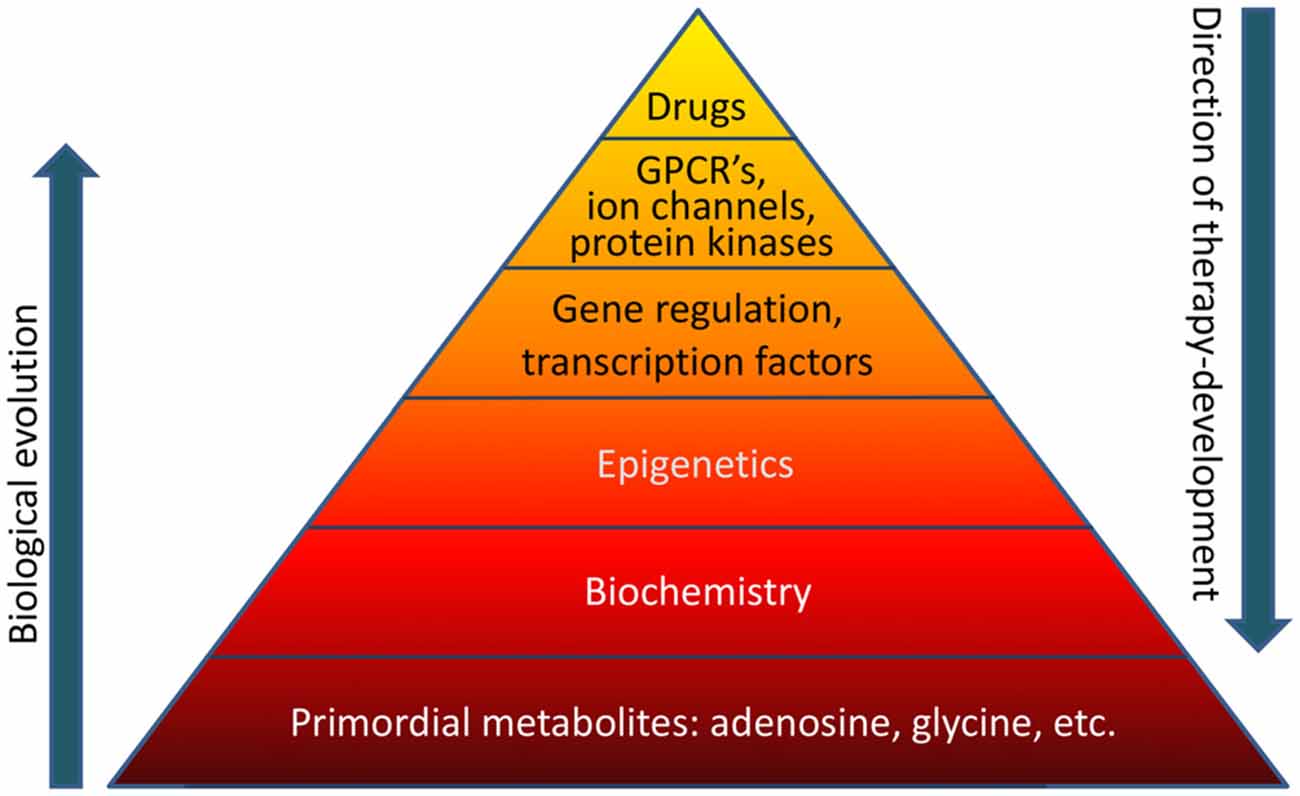
The overall concept that current drug-based therapies poorly address evolutionary biological realities was illustrated by a pyramid, with the comment that:

“If the basis of the pyramid depicted in Figure 1 is overlooked, it becomes obvious that a traditional pharmacological top-down treatment approach has limitations.”

Why drug ultimately aren't therapeutic


I would have liked the reviewer to further address the “therapeutic reconstruction of the epigenome” point he made in the Abstract:

“New findings based on biochemical manipulation of the DNA methylome suggest that:

  1. Epigenetic mechanisms play a functional role in epileptogenesis; and
  2. Therapeutic reconstruction of the epigenome is an effective antiepileptogenic therapy.”

As it was, the reviewer lapsed into the prevalent belief that the causes of and cures for human diseases will always be found on the molecular level – for example, the base of the above pyramid – and never in human experiences. This preconception leads to discounting human elements – notably absent in the above pyramid – that generate epigenetic changes.

A consequence of ignoring experiential causes of diseases is that the potential of experiential therapies to effect “therapeutic reconstruction of the epigenome” isn’t investigated.

http://journal.frontiersin.org/article/10.3389/fnmol.2016.00026/full “The Biochemistry and Epigenetics of Epilepsy: Focus on Adenosine and Glycine”

Using salivary microRNA to diagnose autism

This 2016 New York human study found:

“Measurement of salivary miRNA in this pilot study of subjects with mild ASD [autism spectrum disorder] demonstrated differential expression of 14 miRNAs that are:

  • expressed in the developing brain,
  • impact mRNAs related to brain development, and
  • correlate with neurodevelopmental measures of adaptive behavior.”

Some problems with current diagnostic methods for autism are:

“The first sign of ASD commonly recognized by pediatricians is a deficit in communication and language that does not manifest until 18–24 months of age.

The mean age of diagnosis for children with ASD is 3 years, and approximately half of these are false-positives.

Despite a substantial genetic component, no single gene variant accounts for >1 % of ASD incidence.

Nearly 2000 individual genes have been implicated in ASD, but none are specific to the disorder.”

Study limitations included:

“Aside from the sample size and cross-sectional nature of this pilot study, another limitation is the age of ASD and control subjects it describes (4–14 years) which are not representative of the target population in which ASD biomarkers would ideally be utilized (0–2 years). However, selecting a homogenous group of subjects with mild ASD (as measured by ADOS) that was well-established and diagnosed by a developmental specialist requires subjects with long-standing diagnoses.”


Understanding later-life consequences of disrupted neurodevelopment is critical for tracing symptoms back to their causes, as noted in Grokking an Adverse Childhood Experiences (ACE) score. I wonder how long it will take for researchers in other fields to stop wasting resources and do what this study did: focus on epigenetic biomarkers that have developmental origins.

http://bmcpediatr.biomedcentral.com/articles/10.1186/s12887-016-0586-x “Salivary miRNA profiles identify children with autism spectrum disorder, correlate with adaptive behavior, and implicate ASD candidate genes involved in neurodevelopment”

Contending with epigenetic consequences of violence to women

This 2016 UK review subject was the interplay of genomic imprinting and intergenerational epigenetic information transfer:

“A range of evolutionary adaptations associated with placentation transfers disproportionate control of this process to the matriline, a period unique in mammalian development in that there are three matrilineal genomes interacting in the same organism at the same time (maternal, foetal, and postmeiotic oocytes).

Genomic imprinting is absent in egg laying mammals and only around 6 imprinted genes have been detected in a range of marsupial species; this is in contrast to eutherian mammals where around 150 imprinted genes have been described.

The interactions between the maternal and developing foetal hypothalamus and placenta can provide a template by which a mother can transmit potentially adaptive information concerning potential future environmental conditions to the developing brain.

In circumstances either where the early environment provides inaccurate cues to the environmental conditions prevailing when adult due to rapid environmental change or when disruptions to normal neural development occur, the mismatch between the environmental predictions made during early development and subsequent reality may mean that an organism may have a poorly adapted phenotype to its adult environment. An appreciation of these underlying evolutionary salient processes may provide a novel perspective on the [causal] mechanisms of a range of health problems.

The concept of a brain that is not pathological in the classical sense but it is simply mismatched to its environment has been most extensively studied in the context of ancestral and early developmental nutrition. However, this concept can be extended to provide insights into the development of a range of alternative neural phenotypes.”

The review’s final sentence was:

“Examination of the adaptive potential of a range of neural and cognitive deficits in the context of evolutionary derived foetocentric brain and placental development, epigenetics and environmental adaptation may provide novel insights into the development and potential treatment of a range of health, neurological, and cognitive disorders.”

One of the reviewers was cited in Epigenetic DNA methylation and demethylation with the developing fetus, which the review cited along with Epigenetic changes in the developing brain change behavior.


Researchers who avoid hypotheses that can’t be proven wrong could certainly test the subject matter of this review if they investigated their subjects’ histories.

For example, let’s say a patient/subject had symptoms where the “150 imprinted genes” were implicated. What are the chances a clinician or researcher would be informed by this review’s material and investigate the mother’s and grandmother’s histories?

For clinicians or researchers who view histories as irrelevant busywork: How many tens of millions of people alive today have mothers who were fetuses when their grandmothers were adversely affected by violence? Wouldn’t it be appropriate to assess possible historical contributions of:

“The mismatch between the environmental predictions made during early development and subsequent reality”

to the patient’s/subject’s current symptoms?

http://www.hindawi.com/journals/np/2016/6827135/ “Placental, Matrilineal, and Epigenetic Mechanisms Promoting Environmentally Adaptive Development of the Mammalian Brain”

A human study of pain avoidance

This 2016 UK human study found:

“People differ in how they learn to avoid pain, with some individuals refraining from actions that resulted in painful outcomes, whereas others favor actions that helped prevent pain.

Learning in our task was best explained as driven by an outcome prediction error that reflects the difference between expected and actual outcomes. Consistent with the expression of such a teaching signal, blood-oxygen level-dependent (BOLD) responses to outcomes in the striatum were modulated by expectation.

Positive learners showed significant functional connectivity between the insula and striatal regions, whereas negative learners showed significant functional connectivity between the insula and amygdala regions.

The degree to which a participant tended to learn from success in avoiding than experiencing shocks was predicted by the structure of a participants’ striatum, specifically by higher gray matter density where the response to shocks was consistent with a prediction error signal.

Higher gray matter density in the putamen (and lower gray matter density in the caudate) predicted better learning from shocks and poorer learning from success in avoiding shocks.”

The researchers termed the subjects’ pain responses “learning” instead of conditioning. The difference between the two terms in the experimental contexts was that the subjects weren’t presented with 100%-certain choices to avoid pain.

The experiments were also rigged to force choices at similar rates among subjects because:

“Participants who learned more from painful outcomes developed a propensity to avoid gambling, whereas participants who learned more from success in preventing pain developed a propensity to gamble.”


Human responses to pain don’t arise out of nowhere. The subjects’ pain histories were clearly relevant, but weren’t investigated.

The closest the study came to considering the subjects’ histories was:

“Before the experiment, participants completed an 80-item questionnaire composed of several measures of different mood and anxiety traits. Age, sex and mood and anxiety traits did not differ between participants later classified as positive and negative learners.”

Emotional content was neither included nor solicited. Emotions were inferred:

“Participants biased in favor of passive avoidance learning (i.e., learning what gambles should be avoided), striatal response to painful outcomes was consistent with an aversive prediction error, as seen in fear conditioning.”

As a result, there weren’t causal explanations for the subjects’ differing pain responses. How, when, and why did the behavioral, functional, and structural differences develop?


I didn’t see the level of detail needed to characterize striatal regions into the Empathy, value, pain, control: Psychological functions of the human striatum segments. I’d guess that the findings of “higher gray matter density in the putamen (and lower gray matter density in the caudate)” applied to the posterior putamen and the anterior caudate nucleus.

Two of the coauthors were also coauthors of If a study didn’t measure feelings, then its findings may not pertain to genuine empathy which I rated < 0 Detracted from science. The technique of Why do we cut short our decision-making process? was referenced.

http://www.pnas.org/content/early/2016/04/06/1519829113.full “Striatal structure and function predict individual biases in learning to avoid pain”

A one-sided review of stress

The subject of this 2016 Italian/New York review was the stress response:

“The stress response, involving the activation of the hypothalamic-pituitary-adrenocortical [HPA] axis and the consequent release of corticosteroid hormones, is indeed aimed at promoting metabolic, functional, and behavioral adaptations. However, behavioral stress is also associated with fast and long-lasting neurochemical, structural, and behavioral changes, leading to long-term remodeling of glutamate transmission, and increased susceptibility to neuropsychiatric disorders.

Of note, early-life events, both in utero and during the early postnatal life, trigger reprogramming of the stress response, which is often associated with loss of stress resilience and ensuing neurobehavioral (mal)adaptations.”


The reviewers’ intentional dismissal of the role of GABA in favor of the role of glutamate was a key point:

“The changes in neuronal excitability and synaptic plasticity induced by stress are the result of an imbalance of excitatory (glutamatergic) and inhibitory (GABAergic) transmission, leading to long-lasting (mal)adaptive functional modifications. Although both glutamate and GABA transmission are critically associated with stress-induced alteration of neuronal excitability, the present review will focus on the modulation of glutamate release and transmission induced by stress and glucocorticoids.”

No particular reason was given for this bias. I inferred from the review’s final sentence that the review’s sponsors and funding prompted this decision:

“In-depth studies of changes in glutamate transmission and dendrite remodeling induced by stress in early and late life will help to elucidate the biological underpinnings of the (mal)adaptive strategies the brain adopts to cope with environmental challenges in one’s life.”

The bias led to ignoring evidence for areas the reviewers posed as needing further research. An example of relevant research the reviewers failed to consider was the 2015 Northwestern University study I curated in A study that provided evidence for basic principles of Primal Therapy that found:

“In response to traumatic stress, some individuals, instead of activating the glutamate system to store memories, activate the extra-synaptic GABA system and form inaccessible traumatic memories.”

http://www.ncbi.nlm.nih.gov/pmc/articles/PMC4812483/ “Stress Response and Perinatal Reprogramming: Unraveling (Mal)adaptive Strategies”

The cerebellum ages more slowly than other body and brain areas

This 2015 UCLA human study used the epigenetic clock methodology to find:

“All brain regions have similar DNAm ages in subjects younger than 80, but brain region becomes an increasingly significant determinant of age acceleration in older subjects. The cerebellum has a lower epigenetic age than other brain regions in older subjects.

To study age acceleration effects in non-brain tissues as well, we profiled a total of 30 tissues of a 112 year old woman. The cerebellum exhibited the lowest (negative) age acceleration effect compared to the remaining 29 other regions. In contrast, bone, bone marrow, and blood exhibit relatively older DNAm ages.”

Limitations included:

  • “While the epigenetic age of blood has been shown to relate to biological age, the same cannot yet be said about brain tissue.
  • Cellular heterogeneity may confound these results since the cerebellum involves distinct cell types.
  • This cross-sectional analysis does not lend itself for dissecting cause and effect relationships.”

The study didn’t determine why the cerebellum was relatively younger. Some hypotheses were:

  • “Our findings suggest that cerebellar DNA is epigenetically more stable and requires less ‘maintenance work.’
  • The cerebellum has a lower metabolic rate than cortex.
  • It has far fewer mitochondrial DNA (mtDNA) deletions than cortex especially in older subjects, and it accumulates less oxidative damage to both mtDNA and nuclear DNA than does cortex.”

http://impactaging.com/papers/v7/n5/full/100742.html “The cerebellum ages slowly according to the epigenetic clock”

Observing pain in others had long-lasting brain effects

This 2016 Israeli human study used whole-head magnetoencephalography (MEG) to study pain perception in military veterans:

Our findings demonstrate alterations in pain perception following extreme pain exposure, chart the sequence from automatic to evaluative pain processing, and emphasize the importance of considering past experiences in studying the neural response to others’ states.

Differences in brain activation to ‘pain’ and ‘no pain’ in the PCC [posterior cingulate cortex] emerged only among controls. This suggests that prior exposure to extreme pain alters the typical brain response to pain by blurring the distinction between painful and otherwise identical but nonpainful stimuli, and that this blurring of the ‘pain effect’ stems from increased responses to ‘no pain’ rather than from attenuated response to pain.”


Limitations included:

  • “The pain-exposed participants showed posttraumatic symptoms, which may also be related to the observed alterations in the brain response to pain.
  • We did not include pain threshold measurements. However, the participants’ sensitivity to experienced pain may have had an effect on the processing of observed pain.
  • The regions of interest for the examination of pain processing in the pain-exposed group were defined on the basis of the results identified in the control group.
  • We did not detect pain-related activations in additional regions typically associated with pain perception, such as the anterior insula and ACC. This may be related to differences between the MEG and fMRI neuroimaging approaches.”

The subjects self-administered oxytocin or placebo per the study’s design. However:

“We chose to focus on the placebo condition and to test group differences at baseline only, in light of the recent criticism on underpowered oxytocin administration studies, and thus all following analyses are reported for the placebo condition.”


A few questions:

  1. If observing others’ pain caused “increased responses to ‘no pain’,” wouldn’t the same effect or more be expected from experiencing one’s own pain?
  2. If there’s evidence for item 1, then why aren’t “increased responses to ‘no pain'” of affected people overtly evident in everyday life?
  3. If item 2 is often observed, then what are the neurobiological consequences for affected people’s suppression of “increased responses to ‘no pain’?”
  4. Along with the effects of item 3, what may be behavioral, emotional, and other evidence of this suppressed pain effect?
  5. What would it take for affected people to regain a normal processing of others’ “‘pain’ and ‘no pain’?”

https://www.researchgate.net/publication/299546838_Prior_exposure_to_extreme_pain_alters_neural_response_to_pain_in_others “Prior exposure to extreme pain alters neural response to pain in others” Thanks to one of the authors, Ruth Feldman, for providing the full study

A followup study of DNA methylation and age

This 2016 Finnish human study was a followup to A study of DNA methylation and age:

“At the 2.55-year follow-up, we identified 19 mortality-associated CpG sites that mapped to genes functionally clustering around the nuclear factor kappa B (NF-κB) complex. None of the mortality-associated CpG sites overlapped with the established aging-associated DNAm sites.

Our results are in line with previous findings on the role of NF-κB in controlling animal life spans and demonstrate the role of this complex in human longevity.”


I was again impressed with the researchers’ frankness in the Discussion section:

“Our data do not provide a mechanistic link between the hypomethylation of these CpG sites and the risk of mortality.

Our data do not allow us to determine whether disrupted regulation of chromatin permissiveness underlies the increased mortality risk.

None of our top 250 mortality-associated methylomic sites were among the 525 common age-associated CpG sites that have been observed in more than one study.”

Regarding the lack of confirmation at the 4-year followup:

“The number of mortality-associated CpG sites was markedly reduced from the 2.55-years follow-up to the 4-years follow-up.

A substantial part of the genomic CpG sites might be constantly remodeled, and during 4 years, their methylation levels are likely to change to an extent that their predictive ability in our population is reduced. The longer follow-up time also allows more time for stochastic mortality determinants, such as trauma, to operate, which may thus weaken the role of the genomic predictors.”

The epigenetic clock method was investigated:

“The DNAm age has also been recently demonstrated to predict all-cause mortality in four different cohorts of elderly individuals and in Danish twins. However, the DNAm age was not predictive of mortality in our study.

One reason for the negative finding might be that individuals in our cohort were all very old at baseline (90 years), and death at this age likely has different underpinnings than at younger old ages and when assessed in cohorts with wider age spectra.”

http://www.impactjournals.com/oncotarget/index.php?journal=oncotarget&page=article&op=view&path[]=8278&path[]=24504 “Methylomic predictors demonstrate the role of NF-κB in old-age mortality and are unrelated to the aging-associated epigenetic drift”

The current paradigm of child abuse limits pre-childhood causal research

As an adult, what would be your primary concern if you suspected that your early life had something to do with current problems? Would you be interested in effective treatments for causes of your symptoms?

Such information wasn’t available in this 2016 Miami review of the effects of child abuse. The review laid out the current paradigm mentioned in Grokking an Adverse Childhood Experiences (ACE) score, one that limits research into pre-childhood causes for later-life symptoms.

The review’s goal was to describe:

“How numerous clinical and basic studies have contributed to establish the now widely accepted idea that adverse early life experiences can elicit profound effects on the development and function of the nervous system.”

The hidden assumptions of almost all of the cited references were that these distant causes could no longer be addressed. Aren’t such assumptions testable today?

As an example, the Discussion section posed the top nine “most pressing unanswered questions related to the neurobiological effects of early life trauma.” In line with the current paradigm, the reviewer assigned “Are the biological consequences of ELS [early life stress] reversible?” into the sixth position.

If the current paradigm encouraged research into treatment of causes, there would probably already be plenty of evidence to demonstrate that directly reducing the source of damage would also reverse damaging effects. There would have been enough studies done so that the generalized question of reversibility wouldn’t be asked.

Aren’t people interested in treatments of originating causes so that their various symptoms don’t keep bubbling up? Why wouldn’t research paradigms be aligned accordingly?


The review also demonstrated how the current paradigm of child abuse misrepresented items like telomere length and oxytocin. Researchers on the bandwagon tend to forget about the principle Einstein expressed as:

“No amount of experimentation can ever prove me right; a single experiment can prove me wrong.”

That single experiment for telomere length arrived in 2016 with Using an epigenetic clock to distinguish cellular aging from senescence. The review’s seven citations for telomere length that all had findings “associated with” or “linked to” child abuse should now be viewed in a different light.

The same light shone on oxytocin with Testing the null hypothesis of oxytocin’s effects in humans and Oxytocin research null findings come out of the file drawer. See their references, and decide for yourself whether or not:

“Claimed research findings may often be simply accurate measures of the prevailing bias.”

http://www.cell.com/neuron/fulltext/S0896-6273%2816%2900020-9 “Paradise Lost: The Neurobiological and Clinical Consequences of Child Abuse and Neglect”


This post has somehow become a target for spammers, and I’ve disabled comments. Readers can comment on other posts and indicate that they want their comment to apply here, and I’ll re-enable comments.

Beneficial epigenetic effects of mild stress with social support during puberty

This 2016 Pennsylvania rodent study found:

“Stress in the context of social support experienced over the pubertal window can promote epigenetic reprogramming in the brain to increase resilience to age-related cognitive decline in females.

These findings are actually consistent with previous studies showing that some amount of adversity, or adversity under more favorable circumstances such as social support or a protective gene polymorphism, provides a measure of ‘grit’ in coping with later life challenges.

Our findings provide a unique perspective on this relationship, as they highlight the important link between experience during the pubertal window and cognitive health during aging.”

These researchers made efforts to further investigate causes of unexpected results, such as:

“Peripubertal stress alone did not significantly alter Barnes maze performance in aging compared to aged Controls. Mice that had experienced stress with concurrent social support (CVS + SI) actually performed better than Control aged mice, specifically in learning the reversal task faster.

Peripubertal stress had no effect on corticosterone levels in response to an acute restraint stress or in sensorimotor gating and baseline startle reactivity.”

Their investigations led to epigenetic findings:

“Consistent with our behavioral findings, stress in the context of social interaction resulted in long-term reprogramming of gene expression in the PFC [prefrontal cortex]. While there were no differentially expressed genes between Control and CVS females, there were 88 genes that were significantly different between Control and CVS + SI groups. Of genes that were downregulated, a large portion (23 genes; 35%) were microRNAs.

We found that the PFC transcriptome of CVS + SI aged females was significantly enriched for predicted targets of the 23 microRNAs that were downregulated in the PFC in these mice. This suggests that microRNAs represent a mode of regulation capable of enacting far-reaching programmatic effects, and are a critical epigenetic gene expression regulatory mechanism.”

Applicability to humans was suggested by associations such as:

“A single microRNA can target more than a hundred different mRNA targets, and more than 45,000 conserved microRNA binding sites have been annotated in the 3′ UTR of 60% of human genes.”


A few limitations were noted:

“Given that mice at this age (1 year) are commonly compared to ‘late middle aged’ humans, later aging time points may yield differences in this group. Alternatively, it is possible that there was an effect of peripubertal stress that was not long-lasting due to the mild nature of our chronic stress model.

To include early neglect as a part of the stressor experience, CVS females were weaned one week earlier (PN21) than Control and CVS + SI mice. Addition of stress of this earlier weaning likely poses a significant contribution to programming of the PFC.”

One of the study coauthors was also a coauthor of:

https://www.ncbi.nlm.nih.gov/pmc/articles/PMC4870871/ “Peripubertal stress with social support promotes resilience in the face of aging”

A review that inadvertently showed how memory paradigms prevented relevant research

This 2016 Swiss review of enduring memories demonstrated what happens when scientists’ reputations and paychecks interfered with them recognizing new research and evidence in their area but outside their paradigm: “A framework containing the basic assumptions, ways of thinking, and methodology that are commonly accepted by members of a scientific community.”

A. Most of the cited references were from decades ago that established these paradigms of enduring memories. Fine, but the research these paradigms excluded was also significant.

B. All of the newer references were continuations of established paradigms. For example, a 2014 study led by one of the reviewers found:

“Successful reconsolidation-updating paradigms for recent memories fail to attenuate remote (i.e., month-old) ones.

Recalling remote memories fails to induce histone acetylation-mediated plasticity.”

The researchers elected to pursue a workaround of the memory reconsolidation paradigm when the need for a new paradigm of enduring memories directly confronted them!

C. None of the reviewers’ calls for further investigations challenged existing paradigms. For example, when the reviewers suggested research into epigenetic regulation of enduring memories, they somehow found it best to return to 1984, a time when dedicated epigenetics research had barely begun:

“Whether memories might indeed be ‘coded in particular stretches of chromosomal DNA’ as originally proposed by Crick [in 1984] and if so what the enzymatic machinery behind such changes might be remain unclear. In this regard, cell population-specific studies are highly warranted.”


Two examples of relevant research the review failed to consider:

1. A study that provided evidence for basic principles of Primal Therapy went outside existing paradigms to research state-dependent memories:

“If a traumatic event occurs when these extra-synaptic GABA receptors are activated, the memory of this event cannot be accessed unless these receptors are activated once again.

It’s an entirely different system even at the genetic and molecular level than the one that encodes normal memories.”

What impressed me about that study was the obvious nature of its straightforward experimental methods. Why hadn’t other researchers used the same methods decades ago? Doing so could have resulted in dozens of informative follow-on study variations by now, which is my point in Item A. above.

2. A relevant but ignored 2015 French study What can cause memories that are accessible only when returning to the original brain state? which supported state-dependent memories:

“Posttraining/postreactivation treatments induce an internal state, which becomes encoded with the memory, and should be present at the time of testing to ensure a successful retrieval.”


The review also showed the extent to which historical memory paradigms depend on the subjects’ emotional memories. When it comes to human studies, though, designs almost always avoid studying emotional memories.

It’s clearly past time to Advance science by including emotion in research.

http://www.hindawi.com/journals/np/2016/3425908/ “Structural, Synaptic, and Epigenetic Dynamics of Enduring Memories”

Epigenetic effects of diet, and reversing DNA methylation

This 2015 French review focused on:

“The role of maternal health and nutrition in the initiation and progression of metabolic and other disorders.

The effects of various in utero exposures and maternal nutritional status may have different effects on the epigenome. However, critical windows of exposure that seem to exist during development need to be better defined.

The epigenome can be considered as an interface between the genome and the environment that is central to the generation of phenotypes and their stability throughout the life course.”

The reviewer used the term “transgenerational” to refer to effects that were more appropriately termed parental or intergenerational. Per the definition in A review of epigenetic transgenerational inheritance of reproductive disease, for the term to apply there needed to be evidence in at least the next 2 male and/or 3 female generations of:

“Altered epigenetic information between generations in the absence of continued environmental exposure.”

The review had separate sections for animal and human studies.

http://www.ncbi.nlm.nih.gov/pmc/articles/PMC4663595/ “Impact of Maternal Diet on the Epigenome during In Utero Life and the Developmental Programming of Diseases in Childhood and Adulthood”


I arrived at the above review as a result of it citing the 2014 Harvard Reversing DNA Methylation: Mechanisms, Genomics, and Biological Functions. I’ll quote a few items from that review’s informative “Role of DNA demethylation in neural development” section:

“Distinct parts of mammalian brains, including frontal cortex, hippocampus, and cerebellum, all exhibit age-dependent acquisition of 5hmC [an oxidized derivative of 5mC [methylation of the fifth position of cytosine]].

In fact, the genome of mature neurons in adult central nervous system contains the highest level of 5hmC of any mammalian cell-type (~40% as abundant as 5mC in Purkinje neurons in cerebellum). These observations indicate that 5mC oxidation and potentially DNA demethylation may be functionally important for neuronal differentiation and maturation processes.

A comprehensive base-resolution analyses of 5mC and 5hmC in mammalian frontal cortex in both fetal and adult stages indicate that non-CpG methylation (mCH) and CpG hydroxymethylation (hCG) drastically build up in cortical neurons after birth, coinciding with the peak of synaptogenesis and synaptic pruning in the cortex. This study demonstrated that mCH could become a dominant form of cytosine modifications in adult brains, accounting for 53% in adult human cortical neuronal genome.

In mature neurons, intragenic mCH is preferentially enriched at inactive non-neuronal lineage-specific genes, indicating a role in negative regulation of the associated transcripts. By contrast, genic hCG is positively correlated with gene expression levels.”

What’s the underlying question for every brain study to answer?

Is the underlying question for every brain study to answer:

  • How do our brains internally represent the external world?

Is it:

  • How did we learn what we know?
  • How do we forget or disregard what we’ve learned?
  • What keeps us from acquiring and learning newer or better information?

How about:

  • What affects how we pay attention to our environments?
  • How do our various biochemical states affect our perceptions, learning, experiences, and behavior?
  • How do these factors in turn affect our biology?

Or maybe:

  • Why do we do what we do?
  • How is our behavior affected by our experiences?
  • How did we become attracted and motivated toward what we like?
  • How do we develop expectations?
  • Why do we avoid certain situations?

Not to lose sight of:

  • How do the contexts affect all of the above?
  • What happens over time to affect all of the above?

This 2015 UCLA paper reviewed the above questions from the perspective of Pavlovian conditioning:

“The common definition of Pavlovian conditioning, that via repeated pairings of a neutral stimulus with a stimulus that elicits a reflex the neutral stimulus acquires the ability to elicit that the reflex, is neither accurate nor reflective of the richness of Pavlovian conditioning. Rather, Pavlovian conditioning is the way we learn about dependent relationships between stimuli.

Pavlovian conditioning is one of the few areas in biology in which there is direct experimental evidence of biological fitness.”


The most important question unanswered by the review was:

  • How can its information be used to help humans?

How can Pavlovian conditioning answer: What can a human do about the thoughts, feelings, behavior, epigenetic effects – the person – the phenotype – that they’ve been shaped into?

One example of the unanswered question: the review pointed out in a section about fear extinction that this process doesn’t involve unlearning. Fear extinction instead inhibits the symptoms of fear response. The fear memory is still intact, awaiting some other context to be reactivated and expressed.

How can this information be used to help humans?

  • Is inhibiting the symptoms and leaving the fear memory in place costless with humans?
  • Or does this practice have both potential and realized adverse effects?
  • Where’s the human research on methods that may directly address a painful emotional memory?

One relevant hypothesis of Dr. Arthur Janov’s Primal Therapy is that a person continues to be their conditioned self until they address the sources of their pain. A corollary is that efforts to relieve symptoms seldom address causes.

How could it be otherwise? A problem isn’t cured by ameliorating its effects.

http://cshperspectives.cshlp.org/content/8/1/a021717.full “The Origins and Organization of Vertebrate Pavlovian Conditioning”

Use it or lose it: the interplay of new brain cells, age, and activity

This 2015 German review was of aging and activity in the context of adult neurogenesis:

“Adult neurogenesis might be of profound functional significance because it occurs at a strategic bottleneck location in the hippocampus.


Age-dependent changes essentially reflect a unidirectional development in that everything builds on what has occurred before. In this sense, aging can also be seen as continued or lifelong development. This idea has limitations but is instructive with regard to adult neurogenesis, because adult neurogenesis is neuronal development under the conditions of the adult brain.

The age-related alterations of adult neurogenesis themselves have quantitative and qualitative components. So far, most research has focused on the quantitative aspects. But there can be little doubt that qualitative changes do not simply follow quantitative changes (e.g., in cell or synapse numbers), but emerge on a systems level and above when an organism ages. With respect to adult neurogenesis, only one multilevel experiment including morphology and behavior has been conducted, and, even in that study, only three time points were investigated.

In old age, adult neurogenesis occurs at only a small fraction of the level in early adulthood. The decline does not seem to be ‘regulated’ but rather the by-product of many age-related changes of other sorts.


From a behavioral level down to a synaptic level, activity increases adult neurogenesis. This regulation does not seem to occur in an all-or-nothing fashion but rather influences different stages of neuronal development differently. Both cell proliferation and survival are influenced by or even depend on activity.

The effects of exercise and environmental enrichment are additive, which indicates that increasing the potential for neurogenesis is sufficient to increase the actual use of the recruitable cells in the case of cognitive stimulation. Physical activity would not by itself provide specific hippocampus-relevant stimuli that induce net neurogenesis but be associated with a greater chance to encounter specific relevant stimuli.


Adult hippocampal neurogenesis might contribute to a structural or neural reserve that if appropriately trained early in life might provide a compensatory buffer of brain plasticity in the face of increasing neurodegeneration or nonpathological age-related functional losses. There is still only limited information on the activity-dependent parameters that help to prevent the age-dependent decrease in adult neurogenesis and maintain cellular plasticity.

The big question is what the functional contribution of so few new neurons over so long periods can be. Any comprehensive concept has to bring together the acute functional contributions of newly generated, highly plastic neurons and the more-or-less lasting changes they introduce to the network.”

I’ve quoted quite a lot, but there are more details that await your reading. A few items from the study referenced in the first paragraph above:

“The hippocampus represents a bottleneck in processing..adult hippocampal neurogenesis occurs at exactly the narrowest spot.

We have derived the theory that the function of adult hippocampal neurogenesis is to enable the brain to accommodate continued bouts of novelty..a mechanism for preparing the hippocampus for processing greater levels of complexity.”


The role of the hippocampus in emotion was ignored as it so often is. The way to address many of the gaps mentioned by the author may be to Advance science by including emotion in research.

For example, from the author’s The mystery of humans’ evolved capability for adults to grow new brain cells:

“Adult neurogenesis is already effective early in life, actually very well before true adulthood, and is at very high levels when sexual maturity has been reached. Behavioral advantages associated with adult neurogenesis must be relevant during the reproductive period.”

When human studies are designed to research how “behavioral advantages associated with adult neurogenesis must be relevant” what purpose does it serve to exclude emotional content?

http://cshperspectives.cshlp.org/content/7/11/a018929.full “Activity Dependency and Aging in the Regulation of Adult Neurogenesis”