An update of Signaling pathways and aging. Could be my perception, but controls were holding on, whereas the treatment group wanted to climb.
DNA methylation
Vitamin D and pain
This 2022 human study investigated epigenetic clock associations:
“We assessed the potential relationship of Vitamin D’s effects on pain intensity and disability through associations in epigenetic aging in individuals with and without knee osteoarthritis (KOA). We hypothesized that associations between Vitamin D levels with pain intensity and interference in persons with KOA would be significantly mediated by epigenetic aging.
As a whole, the sample had a mean Vitamin D serum level of 26.7 ng/mL (± 12.8 ng/mL). The mean AgeAccelGrim was 2.4 years (± 5.6 years). There were no significant differences in Vitamin D levels between sex, race, and study site categories.
There was a significant difference in Vitamin D levels between the pain groups, with individuals in the High Impact Pain group showing significantly lower mean levels of Vitamin D (24.01 ng/mL) compared to the Low Impact Pain (28.30 ng/mL) and No Pain (27.30 ng/mL) groups.

Data from this study highlight the important role that Vitamin D plays within the genomic environment, as well as in relation to health outcomes including pain intensity and disability.”
https://link.springer.com/article/10.1007/s12603-022-1758-z “Accelerated Epigenetic Aging Mediates the Association between Vitamin D Levels and Knee Pain in Community-Dwelling Individuals” (not freely available)
It’s good to see a study relating biological age to nutrition status. I didn’t see much discussion of other obvious factors involved in either pain or biological age in their limitations paragraph.
Subjects’ Vitamin D 26.7 ng/mL ± 12.8 ng/mL status indicated that most didn’t spend a few cents every day for their own one precious life. And Vitamin D supplementation wasn’t an exclusion criterion.
The local fire and rescue squad came last Friday to take away a younger neighbor’s body who died overnight. Last I talked with them, they were at least 50 pounds overweight and never exercised. Expressed condolences to their spouse, but wasn’t shocked.
I don’t live in a community-dwelling situation (old people who live on their own as opposed to those taken care of in nursing homes) like this study’s subjects. My youngest neighbors are in their twenties.
Nature hasn’t cared about our lives after our early teens, because we survived long enough to reproduce. What happens in our lives after puberty is largely up to each individual.

Signaling pathways and aging
This 2022 study investigated biological mechanisms of aging:
“Age-related multimorbidity, the presence of more than one age-related disease (ARD) in an individual, poses a major and increasing challenge. Open questions are whether mechanisms of aging can explain ARD co-occurrence in patients, and whether intervention into these mechanisms could prevent or treat multiple ARDs simultaneously.
Five signaling pathways/ cascades were significantly enriched across protein lists for all nine aging hallmarks. These pathways are likely to play a key role in the etiology of ARDs.
Among these five signaling pathways, three were involved in the innate and/ or adaptive immune response. Underlying genes were derived from ARDs comprising metabolic syndrome disorders, autoimmune disorders, and cancers, highlighting the immune response across multiple ARDs.
The ‘intrinsic apoptotic signaling pathway in response to DNA damage by a p53 class mediator’ was also significantly enriched across all aging hallmark protein lists. Underlying genes were derived from multiple cancers and metabolic syndrome disorders.
The ERK1/2 pathway regulates many processes including cell survival, metabolism, and inflammation and was significantly enriched across all aging hallmark protein lists. Underlying genes were derived from 22 aging hallmark-associated ARDs.
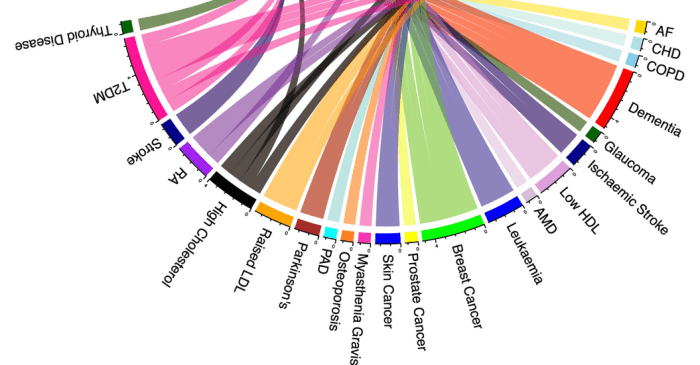
Our study provides evidence for the role of aging hallmarks in the etiology of human ARD multimorbidities and ARDs with incompletely understood pathogenesis. We also raise the possibility that multiple ARDs may be prevented by targeting common signaling pathways.”
https://onlinelibrary.wiley.com/doi/10.1111/acel.13524 “Biological mechanisms of aging predict age-related disease co-occurrence in patients”
I’ll assume that this study finding the importance of innate and adaptive immunity, intrinsic apoptotic, and ERK1/2 signaling pathways in aging was incorporated into A rejuvenation therapy and sulforaphane treatment. Its lead laboratory researcher Dr. Harold Katcher said in interviews that the treatment was formulated from existing research findings.
Its first follow-on lifespan study is going well (4/30/2022 update). 7 6 of 8 treated subjects are alive, compared with 5 4 of 8 control group subjects.
Subjects’ age at the follow-on study’s February 2021 start was 24 months. They are 38-months-old now, and rat maximum lifespan is 45 months, so there should be preliminary results in 2022.
Regarding healthspan, grip strength in treated subjects after a fourth dose was recently measured at 2.6 times control subjects.
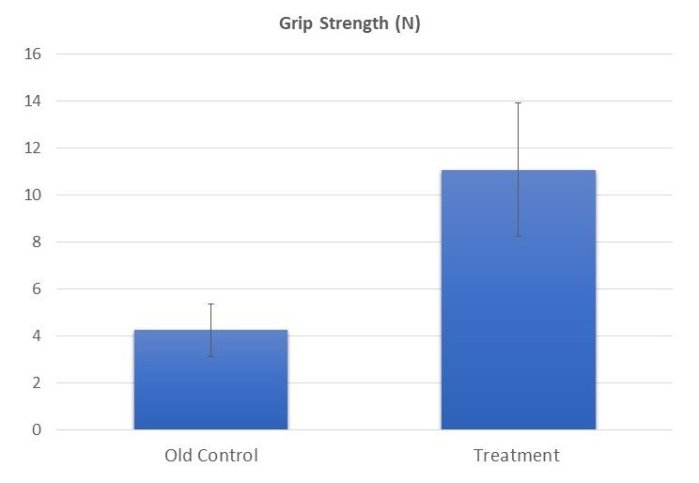
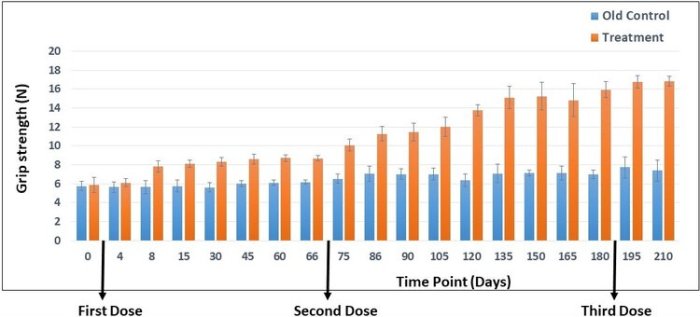
Other health measurements are body weight, and TNF-α and IL-6 cytokines.
A second follow-on study uses 18-month-old subjects of both sexes. The initial study was all males, and the first follow-on study is all females.
This second follow-on treatment group will be dosed at 45-day intervals vs. 90-day intervals of the first two studies. Human equivalent doses would be once every 4 years vs. every 8 years.
The treatment works per Beginning of the cure for aging and Reinvigorated. This second follow-on study is research and development to approximate optimal treatment times by age and possibly sex. The idea per Week 37 of Changing to a youthful phenotype with broccoli sprouts is that “by the second rejuvenation you’re already starting at ‘young’.”
Are blood epigenetic clock measurements optimal?
This 2022 human study investigated tissue-specific epigenetic clock measurements:
“We used DNA methylation data representing 11 human tissues (adipose, blood, bone marrow, heart, kidney, liver, lung, lymph node, muscle, spleen, and pituitary gland) to quantify the extent to which epigenetic age acceleration (EAA) in one tissue correlates with EAA in another tissue.
Epigenetic age was moderately correlated across tissues:
- Blood had the greatest number and degree of correlation, most notably with spleen and bone marrow. Blood did not correlate with epigenetic age of liver.
- EAA in liver was weakly correlated with EAA in kidney, adipose, lung, and bone marrow.
- Hypertension was associated with EAA in several tissues, consistent with multiorgan impacts of this illness.
- HIV infection was associated with positive age acceleration in kidney and spleen.
- Men were found to exhibit higher EAA than women across all tissues when analyzed together. Significant results were also observed in individual tissues (muscle, spleen, and lymph nodes).

Blood alone will often fail to detect EAA in other tissues. It will be advisable to profile several sources of DNA (including blood, buccal cells, adipose, and skin) to get a comprehensive picture of the epigenetic aging state of an individual.”
https://link.springer.com/article/10.1007/s11357-022-00560-0 “HIV, pathology and epigenetic age acceleration in different human tissues”

Biological age and zinc
This 2022 human study investigated zinc’s influence in modulating DNA methylation patterns:
“The purpose of this study was to identify epigenetic variables related to serum Zn (ZnS) levels and Zn daily ingestion (ZnDI) in a case-control cohort. Individuals were selected and classified according to their body mass index into two groups: control group of 11 women without obesity, and study group composed of 10 women with obesity. Inclusion criteria were women aged 18–50 years with stable body weight for at least 6 months.
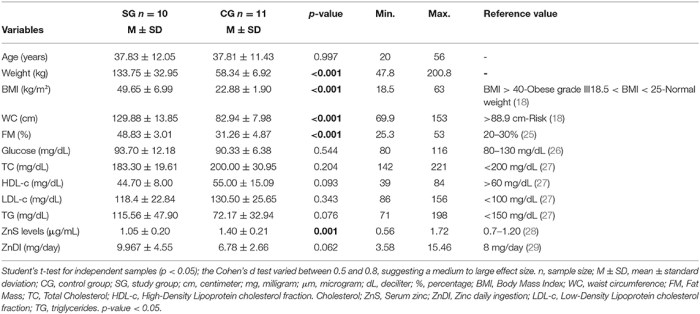
A negative correlation of ZnS with epigenetic age acceleration residual suggested that the higher the ZnS levels, the lower the aging rate:
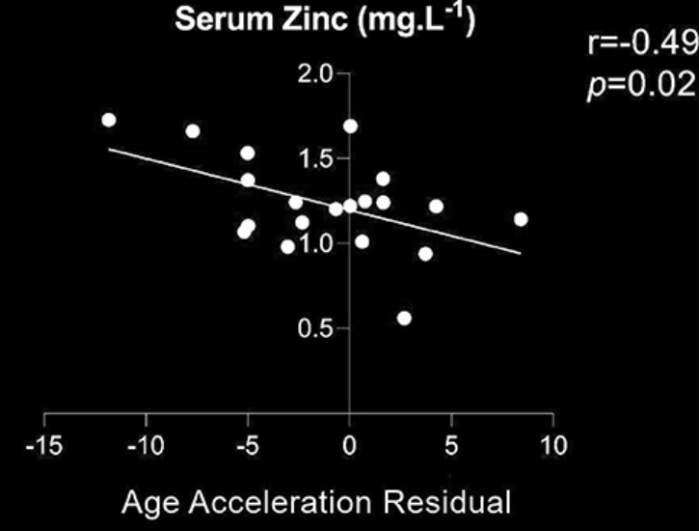
Our results regarding Zn homeostasis in women with obesity suggested regulation by other mechanisms besides ingestion:
- Zn-associated differentially methylated regions may exert downstream effects on inflammation, macronutrient metabolism, and DNA/cellular process repair.
- Hypomethylation of the PM20D1 gene could interconnect DNA methylation and nutritional status.”
https://www.frontiersin.org/articles/10.3389/fnut.2022.785281/full “Novel Zinc-Related Differentially Methylated Regions in Leukocytes of Women With and Without Obesity”
This study emphasized that nutrients aren’t the whole story on health. We also have to be in metabolic zones where our diet and nutrient choices can achieve desired effects.
Subjects’ selection criteria (BMI) was more than double the control group’s. Sometimes people’s lives show others what not to do with their own.
Epigenetic clocks and entropy
Two epigenetic clock papers, starting with a 2022 rodent study:
“We tested performance of new pan-tissue and liver-specific epigenetic mouse clocks, evaluating how these related to metabolic states, genotype-dependent life expectancy, and methylome entropy.
Entropy, a measure of noise and information loss, increases as a function of time and age. In context of the methylome, higher entropy represents a tendency for the highly organized hypo- and hypermethylated landscape to erode towards a more hemi-methylated [discordant] state.
This increase in disorder, particularly across CpGs that are highly conserved, could have important functional consequences. Entropy of age-gain CpGs was increased by high fat diet, and predicted strain lifespan.
Overall, we find that mice belonging to longer-lived BXD strains had a more youthful methylome with lower entropy at age-gain CpGs. Entropy of age-loss CpGs on the other hand, was related to body weight.

(h) Residual plot (adjusted for age, diet, BWF [final body weight], glucose, cholesterol, and batch) shows an inverse association between entropy at age-gain sites, and lifespan. (i) A similar residual plot shows the association between BWF and age-loss entropy.
The rate of noise accumulation, an aspect of epigenomic aging, can vary between individuals. Resilience or susceptibility to higher noise may be partly modulated by diet as well as genetic factors.
Convergence of evidence from genetic and gene expression analyses indicates that genes involved in metabolism and energy balance contribute to age-dependent restructuring of the methylome, which in turn forms the basis of epigenetic clocks.”
https://elifesciences.org/articles/75244 “Genetic loci and metabolic states associated with murine epigenetic aging”
Reference 28 was a 2021 human study cited for “identified the APOE locus as the strongest GWAS hit for two measures of biological age acceleration”
“We observed inverse APOE e2 and e4 associations and unique pathway enrichments when comparing two biological age measures. Genes associated with BioAgeAccel were enriched in lipid related pathways, while genes associated with PhenoAgeAccel showed enrichment for immune system, cell function, and carbohydrate homeostasis pathways, suggesting the two measures capture different aging domains.
Our study reaffirms that aging patterns are heterogeneous across individuals, and the manner in which a person ages may be partly attributed to genetic predisposition. Understanding personalized aging susceptibility phenotypes has important implications for primary and secondary disease interventions.”
https://onlinelibrary.wiley.com/doi/10.1111/acel.13376 “Genetic associations for two biological age measures point to distinct aging phenotypes”

Epigenetic components for evaluating a person’s physical fitness
This 2022 human study incorporated DNA methylation measures of four physical fitness parameters into a new epigenetic clock:
“Our work introduces new DNAm biomarkers for fitness parameters of gait speed (walking speed), hand grip strength, forced expiratory volume in one second (FEV1), and maximal oxygen uptake (VO2max). These DNAm biomarkers represent new tools for researchers with access to blood samples and interest in epigenetic components to fitness.
Our DNAm biomarker fitness parameter biomarkers are not intended to replace true physical fitness measurements. Instead, these DNAm biomarker estimates provide an epigenetic component to evaluating a person’s physical fitness. This biomarker integrates the established DNAm prediction of mortality risk GrimAge.
DNAmFitAge provides an easily interpretable tool to relate physical fitness to biological age. Adjusting DNAmFitAge for chronological age generates a novel measure of epigenetic age acceleration, FitAgeAcceleration, which is informative for physical activity level, mortality risk, coronary heart disease risk, comorbidities, and disease-free status across several large validation datasets.
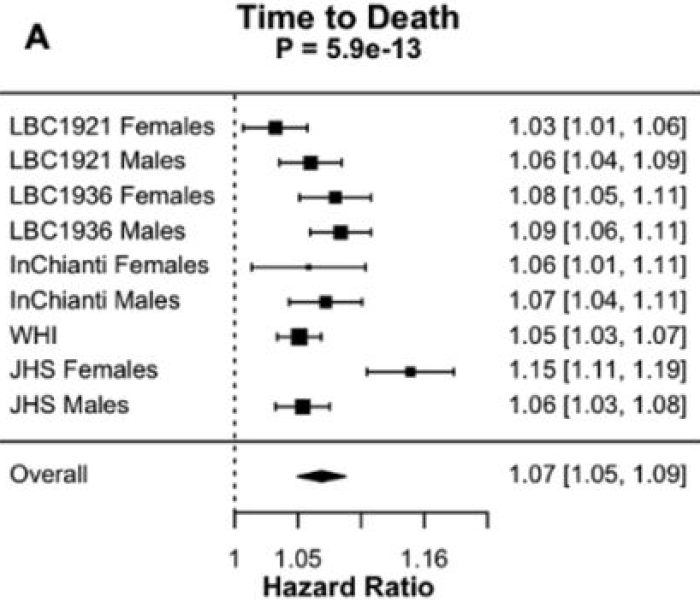
The age-adjusted version FitAgeAcceleration provides a novel measure of epigenetic age acceleration explained through physical fitness. This research demonstrates biological age can be estimated using DNAm fitness parameter biomarkers which are dependent on exercise lifestyle.”
https://www.medrxiv.org/content/10.1101/2022.03.21.22272043v1.full-text “DNAmFitAge: Biological Age Indicator Incorporating Physical Fitness”
I walk quickly on the beach almost every day at > 3 mph. I occasionally see younger people eclipse my gait speed, which makes me try harder. 🙂
Advanced glycation / lipoxidation end products
Three papers on what can be expected from AGEs, beginning with a 2022 review:
“Carbonyl stress is a condition characterized by an increase in the steady-state levels of reactive carbonyl species (RCS) that leads to accumulation of their irreversible covalent adducts with biological molecules. In addition to causing damage directly, the RCS adducts advanced glycation end-products (AGEs) and advanced lipoxidation end-products (ALEs) elicit chronic inflammation through receptor-mediated mechanisms.
Endogenously formed RCS and AGEs/ALEs accumulation induced by hyperglycemia, hyperlipidemia, and oxidative stress have been long recognized as critical factors in pathogenesis of cardiovascular, renal, and eye complications. The role of dietary glyco/lipotoxins in vascular complications is debated, as the metabolic fate of most ingested AGEs/ALEs and RCS remains unknown, and their contribution to systemic carbonyl stress is uncertain.

Plasma glucose spikes after a meal rich in readily absorbable carbohydrates, particularly in association with an unfavorable lipid composition, may promote proinflammatory and pro-oxidant responses by inducing a transient increase in RCS levels and consequent AGE formation. As protein-bound AGEs are not easily eliminated from the body, they can eventually accumulate in vascular and metabolic tissues because of repeated cycles of nutrient-induced carbonyl stress, favoring establishment of systemic low chronic inflammation.
Post-challenge glucose excursions are associated with a transient increase in circulating RCS levels, particularly in diabetic and prediabetic individuals. Diet-induced weight loss is associated with decreases in postprandial carbonyl stress in obese subjects. Data on lean and metabolically healthy individuals are limited.”
https://www.mdpi.com/2072-6643/14/5/1061/htm “Food-Related Carbonyl Stress in Cardiometabolic and Cancer Risk Linked to Unhealthy Modern Diet”
I understand that researchers feel obligated to end papers with suggestions for future research. It’s a little irritating, though, when these are pie-in-the-sky.
People who wait for endogenous vs. exogenous AGE / ALE questions to be answered in their lifetimes are at risk for giving themselves diseases.
A second paper is a 2021 human cell study:
“Sulforaphane (SFN) found in cruciferous vegetables is a potent activator of the Nrf2 transcription factor, the master regulator of redox biology in mammalian cells. Nrf2 modulates expression of several antioxidant enzymes, such as γ-glutamylcysteine ligase (γ-GCL). This is the rate-limiting step in synthesis of the major non-enzymatic antioxidant glutathione (GSH). Silencing of Nrf2 or inhibition of GSH synthesis abolished SFN-promoted mitochondrial protection in cells exposed to methylglyoxal (MG), a pro-oxidant agent whose levels are high in several human diseases.

MG is a reactive dicarbonyl presenting both endogenous (e.g. glycolysis) and exogenous (e.g. food cooking) sources. MG induces neurotoxicity, at least in part, by affecting mitochondrial function, including a decline in oxidative phosphorylation (OXPHOS) system activity, bioenergetics failure, and redox disturbances.
We found that SFN prevented MG-induced OXPHOS dysfunction and mitochondrial redox impairment. SFN protected mitochondria of MG-challenged cells by a mechanism involving the Nrf2/γ-GCL/GSH axis.”
https://link.springer.com/article/10.1007/s11064-020-03204-x “The Isothiocyanate Sulforaphane Depends on the Nrf2/γ‑GCL/GSH Axis to Prevent Mitochondrial Dysfunction in Cells Exposed to Methylglyoxal” (not freely available)
Although this study’s 5 µM sulforaphane treatment is achievable in human plasma, that level isn’t sustainable for 24 hours as the study did in vitro. Would sulforaphane’s in vivo effects likewise prevent methylglyoxal from inducing AGEs?
A third paper is a 2022 human study:
“AGEs have been widely reported to play an important role in osteoporosis (OP). We investigated the effect of AGEs on osteoblast function and underlying mechanisms.

Levels of bone mineral density (BMD), serum AGEs, and fasting blood glucose (FBG) were measured in patients with OP and healthy individuals:
- Patients with OP had a higher level of serum AGEs and FBG compared with healthy individuals.
- The level of serum AGEs in patients with OP was negatively correlated with BMD, but was positively correlated with FBG.
- AGEs and serum from patients with OP markedly inhibited hFOB1.19 osteoblast cell proliferation, alkaline phosphatase production, and mineralized nodule formation.
- Apoptosis and ferroptosis were significantly promoted by AGEs and serum from patients with OP.
- Serum from OP patients with T2DM caused stronger effect than that from OP patients with normal FBG.
Collectively, AGEs could disrupt functions of osteoblasts by inducing cell ferroptosis, thus contributing to OP.”
https://www.spandidos-publications.com/10.3892/mmr.2022.12656 “Advanced glycation end products promote osteoporosis by inducing ferroptosis in osteoblasts”
Reversing hair greying
I’ll highlight this 2021 human study’s findings regarding stress:
“We profiled hair pigmentation patterns (HPPs) along individual human hair shafts, producing quantifiable physical timescales of rapid greying transitions. White/grey hairs that naturally regain pigmentation across sex, ethnicities, ages, and body regions, quantitatively define reversibility of greying in humans.
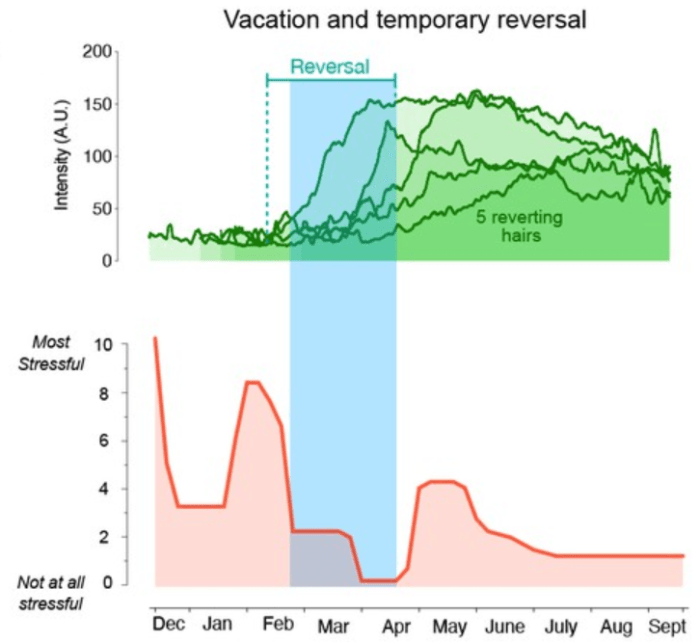
A systematic survey of two-colored hairs on the scalp of a 35-year-old Caucasian male with auburn hair color over a 2-day period yielded five two-colored hair shafts (HSs) from the frontal and temporal scalp regions. Unexpectedly, all HSs exhibited reversal. HPP analysis further showed that all HSs underwent reversal of greying around the same time period.
A retrospective assessment of psychosocial stress levels using a time-anchored visual analog scale (participants rate and link specific life events with start and end dates) was then compared to HPPs. Reversal of greying for all hairs coincided closely with decline in stress and a 1-month period of lowest stress over the past year (0 on a scale of 0–10) following a 2-week vacation.
We were also able to examine a two-colored hair characterized by an unusual pattern of complete HS greying followed by rapid and complete reversal plucked from the scalp of a 30-year-old Asian female participant with black hair. HPP analysis of this HS showed a white segment representing approximately 2 cm.
Quantitative life stress assessment revealed a specific 2-month period associated with an objective life stressor (marital conflict and separation, concluded with relocation) where the participant rated her perceived stress as highest (9–10 out of 10) over the past year. The increase in stress corresponded in time with complete but reversible hair greying.
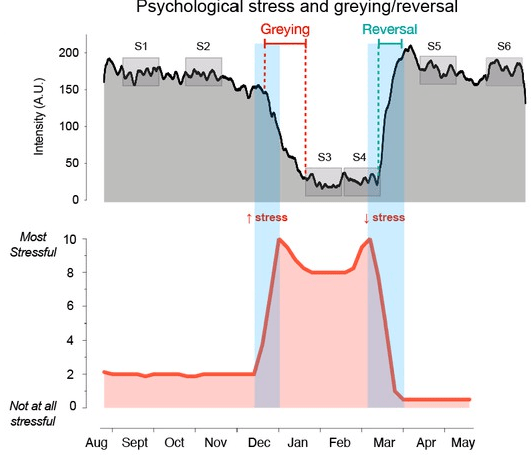
We document a complete switch-on/off phenomena during a single anagen cycle. Proteomic features of hair greying directly implicate multiple metabolic pathways that are both reversible in nature and sensitive to stress-related neuroendocrine factors.
This new method to quantitatively map recent life history in HPPs provides an opportunity to longitudinally examine the influence of recent life exposures on human biology. Additional prospective studies with larger sample sizes are needed to confirm robust reproducibility and generalizability of our findings.”
https://elifesciences.org/articles/67437 “Quantitative mapping of human hair greying and reversal in relation to life stress”
See Reversing hair greying, Part 2 for selected papers through 2024 that cited this study.
Predicting atherosclerosis
Starting this blog’s eighth year with a 2022 epigenetic clock study that assessed young people’s common blood tests fifteen and twenty years later:
“GrimAge acceleration (GAA), an epigenetic marker that represents physiologic aging, is associated with atherosclerotic cardiovascular disease. We used multivariable regression models to examine associations of Y15 and Y20 GAA estimates with plasma lipid levels measured at prior examination years (Y0, Y5, and Y10) and concurrently: triglycerides (TG), low-density lipoprotein cholesterol (LDL-C), and high-density lipoprotein cholesterol (HDL-C) levels:
- Each 1-SD higher cumulative TG level was associated with an average 0.73 ± 0.12 years older GAA;
- Each 1-SD higher cumulative HDL-C level was associated with an average 0.57 ± 0.17 years younger GAA;
- Associations between TG and GAA were stronger among female and Black participants; and
- Associations between HDL-C and GAA were stronger among female and White participants.

We observed that elevated TG and low HDL-C levels in young adulthood are associated with accelerated midlife epigenetic aging, and epigenetic aging mediates some of the well-described associations between elevated TG levels in early life and subclinical atherosclerosis in middle age. These findings suggest that maintaining optimal lipid levels in early adulthood may help to slow epigenetic aging, which reflects delays in the onset of age-related diseases like atherosclerosis.”
https://clinicalepigeneticsjournal.biomedcentral.com/articles/10.1186/s13148-021-01222-2 “Plasma lipid profiles in early adulthood are associated with epigenetic aging in the Coronary Artery Risk Development in Young Adults (CARDIA) Study”
Which is better for resolving a health situation?
- Hope for luck / providence before subclinical symptoms become clinical problems?
- Do nothing constructive, and depend on interventions after problems occur?
- Take responsibility for your own one precious life?

An epigenetic regulator of vascular aging
This 2022 rodent and human cell study investigated the smooth muscle cell mineralocorticoid receptor:
“Vascular stiffness increases with age and independently predicts cardiovascular disease risk. Epigenetic changes, including histone modifications, accumulate with age, but the global pattern has not been elucidated nor are the regulators known.
Rising mineralocorticoid receptor (MR) in aging vascular smooth muscle cells downregulates EZH2 to globally shift to a more open chromatin thereby allowing MR to be recruited to promoters to transcriptionally upregulate target genes involved in vascular stiffness. This mechanism provides multiple potential targets to prevent vascular stiffness in aging humans.

We demonstrate for the first time that:
- MR expression increases with age in primary, low passage, human aortic smooth muscle cell (SMC) and correlates with age in whole aortic tissue from aging humans;
- The global proteomic profile of histone modifications in mouse vessels changes profoundly with aging with a significant overall decrease in H3K27 methylation;
- Expression of H3K27 methyltransferase EZH2 decreases with age in mouse vessels and in human SMCs in a MR-dependent manner and negatively correlates with MR expression in whole human aortic tissue;
- The aging-induced decline in EZH2 associates with reduced H3K27 methylation and increased H3K27 acetylation in vitro and in vivo;
- These epigenetic changes in aging human SMC and mouse vessels correspond with increased expression of the vascular stiffness genes, CTGF and integrin-α5, previously identified vascular MR target genes;
- Induction of an aging phenotype in human SMC associates with increased MR enrichment and H3K27 acetylation at these stiffness gene promoters; and
- Inhibition of MR in aged mice and aged human aortic SMCs reverses the entire process; increasing EZH2 and H3K27 methylation, increasing locus-specific EZH2 enrichment and decreasing H3K27 acetylation at stiffness gene promoters, decreasing vascular expression of CTGF and integrin-α5, and decreasing the stiffness and adhesiveness of aged human SMC in vitro and mouse aortic stiffness and fibrosis in vivo.”
https://academic.oup.com/cardiovascres/advance-article-abstract/doi/10.1093/cvr/cvac007/6502304 “Smooth muscle mineralocorticoid receptor as an epigenetic regulator of vascular ageing” (not freely available) Thanks to Dr. Seung Kyum Kim for providing a copy.
Lifespan Uber Correlation
This 2022 study developed new epigenetic clocks:
“Maximum lifespan is deemed to be a stable trait in species. The rate of biological function decline (i.e., aging) would be expected to correlate inversely with maximum species lifespan. Although aging and maximum lifespan are intimately intertwined, they nevertheless appear in some investigations to be distinct processes.
Some cytosines conserved across mammals exhibit age-related methylation changes so consistent that they were used to successfully develop cross-species age predictors. In a similar vein, methylation levels of some conserved cytosines correlate highly with species lifespan, leading to the development of highly accurate lifespan predictors. Surprisingly, little to no commonality is found between these two sets of cytosines.
We correlated the intra-species age correlation with maximum lifespan across mammalian species. We refer to this correlation of correlations as Lifespan Uber Correlation (LUC).
We overlapped genes from the LUC signature with genes found in human genome-wide association studies (GWAS) of various pathologies and conditions. With all due caution, we report that some genes from the LUC signature were those highlighted by GWAS to be associated with type II diabetes, stroke, chronic kidney disease, and breast cancer.
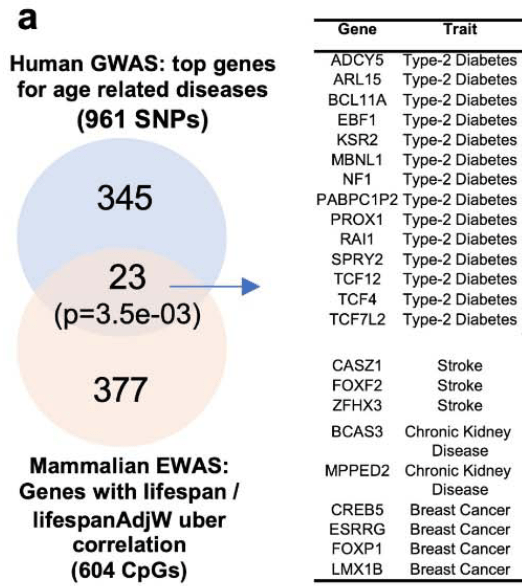
We used the subset of CpGs found to be significant in our LUC to build age estimators (epigenetic clocks). We demonstrated that these clocks are able to capture effects of interventions that are known to alter age as well as lifespan, such as caloric restriction, growth hormone receptor knockout, and high-fat diet.
We found that Bcl11b heterozygous knockout mice exhibited an increased epigenetic age in the striatum. BCL11B is a zinc finger protein with a wide range of functions, including development of the brain, immune system, and cardiac system.
This gene is also implicated in several human diseases including, but not limited to, Huntington disease, Alzheimer’s diseases, HIV, and T-cell malignancies. BCL11B plays an important role in adult neurogenesis, but is less studied in the context of lifespan disparities in mammals.
Bcl11b knockout affected both DNA methylation and mRNA expression of LUC genes. Our current study does not inform us about the potential role of Bcl11b in aging processes during adulthood since observed patterns could be attributed to developmental defects.
We are characterizing other genetic and non-genetic interventions that perturb the LUC clocks. These we will feature in a separate report that will uncover biological processes regulated by LUC cytosines and their associated genes.”
https://www.biorxiv.org/content/10.1101/2022.01.16.476530v1 “Divergent age-related methylation patterns in long and short-lived mammals”

Gut microbiota’s positive epigenetic effects
Three papers with the first a 2021 review:
“Gut microbiota along with their metabolites are involved in health and disease through multiple epigenetic mechanisms including:
- Affecting transporter activities, e.g. DNA methyltransferases (DNMTs), histone methyltransferases (HMTs), histone acetyltransferases (HATs), and histone deacetylases (HDACs);
- Providing methyl donors to participate in DNA methylation and histone modifications; and
- miRNAs that can lead to gene transcriptional modifications.

These mechanisms can participate in a variety of biological processes such as:
- Maturation of intestinal epithelial cells (IECs);
- Maintenance of intestinal homeostasis;
- Inflammatory response;
- Development of metabolic disorders; and
- Prevention of colon cancer.”
https://www.mdpi.com/1422-0067/22/13/6933/htm “Dissecting the Interplay Mechanism between Epigenetics and Gut Microbiota: Health Maintenance and Disease Prevention”
A second 2022 review added subjects such as crotonate (aka unsaturated butyrate):
“Studies are carving out potential roles for additional histone modifications, such as crotonylation and ethylation, in facilitating crosstalk between microbiota and host. Lysine crotonylation is a relatively less studied histone modification that is often enriched at active promoters and enhancers in mammalian cells.
While addition or removal of crotonyl motifs can be catalyzed by specialized histone crotonyltransferases and decrotonylases, HATs and HDACs have also been reported to exhibit histone crotonyl-modifying activity. Microbiota stimulate multiple types of histone modifications and regulate activity of histone-modifying enzymes to calibrate local and extra-intestinal chromatin landscapes.”
https://www.tandfonline.com/doi/full/10.1080/19490976.2021.2022407 “Epigenetic regulation by gut microbiota”
A third 2021 review added subjects such as broccoli sprout compounds’ epigenetic effects:
“Glucosinolates are converted into isothiocyanates (ITCs) by bacteria that regulate host epigenetics. Levels of ITCs produced following broccoli consumption are highly dependent on the functional capacity of individual microbiomes, as much interindividual variability exists in gut microbiota composition and function in humans.
Sulforaphane inhibits HDAC activity both in vitro and in vivo, and protects against tumor development. Microbial-mediated production of ITCs represents a strong diet-microbe interaction that has a direct impact on host epigenome and health.”
https://www.sciencedirect.com/science/article/pii/S0955286321000516 “The interplay between diet, gut microbes, and host epigenetics in health and disease”
Clearing the channel

The aryl hydrocarbon signaling pathway
I’ll emphasize this densely packed 2021 review’s broccoli sprout compounds / gut microbiota / health interactions:
“The aryl hydrocarbon receptor (AhR) senses cues from environmental toxicants and physiologically relevant dietary/microbiota-derived ligands. AhR signaling mediates bidirectional host-microbiome interactions in a wide range of cellular functions in a ligand-, cell type-, species-, and context-specific manner.
Brassicaceae family plants are rich sources of glucobrassicin, the glucosinolate precursor of indole-3-carbinol (I3C). Glucobrassicin can be enzymatically hydrolyzed and converted into I3C by myrosinase, which is present in intact plant cells and gut microbiota.
I3C activates AhR but exhibits low binding affinity. However, in acidic conditions found in the stomach, I3C undergoes acid condensation reaction to generate a variety of more potent AhR ligands, such as 3,3′-diindolylmethane (DIM).
AhR activation by natural AhR ligands (e.g., I3C) has been shown to prevent pathogenic gut microbial dysbiosis by altering gut microbiome composition in mice with colitis. Depletion of AhR ligands in the diet decreased α diversity of gut microbiota, while I3C supplementation restored microbiota composition.
I3C treatment is effective for treating IBD patients, partly by upregulating IL-22. Targeting AhR could modulate the amplitude and duration of IL-22 signaling to treat IBD patients.
Administration of I3C or DIM significantly reduced the number of tumors in the cecum and small intestine. Supplementation of I3C reduces the number of colorectal tumors in WT, but not in AhR null mice.

Gut microbiota and diet are major sources of AhR ligands that influence the whole body, including gut, liver, brain, and the immune system. Many human diseases are associated with decreased circulating levels of AhR ligands, partly due to dysbiosis.
The ability of AhR signaling to regulate self-renewal and differentiation of intestinal stem cells intrinsically or extrinsically has recently been brought into the spotlight.”
https://www.ncbi.nlm.nih.gov/labs/pmc/articles/PMC8667662/ “Diet–Host–Microbiota Interactions Shape Aryl Hydrocarbon Receptor Ligand Production to Modulate Intestinal Homeostasis”
Young hawk

Your lungs and Nrf2 activity
Two 2021 papers of Nrf2 activation effects on lung diseases, with the first a McGill University review:
“Oxidative stress and subsequent activation of Nrf2 have been demonstrated in many human respiratory diseases. The purpose of this review is to summarize involvement of Nrf2 and its inducers in acute respiratory distress syndrome, chronic obstructive pulmonary disease (COPD), asthma, and lung fibrosis in both human and experimental models.

These inducers have proven particularly effective at reducing severity of oxidative stress-driven lung injury in various animal models. In humans, these compounds offer promise as potential therapeutic strategies for management of respiratory pathologies associated with oxidative stress, but there is thus far little evidence of efficacy through human trials.
Perhaps, by analogy with biologics, patients with demonstrated deficient antioxidant responses to their disease should be selected for study in future clinical trials.”
https://www.frontiersin.org/articles/10.3389/fphys.2021.727806/full “Role of Nrf2 in Disease: Novel Molecular Mechanisms and Therapeutic Approaches – Pulmonary Disease/Asthma”
A second paper was a human/rodent study of COPD:
“We investigated Nrf2 expression and epigenetic regulation, and mechanisms by which the Nrf2 signaling pathway in ferroptosis is related to COPD. These findings elucidated pathways of ferroptosis in bronchial epithelial cells in COPD, and revealed Nrf2 as a potential target for COPD treatment.

DNA hypermethylation at specific CpG sites of the Nrf2 promoter in primary epithelial cells and in clinical lung tissues is correlated with decreased Nrf2 expression, which is related to COPD occurrence and development.”
https://www.ncbi.nlm.nih.gov/pmc/articles/PMC8684379/ “Hypermethylation of the Nrf2 Promoter Induces Ferroptosis by Inhibiting the Nrf2-GPX4 Axis in COPD”
Similar to this second paper’s CpG findings, Eat broccoli sprouts for your heart found:
“Sulforaphane (SFN) reduced Ang II‐induced CpG hypermethylation and promoted Ac‐H3 [histone H3 acetylation] accumulation in the Nrf2 promoter region, accompanied by inhibition of global DNMT [DNA methyltransferase] and HDAC [histone deacetylase] activity, and a decreased protein expression of key DNMT and HDAC enzymes. Overall, DNA methylation and histone deacetylation are considered to inhibit gene transcription with a synergistic effect.
Nrf2 can also be regulated independently of Keap1. Evidence indicates that SFN may indirectly activate Nrf2 by affecting activity of several upstream kinases.”
However, this second paper didn’t measure DNMT and HDAC inhibition, although their therapeutic effects in reducing oxidative injury and inflammation may have been present.

 Surface Your Real Self