Epigenetic study methodologies improved in 2017

Let’s start out 2018 paying more attention to advancements in science that provide sound empirical data and methodology. Let’s ignore and de-emphasize studies and reviews that aren’t much more than beliefs couched in models and memes, whatever their presumed authority.

Let sponsors direct researchers to focus on ultimate causes of diseases. Let’s put research of treatments affecting causes ahead of those that only address symptoms.

Here are two areas of epigenetic research that improved in 2017.


Improved methodologies enabled DNA methylation studies of adenine, one of the four bases of DNA, to advance, such as this 2017 Wisconsin/Minnesota study N6-methyladenine is an epigenetic marker of mammalian early life stress:

“6 mA is present in the mammalian brain, is altered within the Htr2a gene promoter by early life stress and biological sex, and increased 6 mA is associated with gene repression. These data suggest that methylation of adenosine within mammalian DNA may be used as an additional epigenetic biomarker for investigating the development of stress-induced neuropathology.”

Most DNA methylation research is performed on the cytosine and guanine bases.


Other examples of improved methodologies were discussed in this 2017 Japanese study Genome-wide identification of inter-individually variable DNA methylation sites improves the efficacy of epigenetic association studies:

“A strategy focusing on CpG sites with high DNA methylation level variability may attain an improved efficacy..estimated to be 3.7-fold higher than that of the most frequently used strategy.

With ~90% coverage of human CpGs, whole-genome bisulfite sequencing (WGBS) provides the highest coverage among the currently available DNAm [DNA methylation] profiling technologies. However, because of its high cost, it is presently infeasible to apply WGBS to large-scale EWASs [epigenome-wide association studies], which require DNAm profiling of hundreds or thousands of subjects. Therefore, microarrays and targeted bisulfite sequencing are currently practicable for large-scale EWASs and thus, effective strategies to select target regions are essentially needed to improve the efficacy of epigenetic association studies.

DNAm levels measured with microarrays are invariable for most CpG sites in the study populations. As invariable DNAm signatures cannot be associated with exposures, intermediate phenotypes, or diseases, current designs of probe sets are inefficient for blood-based EWASs.”
What’s an appropriate exercise recovery time?

This 2017 New Zealand human research studied the effect of one supplement on recovery from exercise-induced muscle damage:

“Eccentric exercise is known to bring about microstructural damage to muscle, initiating an inflammatory cascade involving various reactive oxygen species. This, in turn, can significantly impair physical performance over subsequent days. Taurine, a powerful endogenous antioxidant, has previously been shown to have a beneficial effect on muscle damage markers and recovery when taken for a few days to several weeks prior to eccentric exercise.

The amount of powder was set at 0.1 g∙kg−1 body weight∙day−1, based on several studies that found no adverse effects at levels of up to 10 g∙day. No participant was at a body weight that resulted in consuming more than 10 g∙day.

Supplementation with taurine twice daily for 72 h following eccentric exercise-induced muscle damage may improve eccentric performance recovery of the biceps brachii in healthy males.”


My main takeaway from the study came from this finding:

“Our results show that neither treatment group fully recovered force output by 72 h.”

I was surprised to see that even three days wasn’t enough time for a muscle to fully recover. And the study’s subjects were young males:

“Age = 26.5 ± 6.5 years, height = 180 ± 9.2 cm, mass = 80 ± 11.5 kg. All participants were recreationally fit, engaging in exercise 2–3 times per week.”

This gave me pause to reflect on how inattention to cumulative strain may have produced repetitive stress injuries. I’ve adjusted my workout routines accordingly.


The study listed a number of limitations. An unstated one was that nobody should take supplements in quantities that are many times greater than normal dosages without being informed by quality human experimental evidence.

http://www.mdpi.com/2076-3921/6/4/79/htm “The Effect of Taurine on the Recovery from Eccentric Exercise-Induced Muscle Damage in Males”

Do you have your family’s detailed medical histories?

Imagine that you were a parent who puzzled over the mystery of your pre-teen daughter’s hyperactive behavior. Without detailed family medical histories, would anyone recognize this as a preprogammed phenotype?

Could anyone trace the daughter’s behavior back to her maternal great-grandmother being treated with glucocorticoids near the end of the second trimester of carrying her grandfather?

Such was a finding of a 2017 Canadian guinea pig study that was undertaken to better inform physicians of the transgenerationally inherited epigenetic effects of glucocorticoid treatments commonly prescribed during human pregnancies:

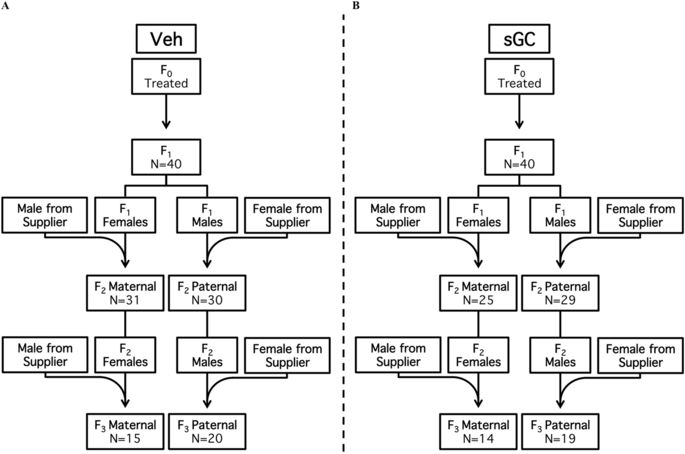
“This study presents the first evidence that prenatal treatment with sGC [synthetic glucocorticoid] results in transgenerational paternal transmission of hyperactivity and altered hypothalamic gene expression through three generations of young offspring. Female offspring appear to be more sensitive than male offspring to the programming effects of sGC, which suggests an interaction between sGC and sex hormones or sex-linked genes. Paternal transmission to F3 strongly implicates epigenetic mechanisms in the process of transmission, and small noncoding RNAs likely play a major role.”


Some details of the study included:

Veh[icle] was the control group initially treated with saline.

The study was informative and conclusive for the aspects studied. From the Methods section:

“Data from same-sex littermates were meaned to prevent litter bias. Sample sizes (N) correspond to independent litters, and not to the total number of offspring across all litters.

Power analyses based on previous studies determined N ≥ 8 sufficient to account for inter-litter variability and detect effects in the tests performed.”

https://www.nature.com/articles/s41598-017-11635-w “Prenatal Glucocorticoid Exposure Modifies Endocrine Function and Behaviour for 3 Generations Following Maternal and Paternal Transmission”

What is a father’s role in epigenetic inheritance?

The agenda of this 2017 Danish review was to establish a paternal role in intergenerational and transgenerational epigenetic inheritance of metabolic diseases:

“There are four windows of susceptibility which have major importance for epigenetic inheritance of acquired paternal epigenetic changes:

  1. paternal primordial germ cell (PGC) development,
  2. prospermatogonia stages,
  3. spermatogenesis, and
  4. during preimplantation.”

The review was a long read as the authors discussed animal studies. When it came to human studies near the paper’s end, though, the tone was of a “we know this is real, we just have to find it” variety. The authors acknowledged:

“To what extent the described DNA methylation changes influence the future health status of offspring by escaping remodeling in the preimplantation period as well as in future generations by escaping remodeling in PGC remodeling has yet to be determined.

These studies have not yet provided an in-depth understanding of the specific mechanisms behind epigenetic inheritance or exact effect size for the disease risk in offspring.

Pharmacological approaches have reached their limits..”

before presenting their belief that a hypothetical series of future CRISPR-Cas9 experiments will demonstrate the truth of their agenda.


The review focused on 0.0001% of the prenatal period for what matters with the human male – who he was at the time of a Saturday night drunken copulation – regarding intergenerational and transgenerational epigenetic inheritance of metabolic diseases.

The human female’s role – who she was at conception AND THEN what she does or doesn’t do during the remaining 99.9999% of the prenatal period to accommodate the fetus and prevent further adverse epigenetic effects from being intergenerationally and transgenerationally transmitted  – wasn’t discussed.

Who benefits from this agenda’s narrow focus?

If the review authors sincerely want to:

“Raise societal awareness of behavior to prevent a further rise in the prevalence of metabolic diseases in future generations..”

then EARN IT! Design and implement HUMAN studies to test what’s already known from epigenetic inheritance animal studies per Experience-induced transgenerational programming of neuronal structure and functions. Don’t disguise beliefs with the label of science.

http://jme.endocrinology-journals.org/content/early/2017/12/04/JME-17-0189.full.pdf “DNA methylation in epigenetic inheritance of metabolic diseases through the male germ line”

An update on brain zapping

This 2017 general-audience article entitled Ultrasound for the brain provided a hyped update on brain zapping:

“Ultrasound could potentially treat other movement disorders, as well as depression, anxiety and a host of intract­able neuropsychiatric disorders..

This could be a breakthrough..

Researchers hope one day to help people with neuropsychiatric conditions by repairing or resetting the relevant neural pathways..

The potential advantages, especially for deep brain areas, are huge..”

Though not the main thrust of the article, another potential use of ultrasound would be to activate drugs delivered to a specific area, as this image portrays:


Vanderbilt University was again at the forefront of brain zapping, as noted in What’s an appropriate control group for a schizophrenia study? for example. I hope the disclosures for subjects participating in Vanderbilt’s brain-zapping studies made it clear that:

“At high intensities, such as those used to relieve essential tremor, ultrasound’s effects are largely thermal: the tissue heats up and cells die.”


Comments are disabled because this post has somehow become a target for spammers. Readers can click the above control group link to comment.

“Transgenerationally” inherited epigenetic effects of fetal alcohol exposure

The fourth paper of Transgenerational epigenetic inheritance week was a 2016 German rodent study of of improperly-termed “transgenerational” epigenetic effects of alcohol:

“We investigated 2 generations of offspring born to alcohol-treated mothers. Here, we show that memory impairment and reduced synthesis of acetylcholine occurs in both F1 (exposed to ethanol in utero) and F2 generation (never been exposed to ethanol). Effects in the F2 generation are most likely consequences of transgenerationally transmitted epigenetic modifications in stem cells induced by alcohol.

The results further suggest an epigenetic trait for an anticholinergic endophenotype associated with cognitive dysfunction which might be relevant to our understanding of mental impairment in neurodegenerative disorders such as Alzheimer’s disease and related disorders.”

F0 generation mothers modeled human fetal alcohol syndrome. They were exposed to ethanol gradually up to 20%, then mated. The 20% ethanol intake level was maintained until the F1 generation pups were born, then gradually diminished to 0%. After a ten-day wait, an eight-week handling and shaping period started, followed by five weeks of behavioral testing.

The F1 children and F2 grandchildren started an eight-week handling and shaping period after young adulthood, followed by five weeks of behavioral testing. The F1 children were mated after behavioral testing.

The F0 parents showed no significant differences in working memory and reference memory compared with controls. Both the F1 children and F2 grandchildren were significantly impaired in the same tests compared with controls, with the F1 children performing worse than the F2 grandchildren. No sex-dependent differences were noted.

After behavioral impairments due to intergenerational epigenetic modifications were established, the F2 grandchildren received treatments to ascertain the contribution of cholinergic dysfunction in their behavioral impairments. It was confirmed, as an acetylcholine esterase inhibitor that crosses the blood-brain barrier almost completely erased working-memory and reference-memory performance deficits.

Items in the Discussion section included:

  • A dozen studies from 2014-2016 were cited for epigenetic mechanisms of inheritance stemming from parental alcohol consumption; and
  • Transgenerational inheritance of alcohol-induced neurodevelopmental deficits may involve epigenetic mechanisms that are resistant to developmental clearance.

As argued in Transgenerational effects of early environmental insults on aging and disease and A review of epigenetic transgenerational inheritance of reproductive disease, testing of F3 great-grandchildren was needed in order to establish transgenerational vs. intergenerational results. A F3 generation necessarily controls for the variable of F2 direct germline exposure.

http://www.neurobiologyofaging.org/article/S0197-4580(16)30303-7/pdf “Transgenerational transmission of an anticholinergic endophenotype with memory dysfunction” (not freely available)

Transgenerational pathological traits induced by prenatal immune activation

The third paper of Transgenerational epigenetic inheritance week was a 2016 Swiss rodent study of immune system epigenetic effects:

“Our study demonstrates for, we believe, the first time that prenatal immune activation can negatively affect brain and behavioral functions in multiple generations. These findings thus highlight a novel pathological aspect of this early-life adversity in shaping disease risk across generations.”

The epigenetic effects noted in the initial round of experiments included:

  • F1 child and F2 grandchild impaired sociability;
  • F1 and F2 abnormal fear expression;
  • F1 but not F2 sensorimotor gating deficiencies; and
  • F2 but not F1 behavioral despair associated with depressive-like behavior.

These transgenerational effects emerged in both male and female offspring. The prenatal immune activation timing corresponded to the middle of the first trimester of human pregnancy.

The effects were found to be mediated by the paternal but not maternal lineage. The researchers didn’t develop a maternal lineage F3 great-grandchild generation.

The next round of experiments done with the paternal lineage F3 great-grandchildren noted these epigenetic effects:

  • The F3 great-grandchildren had impaired sociability, abnormal fear expression and behavioral despair; and
  • The F3 great-grandchildren had normal sensorimotor gating.

Since the first round of tests didn’t show sex-dependent effects, the F3 great-grandchildren were male-only to minimize the number of animals.

Samples of only the amygdalar complex were taken to develop findings of transcriptomic effects of prenatal immune activation.

Items in the Discussion section included:

  1. The F2 grandchild and F3 great-grandchild generations’ phenotype of impaired sociability, abnormal fear expression and behavioral despair demonstrated that prenatal immune activation likely altered epigenetic marks in the germ line of the F1 children which resisted erasure and epigenetic reestablishment during germ cell development.
  2. Abnormal F1 child sensorimotor gating followed by normal F2 grandchild and F3 great-grandchild sensorimotor gating demonstrated that prenatal immune activation may also modify somatic but not germ cells.
  3. Non-significant F1 child behavioral despair followed by F2 grandchild and F3 great-grandchild behavioral despair demonstrated that prenatal immune activation may modify F1 germ cells sufficiently to develop a transgenerational phenotype, but unlike item 1 above, somatic cells were insufficiently modified, and the phenotype skipped the F1 children.
  4. Studies were cited that prenatal immune activation later in the gestational process may produce different effects.

The initial round of experiments wasn’t definitive for the maternal lineage. As argued in Transgenerational effects of early environmental insults on aging and disease and A review of epigenetic transgenerational inheritance of reproductive disease, testing of maternal lineage F3 great-grandchildren was needed to control for the variable of direct F2 grandchild germ-line exposure.

Also, effects that didn’t reach statistical significance in the maternal lineage F1 children and F2 grandchildren may have been different in the F3 great-grandchildren. The researchers indirectly acknowledged this lack by noting that these and other effects of immune challenges in a maternal lineage weren’t excluded by the study.

https://www.nature.com/mp/journal/v22/n1/pdf/mp201641a.pdf “Transgenerational transmission and modification of pathological traits induced by prenatal immune activation” (not freely available)


The study’s lead researcher authored a freely-available 2017 review that placed this study in context and provided further details from other studies:

http://www.nature.com/tp/journal/v7/n5/full/tp201778a.html “Epigenetic and transgenerational mechanisms in infection-mediated neurodevelopmental disorders”

Experience-induced transgenerational programming of neuronal structure and functions

The second paper of Transgenerational epigenetic inheritance week was a 2017 German/Israeli review focused on:

“The inter- and transgenerational effects of stress experience prior to and during gestation..the concept of stress-induced (re-)programming in more detail by highlighting epigenetic mechanisms and particularly those affecting the development of monoaminergic transmitter systems, which constitute the brain’s reward system.

We offer some perspectives on the development of protective and therapeutic interventions in cognitive and emotional disturbances resulting from preconception and prenatal stress.”

The reviewers noted that human studies have difficulties predicting adult responses to stress that are based on gene expression and early life experience. Clinical studies that experimentally manipulate the type, level and timing of the stressful exposure aren’t possible. Clinical studies are also predicated on the symptoms being recognized as disorders and/or diseases.

The researchers noted difficulties in human interventions and treatments. Before and during pregnancy, and perinatal periods are where stress effects are largest. But current human research hasn’t gathered sufficient findings to develop practical guidelines for early intervention programs.


I’m not persuaded by arguments that cite the difficulties of performing human research on transgenerational epigenetic inheritance. There are overwhelming numbers of people who have obvious stress symptoms: these didn’t develop in a vacuum.

Researchers:

  • Design human studies to test what’s known from transgenerational epigenetic inheritance animal studies that will include documenting the subjects’ detailed histories with sufficient biometric samples and data obtained from their lineage.
  • Induce pregnant subjects to at least temporarily avoid what’s harmful for them and/or the offspring, in favor of what’s beneficial.
  • Document the subjects’ actions with history and samples.

I acknowledge that economic incentives may not be enough to get people to participate. I’m familiar with a juvenile sickle-cell study that didn’t get enough subjects despite offering free transportation and hundreds of dollars to the caregivers per visit. The main problem seemed to be that the additional income would be reported and threaten the caregivers’ welfare benefits.

Stop whining that your jobs are difficult, researchers. Society doesn’t owe you a job. EARN IT – get yourself and the people in your organization motivated to advance science!

http://www.sciencedirect.com/science/article/pii/S014976341630731X “Experience-induced transgenerational (re-)programming of neuronal structure and functions: Impact of stress prior and during pregnancy” (not freely available)

How one person’s paradigms regarding stress and epigenetics impedes relevant research

This 2017 review laid out the tired, old, restrictive guidelines by which current US research on the epigenetic effects of stress is funded. The reviewer rehashed paradigms circumscribed by his authoritative position in guiding funding, and called for more government funding to support and extend his reach.

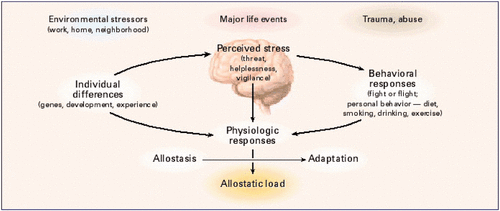
The reviewer won’t change his beliefs regarding individual differences and allostatic load pictured above since he helped to start those memes. US researchers with study hypotheses that would develop evidence beyond such memes may have difficulties finding funding except outside of his sphere of influence.


Here’s one example of the reviewer’s restrictive views taken from the Conclusion section:

Adverse experiences and environments cause problems over the life course in which there is no such thing as “reversibility” (i.e., “rolling the clock back”) but rather a change in trajectory [10] in keeping with the original definition of epigenetics [132] as the emergence of characteristics not previously evident or even predictable from an earlier developmental stage. By the same token, we mean “redirection” instead of “reversibility”—in that changes in the social and physical environment on both a societal and a personal level can alter a negative trajectory in a more positive direction.”

What would happen if US researchers proposed tests of his “there is no such thing as reversibility” axiom? To secure funding, the prospective studies’ experiments would be steered toward altering “a negative trajectory in a more positive direction” instead.

An example of this influence may be found in the press release of Familiar stress opens up an epigenetic window of neural plasticity where the lead researcher stated a goal of:

“Not to ‘roll back the clock’ but rather to change the trajectory of such brain plasticity toward more positive directions.”

I found nothing in citation [10] (of which the reviewer is a coauthor) where the rodent study researchers even attempted to directly reverse the epigenetic changes! The researchers under his guidance simply asserted:

“A history of stress exposure can permanently alter gene expression patterns in the hippocampus and the behavioral response to a novel stressor”

without making any therapeutic efforts to test the permanence assumption!

Nevermind that researchers outside the reviewer’s sphere of influence have done exactly that, reverse both gene expression patterns and behavioral responses!!

In any event, citation [10] didn’t support an “there is no such thing as reversibility” axiom.

The reviewer also implied that humans respond just like lab rats and can be treated as such. Notice that the above graphic conflated rodent and human behaviors. Further examples of this inappropriate rodent / human merger of behaviors are in the Conclusion section.


What may be a more promising research approach to human treatments of the epigenetic effects of stress? As pointed out in The current paradigm of child abuse limits pre-childhood causal research:

“If the current paradigm encouraged research into treatment of causes, there would probably already be plenty of evidence to demonstrate that directly reducing the source of the damage would also reverse damaging effects. There would have been enough studies done so that the generalized question of reversibility wouldn’t be asked.

Aren’t people interested in human treatments of originating causes so that their various symptoms don’t keep bubbling up? Why wouldn’t research paradigms be aligned accordingly?”

http://journals.sagepub.com/doi/full/10.1177/2470547017692328 “Neurobiological and Systemic Effects of Chronic Stress”

The persistence of epigenetic marks in Type 1 diabetes

This 2016 California human study found:

“A persistency of DNA methylation over time at key genomic loci associated with diabetic complications. Two sets of DNAs collected at least 16–17 years apart from the same participants are used to show the persistency of DNA-me over time.

Twelve annotated differentially methylated loci were common in both WB [whole blood] and Monos [blood monocytes], including thioredoxin-interacting protein (TXNIP), known to be associated with hyperglycemia and related complications.

The top 38 hyperacetylated promoters in cases included 15 genes associated with the nuclear factor kappa-light-chain-enhancer of activated B cells (NF-κB) inflammatory pathway, which is strongly associated with diabetic complications.”

The researchers built on a series of studies that showed how subjects with early intensive interventions didn’t develop further complications, whereas subjects with later intensive interventions:

“Continued to develop complications, such as nephropathy, retinopathy, and macrovascular diseases, at significantly higher rates.

This persistence of benefit from early application of intensive therapy, called ‘metabolic memory,’ is an enigma.”


These researchers needed to also consider a point of Enduring memories? Or continuous toxic stimulation? that:

“The lasting epigenomic effect would not be due to memory, but continuous stimulation by persistent pathogens or persistent components.”

Other studies that involved specific genes of this study include:

http://www.pnas.org/content/113/21/E3002.full “Epigenomic profiling reveals an association between persistence of DNA methylation and metabolic memory in the DCCT/EDIC type 1 diabetes cohort”

Using epigenetic outliers to diagnose cancer

This 2016 Chinese/UK human cancer cell study tested five algorithms and found:

“Most of the novel proposed algorithms lack the sensitivity to detect epigenetic field defects at genome-wide significance. In contrast, algorithms which recognise heterogeneous outlier DNA methylation patterns are able to identify many sites in pre-neoplastic lesions, which display progression in invasive cancer.

Many DNA methylation outliers are not technical artefacts, but define epigenetic field defects which are selected for during cancer progression.”

The usual method of epigenetic studies involves:

“Identify genomic sites where the mean level of DNAm [DNA methylation] differs as much as possible between the two phenotypes. As we have seen however, such an approach is seriously underpowered in cancer studies where tissue availability is a major obstacle.

In addition to allelic frequency, we also need to take the magnitude of the alteration into consideration. As shown here, infrequent but bigger changes in DNAm (thus defining outliers) are more likely to define cancer field defects, than more frequent yet smaller DNAm changes.”

A similar point was made in Genetic statistics don’t necessarily predict the effects of an individual’s genes:

“Epigenomic analyses are limited by averaging of population-wide dynamics and do not inform behavior of single cells.”

One of the five tested algorithms was made freely available by the researchers. The limitations on its use were discussed, and included:

“Studies conducted in a surrogate tissue such as blood are scenarios where DNAm outliers are probably not of direct biological relevance to cancer development.”

http://bmcbioinformatics.biomedcentral.com/articles/10.1186/s12859-016-1056-z “Stochastic epigenetic outliers can define field defects in cancer”

Using salivary microRNA to diagnose autism

This 2016 New York human study found:

“Measurement of salivary miRNA in this pilot study of subjects with mild ASD [autism spectrum disorder] demonstrated differential expression of 14 miRNAs that are:

  • expressed in the developing brain,
  • impact mRNAs related to brain development, and
  • correlate with neurodevelopmental measures of adaptive behavior.”

Some problems with current diagnostic methods for autism are:

“The first sign of ASD commonly recognized by pediatricians is a deficit in communication and language that does not manifest until 18–24 months of age.

The mean age of diagnosis for children with ASD is 3 years, and approximately half of these are false-positives.

Despite a substantial genetic component, no single gene variant accounts for >1 % of ASD incidence.

Nearly 2000 individual genes have been implicated in ASD, but none are specific to the disorder.”

Study limitations included:

“Aside from the sample size and cross-sectional nature of this pilot study, another limitation is the age of ASD and control subjects it describes (4–14 years) which are not representative of the target population in which ASD biomarkers would ideally be utilized (0–2 years). However, selecting a homogenous group of subjects with mild ASD (as measured by ADOS) that was well-established and diagnosed by a developmental specialist requires subjects with long-standing diagnoses.”


Understanding later-life consequences of disrupted neurodevelopment is critical for tracing symptoms back to their causes, as noted in Grokking an Adverse Childhood Experiences (ACE) score. I wonder how long it will take for researchers in other fields to stop wasting resources and do what this study did: focus on epigenetic biomarkers that have developmental origins.

http://bmcpediatr.biomedcentral.com/articles/10.1186/s12887-016-0586-x “Salivary miRNA profiles identify children with autism spectrum disorder, correlate with adaptive behavior, and implicate ASD candidate genes involved in neurodevelopment”

Observing pain in others had long-lasting brain effects

This 2016 Israeli human study used whole-head magnetoencephalography (MEG) to study pain perception in military veterans:

Our findings demonstrate alterations in pain perception following extreme pain exposure, chart the sequence from automatic to evaluative pain processing, and emphasize the importance of considering past experiences in studying the neural response to others’ states.

Differences in brain activation to ‘pain’ and ‘no pain’ in the PCC [posterior cingulate cortex] emerged only among controls. This suggests that prior exposure to extreme pain alters the typical brain response to pain by blurring the distinction between painful and otherwise identical but nonpainful stimuli, and that this blurring of the ‘pain effect’ stems from increased responses to ‘no pain’ rather than from attenuated response to pain.”


Limitations included:

  • “The pain-exposed participants showed posttraumatic symptoms, which may also be related to the observed alterations in the brain response to pain.
  • We did not include pain threshold measurements. However, the participants’ sensitivity to experienced pain may have had an effect on the processing of observed pain.
  • The regions of interest for the examination of pain processing in the pain-exposed group were defined on the basis of the results identified in the control group.
  • We did not detect pain-related activations in additional regions typically associated with pain perception, such as the anterior insula and ACC. This may be related to differences between the MEG and fMRI neuroimaging approaches.”

The subjects self-administered oxytocin or placebo per the study’s design. However:

“We chose to focus on the placebo condition and to test group differences at baseline only, in light of the recent criticism on underpowered oxytocin administration studies, and thus all following analyses are reported for the placebo condition.”


A few questions:

  1. If observing others’ pain caused “increased responses to ‘no pain’,” wouldn’t the same effect or more be expected from experiencing one’s own pain?
  2. If there’s evidence for item 1, then why aren’t “increased responses to ‘no pain'” of affected people overtly evident in everyday life?
  3. If item 2 is often observed, then what are the neurobiological consequences for affected people’s suppression of “increased responses to ‘no pain’?”
  4. Along with the effects of item 3, what may be behavioral, emotional, and other evidence of this suppressed pain effect?
  5. What would it take for affected people to regain a normal processing of others’ “‘pain’ and ‘no pain’?”

https://www.researchgate.net/publication/299546838_Prior_exposure_to_extreme_pain_alters_neural_response_to_pain_in_others “Prior exposure to extreme pain alters neural response to pain in others” Thanks to one of the authors, Ruth Feldman, for providing the full study

A study of how genetic factors determined diet-induced epigenetic changes

This 2016 California rodent study found:

“HF [high fat] diet leads to persistent alterations of chromatin accessibility that are partially mediated by transcription factors and histone post-translational modifications. These chromatin alterations are furthermore strain specific, indicating a genetic component to the response.

These results suggest that persistent epigenetic modifications induced by HF diet have the potential to impact the long-term risk for metabolic diseases.”

The experimental procedure was that 7-8 week old subjects of two mice strains “were placed on three diet regimens:

  1. control diet for sixteen weeks,
  2. HF diet for sixteen weeks, or
  3. HF diet for an initial eight weeks followed by control diet for eight weeks (diet reversal).”

On diet regimen 3, one of the mouse strains wasn’t able to reverse the epigenetic changes caused by eight weeks of a high-fat diet. The symptoms included:

  • Elevated lipid accumulation and triglyceride levels
  • 15% of chromatin sites were more accessible, with the HNF4α transcription factor implicated
  • 6% of chromatin sites were less accessible due to H3K9 methylation
  • Persistently up-regulated genes were more likely to be in the vicinity of a persistently accessible site
  • A set of persistently up-regulated genes enriched for mitochondrial genes was present only with diet regimen 3 subjects.

A second mouse strain “known to display differences in metabolic dysfunction under HF diet” compared to the first strain didn’t experience the same symptoms on diet regimen 3:

  • Lipid accumulation and triglyceride levels weren’t elevated
  • The majority of diet-induced chromatin remodeling [was] reversible
  • Little overlap with the first strain in the set of genes that changed expression.

The study didn’t suggest any specific human applicability.

http://www.jbc.org/content/early/2016/03/22/jbc.M115.711028.long (pdf) “Persistent chromatin modifications induced by high fat diet”


The epigenetic influence of obese parents at conception

This 2016 German rodent study found:

“Using in vitro fertilization to ensure exclusive inheritance via the gametes, we show that a parental high-fat diet renders offspring more susceptible to developing obesity and diabetes in a sex- and parent of origin–specific mode.”

It would have benefited the researchers to have made the full study freely available. As it is, an interested reader has to ferret out information such as the basic study design (provided in a graphic) which had in the caption that both the parental and offspring diets were normal until:

  • “Between 9 [young adult] and 15 weeks of age.
  • This experiment was replicated at least three times for each F1 cohort, using sperm and oocytes from independent donors.”

Compare that information with the description provided by the study’s most thorough news coverage:

“Researchers raised genetically similar mice for six weeks [beginning at 9 weeks of age] on one of three diets: standard mouse chow [13.5% fat], a low-fat diet [11% fat], or a high-fat [60% fat], high-calorie diet. The latter became obese and developed severe glucose intolerance (a precursor to type 2 diabetes), while the other mice stayed slim.

Harvesting the eggs and sperm from mice in each of the diet groups, the researchers then used in vitro fertilization to make specific, controlled crosses. All of the embryos were transferred to healthy, skinny [actually, the foster mothers were on the standard mouse chow diet] foster mothers. To see if the diet of their biological parents affected their metabolism, all of the pups [actually, young adults at age 9 weeks] were challenged with a high-fat, high-calorie diet [beginning at 9 weeks of age].

Unsurprisingly, the female pups with two obese parents had a high degree of insulin resistance and gained at least 20 percent more weight than the offspring of parents on standard or low-fat diets. Female pups with only one obese parent, either the mother or the father, also gained more weight than the control groups—but only between 8 and 14 percent. The result suggests that the metabolic influence of each parent may be additive.

But in a puzzling finding, the male pups didn’t have the same pattern. The male pups of obese parents did tend to be a bit heavier than those from the control groups, but the difference wasn’t statistically significant, the authors report. They did, however, also have a high degree of insulin resistance.

Examining the glucose intolerance more closely, the researchers noted that offspring (both male and female) tended to have more severe glucose intolerance if their mothers were obese. This backs up epidemiological data in humans that suggests a stronger maternal influence over type 2 diabetes development.”


The study didn’t determine causal biological mechanisms for the observed epigenetic effects. No measurements of DNA methylation, histone modifications, or microRNAs were taken.

I look forward to further research into epigenetic contributions at conception to adulthood symptoms.

http://www.nature.com/ng/journal/vaop/ncurrent/full/ng.3527.html “Epigenetic germline inheritance of diet-induced obesity and insulin resistance” Thanks to the lead author Peter Huypens for providing a copy of the full study