Sex-specific impacts of childhood trauma

This 2018 Canadian paper reviewed evidence for potential sex-specific differences in the lasting impacts of childhood trauma:

“This paper will provide a contextualized summary of neuroendocrine, neuroimaging, and behavioral epigenetic studies on biological sex differences contributing to internalizing psychopathology, specifically posttraumatic stress disorder and depression, among adults with a history of childhood abuse.

Given the breadth of this review, we limit our definition [of] trauma to intentional and interpersonal experiences (i.e., childhood abuse and neglect) in childhood. Psychopathological outcomes within this review will be limited to commonly explored internalizing disorders, specifically PTSD and depression.

Despite the inconsistent and limited findings in this review, a critical future consideration will be whether the biological effects of early life stress can be reversed in the face of evidence-based behavioral interventions, and furthermore, whether these changes may relate to potentially concurrent reductions in susceptibility to negative mental health outcomes.”


It was refreshing to read a paper where the reviewers often interrupted the reader’s train of thought to interject contradictory evidence, and display the scientific method. For example, immediately after citing a trio of well-respected studies that found:

“Psychobiological research on relationships linking impaired HPA axis functioning and adult internalizing disorders are suggestive of lower basal and afternoon levels of plasma cortisol in PTSD phenotype.”

the reviewers stated:

“However, a recent meta-analysis suggests no association between basal cortisol with PTSD.”

and effectively ended the cortisol discussion with:

“Findings are dependent upon variance in extenuating factors, including but not limited to, different measurements of:

  • early adversity,
  • age of onset,
  • basal cortisol levels, as well as
  • trauma forms and subtypes, and
  • presence and severity of psychopathology symptomology.”

The reviewers also provided good summaries of aspects of the reviewed subject. For example, the “Serotonergic system genetic research, childhood trauma and risk of psychopathology” subsection ended with:

“Going forward, studies must explore the longitudinal effects of early trauma on methylation as well as comparisons of multiple loci methylation patterns and interactions to determine the greatest factors contributing to health outcomes. Only then, can we start to consider the role of sex in moderating risk.”


I didn’t agree with the cause-ignoring approach of the behavior therapy mentioned in the review. Does it make sense to approach one category of symptoms:

“the biological effects of early life stress”

by treating another category of symptoms?

“can be reversed in the face of evidence-based behavioral interventions.”

But addressing symptoms instead of the sometimes-common causes that generate both biological and behavioral effects continues to be the direction.

After receiving short-term symptom relief, wouldn’t people prefer treatments of originating causes so that their various symptoms don’t keep bubbling up? Why wouldn’t research paradigms be aligned accordingly?

I was encouraged by the intergenerational and transgenerational focus of one of the reviewer’s research:

“Dr. Gonzalez’s current research focus is to understand the mechanisms by which early experiences are transmitted across generations and how preventive interventions may affect this transmission.”

This line of hypotheses requires detailed histories, and should uncover causes for many effects that researchers may otherwise shrug off as unexplainable individual differences. Its aims include the preconception through prenatal periods when both the largest and the largest number of epigenetic changes occur, and is when our susceptibility and sensitivity to our environment is greatest. There are fewer opportunities for effective “preventive interventions” in later life compared with these early periods.

Unlike lab rats, women and men can reach some degree of honesty about our early lives’ experiential causes of ongoing adverse effects. Experiential therapies that allow humans to potentially change their responses to these causes deserve more investigation than do therapies that apply external “interventions.”

https://www.sciencedirect.com/science/article/pii/S0272735817302647 “Biological alterations affecting risk of adult psychopathology following childhood trauma: A review of sex differences” (not freely available) Thanks to lead author Dr. Ashwini Tiwari for providing a copy.

Viruses target epigenetic processes

This 2018 Colorado review subject was general and specific ways viruses target epigenetic processes:

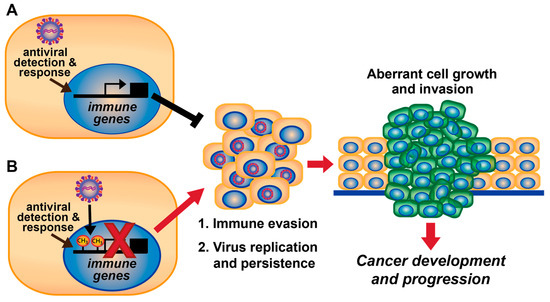
“We describe viral mechanisms and virus-host interactions by which DNA tumor viruses regulate host DNA methylation to evade antiviral immunity.

It is well known that most endogenous retroviruses and retrotransposons in the human genome are inactivated by DNA hypermethylation. In addition to endogenous retroviruses, the genomes of DNA viruses, such as human papillomavirus (HPV), herpes simplex virus 1 (HSV-1), adenovirus, and hepatitis B virus (HBV), are also frequently methylated and silenced in infected cells.

A recently described mechanism for viruses to epigenetically subvert host immunity is repression of immune-related gene expression by induction of DNA hypermethylation. Some host genes are not silenced simply through promoter hypermethylation or histone deacetylation alone, and therefore, viruses may have evolved mechanisms to ensure host gene downregulation through multiple epigenetic modifications.”

http://www.mdpi.com/1999-4915/10/2/82/htm “DNA Tumor Virus Regulation of Host DNA Methylation and Its Implications for Immune Evasion and Oncogenesis”


A second 2018 New York study focused on the Zika virus and DNA methylation:

“We studied the impact of ZIKV infection on the DNA methylation pattern across the entire genome in selected neural cell types. The virus unexpectedly alters the DNA methylome of neural progenitors, astrocytes, and differentiated neurons at genes that have been implicated in the pathogenesis of a number of brain disorders.

It remains open, however, whether the methylation changes come first or whether the viral infection dysregulates epigenetic regulatory genes prior to any epigenetic shift.”

http://msystems.asm.org/content/3/1/e00219-17 “Zika Virus Alters DNA Methylation of Neural Genes in an Organoid Model of the Developing Human Brain”

What are the chances?

This 2018 UC Davis anthropology study was on dice changes over two centuries:

“In Roman times, many dice were visibly lopsided..It did not matter what the objects were made of (metal, clay, bone, antler and ivory), or whether they were precisely symmetrical or consistent in size or shape, because, like the weather, rolls were predetermined by gods or other supernatural elements.

Dice, like many material objects, reflect a lot about people’s changing worldviews, Eerkens said. In this case, we believe it follows changing ideas about chance and fate.”


Think of a significant event in your life. Was it brought about by:

  1. Fate?
  2. Karma, divine intervention?
  3. A prayer, belief, placebo-effect process?
  4. Randomness?
  5. A coin-flip, card-draw, dice-roll decision process?
  6. A weighted-probability decision process?
  7. Chosen behavior, thoughts, and feelings?
  8. Unconscious behavior, thoughts, and feelings?
  9. Culturally-guided motivations?
  10. Non-arbitrary influences of other parties?

Which one or more of these factors would you now prefer to have been involved?

https://www.ucdavis.edu/news/it-not-how-you-play-game-how-dice-were-made “It’s Not How You Play the Game, but How the Dice Were Made”

Your need to feel important will run your life, and you’ll never feel satisfied

Yesterday’s team meeting at work provided one display after another of a person’s need to feel important. These eye-openers were the reason the scheduled 30-minute meeting lasted 45 minutes.

Although half of the forty or so attendees are under the age of 40, curiously, only two of them spoke during the meeting. I wasn’t among the older people who had something to say.

Not that I wasn’t tempted by the team-building exercise with its Skittles prompts:

  • Red – Tell us something you do well
  • Orange – Tell us something about your childhood
  • Purple – What could you live without?
  • Yellow – What couldn’t you live without?

Participation in the exercise was voluntary. Yes, I drew an orange Skittle.

Everyone knew there wasn’t enough time for each of us to speak and have the exercise become team-building, yet a dozen people piped up. Every one of the self-selected responses could have been prefaced with “I’m important because..”


There are many needs a person develops and tries to satisfy as substitutes for real needs that weren’t fulfilled. In this blog I’ve focused on the need to feel important.

I started with How do we assess “importance” in our lives? An example from scientists’ research choices and highlighted it on the Welcome page:

“Do you agree that an individual’s need to feel important is NOT a basic human need on the same level as nourishment, protection, and socialization? How does this need arise in our lives?”

I supported an explanation of the need to feel important with evidence and arguments on the Scientific evidence page and said:

“If the explanation is true yet someone rejected it, they at least wouldn’t have suffered from exposure to it. They’ll just remain in our world’s default mode of existence:

  1. Unaware of their own unconscious act-outs to feel important;
  2. Unaware of what’s driving such personal behavior; and
  3. Uninformed of other people’s behavioral origins as a consequence of 1 and 2.”

Other examples of substitute needs include:

What do you think? Any arguments for or against interrupting our default mode of existence?

Lysine acetylation is gnarly and dynamic

This 2018 UC San Francisco cell review provided details of lysine acetylation:

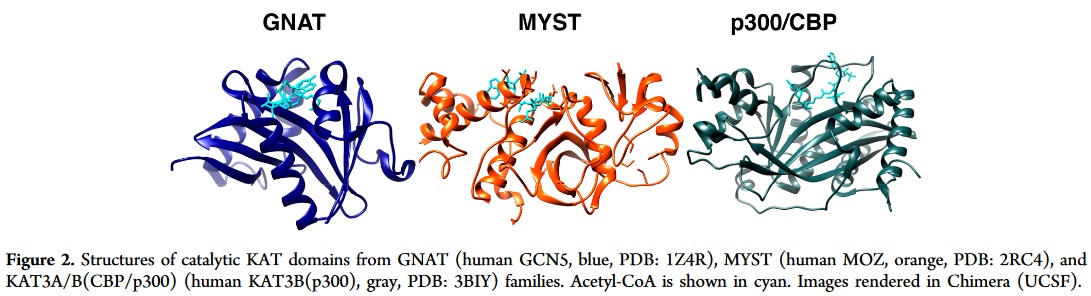
“Lysine acetylation has moved from being a specialized mark on histones to a critical modification controlling cell fate, proliferation, and metabolism.

During the lifetime of a protein there are many points at which an acetyl group may be added to influence function. The dynamic interplay between the writers, erasers, and readers of acetylation regulates critical epigenomic and metabolic processes, in addition to other major cellular functions.

Acetylation sites are well conserved, in contrast to methylation, where species-specific differences exist.”

The review included a section on mitochondrial protein acetylation:

“Mitochondria have emerged as organelles in which acetylation is more prominent than phosphorylation and plays a key role in integrating metabolic cues with the bioenergetic equilibrium of the cell.

Increased mitochondrial protein acetylation is associated with physiological conditions that result in higher levels of acetyl-CoA (e.g., fasting, calorie restriction, high-fat diet, and ethanol intoxication).”

https://pubs.acs.org/doi/full/10.1021/acs.chemrev.7b00181 “Lysine Acetylation Goes Global: From Epigenetics to Metabolism and Therapeutics” (not freely available) Thanks to lead author Ibraheem Ali for providing a full copy.

Epigenetic mechanisms of muscle memory

This 2018 UK human study detailed epigenetic muscle memory:

“We aimed to investigate an epigenetic memory of earlier hypertrophy in adult human skeletal muscle using a within measures design, by undertaking:

  1. Resistance exercise induced muscle growth (loading) [3 days a week for 7 weeks], followed by;
  2. Cessation of resistance exercise, to return muscle back towards baseline levels (unloading) [7 weeks], and;
  3. A subsequent later period of resistance exercise induced muscle hypertrophy (reloading) [3 days a week for 7 weeks].”

The findings were:

“Frequency of genome-wide hypomethylation is the largest after reloading induced hypertrophy where lean muscle mass is enhanced.

Hypomethylation is maintained from earlier load induced hypertrophy even during unloading where muscle mass returns back towards baseline, and is inversely associated with gene expression.

A single bout of acute resistance exercise evokes hypomethylation of genes that have enhanced gene expression in later reload induced hypertrophy.”

https://www.nature.com/articles/s41598-018-20287-3 “Human Skeletal Muscle Possesses an Epigenetic Memory of Hypertrophy”


The study provided another example of how our bodies remember. It began with only eight male 27.6 ± 2.4 year-old subjects, though, and one of them dropped out.

See the discussion of a 2017 Netherlands human study in Are Underpowered Studies Ever Justified? with comments on studies with few subjects, such as:

“The problem occurs when people do small quantitative studies, but draw conclusions nonetheless, simply adding a disclaimer to the discussion (which they don’t put in the abstract, or the press release).”

“Underpowered studies may only be useful to check if the experiment works out wrt understanding instructions, do the programs run, etc, but not as much for testing and estimating effects.”

“The problem with underpowered studies is that all estimates can vary erratically between samples. Combined with the desire of many researchers (and universities’ press offices) to find sensational patterns, this means that evidence from underpowered studies is ‘asymmetrically’ likely to be considered more conclusive. As in, something that seems really cool will probably be considered more conclusive than something that’s disappointing. Highly powered studies don’t afford this flexibility.”

Obtaining convictions with epigenetic statistics?

This 2018 Austrian review subject was forensic applications of epigenetic clock methodologies:

“The methylation-sensitive analysis of carefully selected DNA markers (CpG sites) has brought the most promising results by providing prediction accuracies of ±3–4 years, which can be comparable to, or even surpass those from, eyewitness reports. This mini-review puts recent developments in age estimation via (epi)genetic methods in the context of the requirements and goals of forensic genetics and highlights paths to follow in the future of forensic genomics.”


The point of forensic analysis techniques should be to find the truth about an individual. Doesn’t the principle of “All presumptive evidence of felony should be admitted cautiously; for the law holds it better that ten guilty persons escape, than that one innocent party suffer” still hold?

The methods’ limitations weren’t discussed. Here are some concepts not mentioned in the review:

1) Summary statistics that describe a group or population NEVER necessarily describe an individual member.

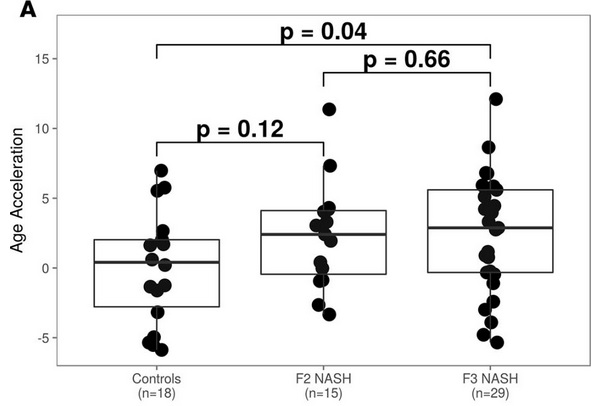
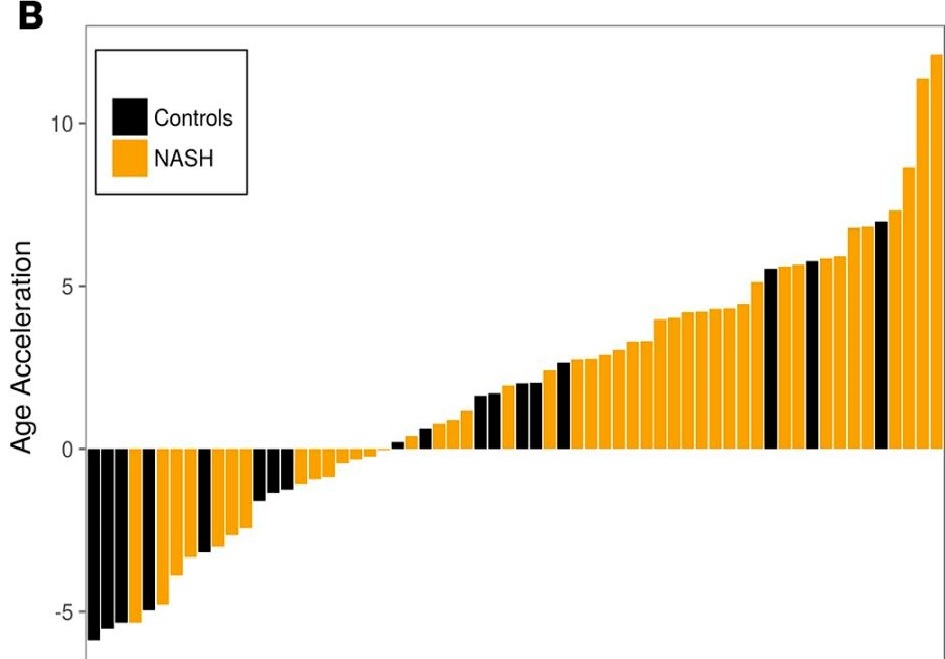
For an epigenetic clock methodology example, take a look at Figure 2A in Using an epigenetic clock to assess liver disease. 16 of the 18 individual age acceleration estimates of the control group subjects aren’t close to the median value!

2) The reviewer outlined basic DNA methylation analysis:

“The most commonly pursued approach for analysing CpG sites is sequence analysis of bisulfite-converted DNA, during which single-stranded genomic DNA is treated with sodium bisulfite that deaminates unmethylated cytosine to uracil, while methylated cytosine remains unaffected.

With increasing age, not only genome-wide DNA hypomethylation has been observed but also regional DNA hypermethylation of CpG islands.”

The basic limitation of this analysis wasn’t mentioned, but A study of DNA methylation and age said:

“Due to the methods applied in the present study, not all the effects of DNA methylation on gene expression could be detected; this limitation is also true for previously reported results.

The textbook case of DNA methylation regulating gene expression (the methylation of a promoter and silencing of a gene) remains undetected in many cases because in an array analysis, an unexpressed gene shows no signal that can be distinguished from background and is therefore typically omitted from the analysis.”

3) Another omission was that the numbers and types of targets in the discussed DNA methylation technique were severely limited per The primary causes of individual differences in DNA methylation are environmental factors:

“A main limitation with studies using the Illumina 450 K array is that the platform only covers ~1.5 % of overall genomic CpGs, which are biased towards promoters and strongly underrepresented in distal regulatory elements, i.e., enhancers.

The reviewer didn’t provide convincing justifications for using gene expression profiling to obtain convictions. Was it too much to expect a mini-review to offer a balanced view of using epigenetic age estimation in forensic analyses?

https://www.karger.com/Article/FullText/486239 “Age Estimation with DNA: From Forensic DNA Fingerprinting to Forensic (Epi)Genomics: A Mini-Review”

A review of human pluripotent stem cell research

Starting the fourth year of this blog with a 2018 Belgian review of human pluripotent stem cells (hPSCs):

“hPSCs are now starting to live up to the great expectations they created after their first derivation nearly twenty years ago. The first results of clinical trials to treat macular degeneration are being published, and an increasing number of clinical or preclinical trials are being started for conditions such as spinal cord injury, diabetes, and heart disease.

This imminent transition of pluripotent stem cells to the clinic has resulted in researchers and clinicians becoming acutely aware of the problems related to the genetic and epigenetic diversity of these cells, included acquired mutations.”

The review included a section on mitochondrial processes that impact the differentiation capacity of pluripotent stem cells, summarized by:

“From this overview, we also observe a more ample contribution of mtDNA in cell fate determination than is represented in many studies tackling the topic.

The transition from aerobic glycolysis to aerobic phosphorylation plays a vital role in cells’ ability to correctly proceed through differentiation, though the mtDNA is rarely evaluated.”

https://academic.oup.com/humupd/advance-article-abstract/doi/10.1093/humupd/dmx042/4825062?redirectedFrom=fulltext “Genetic and epigenetic factors which modulate differentiation propensity in human pluripotent stem cells” (not freely available) Thanks to lead author Alexander Keller for providing a copy.

Using an epigenetic clock to assess liver disease

This 2018 UC San Diego human study investigated the capability of the epigenetic clock methodology to detect biological aging with nonalcoholic steatohepatitis (NASH) patients:

“The ability to measure a surrogate marker of liver aging from a peripheral blood sample has broad implications for assessing clinically “silent” chronic diseases, such as NASH, and, potentially, their response to interventions.

In the current study, we validate the utility of the Horvath clock in measuring age acceleration in a defined cohort of NASH patients with moderate to severe liver fibrosis.”

The study demonstrated several aspects of age acceleration and disease conditions, including:

– Use of clinical trial data.

“This study, however, included patients who were part of a clinical trial in which protocol-obtained biopsies were read by a central pathologist (ZG) and morphometric quantification of collagen standardized.”

– Continuous measures were more relevant than “Stage X” measures.

“The findings in the current work are in contrast to an earlier study that found no association of DNAm with the NAFLD activity score or stage of liver fibrosis in patients with NASH. Importantly, that study assessed liver fibrosis based on conventional histological staging only, using the ordinal METAVIR classification. Similarly, we also found no difference in age acceleration between patients with stage 2 and 3 fibrosis according to the NASH Clinical Research Network (CRN) classification.

On the contrary, by evaluating two continuous measures of fibrosis (hepatic collagen content by morphometry and the serum ELF test), which have a greater dynamic range than traditional histological staging, we found that patients with higher age acceleration have increased hepatic fibrosis.”

– Causalities may not necessarily be ascribed.

“Although these reports establish a potential relationship between fibrosis and specific epigenetic modifications, targeted individual CpG sites may not accurately reflect the complex interaction between causal and compensatory measures in chronic diseases such as NASH.”

https://insight.jci.org/articles/view/96685 “DNA methylation signatures reflect aging in patients with nonalcoholic steatohepatitis”

An emotional center of our brains

This 2018 McGill/UC San Diego rodent study subject was the dentate gyrus area of the hippocampus:

“Early life experience influences stress reactivity and mental health through effects on cognitive-emotional functions that are, in part, linked to gene expression in the dorsal and ventral hippocampus. The hippocampal dentate gyrus (DG) is a major site for experience-dependent plasticity associated with sustained transcriptional alterations, potentially mediated by epigenetic modifications.

Peripubertal environmental enrichment increases hippocampal volume and enhances dorsal DG-specific differences in gene expression. Overall, our transcriptome and DNA methylation data support a model of regional and environmental effects on the molecular profile of DG neurons.”

The study thoroughly investigated several areas. I’ll quote a few parts with the section heading.

Introduction:

“The dorsal hippocampus, corresponding to the posterior hippocampus in primates, associates closely with cognitive functions and age-related cognitive impairments. In contrast, the ventral hippocampus, (anterior region in primates) is implicated in the regulation of emotional states and vulnerability for affective disorders. This functional specialization is reflected in patterns of gene expression.”

Results subsections:

“Environmental enrichment promotes hippocampal neurogenesis – hippocampal volume is enlarged in mice raised in an enriched environment (EE) compared with standard housing (SH) in both the dorsal and ventral poles. EE also associates with >60% more newborn neurons.

Specialization of gene expression in dorsal and ventral DG – Gene expression was more affected by EE in dorsal than ventral DG, and dorsal DG has twice as many differentially-expressed genes.

DNA methylation differences between dorsal and ventral DG – Each of the three forms of methylation [CpG, non-CpG, and hmC (hydroxymethylation)] exhibited a distinct genomic distribution in dorsal and ventral DG. A key advantage of whole-genome DNA methylation profiling is the ability to identify differentially methylated regions (DMRs), often far from any gene body, that mark tissue-specific gene regulatory elements.

This strong bias, with ~40-fold more hypomethylated regions in the dorsal DG, contrasts with the balanced number of differentially expressed genes in dorsal and ventral DG, suggesting an asymmetric role for DNA methylation in region-specific gene regulation. Despite their small number, ventral hypomethylated DMRs marked key developmental patterning transcription factors..which are linked to the proliferation, maintenance and survival of neural stem cells.

DNA methylation correlates with repression at some genes – CG and non-CG DNA methylation are associated with reduced gene expression, while hmC associates with increased expression. Dorsal DMRs were also enriched at genes that were up- and down-regulated in EE, although over half of dorsal up-regulated genes, and >98.5% of ventral up-regulated genes, contained no DMRs that could explain their region-specific differential expression.”

Discussion:

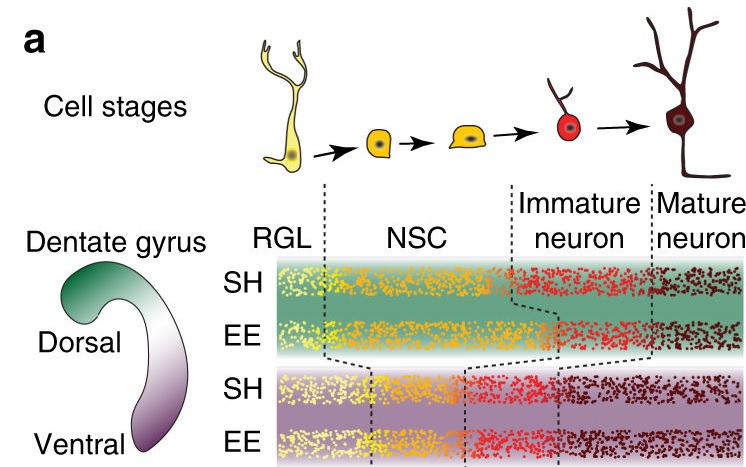
  • “a The cell stages occurring within the subgranular zone of the dentate gyrus are shown together with a schematic illustration of possible relative proportions consistent with our data. RGL Radial glia-like progenitor, NSC Neural stem cell.
  • b Key genes associated with the RGL stage are up-regulated in ventral DG relative to dorsal DG.
  • c We propose that mCH [non-CpG methylation] accumulates mainly in mature neurons.”

Why do human brain studies that include the hippocampus overwhelmingly ignore its role in our emotions? For example, the researchers of Advance science by including emotion in research could find only 397 suitable studies performed over 22 years from 1990 to 2011. There were tens or hundreds of times more human brain studies done during the same period that intentionally excluded emotional content!

The current rodent study provided physiological bases for dialing back the bias of human brain research focused exclusively on cognitive functions without also investigating attributes of emotional processing. Let’s see human studies designed to correct this recurring deficiency.

https://www.nature.com/articles/s41467-017-02748-x “Environmental enrichment increases transcriptional and epigenetic differentiation between mouse dorsal and ventral dentate gyrus”

The impact of the last snowflake

Was the recent Swiss avalanche’s cause the last, triggering snowflake, or the billions of snowflakes before it?

There’s been a slight increase in the number of PNAS studies that included the “catastrophic” search word from October 2016 to mid-January 2018 compared to the January 2014 to mid-April 2015 period referenced in How well can catastrophes be predicted?.

What are the drivers?

Or is the main driver something else?

Non-CpG DNA methylation

This 2017 Korean review compared and contrasted CpG and non-CpG DNA methylation:

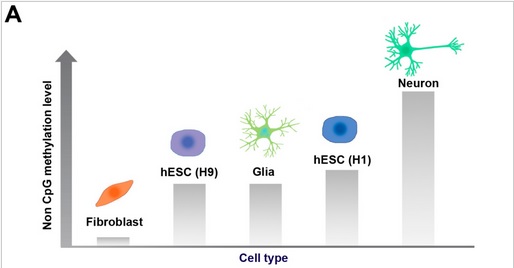
“Non-CpG methylation is restricted to specific cell types, such as pluripotent stem cells, oocytes, neurons, and glial cells. Accumulation of methylation at non-CpG sites and CpG sites in neurons seems to be involved in development and disease etiology.

Non-CpG methylation is established during postnatal development of the hippocampus and its levels increase over time. Similarly, non-CpG methylation is scarcely detected in human fetal frontal cortex, but is dramatically increased in later life. This increase in non-CpG methylation occurs simultaneously with synaptic development and increases in synaptic density.

In contrast, CpG methylation occurs during early development and does not increase over time.

Neurons have considerably higher levels of non-CpG methylation than glial cells. The human male ES [embryonic stem] cell line (H1) is more highly methylated than the female ES cell line (H9).

Among the different types of non-CpG methylation (CpA [adenosine], CpT [thymine], and CpC [another cytosine]), methylation is most common at CpA sites. For instance, in human iPS [induced pluripotent stem] cells, 5mCs are found in approximately 68.31%, 7.81%, 1.99%, and 1.05% of CpG, CpA, CpT, and CpC sites, respectively.”


The reviewers’ referenced statement:

“CpG methylation occurs during early development and does not increase over time.”

was presented outside of its context. The 2013 cited source’s statement was restricted to “selected loci” in the rodent hippocampus:

“Consistent with a recent study of the cortex, time-course analyses revealed that CpH [non-CpG] methylation at the selected loci was established during postnatal development of the hippocampus and was then present throughout life, whereas CpG methylation was established during early development.”

Epigenetic study methodologies improved in 2017 had more information on CpA methylation.

http://www.mdpi.com/2073-4425/8/6/148/htm “CpG and Non-CpG Methylation in Epigenetic Gene Regulation and Brain Function”

DNA methylation and childhood adversity

This 2017 Georgia human review covered:

“Recent studies, primarily focused on the findings from human studies, to indicate the role of DNA methylation in the associations between childhood adversity and cardiometabolic disease in adulthood. In particular, we focused on DNA methylation modifications in genes regulating the hypothalamus-pituitary-adrenal axis as well as the immune system.”

Recommendations in the review’s Epigenetics inheritance and preadaptation theory section included:

“Twin studies offer another promising design to explore the mediation effect of DNA methylation between child adversity and cardiometabolic outcomes..which could rule out heterogeneity due to genetic and familia[l]r environmental confounding.”

As it so happened, the below 2018 study provided some evidence.

http://www.sciencedirect.com/science/article/pii/S0167527317352762 “The role of DNA methylation in the association between childhood adversity and cardiometabolic disease” (not freely available) Thanks to lead author Dr. Guang Hao for providing the full study.


This 2018 UK human study:

“Tested the hypothesis that victimization is associated with DNA methylation in the Environmental Risk (E-Risk) Longitudinal Study, a nationally representative 1994-1995 birth cohort of 2,232 twins born in England and Wales and assessed at ages 5, 7, 10, 12, and 18 years. Multiple forms of victimization were ascertained in childhood and adolescence (including physical, sexual, and emotional abuse; neglect; exposure to intimate-partner violence; bullying; cyber-victimization; and crime).

Hypothesis-driven analyses of six candidate genes in the stress response (

  1. NR3C1 [glucocorticoid receptor],
  2. FKBP5 [a regulator of the stress hormone system],
  3. BDNF [brain-derived neurotrophic factor],
  4. AVP [arginine vasopressin],
  5. CRHR1 [corticotropin-releasing hormone receptor 1],
  6. SLC6A4 [serotonin transporter]

) did not reveal predicted associations with DNA methylation.

Epigenetic epidemiology is not yet well matched to experimental, nonhuman models in uncovering the biological embedding of stress.”

One of the sad findings was that as the types of trauma inflicted by other people on the subjects increased, so did the percentage of subjects who hurt themselves by smoking. Two-thirds of teens who reported three or more of the seven adolescent trauma types also smoked by age 18:

Polyvictimization

Self-harming behaviors other than smoking weren’t considered.

Another somber finding was:

“Childhood sexual victimization is associated with stable DNA methylation differences in whole blood in young adulthood. These associations were not observed in relation to sexual victimization in adolescence.”

The researchers guided future studies regarding the proxy measurements of peripheral blood DNA methylation:

“The vast majority of subsequent human studies, including the present one, have relied on peripheral blood. This choice is expedient, but also scientifically reasonable given the aim of detecting effects on stress-related physical health systems that include peripheral circulating processes (immune, neuroendocrine).

But whole blood is heterogeneous, and although cell-type composition can be evaluated and controlled, as in the present study, it does raise the question of whether peripheral blood is a problematic surrogate tissue for research on the epigenetics of stress.

Comparisons of methylomic variation across blood and brain suggest that blood-based EWAS may yield limited information relating to underlying pathological processes for disorders where brain is the primary tissue of interest.”


1. The comment on “epigenetic epidemiology” overstated the study’s findings because the epigenetic analysis, although thorough, was limited to peripheral blood DNA methylation. Other consequential epigenetic effects weren’t investigated, such as histone modifications and microRNA expression.

2. An unstated limitation was that the DNA methylation analyses were constrained by budgets. Studies like The primary causes of individual differences in DNA methylation are environmental factors point out restrictions in the methodology:

“A main limitation with studies using the Illumina 450 K array is that the platform only covers ~1.5 % of overall genomic CpGs, which are biased towards promoters and strongly underrepresented in distal regulatory elements, i.e., enhancers.

WGBS [whole-genome bisulfite sequencing] offers single-site resolution CpG methylation interrogation at full genomic coverage.

Another advantage of WGBS is its ability to access patterns of non-CpG methylation.”

I’d expect that in the future, researchers with larger budgets would reanalyze the study samples using other techniques.

3. The researchers started and ended the study presenting their view of human “embedding of stress” as a fact rather than a paradigm. Epigenetic effects of early life stress exposure compared and contrasted this with another substantiated view.

4. The study focused on the children’s intergenerational epigenetic effects. An outstanding opportunity to advance science was missed regarding transgenerational epigenetic inheritance:

  • Wouldn’t the parents’ blood samples and histories – derived from administering the same questionnaires their twins answered at age 18 – likely provide distant causal evidence for some of the children’s observed effects?
  • And lay the groundwork for hypotheses about aspects of future generations’ physiologies and behaviors?

https://ajp.psychiatryonline.org/doi/full/10.1176/appi.ajp.2017.17060693 “Analysis of DNA Methylation in Young People: Limited Evidence for an Association Between Victimization Stress and Epigenetic Variation in Blood” (not freely available) Thanks to coauthor Dr. Helen Fisher for providing the full study.

Can researchers make a difference in their fields?

The purpose and finding of this 2017 UK meta-analysis of human epigenetics and cognitive abilities was:

“A meta-analysis of the relationship between blood-based DNA methylation and cognitive function.

We identified [two] methylation sites that are linked to an aspect of executive function and global cognitive ability. The latter finding relied on a relatively crude cognitive test..which is commonly used to identify individuals at risk of dementia.

One of the two CpG sites identified was under modest genetic control..there are relatively modest methylation signatures for cognitive function.”

The review’s stated limitations included:

“It is, of course, possible that a reliable blood-based epigenetic marker of cognitive function may be several degrees of separation away from the biological processes that drive cognitive skills.

There are additional limitations of this study:

  • A varying number of participants with cognitive data available for each test;
  • Heterogeneity in relation to the ethnicity and geographical location of the participants across cohorts; and
  • Relating a blood-based methylation signature to a brain-based outcome.

A 6-year window [between ages 70 and 76] is possibly too narrow to observe substantial changes in the CpG levels.”

All of these limitations were known before the meta-analysis was planned and performed. Other “possible” limitations already known by the 47 coauthors include those from Genetic statistics don’t necessarily predict the effects of an individual’s genes.

The paper referenced studies to justify the efforts, such as one (cited twice) coauthored by the lead author of A problematic study of DNA methylation in frontal cortex development and schizophrenia:

“Epigenome-wide studies of other brain-related outcomes, such as schizophrenia, have identified putative blood-based methylation signatures.”


Was this weak-sauce meta-analysis done just to plump up 47 CVs? Why can’t researchers investigate conditions that could make a difference in their fields?

Was this meta-analysis done mainly because the funding was available? I’ve heard that the primary reason there are papers like the doubly-cited one above is that the US NIMH funds few other types of research outside of their biomarker dogma.

The opportunity costs of this genre of research are staggering. Were there no more productive topics that these 47 scientists could have investigated?

Here are a few more-promising research areas where epigenetic effects can be observed in human behavior and physiology:

I hope that the researchers value their professions enough to make a difference with these or other areas of their expertise. And that sponsors won’t thwart researchers’ desires for difference-making science by putting them into endless funding queues.

https://www.nature.com/articles/s41380-017-0008-y “Meta-analysis of epigenome-wide association studies of cognitive abilities”