Reverberations, harmonics, history

Catching up with Martin Armstrong from 2012:

“Corruption within the Roman Republic was certainly at its peak during the first century BC. There was a brewing debt crisis in Rome and the oligarchy was determined to keep power at any cost. Corruption was so widespread that interest rates doubled from 4% to 8% for the elections of 54 BC because there was so much bribery going on to gain votes.

Caesar was clearly a Popularis, a man of the people who stood against the corruption of the Republic. Like today, we have no real voting control over the fate of the nation. Those who are in charge of the political machine control the real political state.

Caesar knew who his enemies truly were. He clung to his belief that if the majority of the Senate were free of the Oligarchy of Cato and Cicero, they would surely see the light. To persuade them, Caesar wrote his seven books on his truly remarkable conquest of Gaul.

Cato and his Oligarchy were so intensely anti-Caesar that they were willing to do anything to anybody. But this was a moment in time where the corruption had simply gone too far.

By September 29th, 51 BC, Caesar ran out of civilized options. Crossing the Rubicon became the only option.


Janus was the symbol of a cyclical change, the departing of one era and the birth of another. His shrine consisted of two doorways that traditionally were left open in time of war and kept closed when Rome was at peace. Leaving the doors open in time of war symbolized the new era that was possible.

Property values were collapsing. Debts were excessive. Those who held mortgages refused to accept just the property back.

Caesar dealt with this major extraordinary situation in a truly astonishing manner, realizing that assets and money are in a union of opposing forces, yet bound together. Value of property is not a constant relationship for money itself is not like a ruler.

Money is more akin to a rubber band even when it may be gold or silver. Money is like everything else – subject to the whims of supply and demand.

The economy is a dynamic relationship between everything with no real constant. We are at a tremendous disadvantage because we have grown up thinking in a flat linear world that does not exist. We limit ourselves by thinking in money,

Caesar explained that he had to borrow to fund the war and it was unethical for him to cancel all debts since he himself would benefit. Generals come and go, but true economic reformers of the state to save the nation are rare indeed. Caesar paid for his economic reform with his life.

There can be no greater example of political corruption that required desperate reform than the calendar. Caesar replaced the typical lunar year and introduced his new calendar based on 365¼ solar days on January 1st, 45 BC.

Sulla [138 – 78 BC] was a highly original, gifted and skillful general, never losing a battle. His rival described Sulla as having the cunning of a fox and the courage of a lion – but that it was the former attribute that was by far the most dangerous. This mixture was later referred to by Machiavelli in his description of the ideal characteristics of a ruler.

Sulla was more interested in retaining institutes of government while eliminating people occupying them whereas Caesar was far more compelled to act to restore institutions and to spare people, even his more threatening enemies. These are not actions of a man interested in personal power, but a man interested in saving his country.

You live in an oligarchy no different today than what Caesar faced back then. One maxim always holds true; Absolute power, corrupts absolutely!”

It appears that only Julius Caeser ever understood

100-44 BC


A normal distribution

Does sulforaphane reach the colon?

This 2020 study subject was antimicrobial activity of sulforaphane:

“This study explored the role that digestion and cooking practices play in bioactivity and bioavailability, especially the rarely considered dose delivered to the colon.

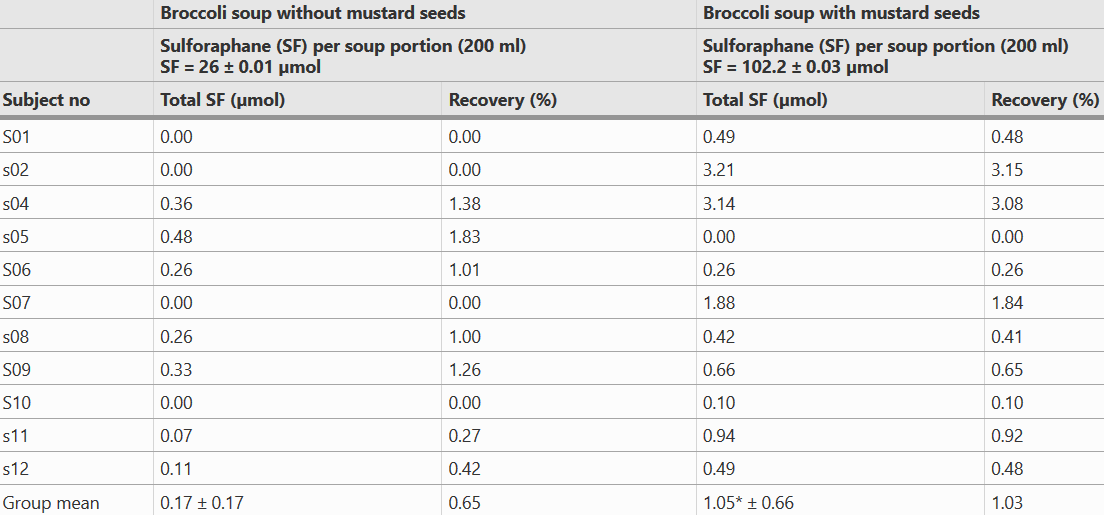
A broccoli powder soup was prepared which contained 26.5 µmol of sulforaphane per 200 ml portion. Addition of 2% mustard seed powder at the cooling stage of the soup preparation process (~ 60 °C) increased the level of sulforaphane by nearly fourfold, 102 µmol per 200 ml.

Recovery of sulforaphane in ileal fluids post soup consumption was < 1% but the addition of mustard seeds increased colon-available sulforaphane sixfold. Analysis of glucosinolates composition in ileal fluids revealed noticeable inter-individual differences.

Consumption of sulforaphane-enriched broccoli soup may inhibit bacterial growth in the stomach and upper small intestine, but not in the terminal ileum or the colon.”

https://link.springer.com/article/10.1007/s00394-020-02322-0 “Sulforaphane-enriched extracts from glucoraphanin-rich broccoli exert antimicrobial activity against gut pathogens in vitro and innovative cooking methods increase in vivo intestinal delivery of sulforaphane”


My son has often asked me about adding mustard seeds to broccoli sprouts. Papers citing one of this study’s coauthors’ series of mustard seed studies include:

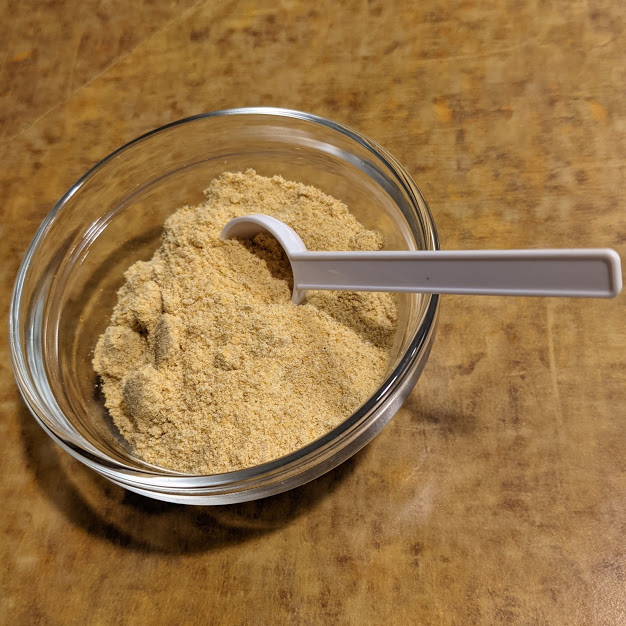
I bought a 74 gram container of mustard seeds at the local grocery store, and ground down a third as pictured. A level scoop of mustard seed powder weighs 1.5 grams.

1.5 g divided by my twice-daily 65 g of microwaved broccoli sprouts = 2%, matching this study’s methods. That’s a 24-day mustard seed supply for $2.19.

I’ll add mustard seed powder immediately after microwaving broccoli sprouts when they’re ≤ 60°C (140°F). Allowing the mixture to process for five minutes potentially facilitates myrosinase hydrolization of glucoraphanin and other glucosinolates into healthy isothiocyanate compounds.


Other aspects of this study:

1. I don’t consider overcooking broccoli an “innovative cooking method.” It’s more like researchers creating an effect in order to publish “increased the level of sulforaphane by nearly fourfold” which was presented numerically and emphasized twice in text.

2. A perspective on these types of studies from Epigenetic mechanisms of muscle memory:

“Underpowered studies may only be useful to check if the experiment works, but not as much for testing and estimating effects.

3. I didn’t agree with this study’s treatment of individual differences.

I read three other papers’ study design recommendations for researchers regarding inter-individual variability, but didn’t see markedly better ideas. Most of their verbiage concerned how to reduce heterogeneous effects rather than to understand individual causes and signals.

Where are thoughtful counters to meaningless averages / standard deviations / p values?

4. “Addition of mustard seeds increased colon-available sulforaphane sixfold” was presented numerically and emphasized thrice in text. Too often for a n=11 study.

What needed further explanations were detailed causes for each individual’s responses or lack thereof. Stratifying subgroups into unresponsive:

  • What happened in Subjects 6’s and 10’s lives to make them unresponsive to any sulforaphane dose?
  • Were Subjects 1, 2, 5, and 7 instances of zero sulforaphane actually errors in measuring or processing? If not, what were individual causes for instances of no response?

And responsive:

  • Were Subjects 4, 8, 9, 11, and 12 averages meaningful? Excluding Subject 4’s 3.14 μmol, was the four remaining subjects’ 0.19 to 0.63 μmol average 332% increased response meaningful when the sulforaphane dose increased 392%?
  • What caused Subject 4’s 872% increased response when the sulforaphane dose increased 392%?

Findings of sulforaphane in 11 g broccoli powder not reaching the colon may not apply to twice-daily 65.5 g microwaved broccoli sprouts due to mass and quantity differences. Broccoli sprouts definitely pass into the colon, like any other fibrous vegetable. Unhydrolyzed products are hydrolyzed by microflora there.

I create sulforaphane from broccoli sprouts shortly before eating them, and don’t depend on metabolism after the stomach to produce isothiocyanates. Did this study’s findings assist with that effort?

Eat oats today!

This 2020 food chemistry review provided phenolic-compound reasons to eat oats:

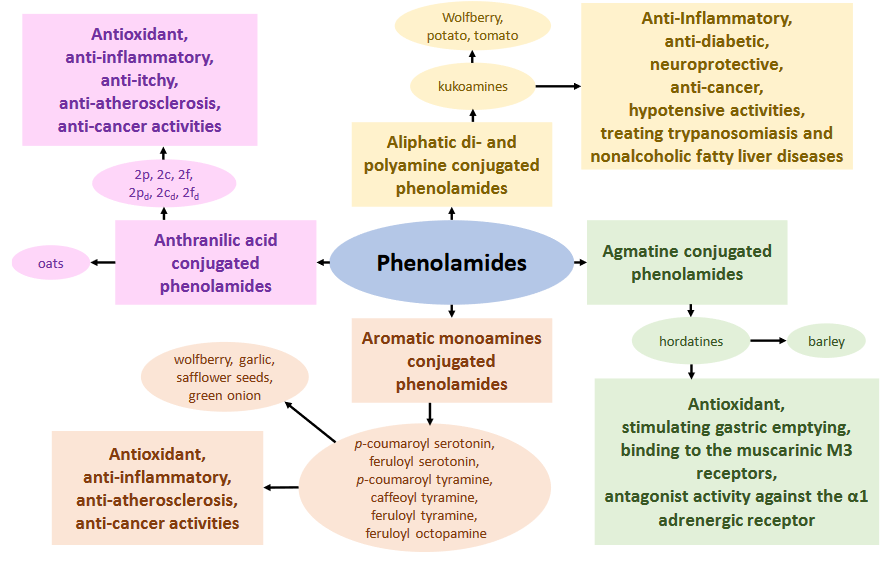
“Phenolamides result from the conjugation of hydroxycinnamic acids with amines. These products contain a variety of metabolic, chemical, and functional capabilities due to the large number of possible combinations among the parent compounds.

Of the currently known phenolamides, the most common are avenanthramides (AVAs), which are unique in oats. AVAs possess anti-inflammatory, anti-itch, anti-atherosclerosis, antioxidant, anti-cancer, anti-obesity, anti-fungal, anti-microbial, and neuroprotective properties.

Twenty-nine C-type AVAs have been identified in oats, and twenty-six A-type AVAs.

  • C-type AVAs in commercially available oat products range from 36.49-61.77 mg/kg (fresh weight).
  • A-type AVAs represent approximately 22.5% of total AVA levels in regular oats and 24.7-33.0% in commercial sprouted oats.

Steeping raw groats increased AVA concentrations.”

These reviews were referenced:

“Since publication of these two reviews, a few new studies reported AVAs’ beneficial health effects, mainly related to their anti-inflammatory and anti-cancer activities. AVAs can:

  • Significantly decrease IL-6, IL-8, and MCP-1 in endothelial cells;
  • Inhibit IL-1β- and TNF-α-induced NF-κB activation; as well as
  • Expression of adhesion molecules; and
  • Adhesion of monocytes to endothelial cell monolayer.

In 2020, the first evaluation of anti-inflammation effects of A-type AVAs was published from our own group. Fifteen A-type AVAs from commercial sprouted oat products interacted with lipopolysaccharide-induced nitric oxide production and iNOS expression.

Colloidal oatmeal’s natural components, AVAs, help to restore and maintain skin barrier function. AVAs are safe, well tolerated, and can be effective as adjuvant treatment in atopic dermatitis.

In one mouse model, a C-type AVA was able to mitigate many adverse effects of Alzheimer’s Disease. It restored hippocampal long-term potentiation and synaptic function, enhanced memory function, suppressed pro-inflammatory cytokines TNF-α and IL-6 levels, reduced caspase-3 levels, and increased pS9GSK-3β and IL-10 levels.

AVAs downregulated expression of hTERT and MDR1, pro-survival genes for cancer cells, and COX-2 mRNA and PGE2 levels, known pro-inflammatory markers. AVAs induced apoptosis by activating caspases 8, 3, and 2.”

https://pubs.acs.org/doi/10.1021/acs.jafc.0c02605 “The Chemistry and Health Benefits of Dietary Phenolamides” (not freely available)


Hadn’t thought about sprouting oats before this paper.

Measuring one dimension of health

This 2020 human study asserted:

“Our data provides the first epidemiological evidence supporting evidence obtained in preclinical models of metabolic syndrome and NAFLD that demonstrated hepatoprotective effects of phenolic acids.

  • High dietary intake of total phenolic acids is associated with a lower prevalence of non-alcoholic fatty liver disease and insulin resistance.
  • High intake of hydroxybenzoic acids, a class of phenolic acids, is associated with a lower prevalence of steatosis and clinically significant fibrosis.
  • High intake of hydroxycinnamic acids, another class of phenolic acids, is associated with a lower prevalence of insulin resistance.

Data on polyphenol content in foods was obtained from the Phenol-Explorer database (www.phenol-explorer.eu).”

https://www.ncbi.nlm.nih.gov/pmc/articles/PMC7078532/ “Higher phenolic acid intake independently associates with lower prevalence of insulin resistance and non-alcoholic fatty liver disease”


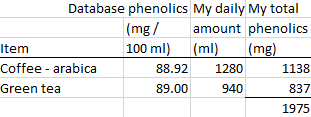
It’s a bad weather day, so I investigated the phenolics database and ran some numbers:

coffee and tea phenolics

Phenolic contents of all the other food I eat is 9% of my coffee-and-tea 1,975 mg total phenolics. Microwaved broccoli sprouts contribute half of that 9%.

Subjects were grouped according to whether their phenolics daily intake was over 221 mg or not. The over 221 mg group drank 5 cups of coffee a day, whereas the other group drank 1 cup.

According to a phenolics dimension of health, all these researchers needed to do was ask subjects about their daily coffee intake. But then the study would be over, with few “is associated with” findings.

Do humans avoid insulin resistance and non-alcoholic fatty liver disease by drinking more than one cup of coffee and tea? Is an answer available from real people, not just from a statistics package?


A 2020 study that primarily sourced a database last updated in June 2015 selected a fertile ground for later hypothesis-seeking.

fitting data

Ignoring subsequent research helped when staking a claim of first for whatever niche provided a publication opportunity.

I didn’t upload a screenshot of the Excel workbook with entries for pictured items I eat every day. That June 2015 database was incomplete with respect to current science here in December 2020.

See Eat oats today! for current examples of phenolic compounds in my daily 81 grams of steel-cut oats.

In memory of freedom through February 2020

Photos taken in Milan and Lake Como, Italy, February 22-23, 2020. The same weekend during which ten towns were closed south of the city.

As I said in Train your immune system every day! my traveling companion and I were likely exposed, yet had no symptoms after two weeks. Take responsibility for your one precious life.


Are humans more enlightened now regarding:

“Inalienable rights; that among which these are life, liberty, & the pursuit of happiness; that to secure these rights, governments are instituted among men, deriving their just powers from the consent of the governed.”

than in 1776?


Image from the US Library of Congress.

Have you given your silent obedient consent to the worldwide power grab?

Clearing out the 2020 queue of interesting papers

I’ve partially read these 39 studies and reviews, but haven’t taken time to curate them.

Early Life

  1. Intergenerational Transmission of Cortical Sulcal Patterns from Mothers to their Children (not freely available)
  2. Differences in DNA Methylation Reprogramming Underlie the Sexual Dimorphism of Behavioral Disorder Caused by Prenatal Stress in Rats
  3. Maternal Diabetes Induces Immune Dysfunction in Autistic Offspring Through Oxidative Stress in Hematopoietic Stem Cells
  4. Maternal prenatal depression and epigenetic age deceleration: testing potentially confounding effects of prenatal stress and SSRI use
  5. Maternal trauma and fear history predict BDNF methylation and gene expression in newborns
  6. Adverse childhood experiences, posttraumatic stress, and FKBP5 methylation patterns in postpartum women and their newborn infants (not freely available)
  7. Maternal choline supplementation during the third trimester of pregnancy improves infant information processing speed: a randomized, double‐blind, controlled feeding study
  8. Preterm birth is associated with epigenetic programming of transgenerational hypertension in mice
  9. Epigenetic mechanisms activated by childhood adversity (not freely available)

Epigenetic clocks

  1. GrimAge outperforms other epigenetic clocks in the prediction of age-related clinical phenotypes and all-cause mortality (not freely available)
  2. Epigenetic age is a cell‐intrinsic property in transplanted human hematopoietic cells
  3. An epigenetic clock for human skeletal muscle
  4. Immune epigenetic age in pregnancy and 1 year after birth: Associations with weight change (not freely available)
  5. Vasomotor Symptoms and Accelerated Epigenetic Aging in the Women’s Health Initiative (WHI) (not freely available)
  6. Estimating breast tissue-specific DNA methylation age using next-generation sequencing data

Epigenetics

  1. The Intersection of Epigenetics and Metabolism in Trained Immunity (not freely available)
  2. Leptin regulates exon-specific transcription of the Bdnf gene via epigenetic modifications mediated by an AKT/p300 HAT cascade
  3. Transcriptional Regulation of Inflammasomes
  4. Adipose-derived mesenchymal stem cells protect against CMS-induced depression-like behaviors in mice via regulating the Nrf2/HO-1 and TLR4/NF-κB signaling pathways
  5. Serotonin Modulates AhR Activation by Interfering with CYP1A1-Mediated Clearance of AhR Ligands
  6. Repeated stress exposure in mid-adolescence attenuates behavioral, noradrenergic, and epigenetic effects of trauma-like stress in early adult male rats
  7. Double-edged sword: The evolutionary consequences of the epigenetic silencing of transposable elements
  8. Blueprint of human thymopoiesis reveals molecular mechanisms of stage-specific TCR enhancer activation
  9. Statin Treatment-Induced Development of Type 2 Diabetes: From Clinical Evidence to Mechanistic Insights
  10. Rewiring of glucose metabolism defines trained immunity induced by oxidized low-density lipoprotein
  11. Chronic Mild Stress Modified Epigenetic Mechanisms Leading to Accelerated Senescence and Impaired Cognitive Performance in Mice
  12. FKBP5-associated miRNA signature as a putative biomarker for PTSD in recently traumatized individuals
  13. Metabolic and epigenetic regulation of T-cell exhaustion (not freely available)

Aging

  1. Molecular and cellular mechanisms of aging in hematopoietic stem cells and their niches
  2. Epigenetic regulation of bone remodeling by natural compounds
  3. Microglial Corpse Clearance: Lessons From Macrophages
  4. Plasma proteomic biomarker signature of age predicts health and life span
  5. Ancestral stress programs sex-specific biological aging trajectories and non-communicable disease risk

Broccoli sprouts

  1. Dietary Indole-3-Carbinol Alleviated Spleen Enlargement, Enhanced IgG Response in C3H/HeN Mice Infected with Citrobacter rodentium
  2. Effects of caffeic acid on epigenetics in the brain of rats with chronic unpredictable mild stress
  3. Effects of sulforaphane in the central nervous system
  4. Thiol antioxidant thioredoxin reductase: A prospective biochemical crossroads between anticancer and antiparasitic treatments of the modern era (not freely available)
  5. Quantification of dicarbonyl compounds in commonly consumed foods and drinks; presentation of a food composition database for dicarbonyls (not freely available)
  6. Sulforaphane Reverses the Amyloid-β Oligomers Induced Depressive-Like Behavior (not freely available)

Does reprogramming signaling pathways create memories?

This 2020 study investigated genes and signaling pathways for inflammatory memory:

“Fibroblast-like synoviocytes (FLS) play a critical role in pathogenesis of rheumatoid arthritis (RA). Chronic inflammation induces transcriptomic and epigenetic modifications that imparts a persistent catabolic phenotype to the FLS, despite their dissociation from the inflammatory environment.

Sustained activated genes established pro-inflammatory signaling components known to act at multiple levels of NF-κB, STAT and AP-1 signaling cascades. Sustained repressed genes included critical mediators and targets of the BMP [bone morphogenic protein] signaling pathway.

We identified sustained repression of BMP signaling as a unique constituent of the long-term inflammatory memory induced by chronic inflammation.

FLS are synovial tissue-resident and specialized mesenchymal cells critical for homeostasis. Key features of these cells during homeostasis include the production of extracellular matrix components and providing nutrients to the synovial fluid. Healthy synovium is composed of multiple layers of FLS, which forms the synovial lining and sublining through cell–cell contacts.

Inflammatory and pro-resolving mediators are tightly regulated to maintain normal synovium functioning. However, in inflammatory and autoimmune diseases such as rheumatoid arthritis, an imbalance between these signals causes homeostasis disruption leading to synovial tissue damage, cartilage destruction and bone degeneration.”

https://www.ncbi.nlm.nih.gov/pmc/articles/PMC7679373/ “Chronic exposure to TNF reprograms cell signaling pathways in fibroblast-like synoviocytes by establishing long-term inflammatory memory”


These researchers described a positive feedback loop that kept rheumatoid arthritis in place. No feedback diagram or explanation of what sustained a disease condition other than to say:

“Gene expression changes induced by short-term tumor necrosis factor-alpha (TNF-α) treatment were largely sustained in the FLS exposed to chronic inflammation.”

Okay – then what upstream signals sustained TNF-α? What would it take to interrupt that feedback loop? What initiated it?

Studies usually substantiate effects by also developing evidence for causes of opposite effects and of no effects. This study investigated neither reversibility nor no effect, and instead stated:

“Multiple signaling networks are irreversibly modified due to TNF-α-mediated long-term epigenetic and transcriptomic reprogramming. We speculate that sustained repression of BMP signaling may be critically required to ensure the persistently transformed phenotype of RA FLS.”

No evidence was offered for “irreversibly modified.” Anyway, that didn’t fit with:

“We postulate that simultaneous targeting of these activated and repressed signaling pathways may be necessary to combat RA persistence.”

Enduring epigenetic memories? Or continuous toxic stimulation? provided another perspective: “Enduring epigenetic effects may be symptoms rather than causes when toxic conditions persist.”


Been on a Steely Dan kick lately. Probably due to this year’s Royal Scam:

Zinc and broccoli sprouts – a winning combination

This 2019 study deserved better coverage than a one sentence mention in Reversal of aging and immunosenescent trends with sulforaphane:

“Obstructive sleep apnea syndrome is one of the most common breathing disorders in sleep, with a high prevalence of 3–7% and severe consequences. It is characterized by intermittent hypoxia (IH) due to recurrent episodes of partial or complete collapse of the upper airway during sleep, leading to blood hypoxemia, hypercapnia, sleep fragmentation, augmented respiratory efforts, and increased sympathetic activity.

Our study is the first investigation of the combination of BSE [broccoli sprout extract] and Zn [zinc] – Nrf2 and MT [metallothionein] inducers – to protect against IH-induced cardiomyopathy. By effectively activating Nrf2, its downstream targets, and MT, this combination can ameliorate defects associated with IH-induced cardiomyopathy more effectively than monotherapies.

Mice were administered with BSE (equivalent to SFN [sulforaphane] 2 mg/kg) and/or Zn sulfate heptahydrate (5 mg/kg) by gavage from 8 weeks of age at a frequency of once every other day for 8 weeks. Doses used in this study are safe to convert to human doses. [2 mg x .081 x 70 kg = 11 mg sulforaphane; 5 mg x .081 x 70 kg = 28 mg zinc]

  • Heart mass was significantly lower in the IH-BSE/Zn group than in IH and IH-BSE groups. Heart mass / tibia length ratio was significantly lower in the IH-BSE/Zn group than in IH and monotherapy groups.
  • Treatment with BSE and/or Zn can ameliorate myocardial fibrosis associated with IH, to a certain extent, and combination therapy had the best antifibrotic effect among treatments.
  • BSE or Zn can significantly ameliorate myocardial inflammation induced by IH, but the combination provided a better anti-inflammatory effect.
  • We used 3-NT as an indicator of the severity of oxidative stress. 3-NT protein levels were significantly reduced in IH mice for all treatment groups, and reduction was greater in the combination treatment group.
  • Combination was more effective than monotherapies to activate Nrf2-mediated antioxidant function.

  • In Zn-treated and combination treatment groups, MT protein expression was significantly higher than in the IH group, and there was only a slight increase in the IH-BSE group.”

Combination of Broccoli Sprout Extract and Zinc Provides Better Protection Against Intermittent Hypoxia-Induced Cardiomyopathy Than Monotherapy in Mice


One way to improve broccoli sprout compounds’ effects is to eat them with zinc. One way to improve zinc’s actions is to take it with broccoli sprouts.

Week 34 of Changing to a youthful phenotype with broccoli sprouts

1. Thank you to readers of this blog who find the 650+ curations and other posts worth their time. I reread blog posts after you read them, and sometimes improve them for our mutual benefit.

One such post this week was Broccoli sprout compounds include sinapic acid derivatives. Although it was already fairly detailed, it received a half-dozen improvements.

  • Those researchers measured composition changes of 31 compounds (18 sinapic acid derivatives, 8 glucosinolates, and 5 flavonoids) identified in seed-2-4-6-day germination stages of one cultivar. They provided convertible dry weight and fresh weight measurements in mg / g.
  • It complemented the 3-day-old broccoli sprouts have the optimal yields study comparisons of six cultivated varieties’ seed-3-5-7-day germination stage weights and measurements with their origins using a milligram-per-gram-of-seeds scale:

    “To be comparable, the content of these bioactive compounds from 100 fresh sprouts was divided by the weight (g) of 100 seeds, and then this value was compared with their content from one gram seeds.”

  • The sinapic acid study discussed another study for:

    “In a study, diminishing amounts of total phenolic acids in sprouts of three broccoli cultivars was observed only between 3rd and 7th day of germination under photoperiod conditions and only when expressed on fresh weight basis. After recalculating results to dry weight, amounts were increasing during the whole 14-day observation period.”

All studies were scientifically informative. Still, results depended on researchers’ operative paradigms, and human behavior such as unconscious act-outs of unsatisfied needs to feel important.

2. Speaking of which, I viewed a 1:48 video with broccoli sprout experts who disparaged microwaving around the 1:10 mark. I’m not an expert, but I’ve eaten a clinically-relevant dose of microwaved broccoli sprouts every day for 34 weeks now. Read this post’s comment.

Here are a few studies of microwaving’s effects on phenolic, glucosinolate, and flavonoid broccoli compounds. Just for those who value evidence more than opinion.

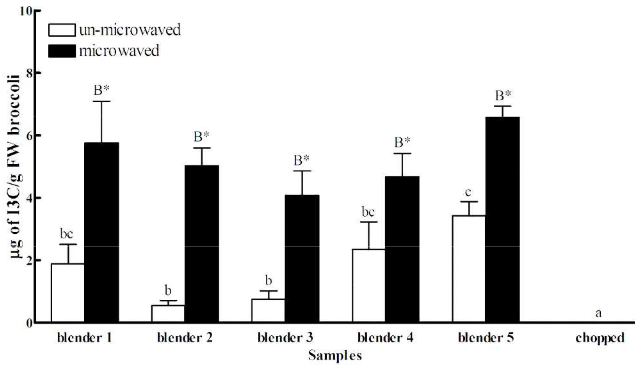
  • Microwaving broccoli sprouts may not affect phenolic levels found four of five test cases didn’t significantly diminish total phenolic fresh weight contents of whole broccoli. They blended 100 grams broccoli in 200 ml water, halved the purée, then microwaved half on 700W power for 30 seconds. No disclosure of what temperature was achieved, but it was probably < 60°C (140°F). Microwaving significantly increased the glucosinolate hydrolysis product indole-3-carbinol:

    “I3C in broccoli was increased by 3.1, 9.1 and 1.9 folds respectively using blenders 1, 2 and 5 with microwaving.”

  • Microwave broccoli to increase flavonoid levels study design was “Broccoli florets (150 g) were put in a microwave safe bowl with a 1 tablespoon [15 ml] of water” and a 1200W microwave on full power for one minute. Although this may have produced temperatures > 60°C, flavonoid fresh weight contents increased > 30%:

    Microwaving may increase extractability and/or release from binding to other compounds as a result of matrix softening.

  • Microwave broccoli to increase sulforaphane levels demonstrated significant differences for 475W (LL) and 950W (HL) power settings in glucoraphanin and sulforaphane dry weight amounts when broccoli florets were microwaved to the same temperatures. Compare white bar sulforaphane amounts for LL60 and HL60 (both 60°C), annotated as E and F:

    “Microwave treatment causes a sudden collapse of cell structure due to the increase in osmotic pressure difference over vacuole membrane. Microwave irradiation might help to release more conjugated forms of glucosinolates and then get hydrolyzed by released myrosinase.

  • Enhancing sulforaphane content confirmed the above 60°C finding with broccoli florets:

    “The best treatment temperature for maximizing sulforaphane yield was 60 °C. The slightly higher sulforaphane yield than would be predicted from the level of glucoraphanin in raw broccoli requires further investigation. Sulforaphane yield of broccoli after 5 min thermal treatment at 65 °C was even lower than the value obtained for raw broccoli.

3. I see socialistic animal behavior often during beach walks. If one seagull pecks a food morsel, a half-dozen others immediately position themselves to take it. It’s a race to the bottom of existence.

Too bad we humans don’t learn pertinent lessons from others’ experiences, much less our own. Today’s US Thanksgiving provides one example.

Richard Ebeling presented the factual Thanksgiving story a while back. Have you read about collectivism that arrived with the Mayflower in 1620? Do you think we’ve learned what we needed to learn about communism from four centuries ago through today?

4. Seagulls are also inspirational in their flock behavior of joie de vivre predawn flying.

Part 2 of Eat broccoli sprouts for your eyes

I was a little bothered by an unreferenced statement in Eat broccoli sprouts for your eyes that:

“Once AGEs are formed, most are irreversible.”

I searched curated 2020 studies for “revers” and found that recent blog studies favored reversibility of epigenetic changes 12-to-2. Do they reflect my selection bias, or is there something different about AGEs?

Let’s start with this statement:

“Although AGEs are irreversible adducts and cross-links in our tissues, these can be removed through different proteolytic capacities:

  • The ubiquitin proteasome system (UPS) – Ubiquitin is a protein that when conjugated to a protein substrate can facilitate degradation of that substrate by the proteasome. Obsolete or damaged proteins are tagged with ubiquitin and these ubiquitinated substrates are degraded by the proteasome. Operates mainly on soluble substrates.
  • Autophagy – Can operate on insoluble substrates, including organelles such as mitochondria. Autophagy requires macromolecular assemblies and organelles to identify, sequester, and eventually degrade substrates via the lysosome.

Unfortunately, the function of both proteolytic pathways declines with extensive glycative stress and upon aging in many tissues, resulting in intracellular accumulation of protein aggregates (also glycated conjugates) and dysfunctional organelles. This thwarts strategies to lower AGEs accumulation by boosting proteolytic capacities.”

https://www.mdpi.com/2076-3921/9/11/1062/htm “Glyoxalase System as a Therapeutic Target against Diabetic Retinopathy”


So humans can remove irreversible AGE epigenetic changes as long as the individual isn’t too stressed or old? Studies from 2008 to 2012 were cited for the above statement and graphic.

Citation 211 Sulforaphane delays diabetes-induced retinal photoreceptor cell degeneration (not freely available) 2020 findings were instructive:

“SF [sulforaphane] can delay photoreceptor degeneration in diabetes. The underlying mechanism is related to:

  • Inhibition of ER [endoplasmic reticulum] stress;
  • Inflammation; and
  • Txnip [thioredoxin-interacting protein] expression through activation of the AMPK [adenosine 5′-monophosphate (AMP)-activated protein kinase] pathway.

Function of the retina in diabetic mice [DM] as determined by ERG [electroretinography].”

This chart demonstrated that preventing diabetes’ negative effects on retinal function (i.e. controls) was measurably better than trying to fix subjects’ vision after onset of diabetes. Are future choices of humans who give themselves this non-communicable disease also limited to addressing symptoms?

The AMPK pathway was previously mentioned in:

  1. Reversal of aging and immunosenescent trends with sulforaphane:

    “Dihydroxyvitamin D3 and sulforaphane are compounds that safely induce AMPK activation, and may have wide-ranging implications for both normal and pathological aging.”

  2. Part 2 of Reversal of aging and immunosenescent trends with sulforaphane:

    “NQO1 plays a key role in AMPK-induced cancer cell death through the CD38/cADPR/RyR/Ca2+/CaMKII signaling pathway. Expression of NQO1 is elevated by hypoxia / reoxygenation or inflammatory stresses through nuclear accumulation of the NQO1 transcription factor, Nrf2. Activation of the cytoprotective Nrf2 antioxidant pathway by sulforaphane protects immature neurons and astrocytes from death caused by exposure to combined hypoxia and glucose deprivation.”

This first example was vitamin D3’s separate yet connected signaling pathway that acts both additively and synergistically with broccoli sprout compound effects. The second was signaling pathways becoming cascadingly activated from sulforaphane’s main effect, Nrf2 signaling pathway activation.


Eat broccoli sprouts for your eyes

This 2020 review subject concerned a leading cause of blindness:

“Advanced glycation end products (AGEs) are toxic compounds that have adverse effects on many tissues including the retina and lens. AGEs promote formation of reactive oxygen species (ROS), which, in turn, boost production of AGEs, a vicious cycle.

Diabetic retinopathy (DR) is a devastating microvascular complication of diabetes mellitus and the leading cause of blindness in working-age adults. The onset and development of DR is multifactorial. Lowering AGEs accumulation may represent a potential therapeutic approach.

Once AGEs are formed, most are irreversible. Cataracts are perhaps the earliest pathobiology of AGEs:

Nε-(carboxymethyl)-lysine (CML) [a representative AGE] in lens crystallins from diabetic (■) and non-diabetic (♦) subjects as a function of age.

The glyoxalase system is a protective mechanism that slows down synthesis of AGEs by limiting reactive dicarbonyls formed during sugar metabolism. Glutathione (GSH) in the eye is present at concentrations many times blood levels, and is a critical component of the glyoxalase system.

Proteomic analysis identified GLO1 [glyoxalase 1] as a protein differentially expressed in cells treated with sulforaphane. Sulforaphane inhibited AGEs-derived pericyte damage and delayed diabetes-induced retinal photoreceptor cell degeneration.

No AGE inhibitors have reached clinical use. The glyoxalase system and discovery of compounds that enhance this detoxifying activity represent a therapeutic alternative to fight glycation-derived damage.”

https://www.mdpi.com/2076-3921/9/11/1062/htm “Glyoxalase System as a Therapeutic Target against Diabetic Retinopathy”


The above graph – plotting a cataract AGE level against chronological age – represented life stage progression without effective personal agency, without taking responsibility for your one precious life.

Citation 156 was Activation of Nrf2 attenuates carbonyl stress induced by methylglyoxal in human neuroblastoma cells: Increase in GSH levels is a critical event for the detoxification mechanism (not freely available):

“The present study focused on the methylglyoxal (MG) detoxification mechanism. MG treatment resulted in accumulation of modified proteins bearing the structure of AGEs.

This accumulation was suppressed by activation of the Nrf2 pathway prior to MG exposure via pre-treatment with an Nrf2 activator:

Although pre-treatment with the Nrf2 activator did not affect mRNA levels of GLO1, expressions of GCL and xCT mRNA, involved in GSH synthesis, were induced prior to increase in GSH levels.

These results indicated that increase in GSH levels promoted formation of the GLO1 substrate, thereby accelerating MG metabolism via the glyoxalase system and suppressing its toxicity. Promotion of GSH synthesis via the Nrf2/Keap1 pathway is important in MG detoxification.”

Continued in Part 2.


PXL_20201121_113656177

Nrf2 and Parkinson’s disease

This 2020 rodent study investigated a long non-coding RNA (lncRNA) in Parkinson’s disease:

“Knockdown of MALAT1 (metastasis-associated lung adenocarcinoma transcript 1) lncRNA inhibited elevated nuclear factor (erythroid-derived 2)-like-2 factor (NRF2) expression, thereby inhibiting inflammasome activation and ROS (reactive oxygen species) production. MALAT1 was shown to promote neuroinflammation by recruiting enhancer of zeste homologue 2 (EZH2) to the promoter of NRF2, suppressing Nrf2 expression.

EZH2 catalyses generation of trimethylated H3K27 (H3K27me3) from histone H3 at lysine 27 (H3K27). EZH2 plays an important role in regulating the essential genes for inflammation in microglial activation, which induces neurodegeneration in the central nervous system.

Our results also validated MALAT1 binding to EZH2 in LPS-treated BV2 cells, which further recruited H3K27me3 to the gene promoter loci of Nrf2 to repress Nrf2 transcription. Although silencing MALAT1 did not alter global EZH2 expression levels, decreased binding between EZH2 and the Nrf2 promoter was observed. Previous studies have revealed that lncRNAs regulate the function of EZH2 in a similar manner.

MALAT1 epigenetically inhibits NRF2, thereby inducing inflammasome activation and ROS production in PD mouse and microglial cell models. To the best of our knowledge, it is first report of the important role of EZH2 in regulating the expression of Nrf2 to activate microglial inflammation.”

https://molecularbrain.biomedcentral.com/articles/10.1186/s13041-020-00656-8 “LncRNA MALAT1 facilitates inflammasome activation via epigenetic suppression of Nrf2 in Parkinson’s disease”


Eat broccoli sprouts today! referenced a letter to the editor that cited The Ezh2 Polycomb Group Protein Drives an Aggressive Phenotype in Melanoma Cancer Stem Cells and is a Target of Diet Derived Sulforaphane which found:

“SFN treatment is associated with reduced Ezh2 level and H3K27me3 formation.”

However, that study didn’t link sulforaphane’s main effect of Nrf2 signaling pathway activation to these specific treatment effects.


This post was inspired by our latest subscriber, Dr. Albert F. Wright, who is battling PD with – among other treatments – broccoli seeds.

Mild stress improves broccoli compound yields

This 2020 plant study by the same university as Our model clinical trial for Changing to a youthful phenotype with broccoli sprouts investigated seasonal and stressful effects on broccoli compounds:

“In this study, three crop trials were carried out to evaluate effects of cultivation season, application of different dosages of methyl-jasmonate (MeJA) on overall quality and on total content of bioactive compounds of ‘Parthenon’ broccoli cultivated under field conditions of southeastern Spain.

Elicitation is the main tool used to increase content of secondary metabolites in vegetables, as it induces stress responses in plants. Several studies have involved application of elicitors to broccoli plants in order to improve their nutritional properties (although this application is more common for seeds and sprouts).

Content of total carotenoids, phenolic compounds and glucosinolates were higher in autumn compared with spring, showing increases of 2.8-fold, 2-fold and 1.2-fold, respectively. Moreover, a double application of MeJA increased contents of total carotenoids, phenolic compounds and glucosinolates by 22%, 32% and 39%, respectively, relative to untreated samples.

Controlled and timely (four days before harvest) application of 250 µM MeJA as an elicitor to aerial parts of plants, on two consecutive days, yielded florets of Parthenon broccoli with higher contents of bioactive compounds, without changing its overall quality.”

https://www.mdpi.com/2304-8158/9/10/1371/htm “Seasonal Variation of Health-Promoting Bioactives in Broccoli and Methyl-Jasmonate Pre-Harvest Treatments to Enhance Their Contents”


Findings by broccoli compound category were:

Glucosinolates

“Total content of GLSs was 2-fold higher in autumn than in spring. Total precipitation [2018] in spring was 361 mm compared with 185 mm in autumn. The water deficit in autumn could have contributed to the increase in total GLS content.

The main compound in samples of plants cultivated in spring (first and third assays) was glucoiberin (GIB), followed by glucoraphanin (GRA). The order was reversed in broccoli cultivated in autumn, with GRA being the main compound, followed by GIB, for all treatments.

Aliphatic GLSs were predominant in our Parthenon samples, representing on average 76%, 86% and 83%, of total GLSs in the first, second and third assays, respectively. In relation to the effect of MeJA on content of GLSs, neoglucobrassicin (NGB) was the only compound that showed a significant increase after application of MeJA in seasonal trials, since other GLSs decreased or did not differ with respect to the control group.

NGB increased significantly, from 0.3 mg/kg f.w., to 175 mg/kg f.w. in broccoli treated with two consecutive doses of 250 μM MeJA, and contents of GBSs, total indole GLSs and total GLSs also increased. In contrast, one single dose of 500 μM MeJA did not enhance contents of these compounds.”

Phenolics

“Contents of flavonols and chlorogenic acids were higher in autumn than in spring, whereas content of sinapic acid derivatives was higher in spring. Influence of light on individual phenolic compounds could explain the increase in flavonols and chlorogenic acid derivatives in autumn.

Although MeJA altered contents of phenolic compounds, this effect was not clearly associated solely with MeJA. We found a greater effect of the excipient and MeJA in autumn. When we added an extra stress factor – namely, MeJA – the impact was not as great as in autumn.”

Carotenoids

“In broccoli cultivated in spring, the order was β-carotene > lutein > violaxanthin > neoxanthin, while in autumn the order was β-carotene > violaxanthin > lutein > neoxanthin. Content of total carotenoids in broccoli cultivated in autumn (26 mg/kg) represented a 2.8-fold increase compared to broccoli grown in spring (9 mg/kg).

Treatment with MeJA significantly reduced total content of carotenoids in broccoli cultivated in autumn, whereas it did not show any effect on plants cultivated in spring, and in some cases even led to an increase in carotenoid content. Plants that received two applications of 250 µM MeJA content of carotenoids (34 mg/kg f.w.) increased in comparison with plants without this treatment (28 mg/kg f.w.) as well as those receiving one application of 500 µM MeJA (28 mg/kg f.w.).

Chlorophyll content was directly related to carotenoids content, with a strong correlation in autumn. Carotenoids absorb solar light in the spectral region not covered by chlorophylls and pass light energy to chlorophyll a, protecting it from harmful reactions that occur in conditions of excessive light, in the presence of oxygen. When high temperatures reduce content of carotenoids in spring, a reduction in total chlorophylls is also observed, possibly due to the photo-oxidation process.”


DEET and permethrin cause transgenerational diseases

This 2020 rodent study from the labs of Dr. Michael Skinner at Washington State University examined how great-grandmothers’ insect repellent exposures produced diseases in their great-grand offspring:

“Permethrin and DEET are the pesticides and insect repellent most commonly used by humans. These pesticides have been shown to promote the epigenetic transgenerational inheritance of disease in rats.

Direct exposure impacts an individual and their germ line. If germline epigenetics are modified, offspring generated with the affected germ cell can have epigenetic impacts on health and physiology.

Negative health effects of pesticides exposure do not stop with the individuals directly exposed. Epigenetic transgenerational inheritance occurs when future generations without exposure also exhibit alterations and disease. Epigenetic alterations are more common among individuals with disease than specific genetic alterations or mutations.

Pathologies examined are relevant to human populations including prostate, testis and kidney disease, as well as multiple disease incidence. No common DMR [differential DNA methylation region] among the different transgenerational disease DMR biomarkers was identified.

Observations suggest a common set of epimutations is not present between different diseases to alter general disease susceptibility. Although suggestions of such general molecular impacts for disease susceptibility may exist, the current study suggests predominately disease specific epimutations.

DMRs are present for each individual disease on all chromosomes, except the Y chromosome and mitochondrial DNA. The multiple disease signatures are present on the Y chromosome, as well as all other chromosomes. These results support the idea that transgenerational epigenetic effects of ancestral pesticides exposure are genome-wide.

The current study used an epigenome-wide association analysis to identify an epigenetic signature of transgenerational disease present in sperm. Biomarkers identified herein may potentially be used to assess paternal transmission of disease susceptibilities to future generations.”

https://ehjournal.biomedcentral.com/articles/10.1186/s12940-020-00666-y “Epigenome-wide association study for pesticide (Permethrin and DEET) induced DNA methylation epimutation biomarkers for specific transgenerational disease”


Don’t understand how studies on long-term effects of day-to-day human actions like applying insect repellent aren’t front page news. Everyone could benefit from this knowledge. When I explained this study to coworkers, they had a lot of questions and feedback.

An interesting side note was peer review exchanges. A human behavior indicator was pushback regarding repetition of key points among sections, which the researchers justified with:

“The reader does not have to skip back and forth between sections to understand the basic design and methods used.”

Behavioral aspects of epigenetic inheritance haven’t been investigated by this research group. Wouldn’t inherited conditions produce behavioral evidence of their consequences?