Blood pressure and brain age

This 2021 human study investigated associations between blood pressure and MRI measurements:

“We estimated how a validated measure of brain health related to changes in BP over a period of 12 years. The main findings of this study were:

  • All BP measures were associated with older BrainAGE;
  • Associations were stronger in men than women;
  • Associations were not only detected in hypertensive individuals but across the whole BP range; and
  • Individuals with optimal blood pressure (110/70) presented with the lowest BrainAGE.

These findings support the view that maintaining blood pressure in an optimal range (SBP < 115, DBP < 75) across the lifespan starting before mid-life (i.e., in early adulthood and before) is essential to maintain good cerebral health.”

https://www.ncbi.nlm.nih.gov/pmc/articles/PMC8523821/ “Optimal Blood Pressure Keeps Our Brains Younger”


I’m making progress on a New Year’s resolution. Here’s how I started 2022:

bp 2021

Current readings show both lower averages and variability:

bp 2022

~12% decreases in average systolic (111 – 126)/126 and diastolic (69 – 78)/78 pressures over 135 days. 🙂 I measure blood pressure every day right after I wake up.

What caused these decreases? Continuing what I was already doing. The top factor is probably that at lunch every day I take 600 mcg of Vitamin K2 MK-7 along with a gram of flax oil.

I started taking K2 this time last year per Vitamin K2 – What can it do? Apparently its effects are gradual and develop slowly. Vitamin K2 and hypertension may also be relevant.

I came across this study from its mention in today’s video:

Coffee improves information’s signal-to-noise ratio

This 2022 rodent study investigated caffeine’s effects:

“A majority of molecular and neurophysiological studies explored the impact of acute rather than repeated exposure to caffeine. We show that, in bulk tissue analysis, chronic caffeine treatment reduced metabolic processes related to lipids, mitochondria, and translation in mouse hippocampus. In sharp contrast to what was observed in bulk tissue, we found that caffeine induced a neuronal autonomous epigenomic response related to synaptic plasticity activation.

149371-JCI-RG-RV-3_ga_591026

Regular caffeine intake exerts a long-term effect on neuronal activity/plasticity in the adult brain, lowering metabolic-related processes, and simultaneously finely tuning activity-dependent regulations. In non-neuronal cells, caffeine decreases activities under basal conditions, and improves signal-to-noise ratio during information encoding in brain circuits, contributing to bolster salience of information.

Overall, our data prompt the novel concept that regular caffeine intake promotes a more efficient ability of the brain to encode experience-related events. By coordinating epigenomic changes in neuronal and non-neuronal cells, regular caffeine intake promotes a fine-tuning of metabolism in resting conditions.”

https://www.jci.org/articles/view/149371 “Caffeine intake exerts dual genome-wide effects on hippocampal metabolism and learning-dependent transcription”


PXL_20220514_181401668

Eat broccoli sprouts for stress

This 2022 review subject was aspects of sulforaphane regulating stress:

“Sulforaphane (SFN) shows great versatility in turning on different cellular responses. This isothiocyanate acts as a master regulator of cellular homeostasis due to its antioxidant response and cytoplasmic, mitochondrial, and endoplasmic reticulum (ER) protein modulation. SFN acts as an effective strategy to counteract oxidative stress, apoptosis, and ER stress, among others as seen in different injury models.

The ER is a complex membrane system, involved in several cellular processes including lipid synthesis and distribution, and Ca2+ storage and signaling. The ER is highly dynamic and changes according to cellular demand (e.g., hypoxia, mitochondrial dysfunction, or oxidative stress), leading to accumulation of unfolded or misfolded proteins in ER lumen, known as ER stress.

ER stress is buffered by unfolded protein response (UPR) activation, a homeostatic signaling network that orchestrates recovery of ER function by decreasing the burden of misfolded proteins. If stress signals continue it could lead to apoptosis activation.

Studies highlight a close interrelationship between ER stress and oxidative stress, two events driven by the accumulation of reactive oxygen species. Responses to stress inevitably perpetuate, and act as a vicious cycle that triggers development of different pathologies, such as cardiovascular diseases, neurodegenerative diseases, and others.

The PERK/Nrf2 pathway communicates oxidative stress and ER stress:

1-s2.0-S0024320522002545-ga1_lrg

SFN couples oxidative and ER stress to promote cellular redox homeostasis. Further studies in animal and human models are required to elucidate pathways and proteins involved in differential responses orchestrated by SFN, emphasizing that responses will depend on cell type and kind of pathology, as well as SFN concentration.”

https://www.sciencedirect.com/science/article/abs/pii/S0024320522002545 “Role of sulforaphane in endoplasmic reticulum homeostasis through regulation of the antioxidant response” (not freely available) Thanks to Dr. Alejandro Silva for providing a copy.


Every hand’s a winner, and every hand’s a loser has more on UPR.

Brain changes

This 2022 human study investigated healthy young adult brain changes using MRI and epigenetic clock technologies:

“We aimed to characterize the association of epigenetic age (i.e. estimated DNA methylation age) and its acceleration with surface area, cortical thickness, and volume in healthy young adults. It is largely unknown how accelerated epigenetic age affects multiple cortical features among young adults from 19 to 49 years. Prior findings imply not only that these dynamic changes reveal different aspects of cortical aging, but also that chronological age itself is not a reliable factor to understand the process of cortical aging.

accelerated epigenetic age vs brain features

Seventy-nine young healthy individuals participated in this study. Findings of our study should be interpreted within the context of relatively small sample size, without older adults, and with epigenetic age assessed from saliva.

Additional and unique regional changes due to advanced and accelerated epigenetic age, compared to chronological age-related changes, suggest that epigenetic age could be a viable biomarker of cortical aging. Longitudinal and cross-sectional studies with a larger sample and wider age range are necessary to characterize ongoing effects of epigenetic cortical aging, not only for healthy but also for pathological aging.”

https://doi.org/10.1093/cercor/bhac043 “The effects of epigenetic age and its acceleration on surface area, cortical thickness, and volume in young adults” (not freely available) Thanks to Dr. Yong Jeon Cheong for providing a copy.

A healthspan improvement

Two 2022 publishments, starting with an excerpt from an informative interview with the Director of one of the three Interventions Testing Program centers:

“A paper submitted this week is one in which we tried a combination of rapamycin plus acarbose. Rapamycin works very well in male and female mice, while acarbose works significantly in both sexes but has a much stronger effect in males.

What we found in males is that when you give rapamycin and acarbose together, you do better than either rapamycin by itself or acarbose by itself. That combination of drugs together gives male survival a 29% boost.

That’s the largest percentage increase we’ve seen in males or females. This combination is the best thing we’ve ever had for either sex.

When you give acarbose and rapamycin together to females, they don’t do any better or any worse than on rapamycin alone. This is not too surprising because acarbose gives only a small effect in females. We expected it wouldn’t have a big boost over rapamycin alone in female animals, and that’s what we found.”

https://www.lifespan.io/news/prof-richard-miller-on-the-intervention-testing-program/


The study mentioned above:

“C57BL/6 mice were fed a cocktail diet containing one-half the dose of each drug compared to full dose cocktail diet and control diet. Half-dose drug cocktail was just as effective as full dose in preventing age-related cognitive impairment, but was less effective in other physical performance tests. Half-dose cocktail also had no effect on reducing pathological lesions.

Rapamycin was the major contributor for the cocktail’s effect on suppressing cognitive impairment. Decreased neuronal activation and impaired cognitive performance during aging occurs in both humans and rodents. Chronic mTOR attenuation by rapamycin has shown benefits of restoring deficits in neurovascular coupling response and cerebrovascular dysfunction in aging rodent models.

C57BL/6 female mice fed chow with acarbose performed equally well in grip strength as females fed chow with cocktail. That this sex-dependent result in strength performance was not seen in cocktail treated mice suggests that rapamycin and phenylbutyrate contributed in some way.

grip strength

HET3 4-way cross is a useful strain to help validate effects of the cocktail on aging parameters in C57BL/6 mice. HET3 mice were tested in the same manner, age, and timing as C57BL/6 mice, but only with the drug cocktail compared to control chow.

grip strength het3 mice

Grip strength force was normalized by body weight measured on the testing date so that peak force was expressed relative to body weight.

The drug cocktail was very effective in delaying progression of age-related pathology in all organs examined. We view this as a vital component of the study since mice were treated for only three months.

Administration of a cocktail has a major advantage over any individual drug tested in this study. A combination of three drugs previously shown to enhance lifespan and health span in mice is able to delay aging phenotypes more effectively and more robustly than any individual drug in the cocktail when started at middle age and given for a short period of time.”

https://www.nature.com/articles/s41598-022-11229-1 “Short term treatment with a cocktail of rapamycin, acarbose and phenylbutyrate delays aging phenotypes in mice”


It makes evolutionary sense for male mice to benefit more from anti-aging treatments than females.  Per How well do single-mother rodent studies inform us about human fathers?

“The Rattus and Mus genera used in almost all rodent research aren’t part of the 6% in which fathers also provide offspring care.”

There probably isn’t an evolutionary advantage for male mice to live much longer after sperm donation. Female mice don’t cache sperm.

It’s similar to studies in which treatments only benefited subjects who started out deficient. This interview hinted at how females’ healthspans and lifespans were already evolutionarily protected, with only male mice benefiting from 17α-estradiol treatment.

Female protection may have limits in humans. For example, most whale species don’t experience menopause. In those that do, like Orca, menopause is thought to be evolutionarily determined in order to keep females’ children from competing for resources with females’ grandchildren and great-grandchildren. That’s a hypothesis, though, as those species’ male lifespans aren’t adequately measured.

Rodent research and development on interventions and doses continues. 37 months is a human equivalent to this study’s 3-month treatment. What will effective anti-aging treatments be for humans?


More strange birds

PXL_20220507_193018118

Young immune system, young brain

This 2022 study investigated brain aging:

“We aimed to explore key genes underlying cognitively normal brain aging and its potential molecular mechanisms. Cellular and molecular mechanisms of brain aging are complex and mainly include:

  1. Dysfunction of mitochondria;
  2. Accumulation of oxidatively damaged proteins, nucleic acids, and lipids in brain cells;
  3. Disorders of energy metabolism;
  4. Impaired ‘waste disposal’ mechanism (autophagosome and proteasome functionality);
  5. Impaired signal transduction of adaptive stress response;
  6. Impaired DNA repair;
  7. Abnormal neural network activity;
  8. Imbalance of neuronal Ca2+ processing;
  9. Stem cell exhaustion; and
  10. Increased inflammation.

mrna brain expression

Expression of CD44, CD93, and CD163 mRNA detected by qPCR in hippocampal tissue of cognitively normal aged and young mice.

Underlying molecular mechanisms for maintaining healthy brain aging are related to decline of immune-inflammatory responses. CD44, CD93, and CD 163 are potential biomarkers.”

https://www.frontiersin.org/articles/10.3389/fnagi.2022.833402/full “Identification of Key Biomarkers and Pathways for Maintaining Cognitively Normal Brain Aging Based on Integrated Bioinformatics Analysis”


PXL_20220506_184430747

Thyroid function

This 2022 review subject was thyroid function changes:

“Circulating concentrations of thyrotropin (TSH) and thyroxine (T4) are tightly regulated. Each individual has setpoints for TSH and free T4 which are genetically determined, and subject to environmental and epigenetic influence.

What is normal for one individual may not be normal for another, even within conventional definitions of euthyroidism. Notably, circulating TSH exists in several different isoforms with varying degrees of glycosylation, sialylation, and sulfonation which affect tissue availability and bioactivity. This is not reflected in immunoreactive TSH concentrations determined by routine laboratory assays.

enm-2022-1463f2

TSH and free T4 relationship analyzed by age in 120,403 patients who were not taking thyroxine treatment. Median TSH for each free T4 integer value (in pmol/ L) was calculated, then plotted as 20-year age bands in adults. Dotted horizontal and vertical lines mark the TSH reference range (0.4 to 4.0 mU/L) and free T4 reference range (10 to 20 pmol/L), respectively.

Mild TSH elevation in older people does not predict adverse health outcomes. In fact, higher TSH is associated with greater life expectancy, including extreme longevity.

In older people, TSH increases with aging without an accompanying fall in free T4. Clinical guidelines now recommend against routine levothyroxine treatment in older people with mild subclinical hypothyroidism.”

https://e-enm.org/journal/view.php?doi=10.3803/EnM.2022.1463 “Thyroid Function across the Lifespan: Do Age-Related Changes Matter?”


PXL_20220427_190457415

Reinvigorated

A follow-on to Beginning of the cure for aging:

“So, I rubbed a small sample of E5 on my right hand and after three days the results were visible. The skin on the treated hand is visibly thicker and lighter. Certainly not a definitive test, but wow, my hand looks decades younger. Dr. Harold Katcher

maos

Hi all,

I applied a little bit of an old freeze-dried prep – there’s no trick here Jay (how could there be), my right-hand looks 30 years younger, even my veins are narrower and less prominent, (I wonder if they’ve let go of their calcification) they also seem less visible because the skin appears thicker

Obviously, the experiment needs to be tried on many people, but I’m certain their reaction will be the same as mine. The interesting thing is, as you noted Jay that the E5 used was essentially just the precipitate, (so therefore crude), but if only for external use, it would not have to meet the same criteria for use as something used internally.

I’m looking at my hands right now and am amazed, a real miracle. I suppose it will fade (as my blood contains pro-aging factors) – but surprisingly, we now have real evidence that E5 works on people. Yesterday Kavita said it doesn’t look like both hands could belong to the same person).

I only applied a small bit to the upper surface of my right hand, nothing more. It was actually historic.

Best to all, Harold


One thing I remember about my father’s parents was spots on their hands and forearms. As a child, I didn’t understand how that happened. After growing up in Miami, and visiting dermatologists 2-3 times a year decades later, it’s apparent.

PXL_20220502_185746582

Vitamin D and pain

This 2022 human study investigated epigenetic clock associations:

“We assessed the potential relationship of Vitamin D’s effects on pain intensity and disability through associations in epigenetic aging in individuals with and without knee osteoarthritis (KOA). We hypothesized that associations between Vitamin D levels with pain intensity and interference in persons with KOA would be significantly mediated by epigenetic aging.

As a whole, the sample had a mean Vitamin D serum level of 26.7 ng/mL (± 12.8 ng/mL). The mean AgeAccelGrim was 2.4 years (± 5.6 years). There were no significant differences in Vitamin D levels between sex, race, and study site categories.

There was a significant difference in Vitamin D levels between the pain groups, with individuals in the High Impact Pain group showing significantly lower mean levels of Vitamin D (24.01 ng/mL) compared to the Low Impact Pain (28.30 ng/mL) and No Pain (27.30 ng/mL) groups.

vitamin d and pain

Data from this study highlight the important role that Vitamin D plays within the genomic environment, as well as in relation to health outcomes including pain intensity and disability.”

https://link.springer.com/article/10.1007/s12603-022-1758-z “Accelerated Epigenetic Aging Mediates the Association between Vitamin D Levels and Knee Pain in Community-Dwelling Individuals” (not freely available)


It’s good to see a study relating biological age to nutrition status. I didn’t see much discussion of other obvious factors involved in either pain or biological age in their limitations paragraph.

Subjects’ Vitamin D 26.7 ng/mL ± 12.8 ng/mL status indicated that most didn’t spend a few cents every day for their own one precious life. And Vitamin D supplementation wasn’t an exclusion criterion.

The local fire and rescue squad came last Friday to take away a younger neighbor’s body who died overnight. Last I talked with them, they were at least 50 pounds overweight and never exercised. Expressed condolences to their spouse, but wasn’t shocked.

I don’t live in a community-dwelling situation (old people who live on their own as opposed to those taken care of in nursing homes) like this study’s subjects. My youngest neighbors are in their twenties.

Nature hasn’t cared about our lives after our early teens, because we survived long enough to reproduce. What happens in our lives after puberty is largely up to each individual.

PXL_20220502_215338364

Estimating bioavailability of oat compounds

Two papers on oat compounds’ bioavailability, starting with a 2022 review:

“There are many nutrients and bioactive chemical compounds exerting beneficial properties in oats. Results indicated that oats and their extracts possessed essential roles in preventing chronic diseases.

However, most studies focused on Avns’ [avenanthramides] functions were performed using cell models. In animal models, one disadvantage of Avns was low bioavailability.

Avns were also metabolized in the gastrointestinal tract in a gut microbiota (especially Faecalibacterium prausnitzii) dependent or independent manner. Administration of Avns usually ranged from 100−300 mg/ kg, which was much higher than that for cell treatment.

After eating cookies with 9.2 mg or 0.4 mg (control) Avns for 8 weeks, plasma level of TNF-α after exercise was significantly reduced in young women (16 women aged 18−30 years). Similar results were obtained in a study enrolling postmenopausal women (16 women aged 50−80 years), and Avns supplementation (9.2 mg in cookies) dramatically reduced plasma levels of IL-1β and C-reactive protein after exercise.

More attention should be given to studying preventative effect of Avns on chronic diseases and underlying molecular mechanisms, and further revealing potential roles of small molecules with powerful regulatory activity, such as miRNAs.”

https://pubs.acs.org/doi/full/10.1021/acs.jafc.1c05704 “The Progress of Nomenclature, Structure, Metabolism, and Bioactivities of Oat Novel Phytochemical: Avenanthramides” (not freely available)


This first paper’s Reference 25 was a 2018 paper on oat compounds’ bioaccessibility that used an in vitro digestion system without microbiota:

“Malting was performed for 5 days, from M0 (non-malted oat grains) to M5 (oat grains malted for 5 days), using the following: steeping at 20 °C for 24 h, germination in the dark at 15 °C, and kilning in an air oven at 100 °C for 12 h.

The cookie formulation with lowest phenol concentration showed highest bioaccessibility. This result was surprising, as we expected an increase in SP [soluble phenols] bioaccessibility, in parallel with increasing SP concentration of cookies.

bioavailability avena nuda avn sp

A portion of 5B cookies provides 4.8 mg of AVNs, which is more than double a maximal daily AVN intake in oat consumers.”

https://ifst.onlinelibrary.wiley.com/doi/10.1111/ijfs.14020In vitro bioaccessibility of avenanthramides in cookies made with malted oat flours” (not freely available)


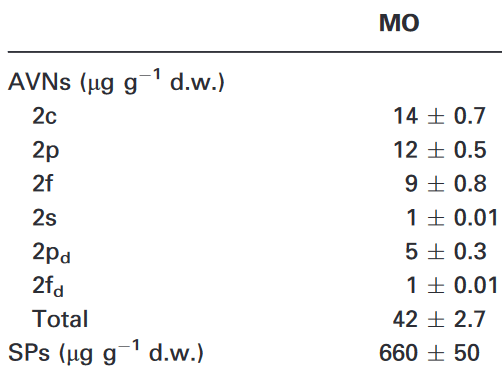
Every day I eat Avena nuda oats that start out as 82 grams of seeds, and two servings of 3-day-old Avena sativa oat sprouts that each start out as 20 grams of seeds. Using this second paper’s 50 gram Avena nuda methods to develop estimates:

avena nuda avn sp

  • (82 g / 50 g) x 42 µg = 69 µg total AVNs; and
  • (82 g / 50 g) x 660 µg = 1,082 µg soluble phenols.

My Avena nuda whole oat grain total AVNs and soluble phenol weights aren’t much. They aren’t bioavailability estimates. Their species and growing conditions are different from this second paper, etc.

That’s all okay with me. I eat Avena nuda oats primarily to make my trillion+ gut microbiota partners happy with indigestible-to-me whole grain contents, expecting that they will reciprocate.

Plugging in the study’s 3-day figures to estimate Avena sativa oat sprouts:

  • (40 g / 50 g) x 324 µg = 259 µg total AVNs; and
  • (40 g / 50 g) x 1350 µg = 1,080 µg soluble phenols.

Using the first graphic’s 3-day relative bioaccessibility percentages:

  • 259 µg x .28 = 72 µg total bioavailable AVNs; and
  • 1,080 µg x .41 = 442 µg bioavailable soluble phenols.

Both papers cited studies that found with eccentric exercise, “9.2 mg per day AVNs are sufficient to provide effects on exercise induced inflammation.” I exercise at least 30 minutes every day, but don’t perform eccentric exercises more frequently than every five days per Eat broccoli sprouts for your workouts.

Advantages of 3-day-old oat sprouts over oat grains provided methods comparable to my Avena sativa 3-day-old oat sprouts intake, although it didn’t assess bioavailability. Sprouts’ beneficial effects compared with seeds “were mainly related to their high content of avenanthramides A (2p), B (2f), and C (2c), quercetin 3-O-rutinoside [rutin], kaempferol, sinapoylquinic acid, and apigenin and luteolin derivatives.”

Couldn’t say whether I benefit more from bioavailability of 3-day-old oat sprouts’ directly soluble phenols, or from bioavailability of their phenolic breakdown byproducts provided by gut microbiota. For example, regarding oat sprouts rutin content, a 2019 review pointed out:

“Humans lack the enzyme needed to hydrolyze this bond. Consequently, microorganisms in the colon mediate hydrolysis of this rutinoside, resulting in minimal intestinal absorption, and production of phenolic acid metabolites in the colon.”


Osprey below a bird-like cloud

PXL_20220426_190518487

Recent glucosamine research

Prompted by a conversation in Year Two of Changing to a youthful phenotype with sprouts, here are sixteen 2022 papers published in the last 45 days involving glucosamine. There are more researchers alive today than in the sum of human history, and they are compelled to publish.


Human research

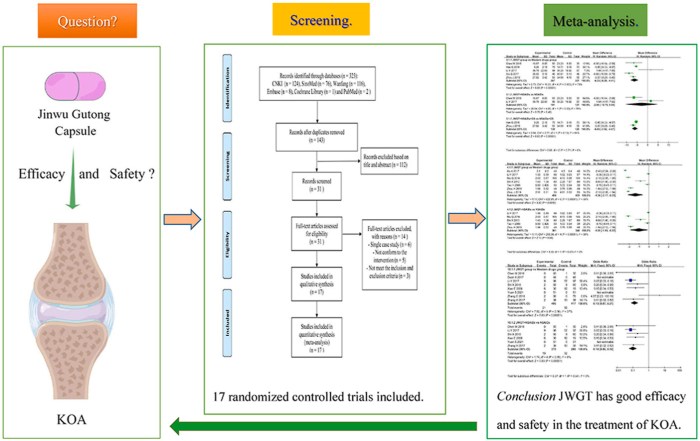
https://www.sciencedirect.com/science/article/pii/S0378874122002860 “The efficacy and safety of Jinwu Gutong capsule in the treatment of knee osteoarthritis: A meta-analysis of randomized controlled trials”

“The Jinwu Gutong (JWGT) capsule is a Chinese patent medicine that is widely used in the treatment of knee osteoarthritis (KOA) and osteoporosis in China and is considered to have the potential for good clinical efficacy. The application of JWGT combined with NSAIDs, hyaluronic acid, or glucosamine can significantly improve the clinical efficacy of the latter agents in KOA treatment.”
1-s2.0-S0378874122002860-ga1_lrg


https://link.springer.com/article/10.1007/s00330-022-08772-w “Breast cancer imaging with glucosamine CEST (chemical exchange saturation transfer) MRI: first human experience” (not freely available)

“This study aims to evaluate the feasibility of imaging breast cancer with glucosamine (GlcN) CEST MRI technique to distinguish between tumor and surrounding tissue, compared to the conventional MRI method. The results of this initial feasibility study indicate the potential of GlcN CEST MRI to diagnose breast cancer in a clinical setup.”


https://link.springer.com/article/10.1007/s10067-022-06105-2 “The comparison of curcuminoid formulations or its combination with conventional therapies versus conventional therapies alone for knee osteoarthritis” (not freely available)

“Curcuminoid formulations or its combination with conventional therapies has been used for the treatment of knee osteoarthritis. Evidence is limited due to small-sized clinical trials. This study aims to evaluate the efficacy of curcuminoid formulations or its combination with conventional therapies for KOA.”


Animal, chemical, and microbiota research

https://academic.oup.com/jmcb/advance-article/doi/10.1093/jmcb/mjac016/6548195 “Regulation of the urea cycle by CPS1 O-GlcNAcylation in response to dietary restriction and aging”

“O-linked N-acetyl-glucosamine glycosylation (O-GlcNAcylation) of intracellular proteins is a dynamic process broadly implicated in age-related disease, yet it remains uncharacterized whether and how O-GlcNAcylation contributes to the natural aging process. Our results identify CPS1 O-GlcNAcylation as a key nutrient-sensing regulatory step in the urea cycle during aging and dietary restriction, implying a role for mitochondrial O-GlcNAcylation in nutritional regulation of longevity.”


https://www.mdpi.com/2076-2607/10/3/626/htm “Laccase-Catalyzed Derivatization of Aminoglycoside Antibiotics and Glucosamine”

“The increasing demand for new and effective antibiotics requires intelligent strategies to obtain a wide range of potential candidates. The products protected mice against infection with Staphylococcus aureus, which was lethal to the control animals. The results underline the great potential of laccases in obtaining new biologically active compounds, in this case new antibiotic candidates from the class of aminoglycosides.”


https://iopscience.iop.org/article/10.1088/1748-605X/ac61fa “Gelatin-glucosamine hydrochloride/crosslinked-cyclodextrin metal-organic frameworks@IBU composite hydrogel long-term sustained drug delivery system for osteoarthritis treatment” (not freely available)

“Osteoarthritis (OA) is a disease of articular cartilage degradation and inflammation of the joint capsule. Combining anti-inflammatory therapy with nutritional supplement is an effective means for the treatment of OA. Mechanical properties, sustained drug release behavior, and good biocompatibility of G-GH/CL-CD-MOF@IBU composite hydrogel showed that it has potential application in OA treatment of long-term sustained nutritional supplement and anti-inflammatory synchronously.”


https://pubs.rsc.org/en/content/articlelanding/2022/FO/D1FO04086C “Glucosamine enhances proliferation, barrier, and anti-oxidative functions in porcine trophectoderm cells”

“Trophectoderm (TE) is the first epithelium that appears during mammalian embryogenesis, and is a polarized transporting single cell layer that comprises the wall of the blastocyst. Previous studies have revealed the functional roles of glucose (Gluc), fructose (Fruc), and glutamine (Gln), which play a positive role in porcine trophectoderm (pTr) cell proliferation and migration, suggesting the importance of nutrients for normal development of the conceptus and implantation.

This work was conducted to test the hypothesis that glucosamine (GlcN), which is synthesized from Gln and Fruc-6-phosphate through the hexosamine biosynthesis pathway, can stimulate proliferation and sustain the barrier and anti-oxidative functions of pTr cells. GlcN plays an important role in promoting proliferation and stimulating the mTOR cell signaling pathway, as well as ameliorating oxidative stress and augmenting barrier functions in pTr cells.”


https://pubs.acs.org/doi/10.1021/acschemneuro.2c00057 “O-GlcNAcase Inhibitor ASN90 is a Multimodal Drug Candidate for Tau and α-Synuclein Proteinopathies”

“Neurodegenerative proteinopathies are characterized by the intracellular formation of insoluble and toxic protein aggregates in the brain that are closely linked to disease progression. O-GlcNAcase prevents the removal of O-linked N-acetyl-d-glucosamine moieties from intracellular proteins and has emerged as an attractive therapeutic approach to prevent the formation of tau pathology.”


https://onlinelibrary.wiley.com/doi/10.1002/ctm2.762 “Glucosamine facilitates cardiac ischemic recovery via recruiting Ly6Clow monocytes in a STAT1 and O-GlcNAcylation-dependent fashion”

“Glucosamine (GlcN, 2-amino-2-deoxy-d-glucose) is a freely available and commonly used dietary supplement for human cartilage health, which hexosamine biosynthesis pathway and induces protein O-GlcNAcylation. GlcN early therapy (GlcN/E), which initiated 1 day before myocardial infarction (MI), effectively facilitated cardiac ischemic recovery. More importantly, short-term GlcN therapy initiated even 3 days post-MI (GlcN/L) was also sufficient to induce clear cardiac protection, suggesting that both GlcN/E and GlcN/L therapies effectively ameliorate post-MI cardiac dysfunction and scar formation.”


https://www.ncbi.nlm.nih.gov/pmc/articles/PMC9007349/ “Filling gaps in bacterial catabolic pathways with computation and high-throughput genetics”

“For many microbes, we know little about them beyond their genome sequences. We built an automated tool to identify gaps: transporters or enzymes that should be present, to explain how a bacterium uses a carbon source, but could not be found in the genome. By comparing these gaps to large-scale genetic data for 29 bacteria, we identified hundreds of novel transporters and enzymes, and a new metabolic pathway for consuming glucosamine.”


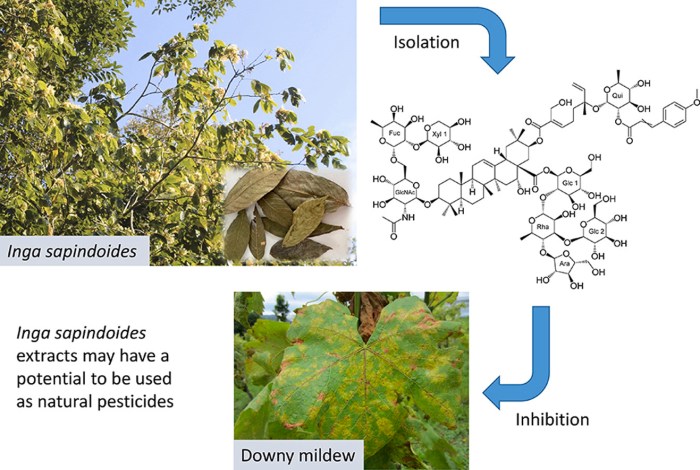
https://www.sciencedirect.com/science/article/pii/S0031942222000991 “Ingadosides A-C, acacic acid-type saponins from Inga sapindoides with potent inhibitory activity against downy mildew”

“As part of a project aiming at the discovery of environmentally friendly alternatives to copper in organic agriculture, a 96% ethanolic extract from the leaves of Inga sapindoides showed potent inhibitory activity against grapevine downy mildew. I. sapindoides, a tree which is often cultivated for shading coffee plantations in Central America, may represent a sustainable source of fungicidal products to be used in the replacement of copper.”
Microsoft PowerPoint - graphical abstract_revised


https://www.sciencedirect.com/science/article/abs/pii/S0378111922002840 “Aerobic exercise combined with glucosamine hydrochloride capsules inhibited the apoptosis of chondrocytes in rabbit knee osteoarthritis by affecting TRPV5 expression”

“This study aimed to investigate the effect of aerobic exercise combined with glucosamine on the apoptosis of chondrocytes of rabbit knee osteoarthritis by affecting the expression of TRPV5. Aerobic exercise combined with glucosamine hydrochloride capsules inhibited the apoptosis of chondrocytes in rabbit KOA by affecting the expression of TRPV5.”


https://pubs.rsc.org/en/content/articlelanding/2022/BM/D2BM00280A “Smart erythrocyte-hitchhiking insulin delivery system for prolonged automatic blood glucose control”

“Long and automatic control of blood glucose levels in diabetic patients could solve the problems caused by frequent insulin injections. Herein, we exploited the protection potential of erythrocytes by a ‘hitchhiking’ strategy to significantly prolong the blood circulation time of a specifically-designed smart hitchhiking insulin delivery system (SHIDS). In the SHIDS, insulin, glucose oxidase, and catalase were co-loaded into nanoparticles formed by modified chitosan. The free glucosamines in chitosan anchor glucose transporters on the surface of erythrocytes, allowing erythrocyte-hitchhiking in the blood flow.”


https://www.sciencedirect.com/science/article/abs/pii/S0308814621027825 “Maillard-reacted peptides from glucosamine-induced glycation exhibit a pronounced salt taste-enhancing effect” (not freely available)

“Reducing salt intake, as one of the most cost-effective approaches, is congruent with improved population health. Maillard-reacted peptides exhibited a significant salt taste-enhancing effect, which may be attributed to the glucosamine-induced glycation. The current study provides a theoretical basis for preparation of salt taste-enhancing peptides and their future application to reduce salt content of formulated foods.”


https://academic.oup.com/glycob/advance-article-abstract/doi/10.1093/glycob/cwac027/6572163 “Peptidoglycan from Akkermansia muciniphila Muc T: chemical structure and immunostimulatory properties of muropeptides” (not freely available)

“Akkermansia muciniphila is an intestinal symbiont known to improve the gut barrier function in mice and humans. Our results provide new insights into the diversity of cell envelope structures of key gut microbiota members and their role in steering host-microbiome interactions.”


Reviews

https://www.ncbi.nlm.nih.gov/pmc/articles/PMC9008999/ “Ruminal bacteria lipopolysaccharides: an immunological and microbial outlook”

“Lipopolysaccharides (LPS) are outer membrane components of Gram-negative bacteria made of three regions: the O-antigen; the core oligosaccharide; and a glucosamine disaccharide linked to hydroxy fatty acids, which is named lipid A. this review identifies numerous areas for future research, including setting the basis for future modeling and simulation of host microbiome interactions in ruminants.”


PXL_20220421_190224864

Signaling pathways and aging

This 2022 study investigated biological mechanisms of aging:

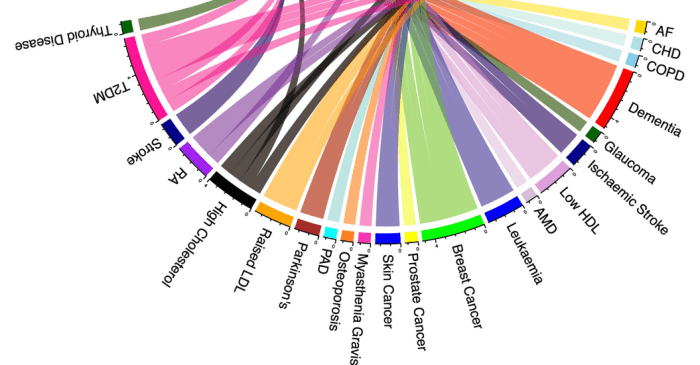
“Age-related multimorbidity, the presence of more than one age-related disease (ARD) in an individual, poses a major and increasing challenge. Open questions are whether mechanisms of aging can explain ARD co-occurrence in patients, and whether intervention into these mechanisms could prevent or treat multiple ARDs simultaneously.

Five signaling pathways/ cascades were significantly enriched across protein lists for all nine aging hallmarks. These pathways are likely to play a key role in the etiology of ARDs.

Among these five signaling pathways, three were involved in the innate and/ or adaptive immune response. Underlying genes were derived from ARDs comprising metabolic syndrome disorders, autoimmune disorders, and cancers, highlighting the immune response across multiple ARDs.

The ‘intrinsic apoptotic signaling pathway in response to DNA damage by a p53 class mediator’ was also significantly enriched across all aging hallmark protein lists. Underlying genes were derived from multiple cancers and metabolic syndrome disorders.

The ERK1/2 pathway regulates many processes including cell survival, metabolism, and inflammation and was significantly enriched across all aging hallmark protein lists. Underlying genes were derived from 22 aging hallmark-associated ARDs.

erk1-2 pathway

Our study provides evidence for the role of aging hallmarks in the etiology of human ARD multimorbidities and ARDs with incompletely understood pathogenesis. We also raise the possibility that multiple ARDs may be prevented by targeting common signaling pathways.”

https://onlinelibrary.wiley.com/doi/10.1111/acel.13524 “Biological mechanisms of aging predict age-related disease co-occurrence in patients”


I’ll assume that this study finding the importance of innate and adaptive immunity, intrinsic apoptotic, and ERK1/2 signaling pathways in aging was incorporated into A rejuvenation therapy and sulforaphane treatment. Its lead laboratory researcher Dr. Harold Katcher said in interviews that the treatment was formulated from existing research findings.

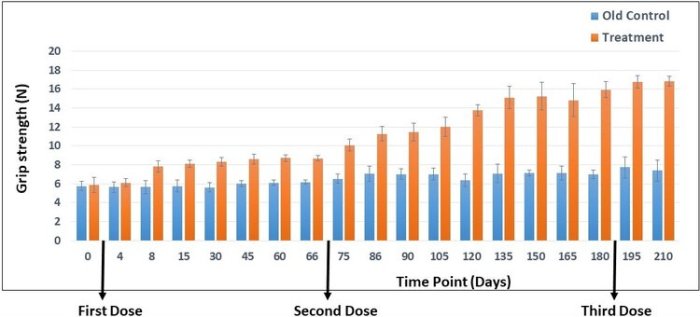
Its first follow-on lifespan study is going well (4/30/2022 update). 7 6 of 8 treated subjects are alive, compared with 5 4 of 8 control group subjects.

Subjects’ age at the follow-on study’s February 2021 start was 24 months. They are 38-months-old now, and rat maximum lifespan is 45 months, so there should be preliminary results in 2022.

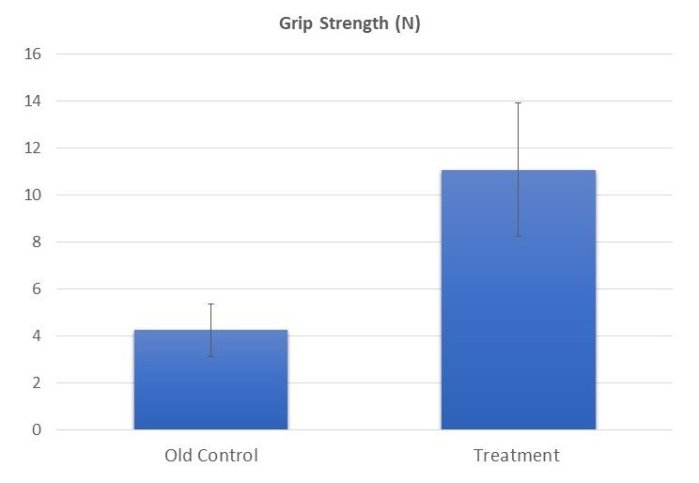
Regarding healthspan, grip strength in treated subjects after a fourth dose was recently measured at 2.6 times control subjects.

Grip+Strength

Longevity+study+(02.09.2021)-modificado-2

Other health measurements are body weight, and TNF-α and IL-6 cytokines.

A second follow-on study uses 18-month-old subjects of both sexes. The initial study was all males, and the first follow-on study is all females.

This second follow-on treatment group will be dosed at 45-day intervals vs. 90-day intervals of the first two studies. Human equivalent doses would be once every 4 years vs. every 8 years.

The treatment works per Beginning of the cure for aging and Reinvigorated. This second follow-on study is research and development to approximate optimal treatment times by age and possibly sex. The idea per Week 37 of Changing to a youthful phenotype with broccoli sprouts is that “by the second rejuvenation you’re already starting at ‘young’.”

Update #2 6/17/2022

Update #3 2/8/2023

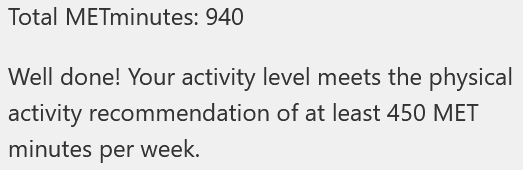
MET minutes

This 2022 meta-analysis investigated the relationship between cognition and exercise expressed in MET minutes (metabolic equivalent for task, a unit that estimates amount of energy used during physical activity compared to resting metabolism):

“44 studies (4793 participants aged 50 years or over) were included. There was a non-linear, dose-response association between overall exercise and cognition.

We found no minimal threshold for beneficial effect of exercise on cognition. The estimated minimal exercise dose associated with clinically relevant changes in cognition was 724 METs-min per week, and doses beyond 1200 METs-min per week provided less clear benefits.

Obesity status was the main moderator of effects of exercise on cognition. Our results suggest that overweight/obese older adults may benefit from lower exercise levels than recommended for the general population.

Exercise is one of the few interventions shown to prevent and treat dementia or cognitive decline in older adults.”

https://www.sciencedirect.com/science/article/pii/S1568163722000332 “Optimal dose and type of exercise to improve cognitive function in older adults: A systematic review and bayesian model-based network meta-analysis of RCTs”


Similar to Biological age and zinc, this study found that our metabolic zones determine how our choices can achieve desired effects.

There’s no substitute for exercise. Take responsibility for your one precious life: nobody else exercises for you.

METminutes

Came home this afternoon after my daily walk on the beach, thinking about how – in a way – this honored ancestors. We are the products of who they were and what they did to survive.

PXL_20220328_185039287

Are blood epigenetic clock measurements optimal?

This 2022 human study investigated tissue-specific epigenetic clock measurements:

“We used DNA methylation data representing 11 human tissues (adipose, blood, bone marrow, heart, kidney, liver, lung, lymph node, muscle, spleen, and pituitary gland) to quantify the extent to which epigenetic age acceleration (EAA) in one tissue correlates with EAA in another tissue.

Epigenetic age was moderately correlated across tissues:

  • Blood had the greatest number and degree of correlation, most notably with spleen and bone marrow. Blood did not correlate with epigenetic age of liver.
  • EAA in liver was weakly correlated with EAA in kidney, adipose, lung, and bone marrow.
  • Hypertension was associated with EAA in several tissues, consistent with multiorgan impacts of this illness.
  • HIV infection was associated with positive age acceleration in kidney and spleen.
  • Men were found to exhibit higher EAA than women across all tissues when analyzed together. Significant results were also observed in individual tissues (muscle, spleen, and lymph nodes).

men age faster

Blood alone will often fail to detect EAA in other tissues. It will be advisable to profile several sources of DNA (including blood, buccal cells, adipose, and skin) to get a comprehensive picture of the epigenetic aging state of an individual.”

https://link.springer.com/article/10.1007/s11357-022-00560-0 “HIV, pathology and epigenetic age acceleration in different human tissues”


PXL_20220415_184720157