Oat sprouts analysis

A research group published two 2020 studies on sprouting oat seeds. Their first study produced evidence over a range of germination parameters (hulled / dehulled seeds of two varieties, for 1-to-9 days, at 12-to-20°C):

“The aim was to investigate the influence of germination period and temperature on protein profile, bioactive potential (β-glucan and phenolic contents), antioxidant capacity, and on activity of enzymes (α-amylase, protease and lipase) from hulled and dehulled oat varieties. Multi-response optimization was used to identify optimal germination conditions that maximize sprouted oat flour quality.

  • Hulled (variety Barra) and dehulled (variety Meeri) germination was performed in dark at different temperatures (12, 14, 16, 18, and 20 ◦C) and duration (24, 60, 96, 156, and 216 h).
  • Germination at 16 ◦C for 216 h and 20 ◦C for 96 h produced the highest protein accumulation in varieties Barra and Meeri, respectively.
  • Germination for short periods (24–96 h) combined with medium temperatures (12–16 ◦C) retained β-glucan levels, but longer germination times (156–216 h) caused reductions of 47–64%. Endogenous β-glucanases increase activity during germination, causing hydrolysis of β-glucan.
  • Free phenolic compound content was between 1.6-fold and 2.8-fold higher when germination took place at high temperatures (16–18 ◦C) for longer times.
  • Antioxidant capacity was between 1.4 and 4.5-fold higher. High temperatures (16–18 ◦C) and longer germination times (156–216 h) positively influenced antioxidant capacity.

The effect of germination conditions strongly depended on genetic diversity and presence/absence of hull.

Optimal germination conditions maximize contents of β-glucan, free phenolic compounds, protease activity, and antioxidant capacity, and minimize activity of undesirable enzymes α-amylase and lipase. For variety Meeri, that corresponded to 18 ◦C and time 120 h.”

https://www.sciencedirect.com/science/article/abs/pii/S0023643820309440 “Changes in protein profile, bioactive potential and enzymatic activities of gluten-free flours obtained from hulled and dehulled oat varieties as affected by germination conditions” (not freely available)


Their second 2020 study analyzed properties of 4-day-old oat sprouts. Dehulled oat seeds (variety Meeri) were soaked at room temperature for 4 hours, then germinated in darkness at 18°C with humidity ≥ 90%.

“Sprouted oat powder was an excellent source of protein (10.7%), β-glucan (2.1%), thiamine, riboflavin, and minerals (P, K, Mg and Ca). It presented better amino acid and fatty acid compositions, and levels of γ-aminobutyric acid [GABA], free phenolics, and antioxidant capacity than control.

Protein content (g/100 g) and amino acid profile (g/100 g protein). Different letters within a row indicate p ≤ 0.05 statistical differences.

During germination, proteins are partially hydrolyzed increasing availability of free amino acids. Activity of glutamate decarboxylase enzyme is enhanced.

However, no significant reduction of glutamate content was observed. Glutamate is used for GABA and protein synthesis, but it is also produced by protein hydrolysis, glutamine synthetase-glutamate synthase cycle, and GABA transaminase reactions.

Sprouted oat powder exhibited 2.5-fold higher SPC [soluble (free) phenolic compounds] levels. De novo synthesis of phenolic compounds or liberation of phenolic compounds that are linked to macromolecules due to cell wall dismantling during germination could explain enhancement of SPC.

Sprouted oat powder displayed a 3-fold higher antioxidant capacity. Release of bound phenolic compounds and de novo synthesis of avenanthramides might be responsible.

Hydrolysis of β-glucan might also cause an increase in oxygen radical absorbance capacity. β-glucan oligosaccharides exhibit high radical scavenging activity and reducing power, and that could be related with exposure of their active hydroxyl groups and decrease of intermolecular hydrogen bonding during germination.”

https://www.sciencedirect.com/science/article/abs/pii/S0308814620318343 “Sprouted oat as a potential gluten-free ingredient with enhanced nutritional and bioactive properties” (not freely available)


Both studies started germination by:

“Twenty grams of oat seeds were used for germination. Soaking (1:6 ratio, w/v) was performed at room temperature (20 ◦C ±2 ◦C) for 4 h.”

Neither study included estimates of germination rates. I contacted the corresponding coauthor for that information, and they replied:

“The germination rate in hulled oat varieties was around 95% and in
dehulled one around 55-70% depending on the germination conditions.”


Degree of oat sprouting

This 2019 study investigated oat sprout parameters:

Huskless oat ‘Gehl’ cultivated in 2016 in Canada, was used throughout the study. Grains (500 g) were sprouted at different temperatures (10, 14, 20, 25, and 30°C) and for different times (1, 2, and 3 days). Changes in vitamin C, β‐glucan, and reducing sugar were monitored, and α‐amylase activity was studied as a marker for total enzyme activity.

Mass fraction of radicle [root] and coleoptile [shoot] in grain correlated very well with β‐glucan level. A similarly good correlation was found for the much easier applicable degree of sprouting, visual assessment of coleoptile length set into relation to grain size.

Germinability after 3 days was about 99% at all temperatures. Temperatures between 20° and 25°C yielded the most dramatic changes in properties of sprouted oats.

  • At 3 days, α‐amylase activities at 20° and 25°C increased significantly to values one order of magnitude larger than those for other temperatures.
  • β‐glucan content was decreased after 3 days at all temperatures. Degradation was most pronounced at 20°C, almost halving initial β‐glucan content to 3.9%.
  • No ascorbic acid was present in native grain. Upon sprouting, a significant increase in ascorbic acid content was found – except at 30°C – with highest levels at 20°C.

Ascorbic acid content in radicles and coleoptile was four times higher than that in grain without radicles and coleoptile. Oat grains sprouted for 3 days at 20°C had an average degree of sprouting of 3; hence, radicles and coleoptile contributed about 8% of mass. These findings indicate that a fast visual determination of degree of sprouting allows to estimate, for example, ascorbic acid content without doing expensive experiments.

Around 20% of grains sprouted at 20° and 25°C had a coleoptile longer than a full grain length (degree of sprouting 5). Less long coleoptiles developed at other temperatures.

  • For the 3‐day sprouting period, the longest coleoptile was observed for sprouting at 25°C.
  • At 30°C average degree of sprouting was 1.4, and grains showed no practical radicle growth.

Coleoptile and radicle growth (input parameters for the degree of sprouting) and reducing sugars and α‐amylase activity are interdependent. Degree of sprouting could develop into a reliable characterization method for sprouted grains, usable for predicting compositional and nutritional changes of oats during sprouting.”

https://onlinelibrary.wiley.com/doi/full/10.1002/cche.10203 “Sprouting of oats: A new approach to quantify compositional changes”


Relative humidity wasn’t mentioned in this study. I asked the corresponding coauthor about it, since two Sprouting oats studies stated relative humidity as a factor for sprouting oats.

I also asked them to explain their “4.5‐hr wet steeping, 19‐hr air rest, and 4‐hr steeping, all at 20°C” procedures to start germination, since I didn’t have access to the cited study. No reply yet.

This was my model study for Sprouting hulled oats.

Ducks in a row

A broccoli sprouts study that lacked evidence for human applicability

A 2020 study Combined Broccoli Sprouts and Green Tea Polyphenols Contribute to the Prevention of Estrogen Receptor–Negative Mammary Cancer via Cell Cycle Arrest and Inducing Apoptosis in HER2/neu Mice (not freely available) conclusion was:

“Lifelong BSp [broccoli sprouts] and GTP [green tea polyphenol] administration can prevent estrogen receptor–negative mammary tumorigenesis through cell cycle arrest and inducing apoptosis in HER2/neu mice.”

These researchers had unaddressed insufficiencies in this study that were also in their 2018 study as curated below. The largest item that required translation into human applicability was rodent diet content of 26% “broccoli sprout seeds.”

You may be surprised to read the below previous study’s unevidenced advice to eat double the weight of broccoli sprouts that I eat every day. You won’t be surprised that it’s not going to happen. Especially when no alternatives were presented because rodent diet details weren’t analyzed and published.

Sulforaphane is an evolved defense mechanism to ward off predators, and eating it is evolutionarily unpleasant. Will people in general and pregnant women in particular eat a diet equivalent to 26% “broccoli sprout seeds?”

Where were peer reviewer comments and researcher responses? Are these not public as they are by all Open Access journals hosted on https://www.mdpi.com/?

Sponsors and researchers become locked into paradigms that permit human-inapplicable animal research year after year. What keeps them from developing sufficient human-applicable evidence to support their hypotheses?


This 2018 Alabama rodent study investigated the epigenetic effects on developing breast cancer of timing a sulforaphane-based broccoli sprouts diet. Timing of the diet was as follows:

  1. Conception through weaning (postnatal day 28), named the Prenatal/maternal BSp (broccoli sprouts) treatment (what the mothers ate starting when they were adults at 12 weeks until their pups were weaned; the pups were never on a broccoli sprouts diet);
  2. Postnatal day 28 through the termination of the experiment, named the Postnatal early-life BSp treatment (what the offspring ate starting at 4 weeks; the mothers were never on a broccoli sprouts diet); and
  3. Postnatal day 56 through the termination of the experiment, named the Postnatal adult BSp treatment (what the offspring ate starting when they were adults at 8 weeks; the mothers were never on a broccoli sprouts diet).

“The experiment was terminated when the mean tumor diameter in the control mice exceeded 1.0 cm.

Our study indicates a prenatal/maternal BSp dietary treatment exhibited maximal preventive effects in inhibiting breast cancer development compared to postnatal early-life and adult BSp treatments in two transgenic mouse models that can develop breast cancer.

Postnatal early-life BSp treatment starting prior to puberty onset showed protective effects in prevention of breast cancer but was not as effective as the prenatal/maternal BSp treatment. However, adulthood-administered BSp diet did not reduce mammary tumorigenesis.

The prenatal/maternal BSp diet may:

  • Primarily influence histone modification processes rather than DNA methylation processes that may contribute to its early breast cancer prevention effects;
  • Exert its transplacental breast cancer chemoprevention effects through enhanced histone acetylation activator markers due to reduced HDAC1 expression and enzymatic activity.

This may be also due to the importance of a dietary intervention window that occurs during a critical oncogenic transition period, which is in early life for these two tested transgenic mouse models. Determination of a critical oncogenic transition period could be complicated in humans, which may partially explain the controversial findings of the adult BSp treatment on breast cancer development in the tested mouse models as compared the previous studies. Thus long-term consumption of BSp diet is recommended to prevent cancers in humans.”

“The dietary concentration for BSp used in the mouse studies was 26% BSp in formulated diet, which is equivalent to 266 g (~4 cups) BSp/per day for human consumption. The concentration of BSp in this diet is physiological available and represents a practical consumption level in the human diet.

Prior to the experiment, we tested the potential influences of this prenatal/maternal BSp regimen on maternal and offspring health as well as mammary gland development in the offspring. Our results showed there was no negative effect of this dietary regimen on the above mentioned factors (data not shown) suggesting this diet is safe to use during pregnancy.”


I didn’t see where the above-labelled “Broccoli Sprout Seeds” diet content was defined. It’s one thing to state:

“SFN as the most abundant and bioactive compound in the BSp diet has been identified as a potent HDAC inhibitor that preferably influences histone acetylation processes.”

and describe how sulforaphane may do this and may do that, and include it in the study’s title. It’s another thing to quantify an animal study into findings that can help humans.

The study’s food manufacturer offers dietary products to the public without quantifying all contents. Good for them if they can stay in business by serving customers who can’t be bothered with scientific evidence.

Any difference between the above-labelled “Broccoli Sprout Seeds” and broccoli seeds? Where was any evidence that “Broccoli Sprout Seeds” and SPROUTED “Broccoli Sprout Seeds” were equivalent per this claim:

“Equivalent to 266 g (~4 cups) BSp/per day for human consumption. The concentration of BSp in this diet is physiological available and represents a practical consumption level in the human diet.”

To help humans, this animal study had to have more details than the food manufacturer provided. These researchers should have either tasked the manufacturer to specify “Broccoli Sprout Seeds” content, or contracted out analysis if they weren’t going to do it themselves.

Regarding timing of a broccoli sprouts diet for humans, this study didn’t provide evidence for recommending:

“Long-term consumption of BSp diet is recommended to prevent cancers in humans.”

http://cancerpreventionresearch.aacrjournals.org/content/early/2018/05/15/1940-6207.CAPR-17-0423.full-text.pdf “Temporal efficacy of a sulforaphane-based broccoli sprout diet in prevention of breast cancer through modulation of epigenetic mechanisms”

Sprouting oats

Three 2020 studies investigated properties of sprouted oats. This first study compared one oat cultivar’s seed and sprout contents for phenolic compounds, and evaluated oat sprouts’ protection against developing colon cancer:

“The purpose of this investigation was to evaluate whether sprouted oats (SO) of the Turquesa variety still possessed effective physiologically bioactive compounds, i.e., phenolics, flavonoids, AVAs [avenanthramides], and phytosterols, and whether it exerted antioxidant and anti-inflammatory effects, as well as the capacity to improve relevant intestinal parameters, in an AOM [azoxymethane] / DSS [dextran sulfate sodium]-induced CRC [colorectal cancer] mouse model.

Suboptimal intake of whole grains (38 g/d) was associated with CRC burden across 16 European countries. An optimal intake of 50–100 g/d was considered in our study to establish the dose administered in the AOM/DSS-induced CRC mouse model (75 g/d).

Seeds (100 g) were soaked in distilled water for 12 h then watered daily. Temperature and relative humidity were set at 25 °C and 60%. Germination was performed in darkness for five days. Germination percentage was determined based on total number of fully emerged seedlings.

We reached 100% of germination and a radicle length of 6.47 ± 0.22 cm. Sprouts were dried at 50 °C for 12 h, milled to a particle size of 0.5 mm, and stored at 4 °C until analyses.

Protein and lipid contents were higher in SO, whereas carbohydrate and ash contents were lower. A more than four-fold increase [0.64 mg/g to 2.79 mg/g] in TPC [total phenolic compounds] was obtained after five days.

We identified AVA-D as the most abundant AVA, followed by AVA-L, which had not been reported as one of the three most abundant AVAs in other oat varieties. Of the three most abundant AVAs previously reported, only AVA-B had a higher abundance in germination.

Phytic acid, an antinutritional compound present in oats, was 10 times lower in oat sprouts. Phytic acid has its content decreased by 15%–35% during even a short three-day germination due to activation of phytase activity. Although high doses of phytic acid inhibit absorption of metals and minerals in humans, it has been observed that, in small doses, it can function as a protective factor in several chronic degenerative diseases.

Mice in groups 3 and 4 were gavaged every morning with phenolic-AVA extract (0.084 mg GAE) and 30 mg of SO, respectively. We observed a mild anti-inflammatory effect of SO and AVA treatments, and a reduced adenocarcinoma incidence of 52.5% and 21.3%, respectively.

SO was more efficient in activating the Keap1-Nrf2 signaling pathway compared to treatment with AVA. Oat phenolic compounds together with β-glucans may be acting synergistically, thus offering greater protection for cancer prevention and treatment.”

https://www.mdpi.com/2304-8158/9/2/169/htm “Chemopreventive Effect of the Germinated Oat and Its Phenolic-AVA Extract in Azoxymethane/Dextran Sulfate Sodium (AOM/DSS) Model of Colon Carcinogenesis in Mice”

The supplementary material developed this oat cultivar’s seed and sprout profiles for 138 phenolic compounds. It measured C-type AVAs, but not A-type AVAs.

This was my model study for Sprouting whole oats.


A second study was reviewed in Eat oats today! and repeated here:

“The first evaluation of anti-inflammation effects of A-type AVAs was published from our own group. Fifteen A-type AVAs from commercial sprouted oat products interacted with lipopolysaccharide-induced nitric oxide production and iNOS expression.”

https://pubs.acs.org/doi/full/10.1021/acs.jafc.9b06812 “Quantitative Analysis and Anti-inflammatory Activity Evaluation of the A-Type Avenanthramides in Commercial Sprouted Oat Products” (not freely available)

Oat variety and sprout age weren’t available for the six sprouted oat products tested, so oat seed-to-sprout comparisons weren’t possible. A-type AVA comparisons among products were performed, but weren’t meaningful due to unknown varieties, ages, product processing, and storage.


A third study compared four grains’ sprouted and unsprouted contents:

“Seeds were soaked at 25°C in 1 L of distilled water for 20 (brown rice), 12 (sorghum and millet) and 8 h (oat), respectively. Hydrated grains were allowed to germinate with layering over wet cellulose pads in a humid chamber for 60 h at 25°C (oat seeds) or 30°C (brown rice, sorghum, and millet seeds) with 95% relative humidity.

All seeds derived from brown rice and oat were germinated after 48 h in the humid chamber. Germinated grains were dried at 50°C until reaching a moisture content of 10%. Sample seeds were milled to fine flour, screened through a 100-mesh sieve and stored at 4°C for further analysis.

After 60 h of germination, sprout length in sorghum and millet ranged from 8 to 24 mm, while sprouts obtained from brown rice and oat ranged from 3 to 6 mm.

Compared to raw flours, germinated flours derived from brown rice, sorghum, and millet had lower gelatinization enthalpy, whereas germinated oat flour showed higher gelatinization enthalpy.

During germination, enzymes are activated, catalyzing starch degradation, which may disrupt the double helical structure of starch. Consequently, less energy is required to unravel and melt double helices of starch in germinated flours. The increase in gelatinization enthalpy of germinated oat flour may be due to dissolution of hydrolyzed starch granules during germination.”

https://link.springer.com/article/10.1007%2Fs10068-020-00770-2 “Influence of germination on physicochemical properties of flours from brown rice, oat, sorghum, and millet” (not freely available)


The first study sprouted oats for five days to full germination and a minimum radicle length of 6.25 cm. The third study sprouted oats to full germination in 60 hours and a 3 mm minimum total length.

At the same 25°C, with 60% relative humidity and daily watering, it took 120 hours to achieve full germination. With 95% relative humidity, it took half that time.

Was humidity a relevant difference in oat sprout growth? Would Choyang variety oat sprouts increase their minimum 3 mm total length more than 20 times between Hours 60 and 120 to match the minimum Turquesa radicle length?

This is a count of PubMed “oat sprout” search results, 20 results total:

A “broccoli sprout” search returned 648 results. Is oat sprout research just getting started?

Part 2 of The transgenerational impact of Roundup exposure

This 2020 study followed up The transgenerational impact of Roundup exposure using the Washington State Unversity research group’s most recent methodology in DEET and permethrin cause transgenerational diseases:

“The herbicide glyphosate has been shown to promote epigenetic transgenerational inheritance of pathology and disease in subsequent great-grand offspring (F3 generation). The current study was designed to identify epigenetic biomarkers for glyphosate-induced transgenerational diseases using an epigenome-wide association study.

Pathologies investigated included prostate disease [13 of 44 subjects], kidney disease [11 of 44], obesity [19 of 45], and presence of multiple disease [10 of 45]. Sperm were collected from F3 glyphosate lineage males and used to identify specific differential DNA methylation regions (DMRs) and differential histone retention sites (DHRs).

The number of DHRs were less than the number of DMRs, and DHRs were found to have disease specificity. The combination of DMRs and DHRs is anticipated to facilitate pathology diagnosis.

Low sample number is a limitation in the current analysis. Potential higher variability in data needs to be considered.

This is one of the first observations of DHRs as potential biomarkers for disease. The current study used glyphosate induction of transgenerational disease as a proof of concept such environmental biomarkers can be identified and potentially used as diagnostics for disease susceptibility in the future.”

https://www.tandfonline.com/doi/full/10.1080/15592294.2020.1853319 “Epigenome-wide association study for glyphosate induced transgenerational sperm DNA methylation and histone retention epigenetic biomarkers for disease”


Clearing out the 2020 queue of interesting papers

I’ve partially read these 39 studies and reviews, but haven’t taken time to curate them.

Early Life

  1. Intergenerational Transmission of Cortical Sulcal Patterns from Mothers to their Children (not freely available)
  2. Differences in DNA Methylation Reprogramming Underlie the Sexual Dimorphism of Behavioral Disorder Caused by Prenatal Stress in Rats
  3. Maternal Diabetes Induces Immune Dysfunction in Autistic Offspring Through Oxidative Stress in Hematopoietic Stem Cells
  4. Maternal prenatal depression and epigenetic age deceleration: testing potentially confounding effects of prenatal stress and SSRI use
  5. Maternal trauma and fear history predict BDNF methylation and gene expression in newborns
  6. Adverse childhood experiences, posttraumatic stress, and FKBP5 methylation patterns in postpartum women and their newborn infants (not freely available)
  7. Maternal choline supplementation during the third trimester of pregnancy improves infant information processing speed: a randomized, double‐blind, controlled feeding study
  8. Preterm birth is associated with epigenetic programming of transgenerational hypertension in mice
  9. Epigenetic mechanisms activated by childhood adversity (not freely available)

Epigenetic clocks

  1. GrimAge outperforms other epigenetic clocks in the prediction of age-related clinical phenotypes and all-cause mortality (not freely available)
  2. Epigenetic age is a cell‐intrinsic property in transplanted human hematopoietic cells
  3. An epigenetic clock for human skeletal muscle
  4. Immune epigenetic age in pregnancy and 1 year after birth: Associations with weight change (not freely available)
  5. Vasomotor Symptoms and Accelerated Epigenetic Aging in the Women’s Health Initiative (WHI) (not freely available)
  6. Estimating breast tissue-specific DNA methylation age using next-generation sequencing data

Epigenetics

  1. The Intersection of Epigenetics and Metabolism in Trained Immunity (not freely available)
  2. Leptin regulates exon-specific transcription of the Bdnf gene via epigenetic modifications mediated by an AKT/p300 HAT cascade
  3. Transcriptional Regulation of Inflammasomes
  4. Adipose-derived mesenchymal stem cells protect against CMS-induced depression-like behaviors in mice via regulating the Nrf2/HO-1 and TLR4/NF-κB signaling pathways
  5. Serotonin Modulates AhR Activation by Interfering with CYP1A1-Mediated Clearance of AhR Ligands
  6. Repeated stress exposure in mid-adolescence attenuates behavioral, noradrenergic, and epigenetic effects of trauma-like stress in early adult male rats
  7. Double-edged sword: The evolutionary consequences of the epigenetic silencing of transposable elements
  8. Blueprint of human thymopoiesis reveals molecular mechanisms of stage-specific TCR enhancer activation
  9. Statin Treatment-Induced Development of Type 2 Diabetes: From Clinical Evidence to Mechanistic Insights
  10. Rewiring of glucose metabolism defines trained immunity induced by oxidized low-density lipoprotein
  11. Chronic Mild Stress Modified Epigenetic Mechanisms Leading to Accelerated Senescence and Impaired Cognitive Performance in Mice
  12. FKBP5-associated miRNA signature as a putative biomarker for PTSD in recently traumatized individuals
  13. Metabolic and epigenetic regulation of T-cell exhaustion (not freely available)

Aging

  1. Molecular and cellular mechanisms of aging in hematopoietic stem cells and their niches
  2. Epigenetic regulation of bone remodeling by natural compounds
  3. Microglial Corpse Clearance: Lessons From Macrophages
  4. Plasma proteomic biomarker signature of age predicts health and life span
  5. Ancestral stress programs sex-specific biological aging trajectories and non-communicable disease risk

Broccoli sprouts

  1. Dietary Indole-3-Carbinol Alleviated Spleen Enlargement, Enhanced IgG Response in C3H/HeN Mice Infected with Citrobacter rodentium
  2. Effects of caffeic acid on epigenetics in the brain of rats with chronic unpredictable mild stress
  3. Effects of sulforaphane in the central nervous system
  4. Thiol antioxidant thioredoxin reductase: A prospective biochemical crossroads between anticancer and antiparasitic treatments of the modern era (not freely available)
  5. Quantification of dicarbonyl compounds in commonly consumed foods and drinks; presentation of a food composition database for dicarbonyls (not freely available)
  6. Sulforaphane Reverses the Amyloid-β Oligomers Induced Depressive-Like Behavior (not freely available)

DEET and permethrin cause transgenerational diseases

This 2020 rodent study from the labs of Dr. Michael Skinner at Washington State University examined how great-grandmothers’ insect repellent exposures produced diseases in their great-grand offspring:

“Permethrin and DEET are the pesticides and insect repellent most commonly used by humans. These pesticides have been shown to promote the epigenetic transgenerational inheritance of disease in rats.

Direct exposure impacts an individual and their germ line. If germline epigenetics are modified, offspring generated with the affected germ cell can have epigenetic impacts on health and physiology.

Negative health effects of pesticides exposure do not stop with the individuals directly exposed. Epigenetic transgenerational inheritance occurs when future generations without exposure also exhibit alterations and disease. Epigenetic alterations are more common among individuals with disease than specific genetic alterations or mutations.

Pathologies examined are relevant to human populations including prostate, testis and kidney disease, as well as multiple disease incidence. No common DMR [differential DNA methylation region] among the different transgenerational disease DMR biomarkers was identified.

Observations suggest a common set of epimutations is not present between different diseases to alter general disease susceptibility. Although suggestions of such general molecular impacts for disease susceptibility may exist, the current study suggests predominately disease specific epimutations.

DMRs are present for each individual disease on all chromosomes, except the Y chromosome and mitochondrial DNA. The multiple disease signatures are present on the Y chromosome, as well as all other chromosomes. These results support the idea that transgenerational epigenetic effects of ancestral pesticides exposure are genome-wide.

The current study used an epigenome-wide association analysis to identify an epigenetic signature of transgenerational disease present in sperm. Biomarkers identified herein may potentially be used to assess paternal transmission of disease susceptibilities to future generations.”

https://ehjournal.biomedcentral.com/articles/10.1186/s12940-020-00666-y “Epigenome-wide association study for pesticide (Permethrin and DEET) induced DNA methylation epimutation biomarkers for specific transgenerational disease”


Don’t understand how studies on long-term effects of day-to-day human actions like applying insect repellent aren’t front page news. Everyone could benefit from this knowledge. When I explained this study to coworkers, they had a lot of questions and feedback.

An interesting side note was peer review exchanges. A human behavior indicator was pushback regarding repetition of key points among sections, which the researchers justified with:

“The reader does not have to skip back and forth between sections to understand the basic design and methods used.”

Behavioral aspects of epigenetic inheritance haven’t been investigated by this research group. Wouldn’t inherited conditions produce behavioral evidence of their consequences?


DES-exposure descendants and cancer

A 2020 case study to follow up the wretched Burying human transgenerational epigenetic evidence:

“Diethylstilbestrol (DES) has strengthened concepts of endocrine disrupting chemicals (EDCs) and the fetal basis of adult disease. It is well-known that in-utero exposure to DES induces a wide range of reproductive tract abnormalities, with reports of alterations in Müllerian duct development, fertility problems, ectopic pregnancies, miscarriages, premature births and cancers, particularly clear cell adenocarcinoma (CCAC) of the vagina and cervix.

We report for the first time cervical CCAC in an 8-year-old girl whose maternal grandmother was given DES during pregnancy. She underwent fertility-sparing surgery and radiotherapy. No sign of recurrence was detected throughout a 10-year follow-up.

Her maternal grandmother reported six miscarriages and then DES treatment during the entire 9 months of pregnancy with the patient’s mother. The patient’s mother reported the surgical removal of two-thirds of her left ovary at the age of 12 years for a rapidly growing cyst.

In DES grandsons, we and others have reported a high prevalence of hypospadias, particularly with severe phenotypes, as well as several cases of disorders of sex development. In addition, a cohort study of 47,540 women found significantly elevated odds for attention-deficit / hyperactivity disorder in the DES grandchildren, suggesting a role of EDCs in multigenerational neurodevelopmental deficits.”

https://academic.oup.com/humrep/advance-article-abstract/doi/10.1093/humrep/deaa267/5956098 “Diethylstilbestrol exposure during pregnancy with primary clear cell carcinoma of the cervix in an 8-year-old granddaughter: a multigenerational effect of endocrine disruptors?” (not freely available)


Are researchers and physicians prepared for the great-grandchildren, the transgenerational descendants of DES exposure, who had no possible direct exposure to the toxin?

Have they read everything Dr. Michael Skinner at Washington State University coauthored in the past five years, not just the older review this paper cited? Have they paid close attention to his studies where disease symptoms spared the children and grandchildren, and weren’t evidenced until the great-grandchildren?

There will be abundant evidence to discover if researchers and physicians take their fields seriously. As many as 10 million of these great-grandchildren are alive today, just in the US.

Nano-sulforaphane vs. barbecue chemicals

This 2020 chicken study investigated the capability of nano-sulforaphane to protect embryonic survival and neurogenesis from a barbecued meat chemical:

“Common teratogenic [of, relating to, or causing malformations of an embryo or a fetus] factors related to the development of the nervous system, such as alcohol consumption and smoking, have attracted wide attention. Teratogenic factors such as PhIP, the most abundant amine produced in common cooking procedures, can affect early embryonic development, leading to abnormal development of the nervous system.

Nano-sized medicine, in comparison with conventional medicine, leads to increased active concentrations and bioavailability. Both PhIP and nanoparticles can cross the placental barrier and enter the fetus from the external environment.

Chick embryos (100 per group) were incubated with 0.1% DMSO (Control); 20μM, 100μM, 200μM, or 300μM PhIP; or 200μM PhIP + 5μM Nano-SFN [sulforaphane] for 36 h:

  • Mortality rates were 0% for the Control, 8% with 20μM PhIP, 20% with 100μM PhIP, 53% with 200μM PhIP, 85% with 300μM PhIP, and 7% with 200μM PhIP + 5μM Nano-SFN.
  • Neural tube malformation rates [for the remaining live embryos] were 0% for the Control, 5% with 20μM PhIP, 14% with 100μM PhIP, 36% with 200μM PhIP, 14% with 300μM PhIP, and 6% with 200μM PhIP + 5μM Nano-SFN.

Women at the early stage of pregnancy should avoid barbecue. Instead, increase intake amount of cruciferous vegetables, which benefits fetal neural development.”

https://www.sciencedirect.com/science/article/abs/pii/S0940960220301618 “Nano-sulforaphane attenuates PhIP-induced early abnormal embryonic neuro-development” (not freely available)


PXL_20201022_225011002.NIGHT

Eat broccoli sprouts to pivot your internal environment’s signals

Two 2020 reviews covered some aspects of a broccoli sprouts primary action – NRF2 signaling pathway activation:

“Full understanding of the properties of drug candidates rely partly on the identification, validation, and use of biomarkers to optimize clinical applications. This review focuses on results from clinical trials with four agents known to target NRF2 signaling in preclinical studies, and evaluates the successes and limitations of biomarkers focused on:

  • Expression of NRF2 target genes [AKR1, GCL, GST, HMOX1, NQO1] and others [HDAC, HSP];
  • Inflammation [COX-2, CRP, IL-1β, IL-6, IP-10, MCP-1, MIG, NF-κB, TNF-α] and oxidative stress [8-OHdG, Cys/CySS, GSH/GSSG] biomarkers;
  • Carcinogen metabolism and adduct biomarkers in unavoidably exposed populations; and
  • Targeted and untargeted metabolomics [HDL, LDL, TG].

No biomarkers excel at defining pharmacodynamic actions in this setting.

SFN [sulforaphane] seems to affect multiple downstream pathways associated with anti-inflammatory actions. NRF2 signaling may be but one pivotal pathway.

SFN is generally considered to be the most potent natural product inducer of Nrf2 signaling. Studies in which these actions are diminished or abrogated in parallel experiments in Nrf2-disrupted mice provide the strongest lines of evidence for a key role of this transcription factor in its actions.

It is equally evident that other modes of action contribute to the molecular responses to SFN in animals and humans. Such polypharmacy may well contribute to the efficacy of the agent in disease prevention and mitigation, but obfuscates the value of specific pharmacodynamic biomarkers in the clinical development and evaluation of SFN.”

https://www.mdpi.com/2076-3921/9/8/716/htm “Current Landscape of NRF2 Biomarkers in Clinical Trials”


Why do researchers still not use epigenetic clocks in sulforaphane clinical trials? Forty mentions of disease in this review, but no consideration of aging?

This was another example of how researchers – even when stuck in a paradigm they know doesn’t sufficiently explain their area (“No biomarkers excel”) – don’t investigate other associated research areas. Why not?

Here’s what Part 2 of Rejuvenation therapy and sulforaphane had to say to those stuck on biomarkers:

“While clinical biomarkers have obvious advantages (being indicative of organ dysfunction or disease), they are neither sufficiently mechanistic nor proximal to fundamental mechanisms of aging to serve as indicators of them. It has long been recognized that epigenetic changes are one of several primary hallmarks of aging.

DNA methylation epigenetic clocks capture aspects of biological age.”


The second review Epigenetic Regulation of NRF2/KEAP1 by Phytochemicals also completely whiffed on epigenetic clocks. One mention of aging in this review, but it wasn’t of:

  • Citation 104 from Archives of Gerontology and Geriatrics; nor of
  • Citation 108 from the March 31, 2020, Aging journal; nor of
  • Citation 131 “Dietary epigenetics in cancer and aging.”

But epigenetic clock and aging associations were certainly in this review’s scope. For example, Citation 119 said:

“Nrf2 transcriptional activity declines with age, leading to age-related GSH loss among other losses associated with Nrf2-activated genes. This effect has implications, too, for decline in vascular function with age. Some of the age-related decline in function can be restored with Nrf2 activation by SFN.”

Why would people bother with phytochemicals (buzzword “compounds produced by plants”) unless to either ameliorate symptoms or address causes?

“Epigenetic Regulation of NRF2/KEAP1 by Phytochemicals” doesn’t occur in just laboratory situations. It’s also part of daily life.

These reviewers were straight-forward with side effects for two of the first review’s four items:

“The best known NRF2 activator that has obtained clinical approval is dimethyl fumarate for the treatment of multiple sclerosis. However, it has several side effects, including allergic reactions and gastrointestinal disturbance. There are a few related agents in clinical trials, such as Bardoxolone and SFX-01, a synthetic derivative of sulforaphane, which also exhibit less than desirable outcomes.”


Jet fuel exposure causes diseases in the great-grand offspring

This 2020 Washington State University rodent study examined how great-grandmothers’ JP-8 exposures produced diseases in their great-grand offspring:

“Ancestral exposure to environmental influences such as toxicants, abnormal nutrition, and traumatic stress can affect the germline epigenome and promote the epigenetic transgenerational inheritance of adult onset disease in various organisms from plants to humans. Biological mechanisms underlying transgenerational epigenetic inheritance induced by jet fuel exposure are further investigated in the current study.

Genome-wide association studies (GWAS) have found specific genetic mutations associated with human pathologies, however these genetic mutations generally appear in less than 1% of the disease population. In contrast, epimutations (DNA methylation, histone modifications, non-coding RNA, chromatin structure, and RNA methylation alterations) seem to have a higher frequency and appear in more individuals with the diseases. Determining epigenetic biomarkers for these diseases could become especially useful indicators of environmental exposures and disease susceptibility in the human population.

The number of differential methylated regions (DMRs) found in the transgenerational F3 males is between 100 and 500 for each individual pathology. Few DMRs overlap between the different pathologies which supports the possible use of epimutations as biomarkers of disease. Although further studies are required, the lack of a subpopulation of DMRs overlapping with all pathologies suggests that at a more stringent statistical threshold there are not common DMRs among specific diseases.

Although females develop transgenerational disease, insufficient numbers of oocytes can be obtained on individuals to allow epigenetic associations to be assessed. The study only examined male pathology and associated sperm epimutation associations.”

https://www.sciencedirect.com/science/article/pii/S0890623820301982 “Epigenome-wide association study for transgenerational disease sperm epimutation biomarkers following ancestral exposure to jet fuel hydrocarbons”


The only associations these study subjects had with JP-8 were their great-grandmothers’ jet fuel exposures while pregnant with their grandparents. Other environmental toxicants studied by this group that produced similar transgenerationally inherited diseases were DDT, atrazine, and vinclozolin.

Ever think about your great-grandchildren?

Take responsibility for your one precious life – DHEA

This 2020 meta-analysis subject was DHEA:

“Twenty-four qualified trials were included in this meta-analysis. Statistically significant increases in serum IGF-1 levels were found only in participants who were:

  1. Women; or
  2. Supplementing 50 mg/d; or
  3. Undergoing intervention for > 12 weeks; or
  4. Without an underlying comorbidity; or
  5. Over the age of 60 years.

DHEA supplementation led to an overall increase of ~16 ng/ml in serum IGF-1 levels, as well as increases of ~23 [women] and ~20 ng/ml [age > 60]. Diseased and healthy subjects ages ranged from 20 to 72 years old.”

Discussion section explanations of the above:

  1. “Women are more susceptible to biochemical and clinical shifts caused by DHEA supplementation.
  2. The majority of investigations tested DHEA at a dose of 50 mg/d.
  3. The majority of studies were performed for > 12 weeks.
  4. Participants with no comorbidities were also older in many studies.
  5. Older patients have a natural decline in the production of IGF-1 and DHEA.

Additional rigorous RCTs are warranted to better define whether and to what extent changes in IGF-1 levels caused by DHEA supplementation are relevant for health benefits.”

https://www.sciencedirect.com/science/article/abs/pii/S0531556520302977Impact of dehydroepian[d]rosterone (DHEA) supplementation on serum levels of insulin-like growth factor 1 (IGF-1): A dose-response meta-analysis of randomized controlled trials” (not freely available)


More on IGF-1 from The influence of zinc supplementation on IGF-1 levels in humans: A systematic review and meta-analysis which was cited for “Previous studies have demonstrated that IGF-1 levels can be affected by several factors.”

“IGF-1 is a growth factor synthesized in the liver, and elicits a myriad of effects on health due to its participation in the GH-IGF-1 axis, where it:

  • Is involved in tissue homeostasis;
  • Has anti-apoptotic, mitogenic, anti-inflammatory, antioxidant and metabolic actions;
  • Contributes to skeletal muscle plasticity, maintenance of muscle strength and muscle mass;
  • Neural and cardiovascular protection;
  • Development of the skeleton;
  • Possesses insulin-like effects, and
  • Is a key factor in brain, eye and lung development during fetal development.

IGF-1 plays important roles in both growth and development, and its levels vary depending on age, with peaks generally observed in the postnatal period and at puberty. IGF-1 levels influence the release of GH [growth hormone] from the hypophysis [pituitary gland] via a negative feedback loop.

A rapid decrease in IGF-1 levels is registered during the third decade of life. Levels gradually decrease between the third and the eighth decade of life.”


The Group 3 “> 12 weeks” finding was reinforced by perspectives such as:

Group 4 “with no comorbidities” was narrowly defined. All of us have degrees of diseases in progress. Consider aging effects:

  • Aging as a normal disease “Aging and its diseases are inseparable, as these diseases are manifestations of aging. Instead of healthy aging, we could use the terms pre-disease aging or decelerated aging.”
  • Aging as an unintended consequence “Epigenetic ageing begins from very early moments after the embryonic stem cell stage and continues uninterrupted through the entire lifespan. Ageing is an unintended consequence of processes that are necessary for development of the organism and tissue homeostasis thereafter.”
  • Organismal aging and cellular senescence “If we assume that aging already starts before birth, it can be considered simply a developmental stage, required to complete the evolutionary program associated with species-intrinsic biological functions such as reproduction, survival, and selection.”
  • An environmental signaling paradigm of aging “The age-phenotype of a cell or organ depends on its environment and not its history. Organisms, organs, and their cells can be reset to different age-phenotypes depending on their environment.”

These perspectives are less important than what each of us choose to do about our own problems. Take responsibility for your one precious life.

Transgenerational epigenetic inheritance of epimutations

My 600th curation is a 2020 rodent study from Dr. Michael Skinner’s labs at Washington State University:

“Numerous environmental toxicants have been shown to induce the epigenetic transgenerational inheritance of disease and phenotypic variation. Alterations in the germline epigenome are necessary to transmit transgenerational phenotypes.

In previous studies, the pesticide DDT and the agricultural fungicide vinclozolin were shown to promote the transgenerational inheritance of sperm differential DNA methylation regions, non-coding RNAs and histone retention, which are termed epimutations. The current study was designed to investigate the developmental origins of the transgenerational differential histone retention sites (called DHRs) during gametogenesis of the sperm.

In addition to alterations in sperm DNA methylation and ncRNA expression previously identified, the induction of DHRs in the later stages of spermatogenesis also occurs. This novel component of epigenetic programming during spermatogenesis can be environmentally altered and transmitted to subsequent generations.

While the DHR may be consistent and present between the stages of development, the histone modifications may be altered. Several of the core histone retention sites absent in the DHRs had altered histone methylation. This adds a level of complexity to the potential role of histone retention in that it may be not only the retention, but also the alterations in histone epigenetic modifications.

The DHRs had positional associations with genes and the major functional categories were signaling, metabolism and transcription.

In the event the embryo stem cell population has a modified epigenetics and corresponding transcriptome, then all somatic cells derived from the stem cell population will have an altered cascade of epigenetic and gene expression programming to result in adult differentiated cells with altered epigenetics and transcriptomes. Previous observations have demonstrated in older adult human males alterations in histone retention develop and are associated with infertility.

Similar observations have also been provided for the development of differential DNA methylation regions (DMRs) induced by environmental toxicants such as DDT and vinclozolin. Since DHRs have a similar developmental programming, other epigenetic processes such as ncRNA are also anticipated to be similar.”

https://www.sciencedirect.com/science/article/pii/S0012160620301834 “Developmental origins of transgenerational sperm histone retention following ancestral exposures”


This study, like its dozens of predecessors performed year after year by this research facility, provided evidence for mechanisms of epigenetic transgenerational inheritance. The studied F3 generation members were great-grand-offspring, the first generation to have no direct exposure to DDT and vinclozolin.

As pointed out in A compelling review of epigenetic transgenerational inheritance:

“During the 1950s, the entire North American population was exposed to high levels of the pesticide DDT, when the obesity rate was < 5% of the population. Three generations later, the obesity frequency in North America is now ~45% of the population.”

There are varieties of mischaracterizations and hand-waving denials of epigenetically-inherited diseases. People don’t want to hear about and read proof that something we did or experienced disfavored our children, who unwittingly passed resultant problems on to their children, and which furthered on to their children’s children.

Take responsibility for your one precious life – Vitamin D3

Where to start among 6,489 studies and reviews published during the past five years, results from a PubMed search of “dihydroxyvitamin D3.” How about:

“Vitamin D plays a fundamental role in body calcium and phosphorous homeostasis, ensuring proper functioning of the skeletomuscular system. Pleiotropic activities include:

  • Anti-inflammatory and immunomodulatory properties (predominantly downregulation of adaptive and upregulation of innate immunity);
  • An important role in reproduction, pregnancy, placental functions and fetal and child development;
  • Important in neurodevelopment as well as in the functioning of the adult central and peripheral nervous system;
  • Regulation of global metabolic and endocrine homeostasis and the functions of different endocrine organs, as well as in the functioning of the cardiovascular system;
  • Inhibits malignant transformation, tumor progression and has anti-cancer properties on a variety of tumors;
  • Formation of the epidermal barrier and hair cycling; and
  • Ameliorating effects on skin cancer and on proliferative and inflammatory cutaneous diseases.”

https://www.ncbi.nlm.nih.gov/pmc/articles/PMC6342654/ “The serum vitamin D metabolome: What we know and what is still to discover”


Or maybe:

“A study in 6,275 American children and adolescents aged 1–21 years showed that 61% were 25-(OH)D3 insufficient and 9% deficient. In adults, up to 40% are 25-(OH)D3 insufficient and 6% deficient.

Once adequate vitamin D values are reached, to further preserve adequate vitamin D levels in adults, the IOM [Institute of Medicine] recommends a daily dose of 600 IU per day, while the Endocrine Society recommends a dose of 600–2000 IU per day (according to the amount of sunlight the individual is exposed to). There seems to be no additional health benefit in doses higher than 4000 IU/day.

Vitamin D supplementation was protective against acute respiratory tract infections in a 25-(OH)D3 deficient population, especially in those receiving daily or weekly supplementation. However, in children this protective effect could not be reproduced.”

https://www.ncbi.nlm.nih.gov/pmc/articles/PMC7281985/ “Vitamin D’s Effect on Immune Function”


Not to forget Advanced glycation end products alter steroidogenic gene expression by granulosa cells: an effect partially reversible by vitamin D:

“This study suggests that there is a relationship between AGEs (advanced glycation end products) and their receptors (RAGE and sRAGE) with vitamin D. Understanding the interaction between AGEs and vitamin D in ovarian physiology could lead to a more targeted therapy for the treatment of ovarian dysfunction.”


Or similarities to broccoli sprouts’ main effect of Nrf2 signaling pathway activation:

“1,25(OH)2D3 plays a role in delaying aging by upregulating Nrf2, inhibiting oxidative stress and DNA damage, inactivating p53‐p21 and p16‐Rb signaling pathways, and inhibiting cell senescence and SASP.”

https://www.ncbi.nlm.nih.gov/pmc/articles/PMC6516172/ “1,25‐Dihydroxyvitamin D exerts an antiaging role by activation of Nrf2‐antioxidant signaling and inactivation of p16/p53‐senescence signaling”


Why do we insist on giving ourselves non-communicable diseases?

I recently paid $22.53 after tax for a nearly two-year supply:

A better use of one’s money would be..?

My June 2020 serum 25-OH Vitamin D measurement was 76 on a scale of 0 to 100 from taking a total of 3,400 IU daily. It’s fat-soluble, so I take it along with 1 gram flax oil each time.

Take responsibility for your own one precious life.

Take responsibility for your one precious life – Zinc

This 2020 review highlighted earlier clinical data on zinc:

  • “Zinc is known to modulate antiviral and antibacterial immunity and regulate inflammatory response.
  • Zinc possesses anti-inflammatory activity by inhibiting NF-κB signaling and modulation of regulatory T-cell functions.
  • The most critical role of zinc is demonstrated for the immune system.
  • Zinc regulates proliferation, differentiation, maturation, and functioning of leukocytes and lymphocytes.

Alteration of zinc status significantly affects immune response resulting in increased susceptibility to inflammatory and infectious diseases including acquired immune deficiency syndrome, measles, malaria, tuberculosis, and pneumonia. Zinc status is associated with the prevalence of respiratory tract infections in children and adults.

In view of the high prevalence of zinc deficiency worldwide (up to 17%), its impact on population health is considered as a significant issue. Certain groups of people, including infants, especially preterm ones, and elderly, are considered to be at high risk of zinc deficiency and its adverse effects.

Zinc was shown to have a significant impact on viral infections through modulation of viral particle entry, fusion, replication, viral protein translation and further release for a number of viruses including those involved in respiratory system pathology. Increasing intracellular Zn levels through application of Zn ionophores significantly alters replication of picornavirus, the leading cause of common cold.

The results of systematic analysis confirmed the efficiency of intake of at least 75 mg/day Zn in reduction of pneumonia symptom duration but not severity, with the response being more pronounced in adults than in children.”

https://www.ncbi.nlm.nih.gov/pmc/articles/PMC7255455/ “Zinc and respiratory tract infections: Perspectives for COVID-19”


The review noted a 2014 rodent cell study which found:

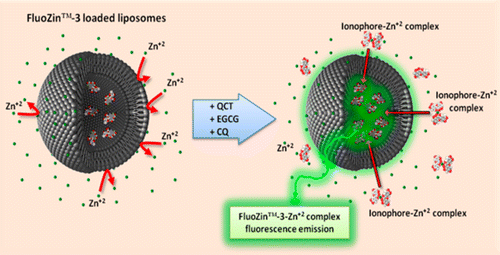
“Labile zinc, a tiny fraction of total intracellular zinc that is loosely bound to proteins and easily interchangeable, modulates the activity of numerous signaling and metabolic pathways. Dietary plant polyphenols such as the flavonoids quercetin and epigallocatechin-gallate act as antioxidants and as signaling molecules. The activities of numerous enzymes that are targeted by polyphenols are dependent on zinc.

We have demonstrated the capacity of quercetin and epigallocatechin-gallate to rapidly increase labile zinc. The polyphenols transport zinc cations across the plasma membrane independently of plasma membrane zinc transporters.

The ionophore activity of dietary polyphenols may underlay the raising of labile zinc levels triggered in cells by polyphenols and thus many of their biological actions.”

https://pubs.acs.org/doi/10.1021/jf5014633 “Zinc Ionophore Activity of Quercetin and Epigallocatechin-gallate: From Hepa 1-6 Cells to a Liposome Model” (not freely available)


I get EGCG from drinking 4-5 cups of green tea every day, and 65 mg zinc from supplements. Microwave broccoli to increase flavonoid levels demonstrated 108.5% to 129.8% increases in quercetin and kaempferol levels from microwaving grocery-store broccoli. Microwaving 3-day-old broccoli sprouts may be expected to increase my worst-case calculation of daily 134 mg total flavonoids.

I’ve taken quercetin intermittently per Preliminary findings from a senolytics clinical trial. I’m changing that to take 100 mg quercetin daily.

Take responsibility for your own one precious life.