Year Four of Changing to a youthful phenotype with sprouts

1. I’ve continued daily practices from Year Three to experience another year without being sick. I’ll get a set of Labcorp tests in two weeks to see if anything is sneaking up on me.

Foods are the same as Week 189 except I eat two raw eggs in the morning after Avena sativa oat sprouts. Supplements are the same except I stopped the ProdromeGlia plasmalogen precursor supplement due to it being out-of-stock.

It’s annoying because after a few days, my sense of smell and taste improvements reverted without ProdromeGlia. I’ve continued ProdromeNeuro, but it seems that its combination with ProdromeGlia was essential for stopping my left ulnar nerve elbow pain, which returned after a week without ProdromeGlia.

2. You may have noticed that earlier this month, a U.S. government agency was forced by a lawsuit to delete their 2021 propaganda pieces against a medication that’s safer than acetaminophen. I had a prescription that local pharmacies suddenly wouldn’t fill in August 2021.

Plenty of workarounds have been available, though. I hadn’t mentioned it before, but a prophylactic weekly intake may have played a part in me not being sick even one day this decade.

Another part was that my living and working in the Washington DC area for 30+ years through 2017 taught me, as an initial response, to not believe a single word of what a government employee said. I’ve since extended that to many other types of compromised people, such as medical professionals.

3. Our ancestors evolved to deal with everyday bacteria, viruses, and other pathogens. Train your immune system every day! disclosed that I was in Milan, Italy on the same February 22-23, 2020 weekend that ten towns were closed south of Milan. I still haven’t experienced any symptoms.

  • One factor in immune response was that fifteen years previous, I’d taken daily steps with yeast cell wall β-glucan to guard against the phenotypical immune system collapse of old age.
  • Another factor was that I’d ridden the filthy Washington DC Metro twice a day to-and-from work for years, and had already been exposed to who knows what.

Treat your gut microbiota well. Give them what they want – including cruciferous sprouts – and expect reciprocity.


what

Herding humans

Three recent papers cited a 2009 Herding in humans paper, starting with a 2024 modeling study by one of its coauthors showing that people have trouble purposefully acting randomly:

“In many tasks, human behavior is far noisier than is optimal. Yet when asked to behave randomly, people are typically too predictable.

Randomness is produced by inhibition of habitual behavior, striving for unpredictability. We verify these predictions in two experiments: people show the same deviations from randomness when randomly generating from non-uniform or recently-learned distributions.

While local sampling has previously explained why people are unpredictable in standard cognitive tasks, here it also explains why human random sequences are not unpredictable enough.”

https://journals.plos.org/ploscompbiol/article?id=10.1371/journal.pcbi.1011739 “Explaining the flaws in human random generation as local sampling with momentum”


A 2023 study tested extents to which people could be influenced to change their food preferences:

“We examined the effect of a descriptive norm on the choice between two similar products (vegetables or fruits). Participants were exposed to a norm promoting vegetables, fruits, or no norm.

A descriptive norm signaling that a greater proportion of previous participants had chosen a vegetable over a generally preferred fruit basket tripled the odds of participants choosing vegetables. These findings support the concept that descriptive norms act as heuristics that influence behavior in a relatively automatic manner.

The norm may have acted as a social proof heuristic to which participants conformed with little deliberation. Given that they were asked to add their name to a list of previous participants’ names and choices, they may have inferred that their choice would be visible to participants after them.

psif_a_2261178_f0001_oc

We found no to small effects of norms on intentions to consume fruits and vegetables or on taste expectations and experiences in a taste test, suggesting that these may not be key in explaining how descriptive norms lead to behavior change. Although the fruit norm did not affect choice, it did reduce negative fruit taste experiences compared to the no norm group.”

psif_a_2261178_f0002_oc

https://www.tandfonline.com/doi/full/10.1080/15534510.2023.2261178 “I’ll have what they’re having: a descriptive social norm increases choice for vegetables in students”


I selected this 2023 modeling study from many other modeling studies because it provided details about what researchers consider herding’s underlying premises to be:

“Herding does not come about because a central actor tells the agents to herd, but rather it is an emergent phenomenon of many local decisions, wherein the beliefs and thoughts of individuals become aligned. Herding is a form of social contagion, where one individual adopts the views of another, primarily because it increases their confidence in a decision they were making.

Herding is related to conformity, an important behavior in humans’ social learning, being a tendency to act as the majority of the individuals do. Conformity is defined as choosing the most frequent strategy observed by the player, instead of being guided by maximizing their personal payoffs.

The cost of herding occurs when someone decides to make the opposite decision of the rest of the herd. It is important to realize that these costs are only incurred if the actor has adopted a herd mentality. If they do not care about the herd, they do not suffer social costs.

In cases where everyone is herding, cooperation will prevail. Having a herding mentality has a positive overall effect, and can explain why cooperation prevails even without altruism, kin selection, tags, and reciprocity.”

https://www.cell.com/iscience/fulltext/S2589-0042(23)02004-7 “The evolution and social cost of herding mentality promote cooperation”

I’d guess that these coauthors never told their children that wrong is wrong even when everyone else is doing it.

It made me laugh that both the 2009 paper and this paper defined herding as solely happening on its own without any herders’ involvement. I have no doubts that researchers are not allowed to investigate and/or publish factual evidence on more advanced techniques of herding humans, especially those that have been widely used during this decade.

Plasmalogens, Part 1

The person who knows the most about this subject is Dayan Goodenowe, PhD. Some recent publications include:

https://www.frontiersin.org/articles/10.3389/fcell.2022.864842/full “Targeted Plasmalogen Supplementation: Effects on Blood Plasmalogens, Oxidative Stress Biomarkers, Cognition, and Mobility in Cognitively Impaired Persons”

https://www.frontiersin.org/articles/10.3389/fcell.2022.866156/full “Brain ethanolamine phospholipids, neuropathology and cognition: A comparative post-mortem analysis of structurally specific plasmalogen and phosphatidyl species”

plasmalogens and cognition


A sample of links freely available at https://drgoodenowe.com/.

1. Presentations to professional groups. Have your mouse ready to click the pause button.

https://drgoodenowe.com/dr-goodenowe-presents-at-the-iagg2023-in-yokohama-japan/ “A rare children’s disease that may be the key to reversing neurological decline in aging”

Includes videos of a treatment’s effects on a child.

https://neomarkgroup.wistia.com/medias/0qln0wy93t “The most influential biomarkers for aging and disease”

Despite the title, a considerable number of studies were presented on prenatal, infant, and early childhood development. He misspoke a few times, so read the slides.

Phenotype is reality. Genotype is possibility. Communications links between different fields are very poorly connected in science.

Peroxisomes are islands. They don’t have DNA like your mitochondria do. Peroxisomal transport issues are important things to understand.

All aging-related cross-sectional analyses are on the rate of decline. You’re declining from a previous well state. Age-matched controls are the most ridiculous thing to do.”


2. I’ll highlight the longest of several interviews because there was plenty of room to expand on points. Maybe the best detailed explanations came as responses to that interviewer challenging with contrasting AD, traumatic brain injury, and cholesterol paradigms. Its transcript is more accurate than a usual YouTube interpretation, but there are still mistakes such as “fossil lipid” vs. phospholipid.

https://www.betterhealthguy.com/episode186 “Plasmalogens with Dr. Dayan Goodenowe, PhD”

“Science is how do you push things to its failure, until you can’t fail it again. We’ve lost that. It’s become more hypothesis proving.

Plasmalogens levels go up for a different reason than people think. The reason why it peaks in our 40s and 50s is because we’ve been myelinating. The white matter of our brain is still increasing. It’s not because we’re making more plasmalogens. It’s because the lake, the reservoir, gets full. What you’re measuring in blood is overflow from the lake. The lower plasmalogens start trickling down in your blood, the bigger drain that’s occurring on that system.

Low plasmalogens don’t just predict dementia in the elderly population. It predicts the rate of decline of that dementia. It predicts the rate of death.

The biggest drivers of plasmalogen manufacturing and the biggest reasons why they decrease with age, or in other circumstances is two things. One, the failure to maintain a fasting state of the human body. The second one is muscle atrophy.

Amyloid has absolutely nothing to do with Alzheimer’s, or dementia. It’s just a bystander on the road watching an accident happen.

Age-related cognitive decline is clearly where plasmalogens have the greatest impact. You’re always going to have mixed pathologies in the brain.

Nutritional availability of plasmalogens is virtually non-existent. As soon as they hit the hydrochloric acid of your stomach, they’re gone. They don’t make it past the stomach, or the upper intestine.”


I came across Dr. Goodenowe’s work last month from clicking a comment on this blog that linked back to her blog. Always be curious.

Continued in Part 2.

Measuring gut microbiota, Part 2

A 2023 porcine study expanded Part 1’s coverage to include stomach and small intestine microbiota:

“Identification of individual intestinal microbes affecting phenotypes and diseases depends on statistical analyses between these two main variables. Because the phenotypes or diseases are typically well-defined, success of statistical analyses on these studies depend on precise elucidation of gut microbiome composition.

This work with genetically homogenous sibling pigs grown in a cohoused condition to minimize experimental errors showed that composition of the gut microbiome constantly changed in response to local environmental changes of the GI tract. Pigs are omnivorous and have the most similar digestive mechanisms to humans.

The stomach and small intestine microbiomes – which are rich in nutrients – were very different from the large intestine and feces microbiomes in terms of both composition and diversity. Firmicutes, Proteobacteria, Actinobacteria, Cyanobacteria, and Fusobacteria phyla were relatively more dominant in the stomach and small intestine than the large intestine and feces. Bacteroidetes was more heavily dominated in the large intestine and feces.

Sampling locations within the GI tract were determined based on their anatomical feature: stomach, duodenum (small intestine_1), jejunum (small intestine_2 ~ small intestine_5), ileum (small intestine_6), cecum (large intestine_1), colon (large intestine_2 ~ large intestine_6), and rectum (large intestine_7).

diversity

The gut microbiome between locations within an individual was significantly different, while individual differences at the same locations of the GI tract were not as significant. Fecal microbiome was more closely related to the gut microbiome in large intestine than stomach or small intestine.

Intestinal bacteria in terms of both species number and their prevalence were dramatically increased as intestinal matter transited from the stomach to the large intestine. Cooccurrence network analysis showed the gradual adaptation of intestinal microbiota from stomach to large intestine:

  • At the same time, the highly dense and diverse bacteria in the large intestine were closely related to each other.
  • Fecal microbiome did not represent any microbiome at the 14 locations.

This work demonstrated that the fecal microbiome does not represent the overall composition of the gut microbiome. Despite significant roles of gut microbiome in various phenotypes and diseases of its host, causative microbes for such characteristics identified by one research fail to be reproduced in others.

Since fecal microbiome is a result of the gut microbiome rather than the representative microbiome of the GI tract of the host, there is a limitation in identifying causative intestinal microbes related to these phenotypes and diseases by studying fecal microbiome. It seems urgent to develop new methods for gut microbiome analysis.”

https://www.hindawi.com/journals/cmi/2023/6868417/ “Fecal Microbiome Does Not Represent Whole Gut Microbiome”


This study showed that pig stomach and small intestine microbiota had few associations with fecal microbiota samples. Part 1 showed that only 6% of large intestine microbiota genes producing a secondary metabolite were found in human fecal samples.

What’s the point of poop microbiota studies when those microbiota don’t fairly represent ANY preceding gut microbiota, either overall or in actionable stages?

I don’t endorse this study’s Conclusions section suggestions of “endoscopic methods” because it ignores iatrogenic injuries and deaths. I’ll continue to give my trillion+ microbiota partners what they need, and expect reciprocity.

PXL_20230529_163229866.MP

Measuring gut microbiota, Part 1

A 2023 paper combined results of two clinical trials focused on large intestine microbiota:

“Our current understanding of the gut microbiome places it at the center of multiple physiological processes, and establishes its relevance to many facets of health and disease. Microbiome databases are based upon stool samples or invasively-acquired colon samples obtained during procedures such as colonoscopy.

We present data from two prospective clinical studies describing significant differences between the stool microbiome and inner-colonic microbiome collected during FDA-cleared defecation-inducing, gravity-fed, and high-volume colonic lavage. We examined several microbiome characteristics, including microbial diversity, community differential abundance, and composition of biosynthetic gene clusters (BGCs).

BGCs are locally clustered groups of two or more genes that encode a biosynthetic pathway that produces a secondary metabolite:

  • 6% of identified BGCs were common to stool and pooled inner-colonic effluent samples, 25% were expressed only in stool, and 69% were unique to effluent samples.
  • When effluent-specific BGCs were divided according to colon areas, 25% were found in Effluent-1 (left descending colon), 21% in Effluent-2 (transverse colon), and 11% in Effluent-3 (right ascending colon).

gr4

Taxonomic and phylogenetic differences between inner-colonic effluent and stool samples increased gradually when approaching the proximal colon and small intestine:

  • Comparing the left colon to stool showed that 22 species were significantly enriched while only five species were significantly more abundant in stool.
  • A comparison between the transverse colon and stool revealed 76 species that were significantly more differentially abundant, while stool had 10 differentially abundant species.
  • The most significant differentially abundant species were found by comparing the right colon (closest to the small intestine) to stool, with 96 species differently enriched while stool had 20 species significantly enriched.

Individuals are far more distinct in their inner-colonic microbial community than in their stool samples. Microbiota are relatively similar across patients when examining stool samples, while expression of rare microbial strains is more specific to each individual.

Analyzing both stool and inner-colonic effluents can provide more information on the gut microbiome.”

https://www.cell.com/heliyon/fulltext/S2405-8440(23)00809-5 “The gut microbiome–Does stool represent right?”

Continued in Part 2.


PXL_20230529_162603190.MP

Week 127 of Changing to a youthful phenotype with sprouts

1. My third gut microbiome test results came in this week. I submitted a sample earlier this month to follow methods in the second paper of Improving dietary fiber research in a continuing effort to treat my gut microbiota well.

But that study’s vendor was unable to ship an EU-approved product from The Netherlands to the US because it wasn’t FDA-approved. Our US pets can eat dried chicory root products every day, but we can’t? I haven’t received any positive responses from US vendors of dried chicory root products, so I’ll keep taking up to 10 grams of EU-manufactured inulin daily.

I also followed Dr. Horvath’s suggestion in Epigenetic clocks so far in 2022 to “measure epigenetic age because there’s always an opportunity to make a discovery” and submitted a blood test. Will link to those results when they arrive – How to measure biological age?

2. These gut microbiome test results highlight a 16S ribosomal RNA technology flaw that Resistant starch therapy pointed out:

“Relative abundances of smaller keystone communities (e.g. primary degraders) may increase, but appear to decrease simply because cross-feeders increase in relative abundance to a greater extent.”

Here are my top two relative abundance results, genus Faecalibacterium and genus Bacteroides:

relative abundance2

  • 25.330% (46,844 total count) of my gut microbiota being a butyrate producer is relatively higher than 22.567% (42,156 total count) 14 months ago. Here’s a review of butyrate’s effects.
  • 25% cross-feeder genus Faecalibacterium didn’t relatively crowd out a primary degrader, genus Ruminococcus, which comparatively stayed at 6%. It may have relatively reduced secondary degrader genus Eubacterium abundance from 6% to 5%.

I don’t assign importance per the above graphic that other people achieve 12% relative abundance of a butyrate producer but I have 25%. Our 10,000+ microbiota species perform many overlapping functions.

Conversely, why should I care that other people host an average 25% genus Bacteroides and I relatively have 17% as I did 14 months ago? It’s similar to irrelevant comparisons of clinical biomarkers in Week 120 of Changing to a youthful phenotype with sprouts.

3. So what are appropriate gut microbiome measurements? They aren’t fine-grained relative measurements of my current gut microbiome, either vs. my previous measurements or vs. other people.

I could make a p < .05 finding out of 25.330% vs. 22.567%. But would those numbers be an adequate proxy for understanding truth?

I think science and industry will affordably catch up to these discrepancies as it has with epigenetic clocks. Haven’t come across well-designed gut microbiota studies that use technologically preferable shotgun metagenomic sequencing with absolute measures of both form and function. I’ve read plenty that are stuck in a relative abundance paradigm.

In the meantime, I’m alright, but have to toughen up quickly so that I can transition later this month from summer weather on my sunrise walk every day to a freezing destination.

PXL_20220905_102044269

Oat product biological effects

Two oat species studies, starting with Avena nuda:

“Oats are a good source of carbohydrates and fibers. They contain more proteins and fats than other grains, and they are packed with vitamins (vitamin E, thiamine, etc.), minerals (Ca, Fe, Mn, etc.), and antioxidants (avenanthramides, ferulic acid, caffeic acid, flavonoids, etc.).

β-glucan contained in naked oats has multiple health benefits, including improving insulin sensitivity, lowering blood sugar levels, reducing risk of type II diabetes, and reducing low-density lipoprotein and total cholesterol levels.

There are two key enzymes in the hydrolysis of starch: α-amylase and α-glucosidase. Inhibiting activity of these enzymes can delay degradation of starch and absorption of glucose, thereby inhibiting rapid rise of postprandial blood glucose levels. α-amylase and α-glucosidase inhibitors are often used in treatment of type II diabetes.

This study investigated inhibitory effects of free and bound bioactive extracts from naked oats on amylase and glucosidase activity.

1-s2.0-S0023643821010550-gr1

α-amylase inhibition by free (A) and bound (B) compound extracts from naked oats. The half maximal inhibitory concentrations (IC50) of free and bound compound extracts were 0.09 and 1.33 mg/mL, respectively, higher than that of acarbose (0.03 mg/mL), the positive control.

Low digestibility of naked oats will help facilitate development of low-glycemic foods.”

https://www.sciencedirect.com/science/article/pii/S0023643821010550 “Endogenous bioactive compounds of naked oats (Avena nuda L.) inhibit α-amylase and α-glucosidase activity”

“Low digestibility of naked oats” referred to human capabilities, not to those of our gut microbiota. See A healthspan improvement for more on acarbose.


A second study investigated uses for Avena sativa hull and bran by-products:

“β-Glucan is mainly found in oat bran (OB) along with various phenolic compounds. Oat husk (OH) is a by-product produced during oat processing for food purposes, about 25–33% of its weight.

Ultrafine grinding or micronization is a new technique used for making a super fine powder with a particle size of 1–100 μm and good surface properties. This very fine powder is characterized by higher solubility, dispersibility, and water absorption, which improves quality of target food products. Micronization considerably enhances efficiency of extraction of phytochemicals, and is widely employed to extract natural polysaccharides from different bioresources.

OH is especially rich in insoluble fiber such as cellulose, hemicelluloses, and lignin, whereas both soluble and insoluble fiber occurs in OB in a ratio of 1:5. OB has a higher soluble dietary fiber content than wheat or rice bran.

The optimal composition, 60–70% of OH and 30–40% of OB, allows for obtaining a product with 60–70% fiber and enhanced antioxidant activity due to bioactive substances and their synergistic effect. The resulting product can be a valuable additive to various food and dietary supplements.”

https://www.mdpi.com/1420-3049/27/9/2621/htm “Fiber Preparation from Micronized Oat By-Products: Antioxidant Properties and Interactions between Bioactive Compounds”


See Oat species comparisons of the good stuff for more comparisons of their hulls.

PXL_20220520_150215836

Estimating bioavailability of oat compounds

Two papers on oat compounds’ bioavailability, starting with a 2022 review:

“There are many nutrients and bioactive chemical compounds exerting beneficial properties in oats. Results indicated that oats and their extracts possessed essential roles in preventing chronic diseases.

However, most studies focused on Avns’ [avenanthramides] functions were performed using cell models. In animal models, one disadvantage of Avns was low bioavailability.

Avns were also metabolized in the gastrointestinal tract in a gut microbiota (especially Faecalibacterium prausnitzii) dependent or independent manner. Administration of Avns usually ranged from 100−300 mg/ kg, which was much higher than that for cell treatment.

After eating cookies with 9.2 mg or 0.4 mg (control) Avns for 8 weeks, plasma level of TNF-α after exercise was significantly reduced in young women (16 women aged 18−30 years). Similar results were obtained in a study enrolling postmenopausal women (16 women aged 50−80 years), and Avns supplementation (9.2 mg in cookies) dramatically reduced plasma levels of IL-1β and C-reactive protein after exercise.

More attention should be given to studying preventative effect of Avns on chronic diseases and underlying molecular mechanisms, and further revealing potential roles of small molecules with powerful regulatory activity, such as miRNAs.”

https://pubs.acs.org/doi/full/10.1021/acs.jafc.1c05704 “The Progress of Nomenclature, Structure, Metabolism, and Bioactivities of Oat Novel Phytochemical: Avenanthramides” (not freely available)


This first paper’s Reference 25 was a 2018 paper on oat compounds’ bioaccessibility that used an in vitro digestion system without microbiota:

“Malting was performed for 5 days, from M0 (non-malted oat grains) to M5 (oat grains malted for 5 days), using the following: steeping at 20 °C for 24 h, germination in the dark at 15 °C, and kilning in an air oven at 100 °C for 12 h.

The cookie formulation with lowest phenol concentration showed highest bioaccessibility. This result was surprising, as we expected an increase in SP [soluble phenols] bioaccessibility, in parallel with increasing SP concentration of cookies.

bioavailability avena nuda avn sp

A portion of 5B cookies provides 4.8 mg of AVNs, which is more than double a maximal daily AVN intake in oat consumers.”

https://ifst.onlinelibrary.wiley.com/doi/10.1111/ijfs.14020In vitro bioaccessibility of avenanthramides in cookies made with malted oat flours” (not freely available)


Every day I eat Avena nuda oats that start out as 82 grams of seeds, and two servings of 3-day-old Avena sativa oat sprouts that each start out as 20 grams of seeds. Using this second paper’s 50 gram Avena nuda methods to develop estimates:
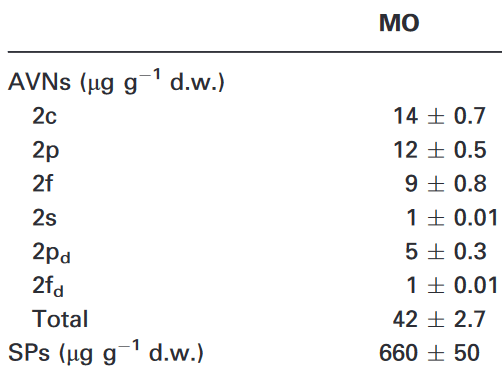
avena nuda avn sp

  • (82 g / 50 g) x 42 µg = 69 µg total AVNs; and
  • (82 g / 50 g) x 660 µg = 1,082 µg soluble phenols.

My Avena nuda whole oat grain total AVNs and soluble phenol weights aren’t much. They aren’t bioavailability estimates. Their species and growing conditions are different from this second paper, etc.

That’s all okay with me. I eat Avena nuda oats primarily to make my trillion+ gut microbiota partners happy with indigestible-to-me whole grain contents, expecting that they will reciprocate.

Plugging in the study’s 3-day figures to estimate Avena sativa oat sprouts:

  • (40 g / 50 g) x 324 µg = 259 µg total AVNs; and
  • (40 g / 50 g) x 1350 µg = 1,080 µg soluble phenols.

Using the first graphic’s 3-day relative bioaccessibility percentages:

  • 259 µg x .28 = 72 µg total bioavailable AVNs; and
  • 1,080 µg x .41 = 442 µg bioavailable soluble phenols.

Both papers cited studies that found with eccentric exercise, “9.2 mg per day AVNs are sufficient to provide effects on exercise induced inflammation.” I exercise at least 30 minutes every day, but don’t perform eccentric exercises more frequently than every five days per Eat broccoli sprouts for your workouts.

Advantages of 3-day-old oat sprouts over oat grains provided methods comparable to my Avena sativa 3-day-old oat sprouts intake, although it didn’t assess bioavailability. Sprouts’ beneficial effects compared with seeds “were mainly related to their high content of avenanthramides A (2p), B (2f), and C (2c), quercetin 3-O-rutinoside [rutin], kaempferol, sinapoylquinic acid, and apigenin and luteolin derivatives.”

Couldn’t say whether I benefit more from bioavailability of 3-day-old oat sprouts’ directly soluble phenols, or from bioavailability of their phenolic breakdown byproducts provided by gut microbiota. For example, regarding oat sprouts rutin content, a 2019 review pointed out:

“Humans lack the enzyme needed to hydrolyze this bond. Consequently, microorganisms in the colon mediate hydrolysis of this rutinoside, resulting in minimal intestinal absorption, and production of phenolic acid metabolites in the colon.”


Osprey below a bird-like cloud

PXL_20220426_190518487

Gut microbiota knowledge through 2021

I’ll curate this 2022 review of what’s known and unknown about our trillions of gut microbiota through its topic headings:

“Most microbial taxa and species of the human microbiome are still unknown. Without revealing the identity of these microbes as a first step, we cannot appreciate their role in human health and diseases.

A. Understanding the Microbiome Composition and Factors That Shape Its Diversity
Effect of Diet Composition on the Microbiome Diversity

  • Macronutrients and Microbiome Diversity
  • Nutrient and Mineral Supplements and Microbiome Diversity

Stress

Drugs

Race and Host Genetics

Aging

Lifestyle

  • Exercise
  • Smoking
  • Urbanization

B. Understanding the Microbiome Function and Its Association With Onset and Progression of Many Diseases

Microbiome Association With Inflammatory and Metabolic Disorders

  • Chronic Inflammation in GIT and Beyond
  • Development of Malignant Tumors
  • Obesity
  • Coronary Artery Disease
  • Respiratory Diseases

Microbiome Role in Psychiatric, Behavioral, and Emotional Disorders

C. Understanding the Microbiome Function as Mediated by Secreted Molecules

D. Conclusion and Future Directions – A pioneering study aimed to computationally predict functions of microbes on earth estimates the presence of 35.5 million functions in bacteria of which only 0.02% are known. Our knowledge of its functions and how they mediate health and diseases is preliminary.”

https://www.frontiersin.org/articles/10.3389/fmicb.2022.825338 “Recent Advances in Understanding the Structure and Function of the Human Microbiome”


I took another test last month at the 14-month point of treating my gut microbiota better. Compared with the 7-month top level measurements, what stood out was an increase in relative abundance from 1% to 7% in the Verrucomicrophia phylum that pretty much exclusively comprises species Akkermansia muciniphilia in humans:

top 5 phylum 2-2022

This review termed Akkermansia muciniphilia relative increases as beneficial. Go with the Alzheimer’s Disease evidence didn’t.

Preventing human infections with dietary fibers inferred that insufficient dietary fiber may disproportionately increase abundance of this species. But I already eat much more fiber than our human ancestors’ estimated 100 grams of fiber every day, so lack of fiber definitely didn’t cause this relative increase.

Resistant starch therapy observed:

“Relative abundances of smaller keystone communities (e.g. primary degraders) may increase, but appear to decrease simply because cross-feeders increase in relative abundance to a greater extent.”

I’ll wait for further evidence while taking responsibility for my own one precious life.

Didn’t agree with this review’s statements regarding microbial associations with fear. These reviewers framed such associations as if gut microbiota in the present had stronger influences on an individual’s fear responses than did any of the individual’s earlier experiences. No way.

I came across this review by it citing The microbiome: An emerging key player in aging and longevity, which was Reference 25 of Dr. Paul Clayton’s blog post What are You Thinking?

Also didn’t agree with some of the doctor’s post:

  • Heterochronic parabiosis of young and old animals is wildly different from fecal transfer. Can’t really compare them to any level of detail.
  • Using a rodent young-to-old fecal microbiota transplant study to imply the same effects would happen in humans? Humans don’t live in controlled environments, so why would a young human individual’s gut microbiota necessarily have healthier effects than an old individual’s?
  • Another example was the penultimate paragraph: “By adding a mix of prebiotic fibers to your diet and maintaining a more youthful and less inflammatory microbiome you will have less inflammation, less endotoxaemia and less inflammageing. You will therefore live healthier and longer.” I’m okay with the first sentence. Equivalating the first sentence to both healthspan and lifespan increases in the second sentence wasn’t supported by any of the 45 cited references.

Sprout bioaccessibility

Twin 2021 in vitro studies of cruciferous sprout bioaccessibility, with the first addressing hydroxycinnamic acids and flavonols:

“The present work studies effects of physicochemical and enzymatic characteristics of gastrointestinal digestion on two major groups of phenolic compounds – flavonols and cinnamoyl derivatives – on red radish, red cabbage, broccoli, and white mustard sprouts. Effects of gastrointestinal digestion on release and stability of phenolic compounds depends on different factors, such as physicochemical traits of the food matrix, pH, temperature, or enzymatic activity.

Although initial concentrations of phenolic acids in red radish were lower than in other sprouts, their bioaccessibility after digestion was higher, followed by red cabbage, white mustard, and broccoli. Most degradation of phenolic compounds corresponded to the flavonol fraction, which was almost erased during digestion (with the exception of digestion products of broccoli sprouts, which retained around 30% of the original flavonol concentration):

nutrients-13-04140-g003

Red radish sprouts exhibited the greatest bioaccessibility.

Gastric digestion prepares the food matrix for more efficient polyphenol extraction during intestinal digestion, in which the highest release and stability of these compounds takes place. Hydroxycinnamic acids reach higher concentrations than flavonols, making them tentatively more available to be absorbed at the intestinal level.”

https://www.mdpi.com/2072-6643/13/11/4140/htmIn Vitro Evidence on Bioaccessibility of Flavonols and Cinnamoyl Derivatives of Cruciferous Sprouts”


A cited predecessor used similar methods to study glucosinolate breakdown products like sulforaphane, iberin, and indole-3-carbinol:

“Significantly higher bioaccessibility of isothiocyanates (ITCs) and indoles from glucosinolates (GSLs) of red cabbage sprouts were observed. Bioaccessibility of GSLs from Brasicaceae sprouts is not exclusively associated with initial content of these compounds in plant material (almost negligible), but also with release of GSLs and ongoing breakdown reactions during gastric and intestinal phases of digestion, respectively:

ITCs

The intestinal phase was the most relevant for bioaccessibility of ITCs. Aliphatic GSLs provided higher bioaccessibility of their corresponding ITCs in comparison to indolic and aromatic GSLs.”

https://www.mdpi.com/1422-0067/22/20/11046/htm “Evidence on the Bioaccessibility of Glucosinolates and Breakdown Products of Cruciferous Sprouts by Simulated In Vitro Gastrointestinal Digestion”


Gastric and intestinal simulations were instructive. But rather than depending on digestion for ITCs, I “enzymatically convert to SF before oral intake” per A follow-on study to 3-day-old broccoli sprouts have the optimal yields.

Regarding phenolic compound digestion, my focus this year has been to give my gut microbiota what they want. I expect and get reciprocity from treating them well with whole oats, broccoli-red cabbage-mustard-oat sprouts, blackberries-blueberries-strawberries, quercetin from capers, etc. polyphenols. Not to mention inulin, artichoke hearts, and yeast cell wall β-glucan. Haven’t considered sprouting red radish seeds.

Per Red cabbage effects on gut microbiota, a related research group had an in vitro system that included gut microbiota. Maybe these researchers will get together in a future study?

PXL_20211118_114742112

Eat oat avenanthramides for your gut microbiota

This 2021 paper covered a 2016 human clinical trial, and several in vitro and rodent follow-up studies:

“Oat has been widely accepted as a key food for human health. It is becoming increasingly evident that individual differences in metabolism determine how different individuals benefit from diet. Both host genetics and gut microbiota play important roles on metabolism and function of dietary compounds.

Results:

  • Avenanthramides (AVAs), the signature bioactive polyphenols of whole-grain (WG) oat, were not metabolized into their dihydro forms, dihydro-AVAs (DH-AVAs), by both human and mouse S9 fractions.
  • DH-AVAs were detected in colon and distal regions, but not in proximal and middle regions of the perfused mouse intestine, and were in specific pathogen–free (SPF) mice but not in germ-free (GF) mice.
  • A kinetic study of humans fed oat bran showed that DH-AVAs reached their maximal concentrations at much later time points than their corresponding AVAs (10.0–15.0 hours vs. 4.0–4.5 hours, respectively).
  • We observed interindividual variations in metabolism of AVAs to DH-AVAs in humans.
  • Faecalibacterium prausnitzii was identified as the individual bacterium to metabolize AVAs to DH-AVAs by 16S rRNA sequencing analysis.
  • Moreover, as opposed to GF mice, F. prausnitzii–monocolonized mice were able to metabolize AVAs to DH-AVAs.

AVA metabolizers

These findings demonstrate that intestinal F. prausnitzii is indispensable for proper metabolism of AVAs in both humans and mice. We propose that abundance of F. prausnitzii can be used to subcategorize individuals into AVA metabolizers and nonmetabolizers after WG oat intake.

Our findings pave the way to use AVAs and DH-AVAs as exposure biomarkers to reflect WG oat intake, which could more accurately record WG oat intake. Whether production of DH-AVAs is part of the beneficial effect of oats on human health will require further investigation.”

https://academic.oup.com/jn/article/151/6/1426/6165027 “Avenanthramide Metabotype from Whole-Grain Oat Intake is Influenced by Faecalibacterium prausnitzii in Healthy Adults”

Commentary at Faecalibacterium prausnitzii Abundance in Mouse and Human Gut Can Predict Metabolism of Oat Avenanthramides.


This study advanced an understanding of inter-individual variability, rather than usual practices that try to sweep individual differences under a statistical rug. Study designs such as four mentioned in Part 2 of Switch on your Nrf2 signaling pathway could have benefited from a similar approach to their research areas.

Not sure why it took over five years to get this paper published after its clinical trial’s January 21, 2016 completion. Meanwhile, science marched on to study effects of specific F. prausnitzii strains, providing results such as three human studies curated in Gut microbiota strains:

  • The third 2018 study found:

    “Only a small number of bacteria with genetic capacity for producing SCFAs were able to take advantage of this new resource and become dominant positive responders. The response, however, was strain specific: only one of the six strains of Faecalibacterium prausnitzii was promoted.”

  • The second 2021 study investigated 135 known strains of F. prausnitzii; and
  • The first 2021 study found beneficial F. prausnitzii strains not yet covered in genomic databases.

Resistant starch therapy recommended de-emphasizing relative gut microbiota abundance measurements, because:

“Relative abundances of smaller keystone communities (e.g. primary degraders) may increase, but appear to decrease simply because cross-feeders [like F. prausnitzii] increase in relative abundance to a greater extent. These limitations illustrate the necessity of sufficiently powering resistant starch interventions where microbiome composition is the primary endpoint, collecting critical baseline data and employing appropriate statistical techniques.”


Four humpback whales successively diving for lunch

PXL_20210914_164307307_exported_16255

PXL_20210914_164307307_exported_26282

PXL_20210914_164307307_exported_41871

PXL_20210914_164307307_exported_50365

Choosing your gut immune response

This 2021 paper reviewed evidence for immune system effects associated with specific gut areas:

“The intestinal immune system must not only contend with continuous exposure to food, commensal microbiota, and pathogens, but respond appropriately according to intestinal tissue differences. The entire intestine, inclusive of its lymph nodes, is considered a immunosuppressive organ overall compared to most other tissues, indicating that a state of tolerance to food and commensals – yet vigilance toward pathogens – was an evolutionarily stable strategy.

By operating in compartments, the immune system may generate multiple immune outcomes, even with simultaneous opposite goals e.g., tolerance or inflammation. Generation of unique immunologic niches within the intestine is influenced by a combination of tissue intrinsic properties, extrinsic environmental factors, and regionalized immune populations.

intestinal immune compartmentalization

Complexity of intrinsic and extrinsic driving forces shaping an intestinal niche makes it very challenging to determine causality in disease development and predicting effective therapeutic approaches. We really only stand at the beginning of understanding this interplay.”

https://www.nature.com/articles/s41385-021-00420-8 “Intestinal immune compartmentalization: implications of tissue specific determinants in health and disease”


I patterned this post after Choosing your future with β-glucan:

“So where do you choose to be? In an 80% survival group who were administered β-glucan before they encountered a serious infection? Or in a < 20% survival group who didn’t take β-glucan?”

and Long-lasting benefits of a common vaccine:

“As inferred by “induction of trained immunity by both Bacillus Calmette-Guerin tuberculosis vaccine and β-glucan” many of these findings also apply to yeast cell wall β-glucan treatments.”

This paper’s food allergy references were interesting. It’s an area that personally requires further work, although avoidance has historically been effective.

This paper briefly mentioned broccoli’s effects in the proximal small intestine. It wasn’t informative per gut compartment with this year’s focus on making my gut microbiota happy, such as what our colonic microbiota can do to reciprocate their host giving them what they want.

This review’s human studies referenced what could be done post-disease like surgery etc. in different gut compartments. Very little concerned an individual taking responsibility for their own one precious life to prevent such diseases in the first place. Its Conclusions section claim was a fallacy:

“..very challenging to determine causality in disease development and predicting effective therapeutic approaches.”

PXL_20210911_104042916

Changing your immune system / gut microbiota interactions with diet

This 2021 human clinical trial investigated associations between gut microbiota and host adaptive immune system components:

“Diet modulates gut microbiome, and gut microbes impact the immune system. We used two gut microbiota-targeted dietary interventions – plant-based fiber or fermented foods – to determine how each influences microbiome and immune system in healthy adults. Using a 17-week randomized, prospective study design combined with -omics measurements of microbiome and host and extensive immune profiling, we found distinct effects of each diet:

  • Those in the high-fiber diet arm increased their fiber consumption from an average of 21.5±8.0 g per day at baseline to 45.1±10.7 g per day at the end of the maintenance phase.
  • Participants in the high-fermented food diet arm consumed an average of 0.4±0.6 servings per day of fermented food at baseline, which increased to an average of 6.3±2.9 servings per day at the end of the maintenance phase.
  • Participants in the high-fiber diet arm did not increase their consumption of fermented foods (Figure 1.C dashed line), nor did participants consuming the high-fermented food diet increase their fiber intake.

fiber vs fermented

Fiber-induced microbiota diversity increases may be a slower process requiring longer than the six weeks of sustained high consumption achieved in this study. High-fiber consumption increased stool microbial protein density, carbohydrate-degrading capacity, and altered SCFA production, indicating that microbiome remodeling was occurring within the study time frame, just not through an increase in total species.

Comparison of immune features from baseline to the end of the maintenance phase in high-fiber diet participants revealed three clusters of participants representing distinct immune response profiles. No differences in total fiber intake were observed between inflammation clusters. A previous study demonstrated that a dietary intervention, which included increasing soluble fiber, was less effective in improving inflammation markers in individuals with lower microbiome richness.

In both diets, an individual’s microbiota composition became more similar to that of other participants within the same arm over the intervention, despite retaining the strong signal of individuality.

Coupling dietary interventions to longitudinal immune and microbiome profiling can provide individualized and population-wide insight. Our results indicate that fermented foods may be valuable in countering decreased microbiome diversity and increased inflammation.”

https://www.cell.com/cell/fulltext/S0092-8674(21)00754-6 “Gut-microbiota-targeted diets modulate human immune status” (not freely available). See https://www.biorxiv.org/content/10.1101/2020.09.30.321448v2.full for the freely available preprint version.


Didn’t care for this study’s design that ignored our innate immune system components yet claimed “extensive immune profiling.” Not.

There was sufficient relevant evidence on innate immunity cells – neutrophils, monocytes, macrophages, natural killer cells, and dendrites – when the trial started five years ago. But maybe this didn’t satisfy study sponsors?

This study found significant individual differences in the high-fiber group. These individual differences failed to stratify into subgroup p-value significance.

I won’t start eating fermented dairy or fermented vegetable brines to “counter decreased microbiome diversity and increased inflammation.” I’m rolling the die with high-fiber intake (2+ times more grams than this clinical trial, over a 3+ times longer period so far).

Changing to a high-fiber diet this year to increase varieties and numbers of gut microbiota is working out alright. No worries about “increased inflammation” because twice-daily 3-day-old microwaved broccoli sprouts since Day 70 results from Changing to a youthful phenotype with broccoli sprouts have taken care of inflammation for 15 months now.

What effects have this year’s diet changes had on my adaptive and innate immune systems? 2021’s spring allergy season wasn’t pleasant. But late summer’s ragweed onslaught hasn’t kept me indoors – unlike other years – despite day after day of readings like today’s:

ragweed

Regarding an individual’s starting point and experiences, those weren’t the same as family, friends, significant other, identified group members, or strangers. Each of us has to find our own way to getting well.

Agenda-free evidence may provide good guidelines. So does how you feel.

Your pet’s biological age

This 2021 cat study developed human-comparable epigenetic clocks:

We aimed to develop and evaluate epigenetic clocks for cats, as such biomarkers are necessary for translating promising anti-aging interventions from humans to cats and vice versa. We also provided the possibility of using epigenetic aging rate of cats to inform on feline health, for which a quantitative measure is presently unavailable. Specifically, we present here DNA methylation-based biomarkers (epigenetic clocks) of age for blood from cats.

Maximum lifespan of cats is 30 years according to the animal age data base (anAge), but most cats succumb to diseases before they are 20 years old. Age is the biggest risk factor for a vast majority of diseases in animals, and cats are no exception.

Interventions to slow aging are being sought. Ideally, testing should occur in species that are evolutionarily close to humans, similar in size, have high genetic diversity, and share the same environment as humans. It has been recognized that domestic dogs fulfill these criteria.

Investigations have yet to be extended to cats although they share similar environments and living conditions with their human owners. Identification of environmental factors and living conditions that affect aging, as well as potential mitigation measures, can be achieved by proxy with cats.

The human-cat clock for relative age exhibited high correlation regardless of whether analysis was applied to samples from both species or only to cat samples. This demonstrated that relative age circumvented skewing that is inherent when chronological age of species with very different lifespans is measured using a single formula.

Evidence is compelling that epigenetic age is an indicator of biological age. These results are consistent with the fact that epigenetic clocks developed for one mammalian species can be employed – to a limited extent – to other species, and reveal association of DNA methylation changes with age.

Human epigenetic age acceleration is associated with a wide array of primary traits, health states, and pathologies. While it is still unclear why age acceleration is connected to these characteristics, it does nevertheless suggest that extension of similar studies to cats may allow for development of epigenetic age acceleration as a surrogate or indicator of feline biological fitness.”

https://link.springer.com/article/10.1007%2Fs11357-021-00445-8 “Epigenetic clock and methylation studies in cats”


As noted earlier this summer in Smoke and die early, while your twin lives on, Dr. Steve Horvath is on a torrid publishing streak this year. He’s made it questionable for study designs based on published science to omit epigenetic clocks.

I titled this post Your pets because I’m too allergic to have cats, dogs, etc. live with me. Maybe this year’s focus on making my gut microbiota happy will change that?

My pets live free:

PXL_20210830_102958658
PXL_20210825_101005621

Eat oats for β-glucan and resistant starch

This 2021 review highlighted effects of processing oat products:

“Starch contents in oats ranges from 51% to 65%. Resistant starch (RS) accounts for 29.31% of starch content in raw granular form of oat starch.

RS in raw oat starch is RS2 starch, where its slow digestion is mainly due to the compact nature of starch granules making starch less accessible to enzymes. Since amylose–lipid complex is resistant to enzymatic breakdown, high lipid content in oats (3–7%) may be another reason why oat has a relatively high level of RS starch. This type of RS is called RS5.

Although RS2 occurs naturally, most starch needs to be cooked for consumption. RS3 that is formed due to recrystallization of gelatinized starch is more commonly consumed by processing via gelatinization and retrogradation.

β-glucans are found in cell walls of endosperm and aleurone layers of oats, accounting for 1.73-5.70% of oat grains dry basis. Oat β-glucans are not digested in the upper gastric tract, but instead can be consumed by gut microbiota in the colon. This kind of prebiotic can be fermented by colonic microbiota, resulting in production of short chain fatty acids (SCFA) metabolites.

From field to table, oats are processed into various foods for consumption, and these foods exhibit high variability of GI values:

  • β-glucan dose and molecular weight are crucial determinants affecting viscosity and gastric emptying rate; and
  • Higher content of protein in oats is an important factor that deserves attention.”

https://www.mdpi.com/2304-8158/10/6/1304/htm “Oat-Based Foods: Chemical Constituents, Glycemic Index, and the Effect of Processing”


Didn’t care for this focus on one dimension of health, glycemic index. Why not focus on healthy individuals’ behaviors? See An oats β-glucan clinical trial for more human in vivo evidence regarding β-glucan molecular weight.

I eat oats three times a day, and it’s worked out alright.

PXL_20210825_100824154