Activate Nrf2 to improve arthritis

This 2023 rodent study cited Eat broccoli sprouts for arthritis to test a Nrf2 activator’s effects on rheumatoid arthritis:

“We show that activation of Nrf2 efficiently improves arthritis of SKG mice, which develop T cell-mediated autoimmune arthritis by zymosan A injection. Oral administration of CDDO-Im, a representative chemical inducer of Nrf2, had effects of both prevention and treatment toward arthritis of SKG mice in an Nrf2-dependent manner.

1-s2.0-S0891584923005452-gr9_lrg

We also found that Nrf2 activation through myeloid-cell lineage-specific Keap1 disruption did not achieve significant improvement in arthritis of SKG mice. Systemic Nrf2 activation or Nrf2 activation in other lineage cells including T cells, B cells and fibroblast-like synoviocytes linage cells is important for improvement of rheumatoid arthritis.

We propose that Nrf2 activation is an efficient therapeutic approach for rheumatoid arthritis.”

https://www.sciencedirect.com/science/article/pii/S0891584923005452 “Nrf2 activation improves experimental rheumatoid arthritis”


PXL_20231025_111742952.TS_exported_17109_1698426337632

If professionals in medical-related fields cared about people, they would..

Last month I came across an immune system inflammation biomarker I hadn’t known about, suPAR (soluble urokinase plasminogen activator receptor). This subject went into a queue of things I also didn’t know about, and I got around to looking at its 2023 research earlier this week.

It turns out suPAR was discovered in 1991. How some suPAR evidence fits into a segment of existing medicine and research will bore you to tears if you read https://www.mdpi.com/1422-0067/24/15/12376 “Plasminogen System in the Pathophysiology of Sepsis: Upcoming Biomarkers” up through Section 4.4. But it does thoroughly explain what suPAR is.

ijms-24-12376-g001

This paper managed to avoid addressing the point of 2018’s The arrogance of a paradigm exceeding its evidence as well as epigenetic findings of 2023’s Sex hormones and epigenetic clocks. I couldn’t find a better 2023 suPAR starting point, though.

Other 2023 suPAR papers bickered and equivocated using speech constrained by researchers wanting to keep their jobs and add to their CV. How about publishing papers telling the truth about whether or not quality medical care was provided using suPAR inflammation information? Since inflammation’s progression with disease or age isn’t exactly a mystery, what are suPAR’s prospects?


The most heartening 2023 paper I read provided good guidance for young adults:

“For verification of predicted correlations between plasma levels of suPAR and cardiovascular risk factors in younger populations, the current study analyzed data from young and healthy adults aged 25–41 years. A statistically significant inverse correlation between suPAR plasma levels and the HDL serum levels was found in male and female populations, as well as higher suPAR plasma levels in smokers compared to nonsmokers and past smokers.

A major strength of our study is the young and healthy study population lacked any relevant comorbidities, thus minimizing possible interference by unknown confounders. Investigating correlations of biomarker suPAR with cardiovascular risk factors and overall cardiovascular risk in a young and healthy population is important, since preventive measures to reduce the burden of cardiovascular risk factors and diseases should take place before irreversible damage is set.”

https://www.mdpi.com/2075-4418/13/18/2938 “The Association of suPAR with Cardiovascular Risk Factors in Young and Healthy Adults”

Higher suPAR in this study indicated preclinical symptoms with low-grade inflammation. If young adults ignore this signal, and don’t individually take responsibility for their own one precious life by investigating inflammation’s source, they may not be able to reverse later clinical conditions of many inflammation-related diseases.


The most disheartening paper provided details about how suPAR biomarkers continue to be ignored:

“We find that as a prognostic biomarker suPAR is challenged in it becoming as an object for clinical practice in the emergency department by the power of diagnostic practices and the desire for experience-based scripts that quickly enable the clinician to reach the right diagnosis. Although suPAR is enacted as a promising triage strategy suggesting a low or high risk of disease, the inability to rule out specific diagnoses and producing the notion of secure clinical actions make its non-specificity and prognostic character problematic in clinical practices.”

https://link.springer.com/article/10.1057/s41292-022-00296-2 “Challenges facing the clinical adoption of a new prognostic biomarker: a case study”

Didn’t agree with philosophical abstractions throughout this paper regarding a “new” biomarker from 1991.


PXL_20231019_111839463

Canadian Thanksgiving

Canadians were in dire straights yesterday, needing something to not be depressed about. It isn’t that US citizens are less depressed, but we have our Bill of Rights 1st and 2nd amendments that we adhere to.

Several of the people on this three and a half hour conversation were Canadians. Will you listen to them?

I learned a lot, such as possible transgenerational inheritance of effects from worldwide coerced actions. Bhakdi shortly after the 1 hour 6 min point was the easiest to understand, and also the scariest.

So what were you thankful for yesterday? Exposing facts?


PXL_20230928_222908973

But their taste

Two 2023 human studies of cruciferous vegetables’ consumer acceptance, starting with five species’ 7-day-old sprouts and 17-day-old microgreens:

“Sensory chemistry of Brassicaceae species is complex, reaching gustatory, olfactory, and pain nerves and receptors. Among organosulfur compounds, glucosinolates, their hydrolysis compounds, and sulfur-volatile compounds are responsible for their taste, aroma, and trigeminal characteristics (mainly, bitter taste, sulfurous aroma, and pungency/spicy sensations, respectively).

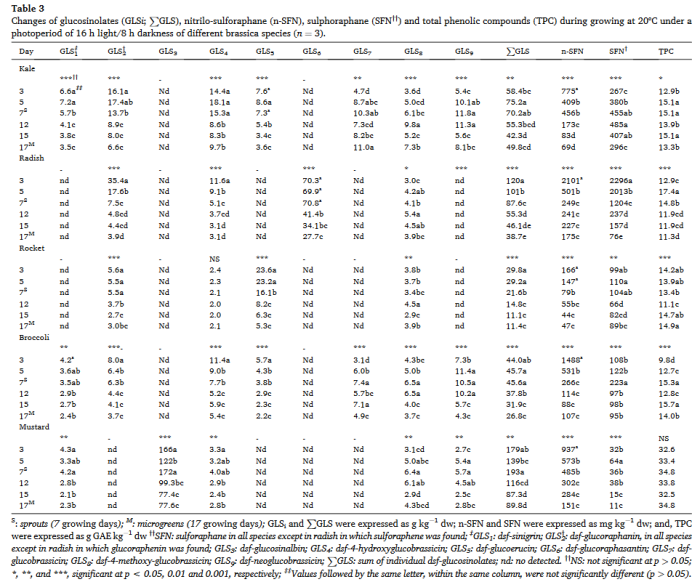
This work compared the sensory profiles and consumer acceptance between (S)prouts vs (M)icrogreens of the same species (kale, radish, rocket, broccoli, and mustard) under the same growing conditions, correlating them with phytochemical composition. On each sampling day (3, 5, 7, 12, 15, and 17 days), S&M were harvested, frozen, and freeze-dried for further analysis.

Previous studies reported the decrease of glucosinolates and sulforaphane from day 4 of germination. Previous studies also indicated that designing crop improvement strategies for sensory traits based on ∑GLS content would be flawed, as it does not consider relative differences in sensory characteristics of different GLSs and isothiocyanates, nor contributions from other GLS hydrolysis products.

table 3

Consumers tested 5 brassica species’ 7-day-old sprouts and 17-day-old microgreens. Each consumer was served ∼ 10 g of each sample coded with 3-digit numbers and the questionnaire. Water and unsalted crackers were provided between samples for palate cleaning.

Consumers were asked to taste each sample, express their overall liking and ‘attribute’ liking using a 9-point hedonic scale (1 = dislike extremely, 5 = neither like nor dislike, and 9 = like extremely). The question ‘How much do you like the ‘attribute’ of this sample?’ was used for global satisfaction/overall, and different attributes (appearance, leaves color, hypocotyl color, size, bitterness, spicy, astringency, herbal-vegetal and ID flavor).

  • Differences among samples depended more on brassica species than growing stage (S&M).
  • In rocket S&M, no attributes were found in the critical corner. RocketS and RocketM were also characterized by the lowest values of ∑GLS. RocketS presented the highest GLS5 glucoerucin content, which does not have bitter taste.
  • Although no differences were found in global, bitterness, and spicy consumer satisfaction degree between S&M of radish and mustard species, penalty analysis indicated a need to improve excess intensity of bitterness and spicy in RadishS and MustardS.

4 out of 5 sprout samples needed improvements, while only 2 out of 5 microgreens samples needed improvements. Sprouts are richer in organosulfur compounds than microgreens, although it depends on the species.

An interesting research line would be to study odor-active compounds of these products and link them with consumer preferences. Other vegetable crops could be included, such as cereals and legumes.”

https://www.sciencedirect.com/science/article/pii/S0925521423001722 “How does the phytochemical composition of sprouts and microgreens from Brassica vegetables affect the sensory profile and consumer acceptability?”


This study treated all conditions to 16 hours light/8 hours darkness throughout. If I wanted naturally developed sprouts at Day 7, I’d follow other studies’ methods and keep germinating seeds in darkness through Day 3 to simulate their natural below-ground conditions, then provide white or blue light after Day 3. So I consider this study’s 7-day-old and 17-day-old sprouts to be both microgreens because they got their leaves at Day 3.

Hadn’t thought of a pain aspect to eating sprouts before reading this study. I’d guess a consumer’s hedonic rating of “dislike extremely” would correspond.

I switched to equal starting weights of broccoli, red cabbage, and mustard seeds 2+ years ago during Week 56 to produce 3-day-old sprouts. That combination takes the edge off individually unpleasant attributes while preserving their beneficial effects.

Couldn’t do that with radish sprouts earlier this year. I might try again if my right thumb doesn’t stop hurting, after I find a tactic that tones down their intensity.


An association analysis of 2129 adults aged 40–80 years found:

“The proportion of participants who ate cruciferous vegetables over two days was 29.5% among bitter tasters, significantly lower than that (35.7%) among non-tasters (P = 0.04) after adjustment of age, gender, race/ethnicity, dietary energy intake, physical activity, education, smoking, and income levels.

cruciferous veg intake and obesity

Bitter taste sensitivity was associated with less consumption of cruciferous vegetables and a high likelihood of obesity, which may mediate its association with diabetes.”

https://pubs.rsc.org/en/content/articlelanding/2023/FO/D3FO02175K “Bitter taste sensitivity, cruciferous vegetable intake, obesity, and diabetes in American adults: a cross-sectional study of NHANES 2013–2014” (not freely available)


PXL_20231007_111348698

Ergothioneine dosing

Four 2023 papers that outlined or used different ergothioneine doses, starting with a human/rodent study:

“We found that cognitive function and hippocampal neurogenesis were lower in mice fed an ERGO-free diet than in those fed the control diet. Mice fed an ERGO-free diet were orally administered ERGO (0, 2, and 20 mg/kg) for two weeks which reversed these effects.

trkb ratio

Phosphorylated brain-derived neurotrophic factor receptor TrkB, the activated form of TrkB, was also detected in extracellular vesicles (EVs) derived from serum samples of 52 volunteers who had been orally administered ERGO-containing tablets (5 mg/day for 12 weeks). The ratio of serum EV-derived phosphorylated TrkB was significantly higher in the ERGO-treated group than in the placebo-treated group and was positively correlated with both serum ERGO concentrations and several cognitive domain scores from Cognitrax.

cognitrax

The ratio of p-TrkB to TrkB in serum EVs was proposed as a quantitative diagnostic marker of long-term ERGO-induced cognitive improvement.”

https://www.researchsquare.com/article/rs-2626422/v1 “TrkB phosphorylation in serum extracellular vesicles correlates with cognitive function enhanced by ergothioneine in humans”

Human equivalents of all rodent ergothioneine doses were higher than the 5 mg/day for 12 weeks 2020 human study, cited as Reference 21. I couldn’t access that paper, so here’s its Abstract:

Effect of ergothioneine on the cognitive function improvement in healthy volunteers and mild cognitive impairment subjects – a randomized, double-blind, parallel-group comparison study

“These results indicate that continuous intake of ergothioneine improves cognitive function in healthy subjects.”


A rodent study compared effects of a fermented product with 0.1 and 1.0 mg/g (human equivalent 6 mg (1 mg x .081) x  70 kg) ergothioneine doses:

“Our present study demonstrated for the first time the preventive effect of Rice-koji fermented extracts made by Aspergillus oryzae on anxiety, impaired recognition, and nociception using a psychophysically stressed model. Our results also demonstrated preventive effects of ergothioneine (EGT) on stress-induced anxiety- and pain-like behaviors.

Daily administration of High dose Rice-koji or 0.1 mg/kg EGT decreased anxiety- and pain-like behaviors. These findings suggest that inhibitory effects of Rice-koji on psychological stress might be mediated through the actions of EGT.”

https://www.mdpi.com/2072-6643/15/18/3989 “Preventive Roles of Rice-koji Extracts and Ergothioneine on Anxiety- and Pain-like Responses under Psychophysical Stress Conditions in Male Mice”


Here’s one of several reviews that cited a 2017 clinical trial (duplicately Reference 39 and 61 for some reason) of 5 and 25 mg ergothioneine doses:

“In this pharmacokinetic study, forty-five healthy humans received placebo, 5, or 25 mg encapsulated ergothioneine/d for 7 d and were followed up for an additional 4 weeks. Ergothioneine was rapidly absorbed and largely retained by the body, with large increases in plasma ergothioneine levels and only minimal increases (<4 %) in urinary excretion observed. While plasma levels of ergothioneine decreased when supplementation was withdrawn, levels in whole blood continued to increase in a dose–response fashion, reaching maximal levels 3 weeks after withdrawal of supplement, which were sustained at 4 weeks follow-up.

A large difference in basal concentrations of ergothioneine in whole blood was observed. Participants with the highest basal levels of ergothioneine also appeared to take up more of supplemented ergothioneine.”

https://www.cambridge.org/core/journals/british-journal-of-nutrition/article/ergothioneine-an-underrecognised-dietary-micronutrient-required-for-healthy-ageing/92CED7FF201A9FB23BEAFF0D3EAD7316 “Ergothioneine: an underrecognised dietary micronutrient required for healthy ageing?”


Wrapping up with a deep dive into seven mushroom varieties’ compounds:

“Mushrooms contain multiple essential nutrients and health-promoting bioactive compounds, including amino acid L-ergothioneine. We compared metabolomes of fresh raw white button, crimini, portabella, lion’s mane, maitake, oyster, and shiitake mushrooms using untargeted liquid chromatography mass spectrometry (LC/MS)-based metabolomics.

Results indicate significantly higher concentrations of L-ergothioneine in lion’s mane and oyster mushrooms compared to the remaining five mushroom varieties, which had concentrations ranging from 1.94 ± 0.55 to 5.26 ± 1.23 mg/100 g wet weight (mean ± SD). There was also variability in concentration of L-ergothioneine between mushroom varieties of the same farm. Different numbers denote significance (p < 0.05).

foods-12-02985-g008

Mushrooms and their bioactive extracts are considered functional foods. Mushrooms have several bioactive compounds, including polysaccharides, lectins, terpenoids, sterols, and alkaloids, among others, which may positively impact health.

Cell walls of mushrooms contain polysaccharides, including β-glucans and chitin, which positively affect health, through modulating the immune system and protecting the cardiovascular system through improvements in glucose and lipid metabolism. Effects on the cardiovascular system are also attributable to lovastatin and polyphenols, known for their lipid-lowering and antioxidant properties, respectively.

While the 1344 compounds in common among the seven mushroom varieties support some level of similarity, detection of hundreds of unique-to-mushroom-variety compounds and differences in amino acid profiles indicate that not all mushrooms are chemically comparable. Given detection of >400 unique-to-mushroom-variety compounds in lion’s mane, maitake, oyster, and shiitake mushrooms, we suggest further targeted investigations on compounds detected and potential health benefits.”

https://www.mdpi.com/2304-8158/12/16/2985 “Metabolomics Profiling of White Button, Crimini, Portabella, Lion’s Mane, Maitake, Oyster, and Shiitake Mushrooms Using Untargeted Metabolomics and Targeted Amino Acid Analysis”

I eat around 200 grams of mushrooms daily, having temporarily overridden the boredom of eating AGE-less chicken vegetable soup every day. I prep all the top package’s frozen umami bomb (283 grams) and half of the bottom’s fresh mushrooms (340 grams) into the soup:

PXL_20230921_193708552

It makes servings for three days, including one for prep day dinner. I’d guess from “concentrations ranging from 1.94 ± 0.55 to 5.26 ± 1.23 mg/100 g (mean ± SD)” that my daily mushroom ergothioneine dose is around 7 mg ((1.94 mg + 5.26 mg) / 2) = 3.6 mg per 100 grams x 2 (for 200 grams).

Continued in Part 2.

Chondroitin sulfate dosing

Four 2023 papers with different chondroitin sulfate doses, starting with a review:

“This article aims to provide an up-to-date view of current literature regarding biological effects and efficacy of chondroitin sulfate (CS), and discusses the quality of available CS supplements and the current direction in CS investigation.

A meta-analysis published in 2019 concluded that CS had small to moderate effectiveness in reducing osteoarthritis (OA)-related pain, with larger dosages (1200 mg/d) having greater benefits than smaller dosages. This meta-analysis concluded that CS had only a minimal effect on joint space narrowing and no effect on cartilage volume.

Chondroitin sulfate effects on osteoarticular tissues

cs effects on oa

GAG: glycosaminoaglycans; HA: hyalouronic acid; TIMP: tissue inhibitor of metalloproteinase; MMP: metalloproteinase; ROS: reactive oxygen species; RANKL: receptor activator of nuclear factor kappa-Β ligand; JNK: c-Jun N-terminal kinase; PGE2: prostaglandin E2; Erk: extracellular signal-regulated kinases

This review concludes that pharmacologic-grade CS supplements may have clinically significant benefits when properly standardized. However, high-quality evidence from properly designed clinical trials is still needed to draw definitive conclusions about clinical efficacy in OA.”

https://www.cureus.com/articles/162218-chondroitin-sulfate-supplements-for-osteoarthritis-a-critical-review#!/ “Chondroitin Sulfate Supplements for Osteoarthritis: A Critical Review”


A rodent study induced arthritis, then investigated treatment effects of daily glucosamine sulfate (GS, 300 mg), CS (300 mg, a human equivalent dose of 3.4 grams ((300 mg x .162) x 70 kg), and GS+CS = GC combination:

“Rheumatoid arthritis (RA) is an autoimmune disease that affects joints primarily, causing cartilage and bone degeneration as well as functional disability. This study found that both GS and CS could reduce symptoms of RA-related joint inflammation and swelling to some extent, with the effect of GC being more apparent, providing a theoretical foundation for expanding usage of GS and CS.

We discovered that gut bacteria enriched in the RA model were mostly strongly correlative with pro-inflammatory cytokines, right paw volume, and pathological score using correlation analysis. After GS, CS, and GC intervention, these bacteria enriched in the RA model recovered, with GC having the most apparent beneficial impact.

12986_2023_735_Fig1_HTML

Gut microbiota dysbiosis could be recovered before improvement of joint symptoms after intervention. Our findings also indicated that GC might inhibit LPS-producing bacteria and activation of the TLR-4/NF-κB pathway, alleviating RA-induced joint inflammation and ameliorating joint swelling and injury.”

https://nutritionandmetabolism.biomedcentral.com/articles/10.1186/s12986-023-00735-2 “Combined treatment with glucosamine and chondroitin sulfate improves rheumatoid arthritis in rats by regulating the gut microbiota”

A human equivalent of this study’s treatment duration using the maximum lifespan method is (36 days x 32.2) = 1159 days or 38.6 months.


A rodent study worked backwards from a 70 mg/kg daily human CS dose (70 mg x 70 kg = 4.9 grams):

“A female rat model of osteoporosis was established by feeding a low-calcium diet. Intestinal microbiota abundance, fecal and plasma metabolite expression levels of rats fed a basal diet (N), a low-calcium diet (C), a low-calcium diet plus calcium carbonate (Ca), and a low-calcium diet plus chondroitin sulfate (CS) were compared.

Results showed that compared with the low calcium group, calcium content and bone mineral density of femur were significantly increased in the calcium carbonate and chondroitin sulfate groups. In addition to estrogen, low testosterone bioavailability may also be more likely to lead to fracture. Levels of plasma testosterone and stearic content in normal feeding rats were significantly higher than those in the other groups, indicating that plasma testosterone and stearic content in feces of normal feeding rats were decreased due to long-term low calcium levels, and supplementation of calcium and CS could not be recovered.

testosterone

Chronic low-grade inflammation has been identified as the root cause of many diseases, including osteoporosis. We identified bacteria and metabolites behind this change, especially lipid metabolism, and discussed their relevance to bone health.

According to previous studies, as a human therapeutic agent, CS alone has low bioavailability, which is only about 0–13% of total oral intake. This study provides a new strategy to elucidate the molecular mechanism of osteoporosis and to search for potential biomarkers.”

https://nutritionandmetabolism.biomedcentral.com/articles/10.1186/s12986-023-00726-3 “Chondroitin sulfate alleviates osteoporosis caused by calcium deficiency by regulating lipid metabolism”

A human equivalent of this study’s treatment duration is (8 weeks x 32.2) = 257.6 weeks or 5 years.


A rodent study made old female rats out of young female rats by removing their ovaries, then tested different osteoporosis treatment effects:

“In this study, CS oligosaccharides (CSOs) were enzymatically prepared through the lysis of CS by a chondroitinase from Microbacterium sp. strain.

  • 12 weeks’ intragastric administration of Caltrate D (250 mg/kg/d), CS or CSOs (500 mg/kg/d, 250 mg/kg/d, 125 mg/kg/d) could regulate disorder of serum indices, recover mechanical strength and mineral content of bone, improve cortical bones’ density and the number and length of trabecular bones in OVX rats.
  • Both CS and CSOs in 500 mg/kg/d and 250 mg/kg/d could restore more efficiently serum indices, bone fracture deflection and femur Ca than Caltrate D.
  • As compared with CS at the same dosage, CSOs exhibited a more significant alleviating effect. The possible reason might be that the lower molecular weight of CSOs facilitated body absorption and thereafter bioactivity improvement.”

1-s2.0-S0753332223006844-ga1_lrg

https://www.sciencedirect.com/science/article/pii/S0753332223006844 “Enzymatic preparation of chondroitin sulfate oligosaccharides and its alleviating effect on ovariectomy-induced osteoporosis in rats”

A human equivalent of the above-pictured high CS 500 mg daily dose is (500 mg x .162) x 70 kg = 5.7 grams. A human equivalent of this study’s treatment duration is (12 weeks x 32.2) = 386.4 weeks or 7.4 years.


PXL_20230914_105240566.TS_exported_7700_1695054032361

Drying broccoli

This 2023 study evaluated five broccoli drying methods for their effects on compounds:

“Low-temperature vacuum drying (LTVD) has shown great potential for drying vegetables. In this study, the LTVD effect on several relevant bioactive compounds, anti-inflammatory activity, and anti-proliferative activity of broccoli were comparatively evaluated with other drying methods, including vacuum drying (VD), convective drying (CD), infrared drying (IRD), and freeze drying (FD).

Higher values of TPC were found in the samples from LTVD, CD and FD, and no significant difference was determined among them (p > 0.05). Since both LTVD and FD operate under a low temperature and vacuum environment, TPCs were less affected by heating and oxygen. Higher temperatures applied during CD may have also reduced TPC degradation due to shorter exposure time of the sample to adverse effects of temperature, light, and oxygen.

Temperatures of VD, CD, and IRD methods were set at 60 °C, a temperature at which myrosinase still remained active. Although drying time of the CD method resembled the IRD method, content of SFN was diminished to a greater extent during IRD. Infrared energy absorbed by food material in different layers generates vibrating movements of water molecules and causes them to fluctuate to produce heat.

broccoli compounds

  • LTVD method showed the best results in retention of heat-sensitive phenolic compounds (chlorogenic and ferulic acids), whereas CD was helpful to enhance SFN content.
  • LTVD extracts performed better regarding anti-inflammatory effects on AA-induced ear edema, while CD extracts were somewhat more active against MDA-MB-231 breast adenocarcinoma cells than LTVD extracts.
  • Surprisingly, FD resulted in lower anti-inflammatory and anti-proliferative activities than LTVD and CD. Probably, freeze conditions applied to FD could stop myrosinase activity, preventing formation of SFN.

Due to good functional properties and bioactive components of broccoli, both LTVD and CD (in this order) proved to be the most suitable drying methods for producing dried products with anti-inflammatory and anti-proliferative protective agents. However, the large drying time and energy consumption in LTVD are limitations that cannot be ignored, so combination with adequate pre-treatment techniques to reduce drying time needs further research.”

https://www.mdpi.com/2304-8158/12/17/3311 “Low-Temperature Vacuum Drying on Broccoli: Enhanced Anti-Inflammatory and Anti-Proliferative Properties Regarding Other Drying Methods”


Fire in the sky

PXL_20230914_105410707

Eat broccoli sprouts for your high intensity interval training

This 2023 human study investigated broccoli sprouts and HIIT:

“In the present study we applied a program of 7 consecutive days of exercise with High intensity interval training (HIIT) and twice daily administration of a glucosinolate rich sprout drink (GRS) or a placebo drink (PLA) in a double-blinded, placebo controlled, cross-over fashion. The intent was to challenge subjects’ adaptive capacity and antioxidative defence, and determine if administration of GRS in combination with exercise could activate Nrf2, enhance physical performance, and protect against potential negative effects of excessive exercise.

Broccoli raab sprouts and alfalfa sprouts (placebo) were grown in a commercial sprout growing facility, and harvested on day 5. Sprouts were homogenized in water with a ratio of 75 g of sprouts to 180 mL of water, then immediately frozen to −80° C.

Upon consumption, drinks were quickly thawed, and 50 mL apple juice concentrate was added for improved taste and masking, together with 0.75 g brown mustard seed powder containing myrosinase to facilitate conversion of glucosinolates to isothiocyanates. Broccoli sprouts contained 1.145 ± 0.035 mmol of total glucosinolates per 75 g fresh weight.

hypoglycemia

  • Markedly reduced hypoglycemia suggests that factors beyond carbohydrate intake and energy balance, such as oxidative stress, might play a pivotal role in glucose regulation. This highlights the complexity of metabolic responses to strenuous exercise, and indicates the need for further investigations.
  • Overall adaptations to acute oxidative stress induced by exercise and GRS were towards diminished oxidative stress and improved physical performance.
  • An unexpected finding in this study was that blood lactate concentrations during submaximal exercise were lower after GRS compared to PLA. Lower lactate accumulation seen after a period of training is often attributed to either an increased oxygen delivery or improved mitochondrial capacity. We did not find any significant differences in either VO2max or mitochondrial function or capacity, indicating that other, unknown mechanisms were at play.

We showed that incorporating supplementation with GRS-rich broccoli sprouts into a 7-day intense training regimen in a cohort of healthy subjects:

  1. Mitigates several markers of oxidative stress;
  2. Improves blood glucose profile; and
  3. Enhances exercise-induced adaptations.”

https://www.sciencedirect.com/science/article/pii/S2213231723002744 “Glucosinolate-rich broccoli sprouts protect against oxidative stress and improve adaptations to intense exercise training”


This study was excellent. Other human studies it cited were less so.

Reference 17 was cited for 30 mg sulforaphane. It was actually 30 mg glucoraphanin per Eat broccoli sprouts for your workouts.

Reference 18 was also cited for 30 mg sulforaphane. That study’s Materials and methods section wasn’t forthcoming on how the sulforaphane was manufactured or obtained, though, which created reproducibility issues.

PXL_20230907_105152720

Nrf2 and senescence, Part 2

A 2023 rodent study investigated Nrf2’s capacity to reverse cell senescence:

“Poly-D,L-lactic acid (PDLLA) filler corrects soft tissue volume loss by increasing collagen synthesis in the dermis. Adipose-derived stem cells (ASCs) are known to attenuate the decrease in fibroblast collagen synthesis that occurs during aging.

Conclusions:

  1. PDLLA increased macrophage NRF2 expression, resulting in increased M2 polarization and IL-10 expression in senescent macrophages and aged skin.
  2. Increased IL-10 expression by macrophages led to reduced ASC senescence, and increased ASC proliferation and paracrine secretion of TGF-β and FGF2.
  3. Increased TGF-β and FGF2 levels in turn led to increased fibroblast proliferation and synthesis of collagen and elastin fibers.
  4. PDLLA-modulated macrophage not only directly stimulated fibroblast activity, promoting proliferation and collagen synthesis, but also reduced expression of NF-kB and MMP2/3/9.

antioxidants-12-01204-g008-550

These effects ultimately led to skin rejuvenation in aged skin.”

https://www.mdpi.com/2076-3921/12/6/1204 “Poly-D,L-Lactic Acid Filler Increases Extracellular Matrix by Modulating Macrophages and Adipose-Derived Stem Cells in Aged Animal Skin”


This study’s Nrf2 activator was persistent. Per Part 1’s findings, that probably won’t work out well long-term, as constant Nrf2 activation may cause cell senescence. It would still be worthwhile for other researchers to replicate this study’s rejuvenation effects using other Nrf2 activators with different activation periods and additional senescence measurements.

It was this study’s H2O2 and unmeasured aging environments that caused cell senescence. Other studies could follow principles of An environmental signaling paradigm of aging and rejuvenate by changing subjects’ aging environments since:

“It is clear that the increasing number of senescent cells depends on the post-adult developmental stage rather than chronological age. The coincidence that these processes result in particular forms of impairment in old age does not seem to be random as it is present in all mammals, and may be causative of many aspects of aging.”

Maybe similar to how Environmental signaling rescues aging muscle stem cells reversed aged muscle stem cell gene expression?

PXL_20230907_101542799

Nrf2 and senescence, Part 1

A 2023 rodent study investigated Nrf2’s capacity to cause cell senescence:

“The KEAP1-NRF2 pathway is a stress response pathway which has been maintained by natural selection due to its ability to benefit survival of the host organism. One important distinction between this pathway and other stress response pathways such as p53, is that chronic activation of NRF2 has not been associated directly with a mechanism to promote cell death if survival of the cell becomes deleterious to the host.

Some unexplained observations suggest that NRF2 activation has additional physiological outputs which have yet to be described. For example, despite the fact that oxidative stress plays an important role in etiology of many aging-related diseases, genetic activation of Nrf2 in mice is associated with decreased lifespan.

We found that NRF2 functions to prime cells to become senescent in response to irreparable damage. In diseased states, NRF2 promotes transcriptional activation of a specific subset of the senescence-associated secretory phenotype (SASP) gene program, which we have named the NRF2-induced secretory phenotype (NISP).

full vs nisp sasp

As Nrf2 also promotes monocyte and macrophage invasion in mouse disease models of steatohepatitis, colitis, pancreatitis, and autoimmune nephritis, we would posit that it represents a central component of the Nrf2 response in damaged epithelial tissues, and that the NRF2-NISP-Immune recruitment model represents a framework through which these disease phenotypes can be understood.

This pathway represents the final stage of the oxidative stress response, as it allows cells to be safely removed if macromolecular damage caused by the original stressor is so extensive that it is beyond the repair capacity of the cell.”

https://www.sciencedirect.com/science/article/pii/S221323172300246X “A NRF2-induced secretory phenotype activates immune surveillance to remove irreparably damaged cells”

Continued in Part 2.


Ripe wild grapes

PXL_20230905_110321298.MP

Acetyl-L-carnitine dosing

Haven’t curated acetyl-L-carnitine papers recently. Here are three 2023 studies, beginning with a human case report:

“It is believed that 75% of the required amount of carnitine is taken from diet and the remaining 25% is synthesized in the body. Long-term use of a carnitine-free diet is thought to increase the risk of carnitine deficiency.

Dosage for long-term tube-fed patients with disorders of consciousness and convulsive seizures, such as in the present cases, is not specified. Instructions accompanying the medication list gastrointestinal symptoms such as nausea, vomiting, and diarrhea as side effects of L-carnitine. They indicate a maximum dosage of 3 g/day, and a maximum single dose of 1 g.

L-Carnitine is efficiently absorbed in the gastrointestinal tract when taken in small amounts, but when taken in large amounts, the transporter is saturated and bioavailability is only about 10%–20%. Although safety of oral L-carnitine administration is considered high because there is an upper limit to the amount that can be absorbed, clinicians should remain aware of side effects noted above.

To the best of our knowledge, this is the first report in which L-carnitine was administered to a patient with impaired consciousness after stroke with the result that symptoms improved. It is possible that carnitine deficiency is overlooked in some patients in rehabilitation wards, and measurement of ammonia may be useful in its detection. Because carnitine deficiency might interfere with active rehabilitation, nutritional management with attention to carnitine deficiency is important in rehabilitation wards.”

https://www.jstage.jst.go.jp/article/prm/8/0/8_20230019/_html/-char/en “Disorders of Consciousness after Subacute Stroke Might Partly be Caused by Carnitine Deficiency: Two Case Reports”

I currently take one gram of acetyl-L-carnitine three times a day.


Next is a clinical trial with amyotrophic lateral sclerosis (ALS) patients that used two different doses of acetyl-L-carnitine:

“Our findings did not confirm an effect of ALCAR 3 g/day on survival in ALS subjects at 24 months. An effect was observed in those treated with ALCAR 1.5 g/day.

In addition, we did not detect an effect on self-sufficiency at 12 months as previously seen in the pilot trial. These differences could be explained by:

  • The study design (retrospective observational study vs prospective randomized trial);
  • Selection bias (subjects from the real-world clinical practice are less selected than those included in a clinical trial); and
  • Drug compliance (subjects enrolled in a clinical trial perform several onsite evaluations in which compliance is verified by tablets accounting, while in clinical practice this is not done).

Our hypothesis is that the presence of residual confounding might explain our unexpected results. Residual confounding refers to the presence of an unmeasured or uncontrolled variable that could affect the relationship between treatment (ALCAR) and outcome.

This study provided additional information on the potential effect of ALCAR on disease progression and survival, and adds evidence to justify the use of ALCAR in ALS subjects.”

https://link.springer.com/article/10.1007/s00415-023-11844-6 “Retrospective observational study on the use of acetyl-L-carnitine in ALS”

This study’s dosing method wasn’t clear on exactly how doses were administered every day. I’ll guess that if both 1.5 and 3 grams were given all at once, they might have been roughly equivalent doses per the first paper’s cited bioavailability saturation effect.


Next is a rodent aging study:

“The aim of this study was to examine effects of long-term L-Carnitine (β-hydroxy-γ-trimethylaminobutyric acid, LC) administration on cardiomyocyte contraction and intracellular Ca2+ transients in aging rats. LC (50 mg/kg body weight/day) was dissolved in distilled water and orally administered for a period of 7 months.

LC increased cardiomyocyte cell shortening and resting sarcomere length. LC supplementation led to a reduction in resting [Ca2+]i level and an increase in the amplitude of [Ca2+]i transients, indicative of enhanced contraction. Consistent with these results, decay time of Ca2+ transients also decreased significantly in the LC-treated group.

Long-term administration of LC may help restore Ca2+ homeostasis altered during aging, and could be used as a cardioprotective medication in cases where myocyte contractility is diminished.”

https://link.springer.com/article/10.1007/s00418-023-02215-3 “L-Carnitine improves mechanical responses of cardiomyocytes and restores Ca2+ homeostasis during aging” (not freely available)

A human equivalent of this study’s daily dose is (50 mg x .162) x 70 kg = 567 mg. A human equivalent of this study’s duration using the maximum lifespan method is (7 months x 32.2) = 225.4 months. The subjects began at 11 months old (human equivalent age 29.5 years) and ended at 18 months old (human equivalent age 48.3 years).

This study illustrated how heart dysfunctions with subclinical symptoms advance with aging, and that starting to do something preventative before human equivalent age 30 may work.


PXL_20230814_101039592

Fermented oats

This 2023 review subject was fermented oats as food:

“We provide a comprehensive overview of fermented oat products available on the market, and various production methods employed for fermenting oats. We investigate how fermentation affects the chemical composition and biological functions of oats.

nutrients-15-03521-g002-550

Increased nutritional content of fermented oats is associated with various health benefits, including anti-inflammatory and antioxidant activities. Further investigations are warranted to elucidate nutritional benefits of fermented oats in human nutrition.”

https://www.mdpi.com/2072-6643/15/16/3521 “Fermented Oats as a Novel Functional Food”


I’ve had trouble sprouting Avena sativa oats received earlier this month via Amazon. They’ve gone from >90% sprouting over three days to <10%.

These batches’ fermenting mixtures after three days have been on their way to becoming mash for brewing. They’ve tasted sour, but not objectionable to where I’ve thrown away a batch. This review showed how fermented oats may have value in certain areas.

I didn’t have this happen with Avena sativa oats ordered in April 2023, December 2022, and July 2022. I did have this happen before with a September 2021 order. After I complained to the Montana farmer, they sent me a sample of what they shipped to Amazon, and those oats sprouted as expected.

It seems that Amazon’s iffy pallet handling and storage during hot weather doesn’t always preserve the seed vitality needed for sprouting. l’ll place a larger order come December this year, as I’d rather have  sprouted oats’ benefits.

Take Vitamin K2 to protect against aluminum toxicity

This 2023 rodent study investigated relationships of MK-7 menaquinone, aluminum trichloride, and brain health:

“A variety of endogenous and exogenous agents, such as metals and environmental toxins (aluminum, mercury, etc.), can contribute to neurodegeneration, which is of multifactorial clinical occurrence.

The current study showed that Alzheimer’s Disease (AD)-like condition was induced in mice by AlCl3 treatment affecting spatial and recognition memory. Neuropathological alterations included neuroinflammation, oxidative stress, an increase in brain amyloid β levels, and loss of hippocampal neurons.

Aluminium chloride (AlCl3; 100 mg/kg for 3 weeks orally) was administered to Swiss albino mice to induce neurodegeneration and Vitamin K2 (100 mcg/kg for 3 weeks orally) was applied as treatment. This was followed by behavioral studies to determine memory changes.

Antioxidants like glutathione and SOD were low compared to the control group, while oxidative stress marker MDA was elevated. BDNF levels increased in the Vitamin K2 treated animals, suggesting its neuroprotective functions.

k2 abstract

vitamin K2 BDNF

Vitamin K2 could partially reverse AlCl3-mediated cognitive decline. It increased hippocampal acetylcholine and BDNF levels while reducing oxidative stress, neuroinflammation, and β-amyloid deposition, protecting hippocampal neurons from AlCl3-mediated damage.

https://link.springer.com/article/10.1007/s10787-023-01290-1 “Vitamin K2 protects against aluminium chloride-mediated neurodegeneration” (not freely available)


This study’s human equivalent Vitamin K2 dose is (100 mcg x .081) x 70 kg = 567 mcg. I’ve taken 600 mcg MK-7 every day for the past two years.

Found out last week that I’ve also been inadvertently dosing myself with aluminum every day. This is the underside of my former 3-year-old drip coffee maker with its cover removed:

PXL_20230813_172709641

I’m certain its aluminum tubing that heats reservoir water started to corrode a long time ago. Currently trying out methods of making aluminum-free coffee.

Reversing biological age in rats

This 2023 rodent study wrapped together findings of the original study curated in A rejuvenation therapy and sulforaphane, and the second follow-on study mentioned in Signaling pathways and aging. I’ll start by highlighting specifics of the later study:

“Pronounced rejuvenation effects in male rats prompted us to conduct further confirmatory experiments. A particularly important consideration is the effectiveness of E5 with regards to sex, as sex-dependent rejuvenation by some interventions have previously been reported.

To assess E5’s applicability to both male and female Sprague Dawley rats, we studied 12 males (6 treated with E5, 6 with saline) and 12 females (6 treated with E5, 6 with saline). These rats were treated every 45 days with an injection of E5 or saline. Rats were monitored for 165 days, and blood was drawn at six time points: 0, 15, 30, 60, 150 and 165 days from the first injection.

We observed highly significant improvements in TNF alpha and IL-6 levels for both males and females in the blood of E5-injected rats over that of saline controls. We also observed a substantial improvement in grip strength.

Our study shows age reversal effects in both male and female rats, but E5 is more effective in males.”


Another experimental group was started with old rats of both sexes. Using the human / rat relative clock developed in the original study, a human equivalent age to these rats at 26 months old was ((112.7 weeks / 197.6 weeks maximum rat lifespan) x 122.5 years maximum human lifespan) = 69.8 years:

“To validate our epigenetic clock results, we conducted a second set of E5 experiments with Sprague Dawley rats of both sexes. When these rats turned 26 months old, half (9 rats) received the E5 treatment while the other half (8 rats) received only the control treatment (saline injection). We analyzed methylation data from two blood draws: blood draw before treatment (baseline) and a follow up sample (15 days after the E5/saline treatment).”

Treatment measurements were affected by one female control group outlier. Panels F through J were recalculated after removing the outlier to show significant effects in both sexes:

second follow-on results

“A) Final version of the rat clock for blood. Baseline measurement (x-axis) versus follow up measurement (15 days after treatment, y-axis). Points (rats) are colored by treatment: red=treated by E5, black=treated with saline only. Rotated grey numbers underneath each bar reports the group sizes. Each bar plot reports the mean value and one standard error.

B,D,E) Difference between follow up measurement and baseline measurement (y-axis) versus treatment status in B) all rats, D) female rats only, E) male rats only. C) is analogous to B) but uses the pan tissue clock for rats.

Panels in the second row (F,G,H,I,J) are analogous to those in the first row but the analysis omitted one control rat (corresponding to the black dot in the lower right of panel A).”

https://www.biorxiv.org/content/10.1101/2023.08.06.552148v1 “Reversal of Biological Age in Multiple Rat Organs by Young Porcine Plasma Fraction”


A description of how E5 plasma fraction was made starts on page 16 of the *.pdf file. The next E5 study will be done with dogs per July 2023 updates in blog post comments:

“On E5 our entire team is working hard towards the launch of an old Beagle dogs trial this month. We want to make them really young, healthy, happy, and jumping around like 1 and 2 year olds.

Primary endpoint is safety and toxicology to test various dose strengths and frequencies. Secondary endpoints are more than 20.

As you know, we like to test exhaustively to get a sharper perspective of what’s happening. In rat studies we tested 30 biomarkers, including functional. We are especially keen to check kidney markers.

There are two clocks for dogs we are interested in to get third party confirmation of age reversal. Horvath dog clock is ready and GlycanAge dog clock is under construction.

We are requesting all organizations that support pets and aging to financially support their project of building an accurate dog clock. Not only will it help veterinary aging research like ours, but also all the dog owners that may want to know how much improvement their dog received from treatment. Dr. Matt Kaeberlain is an advisor on their project.”

36 holes in your roof

An August 2023 interview with Dr. Dale Bredesen, who has reversed Alheizmer’s disease in many people, which will never be acknowledged by the corrupt paradigm:

“How much do you want me to go into things that are relatively controversial and how much do you want me to stick with kind of the more standard line?

For Alzheimer’s we noticed initially there are 36 different potential contributors. You need to patch as many as possible to have an effect.

All of these things, your estradiol level, your progesterone level, pregnenolone, free T3, TSH, Vitamin D, testosterone, these things are all critical. They all feed into the equation.

You have over a hundred trillion contacts in your brain. Will you be able to keep them? Or do you not have what it takes to keep them, and you have to downsize?

The reality is Alzheimer’s disease should be a rare disease. If everybody would get on appropriate prevention or early reversal, we could make it a rare disease.”

https://brokenscience.org/podcasts-ep-5/ “Dale Bredesen – Reversing Alzheimer’s Fate”


See A therapy to reverse cognitive decline for previous curation of Dr. Bredesen’s work.