Problematic rodent sulforaphane studies

I was asked to give an example of Human relevance of rodent sulforaphane studies. I’ll use the 2020 Sulforaphane Diminishes the Formation of Mammary Tumors in Rats Exposed to 17β-Estradiol.

1. This study’s sulforaphane dose was “100 μmol/kg SFN..gavage regimen on Monday, Wednesday and Friday for 56 weeks.” From the October 2019 Broccoli or Sulforaphane: Is It the Source or Dose That Matters? “Allometric scaling uses the correction factor for rat doses 0.162” and this graphic:

Interpreting the human-relevant range:

Interpreting that 8% of the rodent studies were clinically relevant to human sulforaphane doses as a lower boundary (1.43 µmol / kg) and tolerable to humans as an upper boundary (4 µmol / kg):

A human equivalent of this study’s dose is (100 μmol/kg x .162) = 16.2 µmol / kg. See the original blog post for a study showing that a majority of both treatment and control group subjects will refuse and stop with sulforaphane doses less than half of this study’s human equivalent.

2. From Week 28, “The maximum lifespan for rats and humans were set to 3.8 years and 122.5 years, respectively.” A human-equivalent multiplication factor that can be applied to a rat post-development time period is 122.5 / 3.8 = 32.2.

Assuming this study’s subjects could achieve maximum lifespan, a human equivalent of 56 weeks is (56 x 32.2) ≈ 1,803 weeks, or ≈ 34.7 years.

3. Let’s assert that the main purpose of animal studies is to help humans.

Was it possible for this study to achieve this goal when it used intolerable human-equivalent sulforaphane doses for a period equivalent to over three decades of our lives?

Yet its Discussion section proposed that it’s useful for human guidance on:

  • Obesity;
  • Breast cancer in premenopausal and postmenopausal women;
  • Hormone status;
  • Phospholipids for cellular health and homeostasis;
  • Serum free fatty acids and triglycerides; and
  • Lipid metabolism and DNA damage.

4. These researchers definitely knew what this study was going to do. A coauthor of the above referenced 2019 paper was also a coauthor of this study, who “conceived the original study design and supervised the project.”

Why did they do it? The coauthor’s shared apology – published in the October 2019 paper – for these types of studies was:

“Animal studies have not delivered all that might be expected of them. Pre-clinical experimentalists have not thought carefully about the selection of dose (or route) and its relevance to clinical utility.

Authors of this review have contributed to this dose skewing.”

This study was published in July 2020.

It wasn’t just a waste of resources. It detracted from science because people won’t recognize that its findings are inapplicable to humans.

Part 2 of Switch on your Nrf2 signaling pathway

To follow up topics of Part 1‘s interview:

1. “We each have a unique microbial signature in the gut. Metabolites that you produce might not be the same ones that I produce. This makes clinical studies very difficult because you don’t have a level playing field.”

This description of inter-individual variability could inform researchers’ investigations prior to receiving experimental results such as:

Post-experimental analysis with statistical packages of these types of results is required. But it doesn’t produce meaningful explanations for such individual effects.

Analysis of individual differences in metabolism can better inform explanations, because it would investigate causes for widely-variable effects. Better predictive hypotheses could be a result.

2. Today I’m starting my 40th week of eating a clinically-relevant amount of microwaved 3-day-old broccoli sprouts every day. To encourage sulforaphane’s main effect of Nrf2 signaling pathway activation, I won’t combine broccoli sprouts with anything else either during or an hour before or after.

I had been taking supplements at the same time. This interview got me thinking about the 616,645 possible combinations of my 19 supplements and broccoli sprouts.

That’s way too many to be adequately investigated by humans. Especially because contexts for each combination’s synergistic, antagonistic, or additive activities may be influenced by other combinations’ results.

I’ll just eat food and take supplements outside of this sulforaphane window.

I’ve taken 750 mg fructo-oligosaccharides (FOS) twice a day for sixteen years. I’ve considered it as my only prebiotic. Hadn’t thought of either of these points:

  • “Polyphenols are now considered to be a prebiotic food for microflora in the gut. They tend to focus on producing additional amounts of lesser known species like Akkermansia muciniphila, and have a direct prebiotic effect. Microbiota break these big, bulky molecules down into smaller metabolites, which clearly are absorbed. Some beneficial effects that come from polyphenols are not from the original molecule itself, but from a variety of metabolites produced in the gut.
  • We use a prebiotic, actually called an immunobiotic, which is a dead lactobacillus plantarum cell optimised for its cell wall content of lipoteichoic acid. Lipoteichoic acid attaches to toll-like receptor 2, and that sets off a whole host of immune-modulating processes, which tend to enhance infection control and downregulate inflammation and downregulate allergenicity.”

3. “Quinone reductase is critical because it is the final enzyme in the phase two detox pathway that stops DNA being mutated or prevents deformation of DNA adducts which are mutagenic. I want to look at genes that govern redox balance, inflammation, detoxification processes, cellular energetics, and methylation.”

Gene functional group classifications are apparently required in studies, to accompany meaningless statistics. When I’ve read papers attaching significance to gene functional groups, it often seemed like hypothesis-seeking efforts to overcome limited findings.

I’ll start looking closer when study findings include Nrf2 signaling pathway targets quinone reductase, DNA damage marker 8-hydroxydeoxyguanosine, and enzymes glutathione peroxidase and glutathione S-transferase.

4. I bolded “unregulated inflammation” in Part 1 because it’s a phrase I’d ask to be defined if that site enabled comments. Thinking on inflammation seems to come from:

“We focus on the intestinal epithelial cell as a key player because if you enhance function of that cell, and Nrf2 is part of that story, once you get those cells working as they should, they are modulating this whole underlying immune network.”

An environmental signaling paradigm of aging and Reevaluate findings in another paradigm have a different focus. That paradigm looks at inflammation in the context of aging:

“A link between inflammation and aging is the finding that inflammatory and stress responses activate NF-κB in the hypothalamus and induce a signaling pathway that reduces production of gonadotropin-releasing hormone (GnRH) by neurons.

The case is particularly interesting when we realize that the aging phenotype can only be maintained by continuous activation of NF-κB. So here we have a multi-level interaction:

  1. Activation of NF-κB leads to
  2. Cellular aging, leading to
  3. Diminished production of GnRH, which then
  4. Acts (through cells with a receptor for it, or indirectly as a result of changes to GnRH-receptor-possessing cells) to decrease lifespan.

Cell energetics is not the solution, and will never lead to a solution because it makes the assumption that cells age. Cells take on the age-phenotype the body gives them.

Aging is not a defect – it’s a programmed progressive process, a continuation of development with the body doing more to kill itself with advancing years. Progressive life-states where each succeeding life-stage has a higher mortality (there are rare exceptions).

Cellular aging is externally controlled (cell non-autonomous). None of those remedies that slow ‘cell aging’ (basically all anti-aging medicines) can significantly extend anything but old age.

For change at the epigenomic/cellular level to travel up the biological hierarchy from cells to organ systems seems to take time. But the process can be repeated indefinitely (so far as we know).”


Switch on your Nrf2 signaling pathway

An informative interview to start this year with the author of Sulforaphane: Its “Coming of Age” as a Clinically Relevant Nutraceutical in the Prevention and Treatment of Chronic Disease:

The Antioxidant Dilemma with Dr. Christine Houghton

“The thing about science is, the more you know, the more you realise you don’t know. And I have this enormous respect now for signalling processes that are going on within the cell, and not just signalling. The way mother nature switches on, switches off, foot on brake, foot on accelerator, continuously all of the time.

Things have changed in understanding the function of Nrf2 for a start, in controlling in many ways those cellular defences. We could then switch on Nrf2. You switch on a whole host of protective molecules all at the same time.

We use NAC [N-acetyl-cysteine] in the lab all the time because it stops an Nrf2 activation. So, that weak pro-oxidant signal that you use to activate Nrf2, you switch it off by giving a dose of NAC. It’s a potent antioxidant in that right, but it’s blocking signalling. And that’s what I don’t like about its broad use.

The real advantage of sulforaphane is not only is it the most potent inducer of Nrf2, or activator, but it’s also highly bioavailable. It’s a very tiny, low-molecular weight, lipophilic molecule that just glides straight in through cell membranes. It’s about 80% bioavailable. Whereas big, bulky polyphenols are about 1% bioavailable just simply because of their chemical structure.

We focus on the intestinal epithelial cell as a key player because if you enhance function of that cell, and Nrf2 is part of that story, once you get those cells working as they should, they are modulating this whole underlying immune network.

I’m particularly interested in looking at core upstream factors that govern cellular defences. So, I want to look at genes that govern redox balance, inflammation, detoxification processes, cellular energetics, and methylation.

Intestinal epithelial, just like any other cell in the body, will respond to Nrf2 activation. It will respond to NF-κB downregulation. That’s going to enhance redox control. It’s going to reduce unregulated inflammation. It’s going to enhance detoxification processes. It’ll increase glutathione synthesis.

All of those core factors that any cell needs to work normally will be enhanced by activating Nrf2. And I use a high-yielding sulforaphane supplement of about 20 milligrams a day to do that. So, that’s the beginning.

Probiotics don’t typically colonise in an adult. That’s where we come back to this idea of restoring the gut ecosystem and using prebiotic foods.

In an ideal world, we’d be looking at 600 to 800 grams of non-starchy plant foods a day. In a real world, that isn’t always going to happen.

I never use the term leaky gut because it isn’t that. It’s a dynamic structure that becomes unresponsive.”


Hadn’t thought about weighing my daily AGE-less Chicken Vegetable Soup dinner (half) then tomorrow for lunch. Its total weight tonight was 2,575.5 grams.

  • Subtract 207.2 g wine, 985.6 g chicken broth, and 64.2 g noodles;
  • Add 131 g 3-day-old broccoli sprouts microwaved to ≤ 60°C (140°F) eaten earlier;
  • Subtract an estimated 170 g (6 oz.) chicken, didn’t measure juice squeezed from one lemon, didn’t estimate evaporation from 20 minutes cooking; and
  • Didn’t include either 81 g dry weight steel-cut oats which becomes 308 g for breakfast, or 103.8 g 3-day-old hulled oat sprouts.
  • Net 1,279.5 grams non-starchy plant foods

I’m doing alright by the “600 to 800 grams of non-starchy plant foods a day” guideline. Should exercise more, though, because I eat a lot.

Topics continued in Part 2.

Part 2 of Eat broccoli sprouts for DIM

Continuing Part 1 with three DIM studies, the first of which was a 2020 chemical analysis investigating:

“Anti-estrogenic, anti-androgenic, and aryl hydrocarbon receptor (AhR) agonistic activities of indole-3-carbinol (I3C) acid condensation products.

I3C is a breakdown product [isothiocyanate] of glucobrassicin. Most biological activities attributed to I3C are believed to result from its acid condensation products, as it is expected that after ingestion of cruciferous vegetables, I3C is completely converted in the stomach before it reaches the intestine.

The reaction mixture was prepared from I3C under acidic conditions. Based on the various HPLC peaks, 9 fractions were collected and tested.

DIM (3,3-diindolylmethane) displayed clear estrogenic activity, showing an additive effect when co-exposed with low concentrations of E2 [estradiol] (below EC50) [effective concentration that gives half-maximal-response of a biological pathway]. However, an anti-estrogenic activity was observed when DIM was co-exposed with higher concentrations of E2, i.e. above EC50. None of the nine fractions was able to inhibit response of E2.

I3C and DIM showed clear anti-androgenic activities when co-exposed with concentrations of T [testosterone] at EC50 or ECmax. DIM showed a relatively strong antagonistic activity, and was able to completely inhibit response of T.

All fractions displayed an AhR agonist activity. Poor activity of fraction 3 seems surprising, as it contains ICZ, which was shown to be a strong AhR agonist. This is a strong indication that ICZ is only present at a very low concentration.

Observed estrogenic and anti-androgenic effects of the reaction mixture are most likely due to DIM.

The present study is the first that demonstrates that DIM also possesses anti-estrogenic properties when co-administered with E2 concentrations above EC50. Rather than ICZ, LTr1 and several other compounds present in fractions 1 and 4 (CTr), and larger molecules present in fractions 7, 8 (LTe1) and 9 seem responsible for observed AhR activity of the reaction mixture.”

https://www.sciencedirect.com/science/article/pii/S1878535220302811 “Acid condensation products of indole-3-carbinol and their in-vitro (anti)estrogenic, (anti)androgenic and aryl hydrocarbon receptor activities”

I came across this study as a result of its citation in Brassica Bioactives Could Ameliorate the Chronic Inflammatory Condition of Endometriosis.


A second 2016 study was with humans:

“Forty-five subjects consumed vegetables, a mixture of brussels sprouts and/or cabbage, at one of seven discrete dose levels of glucobrassicin ranging from 25 to 500 μmol, once daily for 2 consecutive days.

‘Blue Dynasty’ cabbage contained 33.5 ± 4.0 μmol glucobrassicin per 100 grams food weight. ‘Jade Cross’ brussels sprouts contained 206.0 ± 12.9 μmol per 100 grams.

At 50 μmol, variability in 24-hour urinary DIM levels appears to stem from both within an individual and between individuals. At 200 and 500 μmol dose levels, most variability is coming from between individuals rather than within an individual.

Inter-individual DIM variability may reflect the relative benefit an individual derives from consuming glucobrassicin from vegetables, responsive not only to how much glucobrassicin was consumed but also to variations in I3C uptake and DIM metabolism, many of which are not characterized.

Dose curve between glucobrassicin dose (25–500 μmol) [25, 50, 100, 200, 300, 400, 500] and urinary DIM. Bars represent SD. Estimated parameters in the original scale (95% CI): Maximum DIM 421.5 pmol/mL (154.7–1,148.4), minimum DIM 5.4 pmol/mL (0.7–44.3), EC50 90.2 μmol (29.1–151.3).

We conclude that urinary DIM is a reliable biomarker of glucobrassicin exposure and I3C uptake and that feeding glucobrassicin beyond 200 μmol did not consistently lead to more urinary DIM. Our data support the notion that cancer-preventive properties that might be derived from cruciferous vegetable consumption may require neither a large quantity of vegetables nor high-dose supplements.”

https://www.ncbi.nlm.nih.gov/pmc/articles/PMC5220883/ “Harnessing the Power of Cruciferous Vegetables: Developing a Biomarker for Brassica Vegetable Consumption Using Urinary 3,3′-Diindolylmethane”


1. Most subjects had trouble eating 500 μmol / 242.72 grams of Jade Cross brussels sprouts:

“At the 500 μmol dose level, two subjects could not finish due to the taste of the raw Brussels sprouts and were reassigned to 50 μmol dose level.

Two of the remaining five subjects at the 500 μmol dose level “Did not eat all of the assigned vegetables.” 🙂 That amount of brussels sprouts may have made two more sick because one “Missed one void during 2–6 hour collection period” and another “Missed 2 voids during the 6–12 hour collection period.”

2. From its supplementary material, there were ten subjects who ate a 200 μmol glucobrassicin dose. That’s a lot of raw cabbage (179.10 g) and brussels sprouts (67.96 g).

  • On Day 1 at the 2-6 hour point, Subject 27’s urinary DIM measured 10.21 pmol/mL and Subject 20’s measured 991.88, > 9700% higher.
  • At that 2-6 hour point on Day 2, the same subjects measured 16.15 and 687.44 pmol/mL, > 4200% higher.
  • From Table 1, their respective Mean 24-h DIM ± SE, pmol/mL measurements were 20.7 ± 4.0 and 1105 ± 45, > 5300% higher.

The 100 μmol glucobrassicin dose was 149.25 g Blue Dynasty cabbage and 24.27 g Jade Cross brussels sprouts. Could you eat that every day?

3. There’s sufficient data to make individual DIM bioavailability calculations. Don’t know why this study didn’t do that, nor did any of its 18 citing papers.


One study came close for broccoli and radish sprouts, 2017’s Bioavailability and new biomarkers of cruciferous sprouts consumption (not freely available) by researchers in the same group as Our model clinical trial for Changing to a youthful phenotype with broccoli sprouts. They didn’t disclose and analyze individual DIM bioavailability evidence, though:

“Broccoli and radish sprouts content in GB [glucobrassicin] were ~11.4 and ~7.7 μmol/20 g F.W, respectively. After ingestion of broccoli sprouts, 49% of GB was suitably metabolised and excreted as hydrolysis metabolites, calculated as the sum of I3C and DIM (~5.57 μmol /24 h). Following radish ingestion, the percentage of GB hydrolysed and absorbed was 38% (~2.92 μmol /24 h).

These results of bioavailability contrast with the extremely low percentage (< 1%) of GB excreted as DIM after consumption of Brussels sprouts and cabbage in a previous study (Fujioka, et al., 2014). Further studies about conversion of other indole GLS [glucosinolates] to I3C and DIM are needed to know more about bioavailability of these compounds, as there is no information in literature.”


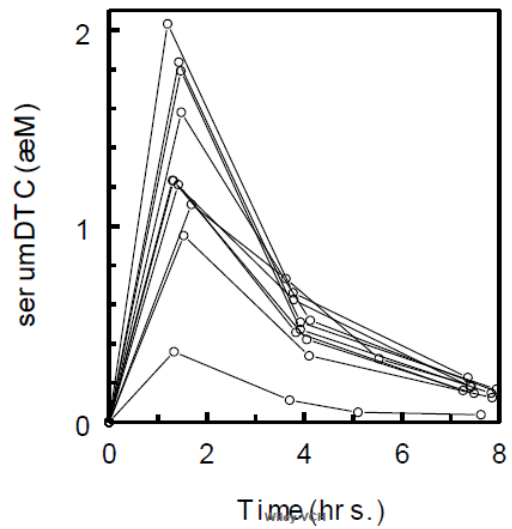
A ten-subject study in Microwave broccoli seeds to create sulforaphane found inter-individual variability of sulforaphane and its metabolites in blood plasma for the highest and lowest individuals was > 500% (2.032 / 0.359 μmol). The urinary % of dose excreted by the same subjects was > 400% higher (86.9% and 19.5%, respectively.)

These studies present an opportunity for further discovery:

  1. Which researchers will try to understand causal experiences in people’s lives that produced such effects?
  2. Which researchers will produce evidence for factors that make people responsively either alive or dead to external influences on their internal environment?
  3. Where are studies that show when an individual needs to change their responses – their phenotype – they can successfully do so?

Herding, the story of 2020

Part 2 of Sprouting hulled oats

In Sprouting hulled oats, seeds were sprouted at 21°C (70°F) for 3 days. That post ended with a question raised by Oat sprouts analysis regarding desirability of enzymes.

Here’s that study’s analysis of its hulled oat variety’s enzymes, excluding results not pertinent to this post. There was neither a 72-hour measurement period nor a 20°C 60-hour period analyzed. Interpolate measurements accordingly.

1. α-amylase enzyme was described as:

“Alpha-amylase plays a key role during germination since it catalyzes hydrolysis of α-1,4 glucosidic linkages of starch, yielding maltose and glucose necessary for seedling development. Activity of this enzyme increased considerably during oat sprouting [reference to Degree of oat sprouting] but it is also de novo synthesized during this process.

High glucose content in sprouted flour can increase its glycemic index (GI). Foods with low GI are beneficial due to low postprandial glucose response compared to foods with a high GI. Selection of germination conditions is crucial to modulate α-amylase activity in oat for obtaining healthier sprouted flours with lower GI.”

A. 3-day-old hulled oat sprouts probably don’t have “High glucose content.” Studies such as Optimization of Oat Amylase During Sprouting to Enhance Sugar Production found:

“Maltose was the primary sugar, though there was a detectable but smaller amount of glucose.”

B. I understand that researchers have adopted a glycemic index. Does that one dimension indexed on glucose at 100 adequately inform health-choice decisions about oat sprout α-amylase enzyme content?

What’s the point of indexing healthy choices like sprouted whole grains to unhealthy choices that healthy people aren’t going to make anyway?

2. Increased protease enzyme activity was analyzed as desirable, and used as an optimization parameter.

3. Lipase activity increased from 18°C 60-hour to 20°C 96-hour measurements in the above graphic. All sprouted oat lipase levels were below unsprouted control oat flour, however:

“Lipase activity decreased in sprouted var. Meeri flour during germination. Our results suggest that there must be an important lipase activity in oat hull.

Lipase hydrolyse triglicerides to free fatty acids that are prone to oxidation and cause rancidity of cereal flours. According to our results, use of dehulled oat grains is desirable to obtain sprouted oat flours with increased stability and longer shelf life.”


Don’t know which enzyme is responsible for mild throat burn after eating 3-day-old hulled oat sprouts. It isn’t unpleasant, just unexpected. Research so far indicates that people pay for catalytic enzymes that increase proteolytic and digestive activity.

What if we index health decisions on a standard at 100 of drinking a beer first thing in the morning? Would anything scaled by that one dimension inform fine tuning of health-choice decisions?

“Woke up this morning and I got myself a beer
The future’s uncertain and the end is always near”

A case for carnitine supplementation

This 2020 review subject was carnitine, acetyl-L-carnitine, and its other molecular forms:

“Carnitine is necessary to deliver long-chain fatty acids from cytosol into mitochondria. Carnitine homeostasis is maintained by diet and renal absorption, as only a small amount (about 25%) is obtained by endogenous biosynthesis.

Defective fatty acid oxidation occurs with reduced intracellular levels of carnitine, leading to glucose consumption instead of lipid consumption, resulting in hypoglycemia. Non-metabolized lipids accumulate in tissues such as heart, skeletal muscle, and liver, resulting in myopathy and hepatic steatosis.

2000 mg/day is unlikely to provoke unwanted side effects and is safe for humans. In-depth studies are needed to identify a unique method of analysis which can guarantee efficient monitoring of supplement active component amounts.”

https://www.mdpi.com/1420-3049/25/9/2127/htm “The Nutraceutical Value of Carnitine and Its Use in Dietary Supplements”


The review listed animal studies of L-carnitine alone and in combination with:

  • Vitamin D3;
  • Coenzyme Q10;
  • Nicotinamide riboside;
  • Selenium;
  • L-arginine;
  • Anti-histamine drugs cetirizine hydrochloride and chlorpheniramine maleate; and
  • Hypertension drug olmesartan.

Human studies of its effects included:

  • Muscle soreness, damage biomarkers, and cramps;
  • Osteoarthritis knee pain and inflammation markers;
  • Ischemic cerebrovascular injury;
  • Peripheral neuropathy;
  • Nonalcoholic fatty liver disease;
  • Insulin resistance and Type 2 diabetes;
  • Kidney diseases;
  • Inherited diseases phenylketonuria and maple syrup urine;
  • Stress, depression, and anxiety;
  • Male infertility; and
  • Hepatitis C.

Sprouting hulled oats

My Sprouting whole oats trial was a hassle with hulls and a poor germination rate. This week I used hulled oat seeds from a different vendor, and a different study, Degree of oat sprouting, as my model.

  • Oat variety of Avena sativa was a small seed, 7 mm x 2 mm. The model used “huskless oat ‘Gehl'” which is a different species (Avena nuda).
  • 100 seeds weighed 1.5 grams. There were over 1,300 seeds per 20 g batches.
  • Oat sprout batches were processed the same way I do broccoli sprout batches. A new batch started soaking to start germination every 12 hours, then was rinsed three times every 24 hours on a 6 hours – 6 hours – 12 hours cycle. I have an open question to the model’s corresponding coauthor to explain their “4.5‐hr wet steeping, 19‐hr air rest, and 4‐hr steeping, all at 20°C” procedures to start germination, since I didn’t have access to its cited study. The model grew oat sprouts for 1, 2, and 3 days.
  • Temperature in my kitchen was 21°C (70°F) because it’s winter outside. The model grew oat sprouts at 10, 14, 20, 25, and 30°C. Their findings included “Temperatures between 20° and 25°C yielded the most dramatic changes in properties of sprouted oats.”

I evaluated germination results per the model’s Degree of Sprouting finding:

“Length of the coleoptile [shoot] was selected as a criterion of categorization of degree of sprouting. Grains of degree 0 do not show any radicle [root] or coleoptile growth. Degree:

  1. Has visible embryos (small white point), while radicles and coleoptile are not visible;
  2. Shows a developed embryo emerging from the seed coat;
  3. Coleoptile lengths of at least half the oat grain length;
  4. Coleoptile lengths between half and a full grain length; and
  5. Coleoptile longer than a full grain length.”

Most of this trial wasn’t a big deal, adding just a few extra minutes onto what I do three times a day with broccoli sprouts. Here’s what this oat variety’s hulled seeds and 3-day-old sprouts looked like:

The tedious part was evaluating degrees of sprouting. I took as large a bottom-to-top sample as I could tolerate sorting (235 seeds / sprouts, about 17%), with these results:

A 97% germination rate. 🙂 Average weight of three 3-day-old batches was 51.9 grams, for a 260% weight gain. My 5-day-old whole oat sprouts trial had a 22% germination rate and a 221% weight gain.

The model’s Figure 3 Degree of Sprouting finding for 20°C and 25°C at 3 days was hard to read:

Don’t know how > 1% 0 degrees of sprouting at 20°C and 25°C reconciled with their statement “Germinability after 3 days was about 99% at all temperatures.” A numerical table wasn’t provided – yet another question for the corresponding author. Meanwhile, I’ll estimate:

Their hard-to-read Figure 3 also wasn’t completely congruent with their statement:

“Around 20% of grains sprouted at 20° and 25°C had a coleoptile longer than a full grain length (degree of sprouting 5).”


These oat sprouts tasted milder than my previous trial’s. With more than a third at a degree-of-sprouting 5 measurement, they’re sweet, concurrent with the model’s findings that:

“Increased amounts of reducing sugars and ascorbic acid were found particularly in the radicles and coleoptile. Coleoptile and radicle growth (input parameters for the degree of sprouting) and reducing sugars and α‐amylase activity are interdependent.”

Corresponding increased enzyme concentrations produced an aftertaste, though. I ate them along with either food or drink.

Can eating three-day-old oat sprouts of this Montana cultivated variety help with what I’m already doing? Here’s what I expect, given the model was a different oat species, and the Sprouting oats and Oat sprouts analysis studies used different oat cultivars.

1. In order of magnitude: increased antioxidants, GABA, phenolic compounds, protein, amino acids, β-glucan, and polyunsaturated fatty acids. Don’t know about GABA and protein, but the others may help counter inflammation.

2. Increased enzyme intake. The model study used α-amylase as a marker for α-amylase enzymes (catalyze starches), protease enzymes (catalyze proteins), and lipase enzymes (catalyze fats).

Oat sprouts analysis characterized increased α-amylase and lipase activities as undesirable in a sprouted oat flour context. More on enzymes in Part 2 of Sprouting hulled oats.

Continue sleepwalking, young people

A few months ago I had a series of interactions with a late-twenties person who’d escaped from Manhattan. They were well-off enough to work remotely from anywhere, but they chose to move into their mother’s house.

I tried to see them as an individual. I presented Wake up, young people!! arguments:

“Your future lives are being destroyed by this worldwide political power grab.

Unless you were / are already seriously ill with some other disease, you have had / will have very little chance of becoming a COVID-19 fatality.

Young people have been forced into receiving no benefits to their present lives in order to receive less than nothing in their future lives!

  • People who are herding you couldn’t care less about you.
  • Their control over you has no current or future benefit to you. They’ve demonstrated that your present and future lives mean nothing to them.
  • Sitting around, doing nothing, is interpreted as you consenting to their actions.”

None of these had any obvious penetration to the shields they had. They tried to stereotype me for my efforts.

I presented “taking responsibility for your own one precious life” evidence. They knew I’d been in Milan, Italy, February 22-23, 2020, the weekend during which ten towns were closed south of the city.

They tried to ridicule me for saying that anything I’d done to prepare for an aging life stage – since they’d been in elementary school – had any effect on me not becoming infected. Their behavioral contagion was that strong, as if their survival depended on not hearing anything I had to say.


Take a look at I’m kind of asleep right now while it’s still up on YouTube. The young people I work with aren’t like that, but this phenotype is apparently in the majority.

Does running with the herd feel safe for now? How long will that last?

Week 37 of Changing to a youthful phenotype with broccoli sprouts

1. Been wrong about a few things this past week:

A. I thought in Week 28 that extrapolating A rejuvenation therapy and sulforaphane results to humans would produce personal results by this week. An 8-day rat treatment period ≈ 258 human days, and 258 / 7 ≈ 37 weeks.

There are just too many unknowns to say why that didn’t happen. So I’ll patiently continue eating a clinically relevant 65.5 gram dose of microwaved broccoli sprouts twice every day.

PXL_20201015_105645362

The study’s lead researcher answered:

“Depends, it might take 37 weeks or more for some aspects of ‘youthening’ to become obvious. It might even take years for others.

Who really cares if you are growing younger every day?

For change at the epigenomic/cellular level to travel up the biological hierarchy from cells to organ systems seems to take time. But the process can be repeated indefinitely (so far as we know) so by the second rejuvenation you’re already starting at ‘young’. (That would be every eight to ten years I believe.)”

His framework is in An environmental signaling paradigm of aging.

B. I thought that adding 2% mustard seed powder to microwaved broccoli sprouts per Does sulforaphane reach the colon? would work. Maybe it would, maybe it wouldn’t, but my stomach and gut said that wasn’t for me.

C. I thought I could easily add Sprouting whole oats to my routine. I ran another trial Sprouting hulled oats using oat seeds from a different company and Degree of oat sprouting as a model.

2. Oat sprouts analysis paired studies were very informative, don’t you think? One study produced evidence over 18 germination-parameter combinations (hulled / dehulled seeds of two varieties, for 1-to-9 days, at 12-to-20°C).

Those researchers evaluated what mix of germination parameters would simultaneously maximize four parameters (β-glucan, free phenolic compounds, protease activity, and antioxidant capacity) while minimizing two (enzymes α-amylase and lipase). Then they followed with a study that characterized oat seeds sprouted under these optimal conditions.

I doubted PubMed’s “oat sprout” 20 search results for research 1977 to the present. Don’t know why they didn’t pick up both of these 2020 studies, but I’m sure that .gov obvious hindrances to obtaining relevant information like this won’t be fixed. What other search terms won’t return adequate PubMed results?

3. The blog post readers viewed this week that I made even better was Do delusions have therapeutic value? from May 2019. Sometimes I’ve done good posts describing why papers are poorly researched.

4. I’ve often changed my Week 4 recipe for an AGE-less Chicken Vegetable Soup dinner (half) then the next day for lunch. The biggest change brought about by 33 weeks of behavioral contagion is that I now care more about whether vegetables are available than whether or not they’re organic. Coincidentally, I’ve developed a Costco addiction that may require intervention.

  • 1/2 lemon
  • 4 Roma tomatoes
  • 4 large carrots
  • 6 stalks organic celery
  • 6 mushrooms
  • 6 cloves garlic
  • 6 oz. organic chicken breast fillet
  • 1 yellow squash, alternated with 1 zucchini
  • 1 cup sauvignon blanc
  • 32 oz. “unsalted” chicken broth, which still contains 24% of the sodium RDA

Pour wine into a 6-quart Instant Pot; cut and strain squeezed lemon; cut chicken into 1/4″ cubes and add; start mixture on Sauté. Wash and cut celery and stir in. Wash and cut carrots and stir in.

When pot boils around 8 minutes, add chicken broth and stir. Wash mushrooms, slicing into spoon sizes.

Wash and slice yellow squash / zucchini. Crush and peel garlic, tear but don’t slice. Turn off pot when it boils again around 15 minutes.

Wait 2-3 minutes for boiling to subside, then add yellow squash / zucchini, mushrooms, garlic, whole tomatoes. Let set for 20 minutes; stir bottom-to-top 5 and 15 minutes after turning off, and again before serving.

AGE-less Chicken Vegetable Soup is tasty enough to not need seasoning.

Oat sprouts analysis

A research group published two 2020 studies on sprouting oat seeds. Their first study produced evidence over a range of germination parameters (hulled / dehulled seeds of two varieties, for 1-to-9 days, at 12-to-20°C):

“The aim was to investigate the influence of germination period and temperature on protein profile, bioactive potential (β-glucan and phenolic contents), antioxidant capacity, and on activity of enzymes (α-amylase, protease and lipase) from hulled and dehulled oat varieties. Multi-response optimization was used to identify optimal germination conditions that maximize sprouted oat flour quality.

  • Hulled (variety Barra) and dehulled (variety Meeri) germination was performed in dark at different temperatures (12, 14, 16, 18, and 20 ◦C) and duration (24, 60, 96, 156, and 216 h).
  • Germination at 16 ◦C for 216 h and 20 ◦C for 96 h produced the highest protein accumulation in varieties Barra and Meeri, respectively.
  • Germination for short periods (24–96 h) combined with medium temperatures (12–16 ◦C) retained β-glucan levels, but longer germination times (156–216 h) caused reductions of 47–64%. Endogenous β-glucanases increase activity during germination, causing hydrolysis of β-glucan.
  • Free phenolic compound content was between 1.6-fold and 2.8-fold higher when germination took place at high temperatures (16–18 ◦C) for longer times.
  • Antioxidant capacity was between 1.4 and 4.5-fold higher. High temperatures (16–18 ◦C) and longer germination times (156–216 h) positively influenced antioxidant capacity.

The effect of germination conditions strongly depended on genetic diversity and presence/absence of hull.

Optimal germination conditions maximize contents of β-glucan, free phenolic compounds, protease activity, and antioxidant capacity, and minimize activity of undesirable enzymes α-amylase and lipase. For variety Meeri, that corresponded to 18 ◦C and time 120 h.”

https://www.sciencedirect.com/science/article/abs/pii/S0023643820309440 “Changes in protein profile, bioactive potential and enzymatic activities of gluten-free flours obtained from hulled and dehulled oat varieties as affected by germination conditions” (not freely available)


Their second 2020 study analyzed properties of 4-day-old oat sprouts. Dehulled oat seeds (variety Meeri) were soaked at room temperature for 4 hours, then germinated in darkness at 18°C with humidity ≥ 90%.

“Sprouted oat powder was an excellent source of protein (10.7%), β-glucan (2.1%), thiamine, riboflavin, and minerals (P, K, Mg and Ca). It presented better amino acid and fatty acid compositions, and levels of γ-aminobutyric acid [GABA], free phenolics, and antioxidant capacity than control.

Protein content (g/100 g) and amino acid profile (g/100 g protein). Different letters within a row indicate p ≤ 0.05 statistical differences.

During germination, proteins are partially hydrolyzed increasing availability of free amino acids. Activity of glutamate decarboxylase enzyme is enhanced.

However, no significant reduction of glutamate content was observed. Glutamate is used for GABA and protein synthesis, but it is also produced by protein hydrolysis, glutamine synthetase-glutamate synthase cycle, and GABA transaminase reactions.

Sprouted oat powder exhibited 2.5-fold higher SPC [soluble (free) phenolic compounds] levels. De novo synthesis of phenolic compounds or liberation of phenolic compounds that are linked to macromolecules due to cell wall dismantling during germination could explain enhancement of SPC.

Sprouted oat powder displayed a 3-fold higher antioxidant capacity. Release of bound phenolic compounds and de novo synthesis of avenanthramides might be responsible.

Hydrolysis of β-glucan might also cause an increase in oxygen radical absorbance capacity. β-glucan oligosaccharides exhibit high radical scavenging activity and reducing power, and that could be related with exposure of their active hydroxyl groups and decrease of intermolecular hydrogen bonding during germination.”

https://www.sciencedirect.com/science/article/abs/pii/S0308814620318343 “Sprouted oat as a potential gluten-free ingredient with enhanced nutritional and bioactive properties” (not freely available)


Both studies started germination by:

“Twenty grams of oat seeds were used for germination. Soaking (1:6 ratio, w/v) was performed at room temperature (20 ◦C ±2 ◦C) for 4 h.”

Neither study included estimates of germination rates. I contacted the corresponding coauthor for that information, and they replied:

“The germination rate in hulled oat varieties was around 95% and in
dehulled one around 55-70% depending on the germination conditions.”


Sprouting whole oats

Last week I started sprouting whole oats using Sprouting oatsfirst study as a model.

  • Oat seed variety was Thunder Acres Organic Oats Lot# DEC 07 2022, sized .3 cm x 1.1 cm. That’s a large seed by criteria of large not passing through a 2.65 mm x 8.33 mm sieve.
  • 100 seeds weighed 4.2 grams. There were almost 600 seeds per 25 g batches.
  • Oat sprout batches were processed the same way I do broccoli sprout batches. A new batch started soaking to start germination every 12 hours, then was rinsed three times every 24 hours on a 6 hours – 6 hours – 12 hours cycle. The model also soaked seeds for 12 hours, but watered daily.
  • Temperature was 21°C (70°F) compared with the model’s 25°C. Relative humidity was lower than their 60%, probably between 30% and 50%, because it’s winter outside.

A few sprouts were similar to the model’s radicle length of 6.47 ± 0.22 cm after five days of germinating in darkness:

Didn’t achieve anything close to their 100% germination rate:

Not sure why 78% of seeds didn’t overcome dormancy. Different oat variety? Half the model’s relative humidity? Four degrees cooler temperature? Too frequent watering?

I decided to continue on to 6-day-old oat sprouts. A few sprouts had a growth spurt and started greening:

Just a few, though:

Didn’t generate enough data to confirm significant differences in germination rates between 5 and 6 days, or between a.m. and p.m.


Removing each batch’s sprout hulls was tedious. Now I can cut my fingernails again.

I ran another trial Sprouting hulled oats using oat seeds from a different company and Degree of oat sprouting as a model.

Degree of oat sprouting

This 2019 study investigated oat sprout parameters:

Huskless oat ‘Gehl’ cultivated in 2016 in Canada, was used throughout the study. Grains (500 g) were sprouted at different temperatures (10, 14, 20, 25, and 30°C) and for different times (1, 2, and 3 days). Changes in vitamin C, β‐glucan, and reducing sugar were monitored, and α‐amylase activity was studied as a marker for total enzyme activity.

Mass fraction of radicle [root] and coleoptile [shoot] in grain correlated very well with β‐glucan level. A similarly good correlation was found for the much easier applicable degree of sprouting, visual assessment of coleoptile length set into relation to grain size.

Germinability after 3 days was about 99% at all temperatures. Temperatures between 20° and 25°C yielded the most dramatic changes in properties of sprouted oats.

  • At 3 days, α‐amylase activities at 20° and 25°C increased significantly to values one order of magnitude larger than those for other temperatures.
  • β‐glucan content was decreased after 3 days at all temperatures. Degradation was most pronounced at 20°C, almost halving initial β‐glucan content to 3.9%.
  • No ascorbic acid was present in native grain. Upon sprouting, a significant increase in ascorbic acid content was found – except at 30°C – with highest levels at 20°C.

Ascorbic acid content in radicles and coleoptile was four times higher than that in grain without radicles and coleoptile. Oat grains sprouted for 3 days at 20°C had an average degree of sprouting of 3; hence, radicles and coleoptile contributed about 8% of mass. These findings indicate that a fast visual determination of degree of sprouting allows to estimate, for example, ascorbic acid content without doing expensive experiments.

Around 20% of grains sprouted at 20° and 25°C had a coleoptile longer than a full grain length (degree of sprouting 5). Less long coleoptiles developed at other temperatures.

  • For the 3‐day sprouting period, the longest coleoptile was observed for sprouting at 25°C.
  • At 30°C average degree of sprouting was 1.4, and grains showed no practical radicle growth.

Coleoptile and radicle growth (input parameters for the degree of sprouting) and reducing sugars and α‐amylase activity are interdependent. Degree of sprouting could develop into a reliable characterization method for sprouted grains, usable for predicting compositional and nutritional changes of oats during sprouting.”

https://onlinelibrary.wiley.com/doi/full/10.1002/cche.10203 “Sprouting of oats: A new approach to quantify compositional changes”


Relative humidity wasn’t mentioned in this study. I asked the corresponding coauthor about it, since two Sprouting oats studies stated relative humidity as a factor for sprouting oats.

I also asked them to explain their “4.5‐hr wet steeping, 19‐hr air rest, and 4‐hr steeping, all at 20°C” procedures to start germination, since I didn’t have access to the cited study. No reply yet.

This was my model study for Sprouting hulled oats.

Ducks in a row

An oats β-glucan clinical trial

This 2020 human study investigated effects of processing β-glucan:

“Nutritional advantages of oats compared to many other grains include gluten-free nature, high content of polyunsaturated fatty acids, protein composition which complements that of pulses, and substantiated health effects of fibers, specifically oat β-glucan. Novel oat products, which are often semi-solid or liquid, generally need alterations of the physicochemical properties of oats.

The hypothesis in this study [Clinical trial NCT02764931] was that bioprocessing of oat bran with enzyme treatment, causing depolymerization of β-glucan, affects nutritional properties of bran and functional properties of β-glucan in human gastrointestinal tract.

The study meal consisted of oat bran concentrate treated with a commercial food-grade cell wall degrading enzyme preparation at 1 or 50 nkat β-glucanase g-1 dm-1. A control sample was prepared in the same way without added enzymes. Average MW [molecular weight] of β-glucan in:

  • Control oat bran concentrate was >1000 kDa [weight in kilodaltons] (High MW);
  • 1 nkat g-1 dm-1-treated 524 kDa (Medium MW); and
  • 50 nkat g-1 dm-1-treated 82 kDa (Low MW).

Results of this study supported the hypothesis that alteration of oat β-glucan MW with enzymatic treatment affects nutritional properties of oat bran and functional properties of β-glucan in the human gastrointestinal tract:

  • A High MW β-glucan meal resulted in the highest excretion of fecal bile acids, and the lowest excretion of phenolic compounds in urine.
  • A Low MW β-glucan meal resulted in the lowest excretion of fecal bile acids, but the highest excretion of phenolic compounds, especially ferulic acid, in urine.
  • Medium MW β-glucan was similar to High MW β-glucan in that it resulted in high excretion of fecal bile acids and low excretion of phenolic compounds to urine, but mean pressure in the duodenum was closer to Low MW than to High MW meal.

Perceived gut well-being after consumption of each meal did not differ between meals, but varied between genders, which should be further investigated.”

https://www.sciencedirect.com/science/article/abs/pii/S0308814620320811 “Effect of oat β-glucan of different molecular weights on fecal bile acids, urine metabolites and pressure in the digestive tract – A human cross over trial” (not freely available)


I eat 81 grams of steel-cut oats every morning, which is represented by this study’s high-molecular-weight control. Take responsibility for your one precious life.

No β-glucan for dolphins or seagulls