Go with the Alzheimer’s Disease evidence

This 2021 study investigated gut microbiota differences between 100 AD patients and 71 age- and gender-matched controls:

“Structural changes in fecal microbiota were evident in Chinese AD patients, with decreased alpha-diversity indices and altered beta-diversity ones, evidence of structurally dysbiotic AD microbiota.

Interestingly, traditionally beneficial bacteria, such as Bifidobacterium and Akkermansia, increase in these AD patients while Faecalibacterium and Roseburia decrease significantly. Different species of Bifidobacterium may have different effects that can explain why Bifidobacterium spp. are commonly associated with healthy and diverse microbiota but sometimes also isolated in other conditions. We needed to re-examine the therapeutic potential of Bifidobacterium in terms of maintaining cognitive function and treating dementia.

Surprisingly, our data indicate that Akkermansia was among the most abundant genera in AD-associated fecal microbiota. Similar to Bifidobacterium, Akkermansia was negatively correlated with clinical indicators of AD, such as MMSE, WAIS, and Barthel, and anti-inflammatory cytokines such as IFN-γ.

Based on our present observations, Akkermansia cannot always be considered a potentially beneficial bacterium. It might be harmful for the gut–brain axis in the context of AD development in the elderly.

Aging is associated with an over-stimulation of both innate and adaptive immune systems, resulting in a low-grade, chronic state of inflammation defined as inflammaging. This can increase gut permeability and bacterial translocation.

Characteristics of AD microbial profiles changed from butyrate producers, such as Faecalibacterium, into lactate producers, such as Bifidobacterium. These alterations contributed to shifts in metabolic pathways from butyrate to lactate, which might have participated in pathogenesis of AD. Specific roles of AD-associated signatures and their functions should be explored in further studies.”

https://www.frontiersin.org/articles/10.3389/fcell.2020.634069/full “Structural and Functional Dysbiosis of Fecal Microbiota in Chinese Patients With Alzheimer’s Disease”


The control group’s 73-year-olds were better off than AD patients. How were they compared with their previous life stages?

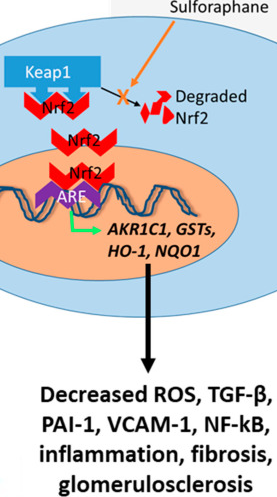
Since we’re all aging, how do we each prepare ourselves? I’ll return to evidence including 2020 A rejuvenation therapy and sulforaphane, recently amplified in Part 2 of Switch on your Nrf2 signaling pathway:

“A link between inflammation and aging is the finding that inflammatory and stress responses activate NF-κB in the hypothalamus and induce a signaling pathway that reduces production of gonadotropin-releasing hormone (GnRH) by neurons.

The case is particularly interesting when we realize that the aging phenotype can only be maintained by continuous activation of NF-κB. So here we have a multi-level interaction:

  1. Activation of NF-κB leads to
  2. Cellular aging, leading to
  3. Diminished production of GnRH, which then
  4. Acts (through cells with a receptor for it, or indirectly as a result of changes to GnRH-receptor-possessing cells) to decrease lifespan.

Cell energetics is not the solution, and will never lead to a solution because it makes the assumption that cells age. Cells take on the age-phenotype the body gives them.

Aging is not a defect – it’s a programmed progressive process, a continuation of development with the body doing more to kill itself with advancing years. Progressive life-states where each succeeding life-stage has a higher mortality (there are rare exceptions).

Cellular aging is externally controlled (cell non-autonomous). None of those remedies that slow ‘cell aging’ (basically all anti-aging medicines) can significantly extend anything but old age.

For change at the epigenomic/cellular level to travel up the biological hierarchy from cells to organ systems seems to take time. But the process can be repeated indefinitely (so far as we know).”

We may express concern about others. But each of us should also take responsibility for our own one precious life.

Treat your gut microbiota as one of your organs

Two 2021 reviews covered gut microbiota. The first was gut microbial origins of metabolites produced from our diets, and mutual effects:

“Gut microbiota has emerged as a virtual endocrine organ, producing multiple compounds that maintain homeostasis and influence function of the human body. Host diets regulate composition of gut microbiota and microbiota-derived metabolites, which causes a crosstalk between host and microbiome.

There are bacteria with different functions in the intestinal tract, and they perform their own duties. Some of them provide specialized support for other functional bacteria or intestinal cells.

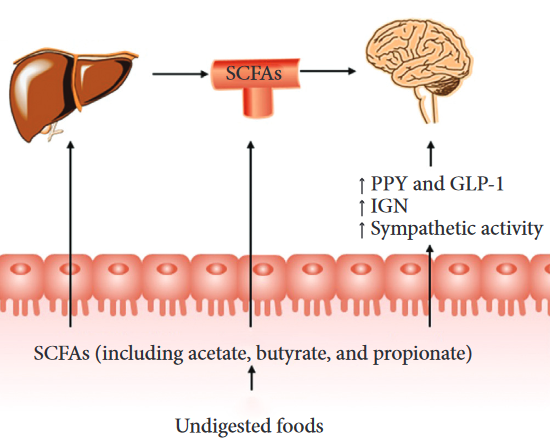
Short-chain fatty acids (SCFAs) are metabolites of dietary fibers metabolized by intestinal microorganisms. Acetate, propionate, and butyrate are the most abundant (≥95%) SCFAs. They are present in an approximate molar ratio of 3 : 1 : 1 in the colon.

95% of produced SCFAs are rapidly absorbed by colonocytes. SCFAs are not distributed evenly; they are decreased from proximal to distal colon.

Changing the distribution of intestinal flora and thus distribution of metabolites may have a great effect in treatment of diseases because there is a concentration threshold for acetate’s different impacts on the host. Butyrate has a particularly important role as the preferred energy source for the colonic epithelium, and a proposed role in providing protection against colon cancer and colitis.

There is a connection between acetate and butyrate distinctly, which suggests significance of this metabolite transformation for microbiota survival. The significance may even play an important role in disease development.

  • SCFAs can modulate progression of inflammatory diseases by inhibiting HDAC activity.
  • They decrease cytokines such as IL-6 and TNF-α.
  • Their inhibition of HDAC may work through modulating NF-κB activity via controlling DNA transcription.”

https://www.hindawi.com/journals/cjidmm/2021/6658674/ “Gut Microbiota-Derived Metabolites in the Development of Diseases”


A second paper provided more details about SCFAs:

“SCFAs not only have an essential role in intestinal health, but also enter systemic circulation as signaling molecules affecting host metabolism. We summarize effects of SCFAs on glucose and energy homeostasis, and mechanisms through which SCFAs regulate function of metabolically active organs.

Butyrate is the primary energy source for colonocytes, and propionate is a gluconeogenic substrate. After being absorbed by colonocytes, SCFAs are used as substrates in mitochondrial β-oxidation and the citric acid cycle to generate energy. SCFAs that are not metabolized in colonocytes are transported to the liver.

  • Uptake of propionate and butyrate in the liver is significant, whereas acetate uptake in the liver is negligible.
  • Only 40%, 10%, and 5% of microbial acetate, propionate, and butyrate, respectively, reach systemic circulation.
  • In the brain, acetate is used as an important energy source for astrocytes.

Butyrate-mediated inhibition of HDAC increases Nrf2 expression, which has been shown to lead to an increase of its downstream targets to protect against oxidative stress and inflammation. Deacetylase inhibition induced by butyrate also enhances mitochondrial activity.

SCFAs affect the gut-brain axis by regulating secretion of metabolic hormones, induction of intestinal gluconeogenesis (IGN), stimulation of vagal afferent neurons, and regulation of the central nervous system. The hunger-curbing effect of the portal glucose signal induced by IGN involves activation of afferents from the spinal cord and specific neurons in the parabrachial nucleus, rather than afferents from vagal nerves.

Clinical studies have indicated a causal role for SCFAs in metabolic health. A novel targeting method for colonic delivery of SCFAs should be developed to achieve more consistent and reliable dosing.

The gut-host signal axis may be more resistant to such intervention by microbial SCFAs, so this method should be tested for ≥3 months. In addition, due to inter-individual variability in microbiota and metabolism, factors that may directly affect host substrate and energy metabolism, such as diet and physical activity, should be standardized or at least assessed.”

https://www.hindawi.com/journals/cjidmm/2021/6632266/ “Modulation of Short-Chain Fatty Acids as Potential Therapy Method for Type 2 Diabetes Mellitus”


Increasing soluble fiber intake with inulin

From a 2015 USDA technical report:

“Inulin is a naturally-occurring carbohydrate found in roots of chicory and many other food plants. Oligofructose is derived from inulin.

Inulin is a polymer chain of multiple fructose molecules with a glucose molecule at one end. Length of the fructose chain of inulin can range from 2–60 fructose molecules.

Inulin is mostly indigestible by human enzymes due to its shape, but is digestible by microbes in the large intestine. It can serve as a prebiotic, a nutrient source for microflora in the human digestive system.”


From a 2021 review Friend or foe? The roles of inulin-type fructans (not freely available):

“Inulin-type fructans are a mixture of inulin, oligofructose and fructooligosaccharide (FOS). They aren’t absorbed in the stomach and small intestine. They can be completely fermented by bacteria in the large intestine.

They treat digestive diseases, metabolic syndrome, immune system and inflammatory diseases, endothelial dysfunction, and prevent infection and cancer.

A 2010 gastrointestinal tolerance of chicory inulin products study indicated that 10 g/day of native inulin or 5 g/day of oligofructose were well-tolerated in healthy, young adults. Over this dose would induce mild gastrointestinal symptoms.”


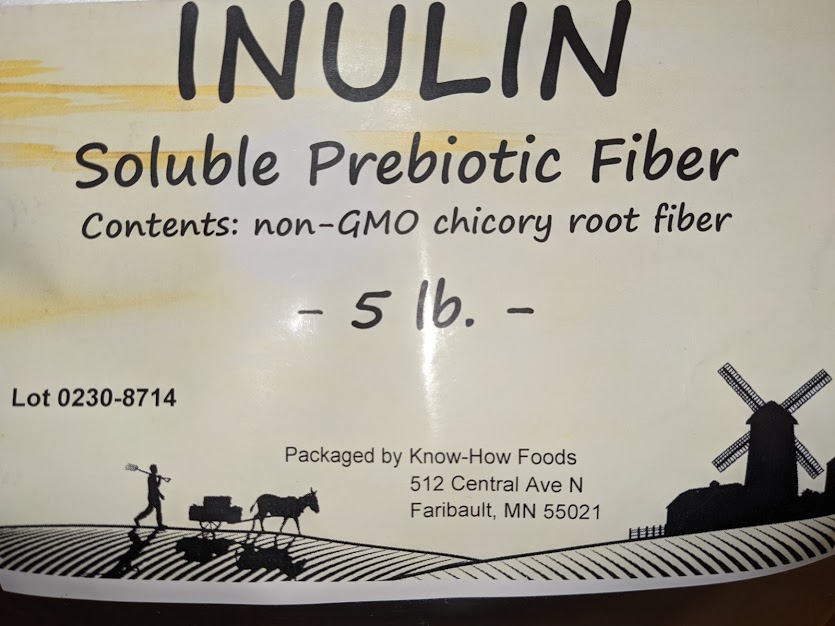
I bought this last month:

From the manufacturer:

“A powdered food ingredient based on chicory inulin with a high level of oligofructose 1 (DP2-DP10). This product is characterized by a high solubility.

Inulin from chicory is a polydisperse mixture of linear fructose polymers with mostly a terminal glucose unit, coupled by means of beta (2-1) bonds. The number of units (degree of polymerization) can vary between 2 and 60.

It is a fine, white powder with 30% the sweetness of sucrose. It has >=85% inulin/oligofructose and <15% fructose, glucose, sucrose. It has 2.2 kcal/gram and a glycemic response of 20.”

From the vendor:

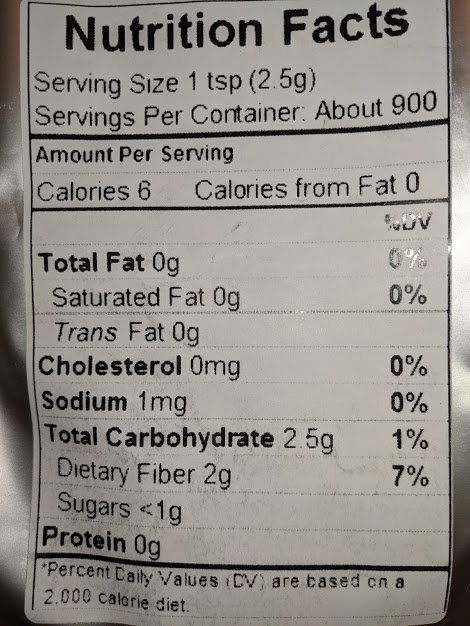
“You pay for the product… not the product packaging! Each teaspoon (tsp) delivers 2g fiber.

Inulin is hygroscopic so will take on moisture, especially in humid environments. Store in a dry place and remove as much air from the pouch as able before resealing after each use. Alternately, you could store in several smaller air-tight containers. This will limit exposure to possible humidity. Room temperature or cooler is ideal.”


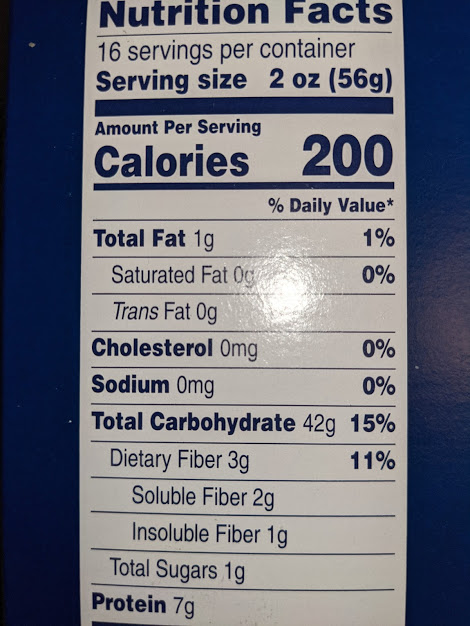
It tastes like cotton candy. 🙂 Its first use was to replace 2 grams of soluble fiber I got from eating 56 grams of noodles:

Probably won’t reorder FOS when I run out. I’ve taken 1.5 grams FOS every day for 16 years.

Eat broccoli sprouts for your kidneys

Starting Year 7 of curating research with a 2021 review of kidney disease and sulforaphane:

“Many chronic kidney disease (CKD) patients progress to end-stage kidney disease – the ultimate in failed prevention. While increased oxidative stress is a major molecular underpinning of CKD progression, no treatment modality specifically targeting oxidative stress has been established clinically.

Pathophysiologic effects occur when there is an imbalance between oxidation and reduction – an altered redox state in which excess free radicals react with other molecules, including lipids, proteins, and nuclear DNA. Mitochondrial DNA is also susceptible to oxidative damage.

All mechanisms discussed above have been shown to be present in CKD. When levels of antioxidant agents such as SOD, CAT, GPx/glutathione, and NRF2 are reduced, harmful effects of oxidation and generation of ROS cannot be appropriately mitigated.

Data suggest continued SFN [sulforaphane] administration is needed to maintain activation of the NRF2 pathway to confer protection against oxidative damage of diabetes. Renal protective effect of SFN has been demonstrated in many other models of kidney injury.

SFN may have therapeutic potential in kidney disease by stimulating the NRF2 pathway.”

https://www.mdpi.com/2072-6643/13/1/266/htm “Eat Your Broccoli: Oxidative Stress, NRF2, and Sulforaphane in Chronic Kidney Disease”


Didn’t see where these researchers intended to perform a suggested “clinical study to assess the effect of SFN in CKD.” Keep reading before experimentally treating patients, please. Targets they missed included:

  • Parameters of myrosinase hydrolizing glucoraphanin;
  • “Consumption of broccoli strains with more glucoraphanin leads to higher plasma levels of SFN” and
  • “It follows that SFN could also pose similar adverse effects, particularly if taken in an isolated preparation.”

Also missing from this kidney review were connections to broccoli sprouts’ effectiveness in preventing bladder disease. Isothiocyanate metabolites accumulate in the bladder.

I came across this paper from it citing Sulforaphane: Its “Coming of Age” as a Clinically Relevant Nutraceutical in the Prevention and Treatment of Chronic Disease. I curated it due to informatively citing Microwave broccoli to increase sulforaphane levels.

Harnessing endogenous defenses with broccoli sprouts

This 2019 article was by the author of Sulforaphane: Its “Coming of Age” as a Clinically Relevant Nutraceutical in the Prevention and Treatment of Chronic Disease. It isn’t widely available, so I’ll quote liberally:

“Demand for solutions to digestive health issues is accelerating, especially since both scientific literature and popular press dedicate significant resources to promoting awareness of what has come to be known as ‘gut health’. In considering available therapies and the possibility that a somewhat different approach may more comprehensively optimise function of the gut ecosystem, a number of questions which do not yet have satisfactory answers are ponderable dilemmas:

  1. If diet alone can dramatically shift composition of the microbiome within 24 hours, what do we expect of a probiotic supplement?
  2. Even though probiotics as food or supplements demonstrate favourable clinical outcomes, they typically don’t colonise the gut. How do we expect them to restore diversity and lost species to the gut microbiome after antibiotics? If no trace of an administered probiotic organism can be found a few weeks later, is there any sustained benefit?
  3. Presence of obesity and other diseases is indirectly proportional to diversity of microbial organisms inhabiting the human gut. What can we expect of a few selected probiotic strains in helping to solve this problem?
  4. No antimicrobial approach selectively destroys a pathogen without impacting commensals to some degree. If we select a tool to eradicate gut pathogens, pathobionts or rogue commensals, how do we avoid damaging protective commensals with which we live symbiotically?
  5. The value of using a probiotic supplement after antibiotic therapy to recolonise the gut is uncertain. A 2018 multi-centre study showed that probiotic supplementation after antibiotics delayed gut microbiome reconstitution by around five months.
  6. If the gut can harbour around 1,000 different species, why do we expect a probiotic supplement harbouring just a few species to favourably modify a human microbiome?
  7. If Lactobacilli make up <0.1% of total microbes, why do we so readily choose them as probiotic supplements?
  8. If L-glutamine is a preferred energy source for the small intestine and not the colon, why is it used almost universally in gut repair programmes regardless of the affected region?

Removal of gluten and administration of probiotics have lesser impact than endogenous factors like elevated HbA1c:

Shift emphasis closer to optimising colonocyte metabolism as the primary driver of dysbiosis in the colon. Since these mechanisms within the human gut ecosystem already exist, intervene at this level, as distinct from using antimicrobials and exogenous probiotic strains to influence host cell function.

Phytonutrients that potently activate these core processes have been identified and are sufficiently bioavailable to achieve this end. Restoring homeostasis to intestinal epithelial cells can be readily justified as a key initial step.

Sulforaphane is a potent inducer of hundreds of genes associated with cellular defences mechanisms. In this context, these genes include those that code for antioxidant and phase II detoxification enzymes, glutathione and metallothionein.

Sulforaphane exhibits other more specific gut and immune-related effects. As the most potent single food-derived activator of Nrf2, sulforaphane is capable of upregulating protective genes in colonocytes and other cells.

A growing body of work has identified the colonocyte as the driver of dysbiosis. Targeting colonocyte function provides an alternative to targeting microbes for remediation of dysbiosis.”

https://www.researchgate.net/publication/336578800_Restoring_Gut_Ecology_Harnessing_the_Inbuilt_Defence_Mechanisms_of_the_Gut_Epithelium “Restoring Gut Ecology: Harnessing the Inbuilt Defence Mechanisms of the Gut Epithelium” (registration required)


If you can’t access this paper, read The future of your brain is in your gut right now. If you can’t access that paper, listen to Switch on your Nrf2 signaling pathway.

Sprouting hulless oats

I finished a 3-lb. bag of hulled Avena sativa oats used in Sprouting hulled oats after starting 20 gram batches twice a day. Amazon said that Montana farmer’s products were “Currently unavailable. We don’t know when or if this item will be back in stock.” I went to their website and emailed an inquiry.

Turns out it’s Amazon’s problem in restocking pallets that are already received! I placed an order directly with the farmer.

In the meantime, I’m trying another oat species, Avena nuda, from an Illinois farmer. I’ll reuse Degree of oat sprouting as the model, since it was also an Avena nuda oat variety.

  • Oat seed size was 7-9 mm x 2-3 mm. The model used “huskless oat ‘Gehl’” which may be a different variety.
  • 100 seeds weighed 2.9 grams. There were close to 700 seeds per 20 g batches.
  • Oat sprout batches were processed the same way I do broccoli sprout batches. A new batch started soaking to start germination every 12 hours, then was rinsed three times every 24 hours on a 6 hours – 6 hours – 12 hours cycle.
  • Temperature in my kitchen was 21°C (70°F) because it’s snowing outside. The model findings included “Temperatures between 20° and 25°C yielded the most dramatic changes in properties of sprouted oats.”

I evaluated germination results per the model’s Degree of Sprouting finding:

“Length of the coleoptile [shoot] was selected as a criterion of categorization of degree of sprouting. Grains of degree 0 do not show any radicle [root] or coleoptile growth. Degree:

  1. Has visible embryos (small white point), while radicles and coleoptile are not visible;
  2. Shows a developed embryo emerging from the seed coat;
  3. Coleoptile lengths of at least half the oat grain length;
  4. Coleoptile lengths between half and a full grain length; and
  5. Coleoptile longer than a full grain length.”

Here’s what this hulless oat variety’s seeds and 3-day-old sprouts looked like:

The tedious part was evaluating degrees of sprouting. I took as large a bottom-to-top sample as I could tolerate sorting (160 seeds / sprouts, about 23%), with these results:

A 91% germination rate. 🙂 Average weight of 3-day-old batches was 42.5 grams, for a 213% weight gain. That wasn’t as much as 3-day-old hulled oats’ 97% germination rate and 260% weight gain.

For degree-of-sprouting comparisons, here are my eyeball estimates of the model study’s 3-day-old hulless oats:

These 3-day-old hulless oat sprouts taste starchier with less enzyme aftertaste than 3-day-old hulled oat sprouts. Will extending their growth to four days increase degree-of-sprouting categories 4 and 5, and change their taste?

An extra day from 5 to 6 didn’t make a difference in Sprouting whole oats germination rate. I don’t expect non-germinated percentages to change from 3 to 4 days, but we’ll see.

I expect similar overall increases in antioxidants, GABA, phenolic compounds, protein, amino acids, β-glucan, and polyunsaturated fatty acids as hulled oat sprouts.

Update: Four-day-old hulless oat sprouts have a little more sweetness and enzyme aftertaste. Their degree-of-sprouting and germination rate didn’t change much, though.

Mid-life gut microbiota crisis

This 2019 rodent study investigated diet, stress, and behavioral relationships:

“Gut microbiome has emerged as being essential for brain health in ageing. We show that prebiotic supplementation with FOS-Inulin [a complex short- and long-chain prebiotic, oligofructose-enriched inulin] is capable of:

  • Dampening age-associated systemic inflammation; and
  • A profound yet differential alteration of gut microbiota composition in both young adult and middle-aged mice.

Middle-aged mice exhibited an increased influx of inflammatory monocytes into the brain. However, neuroinflammation at this stage was not significant enough to manifest in major cognitive impairments.

A much longer exposure to prebiotics might be needed to achieve significant effects, suggesting that supplementation may have to start earlier to be effectively preventative before alterations in the brain occur. This is particularly evident for behaviour.

Targeting gut microbiota, as we have done with a prebiotic, can affect the brain and subsequent behaviour through a variety of potential pathways including SCFAs [short-chain fatty acids], amino acids and immune pathways. All of these are interconnected. Future studies are needed to better deconvolve [figure out] such pathways in eliciting beneficial effects of inulin.

Modulatory effects of prebiotic supplementation on monocyte infiltration into the brain and accompanied regulation of age-related microglia activation highlight a potential pathway by which prebiotics can modulate peripheral immune response and alter neuroinflammation in ageing. Our data suggest a novel strategy for the amelioration of age-related neuroinflammatory pathologies and brain function.”

https://www.nature.com/articles/s41380-019-0425-1 “Mid-life microbiota crises: middle age is associated with pervasive neuroimmune alterations that are reversed by targeting the gut microbiome” (not freely available)


This study’s experiments subjected young and middle-aged mice to eight stress tests. I appreciated efforts to trace causes to behavioral effects, since behavior provided stronger evidence.

I’m in neither life stage investigated by this study. Still, per Reducing insoluble fiber, I’ll start taking inulin next week. See Increasing soluble fiber intake with inulin.

I came across this study through its citation in How will you feel?

Inauguration day

Don’t take Beano if you’re stressed

This 2021 rodent study investigated diet and stress relationships:

“We show that dietary raffinose metabolism to fructose couples stress-induced gut microbial remodeling to intestinal stem cells (ISC) renewal and epithelial homeostasis. Chow diet (CD) and purified diet (PD) confer distinct vulnerability to gut epithelial injury, microbial alternation and ISC dysfunction in chronically restrained mice.

raffinose

  • We hypothesized that CD components might provide a favorable condition to sustain the expansion of Lactobacillus spp. during stress. We performed a thorough chemical analysis of the diets with special attention to oligosaccharide and polyphenol compounds.
  • To understand whether raffinose could underlie diet-shaped epithelial response to stress, we fed mice with raffinose-supplemented PD (RD) and examined effects of chronic restraint stress (RS) on gut epithelial integrity. Mice receiving RD had noticeably increased density of stem cells in the intestine and colon after stress.
  • We next investigated whether dietary supplementation with raffinose could recapitulate the effect of CD to increase resilience to epithelial injury. Dietary raffinose abundance appears to be the major factor driving gut microbial and epithelial response to stress.
  • A striking change in fructo-oligosaccharide (FOS) and raffinose utilization was intensified after stress. Given the specific increase of fructose after raffinose supplementation to mice, we further explored effects of fructose on intestinal epithelial renewal in stressed mice.

Dietary components and chronic stress interactively modulate gut microbial metabolism and its crosstalk with ISCs. In particular, we identify that dietary raffinose and L. reuteri constitute a metabolic feedforward circuit promoting ISC proliferation via fructose-augmented and engaged glycolysis.

Our data shed light on the dynamic nature of psychological stress-gut microbe crosstalk in adaption to host diets, which highlights diet-microbe interplay in dictating gut response to psychological stress.”

https://www.ncbi.nlm.nih.gov/pmc/articles/PMC7801547/ “A diet-microbial metabolism feedforward loop modulates intestinal stem cell renewal in the stressed gut”


These researchers conducted more than a dozen-and-a-half experiments, with each successively investigating previous ones’ outcomes. One that caught my interest identified raffinose as a major difference between chow and purified diets, which was further investigated.

Our gut microbiota will handle raffinose better than us eating Beano to make raffinose immediately digestible. Lookup raffinose, and you’ll see many more articles condemning it for social purposes than praising it for health purposes.

Experiments weren’t done with soluble fiber as It’s the fiber, not the fat did. There may have been unstudied effects of soluble fiber:

  • The two studies’ chow diets were similar; and
  • Soluble fiber contents of both purified diet (this study) and refined diets (“It’s the fiber”) were zero, as they contained only insoluble cellulose.

I came across this study by it citing 2018’s Colonocyte metabolism shapes the gut microbiota, which was a notable citation in The future of your brain is in your gut right now.

And 2021 will look like..?

Week 42 of Changing to a youthful phenotype with broccoli sprouts

1. I had two wake-up calls on scale this week. The first started with A follow-on study to 3-day-old broccoli sprouts have the optimal yields that found:

“Activity of free MYR [myrosinase enzyme] was the highest at pH 5.0, and it decreased rapidly when pH was less or higher.”

myrosinase pH

Bought a pH meter and ReaLemon to adjust water pH when immersing broccoli sprouts for microwaving.

It turns out that only 3 drops of pH 3.5 ReaLemon is needed to change 100 ml of pH 7.0 filtered water to pH 5. A 100-fold pH change with a ReaLemon amount too small for my scale to measure.

The second came from Broccoli sprouts activate the AMPK pathway translating mouse experimental time frames to humans. One effect wasn’t realized after an equivalent 10 human years, and required another 12 human-equivalent years to manifest.

Patience with broccoli sprout efforts may stretch way past what I’ve imagined so far. 42 wasn’t the answer:

Thanks for all the fish!

n’t: A reader pointed out that the sulforaphane effect requiring another 12 human-equivalent years to manifest occurred in human-equivalent 42-year-olds. So 42 was the answer – in years, not weeks.

2. I finished the 3-lb. bag of Avena sativa oats used in Sprouting hulled oats after starting 20 gram batches twice a day. Amazon said that Montana farmer’s products were “Currently unavailable. We don’t know when or if this item will be back in stock.” I went to their website and emailed an inquiry.

Turns out it’s Amazon’s problem in restocking pallets that are already received! I placed an order directly with the farmer.

In the meantime, I’m trying another oat species, Avena nuda, from an Illinois farmer. I’ll reuse Degree of oat sprouting as the model, since it was also an Avena nuda oat variety. Results posted in Sprouting hulless oats.

I’ve had a 97% germination rate with these Avena sativa hulled oats. Too bad for vendors who:

  • Appear to sell substantially the same Avena sativa hulled oats I’ve sprouted, but put a ‘Not for sprouting’ disclaimer in product descriptions without explaining exactly why their product can’t be sprouted; and
  • Are clueless about what they sell, writing silliness like “Our Organic Gluten Free Oat Groats can not be sprouted due to the hull being removed.”

3. The first link of Item 1 above was also the blog post I made better this week after reader feedback. I included an important point previously excluded:

“Sulforaphane was extremely unstable during storage and it was best to enzymatically convert to sulforaphane before oral intake.

I also modified analysis of this graph:

myrosinase activity temperatures

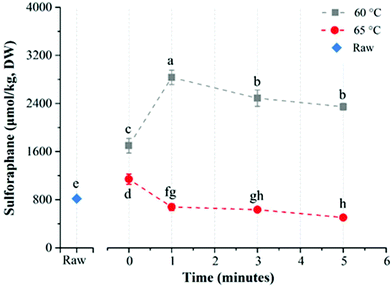
I thought about adjusting microwave practices for 3-day-old broccoli sprouts from ≤ 60°C to 55°C (131°F) in consideration of both the ESP and the 55-to-65°C decline in myrosinase activity.

But myrosinase activity at unmeasured 60°C isn’t at the graph’s straight line drawn between measured 55°C and 65°C. A substantial decline begins after 60°C, not after 55°C as drawn.

Consider this graphic from Enhancing sulforaphane content:

c9fo02089f-f4
Myrosinase robustly hydrolyzes glucoraphanin into sulforaphane at 60°C. There’s clearly a myrosinase deactivation cliff between 60°C and 65°C. Go up to the cliff edge if you must, but don’t go further.

cliff

Can a prebiotic help you feel better?

This 2019 rodent study investigated an inulin-type fructo-oligosaccharide (FOS):

“The microbiota-gut-brain axis was used to investigate anti-depressive properties of FOS at the interface of gut microbiota. FOS was introduced via gavage to rats exposed to chronic unpredictable mild stress:

  • FOS alleviated depression-like behaviors and repaired intestinal epithelia damages.
  • FOS treatment lowered corticosterone level.
  • FOS-induced modulation of gut microbiota was more anti-depressive compared to fluoxetine, the standard antidepressant drug.

  • N-Ctrl and M-Ctrl were normal and model control groups which received only water.
  • N-FOS and M-FOS were normal and model rats administrated FOS (50 mg/kg) [human equivalent (50 mg x .162) x 70 kg = 567 mg].
  • M-Flx and M-DP5 rats were model rats given fluoxetine hydrochloride (10 mg/kg) and DP5 compound of FOS (15 mg/kg).

Villi structure was broken for rats in a depression-like state. Mucosal erosion was increased, and the crypt in the small intestinal epithelium was disrupted. Treatment with FOS, DP5 and fluoxetine relieved this damage.

However, a severe side effect was found in the colon of rats that demonstrated apposition to fluoxetine:

  • There was obvious goblet cell loss and inflammatory cells infiltration in the colonic epithelium of fluoxetine treated rats, which showed more severity than in model control rats. Although fluoxetine has high bioavailability, its irritation to gastrointestinal tract may cause inflammation reaction thus lead to colonic destruction.
  • These pathological changes in the intestine were investigated to compare the influence of stress and possible drug irritation to the gastrointestinal tract. Stress had negatively affected microstructure of the small intestine.

Anti-depressant efficacy of FOS was inseparable from and strongly associated with modulation of the host’s gut microbiota.”

https://www.sciencedirect.com/science/article/abs/pii/S0944711319304738 “Fructo-oligosaccharides from Morinda officinalis remodeled gut microbiota and alleviated depression features in a stress rat model” (not freely available)


Forcing people to learn helplessness explored human equivalents of this study’s chronic, unpredictable stress experiments. Related phenotypes and symptoms in humans and animals include:

  • “Social defeat
  • Social avoidance behavior
  • Irritable bowel syndrome
  • Depression
  • Anxiety
  • Anhedonia
  • Increased hypothalamic-pituitary-adrenal (HPA)-axis sensitivity
  • Visceral hypersensitivity.”

These researchers spent a lot of time and effort comparing microbiota categories. The point for people, though, is how we feel.

PXL_20210122_122029867

It’s the fiber, not the fat

I came across this 2020 fiber-vs-fat rodent study from its citation in Gut microbiota and aging:

“Dietary intervention studies largely revolve around altering fat content. Little consideration has been given to amount of fiber and whether or not it is soluble.

We examined age- and sex-specific effects of a refined high-fat/low soluble fiber diet (rHFD) on body weight and gut microbiota composition relative to mice fed a refined low-fat diet (rLFD) that is nutritionally and compositionally matched to rHFD.

Chow diet supplied energy as 13.4% fat, 28% protein, 57.9% carbohydrates, and 15% dietary fiber (range of total dietary fiber between 15 and 25% with 15–20% insoluble and 2–5% soluble fiber).

Two refined diets were used: rLFD supplying energy as 12% fat, 21% protein, and 67% carbohydrates; and rHFD supplying energy as 45% fat, 20% protein, and 35% carbohydrates. [Both rLFD and rHFD contained] 5% fiber in the form of insoluble cellulose.

Young adult animals consumed chow diet for 17 weeks, and 1-year aged animals consumed chow diet for 60 weeks. We included a 1-week transition period wherein all mice were fed rLFD. For the following 4 weeks, half of the animals remained on rLFD while the other half consumed rHFD.

After 4 weeks, young adult female mice showed resistance to weight gain to rHFD, consistent with previous reports. Aged females fed rHFD showed rapid body weight gain relative to rLFD-fed aged females.

Young adult and 1-year aged males showed a significant gain in body weight that was independent of refined diet formulation, suggesting that other components of the refined diet contribute to body weight gain that is independent of dietary fat.

Transition from chow diet to rLFD resulted in changes to microbiota community structure and composition in all groups, regardless of sex and age. This dietary transition was characterized by a loss within phylum Bacteroidetes and a concomitant bloom of Clostridia and Proteobacteria in a sex- and age-specific manner.

No changes to gut microbiota community structure and composition were observed between mice consuming either rLFD or rHFD, suggesting that transition to rLFD that lacks soluble fiber is the primary driver of gut microbiota alterations, with limited additional impact of dietary fat on gut microbiota.”

https://microbiomejournal.biomedcentral.com/articles/10.1186/s40168-020-0791-6 “It’s the fiber, not the fat: significant effects of dietary challenge on the gut microbiome”


It’s alright for researchers in the Abstract and Introduction section to interpret how their rodent study may apply to humans. I appreciate when they confine their statements elsewhere to what they actually measured and found.

This study didn’t measure inflammation, behaviors, neurobiologics, metabolic parameters, immune biomarkers, or hormones. They can qualify statements with “may” all they want, but there wasn’t direct evidence for either:

“Age-specific vulnerability to diet-induced body weight gain in females may be related to aging-related changes to estrogens.”

or

“The lack of differences between rLFD- and rHFD-fed mice may indicate that gut microbiota structure and composition can be dissociated from body weight and systemic inflammation.”

Papers that cite this study can’t rely on its Abstract for “regulating metabolic, immune, behavioral, and neurobiological outcomes” because its experiments didn’t directly measure such outcomes.

Removing 2-5% soluble fiber from subjects’ diet had large effects. I look forward to reading human studies that are informed by this study.

Gut microbiota and aging

This 2020 review explored the title subject:

“The human body contains 1013 human cells and 1014 commensal microbiota. Gut microbiota play vital roles in human development, physiology, immunity, and nutrition.

Human lifespan was thought to be determined by the combined influence of genetic, epigenetic, and environmental factors including lifestyle-associated factors such as exercise or diet. The role of symbiotic microorganisms has been ignored.

Age-associated alterations in composition, diversity, and functional features of gut microbiota are closely correlated with an age-related decline in immune system functioning (immunosenescence) and low-grade chronic inflammation (inflammaging). Immunosenescence and inflammaging do not have a unidirectional relationship. They exist in a mutually maintained state where immunosenescence is induced by inflammaging and vice versa.

Immunosenescence changes result in both quantitative and qualitative modifications of specific cellular subpopulations such as T cells, macrophages and natural killer cells as opposed to a global deterioration of the immune system. Neutrophils and macrophages from aged hosts are less active with diminished phagocytosing capability.

Gut microbiota transform environmental signals and dietary molecules into signaling metabolites to communicate with different organs and tissues in the host, mediating inflammation. Gut microbiota modulations via dietary or probiotics are useful anti-inflammaging and immunosenescence interventions.

The presence of microbiomic clocks in the human body makes noninvasive, accurate lifespan prediction possible. Prior to occurrence of aging-related diseases [shown above], bidirectional interactions between the gut and extraenteric tissue will change.

Correction of accelerated aging-associated gut dysbiosis is beneficial, suggesting a link between aging and gut microbiota that provides a rationale for microbiota-targeted interventions against age-related diseases. However, it is still unclear whether gut microbiota alterations are the cause or consequence of aging, and when and how to modulate gut microbiota to have anti-aging effects remain to be determined.”

https://www.tandfonline.com/doi/abs/10.1080/10408398.2020.1867054 “Gut microbiota and aging” (not freely available; thanks to Dr. Zongxin Ling for providing a copy)


1. The “Stable phase” predecessor to this review’s subject deserved its own paper:

“After initial exposure and critical transitional windows within 3 years after birth, it is generally agreed that human gut microbiota develops into the typical adult structure and composition that is relatively stable in adults.

gut microbiota by age phenotype

However, the Human Microbiome Project revealed that various factors such as food modernization, vaccines, antibiotics, and taking extreme hygiene measures will reduce human exposure to microbial symbionts and led to shrinkage of the core microbiome, while the reduction in microbiome biodiversity can compromise the human immune system and predispose individuals to several modern diseases.”

2. I looked for the ten germ-free references in the “How germ-free animals help elucidate the mechanisms” section of The gut microbiome: its role in brain health in this review, but didn’t find them cited. Likewise, the five germ-free references in this review weren’t cited in that paper. Good to see a variety of relevant research.

There were a few overlapping research groups with this review’s “Gut-brain axis aging” section, although it covered only AD and PD research.

3. Inflammaging is well-documented, but is chronic inflammation a condition of chronological age?

A twenty-something today who ate highly-processed food all their life could have gut microbiota roughly equivalent to their great-great grandparents’ at advanced ages. Except their ancestors’ conditions may have been byproducts of “an unintended consequence of both developmental programmes and maintenance programmes.

Would gut microbiota be a measure of such a twenty-something’s biological age? Do we wait until they’re 60, and explain their conditions by demographics? What could they do to reset themself back to a chronological-age-appropriate phenotype?


A follow-on study to 3-day-old broccoli sprouts have the optimal yields

This 2020 follow-on study to 3-day-old broccoli sprouts have the optimal yields investigated myrosinase enzyme activity:

“Myrosinase (MYR) can hydrolyze glucosinolates to produce sulforaphane [and other healthy compounds]. SF [sulforaphane] was extremely unstable during storage and it was best to enzymatically convert to SF before oral intake.

In this study, MYR activity in broccoli seeds and sprouts of different varieties were firstly compared. Then, after optimization for the microencapsulation condition of MYR, characteristics of free and encapsulated MYR enzyme were evaluated and compared.

The difference in MYR activity among seven broccoli varieties’ seeds was significant. However, total MYR activity in seeds and sprouts was actually not comparable. In the same weight of seeds and sprouts, dry matter content of sprouts was lower than that of seeds because of their high moisture content.

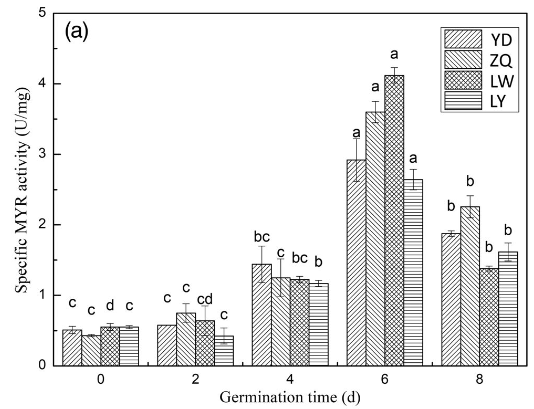
  • MYR activity of sprouts did not change significantly during the first 2 days of germination.
  • From the fourth day, enzyme activity increased significantly.
  • By the sixth day, its activity increased to the maximum, then decreased.

Broccoli variety significantly affected MYR activity during germination. 6-day-old LW variety was selected for further research.

myrosinase activity temperatures

When temperature was higher than 55° C, free MYR activity decreased rapidly [but see Item 2 below]. At 65° C, the free enzyme activity was less than half of the maximum enzyme activity. Specific activity of encapsulated MYR declined slowly, with the values of 82.1% at 65° C.

Activity of free MYR was the highest at pH 5.0, and it decreased rapidly when pH was less or higher. Encapsulated MYR could retain its activity under wider pH range and higher temperature than free MYR. Encapsulated MYR also kept higher activity during storage at room temperature.

Supplement of encapsulated MYR was favorable for SF production in broccoli sprouts during storage.”

https://onlinelibrary.wiley.com/doi/10.1111/jfpe.13567 “Selection and microencapsulation of myrosinase enzyme from broccoli sprouts of different varieties and characteristics evaluation” (not freely available)


1. Human stomach pH is 1.5. This study didn’t measure myrosinase activity below pH 4, maybe because it’s inactivated? Don’t count on myrosinase hydrolyzing glucosinolates into sulforaphane and other isothiocyanates like I3C after swallowing broccoli sprouts or supplements.

2. These researchers’ previous study heated broccoli seed powder at 55°C for 5 min to inactivate the epithiospecifier protein. I thought about adjusting microwave practices for 3-day-old broccoli sprouts from ≤ 60°C to 55°C (131°F) in consideration of both the ESP and the 55-to-65°C decline in myrosinase activity.

But myrosinase activity at unmeasured 60°C isn’t at the graph’s straight line drawn between measured 55°C and 65°C. A substantial decline begins after 60°C, not after 55°C as drawn.

Consider this graphic from Enhancing sulforaphane content:

c9fo02089f-f4

Myrosinase robustly hydrolyzes glucoraphanin into sulforaphane at 60°C. There’s clearly a myrosinase deactivation cliff between 60°C and 65°C.

cliff

3. Haven’t seen sulforaphane supplements with microencapsulated myrosinase. This study provided evidence to support that method. Less clear is whether microencapsulated myrosinase continues on intact past the stomach.

Even if there were such supplements, though, wouldn’t it be more efficient and effective to create broccoli sprout hydrolysis compounds just before eating them?

“Sulforaphane was extremely unstable during storage and it was best to enzymatically convert to sulforaphane before oral intake.”

Why depend on vendor claims, myrosinase stability, or our own individual metabolisms?

The future of your brain is in your gut right now

A 2020 paper by the author of Sulforaphane: Its “Coming of Age” as a Clinically Relevant Nutraceutical in the Prevention and Treatment of Chronic Disease:

“The gut and brain communicate bidirectionally via several pathways which include:

  1. Neural via the vagus nerve;
  2. Endocrine via the HPA axis;
  3. Neurotransmitters, some of which are synthesized by microbes;
  4. Immune via cytokines; and
  5. Metabolic via microbially generated short-chain fatty acids.

How does nature maintain the gut-microbiome-brain axis? Mechanisms to maintain homeostasis of intestinal epithelial cells and their underlying cells are a key consideration.

The symbiotic relationship that exists between microbiota and the human host is evident when considering nutrient requirements of each. The host provides food for microbes, which consume that food to produce metabolites necessary for health of the host.

Consider function of the human nervous system, not in isolation but in integration with the gastrointestinal ecosystem of the host, in expectation of a favorable impact on human health and behavior.”

https://www.sciencedirect.com/science/article/pii/B9780128205938000148 “Chapter 14 – The gut microbiome: its role in brain health” (not freely available)


Always more questions:

  1. What did you put into your gut today?
  2. What type of internal environment did it support?
  3. What “favorable impact on human health and behavior” do you expect from today’s intake?
  4. How will you feel?
  5. Will you let evidence guide feeding your gut environment?

See Harnessing endogenous defenses with broccoli sprouts for further elaboration. See Switch on your Nrf2 signaling pathway for an interview with these papers’ author.

Eat heat-killed bacteria for health?

Two human studies investigated health effects of heat-killed lactic acid bacteria. The first from 2019 found:

“One hundred healthy subjects with a body mass index from 23.0 to 29.9 (51 men and 49 women, mean age 41.4 years) were enrolled in this randomized, double-blind, placebo-controlled, parallel group study. Subjects were randomly assigned to daily administration of a tablet containing heat-killed Lactobacillus plantarum L-137 (HK L-137) (10 mg) or a placebo tablet for 12 weeks. This study was conducted at Higashi Koganei Sakura Clinic (Tokyo, Japan) from December 2017 to March 2018.

HK L-137 improved TC and LDL-C levels, especially in subjects with high serum CRP, an indicator of total inflammation. Seasonal increases in levels of TC and LDL-C were observed in the control group, but not in the HK L-137 group, resulting in significant differences between groups at 12 weeks.

HK L-137 decreased aspartate aminotransferase (AST) and alanine aminotransferase (ALT) biomarkers of hepatic inflammation. Daily intake of HK L-137 enhanced T-cell responses and suppressed hepatic inflammation and serum cholesterol in overweight subjects.”

https://link.springer.com/article/10.1007%2Fs00394-019-02112-3 “Daily intake of heat-killed Lactobacillus plantarum L-137 improves inflammation and lipid metabolism in overweight healthy adults: a randomized-controlled trial”

Four individuals in both the control and treatment groups – 8% – came down with influenza during the 12-week trial period.


Researchers of a 2020 study cited their previous work in mouse models and in a preliminary clinical study. Let’s start with their comment on the first study:

“Reduction in high-sensitivity C-reactive protein (hsCRP) or pro-inflammatory cytokines, the most important biomarkers of systemic chronic inflammation, was not found.

We selected Lactobacillus plantarum OLL2712 as an optimal anti-inflammatory LAB strain among hundreds in our LAB library. Administration of heat-treated OLL2712 cells alleviated chronic inflammation by suppressing pro-inflammatory cytokine levels in visceral adipose tissue and the serum and improved hyperglycemia in mouse models with obesity and diabetes.

In the present study, we conducted a randomized, double-blind, placebo-controlled, parallel-group trial to examine whether the 12-week ingestion of a test yogurt containing heat-treated OLL2712 cells is effective in improving glucose metabolism-related parameters in human prediabetic participants. Prediabetic adults (n = 130, age range: 20–64 years) were randomly assigned to either the placebo or OLL2712 groups (n = 65 each) and were administered conventional yogurt or yogurt containing more than 5 × 10⁹ heat-treated OLL2712 cells, respectively, daily for 12 weeks in Minato-ku, Tokyo, Japan between July and December 2018.

HbA1c levels were significantly reduced in both groups at week 12 compared to baseline. 12-week reduction of HbA1c levels was significantly greater in the OLL2712 group.

Fasting blood glucose (FBG) levels did not change significantly in both groups. Fasting insulin levels were significantly increased in both groups compared to baseline due to seasonal fluctuations from summer to winter. However, they continued to increase consistently throughout the study only in the placebo group.

Increased chronic inflammation marker levels and insulin-resistant index (HOMA-IR) levels were higher at week 12 than at baseline in the placebo group but not in the OLL2712 group. HOMA-IR = fasting glucose (mg/dL) × fasting insulin (μU/mL)/405.

Overall, the only significant difference between groups was found for HbA1c levels. Effect size was very small compared to that of clinical trials of antidiabetic medication that target patients with severe diabetes.

Placebo yogurt used in this study contained some effective ingredients including more than 1011 cells of Lactobacillus bulgaricus and Streptococcus thermophilus, which might provide glycemic improvement and might affect benefits of OLL2712 cells.

Postprandial glucose excursions contribute more to HbA1c in participants with lower FBG levels. Ingestion of OLL2712 cells might reduce HbA1c levels in participants with lower FBG levels by suppressing postprandial glucose excursions.”

https://www.mdpi.com/2072-6643/12/2/374/htm “Effects of 12-Week Ingestion of Yogurt Containing Lactobacillus plantarum OLL2712 on Glucose Metabolism and Chronic Inflammation in Prediabetic Adults: A Randomized Placebo-Controlled Trial”

The placebo group’s Day 0 fiber part of their diet was 3% (11.0 / (11.0 + 232 + 62.6 + 69)). The treatment group was also 3%.


People are eating highly-processed food if fiber is only 3% of their diet. Can effects from other gut microbiota interventions be expected when basic soluble fiber requirements aren’t met?

Also, humans have 1014 gut microbiota. They outnumber the second study’s treatment “5 × 10⁹ heat-treated OLL2712 cells” by 20,000 to one, and its placebo group by 1,000 to one. Could either group reach effective levels?

I’m not overweight or prediabetic, don’t have metabolic syndrome or diabetes. Like Day 70 results from Changing to a youthful phenotype with broccoli sprouts, it’s hard to make personal comparisons to populations represented by these two trials.

I eat less than half the fat, and several times more than the fiber shown above. If I took heat-killed lactic acid bacteria, would it have any measurable effects?