Experience-induced transgenerational programming of neuronal structure and functions

The second paper of Transgenerational epigenetic inheritance week was a 2017 German/Israeli review focused on:

“The inter- and transgenerational effects of stress experience prior to and during gestation..the concept of stress-induced (re-)programming in more detail by highlighting epigenetic mechanisms and particularly those affecting the development of monoaminergic transmitter systems, which constitute the brain’s reward system.

We offer some perspectives on the development of protective and therapeutic interventions in cognitive and emotional disturbances resulting from preconception and prenatal stress.”

The reviewers noted that human studies have difficulties predicting adult responses to stress that are based on gene expression and early life experience. Clinical studies that experimentally manipulate the type, level and timing of the stressful exposure aren’t possible. Clinical studies are also predicated on the symptoms being recognized as disorders and/or diseases.

The researchers noted difficulties in human interventions and treatments. Before and during pregnancy, and perinatal periods are where stress effects are largest. But current human research hasn’t gathered sufficient findings to develop practical guidelines for early intervention programs.


I’m not persuaded by arguments that cite the difficulties of performing human research on transgenerational epigenetic inheritance. There are overwhelming numbers of people who have obvious stress symptoms: these didn’t develop in a vacuum.

Researchers:

  • Design human studies to test what’s known from transgenerational epigenetic inheritance animal studies that will include documenting the subjects’ detailed histories with sufficient biometric samples and data obtained from their lineage.
  • Induce pregnant subjects to at least temporarily avoid what’s harmful for them and/or the offspring, in favor of what’s beneficial.
  • Document the subjects’ actions with history and samples.

I acknowledge that economic incentives may not be enough to get people to participate. I’m familiar with a juvenile sickle-cell study that didn’t get enough subjects despite offering free transportation and hundreds of dollars to the caregivers per visit. The main problem seemed to be that the additional income would be reported and threaten the caregivers’ welfare benefits.

Stop whining that your jobs are difficult, researchers. Society doesn’t owe you a job. EARN IT – get yourself and the people in your organization motivated to advance science!

http://www.sciencedirect.com/science/article/pii/S014976341630731X “Experience-induced transgenerational (re-)programming of neuronal structure and functions: Impact of stress prior and during pregnancy” (not freely available)
Transgenerational effects of early environmental insults on aging and disease

The first paper of Transgenerational epigenetic inheritance week was a 2017 Canadian/Netherlands review that’s organized as follows:

“First, we address mechanisms of developmental and transgenerational programming of disease and inheritance. Second, we discuss experimental and clinical findings linking early environmental determinants to adverse aging trajectories in association with possible parental contributions and sex-specific effects. Third, we outline the main mechanisms of age-related functional decline and suggest potential interventions to reverse negative effects of transgenerational programming.”

A transgenerational phenotype was defined as an epigenetic modification that was maintained at least either to F2 grandchildren in the paternal lineage, or to F3 great-grandchildren in the maternal lineage.

The reviewers noted that mechanisms of transgenerational programming are complex and multivariate.  Severity, timing, and type of exposure; lineage of transmission; germ cell exposure; and gender of an organism were the main factors that may determine consequences. Mechanisms reviewed were:

  1. Parental exposure to an adverse environment;
  2. Altered maternal behavior and care of offspring; and
  3. Experience-dependent modifications of the epigenome.

There was a long list of diseases and impaired functionalities that were consequences of ancestral experiences and exposures. Most studies were of animals, but a few were human, such as those done on effects of extended power outages during a Quebec ice storm of January 1998.


One intervention that was effective in reversing a transgenerational phenotype induced by deficient rodent maternal care was to place pups with a caring foster female soon after birth. It’s probably unacceptable in human societies to preemptively recognize all poor-care human mothers and remove the infant to caring foster mothers. But researchers could probably find enough instances to develop studies of the effectiveness of such placements in reversing a transgenerational phenotype.

The review didn’t have suggestions for reversing human transgenerational phenotypes, just “potential interventions to reverse negative effects of transgenerational programming.” Interventions suggested for humans – exercise, enriched lifestyle, cognitive training, dietary regimens, and expressive art and writing therapies – only reduced impacts of transgenerational epigenetic effects.

Tricky wording of “reverse negative effects of transgenerational programming” showed that research paradigms weren’t aimed at resolving causes. The review was insufficient for the same reasons mentioned in How one person’s paradigms regarding stress and epigenetics impedes relevant research, prompting my same comment:

Aren’t people interested in human treatments of originating causes so that their various symptoms don’t keep bubbling up? Why wouldn’t research paradigms be aligned accordingly?

When reversals of human phenotypes aren’t researched, problems may compound by being transmitted to the next generations.

http://www.sciencedirect.com/science/article/pii/S014976341630714X “Transgenerational effects of early environmental insults on aging and disease incidence” (not freely available)

A gaping hole in a review of nutritional psychiatry

This December 2016 Australian review published in September 2017 concerned:

“..the nutritional psychiatry field..the neurobiological mechanisms likely modulated by diet, the use of dietary and nutraceutical interventions in mental disorders, and recommendations for further research.”


The reviewers inexplicably omitted acetyl-L-carnitine, which I first covered in A common dietary supplement that has rapid and lasting antidepressant effects. A PubMed search on “acetyl carnitine” showed over a dozen studies from the past twelve months that were relevant to the review’s subject areas. Here’s a sample, beginning with follow-on research published in June 2016 of the study I linked above:

Reply to Arduini et al.: Acetyl-l-carnitine and the brain: Epigenetics, energetics, and stress

Dietary supplementation with acetyl-l-carnitine counteracts age-related alterations of mitochondrial biogenesis, dynamics and antioxidant defenses in brain of old rats

Neuroprotective effects of acetyl-l-carnitine on lipopolysaccharide-induced neuroinflammation in mice: Involvement of brain-derived neurotrophic factor

ALCAR promote adult hippocampal neurogenesis by regulating cell-survival and cell death-related signals in rat model of Parkinson’s disease like-phenotypes

Analgesia induced by the epigenetic drug, L-acetylcarnitine, outlasts the end of treatment in mouse models of chronic inflammatory and neuropathic pain

The cited references in these recent studies were older, of course, and in the time scope of the review. There’s no excuse for this review’s omission of acetyl-L-carnitine.

https://www.cambridge.org/core/journals/proceedings-of-the-nutrition-society/article/nutritional-psychiatry-the-present-state-of-the-evidence/88924C819D21E3139FBC48D4D9DF0C08 “Nutritional psychiatry: the present state of the evidence” (not freely available)

Why drugs aren’t ultimately therapeutic

This 2016 Oregon review’s concept was the inadequacy of drug-based therapies, explored with the specific subject of epilepsy:

“Currently used antiepileptic drugs:

  • [aren’t] effective in over 30% of patients
  • [don’t] affect the comorbidities of epilepsy
  • [don’t] prevent the development and progression of epilepsy (epileptogenesis).

Prevention of epilepsy and its progression [requires] novel conceptual advances.”

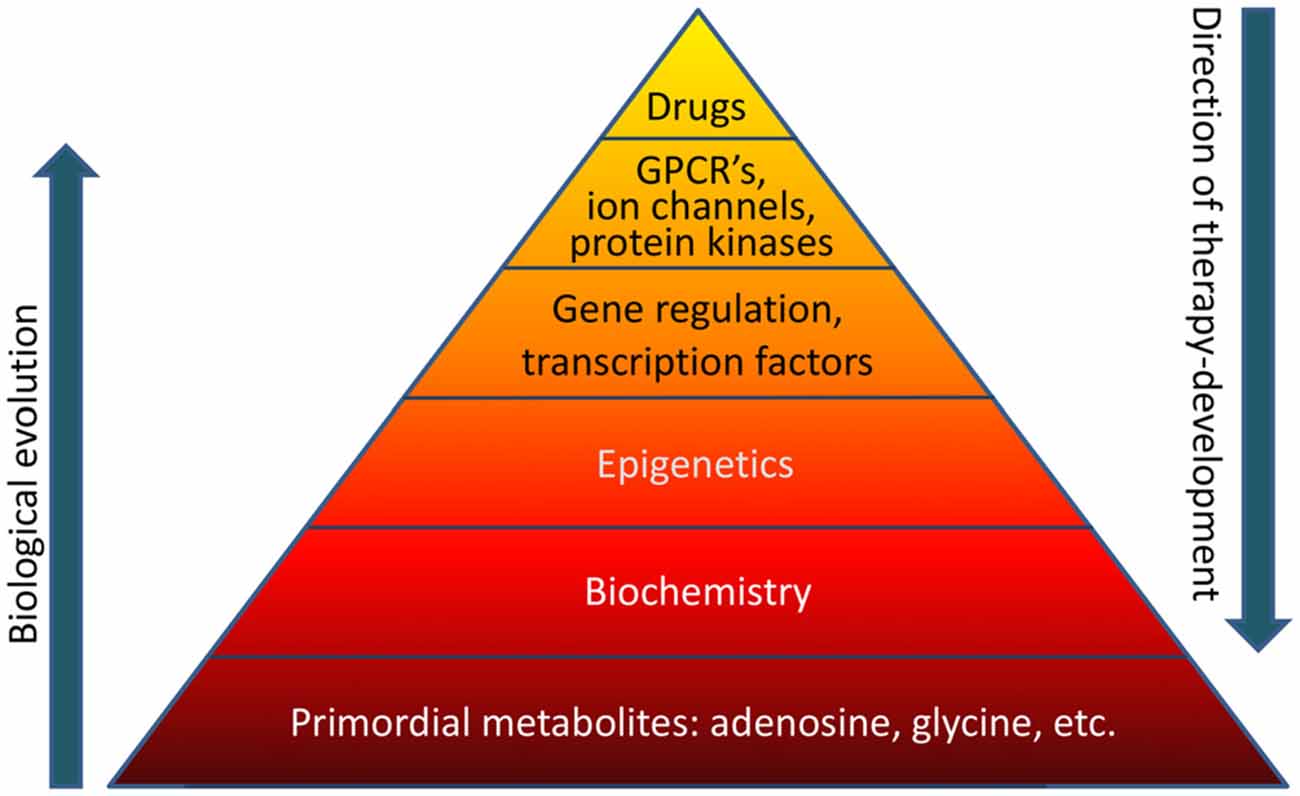
The overall concept that current drug-based therapies poorly address evolutionary biological realities was illustrated by a pyramid, with the comment that:

“If the basis of the pyramid depicted in Figure 1 is overlooked, it becomes obvious that a traditional pharmacological top-down treatment approach has limitations.”

Why drug ultimately aren't therapeutic


I would have liked the reviewer to further address the “therapeutic reconstruction of the epigenome” point he made in the Abstract:

“New findings based on biochemical manipulation of the DNA methylome suggest that:

  1. Epigenetic mechanisms play a functional role in epileptogenesis; and
  2. Therapeutic reconstruction of the epigenome is an effective antiepileptogenic therapy.”

As it was, the reviewer lapsed into the prevalent belief that the causes of and cures for human diseases will always be found on the molecular level – for example, the base of the above pyramid – and never in human experiences. This preconception leads to discounting human elements – notably absent in the above pyramid – that generate epigenetic changes.

A consequence of ignoring experiential causes of diseases is that the potential of experiential therapies to effect “therapeutic reconstruction of the epigenome” isn’t investigated.

http://journal.frontiersin.org/article/10.3389/fnmol.2016.00026/full “The Biochemistry and Epigenetics of Epilepsy: Focus on Adenosine and Glycine”

The cerebellum ages more slowly than other body and brain areas

This 2015 UCLA human study used the epigenetic clock methodology to find:

“All brain regions have similar DNAm ages in subjects younger than 80, but brain region becomes an increasingly significant determinant of age acceleration in older subjects. The cerebellum has a lower epigenetic age than other brain regions in older subjects.

To study age acceleration effects in non-brain tissues as well, we profiled a total of 30 tissues of a 112 year old woman. The cerebellum exhibited the lowest (negative) age acceleration effect compared to the remaining 29 other regions. In contrast, bone, bone marrow, and blood exhibit relatively older DNAm ages.”

Limitations included:

  • “While the epigenetic age of blood has been shown to relate to biological age, the same cannot yet be said about brain tissue.
  • Cellular heterogeneity may confound these results since the cerebellum involves distinct cell types.
  • This cross-sectional analysis does not lend itself for dissecting cause and effect relationships.”

The study didn’t determine why the cerebellum was relatively younger. Some hypotheses were:

  • “Our findings suggest that cerebellar DNA is epigenetically more stable and requires less ‘maintenance work.’
  • The cerebellum has a lower metabolic rate than cortex.
  • It has far fewer mitochondrial DNA (mtDNA) deletions than cortex especially in older subjects, and it accumulates less oxidative damage to both mtDNA and nuclear DNA than does cortex.”

http://impactaging.com/papers/v7/n5/full/100742.html “The cerebellum ages slowly according to the epigenetic clock”

Use it or lose it: the interplay of new brain cells, age, and activity

This 2015 German review was of aging and activity in the context of adult neurogenesis:

“Adult neurogenesis might be of profound functional significance because it occurs at a strategic bottleneck location in the hippocampus.


Age-dependent changes essentially reflect a unidirectional development in that everything builds on what has occurred before. In this sense, aging can also be seen as continued or lifelong development. This idea has limitations but is instructive with regard to adult neurogenesis, because adult neurogenesis is neuronal development under the conditions of the adult brain.

The age-related alterations of adult neurogenesis themselves have quantitative and qualitative components. So far, most research has focused on the quantitative aspects. But there can be little doubt that qualitative changes do not simply follow quantitative changes (e.g., in cell or synapse numbers), but emerge on a systems level and above when an organism ages. With respect to adult neurogenesis, only one multilevel experiment including morphology and behavior has been conducted, and, even in that study, only three time points were investigated.

In old age, adult neurogenesis occurs at only a small fraction of the level in early adulthood. The decline does not seem to be ‘regulated’ but rather the by-product of many age-related changes of other sorts.


From a behavioral level down to a synaptic level, activity increases adult neurogenesis. This regulation does not seem to occur in an all-or-nothing fashion but rather influences different stages of neuronal development differently. Both cell proliferation and survival are influenced by or even depend on activity.

The effects of exercise and environmental enrichment are additive, which indicates that increasing the potential for neurogenesis is sufficient to increase the actual use of the recruitable cells in the case of cognitive stimulation. Physical activity would not by itself provide specific hippocampus-relevant stimuli that induce net neurogenesis but be associated with a greater chance to encounter specific relevant stimuli.


Adult hippocampal neurogenesis might contribute to a structural or neural reserve that if appropriately trained early in life might provide a compensatory buffer of brain plasticity in the face of increasing neurodegeneration or nonpathological age-related functional losses. There is still only limited information on the activity-dependent parameters that help to prevent the age-dependent decrease in adult neurogenesis and maintain cellular plasticity.

The big question is what the functional contribution of so few new neurons over so long periods can be. Any comprehensive concept has to bring together the acute functional contributions of newly generated, highly plastic neurons and the more-or-less lasting changes they introduce to the network.”

I’ve quoted quite a lot, but there are more details that await your reading. A few items from the study referenced in the first paragraph above:

“The hippocampus represents a bottleneck in processing..adult hippocampal neurogenesis occurs at exactly the narrowest spot.

We have derived the theory that the function of adult hippocampal neurogenesis is to enable the brain to accommodate continued bouts of novelty..a mechanism for preparing the hippocampus for processing greater levels of complexity.”


The role of the hippocampus in emotion was ignored as it so often is. The way to address many of the gaps mentioned by the author may be to Advance science by including emotion in research.

For example, from the author’s The mystery of humans’ evolved capability for adults to grow new brain cells:

“Adult neurogenesis is already effective early in life, actually very well before true adulthood, and is at very high levels when sexual maturity has been reached. Behavioral advantages associated with adult neurogenesis must be relevant during the reproductive period.”

When human studies are designed to research how “behavioral advantages associated with adult neurogenesis must be relevant” what purpose does it serve to exclude emotional content?

http://cshperspectives.cshlp.org/content/7/11/a018929.full “Activity Dependency and Aging in the Regulation of Adult Neurogenesis”

Epigenetic effects of cow’s milk

This 2015 German paper with 342 references described:

“Increasing evidence that milk is not “just food” but represents a sophisticated signaling system of mammals.

This paper highlights the potential role of milk as an epigenetic modifier of the human genome paying special attention to cow milk-mediated overactivation of FTO [a gene associated with fat mass and obesity] and its impact on the transcriptome of the human milk consumer.”

The author declared “no competing interests” and “There are no sources of funding.” He presumably wasn’t pressured into writing this paper.

The paper wasn’t agenda-free, however. The main thesis was:

“Persistent milk-mediated epigenetic FTO signaling may explain the epidemic of age-related diseases of civilization.”

There were separate sections on how milk may promote:

  • Breast cancer
  • Prostate cancer
  • Obesity
  • Metabolic syndrome
  • Coronary heart disease
  • Early menarche
  • Type 2 diabetes
  • Neurodegenerative diseases

I don’t eat or drink dairy products because I’m lactose-intolerant. I coincidentally don’t have any of the diseases mentioned in the paper.

My life experiences haven’t led me to share the author’s sense of alarm, or to attribute other people’s problems to their consumption of milk products. However, more than a few problems I’ve had are things I’ve done to myself through actions or inaction that may have turned out differently if I had better information.

So I curated this article in case we’re insufficiently informed about the harmful epigenetic effects of milk. What do you think?

http://www.ncbi.nlm.nih.gov/pmc/articles/PMC4687119/ “Milk: an epigenetic amplifier of FTO-mediated transcription? Implications for Western diseases”

A problematic study of beliefs and dopamine

This 2015 Virginia Tech human study found:

“Dopamine fluctuations encode an integration of RPEs [reward prediction errors, the difference between actual and expected outcomes] with counterfactual prediction errors, the latter defined by how much better or worse the experienced outcome could have been.

How dopamine fluctuations combine the actual and counterfactual is unknown.”

From the study’s news coverage:

“The idea that “what could have been” is part of how people evaluate actual outcomes is not new. But no one expected that dopamine would be doing the job of combining this information in the human brain.”

Some caveats applied:

  • Measurements of dopamine were taken only from basal ganglia areas. These may not act the same as dopamine processes in other brain and nervous system areas.
  • The number of subjects was small (17), they all had Parkinson’s disease, and the experiment’s electrodes accompanied deep brain stimulation implantations.
  • Because there was no control group, findings of a study performed on a sample of people who all had dysfunctional brains and who were all being treated for neurodegenerative disease may not apply to a population of people who weren’t similarly afflicted.

The researchers didn’t provide evidence for the Significance section statement:

“The observed compositional encoding of “actual” and “possible” is consistent with how one should “feel” and may be one example of how the human brain translates computations over experience to embodied states of subjective feeling.”

The subjects weren’t asked for corroborating evidence about their feelings. Evidence for “embodied states of subjective feeling” wasn’t otherwise measured in studied brain areas. The primary argument for “embodied states of subjective feeling” was the second paragraph of the Discussion section where the researchers talked about their model and how they thought it incorporated what people should feel.

The study’s experimental evidence didn’t support the researchers’ assertion – allowed by the reviewer – that the study demonstrated something about “states of subjective feeling.” That the model inferred such “findings” along with the researchers’ statement that it “is consistent with how one should “feel” reminded me of a warning in The function of the dorsal ACC is to monitor pain in survival contexts:

“The more general message you should take away from this is that it’s probably a bad idea to infer any particular process on the basis of observed activity.”


The same researcher who hyped An agenda-driven study on beliefs, smoking and addiction that found nothing of substance was back again with statements such as:

“These precise, real-time measurements of dopamine-encoded events in the living human brain will help us understand the mechanisms of decision-making in health and disease.”

It’s likely that repeated hubris is one way researchers respond to their own history and feelings, such as their need to feel important as mentioned on my Welcome page.

The Parkinson’s patients were willing to become lab rats with extra electrodes that accompanied brain implantations to relieve their symptoms. Findings based on their playing a stock market game didn’t inform us about “mechanisms of decision-making in health and disease” in unafflicted humans. As one counter example, what evidence did the study provide that’s relevant to healthy humans’ decisions to remain healthy by taking actions to prevent disease?

The unwarranted extrapolations revealed a belief that the goal of research should be to explain human actions by explaining the actions of molecules. One problem caused by the preconceptions of this widespread belief is that it leads to study designs and models that omit relevant etiologic evidence embedded in each of the subjects’ historical experiences.

This belief may have factored into why the subjects weren’t asked about their feelings. Why didn’t the study’s design consider as relevant subject-provided evidence for feelings? Because the model already contrived explanations for feelings underlying the subjects’ actions.

http://www.pnas.org/content/113/1/200.full “Subsecond dopamine fluctuations in human striatum encode superposed error signals about actual and counterfactual reward”

Improved methodology in studying epigenetic DNA methylation

This 2015 New York human study was of:

“The two major populations of human prefrontal cortex neurons..the excitatory glutamatergic projection neurons and the inhibitory GABAergic interneurons which constitute about 80% and 20% of all cortical neurons, respectively.

Major differences between the neuronal subtypes were revealed in CpG, non-CpG and hydroxymethylation (hCpG).

A dramatically greater number of undermethylated CpG sites in GLU versus GABA neurons were identified. These differences did not directly translate into differences in gene expression and did not stem from the differences in hCpG methylation, as more hCpG methylation was detected in GLU versus GABA neurons.

Notably, a comparable number of undermethylated non-CpG sites were identified in GLU and GABA neurons, and non-CpG methylation was a better predictor of subtype-specific gene expression compared to CpG methylation.”

The researchers performed numerous cross checks to test the results of their methodologies. This was necessary because, for example, studies such as A human study of changes in gene expression point out that current technologies such as the 450K array:

“Queries only 1.6% of all CpGs in the genome and the CpG selection is biased towards CpG islands.”

From the Discussion section:

“The higher abundance of hmCpG sites in GLU versus GABA neurons appears indicative of a difference in transcriptional potential between the neuronal subtypes. The increased hydroxymethylation could enable certain genes (e.g. activity-dependent genes) to be more readily induced in GLU versus GABA neurons.

These findings emphasize the importance of even subtle differences in the promoter CpG methylation for neuron subtype-specific gene expression. They also suggest that differences in CpG methylation within gene bodies and distal regulatory elements are not always directly reflected in differences in gene expression between neuronal subtypes.

The functional relevance of the association between gene expression and distal non-CpG methylation remains to be characterized.

Our data suggest that, compared to GABA interneurons, GLU projection neurons are characterized by more permissive chromatin state that is less constrained by repressive DNA methylation marks and is instead controlled by more dynamic means of transcription inhibition, such as non-coding RNAs and/or histone modifications.”

This study was similar to A problematic study of DNA methylation in frontal cortex development and schizophrenia in examining:

“If common risk variants determined by the recent genome wide associated studies (GWAS) for several neuropsychiatric diseases including schizophrenia (SCZ), autism spectrum disorder (ASD), major depressive disorder (MDD), and Alzheimer’s disease (AD) significantly overlap.

These findings strongly suggest an association between the epigenetic specification of both GABA and GLU neurons and SCZ. Risk variants associates with ASD, MD, or AD were not enriched.

An alternative explanation of our negative results could be the involvement of different developmental stages and/or brain regions in different diseases.”

The current study performed more detailed analyses, but on fewer subjects. The emphasis was on demonstrating an improved methodology.

Both studies’ findings regarding disease were of effects, not causes. That both study designs were limited to the postmortem prefrontal cortex reminded me of the old joke about looking for lost keys under the street light because the light was better there. At least the current study acknowledged the existence of other areas to search.

http://nar.oxfordjournals.org/content/early/2015/11/25/nar.gkv1304.full “Substantial DNA methylation differences between two major neuronal subtypes in human brain”

Increased epigenetic brain capacity is an evolved human characteristic

This 2015 George Washington study compared human and chimpanzee brain attributes to find:

“The morphology of the human cerebral cortex is substantially less genetically heritable than in chimpanzees and therefore is more responsive to molding by environmental influences.”

From the news coverage:

“We found that the anatomy of the chimpanzee brain is more strongly controlled by genes than that of human brains, suggesting that the human brain is extensively shaped by its environment no matter its genetics.

Though our findings suggest that the increased plasticity found in human brains has many benefits for adaptation, it is also possible that it makes our brain more vulnerable to many human-specific neurodegenerative and neurodevelopment disorders.”

The study demonstrated an aspect of how natural selection of species leading to Homo sapiens – after humans and chimpanzees shared a common ancestor – favored our increased capacity to adapt to our environments.

http://www.pnas.org/content/112/48/14799.full “Relaxed genetic control of cortical organization in human brains compared with chimpanzees”

A problematic study of DNA methylation in frontal cortex development and schizophrenia

This 2015 Baltimore human study found:

CpGs that differ between schizophrenia patients and controls that were enriched for genes related to development and neurodifferentiation.

The schizophrenia-associated CpGs strongly correlate with changes related to the prenatal-postnatal transition and show slight enrichment for GWAS [genome-wide association study] risk loci while not corresponding to CpGs differentiating adolescence from later adult life.

Only a fraction of the illness-associated CpGs, 4.6%, showed association to nearby genetic variants in the meQTL [methylation quantitative trait loci] analysis, further suggesting that these findings may be more related to the epiphenomena of the illness state than to the genetic causes of the disorder.

These data implicate an epigenetic component to the developmental origins of this disorder.”

It wasn’t surprising in 2015 to find “an epigenetic component to the developmental origins of this disorder.” From the supplementary material:

“Diverse chromatin states suggest vastly different epigenetic landscapes of the prenatal versus postnatal human brain.

Approximately half of the CpGs had DNAm [DNA methylation] levels positively correlated with expression across the lifespan, and half had DNAm levels negatively correlated.

These results suggest that many of the epigenetic changes occurring between prenatal and postnatal life in prefrontal cortex manifest in the transcriptome, and that the directionality of association is not strictly linked to the location of the CpG or DMR [differentially methylated region] with respect to an annotated gene.

Diagnosis-associated CpGs were relatively small compared with those differentially methylated between fetal and postnatal samples.”


The studied brain area was limited to the dorsolateral portion of the prefrontal cortex, which isn’t mature in humans until we’re in our late teens/early twenties.

The researchers ignored brain areas that were fully developed or further along in development – such as the limbic system – during “the prenatal-postnatal transition.”

The researchers intentionally blinded themselves from discovering “many of the epigenetic changes occurring between prenatal and postnatal life” possibly associated with schizophrenia and these more-developed brain areas.

Where’s the evidence that the developmental origins of schizophrenia have no associations with brain structures whose development closely approximates their lifelong functionalities at birth?


The study’s limitations didn’t hamper researcher hubris in a press release for a site that touts business news, such as:

“This conclusion, while perhaps not the final verdict on the subject, is hard to resist given this remarkable evidence”

Did the spokesperson really understand GWAS? Or was he trying to exploit public ignorance of GWAS?

There’s a scientist’s view of GWAS at What do GWAS signals mean? that better puts this study’s findings into perspective. When understanding GWAS at an individual level, it should also be acknowledged that Genetic statistics don’t necessarily predict the effects of an individual’s genes.

http://www.nature.com/neuro/journal/vaop/ncurrent/full/nn.4181.html “Mapping DNA methylation across development, genotype and schizophrenia in the human frontal cortex” (not freely available). Use the full study link from the above-mentioned press release.

A review of genetic and epigenetic approaches to autism

This 2015 Chicago review noted:

“Recent developments in the research of ASD [autistic spectrum disorder] with a focus on epigenetic pathways as a complement to current genetic screening.

Not all children with a predisposing genotype develop ASD. This suggests that additional environmental factors likely interact with the genome in producing ASD.

Increased risk of ASD is associated with mutations in genes that overlap with chromatin remodeling proteins, transcriptional regulators and synapse-associated proteins. Interestingly, these genes are also targets of environmentally induced changes in gene expression.”

Evidence was discussed for both broad and specific epigenetic ASD causes originating in the prenatal environment:

  • Maternal stress:

    “Prenatal stress exerts a profound epigenetic influence on GABAergic interneurons by altering the levels of proteins such as DNMT1 and Tet1 and decreasing the expression of various targets such as BDNF.

    Ultimately, this results in reducing the numbers of fully functional GABAergic neurons postnatally and a concomitant increased susceptibility toward hyperexcitability. The delayed migration of GABAergic interneuron progenitors results in reduced gene expression postnatally which is likely the consequence of increased amounts of DNA methylation.

    The net effect of stress during early development is to disrupt the balance of excitatory/inhibitory neuronal firing due to the loss of function associated with disrupted neuronal migration and maturation.”

  • Prenatal nutrition:

    “Exposure to a wide range of environmental toxins that impact neurodevelopment also result in global DNA hypomethylation. This model was extended to connect pathways between dietary nutrition and environmental exposures in the context of DNA hypomethylation. More recently, this hypothesis was expanded to show how dietary nutrients, environmental toxins, genome instability and neuroinflammation interact to produce changes to the DNA methylome.”

  • Maternal infections:

    “Inflammation, autoimmunity and maternal immune activation have long been suspected in the context of aberrant neurodevelopment and ASD risk.”

  • Exposure to pollutants, medications, alcohol

This was a current review with many 2015 and 2014 references. However, one word in the reviewers’ vernacular that’s leftover from previous centuries was “idiopathic,” as in:

“Idiopathic (nonsyndromic) ASD, for which an underlying cause has not been identified, represent the majority of cases.”

It wasn’t sufficiently explanatory to use categorization terminology from thousands of years ago.

Science has progressed enough with measured evidence from the referenced studies that the reviewers could have discarded the “idiopathic” category and expressed probabilistic understanding of causes. They could have generalized conditional origins of a disease, and not reverted to “an underlying cause has not been identified.”


Another word the reviewers used was “pharmacotherapeutic,” as in:

“The goal for the foreseeable future is to provide a better understanding of how specific genes function to disrupt specific biological pathways and whether these pathways are amenable to pharmacotherapeutic interventions.”

Taking “idiopathic” and “pharmacotherapeutic” together – causes for the disease weren’t specifically identified, but the goal of research should be to find specific drug treatments?

Of course reviewers from the Department of Psychiatry, The Psychiatric Institute, University of Illinois at Chicago are biased to believe that “the design of better pharmacotherapeutic treatments” will fulfill peoples’ needs.

Are their beliefs supported by evidence? Without using drugs, are humans largely incapable of therapeutic actions such as:

  • Preventing epigenetic diseases from beginning in the prenatal environment?
  • Treating epigenetic causes for and alleviating symptoms of their own disease?

http://www.futuremedicine.com/doi/full/10.2217/epi.15.92 “Merging data from genetic and epigenetic approaches to better understand autistic spectrum disorder”

Transgenerational epigenetic programming with stress and microRNA

This 2015 Pennsylvania rodent study found:

“Sperm miRs [microRNAs, a small non-coding RNA that has a role in gene expression] function to reduce maternal mRNA [messenger RNA, a large RNA that carries codes for protein production] stores in early zygotes, ultimately reprogramming gene expression in the offspring hypothalamus and recapitulating the offspring stress dysregulation phenotype.”

These researchers caused stress-induced changes at an early stage of embryonic development with microRNA injections. Resultant adverse effects weren’t observed until subjects were adults!

Most news coverage focused on it being a male’s stress, not a female’s, that affected a developing embryo. Either or both sexes can epigenetically disadvantage a fetus – okay.

Demonstrating how a damaging influence can begin immediately after conception, but symptoms didn’t present until adulthood made this study newsworthy.


Although the term “transgenerational” was used in the study’s title, abstract, and elsewhere, studied epigenetic effects were intergenerational rather than transgenerational. Per A review of epigenetic transgenerational inheritance of reproductive disease, for the term to apply, researchers need to provide evidence in at least the next 2 male or non-gestating female generations and/or 3 gestating female generations of:

“Altered epigenetic information between generations in the absence of continued environmental exposure.”


From a press release, a study coauthor who also coauthored How to make a child less capable even before they are born: stress the pregnant mother-to-be stated:

“Bale suspects that when a male experiences stress it may trigger the release of miRs contained in exosomes from epithelial cells that line the epididymis, the storage and maturation site for sperm between the testes and the vas deferens. These miRs may be incorporated into maturing sperm and influence development at fertilization.”

Not all stress-related gene expression in pituitary and adrenal glands differed.

http://www.pnas.org/content/112/44/13699.full “Transgenerational epigenetic programming via sperm microRNA recapitulates effects of paternal stress”

Genetic causes for epigenetic symptoms

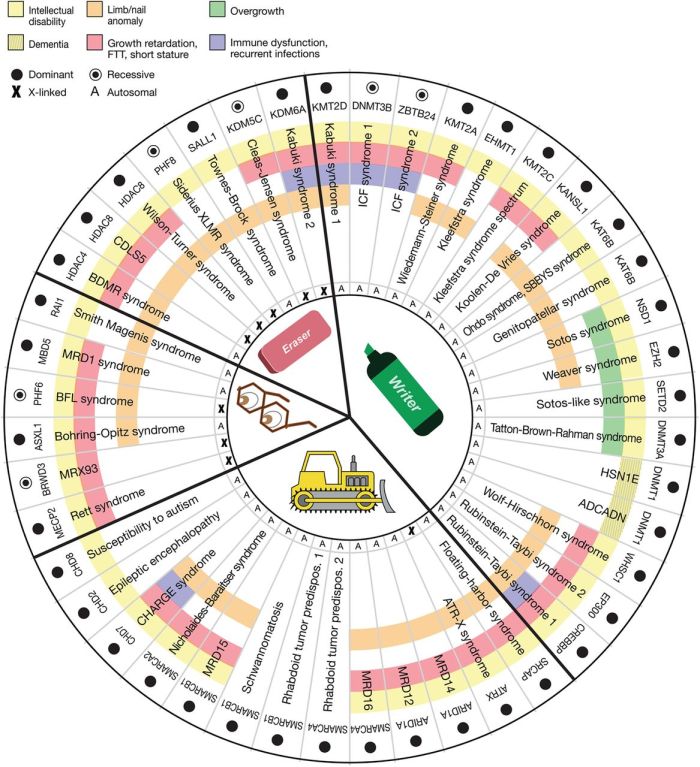
This 2015 human summary study was of 44 genetic disorders that disrupt the maintenance of epigenetic modifications:

“..making them likely to have significant downstream epigenetic consequences. Interestingly, these patients often demonstrate neurological dysfunction, suggesting that precise epigenetic regulation may be critical for neuronal homeostasis. However, at the same time, it is important to keep in mind that many of these proteins have additional non-epigenetic roles.

Mutations in many of these components have now been linked to a number of well-known causes of intellectual disability. Intellectual disability is generally defined as deficits of intellectual function and adaptive behavior that occur during the developmental period.

Given the opposing activity of many of the components of the epigenetic machinery, the pathogenic sequence in these disorders involves an imbalance of chromatin states. Keeping a subset of genes under “pressure” from two opposing systems may allow the cellular system to rapidly respond to environmental stimuli.

These disorders, on average, have unusual phenotypic breadth. Similarly, there is a shift in distribution toward a higher number of organ systems affected.

In addition to developmental phenotypes (multiple congenital anomalies), in some cases there appear to be ongoing defects that remain consequential in post-natal life. An example of the latter is the hippocampal memory defects seen in many of the mouse models.

This raises the question whether cells undergoing neurogenesis and synaptogenesis are particularly sensitive to subtle defects of the epigenetic machinery and downstream epigenetic abnormalities. A major remaining question is whether neurogenesis defects and/or abnormalities of synaptic plasticity are a unifying pathophysiological process.”

The researchers represented the 44 genetic disorders on a wheel graph:

F1.large

I look forward to further research that includes non-genetic disruptors of epigenetic modifications.

http://genome.cshlp.org/content/25/10/1473.full “The Mendelian disorders of the epigenetic machinery”

Adverse effects of inflammation and stress on hippocampal synapses

This dense and highly-jargoned 2015 rodent study found:

“The suppression of BDNF [brain-derived neurotrophic factor] signaling, LTP [long-term potentiation], and memory may be driven by an increased sensitivity to IL-1β [the proinflammatory cytokine interleukin 1β] that occurs directly at synapses.”

The researchers reversed the adverse effects of IL-1β after they induced stress and inflammation. Blocking IL-1β when there wasn’t stress or inflammation, however, also caused adverse effects:

“Interestingly, administration of AS1 [the compound that blocked the proinflammatory responses] in the absence of LPS [the bacterial compound used to stress the subjects’ immune systems] treatment also impaired OLM [the object location memory test where control group rodents exhibited a preference for a novel location over a familiar location].

This finding is consistent with the notion that endogenous IL-1β at physiologically low levels may be essential for hippocampal memory function.”


The researchers asserted:

“Our data reveal a previously unidentified mechanism that explains the age-related vulnerability of hippocampal function to impairment by inflammation.”

Instead of couching their findings with a non-causal “age-related” term, could the researchers have specifically identified causes?

“IL-1β activates different pathways via AcP (proinflammatory) or AcPb (prosurvival) IL-1 receptor subunits.

This study demonstrates that the IL-1 receptor subunit system undergoes an age-dependent reconfiguration in hippocampal synapses.

This previously undescribed reconfiguration, characterized by an increase in the AcP/AcPb ratio, is responsible for potentiating impairments of synaptic plasticity and memory by IL-1β.”

What were the underlying causes for the relatively increased AcP activation over AcPb activation? The researchers didn’t say. Their explanations were left hanging at a correlated-but-not-causal “age-dependent” level rather than a “mechanism that explains.”

http://www.pnas.org/content/112/36/E5078.full “Synapse-specific IL-1 receptor subunit reconfiguration augments vulnerability to IL-1β in the aged hippocampus”