Does sulforaphane treat autism?

A 2021 human study investigated sulforaphane treatments of autistic 3-to-12-year-olds:

“Sulforaphane (SF) led to non-statistically significant changes in the total and all subscale scores of the primary outcome measure. Several effects of SF on biomarkers correlated to clinical improvements. SF was very well tolerated and safe and effective based on our secondary clinical measures.

13229_2021_447_Fig1

Clinical response to SF was associated with changes in mitochondrial function, and large intrasubject variability in this study was linked to underlying biological responses. The increase in ATP [adenosine triphosphate]-Linked Respiration associated with improvement in ABC [Aberrant Behavior Checklist] scores suggests that those individuals who showed improvements in behavior also had improved mitochondrial capacity to produce ATP.

Individuals who showed an improvement in ABC scores also showed a decrease in Proton Leak Respiration, suggesting that their mitochondria were better able to regulate oxidative stress. It is also possible that the increase in ATP production was related to improvement in the ability of mitochondria to handle oxidative stress.

SF had significant positive effects on oxidative stress, cytoprotective markers and cytokines, as well as mitochondrial function. These were promising findings that require further investigation of both clinical effects and mechanisms of action of SF.”

https://molecularautism.biomedcentral.com/articles/10.1186/s13229-021-00447-5 “Randomized controlled trial of sulforaphane and metabolite discovery in children with Autism Spectrum Disorder”


Differences between this clinical trial and its pilot study curated in Autism biomarkers and sulforaphane included:

“HO-1 [heme oxygenase 1] functions to couple activation of mitochondrial biogenesis to anti-inflammatory cytokine expression. It was initially increased in the pilot study, then paradoxically decreased in the main study, on continued treatment for longer periods with SF.

Increased HO-1 is consistent with decreases in proinflammatory cytokines we observed initially in IL-6, IL-1β and TNF-α. Decreased levels of cytokines continued after HO-1 returned to baseline with longer duration of treatment and suggest a decreased inflammatory state.

These cytokines are usually elevated in children with ASD, but were decreased on treatment with SF: IL-6 and TNF-α at 15 (but not 30) weeks.”

This study made a good effort with autistic children. Its insignificant effects of sulforaphane treatments pointed toward an understanding that human experiences when we are fetuses, infants, and young children can override many subsequent events, treatments, and life experiences.

The next phase of reversing aging and immunosenescent trends

Dr. Greg Fahy earlier this week provided an update on the November 2020 TRIIM-X follow-on to the September 2019 TRIIM curated in Reversal of aging and immunosenescent trends. Emphasis was on reproducibility:

23:45 Dr. Steve Horvath reanalyzed TRIIM for the plasma portion of Levine’s PhenoAge epigenetic clock. Results were congruent with four other epigenetic clocks showing a 2.5 year reduction of biological age.

39:20 TRIIM-X preliminary results started with C-Reactive protein.

43:05 No backsliding in epigenetic age deceleration between TRIIM and TRIIM-X!

continued epigenetic age deceleration

55:07 Q & A session starts with how TRIIM-X controls for supplements. Answers for resveratrol and calorie restriction, emphasizing that CR doesn’t reverse aging.

1:10 TRIIM-X took photos of subjects’ hair at baseline!


Great update! The last 20 minutes emphasized a need for capital in aging research. TRIIM-X has another 1.5 years to go, and other aging research projects needing funding were mentioned.

Don’t know what happened to the unmentioned 3000 IU vitamin D and 50 mg zinc recommendations of TRIIM. So I asked. Dr. Fahy replied:

“They are still there! Just not mentioned!”

Thought briefly about enrolling in TRIIM-X, but there’s no way anyone but me gets to experiment with my body.

An outstanding review of Vitamin K deficiency and disease

This 2019 review focused on one Vitamin K-deficiency biomarker. All parts I’ve quoted are outside the liver, so Vitamin K deficiency ≈ Vitamin K2 deficiency.

This is a hard read with many technical details, but sometimes that’s how researchers do it:

“Active MGP (matrix Gla protein), once released into extracellular space, acts as a local inhibitor of calcification. Widespread expression of MGP points to a role of MGP that by far exceeds its well-known function as local inhibitor of calcification.

Recent research confirmed this concept, usually by measuring plasma dp-ucMGP (desphospho-uncarboxylated MGP), a biomarker reflecting poor vitamin K status:

1160fig02

Vitamin K plays a pivotal role in maintaining bone health. Increasing evidence also implicates MGP in maintaining bone health.

In the Health, Aging and Body Composition study, 791 older community-dwelling adults underwent magnetic resonance imaging to measure bilateral knee structural features. The highest [25%] compared with the lowest fourth of the dp-ucMGP distribution had higher odds of having:

  • Meniscus damage;
  • Osteophytes;
  • Bone marrow lesions; and
  • Subarticular cysts.

Regarding Vitamin K supplementation:

  • Studies showed a dose-dependent decrease in circulating dp-ucMGP with an 86% decrease already observed after 4 weeks of substitution by 360 μg menaquinone-7 [in 50 hemodialysis patients];
  • In a randomized double-blind trial of 244 postmenopausal women followed up for 3 years, arterial stiffness as captured by aortic pulse wave velocity or stiffness index β, decreased in intervention compared with control group.

These results should be considered as hypothesis-generating in view of small sample size, and because there were no between-group differences in vitamin K–induced changes in elastic properties of the carotid artery.

Plasma dp-ucMGP levels ranging from 1.4 to 4.6 μg/L were optimal in terms of risk of mortality and macrovascular cardiovascular illness (4.6 μg/L threshold corresponding to the 65th percentile of dp-ucMGP distribution).

Vitamin K supplementation before irreversible organ damage sets in might find its application in prevention of a wide range of disabling diseases. Circulating dp-ucMGP levels might be measured over time to track risk of vascular complications.”

https://www.ahajournals.org/doi/10.1161/HYPERTENSIONAHA.119.12412 “Vitamin K–Dependent Matrix Gla Protein as Multifaceted Protector of Vascular and Tissue Integrity”


I usually don’t give 5+ stars to reviews. This one was different.

Yes, there could be factors other than this one Vitamin K deficiency biomarker involved in study findings. Sure, these coauthors cited their own studies. Its overall purpose, though, was to inform readers.

I’ll summarize this paper as providing evidence for a biomarker of Vitamin K2 deficiency being implicated in the development and progression of many diseases.

Eat broccoli sprouts daily, and manage weight

This 2018 human study found:

“The objective of this study was to determine whether daily broccoli consumption alters absorption and metabolism of isothiocyanates derived from broccoli glucosinolates. We conducted a randomised cross-over human study (n = 18) balanced for BMI and glutathione S-transferase μ 1 (GSTM1) genotype in which subjects consumed a control diet with no broccoli (NB) for 16 d or the same diet with 200 g of cooked broccoli and 20 g of raw daikon radish daily for 15 d (daily broccoli, DB) and 100 g of broccoli and 10 g of daikon radish on day 16.

On day 17, all subjects consumed a meal of 200 g of broccoli and 20 g of daikon radish. Plasma and urine were collected for 24 h and analysed for sulphoraphane (SF) and metabolites of SF and erucin (ER). (a) BMI < 26 (b) BMI > 26.

sulforaphane and erucin metabolites

db-nb

Plasma AUC [area under the curve] and urinary excretion rates were higher on DB diet than on NB diet. Daily consumption of broccoli interacted with BMI to affect plasma concentrations and urinary excretion of glucosinolate-derived compounds.

Plasma and urinary levels of SF and mercapturic acid pathway products of SF and ER following a broccoli challenge meal were altered when preceded by 16 d of daily broccoli ingestion, and the effect depended on BMI.”

https://www.cambridge.org/core/journals/british-journal-of-nutrition/article/absorption-and-metabolism-of-isothiocyanates-formed-from-broccoli-glucosinolates-effects-of-bmi-and-daily-consumption-in-a-randomised-clinical-trial/ “Absorption and metabolism of isothiocyanates formed from broccoli glucosinolates: effects of BMI and daily consumption in a randomised clinical trial”


Humans are the same, yet we’re each individually unique. These researchers could have explored individual differences, but that wasn’t part of this study’s design.

So we’re left with BMI as a discriminator. I don’t think that’s evidentiarily sufficient.

Eat broccoli sprouts every day. You’ll figure it out.

Red cabbage effects on gut microbiota

A tremendous 2021 study involving the group who published Our model clinical trial for Changing to a youthful phenotype with broccoli sprouts:

“The aim was to evaluate the influence of red cabbage extracts on bioaccessibility of their isothiocyanates, and their effect on intestinal microbiota using a dynamic model of human digestion treated with the gut microbiome of obese adults.

Plant plasma membrane vesicles as delivery systems for bioactive compounds has been studied. Diverse types of plant membrane vesicles could be good candidates for this purpose, such as extracellular vesicles, which are spheroids of cytosolic material surrounded by a lipid bilayer, or extracted plasma membrane from fresh plant tissue.

As an example of the latter, we used cauliflower plasma membrane vesicles, which are proteoliposomes with a high proportion of unsaturated fatty acids. There could be an interaction between plant aquaporins found in our vesicles and isothiocyanates present in red cabbage aqueous extract, which could have increased stability.

Plasma membrane vesicles may act as stabilizing carriers and feeding agents for enzymes and bile salts rather than an encapsulating agent per se. However, this aspect should be further studied.

red cabbage sfn, i3c, iberin

In the transversal colon reactor, butyric acid production by gut microbiota had a 3-fold increase after 14-day treatment for free red cabbage aqueous extract when compared to stabilization period. A 3.5-fold increase was observed when using nanonencapsulated extract.

Regarding the descending colon, a 2-fold increase in butyric acid was produced after 14 days of treatment with free red cabbage aqueous extract. A 4-fold increase was observed in production after treatment with nanoencapsulated extract.

Propionic and acetic acids were studied, but no changes were observed. The fact that encapsulated red cabbage extract provided a higher production of butyric acid pointed to future developments for design of a functional ingredient or food product for management of overweightness and obesity.”

https://www.mdpi.com/2304-8158/10/5/1038/htm “The Influence of Red Cabbage Extract Nanoencapsulated with Brassica Plasma Membrane Vesicles on the Gut Microbiome of Obese Volunteers”


This study demonstrated that iberin was initially the third highest isothiocyanate of red cabbage after glucosinolate hydrolysis. Iberin surpassed sulforaphane to become the predominant isothiocyanate – in both free and nanoencapsulated forms – when it reached the lower colon, where most of our gut microbiota reside.

These in vitro findings were after 14 days, though, which doesn’t happen in healthy humans in vivo. Also, if sulforaphane metabolites such as dithiocarbamates and I3C breakdown products such as DIM were measured, these findings may have changed.

As noted in Tailoring measurements for broccoli sprouts, study findings of mature plants don’t necessarily apply to their sprouts. Lab analyses of broccoli sprout compounds used 9-day-old red cabbage sprouts to measure iberin (3MSOP-ITC in Figure 5). Haven’t found recent studies on iberin’s effects on gut microbiota and intestinal epithelial cells.

This study showed “a 3 to 4-fold increase in production of butyric acid with encapsulated extract treatment.” Keep leading the way. 🙂

Ride the waves of gene expression with betaine

This 2021 cell study investigated a dietary supplement’s role in preventing nerve disease:

“A loss of epigenetic control has been implicated in development of neurodegenerative diseases. Previous studies have implicated aberrant DNA and histone methylation in multiple sclerosis (MS) disease pathogenesis.

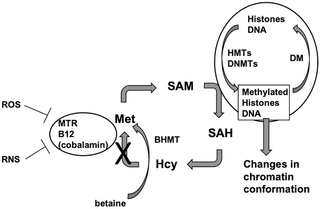
We have previously reported that methyl donor betaine is depleted in MS and is linked to changes in histone H3 trimethylation (H3K4me3) in neurons. We have also shown that betaine increases histone methyltransferase activity by activating chromatin bound betaine homocysteine S-methyltransferase (BHMT).

A hallmark of MS is the death of oligodendrocytes, the cells responsible for wrapping axons in myelin in the central nervous system and maintaining a healthy sheath. In demyelinating diseases like MS, oligodendrocyte progenitor cells (OPCs) fail to differentiate and make more myelin, resulting in sclerotic lesions.

Promoting differentiation of OPCs and generation of myelin is of great interest as a novel MS therapy. Waves of gene regulation (repression and activation) need to occur to promote myelination.

This BHMT-betaine methylation pathway ensures availability of S-adenosylmethionine (SAM) for a variety of DNA and histone methylation processes. OPC survival and differentiation are dependent upon DNA and histone methylation, and both processes require SAM.

journal.pone.0250486.g001

BHMT uses betaine to remethylate homocysteine to methionine. Betaine can be taken in through the diet or synthesized through the oxidation of choline in mitochondria.

We demonstrated that oligodendrocyte gene expression can be modulated by betaine supplementation through the BHMT-betaine methylation pathway. Our study suggests that dietary betaine supplementation may prove to be a therapeutic agent for MS and other demyelinating disorders.”

https://journals.plos.org/plosone/article?id=10.1371/journal.pone.0250486 “The BHMT-betaine methylation pathway epigenetically modulates oligodendrocyte maturation”


I started taking betaine 16 years ago. Didn’t know of these effects until reading this study.

Treating psychopathological symptoms will somehow resolve causes? had more on betaine (aka trimethyl glycine). Current dose is 1.5 grams twice daily.

Giving children allergies with pets

This 2021 human study investigated development and persistence of allergies:

“Allergic rhinitis (AR) is a common IgE-mediated disorder involving troublesome symptoms of nasal congestion, nasal itch, sneezing, and associated eye symptoms. Like many chronic health conditions, AR stems from complex gene–environment interactions.

130 subjects with AR were recruited. Control population included 154 healthy children who underwent a regular physical examination in the same ear, nose and throat clinic as AR patients. Individuals with history of asthma or atopic dermatitis were excluded.

AR analysis

Plenty of contradictory associations exist as whether furred pet exposure (cats and dogs) may be a risk or a protective factor for AR development. Discrepancies are likely due to the ubiquitous nature of pet allergens, while pet owners are more concerned about sanitation and many other hygiene-related reasons.

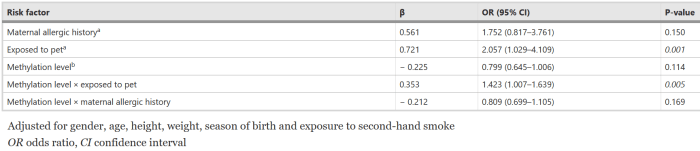
Interaction of early-life pet exposure with methylation level of ADAM33 increased the risk for AR onset 1.423 times more in children. This study provides evidence that:

  • Early-life pet exposure and low methylation level of ADAM33 increase AR risk in children; and
  • The interaction between pet exposure and methylation level of ADAM33 may play an important role in development of AR.”

https://aacijournal.biomedcentral.com/articles/10.1186/s13223-021-00526-5 “Interaction between early-life pet exposure and methylation pattern of ADAM33 on allergic rhinitis among children aged 3–6 years in China”


There’s nothing children can do about who their parents were. Exposing them to pet allergens, though, may be another example of early-life experiences causing lifelong effects.

Happy Mothers Day

This 2021 rodent study investigated effects on offspring of maternal high-fat diet (HFD) during gestation and lactation, and offspring HFD during young adulthood:

“We found that gestation was the most sensitive period to induce obesity in late life, and there was no difference between sexes in chance of obesity. Furthermore, we found that lactation and administration of a HFD post‐weaning increased incidence of lipid metabolism disorders and obesity in offspring.

gestational hfd effects on offspring

There are different windows of opportunity for programming epigenetically labile genes. Some studies support the alteration of epigenetic status during development as an important cause induced adult obesity.

Gestation is considered as the most sensitive period because high DNA synthesis and DNA methylation patterns are established for normal tissue development during the embryonic period. These two programming events are the times when the epigenetic state changes most widely in the life cycle.”

https://onlinelibrary.wiley.com/doi/10.1111/jcmm.16551 “Gestational high-fat diet impaired demethylation of Pparα and induced obesity of offspring”


Hey mothers! Do what you please. But don’t turn around and deny consequences of your behavior and choices on your descendants’ physiology and behavior, and possibly those of further descendants.

Gestation, birth, infancy, and early childhood are critical periods for humans. There’s no going back to correct errors and problems.

Part 2 of Broccoli sprouts activate the AMPK pathway

This 2021 review subject was metformin’s role in autophagy:

“Metformin had been used as the first choice for treating diabetes for almost a century. Autophagy is responsible for recycling and degrading cellular components, which significantly affects cell functions in physiology and pathology.

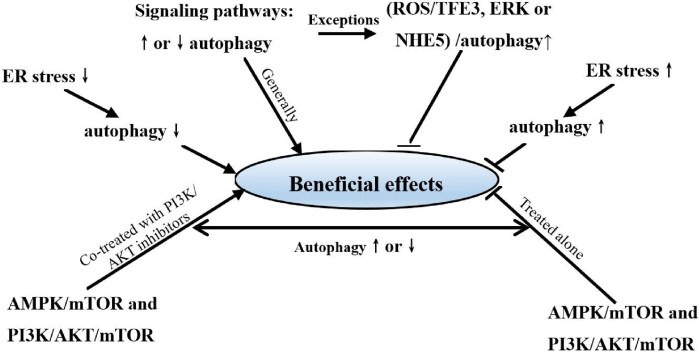
Effects of metformin on autophagy mainly depend on corresponding signaling pathways in specific organs or tissues. Metformin can induce autophagy in cells of many organs and tissues via affirmed signaling pathways, such as AMPK-related signaling pathways.

1-s2.0-S0753332221000718-gr5_lrg

Different signaling pathways (alone or in combination) mediated the process of metformin affecting autophagy in different organs or tissues. It is necessary to combine effects of metformin on autophagy with pharmacological effects on pathologies in different organs or tissues, which would provide indications for future metformin applications.”

https://www.sciencedirect.com/science/article/pii/S0753332221000718 “The effects of metformin on autophagy”


I characterized this review as Part 2 of Broccoli sprouts activate the AMPK pathway because that study’s experimental evidence showed sulforaphane activation of the AMPK pathway was a predecessor to sulforaphane’s main effects of Nrf2 pathway activation. This review didn’t even mention Nrf2 activation.

Do all of metformin’s cited effects apply to daily intake of broccoli sprouts? Probably not, but most people who take metformin every day aren’t healthy.

See Part 3 for updates.

One aspect of research on short-chain fatty acids

To further understand An overlooked gut microbiota product, a 2018 rodent study found:

“Microbial metabolites short-chain fatty acids (SCFAs) have been implicated in gastrointestinal functional, neuroimmune regulation, and host metabolism, but their role in stress-induced behavioural and physiological alterations is poorly understood

SCFAs are primarily derived from fermentation of dietary fibres, and play a pivotal role in host gut, metabolic and immune function. All these factors have previously been demonstrated to be adversely affected by stress.

Administration of SCFAs to mice undergoing psychosocial stress alleviated enduring alterations in anhedonia and heightened stress-responsiveness, as well as stress-induced increases in intestinal permeability.

experimental design

SCFA treatment alleviated psychosocial stress-induced alterations in reward-seeking behaviour, and increased responsiveness to an acute stressor and in vivo intestinal permeability. In addition, SCFAs exhibited behavioural test-specific antidepressant and anxiolytic effects, which were not present when mice had also undergone psychosocial stress.”

https://physoc.onlinelibrary.wiley.com/doi/pdf/10.1113/JP276431 “Short-chain fatty acids: microbial metabolites that alleviate stress-induced brain–gut axis alterations”


One way researchers advance science is to relate aspects of their findings to previous studies. That approach works, but may miss items that weren’t covered in previous research.

This study fed specific quantities of three SCFAs – acetate, butyrate, and propionate – apparently due to previous research findings. If other SCFAs produced by gut microbiota were ignored – like crotonate (aka unsaturated butyrate) – how would that approach advance science?

I found this study from its citation in Harnessing endogenous defenses with broccoli sprouts.

An overlooked gut microbiota product

This 2021 review subject was histone crotonylation:

“Histone crotonylation is a newly identified epigenetic modification that has a pronounced ability to regulate gene expression. It belongs to an expanding group of short chain lysine acylations that also includes the extensively studied mark histone acetylation.

Histone Kcr was first identified in 2011 where it was found to be mainly associated with active chromatin. Kcr occurs on the ε-amino group of the lysine side chain, where it neutralizes the positive charge of this residue. The loss in positive charge on histone Lys residues weakens DNA interaction, thus making chromatin less compact and accessible to DNA-binding factors.

Crotonate, like other short chain fatty acids (SCFAs), is mainly produced by gut microbiota during fermentation of partially and nondigestible carbohydrates. Circulating SCFAs (acetate, crotonate, butyrate, and propionate) can be taken up by tissues and converted into their cognate short-chain acyl-CoAs, the direct donors of histone Lys acylations.

fcell-09-624914-g001

Crotonyl-CoA is generated as a by-product of fatty acid and amino acid metabolism. Synthesis of crotonyl-CoA can occur in mitochondria or the cytoplasm. Evidence suggests that histone acylations are directly sensitive to changes in concentrations of their corresponding acyl-CoA metabolites, and therefore can act as indicators of cellular metabolic state.

Only a small number of Kcr sites in human histones have been identified so far. This is in part due to a lack of commercially available Kcr site-specific antibodies, which has meant much of the research in this field has focused on studying total histone crotonylation. This is likely to limit our understanding of the importance of histone Kcr, as functional impact of modification at specific sites cannot be readily assessed.”

https://www.frontiersin.org/articles/10.3389/fcell.2021.624914/full “The Regulation and Function of Histone Crotonylation”


At first I thought I had missed recent studies of gut microbiota producing crotonate. Searching again for “crotonate” “microbiota” 2020 2021, I didn’t find any that weren’t cited by this paper.

A lack of research could be due to factors mentioned above. It may also be that researchers just don’t look for evidence of the circulating SCFA crotonate.

Broccoli sprouts’ immune effects

Two 2021 papers, with the first’s subject being sulforaphane’s immune effects:

“Effects of sulforaphane (SFN) on immune response generate scientific interest because of its bioavailability, which is much higher than other phytochemicals, and its capacity to induce Nrf2 target genes. Clinical trials suggest that sulforaphane produces favorable results in cases where pharmaceutical products fail.

SFN exhibits the highest bioavailability among well-known antioxidant phytochemicals, such as quercetin (20-fold higher) and curcumin (80-fold higher). SFN confers a high potential to be used either as a nutraceutical to improve health status, or as pharmaceutical to treat disease states.

molecules-26-00752-g001

Sulforaphane exerts a pleiotropic effect on immunological response, and the final effect depends on cell type.

  • In lymphocyte T-cells, SFN induces ROS production, GSH depletion, and repression of inflammatory cytokines, resulting in suppression of immune and inflammatory responses.
  • In monocytes and macrophages, SFN stimulates immune response by inducing Nrf2, thus triggering antioxidant and anti-inflammatory responses.”

https://www.mdpi.com/1420-3049/26/3/752/htm “Potential of Sulforaphane as a Natural Immune System Enhancer: A Review”


A second study was Fertilization and Pre-Sowing Seed Soaking Affect Yield and Mineral Nutrients of Ten Microgreen Species:

“Ten tested microgreen species [amaranth, arugula, basil, broccoli, red cabbage, Daikon radish, kale, kohlrabi, mustard, and green pea] in this study varied in fresh and dry shoot weights, shoot height, and mineral nutrient concentrations.”

This study grew sprouts for 6 – 18 days before harvesting. Its study design didn’t require sampling along the way to discover informative compositional changes, as did 2020’s 3-day-old broccoli sprouts have the optimal yields and Broccoli sprout compounds include sinapic acid derivatives.

Their supplier was the same as I used for broccoli and red cabbage seeds. No endorsement is intended.

I’d rather use an unknown broccoli variety than this study’s broccoli cultivar, Waltham 29. It was found to be relatively glucoraphanin-deficient when measured in a 2004 study referenced in Tailoring measurements for broccoli sprouts, 32nd of 34 tested.

Received these today:

PXL_20210424_191628875

I’ve asked for clarification of the red cabbage seed variety I received. Not sure what “Agnostic” means in a “Red Cabbage Microgreen – Agnostic” context. 🙂

Mustard and red cabbage sprouting will follow Improving healthy compounds of broccoli sprouts efforts, minus that study’s laboratory setup and duration. I expect synergistic effects from handling both species’ sprouts with my protocol for microwaved 3-day-old broccoli sprouts.

Improving healthy compounds of broccoli sprouts

This 2020 study investigated known and experimental effects on sprouted broccoli, white mustard, red radish, and red cabbage compounds:

“We planned development of cruciferous sprouts in hydroponics elicited with LED lighting and Methyl-Jasmonate (MeJA) to bio-stimulate production of glucosinolates, comparing effects of two types of LEDs designed for indoor food production systems.

We aimed to gain knowledge on response (germination rate, biomass yield) and phytochemical composition of fresh edible sprouts of cruciferous varieties (broccoli, radish, cabbage and mustard) under these conditions for future food production recommendations:

  • Use of LED lights to grow edible cruciferous sprouts was positive in terms of biomass production and phytochemical content (glucosinolates) without any negative effects.
  • Use of MeJA was positive, confirming previous results. Intensity of response for different species is useful to focus production of sprouts for specific purposes.

3-day old sprouts were placed in a growth chamber with controlled conditions (Photoperiod 18/6 h; temperature 24/18 °C; and relative humidity 60/80%), irrigated every other day to maintain enough humidity in substrate, using 1% bleach in distilled water, and collected on day 7. Trays of germinating seeds were evenly sprayed daily with 10 mL of solution for 4 days.

4 sprouts glusosinolates affected by LED and MeJa

Total Glucosinolates (mg/100 g fresh weight) of White Mustard, Broccoli, Red Cabbage and Red Radish sprouts, under two different LED lightings, and elicited with MeJA (250 μM).

Combining MeJA spraying with different LED light treatment showed clear increases in total glucosinolate contents for all studied sprouts when sprayed for 4 days with MeJA 250 μM.”

https://www.mdpi.com/2504-3900/70/1/67/htm “The Quality and Glucosinolate Composition of Cruciferous Sprouts under Elicitor Treatments Using MeJA and LED Lights”


The research group of Our model clinical trial for Changing to a youthful phenotype with broccoli sprouts keep ramping it up. They’ve published studies of MeJA effects and LED effects on sprouts separately, but not combined like this one did.

I ordered a pound of red cabbage seeds to see how I like their 3-day-old sprouts. I started soaking mustard seeds purchased from a grocery store’s spice section last year to see if they’ll sprout.

Although effects in the above graphic are compelling, I don’t want to turn my kitchen into a laboratory with LED lights and MeJA treatments. I’ll first see if red cabbage and mustard sprouts are tolerable.

See Broccoli sprouts’ immune effects and Week 56 of Changing to a youthful phenotype with sprouts to follow on.

Repositioning DNA methylation

This 2021 human study found:

“We report on a randomized controlled clinical trial conducted among 43 healthy adult males between the ages of 50-72. The 8-week treatment program included diet, sleep, exercise and relaxation guidance, and supplemental probiotics and phytonutrients.

This is the first randomized controlled study to suggest that specific diet and lifestyle interventions may reverse Horvath DNAmAge (2013) epigenetic aging in healthy adult males. Larger-scale and longer duration clinical trials are needed to confirm these findings, as well as investigation in other human populations.

aging-v13iundefined-202913-figure-f3

In both treatment and control groups, there was no net increase or decrease in methylation of 353 sites that compose the Horvath clock. This finding suggests that intervention did not lead to an overall increase in methylation of Horvath clock sites, but rather it prompted a repositioning of clock CpG methylation patterns consistent with a younger biological age.

One significant limitation of this pilot trial is limited statistical power due to relatively small sample size. It is not yet fully established whether interventions that slow any methylation clocks necessarily curtail risks of age-related disease.”

https://www.aging-us.com/article/202913/text “Potential reversal of epigenetic age using a diet and lifestyle intervention: a pilot randomized clinical trial”


Baffled as to why these researchers relied on 2013 research rather than at least Dr. Horvath’s improved 2018 skin and blood clock, a review of which noted:

“Although the skin-blood clock was derived from significantly less samples (~900) than Horvath’s clock (~8000 samples), it was found to more accurately predict chronological age, not only across fibroblasts and skin, but also across blood, buccal and saliva tissue. A potential factor driving this improved accuracy in blood could be related to the approximate 18-fold increase in genomic coverage afforded by using Illumina 450k/850k beadarrays.”

Which would you prefer? A 2013 flip phone, or a 2018 smartphone?

A bat epigenetic clock

This 2021 study subject was bats:

“Exceptionally long-lived species, including many bats, rarely show overt signs of aging, making it difficult to determine why species differ in lifespan. Here, we use DNA methylation (DNAm) profiles from 712 known-age bats, representing 26 species, to identify epigenetic changes associated with age and longevity.

Hypermethylated age- and longevity-associated sites are disproportionately located in promoter regions of key transcription factors (TF) and enriched for histone and chromatin features associated with transcriptional regulation. Predicted TF binding site motifs and enrichment analyses indicate that:

  • Age-related methylation change is influenced by developmental processes, while
  • Longevity-related DNAm change is associated with innate immunity or tumorigenesis genes, suggesting that
  • Bat longevity results from augmented immune response and cancer suppression.

Molossus molossus [a short-lived species] age genes are not enriched for immunity genes or genes that frequently mutated in cancer. However, M. molossus longevity genes exhibit significant overlap with genes involved in immunity and genes frequently mutated in human tumors.

Similar overlap patterns among immunity, longevity, and tumor-mutated genes also exist for long-lived bats.

Two species’ genetic adaptations for tumor suppression have been described to help explain their extreme longevity. Bats also have genetic mechanisms that enable strong antiviral immune responses without inducing damaging inflammatory reactions that may enable them to tolerate high levels of viral exposure.

Our results are consistent with an epigenetic clock theory of aging that connects beneficial developmental and cell maintenance processes to detrimental processes causing tissue dysfunction.”

https://www.nature.com/articles/s41467-021-21900-2 “DNA methylation predicts age and provides insight into exceptional longevity of bats”


The founder of the epigenetic clock has been busy, coauthoring more published studies than there have been weeks in this year! I’ve read five other 2021 studies he’s coauthored on dogs, horses, mammals (2), and humans in DNA methylation biomarker for cumulative lead exposure is associated with Parkinson’s disease. This one stood out for its “longevity results from augmented immune response and cancer suppression” findings.

If we’re interested in longevity, this clarity can direct efforts to both improve our immune systems and avoid problems like cancer. Symptoms may be subclinical, but that doesn’t provide adequate rationale to not address causes.

Peer review comments and responses were informative:

Reviewer #1 – “Developing an aging clock that works for a diverse set of bat species is a spectacular achievement.”

Reviewer #2 – “This is a tour de force study.”

Replies to Reviewer #3:

“Difference in recorded lifespans between three long-lived species and two short-lived species that we used to identify longevity DMPs [differentially methylated positions] is 20 years or more, even though they have similar body sizes (20-40 g). The three long-lived species [maximum ages 29.9, 30.5, and 37.1 years] also represent three different phylogenetic lineages.

CpG sites that undergo hypomethylation with age do so largely at random. In contrast, sites that undergo hypermethylation with age are highly nonrandom, and as has been noted before, are near genes associated with development. So yes, we believe there are predictable methylation changes with age.”