Part 2 of Week 63 of Changing to a youthful phenotype with sprouts

To follow up Part 1, received Thursday’s lab results yesterday. Downloaded the workbook at https://michaellustgarten.com/2019/09/09/quantifying-biological-age/ and filled it in. Went to http://aging.ai/, selected 3.0, and entered values.

My starting point’s calculated values were:

biological age 1

A biological age snapshot from a year ago‘s video included optimal ranges:

optimizing biological age

Values in these optimal ranges were:

  • Albumin: 46;
  • Creatinine: 1.07;
  • high-sensitivity C-reactive protein: 0.24;
  • Red cell distribution width: 11.8; and
  • White blood cell count: 4.6.

I have some work to do on the other four. Good health while aging seldom happens on its own.

Reading more about Phenotypic age and its biological relationships. It definitely doesn’t mean I can do things I did 9.5 years ago like play golf and Frisbee football on the weekends.

I’d probably use DNAm PhenoAge to compare with other epigenetic clocks. Not sure how to use Aging.ai 3.0 calculations.

Sometime over the past year, Labcorp changed their adult alkaline phosphatase reference range from 39-117 to 48-121. Don’t know whether alkaline phosphatase’s optimal range will change with Labcorp’s new range, since < 48 was based on all-cause-mortality data.

PXL_20210622_093759263

Eat whole oats for your gut microbiota

Two papers on whole grains, with the first a 2021 review:

“Whole grains are more complex than refined grains and are promoted as part of a healthy and sustainable diet, mainly because the contribution of indigestible carbohydrates, and their co-passenger nutrients, is significantly higher. Changing composition and availability of grain carbohydrates and phytochemicals during processing may positively affect gut microbiota and improve health.

Processing is required for virtually all cereals that humans consume. However, eliminating bran has resulted in grain-based products that contribute to a lower-quality diet.

Currently, there are no specific recommendations on relative proportions of different dietary fiber types (based on variability in fermentability or degree of solubility). Switching from refined grain to whole grain will deliver more dietary fiber and nutrients associated with bran and germ, and improve diet quality.

crf312728-fig-0001-m

Carbohydrate-rich foods that are higher in slowly digested starches, resistant starch, oligosaccharides with prebiotic potential, and dietary fiber are considered to have a higher quality. Foods can be awarded an overall carbohydrate quality index (CQI). The optimum ratio of total carbohydrate (CHO) to dietary fiber should be ≤10:1.

Mostly only oligosaccharides and polysaccharides reach the colon. Even though larger molecules were fermented slower, they were still fermented within the proximal colon.

It is not surprising that there are conflicting reports with respect to effects of whole grains on gut microbiota. Part of this is due to whole grains comprising a diverse group of staple cereal foods, including wheat, corn, rice, oats, barley and rye, and hence different effects on gut microbiota are expected. Differences in study design, with respect to dose, duration, and study populations make it difficult to compare between studies and distill overarching similarities.

Enzymes can modify less fermentable dietary fiber to improve its fermentability by microbiota. Using different enzymes, dietary fibers can contribute to fermentation throughout the colon.”

https://onlinelibrary.wiley.com/doi/10.1111/1541-4337.12728 “Health benefits of whole grain: effects on dietary carbohydrate quality, the gut microbiome, and consequences of processing”


This review cited a 2019 paper as “an elegant study where oat bran (including co-passengers) was shown to be effective in increasing Bifidobacterium populations in the gut, whereas purified bioactive β-glucans did not show a bifidogenic effect”:

“Whole grain oats are known to modulate human gut microbiota and have prebiotic properties. Research todate mainly attributes these effects to fibre content. However, oats are also a rich dietary source of polyphenols, which may contribute to positive modulation of gut microbiota.

We found that oats increased bifidobacteria, acetic acid and propionic acid. This was mediated by synergy of all oat compounds within the complex food matrix, rather than its main bioactive β-glucan or polyphenols.

While human digestive enzymes cannot degrade plant cell wall polysaccharides, gut xylanolytic bacteria can, producing SCFA with health-beneficial effects. Certain strains down-regulate gene and protein expression of pro-inflammatory cytokines, notably isoform of nitric oxide synthase and PPAR-γ and interferon-γ, resulting in reduced inflammatory status, suggesting that oat β-glucan have beneficial effects on human health.

Oats as a whole food led to the greatest impact on microbiota.”

https://www.cambridge.org/core/journals/british-journal-of-nutrition/article/oat-bran-but-not-its-isolated-bioactive-glucans-or-polyphenols-have-a-bifidogenic-effect-in-an-in-vitro-fermentation-model-of-the-gut-microbiota/B23FAE2C7EED702132FC72F1C9CE990E “Oat bran, but not its isolated bioactive β-glucans or polyphenols, have a bifidogenic effect in an in vitro fermentation model of the gut microbiota”


The Avena nuda oats I eat for breakfast start out as 81.0 grams (1/2 cup). The only processing I do from an Illinois farmer is soaking them for 16 hours, draining then changing out to 1 1/2 cups water, then cooking for 20 minutes in a 1000W microwave at 80% power. They end up weighing 154.7 g.

I eat 51.9 g of 3-day-old sprouted Avena sativa oats from a Montana farmer at the same time, and concurrently take 2.5 g inulin. Pretty sure this 154.7 + 51.9 + 2.5 = 209.1 g combination meets an “optimum ratio of total carbohydrate to dietary fiber ≤10:1.”

Also pretty sure sprouted Avena sativa oats supply enzymes that facilitate breaking down Avena nuda complex molecules. Haven’t experienced any complaints over the past 3+ months. 🙂

Week 63 of Changing to a youthful phenotype with sprouts

Finally got around to getting an annual physical this morning. Two indicators so far, with more expected in five days. They came in early, so here’s Part 2.

1. HbA1C – glycated hemoglobin – was 4.8 on a scale of 4.8 to 5.6%. That’s down from 5.1 in June 2020. HbA1C shows a two-month average blood glucose level.

I’ve eaten advanced glycation end product (AGE)-less chicken vegetable soup almost every day since July 2019. Upcoming instantaneous blood glucose measurements may be informative, but it seems that with what I’m doing, there’s little impetus to glycate that glucose. Which satisfies my intention to avoid glycative stress.

2. BMI for a normal weight is 18.5-24.9 kg/m2. Measurements over the past two years:

  • June 2019 24.8, 0.1 below range high;
  • June 2020 22.4, 2.5 below range high and 3.9 above low; and
  • June 2021 21.0, 3.9 below range high and 2.5 above low.

Annual BMI trend is going in the right direction, but it’s too squishy to be a biomarker. I usually don’t curate studies that rely on BMI.

I eat a lot of food every day! Not going to turn my kitchen into a laboratory to quantify, though. See Switch on your Nrf2 signaling pathway for what intake was on 1/1/2021.

Once or twice a week lately I’ve backed off and skipped one of a daily two (fresh and leftovers) AGE-less chicken vegetable meals when it’s been too much food. Haven’t skipped:

  • Twice-daily combined broccoli-red cabbage-mustard sprouts; or
  • Twice-daily Avena sativa oat sprouts; or
  • My Avena nuda whole oats breakfast.

Lost 11 lbs. over 12 months without trying to lose weight. Maximal food intake didn’t result in weight gain when much of its purpose was to:

  • Reduce inflammation; and
  • Make my gut microbiota happy.

PXL_20210618_094601372

Go for the win-win with taurine

This 2021 rodent study investigated taurine effects on colitis:

“Taurine plays an important role in various essential biological processes. Health beneficial effects of taurine have been generally attributable to its antioxidant and anti-inflammatory effects.

Taurine chloramine (TauCl) is an endogenous anti-inflammatory substance derived from taurine. In fighting exogenous pathogens, neutrophils utilize one powerful weapon in their arsenal: generating the strong oxidant hypochlorous acid (HOCl), which is nature’s germ killer.

Taurine can act as a trap for HOCl forming the long-lived oxidant TauCl, which is more stable and less toxic than HOCl. TauCl (20 mg/kg) was given on daily basis by gavage for 10 days before and for 3 days after intrarectal administration of 2.5% TNBS:

antioxidants-10-00479-g008-550

TauCl inhibits generation of proinflammatory mediators by phagocytic cells. Taurine exerts an anti-inflammatory as well as antioxidant action by preventing cytolytic damage caused by HOCl generated by inflammatory cells, particularly neutrophils.

These results suggest that TauCl exerts a protective effect against colitis through upregulation of Nrf2-dependent cytoprotective gene expression, while blocking proinflammatory signaling mediated by NFκB and STAT3.”

https://www.mdpi.com/2076-3921/10/3/479/htm “Protective Effects of Taurine Chloramine on Experimentally Induced Colitis: NFκB, STAT3, and Nrf2 as Potential Targets”


Train your gut microbiota with taurine showed how taurine supplementation can be a win-win for both our brain and gut microbiota.

Smoke and die early, while your twin lives on

A 2021 human twin study investigated epigenetic clocks:

“This study showed that accelerated epigenetic aging is associated with increased mortality, and smoking plays a role in explaining this association. Present findings suggest that DNAm GrimAge is a strong predictor of mortality independent of genetic influences among female twin pairs.

An invitation to participate in the study was sent to 414 female twin pairs, aged 63–76 years. Of 199 twin pairs, at least one twin died in 112 pairs during follow-up:

twins

This epigenetic age estimate that measures biological age and runs alongside, but not always in parallel with chronological age, may inform life expectancy predictions. Further research is needed to determine whether results apply to men, and the extent to which DNA methylation age can be used as a clinical biomarker of lifespan.”

https://clinicalepigeneticsjournal.biomedcentral.com/articles/10.1186/s13148-021-01112-7 “Does the epigenetic clock GrimAge predict mortality independent of genetic influences: an 18 year follow-up study in older female twin pairs”


If you don’t have a twin, substitute yourself as an analogous entity who has opposite behaviors. Don’t assume that smoking cannabis will produce different results from tobacco.

Meanwhile, Dr. Steven Horvath, who has a twin, continued his 2021 torrent of coauthored studies last week with Epigenetic clock and methylation studies in elephants. Amazing epigenetic clock information being published this year. Dr. Horvath is completely open to evidence, IAW, a real scientist.

Take Vitamin K2 if you take statins

This 2021 human study related Vitamin K2 status and statin usage:

“We examined the connection between statin exposure, coronary artery calcification (CAC), and vitamin K-dependent proteins (VKDPs) in patients with cardiovascular (CV) conditions. VKDPs measured in plasma included undercarboxylated (ucOC), and carboxylated osteocalcin (cOC).

CAC score (CACS) was determined by multislice computed tomography:

statins and vitamin k2 deficiency

CACS was more pronounced in statin users compared to non-users. The same was also found among CVD patients and among controls. Both ucOC and ucOC / cOC ratio were significantly elevated in statin users, indicating vitamin K deficiency.

Our results are in agreement with existing evidence about positive associations between statins and vascular calcification. They enlighten possible mechanisms through which statins may enhance calcium accumulation in arterial wall, by inhibiting VKDPs and functions involved in vascular protection.”

https://onlinelibrary.wiley.com/doi/10.1002/kjm2.12373 “Statins, vascular calcification, and vitamin K-dependent proteins: Is there a relation?”


All of this study’s measurements were done outside the liver, so Vitamin K deficiency ≈ Vitamin K2 deficiency. The uncited third paper of Vitamin K2 – What can it do? provided evidence for findings of the current study.

Per the third paper, I should have reached a blood serum level Vitamin K2 MK-7 plateau by supplementing for three weeks. We’ll see later this week if an increasing cOC / ucOC ratio had any effect on hypertension.

PXL_20210606_093626698

Broccoli sprouts positively influence Sestrin proteins

Four papers on Sestrin, with the first a 2021 review:

“Sestrin 2 (Sesn2) is a member of the evolutionarily conserved and stress-inducible sestrin family. In mammals, this family is composed of Sesn1–3, and Sesn2 is the main member that responds to oxidative stress.

Sesn2 inhibits mammalian target of rapamycin (mTOR)-mediated cell over-proliferation by activating adenosine monophosphate-activated protein kinase (AMPK) and its kinase activity. Sesn2 also regulates redox balance by directly exerting antioxidant enzyme activity and regulating antioxidant signaling.

Inflammation, which is not regulated by oxidative stress, also plays an important role in cardiovascular diseases (CVDs). Sesn2 is involved in inflammation and immune regulation in many systems.

There is a positive feedback loop between Sesn2 and Nrf2:

sestrin2 nrf2

Sesn2 and p62 are expressed under oxidative stress. Sesn2 binds to ULK1 and p62 to form a functional complex, which promotes p62 phosphorylation, promoting p62-dependent autophagy degradation of Keap1.

Consequently, Nrf2 accumulates in cells, transfers to the nucleus, and promotes transcriptional activation of genes controlled by antioxidant response elements (ARE).

Circulating Sesn2 levels are elevated in a variety of CVDs, such as coronary heart disease, heart failure and atrial fibrillation, which indicates that Sesn2 is induced and plays a protective role in CVDs.”

https://www.sciencedirect.com/science/article/abs/pii/S0891584920316270 “Sestrin 2, a potential star of antioxidant stress in cardiovascular diseases” (not freely available)


A second paper was also a 2021 review:

“Sestrin2 acts as an antioxidant protein that diminishes accumulation of ROS and inhibits mTORC1 signaling. Both accumulation of ROS and activation of mTORC1 are associated with aging and age-related diseases.

Since plasma sestrin2 levels in patients with CAD and those with carotid atherosclerosis were shown to be high, it remains unclear whether or not an exogenous administration of sestrin2 could be beneficial for prevention of atherosclerotic disease.”

https://www.mdpi.com/1422-0067/22/3/1200/htm “The Protective Role of Sestrin2 in Atherosclerotic and Cardiac Diseases”


A third paper was a 2020 human study:

“Sesn 1 and Sesn 2 levels were significantly reduced in sarcopenic compared to non-sarcopenic subjects. It can be concluded that sarcopenia can be diagnosed at the early stage by using serum sestrin as one potential biomarker.”

https://link.springer.com/article/10.1007/s40520-020-01642-9 “Serum sestrins: potential predictive molecule in human sarcopenia” (not freely available)


A fourth paper was a 2020 rodent study:

“Sulforaphane (SFN) alleviated hematological variations, oxidative stress, heart dysfunction and structure disorder, and cardiomyocyte apoptosis induced by potassium dichromate. Moreover, SFN:

  • Reduced p53;
  • Cleaved caspase-3, Bcl2-associated X protein, nuclear factor kappa-B, and interleukin-1β levels; and
  • Increased Sesn2, Nrf2, heme oxygenase-1, NAD(P)H quinone oxidoreductase-1, and phosphorylated AMPK levels.

This study demonstrated that SFN ameliorates Cr(VI)-induced cardiotoxicity via activation of the Sesn2/AMPK/Nrf2 signaling pathway.”

https://pubs.rsc.org/en/content/articlelanding/2020/mt/d0mt00124 “Sulforaphane attenuates hexavalent chromium-induced cardiotoxicity via the activation of the Sesn2/AMPK/Nrf2 signaling pathway” (not freely available)


I found these studies as well as the previous post Cow milk causes disease from their citing a 2015 study The antioxidant function of sestrins is mediated by promotion of autophagic degradation of Keap1 and Nrf2 activation and by inhibition of mTORC1 (not freely available).

Cow milk causes disease

This 2021 review followed up Epigenetic effects of cow’s milk and many papers since then:

“Epidemiological studies associate intake of cow milk with an increased risk of diseases, which are associated with overactivated mechanistic target of rapamycin complex 1 (mTORC1) signaling. Milk’s physiological function to maintain high mTORC1 signaling at the beginning of mammalian life turns into adverse health effects when this postnatal endocrine and epigenetic system is not discontinued as designated by physiological processing of the lactation genome.

Milk is a signaling interface between the maternal lactation genome and the infant’s cellular mTORC1 system that orchestrates growth, anabolism, metabolic, immunological, and neurological programming. Pasteurization combined with refrigeration exposed human milk consumers to bioactive milk exosome (MEX)-derived micro-ribonucleic acids (miRs), augmenting milk’s mTORC1 activity compared to boiled, ultra-heat-treated, or fermented milk.

milk-mediated mTORC1 signaling

Milk consumption activates five major pathways stimulating mTORC1 via:

  1. Growth factors, including growth hormone, insulin, and insulin-like growth factor 1;
  2. Amino acids, especially branched-chain amino acids;
  3. Milk fat-derived palmitic acid;
  4. Milk sugar lactose; and
  5. Epigenetic modifiers, especially MEX-derived miRs.

Understanding milk’s interaction with the central hub of metabolic regulation, mTORC1, will open new avenues for prevention of common diseases.”

https://www.mdpi.com/2218-273X/11/3/404/htm “Lifetime Impact of Cow’s Milk on Overactivation of mTORC1: From Fetal to Childhood Overgrowth, Acne, Diabetes, Cancers, and Neurodegeneration”


This reviewer is somewhat of a zealot. Still, he cited 555 references.

His genotype may tolerate lactose, but he didn’t argue for it:

“After breast feeding, mucosal expression of lactase, an intestinal enzyme hydrolyzing lactose into glucose and galactose, is downregulated in all mammals with the exception of Neolithic humans, who developed LCT [lactase gene] mutations allowing persistent lactase expression.

Lactose content of milk makes up around 2–8% by weight. Lactose hydrolysis provides glucose and galactose, which both activate mTORC1:

  • During glucose abundance and glycolysis, sufficient cellular energy is produced in the form of ATP, which suppresses AMPK activity. Aldolase operates as a sensor for glucose availability that directly links glucose shortage to activation of AMPK.
  • Galactose via induction of oxidative stress activates mTORC1. Galactose-induced overactivation of mTORC1 promotes senescence of neural stem cells and aging of mesenchymal stem cells.

Lactobacilli used in food and dairy fermentation increase NRF2 activation, resulting in NRF2-induced sestrin expression, which attenuates mTORC1 activation.”

Eat broccoli sprouts for your hearing

Two 2021 papers, both of which I found by each citing a 2009 Molecular mechanisms underlying cochlear degeneration in the tubby mouse and the therapeutic effect of sulforaphane (not freely available). First was a review:

“Hair cell damage and loss mediated by oxidative stress are important causes of hearing loss. Sensorineural hearing loss is the most common type of hearing loss, including noise induced hearing loss (NIHL), age-related hearing loss (ARHL), and ototoxic hearing loss.

Nrf2 reduces cell damage caused by oxidative stress, and maintains the dynamic balance of systematic redox by inducing and regulating expression of various antioxidant factors. This review summarizes correlation studies of Nrf2 in hearing loss, providing ideas for prevention and treatment of hearing loss with Nrf2 as the target.

fphar-12-620921-g002

There is positive feedback between p62-mediated autophagy and Nrf2. p62 promotes accumulation of Nrf2 and nuclear translocation. Concurrently, increased Nrf2 promotes p62 expression.

How Nrf2 regulates ROS changes in hair cells, and the upstream and downstream regulatory network of Nrf2 in hair cells, are still not fully understood. Studies on early prevention and treatment of hearing loss through the Keap1-Nrf2-ARE [antioxidant response element] signaling axis are still at the exploratory stage.”

https://www.frontiersin.org/articles/10.3389/fphar.2021.620921/full “The Role of Nrf2 in Hearing Loss”


Second paper was a rodent study:

“We examined oxidative stress and antioxidant response of the p62-Keap1-Nrf2 pathway in cochleae during age-related hearing loss (ARHL) and noise-induced hearing loss (NIHL). We elucidated the function of full-length and variant p62/Sqstm1 (referred to here as p62) in regulation of Nrf2 activation.

Cochlear damage was assessed by analyzing auditory brainstem response (ABR) and by counting hair cells (HCs). Malondialdehyde (MDA, a lipid peroxidation product) levels were measured in young and old mice to determine whether oxidative stress contributed to ARHL.

auditory brainstem response

  • (A) Audiometric threshold (dB) determined from click and pure tone evoked ABRs. Thresholds were each significantly different (P < 0.001) between young mice and old mice.
  • (B) HC loss percentage in basal cochlear turns. Significant differences (P < 0.001) were observed between young and old mice.
  • (C) MDA levels in the cochleae of old mice were significantly higher (P = 0.034) than those of young mice.

ROS accumulation is closely related to ARHL and NIHL. The inability of ROS accumulation to activate the Nrf2 antioxidant stress pathway under physiological conditions may be related to alternative splicing of p62 mRNA in cochleae.

However, the agonist of the Nrf2 pathway enhanced Nrf2 nuclear translocation. This suggests a mechanism in which the antioxidant pathway was difficult to be activated in the context of accumulation of ROS.”

https://www.researchsquare.com/article/rs-535219/v1 “New Target of Oxidative Stress Regulation in Cochleae: Alternative Splicing of the p62/Sqstm1 gene”


The study’s two-month-old mice were equivalent to a 20-year-old human. Its 13-to-14-month-old mice were equivalent to humans in their 60s to 70s.

I expected preconditioning to be mentioned in both papers. Maybe these researchers thought it was too obvious and didn’t need to be stated that:

  • Repeated use of a Nrf2 activator produces transient mild stress;
  • Which elicits a stronger response; and
  • Preconditions cells for future stress?

Sulforaphane in the Goldilocks zone and its cited papers exhaustively emphasized preconditioning’s importance. The main thing I’m trying to do with isothiocyanates is to send a weak pro-inflammatory signal to my endogenous ARE system to exercise natural defenses.

Twice-daily drills make me more proficient at responding to actual emergencies. Post-drill, my body recycles material to be ready to respond the next time.

I do the same thing once a day with yeast cell wall β-glucan 1,3/1,6 to train my innate immune system. Microphages in my gut are the first responders. Like the very reactive isothiocyanates, I don’t take anything with, or an hour before or after β-glucan 1,3/1,6.

Why tolerate “the antioxidant pathway was difficult to be activated in the context of accumulation of ROS” when a sulforaphane “agonist of the Nrf2 pathway enhanced Nrf2 nuclear translocation”? For all we know, diminished natural defenses and hearing loss may exist to turn old mammals into prey.

Continued in Part 2.

Part 3 of Broccoli sprouts activate the AMPK pathway

This 2020 cell study investigated sulforaphane and three transcription pathways:

“Novel findings of this study are:

  1. AMPK controls only a subset within the Nrf2-dependent transcriptome;
  2. Altered Nrf2 levels or altered accessibility of regulatory ARE sites do not account for observed differences in target gene transcription between used wt and AMPK −/− cells;
  3. Rather, AMPK presence/activity ensures reduced Bach1 abundance with preferential Nrf2 over Bach1 binding to regulatory ARE sites, and finally stronger transactivation of selected target genes; and
  4. AMPK negatively controls bach1 mRNA expression.

fcell-08-00628-g009

In AMPK−/− cells, levels of BTB and CNC homology 1 (Bach1), a competitor of Nrf2 for ARE sites with predominant repressor function, were higher. Bach1 also bound to a greater relative extent to the examined ARE sites when compared to Nrf2.

Observed AMPK-mediated boost in transactivation of a subset of Nrf2 target genes involves downregulation of Bach1 and subsequent favored binding of activating Nrf2 over repressing Bach1 to examined ARE sites.

fcell-08-00628-g001

The discovered link between AMPK and Bach1 as well as the resulting selective influence on Nrf2 target gene expression are compelling and touch existing data:

  • Bach1 contributed to expression of only selected Nrf2 target genes in endothelial cells under hypoxic conditions which, in turn, are known to influence AMPK activity.
  • Bach1 levels are elevated during aging, in metastatic lung tumors or triple negative breast tumors with concomitant mitochondrial dysfunction, all events also partly connected with AMPK- and/or Nrf2 activity.

These issues strongly advocate for a closer look into interplay between cellular sensors and executors of the oxidative/xenobiotic and metabolic stress response, which likely will uncover additional layers of regulation of cellular stress resilience.”

https://www.frontiersin.org/articles/10.3389/fcell.2020.00628/full “AMPK Enhances Transcription of Selected Nrf2 Target Genes via Negative Regulation of Bach1”


This study hasn’t been cited even once since it was published eleven months ago (update in Part 4). These researchers did a very good job of producing evidence for mechanisms of signaling pathways competing with and complementing each other.

This study provided further details to support Broccoli sprouts activate the AMPK pathway findings that sulforaphane first activates the AMPK pathway on the way to its main effect of Nrf2 pathway activation:

figure 8

Brown your white fat cells with broccoli sprouts

A 2021 rodent study and a blog post with 51 references investigated fat cells:

“Sulforaphane (SFN) is a potent indirect antioxidant and a promising agent for controlling metabolic disorder disease. We evaluated efficacy of SFN against high fat diet (HFD)-induced-obesity mice, and investigated potential mechanisms.

SFN:

  • Suppressed HFD-induced body weight gain;
  • Reduced fat cell [adipocyte] size;
  • Suppressed expression of key genes in adipogenesis;
  • Inhibited lipid accumulation in C3H10T1/2 [pre-adipocyte] cells;
  • Increased expression of brown adipocyte-specific markers and mitochondrial biogenesis in vivo and in vitro; and
  • Decreased cellular and mitochondrial oxidative stress.

sulforaphane influences fat cells

Gene expression profile of C3H10T1/2 cells after SFN treatment showed that SFN inhibited expression of core adipogenesis genes (Ppar-γ, Fas, Cebpβ and Scd1) and enhanced expression of browning genes (Chop, Temem 26, Ucp1, Pgc-1α, and Prdm16) in adipocyte differentiation and trans-differentiation. This result suggested possible conversion of white adipocytes into beige cells.

We report that SFN induces browning of mature C3H10T1/2 adipocytes based on promotion of mitochondrial biogenesis by means of upregulation of the AMPK and NRF2 signaling pathways, and enhancement of mitochondrial function. Our further research revealed that SFN can prevent HFD-induced obesity in C57BL/6N mice by inducing browning of white adipose tissue.”

https://www.frontiersin.org/articles/10.3389/fphar.2021.665894/full “The Protective Effects of Sulforaphane on High-Fat Diet-Induced Obesity in Mice Through Browning of White Fat”


Dr. Paul Clayton had a nuanced view of body fat and its browning:

“You can divide adipose tissue into three cell types:

  • White adipocytes account for 95% of all adipocytes and have a primarily storage function;
  • The primary function of brown adipocytes, which range from 1-5% depending on cold exposure and very specific types of chemo-stimulation i.e. β3-adrenergic, is generation of heat via mitochondrial uncoupling.
  • Beige adipocytes are intermediate. They aren’t interspersed in depots of white adipose tissue and can transform into brown-like adipocytes following cold exposure or adrenergic stimulation.

Bone marrow adipose tissue plays an important role in haematopoiesis and bone metabolism in more than one form:

  • One is located in distal bones (forearm and lower leg) and is pretty much stable;
  • The other form is in spine and proximal limb bones, and is inducible by environmental factors such as cold exposure, fasting, and anaemia.

White adipose tissue can be divided into visceral and sub-cutaneous deposits, and these tissues have different behaviours and functions, too.

From a clinical perspective, it’s important to know that adipocyte-related inflammatory effects can be neutralised with omega 3 fatty acids, which return fat cells to a ‘healthy’ configuration. Their inflammatory effects can also be inhibited by various polyphenols which, among other things, block release of pro-inflammatory microRNAs.

In my experience, combining omega 3s with lipophile polyphenols and AMPK-activators such as dammarane saponins and metformin, provide supra-additive benefits.”

https://drpaulclayton.eu/blog/turn-fat-into-muscle/ “Turn Fat into Muscle”


Still no mention of sulforaphane on the doctor’s blog, although it’s:

I came across this first study through a “PPAR sulforaphane” search. Discarding a supplement as a result, because I’m already doing enough!

PXL_20210606_095305180

Foods for your vision

This 2021 review by five ophthalmologists and two researchers characterized findings of food effects on human vision:

“The most challenging ocular disorders are uncorrected / under-corrected refractive errors, ocular surface dysfunction / dry eye disease, cataracts, glaucoma, diabetic retinopathy (DR), and age-related macular degeneration (AMD):

  • Severe visual impairment and blindness due to cataract or refractive error constitutes half of all global cases;
  • Glaucoma is the most common cause of irreversible blindness;
  • DR is the first cause of visual disability in working-age adults; and
  • AMD is the first cause of blindness in the elderly.

We identify directions for further research on:

  • The role of diet and nutrition in eyes and vision;
  • Potential antioxidant, anti-inflammatory, and neuroprotective effects of natural food (broccoli, saffron, tigernuts and walnuts);
  • The Mediterranean Diet; and
  • Nutraceutic supplements that may supply a promising and highly affordable scenario for patients at risk of vision loss.

We improve understanding of natural food nutritional hallmarks, benefits of the MedDiet, and appropriate oral supplements with vitamins, carotenoids and PUFAs for better eye and vision care.”

https://www.mdpi.com/2304-8158/10/6/1231/htm “Searching for the Antioxidant, Anti-Inflammatory, and Neuroprotective Potential of Natural Food and Nutritional Supplements for Ocular Health in the Mediterranean Population”


eyes

🙂

All about the betaine

A trio of papers on betaine, the first being a 2021 series of thorough rodent experiments relating betaine and gut microbiota, and cause and effect:

“Compared with lean individuals, adipose tissues in obese individuals secrete high levels of pro-inflammatory cytokines such as TNF-α, IL-1β, and IL-6, inducing:

  • Systemic inflammation;
  • Insulin resistance;
  • Large amounts of carcinogenic factors; and
  • Increasing risk of certain types of cancer such as melanoma, colon cancer, and liver cancer.

Prebiotics obtained from fruits and vegetables can regulate host lipid metabolism and glucose homeostasis by reversing gut dysbiosis in obese individuals.

kgmi_a_1862612_f0005_oc

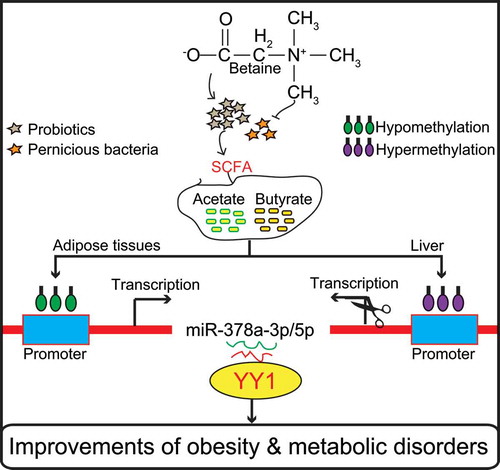
Results of this study show that dietary betaine alleviated gut microbiota imbalance in obese mice, and reduced development of obesity and obesity-related complications. Regulation of the miR-378a-YY1 regulatory axis by gut microbial acetate and butyrate was a critical mechanism for modulating:

  • White adipose tissue browning;
  • Classical brown adipose tissue activation; and
  • Lipid and glucose homeostasis

in obese mice after betaine supplementation.

These findings offer novel insights into underlying mechanisms by which gut microbiota affect host metabolism and host immune system, and demonstrate that the betaine-gut microbiota-derived signal axis is a potential therapeutic target in obesity and metabolic syndrome.”

https://www.tandfonline.com/doi/full/10.1080/19490976.2020.1862612 “Dietary betaine prevents obesity through gut microbiota-drived microRNA-378a family”


A second 2021 paper was a meta-analysis of effects on human cardiovascular biomarkers:

“Betaine supplementation had a significant effect on concentrations of:

  • Betaine;
  • Total cholesterol;
  • Low-density lipoprotein (LDL);
  • Homocysteine [negative effect]; and
  • Methionine.

Betaine supplementation did not affect serum concentrations of:

  • Triglycerides;
  • High-density lipoprotein (HDL);
  • Fasting blood glucose;
  • C-reactive protein;
  • Liver enzymes alanine aminotransferase (ALT), aspartate aminotransferase (AST), gamma-glutamyl transferase (GGT); and
  • Blood pressure.

Our meta-analysis supports the advantage of a lower dose of betaine supplementation (<4 g/d) on homocysteine concentrations without the lipid-augmenting effect observed with a higher dosage.”

https://www.tandfonline.com/doi/abs/10.1080/10408398.2021.1902938 “Effects of betaine supplementation on cardiovascular markers: A systematic review and Meta-analysis” (not freely available)


A third paper was a 2014 cereal analysis of betaine and its precursor choline that found a 224% increase in betaine from 62 to 139 μg/g and a 31% increase in choline from microwaving oats:

“Betaine and its precursor choline are important components of one-carbon metabolism, remethylating homocysteine into methionine and providing methyl groups for DNA methylation. Cereals are the main source of betaine in diet.

During cooking processes which did not involve removal of water (in this case oat porridge microwaved using instant oats) appeared to lead to creation of betaine. Explanations for this phenomenon could be that betaine is synthesised during the process, or that heating with water liberates betaine from cereal matrix, enhancing efficiency of extraction.”

https://www.sciencedirect.com/science/article/abs/pii/S0308814613012247 “Cereal foods are the major source of betaine in the Western diet – Analysis of betaine and free choline in cereal foods and updated assessments of betaine intake” (not freely available)


Another 2021 betaine (aka trimethyl glycine) study was curated in Ride the waves of gene expression with betaine for its role in preventing nerve disease. I take 1.5 grams of a betaine supplement every morning and evening when eating hulled Avena sativa 3-day-old oat sprouts.

I found the first two papers from their citing a 2016 human and rodent study Dietary Betaine Supplementation Increases Fgf21 Levels to Improve Glucose Homeostasis and Reduce Hepatic Lipid Accumulation in Mice, which was linked in a comment on this 2021 video:

Small intestine alkaline phosphatase

This 2021 rodent study used small intestine alkaline phosphatase (IAP)-overexpressed subjects on a high-fat, high-cholesterol diet to investigate effects:

“To examine direct effects of increased IAP expression on barrier function and development of metabolic diseases, we developed intestine-specific IAP transgenic mice (IAPTg) overexpressing human chimeric IAP. We evaluated effects of intestine-specific IAP overexpression on Western-type diet (WD)–induced atherosclerosis in Ldlr−/ mice.

Diets low in fiber deprive intestinal bacteria of essential nutrients. Luminal bacteria turn to alternate sources of energy, namely, the carbohydrate-rich mucosal layer. This enhances direct contact between gut bacteria and intestinal epithelial layer, and promotes inflammation and intestinal barrier dysfunction.

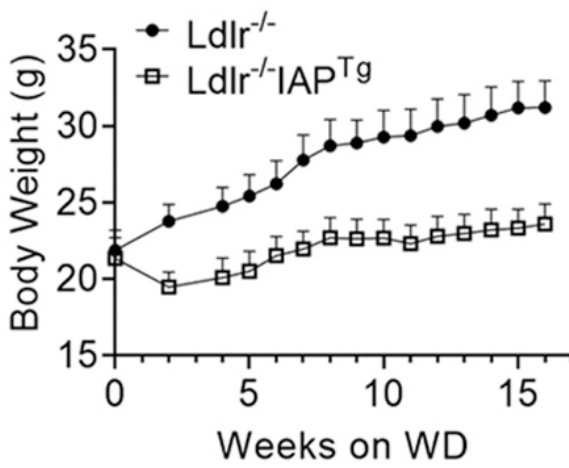
Increase in IAP improves intestinal barrier function by not only dephosphorylating LPS and limiting its translocation to systemic circulation, but also by improving mucosal layer. Furthermore, IAP overexpression results in attenuated WD-induced weight gain and significantly reduced absorption of dietary lipids, leading to attenuation of total plasma cholesterol and TG levels, as well as hepatic lipids. This improved metabolic profile results in significant reduction in WD-induced atherosclerosis in Ldlr−/−IAPTg mice.

overexpressed IAP

IAP overexpression results in attenuated WD-induced weight gain and significantly reduced absorption of dietary lipids, leading to attenuation of total plasma cholesterol and TG levels, as well as hepatic lipids. This improved metabolic profile results in significant reduction in WD-induced atherosclerosis in Ldlr−/−IAPTg mice.

Increases in IAP can significantly attenuate effects of WD feeding on intestinal barrier function. It is noteworthy that IAP is also shown to be involved in innate immunity, and its activity is positively correlated to intestinal levels of IgA in mice and fecal immunoglobulins in humans.

The list of nutrients and food components/supplements that increase IAP continues to grow (galactooligosaccharides, glucomannan, vitamin D3), providing a novel opportunity to develop simple strategies for modulation of diet/nutrition to target metabolic diseases, including diabetes, fatty liver disease, atherosclerosis, or heart disease.”

https://www.ahajournals.org/doi/10.1161/CIRCRESAHA.120.317144 “Over-Expression of Intestinal Alkaline Phosphatase Attenuates Atherosclerosis”


This study used ileal samples from the small intestine’s last section for its findings. It complemented Take FOS or inulin to increase your gut’s alkaline phosphate activity which used large intestine samples to demonstrate effects of  increased IAP activity.

Eat to make your gut microbiota happy, and expect reciprocity.

A biological age snapshot from a year ago

This May 3, 2020 two-hour video on Optimizing Biological Age was instructive:


Content was great! I recommend the longish Q & A, especially at 1:23 regarding inflammation.

It was a snapshot in that researchers on this conference call were interested in improving people’s health. Few recognized at the time a globally coordinated effort to herd humans into one tracking database using an injurious jab as a pretext.

optimizing biological age