Eat broccoli sprouts for depression, Part 2

Here are three papers that cited last year’s Part 1. First is a 2021 rodent study investigating a microRNA’s pro-depressive effects:

“Depressive rat models were established via chronic unpredicted mild stress (CUMS) treatment. Cognitive function of rats was assessed by a series of behavioral tests.

Nrf2 CUMS

Nrf2 was weakly expressed in CUMS-treated rats, whereas Nrf2 upregulation alleviated cognitive dysfunction and brain inflammatory injury.

Nrf2 inhibited miR-17-5p expression via binding to the miR-17-5p promoter. miR-17-5p was also found to limit wolfram syndrome 1 (Wfs1) transcription.

We found that Nrf2 inhibited miR-17-5p expression and promoted Wfs1 transcription, thereby alleviating cognitive dysfunction and inflammatory injury in rats with depression-like behaviors. We didn’t investigate the role of Nrf2 in other depression models (chronic social stress model and chronic restraint stress model) and important brain regions other than hippocampus, such as prefrontal cortex and nucleus accumbens. Accordingly, other depression models and brain regions need to be designed and explored to further validate the role of Nrf2 in depression in future studies.”

https://link.springer.com/article/10.1007/s10753-021-01554-4 “Nrf2 Alleviates Cognitive Dysfunction and Brain Inflammatory Injury via Mediating Wfs1 in Rats with Depression‑Like Behaviors” (not freely available)

This study demonstrated that activating the Nrf2 pathway inhibited brain inflammation, cognitive dysfunction, and depression. Would modulating one microRNA and one gene in vivo without Nrf2 activation achieve similar results?


A 2021 review focused on the immune system’s role in depression:

“Major depressive disorder is one of the most common psychiatric illnesses. The mean age of patients with this disorder is 30.4 years, and the prevalence is twice higher in women than in men.

Activation of inflammatory pathways in the brain is considered to be an important producer of excitotoxicity and oxidative stress inducer that contributes to neuronal damage seen in the disorder. This activation is mainly due to pro-inflammatory cytokines activating the tryptophan-kynurenine (KP) pathway in microglial cells and astrocytes.

Elevated levels of cortisol exert an inhibitory feedback mechanism on its receptors in the hippocampus and hypothalamus, stopping stimulation of these structures to restore balance. When this balance is disrupted, hypercortisolemia directly stimulates extrahepatic enzyme 2,3-indolimine dioxygenase (IDO) located in various tissues (intestine, placenta, liver, and brain) and immune system macrophages and dendritic cells.

Elevation of IDO activities causes metabolism of 99% of available tryptophan in the KP pathway, substantially reducing serotonin synthesis, and producing reactive oxygen species and nitrogen radicals. The excitotoxicity generated produces tissue lesions, and activates the inflammatory response.”

https://academic.oup.com/ijnp/article/25/1/46/6415265 “Inflammatory Process and Immune System in Major Depressive Disorder”

This review highlighted that stress via cortisol and IDO may affect the brain and other parts of the body.


A 2022 review elaborated on Part 1’s findings of MeCP2 as a BDNF inhibitor:

“Methyl-CpG-binding protein 2 (MeCP2) is a transcriptional regulator that is highly abundant in the brain. It binds to methylated genomic DNA to regulate a range of physiological functions implicated in neuronal development and adult synaptic plasticity.

Ability to cope with stressors relies upon activation of the hypothalamic–pituitary–adrenal (HPA) axis. MeCP2 has been shown to contribute to early life stress-dependent epigenetic programming of genes that enhance HPA-axis activity.

We describe known functions of MeCP2 as an epigenetic regulator, and provide evidence for its role in modulating synaptic plasticity via transcriptional regulation of BDNF or other proteins involved in synaptogenesis and synaptic strength like reelin. We conclude that MeCP2 is a promising target for development of novel, more efficacious therapeutics for treatment of stress-related disorders such as depression.”

https://www.mdpi.com/2073-4409/11/4/748/htm “The Role of MeCP2 in Regulating Synaptic Plasticity in the Context of Stress and Depression”


Osprey lunch

PXL_20220221_192924474

Studying AGEs and neurodegeneration

This 2022 review suggested more effective ways to conduct in vitro studies of advanced glycation end products (AGEs) and neurodegenerative diseases:

“The main goal of this review was to present and discuss in vitro models that were applied or have the potential to be used in research on AGEs and ND.

  • We introduced and explained current knowledge on AGEs regarding their formation and accumulation in humans.
  • We presented existing evidence linking involvement of AGEs in ND and explained basic concepts of brain physiology and immunology affected by AGEs.
  • We presented and discussed available in vitro models to study AGE-mediated neurodegeneration by dividing them into sections from simple models. These have been applied to more complex models that have not been yet applied in the field of AGEs, but offer opportunities.
  • We gathered advisable in vitro tools based on their relevance to three primary endpoints that AGEs can impact brain pathophysiology and their characteristics and suitability to mimic ND pathophysiology.

nutrients-14-00363-g002

Several studies have indicated intracellular formation of AGEs by microglia or neurons, but identification of intracellular AGEs in those cases is made by immunoassays, which have received much criticism regarding their reliability to identify and quantify AGEs. Concerns about these techniques are mostly related to undefined specificity and affinity of anti-AGE antibodies.

The source of observed AGE accumulation in the brain of patients (dietary or endogenous) is not yet fully understood. For that reason, studies on AGE digestion and absorption (i.e., in vitro digestion models) are crucial to understanding the type of dietary AGEs that will circulate and cross the BBB to reach the brain.

On the other hand, endogenous AGEs can also be formed due to increased glucose levels derived from a high glycemic diet. Highly reactive molecules in the brain can contribute to locally produced AGEs extracellularly or intracellularly.

Clinical studies mainly focus on the fate and metabolism of dietary AGEs. Exposure based on consumption of certain foods is difficult to translate to a concentration that cells are going to be exposed to. The complexity and multiple sources of protein glycation require application of in vitro models to understand potential contribution to neurodegeneration.”

https://www.mdpi.com/2072-6643/14/2/363/htm “In Vitro Methodologies to Study the Role of Advanced Glycation End Products (AGEs) in Neurodegeneration”


While we’re waiting for research to catch up, we can hedge neurodegenerative disease bets by:

  • Not spiking our blood glucose levels;
  • Avoiding foods with medium and high levels of AGEs;
  • Giving our gut microbiota the intake they need instead of what our unconscious programming dictates; and
  • Maintaining youthful activities.

PXL_20220212_194256506

Kickstarting endogenous regenerative pathways

A 2022 amphibian study by the Electroceuticals team investigated limb regeneration:

“Organisms such as Xenopus laevis – whose limited regenerative capacities in adulthood mirror those of humans – are important models with which to test interventions that can restore form and function. We demonstrate long-term (18 months) regrowth, marked tissue repatterning, and functional restoration of an amputated X. laevis hindlimb following a 24-hour exposure to a multidrug, pro-regenerative treatment delivered by a wearable bioreactor.

  • Regenerated multidrug treatment (MDT) hindlimbs were longer than the no added factors (BD) and no device (ND) groups by 2.5 mpa, as indicated by growth beyond resection site (red dashed line).
  • At 4 mpa, vascularized structures developed at the distal extension of MDT (yellow arrow), but not BD or ND regenerates.
  • At 9 mpa, digit-like projections appeared (blue arrow), contrasting hypomorphic spikes of BD and ND regenerates (pink arrows).

limb regeneration

We suggest that the overall strategy of providing wound cells with an aqueous, amniotic-like environment, which is uniquely given through our bioreactor, that contains pro-regenerative signals is likely to be an effective method for kickstarting biomedically relevant growth and patterning cascades that are too complex to directly implement. One additional direction that may present new opportunities for enhanced regeneration is to assess immune function in relation to tissue remodeling.”

https://www.science.org/doi/10.1126/sciadv.abj2164 “Acute multidrug delivery via a wearable bioreactor facilitates long-term limb regeneration and functional recovery in adult Xenopus laevis”

Intergenerational epigenetic inheritance of trained immunity, Part 2

A 2022 McGill University rodent study couldn’t replicate Part 1 findings:

“We find that using similar mouse models of trained immunity induced by:

  1. Live vaccination (BCG);
  2. PAMPs (β-glucan); or
  3. Infection (C. albicans),

protection against:

  1. Viral (influenza virus);
  2. Bacterial (Mycobacterium tuberculosis (Mtb)); or
  3. Fungal (C. albicans)

infections was the same between offspring of trained and non-trained parents.

BCG-vaccination-in-the-offspring-of-vaccinated-parents-does-not-enhance-trained-immunity_W640

BCG vaccination in the offspring of vaccinated parents does not enhance trained immunity in macrophages.

a) Mice were vaccinated with BCG-iv (1 × 10⁶ CFU) for one month and mated with vaccinated or naive counterparts. 6–8 week-old F1.1 and F1.3 offspring were then vaccinated or not with BCG-iv (1 × 10⁶ CFU).

b), c) At 1 month post BCG vaccination, protective capacities of BMDM from BCG-iv vaccinated and nonvaccinated F1.1 (b), or F1.3 (c) offspring from naïve or BCG-iv vaccinated parents were assessed against M. tuberculosis (H37Rv, MOI 1) infection. * p < 0.05.”

https://www.nature.com/articles/s41590-021-01102-0 “Lack of evidence for intergenerational inheritance of immune resistance to infections” (not freely available)


Part 1 coauthors replied:

“We are very encouraged that this topic is gaining increased interest. The reason for the discrepancy between findings in the two studies is unclear. It likely involves local differences in mouse substrains, housing, diet, microbiome, infection models, or other factors.

These findings underscore the effect of environment on intergenerational inheritance of infection resistance. What these environmental factors are and how these factors are integrated with regards to intergenerational inheritance remains largely elusive at this time.

One intriguing possibility that needs to be tested in future studies is whether such effects may be more robust in outbred wild mice, in which subtle environmental changes may have less strong impact.”

https://www.nature.com/articles/s41590-021-01103-z “Reply to: ‘Lack of evidence for intergenerational inheritance of immune resistance to infections'”


PXL_20211031_112819792

Gut microbiota’s positive epigenetic effects

Three papers with the first a 2021 review:

“Gut microbiota along with their metabolites are involved in health and disease through multiple epigenetic mechanisms including:

  • Affecting transporter activities, e.g. DNA methyltransferases (DNMTs), histone methyltransferases (HMTs), histone acetyltransferases (HATs), and histone deacetylases (HDACs);
  • Providing methyl donors to participate in DNA methylation and histone modifications; and
  • miRNAs that can lead to gene transcriptional modifications.

ijms-22-06933-g003

These mechanisms can participate in a variety of biological processes such as:

  • Maturation of intestinal epithelial cells (IECs);
  • Maintenance of intestinal homeostasis;
  • Inflammatory response;
  • Development of metabolic disorders; and
  • Prevention of colon cancer.”

https://www.mdpi.com/1422-0067/22/13/6933/htm “Dissecting the Interplay Mechanism between Epigenetics and Gut Microbiota: Health Maintenance and Disease Prevention”


A second 2022 review added subjects such as crotonate (aka unsaturated butyrate):

“Studies are carving out potential roles for additional histone modifications, such as crotonylation and ethylation, in facilitating crosstalk between microbiota and host. Lysine crotonylation is a relatively less studied histone modification that is often enriched at active promoters and enhancers in mammalian cells.

While addition or removal of crotonyl motifs can be catalyzed by specialized histone crotonyltransferases and decrotonylases, HATs and HDACs have also been reported to exhibit histone crotonyl-modifying activity. Microbiota stimulate multiple types of histone modifications and regulate activity of histone-modifying enzymes to calibrate local and extra-intestinal chromatin landscapes.”

https://www.tandfonline.com/doi/full/10.1080/19490976.2021.2022407 “Epigenetic regulation by gut microbiota”


A third 2021 review added subjects such as broccoli sprout compounds’ epigenetic effects:

“Glucosinolates are converted into isothiocyanates (ITCs) by bacteria that regulate host epigenetics. Levels of ITCs produced following broccoli consumption are highly dependent on the functional capacity of individual microbiomes, as much interindividual variability exists in gut microbiota composition and function in humans.

Sulforaphane inhibits HDAC activity both in vitro and in vivo, and protects against tumor development. Microbial-mediated production of ITCs represents a strong diet-microbe interaction that has a direct impact on host epigenome and health.”

https://www.sciencedirect.com/science/article/pii/S0955286321000516 “The interplay between diet, gut microbes, and host epigenetics in health and disease”


Clearing the channel

PXL_20220118_203446833

Sulforaphane vs. too much oxygen

This 2021 rodent study investigated perinatal effects of hyperoxia and sulforaphane:

“We demonstrated that early-life oxidant-induced acute lung injury had significant consequences later in life on NRF2-dependent respiratory syncytial virus (RSV) susceptibility in mice. We also determined that increased antioxidant conditions in utero potentially contribute to a decreased risk of postnatal airway disease as we found that prenatal antioxidant sulforaphane (SFN) protected developing lungs from bronchopulmonary dysplasia (BPD)-like oxidative pathogenesis in mice.

Unexpectedly, our results indicated that prenatal SFN-mediated postnatal protection against BPD-like phenotypes are not NRF2-dependent. Prenatal SFN markedly improved hyperoxia-caused severe BPD-like lung injury parameters in Nrf2−/− pups while we observed relatively marginal protection by in utero SFN in hyperoxia-resistant Nrf2+/+ pups.

SFN is a strong NRF2 and ARE gene inducer for cytoprotection by NRF2 stabilization. However, SFN also acts through other mechanisms, including NF-κB inhibition, MAPK activation, and histone deacetylase inhibition for anti-inflammation, chemoprevention, apoptosis, and autophagy.

Our study provided new insights into infant oxidant lung injury severity influence on persistence of pulmonary morbidity and therapeutic intervention for NRF2 agonists. Our results also provided justification for further studies on feto–placental barrier crossing of SFN metabolites and SFN-triggered molecular and epigenetic aspects of maternal cues for barrier and fetal lung signaling.”

https://www.mdpi.com/2076-3921/10/12/1874/htm “Murine Neonatal Oxidant Lung Injury: NRF2-Dependent Predisposition to Adulthood Respiratory Viral Infection and Protection by Maternal Antioxidant”


This study’s oral human-equivalent dose for treatment dams was 9 mg sulforaphane (1.67 mg x .081 x 70 kg) every other day during the last half of pregnancy. A small dose per How much sulforaphane is suitable for healthy people?

“The daily SFN dose found to achieve beneficial outcomes in most of the available clinical trials is around 20-40 mg.”

PXL_20211226_120528134

Gut microbiota vs. disease risks

This 2021 review subject was risk relationships between diseases from the perspective of gut microbiota:

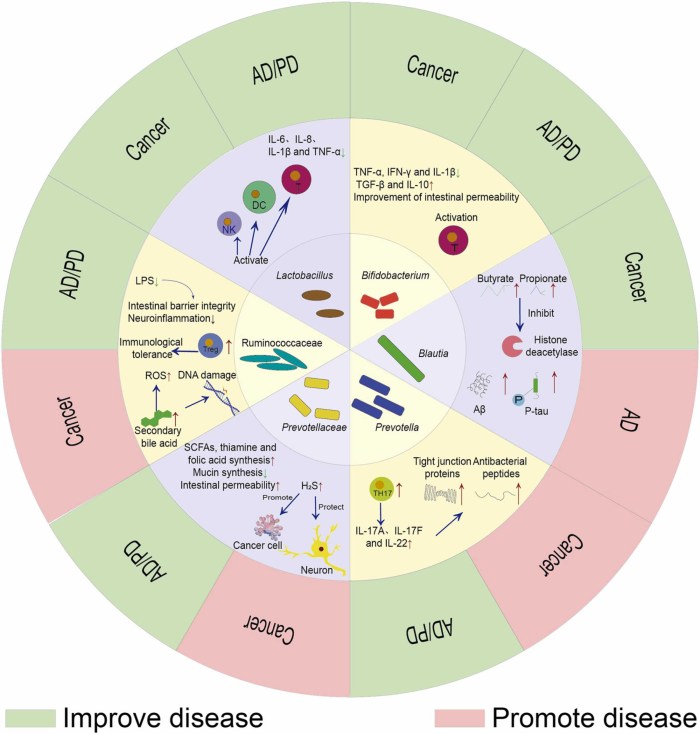
“There is a significant inverse relationship between the onset of Alzheimer’s disease/Parkinson’s disease (AD/PD) and cancer, but the mechanism is still unclear. Considering that intestinal flora can connect them, we briefly introduced the relationship among AD/PD, cancer, and intestinal flora, studied metabolites or components of the intestinal flora, and the role of intestinal barriers and intestinal hormones in AD/PD and cancer.

According to existing evidence:

  • Bifidobacterium and Lactobacillus positively affect AD/PD and cancer;
  • Ruminococcaceae, Prevotellaceae, and Prevotella significantly improve on AD/PD but harm cancer; and
  • Blautia has universal anticancer ability, but it may aggravate AD pathology.

1-s2.0-S0753332221011276-gr1_lrg

This may partially explain the antagonistic relationship between neurodegenerative diseases and cancer. When some individuals suffer from one disease, their intestinal flora change to obtain a stronger resistance to the other disease than healthy individuals, which is consistent with statistical data.”

https://www.sciencedirect.com/science/article/pii/S0753332221011276 “Composition of intestinal flora affects the risk relationship between Alzheimer’s disease/Parkinson’s disease and cancer”


PXL_20211224_180111266

Inevitable individual differences

This 2021 review subject was individual differences:

“We will focus on recent findings that try to shed light on the emergence of individuality, with a particular interest in Drosophila melanogaster.

fphys-12-719038-g001

Another possible source of potential behavioral variability might come from the interaction of individuals with environmental microbes, from Wolbachia infections to changes in the gut microbiome. In this particular case, no genetic variation or neural circuit alteration would be responsible for the change in behavior.

Finally, from an evolutionary point of view, individuality might play an essential role in providing an adaptive advantage. For example, we have described that animals might use diversified bet-hedging as a mechanism to produce high levels of variation within a population to ensure that at least some individuals will be well-adapted when facing unpredictable environments.”

https://www.frontiersin.org/articles/10.3389/fphys.2021.719038/full “Behavior Individuality: A Focus on Drosophila melanogaster”


Other papers on this subject include:

PXL_20211218_192020643

Immune system aging

This 2021 review by three coauthors of Take responsibility for your one precious life – Trained innate immunity cast a wide net:

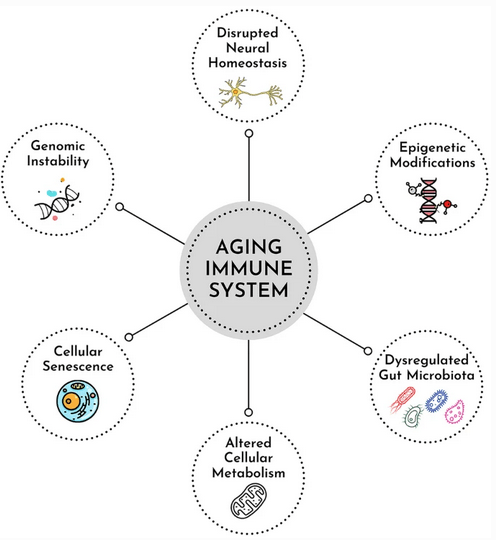
“Non-specific innate and antigen-specific adaptive immunological memories are vital evolutionary adaptations that confer long-lasting protection against a wide range of pathogens. However, these mechanisms of memory generation and maintenance are compromised as organisms age.

This review discusses how immune function regulates and is regulated by epigenetics, metabolic processes, gut microbiota, and the central nervous system throughout life. We aimed to present a comprehensive view of the aging immune system and its consequences, especially in terms of immunological memory.

aging immune system

A comprehensive strategy is essential for human beings striving to lead long lives with healthy guts, functional brains, and free of severe infections.”

https://link.springer.com/article/10.1007/s12016-021-08905-x “Immune Memory in Aging: a Wide Perspective Covering Microbiota, Brain, Metabolism, and Epigenetics”


Attempts to cover a wide range of topics well are usually uneven. For example, older information in the DNA Methylation In Adaptive Immunity section was followed by a more recent Histone Modifications in Adaptive Immunity section.

This group specializes in tuberculosis vaccine trained immunity studies, and much of what they presented also applied to β-glucan trained immunity. A dozen previously curated papers were cited.

PXL_20211218_190653401

Glutathione primes β-glucan-trained immunity

Two 2021 papers on glutathione interactions with β-glucan, with the first studying human cells from healthy donors:

“(1→3)-β-D-Glucan stimulation induces epigenetic and transcriptomic changes in monocytes associated with increased glutathione (GSH) synthesis and metabolism. Intracellular glutathione levels were crucial in regulating several monocyte antifungal functions including resilience to oxidative stress, immunometabolism, nitric oxide production, phagocytosis, and cytokine production.

Our findings demonstrate an important role for GSH in immunity, and outline a better understanding of the acute response of monocytes to infections.”

https://www.frontiersin.org/articles/10.3389/fimmu.2021.694152/full “Glutathione Metabolism Is a Regulator of the Acute Inflammatory Response of Monocytes to (1→3)-β-D-Glucan”


A second study investigated the subject with a dozen rodent experiments:

“We demonstrated that antioxidation by GSH supported an environment essential for β-glucan-induced metabolic and epigenetic changes in monocytes. We found that GSH induced glycolysis and glutaminolysis in β-glucan-trained immunity in a mTOR-dependent manner.

These results uncovered the GSH/mTOR/c-Myc signaling axis as the central effector of metabolic reprogramming in trained immunity. We revealed that the delicate GSH/ROS redox balance determines discrete, long lasting metabolic modifications that are causal to β-glucan-trained immunity.

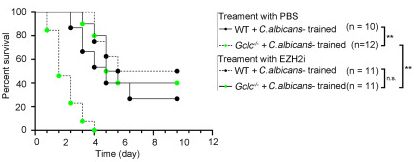
Our results suggest that H3K27me3 demethylation is a necessary event. We identified H3K27me3 demethylation as a novel histone modification mark that was impaired by GSH deficiency in β-glucan-trained bone marrow derived macrophages.

We identified EZH2 as a potential tool to boost trained immunity under GSH deficiency conditions, or to enhance trained immunity in clinical settings where excessive inflammatory responses could be beneficial.

ezh2 survival

Overall, these insights contribute to unraveling metabolic and epigenetic changes during trained immunity.”

https://www.sciencedirect.com/science/article/pii/S2213231721003669 “Glutathione synthesis primes monocytes metabolic and epigenetic pathway for β-glucan-trained immunity”


The second paper of Remembering encounters provides future benefits also explored this subject.

PXL_20211215_183316335

Offspring brain effects from maternal adversity

This 2021 rodent study investigated conception through weaning effects on offspring from stressing their mothers:

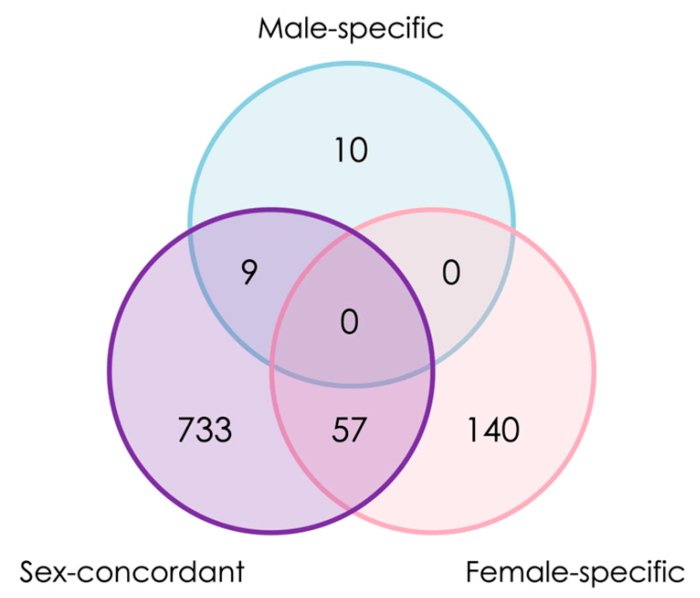
“We investigated consequences of two prenatal insults, prenatal alcohol exposure (PAE) and food-related stress, on DNA methylation profiles of the rat brain during early development. We analyzed patterns in prefrontal cortex, a key brain region involved in cognition, executive function, and behavior, of both males and females, and found sex-dependent and sex-concordant influences of these insults.

The pair-fed (PF) group in the PAE model is a standard control for effects of alcohol in reducing food intake. However, compared to the PAE group that, albeit eating less, eats ad libitum, pair-feeding is a treatment in itself, with PF dams receiving a restricted ration, which results in both hunger and a disrupted feeding schedule. These stress-related effects could potentially parallel or model food scarcity or food insecurity in human populations.

We observed more DMRs (Differentially Methylated Regions) that showed decreased DNAm rather than increased DNAm in PF animals, suggesting that food-related stress may interfere with one-carbon metabolism and the pathways that deposit methylation on DNA. We also identified a sex-concordant DMR that showed decreased DNAm in PF animals in the glucocorticoid receptor Nr3c1, which plays a key role in stress responsivity and may reflect a reprogramming of the stress response.

This result is in line with previous studies that have shown that pair-feeding is a considerable stressor on dams, with lasting consequences on development, behavior, and physiology of their offspring. Altered DNAm of this key HPA axis gene may reflect broader alterations to stress response systems, which may in turn, influence programming of numerous physiological systems linked to the stress response, including immune function, metabolic processes, and circadian rhythms.

In PAE and PF animals compared to controls, we identified 26 biological pathways that were enriched in females, including those involved in cellular stress and metabolism, and 10 biological pathways enriched in males, which were mainly involved in metabolic processes. These findings suggest that PAE and restricted feeding, both of which act in many respects as prenatal stressors, may influence some common biological pathways, which may explain some of the occasional overlap between their resulting phenotypes.

genes-12-01773-g005

This study highlights the complex network of neurobiological pathways that respond to prenatal adversity/stressors and that modulate differential effects of early life insults on functional and health outcomes. Study of these exposures provides a unique opportunity to investigate sex-specific effects of prenatal adversity on epigenetic patterns, as possible biological mechanisms underlying sex-specific responses to prenatal insults are understudied and remain largely unknown.”

https://www.mdpi.com/2073-4425/12/11/1773/htm “Prenatal Adversity Alters the Epigenetic Profile of the Prefrontal Cortex: Sexually Dimorphic Effects of Prenatal Alcohol Exposure and Food-Related Stress”


PXL_20211215_182428532

The impact of transgenerational epigenetic inheritance and early life experiences

A 2021 interview with McGill University’s Moshe Szyf:

“There is a rejection of transgenerational inheritance as it goes against progressive thinking because it ties us to previous generations. The theory faces rejection because it sounds deterministic.

But if you understand what epigenetics is, it’s not deterministic. There is stability, and there’s also room for dynamic change.

The only way things change in the body for the long term is via epigenetics. We don’t know everything yet, new discoveries are yet to happen, and then we will just say, ‘Wow, it’s so obvious!’

The immune system is tightly connected to the brain and is directly affected by early adversity. Even though we will not be able to learn what’s going on in the brain, as far as epigenetics in living people, we will gain a lot of information from how the immune system responds to early adversity, and how this is correlated with behavioral phenotype and with mental health.

This brings into question the whole field of neuroimmunology, of which there is a lot of data. But it seems that a lot of psychiatrists are totally oblivious to these data, which is astounding, because the glucocorticoid hormone – the major player in this mechanism due to its involvement in early life stress as well as control of behavior – also controls immune function.

Nobody can live long enough to oversee a human transgenerational study. In humans, correlations are usually in peripheral tissue, where changes are small. The jury’s not out yet, but if evolution used it for so many different organisms, some of which are very close to us in the evolutionary ladder, it’s impossible that humans don’t use it.

How are current findings in animal models relevant to humans? How do we develop human paradigms that will allow us to achieve a higher level of evidence than what we have now?

  • One way is the immune-inflammatory connection to other diseases. I think this is where the secret of epigenetic aging lies, as well as epigenetics of other diseases.
  • Every disease is connected to the immune system. The brain translates the behavioral environment to the immune system, and then the immune system sends chemical signals across the body to respond to these challenges.

We need to understand that epigenetic programs are a network. Move beyond candidate genes, understand the concept of a network, and really understand the challenge: Reset the epigenetic network.

Epigenetics is going to be rapidly translated to better predictors, better therapeutics, and more interesting therapeutics. Not necessarily the traditional drug modeled against a crystal structure of an enzyme, but a more networked approach. Ideas about early life stress are critical and have impacted the field of childcare by highlighting the importance of early childhood relationships.”

https://www.futuremedicine.com/doi/10.2217/epi-2021-0483 “The epigenetics of early life adversity and trauma inheritance: an interview with Moshe Szyf”


Trained immunity genes

This 2021 human cell study investigated trained immunity responses:

“We integrated genetic, epigenetic, and functional validation data to shed light on regulation of trained immunity responses. This data integration revealed a novel role of SIGLECs and KDM4 genes on trained immunity responses.

  • Siglec-5 is an inhibitory receptor that dampens the immune response, and was found to display reduced levels of activation mark H3K4me3 upon β-glucan training.
  • Siglec-14 has a ligand-binding domain almost identical to Siglec-5 but in contrast to Siglec-5, leads to activation of the inflammatory response. Differential expression of Siglec-14 has been shown to play a role in incidence of premature delivery in Group B Streptococcus-positive mothers, COPD exacerbation, and susceptibility to tuberculosis.
  • Within the family of histone demethylases, members of the KDM4 family showed the strongest association with trained immunity responses via modulation of methylation at H3K9.

We observed a high degree of inter-individual variability in both β-glucan and BCG-induced trained immunity responses in both cohorts. Age showed no correlation with induction of trained immunity, whereas male individuals showed higher trained immunity responses as assessed by measuring TNF-α production and IL-6.

By studying processes underlying heterogeneity of trained immunity responses, we prioritized and identified important candidate genes and pathways implicated in trained immunity that could be novel targets for diagnostic and therapeutic purposes. KDM4 demethylases and Siglecs are also considered attractive therapeutic targets in oncology and other immune cell-mediated diseases.”

https://onlinelibrary.wiley.com/doi/full/10.1002/eji.202149577 “An integrative genomics approach identifies KDM4 as a modulator of trained immunity”


Most of what this study found can be extrapolated to yeast cell wall β-glucan’s effects.

PXL_20211125_170952887

Uses of the neutrophils-to-lymphocytes ratio

This 2021 review subject was recent history and uses of the neutrophils-to-lymphocytes ratio parameter to indicate systemic inflammation and stress:

“NLR is widely used across almost all medical disciplines as a reliable and easily available marker of immune response to various infectious and non-infectious stimuli. NLR reflects dynamic relationships between innate (neutrophils) and adaptive (lymphocytes) cellular immune response during illness and various pathological states.

A normal range of NLR is between 1–2, and values higher than 3.0 and below 0.7 in adults are pathological. NLR between 2.3–3.0 may serve as an early warning of cancer, atherosclerosis, infection, inflammation, psychiatric disorders, and stress.

nlr

Neutrophils play a pivotal role in innate immune response including phagocytosis, and release of a variety of cytokines and molecule mediators. Lymphocytopenia is a hallmark of stress while inflammation is due to demargination, redistribution, and accelerated apoptosis.

Opposite changes in neutrophil and lymphocyte counts are a multifactorial dynamic process depending on regulation of various immunologic, neuroendocrine, humoral, and biologic processes such as margination / demargination, mobilization / redistribution, accelerated / delayed apoptosis, influence of stress hormones, and sympathetic / parasympathetic nervous system imbalance. NLR is the best expression of a tight functional relation between two fundamental immunocompetent leukocyte populations.”

https://doi.org/10.4149/bll_2021_078 “Neutrophil-to-lymphocyte ratio, past, present and future perspectives”


The fourth study of Uses of the lymphocytes-to-monocytes ratio commented on NLR, as did What is the health utility of white blood cell type count ratios?.

Sunday morning stroll

PXL_20211205_141539732

Eat broccoli sprouts to prevent radiation damage

This 2021 rodent study investigated effects of sulforaphane on skin damage from irradiation:

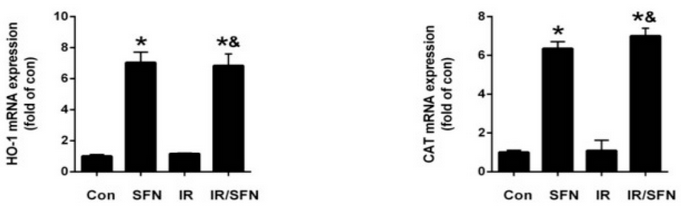
“Radiotherapy is currently the main treatment for various cancers. We observed the protective effect of sulforaphane (SFN) on radiation-induced skin injury (RISI), including oxidative stress and inflammatory response indexes, and Nrf2 expression with its downstream antioxidant genes:

  • SFN prevented DNA damage caused by radiation.
  • SFN prevented and treated radiation-induced skin inflammation.
  • SFN prevented radiation-induced oxidative stress in skin.
  • Activation of Nrf2 and expressions of its downstream genes in skin induced by SFN.

Nrf2 downstream antioxidant genes induced by SFN

Mice were randomly assigned to one of four groups (n = 8), including control group (CON), SFN group, irradiation (IR) group, and IR plus SFN (IR/SFN) group (* p < 0.05 vs. CON; & p < 0.05 vs. IR).

Our most innovative discovery was that SFN provided skin protection from IR. At present, there are a few drugs to treat RISI in clinical patients, but the effect is not very ideal, or some may cause certain side effects.

SFN extracted from natural broccoli has no toxicity and is easily accepted for usage in clinic. According to our findings, SFN will provide a new strategy for clinical treatment and prevention of RISI in the future.”

https://www.mdpi.com/2076-3921/10/11/1850/htm “Sulforaphane-Mediated Nrf2 Activation Prevents Radiation-Induced Skin Injury through Inhibiting the Oxidative-Stress-Activated DNA Damage and NLRP3 Inflammasome”


This study’s findings probably also apply to less-severe skin damage caused by sun exposure.

PXL_20211201_201315538