A trio of epigenetic clock studies

We’ll start with a 2018 epigenetic clock human study from Finland:

“We evaluated the association between maternal antenatal depression and a novel biomarker of aging at birth, namely epigenetic gestational age (GA) based on fetal cord blood methylation data. We also examined whether this biomarker prospectively predicts and mediates maternal effects on early childhood psychiatric problems.

Maternal history of depression diagnosed before pregnancy and greater antenatal depressive symptoms were associated with child’s lower epigenetic GA. Child’s lower epigenetic GA, in turn, prospectively predicted total and internalizing problems and partially mediated the effects of maternal antenatal depression on internalizing problems in boys.”


Listening to a podcast by one of the coauthors, although the researchers’ stated intent was to determine the etiology of the findings, I didn’t hear any efforts to study the parents in sufficient detail to be able to detect possible intergenerational and transgenerational epigenetic inheritance causes and effects. There were the usual “associated with” and “it could be this, it could be that” hedges, which were also indicators of the limited methods employed toward the study’s limited design.

Why was an opportunity missed to advance human research in this area? Are researchers satisfied with non-causal individual differences non-explanations instead of making efforts in areas that may produce etiological findings?

https://www.jaacap.org/article/S0890-8567(18)30107-2/pdf “The Epigenetic Clock at Birth: Associations With Maternal Antenatal Depression and Child Psychiatric Problems” (not freely available)


The second 2018 epigenetic clock human study was from Alabama:

“We estimated measures of epigenetic age acceleration in 830 Caucasian participants from the Genetics Of Lipid Lowering Drugs and diet Network (GOLDN) considering two epigenetic age calculations.

Both DNA methylation age estimates were highly correlated with chronological age. We found that the Horvath and Hannum measures of epigenetic age acceleration were moderately correlated.

The Horvath age acceleration measure exhibited marginal associations with increased postprandial [after eating a meal] HDL [high-density lipoprotein], increased postprandial total cholesterol, and decreased soluble interleukin 2 receptor subunit alpha (IL2sRα). The Hannum measure of epigenetic age acceleration was inversely associated with fasting HDL and positively associated with postprandial TG [triglyceride], interleukin-6 (IL-6), C-reactive protein (CRP), and tumor necrosis factor alpha (TNFα).

Overall, the observed effect sizes were small.


https://clinicalepigeneticsjournal.biomedcentral.com/track/pdf/10.1186/s13148-018-0481-4 “Metabolic and inflammatory biomarkers are associated with epigenetic aging acceleration estimates in the GOLDN study”


The third 2018 epigenetic clock human study was a meta-analysis of cohorts from the UK, Italy, Sweden, and Scotland:

“The trajectories of Δage showed a declining trend in almost all of the cohorts with adult sample collections. This indicates that epigenetic age increases at a slower rate than chronological age, especially in the oldest population.

Some of the effect is likely driven by survival bias, where healthy individuals are those maintained within a longitudinal study, although other factors like underlying training population for the respective clocks may also have influenced this trend. It may also be possible that there is a ceiling effect for Δage whereby epigenetic clock estimates plateau.”

https://academic.oup.com/biomedgerontology/advance-article/doi/10.1093/gerona/gly060/4944478 “Tracking the Epigenetic Clock Across the Human Life Course: A Meta-analysis of Longitudinal Cohort Data”

Immune memory in the brain

This 2018 German rodent study was a proof-of-principle for immune epigenetic memory in the brain:

“Innate immune memory is a vital mechanism of myeloid [bone marrow] cell plasticity that occurs in response to environmental stimuli and alters subsequent immune responses.

Two types of immunological imprinting can be distinguished – training and tolerance. These are epigenetically mediated and enhance or suppress subsequent inflammation, respectively.

Certain immune stimuli train blood monocytes to generate enhanced immune responses to subsequent immune insults. By contrast, other stimuli induce immune tolerance – suppression of inflammatory responses to subsequent stimuli.

Microglia (brain-resident macrophages) are very long-lived cells. This makes them particularly interesting for studying immune memory, as virtually permanent modification of their molecular profile appears possible. Immune memory in the brain is predominantly mediated by microglia.

In a mouse model of Alzheimer’s pathology, immune training exacerbates cerebral β-amyloidosis and immune tolerance alleviates it; similarly, peripheral immune stimulation modifies pathological features after stroke. Our results identify immune memory in the brain as an important modifier of neuropathology.

Immune memory in the brain could conceivably affect the severity of any neurological disease that presents with an inflammatory component, but this will need to be studied for each individual condition.”


The researchers performed multiple experiments to test different hypotheses about how immune-response experiences are remembered. Modifications to histone methylation and acetylation were targeted.

The stimulus dosage needed to produce immune tolerance – “suppression of inflammatory responses to subsequent stimuli” – was usually four times the dosage used for immune training – “enhanced immune responses to subsequent immune insults.”

https://www.nature.com/articles/s41586-018-0023-4 “Innate immune memory in the brain shapes neurological disease hallmarks” (not freely available)

Faith-tainted epigenetics

This 2018 Loma Linda review subject was epigenetic interventions for aging:

“Epigenomic markers of aging, global DNA hypomethylation and promoter-specific hypermethylation may be engendered by iron and HCys [homocysteine] retention.

MiR-29/p53 axis may reverse age-related methylomic shifts, stabilizing both the genome and the epigenome, therefore removing a major risk factor of neurodegeneration. Lowering iron and HCys overload can be accomplished via chelation, blood donation and maintaining an adequate omega-6/omega-3 ratio.”


Sometimes it’s difficult to detect researchers’ biases. If a reader didn’t know about the funding sponsor’s mission:

“Each day we seek to extend the teaching and healing ministry of Jesus Christ”

they may view this paper as unbiased rather than as a directed narrative.

Consider the sponsor’s influence from the perspective of someone seeking treatment for Alzheimer’s disease. If a doctor in this review sponsor’s hospital system recommended chelation treatment, hope would be generated for the patient. Adopting the doctor’s belief about the treatment, though, would be contrary to other evidence per this review:

“In 2008, the NIH chelation trial stopped enrolling patients, approximately two years early.

There is no indication for exposing patients with dementia to the risks of chelation therapy because current chelators cannot help them.”

After reading another review that had this sponsor – The lack of oxygen’s epigenetic effects on a fetus – which also reflected the influence of the sponsor’s biases, and had a directed narrative that ignored evidence contradicting the narrative, and involved storytelling, I’m done curating any paper sponsored by this institution.

http://www.nrronline.org/downloadpdf.asp?issn=1673-5374;year=2018;volume=13;issue=4;spage=635;epage=636;aulast=Sfera;type=2 “Epigenetic interventions for brain rejuvenation: anchoring age-related transposons” (click the pdf button)

The epigenetic clock theory of aging

My 400th curation is a 2018 US/UK paper by coauthors of Using an epigenetic clock to distinguish cellular aging from senescence. They reviewed the current state of epigenetic clock research, and proposed a new theory of aging:

“The proposed epigenetic clock theory of ageing views biological ageing as an unintended consequence of both developmental programmes and maintenance programmes, the molecular footprints of which give rise to DNAm [DNA methylation] age estimators.

It is best to interpret epigenetic age estimates as a higher-order property of a large number of CpGs much in the same way that the temperature of a gas is a higher-order property that reflects the average kinetic energy of the underlying molecules. This interpretation does not imply that DNAm age simply measures entropy across the entire genome.

To date, the most effective in vitro intervention against epigenetic ageing is achieved through expression of Yamanaka factors, which convert somatic cells into pluripotent stem cells, thereby completely resetting the epigenetic clock. In vivo, haematopoietic stem cell therapy resets the epigenetic age of blood of the recipient to that of the donor.

Future epidemiological studies should consider other sources of DNA (for example, buccal cells), because more powerful estimates of organismal age can be obtained by evaluating multiple tissues. Other types of epigenetic modifications such as adenine methylation or histone modifications may lend themselves for developing epigenetic age estimators.”


https://www.nature.com/articles/s41576-018-0004-3 “DNA methylation-based biomarkers and the epigenetic clock theory of ageing” (not freely available)


I curated four other papers cited in this review:

Do you want your quality of life to be under or over this curve?

What are you doing to reverse epigenetic processes and realize what you want?

  • Do you have ideas and/or behaviors that interfere with taking constructive actions to change your phenotype?
  • If you aren’t doing anything, are you honest with yourself about feelings of helplessness?
  • Do your beliefs in fate, or in technology, or in divine interventions justify inactions?

Genomic imprinting and growth

This 2018 UK paper reviewed genomic imprinting:

“Since their discovery nearly 30 years ago, imprinted genes have been a paradigm for exploring the epigenetic control of gene expression. Moreover, their roles in early life growth and placentation are undisputed.

However, it is becoming increasingly clear that imprinted gene function has a wider role in maternal physiology during reproduction – both by modulating fetal and placental endocrine products that signal to alter maternal energy homeostasis, and by altering maternal energetic set points, thus producing downstream actions on nutrient provisioning.”

“Imprinted genes in the conceptus produce products that alter maternal resource allocation by:

  1. altering the transport capacity of the placenta;
  2. increasing fetal demand for resources by their action on the intrinsic growth rate; and
  3. signalling to the mother by the production of fetal/placental hormones that modify maternal metabolism.”

Other studies/reviews I’ve curated that covered genomic imprinting are:

http://jeb.biologists.org/content/jexbio/221/Suppl_1/jeb164517.full.pdf “Genomic imprinting, growth and maternal-fetal interactions”


This post has somehow become a target for spammers, and I’ve disabled comments. Readers can comment on other posts and indicate that they want their comment to apply here, and I’ll re-enable comments.

RNA and neurodegenerative diseases

This 2018 Chinese paper reviewed the associations among long non-coding RNA and four neurodegenerative diseases:

“lncRNAs are widely implicated in various physiological and pathological processes, such as epigenetic regulation, cell cycle regulation, cell differentiation regulation, cancer, and neurodegenerative diseases, through their interactions with chromatin, protein, and other RNAs. Numerous studies have suggested that lncRNAs are closely linked with the occurrence and development of a variety of diseases, especially neurodegenerative diseases, of which the etiologies are complicated and the underlying mechanisms remain elusive.

We focus on how lncRNA dysfunctions are involved in the pathogenesis of Alzheimer’s disease, Parkinson’s disease, Huntington’s disease, and amyotrophic lateral sclerosis.”


Table 1 showed specific lncRNAs that acted as “bodyguards” in inherited Huntington’s disease, “culprits” in Alzheimer’s disease, and as both in Parkinson’s disease. The table didn’t include lncRNAs associated with amyotrophic lateral sclerosis although the review text mentioned several.

https://www.sciencedirect.com/science/article/pii/S2162253117303104 “Long Non-coding RNAs, Novel Culprits, or Bodyguards in Neurodegenerative Diseases”

Sleep and adult brain neurogenesis

This 2018 Japan/Detroit review subject was the impact of sleep and epigenetic modifications on adult dentate gyrus neurogenesis:

“We discuss the functions of adult‐born DG neurons, describe the epigenetic regulation of adult DG neurogenesis, identify overlaps in how sleep and epigenetic modifications impact adult DG neurogenesis and memory consolidation..

Whereas the rate of DG neurogenesis declines exponentially with age in most mammals, humans appear to exhibit a more modest age‐related reduction in DG neurogenesis. Evidence of adult neurogenesis has also been observed in other regions of the mammalian brain such as the subventricular zone, neocortex, hypothalamus, amygdala, and striatum.

Adult‐born DG neurons functionally integrate into hippocampal circuitry and play a special role in cognition during a period of heightened excitability and synaptic plasticity occurring 4–6 weeks after mitosis. Adult DG neurogenesis is regulated by a myriad of intrinsic and extrinsic factors, including:

  • drugs,
  • diet,
  • inflammation,
  • physical activity,
  • environmental enrichment,
  • stress, and
  • trauma.”


Some of what the review stated was contradicted by other evidence. For example, arguments for sleep were based on the memory consolidation paradigm, but evidence against memory consolidation wasn’t cited for balanced consideration.

It reminded me of A review that inadvertently showed how memory paradigms prevented relevant research. That review’s citations included a study led by one of those reviewers where:

“The researchers elected to pursue a workaround of the memory reconsolidation paradigm when the need for a new paradigm of enduring memories directly confronted them!”

Some of what this review stated was speculation. I didn’t quote any sections after:

 “We go one step further and propose..”

The review also had a narrative directed toward:

“Employing sleep interventions and epigenetic drugs..”

It’s storytelling rather than pursuing the scientific method when reviewers approach a topic as these reviewers did.

Instead of reading a directed narrative, read this informative blog post from a Canadian researcher. The post provided scientific contexts to summarize what was and wasn’t known in 2018 about human neurogenesis.

http://onlinelibrary.wiley.com/doi/10.1002/stem.2815/epdf “Regulatory Influence of Sleep and Epigenetics on Adult Hippocampal Neurogenesis and Cognitive and Emotional Function”

The influence of donor age on induced pluripotent stem cell functionality

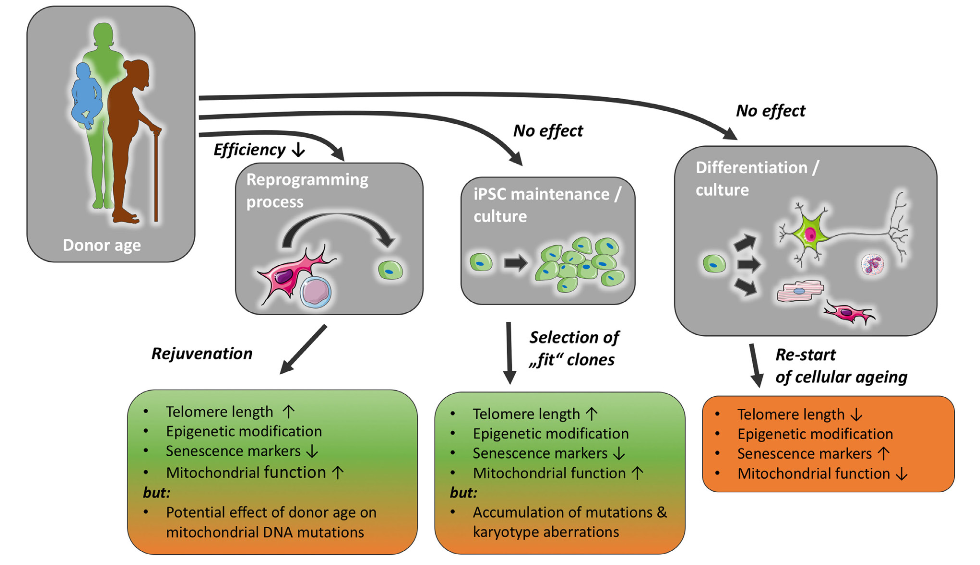
This 2018 German review subject was the influence of donor age on induced pluripotent stem cell functionality:

“Induced pluripotent stem cells (iPSCs) avoid many of the restrictions that hamper the application of human embryonic stem cells. Also, the donor’s clinical phenotype is often known when working with iPSCs.

Typical signs of cellular ageing are reverted in the process of iPSC reprogramming, and iPSCs from older donors do not show diminished differentiation potential nor do iPSC-derived cells from older donors suffer early senescence or show functional impairments when compared with those from younger donors.”

The reviewers discussed limitations in the current research:

  • “Mutations in nuclear and mitochondrial DNA acquired over the donor’s lifespan and during the reprogramming process might persist.
  • It is not yet known how strongly the variable genetic background of individual donors affects the reprogramming process and the quality of resulting iPSCs.
  • A low number of donors and cell lines is a general problem in almost all research articles on the topic of iPSCs. This combined with the lack of a standardised protocol for optimal iPSC derivation, culture and quality control makes any comparison between different publications very difficult if not impossible. Especially, since it has been shown that many factors influence the quality of iPSCs and iPSC-derived cells, such as time and cell type used for reprogramming, time in culture, or reprogramming modality.
  • A problem lies in the retention of tissue-specific epigenetic alterations which in part could be caused by incomplete reprogramming and might be improved by vigorous quality testing and careful selection of iPSC colonies during reprogramming and passaging.
  • The question regarding tumourigenicity will most likely only be answered satisfactorily once 1) the differentiation methods are further improved, 2) iPSC-derived cell-based therapies have made their way further into clinical practice, and 3) patients receiving treatments have been observed for multiple years.”

https://www.ncbi.nlm.nih.gov/pmc/articles/PMC5790033/pdf/fcvm-05-00004.pdf “Age Is Relative-Impact of Donor Age on Induced Pluripotent Stem Cell-Derived Cell Functionality”

Lysine acetylation is gnarly and dynamic

This 2018 UC San Francisco cell review provided details of lysine acetylation:

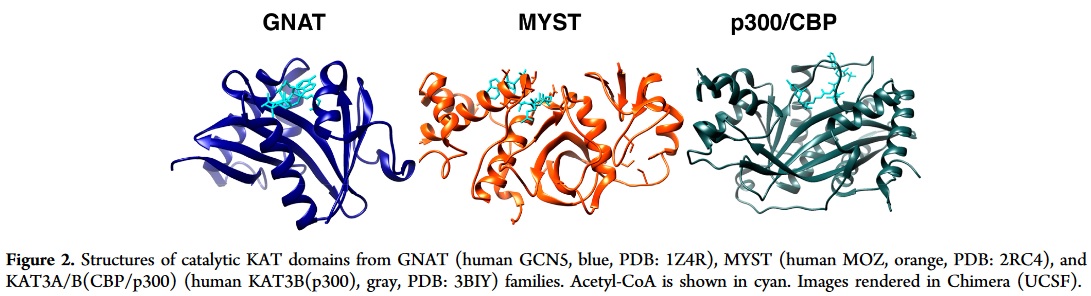
“Lysine acetylation has moved from being a specialized mark on histones to a critical modification controlling cell fate, proliferation, and metabolism.

During the lifetime of a protein there are many points at which an acetyl group may be added to influence function. The dynamic interplay between the writers, erasers, and readers of acetylation regulates critical epigenomic and metabolic processes, in addition to other major cellular functions.

Acetylation sites are well conserved, in contrast to methylation, where species-specific differences exist.”

The review included a section on mitochondrial protein acetylation:

“Mitochondria have emerged as organelles in which acetylation is more prominent than phosphorylation and plays a key role in integrating metabolic cues with the bioenergetic equilibrium of the cell.

Increased mitochondrial protein acetylation is associated with physiological conditions that result in higher levels of acetyl-CoA (e.g., fasting, calorie restriction, high-fat diet, and ethanol intoxication).”

https://pubs.acs.org/doi/full/10.1021/acs.chemrev.7b00181 “Lysine Acetylation Goes Global: From Epigenetics to Metabolism and Therapeutics” (not freely available) Thanks to lead author Ibraheem Ali for providing a full copy.

A review of human pluripotent stem cell research

Starting the fourth year of this blog with a 2018 Belgian review of human pluripotent stem cells (hPSCs):

“hPSCs are now starting to live up to the great expectations they created after their first derivation nearly twenty years ago. The first results of clinical trials to treat macular degeneration are being published, and an increasing number of clinical or preclinical trials are being started for conditions such as spinal cord injury, diabetes, and heart disease.

This imminent transition of pluripotent stem cells to the clinic has resulted in researchers and clinicians becoming acutely aware of the problems related to the genetic and epigenetic diversity of these cells, included acquired mutations.”

The review included a section on mitochondrial processes that impact the differentiation capacity of pluripotent stem cells, summarized by:

“From this overview, we also observe a more ample contribution of mtDNA in cell fate determination than is represented in many studies tackling the topic.

The transition from aerobic glycolysis to aerobic phosphorylation plays a vital role in cells’ ability to correctly proceed through differentiation, though the mtDNA is rarely evaluated.”

https://academic.oup.com/humupd/advance-article-abstract/doi/10.1093/humupd/dmx042/4825062?redirectedFrom=fulltext “Genetic and epigenetic factors which modulate differentiation propensity in human pluripotent stem cells” (not freely available) Thanks to lead author Alexander Keller for providing a copy.

An emotional center of our brains

This 2018 McGill/UC San Diego rodent study subject was the dentate gyrus area of the hippocampus:

“Early life experience influences stress reactivity and mental health through effects on cognitive-emotional functions that are, in part, linked to gene expression in the dorsal and ventral hippocampus. The hippocampal dentate gyrus (DG) is a major site for experience-dependent plasticity associated with sustained transcriptional alterations, potentially mediated by epigenetic modifications.

Peripubertal environmental enrichment increases hippocampal volume and enhances dorsal DG-specific differences in gene expression. Overall, our transcriptome and DNA methylation data support a model of regional and environmental effects on the molecular profile of DG neurons.”

The study thoroughly investigated several areas. I’ll quote a few parts with the section heading.

Introduction:

“The dorsal hippocampus, corresponding to the posterior hippocampus in primates, associates closely with cognitive functions and age-related cognitive impairments. In contrast, the ventral hippocampus, (anterior region in primates) is implicated in the regulation of emotional states and vulnerability for affective disorders. This functional specialization is reflected in patterns of gene expression.”

Results subsections:

“Environmental enrichment promotes hippocampal neurogenesis – hippocampal volume is enlarged in mice raised in an enriched environment (EE) compared with standard housing (SH) in both the dorsal and ventral poles. EE also associates with >60% more newborn neurons.

Specialization of gene expression in dorsal and ventral DG – Gene expression was more affected by EE in dorsal than ventral DG, and dorsal DG has twice as many differentially-expressed genes.

DNA methylation differences between dorsal and ventral DG – Each of the three forms of methylation [CpG, non-CpG, and hmC (hydroxymethylation)] exhibited a distinct genomic distribution in dorsal and ventral DG. A key advantage of whole-genome DNA methylation profiling is the ability to identify differentially methylated regions (DMRs), often far from any gene body, that mark tissue-specific gene regulatory elements.

This strong bias, with ~40-fold more hypomethylated regions in the dorsal DG, contrasts with the balanced number of differentially expressed genes in dorsal and ventral DG, suggesting an asymmetric role for DNA methylation in region-specific gene regulation. Despite their small number, ventral hypomethylated DMRs marked key developmental patterning transcription factors..which are linked to the proliferation, maintenance and survival of neural stem cells.

DNA methylation correlates with repression at some genes – CG and non-CG DNA methylation are associated with reduced gene expression, while hmC associates with increased expression. Dorsal DMRs were also enriched at genes that were up- and down-regulated in EE, although over half of dorsal up-regulated genes, and >98.5% of ventral up-regulated genes, contained no DMRs that could explain their region-specific differential expression.”

Discussion:

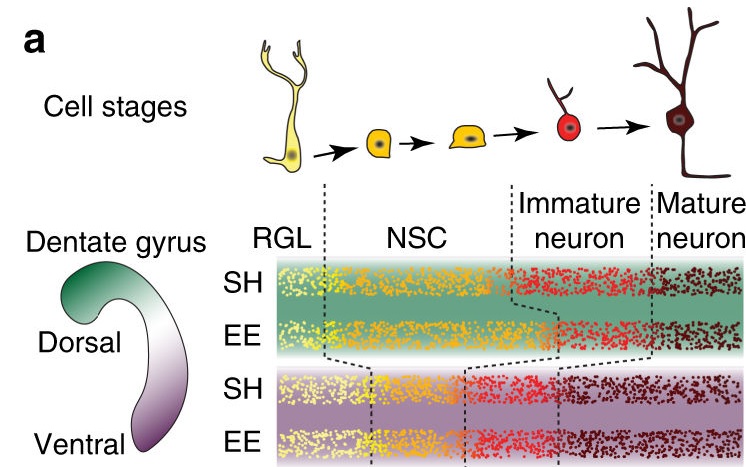
  • “a The cell stages occurring within the subgranular zone of the dentate gyrus are shown together with a schematic illustration of possible relative proportions consistent with our data. RGL Radial glia-like progenitor, NSC Neural stem cell.
  • b Key genes associated with the RGL stage are up-regulated in ventral DG relative to dorsal DG.
  • c We propose that mCH [non-CpG methylation] accumulates mainly in mature neurons.”

Why do human brain studies that include the hippocampus overwhelmingly ignore its role in our emotions? For example, the researchers of Advance science by including emotion in research could find only 397 suitable studies performed over 22 years from 1990 to 2011. There were tens or hundreds of times more human brain studies done during the same period that intentionally excluded emotional content!

The current rodent study provided physiological bases for dialing back the bias of human brain research focused exclusively on cognitive functions without also investigating attributes of emotional processing. Let’s see human studies designed to correct this recurring deficiency.

https://www.nature.com/articles/s41467-017-02748-x “Environmental enrichment increases transcriptional and epigenetic differentiation between mouse dorsal and ventral dentate gyrus”

Non-CpG DNA methylation

This 2017 Korean review compared and contrasted CpG and non-CpG DNA methylation:

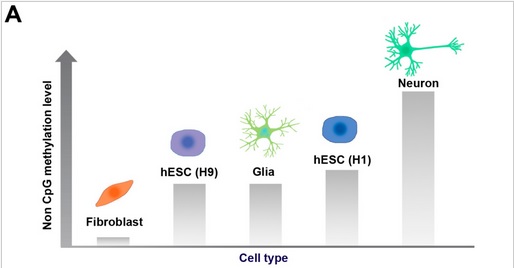
“Non-CpG methylation is restricted to specific cell types, such as pluripotent stem cells, oocytes, neurons, and glial cells. Accumulation of methylation at non-CpG sites and CpG sites in neurons seems to be involved in development and disease etiology.

Non-CpG methylation is established during postnatal development of the hippocampus and its levels increase over time. Similarly, non-CpG methylation is scarcely detected in human fetal frontal cortex, but is dramatically increased in later life. This increase in non-CpG methylation occurs simultaneously with synaptic development and increases in synaptic density.

In contrast, CpG methylation occurs during early development and does not increase over time.

Neurons have considerably higher levels of non-CpG methylation than glial cells. The human male ES [embryonic stem] cell line (H1) is more highly methylated than the female ES cell line (H9).

Among the different types of non-CpG methylation (CpA [adenosine], CpT [thymine], and CpC [another cytosine]), methylation is most common at CpA sites. For instance, in human iPS [induced pluripotent stem] cells, 5mCs are found in approximately 68.31%, 7.81%, 1.99%, and 1.05% of CpG, CpA, CpT, and CpC sites, respectively.”


The reviewers’ referenced statement:

“CpG methylation occurs during early development and does not increase over time.”

was presented outside of its context. The 2013 cited source’s statement was restricted to “selected loci” in the rodent hippocampus:

“Consistent with a recent study of the cortex, time-course analyses revealed that CpH [non-CpG] methylation at the selected loci was established during postnatal development of the hippocampus and was then present throughout life, whereas CpG methylation was established during early development.”

Epigenetic study methodologies improved in 2017 had more information on CpA methylation.

http://www.mdpi.com/2073-4425/8/6/148/htm “CpG and Non-CpG Methylation in Epigenetic Gene Regulation and Brain Function”

Can researchers make a difference in their fields?

The purpose and finding of this 2017 UK meta-analysis of human epigenetics and cognitive abilities was:

“A meta-analysis of the relationship between blood-based DNA methylation and cognitive function.

We identified [two] methylation sites that are linked to an aspect of executive function and global cognitive ability. The latter finding relied on a relatively crude cognitive test..which is commonly used to identify individuals at risk of dementia.

One of the two CpG sites identified was under modest genetic control..there are relatively modest methylation signatures for cognitive function.”

The review’s stated limitations included:

“It is, of course, possible that a reliable blood-based epigenetic marker of cognitive function may be several degrees of separation away from the biological processes that drive cognitive skills.

There are additional limitations of this study:

  • A varying number of participants with cognitive data available for each test;
  • Heterogeneity in relation to the ethnicity and geographical location of the participants across cohorts; and
  • Relating a blood-based methylation signature to a brain-based outcome.

A 6-year window [between ages 70 and 76] is possibly too narrow to observe substantial changes in the CpG levels.”

All of these limitations were known before the meta-analysis was planned and performed. Other “possible” limitations already known by the 47 coauthors include those from Genetic statistics don’t necessarily predict the effects of an individual’s genes.

The paper referenced studies to justify the efforts, such as one (cited twice) coauthored by the lead author of A problematic study of DNA methylation in frontal cortex development and schizophrenia:

“Epigenome-wide studies of other brain-related outcomes, such as schizophrenia, have identified putative blood-based methylation signatures.”


Was this weak-sauce meta-analysis done just to plump up 47 CVs? Why can’t researchers investigate conditions that could make a difference in their fields?

Was this meta-analysis done mainly because the funding was available? I’ve heard that the primary reason there are papers like the doubly-cited one above is that the US NIMH funds few other types of research outside of their biomarker dogma.

The opportunity costs of this genre of research are staggering. Were there no more productive topics that these 47 scientists could have investigated?

Here are a few more-promising research areas where epigenetic effects can be observed in human behavior and physiology:

I hope that the researchers value their professions enough to make a difference with these or other areas of their expertise. And that sponsors won’t thwart researchers’ desires for difference-making science by putting them into endless funding queues.

https://www.nature.com/articles/s41380-017-0008-y “Meta-analysis of epigenome-wide association studies of cognitive abilities”

Epigenetic study methodologies improved in 2017

Let’s start out 2018 paying more attention to advancements in science that provide sound empirical data and methodology. Let’s ignore and de-emphasize studies and reviews that aren’t much more than beliefs couched in models and memes, whatever their presumed authority.

Let sponsors direct researchers to focus on ultimate causes of diseases. Let’s put research of treatments affecting causes ahead of those that only address symptoms.

Here are two areas of epigenetic research that improved in 2017.


Improved methodologies enabled DNA methylation studies of adenine, one of the four bases of DNA, to advance, such as this 2017 Wisconsin/Minnesota study N6-methyladenine is an epigenetic marker of mammalian early life stress:

“6 mA is present in the mammalian brain, is altered within the Htr2a gene promoter by early life stress and biological sex, and increased 6 mA is associated with gene repression. These data suggest that methylation of adenosine within mammalian DNA may be used as an additional epigenetic biomarker for investigating the development of stress-induced neuropathology.”

Most DNA methylation research is performed on the cytosine and guanine bases.


Other examples of improved methodologies were discussed in this 2017 Japanese study Genome-wide identification of inter-individually variable DNA methylation sites improves the efficacy of epigenetic association studies:

“A strategy focusing on CpG sites with high DNA methylation level variability may attain an improved efficacy..estimated to be 3.7-fold higher than that of the most frequently used strategy.

With ~90% coverage of human CpGs, whole-genome bisulfite sequencing (WGBS) provides the highest coverage among the currently available DNAm [DNA methylation] profiling technologies. However, because of its high cost, it is presently infeasible to apply WGBS to large-scale EWASs [epigenome-wide association studies], which require DNAm profiling of hundreds or thousands of subjects. Therefore, microarrays and targeted bisulfite sequencing are currently practicable for large-scale EWASs and thus, effective strategies to select target regions are essentially needed to improve the efficacy of epigenetic association studies.

DNAm levels measured with microarrays are invariable for most CpG sites in the study populations. As invariable DNAm signatures cannot be associated with exposures, intermediate phenotypes, or diseases, current designs of probe sets are inefficient for blood-based EWASs.”

“Transgenerationally” inherited epigenetic effects of fetal alcohol exposure

The fourth paper of Transgenerational epigenetic inheritance week was a 2016 German rodent study of of improperly-termed “transgenerational” epigenetic effects of alcohol:

“We investigated 2 generations of offspring born to alcohol-treated mothers. Here, we show that memory impairment and reduced synthesis of acetylcholine occurs in both F1 (exposed to ethanol in utero) and F2 generation (never been exposed to ethanol). Effects in the F2 generation are most likely consequences of transgenerationally transmitted epigenetic modifications in stem cells induced by alcohol.

The results further suggest an epigenetic trait for an anticholinergic endophenotype associated with cognitive dysfunction which might be relevant to our understanding of mental impairment in neurodegenerative disorders such as Alzheimer’s disease and related disorders.”

F0 generation mothers modeled human fetal alcohol syndrome. They were exposed to ethanol gradually up to 20%, then mated. The 20% ethanol intake level was maintained until the F1 generation pups were born, then gradually diminished to 0%. After a ten-day wait, an eight-week handling and shaping period started, followed by five weeks of behavioral testing.

The F1 children and F2 grandchildren started an eight-week handling and shaping period after young adulthood, followed by five weeks of behavioral testing. The F1 children were mated after behavioral testing.

The F0 parents showed no significant differences in working memory and reference memory compared with controls. Both the F1 children and F2 grandchildren were significantly impaired in the same tests compared with controls, with the F1 children performing worse than the F2 grandchildren. No sex-dependent differences were noted.

After behavioral impairments due to intergenerational epigenetic modifications were established, the F2 grandchildren received treatments to ascertain the contribution of cholinergic dysfunction in their behavioral impairments. It was confirmed, as an acetylcholine esterase inhibitor that crosses the blood-brain barrier almost completely erased working-memory and reference-memory performance deficits.

Items in the Discussion section included:

  • A dozen studies from 2014-2016 were cited for epigenetic mechanisms of inheritance stemming from parental alcohol consumption; and
  • Transgenerational inheritance of alcohol-induced neurodevelopmental deficits may involve epigenetic mechanisms that are resistant to developmental clearance.

As argued in Transgenerational effects of early environmental insults on aging and disease and A review of epigenetic transgenerational inheritance of reproductive disease, testing of F3 great-grandchildren was needed in order to establish transgenerational vs. intergenerational results. A F3 generation necessarily controls for the variable of F2 direct germline exposure.

http://www.neurobiologyofaging.org/article/S0197-4580(16)30303-7/pdf “Transgenerational transmission of an anticholinergic endophenotype with memory dysfunction” (not freely available)