The epigenetic clock theory of aging

My 400th curation is a 2018 US/UK paper by coauthors of Using an epigenetic clock to distinguish cellular aging from senescence. They reviewed the current state of epigenetic clock research, and proposed a new theory of aging:

“The proposed epigenetic clock theory of ageing views biological ageing as an unintended consequence of both developmental programmes and maintenance programmes, the molecular footprints of which give rise to DNAm [DNA methylation] age estimators.

It is best to interpret epigenetic age estimates as a higher-order property of a large number of CpGs much in the same way that the temperature of a gas is a higher-order property that reflects the average kinetic energy of the underlying molecules. This interpretation does not imply that DNAm age simply measures entropy across the entire genome.

To date, the most effective in vitro intervention against epigenetic ageing is achieved through expression of Yamanaka factors, which convert somatic cells into pluripotent stem cells, thereby completely resetting the epigenetic clock. In vivo, haematopoietic stem cell therapy resets the epigenetic age of blood of the recipient to that of the donor.

Future epidemiological studies should consider other sources of DNA (for example, buccal cells), because more powerful estimates of organismal age can be obtained by evaluating multiple tissues. Other types of epigenetic modifications such as adenine methylation or histone modifications may lend themselves for developing epigenetic age estimators.”


https://www.nature.com/articles/s41576-018-0004-3 “DNA methylation-based biomarkers and the epigenetic clock theory of ageing” (not freely available)


I curated four other papers cited in this review:

Do you want your quality of life to be under or over this curve?

What are you doing to reverse epigenetic processes and realize what you want?

  • Do you have ideas and/or behaviors that interfere with taking constructive actions to change your phenotype?
  • If you aren’t doing anything, are you honest with yourself about feelings of helplessness?
  • Do your beliefs in fate, or in technology, or in divine interventions justify inactions?

Prenatal stress produces offspring who as adults have cognitive, emotional, and memory deficiencies

This 2018 French/Italian/Swiss rodent study used a prenatally restraint stressed (PRS) model to create problems that could be resolved by various chemicals:

“S 47445 is a positive modulator of glutamate AMPA-type receptors, possessing neurotrophic and enhancing synaptic plasticity effects as well as pro-cognitive and anti-stress properties.

Most of studies examining the antidepressant effects of new molecules are carried out using behavioral tests performed in unstressed animals.

Corticosterone-treated mice and rats exposed to chronic stress are models that do not recapitulate the early programming of stress-related disorders, which likely originates in the perinatal period. The PRS rat model is characterized by a prolonged corticosterone response to stress and by abnormal behavior.

All the behavioral alterations induced by PRS were corrected by chronic S 47445 administration at both doses.”


The paper included a section comparing S 47445 to ketamine:

“Ketamine, however, causes severe cognitive impairment and psychotomimetic [mimics the symptoms of psychosis, reference not freely available] effects that are direct consequences of the prolonged inhibition of NMDA receptors in cortical and hippocampal interneurons, and seriously limit the chronic administration of the drug in the clinical setting. [reference not freely available]

S 47445 by inducing a direct activation of AMPARs displayed an antidepressant activity without the adverse effect of ketamine. Indeed, contrary to ketamine, S 47445 presented no psychotomimetic effects and induced no occurrence of spontaneous epileptic seizures. [reference freely available] Moreover, S 47445 also presented pro-cognitive properties.”

Compare the above with this April 2018 Chicago Tribune story that had opinions with no linked references:

“ketamine, an anesthetic used to sedate both people and animals before surgery. It’s also a notorious street drug, abused by clubgoers seeking a trancelike, hallucinatory high. But in recent years, numerous studies have found that ketamine can be an effective and speedy treatment for people with depression.”

Which coverage better informed us?


Treating prenatal stress-related disorders with an oxytocin receptor agonist was performed by several of this paper’s coauthors. One references to it was:

“We have already reported that depolarization-evoked glutamate release in the ventral hippocampus is negatively correlated with risk-taking behavior of PRS rats, and that such correlation can be corrected by chronic treatment with monoaminergic/ melatoninergic antidepressants or oxytocin receptor agonist. Thus, an impairment of glutamatergic transmission in the ventral hippocampus lies at the core of the pathological phenotype of PRS rats.”

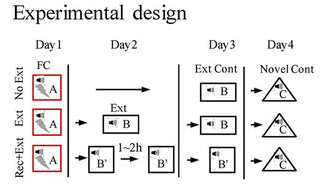
Looking at the above graphic of the experimental design, I’m not sure why the term perinatal (occurring during or pertaining to the phase surrounding the time of birth) was used in the paper’s title and content to describe the stress period. The pregnant females were stressed three times every day during the second half of pregnancy up until delivery, so the prenatal (previous to birth) term was more applicable.


So, how does this study help humans?

One takeaway is to avoid stressing pregnant mothers-to-be if her children will be expected to become adults without cognitive, emotional, and behavioral problems.

The study demonstrated one way prenatal events cause lifelong effects. The PRS model provides another example of why it’s useless to ask adult humans to self-report causes of epigenetic problems in their lives when these originated before birth, during infancy, or in early childhood, well before humans develop sufficient cognitive capability to recognize such situations. It’s incomprehensible that this unreliable paradigm is still given significant weight in stress studies, especially when experimental designs:

“Do not recapitulate the early programming of stress-related disorders, which likely originates in the perinatal period.”

Also, a relevant difference between humans and PRS rats is that we can ourselves individually change our responses to experiential causes of ongoing adverse effects. Standard methodologies can only apply external treatments such as those mentioned above.

https://www.sciencedirect.com/science/article/pii/S0028390818301291 “The reduction in glutamate release is predictive of cognitive and emotional alterations that are corrected by the positive modulator of AMPA receptors S 47445 in perinatal stressed rats” (not freely available) Thanks to coauthors Stefania Maccari and Dr. Jerome Mairesse for providing a copy.

Manufacturing PTSD evidence with machine learning

What would you do if you were a scientist who had strong beliefs that weren’t borne out by experimental evidence?

Would you be honest with yourself about the roots of the beliefs? Would you attempt to discover why the beliefs were necessary for you, and what feelings were associated with the beliefs?

Instead of the above, the researchers of this 2017 New York human study reworked negative findings of two of the coauthors’ 2008 study until it fit their beliefs:

“The neuroendocrine response contributes to an accurate predictive signal of PTSD trajectory of response to trauma. Further, cortisol provides a stable predictive signal when measured in conjunction with other related neuroendocrine and clinical sources of information.

Further, this work provides a methodology that is relevant across psychiatry and other behavioral sciences that transcend the limitations of commonly utilized data analytic tools to match the complexity of the current state of theory in these fields.”


1. The limitations section included:

“It is important to note that ML [machine learning]-based network models are an inherently exploratory data analytic method, and as such might be seen as ‘hypotheses generating’. While such an approach is informative in situations where complex relationships cannot be proposed and tested a priori, such an approach also presents with inherent limitations as a high number of relationships are estimated simultaneously introducing a non-trivial probability of false discovery.”

2. Sex-specific impacts of childhood trauma summarized why cortisol isn’t a reliable biological measurement:

“Findings are dependent upon variance in extenuating factors, including but not limited to, different measurements of:

  • early adversity,
  • age of onset,
  • basal cortisol levels, as well as
  • trauma forms and subtypes, and
  • presence and severity of psychopathology symptomology.”

Although this study’s authors knew or should have known that review’s information, cortisol was the study’s foundation, and beliefs in its use as a biomarker were defended.

3. What will it take for childhood trauma research to change paradigms? described why self-reports of childhood trauma can NEVER provide direct evidence for trauma during the top three periods when humans are most sensitive to and affected by trauma:

The basic problem prohibiting the CTQ (Childhood Trauma Questionnaire) from discovering likely most of the subjects’ historical traumatic experiences that caused epigenetic changes is that these experiences predated the CTQ’s developmental starting point.

Self-reports were – at best – evidence of experiences after age three, distinct from the experience-dependent epigenetic changes since conception.”

Yet the researchers’ beliefs in the Trauma History Questionnaire’s capability to provide evidence for early childhood traumatic experiences allowed them to make such self-reports an important part of this study’s findings, for example:

“The reduced cortisol response in the ER [emergency room] was dependent on report of early childhood trauma exposure.”

https://www.nature.com/articles/tp201738 “Utilization of machine learning for prediction of post-traumatic stress: a re-examination of cortisol in the prediction and pathways to non-remitting PTSD”

The role of DNMT3a in fear memories

This 2018 Chinese rodent study found:

“Elevated Dnmt3a [a DNA methyltransferase] level in the dorsal dentate gyrus (dDG) of hippocampus was associated with the absence of fear renewal in an altered context after extinction training. Overexpression and knockdown of Dnmt3a in the dDG regulated the occurrence of fear renewal in a bi-directional manner.

We found that renewal of remote fear memory can be prevented, and the absence of renewal was concurrent with an elevated Dnmt3a level.

Our results indicate that Dnmt3a in the dDG is a key regulator of fear renewal after extinction, and Dnmt3a may play a critical role in controlling fear memory return and thus has therapeutic values.”


The study was a collection of five experiments investigating causes and effects of biology and behavior. The researchers used different techniques to achieve their goals. I’ve quoted extensively below to show some background and results.

“Alterations in histone acetylation and DNA methylation are involved in the formation and extinction of long-term memory. DNMTs catalyze the cytosine methylation and are required to establish and maintain genomic methylation.

Dnmt3a and Dnmt3b are de novo DNA methyltransferases. Dnmt1 is the maintenance DNA methyltransferase.

  1. Dnmt3a expression was elevated in the dDG after extinction training followed by a brief memory retrieval (Rec+Ext), which was associated with the absence of fear renewal when tested in an altered context.
  2. Increasing Dnmt3a expression in the dDG using AAV [recombinant adeno-associated virus] expression led to the prevention of fear renewal following a standard extinction training protocol. 
  3. Knockdown of Dnmt3a in the dDG using CRISPR/Cas9 resulted in fear renewal following Rec+Ext protocol.
  4. Renewal of remote fear memory can be prevented using the Rec+Ext protocol.
  5. The absence of renewal was concurrent with an elevated Dnmt3a level.

Current exposure therapy, although effective in many patients, suffers from the inability to generalize its efficacy over time, or is limited by the potential return of adverse memory in the new/novel contexts. These limitations are caused by the context-dependent nature of extinction which is widely viewed as the biological basis of exposure therapy.

Achieving a context-independent extinction may significantly reduce fear renewal to improve the efficacy of exposure therapy. Our current study suggests that the effectiveness of these approaches, and ultimately the occurrence of fear renewal, is determined by the level of Dnmt3a after extinction training, especially in the dDG.

There are two potential mechanisms underlying extinction, one is erasure or updating of the formed memory, and the other is the formation of a new extinction memory which suppresses or competes with the existing memory in a context-dependent manner. While most studies favor the suppression mechanism in the adult, limited studies do suggest that erasure occurs in the immature animals.

We propose that if Dnmt3a level is elevated with extinction training (such as with Rec+Ext protocol), modification to the existing memory occurs and as a consequence extinction does not act as a separate mechanism or form a new memory; but if Dnmt3a level is unaltered with extinction training, a separate extinction memory is formed which acts to suppress or compete with the existing memory.”


The relevant difference between humans and lab rats is that we can ourselves individually change our responses to experiential causes of ongoing adverse effects. Standard methodologies can only apply external treatments such as exposure therapy and manipulating Dnmt3a levels.

https://www.nature.com/articles/s41598-018-23533-w “Dnmt3a in the dorsal dentate gyrus is a key regulator of fear renewal”

RNA and neurodegenerative diseases

This 2018 Chinese paper reviewed the associations among long non-coding RNA and four neurodegenerative diseases:

“lncRNAs are widely implicated in various physiological and pathological processes, such as epigenetic regulation, cell cycle regulation, cell differentiation regulation, cancer, and neurodegenerative diseases, through their interactions with chromatin, protein, and other RNAs. Numerous studies have suggested that lncRNAs are closely linked with the occurrence and development of a variety of diseases, especially neurodegenerative diseases, of which the etiologies are complicated and the underlying mechanisms remain elusive.

We focus on how lncRNA dysfunctions are involved in the pathogenesis of Alzheimer’s disease, Parkinson’s disease, Huntington’s disease, and amyotrophic lateral sclerosis.”


Table 1 showed specific lncRNAs that acted as “bodyguards” in inherited Huntington’s disease, “culprits” in Alzheimer’s disease, and as both in Parkinson’s disease. The table didn’t include lncRNAs associated with amyotrophic lateral sclerosis although the review text mentioned several.

https://www.sciencedirect.com/science/article/pii/S2162253117303104 “Long Non-coding RNAs, Novel Culprits, or Bodyguards in Neurodegenerative Diseases”

Sleep and adult brain neurogenesis

This 2018 Japan/Detroit review subject was the impact of sleep and epigenetic modifications on adult dentate gyrus neurogenesis:

“We discuss the functions of adult‐born DG neurons, describe the epigenetic regulation of adult DG neurogenesis, identify overlaps in how sleep and epigenetic modifications impact adult DG neurogenesis and memory consolidation..

Whereas the rate of DG neurogenesis declines exponentially with age in most mammals, humans appear to exhibit a more modest age‐related reduction in DG neurogenesis. Evidence of adult neurogenesis has also been observed in other regions of the mammalian brain such as the subventricular zone, neocortex, hypothalamus, amygdala, and striatum.

Adult‐born DG neurons functionally integrate into hippocampal circuitry and play a special role in cognition during a period of heightened excitability and synaptic plasticity occurring 4–6 weeks after mitosis. Adult DG neurogenesis is regulated by a myriad of intrinsic and extrinsic factors, including:

  • drugs,
  • diet,
  • inflammation,
  • physical activity,
  • environmental enrichment,
  • stress, and
  • trauma.”


Some of what the review stated was contradicted by other evidence. For example, arguments for sleep were based on the memory consolidation paradigm, but evidence against memory consolidation wasn’t cited for balanced consideration.

It reminded me of A review that inadvertently showed how memory paradigms prevented relevant research. That review’s citations included a study led by one of those reviewers where:

“The researchers elected to pursue a workaround of the memory reconsolidation paradigm when the need for a new paradigm of enduring memories directly confronted them!”

Some of what this review stated was speculation. I didn’t quote any sections after:

 “We go one step further and propose..”

The review also had a narrative directed toward:

“Employing sleep interventions and epigenetic drugs..”

It’s storytelling rather than pursuing the scientific method when reviewers approach a topic as these reviewers did.

Instead of reading a directed narrative, read this informative blog post from a Canadian researcher. The post provided scientific contexts to summarize what was and wasn’t known in 2018 about human neurogenesis.

http://onlinelibrary.wiley.com/doi/10.1002/stem.2815/epdf “Regulatory Influence of Sleep and Epigenetics on Adult Hippocampal Neurogenesis and Cognitive and Emotional Function”

What will it take for childhood trauma research to change paradigms?

This 2018 German human study found:

“DNA methylation in a biologically relevant region of NR3C1-1F [glucocorticoid receptor gene] moderates the specific direction of HPA-axis dysregulation (hypo- vs. hyperreactivity) in adults exposed to moderate-severe CT [childhood trauma].

In contrast, unexposed and mildly-moderately exposed individuals displayed moderately sized cortisol stress responses irrespective of NR3C1-1F DNA methylation. Contrary to some prior work, however, our data provides no evidence for a direct association of CT and NR3C1-1F DNA methylation status.”


The study was an example of why researchers investigating the lasting impacts of human traumatic experiences won’t find causes, effects, and productive therapies until their paradigms change.

1. Limited subject histories

A. Why weren’t the subjects asked for historical information about their parents, grandparents, and great-grandparents?

The researchers had no problem using animal studies to guide the study design, EXCEPT for animal studies of the etiologic bases of intergenerational and transgenerational transmission of biological and behavioral phenotypes. Just the approximate places and dates of three generations of the German subjects’ ancestors’ births, childhoods, adolescences, and early adulthoods may have provided relevant trauma indicators.

B. Why are studies still using the extremely constrained Childhood Trauma Questionnaire? Only one CTQ aspect was acknowledged as a study design limitation:

“Our findings rely on retrospective self-report measures of CT, which could be subject to bias.”

But bias was among the lesser limiting factors of the CTQ.

The study correlated epigenetic changes with what the subjects selectively remembered, beginning when their brains developed sufficient cognitive functionalities to put together the types of memories that could provide CTQ answers – around age four. The basic problem that kept the CTQ from discovering likely most of the subjects’ traumatic experiences causing epigenetic changes was that these experiences predated the CTQ’s developmental starting point:

  1. A human’s conception through prenatal period is when both the largest and the largest number of epigenetic changes occur, and is when our susceptibility and sensitivity to our environment is greatest;
  2. Birth through infancy is the second-largest; and
  3. Early childhood through the age of three is the third largest.

CTQ self-reports were – at best – evidence of experiences after age three, distinct from the  experience-dependent epigenetic changes since conception. If links existed between the subjects’ early-life DNA methylation and later-life conditions, they weren’t necessarily evidenced by CTQ answers about later life that can’t self-report relevant early-life experiences that may have caused DNA methylation.

2. Limited subject selection

The researchers narrowed down the initial 622 potential subjects to the eventual 200 subjects aged 18 to 30. An exclusion criteria that was justified as eliminating confounders led to this limitation statement:

“Our results might be based on a generally more resilient sample as we had explicitly excluded individuals with current or past psychopathology.”

Was it okay for the researchers to assert:

“Exposure to environmental adversity such as childhood trauma (CT) affects over 10% of the Western population and ranges among the best predictors for psychopathology later in life.”

but not develop evidence for the statement by letting people who may have been already affected by age 30 and received treatment participate in the study?

Was the study design so fragile that it couldn’t adjust to the very people who may be helped by the research findings?

3. Limited consequential measurements

The current study design conformed to previous studies’ protocols. The researchers chose cortisol and specific DNA methylation measurements.

A. Here’s what Sex-specific impacts of childhood trauma had to say about cortisol:

“Findings are dependent upon variance in extenuating factors, including but not limited to, different measurements of:

  • early adversity,
  • age of onset,
  • basal cortisol levels, as well as
  • trauma forms and subtypes, and
  • presence and severity of psychopathology symptomology.”

The researchers knew or should have known all of the above since this quotation came from a review.

B. What other consequential evidence for prenatal, infancy, and early childhood experience-dependent epigenetic changes can be measured? One overlooked area was including human emotions as evidence.

There are many animal studies from which to draw inferences about human emotions. There are many animal models of creating measurable behavioral and biological phenotypes of human emotion correlates, with many methods, including manipulating environmental variables during prenatal, infancy, and early childhood periods.

Studies that take detailed histories may arrive at current emotional evidence for human subjects’ earliest experience-dependent changes. Researchers who correlate specific historical environments and events, stress measurements, and lasting human emotions expressed as “I’m all alone” and “No one can help me” will better understand causes and effects.

CTQ answers weren’t sufficiently detailed histories.

4. Limited effective treatments and therapies

The current study only addressed this area in the final sentence:

“Given their potential reversibility, uncovering epigenetic contributions to differential trajectories following childhood adversity may serve the long-term goal of delivering personalized prevention strategies.”


Researchers – if your paradigms demonstrate these characteristics:

  • Why are you spending your working life in efforts that can’t make a difference?
  • Aren’t your working efforts more valuable than that?
  • What else could you investigate that could make a difference in your field?

I hope that researchers will value their professions enough to make a difference with their expertise. And that sponsors won’t thwart researchers’ desires for difference-making science by putting them into endless funding queues.

http://www.psyneuen-journal.com/article/S0306-4530(17)31355-0/pdf “Glucocorticoid receptor gene methylation moderates the association of childhood trauma and cortisol stress reactivity” (not freely available)

Sex-specific impacts of childhood trauma

This 2018 Canadian paper reviewed evidence for potential sex-specific differences in the lasting impacts of childhood trauma:

“This paper will provide a contextualized summary of neuroendocrine, neuroimaging, and behavioral epigenetic studies on biological sex differences contributing to internalizing psychopathology, specifically posttraumatic stress disorder and depression, among adults with a history of childhood abuse.

Given the breadth of this review, we limit our definition [of] trauma to intentional and interpersonal experiences (i.e., childhood abuse and neglect) in childhood. Psychopathological outcomes within this review will be limited to commonly explored internalizing disorders, specifically PTSD and depression.

Despite the inconsistent and limited findings in this review, a critical future consideration will be whether the biological effects of early life stress can be reversed in the face of evidence-based behavioral interventions, and furthermore, whether these changes may relate to potentially concurrent reductions in susceptibility to negative mental health outcomes.”


It was refreshing to read a paper where the reviewers often interrupted the reader’s train of thought to interject contradictory evidence, and display the scientific method. For example, immediately after citing a trio of well-respected studies that found:

“Psychobiological research on relationships linking impaired HPA axis functioning and adult internalizing disorders are suggestive of lower basal and afternoon levels of plasma cortisol in PTSD phenotype.”

the reviewers stated:

“However, a recent meta-analysis suggests no association between basal cortisol with PTSD.”

and effectively ended the cortisol discussion with:

“Findings are dependent upon variance in extenuating factors, including but not limited to, different measurements of:

  • early adversity,
  • age of onset,
  • basal cortisol levels, as well as
  • trauma forms and subtypes, and
  • presence and severity of psychopathology symptomology.”

The reviewers also provided good summaries of aspects of the reviewed subject. For example, the “Serotonergic system genetic research, childhood trauma and risk of psychopathology” subsection ended with:

“Going forward, studies must explore the longitudinal effects of early trauma on methylation as well as comparisons of multiple loci methylation patterns and interactions to determine the greatest factors contributing to health outcomes. Only then, can we start to consider the role of sex in moderating risk.”


I didn’t agree with the cause-ignoring approach of the behavior therapy mentioned in the review. Does it make sense to approach one category of symptoms:

“the biological effects of early life stress”

by treating another category of symptoms?

“can be reversed in the face of evidence-based behavioral interventions.”

But addressing symptoms instead of the sometimes-common causes that generate both biological and behavioral effects continues to be the direction.

After receiving short-term symptom relief, wouldn’t people prefer treatments of originating causes so that their various symptoms don’t keep bubbling up? Why wouldn’t research paradigms be aligned accordingly?

I was encouraged by the intergenerational and transgenerational focus of one of the reviewer’s research:

“Dr. Gonzalez’s current research focus is to understand the mechanisms by which early experiences are transmitted across generations and how preventive interventions may affect this transmission.”

This line of hypotheses requires detailed histories, and should uncover causes for many effects that researchers may otherwise shrug off as unexplainable individual differences. Its aims include the preconception through prenatal periods when both the largest and the largest number of epigenetic changes occur, and is when our susceptibility and sensitivity to our environment is greatest. There are fewer opportunities for effective “preventive interventions” in later life compared with these early periods.

Unlike lab rats, women and men can reach some degree of honesty about our early lives’ experiential causes of ongoing adverse effects. Experiential therapies that allow humans to potentially change their responses to these causes deserve more investigation than do therapies that apply external “interventions.”

https://www.sciencedirect.com/science/article/pii/S0272735817302647 “Biological alterations affecting risk of adult psychopathology following childhood trauma: A review of sex differences” (not freely available) Thanks to lead author Dr. Ashwini Tiwari for providing a copy.

Your need to feel important will run your life, and you’ll never feel satisfied

Yesterday’s team meeting at work provided one display after another of a person’s need to feel important. These eye-openers were the reason the scheduled 30-minute meeting lasted 45 minutes.

Although half of the forty or so attendees are under the age of 40, curiously, only two of them spoke during the meeting. I wasn’t among the older people who had something to say.

Not that I wasn’t tempted by the team-building exercise with its Skittles prompts:

  • Red – Tell us something you do well
  • Orange – Tell us something about your childhood
  • Purple – What could you live without?
  • Yellow – What couldn’t you live without?

Participation in the exercise was voluntary. Yes, I drew an orange Skittle.

Everyone knew there wasn’t enough time for each of us to speak and have the exercise become team-building, yet a dozen people piped up. Every one of the self-selected responses could have been prefaced with “I’m important because..”


There are many needs a person develops and tries to satisfy as substitutes for real needs that weren’t fulfilled. In this blog I’ve focused on the need to feel important.

I started with How do we assess “importance” in our lives? An example from scientists’ research choices and highlighted it on the Welcome page:

“Do you agree that an individual’s need to feel important is NOT a basic human need on the same level as nourishment, protection, and socialization? How does this need arise in our lives?”

I supported an explanation of the need to feel important with evidence and arguments on the Scientific evidence page and said:

“If the explanation is true yet someone rejected it, they at least wouldn’t have suffered from exposure to it. They’ll just remain in our world’s default mode of existence:

  1. Unaware of their own unconscious act-outs to feel important;
  2. Unaware of what’s driving such personal behavior; and
  3. Uninformed of other people’s behavioral origins as a consequence of 1 and 2.”

Other examples of substitute needs include:

What do you think? Any arguments for or against interrupting our default mode of existence?

Lysine acetylation is gnarly and dynamic

This 2018 UC San Francisco cell review provided details of lysine acetylation:

“Lysine acetylation has moved from being a specialized mark on histones to a critical modification controlling cell fate, proliferation, and metabolism.

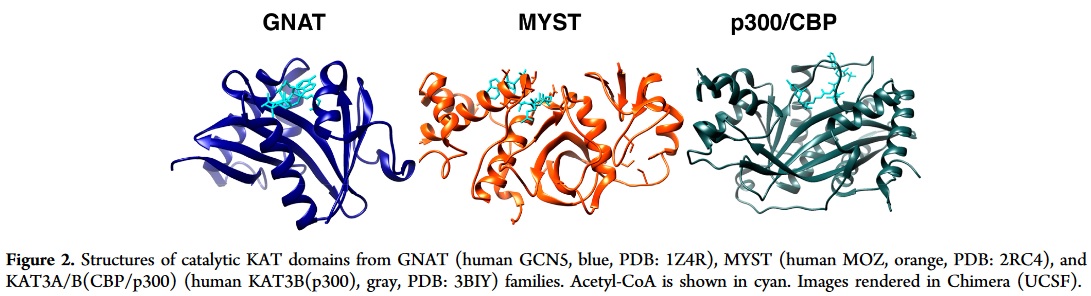
During the lifetime of a protein there are many points at which an acetyl group may be added to influence function. The dynamic interplay between the writers, erasers, and readers of acetylation regulates critical epigenomic and metabolic processes, in addition to other major cellular functions.

Acetylation sites are well conserved, in contrast to methylation, where species-specific differences exist.”

The review included a section on mitochondrial protein acetylation:

“Mitochondria have emerged as organelles in which acetylation is more prominent than phosphorylation and plays a key role in integrating metabolic cues with the bioenergetic equilibrium of the cell.

Increased mitochondrial protein acetylation is associated with physiological conditions that result in higher levels of acetyl-CoA (e.g., fasting, calorie restriction, high-fat diet, and ethanol intoxication).”

https://pubs.acs.org/doi/full/10.1021/acs.chemrev.7b00181 “Lysine Acetylation Goes Global: From Epigenetics to Metabolism and Therapeutics” (not freely available) Thanks to lead author Ibraheem Ali for providing a full copy.

Epigenetic mechanisms of muscle memory

This 2018 UK human study detailed epigenetic muscle memory:

“We aimed to investigate an epigenetic memory of earlier hypertrophy in adult human skeletal muscle using a within measures design, by undertaking:

  1. Resistance exercise induced muscle growth (loading) [3 days a week for 7 weeks], followed by;
  2. Cessation of resistance exercise, to return muscle back towards baseline levels (unloading) [7 weeks], and;
  3. A subsequent later period of resistance exercise induced muscle hypertrophy (reloading) [3 days a week for 7 weeks].”

The findings were:

“Frequency of genome-wide hypomethylation is the largest after reloading induced hypertrophy where lean muscle mass is enhanced.

Hypomethylation is maintained from earlier load induced hypertrophy even during unloading where muscle mass returns back towards baseline, and is inversely associated with gene expression.

A single bout of acute resistance exercise evokes hypomethylation of genes that have enhanced gene expression in later reload induced hypertrophy.”

https://www.nature.com/articles/s41598-018-20287-3 “Human Skeletal Muscle Possesses an Epigenetic Memory of Hypertrophy”


The study provided another example of how our bodies remember. It began with only eight male 27.6 ± 2.4 year-old subjects, though, and one of them dropped out.

See the discussion of a 2017 Netherlands human study in Are Underpowered Studies Ever Justified? with comments on studies with few subjects, such as:

“The problem occurs when people do small quantitative studies, but draw conclusions nonetheless, simply adding a disclaimer to the discussion (which they don’t put in the abstract, or the press release).”

“Underpowered studies may only be useful to check if the experiment works out wrt understanding instructions, do the programs run, etc, but not as much for testing and estimating effects.”

“The problem with underpowered studies is that all estimates can vary erratically between samples. Combined with the desire of many researchers (and universities’ press offices) to find sensational patterns, this means that evidence from underpowered studies is ‘asymmetrically’ likely to be considered more conclusive. As in, something that seems really cool will probably be considered more conclusive than something that’s disappointing. Highly powered studies don’t afford this flexibility.”

An emotional center of our brains

This 2018 McGill/UC San Diego rodent study subject was the dentate gyrus area of the hippocampus:

“Early life experience influences stress reactivity and mental health through effects on cognitive-emotional functions that are, in part, linked to gene expression in the dorsal and ventral hippocampus. The hippocampal dentate gyrus (DG) is a major site for experience-dependent plasticity associated with sustained transcriptional alterations, potentially mediated by epigenetic modifications.

Peripubertal environmental enrichment increases hippocampal volume and enhances dorsal DG-specific differences in gene expression. Overall, our transcriptome and DNA methylation data support a model of regional and environmental effects on the molecular profile of DG neurons.”

The study thoroughly investigated several areas. I’ll quote a few parts with the section heading.

Introduction:

“The dorsal hippocampus, corresponding to the posterior hippocampus in primates, associates closely with cognitive functions and age-related cognitive impairments. In contrast, the ventral hippocampus, (anterior region in primates) is implicated in the regulation of emotional states and vulnerability for affective disorders. This functional specialization is reflected in patterns of gene expression.”

Results subsections:

“Environmental enrichment promotes hippocampal neurogenesis – hippocampal volume is enlarged in mice raised in an enriched environment (EE) compared with standard housing (SH) in both the dorsal and ventral poles. EE also associates with >60% more newborn neurons.

Specialization of gene expression in dorsal and ventral DG – Gene expression was more affected by EE in dorsal than ventral DG, and dorsal DG has twice as many differentially-expressed genes.

DNA methylation differences between dorsal and ventral DG – Each of the three forms of methylation [CpG, non-CpG, and hmC (hydroxymethylation)] exhibited a distinct genomic distribution in dorsal and ventral DG. A key advantage of whole-genome DNA methylation profiling is the ability to identify differentially methylated regions (DMRs), often far from any gene body, that mark tissue-specific gene regulatory elements.

This strong bias, with ~40-fold more hypomethylated regions in the dorsal DG, contrasts with the balanced number of differentially expressed genes in dorsal and ventral DG, suggesting an asymmetric role for DNA methylation in region-specific gene regulation. Despite their small number, ventral hypomethylated DMRs marked key developmental patterning transcription factors..which are linked to the proliferation, maintenance and survival of neural stem cells.

DNA methylation correlates with repression at some genes – CG and non-CG DNA methylation are associated with reduced gene expression, while hmC associates with increased expression. Dorsal DMRs were also enriched at genes that were up- and down-regulated in EE, although over half of dorsal up-regulated genes, and >98.5% of ventral up-regulated genes, contained no DMRs that could explain their region-specific differential expression.”

Discussion:

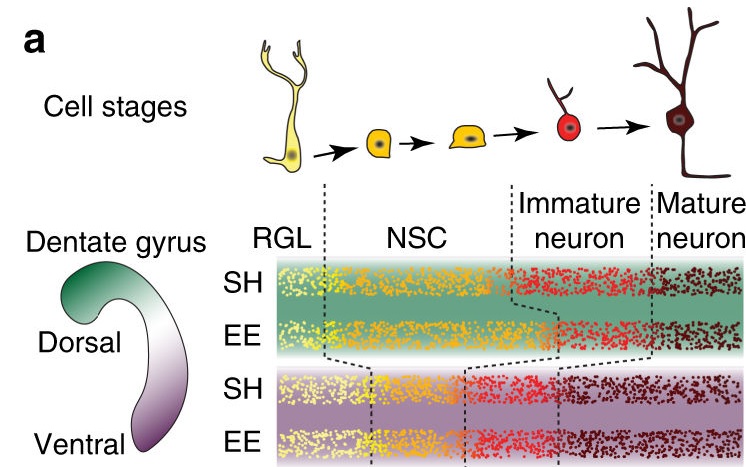
  • “a The cell stages occurring within the subgranular zone of the dentate gyrus are shown together with a schematic illustration of possible relative proportions consistent with our data. RGL Radial glia-like progenitor, NSC Neural stem cell.
  • b Key genes associated with the RGL stage are up-regulated in ventral DG relative to dorsal DG.
  • c We propose that mCH [non-CpG methylation] accumulates mainly in mature neurons.”

Why do human brain studies that include the hippocampus overwhelmingly ignore its role in our emotions? For example, the researchers of Advance science by including emotion in research could find only 397 suitable studies performed over 22 years from 1990 to 2011. There were tens or hundreds of times more human brain studies done during the same period that intentionally excluded emotional content!

The current rodent study provided physiological bases for dialing back the bias of human brain research focused exclusively on cognitive functions without also investigating attributes of emotional processing. Let’s see human studies designed to correct this recurring deficiency.

https://www.nature.com/articles/s41467-017-02748-x “Environmental enrichment increases transcriptional and epigenetic differentiation between mouse dorsal and ventral dentate gyrus”

Non-CpG DNA methylation

This 2017 Korean review compared and contrasted CpG and non-CpG DNA methylation:

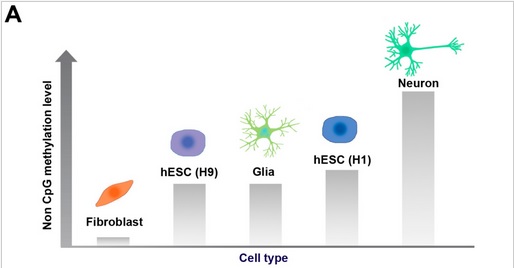
“Non-CpG methylation is restricted to specific cell types, such as pluripotent stem cells, oocytes, neurons, and glial cells. Accumulation of methylation at non-CpG sites and CpG sites in neurons seems to be involved in development and disease etiology.

Non-CpG methylation is established during postnatal development of the hippocampus and its levels increase over time. Similarly, non-CpG methylation is scarcely detected in human fetal frontal cortex, but is dramatically increased in later life. This increase in non-CpG methylation occurs simultaneously with synaptic development and increases in synaptic density.

In contrast, CpG methylation occurs during early development and does not increase over time.

Neurons have considerably higher levels of non-CpG methylation than glial cells. The human male ES [embryonic stem] cell line (H1) is more highly methylated than the female ES cell line (H9).

Among the different types of non-CpG methylation (CpA [adenosine], CpT [thymine], and CpC [another cytosine]), methylation is most common at CpA sites. For instance, in human iPS [induced pluripotent stem] cells, 5mCs are found in approximately 68.31%, 7.81%, 1.99%, and 1.05% of CpG, CpA, CpT, and CpC sites, respectively.”


The reviewers’ referenced statement:

“CpG methylation occurs during early development and does not increase over time.”

was presented outside of its context. The 2013 cited source’s statement was restricted to “selected loci” in the rodent hippocampus:

“Consistent with a recent study of the cortex, time-course analyses revealed that CpH [non-CpG] methylation at the selected loci was established during postnatal development of the hippocampus and was then present throughout life, whereas CpG methylation was established during early development.”

Epigenetic study methodologies improved in 2017 had more information on CpA methylation.

http://www.mdpi.com/2073-4425/8/6/148/htm “CpG and Non-CpG Methylation in Epigenetic Gene Regulation and Brain Function”

Can researchers make a difference in their fields?

The purpose and finding of this 2017 UK meta-analysis of human epigenetics and cognitive abilities was:

“A meta-analysis of the relationship between blood-based DNA methylation and cognitive function.

We identified [two] methylation sites that are linked to an aspect of executive function and global cognitive ability. The latter finding relied on a relatively crude cognitive test..which is commonly used to identify individuals at risk of dementia.

One of the two CpG sites identified was under modest genetic control..there are relatively modest methylation signatures for cognitive function.”

The review’s stated limitations included:

“It is, of course, possible that a reliable blood-based epigenetic marker of cognitive function may be several degrees of separation away from the biological processes that drive cognitive skills.

There are additional limitations of this study:

  • A varying number of participants with cognitive data available for each test;
  • Heterogeneity in relation to the ethnicity and geographical location of the participants across cohorts; and
  • Relating a blood-based methylation signature to a brain-based outcome.

A 6-year window [between ages 70 and 76] is possibly too narrow to observe substantial changes in the CpG levels.”

All of these limitations were known before the meta-analysis was planned and performed. Other “possible” limitations already known by the 47 coauthors include those from Genetic statistics don’t necessarily predict the effects of an individual’s genes.

The paper referenced studies to justify the efforts, such as one (cited twice) coauthored by the lead author of A problematic study of DNA methylation in frontal cortex development and schizophrenia:

“Epigenome-wide studies of other brain-related outcomes, such as schizophrenia, have identified putative blood-based methylation signatures.”


Was this weak-sauce meta-analysis done just to plump up 47 CVs? Why can’t researchers investigate conditions that could make a difference in their fields?

Was this meta-analysis done mainly because the funding was available? I’ve heard that the primary reason there are papers like the doubly-cited one above is that the US NIMH funds few other types of research outside of their biomarker dogma.

The opportunity costs of this genre of research are staggering. Were there no more productive topics that these 47 scientists could have investigated?

Here are a few more-promising research areas where epigenetic effects can be observed in human behavior and physiology:

I hope that the researchers value their professions enough to make a difference with these or other areas of their expertise. And that sponsors won’t thwart researchers’ desires for difference-making science by putting them into endless funding queues.

https://www.nature.com/articles/s41380-017-0008-y “Meta-analysis of epigenome-wide association studies of cognitive abilities”

Epigenetics research and evolution

This 2017 UK essay was a longish review of how epigenetics and other research has informed evolutionary theory:

“There are several processes by which directed evolutionary change occurs – targeted mutation, gene transposition, epigenetics, cultural change, niche construction and adaptation.

Evolution is an ongoing set of iterative interactions between organisms and the environment. Directionality is introduced by the agency of organisms themselves.”

A few takeaway items concerned:

“It is of course the functional phenotype that is ‘seen’ by natural selection. DNA sequences are not directly available for selection other than through their functional consequences.

The comparative failure of genome-wide association studies to reveal very much about the genetic origins of health and disease is one of the most important empirical findings arising from genome sequencing.

Environmental epigenetic impacts on biology and disease include:

  • Worldwide differences in regional disease frequencies
  • Low frequency of genetic component of disease as determined with genome wide association studies (GWAS)
  • Dramatic increases in disease frequencies over past decades
  • Identical twins with variable and discordant disease frequency
  • Environmental exposures associated with disease
  • Regional differences and rapid induction events in evolution

The above list was from the cited 2016 review “Developmental origins of epigenetic transgenerational inheritance” https://www.ncbi.nlm.nih.gov/pmc/articles/PMC4933018


Further points about behavior’s role in evolution:

“Differential mutation rates are not essential to enable organisms to guide their own evolution.

If organisms have agency and, within obvious limits, can choose their lifestyles, and if these lifestyles result in inheritable epigenetic changes, then it follows that organisms can at least partially make choices that can have long-term evolutionary impact.”

These discussions provided support for the central question of The PRice “equation” for individually evolving: Which equation describes your life?:

“Applying the “How does a phenotype influence its own change?” question to a person:

How can a person remedy their undesirable traits – many of which are from their ancestral phenotype – and acquire desirable traits?”

http://www.mdpi.com/2079-7737/6/4/47/htm “Was the Watchmaker Blind? Or Was She One-Eyed?”