Microwave your Brassica vegetables

This 2021 review evaluated effects on glucoraphanin and sulforaphane content of cooking broccoli and other Brassica vegetables:

“The amount of glucosinolates (GLS) in brassica vegetables can be affected significantly during processing and cooking, depending on their specific conditions and types:

  • Microwaving can retain or even increase content of glucoraphanin (GLR), and can increase production of sulforaphane (SLR) within a short time;
  • Fermentations generally decrease content of GLR;
  • Short-time steaming may promote formation of SLR; and
  • Short-time microwaving may promote formation of SLR from GLR better than fermentation and steaming.

Other processing and cooking effects include:

  • Packaging and freezing can reduce loss of GLR content. Freezing treatment promotes hydrolysis of GLS to form SLR, and freezing stress may lead to GLS degradation;
  • Boiling and blanching result in the largest loss of GLR from broccoli, as loss of GLR content is mainly due to its leakage into the water; and
  • Stir-frying may be a suitable and healthful cooking option to prevent loss of GLR, but contents of GLR and SLR were still influenced due to different factors.

It is better for consumers to microwave or steam brassica vegetables before consumption to obtain greater health benefits.”

https://www.sciencedirect.com/science/article/abs/pii/S030881462101013X “The effect of processing and cooking on glucoraphanin and sulforaphane in brassica vegetables” (not freely available). Thanks to Dr. Jing Sun for providing a copy.


This review found mainly negative effects of cooking Brassica vegetables with boiling, stir frying, blanching, or high pressure on glucoraphanin and sulforaphane content. Previously curated studies cited were:


PXL_20210809_101626026

Blue heron on its way to the breakfast buffet

Prevent your brain from shrinking

My 800th curation is a 2021 human diet and lifestyle study:

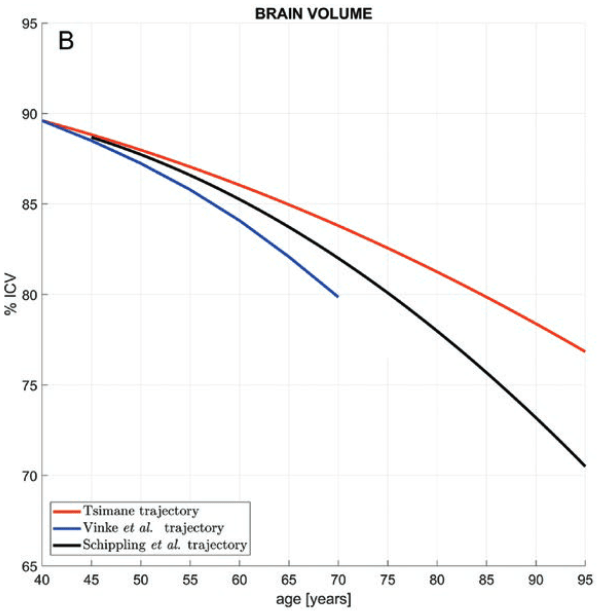
“Brain atrophy is correlated with risk of cognitive impairment, functional decline, and dementia. This study (a) examines the statistical association between brain volume (BV) and age for Tsimane, and (b) compares this association to that of 3 industrialized populations in the United States and Europe.

Tsimane forager-horticulturists of Bolivia have the lowest prevalence of coronary atherosclerosis of any studied population, and present few cardiovascular disease (CVD) risk factors. They have a high burden of infections and inflammation, reflected by biomarkers of chronic immune activation, including higher leukocytes counts, faster erythrocyte sedimentation rates, and higher levels of C-reactive protein, interleukin-6, and immunoglobulin-E than in Americans of all ages.

The Tsimane have endemic polyparasitism involving helminths and frequent gastrointestinal illness. Most morbidity and mortality in this population is due to infections.

brain volume

The Tsimane exhibit smaller age-related BV declines relative to industrialized populations, suggesting that their low CVD burden outweighs their high, infection-driven inflammatory risk. If:

  1. Cross-sectional data (which we believe are population-representative of Tsimane adults aged 40 and older) represent well the average life course of individuals; and
  2. The Tsimane are representative of the baseline case prior to urbanization;

these results suggest a ~70% increase in the rates of age-dependent BV decrease accompanying industrialized lifestyles.

Despite its limitations, this study suggests:

  • Brain atrophy may be slowed substantially by lifestyles associated with very low CVD risk; and
  • There is ample scope for interventions to improve brain health, even in the presence of chronically high systemic inflammation.

Lastly, the slow rate of age-dependent BV decrease in the Tsimane raises new questions about dementia, given the role of both infections and vascular factors in dementia risk.”

https://gurven.anth.ucsb.edu/sites/default/files/sitefiles/papers/irimiaetal2021.pdf “The indigenous South American Tsimane exhibit relatively modest decrease in brain volume with age despite high systemic inflammation”


I came across this study by its citation in Dr. Paul Clayton’s 2021 blog post We’ve got to get ourselves back to the garden.

Resistant starch therapy

This 2021 review subject was interactions among resistant starches and gut microbiota:

“Starch that reaches the large intestine without being fully digested is termed resistant starch (RS). Starch digestibility should be considered as a kinetic property (slower to faster) affected by host-specific factors, rather than as a binary trait (resistant or nonresistant).

RS is degraded by the colon’s complex ecosystem of microbes, triggering a cascading web of metabolic interactions. RS acts as a resource that is degraded and fermented by a hierarchy of specialized gut microbes:

  1. Primary degraders grow on RS in monoculture. They penetrate outer surfaces of intact RS granules, exposing pores and deeper concentric matrices while liberating oligosaccharides and generating metabolites like lactate and acetate.
  2. Secondary degraders grow on starch in monoculture, but degrade intact RS poorly or not at all. Instead, they may adhere to abrasions and pores on RS before participating in its degradation, and opportunistically utilize solubilized oligosaccharides produced by other RS degraders.
  3. Cross-feeders do not grow on starch in monoculture. They utilize by-products generated by upstream degraders, helping to maintain stoichiometric equilibrium and thermodynamically favorable (i.e. unconstrained) fermentation.

Together, the subsystem of microbes involved in RS degradation and fermentation participates in a complex network of cross-feeding interactions. In maintaining microbiome homeostasis, the RS nutrient web expands the scope of what could be considered a ‘beneficial’ gut microbe to a cluster of metabolically interconnected microbes.

1. Primary degraders such as acetate-producing Ruminococcus bromii are thought to be necessary for RS degradation in the human gut, where they unlock RS for other community members to degrade and ferment.

Ruminococcus genus

2. Secondary degraders possess extracellular amylases to degrade regular starch, but their contribution to initiating RS degradation is negligible compared to that of primary degraders. Instead, they may require primary degraders to erode smooth RS granule surfaces before adhering to RS and/or scavenging for ‘substrate spillover’ (i.e. excess oligosaccharides generated by primary degraders).

Eubacterium genus

Roseburia genus

3. Cross-feeders utilize starch by-products or metabolites generated by upstream RS degraders, such as acetate, lactate, formate, and succinate. Describing all known gut bacteria capable of utilizing these substrates exceeds the scope of this review, but one other example is noteworthy.

Faecalibacterium prausnitzii is a prominent butyrate-producing commensal, comprising 1.5% to 9.5% of fecal bacteria in European individuals. F. prausnitzii utilizes maltose and acetate to generate butyrate.

top 1-10 species

Microbiome sequencing data are compositional, meaning that gene amplicon read counts do not necessarily reflect bacterial absolute abundances. Instead, read counts are typically normalized to sum to 100%.

For this reason, relative abundances of smaller keystone communities (e.g. primary degraders) may increase, but appear to decrease simply because cross-feeders increase in relative abundance to a greater extent. These limitations illustrate the necessity of sufficiently powering RS interventions where microbiome composition is the primary endpoint, collecting critical baseline data and employing appropriate statistical techniques.”

https://www.tandfonline.com/doi/full/10.1080/19490976.2021.1926842 “Resistant starch, microbiome, and precision modulation”

Part 3 of Make your gut microbiota happy

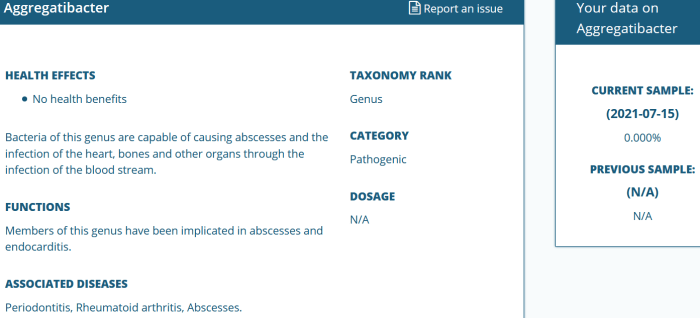
Continuing from Part 2, my 7/15/2021 sample found that no bad bacteria needed work. Top three reasons why this may be are:

1. I’ve eaten microwaved broccoli sprouts every day for 68 weeks now. Relevant research:

helicobacter 0

2. This is the 17th year of training my immune system every day with yeast cell wall β-glucan.

acinetobacter

3. Basic hygiene practices such as brushing my teeth twice a day.

aggregatibacter 0


PXL_20210731_094258419.NIGHT

A time to speak

“To every thing there is a season, and a time to every purpose under heaven:
A time to break down, and a time to build up;
A time to dance, and a time to mourn;
A time you may embrace, and a time to refrain from embracing;
A time to keep silent, and a time to speak.”


A review from 2017:

“Few, if any, other drugs can rival ivermectin for its beneficial impact on human health and welfare. Perhaps more than any other drug, ivermectin is a drug for the world’s poor. For most of this century, some 250 million people have been taking it.

The following are an indication of disease-fighting potential that has been identified for ivermectin thus far:

  • Antiviral – Ivermectin has been found to potently inhibit replication of yellow fever virus, with EC50 values in the sub-nanomolar range. It inhibits replication in several other flaviviruses, including dengue, Japanese encephalitis, and tick-borne encephalitis. Ivermectin interrupts virus replication. It demonstrates antiviral activity against several RNA viruses by blocking nuclear trafficking of viral proteins. It has been shown to have potent antiviral action against HIV-1.
  • Asthma – Ivermectin suppressed mucus hypersecretion by goblet cells, establishing that ivermectin can effectively curb inflammation, such that it may be useful in treating allergic asthma and other inflammatory airway diseases.
  • Bedbugs – Ivermectin is highly effective against bedbugs, capable of eradicating or preventing bedbug infestations.
  • Disease vector control – Ivermectin is highly effective in killing a broad range of insects. Comprehensive testing against 84 species of insects showed that avermectins were toxic to almost all insects tested. At sub-lethal doses, ivermectin inhibits feeding and disrupts mating behavior, oviposition, egg hatching, and development.
  • Malaria – Mosquitoes that transmit Plasmodium falciparum, the most dangerous malaria-causing parasite, can be killed by ivermectin present in the human bloodstream after a standard oral dose.
  • Myiasis – Myiasis is an infestation of fly larvae that grow inside the host. Oral myiasis has been successfully treated with ivermectin, which has also been effective as a non-invasive treatment for orbital myiasis, a rare and preventable ocular morbidity.
  • Schistosomiasis – Schistosoma species are the causative agent of schistosomiasis, a disease afflicting more than 200 million people worldwide. Ivermectin helps control one of the world’s major neglected tropical diseases.
  • Trichinosis – Globally, approximately 11 million individuals are infected with Trichinella roundworms. Ivermectin kills Trichinella spiralis, the species responsible for most of these infections.”

https://www.nature.com/articles/ja201711 “Ivermectin: enigmatic multifaceted ‘wonder’ drug continues to surprise and exceed expectations”


72 citations in CrossRef. Didn’t see citing 2020-2021 papers that noted any safety concerns when administered at proper doses.

Train your immune system every day, because:

“Rapid clearance following ivermectin dosing, results not from direct impact of the drug, but via suppression of a parasite’s ability to evade the host’s natural immune defense mechanisms.”

It’s safe, and it’s effective. Ivermectin’s main difficulty is that its patent expired in 1997.

PXL_20210714_093031845.NIGHT

PTSD susceptibility?

This 2021 rodent study investigated post-traumatic stress disorder (PTSD) susceptibility:

“PTSD is an incapacitating trauma-related disorder, with no reliable therapy. We show distinct DNA methylation profiles of PTSD susceptibility in the nucleus accumbens (NAc). Data analysis revealed overall hypomethylation of different genomic CpG sites in susceptible animals.

Is it possible to treat PTSD by targeting epigenetic processes? Such an approach might reverse genomic underpinning of PTSD and serve as a cure.

To test plausibility of such an approach, a reliable animal (rat) model with high construct validity is needed. Previously, we reported one such model, which uses predator-associated trauma, and cue reminders to evoke recurring trauma. This simulates clinical PTSD symptoms including re-experiencing, avoidance, and hyperarousal.

Individual PTSD-like (susceptible) behavior is analyzed, enabling identification of susceptible animals separately from those that are non-PTSD-like (resilient). This model captures salient features of this disorder in humans, in which only a fraction of trauma victims develop PTSD, while others are resilient.

experimental model

Sprague–Dawley rats were exposed to trauma and to three subsequent trauma-associated reminders. Freezing behavior was measured under conditions of:

  • Exploration;
  • Social interaction (with a companion); and
  • Hyperarousal.

Controls were exposed to identical conditions except for the traumatic event.

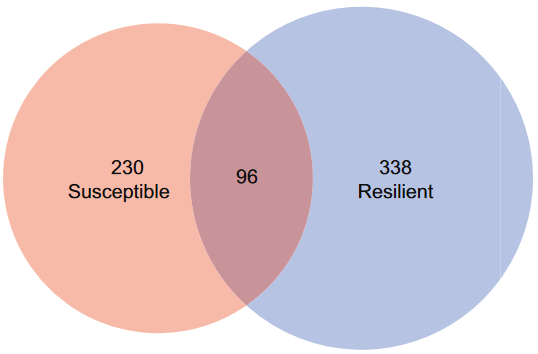
PTSD-like behavior of each animal was compared with baseline and with the population. Two unambiguous sub-populations were identified, resilient and susceptible.

After exposure to trauma and its reminders, susceptible animals showed an increase from baseline in freezing behavior, and over time in all three behavioral tests, as opposed to resilient and control groups.

DMRs

Differentially methylated sites in susceptible and resilient animals compared to control group.

Although we focused in this study on DNA methylation changes that associate with susceptibility, we also report unique changes in DNA methylation that occur in resilient animals. Inhibition of critical genes that are downregulated in susceptible animals convert resilient animals to become susceptible.”

https://www.researchgate.net/publication/353192082_Reduction_of_DNMT3a_and_RORA_in_the_nucleus_accumbens_plays_a_causal_role_in_post-traumatic_stress_disorder-like_behavior_reversal_by_combinatorial_epigenetic_therapy “Reduction of DNMT3a and RORA in the nucleus accumbens plays a causal role in post-traumatic stress disorder-like behavior: reversal by combinatorial epigenetic therapy” (registration required)


Rodents with the same genetics and environment displayed individual differences in their responses to traumatic events. Researchers, provide evidence for that before venturing elsewhere.

Not sure why it took 3+ years for this study received in November 2017 to finally be published in July 2021. Sites other than https://doi.org/10.1038/s41380-021-01178-y are more transparent about their peer review and publication processes.

No causes for PTSD susceptibility were investigated. PTSD effects and symptoms aren’t causes, notwithstanding this study’s finding that:

“Our results support a causal role for the NAc as a critical brain region for expression of PTSD-like behaviors, and a role for programming genes by DNA methylation in the NAc in development of PTSD-like behaviors.”

Can’t say that I understand more about causes for PTSD susceptibility now than before I read this study. Researchers attaching significance to gene functional groups seemed like hypothesis-seeking efforts to overcome limited findings.

Will this study’s combination of a methyl donor with a Vitamin A metabolite address PTSD causes in humans? If it only temporarily alleviates symptoms, what lasting value will it have?


Several brain and body areas that store traumatic memories other than the nucleus accumbens were mentioned in The role of recall neurons in traumatic memories. A wide range of epigenetic memory storage vehicles is one reason why effective human therapies need to address each individual, their whole body, and their entire history.

PXL_20210714_095056317

Osprey breakfast

Gut and brain health

This 2021 human review subject was interactions of gut health and disease with brain health and disease:

“Actions of microbial metabolites are key for appropriate gut-brain communication in humans. Among these metabolites, short-chain fatty acids (SCFAs), tryptophan, and bile acid metabolites / pathways show strong preclinical evidence for involvement in various aspects of brain function and behaviour.

Dietary fibres, proteins, and fats ingested by the host contain components which are metabolized by microbiota. SCFAs are produced from fermentation of fibres, and tryptophan-kynurenine (TRP-KYN) metabolites from dietary proteins. Primary bile acids derived from liver metabolism aid in lipid digestion, but can be deconjugated and bio-transformed into secondary bile acids.

1-s2.0-S0149763421001032-gr1

One of the greatest challenges with human microbiota studies is making inferences about composition of colonic microbiota from faeces. There are known differences between faecal and caecal microbiota composition in humans along with spatial variation across the gastrointestinal tract.

It is difficult to interpret microbiome-host associations without identifying the driving influence in such an interaction. Large cohort studies may require thousands of participants on order to reach 20 % explanatory power for a certain host-trait with specific microbiota-associated metrics (Shannon diversity, relative microbial abundance). Collection of metadata is important to allow for a better comparison between studies, and to identify differentially abundant microbes arising from confounding variables.”

https://www.sciencedirect.com/science/article/pii/S0149763421001032 “Mining Microbes for Mental Health: Determining the Role of Microbial Metabolic Pathways in Human Brain Health and Disease”


Don’t understand why these researchers handcuffed themselves by only using PubMed searches. For example, two papers were cited for:

“Conjugated and unconjugated bile acids, as well as taurine or glycine alone, are potential neuroactive ligands in humans.”

Compare scientific coverage of PubMed with Scopus:

  • 2017 paper: PubMed citations 39; Scopus citations 69.
  • 2019 paper: PubMed citations 69; Scopus citations 102.

Large numbers of papers intentionally missing from PubMed probably influenced this review’s findings, such as:

  1. “There are too few fibromyalgia and migraine microbiome-related studies to make definitive conclusions. However, one fibromyalgia study found altered microbial species associated with SCFA and tryptophan metabolism, as well as changes in serum levels of SCFAs. Similarly, the sole migraine-microbiota study reported an increased abundance of the kynurenine synthesis GBM (gut-brain module).
  2. Due to heterogeneity of stroke and vascular disease conditions, it is difficult to make substantial comparisons between studies. There is convincing evidence for involvement of specific microbial genera / species and a neurovascular condition in humans. However, taxa were linked to LPS biosynthesis rather than SCFA production.
  3. Several studies suggest lasting microbial changes in response to prenatal or postnatal stress, though these do not provide evidence for involvement of SCFA, tryptophan, or bile-acid modifying bacteria. Similar to stress, there are very few studies assessing impact of post-traumatic stress disorder on microbiota.”

These researchers took on a difficult task. Their study design could have been better.


PXL_20210628_095746132

Wildlife

PXL_20210710_100826663

Take acetyl-L-carnitine for early-life trauma

This 2021 rodent study traumatized female mice during their last 20% of pregnancy, with effects that included:

  • Prenatally stressed pups raised by stressed mothers had normal cognitive function, but depressive-like behavior and social impairment;
  • Prenatally stressed pups raised by control mothers did not reverse behavioral deficits; and
  • Control pups raised by stressed mothers displayed prenatally stressed pups’ behavioral phenotypes.

Acetyl-L-carnitine (ALCAR) protected against and reversed depressive-like behavior induced by prenatal trauma:

alcar regime

ALCAR was supplemented in drinking water of s → S mice either from weaning to adulthood (3–8 weeks), or for one week in adulthood (7–8 weeks). ALCAR supplementation from weaning rendered s → S mice resistant to developing depressive-like behavior.

ALCAR supplementation for 1 week during adulthood rescued depressive-like behavior. One week after ALCAR cessation, however, the anti-depressant effect of ALCAR was diminished.

Intergenerational trauma induces social deficits and depressive-like behavior through divergent and convergent mechanisms of both in utero and early-life parenting environments:

  • We establish 2-HG [2-hydroxyglutaric acid, a hypoxia and mitochondrial dysfunction marker, and an epigenetic modifier] as an early predictive biomarker for trauma-induced behavioral deficits; and
  • Demonstrate that early pharmacological correction of mitochondria metabolism dysfunction by ALCAR can permanently reverse behavioral deficits.”

https://www.nature.com/articles/s42003-021-02255-2 “Intergenerational trauma transmission is associated with brain metabotranscriptome remodeling and mitochondrial dysfunction”


This study had an effusive endorsement of acetyl-L-carnitine in its Discussion section, ending with:

“This has the potential to change lives of millions of people who suffer from major depression or have risk of developing this disabling disorder, particularly those in which depression arose from prenatal traumatic stress.”

I take a gram daily. Don’t know about prenatal trauma, but I’m certain what happened during my early childhood.

I asked both these researchers and those of Reference 70 for their estimates of a human equivalent to “0.3% ALCAR in drinking water.” Will update with their replies.


No word from those researchers, so here’s what I calculate:

  • (.003 x .081) x 70 kg = 1.7% human equivalent dose.
  • 1 liter water = 1 kg, so .017 x 1000 g = 17 g per liter of water.

We all drink at least a liter of water every day. A 17 gram/liter dose is way too high for humans, considering:

I downgraded this study to Required further work. It’s likely these researchers overdosed mice to ensure their treatment produced an effect. That’s counterproductive to the purpose of animal studies: to help humans.


PXL_20210704_095621886

Week 63 of Changing to a youthful phenotype with sprouts

Finally got around to getting an annual physical this morning. Two indicators so far, with more expected in five days. They came in early, so here’s Part 2.

1. HbA1C – glycated hemoglobin – was 4.8 on a scale of 4.8 to 5.6%. That’s down from 5.1 in June 2020. HbA1C shows a two-month average blood glucose level.

I’ve eaten advanced glycation end product (AGE)-less chicken vegetable soup almost every day since July 2019. Upcoming instantaneous blood glucose measurements may be informative, but it seems that with what I’m doing, there’s little impetus to glycate that glucose. Which satisfies my intention to avoid glycative stress.

2. BMI for a normal weight is 18.5-24.9 kg/m2. Measurements over the past two years:

  • June 2019 24.8, 0.1 below range high;
  • June 2020 22.4, 2.5 below range high and 3.9 above low; and
  • June 2021 21.0, 3.9 below range high and 2.5 above low.

Annual BMI trend is going in the right direction, but it’s too squishy to be a biomarker. I usually don’t curate studies that rely on BMI.

I eat a lot of food every day! Not going to turn my kitchen into a laboratory to quantify, though. See Switch on your Nrf2 signaling pathway for what intake was on 1/1/2021.

Once or twice a week lately I’ve backed off and skipped one of a daily two (fresh and leftovers) AGE-less chicken vegetable meals when it’s been too much food. Haven’t skipped:

  • Twice-daily combined broccoli-red cabbage-mustard sprouts; or
  • Twice-daily Avena sativa oat sprouts; or
  • My Avena nuda whole oats breakfast.

Lost 11 lbs. over 12 months without trying to lose weight. Maximal food intake didn’t result in weight gain when much of its purpose was to:

  • Reduce inflammation; and
  • Make my gut microbiota happy.

PXL_20210618_094601372

Broccoli sprouts positively influence Sestrin proteins

Four papers on Sestrin, with the first a 2021 review:

“Sestrin 2 (Sesn2) is a member of the evolutionarily conserved and stress-inducible sestrin family. In mammals, this family is composed of Sesn1–3, and Sesn2 is the main member that responds to oxidative stress.

Sesn2 inhibits mammalian target of rapamycin (mTOR)-mediated cell over-proliferation by activating adenosine monophosphate-activated protein kinase (AMPK) and its kinase activity. Sesn2 also regulates redox balance by directly exerting antioxidant enzyme activity and regulating antioxidant signaling.

Inflammation, which is not regulated by oxidative stress, also plays an important role in cardiovascular diseases (CVDs). Sesn2 is involved in inflammation and immune regulation in many systems.

There is a positive feedback loop between Sesn2 and Nrf2:

sestrin2 nrf2

Sesn2 and p62 are expressed under oxidative stress. Sesn2 binds to ULK1 and p62 to form a functional complex, which promotes p62 phosphorylation, promoting p62-dependent autophagy degradation of Keap1.

Consequently, Nrf2 accumulates in cells, transfers to the nucleus, and promotes transcriptional activation of genes controlled by antioxidant response elements (ARE).

Circulating Sesn2 levels are elevated in a variety of CVDs, such as coronary heart disease, heart failure and atrial fibrillation, which indicates that Sesn2 is induced and plays a protective role in CVDs.”

https://www.sciencedirect.com/science/article/abs/pii/S0891584920316270 “Sestrin 2, a potential star of antioxidant stress in cardiovascular diseases” (not freely available)


A second paper was also a 2021 review:

“Sestrin2 acts as an antioxidant protein that diminishes accumulation of ROS and inhibits mTORC1 signaling. Both accumulation of ROS and activation of mTORC1 are associated with aging and age-related diseases.

Since plasma sestrin2 levels in patients with CAD and those with carotid atherosclerosis were shown to be high, it remains unclear whether or not an exogenous administration of sestrin2 could be beneficial for prevention of atherosclerotic disease.”

https://www.mdpi.com/1422-0067/22/3/1200/htm “The Protective Role of Sestrin2 in Atherosclerotic and Cardiac Diseases”


A third paper was a 2020 human study:

“Sesn 1 and Sesn 2 levels were significantly reduced in sarcopenic compared to non-sarcopenic subjects. It can be concluded that sarcopenia can be diagnosed at the early stage by using serum sestrin as one potential biomarker.”

https://link.springer.com/article/10.1007/s40520-020-01642-9 “Serum sestrins: potential predictive molecule in human sarcopenia” (not freely available)


A fourth paper was a 2020 rodent study:

“Sulforaphane (SFN) alleviated hematological variations, oxidative stress, heart dysfunction and structure disorder, and cardiomyocyte apoptosis induced by potassium dichromate. Moreover, SFN:

  • Reduced p53;
  • Cleaved caspase-3, Bcl2-associated X protein, nuclear factor kappa-B, and interleukin-1β levels; and
  • Increased Sesn2, Nrf2, heme oxygenase-1, NAD(P)H quinone oxidoreductase-1, and phosphorylated AMPK levels.

This study demonstrated that SFN ameliorates Cr(VI)-induced cardiotoxicity via activation of the Sesn2/AMPK/Nrf2 signaling pathway.”

https://pubs.rsc.org/en/content/articlelanding/2020/mt/d0mt00124 “Sulforaphane attenuates hexavalent chromium-induced cardiotoxicity via the activation of the Sesn2/AMPK/Nrf2 signaling pathway” (not freely available)


I found these studies as well as the previous post Cow milk causes disease from their citing a 2015 study The antioxidant function of sestrins is mediated by promotion of autophagic degradation of Keap1 and Nrf2 activation and by inhibition of mTORC1 (not freely available).

Basal cognition

To follow up Electroceuticals, a 2021 article by Dr. Michael Levin:

“A key philosophical idea, borrowed from computer science, is substrate independence. Components of a living system can carry out appropriate, clearly specified cognitive functions.

Cognitive processes in embryogenesis and regeneration:

rstb20200458f01

    • (a) An egg will reliably give rise to a species-specific anatomical outcome.
    • (b) This process is usually described as a feed-forward system where activity of gene-regulatory networks (GRNs) within cells results in expression of effector proteins that, via structural properties of proteins and physical forces, will result in the emergence of complex shape. This class of models (bottom-up process driven by self-organization and parallel activity of large numbers of local agents) is difficult to apply to several biological phenomena. Regulative development can alter subsequent steps to reach the correct anatomical goal state despite drastic deviations of the starting state.
    • (c) For example, mammalian embryos can be divided in half, giving rise to perfectly normal monozygotic twins, each of which has regenerated the missing cell mass.
    • (d) Mammalian embryos can also be combined, giving rise to a normal embryo in which no parts are duplicated.
    • (e) Such capabilities suggest that pattern control is fundamentally a homeostatic process—a closed-loop system using feedback to minimize error (distance) between a current shape and a target morphology. Although these kinds of decision-making models are commonplace in engineering, they are only recently beginning to be employed in biology. This kind of pattern-homeostatic process must store a setpoint that serves as a stop condition; however, as with most types of memory, it can be specifically modified by experience.
    • (f) In the phenomenon of trophic memory, damage created at a specific point on the branched structure of deer antlers is recalled as ectopic branch points in subsequent years’ antler regeneration. This reveals ability of cells at the scalp to remember spatial location of specific damage events and alter cell behaviour to adjust the resulting pattern appropriately—a pattern memory that stretches across months of time and considerable spatial distance and is able to modify low-level (cellular) growth rules to construct a pre-determined stored pattern that differs from genome-default for this species.
    • (g) A similar capability was recently shown in a molecularly tractable model system, in which genetically normal planarian flatworms were bioelectrically reprogrammed to regenerate two-headed animals when cut in subsequent rounds of asexual reproduction in plain water.
    • (h) The decision making revealed by cells, tissues and organs in these examples of dynamic remodelling toward specific target states could be implemented by cybernetic processes at various positions along a scale of proto-cognitive complexity.

A challenge for the field of basal cognition is to reveal gradualism of cellular properties underwriting this critical biological function to leverage an understanding of clear phase transitions observed in cognitive capacities. The origin and development of nervous systems is so far the most dramatic example.”

https://royalsocietypublishing.org/doi/10.1098/rstb.2020.0458 “Uncovering cognitive similarities and differences, conservation and innovation”


Why aren’t more resources being directed toward these research efforts? Glad to see that at least one co-founder of Microsoft, Paul Allen, posthumously used his billions to sponsor science for human good.

Eat broccoli sprouts for your hearing

Two 2021 papers, both of which I found by each citing a 2009 Molecular mechanisms underlying cochlear degeneration in the tubby mouse and the therapeutic effect of sulforaphane (not freely available). First was a review:

“Hair cell damage and loss mediated by oxidative stress are important causes of hearing loss. Sensorineural hearing loss is the most common type of hearing loss, including noise induced hearing loss (NIHL), age-related hearing loss (ARHL), and ototoxic hearing loss.

Nrf2 reduces cell damage caused by oxidative stress, and maintains the dynamic balance of systematic redox by inducing and regulating expression of various antioxidant factors. This review summarizes correlation studies of Nrf2 in hearing loss, providing ideas for prevention and treatment of hearing loss with Nrf2 as the target.

fphar-12-620921-g002

There is positive feedback between p62-mediated autophagy and Nrf2. p62 promotes accumulation of Nrf2 and nuclear translocation. Concurrently, increased Nrf2 promotes p62 expression.

How Nrf2 regulates ROS changes in hair cells, and the upstream and downstream regulatory network of Nrf2 in hair cells, are still not fully understood. Studies on early prevention and treatment of hearing loss through the Keap1-Nrf2-ARE [antioxidant response element] signaling axis are still at the exploratory stage.”

https://www.frontiersin.org/articles/10.3389/fphar.2021.620921/full “The Role of Nrf2 in Hearing Loss”


Second paper was a rodent study:

“We examined oxidative stress and antioxidant response of the p62-Keap1-Nrf2 pathway in cochleae during age-related hearing loss (ARHL) and noise-induced hearing loss (NIHL). We elucidated the function of full-length and variant p62/Sqstm1 (referred to here as p62) in regulation of Nrf2 activation.

Cochlear damage was assessed by analyzing auditory brainstem response (ABR) and by counting hair cells (HCs). Malondialdehyde (MDA, a lipid peroxidation product) levels were measured in young and old mice to determine whether oxidative stress contributed to ARHL.

auditory brainstem response

  • (A) Audiometric threshold (dB) determined from click and pure tone evoked ABRs. Thresholds were each significantly different (P < 0.001) between young mice and old mice.
  • (B) HC loss percentage in basal cochlear turns. Significant differences (P < 0.001) were observed between young and old mice.
  • (C) MDA levels in the cochleae of old mice were significantly higher (P = 0.034) than those of young mice.

ROS accumulation is closely related to ARHL and NIHL. The inability of ROS accumulation to activate the Nrf2 antioxidant stress pathway under physiological conditions may be related to alternative splicing of p62 mRNA in cochleae.

However, the agonist of the Nrf2 pathway enhanced Nrf2 nuclear translocation. This suggests a mechanism in which the antioxidant pathway was difficult to be activated in the context of accumulation of ROS.”

https://www.researchsquare.com/article/rs-535219/v1 “New Target of Oxidative Stress Regulation in Cochleae: Alternative Splicing of the p62/Sqstm1 gene”


The study’s two-month-old mice were equivalent to a 20-year-old human. Its 13-to-14-month-old mice were equivalent to humans in their 60s to 70s.

I expected preconditioning to be mentioned in both papers. Maybe these researchers thought it was too obvious and didn’t need to be stated that:

  • Repeated use of a Nrf2 activator produces transient mild stress;
  • Which elicits a stronger response; and
  • Preconditions cells for future stress?

Sulforaphane in the Goldilocks zone and its cited papers exhaustively emphasized preconditioning’s importance. The main thing I’m trying to do with isothiocyanates is to send a weak pro-inflammatory signal to my endogenous ARE system to exercise natural defenses.

Twice-daily drills make me more proficient at responding to actual emergencies. Post-drill, my body recycles material to be ready to respond the next time.

I do the same thing once a day with yeast cell wall β-glucan 1,3/1,6 to train my innate immune system. Microphages in my gut are the first responders. Like the very reactive isothiocyanates, I don’t take anything with, or an hour before or after β-glucan 1,3/1,6.

Why tolerate “the antioxidant pathway was difficult to be activated in the context of accumulation of ROS” when a sulforaphane “agonist of the Nrf2 pathway enhanced Nrf2 nuclear translocation”? For all we know, diminished natural defenses and hearing loss may exist to turn old mammals into prey.

Continued in Part 2.

Electroceuticals

To follow up A top-down view of biological goal-directed mechanisms, 2020 and 2021 presentations by Dr. Michael Levin of Tufts University:

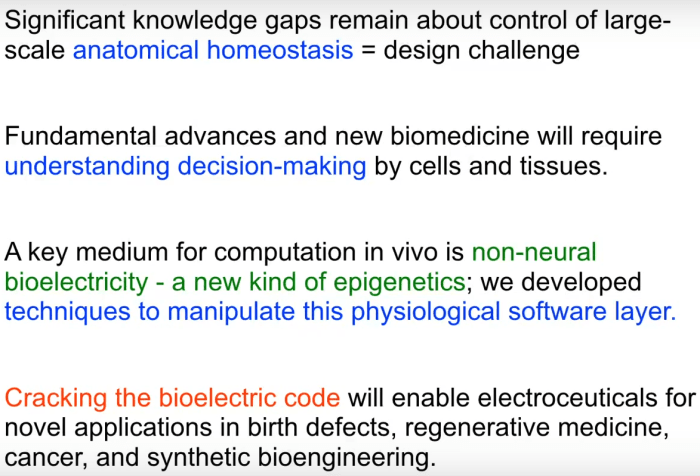
“We want to able to design a living form at the level of anatomy, and have the system compile it down into a set of low level instructions that you would have to give to the cellular collective to make it do this. What we would like to do is to offload all that complexity onto cells, and control this  whole thing with inputs, experiences, or stimuli.

What evolution does is to exploit bioelectricity to implement networks that store these patterns, patterns that serve as memories and goal states.”


electroceuticals


Appreciate Dr. Levin sticking with his findings for three decades now. Credit my son for refreshing my memory.