Oat species comparisons of the good stuff

This 2020 study compared and contrasted distributional compositions of two oat species’ seeds:

“Oat grains of one hulless variety (Lamont) with low avenanthramide (AVA) contents and one hulled variety (Reins) with high AVA contents were sequentially abraded. Contents of nutrients (protein, oil, starch, β-glucan, ash, and other carbohydrates) and AVAs were measured.

A relationship between content of a constituent in the surface layer abraded off (termed pearling fine, or PF) at each cycle of pearling and the cumulative level of surface removal could be established. This relationship essentially describes true distribution or localization of individual constituents across an oat kernel.

AVAs provide health benefits in mammals, including anti-oxidation, anti-inflammation, anti-atherosclerosis, and anti-cancer properties. Relationships between contents of four AVAs and total AVAs in pearling fines (A) and corresponding pearled kernels (B) of hulless Lamont oat [top] and hulled Rein [bottom] with cumulative surface removal levels achieved by sequential pearling:

For Lamont oat, AVAs 2c, 2f, 2p, 5p, and total AVAs all showed decreasing concentrations with increasing levels of surface removal. The first PF (4% surface removal) contained the highest amounts for all four AVAs, with 2p near ten times higher than in whole grain.

Hulled Reins oat differed significantly from hulless Lamont oat in not only amounts of AVAs but also their distribution patterns within kernels. Dehulling caused reduction in total AVA content.

Pearled oats contained less protein, oil, ash, and other carbohydrates and AVAs, but more starch than whole grain. In contrast, oat bran contained more AVAs, protein, oil, ash and other carbohydrates but less β-glucan and starch as compared to whole grain.”

https://www.sciencedirect.com/science/article/abs/pii/S0308814620315302 “Distributions of nutrients and avenanthramides within oat grain and effects on pearled kernel composition” (not freely available)


There were higher AVA contents in hulls of the top graphic’s species (Avena nuda) compared with its next ten seed layers. Humans require the bottom graphic’s oat species’ (Avena sativa) hull, which is “about 25% total grain mass,” to be milled off before we eat it. So AVA data points on the bottom graph A start around 25% surface removal.

As mentioned in Eat oats to prevent diabetes, I replaced steel-cut Avena sativa oats with whole Avena nuda oats for breakfast. I don’t know how well Avena nuda hulls are digested, but gut microbiota ferment similar indigestibles into beneficial compounds.

The first study of Eat oat sprouts for AVAs found “up to 25-fold increase” in AVAs with 7-day-old Avena sativa sprouts. I expect 3-day-old hulled Avena sativa sprouts I eat also increase AVAs as they germinate.

Long-lasting benefits of a common vaccine

This 2021 review subject was effects of the 100-year-old tuberculosis vaccine:

“Bacillus Calmette-Guerin (BCG) vaccine is one of the most widely used vaccines. It protects against many non-mycobacterial infections secondary to its nonspecific immune effects.

The mechanism for these effects includes modification of innate and adaptive immunity. BCG vaccine is known to not only boost immune responses to many vaccines when they are co-administered, but also decreases severity of these infections when used alone.

Alteration in innate immunity is through histone modifications and epigenetic reprogramming of monocytes to develop an inflammatory phenotype, a process called trained immunity. Memory T cells of adaptive immunity are also responsible for resistance against secondary infections after administration of BCG vaccine, a process called heterologous immunity.

The PI3K/AKT pathway, another pathway for mediating immunity, was upregulated. This was supported by recent studies demonstrating its involvement in induction of trained immunity by both BCG and β-glucan.

BCG vaccine can modify both innate and adaptive immunity, and provide immunity not only against Mycobacterium tuberculosis but also other pathogens. Heterologous immunity and trained immunity contribute to pathophysiologic mechanisms which explain how a vaccine protects against unrelated pathogens.”

https://www.amjmedsci.org/article/S0002-9629(21)00092-6/fulltext “Bacillus Calmette-Guerin Vaccine and Nonspecific Immunity”


As inferred by “induction of trained immunity by both BCG and β-glucan” many of these findings also apply to yeast cell wall β-glucan treatments. See Choosing your future with β-glucan for a representative study.

Our first 1000 days

This 2021 review subject was a measurable aspect of our early lives:

“The first 1000 days from conception are a sensitive period for human development programming. During this period, environmental exposures may result in long-lasting epigenetic imprints that contribute to future developmental trajectories.

The present review reports on effects of adverse and protective environmental conditions occurring on glucocorticoid receptor gene (NR3C1) regulation in humans. Thirty-four studies were included.

The hypothalamic-pituitary-adrenal (HPA) axis is key in regulating mobilization of energy. It is involved in stress reactivity and regulation, and it supports development of behavioral, cognitive, and socio-emotional domains.

The NR3C1 gene encodes for specific glucocorticoid receptors (GRs) in the mammalian brain, and it is epigenetically regulated by environmental exposures.

When mixed stressful conditions were not differentiated for their effects on NR3C1 methylation, no significant results were obtained, which speaks in favor of specificity of epigenetic vestiges of different adverse conditions. Specific maternal behaviors and caregiving actions – such as breastfeeding, sensitive and contingent interactive behavior, and gentle touch – consistently correlated with decreased NR3C1 methylation.

If the neuroendocrine system of a developing fetus and infant is particularly sensitive to environmental stimulations, this model may provide the epigenetic basis to inform promotion of family-centered prevention, treatment, and supportive interventions for at-risk conditions. A more ambiguous picture emerged for later effects of NR3C1 methylation on developmental outcomes during infancy and childhood, suggesting that future research should favor epigenome-wide approaches to long-term epigenetic programming in humans.”

https://www.sciencedirect.com/science/article/abs/pii/S0149763421001081 “Glucocorticoid receptor gene (NR3C1) methylation during the first thousand days: Environmental exposures and developmental outcomes” (not freely available). Thanks to Dr. Livio Provenci for providing a copy.


I respectfully disagree with recommendations for an EWAS approach during infancy and childhood. What happened to each of us wasn’t necessarily applicable to a group. Group statistics may make interesting research topics, but they won’t change anything for each individual.

Regarding treatment, our individual experiences and needs during our first 1000 days should be repeatedly sensed and felt in order to be therapeutic. Those memories are embedded in our needs because cognitive aspects of our brains weren’t developed then.

To become curative, we first sense and feel early needs and experiences. Later, we understand their contributions and continuations in our emotions, behavior, and thinking.

And then we can start to change who we were made into.

Week 50 of Changing to a youthful phenotype with broccoli sprouts

1. Effects of broccoli sprouts that seemed personally astounding at Week 10 became a part of day-to-day life. What will happen next?

Day 350 of eating a clinically relevant amount of broccoli sprouts every day seems like a large number. Yet in comparison, for 6,000+ days I’ve taken a clinically relevant dose of 1/3, 1/6 yeast cell wall β-glucan to train my innate immune system.

Both of their main actions are similar in mildly stimulating my body’s stronger defenses. Switch on your Nrf2 signaling pathway described sulforaphane’s effects as a “weak pro-oxidant signal that you use to activate Nrf2.” Take responsibility for your one precious life – β glucan described yeast cell wall β-glucan as “a potent immune response potentiator and modulator.”

2. I work a full-time job, in my 24th year of being paid to develop software. It’s a young-person’s field, contingent on learning new aspects of new languages, then performing every hour of every day up to what’s known or should be known.

I enjoy working with a group of talented individuals, especially when it involves creative problem solving. I’ll tolerate admin, limited meetings, and other things I don’t like when there’s a path toward doing what I enjoy.

My experiences since coming out of retirement to take this job four years ago have been analogous to Part 3 of Rejuvenation therapy and sulforaphane, i.e. old treated subjects learned and remembered significantly better than old untreated subjects, but not as well as untreated young subjects. I’m not a lab rat, though, and I’ve often had better performance since Week 10 than decades-younger coworkers.

All part of Surfacing Your Real Self.

3. Looking back on this week and month last year, there was worldwide herding of the population using a disease as a cover story. I wondered when it would end, and I’m still wondering because it’s still going on.

This pretext for surrendering human rights is easily derailed. I won’t enumerate fallacies, misrepresentations, frauds, assertions that lack evidence.

It’s a valuable skill for us to know when we’re being herded. Are you willing and able to develop that skill?

4. I didn’t disturb this heron, and was rewarded with a lightning-fast snatch-and-swallow of its breakfast. I wasn’t quick enough to get that photo, though.

Flailing with probiotics?

This 2021 review subject was probiotic bacteria survival and colonization:

“Health benefits of probiotics are diminished due to substantial reduction of viable probiotic bacteria under harsh conditions in the gastrointestinal tract and colonization resistance caused by commensal bacteria. This review illustrates the journey of probiotics from oral administration to the gastrointestinal tract, followed by colonization of the gut, with a particular focus on the adhesion process of probiotics on mucosa or intestinal epithelial cells.

  • Mouth – influence of saliva on survival rates of probiotics seems to be minimal.
  • Stomach – transit takes between 5 min and 2 h. Prolonged exposure to the acidic environment is a huge challenge for probiotics.

  • Small intestine – bile acids and digestive enzymes (including lipases, proteases, and amylases) can impact probiotic viability through cell membrane disruption and DNA damage.
  • Colon – probiotics compete with host microbiota for nutrients and adhesion sites to colonize colonic mucosa and proliferate. Due to colonization resistance, most probiotics are excreted so that they cannot be detected.

Composition of gut microbiota is highly variable. Microbial composition is considerably different between people in different geographic locations and with different diets.

Probiotics cannot change intestinal microbiota community structure or diversity.

How probiotics communicate with commensal bacteria and some are successfully introduced to gut microbiota is of great interest. Understanding these factors will facilitate employment of effective delivery strategies designed for probiotics to overcome colonization resistance and achieve health benefits.”

https://www.frontiersin.org/articles/10.3389/fcimb.2021.609722/full “Probiotic Gastrointestinal Transit and Colonization After Oral Administration: A Long Journey”


This review provided details supporting points 2 and 6 of Harnessing endogenous defenses with broccoli sprouts:

“Even though probiotics as food or supplements demonstrate favourable clinical outcomes, they typically don’t colonise the gut. How do we expect them to restore diversity and lost species to the gut microbiome after antibiotics? If no trace of an administered probiotic organism can be found a few weeks later, is there any sustained benefit?

If the gut can harbour around 1,000 different species, why do we expect a probiotic supplement harbouring just a few species to favourably modify a human microbiome?”

That paper’s emphasis was reflected in its title, “Restoring Gut Ecology: Harnessing the Inbuilt Defence Mechanisms of the Gut Epithelium.”


I stopped taking probiotics earlier this year after 16 years of twice-daily intake. I’ve increased prebiotic intake. Pretty soon I’ll find out whether my innate and adaptive immune systems have changed enough to ward off spring allergy-season effects.

Sand sculptures

Time-restricted prebiotics

My 700th curation is a 2021 rodent study that investigated time-restricted prebiotic intake combined with an unrestricted bad diet:

“Restricted prebiotic feeding during active phase induced weight-independent alleviation of liver steatosis and reduced serum cholesterol in high-fat diet (HFD) fed mice more significantly than unrestricted feeding.

The prebiotic was a mixture of resistant starch [86%], fructo-oligosaccharide [5%], inulin [7.5%], and xylooligosaccharide [1.5%]. It was administered via drinking water at 10% (w/v) for 11 weeks followed by 20% (w/v) for 4 weeks.

Data suggests that improvement in HFD-induced hepatic steatosis by prebiotics could be associated with increased production of SCFAs [short-chain fatty acids]. Findings suggest that SCFA production can also be modified by timed feeding of prebiotics. This implies that distinct alterations in gut microbiota introduced by a difference in prebiotic feeding regime might be an outcome of gut microbiota undergoing diurnal oscillation.

These results suggest that the impact of prebiotics on weight-independent alleviation of liver steatosis and cholesterol-lowering effect can be optimized by restricting prebiotic intake to active phase, and is associated with a distinct change of gut microbiota with increased SCFA production.”

https://www.ncbi.nlm.nih.gov/pmc/articles/PMC7806547/ “Active phase prebiotic feeding alters gut microbiota, induces weight-independent alleviation of hepatic steatosis and serum cholesterol in high-fat diet-fed mice”


This study provided further evidence for Rhythmicity in that:

“Active phase restricted feeding of prebiotics showed more significant effects on modulating gut microbiota, SCFA production, and metabolic response, independent of weight loss. Alterations in gut microbiota introduced by a difference in prebiotic feeding regime might be an outcome of gut microbiota undergoing diurnal oscillation.”

Subjects’ human-equivalent ages were ~15 years to start and ~30 years at the end. As findings may be applicable to humans, this study was similar to Eat oats to prevent diabetes in that it passed on the issue of causes for detrimental effects continuing.

Eat whatever and whenever you want even though you know it will adversely affect your health? Sure, just add this prebiotic, or even better, time-restrict the prebiotic, and everything’s going to be alright?

Rhythmicity

This 2021 review subject was circadian signaling in the digestive system:

“The circadian system controls diurnal rhythms in gastrointestinal digestion, absorption, motility, hormones, barrier function, and gut microbiota. The master clock, located in the suprachiasmatic nucleus (SCN) region of the hypothalamus, is synchronized or entrained by the light–dark cycle and, in turn, synchronizes clocks present in peripheral tissues and organs.

Rhythmic clock gene expression can be observed in almost every cell outside the SCN. These rhythms persist in culture, indicating that these cells also contain an endogenous circadian clock system.

Processes in the gastrointestinal tract and its accessory digestive organs display 24-hour rhythmicity:

Clock disruption has been associated with disturbances in gut motility. In an 8-day randomized crossover study, in which 14 healthy young adults were subjected to simulated day-shift or night-shift sleeping schedules, circadian misalignment increased postprandial hunger hormone ghrelin levels by 10.4%.

Leptin, a satiety hormone produced by white adipose tissue, peaks at night in human plasma. A volunteer ate and slept at all phases of the circadian cycle by scheduling seven recurring 28-hour ‘days’ in dim light and eating four isocaloric meals every ‘day’. Plasma leptin levels followed the forced 28-hour behavioural cycle, while their endogenous 24-hour rhythm was lost. However, since meal timing can entrain the circadian system, this forced desynchrony study could not exclude a potential role of the circadian system.

Another constant routine protocol study with 20 healthy participants showed that rhythms in plasma lipids differed substantially between individuals, suggesting the existence of different circadian metabolic phenotypes.

Composition, function, and absolute abundance of gut microbiota oscillate diurnally. For example, microbial pathways involved in cell growth, DNA repair and energy metabolism peaked during the dark phase, while detoxification, environmental sensing and motility peaked during the day.

It is unclear how phase information is communicated to gut microbiota. However, human commensal bacterium Enterobacter aerogenes showed an endogenous, temperature-compensated 24-hour pattern of swarming and motility in response to melatonin, suggesting that the host circadian system might regulate microbiota by entraining bacterial clocks.

With increasing popularity of time-restricted eating as a dietary intervention, which entrains peripheral clocks of the gastrointestinal tract, studies investigating circadian clocks in the human digestive system are highly needed. Additionally, further research is needed to comprehend shifts in temporal relationships between different gut hormones during chronodisruption.”

https://www.nature.com/articles/s41575-020-00401-5 “Circadian clocks in the digestive system” (not freely available). Thanks to Dr. Inge Depoortere for providing a copy.


This review included many more human examples. I mainly quoted gut interactions.

A long time ago I was successively stationed on four submarines. An 18-hour schedule while underwater for weeks and months wiped out my circadian rhythms.

The U.S. Navy got around to studying 18-hour schedule effects this century. In 2014, submarine Commanding Officers were reportedly authorized to switch their crews to a 24-hour schedule.

Surface! Surface! Surface!

Eat oats to prevent diabetes

This 2020 rodent study investigated Type 2 diabetics eating oats along with a bad diet:

“Type 2 diabetes (T2D) is a metabolic disease which is characterized by a state of chronic low-grade inflammation with abnormal expression and production of multiple inflammatory mediators. Insulin resistance (IR), a condition where higher-than-normal concentration of insulin is needed to maintain a normal glycemia and adequate glucose utilization in insulin target tissues, has been clinically recognized as the best indicator for diagnosis of T2D.

Increased proportion of whole grain foods in daily diet are associated with reduced prevalence of IR, which is mainly attributed to abundant non-digestible carbohydrates.”

Oat species was Avena nuda, analyzed as:

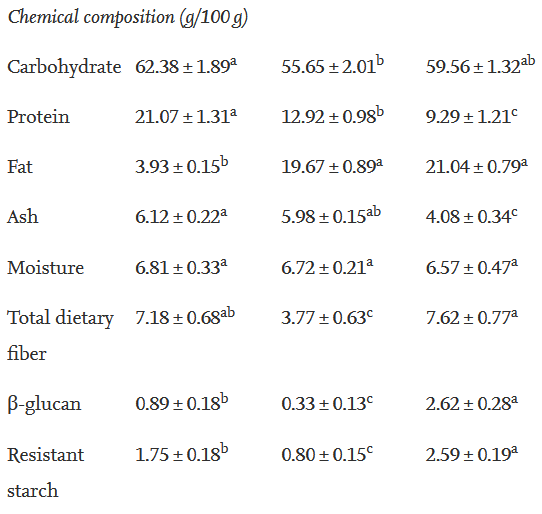
Left to right, diet compositions for basic chow diet, high-fat diet (HFD), and 49% HFD with 51% whole oat flour:

“An inflammation state characterized by high plasma TNF-α, IL-6, and IL-1β level was induced by HFD in T2D rats. Whole oats had anti-inflammatory effects by inhibiting production of proinflammatory cytokines. Our data supports a positive relationship between increased adipose proinflammatory cytokines and increased insulin resistance.

A drop in water and food intake indicated an improvement in typical clinical symptoms of T2D. Results of this study provide information about differences between individual oat products in improving T2D-related symptoms, and the role of gut microbiota.”

https://www.sciencedirect.com/science/article/pii/S1756464620301638 “Effects of oat β-glucan, oat resistant starch, and the whole oat flour on insulin resistance, inflammation, and gut microbiota in high-fat-diet-induced type 2 diabetic rats”


This study’s design wasn’t influenced by It’s the fiber, not the fat evidence. A more thorough analysis of each diet’s fiber contents may have better explained this study’s results.

100% insoluble fiber (cellulose) in “It’s the fiber” didn’t help subjects’ health. Removing 2-5% soluble fiber from subjects’ diets in that study had negative effects.

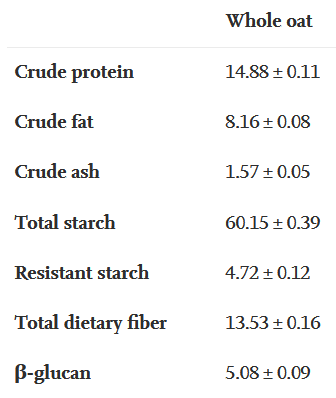
Although β-glucan isn’t the sole soluble fiber in Avena nuda oats, let’s use this study’s 51% whole-oat flour diet β-glucan of 2.62% as a proxy for soluble fiber:

  • Basic chow diet removed 1.73% (2.62 – 0.89) soluble fiber, and HFD removed 2.29% (2.62 – 0.33) soluble fiber.
  • Using its oat analysis, 51% whole-oat flour diet insoluble fiber due to oats was 4.31% ((13.53 – 5.08) * .51). The diet’s unanalyzed insoluble fiber of 3.31% (7.62 – 4.31) was roughly equivalent to HFD unanalyzed insoluble fiber of 3.44% (3.77 – 0.33).
  • Because composition of insoluble fiber matters to this study’s measurements – especially to gut microbiota – I won’t calculate estimates to compare basic chow diet’s unanalyzed insoluble fiber with the other diets’ unanalyzed insoluble fiber.

These researchers could have analyzed all this for soluble and insoluble fiber. They could have isolated resistant starch effects since its content was equivalent to β-glucan in the 51% whole-oat flour diet.


I’ve replaced Avena sativa steel-cut oats for breakfast with the Avena nuda cultivar used in Sprouting hulless oats. They’re chewier when prepared the same way – 1/2 cup soaked overnight in 2 cups water, then microwaved 20 minutes in a 1000W microwave at 80% power.

This Avena nuda cultivar is healthier because of oat bran’s contributions. Per Oat species comparisons of the good stuff, up to 25% of Avena sativa oat seeds are removed by dehulling before the steel-cut process.

I prefer 3-day-old oat sprouts of the hulled Avena sativa cultivar used in Sprouting hulled oats because of their 97% germination rate and taste. The Avena nuda cultivar didn’t sprout as well or taste as good.

Eat broccoli sprouts for depression

This 2021 rodent study investigated sulforaphane effects on depression:

“Activation of Nrf2 by sulforaphane (SFN) showed fast-acting antidepressant-like effects in mice by:

  • Activating BDNF;
  • Inhibiting expression of its transcriptional repressors (HDAC2 [histone deacetylase 2, a negative regulator of neuroplasticity], mSin3A, and MeCP2); and
  • Revising abnormal synaptic transmission.

In a mouse model of chronic social defeat stress (CSDS), protein levels of Nrf2 and BDNF in the medial prefrontal cortex and hippocampus were lower than those of control and CSDS-resilient mice. In contrast, protein levels of BDNF transcriptional repressors in CSDS-susceptible mice were higher than those of control and CSDS-resilient mice.

These data suggest that Nrf2 activation increases expression of Bdnf and decreases expression of its transcriptional repressors, which result in fast-acting antidepressant-like actions. Furthermore, abnormalities in crosstalk between Nrf2 and BDNF may contribute to the resilience versus susceptibility of mice against CSDS.

Nrf2-induced BDNF transcription in a model of depression.

  • Stress inhibits Nrf2 expression, which inhibits BDNF transcriptional and leads to abnormal synaptic transmission, causing depression-like behaviors in mice.
  • SFN induces BDNF transcription by activating Nrf2 and correcting abnormal synaptic transmission, resulting in antidepressant-like effects.

In conclusion:

  1. Nrf2 regulates transcription of Bdnf by binding to its exon I promoter.
  2. Inhibition of Nrf2-induced Bdnf transcription may play a role in the pathophysiology of depression.
  3. Activation of Nrf2-induced Bdnf transcription promoted antidepressant-like effects.
  4. Alterations in crosstalk between Nrf2 and BDNF may contribute to resilience versus susceptibility after stress.”

https://www.nature.com/articles/s41398-021-01261-6 “Activation of BDNF by transcription factor Nrf2 contributes to antidepressant-like actions in rodents”

Part 2 curates three papers that cited this study.


Eat broccoli sprouts for arthritis

This 2021 rodent study investigated sulforaphane’s adaptive immune system effects on arthritis:

“Sulforaphane reduced clinical and histologic scores of collagen-induced arthritis mice. Anti-arthritic and anti-inflammatory effects of sulforaphane were due to suppression of differentiation of naïve cells into plasma cells and GC [germinal center] B cells.

This is the first report that sulforaphane exerts an anti-arthritic effect by regulating B-cell differentiation. Because plasma cells are not affected by conventional immunosuppressive drugs such as steroids, cyclophosphamide, and B-cell-depleting agents, our finding that sulforaphane suppresses their differentiation into plasma cells is encouraging and suggests that plasma cell-targeted treatment strategies for rheumatoid arthritis may be effective.”

https://www.ncbi.nlm.nih.gov/pmc/articles/PMC7886167/ “The anti-arthritis effect of sulforaphane, an activator of Nrf2, is associated with inhibition of both B cell differentiation and the production of inflammatory cytokines”


Although not directly stated, it appeared that this study had 15 sulforaphane treatment subjects from the same experiments being run 3 times on 5 subjects. The above graphic was repeated with the other two less-significant findings in supplementary data.

Adaptive and innate immunity

Two 2021 reviews presented aspects of human immune systems:

“The adaptive immune system’s challenge is to protect the host through generation and differentiation of pathogen‐specific short‐lived effector T cells, while in parallel developing long‐lived memory cells to control future encounters with the same pathogen.

The system highly relies on self‐renewal of naïve and memory T cells, which is robust, but eventually fails. Genetic and epigenetic modifications contribute to functional differences in responsiveness and differentiation potential.

Less than 20% of nascent T cells are produced from the thymus in young adults, which dwindles to less than 1% after the age of 50 years. Even in young adults, the majority of T cells are produced in the periphery. A pickup in proliferation has been described in late life, possibly as a consequence of increased cell death and evolving lymphopenia.

One challenge of the aging process is to replenish cells while keeping integrity of the organ. The dynamic lymphoid system employs a vast number of T cells (>1011) and maintains a balance between cell production, death, and differentiation.

Enormous TCR ( T cell receptor) diversity is required to be able to respond to the universe of possible peptides (>209). Only T cell generation in the thymus can add new TCR specificities. Homoeostatic proliferation at best maintains diversity, >108 unique TCRs in a given adult.

Antigen-specific memory T cells adopt several fates with age:

  • Decrease in stem-like memory T cells;
  • Increase in NK (natural killer) cell-like TEMRA (terminally differentiated effector T cells);
  • Increase in exhausted T cells;
  • Increase in short-lived effector memory T cells; and
  • Decrease in tissue-residing T memory cells.

Virtual memory T cells without prior experience of antigen encounter also increase with age.”

https://febs.onlinelibrary.wiley.com/doi/epdf/10.1111/febs.15770 “Hallmarks of the aging T cell system”


“Trained immunity is characterized by long‐term functional reprogramming of innate immune cells following challenge with pathogens or microbial ligands during infection or vaccination. This cellular reprogramming leads to increased responsiveness upon re‐stimulation, and is mediated through epigenetic and metabolic modifications.

Trained immunity has been shown to last for at least 3 months and up to 1 year, while heterologous protection against infections can last for at least 5 years. These long-term effects are mediated through reprogramming of myeloid progenitor cells in bone marrow, which in turn generate myeloid cells with a trained immunity phenotype.

Molecular mechanisms underlying trained immunity, for example induced by β-glucan or Bacille Calmette‐Guérin (BCG) vaccination, can be investigated by using and integrating different layers of information, including genome, epigenome, transcriptome, proteome, metabolome, microbiome, immune cell phenotyping and function. Interplay between epigenetic and metabolic reprogramming is necessary for induction of trained immunity, as certain metabolites have a direct effect on enzymes involved in epigenetic remodeling.

High-throughput methods allow researchers to use an unbiased approach examining many potential genes or markers in relation to health and disease, rather than examining a limited number of candidate genes or markers.

One strength of integrating multiple levels of data is an increased power to identify key regulatory molecular networks driving trained immunity. For example, results obtained from one level (i.e. genes) can be used to reduce the number of traits to test in a second level (i.e. proteins), thereby increasing power.

One important pitfall when it comes to designing effective omics studies, is sample size. With a large number of markers measured, and the relatively small contributing effect size of individual analytes, the risks of both type 1 and 2 errors are high without sufficient sample sizes for both discovery and validation cohorts.”

https://onlinelibrary.wiley.com/doi/pdf/10.1002/eji.202048882 “Resolving trained immunity with systems biology”

Eat broccoli sprouts to prevent lung infections

A 2021 rodent study investigated lung infections:

“Mycobacterium avium complex (MAC) is the most common cause of pulmonary nontuberculous mycobacteria disease worldwide. It is thought that both environmental exposure and host susceptibility are required for the establishment of pulmonary MAC disease, because pulmonary MAC diseases are most commonly observed in slender, postmenopausal women without a clearly recognized immunodeficiency.

Host factors that regulate MAC susceptibility have not been elucidated until now. The Nrf2 system is activated in alveolar macrophages, the most important cells during MAC infection, as both the main reservoir of infection and bacillus-killing cells.

Treatment with sulforaphane (SFN) decreases Mycobacterium growth upregulating the expression of Nramp1 (natural resistance-associated macrophage protein 1, a susceptibility gene for pulmonary nontuberculous mycobacteria disease) and HO-1 (heme oxygenase 1). Mycobacterial counts in the lung, liver, and spleen were reduced after SFN treatment.

These results indicate that Nramp1 and HO-1, regulated by Nrf2, are essential in defending against MAC infection due to the promotion of phagolysosome fusion and granuloma formation, respectively. Nrf2 is thought to be a critical determinant of host resistance to MAC infection.”

https://mbio.asm.org/content/12/1/e01947-20 “Nrf2 Regulates Granuloma Formation and Macrophage Activation during Mycobacterium avium Infection via Mediating Nramp1 and HO-1 Expressions”


One step short of greatness

A 2021 rodent study investigated dietary effects of organic and conventional farming practices:

“We report results from a two-generation, dietary intervention study with male Wistar rats to identify the effects of feeds made from organic and conventional crops on growth, hormonal, and immune system parameters that are known to affect the risk of a number of chronic, non-communicable diseases in animals and humans.

Conventional, pesticide-based crop protection resulted in significantly lower fiber, polyphenol, flavonoid, and lutein, but higher lipid, aldicarb [a pesticide], and diquat [a herbicide] concentrations in animal feeds.

Conventional, mineral nitrogen, phosphorus and potassium (NPK)-based fertilization resulted in significantly lower polyphenol, but higher cadmium and protein concentrations in feeds.

Growth and other physiological parameters were only monitored for 9 weeks after weaning. It was therefore not possible to determine whether and to what extent:

  1. Differences in feed composition;
  2. Dietary intakes of compounds previously linked to obesity and chronic diseases; and/or
  3. Changes in endocrine and immune parameters in rats raised on feed crops treated with mineral fertilizers and/or pesticides,

would have resulted in higher levels of weight gain and/or diseases linked to obesity, endocrine disruption and/or changes in immune system activity/responsiveness.”

https://www.mdpi.com/2072-6643/13/2/377/htm “Feed Composition Differences Resulting from Organic and Conventional Farming Practices Affect Physiological Parameters in Wistar Rats—Results from a Factorial, Two-Generation Dietary Intervention Trial”


I’m always fascinated when researchers intentionally stop one step short of greatness.

It seems a main purpose of this study was to justify a 2013 study by these researchers on pretty much the same subject. The current study had a defined F0 generation, and four different F1 generations and F2 generations.

This study stopped without continuing to any F3 generations.

  • The F1 F2 OPOF line in the above graphic’s first column didn’t eat chow produced with either synthetic chemical pesticides or conventional fertilizers.
  • This line could have continued on to transgenerational great-grand offspring who would have had no direct exposure to the F0 generation’s conventionally fertilized and “protected” crop diet.
  • By continuing, these researchers could have found out what transgenerationally inherited effects on the F3 generation there may be from the F0 generation eating a conventionally-produced diet.
  • Anything found in this line’s F3 great-grand offspring may have applied to humans.

Do we ever consider our great-grandchildren?

Go with the Alzheimer’s Disease evidence

This 2021 study investigated gut microbiota differences between 100 AD patients and 71 age- and gender-matched controls:

“Structural changes in fecal microbiota were evident in Chinese AD patients, with decreased alpha-diversity indices and altered beta-diversity ones, evidence of structurally dysbiotic AD microbiota.

Interestingly, traditionally beneficial bacteria, such as Bifidobacterium and Akkermansia, increase in these AD patients while Faecalibacterium and Roseburia decrease significantly. Different species of Bifidobacterium may have different effects that can explain why Bifidobacterium spp. are commonly associated with healthy and diverse microbiota but sometimes also isolated in other conditions. We needed to re-examine the therapeutic potential of Bifidobacterium in terms of maintaining cognitive function and treating dementia.

Surprisingly, our data indicate that Akkermansia was among the most abundant genera in AD-associated fecal microbiota. Similar to Bifidobacterium, Akkermansia was negatively correlated with clinical indicators of AD, such as MMSE, WAIS, and Barthel, and anti-inflammatory cytokines such as IFN-γ.

Based on our present observations, Akkermansia cannot always be considered a potentially beneficial bacterium. It might be harmful for the gut–brain axis in the context of AD development in the elderly.

Aging is associated with an over-stimulation of both innate and adaptive immune systems, resulting in a low-grade, chronic state of inflammation defined as inflammaging. This can increase gut permeability and bacterial translocation.

Characteristics of AD microbial profiles changed from butyrate producers, such as Faecalibacterium, into lactate producers, such as Bifidobacterium. These alterations contributed to shifts in metabolic pathways from butyrate to lactate, which might have participated in pathogenesis of AD. Specific roles of AD-associated signatures and their functions should be explored in further studies.”

https://www.frontiersin.org/articles/10.3389/fcell.2020.634069/full “Structural and Functional Dysbiosis of Fecal Microbiota in Chinese Patients With Alzheimer’s Disease”


The control group’s 73-year-olds were better off than AD patients. How were they compared with their previous life stages?

Since we’re all aging, how do we each prepare ourselves? I’ll return to evidence including 2020 A rejuvenation therapy and sulforaphane, recently amplified in Part 2 of Switch on your Nrf2 signaling pathway:

“A link between inflammation and aging is the finding that inflammatory and stress responses activate NF-κB in the hypothalamus and induce a signaling pathway that reduces production of gonadotropin-releasing hormone (GnRH) by neurons.

The case is particularly interesting when we realize that the aging phenotype can only be maintained by continuous activation of NF-κB. So here we have a multi-level interaction:

  1. Activation of NF-κB leads to
  2. Cellular aging, leading to
  3. Diminished production of GnRH, which then
  4. Acts (through cells with a receptor for it, or indirectly as a result of changes to GnRH-receptor-possessing cells) to decrease lifespan.

Cell energetics is not the solution, and will never lead to a solution because it makes the assumption that cells age. Cells take on the age-phenotype the body gives them.

Aging is not a defect – it’s a programmed progressive process, a continuation of development with the body doing more to kill itself with advancing years. Progressive life-states where each succeeding life-stage has a higher mortality (there are rare exceptions).

Cellular aging is externally controlled (cell non-autonomous). None of those remedies that slow ‘cell aging’ (basically all anti-aging medicines) can significantly extend anything but old age.

For change at the epigenomic/cellular level to travel up the biological hierarchy from cells to organ systems seems to take time. But the process can be repeated indefinitely (so far as we know).”

We may express concern about others. But each of us should also take responsibility for our own one precious life.

Treat your gut microbiota as one of your organs

Two 2021 reviews covered gut microbiota. The first was gut microbial origins of metabolites produced from our diets, and mutual effects:

“Gut microbiota has emerged as a virtual endocrine organ, producing multiple compounds that maintain homeostasis and influence function of the human body. Host diets regulate composition of gut microbiota and microbiota-derived metabolites, which causes a crosstalk between host and microbiome.

There are bacteria with different functions in the intestinal tract, and they perform their own duties. Some of them provide specialized support for other functional bacteria or intestinal cells.

Short-chain fatty acids (SCFAs) are metabolites of dietary fibers metabolized by intestinal microorganisms. Acetate, propionate, and butyrate are the most abundant (≥95%) SCFAs. They are present in an approximate molar ratio of 3 : 1 : 1 in the colon.

95% of produced SCFAs are rapidly absorbed by colonocytes. SCFAs are not distributed evenly; they are decreased from proximal to distal colon.

Changing the distribution of intestinal flora and thus distribution of metabolites may have a great effect in treatment of diseases because there is a concentration threshold for acetate’s different impacts on the host. Butyrate has a particularly important role as the preferred energy source for the colonic epithelium, and a proposed role in providing protection against colon cancer and colitis.

There is a connection between acetate and butyrate distinctly, which suggests significance of this metabolite transformation for microbiota survival. The significance may even play an important role in disease development.

  • SCFAs can modulate progression of inflammatory diseases by inhibiting HDAC activity.
  • They decrease cytokines such as IL-6 and TNF-α.
  • Their inhibition of HDAC may work through modulating NF-κB activity via controlling DNA transcription.”

https://www.hindawi.com/journals/cjidmm/2021/6658674/ “Gut Microbiota-Derived Metabolites in the Development of Diseases”


A second paper provided more details about SCFAs:

“SCFAs not only have an essential role in intestinal health, but also enter systemic circulation as signaling molecules affecting host metabolism. We summarize effects of SCFAs on glucose and energy homeostasis, and mechanisms through which SCFAs regulate function of metabolically active organs.

Butyrate is the primary energy source for colonocytes, and propionate is a gluconeogenic substrate. After being absorbed by colonocytes, SCFAs are used as substrates in mitochondrial β-oxidation and the citric acid cycle to generate energy. SCFAs that are not metabolized in colonocytes are transported to the liver.

  • Uptake of propionate and butyrate in the liver is significant, whereas acetate uptake in the liver is negligible.
  • Only 40%, 10%, and 5% of microbial acetate, propionate, and butyrate, respectively, reach systemic circulation.
  • In the brain, acetate is used as an important energy source for astrocytes.

Butyrate-mediated inhibition of HDAC increases Nrf2 expression, which has been shown to lead to an increase of its downstream targets to protect against oxidative stress and inflammation. Deacetylase inhibition induced by butyrate also enhances mitochondrial activity.

SCFAs affect the gut-brain axis by regulating secretion of metabolic hormones, induction of intestinal gluconeogenesis (IGN), stimulation of vagal afferent neurons, and regulation of the central nervous system. The hunger-curbing effect of the portal glucose signal induced by IGN involves activation of afferents from the spinal cord and specific neurons in the parabrachial nucleus, rather than afferents from vagal nerves.

Clinical studies have indicated a causal role for SCFAs in metabolic health. A novel targeting method for colonic delivery of SCFAs should be developed to achieve more consistent and reliable dosing.

The gut-host signal axis may be more resistant to such intervention by microbial SCFAs, so this method should be tested for ≥3 months. In addition, due to inter-individual variability in microbiota and metabolism, factors that may directly affect host substrate and energy metabolism, such as diet and physical activity, should be standardized or at least assessed.”

https://www.hindawi.com/journals/cjidmm/2021/6632266/ “Modulation of Short-Chain Fatty Acids as Potential Therapy Method for Type 2 Diabetes Mellitus”