Taurine week #3: Organs

Three 2022 papers investigated taurine’s effects on organs, starting with a rodent study of sepsis:

“Sepsis usually causes multiple organ dysfunctions and high mortality. Pathogenesis of sepsis is thought to be driven by hyperactive inflammation following pathogen invasion. If the immune system fails to eradicate pathogens, immune homeostasis is disturbed, leading to an overwhelming inflammation accompanied by immunosuppression.

Metabolomic analysis showed large amounts of taurine in neutrophils and monocytes and a dramatic decrease in taurine levels after lipopolysaccharides (LPS) exposure:

taurine decrease

Cecal ligation and puncture (CLP) model mice and CLP plus taurine mice were injected intraperitoneally with saline (200 μl) or taurine (200 mg/kg, in 200 μl) respectively at 6, 24, and 48 h after the operation. Taurine protected septic mice from death, improving tissue injuries in the lung, liver, and kidney by reducing neutrophil infiltration and TNF-α production.

taurine survival

Our data indicate that a supplement with taurine might be a promising therapeutic strategy for sepsis to reduce hyperactive inflammation and improve multiple organ dysfunctions.”

https://www.sciencedirect.com/science/article/abs/pii/S0008874922000272 “Mechanism of taurine reducing inflammation and organ injury in sepsis mice” (not freely available) Thanks to Dr. Liuluan Zhu for providing a copy.

Taurine demonstrated the only decrease in 17 amino acids measured in monocytes above. It was the same story for those amino acids and neutrophils.

A human equivalent to each of three mouse taurine doses administered over two days was (.081 x 200 mg) x 70 kg = 1.134 g. A second dose given at the 12-hour point may have improved treated subjects’ survival, as half of them died before the study’s 24-hour point of a second dose.


A second rodent study was on liver injury:

“We investigated the beneficial effects of taurine on fatty liver injury in vivo induced by tunicamycin, a chemical endoplasmic reticulum (ER) stressor.

The unfolded protein response (UPR) is a protein homeostasis-maintaining system that monitors ER conditions by sensing inadequacy in ER protein folding capacity. The ER is both a protein homeostasis-maintaining system and the primary site of lipid metabolism. The UPR plays vital roles in maintaining metabolic and lipid homeostasis.

Glutathione (GSH), a final byproduct of sulfur-containing amino acid metabolism, is not only a powerful antioxidant, but also a principal redox buffer in the ER. Depletion of reduced glutathione can cause additional oxidative stress.

Cysteine, the metabolic precursor of GSH, is also an essential substrate for taurine synthesis. Utilization of cysteine to generate GSH and taurine is competitive.

In this study, availability of cysteine is favored for GSH synthesis due to sufficient taurine supply. Taurine supplementation restored GSH levels, which were attenuated by tunicamycin treatment, by increasing expression of GCLC, an enzyme mediating GSH synthesis.

life-12-00354-g005

The protective effect of taurine on tunicamycin-induced hepatic injury results from its concurrent mitigation of both ER and oxidative stress.”

https://www.mdpi.com/2075-1729/12/3/354/htm “Taurine Ameliorates Tunicamycin-Induced Liver Injury by Disrupting the Vicious Cycle between Oxidative Stress and Endoplasmic Reticulum Stress”

This study provided further evidence for an idea in Treating psychopathological symptoms will somehow resolve causes? that:

“Such positive effects of taurine on glutathione levels may be explained by the fact that cysteine is the essential precursor to both metabolites, whereby taurine supplementation may drive metabolism of cysteine towards GSH synthesis.”


A third rodent study investigated lung pneumonia:

“We evaluated anti-inflammatory effects of taurine derivative N-chlorotaurine (also known as taurine chloramine; TauCl) against LPS-induced pneumonia in obese mice maintained on a high fat diet.

Taurine is present in immune system cells such as macrophages and neutrophils. When an organism is infected by pathogens, immune cells produce hypochlorous acid to kill pathogens. Taurine reacts with excessive hypochlorous acid to produce TauCl, which reduces high levels of hypochlorous acid and its toxicity to surrounding host cells.

Intraperitoneal TauCl suppressed excessive immune response in lungs. TauCl treatment attenuates acute pneumonia-related pulmonary and systemic inflammation, including muscle wasting.”

https://www.mdpi.com/2218-1989/12/4/349/htmN-Chlorotaurine Reduces the Lung and Systemic Inflammation in LPS-Induced Pneumonia in High Fat Diet-Induced Obese Mice”


PXL_20220529_183605897

Taurine week #1: Biomarkers

It’s been a while since I curated taurine research. Read at least a week’s worth of 2022 papers last weekend.

Let’s start with two studies that didn’t supplement with taurine, but found it was a biomarker. The first was a rodent study that treated a high fat diet with blood pressure medicine:

“Non-alcoholic fatty liver disease (NAFLD) is a main form of chronic liver disease, and has been the leading cause of liver transplantation. Epidemiological evidence uncovered bidirectional and causal relationships between NAFLD and hypertension.

Evidence suggests that gut dysbiosis can be a driving force for NAFLD and hypertension, despite pathogenesis of NAFLD and hypertension fundamental differences, as they often present similar aberrant microbiota. We found that amlodipine besylate and amlodipine aspartate:

  • Exerted their hepatoprotective activities through modulating fatty acid metabolism without influencing oxidative and endoplasmic reticulum stress;
  • Decreased serum transaminases, hepatic fat deposits, and liver inflammation, and showed improvements in plasma lipid profiles; and
  • Gut microbiota had higher abundance of functional genes involved in taurine and hypotaurine metabolism.

nafld and taurine

Overall, these results led us to propose that targeting gut microbiota and the taurine and hypotaurine metabolism pathway may be a feasible preventive strategy for patients with NAFLD and hypertension.”

https://bpspubs.onlinelibrary.wiley.com/doi/10.1111/bph.15768 “Amlodipine, an anti-hypertensive drug, alleviates non-alcoholic fatty liver disease by modulating gut microbiota”


A second rodent study investigated garlic compounds’ effects on a high fat diet:

“Garlic organosulfur compounds (OSCs) have been shown to be major components responsible for garlic’s health benefits. However, the composition and function of garlic OSCs are damaged due to various processing and cooking methods during food preparation.

In this study garlic alliinase was deactivated to obtain stable garlic OSCs. We made two preparations of alliinase-free garlic powders based on their OSCs and fructan contents. OSCs concentrations of alliinase-free garlic powder 1 (G1) and alliinase-free garlic powder 2 (G2) differ by approximately 2-fold, 20.889 mg/g and 43.869 mg/g, respectively.

garlic diets

Mice fed with lipid and glucose metabolic disorder-inducing Western diet (WD) revealed that stable garlic OSCs prevented the disorder by increasing relative abundance of gut Bacteroides acidifaciens. Both G1 and G2 significantly increased fecal levels of taurine, with G2 being significantly better than G1.

Garlic OSCs inhibited dyslipidemia and fatty liver by increasing taurine and subsequently promoting hepatic fatty acid β-oxidation. Results of this study demonstrate that the preventive effect of garlic OSCs on WD-induced metabolic disorder is attributed to enhanced growth of Bacteroides acidifaciens and consequent increase in taurine.”

https://pubs.acs.org/doi/10.1021/acs.jafc.2c00555 “Natural Garlic Organosulfur Compounds Prevent Metabolic Disorder of Lipid and Glucose by Increasing Gut Commensal Bacteroides acidifaciens” (not freely available) Thanks to Dr. Hisham R. Ibrahim for providing a copy.


PXL_20220607_190324991

Betaine and diabetes

Two 2022 papers on betaine’s effects, starting with a review:

“Rodent studies provide evidence that betaine effectively limits many diabetes-related disturbances.

  • Betaine therapy improves glucose tolerance and insulin action, which is strongly associated with changes in insulin-sensitive tissues, such as skeletal muscle, adipose tissue, and liver.
  • Betaine supplementation positively affects multiple genes, which expression is dysregulated in diabetes.
  • AMP-activated protein kinase is thought to play a central role in the mechanism underlying anti-diabetic betaine action.
  • Studies with animal models of type 2 diabetes have shown that betaine exerts anti-inflammatory and anti-oxidant effects, and also alleviates endoplasmic reticulum stress.

1-s2.0-S0753332222003353-gr2_lrg

These changes contribute to improved insulin sensitivity and better blood glucose clearance. Results of animal studies encourage exploration of therapeutic betaine efficacy in humans with type 2 diabetes.”

https://www.sciencedirect.com/science/article/pii/S0753332222003353 “The anti-diabetic potential of betaine. Mechanisms of action in rodent models of type 2 diabetes”


Reference 31 was a human study:

“Few studies on humans have comprehensively evaluated intake composition of methyl-donor nutrients choline, betaine, and folate in relation to visceral obesity (VOB)-related hepatic steatosis (HS), the hallmark of non-alcoholic fatty liver diseases.

  • Total choline intake was the most significant dietary determinant of HS in patients with VOB.
  • Combined high intake of choline and betaine, but not folate, was associated with an 81% reduction in VOB-related HS.
  • High betaine supplementation could substitute for choline and folate to normalize homocysteine levels under methyl donor methionine-restriction conditions.
  • Preformed betaine intake from whole-grain foods and vegetables can lower obesity-increased choline and folate requirements by sparing choline oxidation for betaine synthesis and folate for methyl donor conversion in one-carbon metabolism.

Our data suggest that combined dietary intake of choline and betaine reduces the VOB-related HS risk in a threshold-dependent manner.”

https://www.mdpi.com/2072-6643/14/2/261/htm “Optimal Dietary Intake Composition of Choline and Betaine Is Associated with Minimized Visceral Obesity-Related Hepatic Steatosis in a Case-Control Study”

Increasing betaine intake to lower choline and folate requirements was similar to an idea in Treating psychopathological symptoms will somehow resolve causes? that:

“Such positive effects of taurine on glutathione levels may be explained by the fact that cysteine is the essential precursor to both metabolites, whereby taurine supplementation may drive metabolism of cysteine towards GSH synthesis.”


I came across this first paper by it citing All about the betaine, Part 2:

“This review focuses on biological and beneficial effects of dietary betaine (trimethylglycine), a naturally occurring and crucial methyl donor that restores methionine homeostasis in cells. Betaine is endogenously synthesized through metabolism of choline, or exogenously consumed through dietary intake.

Human intervention studies showed no adverse effects with 4 g/day supplemental administration of betaine in healthy subjects. However, overweight subjects with metabolic syndrome showed a significant increase in total and LDL-cholesterol concentrations. These effects were not observed with 3 g/day of betaine administration.

Betaine exerts significant therapeutic and biological effects that are potentially beneficial for alleviating a diverse number of human diseases and conditions.”

https://www.mdpi.com/2079-7737/10/6/456/htm “Beneficial Effects of Betaine: A Comprehensive Review”


PXL_20220518_094703198

The oligosaccharide stachyose

Two 2022 stachyose papers to follow on to Don’t take Beano if you’re stressed, which studied raffinose. Stachyose is in the raffinose oligosaccharide group with similar characteristics, and its content is usually larger in legumes. First is a rodent study:

“Stress can activate the hypothalamic–pituitary–adrenal (HPA) axis and elevate glucocorticoids in the body (cortisol in humans and corticosterone in rodents). Glucocorticoid receptors are abundant in the hippocampus, and play an important role in stress-induced cognition alteration.

Corticosterone is often used to model cognitive impairment induced by stress. Long-term potentiation (LTP) deficit and cognitive impairment always coexist in stress models, and LTP impairment is often considered as one mechanism for stress-induced cognitive deficits.

N-methyl-D-aspartate (NMDA) receptors play critical roles both in normal synaptic functions and excitotoxicity in the central nervous system. D-serine, a coactivator of NMDA receptors, plays an important role in brain function.

In this study, we focused on effects of stachyose, on LTP impairment by corticosterone, gut flora, and the D-serine pathway.

tileshop.fcgi

Data in this study showed that 7-consecutive-day intragastric (i.g.) administration of stachyose had protective effect. There was little effect via intracerebroventricular (i.c.v.) and intraperitoneal (i.p.) administration.

To disturb gut flora, a combination of non-absorbable antibiotics (ATB) were applied. Results showed that ATB canceled the protective effect of stachyose without affecting LTP in control and corticosterone-treated mice, suggesting that stachyose may display its protective effects against LTP impairment by corticosterone via gut flora.

Further study is needed to uncover the relation between gut flora and the D-serine metabolic pathway.”

https://www.frontiersin.org/articles/10.3389/fphar.2022.799244/full “Stachyose Alleviates Corticosterone-Induced Long-Term Potentiation Impairment via the Gut–Brain Axis”

One of this study’s references was Eat oats and regain cognitive normalcy.


A stachyose clinical trial is expected to complete this month:

“In the stachyose intervention group, each person took 5 g of stachyose daily before breakfast. Administration method was 100 ml of drinking water dissolved and taken orally for two months. Each person in the placebo control group took the same amount of maltodextrin daily. Stool samples of the 36 subjects were collected weekly.

Primary outcome measures:

  1. Expression of microRNA; and
  2. Structure of gut microbiota.”

https://clinicaltrials.gov/ct2/show/NCT05392348 “Regulatory Effect of Stachyose on Gut Microbiota and microRNA Expression in Human”


PXL_20220518_093025150

The misnomer of nonessential amino acids

Three papers, starting with a 2022 review:

“Ideal diets must provide all physiologically and nutritionally essential amino acids (AAs).

Proposed optimal ratios and amounts of true digestible AAs in diets during different phases of growth and production. Because dynamic requirements of animals for dietary AAs are influenced by a plethora of factors, data below as well as the literature serve only as references to guide feeding practices and nutritional research.

10.1177_15353702221082658-table5

Nutritionists should move beyond the ‘ideal protein’ concept to consider optimum ratios and amounts of all proteinogenic AAs in diets for mammals, birds, and aquatic animals, and, in the case of carnivores, also taurine. This will help formulate effectively low-protein diets for livestock (including swine and high-producing dairy cattle), poultry, fish, and crustaceans, as well as zoo and companion animals.”

https://journals.sagepub.com/doi/10.1177/15353702221082658 “The ‘ideal protein’ concept is not ideal in animal nutrition”


A second 2022 review focused on serine:

“The main dietary source of L-serine is protein, in which L-serine content ranges between 2 and 5%. At the daily intake of ~1 g protein per kg of body weight, the amount of serine obtained from food ranges between 1.4 and 3.5 g (13.2–33.0 mmol) per day in an adult.

Mechanisms of potential benefits of supplementing L-serine include increased synthesis of sphingolipids, decreased synthesis of 1-deoxysphingolipids, decrease in homocysteine levels, and increased synthesis of cysteine and its metabolites, including glutathione. L-serine supplementation has been suggested as a rational therapeutic approach in several disorders, particularly primary disorders of L-serine synthesis, neurodegenerative disorders, and diabetic neuropathy.

Unfortunately, the number of clinical studies evaluating dietary supplementation of L-serine as a possible therapy is small. Studies examining therapeutic effects of L-serine in CNS injury and chronic renal diseases, in which it is supposed that L-serine weakens glutamate neurotoxicity and lowers homocysteine levels, respectively, are missing.”

https://www.mdpi.com/2072-6643/14/9/1987/htm “Serine Metabolism in Health and Disease and as a Conditionally Essential Amino Acid”


A 2021 review subject was D-serine, L-serine’s D-isoform:

“The N-methyl-D-aspartate glutamate receptor (NMDAR) and its co-agonist D-serine are currently of great interest as potential important contributors to cognitive function in normal aging and dementia. D-serine is necessary for activation of NMDAR and in maintenance of long-term potentiation, and is involved in brain development, neuronal connectivity, synaptic plasticity, and regulation of learning and memory.

The source of D-amino acids in mammals was historically attributed to diet or intestinal bacteria until racemization of L-serine by serine racemase was identified as the endogenous source of D-serine. The enzyme responsible for catabolism (breakdown) of D-serine is D-amino acid oxidase; this enzyme is most abundant in cerebellum and brainstem, areas with low levels of D-serine.

Activation of the NMDAR co-agonist-binding site by D-serine and glycine is mandatory for induction of synaptic plasticity. D-serine acts primarily at synaptic NMDARs whereas glycine acts primarily at extrasynaptic NMDARs.

In normal aging there is decreased expression of serine racemase and decreased levels of D-serine and down-regulation of NMDARs, resulting in impaired synaptic plasticity and deficits in learning and memory. In contrast, in AD there appears to be activation of serine racemase, increased levels of D-serine and overstimulation of NMDARs, resulting in cytotoxicity, synaptic deficits, and dementia.”

https://www.frontiersin.org/articles/10.3389/fpsyt.2021.754032/full “An Overview of the Involvement of D-Serine in Cognitive Impairment in Normal Aging and Dementia”


PXL_20220518_093600487

Food combination effects

Two 2022 studies, starting with “Increasing bound antioxidant compounds through their reaction with soluble phenolic compounds”:

“Wheat, oat, rye, and rice bran samples were reacted with different concentrations of beverages (green tea infusion, black tea infusion, espresso, and red wine) rich in various soluble phenolic compounds.

  • Green tea infusion was found to be the most effective beverage.
  • pH rather than time and temperature had significant effects on the reaction.
  • Neutral or slightly alkaline conditions (pH 7.0-7.9) and mild temperature (at about 50 °C) were found to be optimum to increase antioxidant capacity of cereal bran samples.
  • Total antioxidant capacity of oat bran treated with green tea infusion at optimum conditions (53.3 °C, pH 7.4, 60.0 min) reached 226.42±0.88 mmol.
  • Free amino groups in cereal bran were also found to decrease 32–95% after treatment.”

https://onlinelibrary.wiley.com/doi/10.1002/jsfa.12017 “Optimization of reaction conditions for the design of cereal based dietary fibers with high antioxidant capacity” (not freely available)

Hadn’t thought about purposely combining oats with green tea before. I eat whole oats, though, not oat bran.


The same coauthors earlier used an in vitro digestion procedure to investigate combinations of 20 foods purchased from local markets:

“Individual antioxidant capacity of a single compound is not adequate to assess antioxidant potential of food or human plasma. Compounds always present as natural mixtures, and may possess similar, overlapping, or different but complementary effects.

Certain types of foods co-existing in daily diet were investigated in terms of their combined total antioxidant capacity (TAC) determined by the QUENCHER method, which allows physiological evaluation without any extraction procedure. Hydroxyl radical scavenging capacity was also determined in bioaccessible fractions of foods.

Interaction types were determined at each step:

  • Synergism refers to a greater overall effect in the combination of two samples compared to simple addition of their individual effects, which means that TACmeasured is greater (p < 0.05) than TACestimated.
  • The phenomenon in which a lower (p < 0.05) net interactive effect than the sum of their individual effects (TACmeasured < TACestimated), is known as antagonism.
  • Additive interaction occurs when a net interactive antioxidant effect is as same (p > 0.05) as the sum of individual effects.

1-s2.0-S2665927122000351-ga1_lrg

  • Seeds and nuts interacted antagonistically with other foods due to the pro-oxidant potential of transition metals on lipid rich system.
  • Protein-phenol interactions masking TACs of phenol-rich foods before digestion could stabilize and regenerate phenolic compounds under gastrointestinal digestion conditions, providing a synergistic interaction.
  • Intestinal conditions promoting reaction between antioxidant compounds and radicals resulted in increases in TACs of foods.
  • Enzymatic colonic digestion caused significant increases in TACs of certain foods.

These findings provide a basis to increase antioxidant activity in daily diet and new food formulations.”

https://www.sciencedirect.com/science/article/pii/S2665927122000351 “Effect of food combinations and their co-digestion on total antioxidant capacity under simulated gastrointestinal conditions”


View this second study as representative or hypothesis-generating, but not specifically definitive. No research group will use its resources to investigate even the 190 pairwise combinations of 20 foods, much less all 616,645 combinations.

Also, since food is digested all in the same place and time, contexts for each combination’s synergistic, antagonistic, or additive activities may be influenced by other combinations’ results. See the second study of Dietary contexts matter for a similar investigation.

PXL_20220519_213057647

Young gut, young eyes

I’ll highlight this 2022 rodent study findings of effects on eye health:

“We tested the hypothesis that manipulating intestinal microbiota influences development of major comorbidities associated with aging and, in particular, inflammation affecting the brain and retina. Using fecal microbiota transplantation, we exchanged intestinal microbiota of young (3 months), old (18 months), and aged (24 months) mice.

Transfer of aged donor microbiota into young mice accelerates age-associated central nervous system inflammation, retinal inflammation, and cytokine signaling. It promotes loss of key functional protein in the eye, effects which are coincident with increased intestinal barrier permeability.

These detrimental effects can be reversed by transfer of young donor microbiota.

young and aged fmt

We provide the first direct evidence that aged intestinal microbiota drives retinal inflammation, and regulates expression of the functional visual protein RPE65. RPE65 is vital for maintaining normal photoceptor function via trans-retinol conversion. Mutations or loss of function are associated with retinitis pigmentosa, and are implicated in age-related macular degeneration.

Our finding that age-associated decline in host retinal RPE65 expression is induced by an aged donor microbiota, and conversely is rescued by young donor microbiota transfer, suggests age-associated gut microbiota functions or products regulate visual function.”

https://microbiomejournal.biomedcentral.com/articles/10.1186/s40168-022-01243-w “Fecal microbiota transfer between young and aged mice reverses hallmarks of the aging gut, eye, and brain”


PXL_20220517_190954606

Exercise substitutes?

Two papers, starting with a 2022 abstract of an ongoing in vitro study with rodent cells:

“Exercise mimetics may target and activate the same mechanisms that are upregulated with exercise administration alone. This is particularly useful under conditions where contractile activity is compromised due to muscle disuse, disease, or aging.

Sulforaphane and Urolithin A represent our preliminary candidates for antioxidation and mitophagy, respectively, for maintaining mitochondrial turnover and homeostasis. Preliminary results suggest that these agents may be suitable candidates as exercise mimetics, and set the stage for an examination of synergistic effects.”

https://faseb.onlinelibrary.wiley.com/doi/10.1096/fasebj.2022.36.S1.R3745 “Exercise mimicry: Characterization of nutraceutical agents that may contribute to mitochondrial homeostasis in skeletal muscle” (study not available)


A second 2022 paper reviewed what’s known todate regarding urolithins:

“Urolithins (Uros) are metabolites produced by gut microbiota from the polyphenols ellagitannins (ETs) and ellagic acid (EA). ETs are one of the main groups of hydrolyzable tannins. They can occur in different plant foods, including pomegranates, berries (strawberries, raspberries, blackberries, etc.), walnuts, many tropical fruits, medicinal plants, and herbal teas, including green and black teas.

Bioavailability of ETs and EA is very low. Absorption of these metabolites could be increased by co-ingestion with dietary fructooligosaccharides (FOS).

Effects of other experimental factors: post-intake time, duration of administration, diet type (standard and high-fat), and ET dosage (without, low, and high ET intake) in ETs metabolism were evaluated in blood serum and urine of rats consuming strawberry phenolics. Highest concentrations were obtained after 2–4 days of administration.

Various crucial issues need further research despite significant evolution of urolithin research. Overall, whether in vivo biological activity endorsed to Uros is due to each specific metabolite and(or) physiological circulating mixture of metabolites and(or) gut microbial ecology associated with their production is still poorly understood.

  • Ability of Uros to cross the blood-brain barrier and the nature of metabolites and concentrations reached in brain tissues need to be clarified.
  • Specific in vivo activity for each free and conjugated Uro metabolite is unknown. Studies on different Uro metabolites and their phase-II conjugates are needed to understand their role in human health.
  • Evidence on safety and impact of Uros on human health is still scarce and only partially available for Uro-A.
  • It is unknown whether there are potential common links between gut microbial ecologies of the two unambiguously described metabotypes so far, i.e., equol (isoflavones) and Uros (ellagitannins).
  • Gut microbes responsible for producing different Uros still need to be better identified and characterized, and biochemical pathways and enzymes involved.”

https://onlinelibrary.wiley.com/doi/10.1002/mnfr.202101019 “Urolithins: a Comprehensive Update on their Metabolism, Bioactivity, and Associated Gut Microbiota”


PXL_20220514_181229426

Eat broccoli sprouts for stress

This 2022 review subject was aspects of sulforaphane regulating stress:

“Sulforaphane (SFN) shows great versatility in turning on different cellular responses. This isothiocyanate acts as a master regulator of cellular homeostasis due to its antioxidant response and cytoplasmic, mitochondrial, and endoplasmic reticulum (ER) protein modulation. SFN acts as an effective strategy to counteract oxidative stress, apoptosis, and ER stress, among others as seen in different injury models.

The ER is a complex membrane system, involved in several cellular processes including lipid synthesis and distribution, and Ca2+ storage and signaling. The ER is highly dynamic and changes according to cellular demand (e.g., hypoxia, mitochondrial dysfunction, or oxidative stress), leading to accumulation of unfolded or misfolded proteins in ER lumen, known as ER stress.

ER stress is buffered by unfolded protein response (UPR) activation, a homeostatic signaling network that orchestrates recovery of ER function by decreasing the burden of misfolded proteins. If stress signals continue it could lead to apoptosis activation.

Studies highlight a close interrelationship between ER stress and oxidative stress, two events driven by the accumulation of reactive oxygen species. Responses to stress inevitably perpetuate, and act as a vicious cycle that triggers development of different pathologies, such as cardiovascular diseases, neurodegenerative diseases, and others.

The PERK/Nrf2 pathway communicates oxidative stress and ER stress:

1-s2.0-S0024320522002545-ga1_lrg

SFN couples oxidative and ER stress to promote cellular redox homeostasis. Further studies in animal and human models are required to elucidate pathways and proteins involved in differential responses orchestrated by SFN, emphasizing that responses will depend on cell type and kind of pathology, as well as SFN concentration.”

https://www.sciencedirect.com/science/article/abs/pii/S0024320522002545 “Role of sulforaphane in endoplasmic reticulum homeostasis through regulation of the antioxidant response” (not freely available) Thanks to Dr. Alejandro Silva for providing a copy.


Every hand’s a winner, and every hand’s a loser has more on UPR.

A healthspan improvement

Two 2022 publishments, starting with an excerpt from an informative interview with the Director of one of the three Interventions Testing Program centers:

“A paper submitted this week is one in which we tried a combination of rapamycin plus acarbose. Rapamycin works very well in male and female mice, while acarbose works significantly in both sexes but has a much stronger effect in males.

What we found in males is that when you give rapamycin and acarbose together, you do better than either rapamycin by itself or acarbose by itself. That combination of drugs together gives male survival a 29% boost.

That’s the largest percentage increase we’ve seen in males or females. This combination is the best thing we’ve ever had for either sex.

When you give acarbose and rapamycin together to females, they don’t do any better or any worse than on rapamycin alone. This is not too surprising because acarbose gives only a small effect in females. We expected it wouldn’t have a big boost over rapamycin alone in female animals, and that’s what we found.”

https://www.lifespan.io/news/prof-richard-miller-on-the-intervention-testing-program/


The study mentioned above:

“C57BL/6 mice were fed a cocktail diet containing one-half the dose of each drug compared to full dose cocktail diet and control diet. Half-dose drug cocktail was just as effective as full dose in preventing age-related cognitive impairment, but was less effective in other physical performance tests. Half-dose cocktail also had no effect on reducing pathological lesions.

Rapamycin was the major contributor for the cocktail’s effect on suppressing cognitive impairment. Decreased neuronal activation and impaired cognitive performance during aging occurs in both humans and rodents. Chronic mTOR attenuation by rapamycin has shown benefits of restoring deficits in neurovascular coupling response and cerebrovascular dysfunction in aging rodent models.

C57BL/6 female mice fed chow with acarbose performed equally well in grip strength as females fed chow with cocktail. That this sex-dependent result in strength performance was not seen in cocktail treated mice suggests that rapamycin and phenylbutyrate contributed in some way.

grip strength

HET3 4-way cross is a useful strain to help validate effects of the cocktail on aging parameters in C57BL/6 mice. HET3 mice were tested in the same manner, age, and timing as C57BL/6 mice, but only with the drug cocktail compared to control chow.

grip strength het3 mice

Grip strength force was normalized by body weight measured on the testing date so that peak force was expressed relative to body weight.

The drug cocktail was very effective in delaying progression of age-related pathology in all organs examined. We view this as a vital component of the study since mice were treated for only three months.

Administration of a cocktail has a major advantage over any individual drug tested in this study. A combination of three drugs previously shown to enhance lifespan and health span in mice is able to delay aging phenotypes more effectively and more robustly than any individual drug in the cocktail when started at middle age and given for a short period of time.”

https://www.nature.com/articles/s41598-022-11229-1 “Short term treatment with a cocktail of rapamycin, acarbose and phenylbutyrate delays aging phenotypes in mice”


It makes evolutionary sense for male mice to benefit more from anti-aging treatments than females.  Per How well do single-mother rodent studies inform us about human fathers?

“The Rattus and Mus genera used in almost all rodent research aren’t part of the 6% in which fathers also provide offspring care.”

There probably isn’t an evolutionary advantage for male mice to live much longer after sperm donation. Female mice don’t cache sperm.

It’s similar to studies in which treatments only benefited subjects who started out deficient. This interview hinted at how females’ healthspans and lifespans were already evolutionarily protected, with only male mice benefiting from 17α-estradiol treatment.

Female protection may have limits in humans. For example, most whale species don’t experience menopause. In those that do, like Orca, menopause is thought to be evolutionarily determined in order to keep females’ children from competing for resources with females’ grandchildren and great-grandchildren. That’s a hypothesis, though, as those species’ male lifespans aren’t adequately measured.

Rodent research and development on interventions and doses continues. 37 months is a human equivalent to this study’s 3-month treatment. What will effective anti-aging treatments be for humans?


More strange birds

PXL_20220507_193018118

Young immune system, young brain

This 2022 study investigated brain aging:

“We aimed to explore key genes underlying cognitively normal brain aging and its potential molecular mechanisms. Cellular and molecular mechanisms of brain aging are complex and mainly include:

  1. Dysfunction of mitochondria;
  2. Accumulation of oxidatively damaged proteins, nucleic acids, and lipids in brain cells;
  3. Disorders of energy metabolism;
  4. Impaired ‘waste disposal’ mechanism (autophagosome and proteasome functionality);
  5. Impaired signal transduction of adaptive stress response;
  6. Impaired DNA repair;
  7. Abnormal neural network activity;
  8. Imbalance of neuronal Ca2+ processing;
  9. Stem cell exhaustion; and
  10. Increased inflammation.

mrna brain expression

Expression of CD44, CD93, and CD163 mRNA detected by qPCR in hippocampal tissue of cognitively normal aged and young mice.

Underlying molecular mechanisms for maintaining healthy brain aging are related to decline of immune-inflammatory responses. CD44, CD93, and CD 163 are potential biomarkers.”

https://www.frontiersin.org/articles/10.3389/fnagi.2022.833402/full “Identification of Key Biomarkers and Pathways for Maintaining Cognitively Normal Brain Aging Based on Integrated Bioinformatics Analysis”


PXL_20220506_184430747

Estimating bioavailability of oat compounds

Two papers on oat compounds’ bioavailability, starting with a 2022 review:

“There are many nutrients and bioactive chemical compounds exerting beneficial properties in oats. Results indicated that oats and their extracts possessed essential roles in preventing chronic diseases.

However, most studies focused on Avns’ [avenanthramides] functions were performed using cell models. In animal models, one disadvantage of Avns was low bioavailability.

Avns were also metabolized in the gastrointestinal tract in a gut microbiota (especially Faecalibacterium prausnitzii) dependent or independent manner. Administration of Avns usually ranged from 100−300 mg/ kg, which was much higher than that for cell treatment.

After eating cookies with 9.2 mg or 0.4 mg (control) Avns for 8 weeks, plasma level of TNF-α after exercise was significantly reduced in young women (16 women aged 18−30 years). Similar results were obtained in a study enrolling postmenopausal women (16 women aged 50−80 years), and Avns supplementation (9.2 mg in cookies) dramatically reduced plasma levels of IL-1β and C-reactive protein after exercise.

More attention should be given to studying preventative effect of Avns on chronic diseases and underlying molecular mechanisms, and further revealing potential roles of small molecules with powerful regulatory activity, such as miRNAs.”

https://pubs.acs.org/doi/full/10.1021/acs.jafc.1c05704 “The Progress of Nomenclature, Structure, Metabolism, and Bioactivities of Oat Novel Phytochemical: Avenanthramides” (not freely available)


This first paper’s Reference 25 was a 2018 paper on oat compounds’ bioaccessibility that used an in vitro digestion system without microbiota:

“Malting was performed for 5 days, from M0 (non-malted oat grains) to M5 (oat grains malted for 5 days), using the following: steeping at 20 °C for 24 h, germination in the dark at 15 °C, and kilning in an air oven at 100 °C for 12 h.

The cookie formulation with lowest phenol concentration showed highest bioaccessibility. This result was surprising, as we expected an increase in SP [soluble phenols] bioaccessibility, in parallel with increasing SP concentration of cookies.

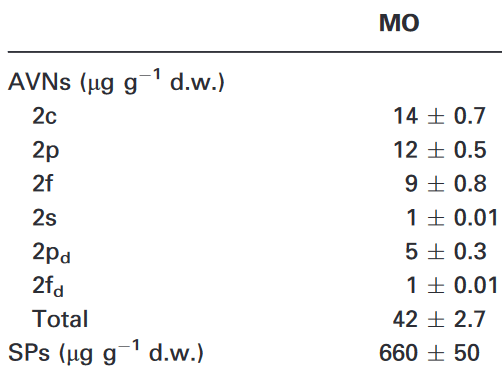
bioavailability avena nuda avn sp

A portion of 5B cookies provides 4.8 mg of AVNs, which is more than double a maximal daily AVN intake in oat consumers.”

https://ifst.onlinelibrary.wiley.com/doi/10.1111/ijfs.14020In vitro bioaccessibility of avenanthramides in cookies made with malted oat flours” (not freely available)


Every day I eat Avena nuda oats that start out as 82 grams of seeds, and two servings of 3-day-old Avena sativa oat sprouts that each start out as 20 grams of seeds. Using this second paper’s 50 gram Avena nuda methods to develop estimates:

avena nuda avn sp

  • (82 g / 50 g) x 42 µg = 69 µg total AVNs; and
  • (82 g / 50 g) x 660 µg = 1,082 µg soluble phenols.

My Avena nuda whole oat grain total AVNs and soluble phenol weights aren’t much. They aren’t bioavailability estimates. Their species and growing conditions are different from this second paper, etc.

That’s all okay with me. I eat Avena nuda oats primarily to make my trillion+ gut microbiota partners happy with indigestible-to-me whole grain contents, expecting that they will reciprocate.

Plugging in the study’s 3-day figures to estimate Avena sativa oat sprouts:

  • (40 g / 50 g) x 324 µg = 259 µg total AVNs; and
  • (40 g / 50 g) x 1350 µg = 1,080 µg soluble phenols.

Using the first graphic’s 3-day relative bioaccessibility percentages:

  • 259 µg x .28 = 72 µg total bioavailable AVNs; and
  • 1,080 µg x .41 = 442 µg bioavailable soluble phenols.

Both papers cited studies that found with eccentric exercise, “9.2 mg per day AVNs are sufficient to provide effects on exercise induced inflammation.” I exercise at least 30 minutes every day, but don’t perform eccentric exercises more frequently than every five days per Eat broccoli sprouts for your workouts.

Advantages of 3-day-old oat sprouts over oat grains provided methods comparable to my Avena sativa 3-day-old oat sprouts intake, although it didn’t assess bioavailability. Sprouts’ beneficial effects compared with seeds “were mainly related to their high content of avenanthramides A (2p), B (2f), and C (2c), quercetin 3-O-rutinoside [rutin], kaempferol, sinapoylquinic acid, and apigenin and luteolin derivatives.”

Couldn’t say whether I benefit more from bioavailability of 3-day-old oat sprouts’ directly soluble phenols, or from bioavailability of their phenolic breakdown byproducts provided by gut microbiota. For example, regarding oat sprouts rutin content, a 2019 review pointed out:

“Humans lack the enzyme needed to hydrolyze this bond. Consequently, microorganisms in the colon mediate hydrolysis of this rutinoside, resulting in minimal intestinal absorption, and production of phenolic acid metabolites in the colon.”


Osprey below a bird-like cloud

PXL_20220426_190518487

All about AGEs

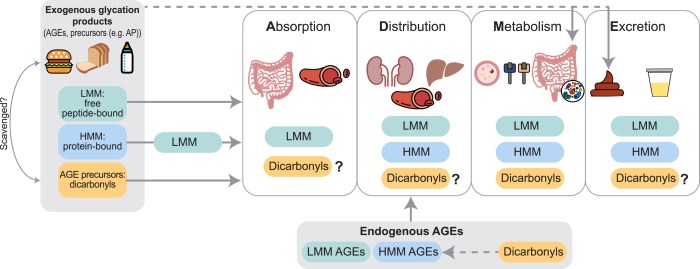
My 900th curation is a 2022 review by the lead author of Reversibility of AGEs concentrations that fleshed out details of advanced glycation end products (AGEs) topics:

“This review aims to provide a state-of-the-art overview of the toxicokinetics and toxicodynamics of endogenously formed and exogenous dietary AGEs and their precursors. AGEs are a heterogenous group of:

  • Low molecular mass (LMM) glycation products formed by reaction with a free amino acid residue and/or to dicarbonyl precursors; and
  • High molecular mass (HMM) glycation products formed by reaction with a protein-bound amino acid residue, including cross-linked products (i.e. when two amino acid residues are involved instead of one).

Cross-linking of body proteins results in:

  • Altered structure and function of the proteins;
  • Proteins are less easily degraded;
  • An increase in stiffness in tissues that are rich in these proteins, including arterial, lung tissue, joints, and extracellular matrix. Stiffness in these tissues has been associated with diseases including hypertension, cataracts, dementia, atherosclerosis, glomerulosclerosis, emphysema, and joint pain.

In endogenous formation of AGEs and their precursors, the same pathways as exogenous proceed via non-enzymatic reactions, although they occur at lower rates due to the lower physiological temperatures. In addition, specific endogenous AGE formation pathways include glycolysis and the polyol pathway active under hyperglycemic conditions.

Considering heterogeneity of glycation products, as also reflected in different ADME outcomes, AGEs and their precursors cannot be grouped together. Specific, individual information is required for a proper evaluation, especially considering ADME properties.

file:///D:/MYFILES/ELSEVIER/FCT/00112987/FINALXML/GRAPHICS/NATI

The role of exogenous HMM AGEs and precursors seems to be restricted by limited bioavailability to local effects on the intestine including its microbiota, unless being degraded to their LMM form. An important role is probably left for reactive (endogenously formed) dicarbonyl AGE precursors and as a consequence the endogenously formed AGEs.

The direct contribution of reactive dicarbonyl precursors to dicarbonyl stress and their indirect contribution to endogenous HMM AGE formation and subsequent AGE receptor activation remain to be further studied.”

https://www.sciencedirect.com/science/article/pii/S0278691522001855 “Differences in kinetics and dynamics of endogenous versus exogenous advanced glycation end products (AGEs) and their precursors”

Recent glucosamine research

Prompted by a conversation in Year Two of Changing to a youthful phenotype with sprouts, here are sixteen 2022 papers published in the last 45 days involving glucosamine. There are more researchers alive today than in the sum of human history, and they are compelled to publish.


Human research

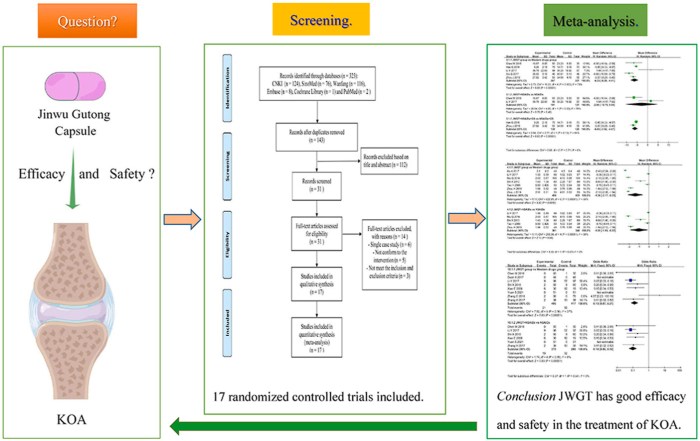
https://www.sciencedirect.com/science/article/pii/S0378874122002860 “The efficacy and safety of Jinwu Gutong capsule in the treatment of knee osteoarthritis: A meta-analysis of randomized controlled trials”

“The Jinwu Gutong (JWGT) capsule is a Chinese patent medicine that is widely used in the treatment of knee osteoarthritis (KOA) and osteoporosis in China and is considered to have the potential for good clinical efficacy. The application of JWGT combined with NSAIDs, hyaluronic acid, or glucosamine can significantly improve the clinical efficacy of the latter agents in KOA treatment.”
1-s2.0-S0378874122002860-ga1_lrg


https://link.springer.com/article/10.1007/s00330-022-08772-w “Breast cancer imaging with glucosamine CEST (chemical exchange saturation transfer) MRI: first human experience” (not freely available)

“This study aims to evaluate the feasibility of imaging breast cancer with glucosamine (GlcN) CEST MRI technique to distinguish between tumor and surrounding tissue, compared to the conventional MRI method. The results of this initial feasibility study indicate the potential of GlcN CEST MRI to diagnose breast cancer in a clinical setup.”


https://link.springer.com/article/10.1007/s10067-022-06105-2 “The comparison of curcuminoid formulations or its combination with conventional therapies versus conventional therapies alone for knee osteoarthritis” (not freely available)

“Curcuminoid formulations or its combination with conventional therapies has been used for the treatment of knee osteoarthritis. Evidence is limited due to small-sized clinical trials. This study aims to evaluate the efficacy of curcuminoid formulations or its combination with conventional therapies for KOA.”


Animal, chemical, and microbiota research

https://academic.oup.com/jmcb/advance-article/doi/10.1093/jmcb/mjac016/6548195 “Regulation of the urea cycle by CPS1 O-GlcNAcylation in response to dietary restriction and aging”

“O-linked N-acetyl-glucosamine glycosylation (O-GlcNAcylation) of intracellular proteins is a dynamic process broadly implicated in age-related disease, yet it remains uncharacterized whether and how O-GlcNAcylation contributes to the natural aging process. Our results identify CPS1 O-GlcNAcylation as a key nutrient-sensing regulatory step in the urea cycle during aging and dietary restriction, implying a role for mitochondrial O-GlcNAcylation in nutritional regulation of longevity.”


https://www.mdpi.com/2076-2607/10/3/626/htm “Laccase-Catalyzed Derivatization of Aminoglycoside Antibiotics and Glucosamine”

“The increasing demand for new and effective antibiotics requires intelligent strategies to obtain a wide range of potential candidates. The products protected mice against infection with Staphylococcus aureus, which was lethal to the control animals. The results underline the great potential of laccases in obtaining new biologically active compounds, in this case new antibiotic candidates from the class of aminoglycosides.”


https://iopscience.iop.org/article/10.1088/1748-605X/ac61fa “Gelatin-glucosamine hydrochloride/crosslinked-cyclodextrin metal-organic frameworks@IBU composite hydrogel long-term sustained drug delivery system for osteoarthritis treatment” (not freely available)

“Osteoarthritis (OA) is a disease of articular cartilage degradation and inflammation of the joint capsule. Combining anti-inflammatory therapy with nutritional supplement is an effective means for the treatment of OA. Mechanical properties, sustained drug release behavior, and good biocompatibility of G-GH/CL-CD-MOF@IBU composite hydrogel showed that it has potential application in OA treatment of long-term sustained nutritional supplement and anti-inflammatory synchronously.”


https://pubs.rsc.org/en/content/articlelanding/2022/FO/D1FO04086C “Glucosamine enhances proliferation, barrier, and anti-oxidative functions in porcine trophectoderm cells”

“Trophectoderm (TE) is the first epithelium that appears during mammalian embryogenesis, and is a polarized transporting single cell layer that comprises the wall of the blastocyst. Previous studies have revealed the functional roles of glucose (Gluc), fructose (Fruc), and glutamine (Gln), which play a positive role in porcine trophectoderm (pTr) cell proliferation and migration, suggesting the importance of nutrients for normal development of the conceptus and implantation.

This work was conducted to test the hypothesis that glucosamine (GlcN), which is synthesized from Gln and Fruc-6-phosphate through the hexosamine biosynthesis pathway, can stimulate proliferation and sustain the barrier and anti-oxidative functions of pTr cells. GlcN plays an important role in promoting proliferation and stimulating the mTOR cell signaling pathway, as well as ameliorating oxidative stress and augmenting barrier functions in pTr cells.”


https://pubs.acs.org/doi/10.1021/acschemneuro.2c00057 “O-GlcNAcase Inhibitor ASN90 is a Multimodal Drug Candidate for Tau and α-Synuclein Proteinopathies”

“Neurodegenerative proteinopathies are characterized by the intracellular formation of insoluble and toxic protein aggregates in the brain that are closely linked to disease progression. O-GlcNAcase prevents the removal of O-linked N-acetyl-d-glucosamine moieties from intracellular proteins and has emerged as an attractive therapeutic approach to prevent the formation of tau pathology.”


https://onlinelibrary.wiley.com/doi/10.1002/ctm2.762 “Glucosamine facilitates cardiac ischemic recovery via recruiting Ly6Clow monocytes in a STAT1 and O-GlcNAcylation-dependent fashion”

“Glucosamine (GlcN, 2-amino-2-deoxy-d-glucose) is a freely available and commonly used dietary supplement for human cartilage health, which hexosamine biosynthesis pathway and induces protein O-GlcNAcylation. GlcN early therapy (GlcN/E), which initiated 1 day before myocardial infarction (MI), effectively facilitated cardiac ischemic recovery. More importantly, short-term GlcN therapy initiated even 3 days post-MI (GlcN/L) was also sufficient to induce clear cardiac protection, suggesting that both GlcN/E and GlcN/L therapies effectively ameliorate post-MI cardiac dysfunction and scar formation.”


https://www.ncbi.nlm.nih.gov/pmc/articles/PMC9007349/ “Filling gaps in bacterial catabolic pathways with computation and high-throughput genetics”

“For many microbes, we know little about them beyond their genome sequences. We built an automated tool to identify gaps: transporters or enzymes that should be present, to explain how a bacterium uses a carbon source, but could not be found in the genome. By comparing these gaps to large-scale genetic data for 29 bacteria, we identified hundreds of novel transporters and enzymes, and a new metabolic pathway for consuming glucosamine.”


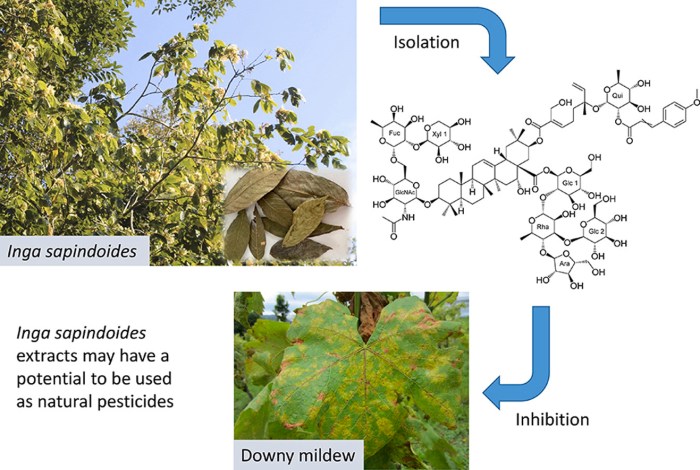
https://www.sciencedirect.com/science/article/pii/S0031942222000991 “Ingadosides A-C, acacic acid-type saponins from Inga sapindoides with potent inhibitory activity against downy mildew”

“As part of a project aiming at the discovery of environmentally friendly alternatives to copper in organic agriculture, a 96% ethanolic extract from the leaves of Inga sapindoides showed potent inhibitory activity against grapevine downy mildew. I. sapindoides, a tree which is often cultivated for shading coffee plantations in Central America, may represent a sustainable source of fungicidal products to be used in the replacement of copper.”
Microsoft PowerPoint - graphical abstract_revised


https://www.sciencedirect.com/science/article/abs/pii/S0378111922002840 “Aerobic exercise combined with glucosamine hydrochloride capsules inhibited the apoptosis of chondrocytes in rabbit knee osteoarthritis by affecting TRPV5 expression”

“This study aimed to investigate the effect of aerobic exercise combined with glucosamine on the apoptosis of chondrocytes of rabbit knee osteoarthritis by affecting the expression of TRPV5. Aerobic exercise combined with glucosamine hydrochloride capsules inhibited the apoptosis of chondrocytes in rabbit KOA by affecting the expression of TRPV5.”


https://pubs.rsc.org/en/content/articlelanding/2022/BM/D2BM00280A “Smart erythrocyte-hitchhiking insulin delivery system for prolonged automatic blood glucose control”

“Long and automatic control of blood glucose levels in diabetic patients could solve the problems caused by frequent insulin injections. Herein, we exploited the protection potential of erythrocytes by a ‘hitchhiking’ strategy to significantly prolong the blood circulation time of a specifically-designed smart hitchhiking insulin delivery system (SHIDS). In the SHIDS, insulin, glucose oxidase, and catalase were co-loaded into nanoparticles formed by modified chitosan. The free glucosamines in chitosan anchor glucose transporters on the surface of erythrocytes, allowing erythrocyte-hitchhiking in the blood flow.”


https://www.sciencedirect.com/science/article/abs/pii/S0308814621027825 “Maillard-reacted peptides from glucosamine-induced glycation exhibit a pronounced salt taste-enhancing effect” (not freely available)

“Reducing salt intake, as one of the most cost-effective approaches, is congruent with improved population health. Maillard-reacted peptides exhibited a significant salt taste-enhancing effect, which may be attributed to the glucosamine-induced glycation. The current study provides a theoretical basis for preparation of salt taste-enhancing peptides and their future application to reduce salt content of formulated foods.”


https://academic.oup.com/glycob/advance-article-abstract/doi/10.1093/glycob/cwac027/6572163 “Peptidoglycan from Akkermansia muciniphila Muc T: chemical structure and immunostimulatory properties of muropeptides” (not freely available)

“Akkermansia muciniphila is an intestinal symbiont known to improve the gut barrier function in mice and humans. Our results provide new insights into the diversity of cell envelope structures of key gut microbiota members and their role in steering host-microbiome interactions.”


Reviews

https://www.ncbi.nlm.nih.gov/pmc/articles/PMC9008999/ “Ruminal bacteria lipopolysaccharides: an immunological and microbial outlook”

“Lipopolysaccharides (LPS) are outer membrane components of Gram-negative bacteria made of three regions: the O-antigen; the core oligosaccharide; and a glucosamine disaccharide linked to hydroxy fatty acids, which is named lipid A. this review identifies numerous areas for future research, including setting the basis for future modeling and simulation of host microbiome interactions in ruminants.”


PXL_20220421_190224864