Plasmalogens, Part 3

The 2022 plasmalogen clinical trial mentioned in Parts 1 and 2 bypassed peroxisome metabolism of cognitively impaired people per discussion of the below diagram:

fcell-10-864842-g003

Increasing the body’s fasting state with time-restricted eating, and preventing muscle atrophy with resistance exercise, were offered as the two most important ways to improve peroxisomal function.

I didn’t find any relevant 2023 human studies (where I could access the full study) on different non-drug treatments that I was willing to do. A 2023 review outlined aspects of peroxisomes, to include a few older human studies:

“Peroxisomes are small, single-membrane-bound organelles, which are dynamic and ubiquitous. Peroxisomes directly interact with other organelles, such as endoplasmic reticulum, mitochondria, or lysosomes. Peroxisomes exert different functions in various cells through both catabolic and anabolic pathways.

The main functions of peroxisomes can be categorized as reactive oxygen species (ROS) metabolism, lipid metabolism, and ether-phospholipid biosynthesis. Peroxisomes also play important roles in inflammatory signaling and the innate immune response.”

1-s2.0-S2667325823001425-gr3_lrg

https://www.sciencedirect.com/science/article/pii/S2667325823001425 “Peroxisome and pexophagy in neurological diseases”


1. Since I haven’t recently tried the two main ways to improve peroxisomal function, I’ll give them a go over the next three months:

  • Expect to get my feeding timeframe to within eight hours. Don’t know about making it short like 6 hours, because my first meal of the day is 35 calories of microwaved cruciferous sprouts, then I wait an hour before eating anything else.
  • Resistance exercise progress should be measurable, as I recorded exercises during the first ten weeks of eating broccoli sprouts every day 3.5+ years ago.

2. Don’t know that I’ll recognize any cognitive improvements to the extent I did during Week 9.

  • I don’t have a young brain anymore, and I’m sure some decline could be measured in memory tests. But I’m not going to become a lab rat.
  • There’s an occasional annoyance that’s been going on for some time, especially when I’m distracted. It happens when I think of something to do, and it somehow becomes a short-term memory that I did it, instead of going into a Things To Do queue. It’s largely self-correcting. For example, regardless of what I paid, I’ll drive back to the grocery store self-checkout to retrieve a third bag that didn’t make it home. A pink-haired employee said young people leave their paid-for groceries behind all the time. It’s usually more of a reality disconnect for me than forgetfulness, because I have a memory that I performed the action. Definitely room for improvement.

3. Don’t know that I’d see biochemical changes such as some described in Part 1. Maybe I’ll move up an annual physical to compare it with the last one in May?

  • I already have very little oxidative stress, very little inflammation, low triglycerides, high HDL, and no major improvements are indicated on CBC / CMP / lipid panels.
  • Take supplements to ensure other things like acetylcholine neurotransmitter availability, one-carbon / methylation metabolism, vitamin / mineral adequacy.

4. I started the two Prodrome plasmalogen precursor supplements (ProdromeGlia and ProdromeNeuro) a week ago, and take their standard doses. My thought is that resultant plasmalogens won’t degrade very much if their primary use isn’t to immediately address oxidative stress and inflammation. That could give these extra plasmalogens a chance to make larger homeostatic contributions in myelin and membrane areas.

I don’t expect any particular effects to manifest. But I’m interested to see if these two areas would be affected:

  • My left ulnar nerve has been giving me problems for over five years, and several resistance exercises aggravate it. I’ve had two nerve continuity tests during that time to confirm. Numbness and pain are intermittent, though.
  • I still take acetaminophen several times a day for other pain.

None of the above treatments are specifically indicated. But if time-restricted feeding and/or extra plasmalogens have an effect on left ulnar or other pain, maybe I’ll be able to make better progress on resistance exercise.

Update #1 11/13/2023

Update #2 11/22/2023

Update #3 12/13/2023 comments

Update #4 1/30/2024

Update #5 3/31/2024

Plasmalogens, Part 2

This post compares Dr. Goodenowe’s clinical trial mentioned in Part 1 with other researchers’ human plasmalogen studies this decade. One of its findings was:

“Figure 1A illustrates that plasmalogen precursor DHA-AAG dose-dependently elevated both direct and indirect target species [DHA-PL, DHA-PE, and (LA + AA)-PL] and had no effect on levels of biochemically unrelated PE species index (LA + AA)-PE.

  • DHA-AAG had a greater elevating effect on its direct target, DHA-PL than its indirect targets.
  • The 1-month washout period resulted in decreased levels of both direct and indirect target species and no effect on unrelated PE species.

Figures 1A,B illustrate that DHA-AAG is converted to its direct and indirect target species in humans as predicted from animal studies on similar AAG plasmalogen precursors (Wood et al., 2011d).”

fcell-10-864842-g001A

Given this century’s background of numerous animal studies, there’s a need to know what translates to humans. Here are the three most recent human plasmalogen studies in descending order where I could access the full study:

2022

“Forty unmarried male students aged 18–22 years (20 in the plasmalogen group and 20 in the placebo group) were randomly allocated to either plasmalogen (2 mg per day) or placebo treatment of 4 weeks’ duration and ingested two capsules of 0.5 mg plasmalogen or placebo twice daily.

  • The primary efficacy outcome was the Total Mood Disturbance (TMD) T-score of POMS 2–Adult Short.
  • Secondary outcomes included the seven individual scales of POMS 2, other psychobehavioral measures (Athens Insomnia Scale and Uchida-Kraepelin test), physical performance test (shuttle run, grip muscle strength, and standing long jump), plasmalogen levels in plasma and erythrocytes, plasma levels of brain-derived neurotrophic factor (BDNF), urinary 8-hydroxy-2′-deoxyguanosine (8-OHdG), body mass index, and percent body fat.

Lipid composition of purified ether phospholipids from scallop is shown below. One capsule contained 0.48 mg of ethanolamine plasmalogen and 0.02 mg of choline plasmalogen. Plasmalogen and placebo capsules were prepared by a manufacturer (B&S Corporation, Tokyo).

fcell-10-894734-t001

There were no between-group differences in physical and laboratory measurements. It is suggested that orally administered plasmalogens alleviate negative mood states and sleep problems, and also enhance mental concentration.”

https://www.frontiersin.org/articles/10.3389/fcell.2022.894734/full “Orally Administered Plasmalogens Alleviate Negative Mood States and Enhance Mental Concentration: A Randomized, Double-Blind, Placebo-Controlled Trial”

There was no dose / response investigation, so there’s no data to corroborate that this 2 mg treatment produced these effects. It isn’t difficult to think of other factors that could influence the primary outcome of a 18-22 year-old unmarried male’s moods.


2020

“Effects of ascidian-derived plasmalogens on cognitive performance improvement were assessed in a randomized, double-blind, placebo-controlled study including Japanese adult volunteers age 45.6 ± 11.1 years with mild forgetfulness. An allocation controller who was not directly involved in the study equally, but randomly, assigned participants to either the intervention group (n=33) or the placebo group (n=33), based on normalized Cognitrax composite memory score (the primary outcome), sex, and age at time of screen. Participants were administered either one active capsule (200 mg medium-chain triglyceride (MCT) oil including ascidian plasmalogen oil) or placebo capsule (200 mg MCT oil) per day with water, any time during the day for 12 weeks.

Ascidian plasmalogen oil was extracted from ascidians (Halocynthia roretzi) and sold by NIHON PHARMACEUTICAL CO., LTD. Based on a previous study, 33% of lipids contained in ascidians are phospholipids, 23% of which are plasmalogens, and fatty acids of the sn-2 position of plasmalogens are mainly EPA, DHA, oleic acid, and arachidonic acid. The active capsule contains 1 mg plasmalogen.

Compared to the placebo group, the intervention group showed a significant increase score in composite memory (eight weeks: 3.0 ± 16.3 points, 12 weeks: 6.7 ± 17.5 points), which was defined as the sum of verbal and visual memory scores. These results indicate consumption of ascidian-derived plasmalogen maintains and enhances memory function.”

https://www.jstage.jst.go.jp/article/jos/69/12/69_ess20167/_article “The Impact of Ascidian (Halocynthia roretzi)-derived Plasmalogen on Cognitive Function in Healthy Humans: A Randomized, Double-blind, Placebo-controlled Trial”

Again no dose / response investigation, so no corroborating data. Standard deviations many times larger than a sample’s mean indicated wild variability (aka noise). Maybe intervention participants experienced memory loss (3.0 mean – 16.3 SD = -13.3; 6.7 mean – 17.5 SD = -10.8)? Yet statistics inferred a signal that allowed interpreting this treatment as producing meaningful positive changes in cognitive function.


“Ten Parkinson’s disease (PD) patients age 67.80 (7.41) years received oral administration of 1 mg/day of purified ether phospholipids derived from scallop for 24 weeks. Clinical symptoms and blood tests were checked at 0, 4, 12, 24, and 28 weeks. Blood levels of plasmalogens in patients with PD were compared with those of 39 age-matched normal controls.

B&S Corporation Co. Ltd. (Tokyo) was involved in provision of capsules containing ether phospholipids derived from scallop. Ethanolamine ether phospholipids (ePE) in plasma from PD and relative composition of ethanolamine plasmalogen (plsPE) of erythrocyte membrane in PD were significantly low as compared to those of age-matched normal controls.

Oral administration of purified ether phospholipids derived from scallop for 24 weeks increased plasma ePE and erythrocyte plsPE to almost normal levels, and concomitantly improved some clinical symptoms of patients with PD. Results indicate the efficacy of oral administration of purified ether phospholipids derived from scallop to some nonmotor symptoms of PD. Physiological mechanisms of the efficacy of purified ether phospholipid derived from scallop remained to be elucidated.”

https://www.hindawi.com/journals/pd/2020/2671070/ “Improvement of Blood Plasmalogens and Clinical Symptoms in Parkinson’s Disease by Oral Administration of Ether Phospholipids: A Preliminary Report

Again no dose / response investigation, so no corroborating data. These researchers asserted their 2017 study to be a plasmalogen gold standard, as did the other two above studies.

Here’s part of what Dr. Goodenowe said about that 2017 study in a 2019 review Plasmalogen deficiency and neuropathology in Alzheimer’s disease: Causation or coincidence?:

“They did not observe a significant elevation of plasma levels of plasmalogens in the treated group relative to the baseline. Lower dose of plasmalogens (1 mg twice daily) and the labile nature of the vinyl-ether bond might have limited absorption of the intact molecule and might have contributed to the lack of response in terms of plasmalogen levels in blood as well as the cognitive function. Reported instability of plasmalogens in acidic environments questions the stability of preformed plasmalogens in gastric juice during digestion which might reduce plasmalogen bioavailability.”

Also see Part 1’s explanation of why using age-matched controls in plasmalogen studies is ridiculous.

Continued in Part 3.

Plasmalogens, Part 1

The person who knows the most about this subject is Dayan Goodenowe, PhD. Some recent publications include:

https://www.frontiersin.org/articles/10.3389/fcell.2022.864842/full “Targeted Plasmalogen Supplementation: Effects on Blood Plasmalogens, Oxidative Stress Biomarkers, Cognition, and Mobility in Cognitively Impaired Persons”

https://www.frontiersin.org/articles/10.3389/fcell.2022.866156/full “Brain ethanolamine phospholipids, neuropathology and cognition: A comparative post-mortem analysis of structurally specific plasmalogen and phosphatidyl species”

plasmalogens and cognition


A sample of links freely available at https://drgoodenowe.com/.

1. Presentations to professional groups. Have your mouse ready to click the pause button.

https://drgoodenowe.com/dr-goodenowe-presents-at-the-iagg2023-in-yokohama-japan/ “A rare children’s disease that may be the key to reversing neurological decline in aging”

Includes videos of a treatment’s effects on a child.

https://neomarkgroup.wistia.com/medias/0qln0wy93t “The most influential biomarkers for aging and disease”

Despite the title, a considerable number of studies were presented on prenatal, infant, and early childhood development. He misspoke a few times, so read the slides.

Phenotype is reality. Genotype is possibility. Communications links between different fields are very poorly connected in science.

Peroxisomes are islands. They don’t have DNA like your mitochondria do. Peroxisomal transport issues are important things to understand.

All aging-related cross-sectional analyses are on the rate of decline. You’re declining from a previous well state. Age-matched controls are the most ridiculous thing to do.”


2. I’ll highlight the longest of several interviews because there was plenty of room to expand on points. Maybe the best detailed explanations came as responses to that interviewer challenging with contrasting AD, traumatic brain injury, and cholesterol paradigms. Its transcript is more accurate than a usual YouTube interpretation, but there are still mistakes such as “fossil lipid” vs. phospholipid.

https://www.betterhealthguy.com/episode186 “Plasmalogens with Dr. Dayan Goodenowe, PhD”

“Science is how do you push things to its failure, until you can’t fail it again. We’ve lost that. It’s become more hypothesis proving.

Plasmalogens levels go up for a different reason than people think. The reason why it peaks in our 40s and 50s is because we’ve been myelinating. The white matter of our brain is still increasing. It’s not because we’re making more plasmalogens. It’s because the lake, the reservoir, gets full. What you’re measuring in blood is overflow from the lake. The lower plasmalogens start trickling down in your blood, the bigger drain that’s occurring on that system.

Low plasmalogens don’t just predict dementia in the elderly population. It predicts the rate of decline of that dementia. It predicts the rate of death.

The biggest drivers of plasmalogen manufacturing and the biggest reasons why they decrease with age, or in other circumstances is two things. One, the failure to maintain a fasting state of the human body. The second one is muscle atrophy.

Amyloid has absolutely nothing to do with Alzheimer’s, or dementia. It’s just a bystander on the road watching an accident happen.

Age-related cognitive decline is clearly where plasmalogens have the greatest impact. You’re always going to have mixed pathologies in the brain.

Nutritional availability of plasmalogens is virtually non-existent. As soon as they hit the hydrochloric acid of your stomach, they’re gone. They don’t make it past the stomach, or the upper intestine.”


I came across Dr. Goodenowe’s work last month from clicking a comment on this blog that linked back to her blog. Always be curious.

Continued in Part 2.

Dietary choline

Two 2023 papers on choline intake, beginning with an analysis of 14323 people:

“Choline is an essential ingredient that is required for many biological processes in the human body, including formation of cell membranes, preservation of liver and kidney function, and production of neurotransmitters. For humans, only a small amount of choline can be endogenously generated through the liver. It is vital to supplement it in the diet to prevent deficiency.

Mean dietary choline intake was 316.5 ± 164.1 mg/d, and incidence of cardiovascular disease (CVD) was 8.8% in study participants.

nutrients-15-04036-g002

New findings of our study are as follow:

  1. In contrast to previous studies, higher dietary choline intake was associated with a lower incidence of CVD, especially incidence of stroke, in this large, nationally representative US population.
  2. The protective role of higher dietary choline intake was accompanied by reduced inflammation and heart rate.
  3. In the subgroup study, higher dietary choline intake – in participants aged ≥60 years, and in participants with BMIs < 30 kg/m2 – was found to be a protective factor for the presence of CVD.

Our results suggest that adequate choline intake acts against CVD, and choline deficiency should be avoided.”

https://www.mdpi.com/2072-6643/15/18/4036 “Association between Dietary Choline Intake and Cardiovascular Diseases: National Health and Nutrition Examination Survey 2011–2016”


A randomized control trial investigated choline intake effects on resistance exercise training:

“Choline plays crucial roles in several physiological processes, such as:

  • Neurotransmission, muscle contraction, and force generation via synthesis of chemical messenger acetylcholine;
  • Lipid transport via lipoprotein synthesis; and
  • Methyl-group metabolism as a precursor to betaine.

It supports cell membrane integrity/function as a precursor to phosphatidylcholine. Choline may also affect muscle responses to exercise via betaine, which is important for gene expression/protein synthesis.

The present study determined effects of different amounts of choline intakes (approximately 50%, 70%, and 120% of Adequate Intake (AI)) on muscle responses to resistance exercise training (RET). Three groups of 50-to-69-year-old healthy adults underwent a 12-week RET program, and submitted >48 diet logs (>4x/week for 12 weeks). Participants were randomly assigned to one of three choline groups in a double-blind manner: zero additional egg yolk (low), one additional egg yolk (medium = med), or three additional egg yolks (high) per day. 

nutrients-15-03874-g003

  • We found that low choline intake (~51% of AI) resulted in diminished strength gains compared to choline intakes of ~68% or ~118% of AI.
  • We observed that a high choline intake (greater than AI) did not provide additional positive effects on RET responses.
  • Together with choline, betaine was independently associated with change (%) in composite strength, suggesting that multiple mechanisms are at work.
  • There was no effect of choline consumption on any blood lipids and lipoproteins, indicating that a moderately low choline intake may not negatively affect blood lipid profiles.
  • Dietary cholesterol did not contribute much to variability of strength gains.

The consistency of about 50% of AI is particularly significant, as much as 40% of the older population is consuming this low level of choline where there are no overt clinical signs of deficiency, and considering potential effects of choline on age-associated loss of muscle function. This research was supported by U.S. Poultry and Egg Association.”

https://www.mdpi.com/2072-6643/15/18/3874 “The Effect of Choline and Resistance Training on Strength and Lean Mass in Older Adults”


For over a decade, I supplemented phosphatidylcholine via a small amount of lecithin every day. I stopped that three years ago when I started supplementing betaine, thinking that I wouldn’t need as much choline oxidized to plentiful betaine.

Don’t have any choline blood tests to indicate whether or not that has been the right decision. It seems like there’s more risk than reward in continuing, though, so I’ll restart 1200 mg lecithin next week at $.07 a day. That provides about the same amount of choline as does one egg.


Rocket launch followed by telemetry plane

PXL_20231027_110928061

Activate Nrf2 to improve arthritis

This 2023 rodent study cited Eat broccoli sprouts for arthritis to test a Nrf2 activator’s effects on rheumatoid arthritis:

“We show that activation of Nrf2 efficiently improves arthritis of SKG mice, which develop T cell-mediated autoimmune arthritis by zymosan A injection. Oral administration of CDDO-Im, a representative chemical inducer of Nrf2, had effects of both prevention and treatment toward arthritis of SKG mice in an Nrf2-dependent manner.

1-s2.0-S0891584923005452-gr9_lrg

We also found that Nrf2 activation through myeloid-cell lineage-specific Keap1 disruption did not achieve significant improvement in arthritis of SKG mice. Systemic Nrf2 activation or Nrf2 activation in other lineage cells including T cells, B cells and fibroblast-like synoviocytes linage cells is important for improvement of rheumatoid arthritis.

We propose that Nrf2 activation is an efficient therapeutic approach for rheumatoid arthritis.”

https://www.sciencedirect.com/science/article/pii/S0891584923005452 “Nrf2 activation improves experimental rheumatoid arthritis”


PXL_20231025_111742952.TS_exported_17109_1698426337632

A flawed broccoli microgreen study

Sometimes I wonder why knowledgeable researchers design studies they know are wastes of time and resources, yet they perform them anyway. I’ll stop at three items this 2023 human study did that these researchers knew weren’t right.

1. Subjects’ bioavailable sulforaphane amounts from a single 16-gram serving of broccoli microgreens weren’t going to be anywhere near the lab-created sulforaphane amount. Human bioavailability doesn’t work like that, and a broccoli microgreens serving needed to be at least doubled in order to be within achievable range of other studies.

There wasn’t any reason in the Discussion section to waste the reader’s time with guesses about finding “Total mean urine SFN metabolite excretion over the 2-day study was 50.5 ± 2.7 μmol..total excreted SFN metabolites was less than the 100 µmols consumed.” They knew.

total urine sfn metabolites

2. If these researchers wanted to improve subjects’ broccoli microgreen bioavailability, consume a serving by itself, not with bagels and orange juice. Okay, a small amount of broccoli microgreens first thing in the morning probably doesn’t taste all that pleasant. But subjects couldn’t do this one time?

I’ve eaten cruciferous 3-day-old sprouts (after microwaving them to create sulforaphane and other isothiocyanates) by themselves to start my day every day for three and a half years now, eating nothing else before, then waiting an hour after. Like my healthspan depends on it.

3. They cited three studies that found eating broccoli for a minimum of fourteen consecutive days changed gut microbiota composition. It’s silliness to analyze why a single serving didn’t have similar effects. If this study’s design was of suitable length, they could have produced the same finding from Day 1 measurements.


So what’s this dumbing down of sulforaphane research all about?

  • Is it that researchers just aren’t serious about advancing their field?
  • Do they have to burn through funding regardless of flawed designs to keep people employed?
  • Some kind of academic equity requires the least knowledgeable person to be in charge?
  • Or do problems with wastes of research resources lie elsewhere?

https://www.mdpi.com/2304-8158/12/20/3784 “Sulforaphane Bioavailability in Healthy Subjects Fed a Single Serving of Fresh Broccoli Microgreens”

If professionals in medical-related fields cared about people, they would..

Last month I came across an immune system inflammation biomarker I hadn’t known about, suPAR (soluble urokinase plasminogen activator receptor). This subject went into a queue of things I also didn’t know about, and I got around to looking at its 2023 research earlier this week.

It turns out suPAR was discovered in 1991. How some suPAR evidence fits into a segment of existing medicine and research will bore you to tears if you read https://www.mdpi.com/1422-0067/24/15/12376 “Plasminogen System in the Pathophysiology of Sepsis: Upcoming Biomarkers” up through Section 4.4. But it does thoroughly explain what suPAR is.

ijms-24-12376-g001

This paper managed to avoid addressing the point of 2018’s The arrogance of a paradigm exceeding its evidence as well as epigenetic findings of 2023’s Sex hormones and epigenetic clocks. I couldn’t find a better 2023 suPAR starting point, though.

Other 2023 suPAR papers bickered and equivocated using speech constrained by researchers wanting to keep their jobs and add to their CV. How about publishing papers telling the truth about whether or not quality medical care was provided using suPAR inflammation information? Since inflammation’s progression with disease or age isn’t exactly a mystery, what are suPAR’s prospects?


The most heartening 2023 paper I read provided good guidance for young adults:

“For verification of predicted correlations between plasma levels of suPAR and cardiovascular risk factors in younger populations, the current study analyzed data from young and healthy adults aged 25–41 years. A statistically significant inverse correlation between suPAR plasma levels and the HDL serum levels was found in male and female populations, as well as higher suPAR plasma levels in smokers compared to nonsmokers and past smokers.

A major strength of our study is the young and healthy study population lacked any relevant comorbidities, thus minimizing possible interference by unknown confounders. Investigating correlations of biomarker suPAR with cardiovascular risk factors and overall cardiovascular risk in a young and healthy population is important, since preventive measures to reduce the burden of cardiovascular risk factors and diseases should take place before irreversible damage is set.”

https://www.mdpi.com/2075-4418/13/18/2938 “The Association of suPAR with Cardiovascular Risk Factors in Young and Healthy Adults”

Higher suPAR in this study indicated preclinical symptoms with low-grade inflammation. If young adults ignore this signal, and don’t individually take responsibility for their own one precious life by investigating inflammation’s source, they may not be able to reverse later clinical conditions of many inflammation-related diseases.


The most disheartening paper provided details about how suPAR biomarkers continue to be ignored:

“We find that as a prognostic biomarker suPAR is challenged in it becoming as an object for clinical practice in the emergency department by the power of diagnostic practices and the desire for experience-based scripts that quickly enable the clinician to reach the right diagnosis. Although suPAR is enacted as a promising triage strategy suggesting a low or high risk of disease, the inability to rule out specific diagnoses and producing the notion of secure clinical actions make its non-specificity and prognostic character problematic in clinical practices.”

https://link.springer.com/article/10.1057/s41292-022-00296-2 “Challenges facing the clinical adoption of a new prognostic biomarker: a case study”

Didn’t agree with philosophical abstractions throughout this paper regarding a “new” biomarker from 1991.


PXL_20231019_111839463

Canadian Thanksgiving

Canadians were in dire straights yesterday, needing something to not be depressed about. It isn’t that US citizens are less depressed, but we have our Bill of Rights 1st and 2nd amendments that we adhere to.

Several of the people on this three and a half hour conversation were Canadians. Will you listen to them?

I learned a lot, such as possible transgenerational inheritance of effects from worldwide coerced actions. Bhakdi shortly after the 1 hour 6 min point was the easiest to understand, and also the scariest.

So what were you thankful for yesterday? Exposing facts?


PXL_20230928_222908973

But their taste

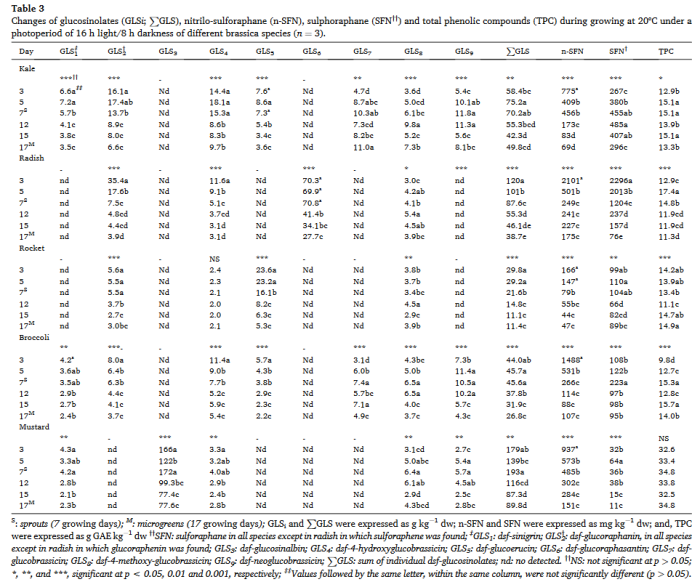
Two 2023 human studies of cruciferous vegetables’ consumer acceptance, starting with five species’ 7-day-old sprouts and 17-day-old microgreens:

“Sensory chemistry of Brassicaceae species is complex, reaching gustatory, olfactory, and pain nerves and receptors. Among organosulfur compounds, glucosinolates, their hydrolysis compounds, and sulfur-volatile compounds are responsible for their taste, aroma, and trigeminal characteristics (mainly, bitter taste, sulfurous aroma, and pungency/spicy sensations, respectively).

This work compared the sensory profiles and consumer acceptance between (S)prouts vs (M)icrogreens of the same species (kale, radish, rocket, broccoli, and mustard) under the same growing conditions, correlating them with phytochemical composition. On each sampling day (3, 5, 7, 12, 15, and 17 days), S&M were harvested, frozen, and freeze-dried for further analysis.

Previous studies reported the decrease of glucosinolates and sulforaphane from day 4 of germination. Previous studies also indicated that designing crop improvement strategies for sensory traits based on ∑GLS content would be flawed, as it does not consider relative differences in sensory characteristics of different GLSs and isothiocyanates, nor contributions from other GLS hydrolysis products.

table 3

Consumers tested 5 brassica species’ 7-day-old sprouts and 17-day-old microgreens. Each consumer was served ∼ 10 g of each sample coded with 3-digit numbers and the questionnaire. Water and unsalted crackers were provided between samples for palate cleaning.

Consumers were asked to taste each sample, express their overall liking and ‘attribute’ liking using a 9-point hedonic scale (1 = dislike extremely, 5 = neither like nor dislike, and 9 = like extremely). The question ‘How much do you like the ‘attribute’ of this sample?’ was used for global satisfaction/overall, and different attributes (appearance, leaves color, hypocotyl color, size, bitterness, spicy, astringency, herbal-vegetal and ID flavor).

  • Differences among samples depended more on brassica species than growing stage (S&M).
  • In rocket S&M, no attributes were found in the critical corner. RocketS and RocketM were also characterized by the lowest values of ∑GLS. RocketS presented the highest GLS5 glucoerucin content, which does not have bitter taste.
  • Although no differences were found in global, bitterness, and spicy consumer satisfaction degree between S&M of radish and mustard species, penalty analysis indicated a need to improve excess intensity of bitterness and spicy in RadishS and MustardS.

4 out of 5 sprout samples needed improvements, while only 2 out of 5 microgreens samples needed improvements. Sprouts are richer in organosulfur compounds than microgreens, although it depends on the species.

An interesting research line would be to study odor-active compounds of these products and link them with consumer preferences. Other vegetable crops could be included, such as cereals and legumes.”

https://www.sciencedirect.com/science/article/pii/S0925521423001722 “How does the phytochemical composition of sprouts and microgreens from Brassica vegetables affect the sensory profile and consumer acceptability?”


This study treated all conditions to 16 hours light/8 hours darkness throughout. If I wanted naturally developed sprouts at Day 7, I’d follow other studies’ methods and keep germinating seeds in darkness through Day 3 to simulate their natural below-ground conditions, then provide white or blue light after Day 3. So I consider this study’s 7-day-old and 17-day-old sprouts to be both microgreens because they got their leaves at Day 3.

Hadn’t thought of a pain aspect to eating sprouts before reading this study. I’d guess a consumer’s hedonic rating of “dislike extremely” would correspond.

I switched to equal starting weights of broccoli, red cabbage, and mustard seeds 2+ years ago during Week 56 to produce 3-day-old sprouts. That combination takes the edge off individually unpleasant attributes while preserving their beneficial effects.

Couldn’t do that with radish sprouts earlier this year. I might try again if my right thumb doesn’t stop hurting, after I find a tactic that tones down their intensity.


An association analysis of 2129 adults aged 40–80 years found:

“The proportion of participants who ate cruciferous vegetables over two days was 29.5% among bitter tasters, significantly lower than that (35.7%) among non-tasters (P = 0.04) after adjustment of age, gender, race/ethnicity, dietary energy intake, physical activity, education, smoking, and income levels.

cruciferous veg intake and obesity

Bitter taste sensitivity was associated with less consumption of cruciferous vegetables and a high likelihood of obesity, which may mediate its association with diabetes.”

https://pubs.rsc.org/en/content/articlelanding/2023/FO/D3FO02175K “Bitter taste sensitivity, cruciferous vegetable intake, obesity, and diabetes in American adults: a cross-sectional study of NHANES 2013–2014” (not freely available)


PXL_20231007_111348698

Bridging Nrf2 and autophagy

Three more 2023 papers that cited Precondition your defenses with broccoli sprouts, starting with a review:

“Examining crosstalk between Nrf2 antioxidant signaling and autophagy provides insights into how they are interconnected and proteins that mediate their communication. These factors are potential therapeutic targets for diseases with both autophagy dysfunction and oxidative stress.

A working model illustrates mechanisms of bridging factors (SQSTM1, TFEB, Sestrin2, TRIM16, Ca2+, and miRNAs) connecting autophagy (left) and the main antioxidant Nrf2-Keap1-ARE pathway (right) and feedback loops between these factors.

fcell-11-1232241-g003

  • A network forms that connects Nrf2, SQSTM1, TFEB, and mTOR.
  • Other non-canonical autophagy regulatory proteins like Sestrin2 and tripartite motif-containing protein 16 (TRIM16) also participate in regulation of Nrf2 and mTOR via direct or indirect interactions.
  • Ca2+ is the most widespread intracellular messenger whose role in autophagy has been studied extensively.
  • At post-transcriptional level, microRNAs have been reported to impact both the regulation of autophagy and Nrf2 antioxidant signaling.

Since these regulatory proteins seem intricately entangled, potential side effects in practical scenarios should also be taken into consideration. Further studies on understanding the complex crosstalk between autophagy and antioxidant pathways are yet to be conducted.”

https://www.frontiersin.org/articles/10.3389/fcell.2023.1232241/full “An update on the bridging factors connecting autophagy and Nrf2 antioxidant pathway”


A second review subject was improving autophagy:

Lysosomes are crucial degradative organelles that maintain cellular homeostasis. During the pathogenesis of neurodegenerative diseases and aging, functions of lysosomes are impaired, and lysosomal degradative capacity is consequently reduced.

Transcription factor EB-mediated lysosome biogenesis enhances autolysosome-dependent degradation, which subsequently alleviates neurodegenerative diseases. Small-molecule compounds that enhance TFEB activity and lysosome biogenesis are potential therapeutic agents.”

https://journals.lww.com/nrronline/fulltext/2023/11000/enhancement_of_lysosome_biogenesis_as_a_potential.7.aspx “Enhancement of lysosome biogenesis as a potential therapeutic approach for neurodegenerative diseases”


A third review tied mitochondrial participation into these processes:

“Mitochondria play an essential role in neural function, such as supporting normal energy metabolism, regulating reactive oxygen species, buffering physiological calcium loads, and maintaining the balance of morphology, subcellular distribution, and overall health through mitochondrial dynamics. Given recent technological advances in the assessment of mitochondrial structure and functions, mitochondrial dysfunction has been regarded as the early and key pathophysiological mechanism of cognitive disorders.

Mitochondrial dysfunction caused by acute and chronic brain injury is difficult to be distinguished because they may exhibit similar structural and functional impairments. Mitochondrial physiological function and morphology are integral, so when one is damaged, the other is also involved.

We recommend that all of the above methods can be used to explore mitochondrial dysfunction in different pathological pathways of cognitive disorders. Results may be related to special pathological pathways, sensitivity of the method, experiment cost, and degree of proficiency.”

https://journals.lww.com/nrronline/fulltext/2024/04000/latest_assessment_methods_for_mitochondrial.18.aspx “Latest assessment methods for mitochondrial homeostasis in cognitive diseases”


PXL_20231003_110600182

Three years after

A delayed commemoration of Week 9 of Changing to a youthful phenotype with broccoli sprouts:

Yes, Awakening continues to be a common occurrence due to continuous broccoli compound intake. Understanding what I didn’t understand yesterday. Noticing what I couldn’t see yesterday. I’m sure there’s more to go.

Appreciate last week’s experiences with people associated with my fourth grandchild’s birth. So miraculous, so beautiful that everything happened when it needed to. She’s perfect.

The current idiocracy prohibits saying anymore.


Ripe wild persimmons. They really taste good if you wait until they’re completely ripened.

PXL_20231003_111355807

Ergothioneine dosing

Four 2023 papers that outlined or used different ergothioneine doses, starting with a human/rodent study:

“We found that cognitive function and hippocampal neurogenesis were lower in mice fed an ERGO-free diet than in those fed the control diet. Mice fed an ERGO-free diet were orally administered ERGO (0, 2, and 20 mg/kg) for two weeks which reversed these effects.

trkb ratio

Phosphorylated brain-derived neurotrophic factor receptor TrkB, the activated form of TrkB, was also detected in extracellular vesicles (EVs) derived from serum samples of 52 volunteers who had been orally administered ERGO-containing tablets (5 mg/day for 12 weeks). The ratio of serum EV-derived phosphorylated TrkB was significantly higher in the ERGO-treated group than in the placebo-treated group and was positively correlated with both serum ERGO concentrations and several cognitive domain scores from Cognitrax.

cognitrax

The ratio of p-TrkB to TrkB in serum EVs was proposed as a quantitative diagnostic marker of long-term ERGO-induced cognitive improvement.”

https://www.researchsquare.com/article/rs-2626422/v1 “TrkB phosphorylation in serum extracellular vesicles correlates with cognitive function enhanced by ergothioneine in humans”

Human equivalents of all rodent ergothioneine doses were higher than the 5 mg/day for 12 weeks 2020 human study, cited as Reference 21. I couldn’t access that paper, so here’s its Abstract:

Effect of ergothioneine on the cognitive function improvement in healthy volunteers and mild cognitive impairment subjects – a randomized, double-blind, parallel-group comparison study

“These results indicate that continuous intake of ergothioneine improves cognitive function in healthy subjects.”


A rodent study compared effects of a fermented product with 0.1 and 1.0 mg/g (human equivalent 6 mg (1 mg x .081) x  70 kg) ergothioneine doses:

“Our present study demonstrated for the first time the preventive effect of Rice-koji fermented extracts made by Aspergillus oryzae on anxiety, impaired recognition, and nociception using a psychophysically stressed model. Our results also demonstrated preventive effects of ergothioneine (EGT) on stress-induced anxiety- and pain-like behaviors.

Daily administration of High dose Rice-koji or 0.1 mg/kg EGT decreased anxiety- and pain-like behaviors. These findings suggest that inhibitory effects of Rice-koji on psychological stress might be mediated through the actions of EGT.”

https://www.mdpi.com/2072-6643/15/18/3989 “Preventive Roles of Rice-koji Extracts and Ergothioneine on Anxiety- and Pain-like Responses under Psychophysical Stress Conditions in Male Mice”


Here’s one of several reviews that cited a 2017 clinical trial (duplicately Reference 39 and 61 for some reason) of 5 and 25 mg ergothioneine doses:

“In this pharmacokinetic study, forty-five healthy humans received placebo, 5, or 25 mg encapsulated ergothioneine/d for 7 d and were followed up for an additional 4 weeks. Ergothioneine was rapidly absorbed and largely retained by the body, with large increases in plasma ergothioneine levels and only minimal increases (<4 %) in urinary excretion observed. While plasma levels of ergothioneine decreased when supplementation was withdrawn, levels in whole blood continued to increase in a dose–response fashion, reaching maximal levels 3 weeks after withdrawal of supplement, which were sustained at 4 weeks follow-up.

A large difference in basal concentrations of ergothioneine in whole blood was observed. Participants with the highest basal levels of ergothioneine also appeared to take up more of supplemented ergothioneine.”

https://www.cambridge.org/core/journals/british-journal-of-nutrition/article/ergothioneine-an-underrecognised-dietary-micronutrient-required-for-healthy-ageing/92CED7FF201A9FB23BEAFF0D3EAD7316 “Ergothioneine: an underrecognised dietary micronutrient required for healthy ageing?”


Wrapping up with a deep dive into seven mushroom varieties’ compounds:

“Mushrooms contain multiple essential nutrients and health-promoting bioactive compounds, including amino acid L-ergothioneine. We compared metabolomes of fresh raw white button, crimini, portabella, lion’s mane, maitake, oyster, and shiitake mushrooms using untargeted liquid chromatography mass spectrometry (LC/MS)-based metabolomics.

Results indicate significantly higher concentrations of L-ergothioneine in lion’s mane and oyster mushrooms compared to the remaining five mushroom varieties, which had concentrations ranging from 1.94 ± 0.55 to 5.26 ± 1.23 mg/100 g wet weight (mean ± SD). There was also variability in concentration of L-ergothioneine between mushroom varieties of the same farm. Different numbers denote significance (p < 0.05).

foods-12-02985-g008

Mushrooms and their bioactive extracts are considered functional foods. Mushrooms have several bioactive compounds, including polysaccharides, lectins, terpenoids, sterols, and alkaloids, among others, which may positively impact health.

Cell walls of mushrooms contain polysaccharides, including β-glucans and chitin, which positively affect health, through modulating the immune system and protecting the cardiovascular system through improvements in glucose and lipid metabolism. Effects on the cardiovascular system are also attributable to lovastatin and polyphenols, known for their lipid-lowering and antioxidant properties, respectively.

While the 1344 compounds in common among the seven mushroom varieties support some level of similarity, detection of hundreds of unique-to-mushroom-variety compounds and differences in amino acid profiles indicate that not all mushrooms are chemically comparable. Given detection of >400 unique-to-mushroom-variety compounds in lion’s mane, maitake, oyster, and shiitake mushrooms, we suggest further targeted investigations on compounds detected and potential health benefits.”

https://www.mdpi.com/2304-8158/12/16/2985 “Metabolomics Profiling of White Button, Crimini, Portabella, Lion’s Mane, Maitake, Oyster, and Shiitake Mushrooms Using Untargeted Metabolomics and Targeted Amino Acid Analysis”

I eat around 200 grams of mushrooms daily, having temporarily overridden the boredom of eating AGE-less chicken vegetable soup every day. I prep all the top package’s frozen umami bomb (283 grams) and half of the bottom’s fresh mushrooms (340 grams) into the soup:

PXL_20230921_193708552

It makes servings for three days, including one for prep day dinner. I’d guess from “concentrations ranging from 1.94 ± 0.55 to 5.26 ± 1.23 mg/100 g (mean ± SD)” that my daily mushroom ergothioneine dose is around 7 mg ((1.94 mg + 5.26 mg) / 2) = 3.6 mg per 100 grams x 2 (for 200 grams).

Continued in Part 2.

Chondroitin sulfate dosing

Four 2023 papers with different chondroitin sulfate doses, starting with a review:

“This article aims to provide an up-to-date view of current literature regarding biological effects and efficacy of chondroitin sulfate (CS), and discusses the quality of available CS supplements and the current direction in CS investigation.

A meta-analysis published in 2019 concluded that CS had small to moderate effectiveness in reducing osteoarthritis (OA)-related pain, with larger dosages (1200 mg/d) having greater benefits than smaller dosages. This meta-analysis concluded that CS had only a minimal effect on joint space narrowing and no effect on cartilage volume.

Chondroitin sulfate effects on osteoarticular tissues

cs effects on oa

GAG: glycosaminoaglycans; HA: hyalouronic acid; TIMP: tissue inhibitor of metalloproteinase; MMP: metalloproteinase; ROS: reactive oxygen species; RANKL: receptor activator of nuclear factor kappa-Β ligand; JNK: c-Jun N-terminal kinase; PGE2: prostaglandin E2; Erk: extracellular signal-regulated kinases

This review concludes that pharmacologic-grade CS supplements may have clinically significant benefits when properly standardized. However, high-quality evidence from properly designed clinical trials is still needed to draw definitive conclusions about clinical efficacy in OA.”

https://www.cureus.com/articles/162218-chondroitin-sulfate-supplements-for-osteoarthritis-a-critical-review#!/ “Chondroitin Sulfate Supplements for Osteoarthritis: A Critical Review”


A rodent study induced arthritis, then investigated treatment effects of daily glucosamine sulfate (GS, 300 mg), CS (300 mg, a human equivalent dose of 3.4 grams ((300 mg x .162) x 70 kg), and GS+CS = GC combination:

“Rheumatoid arthritis (RA) is an autoimmune disease that affects joints primarily, causing cartilage and bone degeneration as well as functional disability. This study found that both GS and CS could reduce symptoms of RA-related joint inflammation and swelling to some extent, with the effect of GC being more apparent, providing a theoretical foundation for expanding usage of GS and CS.

We discovered that gut bacteria enriched in the RA model were mostly strongly correlative with pro-inflammatory cytokines, right paw volume, and pathological score using correlation analysis. After GS, CS, and GC intervention, these bacteria enriched in the RA model recovered, with GC having the most apparent beneficial impact.

12986_2023_735_Fig1_HTML

Gut microbiota dysbiosis could be recovered before improvement of joint symptoms after intervention. Our findings also indicated that GC might inhibit LPS-producing bacteria and activation of the TLR-4/NF-κB pathway, alleviating RA-induced joint inflammation and ameliorating joint swelling and injury.”

https://nutritionandmetabolism.biomedcentral.com/articles/10.1186/s12986-023-00735-2 “Combined treatment with glucosamine and chondroitin sulfate improves rheumatoid arthritis in rats by regulating the gut microbiota”

A human equivalent of this study’s treatment duration using the maximum lifespan method is (36 days x 32.2) = 1159 days or 38.6 months.


A rodent study worked backwards from a 70 mg/kg daily human CS dose (70 mg x 70 kg = 4.9 grams):

“A female rat model of osteoporosis was established by feeding a low-calcium diet. Intestinal microbiota abundance, fecal and plasma metabolite expression levels of rats fed a basal diet (N), a low-calcium diet (C), a low-calcium diet plus calcium carbonate (Ca), and a low-calcium diet plus chondroitin sulfate (CS) were compared.

Results showed that compared with the low calcium group, calcium content and bone mineral density of femur were significantly increased in the calcium carbonate and chondroitin sulfate groups. In addition to estrogen, low testosterone bioavailability may also be more likely to lead to fracture. Levels of plasma testosterone and stearic content in normal feeding rats were significantly higher than those in the other groups, indicating that plasma testosterone and stearic content in feces of normal feeding rats were decreased due to long-term low calcium levels, and supplementation of calcium and CS could not be recovered.

testosterone

Chronic low-grade inflammation has been identified as the root cause of many diseases, including osteoporosis. We identified bacteria and metabolites behind this change, especially lipid metabolism, and discussed their relevance to bone health.

According to previous studies, as a human therapeutic agent, CS alone has low bioavailability, which is only about 0–13% of total oral intake. This study provides a new strategy to elucidate the molecular mechanism of osteoporosis and to search for potential biomarkers.”

https://nutritionandmetabolism.biomedcentral.com/articles/10.1186/s12986-023-00726-3 “Chondroitin sulfate alleviates osteoporosis caused by calcium deficiency by regulating lipid metabolism”

A human equivalent of this study’s treatment duration is (8 weeks x 32.2) = 257.6 weeks or 5 years.


A rodent study made old female rats out of young female rats by removing their ovaries, then tested different osteoporosis treatment effects:

“In this study, CS oligosaccharides (CSOs) were enzymatically prepared through the lysis of CS by a chondroitinase from Microbacterium sp. strain.

  • 12 weeks’ intragastric administration of Caltrate D (250 mg/kg/d), CS or CSOs (500 mg/kg/d, 250 mg/kg/d, 125 mg/kg/d) could regulate disorder of serum indices, recover mechanical strength and mineral content of bone, improve cortical bones’ density and the number and length of trabecular bones in OVX rats.
  • Both CS and CSOs in 500 mg/kg/d and 250 mg/kg/d could restore more efficiently serum indices, bone fracture deflection and femur Ca than Caltrate D.
  • As compared with CS at the same dosage, CSOs exhibited a more significant alleviating effect. The possible reason might be that the lower molecular weight of CSOs facilitated body absorption and thereafter bioactivity improvement.”

1-s2.0-S0753332223006844-ga1_lrg

https://www.sciencedirect.com/science/article/pii/S0753332223006844 “Enzymatic preparation of chondroitin sulfate oligosaccharides and its alleviating effect on ovariectomy-induced osteoporosis in rats”

A human equivalent of the above-pictured high CS 500 mg daily dose is (500 mg x .162) x 70 kg = 5.7 grams. A human equivalent of this study’s treatment duration is (12 weeks x 32.2) = 386.4 weeks or 7.4 years.


PXL_20230914_105240566.TS_exported_7700_1695054032361

Drying broccoli

This 2023 study evaluated five broccoli drying methods for their effects on compounds:

“Low-temperature vacuum drying (LTVD) has shown great potential for drying vegetables. In this study, the LTVD effect on several relevant bioactive compounds, anti-inflammatory activity, and anti-proliferative activity of broccoli were comparatively evaluated with other drying methods, including vacuum drying (VD), convective drying (CD), infrared drying (IRD), and freeze drying (FD).

Higher values of TPC were found in the samples from LTVD, CD and FD, and no significant difference was determined among them (p > 0.05). Since both LTVD and FD operate under a low temperature and vacuum environment, TPCs were less affected by heating and oxygen. Higher temperatures applied during CD may have also reduced TPC degradation due to shorter exposure time of the sample to adverse effects of temperature, light, and oxygen.

Temperatures of VD, CD, and IRD methods were set at 60 °C, a temperature at which myrosinase still remained active. Although drying time of the CD method resembled the IRD method, content of SFN was diminished to a greater extent during IRD. Infrared energy absorbed by food material in different layers generates vibrating movements of water molecules and causes them to fluctuate to produce heat.

broccoli compounds

  • LTVD method showed the best results in retention of heat-sensitive phenolic compounds (chlorogenic and ferulic acids), whereas CD was helpful to enhance SFN content.
  • LTVD extracts performed better regarding anti-inflammatory effects on AA-induced ear edema, while CD extracts were somewhat more active against MDA-MB-231 breast adenocarcinoma cells than LTVD extracts.
  • Surprisingly, FD resulted in lower anti-inflammatory and anti-proliferative activities than LTVD and CD. Probably, freeze conditions applied to FD could stop myrosinase activity, preventing formation of SFN.

Due to good functional properties and bioactive components of broccoli, both LTVD and CD (in this order) proved to be the most suitable drying methods for producing dried products with anti-inflammatory and anti-proliferative protective agents. However, the large drying time and energy consumption in LTVD are limitations that cannot be ignored, so combination with adequate pre-treatment techniques to reduce drying time needs further research.”

https://www.mdpi.com/2304-8158/12/17/3311 “Low-Temperature Vacuum Drying on Broccoli: Enhanced Anti-Inflammatory and Anti-Proliferative Properties Regarding Other Drying Methods”


Fire in the sky

PXL_20230914_105410707

Eat broccoli sprouts for your high intensity interval training

This 2023 human study investigated broccoli sprouts and HIIT:

“In the present study we applied a program of 7 consecutive days of exercise with High intensity interval training (HIIT) and twice daily administration of a glucosinolate rich sprout drink (GRS) or a placebo drink (PLA) in a double-blinded, placebo controlled, cross-over fashion. The intent was to challenge subjects’ adaptive capacity and antioxidative defence, and determine if administration of GRS in combination with exercise could activate Nrf2, enhance physical performance, and protect against potential negative effects of excessive exercise.

Broccoli raab sprouts and alfalfa sprouts (placebo) were grown in a commercial sprout growing facility, and harvested on day 5. Sprouts were homogenized in water with a ratio of 75 g of sprouts to 180 mL of water, then immediately frozen to −80° C.

Upon consumption, drinks were quickly thawed, and 50 mL apple juice concentrate was added for improved taste and masking, together with 0.75 g brown mustard seed powder containing myrosinase to facilitate conversion of glucosinolates to isothiocyanates. Broccoli sprouts contained 1.145 ± 0.035 mmol of total glucosinolates per 75 g fresh weight.

hypoglycemia

  • Markedly reduced hypoglycemia suggests that factors beyond carbohydrate intake and energy balance, such as oxidative stress, might play a pivotal role in glucose regulation. This highlights the complexity of metabolic responses to strenuous exercise, and indicates the need for further investigations.
  • Overall adaptations to acute oxidative stress induced by exercise and GRS were towards diminished oxidative stress and improved physical performance.
  • An unexpected finding in this study was that blood lactate concentrations during submaximal exercise were lower after GRS compared to PLA. Lower lactate accumulation seen after a period of training is often attributed to either an increased oxygen delivery or improved mitochondrial capacity. We did not find any significant differences in either VO2max or mitochondrial function or capacity, indicating that other, unknown mechanisms were at play.

We showed that incorporating supplementation with GRS-rich broccoli sprouts into a 7-day intense training regimen in a cohort of healthy subjects:

  1. Mitigates several markers of oxidative stress;
  2. Improves blood glucose profile; and
  3. Enhances exercise-induced adaptations.”

https://www.sciencedirect.com/science/article/pii/S2213231723002744 “Glucosinolate-rich broccoli sprouts protect against oxidative stress and improve adaptations to intense exercise training”


This study was excellent. Other human studies it cited were less so.

Reference 17 was cited for 30 mg sulforaphane. It was actually 30 mg glucoraphanin per Eat broccoli sprouts for your workouts.

Reference 18 was also cited for 30 mg sulforaphane. That study’s Materials and methods section wasn’t forthcoming on how the sulforaphane was manufactured or obtained, though, which created reproducibility issues.

PXL_20230907_105152720