Garlic vs. broccoli

This 2022 human study compared effects of two supplements:

“We test the hypothesis that consuming glucoraphanin (from broccoli) or alliin (from garlic) results in the accumulation of sulforaphane and alliin and their associated metabolites in the human prostate gland in a randomised, double-blinded, 2 × 2-factorial, dietary supplement, four-week intervention study.

The predominant sulphur-containing metabolite in garlic is alliin, which is odourless and non-volatile. When the plant tissue is damaged, alliinase enzymes rapidly convert alliin to allysulfenates that condense to form allicin and other thiosulfinates, predominantly γ-glutamyl S-allyl-L cysteine (γ-SAC) and S-allyl-L cysteine (SAC).

The BroccoMax/GRN supplements (530 mg) contained 97.7 ± 6.70 µmol glucoraphanin. The Kwai/alliin supplements (715 mg) contained four garlic-derived metabolites: alliin (35.2 ± 0.52 µmol), γ-SAC (19.3 ± 1.91 µmol), SAC (1.8 ± 0.16 µmol), and allicin (21.4 ± 2.10 µmol).

Mean excretion of sulforaphane and its metabolites as a percentage of ingested glucoraphanin [aka bioavailability] was 56.21% (range 21–91%, SD ± 18.66).

sulforaphane bioavailability

Alliin was detected within the prostate of every participant. Estimation of dietary intake of alliaceous vegetables is challenging due to their widespread presence in processed foods, and it is likely that intake is often underestimated.

We provide evidence that sulforaphane can be detected in human prostate tissue following regular consumption of glucoraphanin supplements. In contrast, alliin and associated metabolites were not more abundant in prostates of men receiving the alliin garlic-derived supplement. It is conceivable that alliin does accumulate in human prostate tissue, but its turnover is much slower than that of sulforaphane so that a longer allium-free diet is required prior to an intervention to assess its accumulation.

Accumulation of sulforaphane and presence of alliin in prostate tissue, as demonstrated in this study, may result in local effects on healthy and cancerous cells through a variety of mechanisms. This may explain the reduced risk of prostate cancer incidence and progression following consumption of cruciferous and alliaceous vegetables.”

https://www.mdpi.com/2072-6643/14/16/3263/htm “Accumulation of Sulforaphane and Alliin in Human Prostate Tissue”


PXL_20220827_104645890

Epigenetic clocks so far in 2022

2022’s busiest researcher took time out this month to update progress on epigenetic clocks. If I curated every study he’s contributed to, it would require at least three blog posts a week. I’ll link to a few he’s posted in August 2022 that are more appreciated in the researcher community.

“In my lab, we are looking for clocks that apply to multiple species at the same time, for example, universal pan-mammalian clocks. It’s all about enhancing translation.

If you have an intervention that rejuvenates a mouse, a rat, a dog, and a cat according to the same clock, then chances are high that it will also work in humans. Naked Mole-Rat Hyaluronan Synthase 2 Promotes Longevity and Enhances Healthspan in Mice

Several groups, including mine, are working on single cell methylation clocks. Researchers are building clocks that respond to lifestyle interventions, such as exercise.

Moving away from methylation, it would be nice to build similar clocks for other ‘omics’ data. Many researchers build clocks on the basis of other omics data, such as for chromatin, proteomics, and gene expression.

There are different platforms, but they all attempt to measure the same thing: biological age. LINE-1 RNA causes heterochromatin erosion and is a target for amelioration of senescent phenotypes in progeroid syndromes

Epigenetic clocks are ‘life course clocks.’ I don’t know any other biomarkers of aging that applies to fetal tissues as well, because most other biomarkers measure organ dysfunction. Epigenetic profiling and incidence of disrupted development point to gastrulation as aging ground zero in Xenopus laevis

There’s this company called Intervene Immune, founded by Greg Fahy, and they are using GrimAge and other epigenetic clocks in clinical trials. They are doing a Phase II clinical trial. By the way, I’m one of the participants.

I could name several other groups who are using epigenetic clocks in clinical trials. It would be interesting if more people would measure epigenetic age in clinical trials in humans, at least as a secondary outcome, because there’s always an opportunity to make a discovery.

If you compare GrimAge to other biomarkers, such as cholesterol or glucose levels, you will see similar noise levels there. Epigenetic clocks are remarkably robust compared to what else is used in the clinic. I would say that the issue with technical noise in epigenetic clocks has been solved.

I’m really glad that different companies and researchers pursue different avenues, since it diversifies our risk. If one of these approaches works, it will change the world.”

https://www.lifespan.io/news/steve-horvath-on-the-present-and-future-of-epigenetic-clocks/ “Steve Horvath on the Present and Future of Epigenetic Clocks”


PXL_20220819_095802653

Glucoraphanin is not sulforaphane

A poorly-conceived and intentionally-misrepresented human 2022 broccoli product study:

“We investigated whether a sulforaphane (SFN) [actually, sulforaphane precursor glucoraphanin] intake intervention improved cognitive performance and mood states in healthy older adults in a 12-week, double-blinded, randomized controlled trial.

The SFN group showed improvement in processing speed and a decrease in negative mood compared to the placebo group. However, there were no significant results in other biomarkers of oxidant stress, inflammation, or neural plasticity.

These results indicate that nutrition interventions using SFN can have positive effects on cognitive functioning and mood in healthy older adults.”

https://www.frontiersin.org/articles/10.3389/fnagi.2022.929628/full “Effects of sulforaphane intake on processing speed and negative moods in healthy older adults: Evidence from a randomized controlled trial”


Contrary to this study’s title, actual sulforaphane intake was not measured. The glucoraphanin product used in this study was the same item and daily dose as Eat broccoli sprouts for your workouts, which investigated effects with 19-to-23-year-old men. The treatment was taken all at once at an unspecified time of day rather than three times a day with young subjects.

These researchers knew from the 2012 study cited for dose that:

“Individual conversions of glucosinolates [like glucoraphanin] to isothiocyanates [like sulforaphane] varied enormously, from about 1% to more than 40% of dose. In contrast, administration of isothiocyanates (largely sulforaphane)-containing broccoli sprout extracts, resulted in uniformly high (70-90%) conversions to urinary dithiocarbamates.”

Young or old, a daily 30 mg glucoraphanin intake isn’t sufficient to fully activate human Nrf2 signaling pathways. A daily 17 mg sulforaphane intake could accomplish that.


PXL_20220819_101050766

Don’t bother eating broccoli sprouts if you’re old?

I try to not curate research that wastes resources. Couldn’t help but present this 2022 rodent study:

“We aimed to evaluate if sulforaphane (SFN) long-term treatment was able to prevent age-associated cognitive decline in adult (15-month-old) and old (21-month-old) female and male rats.

Our results showed that SFN restored redox homeostasis in brain cortex and hippocampus of adult rats, preventing cognitive decline in both sexes. However, redox responses were not the same in males and females.

Old rats were not able to recover their redox state as adults did, but they had a mild improvement. These results suggest that SFN mainly prevents rather than reverts neural damage; though, there might also be a range of opportunities to use hormetins like SFN, to improve redox modulation in old animals.”

https://link.springer.com/article/10.1007/s10522-022-09984-9 “Long-term sulforaphane-treatment restores redox homeostasis and prevents cognitive decline in middleaged female and male rats, but cannot revert previous damage in old animals” (not freely available)


These researchers cited Sulforaphane in the Goldilocks zone for hormetic effects of sulforaphane, so I asked:

“Did you develop any preliminary dose/response data for stating ‘there might also be a range of opportunities to use hormetins like SFN to improve redox modulation in old animals’?”

They cited Broccoli sprouts activate the AMPK pathway for long-term effects of a small sulforaphane dose, so I asked:

“Also, the three studies cited for ‘0.5 mg/Kg, i.e. 2.82 μmol/Kg BW for 3 months’ were all mouse studies. Since this was a rat study, wouldn’t there be increased dose and duration equivalencies?”

I’ll update this blog post in the event either of my questions to these researchers are answered.

PXL_20220819_101656448

Sulforaphane nose drops

This 2022 rodent study compared capabilities of intranasal nanoparticle sulforaphane and free sulforaphane to mitigate brain damage caused by a common cancer treatment:

“Non-invasive intranasal (IN) trafficking of therapeutic agents with nanocarriers can enhance efficacy of drug delivery, biodistribution, bioavailability, and absorption against enzymatic degradation and extracellular transportation. Direct IN trafficking of nanocarriers is expected to reduce drug wastage, administration frequency, and undesirable adverse effects.

The nasal route for brain-targeted delivery of sulforaphane (SF) loaded within iron oxide nanoparticles (Fe3O4-NPs) was based on improving physicochemical stability of SF, and to enhance its bioavailability by avoiding oral route drawbacks like extensive first-pass metabolism and intestinal drug degradation.

Cisplatin (CIS) significantly induced a significant increase in acetylcholinesterase activities and lipid peroxides, and a significant decrement in glutathione and nitric oxide contents. We aimed to explore the nanotherapeutic potential of intranasally delivered SF loaded within Fe3O4-NPs (N.SF) against CIS-induced neurotoxicity through different biochemical, behavioral, and histological investigations.

hippocampus damage

Treatment with N.SF was more capable of mitigating both CIS-induced striatal and cortical injuries. IN treatment with either SF or N.SF showed equal alleviative potential regarding CIS-induced hippocampal or cerebellar injury.

These encouraging results demonstrated the potential use of iron-oxide NPs as neurotherapeutic agents, and confirmed the possibility of developing a novel promising and non-invasive intranasal delivery system for treatment of CIS-induced neurotoxicity.”

https://link.springer.com/article/10.1007/s12640-022-00555-x “Neuroprotective Potential of Intranasally Delivered Sulforaphane-Loaded Iron Oxide Nanoparticles Against Cisplatin-Induced Neurotoxicity”


I found this study from it citing a paper in Do broccoli sprouts treat migraines?

PXL_20220815_095451252

Non-patentable boron benefits

To follow up Is boron important to health? I’ll highlight a 2022 review of boron intake:

“Boron is essential for activity of several metabolic enzymes, hormones, and micronutrients. It is important for growth and maintenance of bone, reduction in inflammatory biomarkers, and increasing levels of antioxidant enzymes.

The average person’s daily diet contains 1.5 to 3 milligrams of boron. Boron intakes of 1–3 mg/day have been shown to improve bone and brain health in adults when compared to intakes of 0.25–0.50 mg/day.

One week of 10 mg/d boron supplementation resulted in a 20% reduction in inflammatory biomarkers TNF-α, as well as significant reductions (nearly 50%) in plasma concentrations of hs-CRP and IL-6. Calcium fructoborate, a naturally occurring, plant-based boron-carbohydrate complex, had beneficial effects on osteoarthritis (OA) symptoms. A double-blind study in middle-aged patients with primary OA found that all groups except the placebo group saw a reduction in inflammatory biomarkers after 15 days of food supplementation with calcium fructoborate.

Dietary boron intake significantly improves brain function and cognitive functioning in humans. Electroencephalograms showed that boron pharmacological intervention after boron deficiency improved functioning in older men and women, such as less drowsiness and mental alertness, better psychomotor skills (for example, motor speed and dexterity), and better cognitive processing (e.g., attention and short-term memory). Boron compounds can help with both impaired recognition and spatial memory problems.

We discussed the role of boron-based diet in memory, boron and microbiome relation, boron as anti-inflammatory agents, and boron in neurodegenerative diseases. Boron reagents will play a significant role to improve dysbiosis.”

https://www.mdpi.com/1420-3049/27/11/3402/htm “The Role of Microbiome in Brain Development and Neurodegenerative Diseases”


PXL_20220814_101418757

If you lose mobility, you lose cognitive function

This 2022 human study used four epigenetic clocks to assess aging:

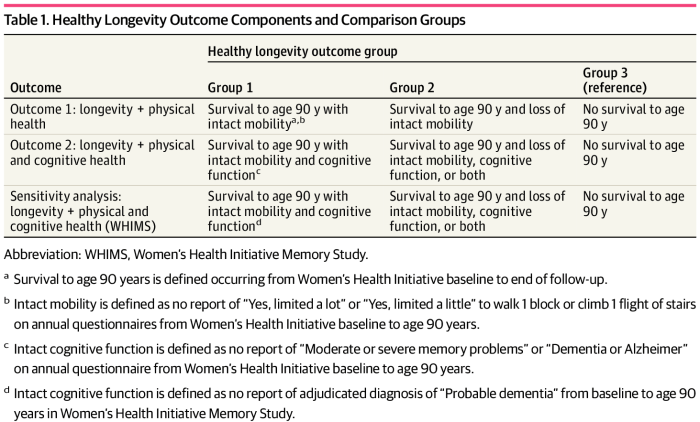
“This cohort study was a secondary analysis of 3 Women’s Health Initiative (WHI) ancillary studies among 1813 women eligible to survive to age 90 years by end of study period. The study found that increased epigenetic age acceleration (EAA) as measured by 4 epigenetic clocks was associated with lower odds of survival to age 90 years with intact mobility; results were similar when including intact cognitive functioning.

This study benefited from a large, racially and ethnically diverse sample of women who were followed up to at least age 90 years with detailed longitudinal data on a host of lifestyle and health history factors. This study is generalizable to WHI women owing to use of IPW weights, and may be generalizable to a large range of women in the United States.

zoi220662t1_1658260078.05222

Among 1813 women, there were:

  • 464 women who survived to age 90 years with intact mobility and cognitive functioning;
  • 420 women who survived to age 90 years without intact mobility and cognitive functioning; and
  • 929 women who did not survive to age 90 years.

Only 29 women were reclassified from the healthy longevity group to surviving to age 90 years without intact mobility and cognitive functioning. Although it was of great interest to investigate the association between EAA and survival to age 90 years with intact cognitive function independently, this study population did not have sufficient numbers of women who experienced loss of cognitive function (without loss of mobility) to do so.”

https://jamanetwork.com/journals/jamanetworkopen/fullarticle/2794706 “Analysis of Epigenetic Age Acceleration and Healthy Longevity Among Older US Women”


Early humans who lost mobility in our African savanna ancestral environment during the Pleistocene Epoch (approximately 2.6M to 12K years ago) were prey. I highly doubt that immobile individuals successfully became our ancestors.

I downgraded this study because these researchers misguidedly soiled worthwhile findings with BMI and education level non-causal associations. They intentionally did this, as several of them were coauthors of the execrable Epigenome-wide meta-analysis of BMI in nine cohorts: examining the utility of epigenetic BMI in predicting metabolic health.

See Findings, or fun with numbers? and Does a societal mandate cause DNA methylation? for opposing research.


PXL_20220813_102515183

Findings, or fun with numbers?

This 2022 rodent study investigated bone mass phenotypes and sulforaphane:

“Mouse strains can have divergent basal bone mass, yet this phenotype is seldom reflected in the design of studies seeking to identify new modulators of bone resorption by osteoclasts. Sulforaphane exerts inhibitory effects on in vitro osteoclastogenesis in cells from C57BL/6 mice. We explore whether a divergent basal bone mass in different mouse strains is linked both to in vitro osteoclastogenic potential and to SFX-01 sensitivity.

osteoclasts in three mouse strains

Powerful antioxidants are an alternative to achieve beneficial bone effects and avoidance of osteoporotic bone loss. Sulforaphane (SFN) is a natural antioxidant found at high levels (as glucoraphanin) in cruciferous vegetables. SFN activates the NRF2 pathway and has anti-inflammatory effects, protecting against oxidative stress in many cell types.

These findings suggest that BM cells derived from animals with a high in vivo bone mass are less sensitive to M-CSF and RANKL in vitro leading to lower osteoclastogenesis. They also support the hypothesis that similar sensitivity extends to inhibitory effects of SFX-01 on osteoclast formation/function.

It is important to stress that osteoclasts generated in these strains may simply undergo multinucleation in a manner related to their underpinning genetics, and that by coincidence alone this is matched to their bone mass.”

https://onlinelibrary.wiley.com/doi/10.1002/cbf.3734 “High bone mass in mice can be linked to lower osteoclast formation, resorptive capacity, and restricted in vitro sensitivity to inhibition by stable sulforaphane”


I curated this study primarily for its honesty. I’ll link this post to future posts of studies where researchers lack similar honesty.

PXL_20220812_094158896

Eat broccoli sprouts for your offspring

This 2022 rodent study investigated effects of glucoraphanin supplementation during pregnancy and lactation:

“We investigated whether dietary intake of sulforaphane glucosinolate (SGS [properly termed glucoraphanin]) during pregnancy and lactation influenced composition of gut microbiota in offspring:

  • Dietary intake of SGS during pregnancy and lactation caused significant changes in diversity of gut microbiota in 3-week-old offspring (SGS-3W) and 10-week-old offspring (SGS-10W).
  • Plasma levels of interleukin-6 (IL-6) and tumor necrosis factor-α (TNF-α) in SGS-10W after injection of lipopolysaccharide were significantly lower than those of CON-10W group.
  • There were sex differences of gut microbiota composition in both SGS-3W and SGS-10W offspring.

glucoraphanin during pregnancy and lactation

This study has some limitations:

  1. We did not investigate mechanisms of how dietary intake of SGS during pregnancy and lactation modulated gut microbial communities in offspring.
  2. We found several signaling pathways in beneficial effects of SGS food pellet, and further study of the role of maternal intake of SGS food in these pathways is needed.
  3. We did not investigate mechanisms of relationships between maternal intake of SGS and long-term anti-inflammatory action in adult offspring, and further detailed study including epigenetic modification is needed.

These data suggest that dietary intake of SGS during pregnancy and lactation might produce long-lasting beneficial effects in adult offspring through persistent modulation of gut microbiota. It is likely that modulation of gut microbiota by maternal nutrition may confer resilience versus vulnerability to stress-related psychiatric disorders in offspring.”

https://www.sciencedirect.com/science/article/pii/S0955286322001681 “Long-lasting beneficial effects of maternal intake of sulforaphane glucosinolate on gut microbiota in adult offspring”


This study published results of a mother’s glucoraphanin intake where offspring never ate glucoraphanin, with beneficial effects at both 3 weeks (~prepubescent human) and 10 weeks (~young human adult). Maybe future studies will continue this paradigm on to a second or third generation to see whether there are also transgenerational epigenetic effects.

This study’s methods extracted glucoraphanin from 1-day-old broccoli sprouts into a powder containing 135 mg (0.31 mmol) glucoraphanin per gram. Each 1 kg of treatment chow included pellets containing (2.3 mmol / 0.31 mmol) x 135 mg = 1 gram of broccoli sprout powder, 0.1% of food intake.

Per Drying broccoli sprouts, dried 3-day-old broccoli sprouts contain 10% moisture, and fresh 3-day-old broccoli sprouts contain 82.6% moisture. A gram of 1-day-old broccoli sprout powder may be an approximate equivalent of (.826 / .1) = 8 grams fresh 3-day-old broccoli sprouts for a mouse / kg of daily food intake. A human equivalent dose is (.826 / .1) x .081 x 70 kg = 47 grams of fresh 3-day-old broccoli sprouts / kg of daily food intake.

That’s about how much 3-day-old, microwaved, glucoraphanin-containing broccoli and red cabbage sprouts I eat every day, starting from 7.2 grams of seeds. I sprout another 3.5 grams of yellow mustard seeds into the mixture for taste.


PXL_20220802_094252945.NIGHT

Week 120 of Changing to a youthful phenotype with sprouts

It was time for an annual physical last Wednesday. My focus was to see whether reducing sulforaphane intake per Week 87 had the desired effect on thyroid measurements.

That and other adjustments did! Readings of TSH 2.91 (0.45 – 4.50 uIU/mL), free T4 1.22 (0.82 − 1.77 ng/dL), and free T3 2.4 (2.0 – 4.4 pg/mL) were all in-range. 🙂

thyroid


I won’t repeat the Week 63 workbook calculations done after last year’s annual physical. To me, that’s another form of magical thinking.

Every explanation of those reference ranges, and optimal ranges built from all-cause mortality statistics, requires a suffix “of people who didn’t positively change their healthspan and lifespan.” What value is there in optimizing (pick a measurement) against those outcomes? Why compare my efforts, or results, or any other aspect of my life, to people who didn’t actionably care about their one precious life?

I’m not deflecting with poor measurements:

  • 3 of the 5 values in last year’s optimal ranges got better, and the other 2 stayed the same; and
  • 2 of the 4 values that weren’t in last year’s optimal ranges came into those ranges, and the other 2 got better but stayed outside an optimal range.

We each have a lot at stake. Bad things like diseases of old age happen on their own. If we want good things to happen, we have to make them happen.

Consider this from The impact of transgenerational epigenetic inheritance and early life experiences:

“Every disease is connected to the immune system.”

Are people making good choices every day for their immune systems?

PXL_20220731_093534095.NIGHT

Eat broccoli sprouts for metabolic syndrome

This 2022 rodent study investigated sulforaphane’s effects on insulin resistance:

“Insulin resistance is one of the defining clinical traits of metabolic syndrome, which represents a constellation of metabolic disorders, mainly comprising obesity, type 2 diabetes mellitus, atherogenic dyslipidemia, and hypertension. This study aimed to investigate therapeutic effects and potential mechanisms of sulforaphane (SFN) on high-fat diet (HFD)-induced insulin resistance. Control chow diet was 10 kcal% fat, and HFD was 60 kcal% fat.

  • SFN was found to effectively reduce body weight, fasting blood glucose, and hyperlipidemia, and improve liver function in HFD-fed mice.
  • SFN led to increased expression of antioxidant genes downstream of Nrf2, and decreased accumulation of lipid peroxides MDA and 4-HNE.
  • SFN significantly reduced glutathione peroxidase 4 (GPx4) inactivation-mediated oxidative stress by activating the AMPK and Nrf2 signaling pathways.

Data suggested that GPx4 could be a key target through which SFN might activate Nrf2/ARE signaling pathway to decrease the extent of insulin resistance induced in HFD-fed mice. Taken together, SFN ameliorated HFD-induced insulin resistance by activating the AMPK-Nrf2-GPx4 pathway, providing new insights into SFN as a therapeutic compound for alleviation of insulin resistance.”

https://www.sciencedirect.com/science/article/pii/S075333222200662X “Sulforaphane alleviates high fat diet-induced insulin resistance via AMPK/Nrf2/GPx4 axis”


This study’s sulforaphane dose was the same as Eat broccoli sprouts for your heart and Broccoli sprouts activate the AMPK pathway at 0.5 mg / kg. It was administered five times a week for 8 weeks to a subgroup of HFD-fed mice starting after 8 weeks of HFD.

A human equivalent oral dose to these three studies’ subcutaneous doses would be a low (0.5 mg x .081) x 70 kg = ~3 mg sulforaphane. Per Eat broccoli sprouts for your gut, my sulforaphane intake is six times that every day.

PXL_20220731_100505290

Is boron important to health?

Three papers on boron, starting with a 2022 review:

“Boron-containing compounds (BCC) have effects in the metabolism of living organisms. Information regarding effects and interaction of these compounds was compiled, and potential applications for treating human metabolic disorders was suggested.

Dietary boron supplementation affects metabolism of calcium, magnesium, triglycerides, glucose, amino acids, reactive oxygen, nitrogen species, and hormones such as 17β-estradiol, calcitonin, and 25-hydroxy-cholecalciferol. When food is boron-deprived, there are adverse effects like depressed growth, reduced serum steroid hormone concentrations, changes in plasma and organ calcium and magnesium concentrations, plasma alkaline phosphatase, and bone calcification on animal biological functions.

boron effects

Exploration of basic BCC as metabolism regulators is expanding. Although mechanisms of action are uncertain, limitation of damage induced by reactive species, inflammatory modulation, or activities on some enzymes and membrane transporters are often related to reported effects.

An increasing number of new BCC are emerging as potential tools for prevention, diagnosis, and therapy of metabolism maladies such as diabetes, metabolic syndrome, osteoporosis, cardiovascular, and liver diseases. For those innovative BCC, mechanisms of action are often clear.”

https://link.springer.com/article/10.1007/s12011-022-03346-9 “Boron‑Containing Compounds for Prevention, Diagnosis, and Treatment of Human Metabolic Disorders” (not freely available) Thanks to Dr. Marvin A Soriano-Ursúa for providing a link to a freely available document.


A second paper was a 2021 human study:

“In our elderly population-based sample, a boron-rich diet appeared to be characterized by high intakes of plant foods presumed to be healthy, low intakes of plant foods presumed to be less healthy, and low intakes of all kinds of animal foods.

Higher plasma boron concentrations were related to lower BMI and circulating concentrations of CRP. Plasma boron concentrations were associated with age, phosphate, and plasma lipid metabolism, and showed seasonal variations.

Human intervention studies are warranted to derive causal relationships of circulating and dietary boron with human health and metabolism. Robust databases on boron content of foods are needed to facilitate investigation of dietary boron intake in human studies.

Clarification of the non-/essentiality of trace element boron for human health will form the basis to derive recommendations for a dietary boron intake being sufficient to exert boron’s proposed beneficial physiological roles.”

https://link.springer.com/article/10.1007/s00394-021-02730-w “Plasma boron concentrations in the general population: a cross-sectional analysis of cardio-metabolic and dietary correlates”

As noted in this study, public agencies don’t consider dietary boron content important enough to include in public databases. My daily boron dietary intake estimated from published private databases is:

  • Walnuts, 1.63 mg x (28.3 g / 100 g) = .5 mg
  • Red kidney beans, 1.4 mg x (12 g / 100 g) = .2 mg
  • Chickpeas, 0.71 mg x (40 g / 100 g) = .3 mg
  • Celery, 0.5 mg x (72 g / 100 g) = .4 mg
  • Carrots, 0.3 mg x ( 76 g / 100 g) = .3 mg
  • Coffee .07 mg x 3 cups = .2 mg

2 mg boron daily dietary total


A third paper was a 2022 rodent study:

“Sodium pentaborate pentahydrate (NaB) 1 and 2 mg elemental B/kg supplementation induces the anagen phase in rats via Wnt-1, β-catenin, VEGF, PDGF, and TGF-β1 signaling pathways, which are important molecular mechanisms involved in hair growth.

NaB 4 mg B/kg suppresses these pathways and adversely affects hair growth.”

https://www.sciencedirect.com/science/article/abs/pii/S0946672X22000876 “Sodium pentaborate pentahydrate promotes hair growth through the Wnt/β-catenin pathway and growth factors” (not freely available)

A human equivalent of this study’s rat 1 mg elemental boron intake is (1 mg x .162) x 70 kg = 11 mg.


PXL_20220731_094359216.NIGHT

Trained immunity epigenetics

Two papers on trained immunity, starting with a 2022 review:

“Live attenuated vaccines such as the Bacillus Calmette–Guérin, measles-containing vaccines, and the oral polio vaccine have been shown to reduce overall mortality beyond their effects attributable to the targeted diseases.

After an encounter with a primary stimulus, epigenetic and metabolic reprogramming of bone marrow progenitor cells and functional changes of tissue immune cell populations result in augmented immune responses against a secondary challenge. This process has been termed trained immunity.

Main epigenetic events during induction of trained immunity are:

  1. Chromosomal reorganization on the level of topologically associated domains;
  2. Induction of long noncoding RNA activity;
  3. Histone modifications and chromatin accessibility; and
  4. DNA (de)methylation.

trained immunity mechanisms

An epigenetic enzyme belonging to the lysine methyltransferase family, Set7, possesses vital function in β-glucan training of monocytes. When inhibited, trained immunity phenotype is diminished, while Set7 deficient mice cannot establish innate immune memory.

β-glucan is recognized by Dectin-1, and has been known to lead to a shift from oxidative phosphorylation (OXPHOS) to glycolysis as an ATP source. However, a more recent study reported an increase in both glycolysis and oxygen consumption following training, which signals a higher rate of OXPHOS. This discrepancy is explained by the difference in concentration of β-glucan used in the experiments.

Stopping vaccination with measles and polio once the pathogens are eradicated, or replacing live attenuated polio with inactivated polio, should be done with caution, as it may have a substantial impact on childhood mortality. Trained immunity may also represent an important new approach to improve current vaccines, or to develop novel vaccines that combine induction of classical adaptive immune memory and innate immune memory.”

https://www.sciencedirect.com/science/article/pii/S0952791522000371 “Trained immunity: implications for vaccination”


Reference 34 was a 2020 study by two of the same coauthors that provided details on the above discrepancy:

“Findings presented by the current study suggest that the disparity in terms of the role of OXPHOS arises from the stimulatory dose of β-glucan [by intraperitoneal injection]. A β-glucan concentration of 1 μg/mL induces both glycolysis and OXPHOS, whereas a concentration of 10 μg/mL induces glycolysis but inhibits OXPHOS.”

https://www.cell.com/cell-reports/fulltext/S2211-1247(20)30458-7 “The Set7 Lysine Methyltransferase Regulates Plasticity in Oxidative Phosphorylation Necessary for Trained Immunity Induced by β-Glucan”


PXL_20220728_094358955.NIGHT

The goddess of rainbows

Two 2022 papers, starting with a review of irisin:

“This article is an overview of irisin generation, secretion, and tissue distribution. Its targeting of tissues or organs for prevention and treatment of chronic diseases is systematically summarized, with discussion of underlying molecular mechanisms.

Irisin is an exercise-induced myokine expressed as a bioactive peptide in multiple tissues and organs. Exercise and cold exposure are major inducers for its secretion.

Mechanistic studies confirm that irisin is closely correlated with lipid metabolism, insulin resistance, inflammation, ROS, endocrine, neurotrophic factors, cell regeneration and repairing, and central nervous system regulation. Irisin decreases with age, and is closely associated with a wide range of aging-related diseases.

A number of studies in elderly humans and animal models have shown that exercise can promote the body’s circulation and increase irisin levels in some tissues and organs. Resistance, aerobic, or combined exercise seem to play a positive role. However, exercise could not change serum irisin in some reported studies.

irisin human studies

There are large individual differences in exercise training in the elderly population. Since the half-life of irisin in the body is less than 1 h, it is necessary to pay attention to the time of blood sampling after a single exercise intervention. Some factors that impede detection of irisin levels in vivo include the half-life of irisin protein, sampling time, different tissues, and different health statuses before and after intervention.

It is worth noting that high-intensity exercise shows higher irisin levels even with the same energy expenditure during exercise. Precision studies of irisin in elderly subjects following exercise intervention need to be further clarified.”

https://www.sciencedirect.com/science/article/pii/S1568163722001222 “Irisin, An Exercise-induced Bioactive Peptide Beneficial for Health Promotion During Aging Process” (not freely available) Thanks to Dr. Ning Chen for providing a copy.


A second paper was a human study too recent to be cited by the first paper. I’ll highlight its irisin findings:

“We investigated the complex relationship among DNAm based biomarkers of aging, including DNAmFitAge, a variety of physiological functioning variables, blood serum measures including cholesterol, irisin level, and redox balance, and the microbiome on 303 healthy individuals aged between 33 and 88 years with a diverse level of physical fitness. Regular exercise was associated with younger biological age, better memory, and more protective blood serum levels.

Our research intends to show that regular physical exercise is related to microbiota and methylation differences which are both beneficial to aging and measurable. Our research provides the first investigation between microbiome derived metabolic pathways and DNAm based aging biomarkers.

Irisin levels decrease with age (0.23 average decrease for every 1 year older). We found age-related decreases in irisin levels were attenuated by exercise training. The link between irisin to GrimAge Acceleration and FitAge Acceleration is a novel observation.

HDL is positively associated with irisin. HDL and irisin have complex roles in physiology, and the positive relationship we observe between physical exercise and HDL and irisin align with protective effects seen between HDL and irisin with glucose homeostasis.

This work further supports the biological importance of irisin to the aging process. It is possible our research motivates interventions to boost irisin, like through physical exercise, as possible anti-aging therapies.”

https://www.medrxiv.org/content/10.1101/2022.07.22.22277842v1 “DNA methylation clock DNAmFitAge shows regular exercise is associated with slower aging and systemic adaptation


PXL_20220725_095201761

Variable aging measurements

Two papers on aging measurements, starting with a 2022 human study:

“We collected longitudinally across the adult age range a comprehensive list of phenotypes within four domains (body composition, energetics, homeostatic mechanisms and neurodegeneration / neuroplasticity) and functional outcomes. We integrated individual deviations from population trajectories into a global longitudinal phenotypic metric of aging.

blsa participant ages

We demonstrate that accelerated longitudinal phenotypic aging is associated with faster physical and cognitive decline, faster accumulation of multimorbidity, and shorter survival.”

https://www.nature.com/articles/s43587-022-00243-7 “Longitudinal phenotypic aging metrics in the Baltimore Longitudinal Study of Aging”


I disagree with this study’s methodology.

1. Although it acknowledged individual variability, nothing was done to positively adjust to those facts. What could have been done per A review of biological variability was:

“Obtain a measurement of variability that is independent of the mean to ensure to not confound changes in variability with shifts in mean.”

2. A usual research practice is to take at least three measurements, and use their average as representative. That wasn’t done here, maybe because of time and expense considerations?

3. An important measurement for physical function was the time to finish a 400 meter walk. I walk more than ten times that almost every day. I use the first 400 meters as a warmup period while getting to the beach to walk eastward and enjoy the predawn light and water animal activity. I concentrate on gait speed during the last third while walking westward on a straightaway bike path.

This study would measure my gait speed as a sometimes old person during the first 400 meters, rather than a gait speed that usually approaches a young person’s during the last 400 meters. Even if I tried to walk my fastest right out of the gate, I wouldn’t be surprised to find a decade or two difference by this study’s measurements between a morning walk’s first and last 400 meter gait speeds.

4. An important cognitive function measurement was the Digital Symbol Substitution Test, apparently taken during subjects’ fasted state? Sometimes after exercising, I’m okay cognitively when starting work in a fasted state at 6:30 a.m., and other times I’m tired.

Two days ago during the last hour of work 1:30-2:30 p.m., I did outstanding work, four hours after eating whole oats for breakfast, and after drinking two coffees and three teas. I took time to put together pieces of puzzles into proper contexts for management’s attention. My bosses weren’t too pleased with the story it told, but it is what it is.

5. Are measurements of how you start what matters? Or is it how you finish, as is common in competitive sports?

This study would measure my cognitive function as a sometimes old person, rather than performance that approaches a young person’s later in the workday. For both physical and cognitive function, my abilities to ramp up and come close to young people’s capabilities are features that I work on, not random, inconvenient measurement variability.

6. Blood measurements were downgraded as having “limited coverage of the four phenotypic domains.” These were taken to fit into specific paradigms and epigenetic clocks. They predictably failed to show causality, as acknowledged with:

“Our analysis showed strong associations between global longitudinal phenotypic score and changes in physical and cognitive function. We did not have sufficient observations to fully separate these two dimensions over time, which would have strengthened the assumption of causality.”

Nowhere in this study was it hinted that all measurements were downstream effects of unmeasured causes. A follow-on study could reanalyze these subjects’ blood samples, MRI, and other measurements for originating upstream factors of signaling pathways and cascades per Signaling pathways and aging and An environmental signaling paradigm of aging.


Reference 35 of this first study was a 2021 human and rodent study that was tossed in as a limitation with:

“We might not have all of the relevant phenotypic measures (for example, more detailed immune profiles) for all participants.”

Its findings included:

“From the blood immunome of 1,001 individuals aged 8–96 years, we developed a deep-learning method based on patterns of systemic age-related inflammation. The resulting inflammatory clock of aging (iAge) tracked with multimorbidity, immunosenescence, frailty and cardiovascular aging, and is also associated with exceptional longevity in centenarians.

Canonical markers of acute infection such as IL-6 and tumor necrosis factor-α were not major contributors to iAge, indicating that, except for IL-1β, infection-driven inflammatory markers of the acute inflammatory response do not contribute to age-related chronic inflammation.

We conducted a follow-up study in an independent cohort of 97 extremely healthy adults (aged 25–90 years) matched for cardiovascular risk factors (including conserved levels of high-sensitivity C-reactive protein), selected from a total of 151 recruited participants using strict selection criteria. In this healthy cohort, inflammation markers were measured using a 48-plex cytokine panel. Only 6 circulating immune proteins were significantly correlated with age, with CXCL9 again the largest contributor to age-related inflammation.

CXCL9 is a T-cell chemoattractant induced by IFN-γ and is mostly produced by neutrophils, macrophages and endothelial cells (ECs). We find that CXCL9 is mainly produced by aged endothelium and predicts subclinical levels of cardiovascular aging in nominally healthy individuals.

We did not find any significant correlation between known disease risk factors reported in the study (BMI, smoking, dyslipidemia) and levels of CXCL9 gene or protein expression. We hypothesize that one root cause of CXCL9 overproduction is cellular aging per se, which can trigger metabolic dysfunction.

As ECs but not cardiomyocytes expressed the CXCL9 receptor, CXCR3, we hypothesize that this chemokine acts both in a paracrine fashion (when it is produced by macrophages to attract T cells to the site of injury) and in an autocrine fashion (when it is produced by the endothelium) creating a positive feedback loop. In this model, increasing doses of CXCL9 and expression of its receptor in these cells leads to cumulative deterioration of endothelial function in aging.

IFN-γ did not increase in expression in our cellular aging RNA-seq experiment, suggesting that there are triggers of CXCL9 (other than IFN-γ) that play a role in cellular senescence in the endothelium that are currently unknown. However, in our 1KIP study, IFN-γ was in fact the second-most important negative contributor to iAge, which could be explained by the cell-priming effect of cytokines, where the effect of a first cytokine alters the response to a different one.

iAge derived from immunological cytokines gives us an insight into the salient cytokines that are related to aging and disease. A notable difference compared to other clocks is that iAge is clearly actionable as shown by our experiments in CXCL9 where we can reverse aging phenotypes. More practical approaches range from altering a person’s exposomes (lifestyle) and/or the use of interventions to target CXCL9 and other biomarkers described here.

Our immune metric for human health can identify within healthy older adults with no clinical or laboratory evidence of cardiovascular disease, those at risk for early cardiovascular aging. We demonstrate that CXCL9 is a master regulator of vascular function and cellular senescence, which indicates that therapies targeting CXCL9 could be used to prevent age-related deterioration of the vascular system and other physiological systems as well.”

https://www.nature.com/articles/s43587-021-00082-y “An inflammatory aging clock (iAge) based on deep learning tracks multimorbidity, immunosenescence, frailty and cardiovascular aging”



PXL_20220721_093128925.NIGHT