Gut microbiota topics

Here are thirty 2019 and 2020 papers related to Switch on your Nrf2 signaling pathway topics. Started gathering research on this particular theme three months ago.

There are more researchers alive today than in the sum of all history, and they’re publishing. I can’t keep up with the torrent of interesting papers.

on

2020 A prebiotic fructo-oligosaccharide promotes tight junction assembly in intestinal epithelial cells via an AMPK-dependent pathway

2019 Polyphenols and Intestinal Permeability: Rationale and Future Perspectives

2020 Prebiotic effect of dietary polyphenols: A systematic review

2019 Protease‐activated receptor signaling in intestinal permeability regulation

2020 Intestinal vitamin D receptor signaling ameliorates dextran sulfate sodium‐induced colitis by suppressing necroptosis of intestinal epithelial cells

2019 Intestinal epithelial cells: at the interface of the microbiota and mucosal immunity

2020 The Immature Gut Barrier and Its Importance in Establishing Immunity in Newborn Mammals

2019 Prebiotics and the Modulation on the Microbiota-GALT-Brain Axis

2019 Prebiotics, Probiotics, and Bacterial Infections

2020 Vitamin D Modulates Intestinal Microbiota in Inflammatory Bowel Diseases

2020 Microbial tryptophan metabolites regulate gut barrier function via the aryl hydrocarbon receptor

2019 Involvement of Astrocytes in the Process of Metabolic Syndrome

2020 Intestinal Bacteria Maintain Adult Enteric Nervous System and Nitrergic Neurons via Toll-like Receptor 2-induced Neurogenesis in Mice (not freely available)

2019 Akkermansia muciniphila ameliorates the age-related decline in colonic mucus thickness and attenuates immune activation in accelerated aging Ercc1−/Δ7 mice

2020 Plasticity of Paneth cells and their ability to regulate intestinal stem cells

2020 Coagulopathy associated with COVID-19 – Perspectives & Preventive strategies using a biological response modifier Glucan

2020 Synergy between Cell Surface Glycosidases and Glycan-Binding Proteins Dictates the Utilization of Specific Beta(1,3)-Glucans by Human Gut Bacteroides

2020 Shaping the Innate Immune Response by Dietary Glucans: Any Role in the Control of Cancer?

2020 Systemic microbial TLR2 agonists induce neurodegeneration in Alzheimer’s disease mice

2019 Prebiotic supplementation in frail older people affects specific gut microbiota taxa but not global diversity

2020 Effectiveness of probiotics, prebiotics, and prebiotic‐like components in common functional foods

2020 Postbiotics-A Step Beyond Pre- and Probiotics

2019 Pain regulation by gut microbiota: molecular mechanisms and therapeutic potential

2020 Postbiotics: Metabolites and mechanisms involved in microbiota-host interactions

2020 Postbiotics against Pathogens Commonly Involved in Pediatric Infectious Diseases

2019 Glutamatergic Signaling Along The Microbiota-Gut-Brain Axis

2019 Lipoteichoic acid from the cell wall of a heat killed Lactobacillus paracasei D3-5 ameliorates aging-related leaky gut, inflammation and improves physical and cognitive functions: from C. elegans to mice

2020 Live and heat-killed cells of Lactobacillus plantarum Zhang-LL ease symptoms of chronic ulcerative colitis induced by dextran sulfate sodium in rats

2019 Health Benefits of Heat-Killed (Tyndallized) Probiotics: An Overview

2020 New Horizons in Microbiota and Metabolic Health Research (not freely available)

Increase broccoli compound amounts with thermosonication

This 2021 study combined ultrasound and heat to increase broccoli compounds:

“A large proportion of broccoli biomass is lost during primary production, distribution, processing, and consumption. This study evaluated thermosonication for pre-treatment of broccoli florets to enhance enzymatic conversion of glucoraphanin (GR) into bioactive sulforaphane (SF).

Our results showed that a combination of ultrasound with heat treatment (at 50 and 60 °C for 5 and 7 min) improved release of GR from broccoli matrix over and above heat treatment alone. This could be due to mechanical disruption of plant cell wall and plant matrix, which enhances release of intracellular content.

The highest residual level of both GR (126.3% increase) and sulforaphane was observed after thermosonication at 60 °C for 7 min. It can be concluded that:

  1. Measured levels of glucoraphanin in untreated broccoli using current methods gives only an indication of the amount of easily accessible and extractable glucoraphanin in broccoli; and
  2. Processing of broccoli by heat and ultrasound enables release of possibly bound glucoraphanin and enhances conversion to sulforaphane.

Higher sulforaphane yield was observed under conditions of significant myrosinase inactivation. This could be attributed to:

  • Inactivation of ESP [epithiospecifier protein], providing a suitable condition for synthesis from GR to SF as opposed to SF-nitrile; and/or
  • Increased in situ residual myrosinase activity at elevated temperatures; and/or
  • Increased release and accessibility of GR.

Maximum SF content among studied conditions was achieved using thermosonication treatment at 60 °C for 7 min, which represented a 192.6% increase compared to untreated broccoli florets. That was 15.8% higher than thermal treatment, indicating the potential of thermosonication for enhancing sulforaphane yield over and above effects of heat.”

https://www.mdpi.com/2218-273X/11/2/321/htm “Thermosonication for the Production of Sulforaphane Rich Broccoli Ingredients”


I mentioned in Week 34 how broccoli sprout experts tried to smear a Microwave broccoli to increase sulforaphane levels finding of more glucoraphanin with increasing temperatures after microwaving. This study measured a similar effect of glucoraphanin increases using two techniques:

“For GR extraction two methods were initially examined: aqueous extraction or methanolic extraction. We wanted to compare effects of using different extraction solvents to evaluate whether levels of extractable GR were influenced by the type of solvent.

The difference between GR content of aqueous and methanolic extracts was not statistically significant.”

😉

Thermosonication isn’t suitable for home use. Microwaving is.

A microwave can’t keep contents at a constant 60° C for seven minutes, though. Optimizing myrosinase activity is also a consideration for increasing broccoli sprout compounds at home.

Microwave broccoli sprouts to increase sulforaphane

This 2020 review explored sulforaphane stability and formation:

“Sulforaphane (SF) is beneficial to our health since it can reduce incidence of a number of tumors, induce cell cycle arrest and apoptosis in multiple experimental models. However, since neither SF nor myrosinase is thermostable, it is essential to increase stability of SF and/or enhance conversion of glucoraphanin (GRP) to SF by myrosinase to maximize SF therapeutic benefits.

  • Since little or no water is needed for microwaving and stir-frying, and broccoli is not immersed in water during steaming, SF content in broccoli florets is higher in these processes compared to that in boiled florets.
  • Thermostability of Brassicaceae myrosinase varies across different species and cultivars, as well as the plant organ. For example, myrosinase in broccoli florets are more thermosensitive compared to that in sprouts, likely due to the presence of a seed-specific myrosinase.
  • GRP in cooked broccoli can be hydrolyzed by intestinal microbiota to SF, sulforaphane nitrile, and/or other isothiocyanates and nitriles, although the decomposition rate is very low. However, continuous feeding of rats or mice with broccoli increased myrosinase-like activities in colon and cecum contents.

Mild heating (40-60 °C) by microwave increased SF content in broccoli. High-power microwave heating with temperature control at 60 °C could retain higher bioavailability.

Continuous broccoli ingestion enhances myrosinase-like activity of gut microbiota. Regardless of differences in endogenous amounts of glucosinolates and myrosinase across multiple broccoli varieties, moderate microwaving ensures optimum SF availability.”

https://www.sciencedirect.com/science/article/abs/pii/S0308814620326339 “Approaches for enhancing the stability and formation of sulforaphane” (not freely available)


Several studies previously curated were referenced, including:

  1. Microwave broccoli seeds to create sulforaphane;
  2. Microwave broccoli to increase sulforaphane levels;
  3. Enhancing sulforaphane content.

Why wait around for approval or citation or social validation of research? When Study 2 showed microwaving increased sulforaphane and glucoraphanin content this time last year, I followed the evidence and acted accordingly.

Researchers who deny microwaving’s beneficial effects on broccoli compounds up to 60° C can publish contrary findings, or keep their biased opinions to themselves. See Increase broccoli compound amounts with thermosonication for further evidence.

PXL_20210327_113713116

Year One of Changing to a youthful phenotype with broccoli sprouts

1. My subjective experiences these past 52 weeks are that noticeable changes keep happening due to combinations of:

  • Eating clinically-relevant, twice-daily doses of microwaved 3-day-old broccoli sprouts, and taking nothing else an hour before or an hour after;
  • Eating 3-day-old oat sprouts twice a day;
  • Exercising every day;
  • Taking yeast cell wall β-glucan and other supplements twice a day;
  • Eating AGE-less chicken vegetable soup twice a day;
  • Eating 81+ grams (dry weight before soaking 16+ hours) of Avena nuda oats for breakfast;
  • Working from home 40 hours a week.

I look forward to more evidence on youthening during Year Two.

2. The three previous blog posts concerned yeast cell wall β-glucan. I haven’t received expected results from my New Year’s resolution to be prepared for Spring’s allergy onslaught. Actions included:

  • Changing diet to be more gut-friendly;
  • Taking WellImmune β-glucan in a morning dose of 500 mg for over two months;
  • Continuing with another company’s β-glucan in an evening 400 mg dose.

Consider this graphic from a third competitor regarding their Glucan 300 β-glucan:

dosage

My weight is probably 150-ish. I’d take three or four 500 mg capsules daily if I used Glucan 300. β-glucan comparisons evaluated it as the most active of five dozen commercially available products.

My lack of expected 2021 allergy results may be due to both insufficient dose and less-active products. Glucan 300 discloses its active content in specific percentages of 1,3/1,6 terminal-linked glucose molecules:

  1. Yeast cell wall β-glucan’s effects depend on biologically active content.
  2. Companies with evidence-based competitive products will disclose these contents.
  3. Neither β-glucan product I currently take does that.

I’ll use Glucan 300 exclusively when I receive it later this week. Can’t grow a fire by piling on more wet green wood if I’m serious about improving my innate and adaptive immune systems. Allergy season continues another few weeks, so it shouldn’t take long to find out if this change makes a difference.

PXL_20210327_110807824


Evaluating a company-sponsored β-glucan paper

This 2020 review subject was yeast cell wall β-glucan effects in humans:

“The first aim of this review is to collate and interpret the existing pre‐clinical research on β‐1,3/1,6‐glucan with regard to immunity in order to clarify its molecular mechanism of immunomodulatory action.

mnfr3715-fig-0001-m

The second aim of this review is to collate and evaluate the literature in order to provide a comprehensive overview of human studies assessing the effect of supplementation with high quality, well‐characterized β‐1,3/1,6‐glucan from commercially available sources on immunity across multiple populations. Inclusion criteria consist of randomized, double‐blind, placebo‐controlled human studies that investigated efficacy of orally administered β‐glucan with a purity of over 75%.”

https://onlinelibrary.wiley.com/doi/10.1002/mnfr.201901071 “β‐1,3/1,6‐Glucans and Immunity: State of the Art and Future Directions”


I don’t usually curate company-sponsored research, aka puff pieces. I wondered why, after taking WellImmune β-glucan 500 mg daily for over two months, I didn’t have expected results.

There are always several possible explanations for experimental failures. I didn’t see applicable items in this paper.

There was much information regarding things their sponsor’s customers don’t need to know. Just like their sponsor’s product label, there was little about what customers need to know, such as:

What was each product’s content, in specific percentages, of 1,3/1,6 terminal-linked glucose molecules? That makes a difference.

The sponsor knows, but doesn’t disclose it on their product’s label. These researchers could have found out and presented that information on their sponsor’s and other companies’ products for each study reviewed.

Not doing so deprived readers of an important evaluation criteria that could possibly explain variable results and provide a better measure for comparability. Stopping at “a purity of over 75%” instead of investigating and disclosing exact information was evasive.

Choosing your future with β-glucan

This 2020 rodent study investigated yeast cell wall β-glucan effects on bacterial infections:

“β-glucan is a potent inducer of epigenetic and functional reprogramming of innate immune cells, a process called trained immunity, resulting in an enhanced host response against secondary infections. We investigate whether β-glucan exposure confers protection against pulmonary Mycobacterium tuberculosis (Mtb) infection.

  • β-glucan induces trained immunity via histone modifications. β-glucan-induced trained immunity confers protection against virulent Mtb via the IL-1 signaling pathway.
  • β-glucan-induced trained immunity enhances production of proinflammatory cytokines in human monocytes challenged with heat-killed Mtb. Increase in cytokine production capacity was the result of epigenetic reprogramming and mediated via the PI3K/Akt/mTOR pathway.

Most important, β-glucan-treated mice infected with Mtb demonstrated remarkably enhanced survival, which was dependent on IL-1 signaling.

survival Mtb

β-glucan epigenetically reprograms human monocytes, leading to a phenotype characterized by a unique IL-1 signature and anti-mycobacterial properties. β-glucan-treated mice were protected against pulmonary Mtb infection.

While both β-glucan and BCG [Bacillus Calmette-Guerin tuberculosis vaccine] reprogram HSCs to induce trained immunity, BCG reprogramming of HSCs was dependent on IFNγ signaling. β-glucan reprogramming of HSCs was mediated via IL-1 signaling, which was also required for protection against Mtb infection.

Considering safety of β-glucan in a human clinical trial, our results strongly suggest potential clinical implications of β-glucan for both prophylactic and therapeutic use in TB.”

https://www.cell.com/cell-reports/fulltext/S2211-1247(20)30587-8 “β-Glucan Induces Protective Trained Immunity against Mycobacterium tuberculosis Infection: A Key Role for IL-1″


My comment “many of these findings also apply to yeast cell wall β-glucan treatments” in Long-lasting benefits of a common vaccine lacked clarity. This post provides part of that evidence.

So where do you choose to be? In an 80% survival group who were administered β-glucan before they encountered a serious infection? Or in a < 20% survival group who didn’t take β-glucan?

Which is better for resolving a health situation before it becomes a problem?

  • Roll the dice, and hope for luck / providence?
  • Do nothing constructive, and depend on interventions after a problem occurs?
  • Take responsibility for your own one precious life?

PXL_20210327_111214712

β-glucan comparisons

This 2018 rodent study compared and contrasted commercially available β-glucans:

“β-glucans are natural biologically-active compounds called ‘biological response modifiers.’ This study is a follow-up of our three previous studies that tested 43 different glucans.

We used 16 different glucans isolated from yeasts, mushrooms, algae, and oats. We compared their effects on phagocytosis, IL-2 production, antibody secretion, and inhibition of three experimental cancer models.

16 beta glucans

Our results showed significant differences among tested glucans, despite the fact that glucans in general have strong stimulating effects on most aspects of the immune system. Differences between activities of commercially available glucans might be an explanation for the sometimes confusing results found in the literature. In all tests employed, Glucan #300 was the most active.

Highly purified and active glucans have significant pleiotropic effects.”

https://www.researchgate.net/publication/323523231_Glucans_and_Cancer_Comparison_of_Commercially_Available_b-glucans_-_Part_IV “Glucans and Cancer: Comparison of Commercially Available β-glucans – Part IV” (registration required)


PXL_20210327_103105655.NIGHT

Long-lasting benefits of a common vaccine

This 2021 review subject was effects of the 100-year-old tuberculosis vaccine:

“Bacillus Calmette-Guerin (BCG) vaccine is one of the most widely used vaccines. It protects against many non-mycobacterial infections secondary to its nonspecific immune effects.

The mechanism for these effects includes modification of innate and adaptive immunity. BCG vaccine is known to not only boost immune responses to many vaccines when they are co-administered, but also decreases severity of these infections when used alone.

Alteration in innate immunity is through histone modifications and epigenetic reprogramming of monocytes to develop an inflammatory phenotype, a process called trained immunity. Memory T cells of adaptive immunity are also responsible for resistance against secondary infections after administration of BCG vaccine, a process called heterologous immunity.

The PI3K/AKT pathway, another pathway for mediating immunity, was upregulated. This was supported by recent studies demonstrating its involvement in induction of trained immunity by both BCG and β-glucan.

BCG vaccine can modify both innate and adaptive immunity, and provide immunity not only against Mycobacterium tuberculosis but also other pathogens. Heterologous immunity and trained immunity contribute to pathophysiologic mechanisms which explain how a vaccine protects against unrelated pathogens.”

https://www.amjmedsci.org/article/S0002-9629(21)00092-6/fulltext “Bacillus Calmette-Guerin Vaccine and Nonspecific Immunity”


As inferred by “induction of trained immunity by both BCG and β-glucan” many of these findings also apply to yeast cell wall β-glucan treatments. See Choosing your future with β-glucan for a representative study.

Our first 1000 days

This 2021 review subject was a measurable aspect of our early lives:

“The first 1000 days from conception are a sensitive period for human development programming. During this period, environmental exposures may result in long-lasting epigenetic imprints that contribute to future developmental trajectories.

The present review reports on effects of adverse and protective environmental conditions occurring on glucocorticoid receptor gene (NR3C1) regulation in humans. Thirty-four studies were included.

The hypothalamic-pituitary-adrenal (HPA) axis is key in regulating mobilization of energy. It is involved in stress reactivity and regulation, and it supports development of behavioral, cognitive, and socio-emotional domains.

The NR3C1 gene encodes for specific glucocorticoid receptors (GRs) in the mammalian brain, and it is epigenetically regulated by environmental exposures.

When mixed stressful conditions were not differentiated for their effects on NR3C1 methylation, no significant results were obtained, which speaks in favor of specificity of epigenetic vestiges of different adverse conditions. Specific maternal behaviors and caregiving actions – such as breastfeeding, sensitive and contingent interactive behavior, and gentle touch – consistently correlated with decreased NR3C1 methylation.

If the neuroendocrine system of a developing fetus and infant is particularly sensitive to environmental stimulations, this model may provide the epigenetic basis to inform promotion of family-centered prevention, treatment, and supportive interventions for at-risk conditions. A more ambiguous picture emerged for later effects of NR3C1 methylation on developmental outcomes during infancy and childhood, suggesting that future research should favor epigenome-wide approaches to long-term epigenetic programming in humans.”

https://www.sciencedirect.com/science/article/abs/pii/S0149763421001081 “Glucocorticoid receptor gene (NR3C1) methylation during the first thousand days: Environmental exposures and developmental outcomes” (not freely available). Thanks to Dr. Livio Provenci for providing a copy.


I respectfully disagree with recommendations for an EWAS approach during infancy and childhood. What happened to each of us wasn’t necessarily applicable to a group. Group statistics may make interesting research topics, but they won’t change anything for each individual.

Regarding treatment, our individual experiences and needs during our first 1000 days should be repeatedly sensed and felt in order to be therapeutic. Those memories are embedded in our needs because cognitive aspects of our brains weren’t developed then.

To become curative, we first sense and feel early needs and experiences. Later, we understand their contributions and continuations in our emotions, behavior, and thinking.

And then we can start to change who we were made into.

Week 50 of Changing to a youthful phenotype with broccoli sprouts

1. Effects of broccoli sprouts that seemed personally astounding at Week 10 became a part of day-to-day life. What will happen next?

Day 350 of eating a clinically relevant amount of broccoli sprouts every day seems like a large number. Yet in comparison, for 6,000+ days I’ve taken a clinically relevant dose of 1/3, 1/6 yeast cell wall β-glucan to train my innate immune system.

Both of their main actions are similar in mildly stimulating my body’s stronger defenses. Switch on your Nrf2 signaling pathway described sulforaphane’s effects as a “weak pro-oxidant signal that you use to activate Nrf2.” Take responsibility for your one precious life – β glucan described yeast cell wall β-glucan as “a potent immune response potentiator and modulator.”

2. I work a full-time job, in my 24th year of being paid to develop software. It’s a young-person’s field, contingent on learning new aspects of new languages, then performing every hour of every day up to what’s known or should be known.

I enjoy working with a group of talented individuals, especially when it involves creative problem solving. I’ll tolerate admin, limited meetings, and other things I don’t like when there’s a path toward doing what I enjoy.

My experiences since coming out of retirement to take this job four years ago have been analogous to Part 3 of Rejuvenation therapy and sulforaphane, i.e. old treated subjects learned and remembered significantly better than old untreated subjects, but not as well as untreated young subjects. I’m not a lab rat, though, and I’ve often had better performance since Week 10 than decades-younger coworkers.

All part of Surfacing Your Real Self.

3. Looking back on this week and month last year, there was worldwide herding of the population using a disease as a cover story. I wondered when it would end, and I’m still wondering because it’s still going on.

This pretext for surrendering human rights is easily derailed. I won’t enumerate fallacies, misrepresentations, frauds, assertions that lack evidence.

It’s a valuable skill for us to know when we’re being herded. Are you willing and able to develop that skill?

4. I didn’t disturb this heron, and was rewarded with a lightning-fast snatch-and-swallow of its breakfast. I wasn’t quick enough to get that photo, though.

Rhythmicity

This 2021 review subject was circadian signaling in the digestive system:

“The circadian system controls diurnal rhythms in gastrointestinal digestion, absorption, motility, hormones, barrier function, and gut microbiota. The master clock, located in the suprachiasmatic nucleus (SCN) region of the hypothalamus, is synchronized or entrained by the light–dark cycle and, in turn, synchronizes clocks present in peripheral tissues and organs.

Rhythmic clock gene expression can be observed in almost every cell outside the SCN. These rhythms persist in culture, indicating that these cells also contain an endogenous circadian clock system.

Processes in the gastrointestinal tract and its accessory digestive organs display 24-hour rhythmicity:

Clock disruption has been associated with disturbances in gut motility. In an 8-day randomized crossover study, in which 14 healthy young adults were subjected to simulated day-shift or night-shift sleeping schedules, circadian misalignment increased postprandial hunger hormone ghrelin levels by 10.4%.

Leptin, a satiety hormone produced by white adipose tissue, peaks at night in human plasma. A volunteer ate and slept at all phases of the circadian cycle by scheduling seven recurring 28-hour ‘days’ in dim light and eating four isocaloric meals every ‘day’. Plasma leptin levels followed the forced 28-hour behavioural cycle, while their endogenous 24-hour rhythm was lost. However, since meal timing can entrain the circadian system, this forced desynchrony study could not exclude a potential role of the circadian system.

Another constant routine protocol study with 20 healthy participants showed that rhythms in plasma lipids differed substantially between individuals, suggesting the existence of different circadian metabolic phenotypes.

Composition, function, and absolute abundance of gut microbiota oscillate diurnally. For example, microbial pathways involved in cell growth, DNA repair and energy metabolism peaked during the dark phase, while detoxification, environmental sensing and motility peaked during the day.

It is unclear how phase information is communicated to gut microbiota. However, human commensal bacterium Enterobacter aerogenes showed an endogenous, temperature-compensated 24-hour pattern of swarming and motility in response to melatonin, suggesting that the host circadian system might regulate microbiota by entraining bacterial clocks.

With increasing popularity of time-restricted eating as a dietary intervention, which entrains peripheral clocks of the gastrointestinal tract, studies investigating circadian clocks in the human digestive system are highly needed. Additionally, further research is needed to comprehend shifts in temporal relationships between different gut hormones during chronodisruption.”

https://www.nature.com/articles/s41575-020-00401-5 “Circadian clocks in the digestive system” (not freely available). Thanks to Dr. Inge Depoortere for providing a copy.


This review included many more human examples. I mainly quoted gut interactions.

A long time ago I was successively stationed on four submarines. An 18-hour schedule while underwater for weeks and months wiped out my circadian rhythms.

The U.S. Navy got around to studying 18-hour schedule effects this century. In 2014, submarine Commanding Officers were reportedly authorized to switch their crews to a 24-hour schedule.

Surface! Surface! Surface!

Eat oats to prevent diabetes

This 2020 rodent study investigated Type 2 diabetics eating oats along with a bad diet:

“Type 2 diabetes (T2D) is a metabolic disease which is characterized by a state of chronic low-grade inflammation with abnormal expression and production of multiple inflammatory mediators. Insulin resistance (IR), a condition where higher-than-normal concentration of insulin is needed to maintain a normal glycemia and adequate glucose utilization in insulin target tissues, has been clinically recognized as the best indicator for diagnosis of T2D.

Increased proportion of whole grain foods in daily diet are associated with reduced prevalence of IR, which is mainly attributed to abundant non-digestible carbohydrates.”

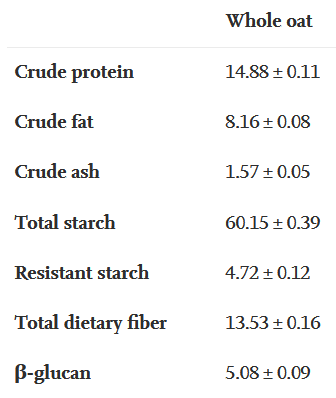
Oat species was Avena nuda, analyzed as:

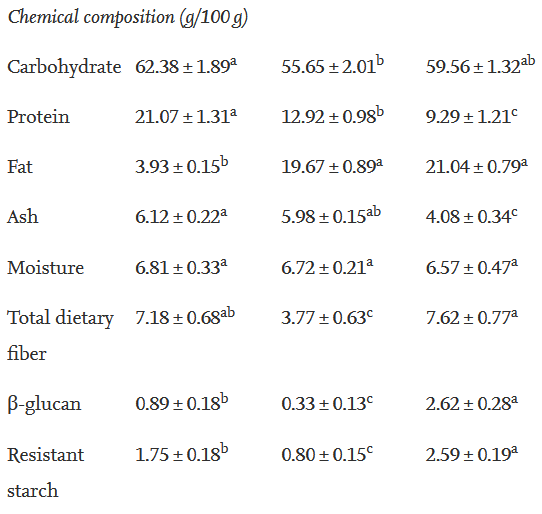
Left to right, diet compositions for basic chow diet, high-fat diet (HFD), and 49% HFD with 51% whole oat flour:

“An inflammation state characterized by high plasma TNF-α, IL-6, and IL-1β level was induced by HFD in T2D rats. Whole oats had anti-inflammatory effects by inhibiting production of proinflammatory cytokines. Our data supports a positive relationship between increased adipose proinflammatory cytokines and increased insulin resistance.

A drop in water and food intake indicated an improvement in typical clinical symptoms of T2D. Results of this study provide information about differences between individual oat products in improving T2D-related symptoms, and the role of gut microbiota.”

https://www.sciencedirect.com/science/article/pii/S1756464620301638 “Effects of oat β-glucan, oat resistant starch, and the whole oat flour on insulin resistance, inflammation, and gut microbiota in high-fat-diet-induced type 2 diabetic rats”


This study’s design wasn’t influenced by It’s the fiber, not the fat evidence. A more thorough analysis of each diet’s fiber contents may have better explained this study’s results.

100% insoluble fiber (cellulose) in “It’s the fiber” didn’t help subjects’ health. Removing 2-5% soluble fiber from subjects’ diets in that study had negative effects.

Although β-glucan isn’t the sole soluble fiber in Avena nuda oats, let’s use this study’s 51% whole-oat flour diet β-glucan of 2.62% as a proxy for soluble fiber:

  • Basic chow diet removed 1.73% (2.62 – 0.89) soluble fiber, and HFD removed 2.29% (2.62 – 0.33) soluble fiber.
  • Using its oat analysis, 51% whole-oat flour diet insoluble fiber due to oats was 4.31% ((13.53 – 5.08) * .51). The diet’s unanalyzed insoluble fiber of 3.31% (7.62 – 4.31) was roughly equivalent to HFD unanalyzed insoluble fiber of 3.44% (3.77 – 0.33).
  • Because composition of insoluble fiber matters to this study’s measurements – especially to gut microbiota – I won’t calculate estimates to compare basic chow diet’s unanalyzed insoluble fiber with the other diets’ unanalyzed insoluble fiber.

These researchers could have analyzed all this for soluble and insoluble fiber. They could have isolated resistant starch effects since its content was equivalent to β-glucan in the 51% whole-oat flour diet.


I’ve replaced Avena sativa steel-cut oats for breakfast with the Avena nuda cultivar used in Sprouting hulless oats. They’re chewier when prepared the same way – 1/2 cup soaked overnight in 2 cups water, then microwaved 20 minutes in a 1000W microwave at 80% power.

This Avena nuda cultivar is healthier because of oat bran’s contributions. Per Oat species comparisons of the good stuff, up to 25% of Avena sativa oat seeds are removed by dehulling before the steel-cut process.

I prefer 3-day-old oat sprouts of the hulled Avena sativa cultivar used in Sprouting hulled oats because of their 97% germination rate and taste. The Avena nuda cultivar didn’t sprout as well or taste as good.

Eat broccoli sprouts for depression

This 2021 rodent study investigated sulforaphane effects on depression:

“Activation of Nrf2 by sulforaphane (SFN) showed fast-acting antidepressant-like effects in mice by:

  • Activating BDNF;
  • Inhibiting expression of its transcriptional repressors (HDAC2 [histone deacetylase 2, a negative regulator of neuroplasticity], mSin3A, and MeCP2); and
  • Revising abnormal synaptic transmission.

In a mouse model of chronic social defeat stress (CSDS), protein levels of Nrf2 and BDNF in the medial prefrontal cortex and hippocampus were lower than those of control and CSDS-resilient mice. In contrast, protein levels of BDNF transcriptional repressors in CSDS-susceptible mice were higher than those of control and CSDS-resilient mice.

These data suggest that Nrf2 activation increases expression of Bdnf and decreases expression of its transcriptional repressors, which result in fast-acting antidepressant-like actions. Furthermore, abnormalities in crosstalk between Nrf2 and BDNF may contribute to the resilience versus susceptibility of mice against CSDS.

Nrf2-induced BDNF transcription in a model of depression.

  • Stress inhibits Nrf2 expression, which inhibits BDNF transcriptional and leads to abnormal synaptic transmission, causing depression-like behaviors in mice.
  • SFN induces BDNF transcription by activating Nrf2 and correcting abnormal synaptic transmission, resulting in antidepressant-like effects.

In conclusion:

  1. Nrf2 regulates transcription of Bdnf by binding to its exon I promoter.
  2. Inhibition of Nrf2-induced Bdnf transcription may play a role in the pathophysiology of depression.
  3. Activation of Nrf2-induced Bdnf transcription promoted antidepressant-like effects.
  4. Alterations in crosstalk between Nrf2 and BDNF may contribute to resilience versus susceptibility after stress.”

https://www.nature.com/articles/s41398-021-01261-6 “Activation of BDNF by transcription factor Nrf2 contributes to antidepressant-like actions in rodents”

Part 2 curates three papers that cited this study.


Adaptive and innate immunity

Two 2021 reviews presented aspects of human immune systems:

“The adaptive immune system’s challenge is to protect the host through generation and differentiation of pathogen‐specific short‐lived effector T cells, while in parallel developing long‐lived memory cells to control future encounters with the same pathogen.

The system highly relies on self‐renewal of naïve and memory T cells, which is robust, but eventually fails. Genetic and epigenetic modifications contribute to functional differences in responsiveness and differentiation potential.

Less than 20% of nascent T cells are produced from the thymus in young adults, which dwindles to less than 1% after the age of 50 years. Even in young adults, the majority of T cells are produced in the periphery. A pickup in proliferation has been described in late life, possibly as a consequence of increased cell death and evolving lymphopenia.

One challenge of the aging process is to replenish cells while keeping integrity of the organ. The dynamic lymphoid system employs a vast number of T cells (>1011) and maintains a balance between cell production, death, and differentiation.

Enormous TCR ( T cell receptor) diversity is required to be able to respond to the universe of possible peptides (>209). Only T cell generation in the thymus can add new TCR specificities. Homoeostatic proliferation at best maintains diversity, >108 unique TCRs in a given adult.

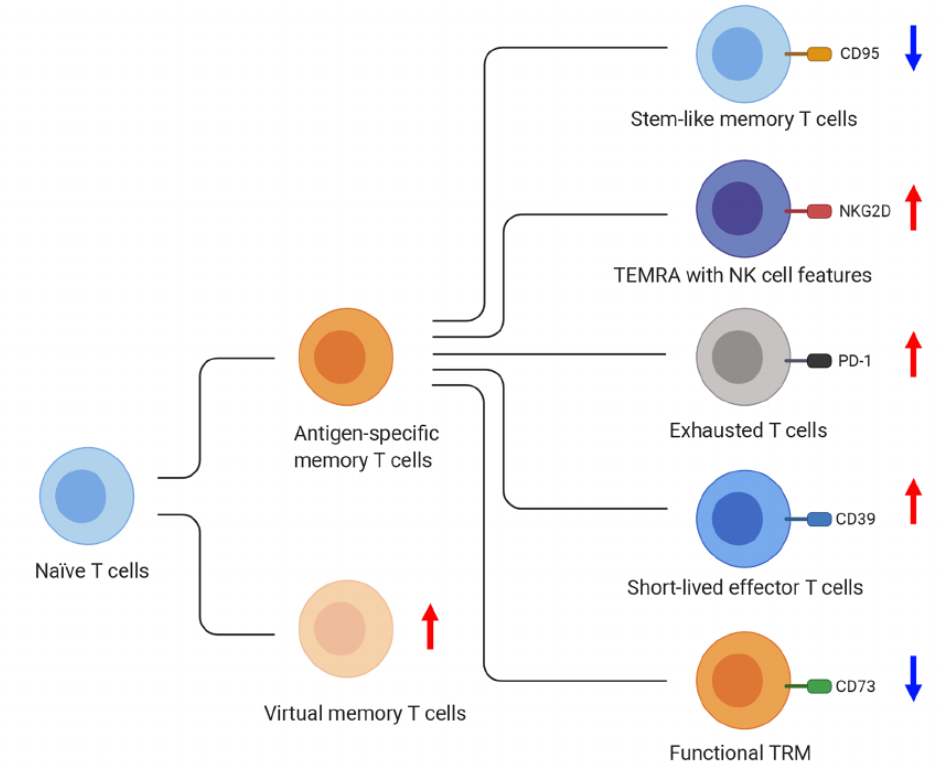
Antigen-specific memory T cells adopt several fates with age:

  • Decrease in stem-like memory T cells;
  • Increase in NK (natural killer) cell-like TEMRA (terminally differentiated effector T cells);
  • Increase in exhausted T cells;
  • Increase in short-lived effector memory T cells; and
  • Decrease in tissue-residing T memory cells.

Virtual memory T cells without prior experience of antigen encounter also increase with age.”

https://febs.onlinelibrary.wiley.com/doi/epdf/10.1111/febs.15770 “Hallmarks of the aging T cell system”


“Trained immunity is characterized by long‐term functional reprogramming of innate immune cells following challenge with pathogens or microbial ligands during infection or vaccination. This cellular reprogramming leads to increased responsiveness upon re‐stimulation, and is mediated through epigenetic and metabolic modifications.

Trained immunity has been shown to last for at least 3 months and up to 1 year, while heterologous protection against infections can last for at least 5 years. These long-term effects are mediated through reprogramming of myeloid progenitor cells in bone marrow, which in turn generate myeloid cells with a trained immunity phenotype.

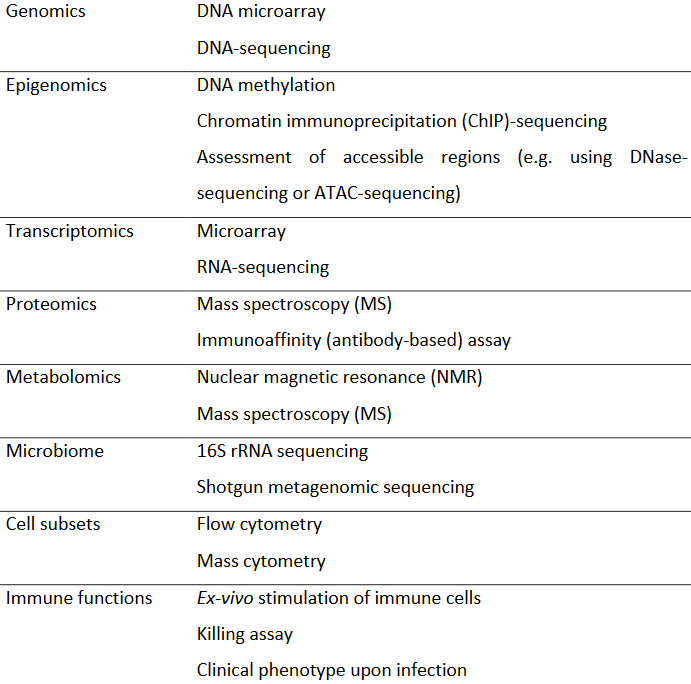
Molecular mechanisms underlying trained immunity, for example induced by β-glucan or Bacille Calmette‐Guérin (BCG) vaccination, can be investigated by using and integrating different layers of information, including genome, epigenome, transcriptome, proteome, metabolome, microbiome, immune cell phenotyping and function. Interplay between epigenetic and metabolic reprogramming is necessary for induction of trained immunity, as certain metabolites have a direct effect on enzymes involved in epigenetic remodeling.

High-throughput methods allow researchers to use an unbiased approach examining many potential genes or markers in relation to health and disease, rather than examining a limited number of candidate genes or markers.

One strength of integrating multiple levels of data is an increased power to identify key regulatory molecular networks driving trained immunity. For example, results obtained from one level (i.e. genes) can be used to reduce the number of traits to test in a second level (i.e. proteins), thereby increasing power.

One important pitfall when it comes to designing effective omics studies, is sample size. With a large number of markers measured, and the relatively small contributing effect size of individual analytes, the risks of both type 1 and 2 errors are high without sufficient sample sizes for both discovery and validation cohorts.”

https://onlinelibrary.wiley.com/doi/pdf/10.1002/eji.202048882 “Resolving trained immunity with systems biology”

Eat broccoli sprouts to prevent lung infections

A 2021 rodent study investigated lung infections:

“Mycobacterium avium complex (MAC) is the most common cause of pulmonary nontuberculous mycobacteria disease worldwide. It is thought that both environmental exposure and host susceptibility are required for the establishment of pulmonary MAC disease, because pulmonary MAC diseases are most commonly observed in slender, postmenopausal women without a clearly recognized immunodeficiency.

Host factors that regulate MAC susceptibility have not been elucidated until now. The Nrf2 system is activated in alveolar macrophages, the most important cells during MAC infection, as both the main reservoir of infection and bacillus-killing cells.

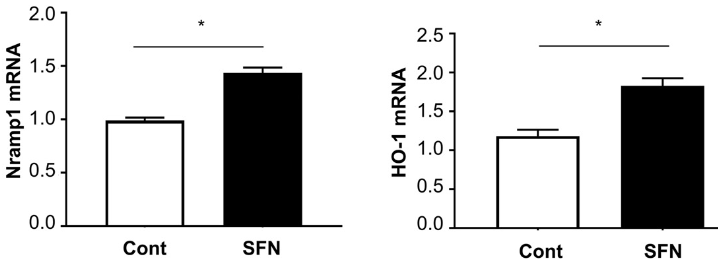
Treatment with sulforaphane (SFN) decreases Mycobacterium growth upregulating the expression of Nramp1 (natural resistance-associated macrophage protein 1, a susceptibility gene for pulmonary nontuberculous mycobacteria disease) and HO-1 (heme oxygenase 1). Mycobacterial counts in the lung, liver, and spleen were reduced after SFN treatment.

These results indicate that Nramp1 and HO-1, regulated by Nrf2, are essential in defending against MAC infection due to the promotion of phagolysosome fusion and granuloma formation, respectively. Nrf2 is thought to be a critical determinant of host resistance to MAC infection.”

https://mbio.asm.org/content/12/1/e01947-20 “Nrf2 Regulates Granuloma Formation and Macrophage Activation during Mycobacterium avium Infection via Mediating Nramp1 and HO-1 Expressions”