Are rodent models of human neurodegenerative diseases realistic?

This 2020 stem cell review argued against rodent models of human neurodegenerative diseases:

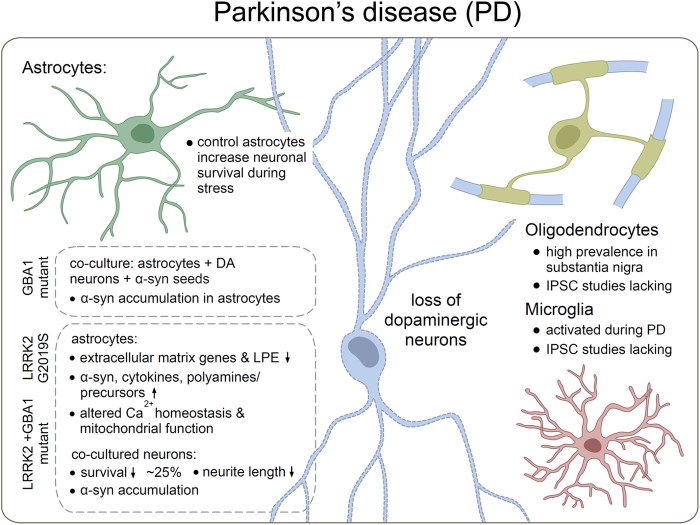
“Neuronal loss is not caused solely by intrinsic degenerative processes but rather via impaired interactions with surrounding glia and other brain cells. Dysfunctional astrocytes do not provide sufficient nutrients and antioxidants to neurons, while dysfunctional microglia cannot efficiently clear pathogens and cell debris from extracellular space, resulting in chronic inflammatory processes in the brain.

Human glia, especially astrocytes, differ significantly in morphology and function from their mouse counterparts. Recent advances in stem cell technology make it possible to reprogram human patients’ somatic cells to induced pluripotent stem cells (iPSC) and differentiate them further into patient‐specific glia and neurons, thus providing a source of human brain cells.
stem3309-fig-0002-m

Astrocytes do not efficiently utilize energy resources and cannot provide adequate metabolic support to neurons. A coculture of healthy human neurons with diseased astrocytes impaired neuronal calcium responses to glutamate and γ‐aminobutyric acid (GABA) as compared to coculture with healthy human astrocytes.

Treatment with sulforaphane:

  • Normalized basal level glycolysis;
  • Decreased basal level Aβ42 secretion; as well as
  • Ameliorated inflammatory response to pro‐inflammatory cytokines TNF-α and IL1-β in PSEN1 mutant iPSC astrocytes.

It is essential to make sure that what we see in the dish is the real patient‐specific phenotype. Transplantation of human brain organoids containing microglia into mice could provide a novel tool for drug screening in vivo.”

https://stemcellsjournals.onlinelibrary.wiley.com/doi/full/10.1002/stem.3309 “Metabolic and immune dysfunction of glia in neurodegenerative disorders: Focus on iPSC models”


This review’s thesis seems plausible. However, one problem with in vitro stem cell studies is that they often don’t have a control group.
Giving children allergies with pets

This 2021 human study investigated development and persistence of allergies:

“Allergic rhinitis (AR) is a common IgE-mediated disorder involving troublesome symptoms of nasal congestion, nasal itch, sneezing, and associated eye symptoms. Like many chronic health conditions, AR stems from complex gene–environment interactions.

130 subjects with AR were recruited. Control population included 154 healthy children who underwent a regular physical examination in the same ear, nose and throat clinic as AR patients. Individuals with history of asthma or atopic dermatitis were excluded.

AR analysis

Plenty of contradictory associations exist as whether furred pet exposure (cats and dogs) may be a risk or a protective factor for AR development. Discrepancies are likely due to the ubiquitous nature of pet allergens, while pet owners are more concerned about sanitation and many other hygiene-related reasons.

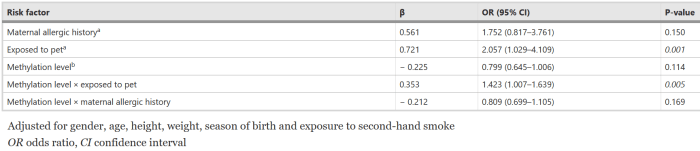
Interaction of early-life pet exposure with methylation level of ADAM33 increased the risk for AR onset 1.423 times more in children. This study provides evidence that:

  • Early-life pet exposure and low methylation level of ADAM33 increase AR risk in children; and
  • The interaction between pet exposure and methylation level of ADAM33 may play an important role in development of AR.”

https://aacijournal.biomedcentral.com/articles/10.1186/s13223-021-00526-5 “Interaction between early-life pet exposure and methylation pattern of ADAM33 on allergic rhinitis among children aged 3–6 years in China”


There’s nothing children can do about who their parents were. Exposing them to pet allergens, though, may be another example of early-life experiences causing lifelong effects.

Happy Mothers Day

This 2021 rodent study investigated effects on offspring of maternal high-fat diet (HFD) during gestation and lactation, and offspring HFD during young adulthood:

“We found that gestation was the most sensitive period to induce obesity in late life, and there was no difference between sexes in chance of obesity. Furthermore, we found that lactation and administration of a HFD post‐weaning increased incidence of lipid metabolism disorders and obesity in offspring.

gestational hfd effects on offspring

There are different windows of opportunity for programming epigenetically labile genes. Some studies support the alteration of epigenetic status during development as an important cause induced adult obesity.

Gestation is considered as the most sensitive period because high DNA synthesis and DNA methylation patterns are established for normal tissue development during the embryonic period. These two programming events are the times when the epigenetic state changes most widely in the life cycle.”

https://onlinelibrary.wiley.com/doi/10.1111/jcmm.16551 “Gestational high-fat diet impaired demethylation of Pparα and induced obesity of offspring”


Hey mothers! Do what you please. But don’t turn around and deny consequences of your behavior and choices on your descendants’ physiology and behavior, and possibly those of further descendants.

Gestation, birth, infancy, and early childhood are critical periods for humans. There’s no going back to correct errors and problems.

Does skin improvement cause overall effects?

This 2019 human skin study found:

“We demonstrated in aged mice that epidermal dysfunction largely accounted for age-associated elevations in circulating cytokine levels, and that improving epidermal function reduced circulating cytokine levels. We performed a pilot study to determine whether improving epidermal function reduces circulating proinflammatory cytokine levels in aged humans.

Both aged human and mouse skin display sustained abnormalities in epidermal permeability barrier homeostasis, stratum corneum (SC) hydration, and elevations in SC pH 4-6, each of which has been shown to independently provoke cutaneous inflammation. Disruption of the epidermal permeability barrier provoked an increase in:

  1. Cutaneous cytokine production; and
  2. Serum cytokine levels, independent of hepatic or T cell involvement.

We assessed whether improving epidermal function with an emollient, containing a mixture of lipids that mimics components of normal SC, lowered circulating levels of these same pro-inflammatory cytokines in aged humans.

skin treatment

After 30 days of twice-daily topical treatments, circulating levels of IL-1β and IL-6 decreased significantly in the treated aged cohort vs. untreated aged controls. Topical treatments reduced circulating levels of IL-1β and IL-6 to levels comparable to young controls. Though levels of TNF-α declined by over 40% in comparison to untreated aged humans, the difference did not attain statistical significance.

Results of this preliminary study suggest that a larger clinical trial should be performed to confirm whether improving epidermal function also can reduce circulating proinflammatory cytokine levels in aged humans, while also possibly attenuating downstream development of chronic inflammatory disorders.”

https://onlinelibrary.wiley.com/doi/abs/10.1111/jdv.15540 “Topical applications of an emollient reduce circulating pro‐inflammatory cytokine levels in chronically aged humans: a pilot clinical study” (not freely available)


I discussed enrolling in a trial whose objective would be to test this study’s findings. No big deal, just have to take IL-6 and TNF-α measurements in an upcoming annual physical. Then apply that trial’s skin treatment for 30 days per this study’s twice-daily protocol.

Day 70 results from Changing to a youthful phenotype with broccoli sprouts provided some of last year’s measurements. IL-6 was already at a negligible 1.0 pg / ml, one-fifth of both the above Baseline Young group’s 5.1 ± 0.9 and the Treated Aged Group’s 5.7 ± 0.9.

IL-6 2020

Probably won’t want my data, since their treatment wouldn’t be expected to lower an already very low inflammation marker.

Weight loss for the lazy

At the risk of becoming Dr. Paul Clayton’s echo chamber, another great blog post, Falling Down:

“When lab rats or mice are weighted down with lead pellets they lose substantial amounts of weight, almost exclusively adipose tissue. Unlike dieting, there is little if any loss of muscle mass, making lead an ideal weight loss strategy for the lazy.

A clinical trial generated the same result. Their paper concludes, ‘Increased weight loading reduces body weight and fat mass in obese subjects in a similar way as previously shown in obese rodents. These findings demonstrate that there is a loading-dependent homeostatic regulation of body weight, the gravitostat, also in humans.’

Polyphenol resveratrol protects against damaging effects of de-loading by acting as an exercise mimetic, and does so by activating AMP-K directly. Other nutrients which do the same thing include polyphenol quercetin, sapogenin dammaranes, and omega 3 fatty acid EPA.”


The doctor still doesn’t mention sulforaphane in this or any other blog post, although it activates the AMPK pathway on the way to its primary effect of Nrf2 activation. First time I’d seen the term covidiots.

“You can fool some people sometimes
But you can’t fool all the people all the time
And now you’ve seen the light
Stand up for your rights”

Part 2 of Broccoli sprouts activate the AMPK pathway

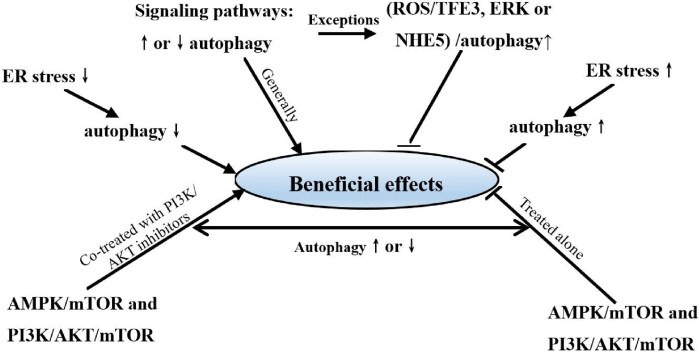
This 2021 review subject was metformin’s role in autophagy:

“Metformin had been used as the first choice for treating diabetes for almost a century. Autophagy is responsible for recycling and degrading cellular components, which significantly affects cell functions in physiology and pathology.

Effects of metformin on autophagy mainly depend on corresponding signaling pathways in specific organs or tissues. Metformin can induce autophagy in cells of many organs and tissues via affirmed signaling pathways, such as AMPK-related signaling pathways.

1-s2.0-S0753332221000718-gr5_lrg

Different signaling pathways (alone or in combination) mediated the process of metformin affecting autophagy in different organs or tissues. It is necessary to combine effects of metformin on autophagy with pharmacological effects on pathologies in different organs or tissues, which would provide indications for future metformin applications.”

https://www.sciencedirect.com/science/article/pii/S0753332221000718 “The effects of metformin on autophagy”


I characterized this review as Part 2 of Broccoli sprouts activate the AMPK pathway because that study’s experimental evidence showed sulforaphane activation of the AMPK pathway was a predecessor to sulforaphane’s main effects of Nrf2 pathway activation. This review didn’t even mention Nrf2 activation.

Do all of metformin’s cited effects apply to daily intake of broccoli sprouts? Probably not, but most people who take metformin every day aren’t healthy.

See Part 3 for updates.

Grow your 3-day-old sprouts in darkness

This 2021 study examined light frequency effects on Chinese kale sprouts’ development of glucosinolates:

“We investigated sprout growth and secondary metabolite glucosinolates (GSs) accumulation under white or combined red-and-blue (RB) light sources. Most GSs in sprouts are stored in seeds, which is gradually degraded to provide nutrients for other metabolic functions.

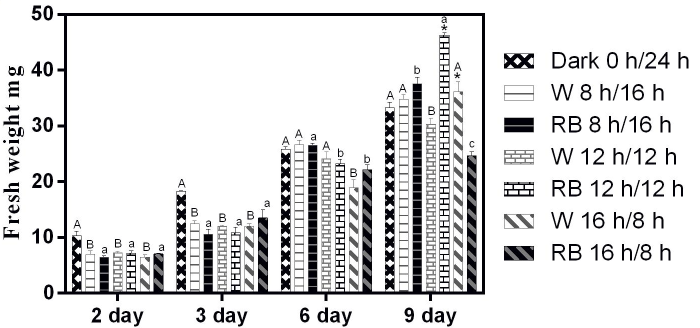
Phenotype of 3-day-old Chinese kale sprouts grown with different photoperiods condition under white or RB light:

capital A was grown in darkness

Sprouts grown under dark conditions showed only elongation of hypocotyls [shoots]. Sprouts grew with shorter hypocotyls and wider cotyledons [first leaves] irrespective of whether a white or combined RB light source was used.

Growth indicators (including plant height, cotyledon length, fresh weight, and dry weight) under different photoperiodic treatments were measured on days 2, 3, 6, and 9. Consistent with the phenotype presented, plant height and cotyledon length responded rhythmically to illumination time.”

https://www.frontiersin.org/articles/10.3389/fpls.2020.589746/full “Effect of Photoperiod on Chinese Kale (Brassica alboglabra) Sprouts Under White or Combined Red and Blue Light”


Circadian rhythms rule. Accept and adjust.

An overlooked gut microbiota product

This 2021 review subject was histone crotonylation:

“Histone crotonylation is a newly identified epigenetic modification that has a pronounced ability to regulate gene expression. It belongs to an expanding group of short chain lysine acylations that also includes the extensively studied mark histone acetylation.

Histone Kcr was first identified in 2011 where it was found to be mainly associated with active chromatin. Kcr occurs on the ε-amino group of the lysine side chain, where it neutralizes the positive charge of this residue. The loss in positive charge on histone Lys residues weakens DNA interaction, thus making chromatin less compact and accessible to DNA-binding factors.

Crotonate, like other short chain fatty acids (SCFAs), is mainly produced by gut microbiota during fermentation of partially and nondigestible carbohydrates. Circulating SCFAs (acetate, crotonate, butyrate, and propionate) can be taken up by tissues and converted into their cognate short-chain acyl-CoAs, the direct donors of histone Lys acylations.

fcell-09-624914-g001

Crotonyl-CoA is generated as a by-product of fatty acid and amino acid metabolism. Synthesis of crotonyl-CoA can occur in mitochondria or the cytoplasm. Evidence suggests that histone acylations are directly sensitive to changes in concentrations of their corresponding acyl-CoA metabolites, and therefore can act as indicators of cellular metabolic state.

Only a small number of Kcr sites in human histones have been identified so far. This is in part due to a lack of commercially available Kcr site-specific antibodies, which has meant much of the research in this field has focused on studying total histone crotonylation. This is likely to limit our understanding of the importance of histone Kcr, as functional impact of modification at specific sites cannot be readily assessed.”

https://www.frontiersin.org/articles/10.3389/fcell.2021.624914/full “The Regulation and Function of Histone Crotonylation”


At first I thought I had missed recent studies of gut microbiota producing crotonate. Searching again for “crotonate” “microbiota” 2020 2021, I didn’t find any that weren’t cited by this paper.

A lack of research could be due to factors mentioned above. It may also be that researchers just don’t look for evidence of the circulating SCFA crotonate.

Broccoli sprouts’ immune effects

Two 2021 papers, with the first’s subject being sulforaphane’s immune effects:

“Effects of sulforaphane (SFN) on immune response generate scientific interest because of its bioavailability, which is much higher than other phytochemicals, and its capacity to induce Nrf2 target genes. Clinical trials suggest that sulforaphane produces favorable results in cases where pharmaceutical products fail.

SFN exhibits the highest bioavailability among well-known antioxidant phytochemicals, such as quercetin (20-fold higher) and curcumin (80-fold higher). SFN confers a high potential to be used either as a nutraceutical to improve health status, or as pharmaceutical to treat disease states.

molecules-26-00752-g001

Sulforaphane exerts a pleiotropic effect on immunological response, and the final effect depends on cell type.

  • In lymphocyte T-cells, SFN induces ROS production, GSH depletion, and repression of inflammatory cytokines, resulting in suppression of immune and inflammatory responses.
  • In monocytes and macrophages, SFN stimulates immune response by inducing Nrf2, thus triggering antioxidant and anti-inflammatory responses.”

https://www.mdpi.com/1420-3049/26/3/752/htm “Potential of Sulforaphane as a Natural Immune System Enhancer: A Review”


A second study was Fertilization and Pre-Sowing Seed Soaking Affect Yield and Mineral Nutrients of Ten Microgreen Species:

“Ten tested microgreen species [amaranth, arugula, basil, broccoli, red cabbage, Daikon radish, kale, kohlrabi, mustard, and green pea] in this study varied in fresh and dry shoot weights, shoot height, and mineral nutrient concentrations.”

This study grew sprouts for 6 – 18 days before harvesting. Its study design didn’t require sampling along the way to discover informative compositional changes, as did 2020’s 3-day-old broccoli sprouts have the optimal yields and Broccoli sprout compounds include sinapic acid derivatives.

Their supplier was the same as I used for broccoli and red cabbage seeds. No endorsement is intended.

I’d rather use an unknown broccoli variety than this study’s broccoli cultivar, Waltham 29. It was found to be relatively glucoraphanin-deficient when measured in a 2004 study referenced in Tailoring measurements for broccoli sprouts, 32nd of 34 tested.

Received these today:

PXL_20210424_191628875

I’ve asked for clarification of the red cabbage seed variety I received. Not sure what “Agnostic” means in a “Red Cabbage Microgreen – Agnostic” context. 🙂

Mustard and red cabbage sprouting will follow Improving healthy compounds of broccoli sprouts efforts, minus that study’s laboratory setup and duration. I expect synergistic effects from handling both species’ sprouts with my protocol for microwaved 3-day-old broccoli sprouts.

Effects of another broccoli sprout compound

This 2020 rodent study investigated effects of broccoli sprout hydrolysis compound indole-3-carbinol:

“I3C metabolites act as ligands of the aryl hydrocarbon receptor (AhR), an important sensor for environmental polyaromatic chemicals. We investigated how dietary AhR ligand supplementation influences AhR target gene expression and intestinal microbiota composition.

Environmental signals, such as dietary, microbial, or xenobiotic factors, are sensed in intestinal tissue AhR, an important regulator of metabolism. It influences immune cell homeostasis and immune activation in the intestine.

AhR activation plays an important role in intestinal immunity, contributing to intestinal homeostasis, inflammation, and host defense:

  • AhR activation through high affinity AhR ligands has been shown to stimulate production of antimicrobial peptides.
  • AhR has been shown to be an important regulator of T cell immunity.

This indicates a major role of AhR in resolving intestinal inflammation.

High fat diet and control diet lead to reduced expression of Ahrr in intestinal immune cells.

High fat diet and control diet lead to reduced expression of Ahrr in intestinal immune cells.

Mucosal surface area of the gut represents an enormous area in direct contact with the environment. In addition to occasional pathogen encounters, the intestinal immune system is constantly exposed to antigens from diet or microbiota.

Gut-associated immune cells maintain a balance between protection against harmful infections and tolerating harmless food-derived antigens and commensals.

Our findings are in agreement with reports that dietary I3C supplementation restored AhR activation in intestinal mucosa under conditions of malnutrition and deprivation of natural AhR ligands. In humans, such malnutrition may result from a severely reduced consumption of vegetables and fruit in favor of a carbohydrate rich, high fat diet.”

https://www.mdpi.com/1422-0067/21/9/3189/htm “Dietary AhR Ligands Regulate AhRR Expression in Intestinal Immune Cells and Intestinal Microbiota Composition”


Our gut microbiota outnumber our human cells. Treat them well with broccoli sprout compounds, resistant starch, and fermentable fibers, and expect reciprocity.

Pigs and glucosinolates

This 2020 porcine study subject was improving healthy aspects of canola-oil-processing by-products:

“We hypothesized that inclusion of high-amylose cornstarch (HA-starch) in canola co-products-based diets for pigs can reduce hindgut pH, leading to increased degradation of glucosinolates present in hindgut of pigs into non-goitrogenic products. Most dietary myrosinases [enzymes] are inactivated by heat during cooking, pressing and toasting of canola seeds during oil extraction, implying that microorganisms that reside in the hindgut of pigs are a major source of myrosinase that degrade glucosinolates into various metabolites.

Negative effects of dietary cold-pressed canola cake (CPCC) on thyroid gland functions of nursery pigs were alleviated by dietary HA-starch. Composition of glucosinolate degradation products was dependent on parent glucosinolate type and pH conditions.

Dietary resistant starch for nursery pigs reduced cecal digesta pH from 6.07 to 5.37. Resistant starch escaped enzymatic digestion in the small intestine, and was highly fermented in hindgut of pigs.

total canola gluconisolates

Since dietary HA-starch at 40% reduced growth performance of pigs in the current study, there is a need to identify optimal dietary level of HA-starch that does not compromise growth performance of pigs fed canola co-product-based diet, or to identify alternative strategies that can be used to reduce pH in the hindgut of pigs fed canola co-product-containing diet without compromising growth performance.”

https://academic.oup.com/jas/article-abstract/98/5/skaa111/5817019 “Toxicity of canola-derived glucosinolates in pigs fed resistant starch-based diets” (not freely available)


Pig metabolism is similar to humans. Glucosinolate compound effects weren’t similar to those in sulforaphane studies because their contexts were different. Eat oats to prevent diabetes also provided evidence for what dietary resistant starch and β-glucan can achieve.

Found this study through a search term “indole-3-carbinol” restricted for 2021. It was cited in Toxicity of Canola-Derived Glucosinolate Degradation Products in Pigs—A Review coauthored by the same researchers.

Improving healthy compounds of broccoli sprouts

This 2020 study investigated known and experimental effects on sprouted broccoli, white mustard, red radish, and red cabbage compounds:

“We planned development of cruciferous sprouts in hydroponics elicited with LED lighting and Methyl-Jasmonate (MeJA) to bio-stimulate production of glucosinolates, comparing effects of two types of LEDs designed for indoor food production systems.

We aimed to gain knowledge on response (germination rate, biomass yield) and phytochemical composition of fresh edible sprouts of cruciferous varieties (broccoli, radish, cabbage and mustard) under these conditions for future food production recommendations:

  • Use of LED lights to grow edible cruciferous sprouts was positive in terms of biomass production and phytochemical content (glucosinolates) without any negative effects.
  • Use of MeJA was positive, confirming previous results. Intensity of response for different species is useful to focus production of sprouts for specific purposes.

3-day old sprouts were placed in a growth chamber with controlled conditions (Photoperiod 18/6 h; temperature 24/18 °C; and relative humidity 60/80%), irrigated every other day to maintain enough humidity in substrate, using 1% bleach in distilled water, and collected on day 7. Trays of germinating seeds were evenly sprayed daily with 10 mL of solution for 4 days.

4 sprouts glusosinolates affected by LED and MeJa

Total Glucosinolates (mg/100 g fresh weight) of White Mustard, Broccoli, Red Cabbage and Red Radish sprouts, under two different LED lightings, and elicited with MeJA (250 μM).

Combining MeJA spraying with different LED light treatment showed clear increases in total glucosinolate contents for all studied sprouts when sprayed for 4 days with MeJA 250 μM.”

https://www.mdpi.com/2504-3900/70/1/67/htm “The Quality and Glucosinolate Composition of Cruciferous Sprouts under Elicitor Treatments Using MeJA and LED Lights”


The research group of Our model clinical trial for Changing to a youthful phenotype with broccoli sprouts keep ramping it up. They’ve published studies of MeJA effects and LED effects on sprouts separately, but not combined like this one did.

I ordered a pound of red cabbage seeds to see how I like their 3-day-old sprouts. I started soaking mustard seeds purchased from a grocery store’s spice section last year to see if they’ll sprout.

Although effects in the above graphic are compelling, I don’t want to turn my kitchen into a laboratory with LED lights and MeJA treatments. I’ll first see if red cabbage and mustard sprouts are tolerable.

See Broccoli sprouts’ immune effects and Week 56 of Changing to a youthful phenotype with sprouts to follow on.

Train your gut microbiota with taurine

This 2021 rodent study found:

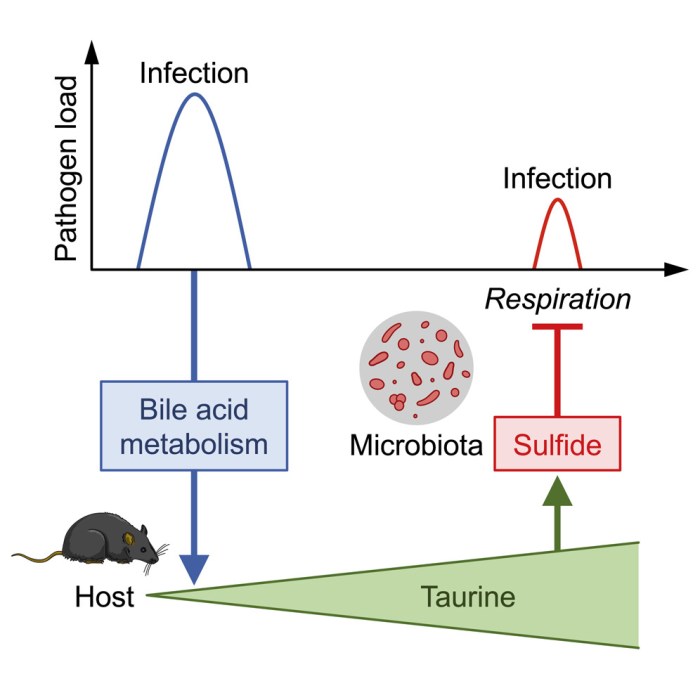
“We show that gut microbiota from previously infected hosts display enhanced resistance to infection. This long-term functional remodeling is associated with altered bile acid metabolism leading to expansion of taxa that utilize taurine.

Supplying exogenous taurine alone is sufficient to induce this alteration in microbiota function and enhance resistance. Taurine potentiates microbiota production of sulfide, an inhibitor of cellular respiration, which is key to host invasion by numerous pathogens.

fx1_lrg

This work reveals a process by which the host, triggered by infection, can deploy taurine as a nutrient to nourish and train microbiota, promoting its resistance to subsequent infection.”

https://www.cell.com/cell/fulltext/S0092-8674(20)31681-0 “Infection trains the host for microbiota-enhanced resistance to pathogens” (not freely available)


News coverage added:

“The studied infections induced host taurine production and expansion of taurine utilizers. Taurine was the trigger for activity of a class of bacteria that fight these infections.

The group’s data suggest that low levels of taurine allow pathogens to colonize the gut, but high levels produce enough hydrogen sulfide to prevent colonization. Taurine given to mice in drinking water prepared microbiota to prevent infection. However, when mice drank water containing bismuth subsalicylate, a common over-the-counter drug used to treat diarrhea and upset stomach, infection protection waned because bismuth inhibits hydrogen sulfide production.”

Can’t calculate a human equivalent dose without access to this study. I take 1 gram of taurine twice a day.

Per Treating psychopathological symptoms will somehow resolve causes? I resumed taurine supplementation last year after taking a year’s break. From that paper’s taurine section:

“Most studies that reported enhanced GSH [glutathione] in the brain following taurine treatment were performed under a chronic regimen and used in age-related disease models.

Such positive effects of taurine on GSH levels may be explained by the fact that cysteine is the essential precursor to both metabolites, whereby taurine supplementation may drive metabolism of cysteine towards GSH synthesis.”

If that paper’s hypothesis is correct, and the current study’s evidence is replicable, taurine supplementation is a win-win for both our brain and gut microbiota.


Sunrise minus 5 minutes

Let β-glucan train your brain

This 2021 rodent study investigated yeast cell wall β-glucan’s effects on the brain’s immune system:

“Innate immune memory can manifest in two different ways, [1] immune training and [2] immune tolerance, which means [1] an enhanced or [2] suppressed immune response towards a secondary challenge. Lipopolysaccharide (LPS) and β-glucan (BG) are two commonly used ligands to induce immune training and tolerance.

Microglia, the innate immune cells of the central nervous system, can adopt diverse phenotypes and functions in health and disease. In our previous study, we have shown that LPS preconditioning induces immune tolerance in microglia.

Compared to LPS, relatively little is known about effects of BG on microglia. In this study, we report for the first time that systemic administration of BG activates microglia in vivo, and that BG preconditioning induces immune training in microglia.

dectin-1

Our results show that BG activated microglia without inducing significant cytokine expression.

BG- and LPS-preconditioning both induced immune training in microglia two days after the first challenge. However, with an interval of 7 days between the first and second challenge, LPS-preconditioning induced immune tolerance in microglia where BG-induced immune training was no longer detected.”

https://jneuroinflammation.biomedcentral.com/articles/10.1186/s12974-021-02103-4 “Systemic administration of β-glucan induces immune training in microglia”


One solution to “BG-induced immune training was no longer detected” after 7 days is to take β-glucan every day. I haven’t seen studies that found β-glucan induced immune tolerance, i.e. “suppressed immune response towards a secondary challenge.”

I take allergy medicine twice a day. Switched over to a different β-glucan vendor and dose per Year One of Changing to a youthful phenotype with broccoli sprouts.

I take 1 gram of Glucan 300 capsules without eating anything an hour before or an hour afterwards. I’ve only been doing it for a week, though, and haven’t been able to separate out β-glucan effects on seasonal allergies. I’ll try stopping allergy medicine when pollen stops coating my car.

PXL_20210405_103925702
Swarming a spring sea trout run. Ospreys outcompeted gulls for breakfast.

Eat broccoli sprouts for your heart

This 2021 rodent study investigated mechanisms of sulforaphane’s persistent cardiac protection:

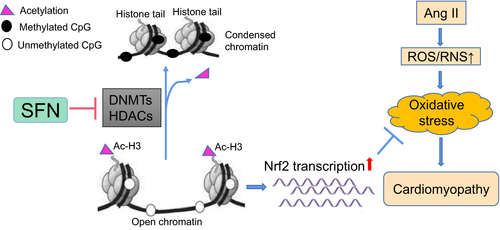
“Sulforaphane (SFN) reduced Ang II‐induced CpG hypermethylation and promoted Ac‐H3 [histone H3 acetylation] accumulation in the Nrf2 promoter region, accompanied by inhibition of global DNMT [DNA methyltransferase] and HDAC [histone deacetylase] activity, and a decreased protein expression of key DNMT and HDAC enzymes. Overall, DNA methylation and histone deacetylation are considered to inhibit gene transcription with a synergistic effect.

jcmm16504-fig-0006-m

SFN reduces CpG methylation and promotes enrichment of Ac‐H3 in Nrf2 promoter by inhibiting DNMTs and HDACs. This partially contributes to long‐acting activation of cardiac Nrf2, thereby preventing Ang II‐induced cardiomyopathy.”

https://onlinelibrary.wiley.com/doi/10.1111/jcmm.16504 “Sulforaphane prevents angiotensin II‐induced cardiomyopathy by activation of Nrf2 through epigenetic modification”


This study used the same dose of sulforaphane as Broccoli sprouts activate the AMPK pathway, but stopped at six months (equivalent to a 34-year-old human) rather than continuing to eight months (a 42-year-old human):

“0.5 mg/kg SFN in mice is converted to a human dose of 0.0405 mg/kg. In some clinical studies, the dose of SFN used to treat chronic diseases is usually higher. The dose of SFN used in this study is relatively low and safe.”

Findings highlighted:

  1. A disease condition existed in young adults that wasn’t severe enough for them to experience overt symptoms; and
  2. A disease condition could be reversed or prevented when its causes were addressed before it became a problem.

Studies such as one mentioned in Part 2 of Eat broccoli sprouts for your eyes showed that if one waited until a disease condition became a problem, capabilities to adequately address causes and prevent it may be lost. Do you want to be limited to addressing a disease’s symptoms once it gets bad enough to be noticeable?

Both studies found positive effects of sulforaphane in preventing cardiomyopathy. The 2020 study demonstrated in myocardial cells that sulforaphane’s activation of the AMPK pathway – which is upstream of the Nrf2 pathway – activated Nrf2:

“NRF2-mediated antioxidative effects can be activated via AMPK/AKT/GSK3β pathway, developing another pathway to confront cardiac oxidative damage.”

The current study similarly stated:

“Nrf2 can also be regulated independently of Keap1. Evidence indicates that SFN may indirectly activate Nrf2 by affecting activity of several upstream kinases.”


Both studies’ “human dose of 0.0405 mg/kg” were a minuscule 2.8 mg (.0405 mg/kg x 70 kg) human dose compared with my estimated daily 52 mg of sulforaphane from eating 65.5 grams of microwaved 3-day-old broccoli sprouts twice daily. Yet that small amount of sulforaphane was able to prevent a daily dose of angiotensin II from causing conditions that would lead to heart disease.

I linked this study yesterday in Reversing osteoporosis with Nrf2 as an example of similarities with exercise and eating broccoli sprouts. While activating my Nrf2 pathways this morning by walking four miles at sunrise, I came across a heron who tolerated me getting close to them:

PXL_20210407_110723070

It ate breakfast off a branch, and pecked bugs from the water if they hopped off.