Human studies of astaxanthin – Part 2

Continuing Part 1, here are four more 2025 human studies of the Nrf2 activator astaxanthin, starting with a randomized, double-blind, placebo-controlled trial of its effects on reducing oxidative stress and inflammatory responses following eccentric exercise:

“This study investigated effects of astaxanthin supplementation on plasma MDA and HMGB1 levels following acute eccentric exercise in recreationally active male students. Fifty-four students were assigned to receive either 12 mg/day of natural astaxanthin (AST, n = 27) or placebo (PLA, n = 27) for 14 days.

A key consequence of eccentric-induced muscle damage is overproduction of reactive oxygen species (ROS). When ROS production exceeds the capacity of endogenous antioxidant systems, lipid peroxidation can occur. Malondialdehyde (MDA) is a stable end-product of lipid peroxidation and serves as a widely recognized biomarker for oxidative stress and cell membrane damage.

In parallel, muscle cell damage results in release of damage-associated molecular patterns (DAMPs) into the extracellular space. Among these, High Mobility Group Box-1 (HMGB1) plays a central role in inflammation when passively released from the nucleus. HMGB1 acts as a potent pro-inflammatory signal by activating innate immune receptors, recruiting immune cells, and upregulating cytokines such as IL-6 and TNF-α.

This heightened immune activity contributes to delayed-onset muscle soreness, which typically peaks 24–72 hours post-exercise, and is associated with impaired recovery. Sustained elevations in oxidative and inflammatory biomarkers, including MDA and HMGB1, may further impair recovery and contribute to long-term muscle pathology.

Astaxanthin’s antioxidant effects are mediated through both direct and indirect mechanisms. Structurally, astaxanthin is a xanthophyll carotenoid with a unique polar–nonpolar–polar configuration that enables it to span the phospholipid bilayer of cell membranes. This positioning allows it to neutralize ROS both at the membrane surface and within the lipid bilayer.

In addition, astaxanthin enhances endogenous antioxidant defenses by upregulating enzymes such as superoxide dismutase (SOD), catalase, and glutathione peroxidase (GPx) through activation of the Nrf2–ARE signaling pathway. This dual mode of action provides both immediate and sustained protection against oxidative stress during and after exercise.

The placebo group showed substantial increases in MDA and HMGB1 after exercise, whereas the astaxanthin group experienced attenuated rises (~22% and ~27% smaller, respectively) and faster recovery toward baseline within 24 hours. These findings suggest that astaxanthin supplementation can be incorporated into recovery strategies for athletes and active individuals, especially during periods of heavy training or repeated bouts of intense eccentric exercise. By reducing oxidative damage and inflammation, astaxanthin may shorten recovery time, limit performance loss, and support overall training adaptations—benefits that are particularly valuable in sports requiring frequent high-intensity efforts.

Several limitations should be acknowledged in this study.

  1. Sample size was relatively small and limited to recreationally active young males, which may restrict generalizability of findings to other populations such as females, older adults, or elite athletes.
  2. Supplementation period was limited to 14 days; although this duration is sufficient to achieve plasma saturation of astaxanthin, longer interventions may produce different or more pronounced effects.
  3. Only two biomarkers were assessed (MDA and HMGB1), which provide important but incomplete insights into broader oxidative stress and inflammatory response. Including additional markers such as enzymatic antioxidants, cytokine profiles, and muscle damage indicators (e.g., creatine kinase) could yield a more comprehensive understanding.
  4. Dietary intake and physical activity outside the intervention were self-reported and not strictly controlled, which may have introduced variability in results.”

https://tmfv.com.ua/journal/article/view/3664/1922 “Taking Astaxanthin Supplementation Attenuates MDA and HMGB1 Following Eccentric Exercise: A Randomized Controlled Trial in Recreationally Active Students”


A clinical trial investigated astaxanthin’s effects with exercise in diabetic women:

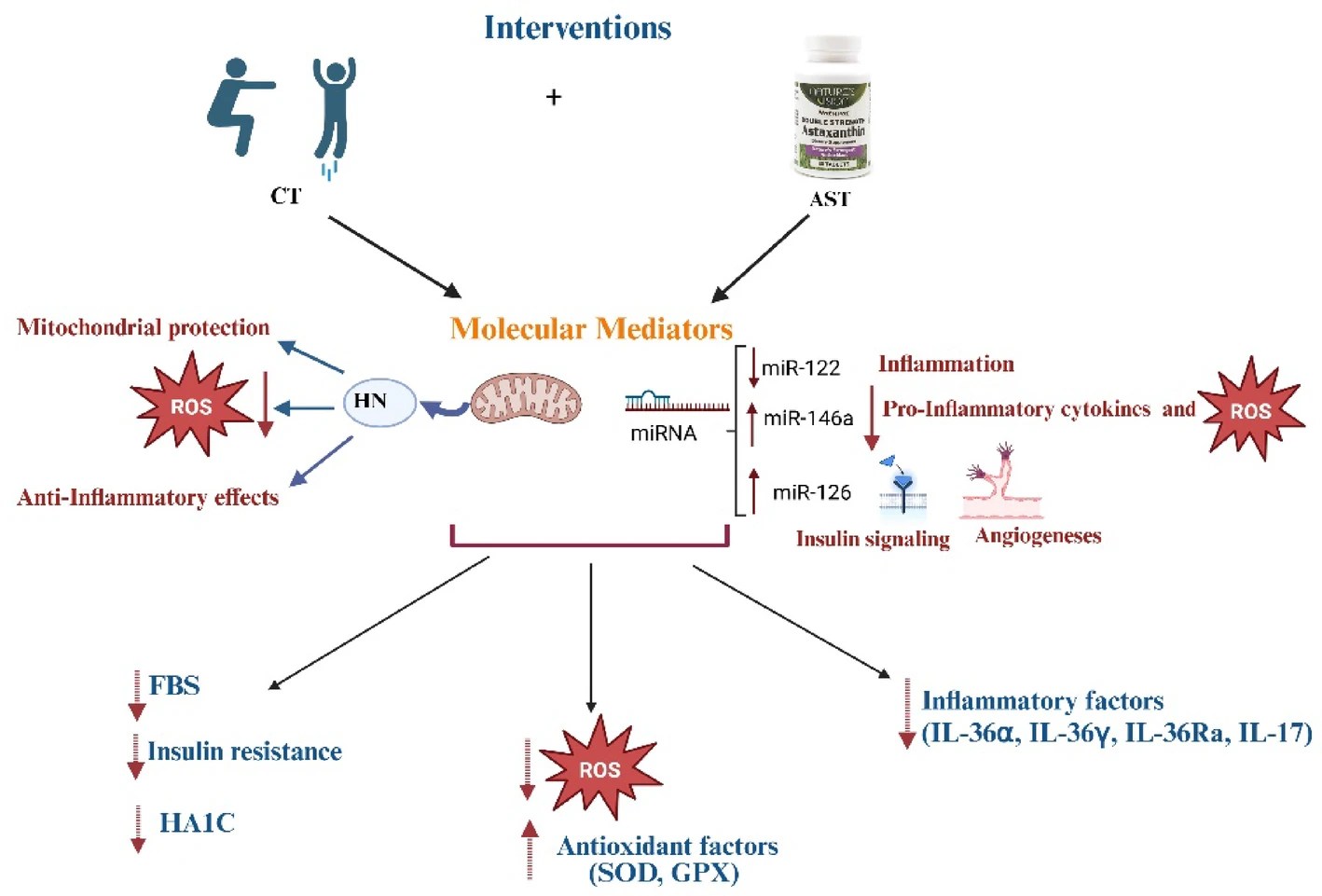
“This study examined whether combined aerobic and resistance training (CT) and astaxanthin (AST) supplementation synergistically improve oxidant and inflammatory status as well as metabolic indices in T2DM, focusing on the mediatory role of Humanin (HN) and microRNAs (miRNA-122, miRNA-126-3p, and miRNA-146a).

Ninety women with T2DM were randomly assigned to six groups (n = 15 each):

  • Control (C), placebo (P), AST supplementation (S), combined training (CT), CT + placebo (CT + P), and CT + AST supplementation (CT + S).
  • CT, CT + P and CT + S groups underwent an 8-week training program (eight exercises, three sessions per week).
  • S and CT + S groups received 8 mg/day of AST.

This study only enrolled female participants age between 30 and 60 years old to minimize inter-individual biological variability arising from sex differences in hormone regulation, fat distribution, and gene expression related to inflammation and oxidative stress. Oxidative stress (OS) markers, inflammatory cytokines, HN levels, miRNAs expression, fasting blood glucose (FBG), insulin resistance (HOMA-IR), lipid profile, and hemoglobin A1c (HbA1c) were assessed.

HN is a member of a class of novel mitochondrial-derived peptides released during mitochondrial dysfunction. HN reduces ROS production, enhances antioxidant protein expression, maintains redox balance, and suppresses TNF-α, IL-1β, and IL-6 to inhibit inflammation. Furthermore, resistance and endurance training has shown to increase HN expression in patients with prediabetes. Exercise – aerobic and endurance – has been shown to increase circulating and skeletal muscle levels of HN, correlating with improved insulin sensitivity and mitochondrial function.

Our results showed:

  • CT and AST supplementation both improved antioxidant defense and reduced inflammation, and their combination was more effective than either intervention alone.
  • CT and AST supplementation increased blood concentration of HN, and their combination showed greater effects than AST supplementation, but not CT.
  • CT and AST supplementation increased blood levels of miRNAs-126-3p, and -146a and decreased miRNA-122, with their combination being slightly more effective in decreasing miRNA-122.
  • Both interventions improved lipid profile, with their combination being more effective in improving HDL and TG levels, although not total cholesterol.
  • FBG, HOMA-IR, and HbA1c were reduced by CT but not by AST supplementation.

Our data suggest that combining exercise with AST supplementation might improve oxidative status and inflammation through mechanisms involving HN and miRNAs 122, 126-3p, and 146a. Alleviating OS and inflammation could, in turn, lead to improvements in lipid profiles (e.g., TG, and HDL), IR, and reductions in HbA1c and FBG, as observed in our study. Furthermore, the combined approach seems to be more effective at improving cholesterol and TG levels.

https://www.nature.com/articles/s41598-025-23914-y “Redox-sensitive miRNAs and Humanin could mediate effects of exercise and astaxanthin on oxidative stress and inflammation in type 2 diabetes”


A meta-analysis of randomized controlled trials reported until May 2025 assessed astaxanthin’s effects on lipid profiles. Neither of the two trials covered here nor the three trials covered in Part 1 were included in this meta-analysis.

“Astaxanthin, a xanthophyll carotenoid, has garnered significant interest due to its benefits with regard to dyslipidemia. This multifaceted functional food ingredient modulates several key enzymes associated with lipid regulation, including HMG-CoA reductase, CPT1, ACCβ, and acyl-CoA oxidase. It influences key antioxidant molecular pathways like Nrf2, limiting dyslipidemia occurrence and regulating liver cholesterol uptake through modulation of liver lipid receptors.

Astaxanthin daily doses and durations of analyzed studies: 12 mg for 8 weeks; 12 mg for 4 weeks; 20 mg for 12 weeks (two trials); 12 mg for 12 weeks; 8 mg for 8 weeks; 6 mg and 12 mg for 12 weeks; 6 mg, 12 mg, and 18 mg for 12 weeks.

This meta-analysis concludes positive effects of astaxanthin (6–20 mg/d) on HDL-C and triglyceride levels. Astaxanthin (6–20 mg/d) does not appear to significantly influence LDL-C and total cholesterol levels.

Regarding HDL-C, improvements were observed from 55 ± 8 mg/dL (pre-intervention) to 63 ± 8 mg/dL (post-intervention) (p < 0.01) in the 12 mg/d of astaxanthin groups. In triglyceride levels, results show a decrease from 151 ± 26 mg/dL (pre-intervention) to 112 ± 40 mg/dL (post-intervention) (p < 0.01) for 18 mg/d astaxanthin supplementation.

Further research is necessary to fully harness the potential of astaxanthin, which includes assessing astaxanthin in different subsets of patients, and in combination with other nutraceuticals to understand the compound’s effectiveness with regard to varying health conditions, genetic and epigenetic factors, and synergistic effects with other compounds.”

https://www.mdpi.com/1424-8247/18/8/1097 “Assessing the Effects of Moderate to High Dosage of Astaxanthin Supplementation on Lipid Profile Parameters—A Systematic Review and Meta-Analysis of Randomized Controlled Studies”


This same group of researchers assessed that in nine RCTs, astaxanthin had no effects on either body weight or BMI per https://www.mdpi.com/1424-8247/18/10/1482 “Therapeutic Potential of Astaxanthin for Body Weight Regulation: A Systematic Review and Meta-Analysis with Dose–Response Assessment”


Human studies of astaxanthin – Part 1

Here are three 2025 clinical trials of the Nrf2 activator astaxanthin’s effects. Let’s start with a clinical trial of inflammation-related diabetic complications and insulin resistance:

“We investigated effects of 10 mg/day astaxanthin (ASX) supplementation for 12 weeks on microRNAs (miRNAs), lysophosphatidylcholine (LPC), and α-hydroxybutyrate (α-HB) as novel factors in development of a variety of diabetes-related complications.

  • LPC is believed to play a significant role in atherosclerosis and inflammatory diseases by modifying functions of multiple cell types, including smooth muscle cells, endothelial cells, monocytes, macrophages, and T cells. LPC can interfere with glucose-stimulated insulin secretion by impairing calcium homeostasis and other signaling pathways that are crucial for the proper functioning of beta cells. This impairment exacerbates hyperglycemia in diabetic patients. LPCs may impede insulin signaling pathways, thereby contributing to insulin resistance (IR).
  • α-HB is also an indicator of IR and impaired glucose regulation, both of which appear to result from excessive lipid oxidation and oxidative stress. The European population cohorts in 2016 identified α-HB as a selective biomarker for decreased glucose tolerance and prediabetes, which was independent of age, sex, BMI, and fasting glucose.
  • A number of studies have established a link between miR-21, miR-34a, and miR-155 and diabetic complications such as retinopathy and nephropathy.

In the ASX group, participants were divided into 2 subgroups according to the urinary albumin-to-creatinine ratio (ACR) (< 30 mg/g or ≥ 30 mg/g, an indicator of diabetic kidney disease).

  • The level of fasting plasma glucose before and after 12 weeks of treatment with ASX was 139.27 ± 21.18 vs. 126.43 ± 18.97 (p = 0.002), demonstrating a significant reduction compared to the placebo group.
  • In the ASX group, the mean HbA1c level at baseline was 7.89 ± 0.79 and declined to 7.05 ± 0.35 after the supplementation period, which was statistically significant.
  • Supplementation with ASX resulted in a statistically significant drop in HOMA-IR levels, whereas this parameter was not altered significantly in the placebo group.
  • The ASX group, in comparison with the placebo group, demonstrated marked changes in lipid profile factors such as TC, TG, and LDL (p = 0.011, p = 0.043, and p = 0.022, respectively).

Clinical studies indicate that rigorous diabetes management does not substantially diminish appearance of complications. Modifications in oxidative stress and IR markers, as well as miRNA expression, must be analyzed to identify biological markers with sufficient predictive power for development of complications in diabetic patients.

Supplementation with ASX substantially diminished the levels of α-HB, LPC, and inflammation-related miRNAs in diabetic patients with and without complications.”

https://onlinelibrary.wiley.com/doi/10.1155/ije/5878361 “Astaxanthin Modulates Inflammation in Type 2 Diabetes via Regulation of microRNAs, Lysophosphatidylcholine, and α-Hydroxybutyrate”


Another clinical trial investigated astaxanthin’s effects in heart failure patients:

“Chronic heart failure (HF) is often linked to increased oxidative stress and metabolic issues like high uric acid, which can worsen outcomes.This study aimed to investigate the effects of ASX supplementation on oxidative stress markers as the primary outcome and clinical symptoms in patients with HF.

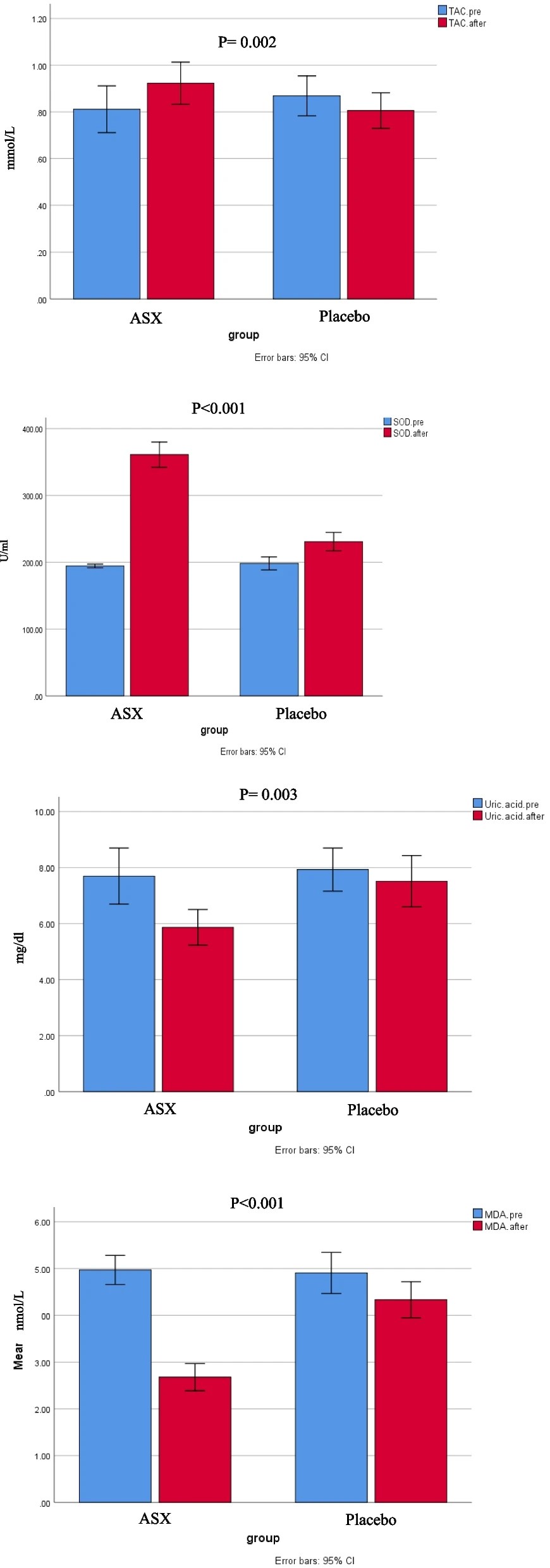
80 patients with HF were enrolled and randomly assigned to receive either ASX (20 mg/day) or a placebo (20 mg/day of maltodextrin) for 8 weeks. Biomarkers including total antioxidant capacity (TAC), malondialdehyde (MDA), superoxide dismutase (SOD), serum uric acid (UA), and clinical symptoms (dyspnea, fatigue, appetite) were assessed pre-and post-intervention.

Daily supplementation with 20 mg of ASX for eight weeks in patients with HF resulted in significantly greater improvements in oxidative stress biomarkers compared to placebo group. This improvement included reductions in uric acid and MDA, along increases in TAC and SOD.

In our study, participants received the cis-isomer form of ASX. The cis-isomer of ASX demonstrates greater anti-inflammatory and antioxidant properties than the trans-isomer, along with enhanced bioavailability. Inconsistencies among studies may be attributed to differences in participants’ baseline antioxidant status, underlying medical conditions, dosage, isomeric form and formulation of ASX used, and the duration of intervention.

One of the strengths of this study is that it represents the first randomized clinical trial to evaluate the effects of ASX supplementation on oxidative stress markers, UA levels, and clinical symptoms in patients with HF. Additionally, potential confounding factors were controlled as much as possible. However, several limitations were identified, including the relatively short intervention duration, limited sample size, limited generalizability of the findings due to the single-center design, absence of blood ASX level measurements, and lack of long-term follow-up.”

https://link.springer.com/article/10.1186/s12872-025-05260-zImpact of astaxanthin on oxidative markers, uric acid, and clinical symptoms in heart failure: a randomized clinical trial”


A third clinical trial evaluated astaxanthin’s effects as an adjunct to standard treatment of community-acquired pneumonia:

“Adult patients diagnosed with community-acquired pneumonia (CAP) were enrolled and assigned to receive either 12 mg/day ASX or a placebo in addition to standard antibiotic therapy for 7 days. Inflammatory markers, including interleukin-6 (IL-6), tumor necrosis factor-alpha (TNF-α), and interleukin-10 (IL-10), were measured at baseline and post-treatment. Secondary outcomes included Sequential Organ Failure Assessment (SOFA) and Acute Physiology and Chronic Health Evaluation II (APACHE II) scores.

A total of 80 patients (40 per group) completed the study. Patients receiving ASX exhibited significant reductions in pro-inflammatory cytokines compared to the placebo group. IL-6 and TNF-α levels were significantly lower in the ASX group at the end of the study (P < 0.05). Additionally, SOFA and APACHE II scores showed greater improvements in ASX-treated patients, suggesting a potential role in mitigating disease severity.

These findings suggest that ASX may help preserve organ function, limit the progression of inflammatory injury, and reduce overall disease severity in hospitalized patients with CAP.

ASX is widely regarded as the most potent carotenoid, owing to its unique molecular structure. Its polar-nonpolar-polar configuration enables it to span lipid bilayers and neutralize ROS both within and outside cellular membranes—an advantage not shared by other carotenoids that tend to localize at the membrane surface.

Despite the positive findings of this study, some limitations should nevertheless be considered.

  • The relatively small sample size may have limited the statistical power to detect differences in some outcomes and affects the generalizability of the findings.
  • Microbiological data on CAP pathogens were not collected. As different microorganisms can trigger distinct inflammatory responses, this limits our ability to assess pathogen-specific variations in ASX efficacy.
  • A notable limitation of this study is the short follow-up duration, with outcomes assessed only over a 7-day period. While this timeframe offers insight into the acute effects of ASX on inflammatory and OS markers, it does not clarify whether these benefits are sustained beyond the immediate treatment window.
  • The fixed dose of 12 mg once daily may not have maintained optimal therapeutic levels throughout the day. Dose-ranging studies and evaluations of alternative regimens are needed to determine the most effective strategy.”

https://www.frontiersin.org/journals/pharmacology/articles/10.3389/fphar.2025.1621308/full “The anti-inflammatory and antioxidant effects of astaxanthin as an adjunctive therapy in community-acquired pneumonia: a randomized controlled trial”


Part 2 continues with four more 2025 human studies of astaxanthin.


Plasmalogens Week #8 – Experience

Wrapping up Plasmalogens Week with a summary of my plasmalogen-related experiences over the past two years since Plasmalogens, Part 3 in November 2023.

I took detailed plasmalogen measurements on July 24, 2025, with Dr. Goodenowe’s BioScan product. I’d guess that the populations against which BioScan personal Z-scores are derived are from Dr. Goodenowe’s research during this century, many frozen samples of which he’s kept. If so, I’d guess that these populations’ data probably don’t have bell-shaped curves, and that their data’s means and standard deviations may be skewed as they’re representing people who were diseased and/or old.

Here’s my peroxisomal function panel:

I wasn’t taking ProdromeNeuro or ProdromeGlia at the BioScan blood draw time. ProdromeNeuro and ProdromeGlia supplements contain plasmalogen precursors that bypass peroxisome organelles’ normal plasmalogen synthesis functions. I haven’t reordered these supplements in 2025, but took them until my supplies ran out in January 2025. Don’t know to what extent their effects may have continued for six months.

Every day for months before the BioScan, I took a fish oil capsule with 690 mg EPA and 310 mg DHA, and a flax seed oil capsule (700 mg alpha linolenic acid omega-3, 154 mg linoleic acid omega-6, and 168 mg oleic acid omega-9). I also ate 3 eggs a day.

These practices influenced the above peroxisomal function results. My Z-scores of DHA and EPA ethanolamine plasmalogens (DHA +1.3, EPA +1.7) are more than one standard deviation above their respective population means.

The next step of plasmalogen synthesis after peroxisomes takes place in endoplasmic reticulum organelles. Among other papers describing these steps in the ER link’s results, Improving peroxisomal function states:

“Proper functioning of peroxisomes in metabolism requires the concerted interaction with other subcellular organelles, including the endoplasmic reticulum (ER), mitochondria, lipid droplets, lysosomes, and the cytosol. A striking example of peroxisome-ER metabolic cooperation is de novo biosynthesis of ether phospholipids.”

ER stress involves the unfolded protein response, a protein homeostasis-maintaining system that monitors ER conditions by sensing inadequacy in ER protein folding capacity. ER stress is a very common occurrence for humans, in part because ER protein folding has an over 80% failure rate per Every hand’s a winner, and every hand’s a loser.

I haven’t read papers about ER stress directly influencing plasmalogen abundance. But I’ve curated papers, including several during this Plasmalogens Week, that demonstrate how oxidative stress reduces plasmalogens.

Here’s my BioScan inflammation / oxidative stress panel:

I don’t have a history of these measurements except for hsCRP, which has been below 1 for over five years since I started eating broccoli sprouts every day, along with taking taurine and betaine. That oxidative stress interventions may influence ER stress has been curated in papers such as Eat broccoli sprouts for stress, Part 2 of Eat broccoli sprouts for your eyes, Taurine week #7: Brain, Betaine and diabetes, and All about the betaine, Part 2.

Back to my peroxisomal function panel: I don’t consider my negative Z-scores (below the population mean) of Total PEs and Total PCs to be actionable. Both of them produced positive Z-scores (above the population mean) of their respective total plasmalogens (Total PLEs +1.3, Total PLCs +0.5). I view Total PEs and Total PCs as pools of raw materials for plasmalogen synthesis that are used when needed.

My July 2025 BioScan shows that my current practices provide adequate plasmalogens as compared with unknown populations. It indicates that to produce adequate plasmalogens, I don’t need ProdromeNeuro and ProdromeGlia plasmalogen precursor supplements that bypass normal peroxisomal function plasmalogen synthesis.

This year’s BioScan was a one-time event. I don’t agree with advocates for constantly tweaking health parameters, or obtaining frequent test results for ‘youthful’ targets, or competing with or conforming to other people’s measurements, or unfounded longevity beliefs. It’s every human’s choice whether or not we take responsibility for our own one precious life. Being overly obsessed about one’s health can be among the many symptoms of what’s ruining a person’s life.

I might use a future version of BioScan along with ProdromeNeuro and ProdromeGlia plasmalogen precursor supplements if I had to recover from an accident or some other health emergency that creates a substantial demand for plasmalogens’ antioxidant activities. But I’d first return to past practices I’ve found to be successful in combating oxidative stress, like increasing the frequency of Nrf2 activation by eating broccoli sprouts twice a day rather than once daily.


Plasmalogens Week #7 – Genes

Continuing Plasmalogens Week with three 2025 papers, starting with a rodent study of genetically deleting a plasmalogen catabolizing enzyme:

“In this study, we investigated the impact of global and tissue-specific loss-of-function of a plasmalogen catabolizing enzyme, lysoplasmalogenase (TMEM86B), on circulatory and tissue lipidomes. Mice with homozygous global inactivation of Tmem86b (Tmem86b KO mice) were viable and did not display any marked phenotypic abnormalities.

Tmem86b KO mice demonstrated significantly elevated levels of plasmalogens alkenyl phosphatidylethanolamine (PE(P)) and alkenyl phosphatidylcholine (PC(P)), as well as lysoplasmalogens, in the plasma, liver, and natural killer cells compared to their wild-type counterparts. The endogenous alkenyl chain composition of plasmalogens remained unaltered in Tmem86b KO mice. Consistent with the global knockout findings, hepatocyte-specific Tmem86b knockout mice also exhibited increased plasmalogen levels in the plasma and liver compared to their floxed control counterparts.

Plasmalogens may be synthesized locally within various tissues, with each organ possessing the necessary enzymatic machinery to regulate its own plasmalogen levels. Plasmalogens are important structural constituents of the biological membranes of animals and certain anaerobic bacteria, and have several well-described functions, including regulating membrane dynamics and vesicular cholesterol transport and homeostasis.

  • One of the most interesting features of plasmalogens is their endogenous antioxidant activity, which is mostly due to the vinyl ether bond, which can scavenge reactive oxygen species and thereby protect other biomolecules from oxidative damage.
  • They increase the gene expression of multiple antioxidant enzymes to protect against chemically induced cytotoxicity and lipid peroxidation in cultured hepatocytes.
  • Plasmalogen derivatives such as polyunsaturated fatty acids (AA or DHA) and lysoplasmalogens can act as lipid mediators for multiple cellular signaling activities.
  • Plasmalogens are important for phagocytosis of macrophages, lipid droplet formation, and development and function of neuromuscular junctions.
  • They play vital roles in mediating immune responses, and mitochondrial fission to regulate adipose tissue thermogenesis, and protecting neuronal cells against cell death and inflammation.

All of these are suggestive of a critical role played by plasmalogens in maintaining cellular homeostasis.

While plasmalogen anabolism is well defined, its catabolism has been less studied. During catabolism, plasmalogens are deacylated by the action of a calcium-independent phospholipase A2 enzyme (iPLA2) to produce lysoplasmalogens. However, cytochrome C has also been shown to act as a plasmalogenase under certain circumstances.

The amount of lysoplasmalogens in cells is tightly regulated either by reacylation into plasmalogens through a coenzyme A-independent transacylase, or by degradation into fatty aldehydes and glycerophospholipids by an alkenyl ether hydrolase commonly known as lysoplasmalogenase. Lysoplasmalogenase is a microsomal transmembrane enzyme highly specific for lysoplasmalogens, and has no activity against plasmalogens.

While research on the distinct biological functions of lysoplasmalogens and plasmalogens is lacking, some reports indicate potential toxic effects of lysoplasmalogens. Degradation products of lysoplasmalogens, such as fatty aldehydes, are highly reactive electrophilic compounds that can form toxic adducts with cellular proteins and lipids. These interactions can lead to cellular dysfunction and contribute to various pathological conditions. Their accumulation in ischemic/reperfused tissues has been associated with cellular damage.

However, we observed that the amount of lysoplasmalogens as a proportion of total plasmalogens in the liver of Tmem86b KO mice was only ∼3.5%, indicating that elevated lysoplasmalogens are rapidly converted into plasmalogens within the liver. In adipose tissue-specific Tmem86a KO mice, which also exhibited higher lysoplasmalogens, no toxic effects were observed. Instead, these mice showed elevated mitochondrial oxidative metabolism and energy expenditure, offering protection from high-fat diet-induced metabolic dysfunction. These findings suggest that any potential toxic effects of lysoplasmalogens are largely mitigated by their rapid reacylation into plasmalogens.

This study enhances our understanding of regulatory mechanisms governing plasmalogen metabolism, and highlights the potential of targeting Tmem86b to therapeutically raise plasmalogen levels.”

https://www.jlr.org/article/S0022-2275(25)00068-9/fulltext “Modulation of endogenous plasmalogens by genetic ablation of lysoplasmalogenase (Tmem86b) in mice”


An independent researcher published a commentary on the above study:

“While the biosynthesis of this particular lipid subclass, starting in the peroxisomes and ending at the endoplasmic reticulum, has been the subject of extensive research, the degradation pathway of these compounds remains to be further elucidated. Plasmalogen breakdown is a complex process involving enzymatic hydrolysis, oxidative cleavage, and possibly also a recycling mechanism.

A fundamental unresolved question in the field of plasmalogen catabolism is which of the two possible reaction routes is actually the more important one. Either 1) directly via plasmalogenase or 2) via a deacylation step by a plasmalogen-specific phospholipase A2 (cPLA2, PLA2G4A), yielding a lysoplasmalogen as the first degradation product, and subsequent hydrolysis of the ether bond by a lysoplasmalogenase such as TMEM86A and TMEM86B. It is also unclear how these pathways interact or compensate for each other, how they are regulated, and whether they are tissue- or cell type–specific.

To make the story even more complex, a CoA-independent transacylase activity was described that reacylates lysoplasmalogen intermediates back to plasmalogens by transferring polyunsaturated fatty acids to the vacant sn-2 position of ether lysophospholipids. But no gene for this enzyme has so far been identified.

Why is plasmalogen breakdown so important? Disturbances in plasmalogen metabolism are associated with several human disorders. Neurodegenerative diseases such as Alzheimer’s disease, Parkinson’s disease, and multiple sclerosis have been shown to be associated with reduced levels of plasmalogens.

Unfortunately, it is still too early to draw conclusions about the individual roles of TMEM86A and TMEM86B, as their cellular localisation and function are not sufficiently studied, and reliable antibodies for these proteins are not yet available. Localization of the two TMEM86 homologs overlaps to some extent, as shown, for example, by their gene expression in small intestine. However, whether one isoform is able to compensate for a deficiency in the other is uncertain, and was not found in small intestine of Tmem86b knockout mice [in the above study].

In contrast to the two proteins TMEM86A and TMEM86B, cytochrome c is much better studied. It is associated with the inner mitochondrial membrane, and can be released into the cytosol during apoptosis. It has a wide tissue distribution with most abundant gene expression levels in the digestive tract and heart.

https://www.jlr.org/article/S0022-2275(25)00074-4/fulltext “Plasmalogen. Quo vadis?”

The statement “no gene for this enzyme has so far been identified” revealed a paradigm. But maybe what’s being observed evolved before genes?

One example of this principle is from the 1966 https://www.science.org/doi/10.1126/science.152.3720.363 “Evolution of the Structure of Ferredoxin Based on Living Relics of Primitive Amino Acid Sequences” which provided evidence pointing to heme protein evolution beginning before gene evolution. Its abstract included this statement:

“We explain the persistence of living relics of this primordial structure by invoking a conservative principle in evolutionary biochemistry: The processes of natural selection severely inhibit any change in a well-adapted system on which several other essential components depend.”

Maybe the process of reassembling plasmalogen breakdown products back into plasmalogens without involving a specific gene likewise became essential?


A role of plasmalogens in diabetic kidney disease was found in a third study that investigated a genetic rodent model of diabetes:

“Diabetic nephropathy (DN) represents a frequent cardiovascular complication of diabetes, affecting about 20–50% of individuals with the disease. Globally, it constitutes a primary etiology for end-stage kidney disease (ESKD) and chronic kidney disease (CKD), while also serving as a significant independent risk factor for cardiovascular morbidity and mortality.

Although intensive management strategies targeting blood pressure and glucose levels demonstrably attenuate the risk of DN development, they do not confer complete protection. This residual risk strongly implicates pathogenic factors beyond impaired glucose metabolism and hemodynamic alterations in DN pathogenesis.

In the present study, we employed the db/db mice as the DN model. When compared to other diabetes models, such as those induced by streptozotocin (STZ) or high-fat diet combined with STZ, the db/db model more accurately recapitulates the pathological features of human type 2 diabetes mellitus (T2DM). It also possesses a stable genetic background, making it particularly well-suited for the investigation of diabetes complications.

Transcriptomics revealed extensive dysregulation of metabolic and lipid regulatory pathways in db/db. Lipidomics uncovered pronounced abnormalities in cardiolipin species composition and plasmalogen profiles. Transcriptome-lipidome integration demonstrated impaired phosphatidylcholine (PC) biosynthesis, mechanistically linked to dysregulation of choline phosphotransferase 1 (chpt1), which correlated significantly with compromised tissue regeneration capacity.

Volcano plot analysis delineated specific lipid alterations, particularly in plasmalogen species in plasmalogen lipids. Plasmenylcholines (plas-PC) and plasmenylethanolamine (plas-PE) containing n-3 polyunsaturated fatty acids (PUFAs) were significantly decreased in the kidneys of db/db mice. Conversely, plas-PCs and plas-PEs esterified with n-6 PUFAs showed substantial accumulation in diabetic kidneys.

In conclusion, the highly sensitive and extensively targeted UHPLC-MS/MS methodology enabled a more in-depth characterization of renal metabolic and lipid perturbations in db/db mice. These alterations principally reflect the sustained inflammatory milieu and compromised antioxidant defenses characteristic of DN renal tissues.”

https://www.csbj.org/article/S2001-0370(25)00301-0/fulltext “Multi-omics characterization of diabetic nephropathy in the db/db mouse model of type 2 diabetes”


Plasmalogens Week #5 – Health and Diseases, Part 1

Continuing Plasmalogens Week with three 2025 papers, starting with a human study that included plasmalogen biomarkers of non-communicable disease fatigue symptoms:

“This study explored the biological mechanisms underlying fatigue in patients with NCDs using a multi-omics approach. Our findings indicate that distinct metabolic pathways, salivary microbiota, and genetic factors may contribute to different dimensions of fatigue, including general, physical, and mental fatigue.

  • General fatigue is associated with unsaturated fatty acid biosynthesis, indicating its role in lipid metabolism.
  • Physical fatigue was associated with plasmalogen synthesis, mitochondrial beta-oxidation of long-chain fatty acids, and selenoamino acid metabolism, suggesting a potential contribution of impaired energy production.
  • Mental fatigue is associated with homocysteine degradation and catecholamine biosynthesis, which may influence cognitive fatigue.

This exploratory study suggests that fatigue in patients with NCDs may involve disruptions in lipid metabolism, neurotransmitter pathways, microbial composition, and genetic variations. Blood-based biomarkers showed better predictive potential for physical fatigue, whereas salivary-based models were more indicative of mental fatigue.

Although our findings support the role of lipid metabolism, the contribution of plasmalogen synthesis remains underexplored. Further studies are needed to validate these findings and understand their mechanisms of action.”

https://link.springer.com/article/10.1186/s12911-025-03034-3 “Visualizing fatigue mechanisms in non-communicable diseases: an integrative approach with multi-omics and machine learning”


A human study of metabolic dysfunction-associated steatotic liver disease (MASLD) included investigating plasmalogens:

“In this study, we applied untargeted metabolomic profiling to serum samples from individuals with and without MASLD, classified by the Fatty Liver Index, with the goal of identifying characteristic metabolic signatures and pathways that may underlie disease presence and progression. Individuals in the MASLD group displayed significantly higher levels of ALT, AST, ALP, and GGT, reflecting ongoing hepatic injury, cholestasis, and oxidative stress. However, albumin and bilirubin levels remained within normal limits, indicating early to intermediate disease stages rather than advanced fibrosis or cirrhosis.

A consistent and highly significant lipidomic pattern in the MASLD group is the depletion of plasmalogens and sphingomyelins. Depletion of these lipid classes was identified as a hallmark of insulin resistance as defined by the triglyceride-glucose index. In contrast, phosphatidylcholine, phosphatidylethanolamine, and phosphatidylinositol species were elevated in MASLD, pointing toward broader lipid remodeling events.

Reduced plasmalogen and sphingomyelin levels positions their depletion as a core feature of metabolic dysfunction. Plasmalogens are ether phospholipids with strong antioxidant capacity, and their reduction suggests a loss of protective buffering against oxidative stress, one of the main drivers of MASLD progression. Similarly, sphingomyelin depletion implicates altered membrane dynamics and signaling disturbances, further contributing to metabolic dysfunction.

Depletion of plasmalogens 1-(1-enyl-palmitoyl)-2-oleoyl-GPC (P-16:0/18:1), 1-(1-enyl-palmitoyl)-2-linoleoyl-GPC (P-16:0/18:2), 1-(1-enyl-palmitoyl)-2-palmitoyl-GPC (P-16:0/16:0), 1-(1-enyl-palmitoyl)-2-palmitoleoyl-GPC (P-16:0/16:1), 1-(1-enyl-palmitoyl)-2-oleoyl-GPE (P-16:0/18:1), 1-(1-enyl-palmitoyl)-2-linoleoyl-GPE (P-16:0/18:2), and disruption of the glutamate–gamma-glutamyl pathway stand out as central features of metabolic dysfunction in MASLD, with clear potential to inform biomarker discovery, disease classification, and the design of targeted therapeutic strategies.”

https://www.mdpi.com/2218-1989/15/11/687 “Metabolomic Signatures of MASLD Identified by the Fatty Liver Index Reveal Gamma-Glutamyl Cycle Disruption and Lipid Remodeling”


A rodent study investigated dietary sea squirt (AM) plasmalogen ethanolamine (PlsEtn) extract’s and dietary pig liver (PL) phosphatidyl ethanolamine (PtdEtn) extract’s effects on acetaminophen liver injury:

“We investigated dietary effects of PlsEtn from ascidian on chronic hepatic injury in acetaminophen (APAP)-treated mice. Five-week-old male mice were divided into four groups (n = 12), which were treated with experimental diets for two weeks and then the respective APAP-containing diet for five weeks.

Ingested PlsEtn is digested into lysoPlsEtn and free fatty acid in the small intestine. PlsEtn digests are absorbed and are subsequently resynthesized into PlsEtn preferentially with PUFA.

Acetaminophen is a frequently used analgesic and antipyretic. Approximately 90% of APAP is metabolized by UDP-glucuronosyltransferase and sulfotransferase into glucuronic acid and sulfate conjugates, respectively.

5–9% of APAP is metabolized into the highly reactive intermediate N-acetyl-p-benzoquinone imine (NAPQI). This metabolite is considered a pivotal molecule in APAP-induced hepatotoxicity and is conjugated by glutathione (GSH). Excessive NAPQI levels deplete GSH and covalently bind to cellular proteins, resulting in organelle dysfunction, such as mitochondria dysfunction. These impairments induce oxidative stress, cell malfunctions, and subsequently, cell death, such as ferroptosis and apoptosis.

Mice were treated with continuous APAP consumption to induce oxidative stress and impaired lipid metabolism in the liver. Effects of diets were evaluated based on levels of malondialdehyde (MDA), a marker of lipid oxidation, on fatty acid content, and on expression of apoptosis-related proteins in the liver.

The PlsEtn-rich diet effectively suppressed APAP-induced decrease in body and liver weights of mice. However, this suppressive effect was not observed in mice fed a PtdEtn-rich diet. APAP administration decreased the total fatty acid content in the liver, whereas a PlsEtn-rich diet alleviated this decrease and increased the hepatic content of docosahexaenoic acid (DHA).

Owing to the alkenyl linkage, which exhibits antioxidant properties, PlsEtn was expected to markedly suppress hepatic lipid oxidation. However, its suppressive effect was the same extent as that by PtdEtn. Both PlsEtn and PtdEtn contain an ethanolamine base in their structures, and free ethanolamine and its metabolite choline suppress lipid peroxidation. Dietary PlsEtn and PtdEtn may be metabolized into free ethanolamine and its further metabolites, which may alleviate APAP-induced hepatic lipid oxidation.

Dietary ethanolamine glycerophospholipids (EtnGpls) rich in PlsEtn or PtdEtn suppressed APAP-induced lipid oxidation in the liver. Protein expression results revealed that dietary EtnGpls reduced expression of certain apoptosis-related proteins compared to the APAP group. This reduction was more effective in mice fed the PlsEtn-rich diet than in those on the PtdEtn-rich diet.”

https://www.mdpi.com/2076-3417/15/11/5968 “Dietary Ethanolamine Plasmalogen from Ascidian Alleviates Chronic Hepatic Injury in Mice Treated with Continuous Acetaminophen”

This study neither demonstrated nor provided citations for its dietary plasmalogen recycling statements.


Three more plasmalogen health and disease papers are curated in Part 2.

Plasmalogens Week #2 – Childhood Development

Continuing Plasmalogens Week with three 2025 papers, starting with a human study of plasmalogens’ effects of decreasing breastfed infants’ infections and inflammation:

“Mothers reported on breastfeeding and infant infections in questionnaires collected at 1 month, 3 months, 6 months, 12 months, and 18 months post-birth. Parent-reported infection burden was defined as the total number of infant respiratory tract infections, gastroenteritis, conjunctivitis, and acute otitis media episodes reported by mothers between birth and 6 months for 6-month analyses, and between birth and 12 months for 12-month analyses.

We constructed a causal mediation model to estimate the proportion of effects explained by a direct effect of breastfeeding on inflammation, measured via glycoprotein acetyls (GlycA)—the average direct effect (ADE)—and the proportion that was mediated by metabolomic biomarkers/lipid—the average causal mediation effect (ACME).

Breastfeeding is negatively associated with GlycA, positively associated with plasmalogens, and plasmalogens are negatively associated with GlycA. However, the positive association between breastfeeding and plasmalogens is stronger than the negative direct association between breastfeeding and inflammation, resulting in an ACME that exceeds the total effect. This pattern indicates that plasmalogens may play a dominant role in mediating the relationship between breastfeeding and systemic inflammation.

We have recently developed a plasmalogen score that is associated with a range of cardiometabolic outcomes, including type 2 diabetes and CVD.

  • At 6 months, the plasmalogen score was estimated to mediate 162% of the total effect (proportion mediated: 1.62, i.e. average causal mediation effect (ACME) to total effect ratio of 1.62, resulting in a percentage > 100%) of breastfeeding on GlycA.
  • At 12 months, the plasmalogen score mediated an estimated 75% of the total effect of breastfeeding on GlycA.

Any breastfeeding, regardless of supplementary feeding, was associated with lower inflammation, fewer infections, and significant, potentially beneficial changes in metabolomic and lipidomic markers, particularly plasmalogens. There was evidence of bidirectional mediation: metabolomic biomarkers and lipids mediated breastfeeding’s effects on inflammation, while inflammation partly mediated breastfeeding’s impact on certain metabolites and lipids.”

https://bmcmedicine.biomedcentral.com/articles/10.1186/s12916-025-04343-0 “The protective effect of breastfeeding on infant inflammation: a mediation analysis of the plasma lipidome and metabolome”

Reference 48 was the 2024 plasmalogen score study.


A second study by many of the first study’s researchers used the same cohort as the first study to investigate effects of maternal obesity on infant obesity:

“We aimed to investigate associations between maternal pre-pregnancy body mass index (pp-BMI), lipidomic profiles of mothers, human milk, and infants, and early life growth. We were particularly interested in ether lipids as they are higher in breastfed infants compared to formula-fed infants, are enriched in human milk compared to infant formula, and are involved in metabolic health and inflammation in adult populations.

Maternal plasmalogen score was negatively associated with pp-BMI and positively associated with plasmalogens in human milk and infant plasmalogen scores from birth to four years of age. We were unable to establish clear links between plasmalogen score and infant BMI within the first 4 years.

These findings position plasmalogens and ether lipids as potential biomarkers or intervention targets for reducing transmission of obesity from mother to infant. Optimising lipid profiles through reducing maternal pp-BMI and dietary or supplemental ether lipids may represent a novel strategy for mitigating early-life obesity risk.”

https://www.researchsquare.com/article/rs-7089146/v1 “Maternal BMI and infant obesity risk: a lipidomics perspective on the developmental origins of obesity”

There was a lot of hand waving and weasel-wording (i.e., could, may, potential, associated with) but little causal evidence in this preprint. Reference 42 was the preprint version of the first study.


A third paper investigated 9- to 12-year-olds’ plasmalogen levels and molecular types:

“The importance of plasmalogens (Pls) in several cellular processes is known, one of which is their protective effect against oxidative damage. The physiological role of Pls in human development has not been elucidated. This study is the first report on plasmalogen levels and molecular types in children’s plasma.

Ethanolamine plasmalogen (PlsEtn 16:0/20:5) and choline plasmalogen (PlsCho 16:0/20:5), both carrying eicosapentaenoic acid (EPA, ω-3), were significantly lower in girls than in boys. There was no significant difference observed among the 9, 10, 11, and 12-year-old groups between girls and boys in their levels of PlsEtn 16:0/20:5. However, a significant decrease in the levels of PlsCho 16:0/20:5 was observed for 9, 10 and 12-year-old groups of girls compared to boys.

  • In both sexes, the plasmalogen levels for the 12-year-old children were lower than those for the 9-year-old children.
  • PlsCho (16:0/18:2) linoleic acid (ω-6)-derived was lower in the overweight children than in the normal-weight children for both sexes.
  • Arachidonic acid (ω-6)-containing PlsEtn (18:0/20:4) was the most abundant ethanolamine-type plasmalogen in both sexes.

This study has many limitations as follows:

  1. Non-fasting plasma samples were collected from the children’s plasma and used for analysis; since diet can influence Pls levels, the result may be affected by the sample collection method.
  2. Physical activity was also not monitored, which could have an influence on plasma levels, and
  3. A limited number of plasmalogen molecular species were quantified in this study.

A follow-up study may be essential to determine the plasma Pls in the same population when they are adolescents.”

https://www.mdpi.com/2075-4418/15/6/743 “Application of Liquid Chromatography/Tandem Mass Spectrometry for Quantitative Analysis of Plasmalogens in Preadolescent Children—The Hokkaido Study”


Ancient DNA fragments enable adult neurogenesis

A 2025 rodent study investigated mechanisms by which erythropoietin (EPO) enables adult neurogenesis and cognitive function:

“We mapped epigenomic and transcriptional landscapes of adult mouse hippocampus under recombinant human EPO (rhEPO) treatment. We discovered significant lineage-specific remodelling of chromatin accessibility predominantly in newly formed pyramidal neurons, highlighting a robust EPO-driven neurogenic response. Notably, transposable elements (TEs), particularly ancient LINEs and SINEs, emerged as critical cis-regulatory elements (cCREs).

EPO is known to be upregulated in the brain under hypoxic or injury conditions, and it has been considered a natural neuroprotective agent. We demonstrated that EPO, a traditionally hematopoietic hormone, can profoundly reprogram the adult neural epigenome to drive neurogenesis.

EPO may activate a specific subclass of dormant regulatory elements to drive nearby genes. Such a mechanism would represent a previously unappreciated mode of gene regulation: the de novo recruitment of ancient genomic elements to drive a contemporary cellular response.

Our data support the model that EPO drives differentiation of progenitors rather than inducing widespread cell division. The net effect is an enrichment of pyramidal neurons at the cost of interneurons. Pyramidal neurons integrate in the hippocampal circuitry, leading to potential implications for mood, memory, cognitive enhancement, and recovery from brain injury.

We propose a conserved evolutionary mechanism at play: ancient TEs embedded in the genome have been repurposed as cCREs in neural cells, and during an EPO-induced neurogenic stimulus, the brain taps into this reservoir of regulatory elements to rapidly reshape gene expression. In evolutionary terms, this represents an efficient strategy.”

https://www.biorxiv.org/content/10.1101/2025.10.13.682070v1.full “Transposable Element-Mediated Epigenomic Remodeling Drives Erythropoietin-Induced Neurogenesis in the Adult Hippocampus”


Sulforaphane and malaria

A 2025 rodent study investigated sulforaphane’s capability as an adjunct with standard treatment to inhibit resistant malaria strains:

“In this study, we performed proteomic analysis on a range of sensitive and artemisinin-resistant parasites, revealing specific dysregulation of PfK13 protein abundance. Reduced PfK13 levels were linked to impaired hemoglobin digestion, decreased free heme levels, and consequently, decreased artemisinin activation. Artemisinin resistant parasites also exhibited elevated thiol levels, indicating a more reduced cellular state.

Modulation of PfK13 levels or localisation modifies glutathione (GSH) levels, and elevated GSH decreases artemisinin potency. Elevated levels of reduced GSH and its precursor γ-glutamyl cysteine (gGlu-Cys) were observed in resistant parasites, while oxidised glutathione (GSSG) was lower.

In mammalian cells, SFN conjugates GSH, either passively or through the activity of glutathione-S-transferases, and the SFN-GSH conjugate causes oxidative stress. In response to this stress, Nrf2 translocates to the nucleus and interacts with the antioxidant response element (ARE) of target genes, resulting in expression of antioxidant genes, which induces an antioxidant response. However, P. falciparum has no identified Nrf2 orthologue and so likely lacks a KEAP1-Nrf2 mediated antioxidant response, which suggests that the SFN-GSH conjugate should only cause oxidative stress in parasites.

SFN has antioxidant properties for the host through activation of Nrf2. Therefore our molecule of choice would not only kill the parasite, but will boost the host antioxidant capacity. This differs from most other available pro-oxidants, which do not have this host antioxidant capacity.

5mg/kg SFN was found to be sufficient to significantly prolong the survival of artesunate-treated mice infected with parasites.

PfK13 mutations drive artemisinin resistance in Plasmodium parasites by enhancing antioxidant defences, which can be targeted by redox modulators such as sulforaphane. By leveraging SFN’s ability to induce oxidative stress and deplete thiol levels in parasites, this approach can enhance the efficacy of artemisinin and potentially restore its effectiveness against resistant strains.”

https://www.biorxiv.org/content/10.1101/2025.10.05.680568v1.full “PfK13-associated artemisinin resistance slows drug activation and enhances antioxidant defence, which can be overcome with sulforaphane”


Sulforaphane and migraines

A 2025 rodent study compared protective effects of sulforaphane and a migraine compound on nitroglycerin-induced migraines:

“Activation of trigeminal vascular pathways and the release of calcitonin gene‐related peptide (CGRP) are central to migraine pathogenesis. The amylin‐1 (AMY1) receptor is expressed in key structures implicated in migraine mechanisms.

This study evaluated protective effects of sulforaphane (SFN) against nitroglycerin induced migraine in female mice, comparing its efficacy to the standard migraine medication, topiramate. Migraine was induced using nitroglycerin (10 mg/kg, i.p., administered every other day), and treatments included sulforaphane (5 mg/kg/day, i.p.) or topiramate (30 mg/kg/day, i.p.) for a duration of 9 days.

Sulforaphane demonstrated significant improvements in behavioral symptoms such as photophobia, head grooming, and both mechanical and thermal allodynia. These behavioral changes were accompanied by reductions in serum levels of nitric oxide, CGRP, and pro‐inflammatory cytokines.

Histological analysis revealed that sulforaphane ameliorated nitroglycerin-induced damage in the trigeminal ganglia and trigeminal nucleus caudalis. Additionally, sulforaphane reduced AMY1 receptor expression in the medulla and inhibited its downstream signaling components, including phosphorylated ERK1/2, P38, and c‐Fos. Sulforaphane further enhanced the Nrf2/HO‐1 pathway while suppressing the NF‐κB/NLRP3/caspase‐1 signaling cascade.

These findings indicate that SFN has a potential as a novel therapeutic candidate for migraine management by targeting the downstream signaling pathways of the AMY1 receptor.”

https://onlinelibrary.wiley.com/doi/10.1002/ardp.70107 “The Role of the AMY1 Receptor Signaling Cascade in the Protective Effect of Sulforaphane Against Nitroglycerin-Induced Migraine in Mice” (not freely available)


This study’s Reference 34 was a 2016 study curated in Do broccoli sprouts treat migraines?.

Oats sprouts treat gut inflammation

A 2025 rodent study investigated differing effects of regular oats and oat sprouts to treat induced colitis:

“This study aims to test our hypothesis that germinated oats exert stronger anti-inflammatory effects than raw oats due to their higher levels of bioactive phytochemicals. First, the nitric oxide (NO) production assay was used to screen [22] commercially available oat seed products and identify the product with the highest anti-inflammatory activity after germination [for five days]. The selected oat seed product was then produced in larger quantities and further evaluated in an in vivo study using the dextran sulfate sodium (DSS)-induced colitis mouse model to compare the anti-inflammatory effects of phytochemical extracts from germinated and raw oats.

The guideline states that for a healthy U.S.-style dietary pattern at a 2000 calorie level, a daily intake of 6 ounces of grains is recommended, with at least 3 ounces (84 g) coming from whole grains (WGs). For a 60 kg human, consuming 3 ounces of WGs per day translates to a 17.2 g/kg daily dose in mice. Given that the daily food intake of a 20 g mouse is approximately 2.5 g, the 17.2 g/kg daily dose corresponds to 14% of the total diet as WGs. Therefore, the 7 and 21% WG equivalent doses used in this study are relevant to human consumption.

Germination led to an overall increase in the content of all avenanthramides (AVAs) and avenacins (AVCs) as well as some avenacosides (AVEs):

  • For AVAs, the compounds 2c, 2p, 2f, 2cd, 2pd, and 2fd significantly increased by 10.0-, 6.3-, 9.6-, 20.7-, 10.6-, and 4.6-fold, respectively, which is consistent with previous reports.
  • This study is the first to report an increase in AVCs after germination, with AVC-A2, B2, A1, and B1 contents significantly increasing by 2.5-, 2.2-, 3.6-, and 4.2-fold, respectively.
  • Although germination resulted in a decrease in certain AVEs, it significantly increased the levels of AVE-C, Iso-AVE-A, AVE-E, and AVE-F by 1.8-, 3.3-, 3.3-, and 5.0-fold, respectively. Notably, AVE-E has been previously reported to have the strongest anti-inflammatory activity among all of the major AVEs.

In summary, germination enhances the anti-inflammatory properties of oats in both cells and DSS-induced colitis in mice by increasing levels of bioactive phytochemicals. Correlation analysis showed a significant inverse relationship between pro-inflammatory cytokines and phytochemical content in feces, especially AVAs and their microbial metabolites.

The observation of a stronger anti-inflammatory effect in the low-dose germinated oat group compared with the high-dose group is intriguing and warrants further investigation. One possible explanation is the phenomenon of hormesis, where low doses of bioactive compounds can exert beneficial effects, while higher doses may lead to diminished efficacy or even adverse effects. Further studies involving a broad range of doses would be valuable to define the effective intake range and provide insight into the underlying mechanisms.

It is possible that AVAs, AVEs, and AVCs act synergistically to enhance the overall anti-inflammatory efficacy, potentially by targeting different inflammatory pathways or modulating each other’s bioavailability and activity. Further investigation into the synergistic interactions among these compounds is warranted.”

https://pubs.acs.org/doi/10.1021/acs.jafc.5c02993 “Phytochemical-Rich Germinated Oats as a Novel Functional Food To Attenuate Gut Inflammation”


I’ve eaten 3-day-old Avena sativa oat sprouts (started from 20 grams of groats) every day for 4.5 years now, and haven’t had gut problems. Here’s what they looked like this morning:

Sulforaphane as a senotherapy, Part 2

A 2025 rodent study by the same group as Part 1 investigated similar subjects from a different experimental angle of senotherapy effects on brain and behavior rather than cardioprotective effects of dasatinib / quercetin (a senolytic combination) and sulforaphane (senomorphic):

“This is the first study to analyze the effect of senotherapy in the brain of a model of chronic obesity in middle-aged female rats. D + Q reduced the pro-inflammatory cytokines evaluated in the obesity model. It did not improve memory and learning nor the expression of molecules associated with the maintenance of synapses.

In contrast, sulforaphane (SFN), which without eliminating senescent cells, decreased pro-inflammatory factors, increased IL-10, as well as brain-derived neurotrophic factor BDNF, synaptophysin (SYP), and postsynaptic density protein 95 (PSD-95), which, in turn, were associated with an improvement in behavioral tests in obese rats. This suggests that modulating the senescence-associated secretory phenotype (SASP), rather than eliminating senescent cells, might have better effects.”

https://www.sciencedirect.com/science/article/pii/S0014488625001955 “Senotherapy as a multitarget intervention in chronic obesity: Modulation of senescence, neuroinflammation, dysbiosis, and synaptic integrity in middle-aged female Wistar rats”


Treating a stomach infection with sulforaphane

A 2025 rodent study integrated metabolomics and lipidomics analyses to investigate how sulforaphane treats a Helicobacter pylori infection:

“Helicobacter pylori (H. pylori) is a microaerobic Gram-negative bacterium that colonizes the gastric mucosa. Approximately half of the global population is infected with this bacterium, and it is classified as a group 1 carcinogen.

However, H. pylori infection does not typically present with obvious symptoms in the early stages, making it difficult to detect. Daily dietary interventions may be a relatively effective method for its prevention and treatment.

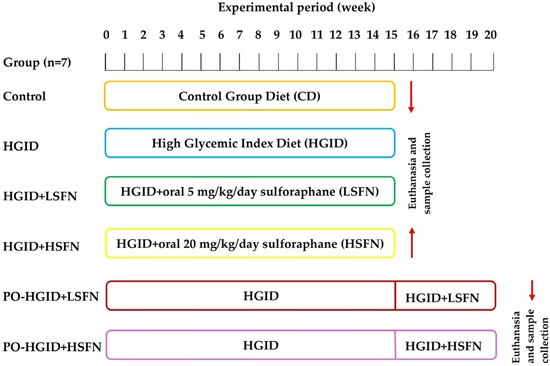
This study established an H. pylori-infected mouse model, to which sulforaphane was orally administered. H. pylori-low-dose and H. pylori-high-dose represent 4 weeks of gavage with 5 mg/kg/d and 20 mg/kg/d of sulforaphane after H. pylori colonization.

Metabolomics and lipidomics analysis of the effects of sulforaphane treatment on mouse serum. Stacked bar chart of the metabolites regulated by (A) low-dose and (B) high-dose sulforaphane treatment compared to the differential metabolites between the control group and H. pylori group.

Results showed that H. pylori infection significantly altered host amino acid and lipid levels, specifically manifested as abnormal serum glycerophospholipids and metabolic imbalances of amino acids, bile acids, glycerophospholipids, ceramides, and peptides in the liver. Sulforaphane treatment reversed these metabolic abnormalities, with high-dose sulforaphane exhibiting more prominent regulatory effects.

High-dose sulforaphane effectively restored hepatic metabolic disorders of amino acids, bile acids, and lipids, and ameliorated abnormal serum glycerophospholipid profiles. Regulation of key pathways such as glycine metabolism and glutathione metabolism constitutes an important basis for sulforaphane’s anti-H. pylori infection effects.

This study provides a comprehensive metabolic basis for understanding the role of sulforaphane as a dietary intervention in preventing and managing H. pylori-associated gastric diseases and lays a foundation for subsequent clinical translational research.”

https://www.mdpi.com/1422-0067/26/16/7791 “Therapeutic Effects of Sulforaphane on Helicobacter pylori-Infected Mice: Insights from High-Coverage Metabolomics and Lipidomics Analyses of Serum and Liver”


A human equivalent to this study’s low sulforaphane dose is (5 mg x .081) x 70 kg = 28 mg, which is achievable by eating broccoli sprouts every day. Quadrupling 28 mg to a human equivalent of the study’s high sulforaphane dose would involve additional supplementation.

Another way to support this study’s glycine metabolism findings without high-dose sulforaphane is to supplement betaine (trimethylglycine) so that the body requires less choline-to-glycine synthesis. A synergistic effect can be achieved with taurine supplementation that enhances cysteine availability for the tripeptide (glutamate, cysteine, and glycine) glutathione synthesis by requiring less cysteine-to-taurine synthesis.

Activate Nrf2 with far-infrared light

A 2025 rodent study investigated effects of far-infrared light on Alzheimer’s disease models. I’ll focus on its Nrf2 findings:

“Far-infrared radiation (FIR) is commonly utilized as a complementary treatment of a range of disease, for example, insomnia and rheumatoid arthritis. In this research, we explored how FIR light impacts cognitive functions of TgCRND8 AD mice and elucidated its underlying molecular mechanism.

Infrared radiation is a form of electromagnetic energy that has wavelengths between 750 nm and 1000 μm, which are longer than visible light. International Commission on Illumination categorizes infrared light as three sub-divisions according to the wavelength: (1) near-infrared radiation (0.7–1.4 μm), (2) middle infrared radiation (1.4–3.0 μm), and (3) far-infrared radiation (3.0–1000 μm).

Nrf-2/ HO-1 signaling, a key endogenous antioxidant system, helps mitigate oxidative stress and enhances expression of various endogenous genes. Activation of HO-1 during inflammatory conditions may serve as an adaptive response to reduce cytotoxicity through various mechanisms.

In this study, we applied EFFIT LITE® as the FIR spectrum transmitter which stably radiates an FIR spectrum with a wavelength of 4–20 μm, and the device was put within 1 cm directly above the head of the 3-month-old TgCRND8 mice for 30 min exposure once every day. FIR light notably enhanced cognitive function and spatial memory of TgCRND8 mice after 28-days consecutive treatment.

Underlying molecular mechanisms involve suppression of Aβ deposition, hyperphosphorylation of tau, and neuroinflammation through modulating Jak-2/Stat3 and Nrf-2/HO-1 pathways. Our current experimental findings amply indicate that FIR light is a potential non-pharmacological therapy for AD.”

https://link.springer.com/article/10.1007/s12017-025-08860-2“Far-Infrared Radiation Ameliorates the Cognitive Dysfunction in an Alzheimer’s Disease Transgenic Mouse via Modulating Jak-2/Stat3 and Nrf-2/HO-1 Pathways”


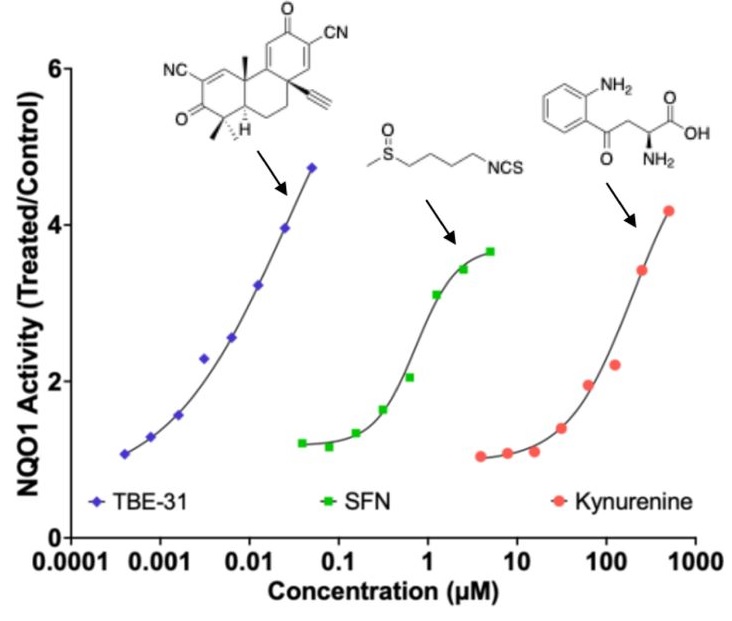
This study measured Nrf2 and its quickly-induced downstream enzyme HO-1 effects of daily far-infrared light exposure for 30 minutes. We’d have to see measurements of Nrf2’s more-slowly induced and longer-lasting downstream xenobiotic detoxifying enzyme NQO1 to compare far-infrared light Nrf2 activation effects with those of natural plant compounds.

Plasmapheresis doesn’t reduce biological age

A 2025 clinical trial investigated effects of plasmapheresis as measured with epigenetic clocks:

“This study aimed to assess whether plasmapheresis without volume replacement with young plasma or albumin affects epigenetic age and other biomarkers in healthy adults. No significant epigenetic rejuvenation was observed based on epigenetic clock measurements. Instead, plasmapheresis was associated with increases in DNAmGrimAge, the Hannum clock, and the Dunedin Pace of Aging.

  1. The relatively small sample size of 34 finishing participants comprising of first-time plasma donors limits the statistical power and generalizability of our findings.
  2. Our cohort was restricted to individuals aged 40 to 60 years in accordance with Czech regulatory guidelines, which, although intentional to focus on an older population where rejuvenating effects might be most apparent, constrains evaluation of age-related differences across a broader demographic.
  3. The 18-week duration of the study, while sufficient to detect rapid alterations in key biomarkers under an intensive plasmapheresis protocol, may not fully capture the long-term implications of these changes.
  4. Due to our trial taking place during spring and summer months, we cannot fully separate the effects of increased sunlight exposure, outdoor physical activity, and dietary changes from the observed rises in Vitamin D and concurrent shifts in DNAm-based aging metrics. We did not collect objective measures of activity or diet, so these factors remain potential confounders.

The protocol of donating plasma every two weeks, although deemed safe by many countries around the world, is not yet well researched and cannot therefore be marked as benefiting to the donor right now. Further refinement to balance clearance of pro-aging factors with maintenance of systemic homeostasis is needed.”

https://www.nature.com/articles/s41598-025-05396-0 “Human clinical trial of plasmapheresis effects on biomarkers of aging (efficacy and safety trial)”


Taurine and mitochondrial health

A 2025 review subject was taurine’s beneficial effects on mitochondria:

“Taurine has multiple and complex functions in protecting mitochondria against oxidative-nitrosative stress. We introduce a novel potential role for taurine in protecting from deuterium (heavy hydrogen) toxicity. This can be of crucial impact to either normal or cancer cells that have highly different mitochondrial redox status.

Deuterium is an isotope of hydrogen with a neutron as well as a proton, making it about twice as heavy as hydrogen. We first explain the important role that the gut microbiome and gut sulfomucin barrier play in deuterium management. We describe synergistic effects of taurine in the gut to protect against deleterious accumulation of deuterium in mitochondria, which disrupts ATP synthesis by ATPase pumps.

Taurine’s derivatives, N-chlorotaurine (NCT) and N-bromotaurine (NBrT), produced through spontaneous reaction of taurine with hypochlorite and hypobromite, have fascinating regulatory roles to protect from oxidative stress and beyond. We describe how taurine could potentially alleviate deuterium stress, primarily through metabolic collaboration among various gut microflora to produce deuterium depleted nutrients and deuterium depleted water (DDW), and in this way protect against leaky gut barrier, inflammatory bowel disease, and colon cancer.

Taurine cannot be metabolized by human cells, but gut microbes are able to break it down to release sulfite, which then gets oxidized to sulfate anions that become available to support synthesis of sulfomucins. Taurine protects against many diseases linked to mitochondrial defects, such as aging, metabolic syndrome, cancer, cardiovascular diseases and neurological disorders.

We present a novel view that gut microbes play an essential role in providing deuterium depleted (deupleted) nutrients, especially, butyrate, to the host colonocytes forming the gut barrier. We propose that sulfomucins synthesized by goblet cells not only protect the barrier from pathogens, but also trap and sequester deuterium, thus reducing mitochondrial deuterium levels, resulting in improved mitochondrial health.

Due to taurine, redox buffer glutathione (GSH) further stabilizes the membrane potential. GSH not only reduces radical oxygen species (ROS) during oxidative stress, but it also assists in production of deupleted water in mitochondria.

Spontaneous oxidation of two GSH molecules to produce GSSG in the presence of hydrogen peroxide yields two molecules of DDW. Just as for glutathione, bilirubin can produce DDW indefinitely through chronic recycling between bilirubin and biliverdin, capturing a deupleted proton in NADPH to produce a DDW molecule in each cycle.

A novelty that arises from this investigation is introduction of the role that deuterium plays in mitochondrial disease, and ways in which taurine may facilitate maintenance of low deuterium in mitochondrial ATPase pumps. Excess deuterium causes a stutter in the pumps, which leads to inefficiencies in ATP production and an increase in ROS.”

https://pmc.ncbi.nlm.nih.gov/articles/PMC11717795/ “Taurine prevents mitochondrial dysfunction and protects mitochondria from reactive oxygen species and deuterium toxicity”