Broccoli sprouts activate the AMPK pathway, Part 4

Today someone viewed the 2020 Part 3 of Broccoli sprouts activate the AMPK pathway which lacked citations at the time. Checking again, here are three citing 2022 papers, starting with a review:

“Nrf2 is an important transcription factor that regulates expression of a large number of genes in healthy and disease states. Nrf2 regulates expression of several key components of oxidative stress, mitochondrial biogenesis, mitophagy, autophagy, and mitochondrial function in all organs of the human body, and in the peripheral and central nervous systems.

Overall, therapeutic drugs including sulforaphane that target Nrf2 expression and Nrf2/ARE pathway are promising. This article proposes additional research in Nrf2’s role within Parkinson’s disease, Huntington’s disease, and ischemic stroke in preclinical mouse models and humans with age-related neurodegenerative diseases.”

https://www.sciencedirect.com/science/article/pii/S1568163722001982 “Role of Nrf2 in aging, Alzheimer’s and other neurodegenerative diseases” (not freely available) Thanks to Dr. P. Hemachandra Reddy for providing a copy.


One of the Part 3 study’s coauthors contributed to this very detailed review:

“Due to observed overlapping cellular responses upon AMPK or NRF2 activation and common stressors impinging on both AMPK and NRF2 signaling, it is plausible to assume that AMPK and NRF2 signaling may interdepend and cooperate to readjust cellular homeostasis.

1-s2.0-S089158492200497X-gr3_lrg

The outcome and underlying signaling events of AMPK-NRF2 crosstalk may diverge between:

  1. in vitro and in vivo studies (one cell type in isolation vs inter-organ crosstalk in living organisms);
  2. Different cell types/organs/organisms of different cultivation conditions, genetic background, age or sex;
  3. Different stress-regimens (chronic vs acute, nature of stress (lipotoxicity, redox stress, xenobiotic, starvation, etc));
  4. Different modes of Nrf2 or AMPK activation and inhibition (genetic vs pharmacological, constitutive vs transient/intermittent, systemic vs organ-specific, electrophilic vs PPI, allosteric vs covalent, or pan vs subtype-specific);
  5. Different target genes with distinct promoter and enhancer structure; or
  6. Different timing of activation.

The latter should deserve increased attention as Nrf2 is one of the most cycling genes under control of the circadian clock. Feeding behavior, metabolism and hence AMPK activity follow and substantiate the biological clock, indicating an entangled circadian regulation of metabolic and redox homeostasis.”

https://www.sciencedirect.com/science/article/pii/S089158492200497X “AMPK and NRF2: Interactive players in the same team for cellular homeostasis?”


A third citing paper was a study of lens cells that provided an example of similar metformin effects noted in Part 2 of Broccoli sprouts activate the AMPK pathway:

“Loss of Nrf2 and Nrf2 antioxidant genes expression and activity in aging cells leads to an array of oxidative-induced deleterious responses, impaired function, and aging pathologies. This deterioration is proposed to be the primary risk factor for age-related diseases such as cataracts.

AMPK regulates energy at physiological levels during metabolic imbalance and stress. AMPK is a redox sensing molecule, and can be activated under cellular accumulation of reactive oxygen species, which are endogenously produced due to loss of antioxidant enzymes.

The therapeutic potential of AMPK activation has context-dependent beneficial effects, from cell survival to cell death. AMPK activation was a requisite for Bmal1/Nrf2-antioxidants-mediated defense, as pharmacologically inactivating AMPK impeded metformin’s effect.

Using lens epithelial cell lines (LECs) of human or mouse aging primary LECs along with lenses as model systems, we demonstrated that metformin could correct deteriorated Bmal1/Nrf2/ARE pathway by reviving AMPK-activation and transcriptional activities of Bmal1/Nrf2, resulting in increased antioxidants enzymatic activity and expression of Phase II enzymes. Results uncovered crosstalk between AMPK and Bmal1/Nrf2/antioxidants mediated by metformin for blunting oxidative/aging-linked pathobiology.”

https://www.mdpi.com/2073-4409/11/19/3021/htm “Obligatory Role of AMPK Activation and Antioxidant Defense Pathway in the Regulatory Effects of Metformin on Cellular Protection and Prevention of Lens Opacity”


PXL_20221027_185754842

Eat broccoli sprouts for longevity

This 2022 rodent study investigated effects of broccoli sprouts intake on health and longevity:

“The objective of this study was to assess effects of long-term broccoli sprouts (BrSp) feeding on longevity in rats, as well as on cardiometabolic health parameters. Twelve-week-old Long-Evans rats were randomized to control or BrSp groups.

Broccoli seeds were sprouted for 4 days then air dried for 7 days before use. Rats were fed 300 mg/kg body weight BrSp 3 days per week (Monday, Wednesday, Friday, to limit rat agitation) beginning at 4 months of age until death/euthanasia.

Mean age at death for the oldest 25% of male rats was higher in BrSp-fed rats (838 ± 18 days) than controls (754 ± 17 days). In females, BrSp feeding improved survival.

ijerph-19-13468-g001

BrSp feeding of rodents starting at 4 months of age caused:

  1. Extended life span in rats, albeit this was observed predominantly in females;
  2. Reduced body weight gain in females;
  3. Modest improvements in glucose handling in males;
  4. Marked blood pressure reduction in males; and
  5. Modest changes in behavioral traits examined at 18 months in both sexes.

These findings highlight sex-dependent benefits of BrSp on improving longevity and delaying cardiometabolic decline associated with aging in rats.”

https://www.mdpi.com/1660-4601/19/20/13468/htm “Broccoli Sprouts Promote Sex-Dependent Cardiometabolic Health and Longevity in Long-Evans Rats”


A human equivalent to this study’s dose is (.162 x 300 mg/kg)  x 70 kg = 3.4 grams dry weight three times a week. Per Drying broccoli sprouts, dried 3-day-old broccoli sprouts contain 10% moisture, and fresh 3-day-old broccoli sprouts contain 82.6% moisture. So 3.4 grams of broccoli sprout powder may be an approximate equivalent of 3.4 g x (.826 / .1) = 28 grams fresh broccoli sprouts.

Not sure why a dose regimen of “(Monday, Wednesday, Friday, to limit rat agitation)” was necessary, as that limited human applicability, lifespan results, and healthspan results. Still, this study was a step forward, and encouraged further lifespan and healthspan studies on broccoli sprout consumption.

PXL_20221027_185045841_exported_13324

Broccoli leaves and stems vs. highly-processed food

This 2022 rodent study investigated whether obesity caused by typical diets could be affected by adding a flour made of broccoli by-products:

“Obesity usually arises as a consequence of an excess of energy intake relative to the expense of energy via metabolic and physical activity. However, combinations of genetic, behavioral, and environmental factors can also contribute to obesity.

Broccoli by-products flour (BF) supplementation helped to maintain a lower body weight, reduced adipose tissue accumulation, and enhanced basal activity of superoxide dismutase and glutathione S-transferase.

treatment groups

  1. CTR – Western diet, control group;
  2. WD – Western diet plus 0.20% cholesterol;
  3. CTR+1.34BF – control diet containing 1.34% BF;
  4. WD+0.67BF – Western diet plus 0.20% cholesterol with 0.67% BF;
  5. WD+1.34BF – Western diet plus 0.20% cholesterol with 1.34% BF;
  6. WD+0.67BF(4w) – Western diet plus 0.20% cholesterol for 10 weeks and then fed with the corresponding diet supplemented with BF at 0.67% for 4 weeks;
  7. WD+1.34BF(4w) – Western diet plus 0.20% cholesterol for 10 weeks and then fed with the corresponding diet supplemented with BF at 1.34% for 4 weeks.

The dose of BF used in testing was established assuming that an adult person of 60 kg consumes around 150 g fresh broccoli per serving, which corresponds to around 19.05 g dry weight according to our laboratory. Consumption of 19.05 g BF per person corresponds to a dose of 317.5 mg/kg. Applying a dose conversion formula between humans (60 kg) and mice (20 g) (25), the equivalent dose will be 3905.25 mg/kg in a mouse, corresponding to around 78 mg BF/mouse.

Assuming that an adult person consumes on average 3 servings of broccoli per week, the intake of 78 mg BF three times a week is equivalent to the intake of 234 mg BF/week/mouse, corresponding to an average daily intake of 33.43 mg BF/mouse. For a mouse with a 5 g average daily food intake, this corresponds to 0.67% (w/w) of the daily feed.

results

Care must be taken with interpreting results obtained from preclinical animal models, as doses and administration protocols are often not comparable between experimental animals and humans. It is difficult to mimic the complexity of human diseases, and effective doses are different due to differences between species. Another limitation is concentrations of beneficial compounds may vary according to different climatic conditions, growing seasons, and cultivars.

BF appears to have a beneficial effect in preventing weight gain and fat accumulation induced by hypercholesterolemic diets.”

https://iv.iiarjournals.org/content/36/5/2173 “Beneficial Effects of Broccoli (Brassica oleracea var italica) By-products in Diet-induced Obese Mice”


PXL_20221012_105446826

If you were given a lens to see clearly, would you accept it?

Two papers, starting with a 2022 rodent study of maternal behaviors’ effects on offspring physiologies:

Early life adversity (ELA) is a major risk factor for development of pathology. Predictability of parental care may be a distinguishing feature of different forms of ELA.

We tested the hypothesis that changes in maternal behavior in mice would be contingent on the type of ELA experienced, directly comparing predictability of care in limited bedding and nesting (LBN) and maternal separation (MS) paradigms. We then tested whether predictability of ELA environment altered expression of corticotropin-releasing hormone (Crh), a sexually-dimorphic neuropeptide that regulates threat-related learning.

MS was associated with increased expression of Crh-related genes in males, but not females. LBN primarily increased expression of these genes in females, but not males.”

https://www.sciencedirect.com/science/article/pii/S2352289522000595 “Resource scarcity but not maternal separation provokes unpredictable maternal care sequences in mice and both upregulate Crh-associated gene expression in the amygdala”


I came across this first study by it citing a republished version of 2005 epigenetic research from McGill University:

“Early experience permanently alters behavior and physiology. A critical question concerns the mechanism of these environmental programming effects.

We propose that epigenomic changes serve as an intermediate process that imprints dynamic environmental experiences on the fixed genome, resulting in stable alterations in phenotype. These findings demonstrate that structural modifications of DNA can be established through environmental programming and that – in spite of inherent stability of this epigenomic marker – it is dynamic and potentially reversible.”

https://www.tandfonline.com/doi/full/10.31887/DCNS.2005.7.2/mmeaney “Environmental programming of stress responses through DNA methylation: life at the interface between a dynamic environment and a fixed genome”


This post commemorates the five-year anniversary of Dr. Arthur Janov’s death. Its title is taken from my reaction to his comment on Beyond Belief: Symptoms of hopelessness. Search his blog for mentions of the second paper’s coauthors, Drs. Meaney and Szyf.


Our lives are substantially a product of our parents’ actualized and unsatisfied needs. Our children and their children are reflections of us with our problems (unfelt needs) or elucidations (felt needs).

What if the price we pay for avoiding and pressuring down our feelings is: A wasted life?

What if the grand hypothesis worth proving is: For one’s life to have meaning, each individual has to regain their feelings?

PXL_20221010_104026908.NIGHT

All about walnuts’ effects

Five 2022 papers focusing on walnuts, starting with a comparison of eight tree nuts:

“The aim of the present study was to examine 8 different popular nuts – pecan, pine, hazelnuts, pistachio, almonds, cashew, walnuts, and macadamia. Total content of phenolic compounds in nuts ranged from 5.9 (pistachio) to 432.9 (walnuts) mg/100 g.

Walnuts had the highest content of polymeric procyanidins, which are of great interest as important compounds in nutrition and biological activity, as they exhibit antioxidant, anti-inflammatory, antimicrobial, cardio- and neuroprotective action. Walnuts are good sources of fatty acids, especially omega-3 and omega-6.”

https://www.sciencedirect.com/science/article/pii/S2590157522002164 “Nuts as functional foods: Variation of nutritional and phytochemical profiles and their in vitro bioactive properties”


A second study compared the same eight tree nuts plus Brazil nuts and peanuts:

“The highest total content of all analyzed flavonoids was determined in walnuts (114.861 µg/g) with epicatechin the most abundant, while the lowest was in almonds (1.717 µg/g). Epicatechin has antioxidant, anti-inflammatory, antitumor, and anti-diabetic properties. Epicatechin has beneficial effects on the nervous system, enhances muscle performance, and improves cardiac function.”

https://www.mdpi.com/1420-3049/27/14/4326/htm “The Content of Phenolic Compounds and Mineral Elements in Edible Nuts”


Next, two systematic reviews and meta-analyses of human studies:

“We carried out a systematic review of cohort studies and randomized controlled trials (RCTs) investigating walnut consumption, compared with no or lower walnut consumption, including those with subjects from within the general population and those with existing health conditions, published from 2017 to 5 May 2021.

  • Evidence published since 2017 is consistent with previous research suggesting that walnut consumption improves lipid profiles and is associated with reduced CVD risk.
  • Evidence pointing to effects on blood pressure, inflammation, hemostatic markers, and glucose metabolism remains conflicting.
  • Evidence from human studies showing that walnut consumption may benefit cognitive health, which is needed to corroborate findings from animal studies, is now beginning to accumulate.”

https://academic.oup.com/nutritionreviews/advance-article/doi/10.1093/nutrit/nuac040/6651942 “Walnut consumption and health outcomes with public health relevance – a systematic review of cohort studies and randomized controlled trials published from 2017 to present”


“We aimed to perform a systematic review and meta-analysis of RCTs to thoroughly assess data concerning effects of walnut intake on selected markers of inflammation and metabolic syndrome in mature adults. Our findings showed that:

  • Walnut-enriched diets significantly decreased TG, TC, and LDL-C concentrations, while HDL-C levels were not significantly affected.
  • No significant changes were noticed on anthropometric, cardiometabolic, and glycemic indices after higher walnut consumption.
  • Inflammatory biomarkers did not record statistically significant results.”

https://www.mdpi.com/2076-3921/11/7/1412/htm “Walnut Intake Interventions Targeting Biomarkers of Metabolic Syndrome and Inflammation in Middle-Aged and Older Adults: A Systematic Review and Meta-Analysis of Randomized Controlled Trials”


Finishing with a rodent study that gave subjects diabetes with a high-fat diet, then mixed two concentrations of walnut extract in with the treatment groups’ chow:

“This study was conducted to evaluate the protective effect of Gimcheon 1ho cultivar walnut (GC) on cerebral disorder by insulin resistance, oxidative stress, and inflammation in HFD-induced diabetic disorder mice. After HFD feed was supplied for 12 weeks, samples were orally ingested for 4 weeks to GC20 and GC50 groups (20 and 50 mg/kg of body weight, respectively).

  • Administration of GC improved mitochondrial membrane potential function, and suppressed oxidative stress in the brain.
  • GC inhibited hepatic and cerebral lipid peroxidation and the formation of serum AGEs, and increased serum antioxidant activity to improve HFD-induced oxidative stress.
  • The HFD group showed significant memory impairment in behavioral tests. On the other hand, administration of GC showed improvement in spatial learning and memory function.

walnut brain effects

Based on these physiological activities, GC showed protective effects against HFD-induced diabetic dysfunctions through complex and diverse pathways.”

https://www.mdpi.com/1420-3049/27/16/5316/htm “Walnut Prevents Cognitive Impairment by Regulating the Synaptic and Mitochondrial Dysfunction via JNK Signaling and Apoptosis Pathway in High-Fat Diet-Induced C57BL/6 Mice”


How do you like my sand art?PXL_20221016_154923750

Eat broccoli sprouts to combat effects of BPA?

This 2022 rodent study investigated abilities of both glucoraphanin and sulforaphane to reduce bisphenol A’s effects:

“There are only a few studies on the anti-obesogenic activity of sulforaphane (SFN) in bisphenol A (BPA)-induced obese C57BL/6J mice and 3T3-L1 cells. BPA is one of the endocrine disrupting chemicals that mimics bioidentical hormones and acts as an active agonist of glucocorticoid receptors to promote adipogenesis.

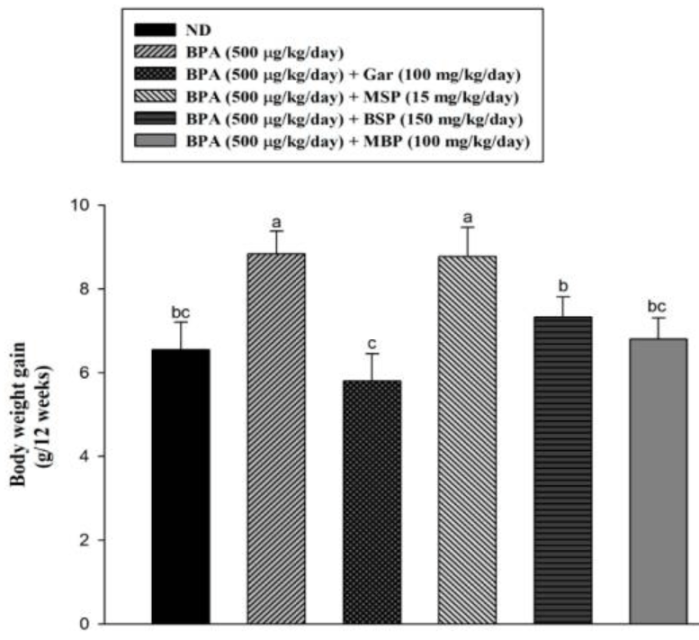
We investigated anti-obesogenic effects of broccoli sprouts powder (BSP) with a high glucoraphanin (GRA) content, mustard (Sinapis alba L.) seed powder (MSP) that has a high myrosinase activity, and sulforaphane-rich MSP-BSP mixture powder (MBP).

  • GRA content in BSP was 131.11 ± 1.84 μmol/g, and SFN was not detected.
  • SFN content in MBP was 162.29 ± 1.24 μmol/g, and GRA was not detected.
  • GRA and SFN were not detected in MSP.

Mice were administered:

  • BPA (500 μg/kg/day);
  • BPA supplemented with 100 mg/kg/day Gar (BPA + Gar);
  • 15 mg/kg/day MSP (BPA + MSP);
  • 150 mg/kg/day BSP (BPA + BSP); or
  • 100 mg/kg/day MBP (BPA + MBP)

for 12 weeks. The BPA + Gar group served as the positive control group, since studies showed that Garcinia cambogia extract induces weight loss.

bpa weight gain

Mice in the BPA group showed a significantly high body weight and epididymal adipose tissue weight, compared to the ND group mice. MSP treatment had no significant effects. Gar, BSP, and MBP treatment significantly decreased body weight and epididymal adipose tissue weight in BPA-induced obese mice.

BSP and MBP exert anti-obesogenic effects by activating the AMPK signaling pathway. Our results suggest that BSP and MBP could be effective in the treatment and prevention of BPA-induced obesity.”

https://www.mdpi.com/2072-6643/14/18/3814/htm “Anti-Obesogenic Effects of Sulforaphane-Rich Broccoli (Brassica oleracea var. italica) Sprouts and Myrosinase-Rich Mustard (Sinapis alba L.) Seeds In Vitro and In Vivo”


Human daily equivalent doses:

  • Sulforaphane was (.081 * 100 mg) x 70 kg = 567 mg, or (.567 g * 162.29 μmol/g) = 92 μmol. The μmol amount is reasonable, but the mg weight would be intolerable. I’ve contacted these researchers for clarification, and will update with their response.
  • Glucoraphanin in broccoli sprout powder at (.081 * 150 mg) x 70 kg = 851 mg looks reasonable. Broccoli sprout powder vendors recommend 1 gram.

PXL_20221002_203139302_exported_8128

Gut microbiota, SCFAs, and hypertension

Two 2022 rodent studies from the same research group on short-chain fatty acid effects, beginning with butyrate:

“Maternal nutrition, gut microbiome composition, and metabolites derived from gut microbiota are closely related to development of hypertension in offspring. A plethora of metabolites generated from diverse tryptophan metabolic pathways show both beneficial and harmful effects.

Butyrate, one of the short-chain fatty acids (SCFAs), has shown vasodilation effects. We examined whether sodium butyrate administration in pregnancy and lactation can prevent hypertension induced by a maternal tryptophan-free diet in adult progeny, and explored protective mechanisms.

Decreased tryptophan metabolites indole-3-acetamide and indoleacetic acid observed in offspring born to dams that received the trytophan-free (TF) diet coincided with hypertension. This suggested that gut microbiota-derived tryptophan metabolites might be an offsetting mechanism, but not a cause of TF-induced hypertension. Considering that TF intervention reduced abundance of Romboutsia and Akkermansia, and many species are able to metabolize tryptophan, further studies linking abundance of bacterial species and concentrations of tryptophan metabolites are still required to identify main tryptophan metabolite producers.

Sodium butyrate treatment during pregnancy and lactation offset effects of maternal tryptophan-deficiency-induced offspring hypertension, mainly related to shaping gut microbiome, mediating SCFA receptor GPR41 and GPE109A, and restoring the renin–angiotensin system. A better understanding of mechanisms behind tryptophan metabolism implicated in programming of hypertension is critical for developing gut microbiota-targeted therapies to halt hypertension.”

https://www.sciencedirect.com/science/article/abs/pii/S0955286322001619 “Sodium butyrate modulates blood pressure and gut microbiota in maternal tryptophan-free diet-induced hypertension rat offspring” (not freely available) Thanks to Dr. You-Lin Tain for providing a copy.


A second study was on propionate effects:

“Early-life disturbance of gut microbiota has an impact on adult disease in later life. Propionate, one of predominant SCFAs, has been shown to have antihypertensive property.

We examined whether perinatal propionate supplementation can prevent offspring hypertension induced by maternal chronic kidney disease (CKD). CKD is closely linked to adverse maternal and fetal outcomes, and is reported to affect at least 3%-4% women of childbearing age.

Male offspring were divided into four groups: control, CKD, control+propionate (CP), and CKD+propionate (CKDP).

nutrients-14-03435-g001

Perinatal propionate supplementation:

  • Prevented offspring hypertension;
  • Shaped gut microbiota with increases in species richness and evenness;
  • Increased plasma propionate level; and
  • Upregulated renal GPR41 expression.

Results reveal the feasibility of manipulating gut microbiota by altering their metabolites with early-life use of propionate to prevent offspring hypertension in later life.”

https://www.mdpi.com/2072-6643/14/16/3435/htm “Perinatal Propionate Supplementation Protects Adult Male Offspring from Maternal Chronic Kidney Disease-Induced Hypertension”


PXL_20220905_104145635

An inflammation clock

Here are six 2022 papers that either cited the second study of Variable aging measurements, or provided further evidence for its findings. Let’s start with a citing study:

“This study aimed to investigate expression patterns and prognostic values of the inflammatory aging clock (iAge) in glioblastoma (GBM), and its relations with stem cells. Similar to epigenetic clocks and transcriptomic clocks, iAge could track multifaceted aging phenotypes and have clinical significance in translation medicine.

iAge was positively correlated with chronological age, and highly associated with immune cells and inflammatory activities. iAge could serve as a prognostic biomarker for overall survival, and could precisely predict GBM stem cells stemness.

We identified the physiological importance and function of iAge in GBM, and provided novel insights into how iAge is a critical event for development of GBM.”

https://www.frontiersin.org/articles/10.3389/fgene.2022.925469/full “Inflammatory aging clock: A cancer clock to characterize the patients’ subtypes and predict the overall survival in glioblastoma”


Beginning with a human osteoporosis study, five papers investigated cytokine CXCL9, which the iAge study found to be “clearly actionable as shown by our experiments in CXCL9 where we can reverse aging phenotypes.”

“We assessed whether levels of CXCL9 and CXCL10 were elevated in human serum samples of older adults who had incident hip fractures. Our findings revealed higher serum levels of CXCL9 in pre-fracture blood samples of men with subsequent hip fractures, compared with their non-fracture controls. There was no such difference in CXCL9 serum levels between cases and controls in women.

Serum CXCL9 improved the prediction of osteoporotic hip fracture in men. The association between CXCL10 and hip fracture risk was not statistically significant in either sex.

While our epidemiologic findings are supported by experimental data providing the mechanistic pathway for CXCL9 in regulating osteoclast recruitment, further studies are needed to confirm validity of our findings and determine their generalizability to other study populations. Underlying biological mechanisms that limit our findings to men but not women require further investigation.”

https://asbmr.onlinelibrary.wiley.com/doi/10.1002/jbmr.4646 “CXCL9 Predicts the Risk of Osteoporotic Hip Fracture in a Prospective Cohort of Chinese Men—A Matched Case–Control Study”


Two immune-mediated skin diseases, with a vitiligo review:

“Current findings emphasize the critical role of immune cells and their mediators in the immunopathogenesis of vitiligo. IFN-γ [interferon gamma] is the primary cytokine mediator that activates the JAK/STAT pathway, causing keratinocytes to produce the key chemokines CXCL9 and CXCL10.

Interactions between immune and non-immune cells finally result in apoptosis of melanocytes. Additional investigations of these pathways may provide an opportunity for finding possible therapeutic targets, as there are currently no targeted biological drugs available for treatment of vitiligo.”

https://www.mdpi.com/2227-9059/10/7/1639/htm “Current Concepts of Vitiligo Immunopathogenesis”

and a study of psoriasis:

“CXCL9 is an important chemokine involved in T cell recruitment, and is up-regulated in plasma of patients with psoriasis. Increased CXCL9 expression can aggravate the progression of psoriasis.

cxcl9 expression

IL-1β and CXCL9 were up-regulated and CLDN8 was down-regulated in psoriasis with statistically significant differences. Identification of potential key molecular markers and signaling pathways provides potential research directions for further understanding molecular mechanisms of psoriasis.”

https://www.wjgnet.com/2307-8960/full/v10/i18/5965.htm “Identification of potential key molecules and signaling pathways for psoriasis based on weighted gene co-expression network analysis”


Two lung-related studies, first, an editorial for a human lung transplant study that isn’t freely available:

“CXCL9 and CXCL10 are chemokines that bind to the shared receptor CXCR3, potentiating T cells, mononuclear cells, and natural killer (NK) cells. Previous studies demonstrated that presence of these chemokines in bronchoalveolar lavage samples preceded development of chronic lung allograft dysfunction (CLAD).

Acute rejection and acute lung injury are known risk factors to the development of CLAD, yet this study found that increased risk was dependent on the presence of CXCL9/CXCL10 plasma elevation. Early identification of patients at risk, possibly during the active inflammatory phase, rather than once abnormal wound healing pathways dominate resulting in irreversible injury, provides an attractive opportunity for intervention.”

https://onlinelibrary.wiley.com/doi/10.1111/ajt.17135 “CXCL9 and CXCL10 plasma levels: Potential keys to unlocking CLAD risk”

and a study of smoking effects:

“We collected blood samples from 78 healthy male volunteers aged 18–60, including non-smokers (n = 30), current smokers (n = 30), and ex-smokers (n = 18). Expression levels of CXCL9/MIG [monokine induced by IFN-γ] and sIL-6R significantly increased after smoking, and continued to increase after quitting smoking.

cxcl9 smoking

Changes in related cytokines after smoking cessation are mainly restorative, while some cytokines further strengthen the trend of smoking-related changes.”

https://www.mdpi.com/1420-3049/27/12/3715/htm “Effects of Smoking on Inflammatory-Related Cytokine Levels in Human Serum”


PXL_20220904_100859449.NIGHT

Natural sulforaphane effects

This 2022 rodent cell study used the natural form of sulforaphane to replicate experiments performed with mixtures of its natural and unnatural forms:

“Natural sulforaphane (SFN) exists as a single enantiomer with a RS absolute configuration. Most studies focusing on its biological activities, in particular its anti-inflammatory and antioxidant activities, have been conducted using its racemic (rac) form. rac-SFN has shown these effects in several in vitro and in vivo models.

(R)-sulforaphane

These findings demonstrate that (R)-SFN was able to:

  • Modulate inflammatory response and oxidative stress induced by LPS stimulation in murine peritoneal macrophages;
  • Reduce pro-inflammatory enzyme expression (iNOS, COX-2 and mPGES-1) and cytokine production (IL-1β, IL-6, IL-17, IL-18 and TNF-α);
  • Inhibit MAPK, JAK2/STAT-3, and canonical and non-canonical inflammasome signaling pathways;
  • Reduce NO and ROS levels and up-regulate the Nrf-2/HO-1 axis; and
  • Modulate epigenetic changes through histone methylation (H3K9me3) and deacetylation (H3K18ac).

(R)-SFN could be a new epinutraceutical compound useful for management of several immunoinflammatory diseases.”

https://www.mdpi.com/1424-8247/15/8/966/htm “Immunomodulatory Effects of (R)-Sulforaphane on LPS-Activated Murine Immune Cells: Molecular Signaling Pathways and Epigenetic Changes in Histone Markers”


PXL_20220902_101717612

Improving dietary fiber research

Two 2022 papers on aspects of dietary fiber research, starting with a review:

“Considerable attention has been given to unraveling the interaction between fiber type and gut microbiota utilization, focusing mainly on single, purified fibers. Studying these fibers in isolation might give us insights into specific fiber effects, but neglects how dietary fibers are consumed daily and impact our digestive tract: as intrinsic structures that include the cell matrix and content of plant tissues.

Food processing per se is not health-detrimental. Certain foods are barely digestible without any processing, and for specific populations, e.g. those suffering from malnutrition or diseases, food processing is crucial. However, increased digestibility has resulted in negative health outcomes related to obesity and welfare diseases.

whole grain

Intrinsic structural features of plant cells likely slow down fiber fermentation, inducing a lag phase, but do not necessarily reduce the absolute amount of short-chain fatty acids (SCFA) produced. Consequently, there is a gradual release of SFCA, which means that SCFA production is not restricted to the proximal colon but spread throughout the whole colon, including its distal parts, benefiting local, mucosal health.

This translates into beneficial, systemic, peripheral effects as distal SCFA infusion in vivo has shown to induce more pronounced effects on biomarkers than proximal. Delayed fermentation of intrinsic fibers presents a highly relevant feature that isolated, single fibers do not have.

Instead of further processing our already extensively processed foods to create new products, we should minimize this processing, and exploit health benefits associated with the original cell matrix of plant tissues.”

https://www.frontiersin.org/articles/10.3389/fimmu.2022.954845/full “Intrinsic dietary fibers and the gut microbiome: Rediscovering the benefits of the plant cell matrix for human health”


Reference 115 was a human study by the same researchers:

“We investigated the impact of dried chicory root in a randomised, placebo-controlled trial with 55 subjects at risk for type 2 diabetes. Evidence for a trophic chain including Bifidobacterium and Anaerostipes spp. was recapitulated by in vitro incubations that resulted in high levels of butyrate and propionate production from the treatment product.

butyrate and propionate microbial network

We observed a simultaneous increase in faecal and circulating SCFA levels, and a marked improvement in dynamic markers of glucose control. In subjects with a low relative abundance of Blautia spp. – a genus that previously has been associated with T2D – static glycaemic markers also decreased pronouncedly.

Our results demonstrate a strong modulatory potential on gut health and microbial metabolism by native inulin and cell wall fibres pectin, cellulose and hemicellulose in the intrinsic form of dried chicory roots.”

https://www.cambridge.org/core/journals/gut-microbiome/article/dried-chicory-root-improves-bowel-function-benefits-intestinal-microbial-trophic-chains-and-increases-faecal-and-circulating-short-chain-fatty-acids-in-subjects-at-risk-for-type-2-diabetes/6209AEAFBDDB181197F22AE24388186B# “Dried chicory root improves bowel function, benefits intestinal microbial trophic chains and increases faecal and circulating short chain fatty acids in subjects at risk for type 2 diabetes”


PXL_20220828_100544445

Garlic vs. broccoli

This 2022 human study compared effects of two supplements:

“We test the hypothesis that consuming glucoraphanin (from broccoli) or alliin (from garlic) results in the accumulation of sulforaphane and alliin and their associated metabolites in the human prostate gland in a randomised, double-blinded, 2 × 2-factorial, dietary supplement, four-week intervention study.

The predominant sulphur-containing metabolite in garlic is alliin, which is odourless and non-volatile. When the plant tissue is damaged, alliinase enzymes rapidly convert alliin to allysulfenates that condense to form allicin and other thiosulfinates, predominantly γ-glutamyl S-allyl-L cysteine (γ-SAC) and S-allyl-L cysteine (SAC).

The BroccoMax/GRN supplements (530 mg) contained 97.7 ± 6.70 µmol glucoraphanin. The Kwai/alliin supplements (715 mg) contained four garlic-derived metabolites: alliin (35.2 ± 0.52 µmol), γ-SAC (19.3 ± 1.91 µmol), SAC (1.8 ± 0.16 µmol), and allicin (21.4 ± 2.10 µmol).

Mean excretion of sulforaphane and its metabolites as a percentage of ingested glucoraphanin [aka bioavailability] was 56.21% (range 21–91%, SD ± 18.66).

sulforaphane bioavailability

Alliin was detected within the prostate of every participant. Estimation of dietary intake of alliaceous vegetables is challenging due to their widespread presence in processed foods, and it is likely that intake is often underestimated.

We provide evidence that sulforaphane can be detected in human prostate tissue following regular consumption of glucoraphanin supplements. In contrast, alliin and associated metabolites were not more abundant in prostates of men receiving the alliin garlic-derived supplement. It is conceivable that alliin does accumulate in human prostate tissue, but its turnover is much slower than that of sulforaphane so that a longer allium-free diet is required prior to an intervention to assess its accumulation.

Accumulation of sulforaphane and presence of alliin in prostate tissue, as demonstrated in this study, may result in local effects on healthy and cancerous cells through a variety of mechanisms. This may explain the reduced risk of prostate cancer incidence and progression following consumption of cruciferous and alliaceous vegetables.”

https://www.mdpi.com/2072-6643/14/16/3263/htm “Accumulation of Sulforaphane and Alliin in Human Prostate Tissue”


PXL_20220827_104645890

Epigenetic clocks so far in 2022

2022’s busiest researcher took time out this month to update progress on epigenetic clocks. If I curated every study he’s contributed to, it would require at least three blog posts a week. I’ll link to a few he’s posted in August 2022 that are more appreciated in the researcher community.

“In my lab, we are looking for clocks that apply to multiple species at the same time, for example, universal pan-mammalian clocks. It’s all about enhancing translation.

If you have an intervention that rejuvenates a mouse, a rat, a dog, and a cat according to the same clock, then chances are high that it will also work in humans. Naked Mole-Rat Hyaluronan Synthase 2 Promotes Longevity and Enhances Healthspan in Mice

Several groups, including mine, are working on single cell methylation clocks. Researchers are building clocks that respond to lifestyle interventions, such as exercise.

Moving away from methylation, it would be nice to build similar clocks for other ‘omics’ data. Many researchers build clocks on the basis of other omics data, such as for chromatin, proteomics, and gene expression.

There are different platforms, but they all attempt to measure the same thing: biological age. LINE-1 RNA causes heterochromatin erosion and is a target for amelioration of senescent phenotypes in progeroid syndromes

Epigenetic clocks are ‘life course clocks.’ I don’t know any other biomarkers of aging that applies to fetal tissues as well, because most other biomarkers measure organ dysfunction. Epigenetic profiling and incidence of disrupted development point to gastrulation as aging ground zero in Xenopus laevis

There’s this company called Intervene Immune, founded by Greg Fahy, and they are using GrimAge and other epigenetic clocks in clinical trials. They are doing a Phase II clinical trial. By the way, I’m one of the participants.

I could name several other groups who are using epigenetic clocks in clinical trials. It would be interesting if more people would measure epigenetic age in clinical trials in humans, at least as a secondary outcome, because there’s always an opportunity to make a discovery.

If you compare GrimAge to other biomarkers, such as cholesterol or glucose levels, you will see similar noise levels there. Epigenetic clocks are remarkably robust compared to what else is used in the clinic. I would say that the issue with technical noise in epigenetic clocks has been solved.

I’m really glad that different companies and researchers pursue different avenues, since it diversifies our risk. If one of these approaches works, it will change the world.”

https://www.lifespan.io/news/steve-horvath-on-the-present-and-future-of-epigenetic-clocks/ “Steve Horvath on the Present and Future of Epigenetic Clocks”


PXL_20220819_095802653

Glucoraphanin is not sulforaphane

A poorly-conceived and intentionally-misrepresented human 2022 broccoli product study:

“We investigated whether a sulforaphane (SFN) [actually, sulforaphane precursor glucoraphanin] intake intervention improved cognitive performance and mood states in healthy older adults in a 12-week, double-blinded, randomized controlled trial.

The SFN group showed improvement in processing speed and a decrease in negative mood compared to the placebo group. However, there were no significant results in other biomarkers of oxidant stress, inflammation, or neural plasticity.

These results indicate that nutrition interventions using SFN can have positive effects on cognitive functioning and mood in healthy older adults.”

https://www.frontiersin.org/articles/10.3389/fnagi.2022.929628/full “Effects of sulforaphane intake on processing speed and negative moods in healthy older adults: Evidence from a randomized controlled trial”


Contrary to this study’s title, actual sulforaphane intake was not measured. The glucoraphanin product used in this study was the same item and daily dose as Eat broccoli sprouts for your workouts, which investigated effects with 19-to-23-year-old men. The treatment was taken all at once at an unspecified time of day rather than three times a day with young subjects.

These researchers knew from the 2012 study cited for dose that:

“Individual conversions of glucosinolates [like glucoraphanin] to isothiocyanates [like sulforaphane] varied enormously, from about 1% to more than 40% of dose. In contrast, administration of isothiocyanates (largely sulforaphane)-containing broccoli sprout extracts, resulted in uniformly high (70-90%) conversions to urinary dithiocarbamates.”

Young or old, a daily 30 mg glucoraphanin intake isn’t sufficient to fully activate human Nrf2 signaling pathways. A daily 17 mg sulforaphane intake could accomplish that.


PXL_20220819_101050766

Don’t bother eating broccoli sprouts if you’re old?

I try to not curate research that wastes resources. Couldn’t help but present this 2022 rodent study:

“We aimed to evaluate if sulforaphane (SFN) long-term treatment was able to prevent age-associated cognitive decline in adult (15-month-old) and old (21-month-old) female and male rats.

Our results showed that SFN restored redox homeostasis in brain cortex and hippocampus of adult rats, preventing cognitive decline in both sexes. However, redox responses were not the same in males and females.

Old rats were not able to recover their redox state as adults did, but they had a mild improvement. These results suggest that SFN mainly prevents rather than reverts neural damage; though, there might also be a range of opportunities to use hormetins like SFN, to improve redox modulation in old animals.”

https://link.springer.com/article/10.1007/s10522-022-09984-9 “Long-term sulforaphane-treatment restores redox homeostasis and prevents cognitive decline in middleaged female and male rats, but cannot revert previous damage in old animals” (not freely available)


These researchers cited Sulforaphane in the Goldilocks zone for hormetic effects of sulforaphane, so I asked:

“Did you develop any preliminary dose/response data for stating ‘there might also be a range of opportunities to use hormetins like SFN to improve redox modulation in old animals’?”

They cited Broccoli sprouts activate the AMPK pathway for long-term effects of a small sulforaphane dose, so I asked:

“Also, the three studies cited for ‘0.5 mg/Kg, i.e. 2.82 μmol/Kg BW for 3 months’ were all mouse studies. Since this was a rat study, wouldn’t there be increased dose and duration equivalencies?”

I’ll update this blog post in the event either of my questions to these researchers are answered.

PXL_20220819_101656448

Sulforaphane nose drops

This 2022 rodent study compared capabilities of intranasal nanoparticle sulforaphane and free sulforaphane to mitigate brain damage caused by a common cancer treatment:

“Non-invasive intranasal (IN) trafficking of therapeutic agents with nanocarriers can enhance efficacy of drug delivery, biodistribution, bioavailability, and absorption against enzymatic degradation and extracellular transportation. Direct IN trafficking of nanocarriers is expected to reduce drug wastage, administration frequency, and undesirable adverse effects.

The nasal route for brain-targeted delivery of sulforaphane (SF) loaded within iron oxide nanoparticles (Fe3O4-NPs) was based on improving physicochemical stability of SF, and to enhance its bioavailability by avoiding oral route drawbacks like extensive first-pass metabolism and intestinal drug degradation.

Cisplatin (CIS) significantly induced a significant increase in acetylcholinesterase activities and lipid peroxides, and a significant decrement in glutathione and nitric oxide contents. We aimed to explore the nanotherapeutic potential of intranasally delivered SF loaded within Fe3O4-NPs (N.SF) against CIS-induced neurotoxicity through different biochemical, behavioral, and histological investigations.

hippocampus damage

Treatment with N.SF was more capable of mitigating both CIS-induced striatal and cortical injuries. IN treatment with either SF or N.SF showed equal alleviative potential regarding CIS-induced hippocampal or cerebellar injury.

These encouraging results demonstrated the potential use of iron-oxide NPs as neurotherapeutic agents, and confirmed the possibility of developing a novel promising and non-invasive intranasal delivery system for treatment of CIS-induced neurotoxicity.”

https://link.springer.com/article/10.1007/s12640-022-00555-x “Neuroprotective Potential of Intranasally Delivered Sulforaphane-Loaded Iron Oxide Nanoparticles Against Cisplatin-Induced Neurotoxicity”


I found this study from it citing a paper in Do broccoli sprouts treat migraines?

PXL_20220815_095451252