What could cause humans to have a unique sense of smell?

This 2015 Israeli human study found:

“Each person expresses a nearly unique set of different olfactory receptor genes, and therefore may have unique olfactory perception.”

From news coverage of the study, the researchers thought that their findings may be of use for:

“Smell-based social networks

A diagnostic tool for diseases that affect the sense of smell, such as Parkinson’s

A security biometric.”

The researchers attempted to link the subjects’ olfactory components to components of their immune systems. Since studies such as:

provided details on how our immune systems become unique, it would follow that this study’s subjects’ immune systems may have been the underlying cause for the findings.

However, in the study’s limitations paragraph, the researchers stated that this study didn’t demonstrate such causes:

“We did not directly measure genetic makeup.

Given that HLA [human leukocyte antigen genes that regulate our immune systems] captures self and olfactory fingerprints capture self, then there will be a link between HLA and olfactory fingerprints even if they are not the result of linked genes.”

Perhaps the causes for our “unique olfactory perception” will be researched in future studies.

http://www.pnas.org/content/112/28/8750.full “Individual olfactory perception reveals meaningful nonolfactory genetic information”

Using epigenetic DNA methylation markers to estimate biological age

I curated this 2015 Georgia human study only for its use of two methods of estimating biological age. The researchers misguidedly used these techniques to help paint a scientific patina on an agenda.

One of the methods was originated by a coauthor of The degree of epigenetic DNA methylation may be used as a proxy to measure biological age study. He compared his epigenetic clock technique with the other technique here:

  • His technique used the same 353 DNA regions (CpGs, cytosine and guanine separated by only one phosphate link) across different tissues to compare tissue/organ ages;
  • “The DNA methylation levels of 193 of these markers increase with age but the remaining 160 markers show the opposite behavior.”

  • His technique had a Pearson correlation coefficient of r=0.96 with chronological age in this 2013 study;
  • The other technique:

    “Works poorly for blood samples from subjects who are younger than 20.”

That such methods were available calls into question why the researchers of A study of biological aging in young adults with limited findings didn’t avail themselves of these techniques. They used techniques that were less informative such as telomere length. As an example of how that study’s methods were known to be limited, this 2009 study found that the correlation between chronological age and telomere length was r = −0.51 in women and r = −0.55 in men.

http://www.pnas.org/content/112/33/10325.full “Self-control forecasts better psychosocial outcomes but faster epigenetic aging in low-SES youth”

A study of biological aging in young adults with limited findings

This 2015 New Zealand human study used the same subjects of the More from the researchers that found people have the same personalities at age 26 that they had at age 3 study. These researchers used 10 biologic age markers of subjects at age 38 to find that their biological ages ranged from 28 to 61.

F2.large

Researchers assessed subjects’ pace of aging at ages 26, 32, and 38 with 11 more biomarkers, including leukocyte telomere length. Three of the initial 10 biomarkers weren’t used because measurements were taken only at age 38.

These researchers also assessed physical functioning, physical limitations, cognitive testing, retinal imaging, self-rated health, and facial aging. There was a fascinating graph in the supplementary material of the effect on each of these assessments of successively leaving out each of 18 pace-of-aging biomarkers.


There were three areas I expected to see covered that weren’t addressed in this study:

  1. Where were links back to all relevant measurements and predictions made when these subjects were ages 3, 5, 7..? Other studies of these same subjects made such links, but only cognitive testing was linked back in this study. Were these researchers trying to pretend that these dramatic later-life physical measurements weren’t effects of earlier-life causes?
  2. Where were psychological measurements? Are we to believe that subjects’ states of mind had no relationships to their biomarkers?
  3. I didn’t see any effort to use newer measures such as The degree of epigenetic DNA methylation may be used as a proxy to measure biological age study. I’d expect that these subjects’ historical tissue samples were available. The peer reviewer certainly was familiar with newer biomarkers.

http://www.pnas.org/content/112/30/E4104.full “Quantification of biological aging in young adults”

How brains mature during critical periods

This 2015 German rodent study found:

“Once silent synapses are consolidated in any neural circuit, initial experience-dependent functional optimization and critical periods end.

Silent synapses are thought to be immature, still-developing excitatory synapses.”

The number of silent synapses related to visual processing was measured at ~50% at eye opening. Visual experience reduced this to 5% or less by adulthood in the study’s control group. Removing a protein in the subjects’ hippocampus silenced the synapses back up to ~50%, even in adults.

Critical periods are:

“Characterized by the absolute requirement for experience in a restricted time window for neural network optimization.

Although some functions can be substantially ameliorated after the CP [critical period], they are rarely optimally restored.”

Two human studies were cited on critical periods in second-language and musical skills development, Sensitive periods in human development: Evidence from musical training (not freely available).

The researchers generalized their findings as:

“Experience-dependent unsilencing of silent synapses constitutes an important general maturational process during CPs of cortical development of different functional domains and suggest an interplay with inhibitory circuits in regulating plasticity.”

http://www.pnas.org/content/112/24/E3131.full “Progressive maturation of silent synapses governs the duration of a critical period”

Unconscious stimuli have a pervasive effect on our brain function and behavior

This 2015 Swedish human study, performed at the institution that awards the Nobel Prize in Physiology or Medicine, found:

“Pain responses can be shaped by learning that takes place outside conscious awareness.”

Images of neutral male faces were used as conditioning stimuli which the subjects were trained to associate with levels of pain.

The concluding sentence of the study:

“Our results demonstrate that conscious awareness of conditioned stimuli is not required during either acquisition or activation of conditioned analgesic and hyperalgesic responses, and that low levels of the brain’s hierarchical organization are susceptible for learning that affects higher-order cognitive processes.”

From the study’s abstract:

“Our results support the notion that nonconscious stimuli have a pervasive effect on human brain function and behavior and may affect learning of complex cognitive processes such as psychologically mediated analgesic and hyperalgesic responses.”


Principles of Dr. Arthur Janov’s Primal Therapy related to this study’s findings are:

  • Experiences associated with pain can be remembered below our conscious awareness.
  • Unconscious memories associated with pain, when activated, have varying forms of expression as they pass up through our levels of consciousness.
  • These memories, when activated, have effects on our feelings, thinking, health, brain functioning, and behavior that are usually below our conscious awareness.

I’ll use one of Dr. Janov’s 2011 blog posts, On Being Alone, to show an example of how the study’s findings of:

  • “Conscious awareness of conditioned stimuli is not required during either acquisition or activation of conditioned..responses” and
  • “Nonconscious stimuli have a pervasive effect on human brain function and behavior”

are seen through the lens of Primal Therapy:

Unconscious memories associated with the pain of being left alone may be stored, especially in the developing brain, in our lower brain areas below conscious awareness: “Pain of being left alone a lot in childhood and infancy, added to the ultimate aloneness right after birth when no one was there for the newborn. That imprints a primal terror where a naïve, innocent and vulnerable baby has no one to lean on, to be held by, to snuggle up to, to be comforted. To be loved.”
As we develop, the cumulative memories associated with the pain of being left alone, when activated, may affect our feelings, thoughts, and behavior: “And that also has multiple meanings: no one wants me; there is no one there for me: no one wants to be with me; I have no love and no one who cares. One races to phone others so as not to feel alone. One runs from the feeling and struggles mightily not to be alone. Or, depending on earlier events one stays alone out of that same feeling. These are by and large the depressives.”
Although memories associated with the pain of being left alone may be formed in our early lives, they remain decades later, and can be activated below our conscious awareness: “When something in the present occurs which is similar to an old feeling “I am all alone and no one wants me,” the old feelings are triggered off..and the whole feeling rises toward conscious/awareness where it must be combated. Either the person wallows in the feeling and is overwhelmed by it even when she doesn’t even know what “it” is. Or the compounded feeling drives the act-out, forcing the person into some kind of social contact.”

A PNAS commentary on the study stated:

“Pain, analgesia, and hyperalgesia represent higher-order cognitive functions.”

and attempted to draw conclusions from this reasoning.

The commentator was incorrect regarding pain. I didn’t see where this study showed or even postulated that pain was always a higher-order cognitive function. In fact, the researchers cited a sea slug study and stated:

“It would not be surprising if vestiges of simpler nonconscious processes would also be operative under some conditions.”

Maybe it would have provided clarifications if the researchers specifically defined “low” and “higher” used throughout the study in statements such as the closing sentence:

“Low levels of the brain’s hierarchical organization are susceptible for learning that affects higher-order cognitive processes.”

http://www.pnas.org/content/112/25/7863.full “Classical conditioning of analgesic and hyperalgesic pain responses without conscious awareness”


This post has somehow become a target for spammers, and I’ve disabled comments. Readers can comment on other posts and indicate that they want their comment to apply here, and I’ll re-enable comments.

The effects of inescapable, uncontrollable, repeated stress on the hippocampus

This 2015 MIT rodent study found:

Behavioral stress impairs cognitive function via activation of a specific direct neural circuit from the basolateral amygdala to the dorsal hippocampus. Moreover, we delineate a molecular mechanism by which behavioral stress is translated to hippocampal dysfunction via a p25/Cdk5 (cyclin-dependent kinase 5)-dependent pathway and epigenetic alterations of neuroplasticity-related gene expression.”

The researchers made several intermediate findings to develop their main finding:

1. “Repeated stress is accompanied by

  • generation of p25,
  • up-regulation and phosphorylation of glucocorticoid receptors,
  • increased HDAC2 [the gene encoding the histone deacetylase 2 enzyme] expression, and
  • reduced expression of memory-related genes [most, but not all that were tested] in the hippocampus.”

2. “BLA [basolateral amygdala] activation is both necessary and sufficient for stress-associated molecular changes and memory impairments.”

3. “This effect [2. above] relies on direct glutamatergic projections from the BLA to the dorsal hippocampus.”

4. “p25 generation is necessary for the stress-induced memory dysfunction.”

From the Results section:

“Control mice showed a significant preference for the novel over the familiar object or location, whereas RFS [repetitive foot shock]-treated mice performed no better than chance.”

The subject adult mice underwent:

“Inescapable, uncontrollable repeated stress.”

Do humans also experience impaired “cognitive function” and “hippocampal dysfunction” and “epigenetic alterations of neuroplasticity-related gene expression” caused by “inescapable, uncontrollable repeated stress”?

And what are the real histories of people who aren’t curious, who don’t show “a significant preference for the novel over the familiar object or location”?

http://www.pnas.org/content/112/23/7291.full “Basolateral amygdala bidirectionally modulates stress-induced hippocampal learning and memory deficits through a p25/Cdk5-dependent pathway”

Epigenetic changes in the developing brain change behavior

This 2015 review cited 143 studies to tie together findings in epigenetic chemistry and behavioral neuroscience.

In addition to studies I’ve previously curated, other research included:

  • a 2012 study which completely abolished mouse maternal behavior by silencing a gene encoding an estrogen receptor;
  • a 2012 study which found that stress-induced changes in the rat hippocampus were heritable;
  • a 2014 study that distinguished between transgenerational and intergenerational epigenetic effects such as:

    in utero exposure to nutritional status, stress, or toxic environmental factors that act on the developing embryo and its germ line”

  • a 2013 study that showed how genomic imprinting coordinated:

    “Genetic coadaptation where beneficially interacting alleles evolve to become coinherited.”

The current status of research incorporating both epigenetic chemistry and behavioral neuroscience was summed up as:

“A large number of behavioral epigenetic studies attempt to correlate epigenetic marker changes at global levels and in mixed populations of cells with phenotypic changes.

Specific changes at specific gene levels and at single cell levels correlating with behavioral changes remain largely unknown.”

http://www.pnas.org/content/112/22/6789.full “Epigenetic changes in the developing brain: Effects on behavior”

Stress in early life can alter physiology and behavior across the entire lifespan

I’ll quote a few sections of this 2014 summary of 111 studies concerning stress, including the authors’ research:

“The brain is the central organ of stress and adaptation to stressors because:

  • It not only perceives what is threatening or potentially threatening and initiates behavioral and physiological responses to those challenges,
  • But also is a target of the stressful experiences and the hormones and other mediators of the stress response.

The stress history of parents is a significant factor in the resilience of their offspring.

Environmental stress transduces its effects into lasting changes on physiology and behavior, which can vary even among genetically identical individuals.

Stress in early life can alter physiology and behavior across the entire lifespan.

Structural stress memory is even more apparent with regard to gene expression in stress-sensitive brain regions like the hippocampus.

Individual history is important and that there is a memory of stress history retained by neurons at the cellular level in regions like the hippocampus.

Stress has a number of known effects on epigenetic marks in the brain, producing alterations in DNA methylation and histone modifications in most of the stress-sensitive brain regions examined, including the hippocampus, amygdala, and prefrontal cortex.”


It seemed to be taboo to note that most of – and the largest of – detrimental effects of stress occurred during womb-life in the mother’s environment. The authors instead opted for a politically correct “the stress history of parents” phrase.

Referenced studies had findings relevant to the earliest periods of life, including Figure 1:

interactions

“Those organs that show the highest levels of retrotransposon [a repeat element (mobile DNA sequences often involved in mutations) type formed by copy-and-paste mechanisms] activity, such as the brain and placenta, also seem to be both steroidogenic and steroid-sensitive.”

However, Figure 1 was given a beneficial context, and other studies’ findings weren’t mentioned in their contexts of detrimental effects on fetuses of mothers who were stressed while pregnant.

http://www.pnas.org/content/112/22/6828.full “Stress and the dynamic genome: Steroids, epigenetics, and the transposome”

Changing an individual’s future behavior even before they’re born

This 2015 Harvard fruit fly research was a companion of the Is what’s true for a population what’s true for an individual? study.

The researchers began with the question:

“If we could rear genetically identical individuals from a variety of genetic backgrounds and rear them in the same environment, how much phenotypic variation between individuals of the same genotype would we see?”

They answered with:

“We show that different genotypes vary dramatically in their propensity for variability, that phenotypic variability itself, as a trait, can be heritable, and that loci affecting variability can be mapped.”


The specific problem that probably prompted this study was that the methodology of genome-wide association studies (GWAS) usually:

“Focuses on the average effect of alternative alleles averaged in a population.”

What this methodology often missed was:

“When phenotypic variation results from alleles that modify phenotypic variance rather than the mean, this link between genotype and phenotype will not be detected.”


The researchers altered the environment during a critical period of fruit flies’ development in order to induce epigenetic changes in the fruit fly pupae brains:

“Disruption of Ten-a [the synaptic target recognition gene Tenascin accessory] expression in midpupa affects behavioral variance [the standard statistical dispersion parameter].

In all cases, disrupting Ten-a increased the variability [the median of the absolute deviation from each observation’s median] in turning bias with no effect on the mean.”

I fully expect researchers to demonstrate that this finding has general applicability for humans, especially during womb-life. Research such as:

are steps in this direction just for one factor in the human fetal environment – stress. The effects of stressing a human fetus should be at least as significant as the effects produced on the study’s subjects with increased temperature during pupation.

http://www.pnas.org/content/112/21/6706.full “Behavioral idiosyncrasy reveals genetic control of phenotypic variability”

Is what’s true for a population what’s true for an individual?

This 2015 Harvard fruit fly study found:

“Genetically identical individuals display variability in their behaviors even when reared in essentially identical environments.

Individual flies exhibit significant bias in their left vs. right locomotor choices during exploratory locomotion.”

Here’s an example of why population statistics such as in GWAS didn’t necessarily apply to an individual:

“The probability of turning right averaged across all individuals within each line was statistically indistinguishable from 50%. However, an individual fly’s probability of turning right often diverged markedly from the population average.

For example, nearly one quarter (23.5%) of CS [Canton-S] flies turned right greater than 70% of the time or less than 30% of the time. This distribution would be unlikely indeed if all flies were choosing to turn right with identical probabilities.”

The researchers noted other species with similar findings:

“Individuals can develop idiosyncratic behaviors, morphology, and gene expression profiles. For example, stochastic DNA methylation may contribute to phenotypic variation that is uncorrelated to genetic variation.”

This study should inform other studies such as the Separating genetic from environmental factors when assessing educational achievement, to the degree its findings apply to humans.


As the findings applied to neurological areas:

“The magnitude of locomotor handedness is under the control of neurons within a brain region implicated in motor planning and execution.”

I was surprised that the study’s news coverage included this opinion:

“They are suggesting that variation [read: individuality] itself might be a genetic trait.”

The researchers stated their case in the companion study Changing an individual’s future behavior even before they’re born.

http://www.pnas.org/content/112/21/6700.full “Neuronal control of locomotor handedness in Drosophila”

Chaos – not balance – and competition for resources are the natural order

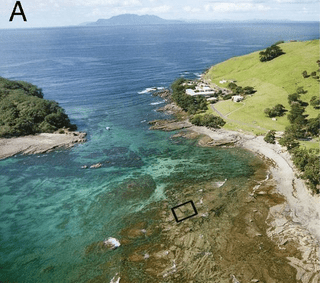
This 2015 Amsterdam/New Zealand/Cornell shore-life study found:

“Species abundances in natural ecosystems may never settle at a stable equilibrium.

Species in one of the world’s oldest marine reserves showed chaotic fluctuations for more than 20 years. The species replaced each other in cyclic order, yet the exact timing and abundances of the species were unpredictable.

Our findings provide a field demonstration of nonequilibrium coexistence of competing species through a cyclic succession at the edge of chaos.

Our findings show that natural ecosystems can sustain continued changes in species abundances.”
chaos

http://www.pnas.org/content/112/20/6389.full “Species fluctuations sustained by a cyclic succession at the edge of chaos”


The University of Amsterdam also participated in a 2013 study Evolution of microbial markets where evolutionary biologists studied microbes. Their related findings included:

“Cooperative interactions between individuals of different species.

Strategies important for microbes to optimize their success in potential biological markets:

  • (i) avoid bad trading partners;
  • (ii) build local business ties;
  • (iii) diversify or specialize;
  • (iv) become indispensable;
  • (v) save for a rainy day; and
  • (vi) eliminate the competition.”

A 2015 study How a well-adapted immune system is organized (the *.pdf file is linked because the html has errors) had a related finding that applied to our body’s immune system. The researchers found that the primary reason why each of our immune systems is unique is due to the effect of:

“Competition between receptor clones..NOT a biologically implausible centralized mechanism distributing resources system-wide.

The repertoire of lymphocyte receptors in the adaptive immune system protects organisms from diverse pathogens. A well-adapted repertoire should be tuned to the pathogenic environment to reduce the cost of infections.

Competitive dynamics can allow the immune repertoire to self-organize into a state that confers high protection against infections.”

Chaos and competition for resources are facts of life observed within ourselves and in nature from ocean life down to the microbe level.

Why are we often presented – as a fact of life – that what’s natural is for all aspects of our lives to be in balance? Emotional, economic, social, intellectual – you name it, we’re told that the natural model is one of “stable equilibrium.”


Two hypotheses of Dr. Arthur Janov’s Primal Therapy are relevant:

Trying for closure, though, becomes an act-out – a temporary fulfillment of a substitute need. But the underlying need remains unsatisfied, and soon drives further act-outs. Balance is never achieved.

With this viewpoint, can you see how behavior like the following shows the internal state of the actor as they attempt to thwart the natural reality of the situation?

  • A person in authority who demands that people cease their competition for a resource and instead, accept what the authority figure determines is fair and balanced. An example is limiting supplies with price controls after a disaster.
  • A person who disrupts cooperative behavior that provides a solution for the cooperators’ needs/wants and instead, interposes themselves in a directed solution. An example is requiring licenses for cooperative childcare.
  • A person who insists that peoples’ responses to chaos to form an optimal adaptation cease, and instead, conform to some other responses. An example is prohibiting free movement after a disaster.

It reveals even more about the internal states of people that the above examples become codified. Children are taught that the natural and solely acceptable way to behave is in accordance with these unnatural solutions.


There are some signs that unnatural solutions in society can be reversed. For example, here is a 2013 article about a UK village that benefited from removing all of its traffic signals and reverting to the natural order of human cooperation and competition.

At the individual level, though, it’s up to each one of us to recognize and reverse our unnatural states. We and the people around us will be pleased when we and they are no longer adversely affected by our unconscious act-outs that are driven by our internal states. There’s enough natural chaos without adding more with act-outs.

Our internal systems will suffer damage, for example, when our unconscious act-out is to be busy, always doing something, and we can’t relax. Stress adversely affects our internal systems until we understand and reverse the driving unnatural states.

A mixed bag of findings about oxytocin, its receptor, and autism

This 2014 Stanford human study found:

“No empirical support for the OXT [oxytocin] deficit hypothesis of ASD [autism spectrum disorder], nor did plasma OXT concentrations differ by sex, OXTR [oxytocin receptor] SNPs [single nucleotide polymorphisms], or their interactions.”

Apparently, there was a:

“Prevalent but not well-interrogated OXT deficit hypothesis of ASD.”

The researchers followed up this worthwhile finding with three weak findings. The first, as stated by one of the study’s lead researchers, was:

“It didn’t matter if you were a typically developing child, a sibling or an individual with autism: Your social ability was related to a certain extent to your oxytocin levels.”

The second weak finding was that, regarding OXTR SNPs:

“The minor allele of rs2254298 predicted global social impairments on the SRS [Social Responsiveness Scale] and diagnostic severity on the ADI-R [Autism Diagnostic Interview-Revised]. In contrast, the major allele of rs53576 predicted impaired affect recognition performance on the NEPSY [A Developmental NEuroPSYchological Assessment].”

This was at odds with other relevant research, leading the researchers to state:

The functional significance of these two intronic variants remains unknown.”

The third weak finding irked me:

“Plasma OXT concentrations were highly heritable.”

because the researchers didn’t attempt to differentiate the contribution of the environment for the observed blood oxytocin levels, as did the similar How epigenetic DNA methylation of the oxytocin receptor gene affects the perception of anger and fear study.

I wonder what the reviewer’s feedback was about these weak findings. Did he make the researchers insert specific language into the lengthy paragraph about the study’s limitations, or did he give them a pass?

http://www.pnas.org/content/111/33/12258.full “Plasma oxytocin concentrations and OXTR polymorphisms predict social impairments in children with and without autism spectrum disorder”

Separating genetic from environmental factors when assessing educational achievement

This 2014 UK study of identical and fraternal twins found that an average of 62% of the differences among their scores on a significant test given at age 16 were due to genetic factors:

“Genetic influence is greater for achievement than for intelligence, and other behavioral traits are related to educational achievement largely for genetic reasons.”

However, the “genetic reasons” term didn’t mean that the researchers actually took genetic samples. From one news article:

“Identical twins share 100 percent of their genes while non-identical twins share just 50 percent of their genes. Because these sets of twins share the same environment, the scientists were able to compare identical and non-identical twins to estimate the relative contributions of genetic and environmental factors.”

This estimation method produced an artificial divide between genetic and environmental factors. Identical twins start out sharing 100% of their genes, but then their genes become expressed differently – often because of environmental factors – to produce unique individuals even before birth.

The sets of identical twins were definitely not the 100% same genetic makeup between themselves at age 16 as they were at conception, and that assumption was the foundation of the researchers’ model:

F2

“Bivariate estimates for additive genetic (A), shared environmental (C), and nonshared environmental (E) contributions to the correlations between GCSE and nine predictors. The total length of the bar indicates the phenotypic correlations.”

The researchers didn’t provide evidence that “genetic reasons” were causal factors to the stated extent. Although the model’s numbers may have indicated that the method’s results were valid, that didn’t necessarily mean that the reality of genetic and epigenetic influences on the subjects were represented to the stated precision by the results.

The weather analogy of Scientific evidence applies to this study’s methods:

“We can think about what we mean by evidence. For example, that when you see dark storm clouds overhead, that’s strong evidence that it’s about to rain. If you smell a certain scent, that’s maybe weak evidence that it’s about to rain. And if we see the dark storm clouds and then we smell the scent, the evidence doesn’t get weaker: if anything, it gets stronger.

But P-values in a circumstance like that, where you have a very small P-value in one dataset and a not-so-small P-value in a second dataset, you put the data together and the P-value will tend to sort of average.

So the P-value is not behaving like evidence.”

Better methods of estimating “the relative contributions of genetic and environmental factors” are available with actual genetic sampling. One way is to measure the degree of DNA methylation of genes as did:


The study and its news coverage were full of politically-correct buzzwords – for example, the researchers’ statement:

“The results also support the trend in education toward personalized learning.”

This “personalized learning” is a teacher not telling a student:

“You’re doing poorly at math. You need to pay attention in class and do the homework.”

but instead saying:

“You have a different learning style. We’ll tailor the math lessons to your style.”

The funniest thing I saw in the study’s news coverage was this one where someone argued that the researchers were wrong and that they needed educational psychologists on their staff to interpret the data. Guess the profession of the arguer!

http://www.pnas.org/content/111/42/15273.full “The high heritability of educational achievement reflects many genetically influenced traits, not just intelligence”

People who donated a kidney to a stranger have a larger amygdala

This 2014 Georgetown study was of people who had donated a kidney to a stranger. The study found that the subjects had a larger right amygdala part of their limbic systems:

“Our results support the possibility of a neural basis for extraordinary altruism.

In sum, our findings suggest that individuals who have performed an act of extraordinary altruism can be distinguished from healthy controls by increased right amygdala volume, as well as heightened responsiveness in right amygdala to fearful facial expressions, which may support enhanced recognition of these expressions.”

The researchers stopped short of causal explanations. They stated in the study’s abstract that:

“Individual variation in altruistic tendencies may be genetically mediated”

but didn’t develop any evidence to support this statement.

It would have been within the scope of the study had the researchers continued on to examine:

  • What may have happened in the subjects’ lives to possibly cause their neurobiological and psychological attributes?
  • What were the causes for the subjects’ extreme altruistic behavior?
  • Were these the same causes for their larger, more sensitive amygdala?

An accompanying PNAS commentary from a Harvard researcher made other points. However, the author showed his biases that the cerebrum rules human behavior with an out-of-left-field question at the end of a paragraph in which he developed specious reasoning.

The commentator was completely off base when he stated:

“Could it be that extraordinary altruists such as Maupin [a study participant] and the 19 individuals studied by Marsh et al. [the researchers] are special, not only because of how they feel when they see people in distress, but because of how they think?”

I don’t imagine that the brilliant commentator’s attempt to upstage the study’s subjects and put the spotlight on himself for some brilliant idea was much appreciated by anyone involved.

The amygdala is the central hub of a person’s limbic system. The study’s findings had very little to say about the subjects’ cerebral activity – thinking.

To postulate that the researchers missed that there was something different about the subjects’ thinking was out of touch with the realities of both the researchers’ scientific bases and the subjects. It’s another example of the current research mindset/social meme of cerebral dominance.

http://www.pnas.org/content/111/42/15036.full “Neural and cognitive characteristics of extraordinary altruists”

A missed opportunity to research the oxytocin receptor gene and autism

This 2013 study:

“Examined whether genetic variants of the OXTR [oxytocin receptor] affect face recognition memory in families with an autistic child.

We investigated whether common polymorphisms in the genes encoding the oxytocin and vasopressin 1a receptors influence social memory for faces.”

I feel that the researchers missed an opportunity to improve their assessment of the autism-related genetic contribution to the study’s findings by separating the degree of environmental influence on the oxytocin receptor gene expression, as did the How epigenetic DNA methylation of the oxytocin receptor gene affects the perception of anger and fear study.

An assessment of epigenetic DNA methylation of the oxytocin receptor gene may have been even more compelling because the researchers genetically sampled one non-autistic sibling in each of the autistic children’s families. I hope the study’s samples are still available, because they may offer the possibility of evaluating the contribution of the autistic children’s historical environment with potential confirmation from their siblings.

Both studies gave their subjects similar facial emotion recognition tests, with the current one deriving from findings about autism, and the second from findings about the amygdala. The studies also had common references, such as a 2010 study, A common allele in the oxytocin receptor gene (OXTR) impacts prosocial temperament and human hypothalamic-limbic structure and function.

http://www.pnas.org/content/111/5/1987.full “Common polymorphism in the oxytocin receptor gene (OXTR) is associated with human social recognition skills”