Taurine week #7: Brain

Finishing a week’s worth of 2022 taurine research with two reviews of taurine’s brain effects:

“We provide a overview of brain taurine homeostasis, and review mechanisms by which taurine can afford neuroprotection in individuals with obesity and diabetes. Alterations to taurine homeostasis can impact a number of biological processes such as osmolarity control, calcium homeostasis, and inhibitory neurotransmission, and have been reported in both metabolic and neurodegenerative disorders.

Models of neurodegenerative disorders show reduced brain taurine concentrations. On the other hand, models of insulin-dependent diabetes, insulin resistance, and diet-induced obesity display taurine accumulation in the hippocampus. Given cytoprotective actions of taurine, such accumulation of taurine might constitute a compensatory mechanism that attempts to prevent neurodegeneration.

nutrients-14-01292-g003

Taurine release is mainly mediated by volume-regulated anion channels (VRAC) that are activated by hypo-osmotic conditions and electrical activity. They can be stimulated via glutamate metabotropic (mGluR) and ionotropic receptors (mainly NMDA and AMPA), adenosine A1 receptors (A1R), and metabotropic ATP receptors (P2Y).

Taurine mediates its neuromodulatory effects by binding to GABAA, GABAB, and glycine receptors. While taurine binding to GABAA and GABAB is weaker than to GABA, taurine is a rather potent ligand of the glycine receptor. Reuptake of taurine occurs via taurine transporter TauT.

Cytoprotective actions of taurine contribute to brain health improvements in subjects with obesity and diabetes through various mechanisms that improve neuronal function, such as:

  • Modulating inhibitory neurotransmission, which promotes an excitatory–inhibitory balance;
  • Stimulating antioxidant systems; and
  • Stabilizing mitochondria energy production and Ca2+ homeostasis.”

https://www.mdpi.com/2072-6643/14/6/1292/htm “Taurine Supplementation as a Neuroprotective Strategy upon Brain Dysfunction in Metabolic Syndrome and Diabetes”


A second review focused on taurine’s secondary bile acids produced by gut microbiota:

“Most neurodegenerative disorders are diseases of protein homeostasis, with misfolded aggregates accumulating. The neurodegenerative process is mediated by numerous metabolic pathways, most of which lead to apoptosis. Hydrophilic bile acids, particularly tauroursodeoxycholic acid (TUDCA), have shown important anti-apoptotic and neuroprotective activities, with numerous experimental and clinical evidence suggesting their possible therapeutic use as disease-modifiers in neurodegenerative diseases.

Biliary acids may influence each of the following three mechanisms through which interactions within the brain-gut-microbiota axis take place: neurological, immunological, and neuroendocrine. These microbial metabolites can act as direct neurotransmitters or neuromodulators, serving as key modulators of the brain-gut interactions.

The gut microbial community, through their capacity to produce bile acid metabolites distinct from the liver, can be thought of as an endocrine organ with potential to alter host physiology, perhaps to their own favour. Hydrophilic bile acids, currently regarded as important hormones, exert modulatory effects on gut microbiota composition to produce secondary bile acids which seem to bind a number of receptors with a higher affinity than primary biliary acids, expressed on many different cells.

40035_2022_307_Fig1_HTML

TUDCA regulates expression of genes involved in cell cycle regulation and apoptotic pathways, promoting neuronal survival. TUDCA:

  • Improves protein folding capacity through its chaperoning activity, in turn reducing protein aggregation and deposition;
  • Reduces reactive oxygen species production, leading to protection against mitochondrial dysfunction;
  • Ameliorates endoplasmic reticulum stress; and
  • Inhibits expression of pro-inflammatory cytokines, exerting an anti-neuroinflammatory effect.

Although Alzheimer’s disease, Huntington’s disease, Parkinson’s disease, amyotrophic lateral sclerosis (ALS), and cerebral ischemia have different disease progressions, they share similar pathways which can be targeted by TUDCA. This makes this bile acid a potentially strong therapeutic option to be tested in human diseases. Clinical evidence collected so far has reported comprehensive data on ALS only.”

https://www.ncbi.nlm.nih.gov/pmc/articles/PMC9166453/ “Tauroursodeoxycholic acid: a potential therapeutic tool in neurodegenerative diseases”

Taurine week #5: Blood

Two 2022 papers investigated taurine’s effects in blood, starting with a review of platelets:

“Taurine is the most abundant free amino acid in the human body, with a six times higher concentration in platelets than any other amino acid. It is highly beneficial for the organism, has many therapeutic actions, and is currently approved for heart failure treatment in Japan. Only the lack of large-scale phase 3 clinical trials restricts taurine use as a therapeutic agent in several other pathologies for treatment of which it has been shown to be effective (hypertension, atherosclerosis, stroke, neurodegenerative diseases, metabolic diseases, e.g., diabetes mellitus, and others).

Because taurine was seen as a non-patentable nutrient, the pharmaceutical industry has not shown much interest in its research. Considering that taurine and its analogues display permissible side effects, along with the need of finding new, alternative antithrombotic drugs with minimal side effects and long-term action, the potential clinical relevance of this fascinating nutrient and its derivatives requires further consideration.”

https://www.mdpi.com/2077-0383/11/3/666/htm “Taurine and Its Derivatives: Analysis of the Inhibitory Effect on Platelet Function and Their Antithrombotic Potential”

Figure 1 provided details of taurine and its derivatives’ effects on various processes involved in platelet activation and aggregation.


A second paper was a rodent study:

“To evaluate chronic effects of taurine on cholesterol levels, we analyzed mice fed a taurine-rich diet for 14–16 weeks. Long-term feeding of taurine lowered plasma cholesterol and bile acids without significantly changing other metabolic parameters, but hardly affected these levels in the liver.

ijms-23-01793-g004

Taurine upregulates transcriptional activity of Cyp7a1 by suppressing FGF21 production in the liver. Bile acids are converted from blood cholesterol by CYP7A1, and more efficiently enter enterohepatic circulation via taurine conjugation.

This study shows that long-term feeding of taurine lowers both plasma cholesterol and bile acids, reinforcing that taurine effectively prevents hypercholesterolemia.”

https://www.mdpi.com/1422-0067/23/3/1793/htm “Long-Term Dietary Taurine Lowers Plasma Levels of Cholesterol and Bile Acids”

A human equivalent of this male C57BL/6J mouse 16-week taurine intervention is roughly 17 years. That strain’s male maximum lifespan is around 800 days, and human maximum lifespan is currently 122.5 years.


PXL_20220520_160922433

Taurine week #2: Bile acids

Two papers investigated taurine’s integration into bile acids, starting with a review:

“Bile acids (BAs) are produced from cholesterol in the liver and are termed primary BAs. Primary BAs are conjugated with glycine and taurine in the liver, and stored in the gallbladder. BAs are released from the gallbladder into the small intestine via food intake to facilitate digestion and absorption of lipids and lipophilic vitamins by forming micelles in the small intestine.

After deconjugation by the gut microbiome, primary BAs are converted into secondary BAs. Most BAs in the intestine are reabsorbed and transported to the liver, where both primary and secondary BAs are conjugated with glycine or taurine and rereleased into the intestine.

microorganisms-10-00068-g001

Some BAs reabsorbed from the intestine spill into systemic circulation, where they bind to a variety of nuclear and cell-surface receptors in tissues. Some BAs are not reabsorbed and bind to receptors in the terminal ileum.

BAs can affect cell-surface and intracellular membranes, including those of mitochondria and the endoplasmic reticulum. BAs are also hormones or signaling molecules, and can regulate BA, glucose, and lipid metabolism in various tissues, including the liver, pancreas, and both brown and white adipose tissue. BAs also affect the immune system.

BAs can affect the nervous system. More than 20 BAs have been detected in the brain of humans and rodents. The brain communicates with the gut and gut microbiome through BAs.”

https://www.mdpi.com/2076-2607/10/1/68/htm “Physiological Role of Bile Acids Modified by the Gut Microbiome”


Reference 56 was a human study:

“Centenarians (individuals aged 100 years and older) have a decreased susceptibility to ageing-associated illnesses, chronic inflammation, and infectious diseases. Centenarians have a distinct gut microbiome enriched in microorganisms that are capable of generating unique secondary bile acids.

We identified centenarian-specific gut microbiota signatures and defined bacterial species as well as genes and/or pathways that promote generation of isoLCA, 3-oxoLCA, 3-oxoalloLCA, and isoalloLCA. To our knowledge, isoalloLCA is one of the most potent antimicrobial agents that is selective against Gram-positive microorganisms, including multidrug-resistant pathogens, suggesting that it may contribute to maintenance of intestinal homeostasis by enhancing colonization-resistance mechanisms.”

https://www.nature.com/articles/s41586-021-03832-5 “Novel bile acid biosynthetic pathways are enriched in the microbiome of centenarians” (not freely available)


A few more papers will be coming on taurine and bile acids. I haven’t seen one investigate both taurine and glycine treatments to aid bile acid in achieving therapeutic results.

PXL_20220612_193749935

Betaine and diabetes

Two 2022 papers on betaine’s effects, starting with a review:

“Rodent studies provide evidence that betaine effectively limits many diabetes-related disturbances.

  • Betaine therapy improves glucose tolerance and insulin action, which is strongly associated with changes in insulin-sensitive tissues, such as skeletal muscle, adipose tissue, and liver.
  • Betaine supplementation positively affects multiple genes, which expression is dysregulated in diabetes.
  • AMP-activated protein kinase is thought to play a central role in the mechanism underlying anti-diabetic betaine action.
  • Studies with animal models of type 2 diabetes have shown that betaine exerts anti-inflammatory and anti-oxidant effects, and also alleviates endoplasmic reticulum stress.

1-s2.0-S0753332222003353-gr2_lrg

These changes contribute to improved insulin sensitivity and better blood glucose clearance. Results of animal studies encourage exploration of therapeutic betaine efficacy in humans with type 2 diabetes.”

https://www.sciencedirect.com/science/article/pii/S0753332222003353 “The anti-diabetic potential of betaine. Mechanisms of action in rodent models of type 2 diabetes”


Reference 31 was a human study:

“Few studies on humans have comprehensively evaluated intake composition of methyl-donor nutrients choline, betaine, and folate in relation to visceral obesity (VOB)-related hepatic steatosis (HS), the hallmark of non-alcoholic fatty liver diseases.

  • Total choline intake was the most significant dietary determinant of HS in patients with VOB.
  • Combined high intake of choline and betaine, but not folate, was associated with an 81% reduction in VOB-related HS.
  • High betaine supplementation could substitute for choline and folate to normalize homocysteine levels under methyl donor methionine-restriction conditions.
  • Preformed betaine intake from whole-grain foods and vegetables can lower obesity-increased choline and folate requirements by sparing choline oxidation for betaine synthesis and folate for methyl donor conversion in one-carbon metabolism.

Our data suggest that combined dietary intake of choline and betaine reduces the VOB-related HS risk in a threshold-dependent manner.”

https://www.mdpi.com/2072-6643/14/2/261/htm “Optimal Dietary Intake Composition of Choline and Betaine Is Associated with Minimized Visceral Obesity-Related Hepatic Steatosis in a Case-Control Study”

Increasing betaine intake to lower choline and folate requirements was similar to an idea in Treating psychopathological symptoms will somehow resolve causes? that:

“Such positive effects of taurine on glutathione levels may be explained by the fact that cysteine is the essential precursor to both metabolites, whereby taurine supplementation may drive metabolism of cysteine towards GSH synthesis.”


I came across this first paper by it citing All about the betaine, Part 2:

“This review focuses on biological and beneficial effects of dietary betaine (trimethylglycine), a naturally occurring and crucial methyl donor that restores methionine homeostasis in cells. Betaine is endogenously synthesized through metabolism of choline, or exogenously consumed through dietary intake.

Human intervention studies showed no adverse effects with 4 g/day supplemental administration of betaine in healthy subjects. However, overweight subjects with metabolic syndrome showed a significant increase in total and LDL-cholesterol concentrations. These effects were not observed with 3 g/day of betaine administration.

Betaine exerts significant therapeutic and biological effects that are potentially beneficial for alleviating a diverse number of human diseases and conditions.”

https://www.mdpi.com/2079-7737/10/6/456/htm “Beneficial Effects of Betaine: A Comprehensive Review”


PXL_20220518_094703198

The misnomer of nonessential amino acids

Three papers, starting with a 2022 review:

“Ideal diets must provide all physiologically and nutritionally essential amino acids (AAs).

Proposed optimal ratios and amounts of true digestible AAs in diets during different phases of growth and production. Because dynamic requirements of animals for dietary AAs are influenced by a plethora of factors, data below as well as the literature serve only as references to guide feeding practices and nutritional research.

10.1177_15353702221082658-table5

Nutritionists should move beyond the ‘ideal protein’ concept to consider optimum ratios and amounts of all proteinogenic AAs in diets for mammals, birds, and aquatic animals, and, in the case of carnivores, also taurine. This will help formulate effectively low-protein diets for livestock (including swine and high-producing dairy cattle), poultry, fish, and crustaceans, as well as zoo and companion animals.”

https://journals.sagepub.com/doi/10.1177/15353702221082658 “The ‘ideal protein’ concept is not ideal in animal nutrition”


A second 2022 review focused on serine:

“The main dietary source of L-serine is protein, in which L-serine content ranges between 2 and 5%. At the daily intake of ~1 g protein per kg of body weight, the amount of serine obtained from food ranges between 1.4 and 3.5 g (13.2–33.0 mmol) per day in an adult.

Mechanisms of potential benefits of supplementing L-serine include increased synthesis of sphingolipids, decreased synthesis of 1-deoxysphingolipids, decrease in homocysteine levels, and increased synthesis of cysteine and its metabolites, including glutathione. L-serine supplementation has been suggested as a rational therapeutic approach in several disorders, particularly primary disorders of L-serine synthesis, neurodegenerative disorders, and diabetic neuropathy.

Unfortunately, the number of clinical studies evaluating dietary supplementation of L-serine as a possible therapy is small. Studies examining therapeutic effects of L-serine in CNS injury and chronic renal diseases, in which it is supposed that L-serine weakens glutamate neurotoxicity and lowers homocysteine levels, respectively, are missing.”

https://www.mdpi.com/2072-6643/14/9/1987/htm “Serine Metabolism in Health and Disease and as a Conditionally Essential Amino Acid”


A 2021 review subject was D-serine, L-serine’s D-isoform:

“The N-methyl-D-aspartate glutamate receptor (NMDAR) and its co-agonist D-serine are currently of great interest as potential important contributors to cognitive function in normal aging and dementia. D-serine is necessary for activation of NMDAR and in maintenance of long-term potentiation, and is involved in brain development, neuronal connectivity, synaptic plasticity, and regulation of learning and memory.

The source of D-amino acids in mammals was historically attributed to diet or intestinal bacteria until racemization of L-serine by serine racemase was identified as the endogenous source of D-serine. The enzyme responsible for catabolism (breakdown) of D-serine is D-amino acid oxidase; this enzyme is most abundant in cerebellum and brainstem, areas with low levels of D-serine.

Activation of the NMDAR co-agonist-binding site by D-serine and glycine is mandatory for induction of synaptic plasticity. D-serine acts primarily at synaptic NMDARs whereas glycine acts primarily at extrasynaptic NMDARs.

In normal aging there is decreased expression of serine racemase and decreased levels of D-serine and down-regulation of NMDARs, resulting in impaired synaptic plasticity and deficits in learning and memory. In contrast, in AD there appears to be activation of serine racemase, increased levels of D-serine and overstimulation of NMDARs, resulting in cytotoxicity, synaptic deficits, and dementia.”

https://www.frontiersin.org/articles/10.3389/fpsyt.2021.754032/full “An Overview of the Involvement of D-Serine in Cognitive Impairment in Normal Aging and Dementia”


PXL_20220518_093600487

Food combination effects

Two 2022 studies, starting with “Increasing bound antioxidant compounds through their reaction with soluble phenolic compounds”:

“Wheat, oat, rye, and rice bran samples were reacted with different concentrations of beverages (green tea infusion, black tea infusion, espresso, and red wine) rich in various soluble phenolic compounds.

  • Green tea infusion was found to be the most effective beverage.
  • pH rather than time and temperature had significant effects on the reaction.
  • Neutral or slightly alkaline conditions (pH 7.0-7.9) and mild temperature (at about 50 °C) were found to be optimum to increase antioxidant capacity of cereal bran samples.
  • Total antioxidant capacity of oat bran treated with green tea infusion at optimum conditions (53.3 °C, pH 7.4, 60.0 min) reached 226.42±0.88 mmol.
  • Free amino groups in cereal bran were also found to decrease 32–95% after treatment.”

https://onlinelibrary.wiley.com/doi/10.1002/jsfa.12017 “Optimization of reaction conditions for the design of cereal based dietary fibers with high antioxidant capacity” (not freely available)

Hadn’t thought about purposely combining oats with green tea before. I eat whole oats, though, not oat bran.


The same coauthors earlier used an in vitro digestion procedure to investigate combinations of 20 foods purchased from local markets:

“Individual antioxidant capacity of a single compound is not adequate to assess antioxidant potential of food or human plasma. Compounds always present as natural mixtures, and may possess similar, overlapping, or different but complementary effects.

Certain types of foods co-existing in daily diet were investigated in terms of their combined total antioxidant capacity (TAC) determined by the QUENCHER method, which allows physiological evaluation without any extraction procedure. Hydroxyl radical scavenging capacity was also determined in bioaccessible fractions of foods.

Interaction types were determined at each step:

  • Synergism refers to a greater overall effect in the combination of two samples compared to simple addition of their individual effects, which means that TACmeasured is greater (p < 0.05) than TACestimated.
  • The phenomenon in which a lower (p < 0.05) net interactive effect than the sum of their individual effects (TACmeasured < TACestimated), is known as antagonism.
  • Additive interaction occurs when a net interactive antioxidant effect is as same (p > 0.05) as the sum of individual effects.

1-s2.0-S2665927122000351-ga1_lrg

  • Seeds and nuts interacted antagonistically with other foods due to the pro-oxidant potential of transition metals on lipid rich system.
  • Protein-phenol interactions masking TACs of phenol-rich foods before digestion could stabilize and regenerate phenolic compounds under gastrointestinal digestion conditions, providing a synergistic interaction.
  • Intestinal conditions promoting reaction between antioxidant compounds and radicals resulted in increases in TACs of foods.
  • Enzymatic colonic digestion caused significant increases in TACs of certain foods.

These findings provide a basis to increase antioxidant activity in daily diet and new food formulations.”

https://www.sciencedirect.com/science/article/pii/S2665927122000351 “Effect of food combinations and their co-digestion on total antioxidant capacity under simulated gastrointestinal conditions”


View this second study as representative or hypothesis-generating, but not specifically definitive. No research group will use its resources to investigate even the 190 pairwise combinations of 20 foods, much less all 616,645 combinations.

Also, since food is digested all in the same place and time, contexts for each combination’s synergistic, antagonistic, or additive activities may be influenced by other combinations’ results. See the second study of Dietary contexts matter for a similar investigation.

PXL_20220519_213057647

Young gut, young eyes

I’ll highlight this 2022 rodent study findings of effects on eye health:

“We tested the hypothesis that manipulating intestinal microbiota influences development of major comorbidities associated with aging and, in particular, inflammation affecting the brain and retina. Using fecal microbiota transplantation, we exchanged intestinal microbiota of young (3 months), old (18 months), and aged (24 months) mice.

Transfer of aged donor microbiota into young mice accelerates age-associated central nervous system inflammation, retinal inflammation, and cytokine signaling. It promotes loss of key functional protein in the eye, effects which are coincident with increased intestinal barrier permeability.

These detrimental effects can be reversed by transfer of young donor microbiota.

young and aged fmt

We provide the first direct evidence that aged intestinal microbiota drives retinal inflammation, and regulates expression of the functional visual protein RPE65. RPE65 is vital for maintaining normal photoceptor function via trans-retinol conversion. Mutations or loss of function are associated with retinitis pigmentosa, and are implicated in age-related macular degeneration.

Our finding that age-associated decline in host retinal RPE65 expression is induced by an aged donor microbiota, and conversely is rescued by young donor microbiota transfer, suggests age-associated gut microbiota functions or products regulate visual function.”

https://microbiomejournal.biomedcentral.com/articles/10.1186/s40168-022-01243-w “Fecal microbiota transfer between young and aged mice reverses hallmarks of the aging gut, eye, and brain”


PXL_20220517_190954606

Exercise substitutes?

Two papers, starting with a 2022 abstract of an ongoing in vitro study with rodent cells:

“Exercise mimetics may target and activate the same mechanisms that are upregulated with exercise administration alone. This is particularly useful under conditions where contractile activity is compromised due to muscle disuse, disease, or aging.

Sulforaphane and Urolithin A represent our preliminary candidates for antioxidation and mitophagy, respectively, for maintaining mitochondrial turnover and homeostasis. Preliminary results suggest that these agents may be suitable candidates as exercise mimetics, and set the stage for an examination of synergistic effects.”

https://faseb.onlinelibrary.wiley.com/doi/10.1096/fasebj.2022.36.S1.R3745 “Exercise mimicry: Characterization of nutraceutical agents that may contribute to mitochondrial homeostasis in skeletal muscle” (study not available)


A second 2022 paper reviewed what’s known todate regarding urolithins:

“Urolithins (Uros) are metabolites produced by gut microbiota from the polyphenols ellagitannins (ETs) and ellagic acid (EA). ETs are one of the main groups of hydrolyzable tannins. They can occur in different plant foods, including pomegranates, berries (strawberries, raspberries, blackberries, etc.), walnuts, many tropical fruits, medicinal plants, and herbal teas, including green and black teas.

Bioavailability of ETs and EA is very low. Absorption of these metabolites could be increased by co-ingestion with dietary fructooligosaccharides (FOS).

Effects of other experimental factors: post-intake time, duration of administration, diet type (standard and high-fat), and ET dosage (without, low, and high ET intake) in ETs metabolism were evaluated in blood serum and urine of rats consuming strawberry phenolics. Highest concentrations were obtained after 2–4 days of administration.

Various crucial issues need further research despite significant evolution of urolithin research. Overall, whether in vivo biological activity endorsed to Uros is due to each specific metabolite and(or) physiological circulating mixture of metabolites and(or) gut microbial ecology associated with their production is still poorly understood.

  • Ability of Uros to cross the blood-brain barrier and the nature of metabolites and concentrations reached in brain tissues need to be clarified.
  • Specific in vivo activity for each free and conjugated Uro metabolite is unknown. Studies on different Uro metabolites and their phase-II conjugates are needed to understand their role in human health.
  • Evidence on safety and impact of Uros on human health is still scarce and only partially available for Uro-A.
  • It is unknown whether there are potential common links between gut microbial ecologies of the two unambiguously described metabotypes so far, i.e., equol (isoflavones) and Uros (ellagitannins).
  • Gut microbes responsible for producing different Uros still need to be better identified and characterized, and biochemical pathways and enzymes involved.”

https://onlinelibrary.wiley.com/doi/10.1002/mnfr.202101019 “Urolithins: a Comprehensive Update on their Metabolism, Bioactivity, and Associated Gut Microbiota”


PXL_20220514_181229426

Blood pressure and brain age

This 2021 human study investigated associations between blood pressure and MRI measurements:

“We estimated how a validated measure of brain health related to changes in BP over a period of 12 years. The main findings of this study were:

  • All BP measures were associated with older BrainAGE;
  • Associations were stronger in men than women;
  • Associations were not only detected in hypertensive individuals but across the whole BP range; and
  • Individuals with optimal blood pressure (110/70) presented with the lowest BrainAGE.

These findings support the view that maintaining blood pressure in an optimal range (SBP < 115, DBP < 75) across the lifespan starting before mid-life (i.e., in early adulthood and before) is essential to maintain good cerebral health.”

https://www.ncbi.nlm.nih.gov/pmc/articles/PMC8523821/ “Optimal Blood Pressure Keeps Our Brains Younger”


I’m making progress on a New Year’s resolution. Here’s how I started 2022:

bp 2021

Current readings show both lower averages and variability:

bp 2022

~12% decreases in average systolic (111 – 126)/126 and diastolic (69 – 78)/78 pressures over 135 days. 🙂 I measure blood pressure every day right after I wake up.

What caused these decreases? Continuing what I was already doing. The top factor is probably that at lunch every day I take 600 mcg of Vitamin K2 MK-7 along with a gram of flax oil.

I started taking K2 this time last year per Vitamin K2 – What can it do? Apparently its effects are gradual and develop slowly. Vitamin K2 and hypertension may also be relevant.

I came across this study from its mention in today’s video:

Coffee improves information’s signal-to-noise ratio

This 2022 rodent study investigated caffeine’s effects:

“A majority of molecular and neurophysiological studies explored the impact of acute rather than repeated exposure to caffeine. We show that, in bulk tissue analysis, chronic caffeine treatment reduced metabolic processes related to lipids, mitochondria, and translation in mouse hippocampus. In sharp contrast to what was observed in bulk tissue, we found that caffeine induced a neuronal autonomous epigenomic response related to synaptic plasticity activation.

149371-JCI-RG-RV-3_ga_591026

Regular caffeine intake exerts a long-term effect on neuronal activity/plasticity in the adult brain, lowering metabolic-related processes, and simultaneously finely tuning activity-dependent regulations. In non-neuronal cells, caffeine decreases activities under basal conditions, and improves signal-to-noise ratio during information encoding in brain circuits, contributing to bolster salience of information.

Overall, our data prompt the novel concept that regular caffeine intake promotes a more efficient ability of the brain to encode experience-related events. By coordinating epigenomic changes in neuronal and non-neuronal cells, regular caffeine intake promotes a fine-tuning of metabolism in resting conditions.”

https://www.jci.org/articles/view/149371 “Caffeine intake exerts dual genome-wide effects on hippocampal metabolism and learning-dependent transcription”


PXL_20220514_181401668

Eat broccoli sprouts for stress

This 2022 review subject was aspects of sulforaphane regulating stress:

“Sulforaphane (SFN) shows great versatility in turning on different cellular responses. This isothiocyanate acts as a master regulator of cellular homeostasis due to its antioxidant response and cytoplasmic, mitochondrial, and endoplasmic reticulum (ER) protein modulation. SFN acts as an effective strategy to counteract oxidative stress, apoptosis, and ER stress, among others as seen in different injury models.

The ER is a complex membrane system, involved in several cellular processes including lipid synthesis and distribution, and Ca2+ storage and signaling. The ER is highly dynamic and changes according to cellular demand (e.g., hypoxia, mitochondrial dysfunction, or oxidative stress), leading to accumulation of unfolded or misfolded proteins in ER lumen, known as ER stress.

ER stress is buffered by unfolded protein response (UPR) activation, a homeostatic signaling network that orchestrates recovery of ER function by decreasing the burden of misfolded proteins. If stress signals continue it could lead to apoptosis activation.

Studies highlight a close interrelationship between ER stress and oxidative stress, two events driven by the accumulation of reactive oxygen species. Responses to stress inevitably perpetuate, and act as a vicious cycle that triggers development of different pathologies, such as cardiovascular diseases, neurodegenerative diseases, and others.

The PERK/Nrf2 pathway communicates oxidative stress and ER stress:

1-s2.0-S0024320522002545-ga1_lrg

SFN couples oxidative and ER stress to promote cellular redox homeostasis. Further studies in animal and human models are required to elucidate pathways and proteins involved in differential responses orchestrated by SFN, emphasizing that responses will depend on cell type and kind of pathology, as well as SFN concentration.”

https://www.sciencedirect.com/science/article/abs/pii/S0024320522002545 “Role of sulforaphane in endoplasmic reticulum homeostasis through regulation of the antioxidant response” (not freely available) Thanks to Dr. Alejandro Silva for providing a copy.


Every hand’s a winner, and every hand’s a loser has more on UPR.

Brain changes

This 2022 human study investigated healthy young adult brain changes using MRI and epigenetic clock technologies:

“We aimed to characterize the association of epigenetic age (i.e. estimated DNA methylation age) and its acceleration with surface area, cortical thickness, and volume in healthy young adults. It is largely unknown how accelerated epigenetic age affects multiple cortical features among young adults from 19 to 49 years. Prior findings imply not only that these dynamic changes reveal different aspects of cortical aging, but also that chronological age itself is not a reliable factor to understand the process of cortical aging.

accelerated epigenetic age vs brain features

Seventy-nine young healthy individuals participated in this study. Findings of our study should be interpreted within the context of relatively small sample size, without older adults, and with epigenetic age assessed from saliva.

Additional and unique regional changes due to advanced and accelerated epigenetic age, compared to chronological age-related changes, suggest that epigenetic age could be a viable biomarker of cortical aging. Longitudinal and cross-sectional studies with a larger sample and wider age range are necessary to characterize ongoing effects of epigenetic cortical aging, not only for healthy but also for pathological aging.”

https://doi.org/10.1093/cercor/bhac043 “The effects of epigenetic age and its acceleration on surface area, cortical thickness, and volume in young adults” (not freely available) Thanks to Dr. Yong Jeon Cheong for providing a copy.

Young immune system, young brain

This 2022 study investigated brain aging:

“We aimed to explore key genes underlying cognitively normal brain aging and its potential molecular mechanisms. Cellular and molecular mechanisms of brain aging are complex and mainly include:

  1. Dysfunction of mitochondria;
  2. Accumulation of oxidatively damaged proteins, nucleic acids, and lipids in brain cells;
  3. Disorders of energy metabolism;
  4. Impaired ‘waste disposal’ mechanism (autophagosome and proteasome functionality);
  5. Impaired signal transduction of adaptive stress response;
  6. Impaired DNA repair;
  7. Abnormal neural network activity;
  8. Imbalance of neuronal Ca2+ processing;
  9. Stem cell exhaustion; and
  10. Increased inflammation.

mrna brain expression

Expression of CD44, CD93, and CD163 mRNA detected by qPCR in hippocampal tissue of cognitively normal aged and young mice.

Underlying molecular mechanisms for maintaining healthy brain aging are related to decline of immune-inflammatory responses. CD44, CD93, and CD 163 are potential biomarkers.”

https://www.frontiersin.org/articles/10.3389/fnagi.2022.833402/full “Identification of Key Biomarkers and Pathways for Maintaining Cognitively Normal Brain Aging Based on Integrated Bioinformatics Analysis”


PXL_20220506_184430747

Vitamin D and pain

This 2022 human study investigated epigenetic clock associations:

“We assessed the potential relationship of Vitamin D’s effects on pain intensity and disability through associations in epigenetic aging in individuals with and without knee osteoarthritis (KOA). We hypothesized that associations between Vitamin D levels with pain intensity and interference in persons with KOA would be significantly mediated by epigenetic aging.

As a whole, the sample had a mean Vitamin D serum level of 26.7 ng/mL (± 12.8 ng/mL). The mean AgeAccelGrim was 2.4 years (± 5.6 years). There were no significant differences in Vitamin D levels between sex, race, and study site categories.

There was a significant difference in Vitamin D levels between the pain groups, with individuals in the High Impact Pain group showing significantly lower mean levels of Vitamin D (24.01 ng/mL) compared to the Low Impact Pain (28.30 ng/mL) and No Pain (27.30 ng/mL) groups.

vitamin d and pain

Data from this study highlight the important role that Vitamin D plays within the genomic environment, as well as in relation to health outcomes including pain intensity and disability.”

https://link.springer.com/article/10.1007/s12603-022-1758-z “Accelerated Epigenetic Aging Mediates the Association between Vitamin D Levels and Knee Pain in Community-Dwelling Individuals” (not freely available)


It’s good to see a study relating biological age to nutrition status. I didn’t see much discussion of other obvious factors involved in either pain or biological age in their limitations paragraph.

Subjects’ Vitamin D 26.7 ng/mL ± 12.8 ng/mL status indicated that most didn’t spend a few cents every day for their own one precious life. And Vitamin D supplementation wasn’t an exclusion criterion.

The local fire and rescue squad came last Friday to take away a younger neighbor’s body who died overnight. Last I talked with them, they were at least 50 pounds overweight and never exercised. Expressed condolences to their spouse, but wasn’t shocked.

I don’t live in a community-dwelling situation (old people who live on their own as opposed to those taken care of in nursing homes) like this study’s subjects. My youngest neighbors are in their twenties.

Nature hasn’t cared about our lives after our early teens, because we survived long enough to reproduce. What happens in our lives after puberty is largely up to each individual.

PXL_20220502_215338364

All about AGEs

My 900th curation is a 2022 review by the lead author of Reversibility of AGEs concentrations that fleshed out details of advanced glycation end products (AGEs) topics:

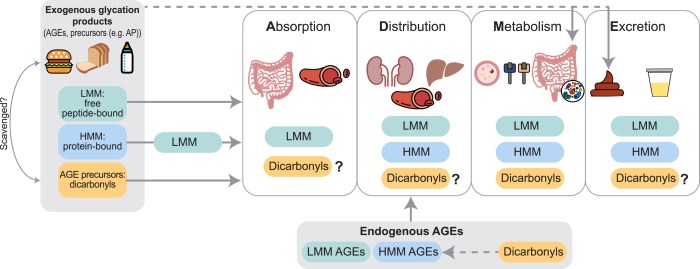
“This review aims to provide a state-of-the-art overview of the toxicokinetics and toxicodynamics of endogenously formed and exogenous dietary AGEs and their precursors. AGEs are a heterogenous group of:

  • Low molecular mass (LMM) glycation products formed by reaction with a free amino acid residue and/or to dicarbonyl precursors; and
  • High molecular mass (HMM) glycation products formed by reaction with a protein-bound amino acid residue, including cross-linked products (i.e. when two amino acid residues are involved instead of one).

Cross-linking of body proteins results in:

  • Altered structure and function of the proteins;
  • Proteins are less easily degraded;
  • An increase in stiffness in tissues that are rich in these proteins, including arterial, lung tissue, joints, and extracellular matrix. Stiffness in these tissues has been associated with diseases including hypertension, cataracts, dementia, atherosclerosis, glomerulosclerosis, emphysema, and joint pain.

In endogenous formation of AGEs and their precursors, the same pathways as exogenous proceed via non-enzymatic reactions, although they occur at lower rates due to the lower physiological temperatures. In addition, specific endogenous AGE formation pathways include glycolysis and the polyol pathway active under hyperglycemic conditions.

Considering heterogeneity of glycation products, as also reflected in different ADME outcomes, AGEs and their precursors cannot be grouped together. Specific, individual information is required for a proper evaluation, especially considering ADME properties.

file:///D:/MYFILES/ELSEVIER/FCT/00112987/FINALXML/GRAPHICS/NATI

The role of exogenous HMM AGEs and precursors seems to be restricted by limited bioavailability to local effects on the intestine including its microbiota, unless being degraded to their LMM form. An important role is probably left for reactive (endogenously formed) dicarbonyl AGE precursors and as a consequence the endogenously formed AGEs.

The direct contribution of reactive dicarbonyl precursors to dicarbonyl stress and their indirect contribution to endogenous HMM AGE formation and subsequent AGE receptor activation remain to be further studied.”

https://www.sciencedirect.com/science/article/pii/S0278691522001855 “Differences in kinetics and dynamics of endogenous versus exogenous advanced glycation end products (AGEs) and their precursors”