Sulforaphane and skin aging

A 2025 rodent study investigated sulforaphane effects on natural skin aging:

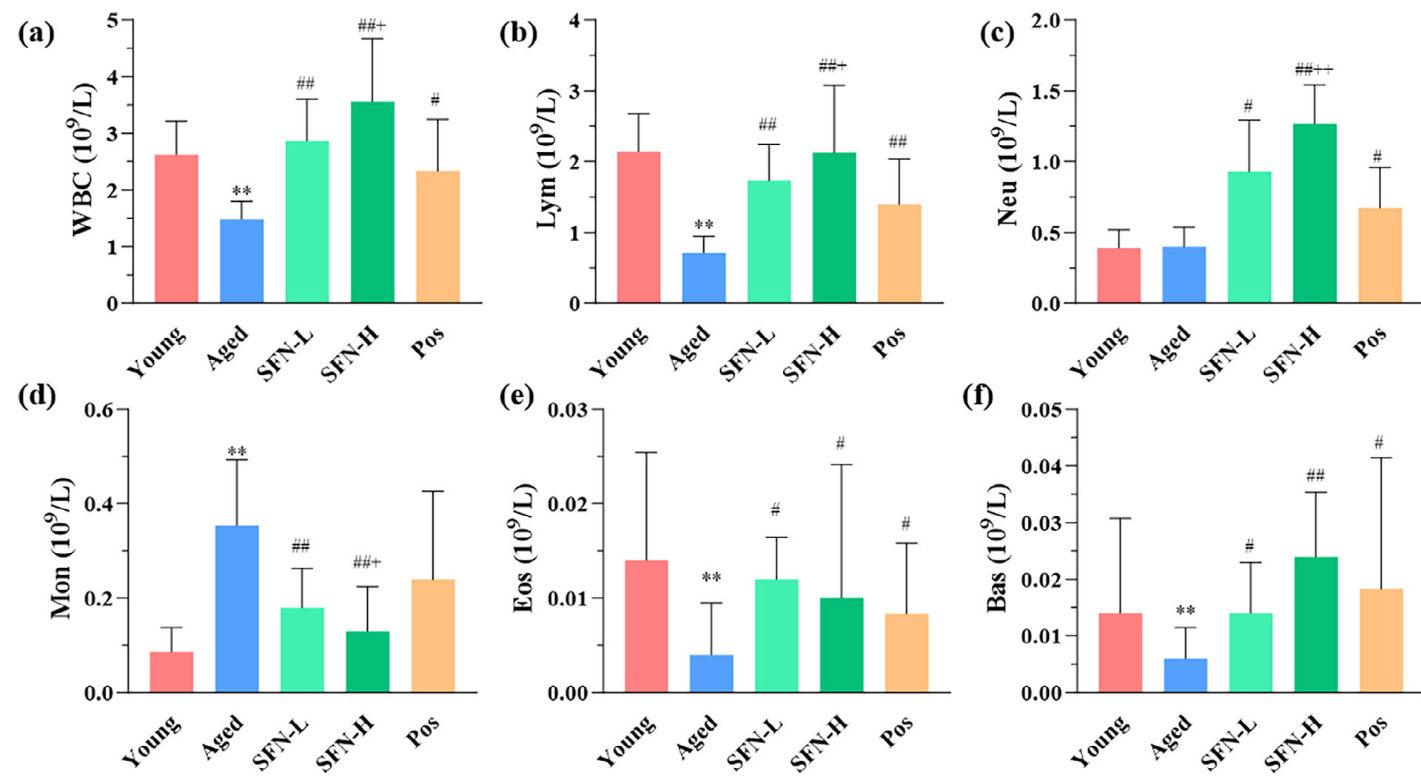
“Aging is a multifactorial process that progressively impairs skin integrity by diminishing dermal fibroblast function, which is macroscopically manifested by wrinkling, laxity, and pigmentary abnormalities. The potential mechanism by which sulforaphane (SFN) delays intrinsic skin aging was explored through skin proteomic sequencing and immune cell infiltration analysis. Associations between SFN administration and phenotypic changes in skin aging, immune cell populations, and key signaling pathway targets were further examined.

WBC count results indicated that mice from the Aged group were significantly immunosuppressed. T cells occupied the main lymphocyte lineages.

The present study illuminated the skin protective mechanism of SFN by network pharmacology and proteomics analyses in a natural aging mouse model. SFN therapy showed significant alterations in skin structure, redox balance, and composition of immune cell populations after an intervention duration of 2 months.”

https://onlinelibrary.wiley.com/doi/10.1002/mnfr.70281 “Integrative Network Pharmacology and Proteomics Decipher the Immunomodulatory Mechanism of Sulforaphane Against Intrinsic Skin Aging” (not freely available)


I rated this study Wasted resources for using sulforaphane doses not relevant to humans. I usually don’t curate such studies. Its lowest sulforaphane 50 mg/day dose is a ((50 mg * .081) * 70 kg) = 284 mg human equivalent.

I decided to curate it for its informative young controls vs. aged controls results in the above graphic. WBC counts are available on almost every standard human blood test.

This study’s young and aged groups per Grok: “A 2-month-old mouse aging for two more months (reaching 4 months) is approximately equivalent to a human aging from about 12–15 years to 17–21 years old. An 18-month-old mouse (human equivalent: ~45–50 years) aging for two months would be roughly equivalent to a human aging from ~45–50 years to ~51–58 years.”

Practice what you preach, or shut up

A 2025 review subject was sulforaphane and brain health. This paper was the latest in a sequence where the retired lead author self-aggrandized his career by citing previous research.

He apparently doesn’t personally do what these research findings suggest people do. The lead author is a few weeks older than I am, and has completely white hair per an interview (Week 34 comments). I’ve had dark hair growing in (last week a barber said my dark hair was 90%) since Week 8 of eating broccoli sprouts every day, which is a side effect of ameliorating system-wide inflammation and oxidative stress.

If the lead author followed up with what his research investigated, he’d have dark hair, too. Unpigmented white hair and colored hair are both results of epigenetics.

Contrast this lack of personal follow-through of research findings with Dr. Goodenowe’s protocol where he compared extremely detailed personal brain measurements at 17 months and again at 31 months. He believes enough in his research findings to personally act on them, and demonstrate to others how personal agency can enhance a person’s life.

It’s every human’s choice whether or not we take responsibility for our own one precious life. I’ve read and curated on this blog many of this paper’s references. Five years ago for example:

So do more with their information than just read.

https://www.mdpi.com/2072-6643/17/8/1353 “Sulforaphane and Brain Health: From Pathways of Action to Effects on Specific Disorders”

A sulforaphane review

Here’s a 2025 review where the lead author is a retired researcher whose words readers might interpret as Science. As a reminder, unlike study researchers, reviewers are free to:

  • Express their beliefs as facts;
  • Over/under emphasize study limitations; and
  • Disregard and misrepresent evidence as they see fit.

Reviewers also aren’t obligated to make post-publication corrections for their errors and distortions. For examples:

1. After the 7. Conclusions section, there’s an 8. Afterword: I3C and DIM section. The phrase “As detailed in our earliest work on broccoli sprouts..” indicated a belief carried over from last century of the low importance of those research subjects.

Then, contrary to uncited clinical trials such as Our model clinical trial for Changing to a youthful phenotype with broccoli sprouts and Eat broccoli sprouts for DIM, “Broccoli sprouts had next to no indole glucosinolates.” And in the middle of downplaying I3C and DIM research, they stated: “There are 149 clinical studies on DIM and 11 on I3C listed on clinicaltrials.gov, suggesting a good safety profile. Potential efficacy and mode of action in humans are a subject of intense current investigation, though definitive answers will not come for some time.” 🧐

2. In the 3. Sulforaphane section, they asserted: “Glucosinolates such as glucoraphanin are ‘activated’ or converted to isothiocyanates such as sulforaphane by an enzyme called myrosinase, which is present in that same plant tissue (e.g., seed, sprout, broccoli head, or microgreen) and/or in bacteria that all humans possess in their gastrointestinal tracts.” and cited a 2016 book they coauthored that I can’t access.

The first 2021 paper of Broccoli sprout compounds and gut microbiota didn’t assert that “all humans” had certain gut microbiota that converted glucosinolates to isothiocyanates. That paper instead stated: “Human feeding trials have shown inter-individual variations in gut microbiome composition coincides with variations in ITC absorption and excretion, and some bacteria produce ITCs from glucosinolates.”

3. Nearly half of their cited references were in vitro cancer papers. I rarely curate those types of studies because of their undisclosed human-irrelevant factors. For example, from the second paper of Polyphenol Nrf2 activators:

Bioavailability studies reveal that maximum concentrations in plasma typically do not exceed 1 µM following consumption of 10–100 mg of a single phenolic compound, with the maximum concentration occurring typically less than 2 h after ingestion, then dropping quickly thereafter. In the case of the in vitro studies assessed herein, and with few exceptions, most of the studies employed concentrations >10 µM with some studies involving concentrations in the several hundred µM range, with the duration of exposure typically in the range of 24–72 h, far longer duration than the very short time interval of a few minutes to several hours in human in vivo situations.

applsci-15-00522-g001-550

https://www.mdpi.com/2076-3417/15/2/522 “The Impact of Sulforaphane on Sex-Specific Conditions and Hormone Balance: A Comprehensive Review”

Too dangerous to investigate?

This blog’s 1100th curation is a clinical trial of ergothioneine’s effects on cognitive decline:

“We recruited participants aged between 60–90 years of age, from three study cohorts diagnosed with mild cognitive impairment (MCI) and provided them with ergothioneine (ET)  (25 mg capsules administered orally three times a week) or placebo in a double-blinded and randomized manner. Blood samples were collected at baseline and quarterly (visits 1, 4, 7, 10, 14) for clinical safety assessment and biomarker analyses). Neuro-cognitive assessments were conducted biannually (visits 7 and 14).

Following ET intake, an increase in Z-scores was observed in the Rey Auditory Verbal Learning Test (RAVLT) (immediate and delayed recalls), which evaluates learning ability and memory.

ravlt

wbc

Participants in both ET and placebo groups recorded a lower total white blood cell count compared to baseline at visit 7, both of which recovered subsequently. The reasons for this anomaly are unclear but values were all still within the expected range for their age.”

https://journals.sagepub.com/doi/epub/10.1177/13872877241291253 “Investigating the efficacy of ergothioneine to delay cognitive decline in mild cognitively impaired subjects: A pilot study”


I rated this study a waste of time and money for the researchers’ incurious lack of following where their data led. Significant WBC signals of both treatment and placebo subjects’ immune system responses were shrugged off with an “expected range” non-explanation.

Sulforaphane in a tablet?

A 2024 randomized placebo-controlled human study by the product manufacturer investigated enteric-coated sulforaphane:

“The safety, tolerability, and pharmacokinetics of an enteric-coated tablet formulation of SFX-01 were evaluated in a randomized, double-blind, placebo-controlled, dose-escalation study [300 mg once daily (46.2 mg sulforaphane (SFN)), 300 mg twice daily or 600 mg once daily (92.4 mg SFN)] over 7 days in healthy male participants. Treatment-emergent adverse events occurred in 94% of participants who received SFX-01 and were most commonly gastrointestinal events.

The observed peak blood concentration (Cmax) for the sum of SFN and metabolites (total thiol) across all treatment cohorts ranged from 0.43 to 2.12 µmol/L in 3–6 hours. Urinary excretion of SFN and individual metabolites ranged from < 1 to 41%, and the proportion excreted did not appear to be influenced by the dose.

12325_2024_3018_Fig2_HTML

Pharmacokinetic analyses demonstrated that the behavior of SFX-01 enteric-coated tablets was in line with expectations (i.e., rapid absorption following a lag phase attributed to the enteric coating on the tablet formulation), and individual Cmax and AUC values for combined SFN and metabolites were within the range required for pharmacological activity based on in vitro data. Future studies in relevant patient populations/disease indications will look to evaluate pharmacodynamics and target engagement.”

https://link.springer.com/article/10.1007/s12325-024-03018-1 “A Phase 1 Randomized, Placebo-Controlled Study Evaluating the Safety, Tolerability, and Pharmacokinetics of Enteric-Coated Stabilized Sulforaphane (SFX-01) in Male Participants”


This study’s referenced a 2017 study for:

“The proportion excreted via the urine in this study (15–60%) broadly agreed with a 2017 report in which 10 patients were administered 200 µmol of SFN in a 1:1 alpha-cyclodextrin solution, and a mean excretion of 62.3% of the administered dose was measured.”

I’ve curated that 2017 study several times, such as in the second discussion topic of Microwave broccoli seeds to create sulforaphane.

I’m sure these researchers feel that they did a good job for their sponsor. But this current study didn’t address items that would advance science past the 2017 study done at a lower 35 mg dose. For example:

  1. Why did subject bioavailability vary from < 1 to 41% as measured by urinary excretion of sulforaphane and metabolites? The 62.3% average of the 2017 study was meaningless considering those subjects varied from 86.9% to 19.5% (> 400% higher).
  2. Why did subject peak blood concentration vary from 2.12 to 0.43 µmol/L (almost 500% higher)? These researchers knew that would happen as the 2017 study subjects varied from 2.032 to 0.359 μmol (over 500% higher).
  3. Why did almost all (94%) subjects have adverse reactions to the 46.2 to 92.4 mg sulforaphane doses? 60% of the 2017 study subjects also had adverse reactions to a lower 35 mg dose. In what normal situation would people want to take tablets that made them nauseous?

PXL_20241101_192705828

The TMAO meme

A common dilemma for researchers is how to follow the herd enough to get a paper published, while simultaneously presenting replicable evidence of tested hypotheses. But unlike study researchers, reviewers are free to:

  • Express their beliefs as facts;
  • Over/under emphasize study limitations; and
  • Disregard and misrepresent evidence as they see fit.

Reviewers also aren’t obligated to make post-publication corrections for their errors and distortions.

Here’s one of a dozen 2023 papers I read this week on TMAO. I picked this review because they attempted to come clean at the end of several sections.

I rated it as Wasted resources rather than Detracted from science as there might be a slight sniff of facts underneath the stench. Facts do not include “is associated with” or “is correlated with.”

The meme (repeated many times):

“Overall diet, lifestyle choices, genetic predisposition, and other underlying health conditions may contribute to higher trimethylamine N-oxide (TMAO) levels and increased cardiovascular risk. This review explores the potential therapeutic ability of resveratrol (RSV) to protect against cardiovascular diseases (CVD) and affect TMAO levels.”

Sections starting with premises that contained contradictions included:

2.2. TMAO and cardiovascular disease

Higher TMAO levels raise the risk of adverse cardiovascular events.

Overall, eating fish with high TMAO levels has relatively few adverse effects on CVD.

2.2.1 Relationship between TMAO and atherogenesis

Collectively, these findings provide a possible link between gut bacteria, platelet activation, and the risk of thrombosis.

More research is required to show the function of TMAO in the formation of CVD.

3. Application potential of phytochemicals such as polyphenols, RSV and its modified derivatives in regulating CVD

TMAO is a unique and independent risk factor for developing AS, partly through suppression of hepatic bile acid production.

Eating plants in general affects TMAO levels.

3.1. TMAO-lowering phytochemicals

Since the discovery of TMAO as a pro-atherogenic metabolite is relatively recent, only relatively small numbers of polyphenol-rich extracts and single phenolic compounds have been investigated as TMA/TMAO lowering agents.

Cardioprotective function of phytochemicals may arise from a combination of different mechanisms.

And so on.

https://febs.onlinelibrary.wiley.com/doi/10.1002/2211-5463.13762 “Cardiovascular risk of dietary trimethylamine oxide precursors and the therapeutic potential of resveratrol and its derivatives”


How many people would be healthy after they stopped eating fish, meat, and foods that had choline, carnitine, betaine, or ergothioneine? There are no clinical trials that omit all of these “TMAO precursors” from human diets because people would die.

Propagating the TMAO meme is dumb. It isn’t politically driven AFAIK, though, so doesn’t drop to the sub-basement evidence levels of politically correct memes.

2016 meme

A flawed broccoli microgreen study

Sometimes I wonder why knowledgeable researchers design studies they know are wastes of time and resources, yet they perform them anyway. I’ll stop at three items this 2023 human study did that these researchers knew weren’t right.

1. Subjects’ bioavailable sulforaphane amounts from a single 16-gram serving of broccoli microgreens weren’t going to be anywhere near the lab-created sulforaphane amount. Human bioavailability doesn’t work like that, and a broccoli microgreens serving needed to be at least doubled in order to be within achievable range of other studies.

There wasn’t any reason in the Discussion section to waste the reader’s time with guesses about finding “Total mean urine SFN metabolite excretion over the 2-day study was 50.5 ± 2.7 μmol..total excreted SFN metabolites was less than the 100 µmols consumed.” They knew.

total urine sfn metabolites

2. If these researchers wanted to improve subjects’ broccoli microgreen bioavailability, consume a serving by itself, not with bagels and orange juice. Okay, a small amount of broccoli microgreens first thing in the morning probably doesn’t taste all that pleasant. But subjects couldn’t do this one time?

I’ve eaten cruciferous 3-day-old sprouts (after microwaving them to create sulforaphane and other isothiocyanates) by themselves to start my day every day for three and a half years now, eating nothing else before, then waiting an hour after. Like my healthspan depends on it.

3. They cited three studies that found eating broccoli for a minimum of fourteen consecutive days changed gut microbiota composition. It’s silliness to analyze why a single serving didn’t have similar effects. If this study’s design was of suitable length, they could have produced the same finding from Day 1 measurements.


So what’s this dumbing down of sulforaphane research all about?

  • Is it that researchers just aren’t serious about advancing their field?
  • Do they have to burn through funding regardless of flawed designs to keep people employed?
  • Some kind of academic equity requires the least knowledgeable person to be in charge?
  • Or do problems with wastes of research resources lie elsewhere?

https://www.mdpi.com/2304-8158/12/20/3784 “Sulforaphane Bioavailability in Healthy Subjects Fed a Single Serving of Fresh Broccoli Microgreens”

Glucoraphanin is not sulforaphane

A poorly-conceived and intentionally-misrepresented human 2022 broccoli product study:

“We investigated whether a sulforaphane (SFN) [actually, sulforaphane precursor glucoraphanin] intake intervention improved cognitive performance and mood states in healthy older adults in a 12-week, double-blinded, randomized controlled trial.

The SFN group showed improvement in processing speed and a decrease in negative mood compared to the placebo group. However, there were no significant results in other biomarkers of oxidant stress, inflammation, or neural plasticity.

These results indicate that nutrition interventions using SFN can have positive effects on cognitive functioning and mood in healthy older adults.”

https://www.frontiersin.org/articles/10.3389/fnagi.2022.929628/full “Effects of sulforaphane intake on processing speed and negative moods in healthy older adults: Evidence from a randomized controlled trial”


Contrary to this study’s title, actual sulforaphane intake was not measured. The glucoraphanin product used in this study was the same item and daily dose as Eat broccoli sprouts for your workouts, which investigated effects with 19-to-23-year-old men. The treatment was taken all at once at an unspecified time of day rather than three times a day with young subjects.

These researchers knew from the 2012 study cited for dose that:

“Individual conversions of glucosinolates [like glucoraphanin] to isothiocyanates [like sulforaphane] varied enormously, from about 1% to more than 40% of dose. In contrast, administration of isothiocyanates (largely sulforaphane)-containing broccoli sprout extracts, resulted in uniformly high (70-90%) conversions to urinary dithiocarbamates.”

Young or old, a daily 30 mg glucoraphanin intake isn’t sufficient to fully activate human Nrf2 signaling pathways. A daily 17 mg sulforaphane intake could accomplish that.


PXL_20220819_101050766

Don’t bother eating broccoli sprouts if you’re old?

I try to not curate research that wastes resources. Couldn’t help but present this 2022 rodent study:

“We aimed to evaluate if sulforaphane (SFN) long-term treatment was able to prevent age-associated cognitive decline in adult (15-month-old) and old (21-month-old) female and male rats.

Our results showed that SFN restored redox homeostasis in brain cortex and hippocampus of adult rats, preventing cognitive decline in both sexes. However, redox responses were not the same in males and females.

Old rats were not able to recover their redox state as adults did, but they had a mild improvement. These results suggest that SFN mainly prevents rather than reverts neural damage; though, there might also be a range of opportunities to use hormetins like SFN, to improve redox modulation in old animals.”

https://link.springer.com/article/10.1007/s10522-022-09984-9 “Long-term sulforaphane-treatment restores redox homeostasis and prevents cognitive decline in middleaged female and male rats, but cannot revert previous damage in old animals” (not freely available)


These researchers cited Sulforaphane in the Goldilocks zone for hormetic effects of sulforaphane, so I asked:

“Did you develop any preliminary dose/response data for stating ‘there might also be a range of opportunities to use hormetins like SFN to improve redox modulation in old animals’?”

They cited Broccoli sprouts activate the AMPK pathway for long-term effects of a small sulforaphane dose, so I asked:

“Also, the three studies cited for ‘0.5 mg/Kg, i.e. 2.82 μmol/Kg BW for 3 months’ were all mouse studies. Since this was a rat study, wouldn’t there be increased dose and duration equivalencies?”

I’ll update this blog post in the event either of my questions to these researchers are answered.

PXL_20220819_101656448

If you lose mobility, you lose cognitive function

This 2022 human study used four epigenetic clocks to assess aging:

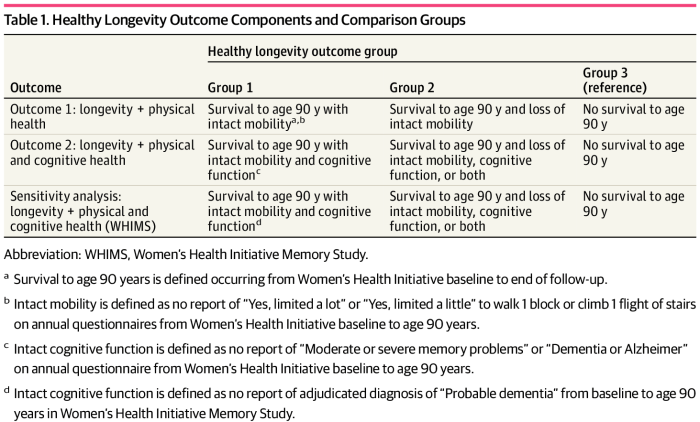
“This cohort study was a secondary analysis of 3 Women’s Health Initiative (WHI) ancillary studies among 1813 women eligible to survive to age 90 years by end of study period. The study found that increased epigenetic age acceleration (EAA) as measured by 4 epigenetic clocks was associated with lower odds of survival to age 90 years with intact mobility; results were similar when including intact cognitive functioning.

This study benefited from a large, racially and ethnically diverse sample of women who were followed up to at least age 90 years with detailed longitudinal data on a host of lifestyle and health history factors. This study is generalizable to WHI women owing to use of IPW weights, and may be generalizable to a large range of women in the United States.

zoi220662t1_1658260078.05222

Among 1813 women, there were:

  • 464 women who survived to age 90 years with intact mobility and cognitive functioning;
  • 420 women who survived to age 90 years without intact mobility and cognitive functioning; and
  • 929 women who did not survive to age 90 years.

Only 29 women were reclassified from the healthy longevity group to surviving to age 90 years without intact mobility and cognitive functioning. Although it was of great interest to investigate the association between EAA and survival to age 90 years with intact cognitive function independently, this study population did not have sufficient numbers of women who experienced loss of cognitive function (without loss of mobility) to do so.”

https://jamanetwork.com/journals/jamanetworkopen/fullarticle/2794706 “Analysis of Epigenetic Age Acceleration and Healthy Longevity Among Older US Women”


Early humans who lost mobility in our African savanna ancestral environment during the Pleistocene Epoch (approximately 2.6M to 12K years ago) were prey. I highly doubt that immobile individuals successfully became our ancestors.

I downgraded this study because these researchers misguidedly soiled worthwhile findings with BMI and education level non-causal associations. They intentionally did this, as several of them were coauthors of the execrable Epigenome-wide meta-analysis of BMI in nine cohorts: examining the utility of epigenetic BMI in predicting metabolic health.

See Findings, or fun with numbers? and Does a societal mandate cause DNA methylation? for opposing research.


PXL_20220813_102515183

Broccoli sprouts and your brain

A 2022 review of Nrf2 signaling hilariously avoided mentioning sulforaphane, although of ~4,000 sulforaphane published articles, two were cited. I’ll curate it anyway to highlight referenced brain effects.

“A good stability of NRF2 activity is crucial to maintain redox balance and therefore brain homeostasis. In this review, we have gathered recent data about the contribution of the NRF2 pathway in the healthy brain as well as during metabolic diseases, ageing, and ageing-related neurodegenerative diseases.

A functional NRF2 system is important to regulate both neuroinflammation, i.e., activation of microglia and astrocytes, and oxidative stress in the brain. NRF2 and NF-κB transcription factors regulate cellular responses to inflammation and oxidative stress in order to maintain brain homeostasis. Both pathways have been described to inhibit each other.

Nrf2 brain aging

Future challenges will be to establish novel therapies to:

  • Increase NRF2 activation in specific cell types and/or brain regions; and
  • Modulate NRF2 pathway in senescent cells.

Modulation of NRF2 signalling pathway by using specific food products [like unmentioned broccoli sprouts] and phytochemicals [like unmentioned sulforaphane], dietary supplements [like unmentioned Vitamin D3], drugs, and epigenetic modifiers, alone or in combination, will help to limit inflammatory diseases, ageing process, and subsequently ageing-related diseases.”

https://www.mdpi.com/2076-3921/11/8/1426/htm “Normal and Pathological NRF2 Signalling in the Central Nervous System”


PXL_20220808_095334058

Choosing your gut immune response

This 2021 paper reviewed evidence for immune system effects associated with specific gut areas:

“The intestinal immune system must not only contend with continuous exposure to food, commensal microbiota, and pathogens, but respond appropriately according to intestinal tissue differences. The entire intestine, inclusive of its lymph nodes, is considered a immunosuppressive organ overall compared to most other tissues, indicating that a state of tolerance to food and commensals – yet vigilance toward pathogens – was an evolutionarily stable strategy.

By operating in compartments, the immune system may generate multiple immune outcomes, even with simultaneous opposite goals e.g., tolerance or inflammation. Generation of unique immunologic niches within the intestine is influenced by a combination of tissue intrinsic properties, extrinsic environmental factors, and regionalized immune populations.

intestinal immune compartmentalization

Complexity of intrinsic and extrinsic driving forces shaping an intestinal niche makes it very challenging to determine causality in disease development and predicting effective therapeutic approaches. We really only stand at the beginning of understanding this interplay.”

https://www.nature.com/articles/s41385-021-00420-8 “Intestinal immune compartmentalization: implications of tissue specific determinants in health and disease”


I patterned this post after Choosing your future with β-glucan:

“So where do you choose to be? In an 80% survival group who were administered β-glucan before they encountered a serious infection? Or in a < 20% survival group who didn’t take β-glucan?”

and Long-lasting benefits of a common vaccine:

“As inferred by “induction of trained immunity by both Bacillus Calmette-Guerin tuberculosis vaccine and β-glucan” many of these findings also apply to yeast cell wall β-glucan treatments.”

This paper’s food allergy references were interesting. It’s an area that personally requires further work, although avoidance has historically been effective.

This paper briefly mentioned broccoli’s effects in the proximal small intestine. It wasn’t informative per gut compartment with this year’s focus on making my gut microbiota happy, such as what our colonic microbiota can do to reciprocate their host giving them what they want.

This review’s human studies referenced what could be done post-disease like surgery etc. in different gut compartments. Very little concerned an individual taking responsibility for their own one precious life to prevent such diseases in the first place. Its Conclusions section claim was a fallacy:

“..very challenging to determine causality in disease development and predicting effective therapeutic approaches.”

PXL_20210911_104042916

Changing your immune system / gut microbiota interactions with diet

This 2021 human clinical trial investigated associations between gut microbiota and host adaptive immune system components:

“Diet modulates gut microbiome, and gut microbes impact the immune system. We used two gut microbiota-targeted dietary interventions – plant-based fiber or fermented foods – to determine how each influences microbiome and immune system in healthy adults. Using a 17-week randomized, prospective study design combined with -omics measurements of microbiome and host and extensive immune profiling, we found distinct effects of each diet:

  • Those in the high-fiber diet arm increased their fiber consumption from an average of 21.5±8.0 g per day at baseline to 45.1±10.7 g per day at the end of the maintenance phase.
  • Participants in the high-fermented food diet arm consumed an average of 0.4±0.6 servings per day of fermented food at baseline, which increased to an average of 6.3±2.9 servings per day at the end of the maintenance phase.
  • Participants in the high-fiber diet arm did not increase their consumption of fermented foods (Figure 1.C dashed line), nor did participants consuming the high-fermented food diet increase their fiber intake.

fiber vs fermented

Fiber-induced microbiota diversity increases may be a slower process requiring longer than the six weeks of sustained high consumption achieved in this study. High-fiber consumption increased stool microbial protein density, carbohydrate-degrading capacity, and altered SCFA production, indicating that microbiome remodeling was occurring within the study time frame, just not through an increase in total species.

Comparison of immune features from baseline to the end of the maintenance phase in high-fiber diet participants revealed three clusters of participants representing distinct immune response profiles. No differences in total fiber intake were observed between inflammation clusters. A previous study demonstrated that a dietary intervention, which included increasing soluble fiber, was less effective in improving inflammation markers in individuals with lower microbiome richness.

In both diets, an individual’s microbiota composition became more similar to that of other participants within the same arm over the intervention, despite retaining the strong signal of individuality.

Coupling dietary interventions to longitudinal immune and microbiome profiling can provide individualized and population-wide insight. Our results indicate that fermented foods may be valuable in countering decreased microbiome diversity and increased inflammation.”

https://www.cell.com/cell/fulltext/S0092-8674(21)00754-6 “Gut-microbiota-targeted diets modulate human immune status” (not freely available). See https://www.biorxiv.org/content/10.1101/2020.09.30.321448v2.full for the freely available preprint version.


Didn’t care for this study’s design that ignored our innate immune system components yet claimed “extensive immune profiling.” Not.

There was sufficient relevant evidence on innate immunity cells – neutrophils, monocytes, macrophages, natural killer cells, and dendrites – when the trial started five years ago. But maybe this didn’t satisfy study sponsors?

This study found significant individual differences in the high-fiber group. These individual differences failed to stratify into subgroup p-value significance.

I won’t start eating fermented dairy or fermented vegetable brines to “counter decreased microbiome diversity and increased inflammation.” I’m rolling the die with high-fiber intake (2+ times more grams than this clinical trial, over a 3+ times longer period so far).

Changing to a high-fiber diet this year to increase varieties and numbers of gut microbiota is working out alright. No worries about “increased inflammation” because twice-daily 3-day-old microwaved broccoli sprouts since Day 70 results from Changing to a youthful phenotype with broccoli sprouts have taken care of inflammation for 15 months now.

What effects have this year’s diet changes had on my adaptive and innate immune systems? 2021’s spring allergy season wasn’t pleasant. But late summer’s ragweed onslaught hasn’t kept me indoors – unlike other years – despite day after day of readings like today’s:

ragweed

Regarding an individual’s starting point and experiences, those weren’t the same as family, friends, significant other, identified group members, or strangers. Each of us has to find our own way to getting well.

Agenda-free evidence may provide good guidelines. So does how you feel.

Evaluating a company-sponsored β-glucan paper

This 2020 review subject was yeast cell wall β-glucan effects in humans:

“The first aim of this review is to collate and interpret the existing pre‐clinical research on β‐1,3/1,6‐glucan with regard to immunity in order to clarify its molecular mechanism of immunomodulatory action.

mnfr3715-fig-0001-m

The second aim of this review is to collate and evaluate the literature in order to provide a comprehensive overview of human studies assessing the effect of supplementation with high quality, well‐characterized β‐1,3/1,6‐glucan from commercially available sources on immunity across multiple populations. Inclusion criteria consist of randomized, double‐blind, placebo‐controlled human studies that investigated efficacy of orally administered β‐glucan with a purity of over 75%.”

https://onlinelibrary.wiley.com/doi/10.1002/mnfr.201901071 “β‐1,3/1,6‐Glucans and Immunity: State of the Art and Future Directions”


I don’t usually curate company-sponsored research, aka puff pieces. I wondered why, after taking WellImmune β-glucan 500 mg daily for over two months, I didn’t have expected results.

There are always several possible explanations for experimental failures. I didn’t see applicable items in this paper.

There was much information regarding things their sponsor’s customers don’t need to know. Just like their sponsor’s product label, there was little about what customers need to know, such as:

What was each product’s content, in specific percentages, of 1,3/1,6 terminal-linked glucose molecules? That makes a difference.

The sponsor knows, but doesn’t disclose it on their product’s label. These researchers could have found out and presented that information on their sponsor’s and other companies’ products for each study reviewed.

Not doing so deprived readers of an important evaluation criteria that could possibly explain variable results and provide a better measure for comparability. Stopping at “a purity of over 75%” instead of investigating and disclosing exact information was evasive.

A broccoli sprouts study that lacked evidence for human applicability

A 2020 study Combined Broccoli Sprouts and Green Tea Polyphenols Contribute to the Prevention of Estrogen Receptor–Negative Mammary Cancer via Cell Cycle Arrest and Inducing Apoptosis in HER2/neu Mice (not freely available) conclusion was:

“Lifelong BSp [broccoli sprouts] and GTP [green tea polyphenol] administration can prevent estrogen receptor–negative mammary tumorigenesis through cell cycle arrest and inducing apoptosis in HER2/neu mice.”

These researchers had unaddressed insufficiencies in this study that were also in their 2018 study as curated below. The largest item that required translation into human applicability was rodent diet content of 26% “broccoli sprout seeds.”

You may be surprised to read the below previous study’s unevidenced advice to eat double the weight of broccoli sprouts that I eat every day. You won’t be surprised that it’s not going to happen. Especially when no alternatives were presented because rodent diet details weren’t analyzed and published.

Sulforaphane is an evolved defense mechanism to ward off predators, and eating it is evolutionarily unpleasant. Will people in general and pregnant women in particular eat a diet equivalent to 26% “broccoli sprout seeds?”

Where were peer reviewer comments and researcher responses? Are these not public as they are by all Open Access journals hosted on https://www.mdpi.com/?

Sponsors and researchers become locked into paradigms that permit human-inapplicable animal research year after year. What keeps them from developing sufficient human-applicable evidence to support their hypotheses?


This 2018 Alabama rodent study investigated the epigenetic effects on developing breast cancer of timing a sulforaphane-based broccoli sprouts diet. Timing of the diet was as follows:

  1. Conception through weaning (postnatal day 28), named the Prenatal/maternal BSp (broccoli sprouts) treatment (what the mothers ate starting when they were adults at 12 weeks until their pups were weaned; the pups were never on a broccoli sprouts diet);
  2. Postnatal day 28 through the termination of the experiment, named the Postnatal early-life BSp treatment (what the offspring ate starting at 4 weeks; the mothers were never on a broccoli sprouts diet); and
  3. Postnatal day 56 through the termination of the experiment, named the Postnatal adult BSp treatment (what the offspring ate starting when they were adults at 8 weeks; the mothers were never on a broccoli sprouts diet).

“The experiment was terminated when the mean tumor diameter in the control mice exceeded 1.0 cm.

Our study indicates a prenatal/maternal BSp dietary treatment exhibited maximal preventive effects in inhibiting breast cancer development compared to postnatal early-life and adult BSp treatments in two transgenic mouse models that can develop breast cancer.

Postnatal early-life BSp treatment starting prior to puberty onset showed protective effects in prevention of breast cancer but was not as effective as the prenatal/maternal BSp treatment. However, adulthood-administered BSp diet did not reduce mammary tumorigenesis.

The prenatal/maternal BSp diet may:

  • Primarily influence histone modification processes rather than DNA methylation processes that may contribute to its early breast cancer prevention effects;
  • Exert its transplacental breast cancer chemoprevention effects through enhanced histone acetylation activator markers due to reduced HDAC1 expression and enzymatic activity.

This may be also due to the importance of a dietary intervention window that occurs during a critical oncogenic transition period, which is in early life for these two tested transgenic mouse models. Determination of a critical oncogenic transition period could be complicated in humans, which may partially explain the controversial findings of the adult BSp treatment on breast cancer development in the tested mouse models as compared the previous studies. Thus long-term consumption of BSp diet is recommended to prevent cancers in humans.”

“The dietary concentration for BSp used in the mouse studies was 26% BSp in formulated diet, which is equivalent to 266 g (~4 cups) BSp/per day for human consumption. The concentration of BSp in this diet is physiological available and represents a practical consumption level in the human diet.

Prior to the experiment, we tested the potential influences of this prenatal/maternal BSp regimen on maternal and offspring health as well as mammary gland development in the offspring. Our results showed there was no negative effect of this dietary regimen on the above mentioned factors (data not shown) suggesting this diet is safe to use during pregnancy.”


I didn’t see where the above-labelled “Broccoli Sprout Seeds” diet content was defined. It’s one thing to state:

“SFN as the most abundant and bioactive compound in the BSp diet has been identified as a potent HDAC inhibitor that preferably influences histone acetylation processes.”

and describe how sulforaphane may do this and may do that, and include it in the study’s title. It’s another thing to quantify an animal study into findings that can help humans.

The study’s food manufacturer offers dietary products to the public without quantifying all contents. Good for them if they can stay in business by serving customers who can’t be bothered with scientific evidence.

Any difference between the above-labelled “Broccoli Sprout Seeds” and broccoli seeds? Where was any evidence that “Broccoli Sprout Seeds” and SPROUTED “Broccoli Sprout Seeds” were equivalent per this claim:

“Equivalent to 266 g (~4 cups) BSp/per day for human consumption. The concentration of BSp in this diet is physiological available and represents a practical consumption level in the human diet.”

To help humans, this animal study had to have more details than the food manufacturer provided. These researchers should have either tasked the manufacturer to specify “Broccoli Sprout Seeds” content, or contracted out analysis if they weren’t going to do it themselves.

Regarding timing of a broccoli sprouts diet for humans, this study didn’t provide evidence for recommending:

“Long-term consumption of BSp diet is recommended to prevent cancers in humans.”

http://cancerpreventionresearch.aacrjournals.org/content/early/2018/05/15/1940-6207.CAPR-17-0423.full-text.pdf “Temporal efficacy of a sulforaphane-based broccoli sprout diet in prevention of breast cancer through modulation of epigenetic mechanisms”